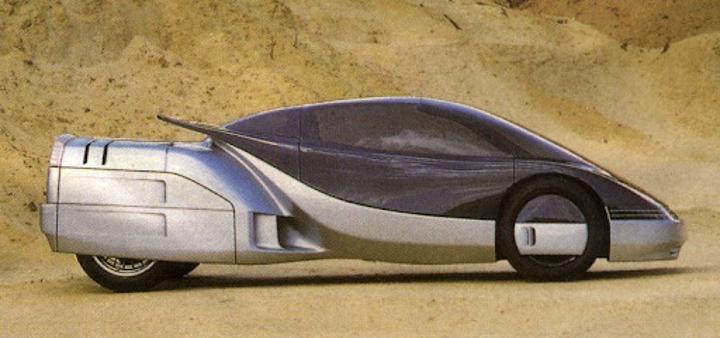

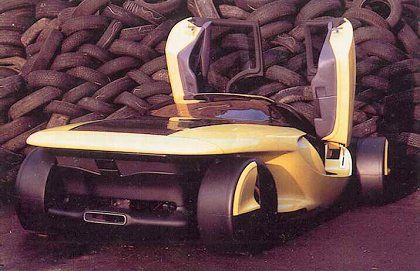
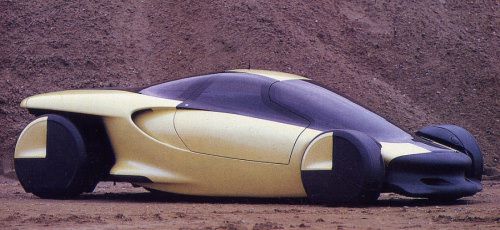
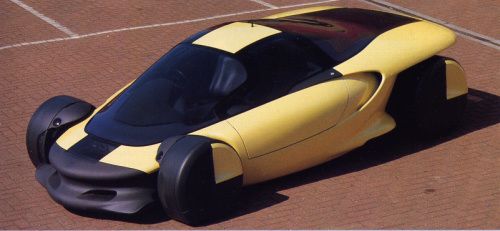
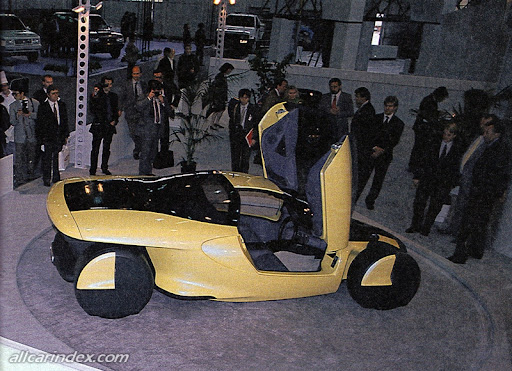
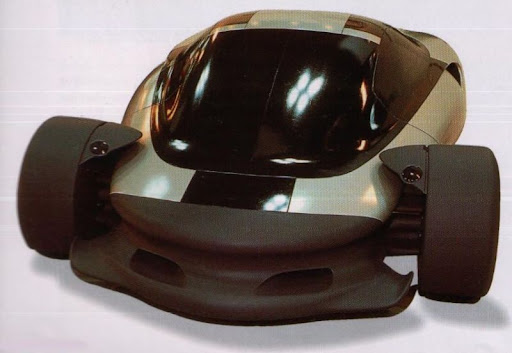
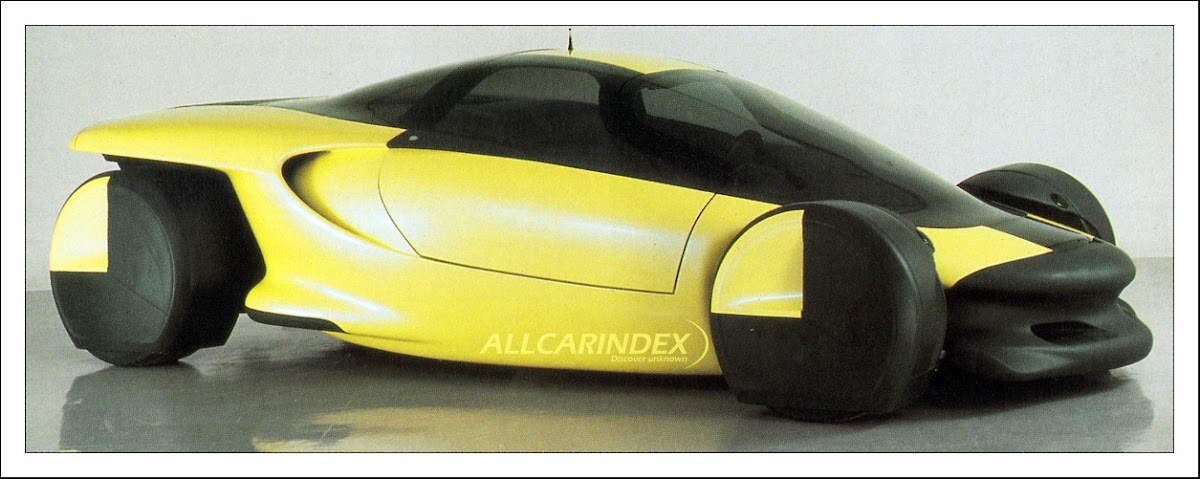
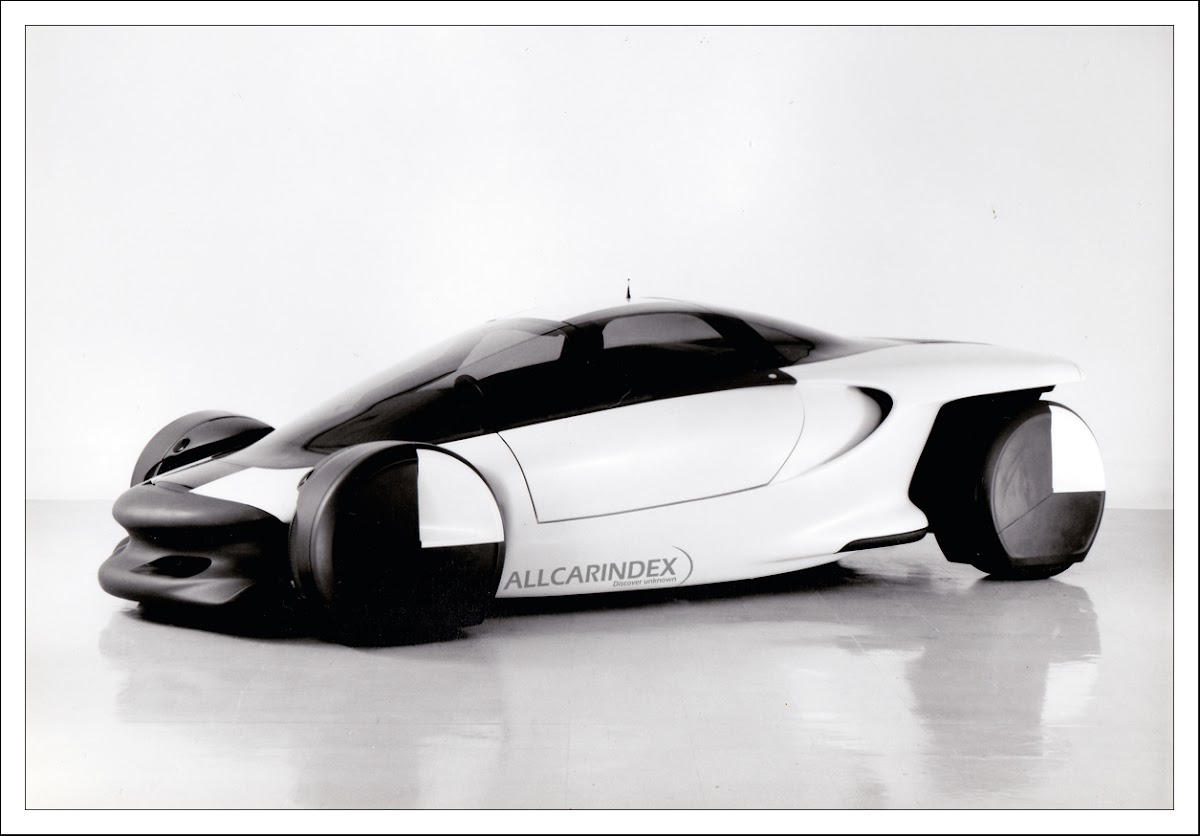
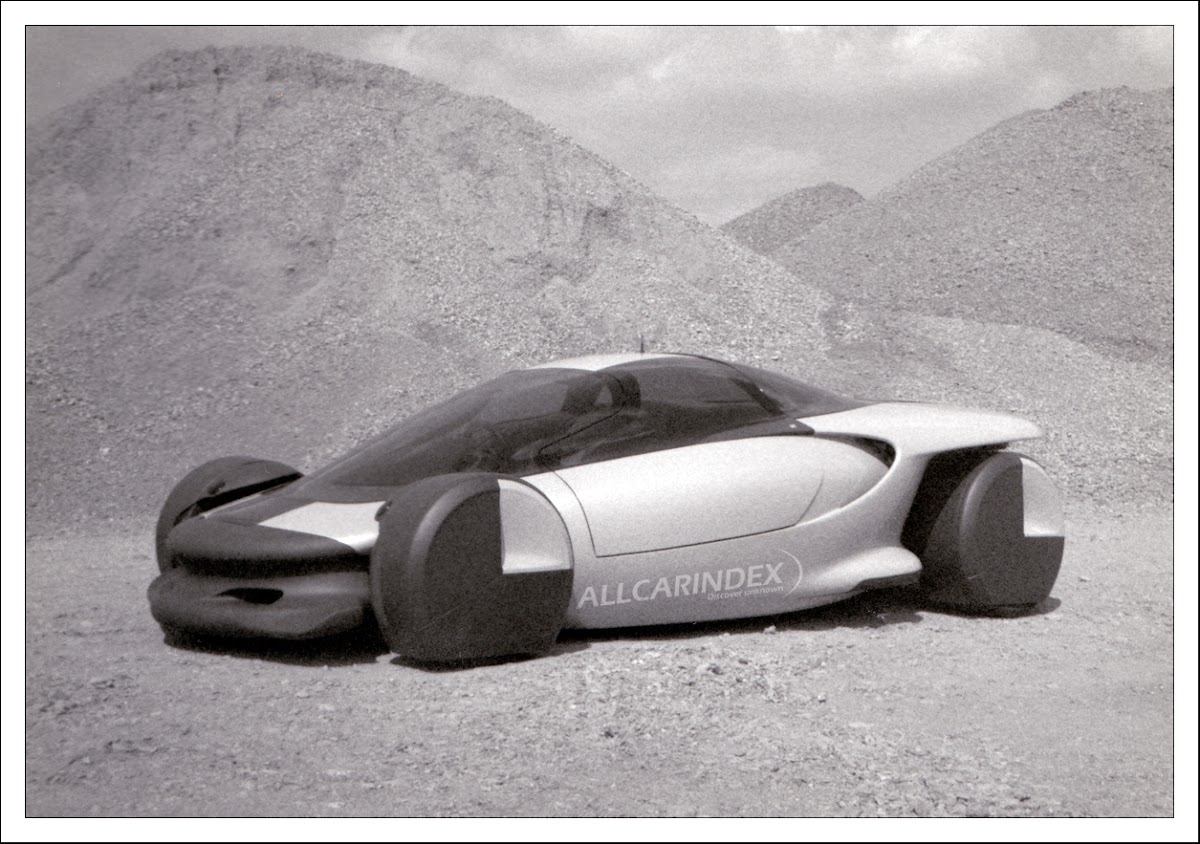
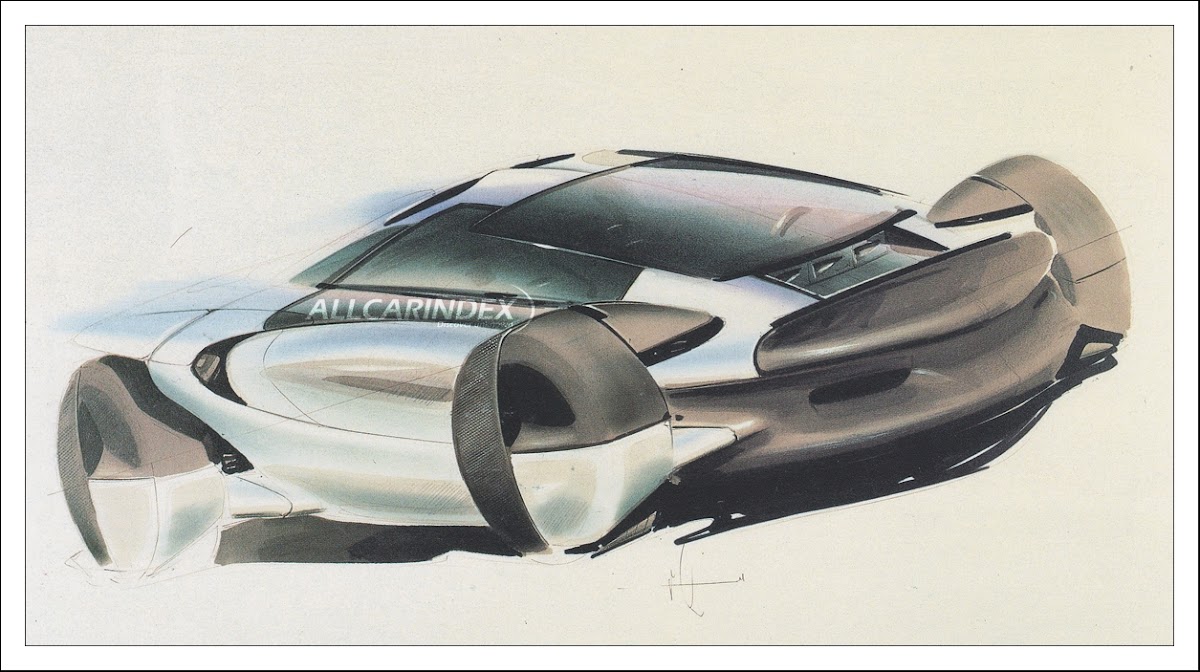
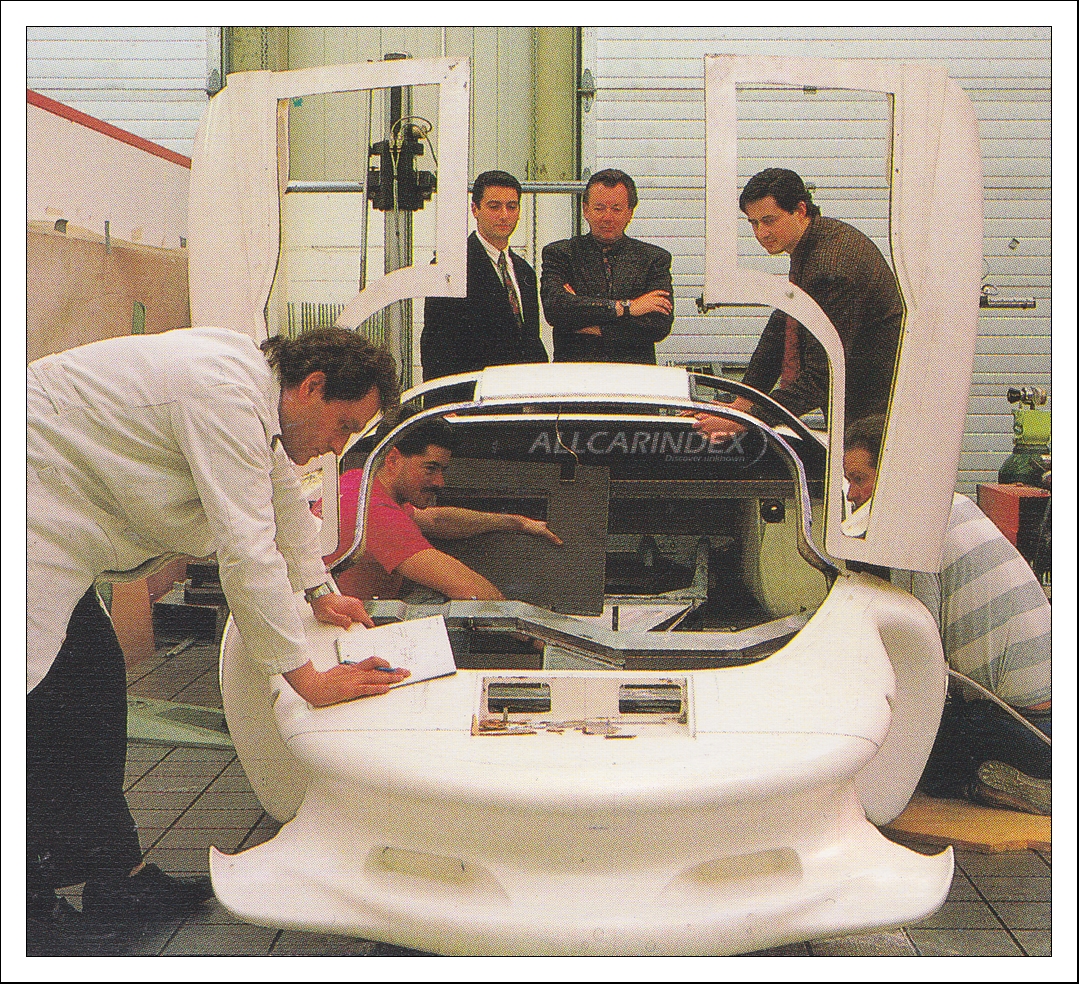
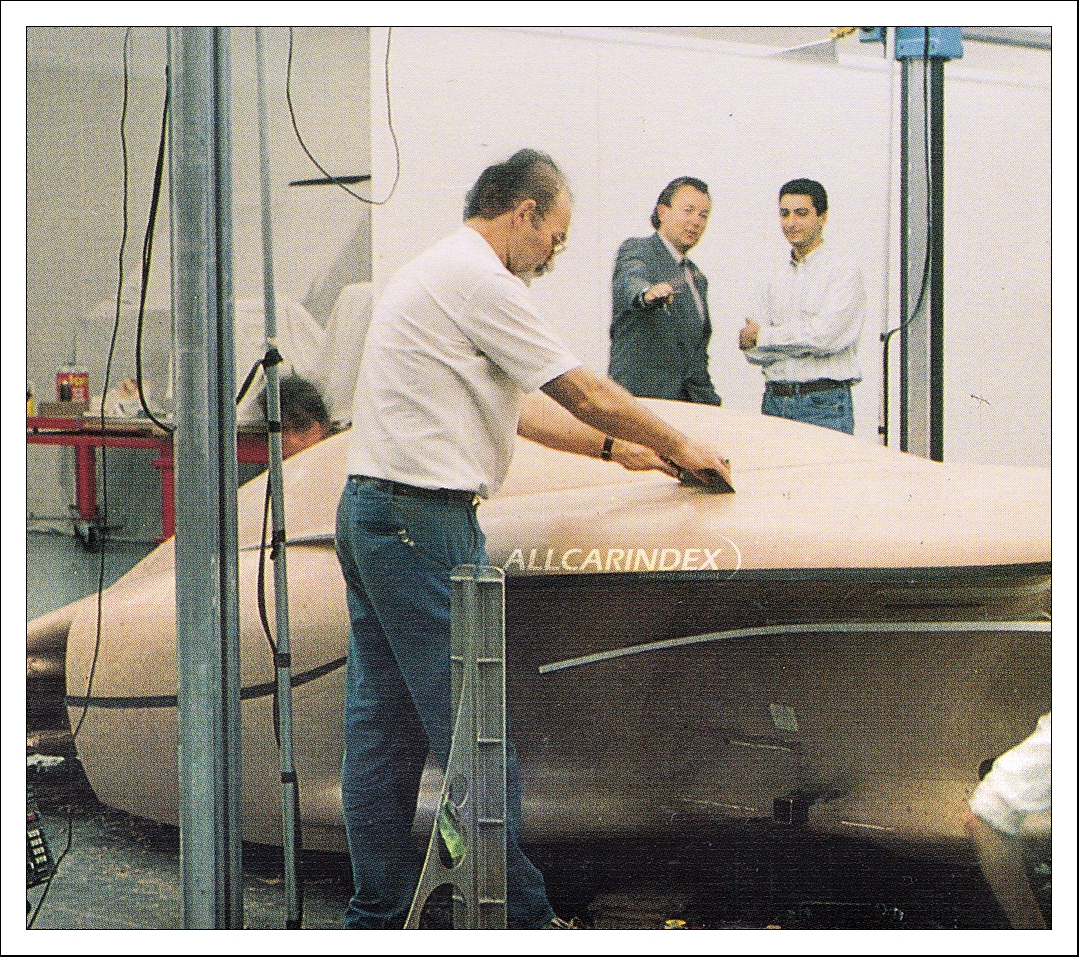
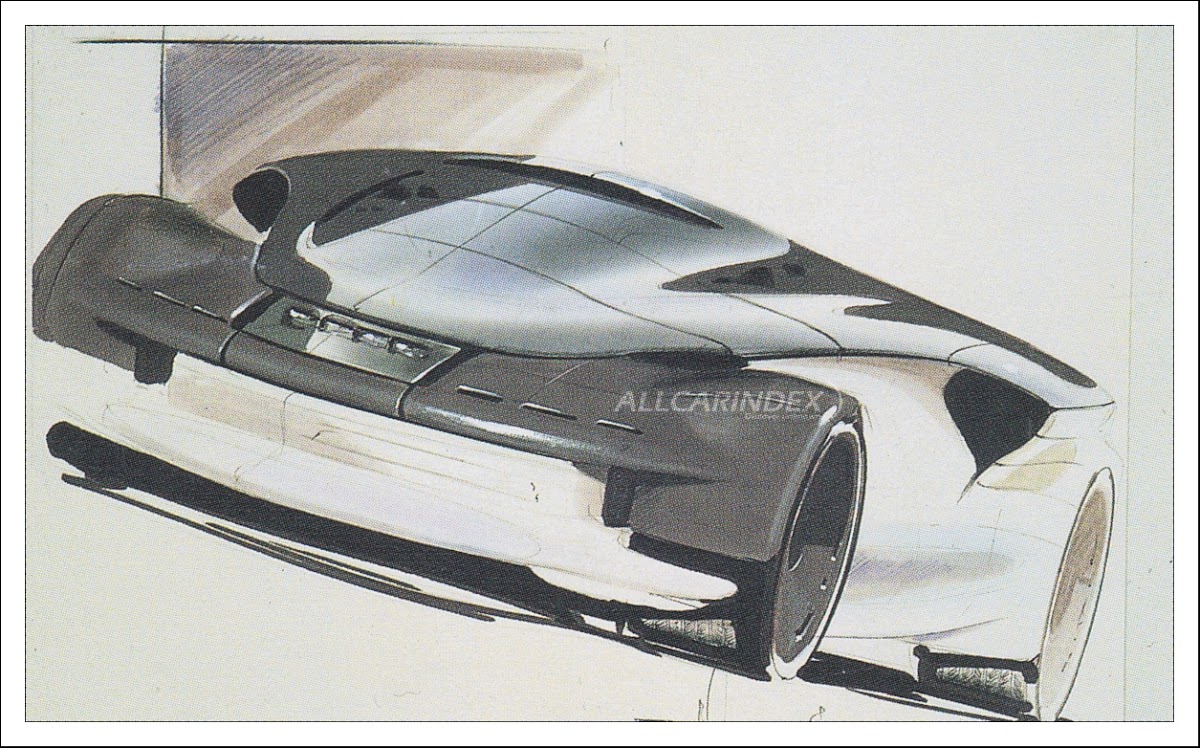
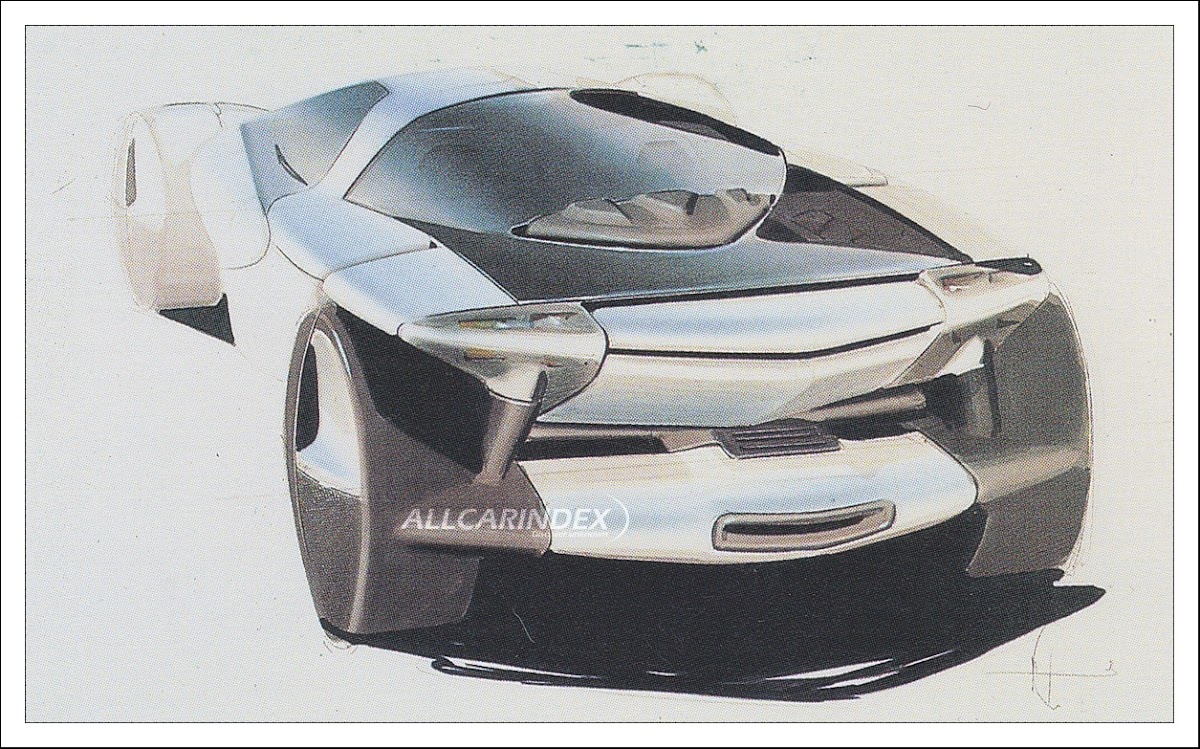
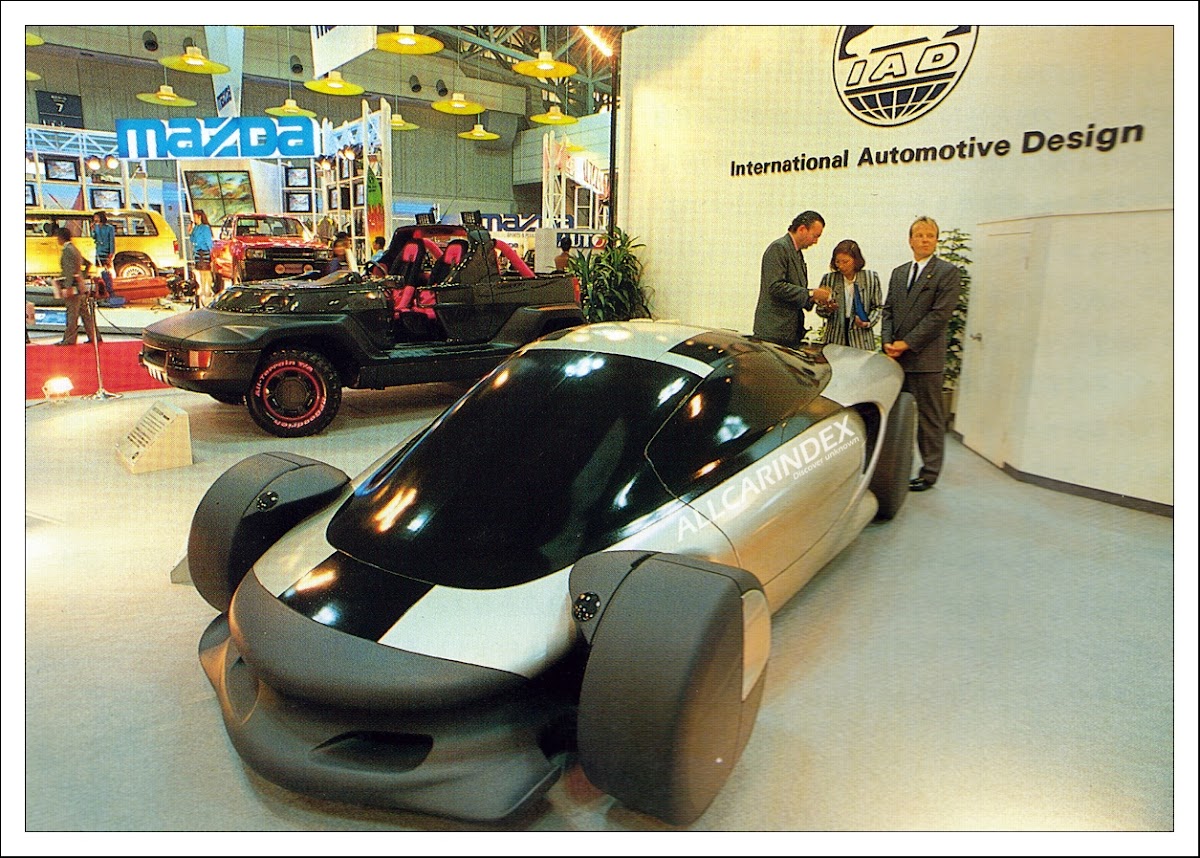
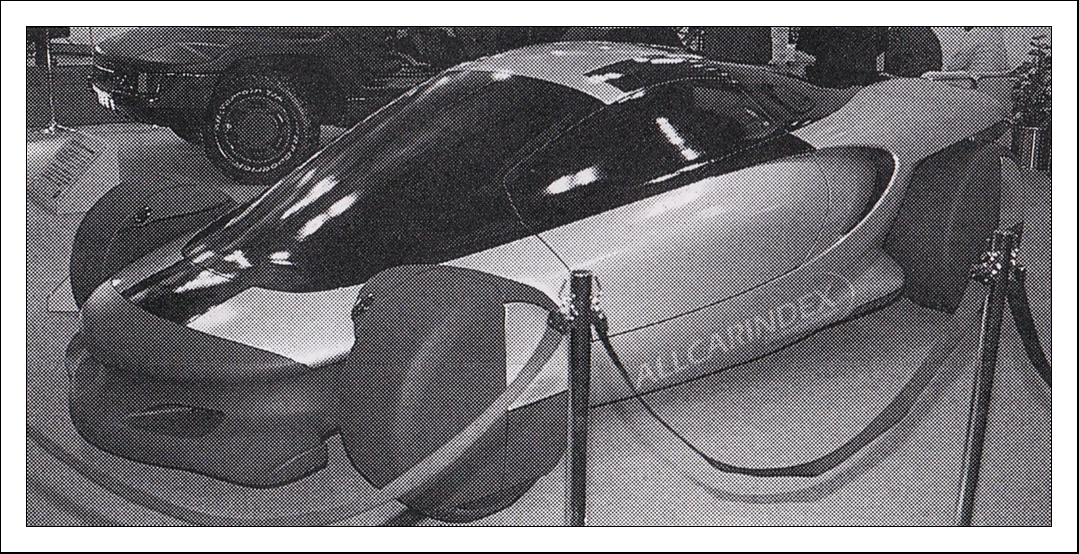
The Venus was a concept sports car developed by IAD, the British engineering and design consultancy, and was first shown as a non-running styling study at the Tokyo Motor Show in late 1989. It was completed as a running vehicle in time for the Turin motor show the following spring. Conceived as a high-performance sports car of the future, it was designed by Michael Arni, a 31-year-old graduate of the Royal College of Art.
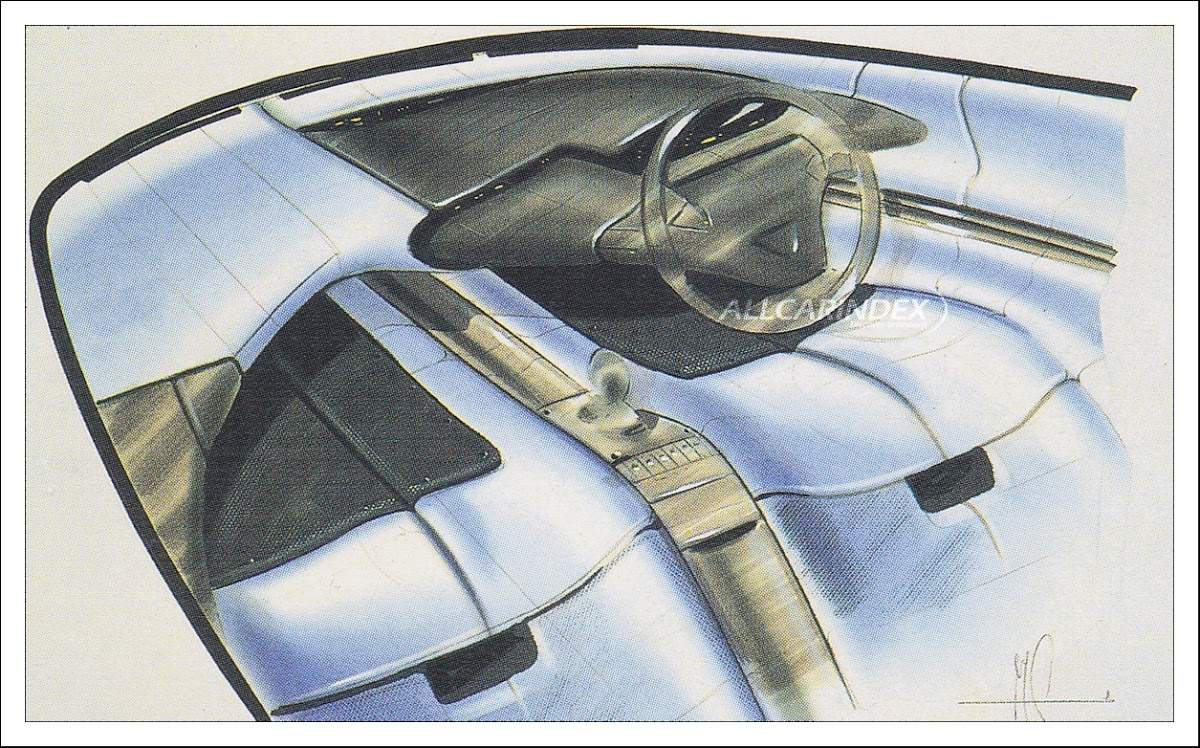
At the Tokyo showing, IAD had suggested the Venus might use a transversely mounted V6 or V8 mid-engine, with a longitudinal layout considered if four-wheel drive were adopted. The production concept instead used the Lotus Esprit's four-cylinder aluminium engine, a 2174 cc DOHC 16-valve unit already configured for longitudinal mid-mounting, producing 174 PS at 6500 rpm and 221 Nm of torque at 5000 rpm. Drive went through a five-speed gearbox operated by an electric shift mechanism mounted on the tapered steering column shroud.
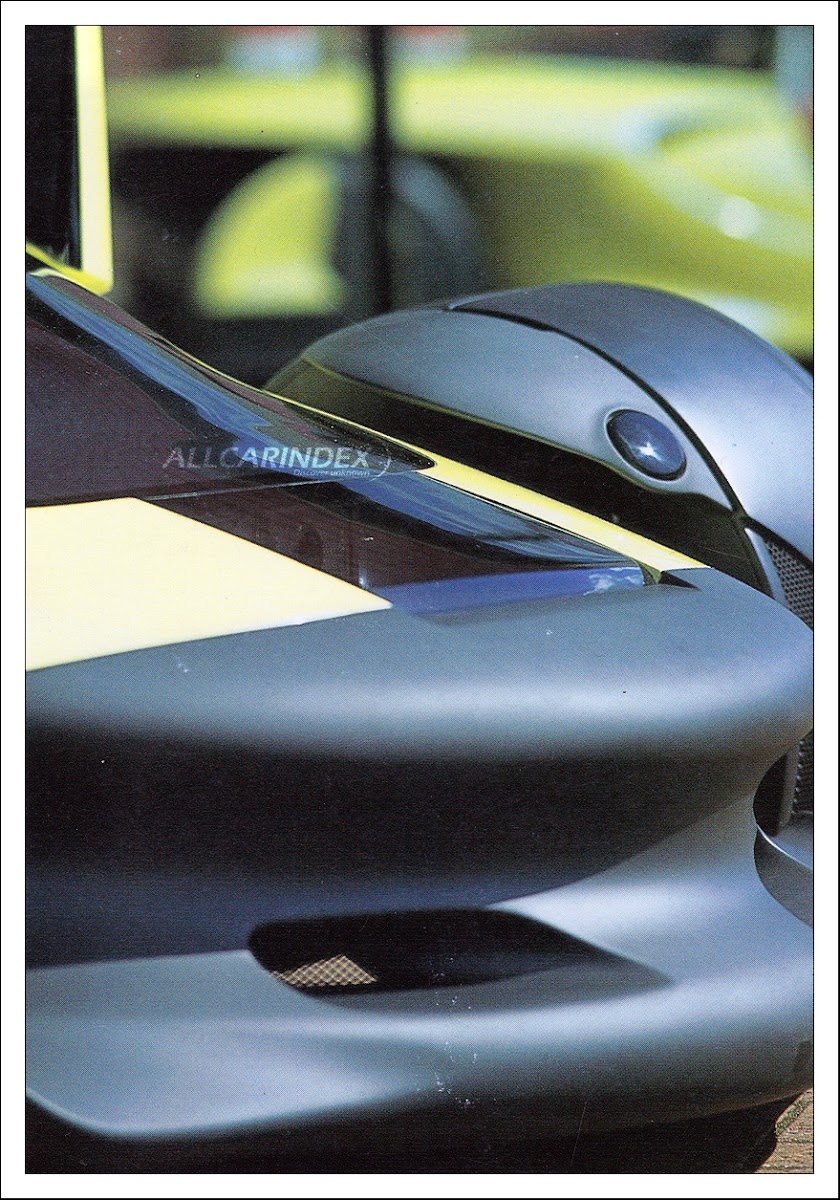
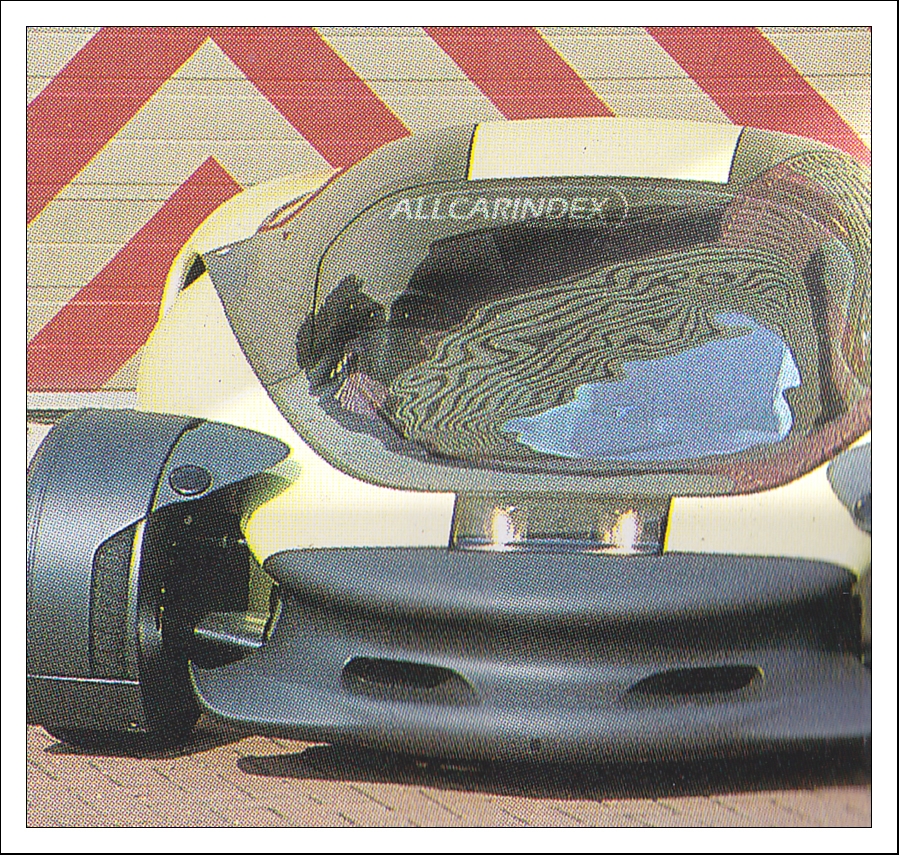
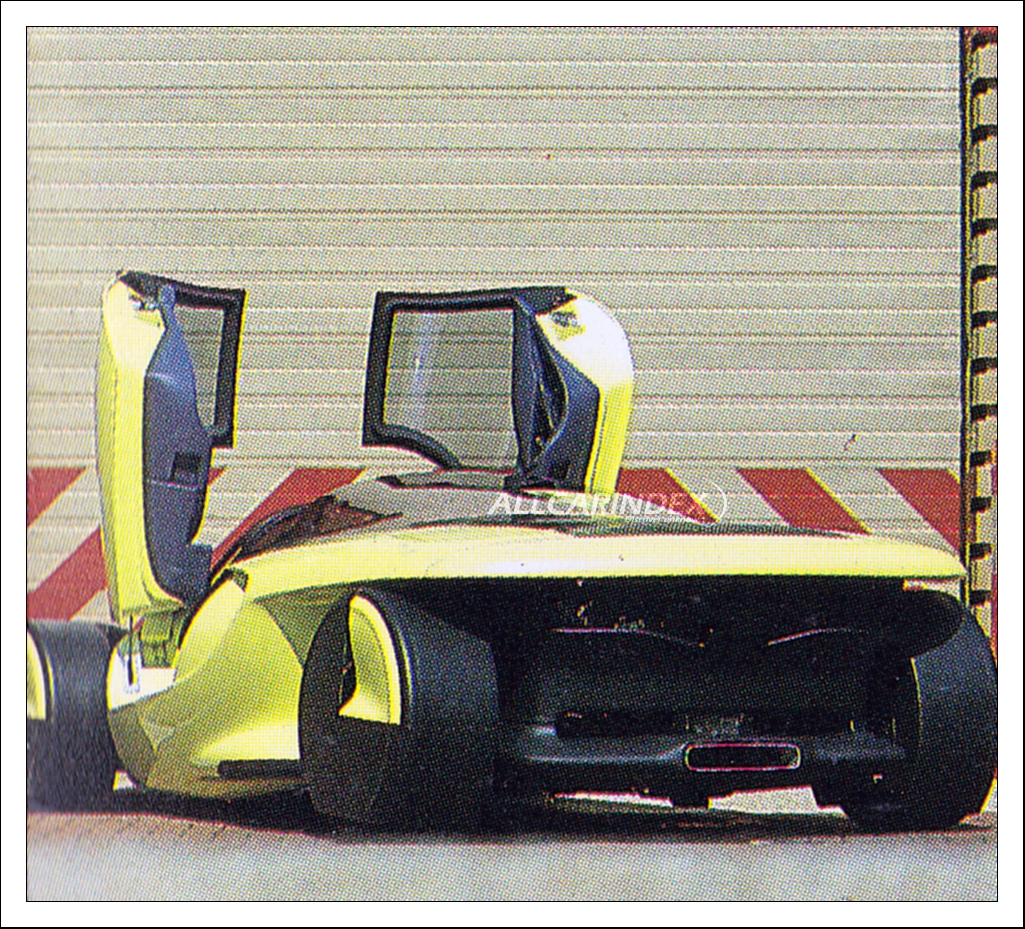
The car was built on a central tube frame chassis with double wishbone suspension front and rear. Wheelbase and track were significantly increased over the Esprit's, yet overall length was just 4 metres, shorter than the Esprit's 433 cm. It rode on Pirelli P700Z tyres, 225/45 ZR 16 at the front and 265/40 ZR 17 at the rear. The composite body was sharply wedge-shaped, with the cockpit pushed far forward and a windscreen extending deep between the front wheels, which sat within close-fitting, body-coloured wheel enclosures that turned with the steering and left only a narrow slot open for tyre contact with the road. Fine mesh grilles were built into the inner faces of these enclosures, and much of the suspension was also shrouded. The nose used a two-stage, lip-like bumper in shock-absorbing plastic, while scissor-type doors were opened electronically.
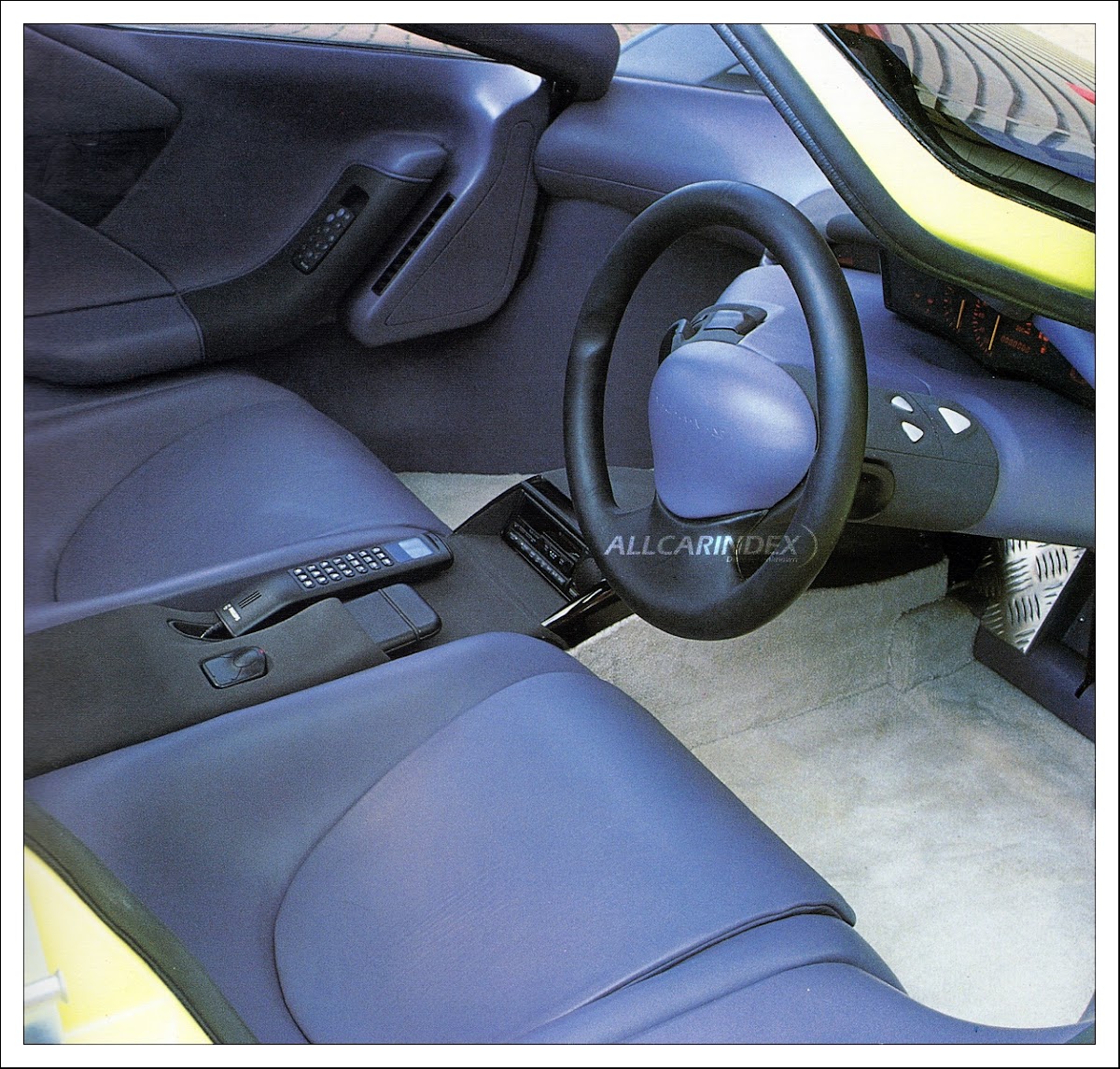
Inside, the seats were fixed, but the steering wheel, column and pedals were adjustable across a wide range of positions, and the upper cockpit was narrowed at head height in the manner of a Group C racing coupe. An infrared camera supplemented the halogen headlights in poor visibility, and a rear-facing camera linked to an LCD monitor replaced conventional mirrors, with the electronic systems supplied by Philips. Equipment also included a telephone and a stereo system. The Venus was a two-seat coupe with plastic bodywork, measuring 400 cm long, 195 cm wide and 111 cm high, with a 269.5 cm wheelbase and 168 cm track.