![Maggiora [2] AC 4WD (1988)](/img/models/a/maggiora-ac-4wd_001.jpg?w=720&h=405)

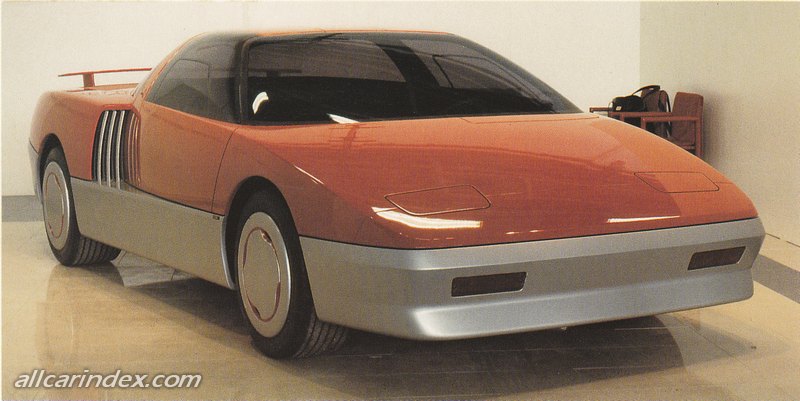
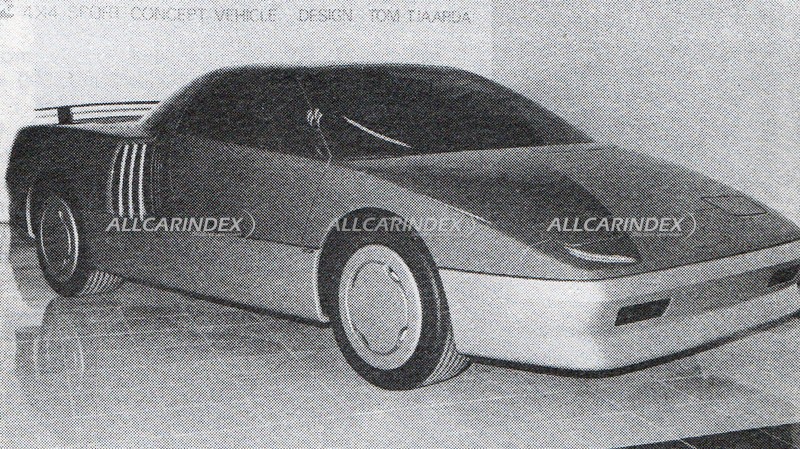
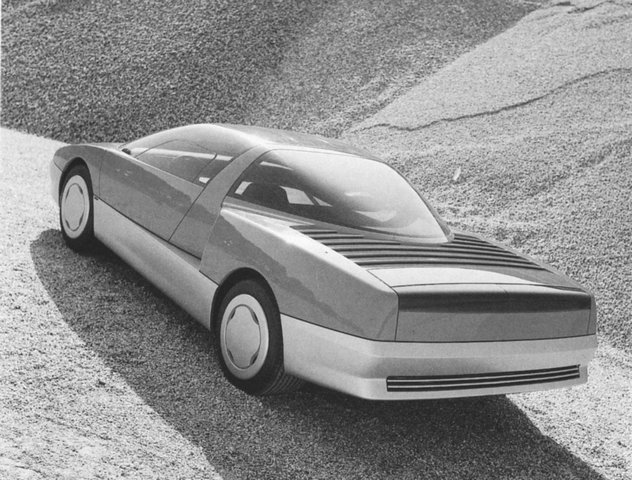
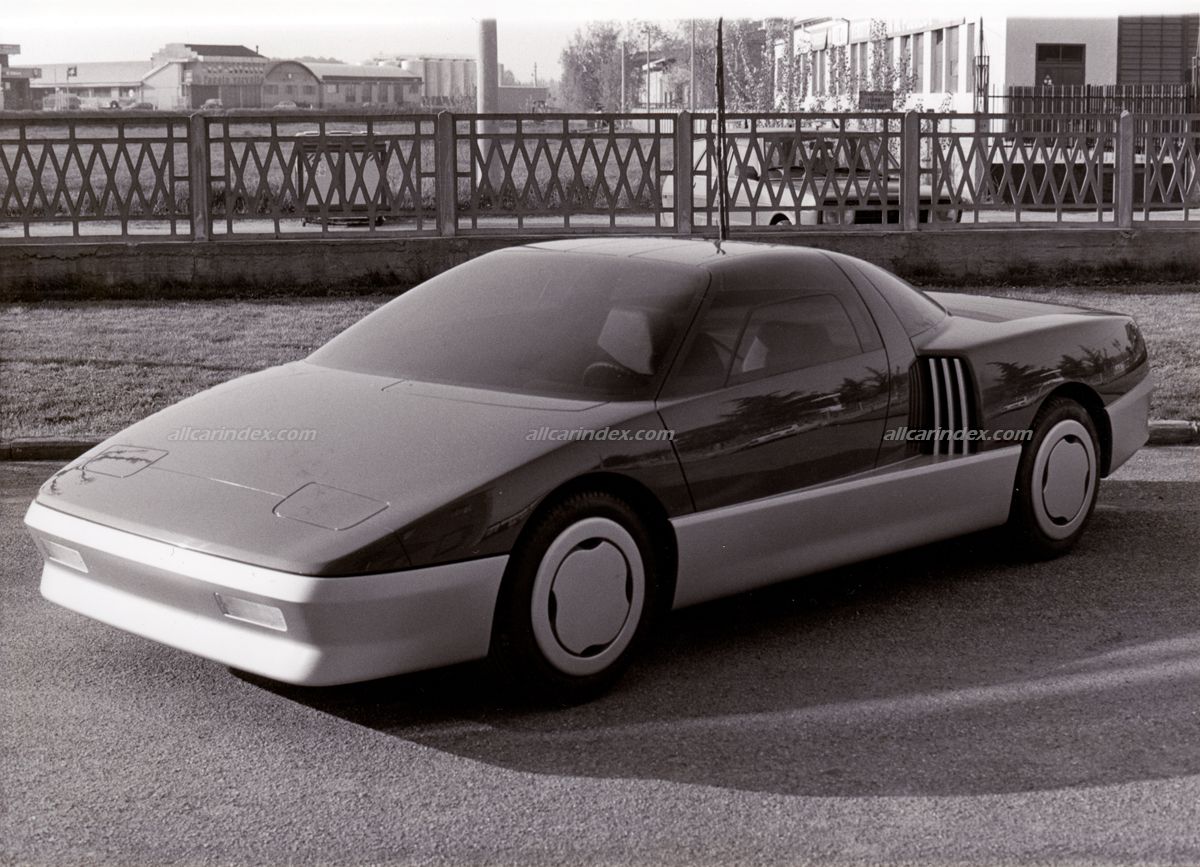
The PPG 4x4 was a concept coupe created by Dimensione Design Srl, a design studio founded by Dutch-descended Italo-American designer Tom Tjaarda, who had earlier worked at Ghia and Pininfarina and credited himself with roughly 50 one-off and production designs, including the Innocenti Spider, Ferrari 330 Coupe, and Rayton Fissore Magnum. The car was built for PPG, the Pittsburgh-based paint, glass, and plastics supplier to the American automotive and aerospace industries, and was shown as a maquette at the 1988 Turin motor show before later receiving a finished interior.
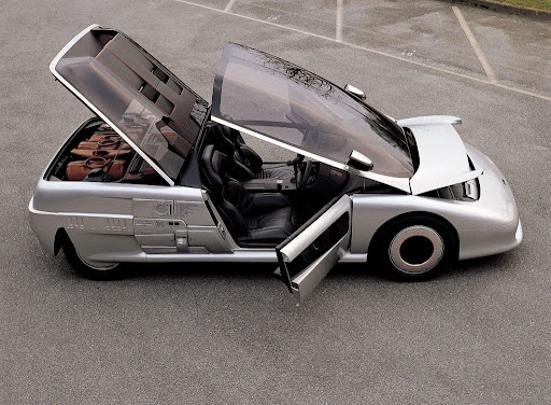
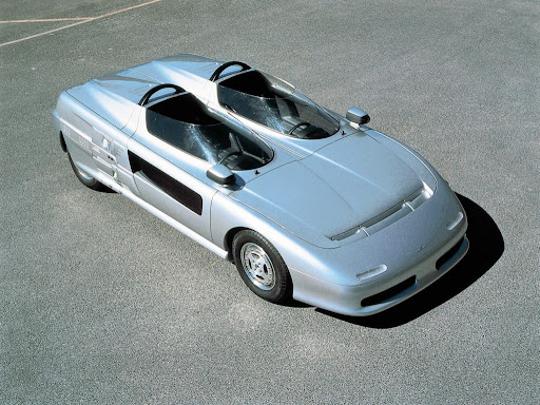
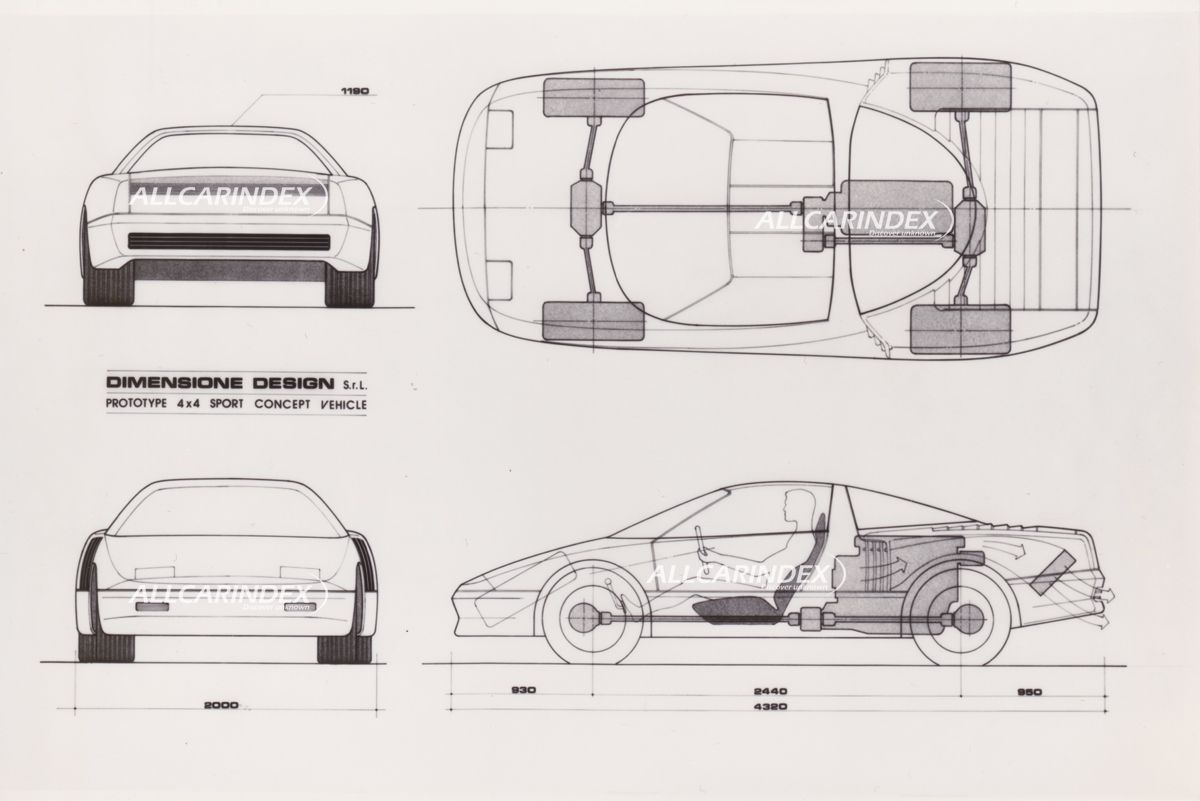
The design used a longitudinally mounted mid-engine layout with four-wheel drive. Tjaarda envisioned a high-performance engine in the 3.5-liter class, with the then widely discussed Alfa Romeo V10 seen as a possible candidate, though this engine was never fitted. Power was to be transmitted to the front and rear wheels via lightweight carbon-fiber shafts. The radiator sat at the rear, drawing cooling air ahead of the rear wheel openings and channeling it back through an angled core. The front housed the spare wheel and specially designed luggage.
Standing about 6 cm taller than a Ferrari Testarossa, the PPG 4x4 offered improved comfort and visibility, aided by a heavily glazed notchback greenhouse. Careful attention to seamless glass-to-pillar transitions helped produce a drag coefficient of 0.26 in testing, making a planned movable spoiler unnecessary. The model was constructed by Cecomp in Turin. It was a two-door, two-seat coupe with a wheelbase of 244 cm and overall dimensions of 432/200/119 cm.