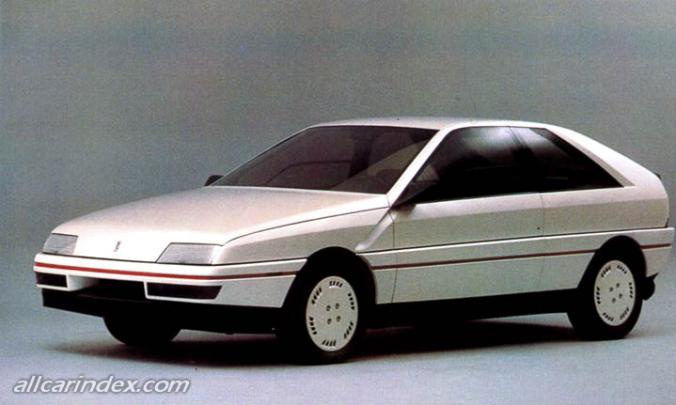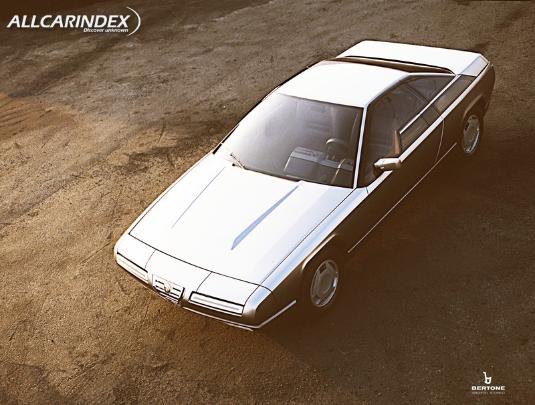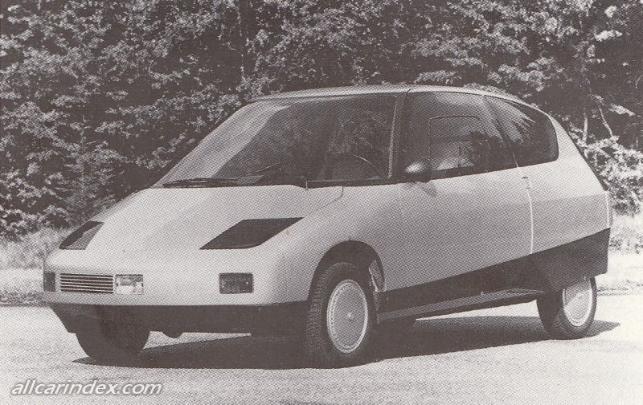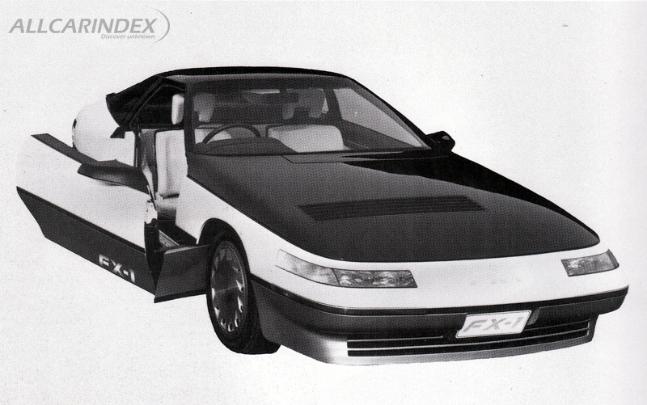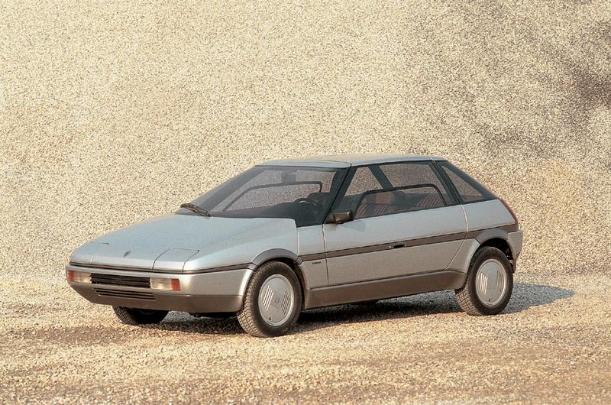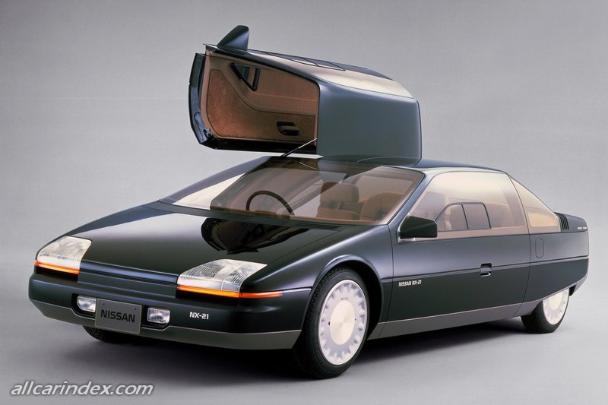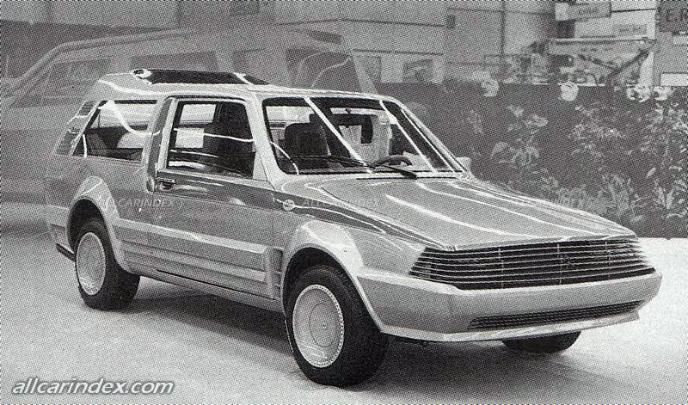
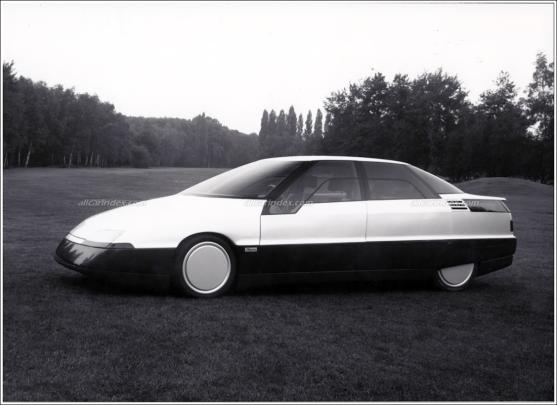

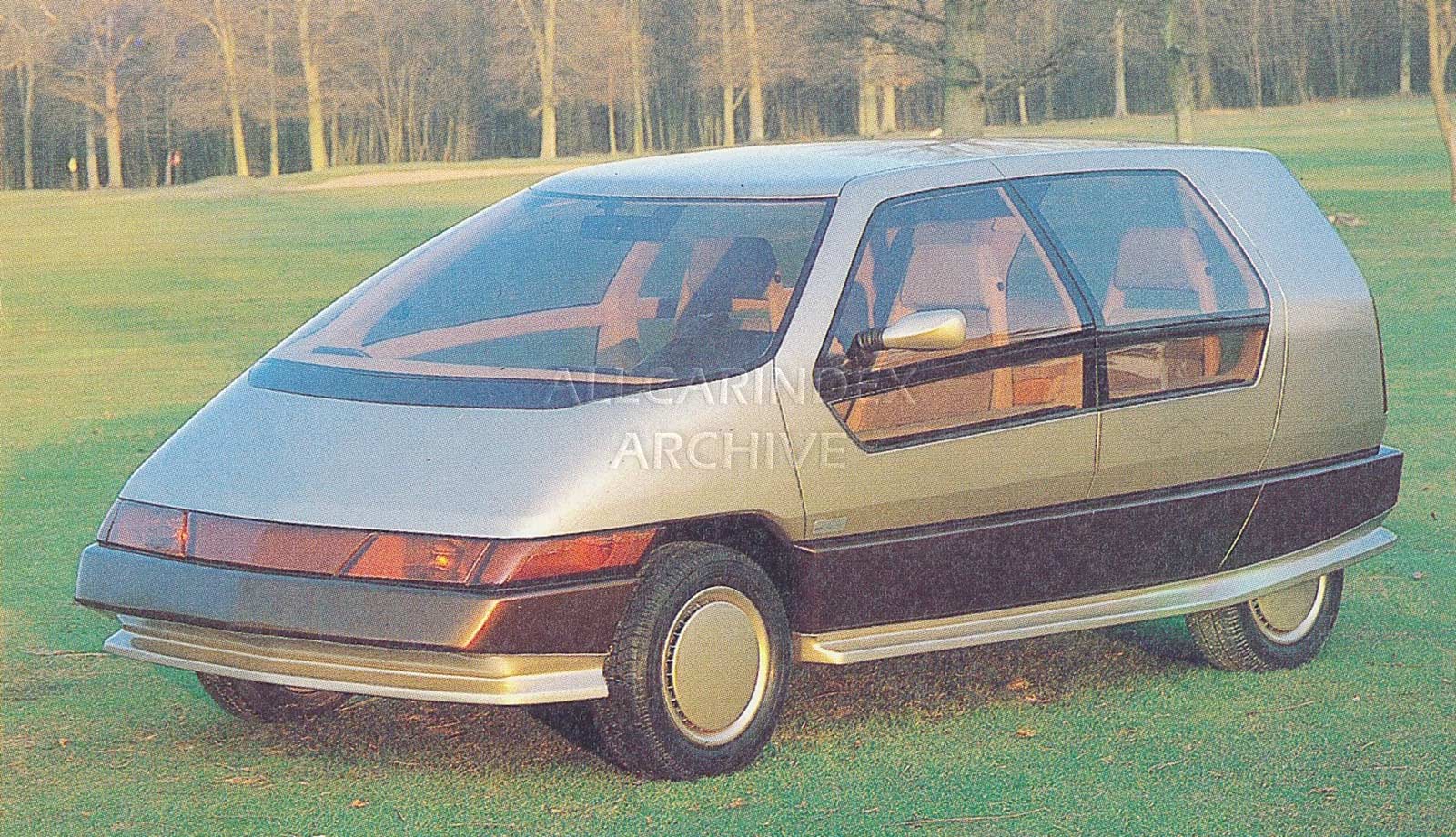
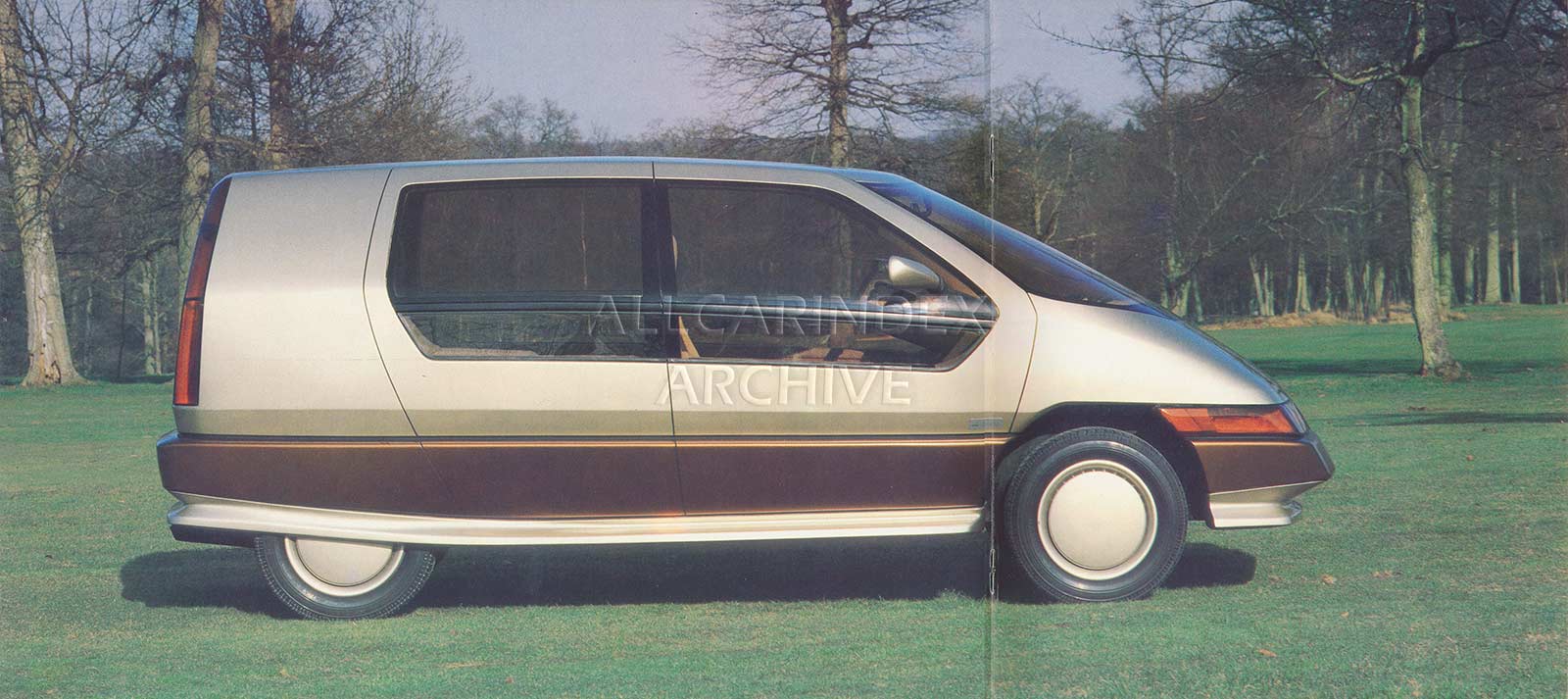
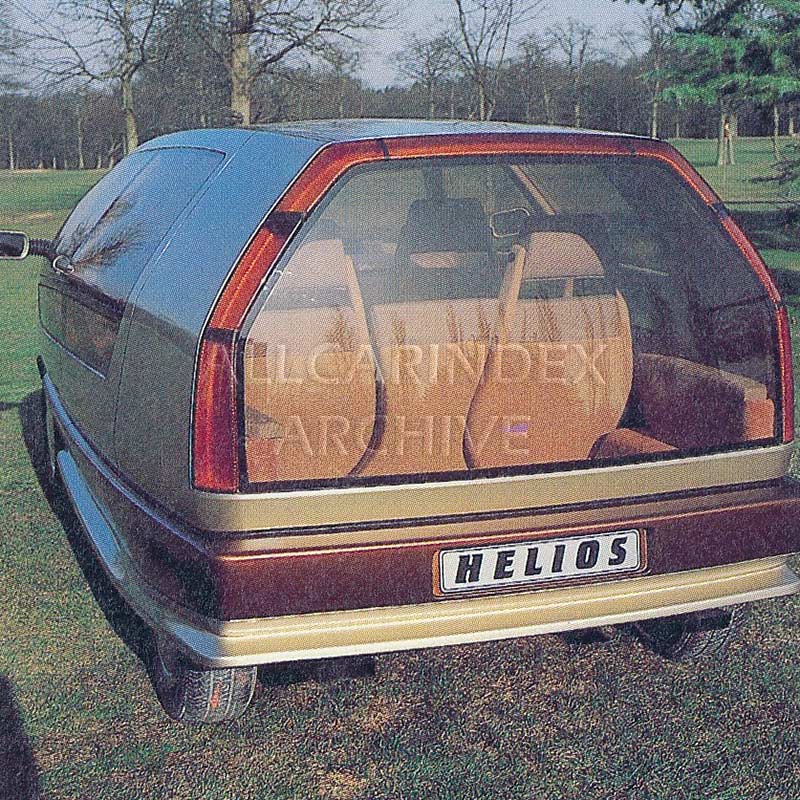
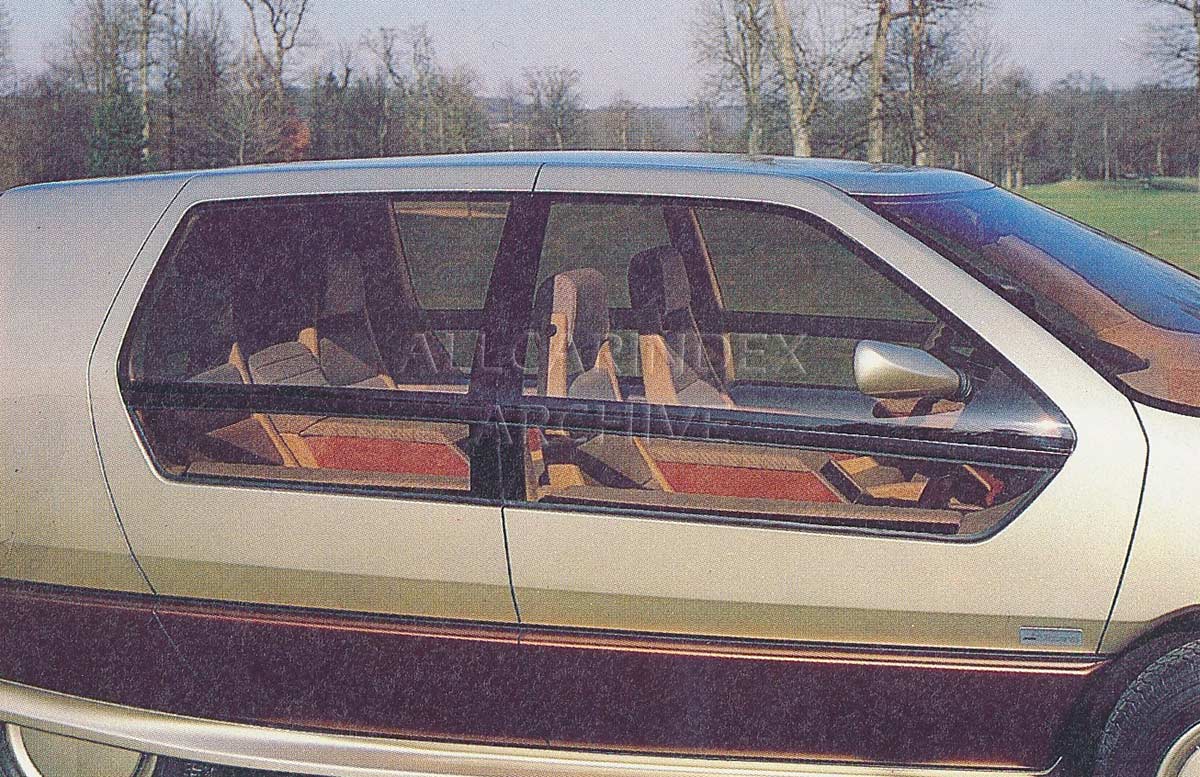
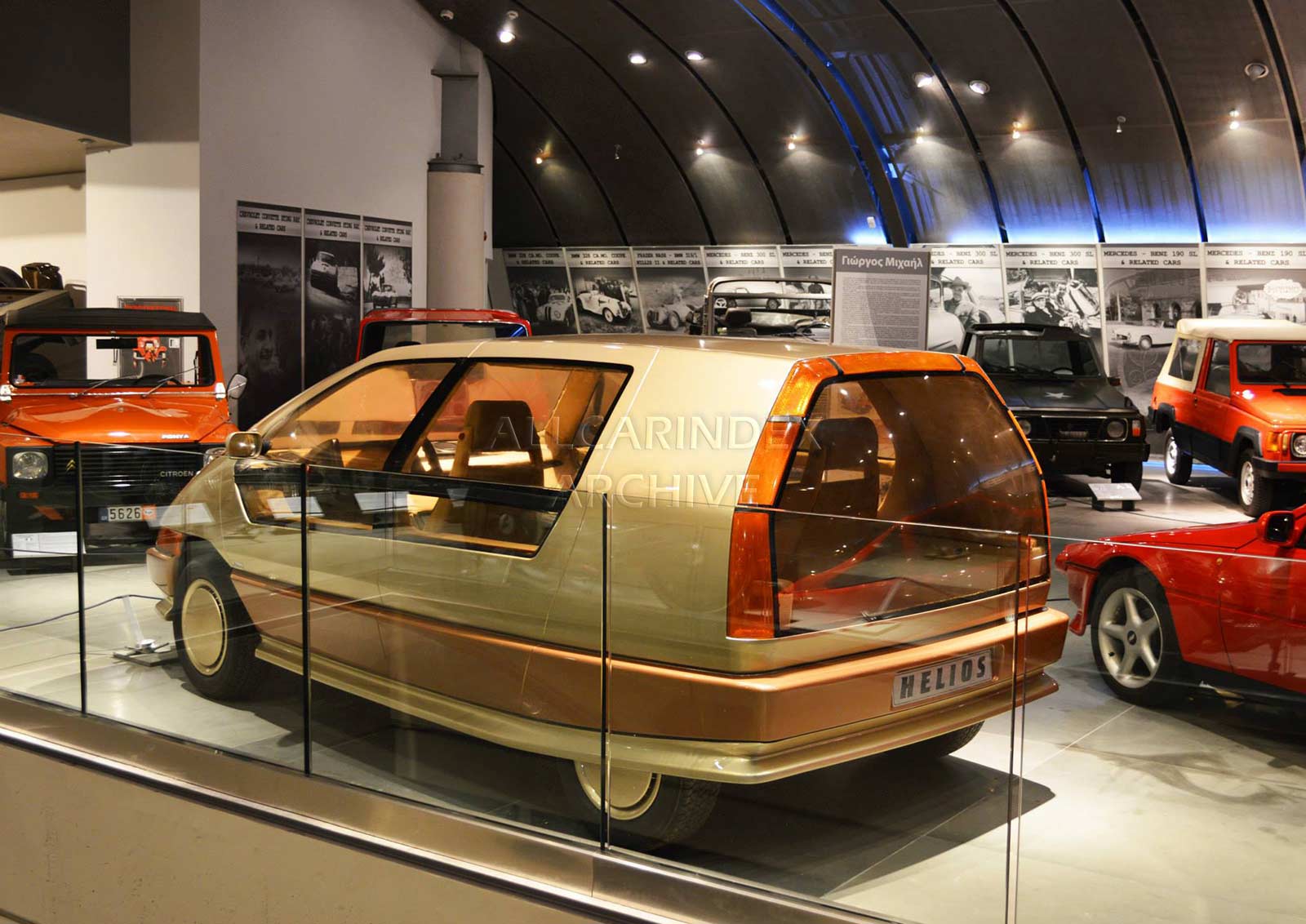
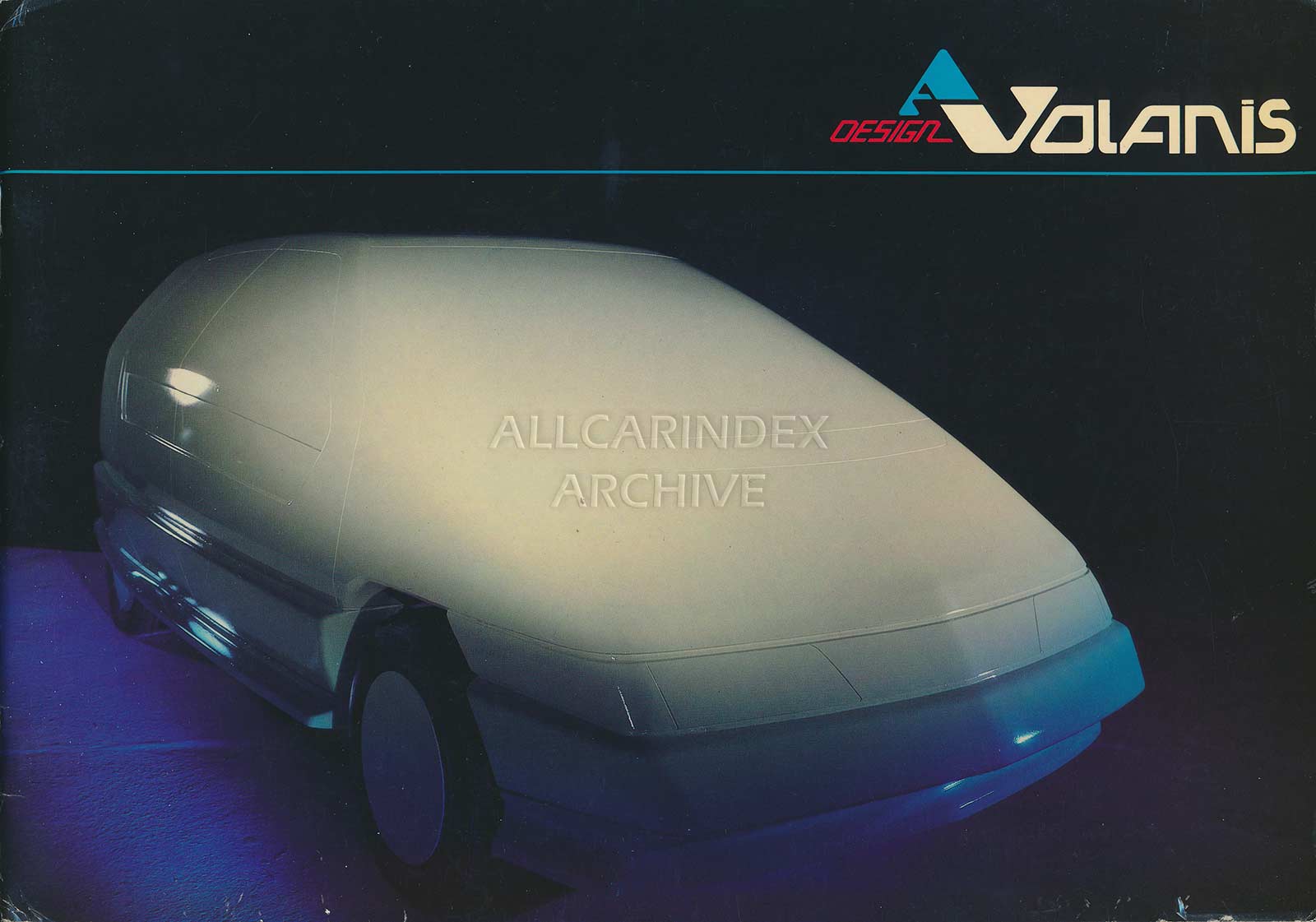
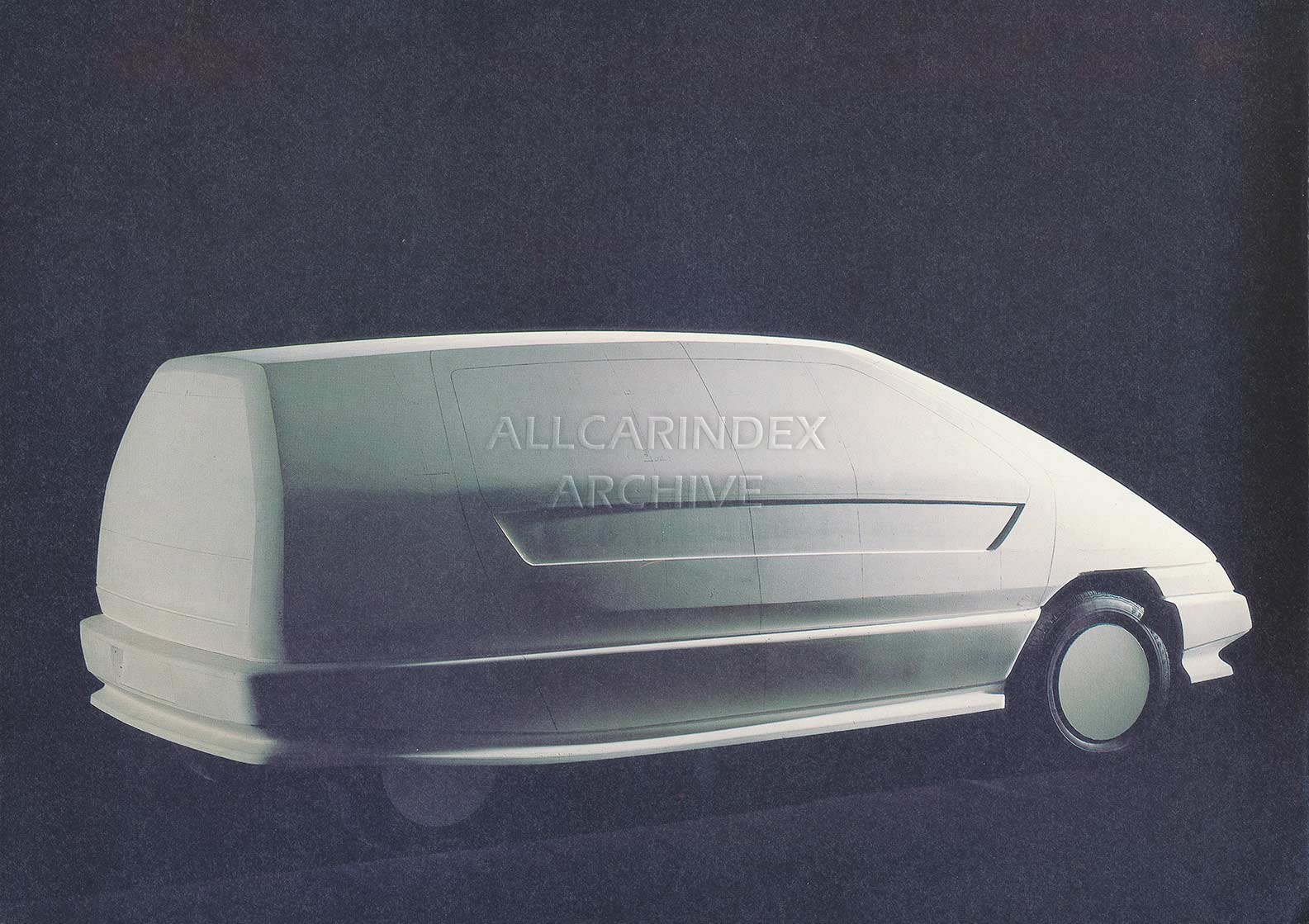
The Helios was a concept car created by designer Antoine Volanis and shown in France, presented at the 1983 Geneva show. It took the form of a compact, one-box five-door multi-purpose vehicle, a type of large-capacity estate car not yet being built in Europe at the time. Its appearance anticipated a body style that would only become widespread internationally toward the end of the 1980s, when the large-capacity estate segment expanded.
Antoine Volanis was born in Salonika, Greece, in 1948 and moved to France at the age of five. After completing his technical studies he trained for a year with Renault, working in a bodywork design department for two and a half years and gaining his first practical experience in automotive design. At the start of 1971 he joined Matra Automobile, where he worked as chief designer, or style engineer, until 1980. In 1979 he was tasked with developing a successor to the Rancho leisure estate, and the outlines he drew formed the basis of the P16 to P19 projects, which eventually grew into the larger Espace, a model that became central to Matra Automobile's business. In November 1980 Volanis founded his own design bureau, which was quickly successful and became established in Argenteuil, near Paris. His clients included Volkswagen, Fiat and Peugeot, as well as companies from other transport sectors. After three years of working with various European manufacturers, he presented the Helios, which brought him international recognition.
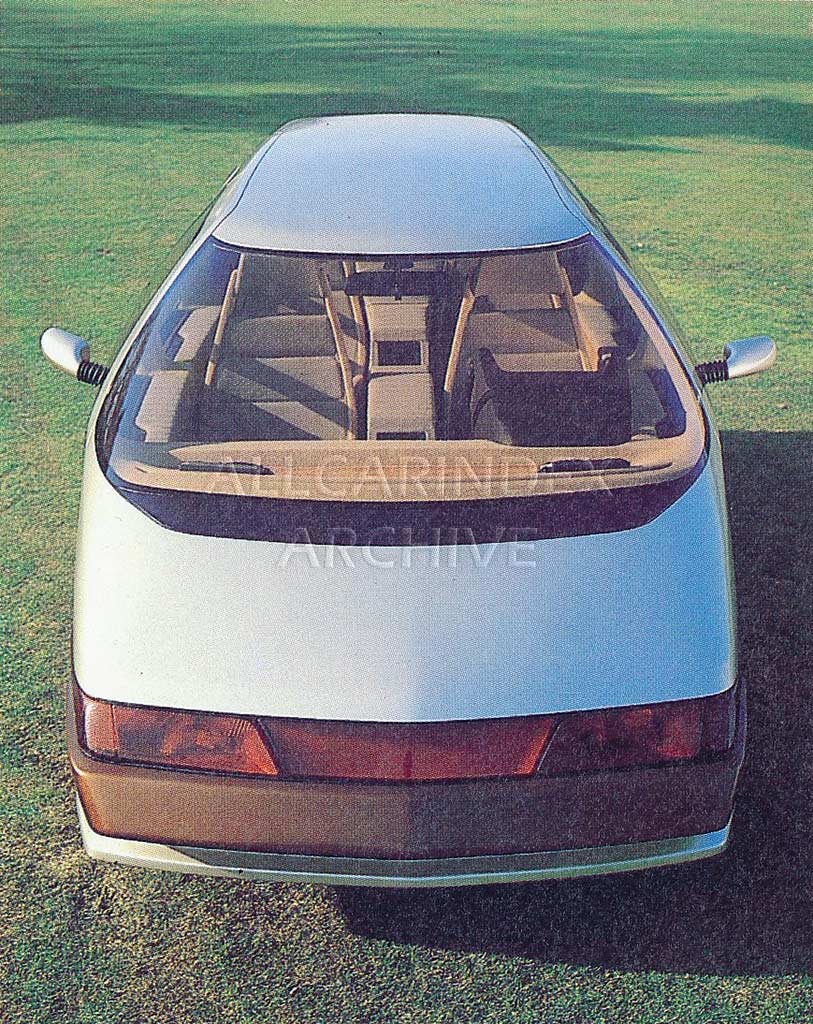
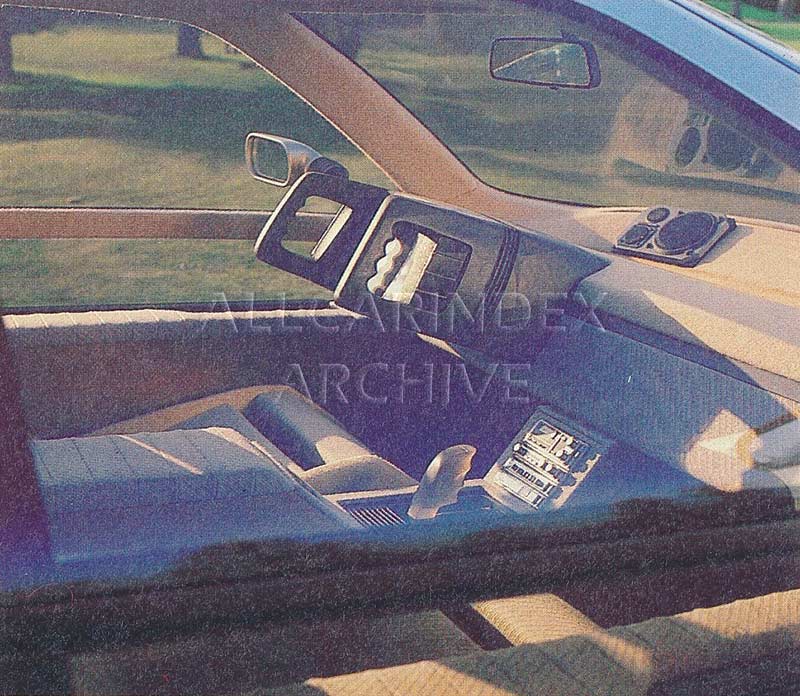
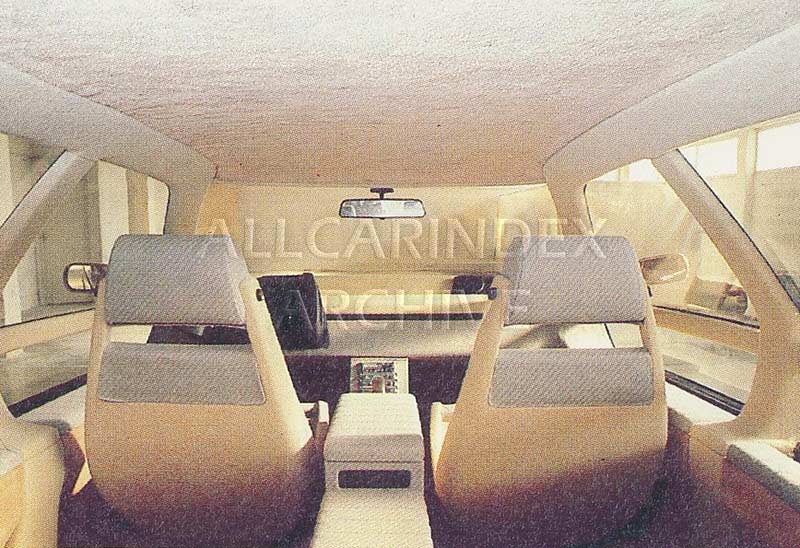
The Helios measured 394 cm in length, 168 cm in width and 150 cm in height, making it more compact than its generous flanks suggested. Its side windows were divided horizontally, a feature echoed eight years later in the side window layout of the Mercedes-Benz F100. The interior featured four individual seats, though a five-seat layout was also possible, and the dashboard was arch-shaped with controls grouped carefully around the steering wheel. Volanis gave no indication of the intended drivetrain, though he had enough experience to account for both engineering requirements and production feasibility.
The car achieved a drag coefficient of 0.22, a figure reached after extensive testing in the wind tunnel of the Institut Aérodynamique de Saint-Cyr. Its corners were rounded, its side surfaces curved and tapered toward the rear, and both the headlights and rear wheels were fully enclosed. The side windows sat flush with the body, and the upper part of the front door frames overlapped the edges of the large curved windscreen in an unusual arrangement. Flat wheel covers and full wheel skirts completed the exterior, while a new type of retracting mechanism was devised for the side windows. Volanis worked with plaster models, valuing the flexibility this material offered for refining a design's lines. His design bureau operated through close dialogue with manufacturers' technicians and clients, allowing him to control every stage of a project and to produce models and prototypes rapidly.