
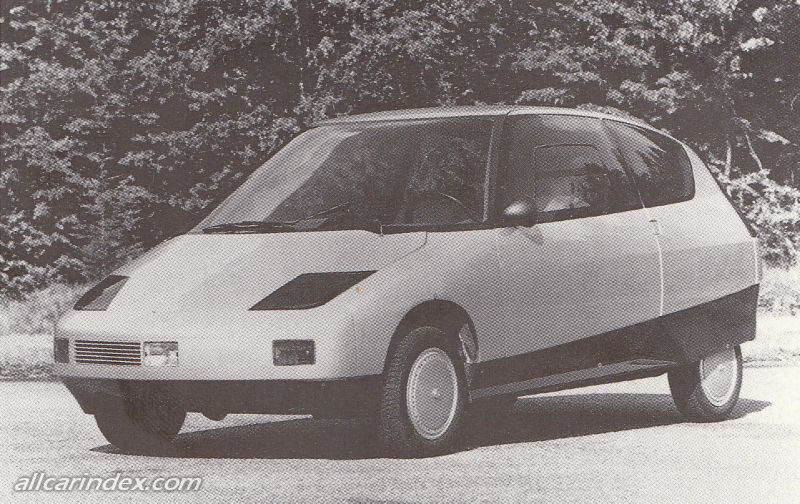
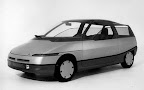
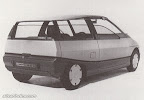
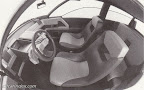
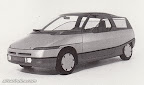
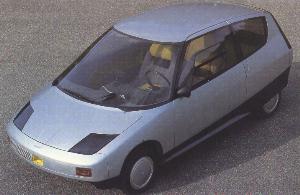
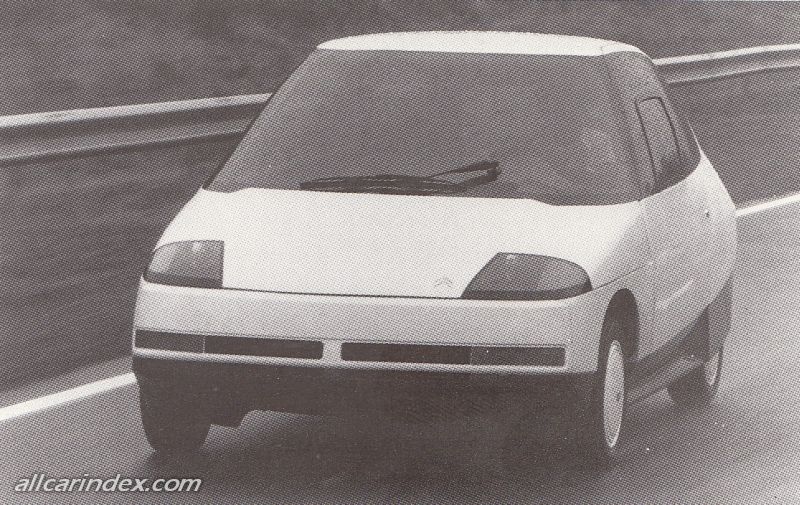
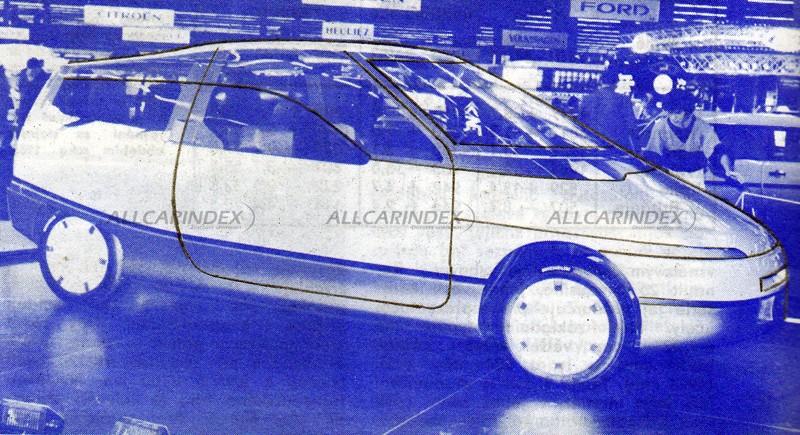
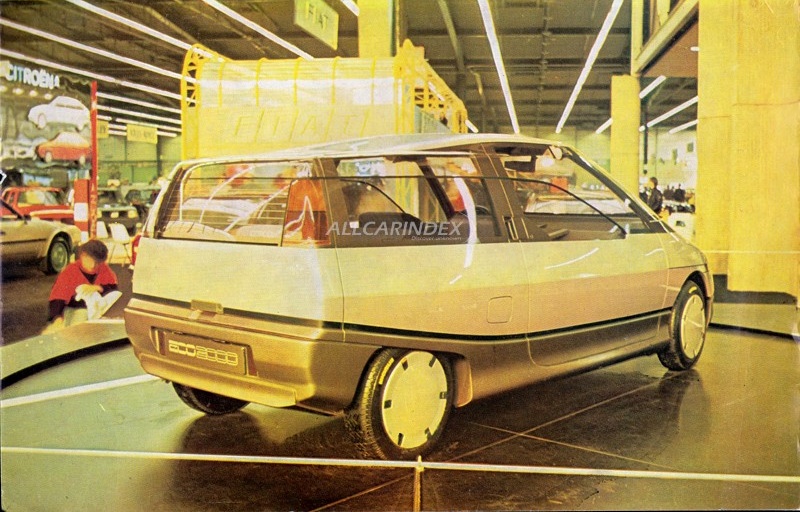
The Citroën Eco 2000 was a research project rather than a single production model, developed under a joint PSA research structure known as DRAS, set up in 1980 for the group's Peugeot, Citroën and Talbot brands. It resulted in a series of prototypes, designated SA 103, SA 117, SA 109 and SL 10. The project was prompted by the energy crises of 1974 and 1979 and began in earnest in 1981, with the aim of producing by 1986 a vehicle averaging 3 litres of fuel per 100 km. Planned investment totalled 340 million francs, half of it publicly funded, and around a hundred people worked on the programme. The brief called for four-seat accommodation, safe handling, adequate performance, an acceptable appearance, and compliance with registration rules, to be achieved through minimized aerodynamic and rolling resistance, reduced mass and efficient engines.
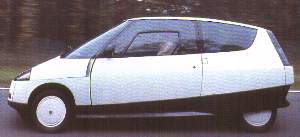
The SA 103, built in March 1982, was a 304 cm-long one-box design with an epoxy composite body on a tubular frame, achieving a drag coefficient of 0.267. It used rear-wheel drive from a water-cooled 704 cc flat-twin producing 25.5 hp at 4000 rpm and 56 Nm at 2200 rpm, through a four-speed gearbox, with front disc brakes, MacPherson struts and a rear rigid axle with hydropneumatic suspension and electronic ride-height correction. It weighed 430 kg, reached 140 km/h, and returned 3.5 L/100 km, though it suffered from a small boot, poor accessibility and limited crash and noise protection.
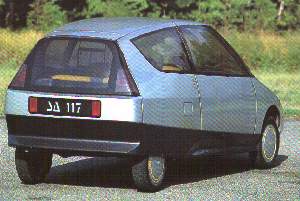
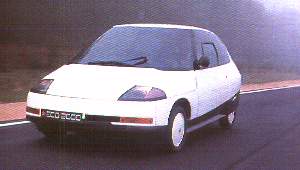
The SA 117, from March 1983, switched to front-wheel drive, making it longer at 347.5 cm with a more conventional silhouette and a steel/aluminium sheet sub-frame reinforced with tubular sections; plastic and GFRP were used for wings, doors, bonnet, tailgate and bumpers. It retained the same twin-cylinder engine, now with a twin carburettor, at 25 hp and 59 Nm, with gearbox weight reduced to 14 kg, and improved its drag coefficient to 0.21, cutting consumption to 3 L/100 km. It weighed 440 kg and reached 142 km/h.
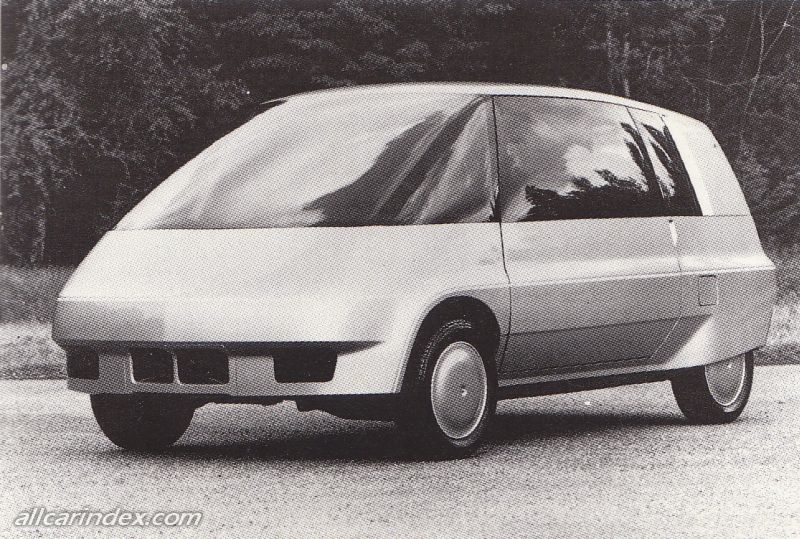
The SA 109, dated March 1984, aimed for the best compromise between space, performance and economy, keeping the 0.21 drag figure while gaining a more refined front and side design. It introduced a new transverse OHC three-cylinder engine of 749 cc producing 35 hp at 4750 rpm and 62 Nm, with a single carburettor, electronic ignition and a water/oil heat exchanger, reaching 0-100 km/h in 18 seconds but raising consumption to 3.5 L/100 km. It had an 18-litre polypropylene fuel tank and hydropneumatic suspension with trim correction at both axles, weighing 480 kg with a 140 km/h top speed.
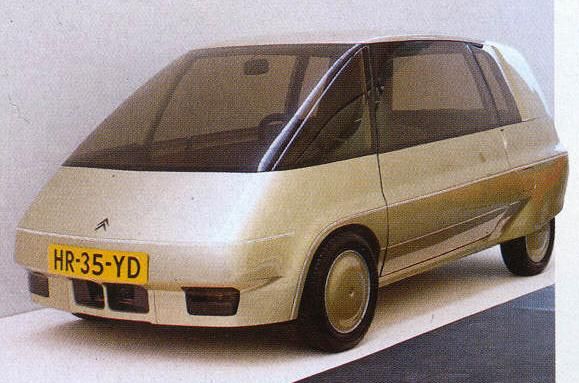
The SL 10, shown at the Paris Motor Show in autumn 1984, was a more spacious estate-bodied variant of the SA 109 with a distinctive rear roofline, largely sharing its technical specification. Citroën stated that findings from Eco 2000, based on 48 models and over 1500 wind-tunnel tests, fed into the development of its next small car, the Citroën AX, introduced at the 1986 Paris show.