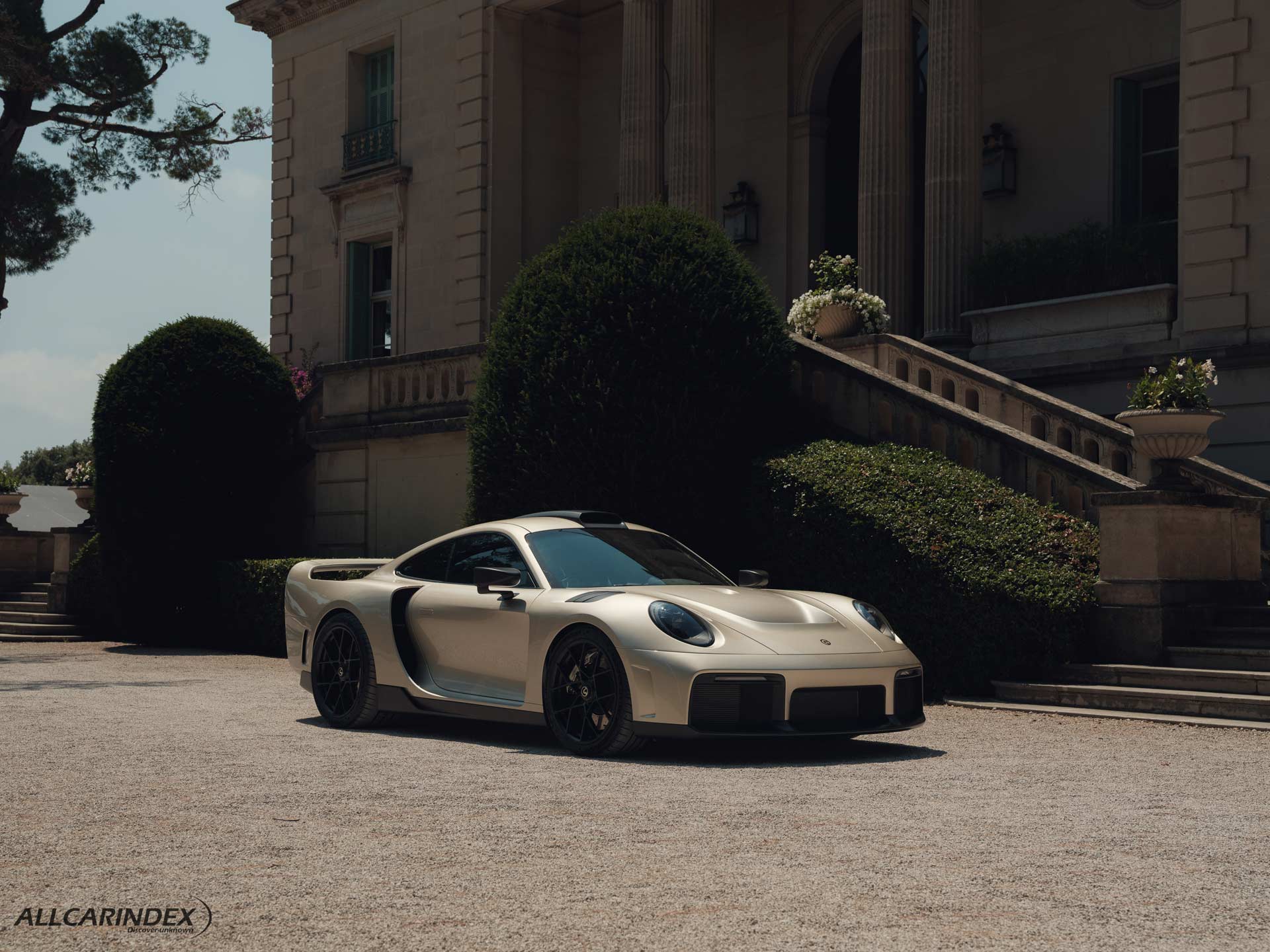

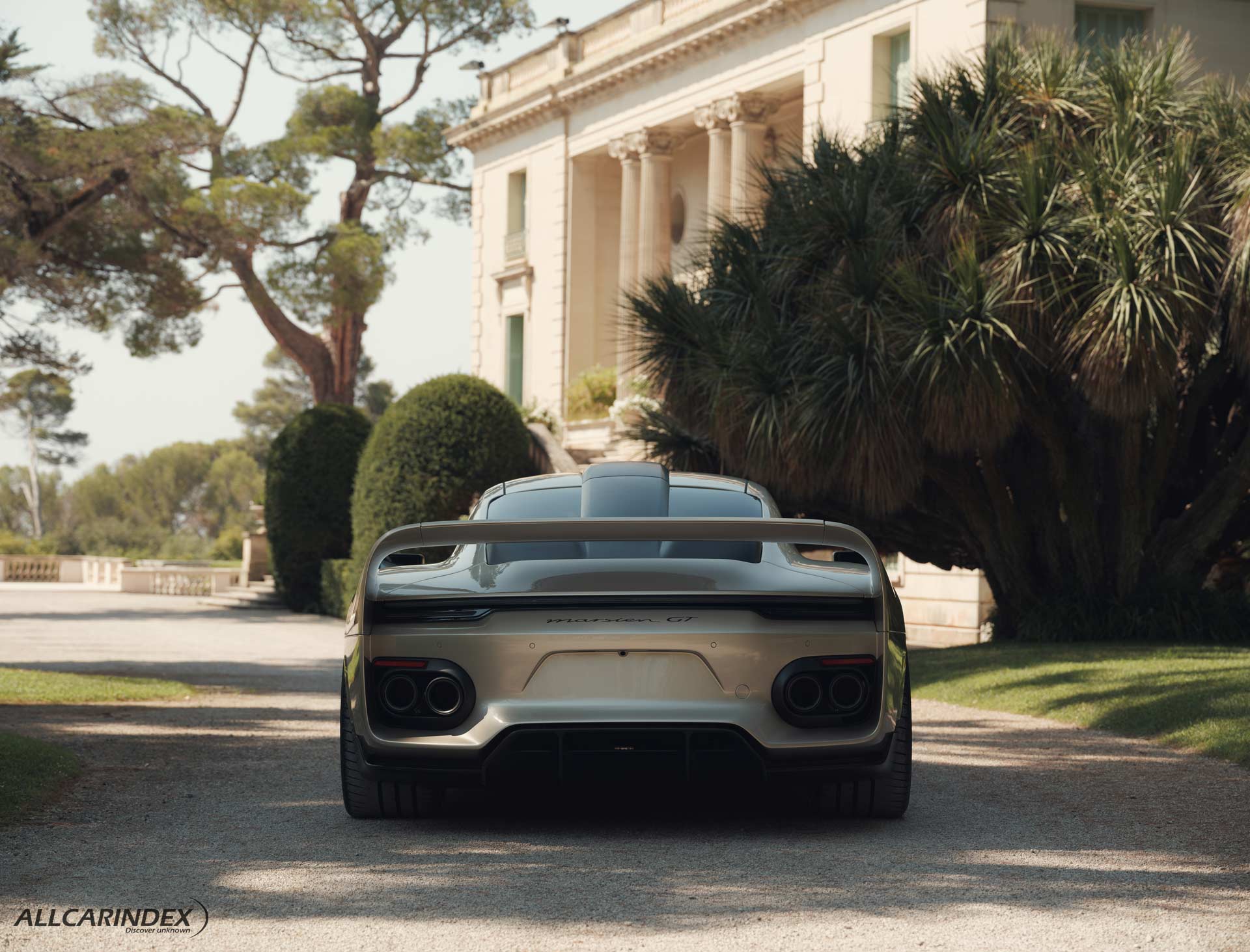

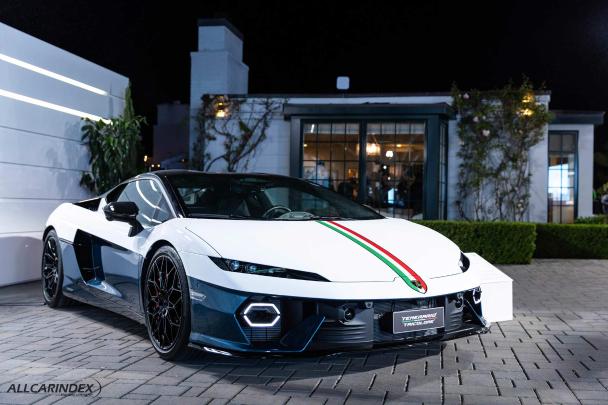
In 2021 the Pebble Beach Concours d'Elegance received a Porsche that had been rebuilt to go where the road ends. That was the MARSIEN, taken in spirit from the Paris–Dakar era and given a category of its own, a production sportscar meant for the tarmac and for what lies beyond it, and the series is now reaching owners in over 16 countries. Five years later the same event gets the sequel, and this one has been aimed in the opposite direction. The aerodynamics, the suspension, the ride height, the exhaust and the bodywork have all been reworked around the road surface instead of the absence of one. We are talking about the MARSIEN GT, the second car to come out of Marc Philipp Gemballa GmbH and the MARSIEN programme turned toward the road.
The company states one thing without being asked, and the point is worth carrying over: Marc Philipp Gemballa GmbH has no connection of any kind to Gemballa GmbH. The link that does count here is a family one. The GT has been limited to 30 bespoke commissioned examples, fewer than the car that came before it, and that figure lifts the whole MARSIEN programme to 70 cars worldwide, the number chosen for the 70th anniversary of Uwe Gemballa, father of Mr Marc Philipp Gemballa and the automotive visionary behind the name. Thirty cars, and that is all. The price is EUR 770.000 net of taxes, duties and shipping, and the base car is not included in that figure. Series production begins in 2027, with the first deliveries planned for the end of the same year.
Each car begins life as a Porsche 992 Turbo S. That is the starting point. What follows is a rebuild of approximately 1.500 individually engineered and manufactured parts spread across the MARSIEN platform, which is homologated in full, with several thousand hours of design and engineering standing behind them. The carbon fibre skin, the double wishbone suspension, the titanium exhaust, the aerodynamic architecture, the chassis systems, the interior and a long list of technical assemblies all belong to the company rather than to the donor, and so do the smaller items that show how far the exercise was taken. The door handles are its own. So are the taillights, and so is the wiring loom.
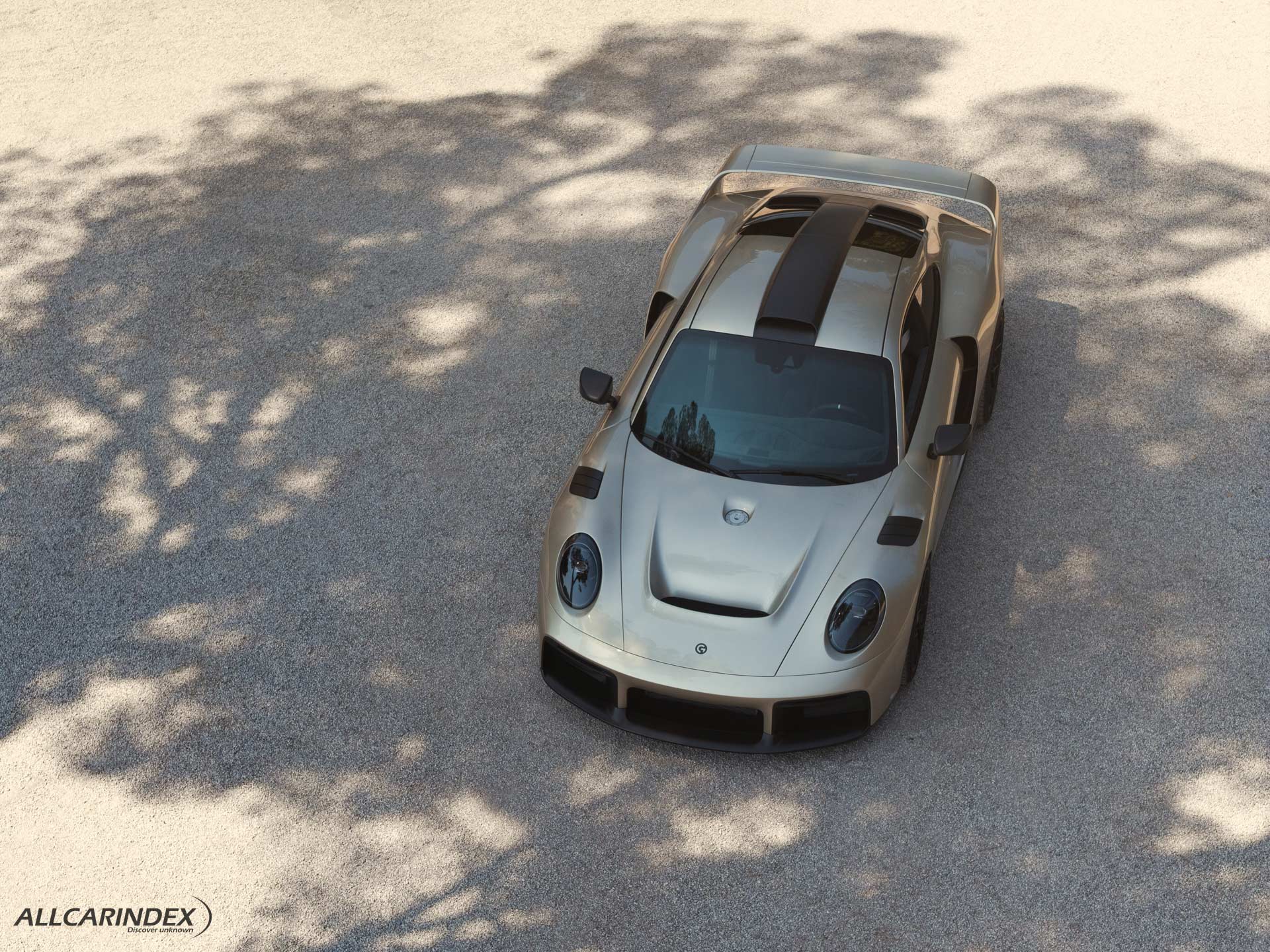
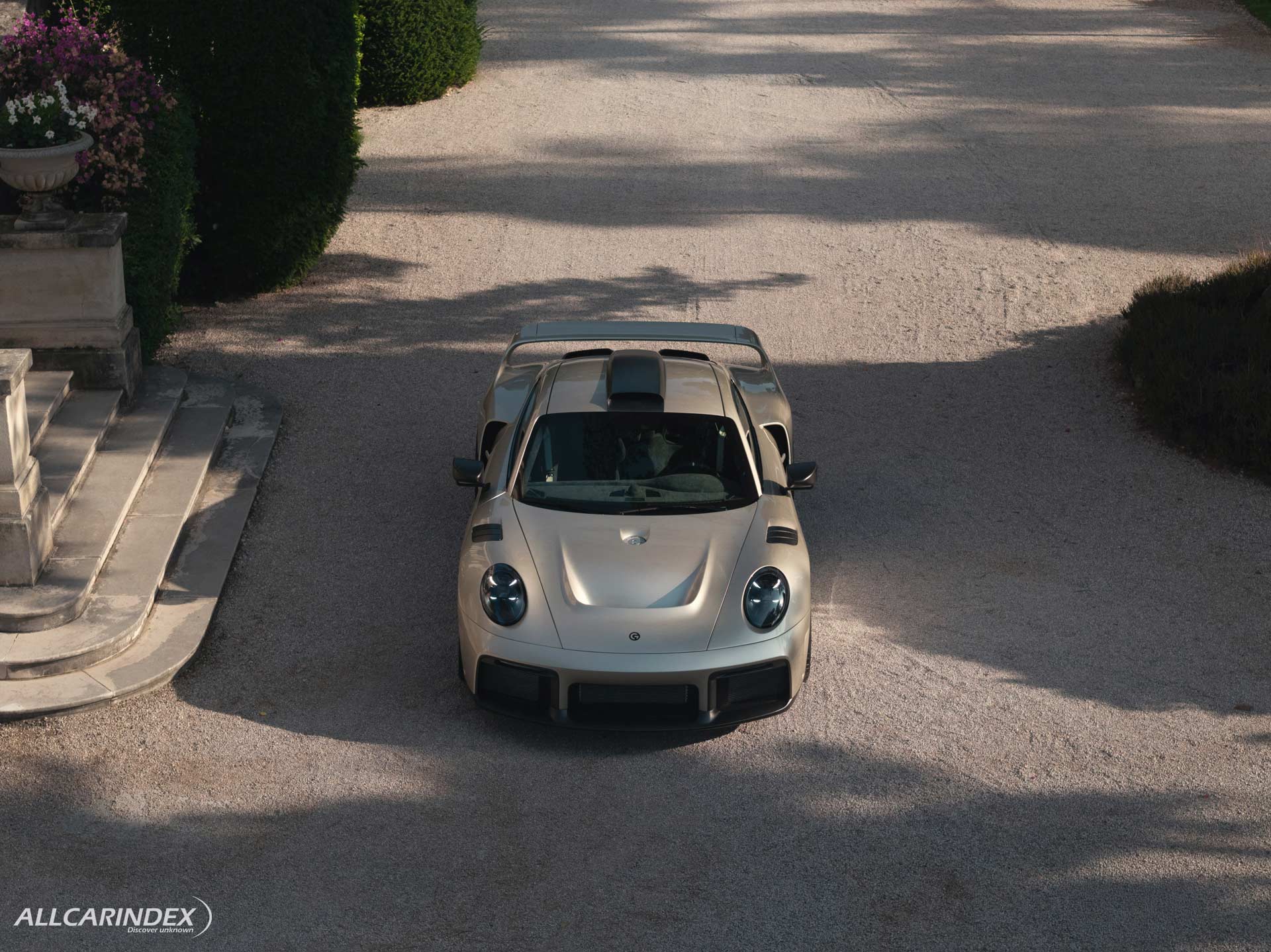
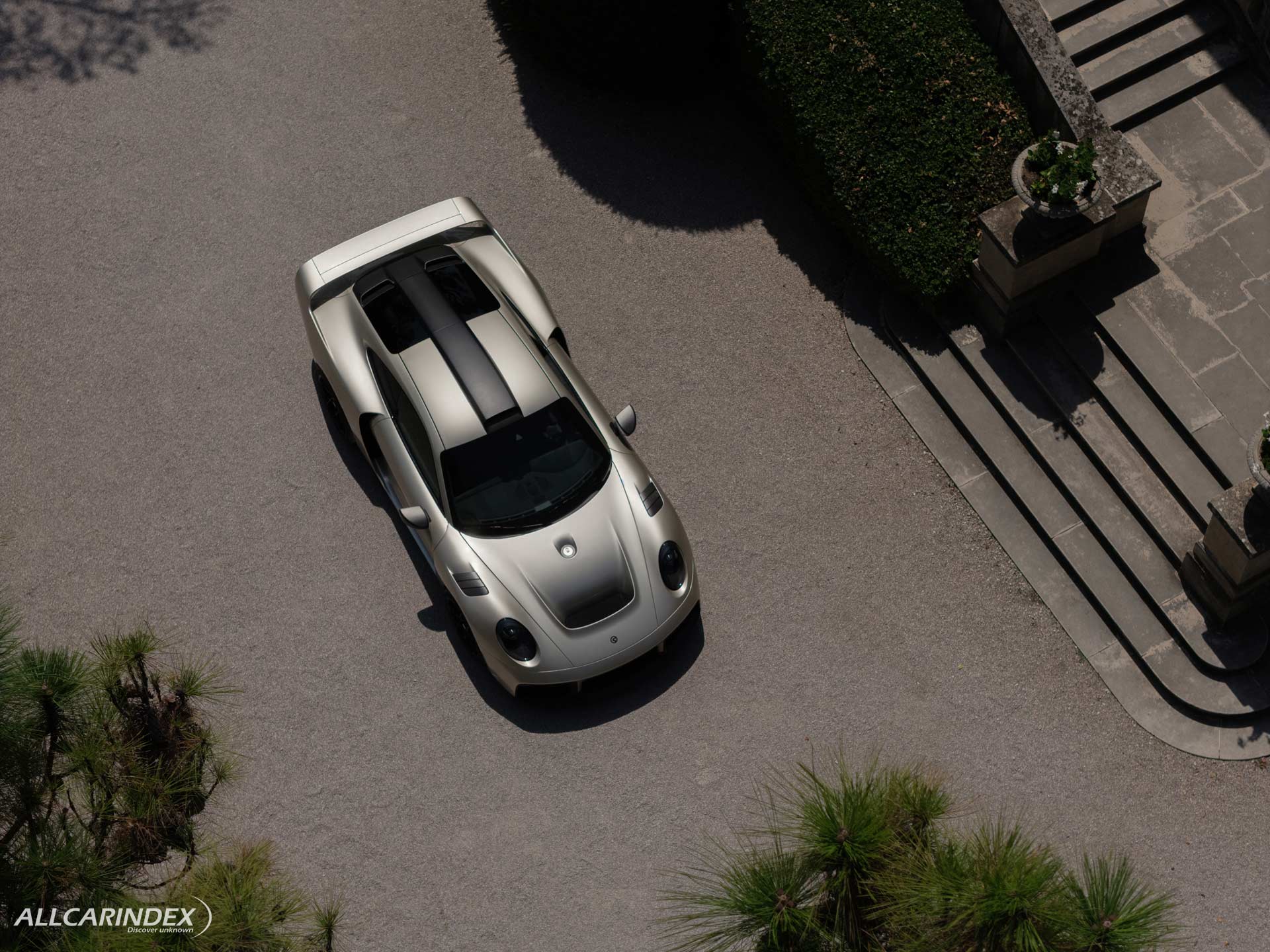
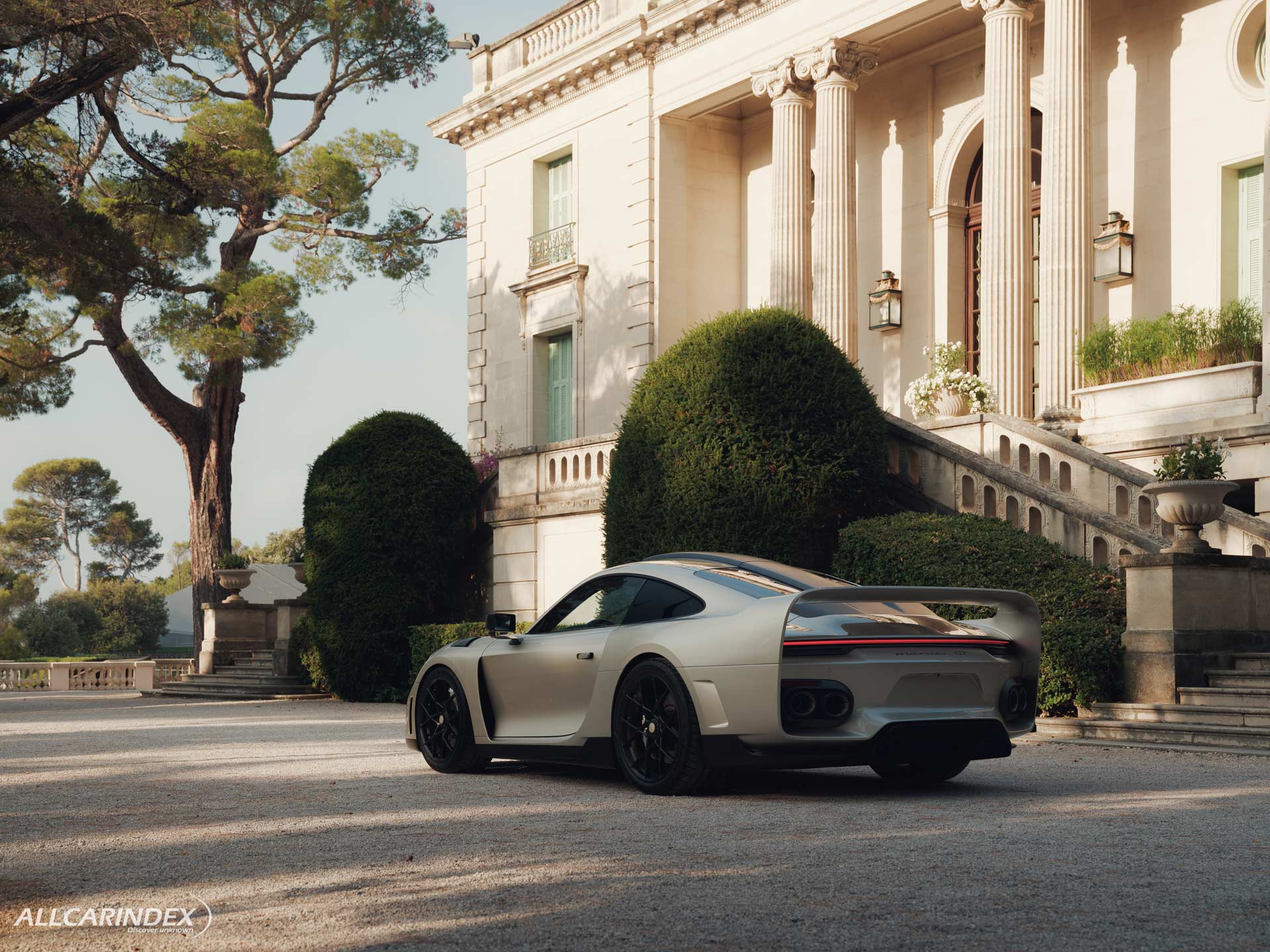
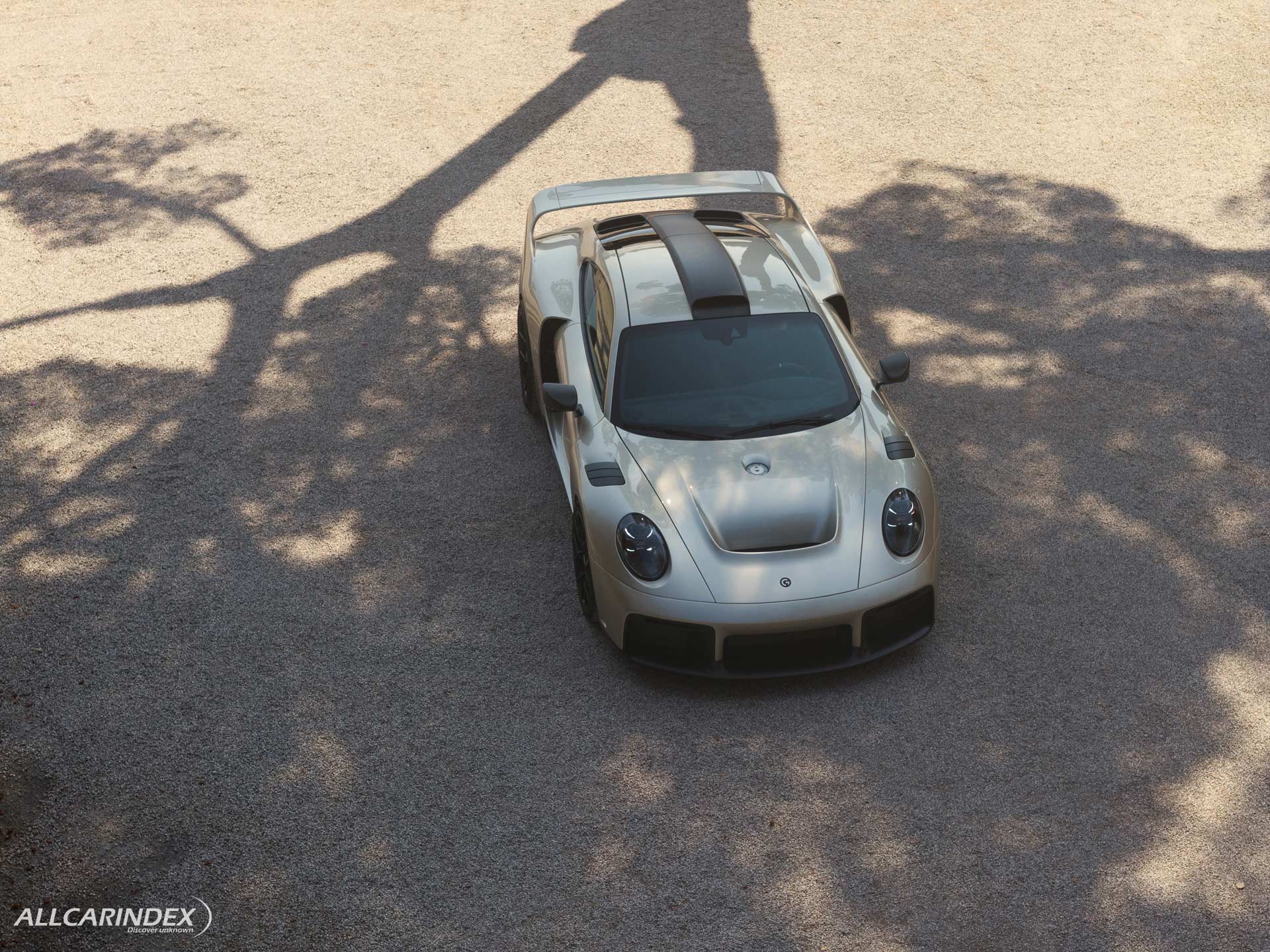
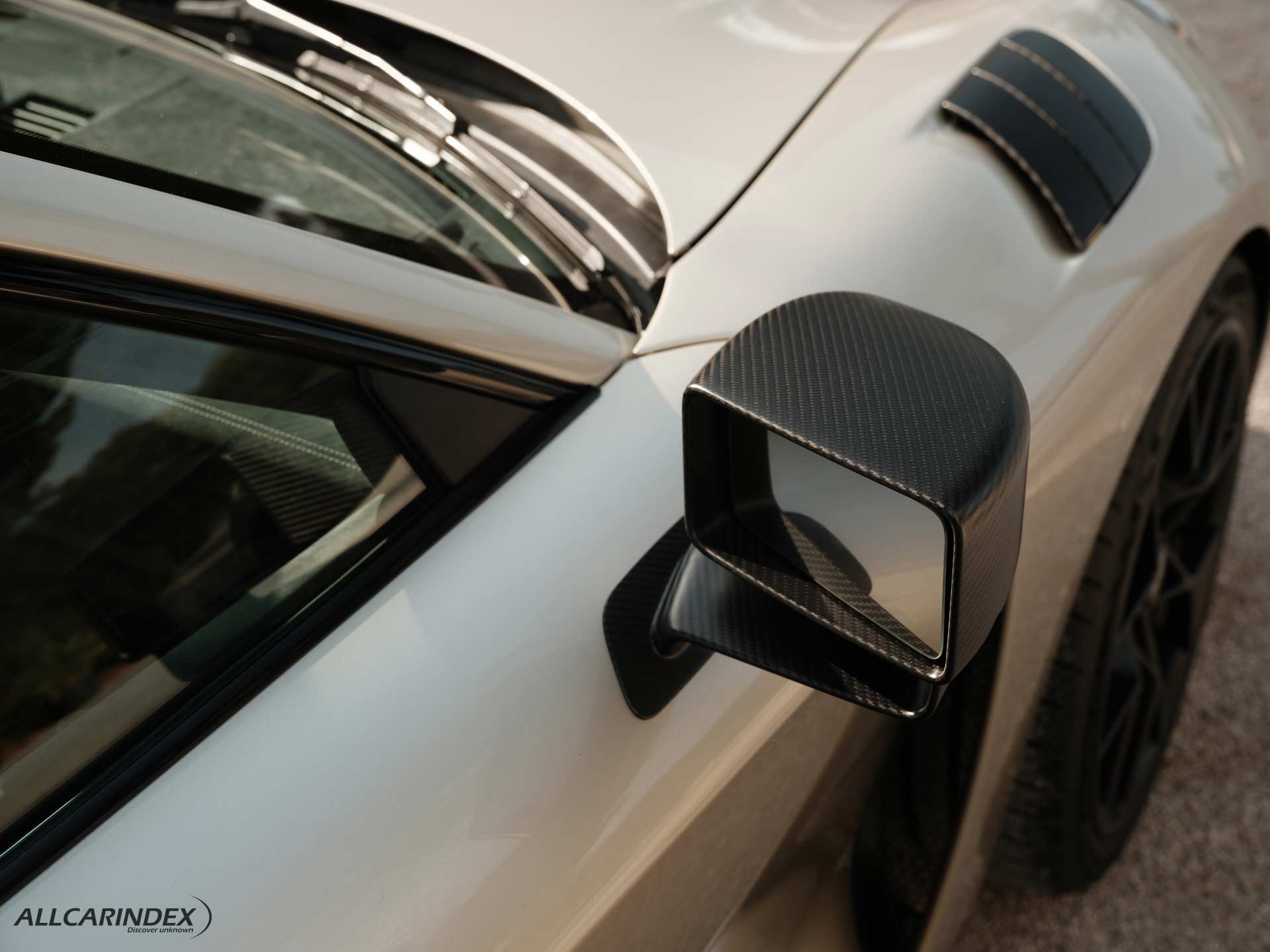
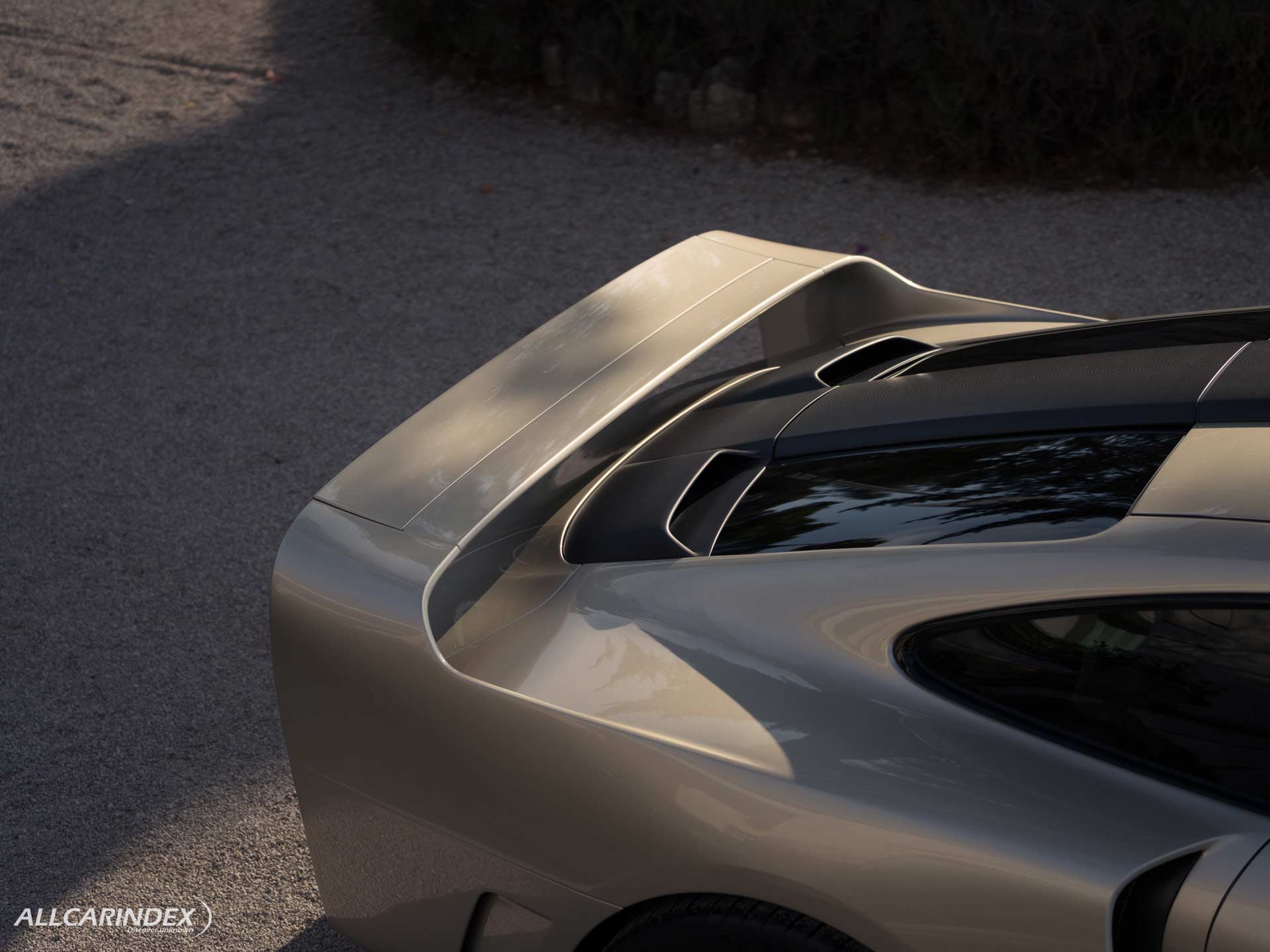
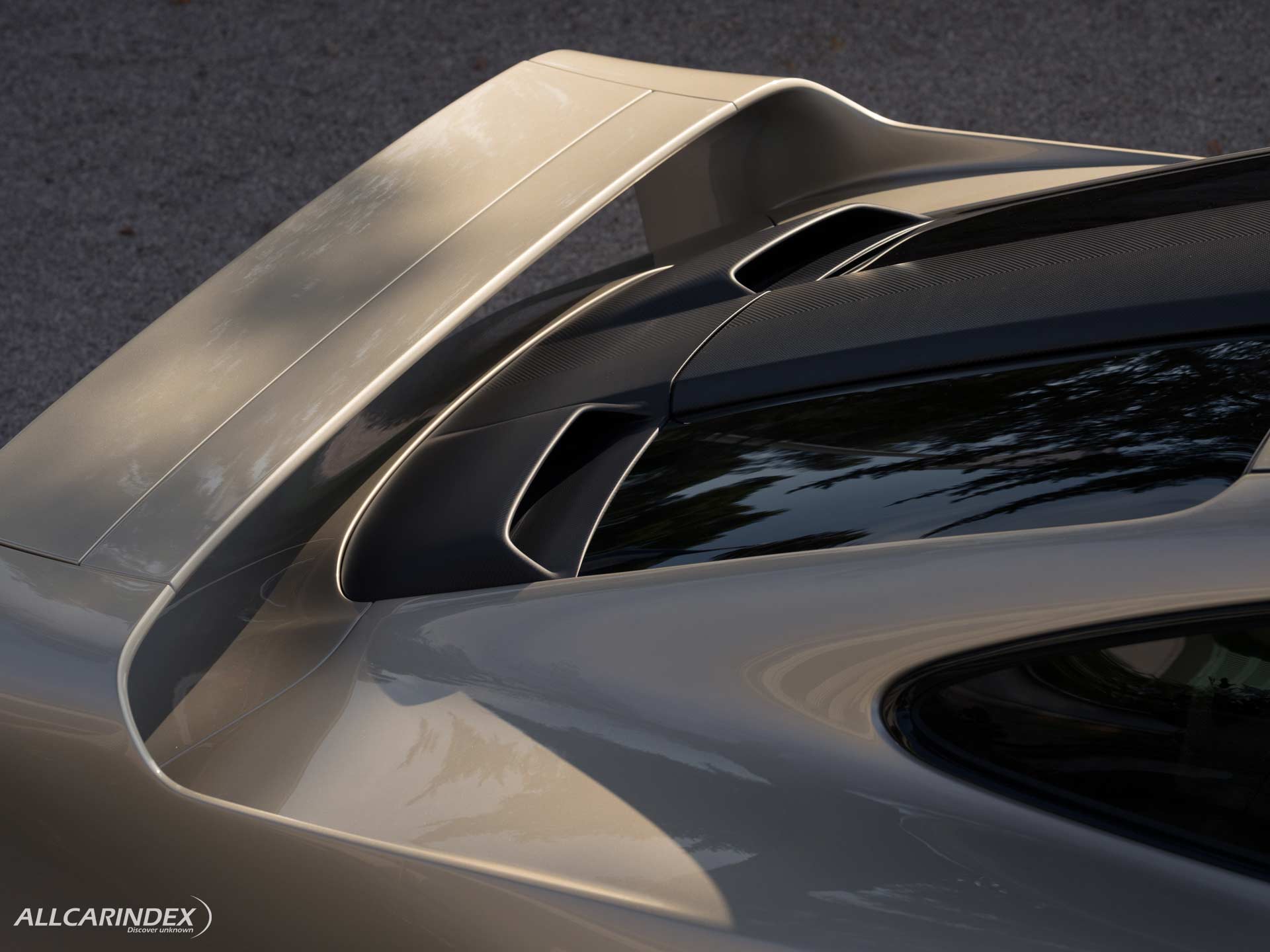
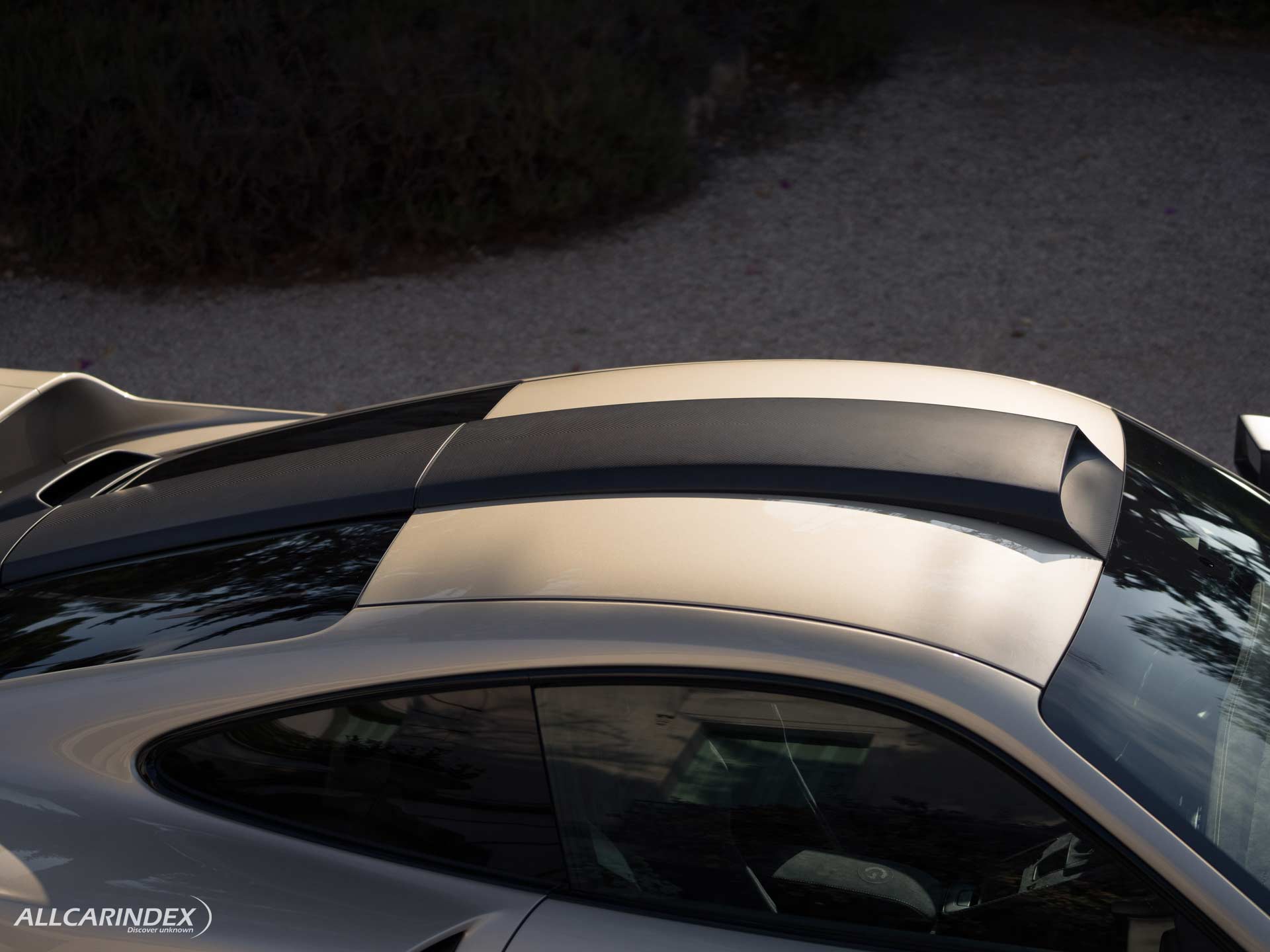
Mr Alan Derosier, the designer responsible for the look of the first MARSIEN, was commissioned again to lead the design concept of the GT, and the body drawn for it is carbon fibre from one end to the other, made up of more than a hundred separate components. Air channels, wing mirrors, wheel arch liners and a rear panel that runs from the A-pillar all the way back to the wing are all part of that count, and every single panel has been reworked, each one shaped for low weight, for cooling and for the air passing over it. The result is no less than 75 kilograms taken out compared with a standard 992 Turbo S! Aerodynamics and weight distribution together also brought a central fuel intake system. The panels themselves come from German carbon specialists whose other work goes to sportscar manufacturers and to several Formula One teams.
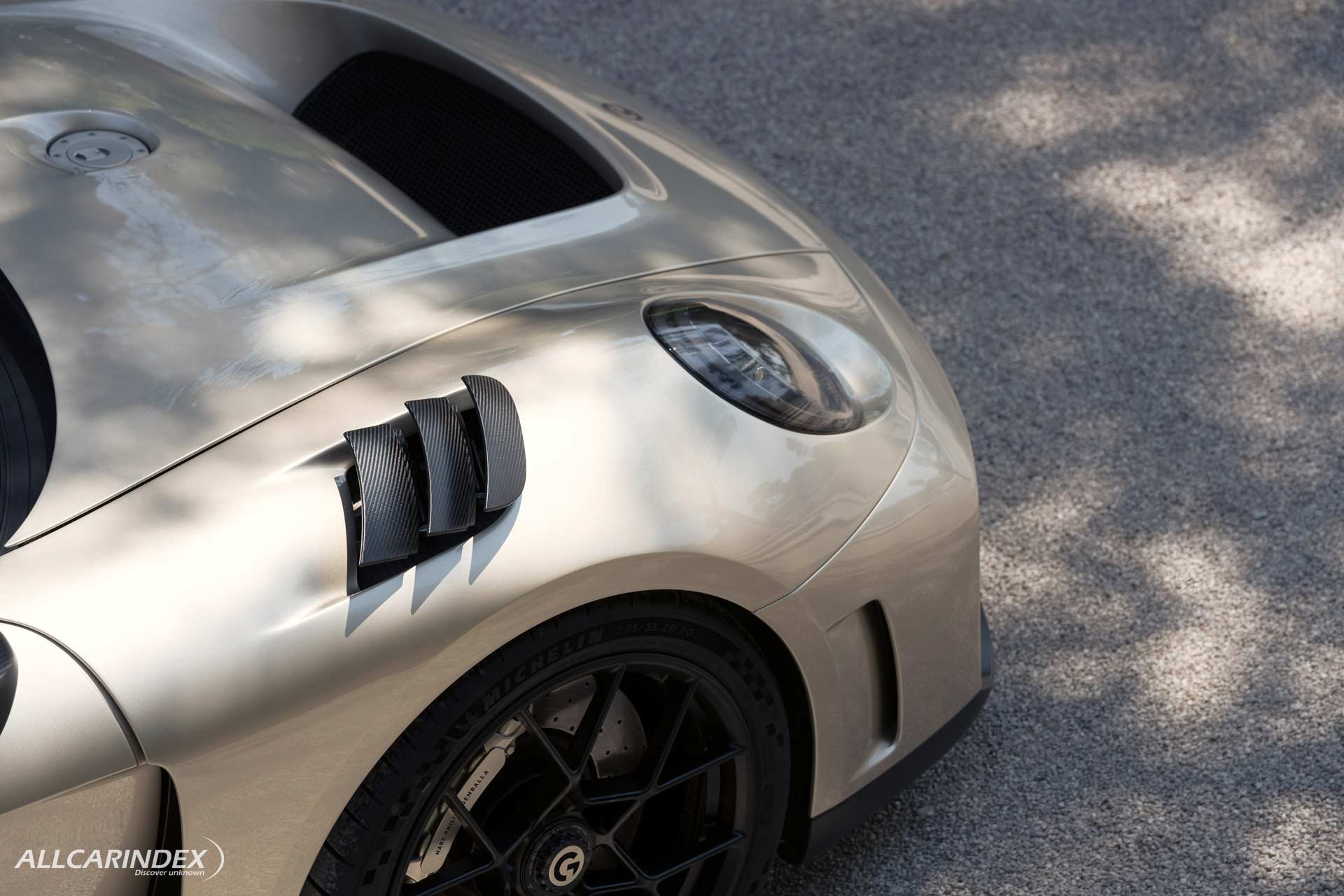
The moving parts of that bodywork run on air. A pneumatic pressure system actuates both the louvres in the front fenders and the rear wing, and the response of both is instant. The fender louvres open to release the high-pressure air trapped inside the wheel housings, which takes lift off the front axle and calms the turbulence within the arches. At the other end the wing has been raised and angled, with a greater angle of attack than the car had before, pressing the rear axle down and holding the car steady as the speed climbs, and it stands up as an air brake when the driver asks for one. The front end carries enlarged intakes to go with all of it.
Next to this comes the cooling, which has been given routes of its own through the car. The roof scoop takes undisturbed air from above the cabin and sends it straight into the intercoolers, separate ram air intakes serve the intake path of the engine, and the openings cut into the side skirts push fresh air into the rear wheel arches for extra brake cooling. Underneath, the solid aluminium floor of the donor car has been replaced by carbon fibre across the entire underside. No aluminium left down there. Weight goes down with it, and the air reaches the diffusor in better order.
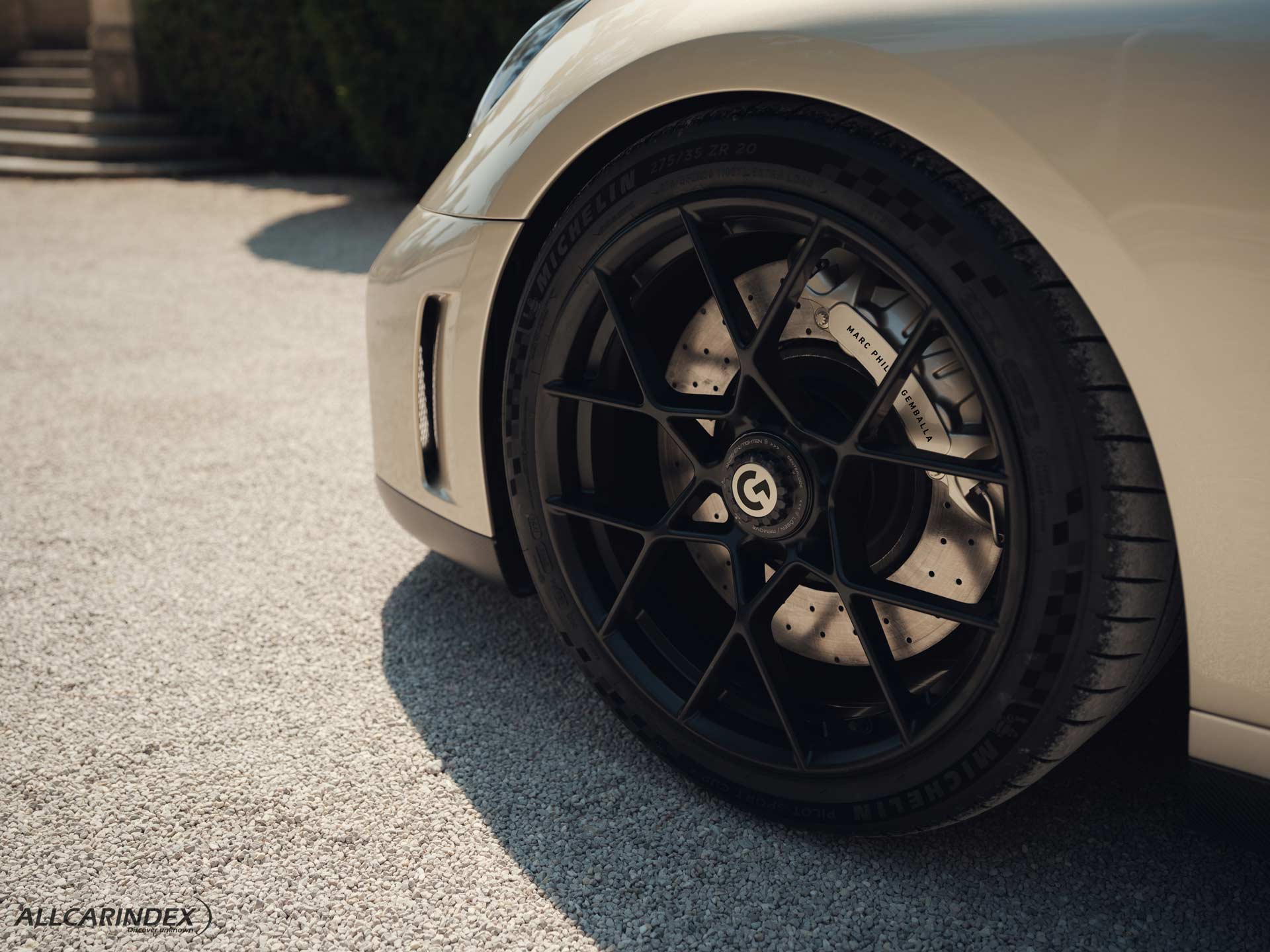
The suspension was developed with KW Automotive, a partner from the first car as well, and it is an entirely new double-wishbone arrangement at the front with a multi-link axle at the rear, matched to a damper system built for the road on KW's latest DDC V5 technology. The dampers are controlled electronically and adjust compression and rebound as the car moves, each one carrying two electromagnetic proportional valves that regulate the two forces independently of one another. The system answers a change of surface in 20 milliseconds! For daily use there is a nose lift on the front axle worth 60 mm, enough for driveways, ramps and the speed bumps that would otherwise catch a car sitting at the 100 mm the GT normally runs. A selector on the steering wheel switches the driving mode and moves the dampers, the transmission setting and the engine mapping along with it. On the ground there are forged aluminium wheels with six spokes and a centre locking system, 20 inch at the front and 21 at the rear, wearing Michelin Pilot Sport Cup 2 tyres in 275/35 ZR 20 and 335/30 ZR 21.
The power aggregate has been left to RUF Automobile, registered as a manufacturer in its own name since 1981 and known for what it does with Porsche engines, a house that already built powertrains for cars of Uwe Gemballa back in the 1980s. In the GT the twin-turbocharged flat six, driving all four wheels, gives over 830 horsepower and 930 Nm, the gains coming from stronger VTG turbochargers, a rewritten ECU map and an altered transmission setting. That is good for 2.4 seconds from rest to 100 km/h and a top speed of 330 km/h. For clients who want more than that, a second-stage upgrade of more than 900 horsepower is currently under development.
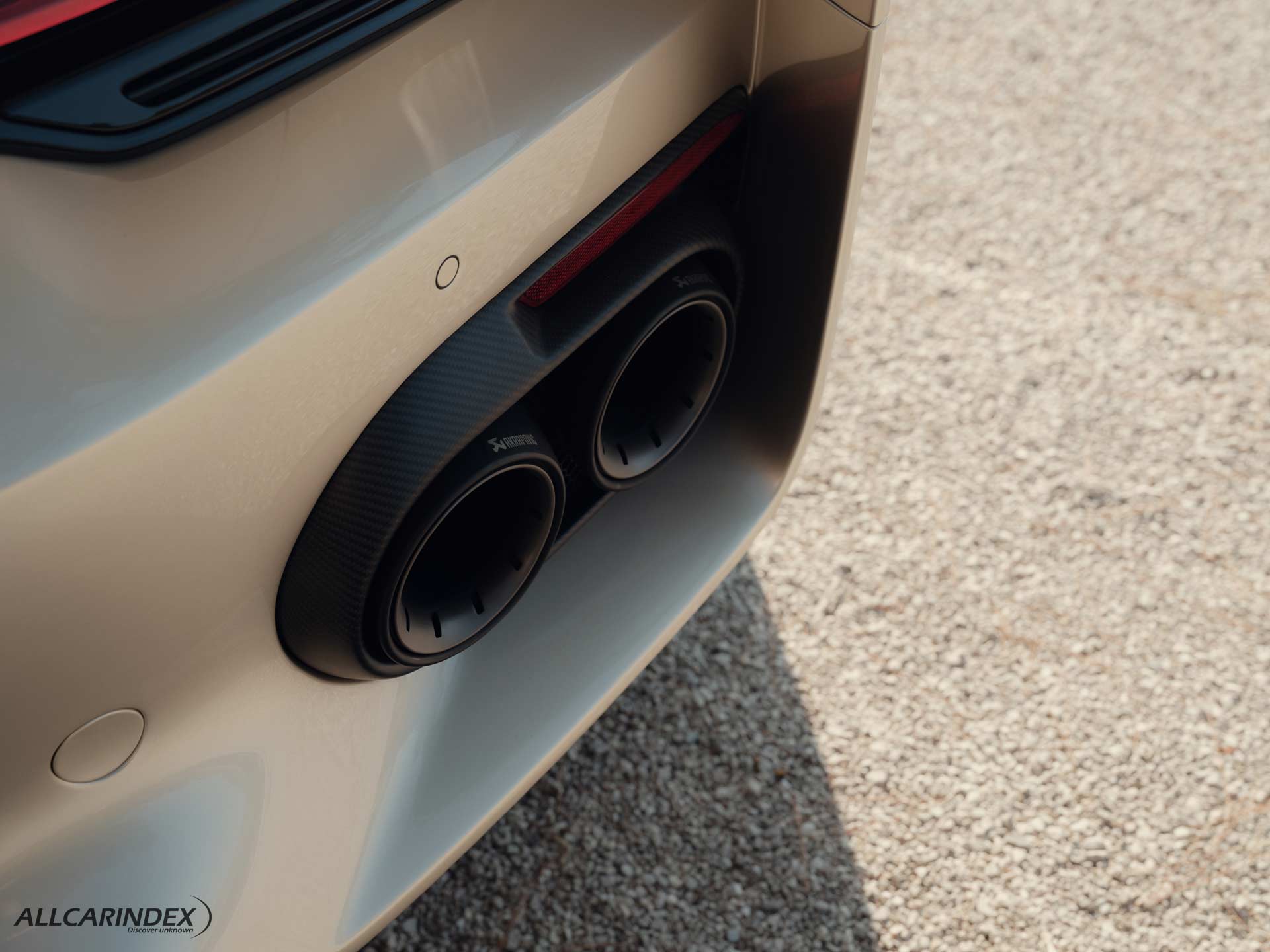
Behind the engine sits a quad exhaust in titanium throughout, newly developed by Akrapovič, its layout carrying the more assertive rear of the GT while suiting the character of the RUF-built engine in both what it looks like and what it sounds like. The launch car wears a colour made once and made for the occasion, Anniversary Liquid Champagne Gold, a four-layer champagne gold metallic with pearlescent flakes worked into it, applied by a certified paint studio that takes on the most daring colour requests a customer can put to it. The gold marks the same 70th anniversary as the production number, and the pearlescent content is a quiet reference back to the pearl white the first MARSIEN was launched in.
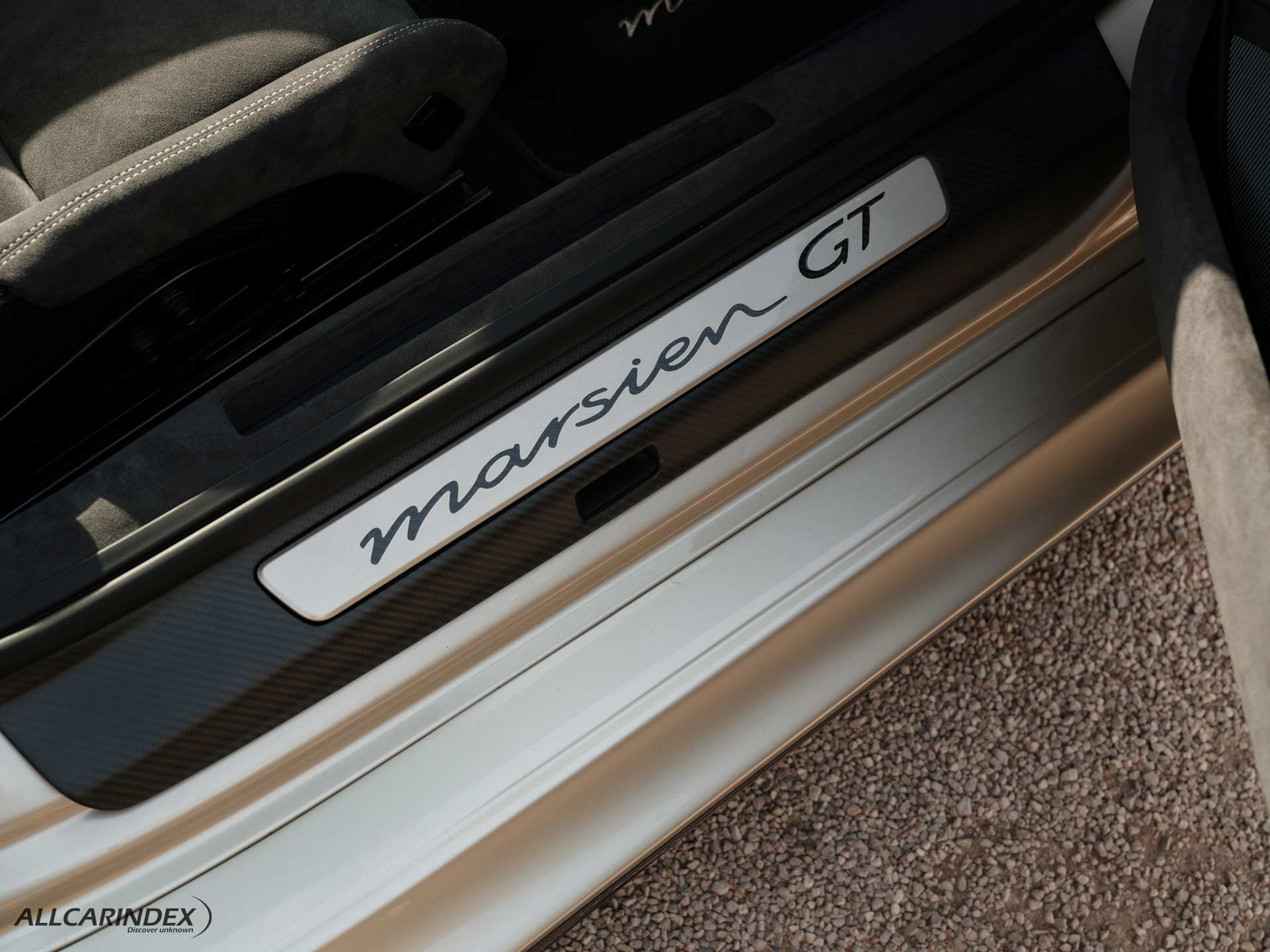
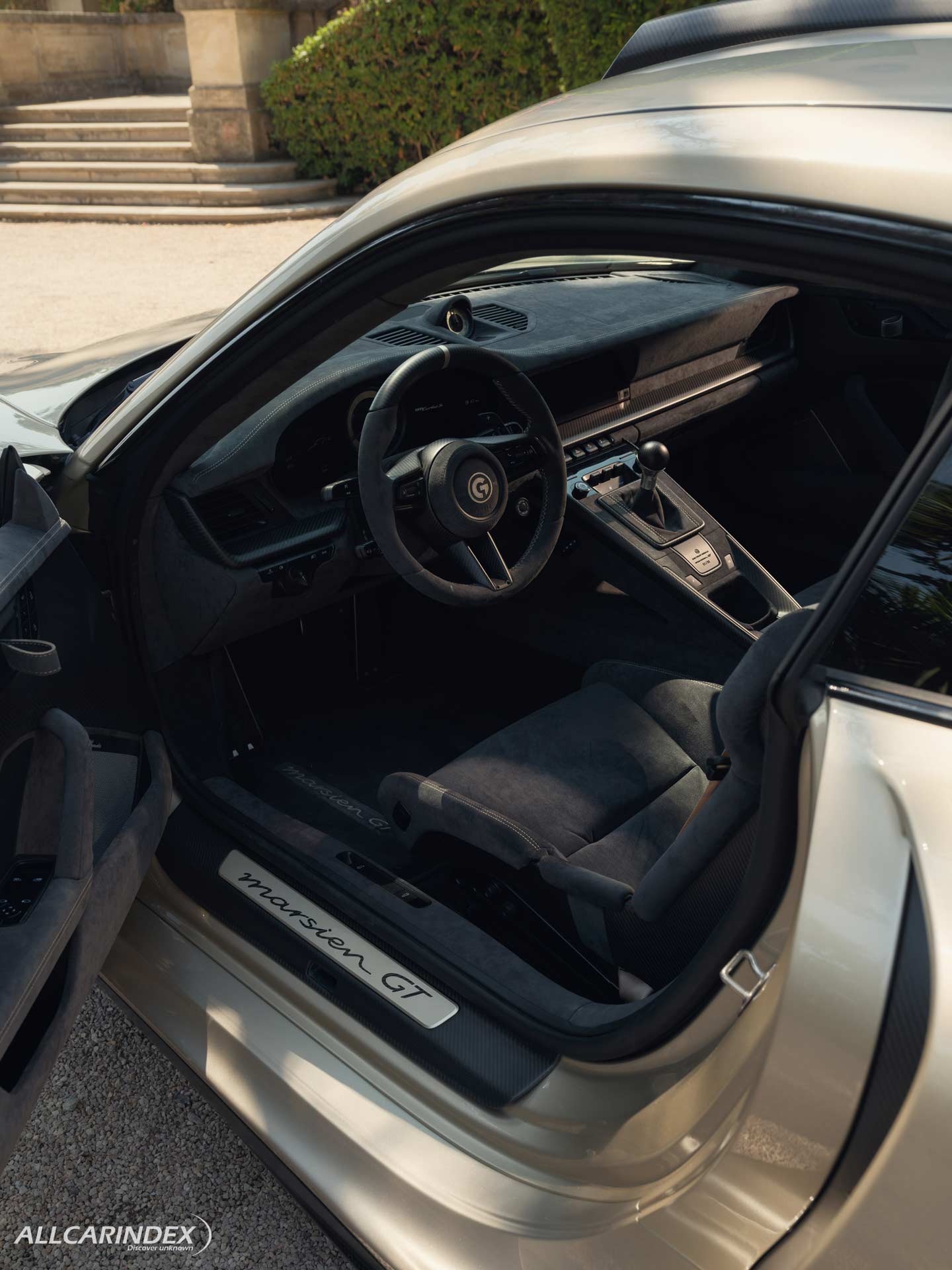
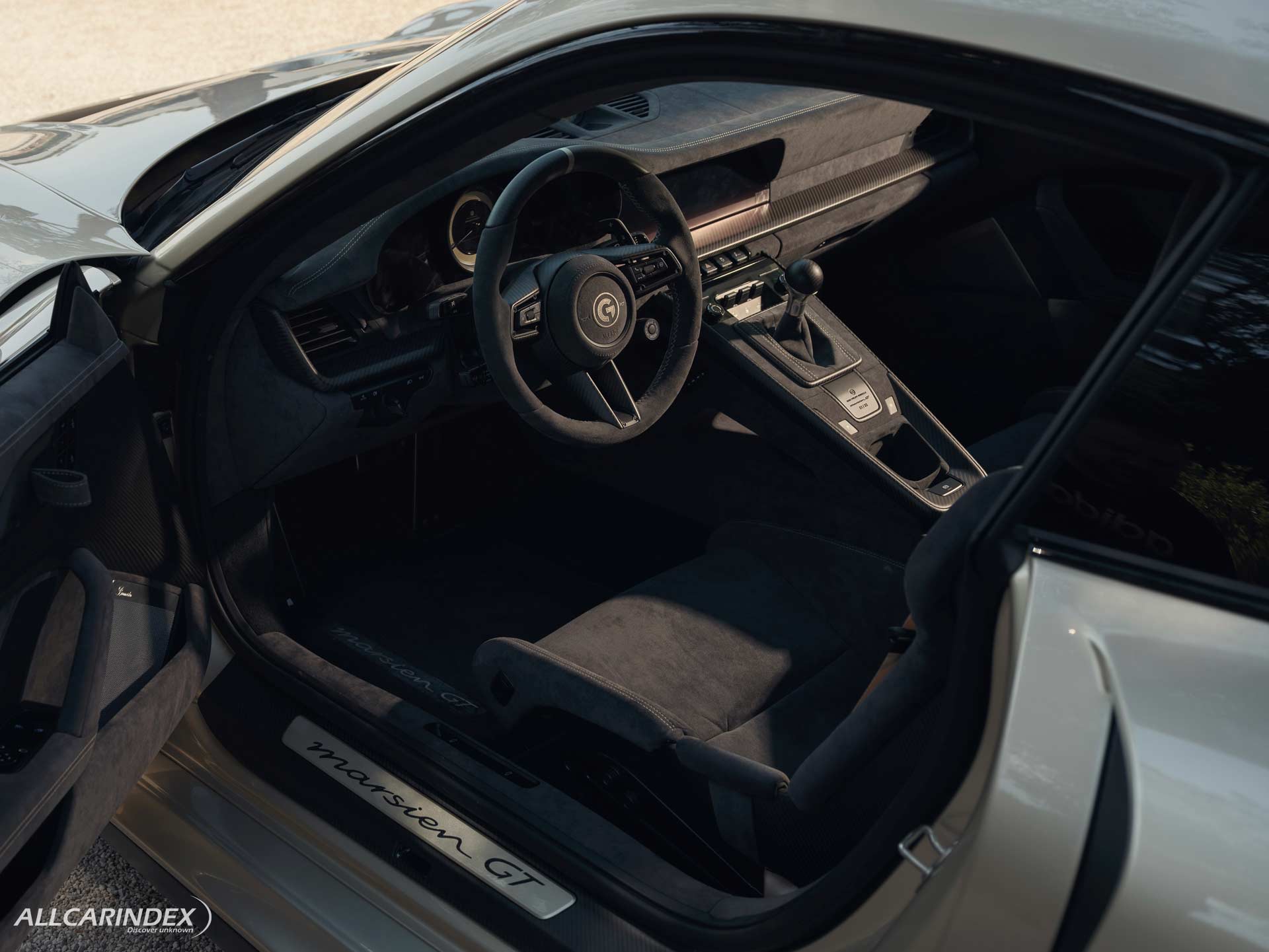
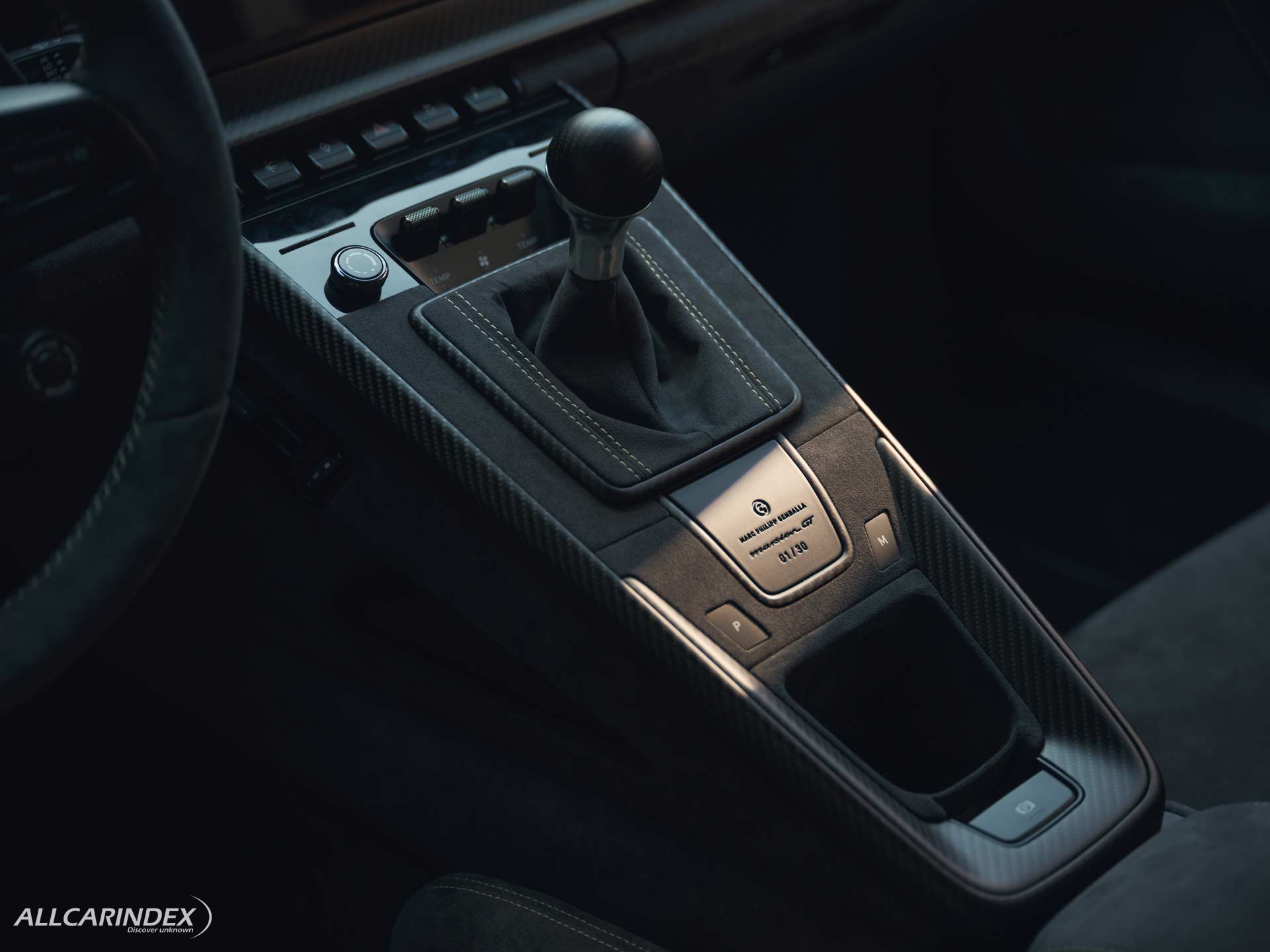
Inside, the centre console has been lifted and given an aluminium gear lever whose inspiration is the CGT, which makes for a sportier and more analogue way of driving, and the knob on top of it can be ordered in exposed carbon or in mahogany instead of leather or Alcantara. The logo is stitched by hand, the paddles for changing gear by hand are stitched in the same manner, and that stitching is repeated on the floor mats, the headrests and the armrest. In addition to that, a metal badge carrying the individual production number out of the run of 30 is set into the centre console.
The options list follows the same line. A carbon fibre interior package adds further exposed carbon in many various places around the driver's cabin, and a club sport roll bar can be fitted behind the seats, painted in a colour of the owner's choosing or finished in leather, in Alcantara or in exposed carbon. The car going to California has been specified in dark grey Alcantara with carbon fibre bucket seats, and the champagne of the paintwork is picked up inside on the stitching, on the seat belts and on the dials of the instruments. Its carbon accents are finished matte, its roll bar has been recovered in Alcantara, and every badge and model designation on this particular example is black.
The covers come off on the awards ramp of the Pebble Beach Concours d'Elegance, on the 18th Lawn, on Thursday the 13th of August 2026 at three in the afternoon Pacific time, and that single moment counts as both the world premiere and the North American debut. After that the car moves to The Quail, A Motorsports Gathering, and to the Concept Lawn of the Concours, where it has been selected among the most significant automotive debuts of the show. Monterey Car Week runs from the 13th to the 16th of August in Carmel, California, and the GT can be seen there throughout. Series production only starts in 2027, and the first of the 30 cars are not due with their owners until the end of that year. Five years after the first MARSIEN stood on the same grass, the second one is the one built for the road home.