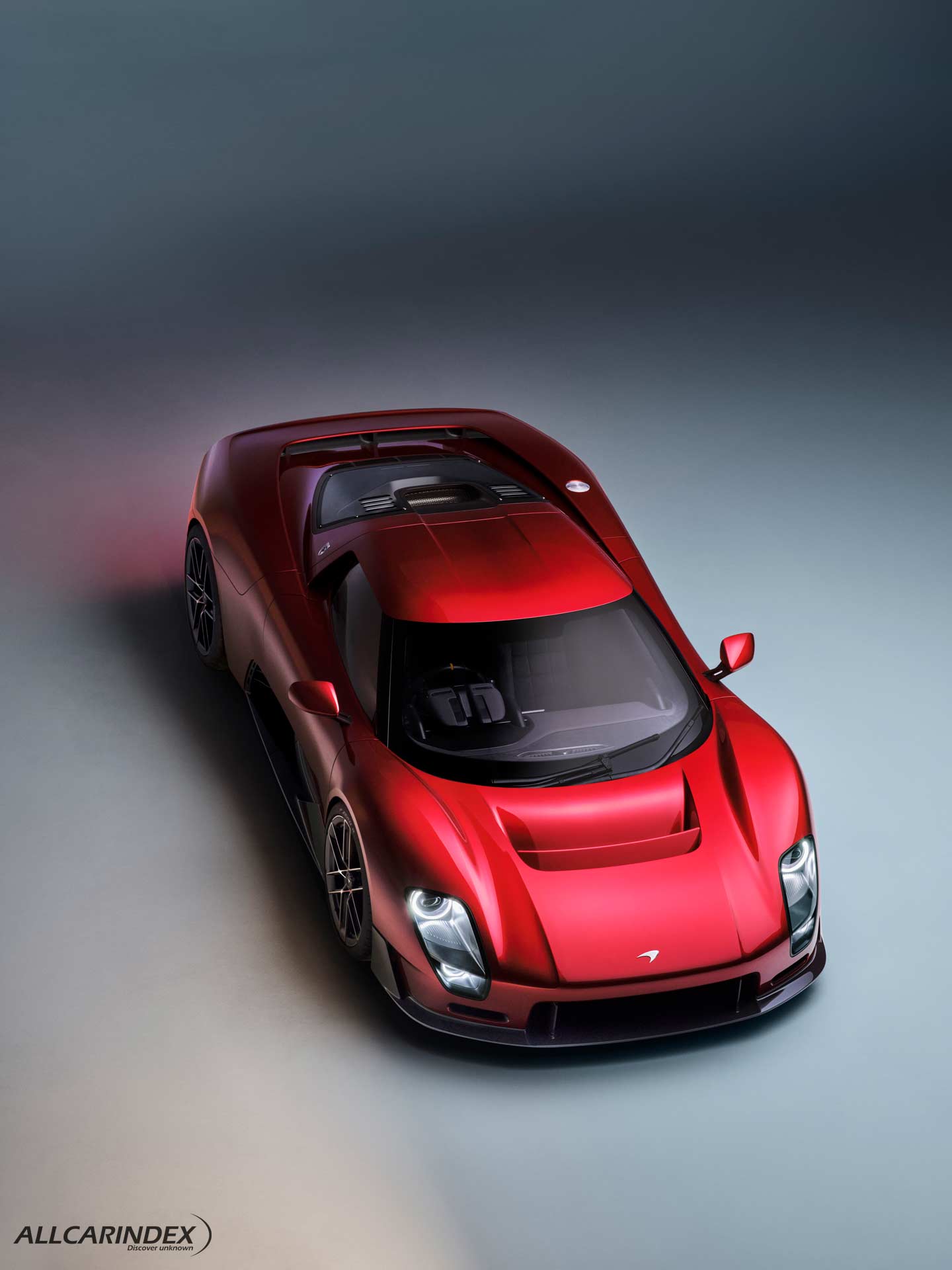
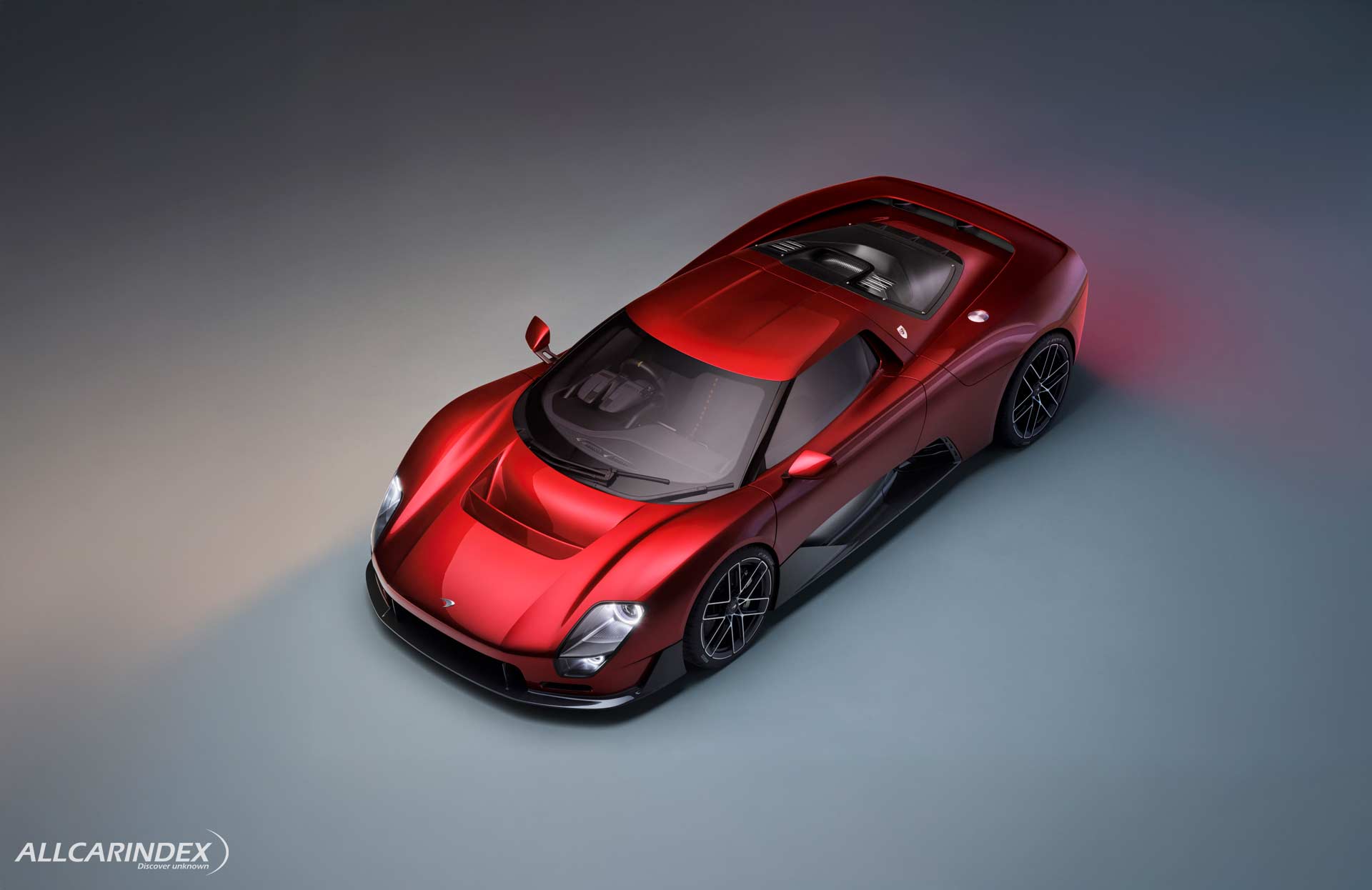
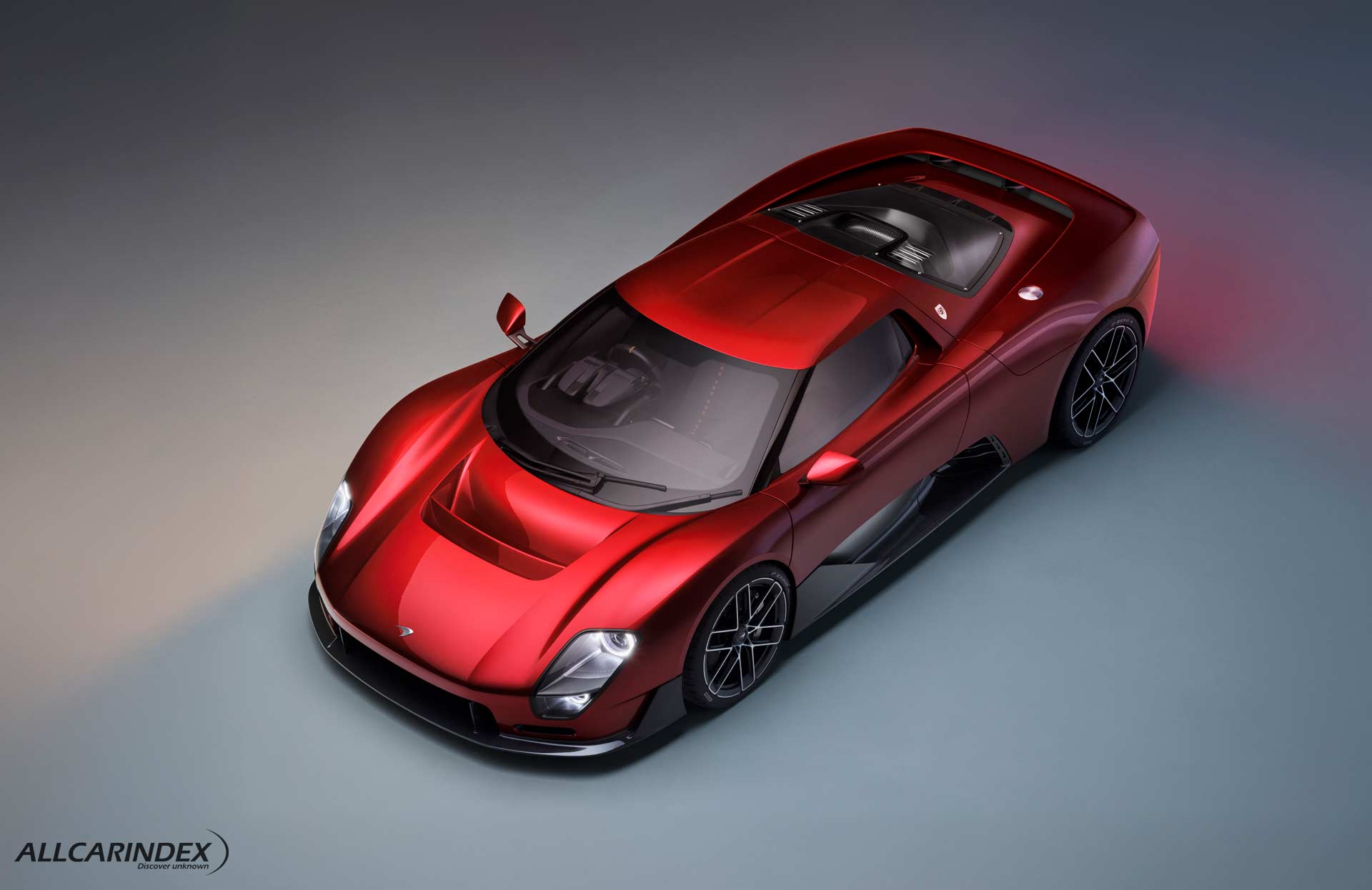
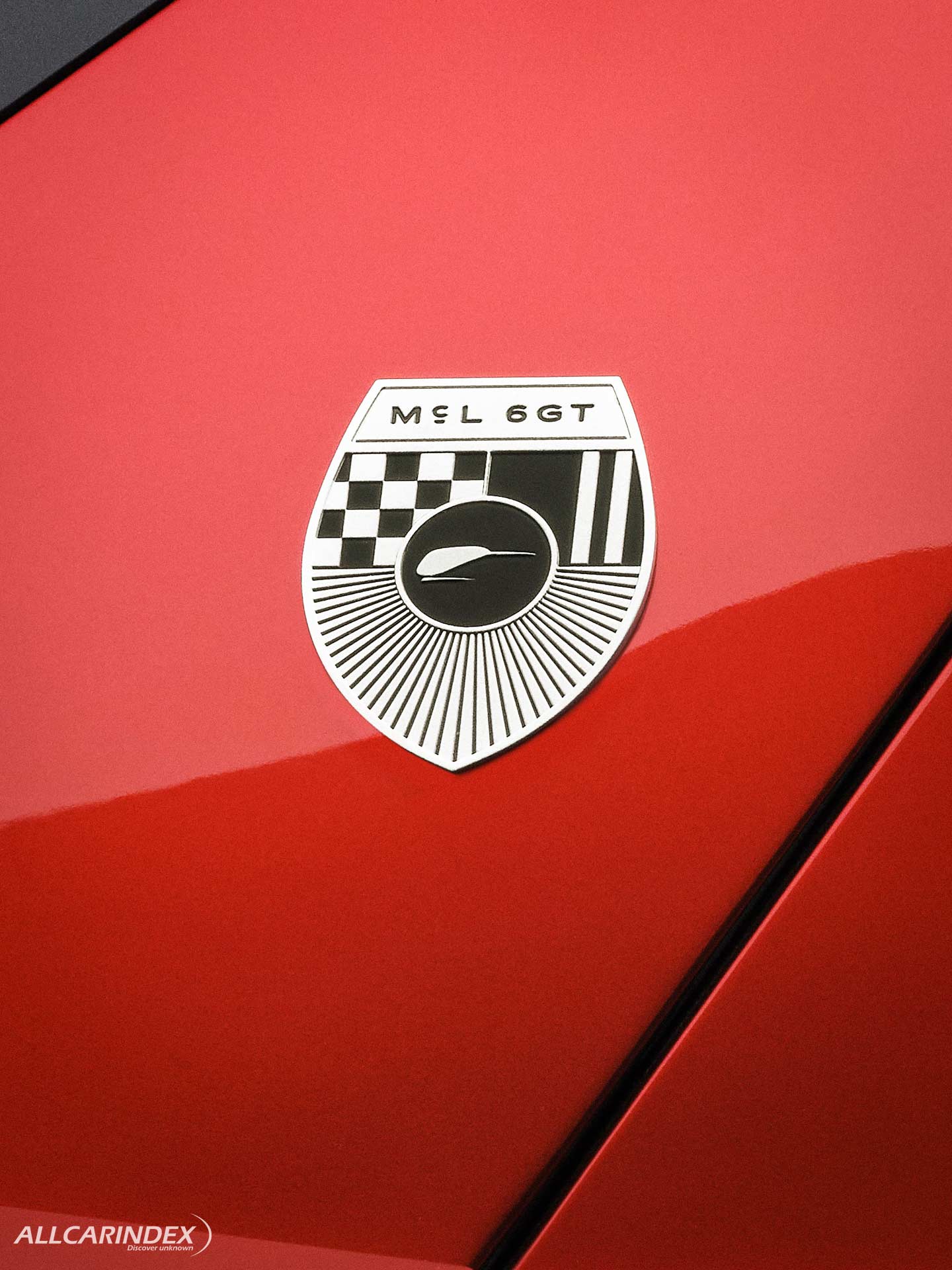
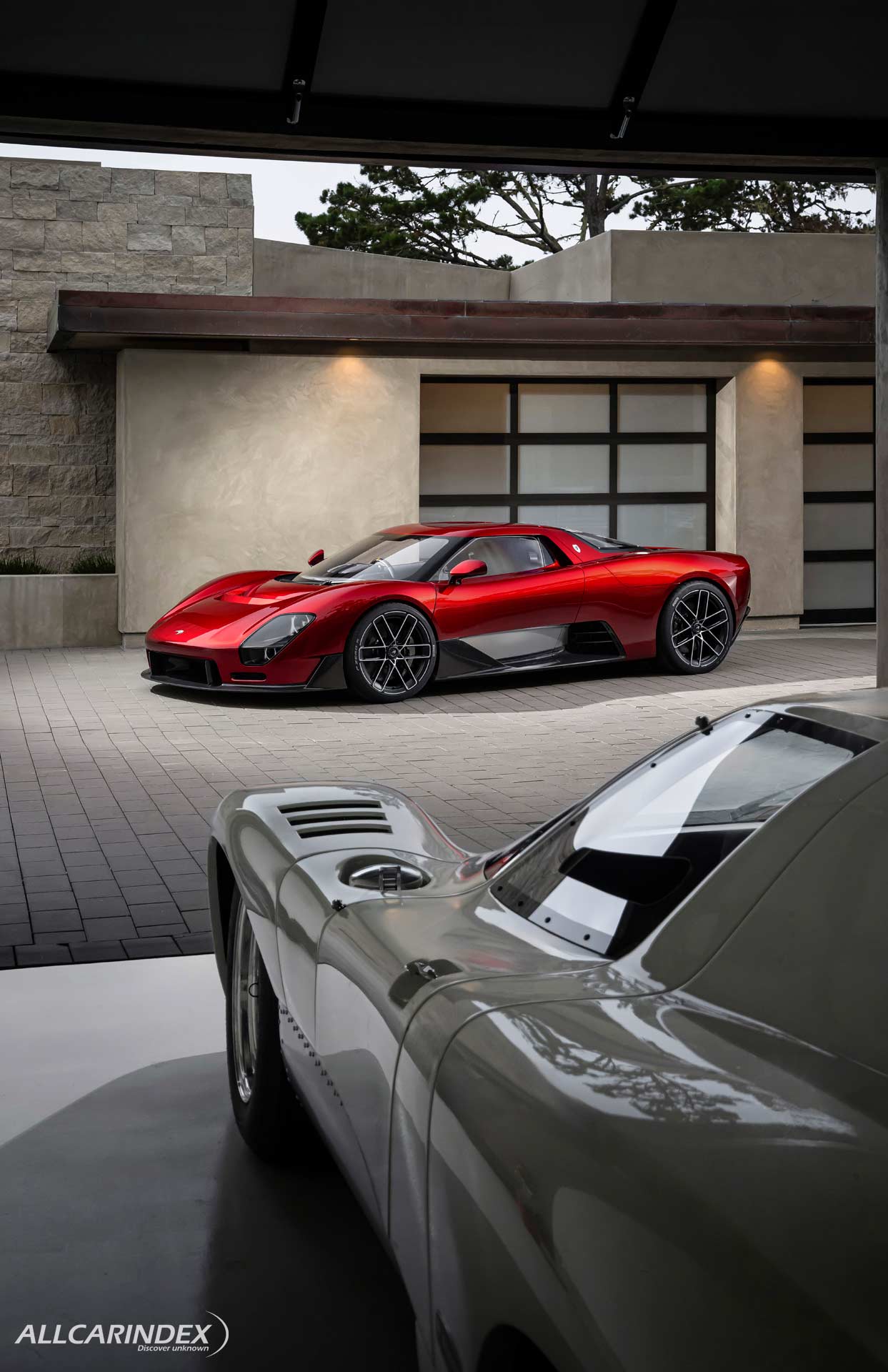
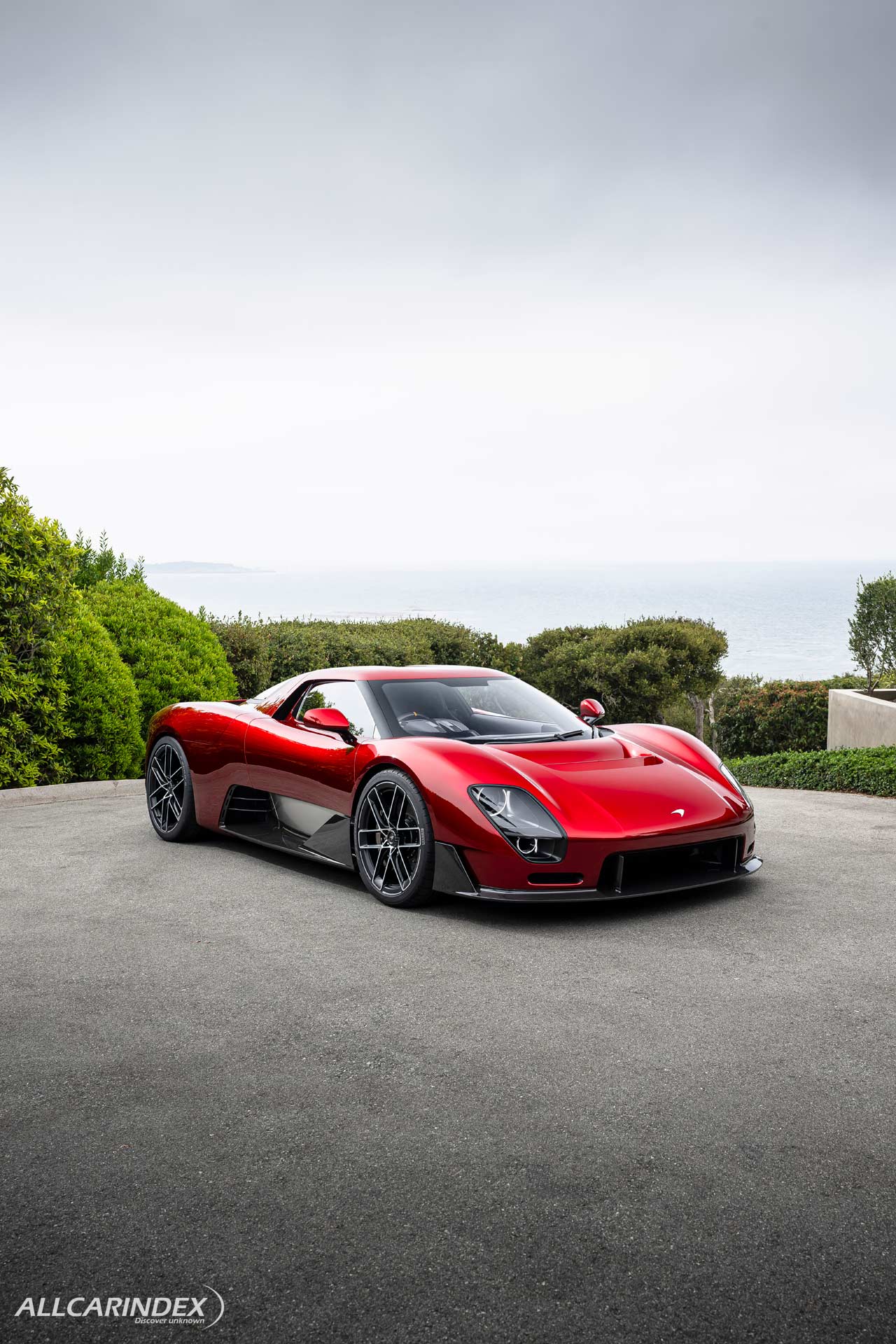
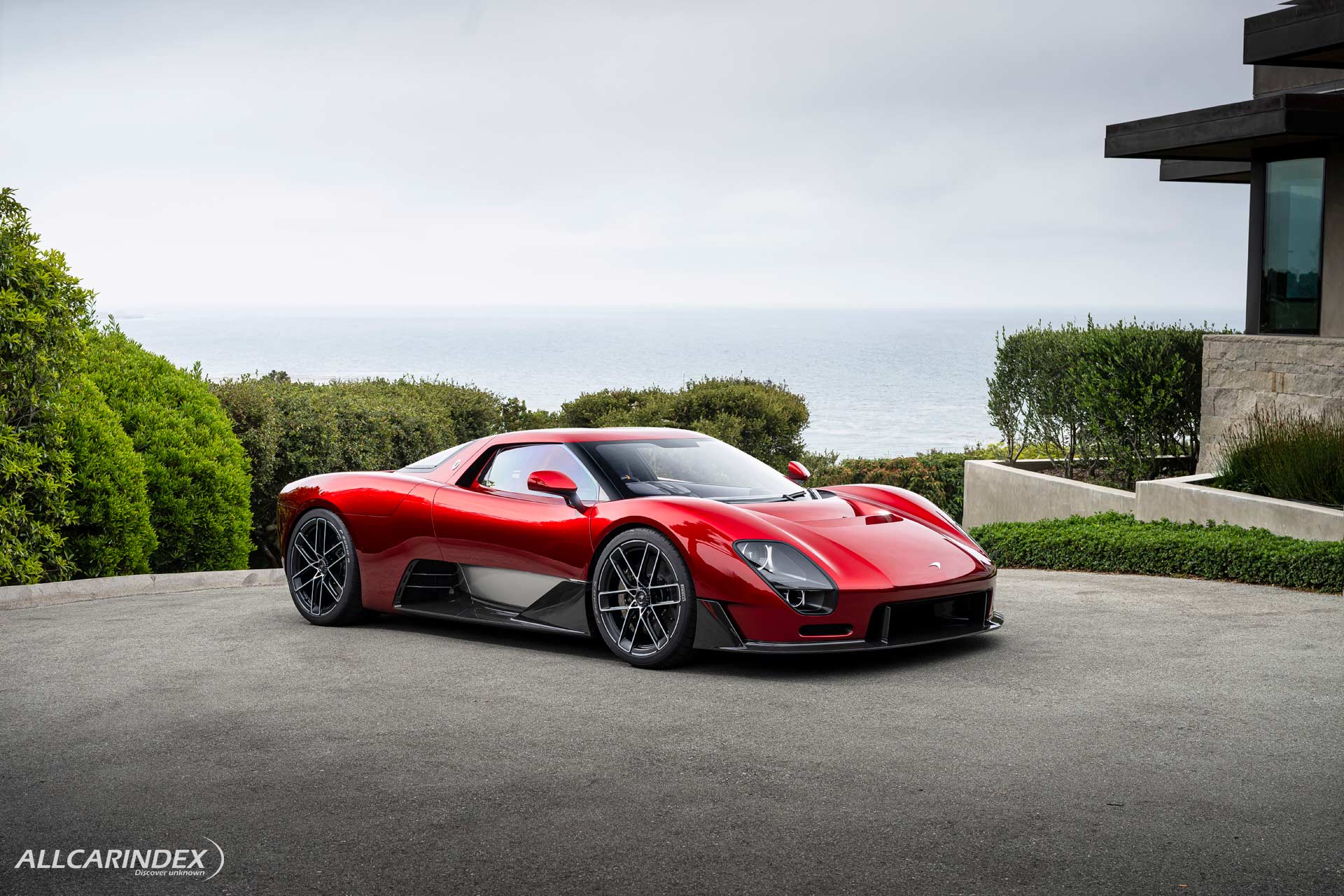

The 2026 Monterey Car Week gave McLaren Automotive the stage for something the company had never quite done before, a car built explicitly to reach back into its own founding story rather than forward into the next generation of hybrid hypercar technology. What it presented there was a concept that connects McLaren's heritage directly to the present day, drawing its inspiration from a car Bruce McLaren himself never got to finish. That car was the McLaren M6GT, and its modern successor is the McL 6GT.
The M6GT was Bruce McLaren's original, unfulfilled supercar dream, and McLaren had already spent part of this year honouring it directly. Earlier in 2026, via McLaren Special Operations, the company presented a meticulously assembled one-off of the original M6GT at the Goodwood Festival of Speed, a tribute to Bruce's in-period vision for the car. The McL 6GT takes that same celebration of McLaren's road car origins a stage further, built not as a restoration but as a contemporary interpretation of the car that effectively started McLaren's road car story in the first place.
McLaren frames the McL 6GT as the first car of its kind for the company, a signal of how the maverick spirit that has always run through McLaren can inform a future-facing approach to road cars without losing character in the process. Further to that, it lays the foundations for a newly positioned and highly exclusive type of McLaren supercar, one that sits beyond the core and expanded portfolio the company currently builds. That new positioning is set to become real with a production version of the McL 6GT, due in 2028.
Nick Collins, Chief Executive Officer of McLaren Automotive, put the thinking behind it plainly: "The McLaren McL 6GT imagines what our inspirational founder had wished to complete but with six additional decades of innovation and passion woven through every element, creating a modern icon of driver connection. It is symbolic of the bold, provocative and hugely exciting future that we are preparing to realise."
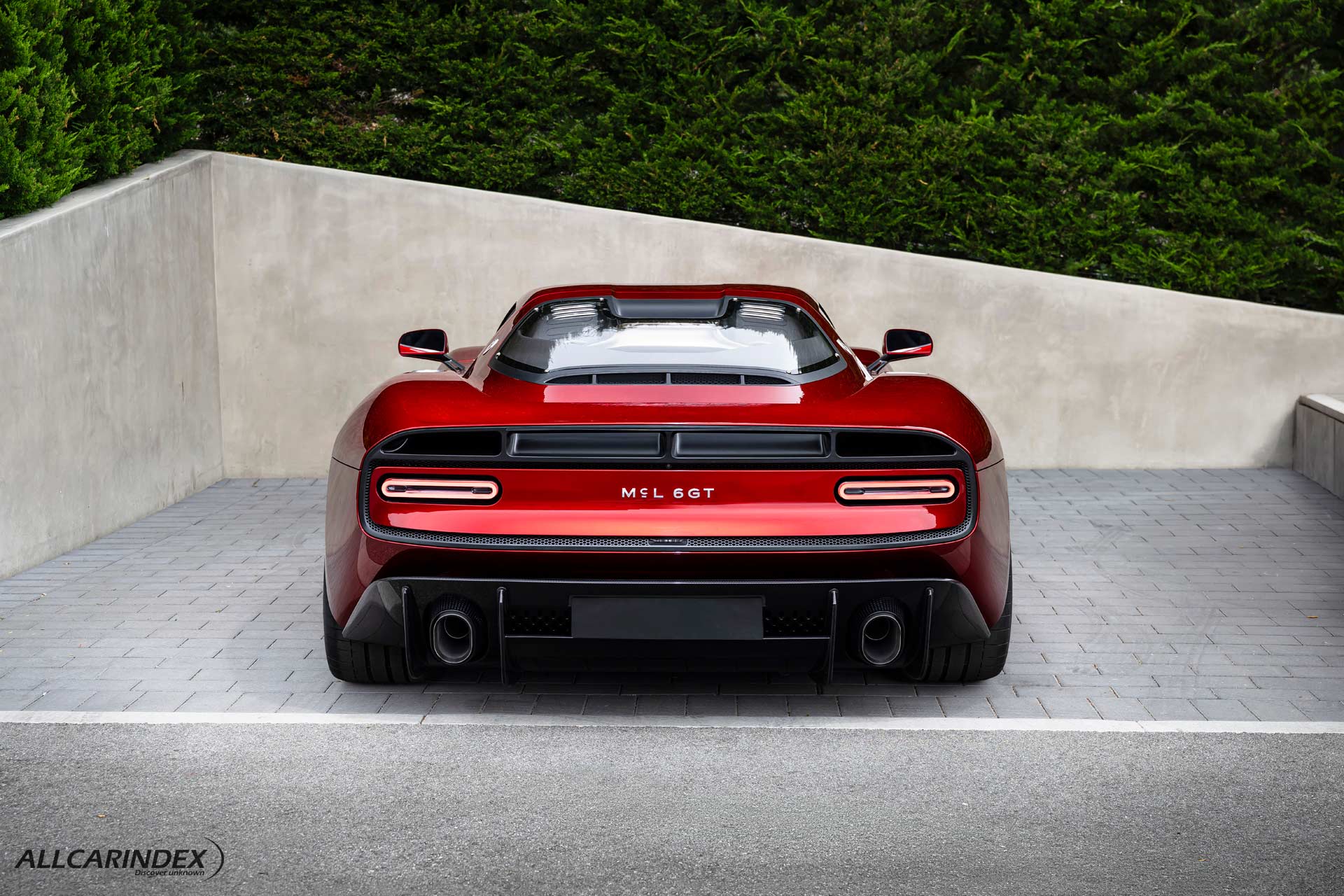
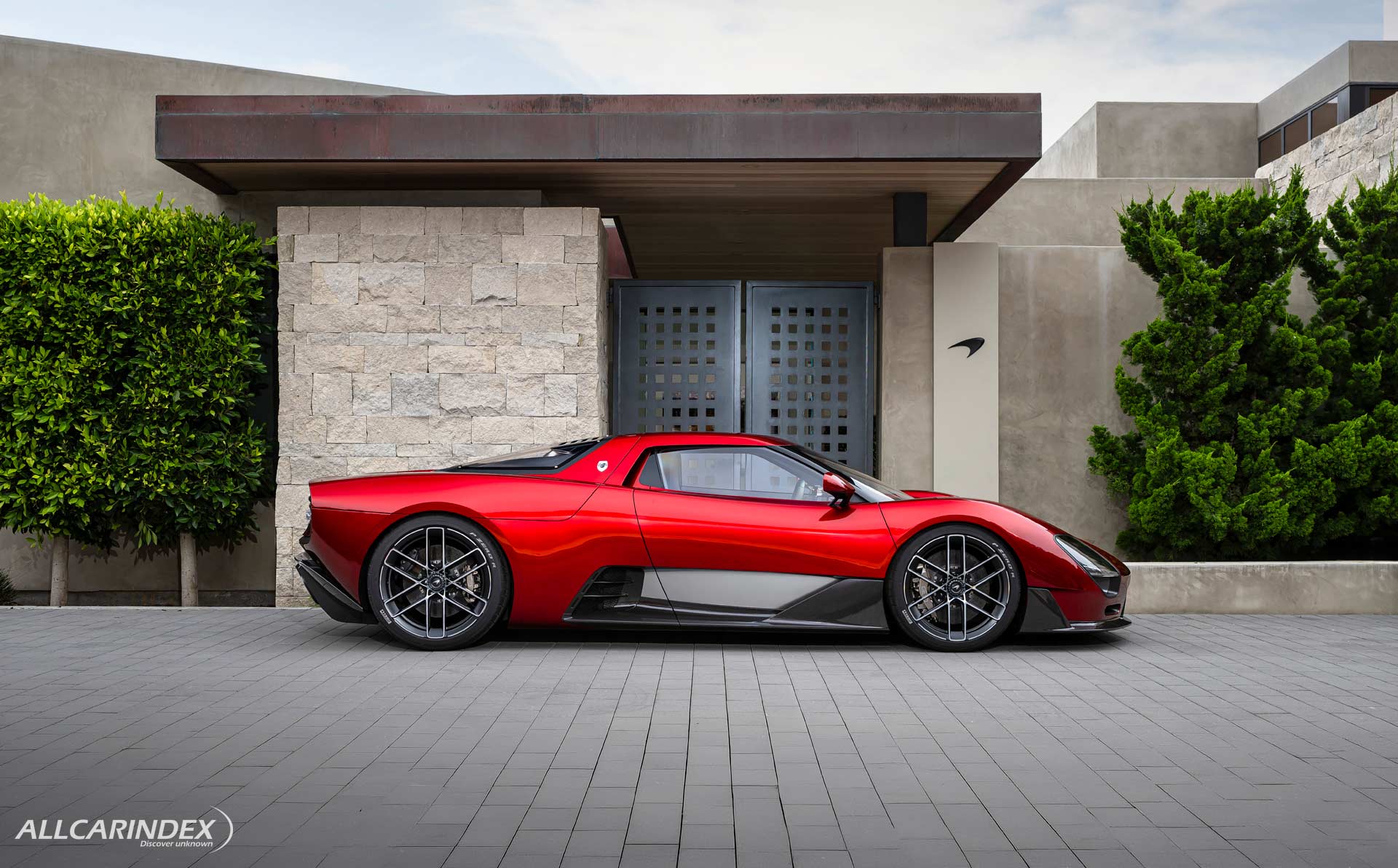
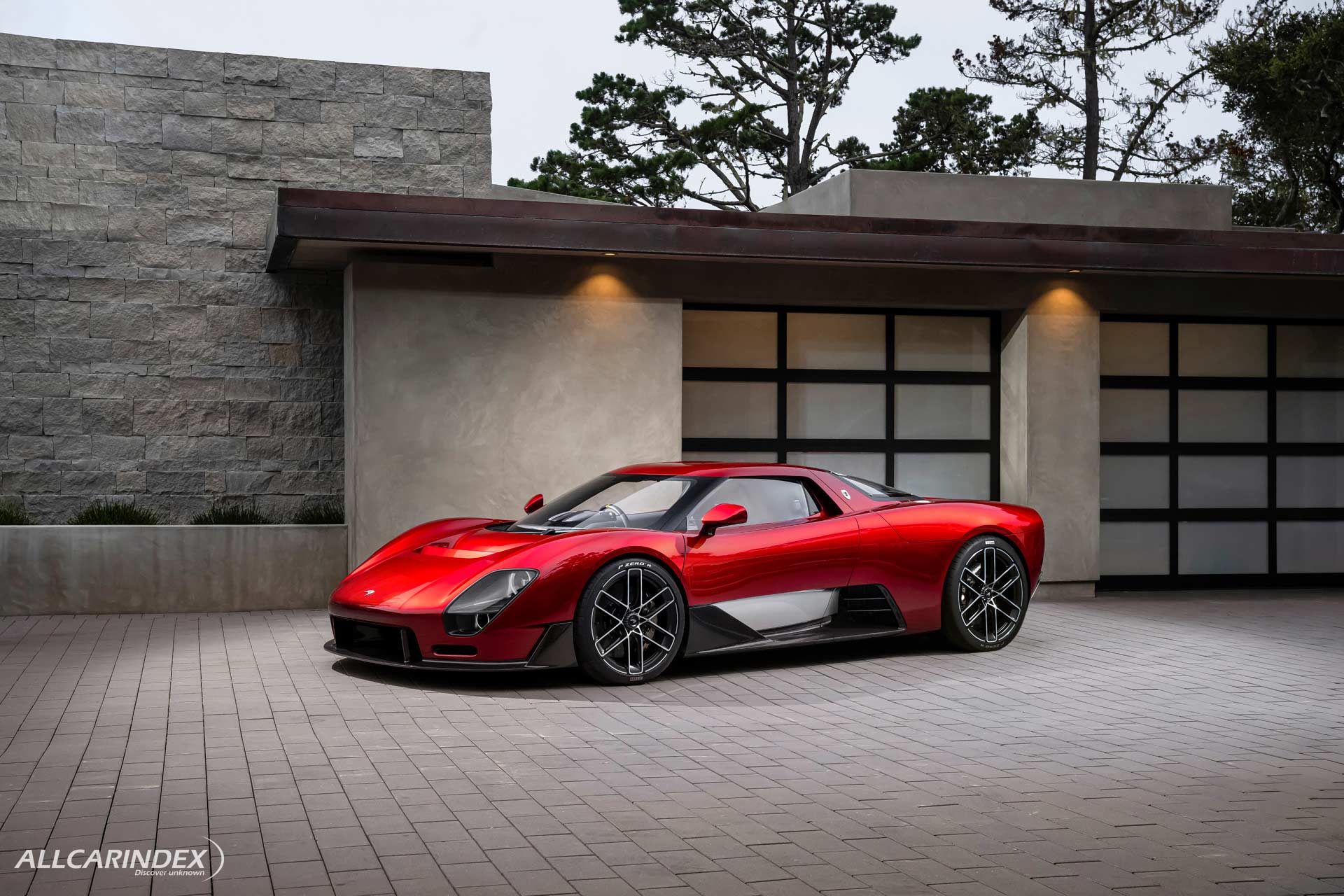
The design itself works from a much rigorous reading of 1960s sports prototype racing, filtered through 21st century execution and packaging, with the DNA of the M6GT felt across the whole car. It starts with proportion: the McL 6GT sits exceptionally low and wide, with a low nose that echoes the stance of the M6A Can-Am racer the original M6GT was based on. The surfacing is kept clean, with uninterrupted volumes running from that low nose all the way to a distinctive Kammback tail, and the whole car reads as a single continuous form, its roof flowing naturally into the rear deck and engine cover. The cabin appears embedded within the body rather than sitting on top of it, and those organic qualities, wrapped tightly around the mechanical packaging underneath, mimic the low-drag aerodynamic conventions of the era the car draws from.
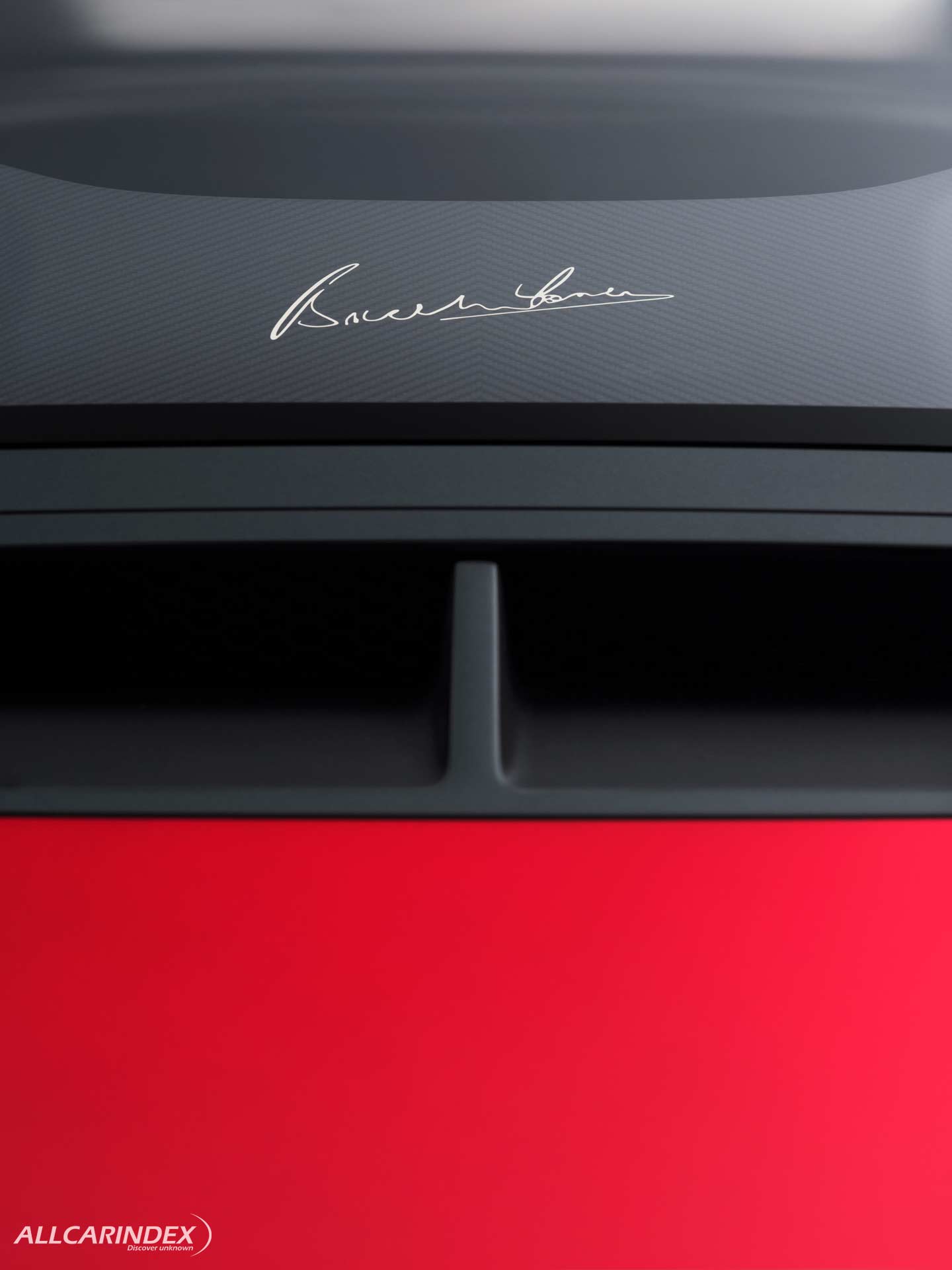
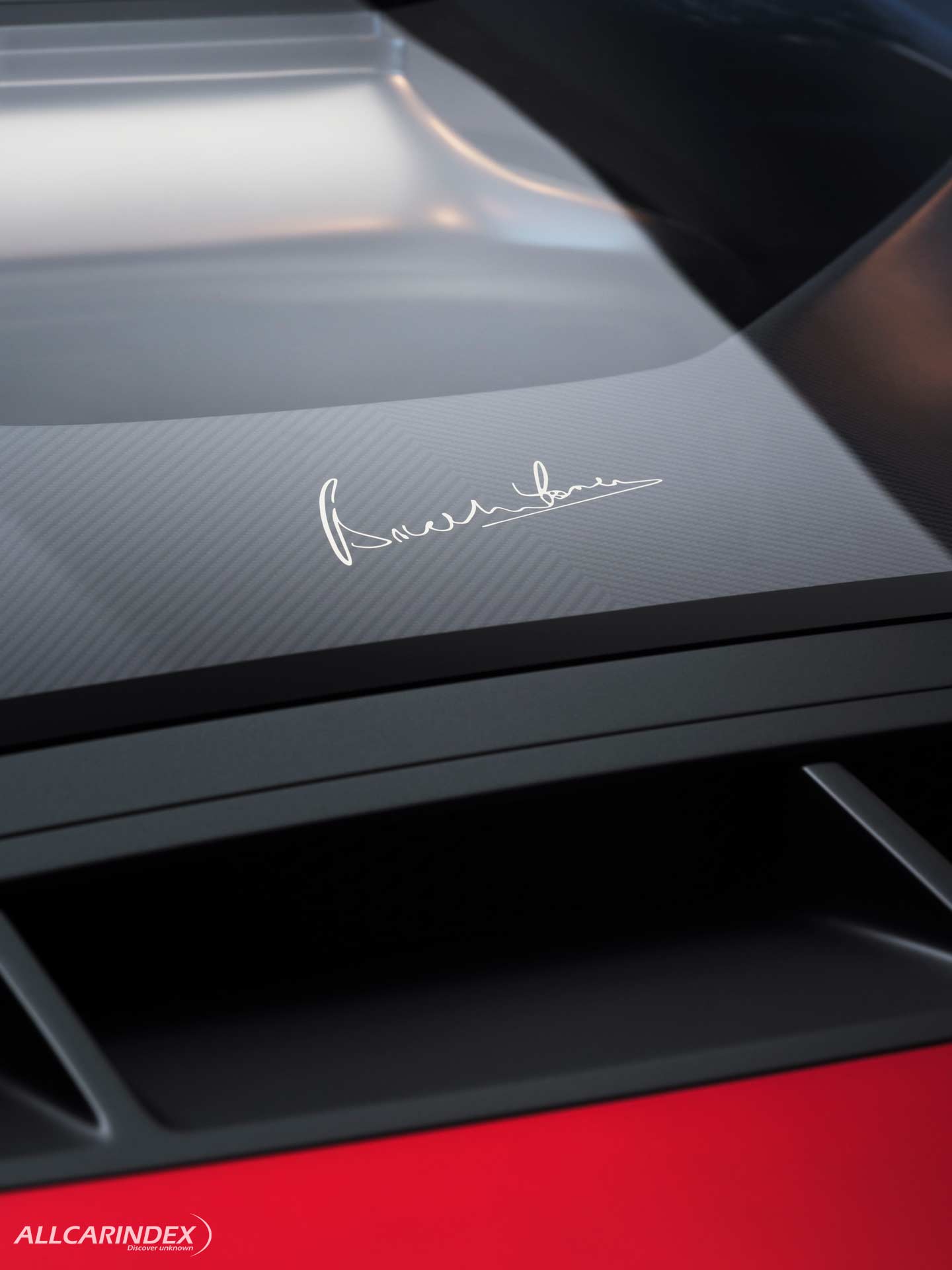
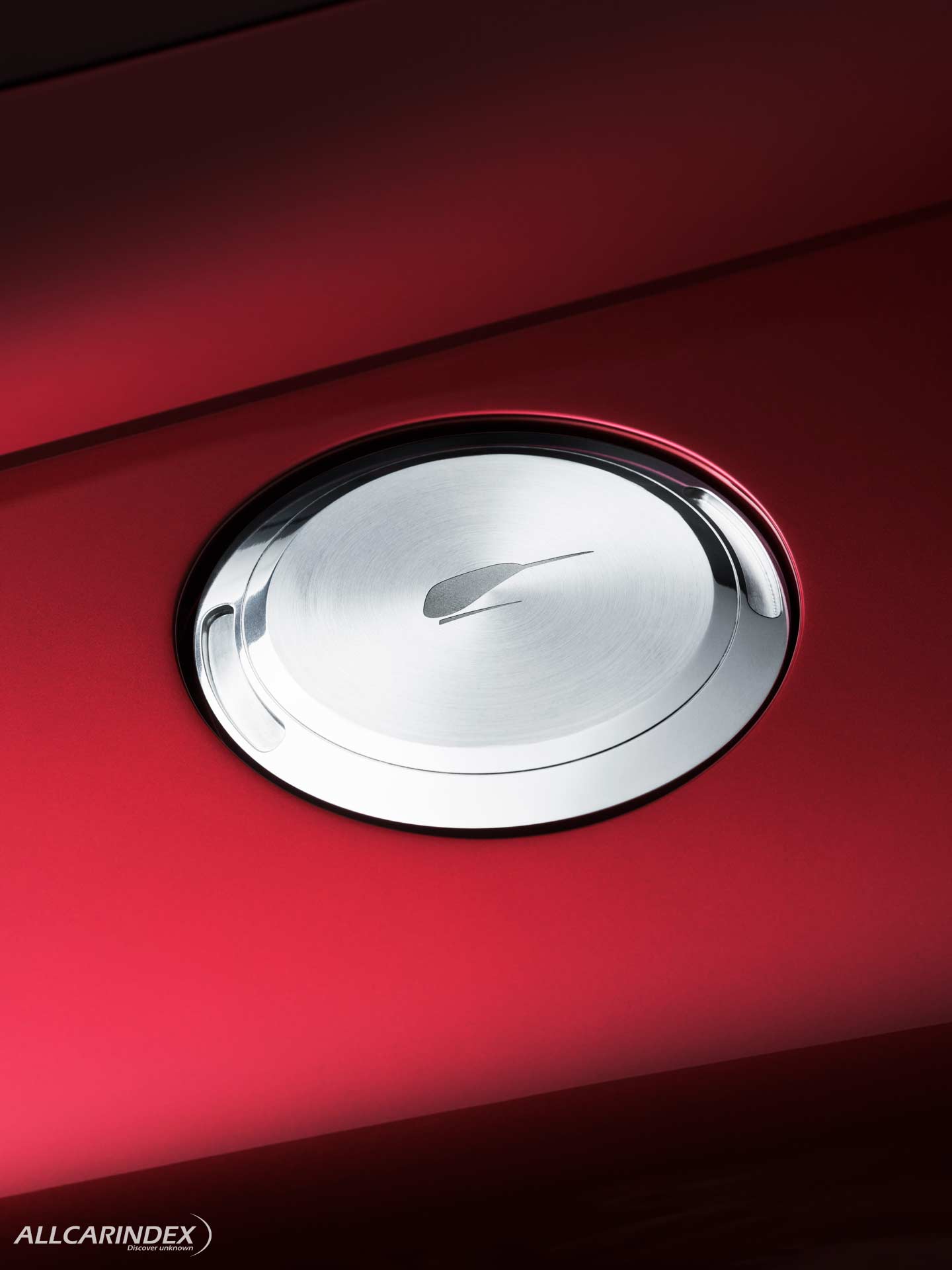
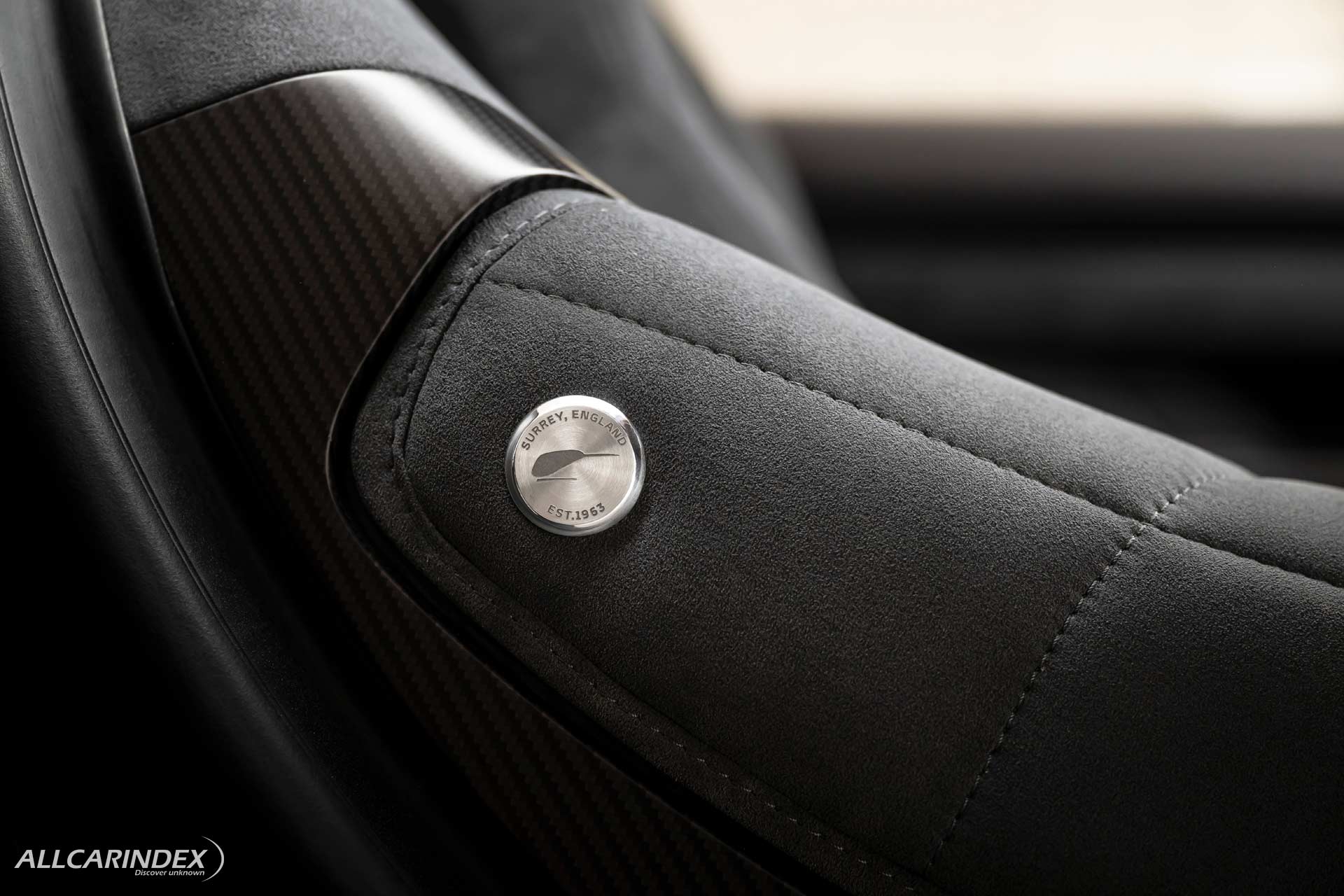
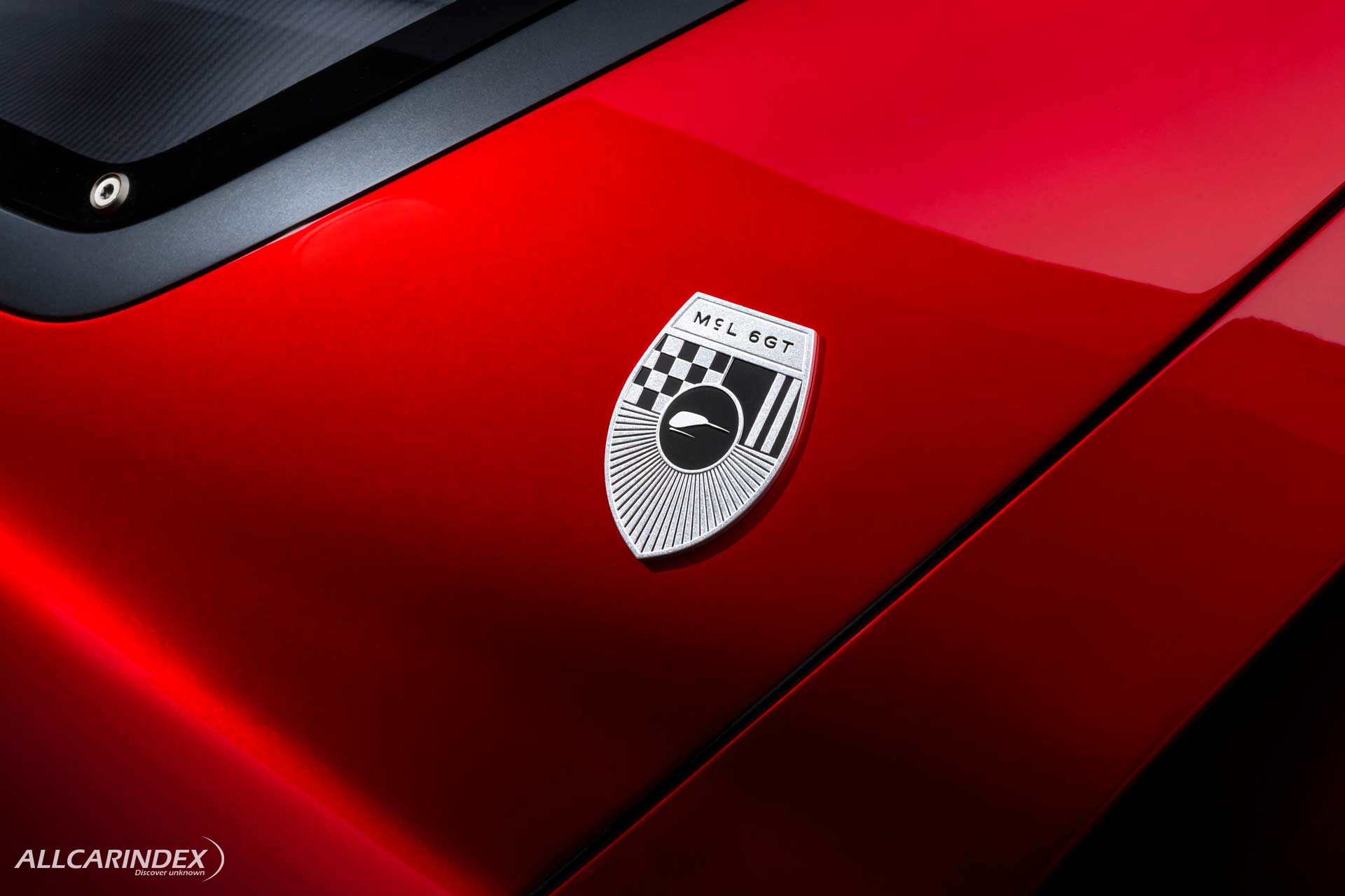
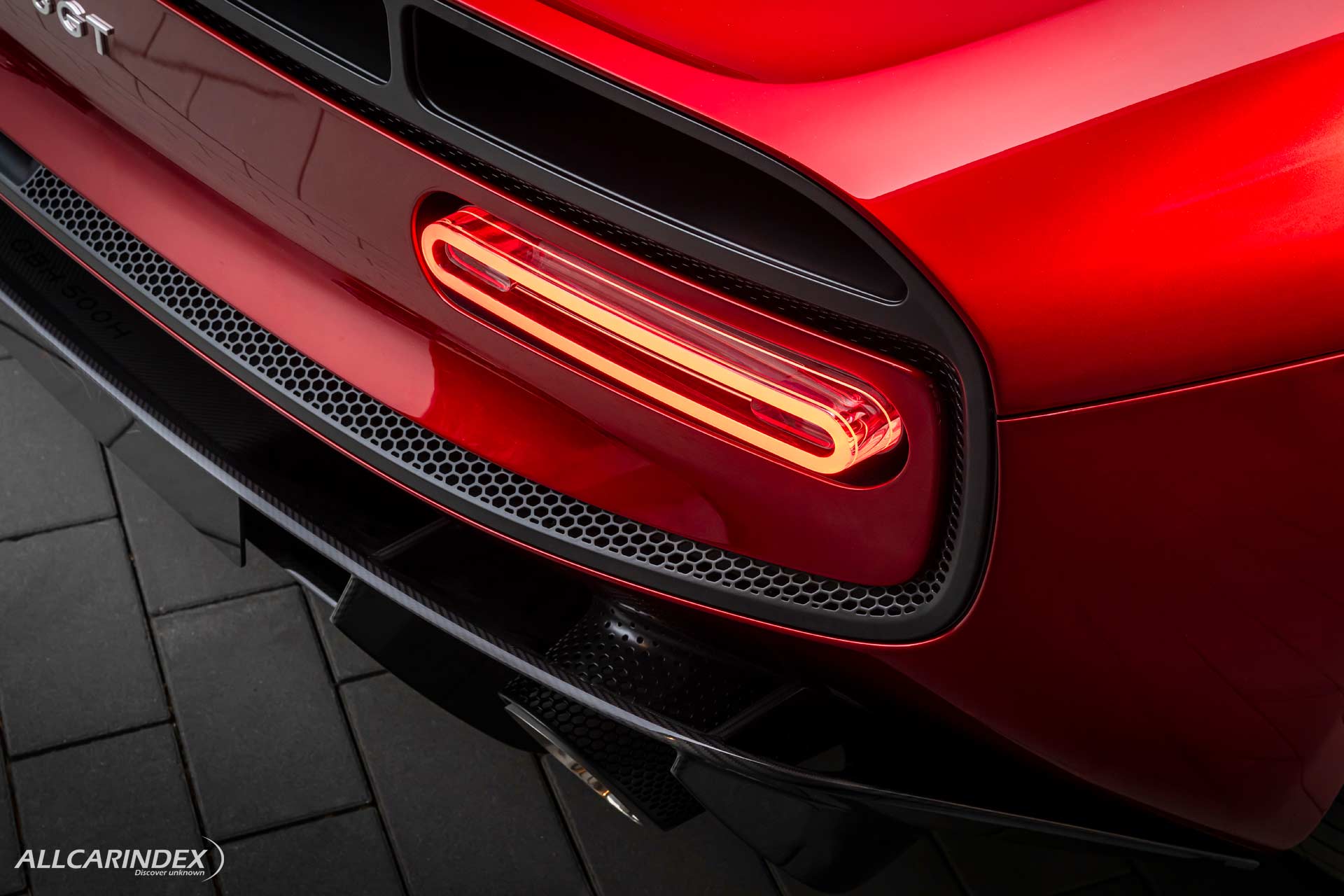
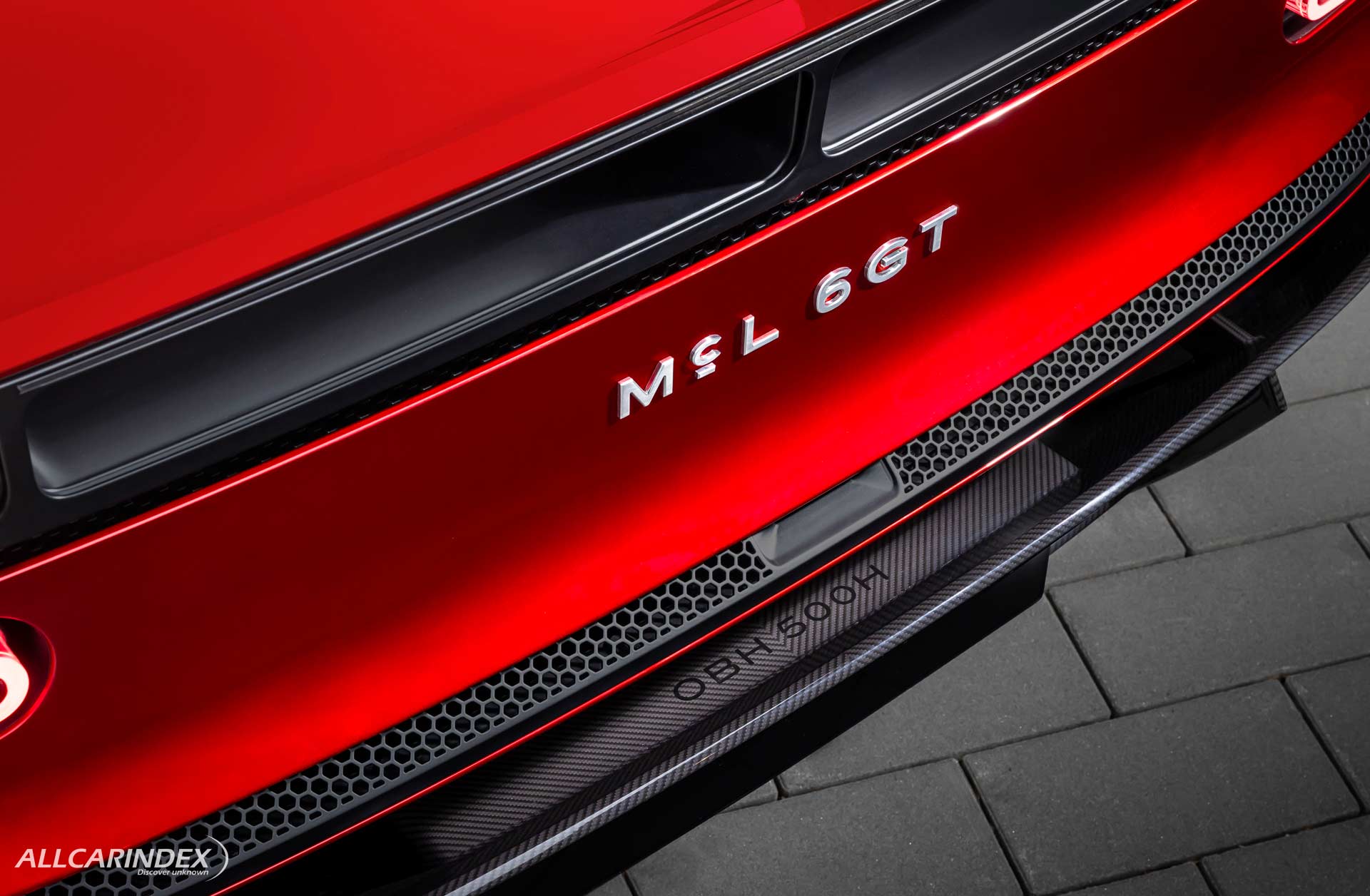
Heritage detailing runs through the surfacing rather than sitting on top of it as decoration. A 'Racing Loop' motif, inspired directly by the original M6GT's taillights, is worked into the exterior airflow architecture itself, while Bruce McLaren's own M6GT number plate has been reimagined as a tone-on-tone graphic treatment on the car. His signature adorns the engine bay, and the Speedy Kiwi, the first piece of iconography ever developed from McLaren's original logo, is discreetly etched into the fuel filler cap. Even the name carries that dual meaning, drawn from McLaren's presence on track as well as the foundations of its automotive journey, creating a direct link between those two realms and honouring the vision Bruce McLaren had for the team he founded.
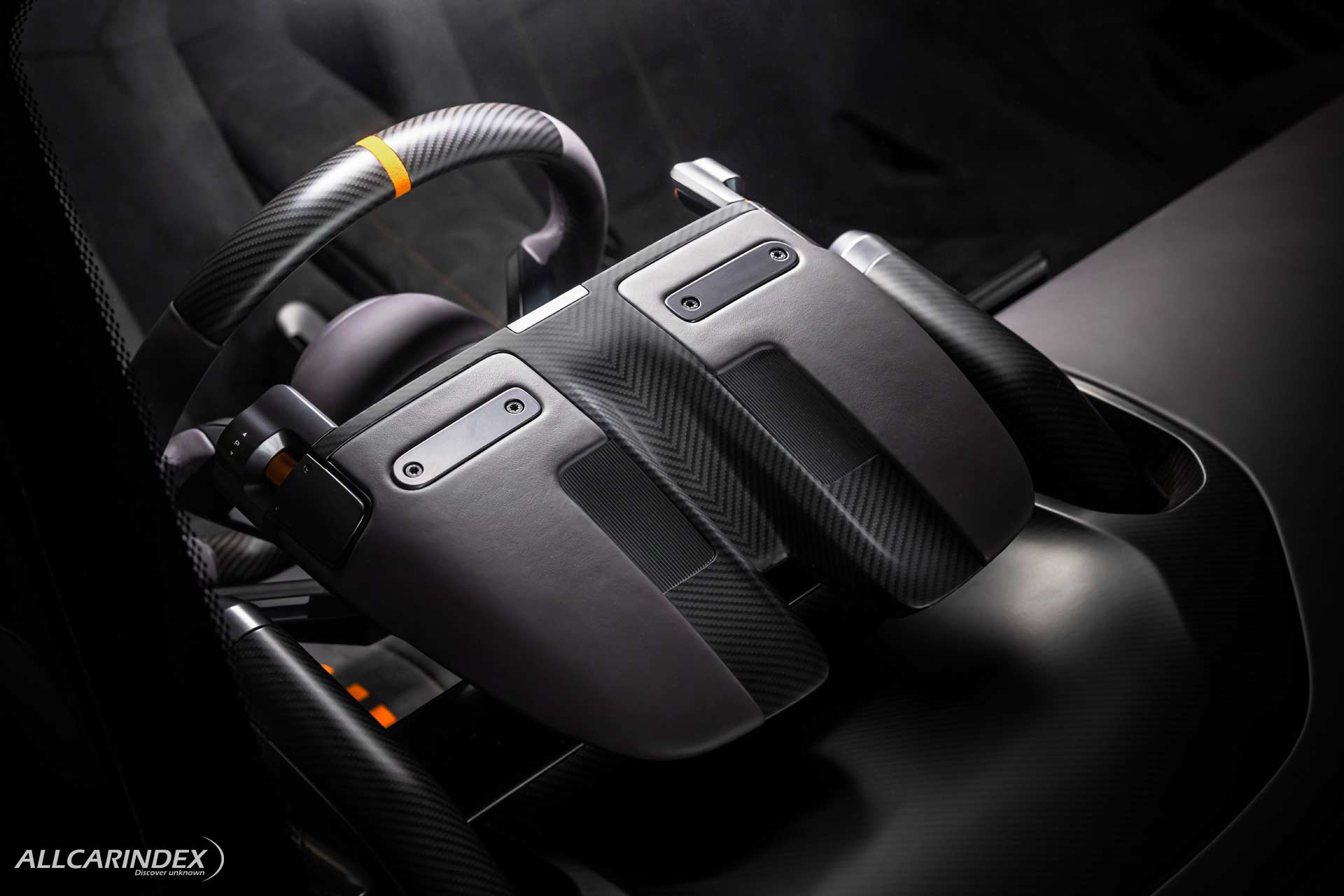
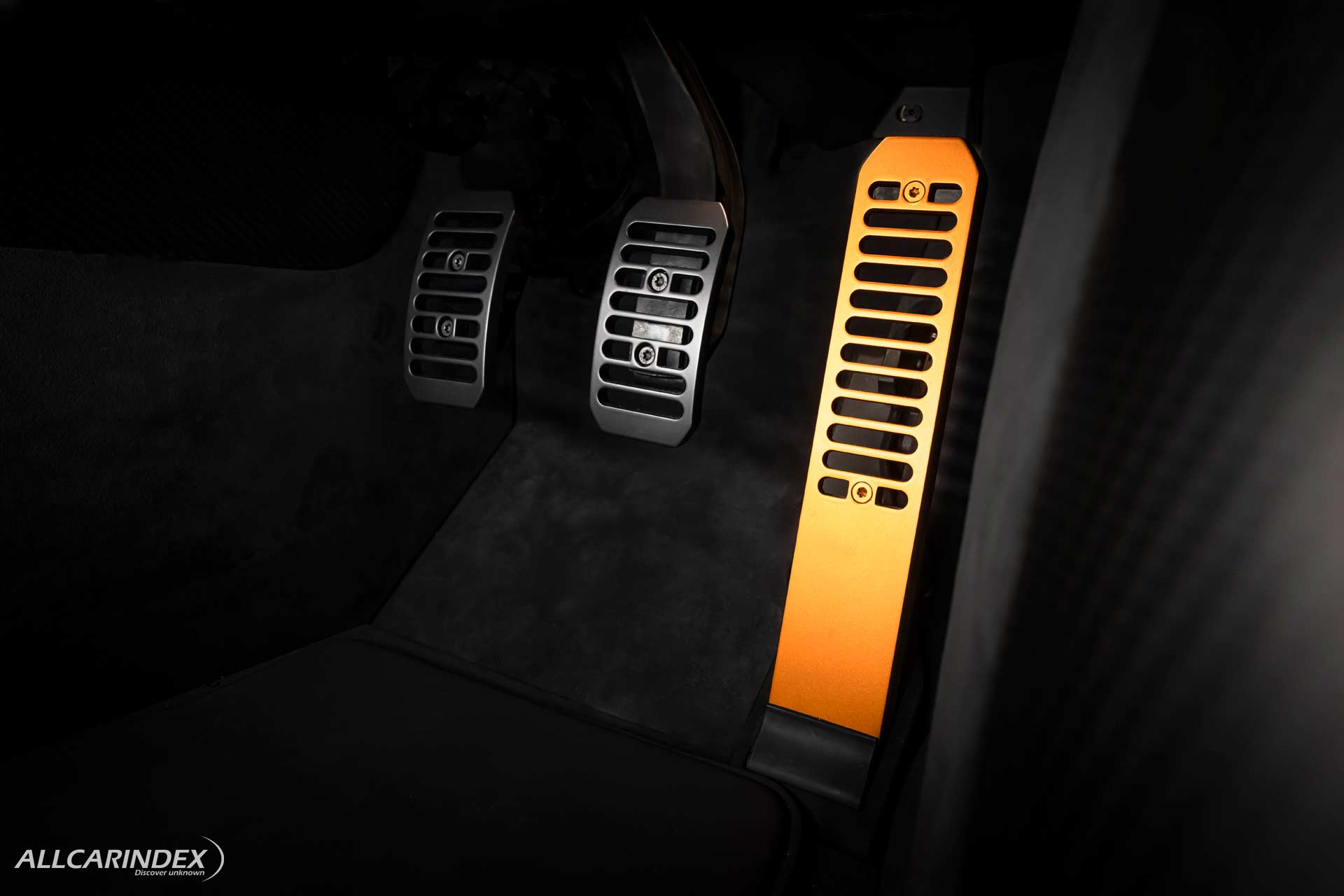
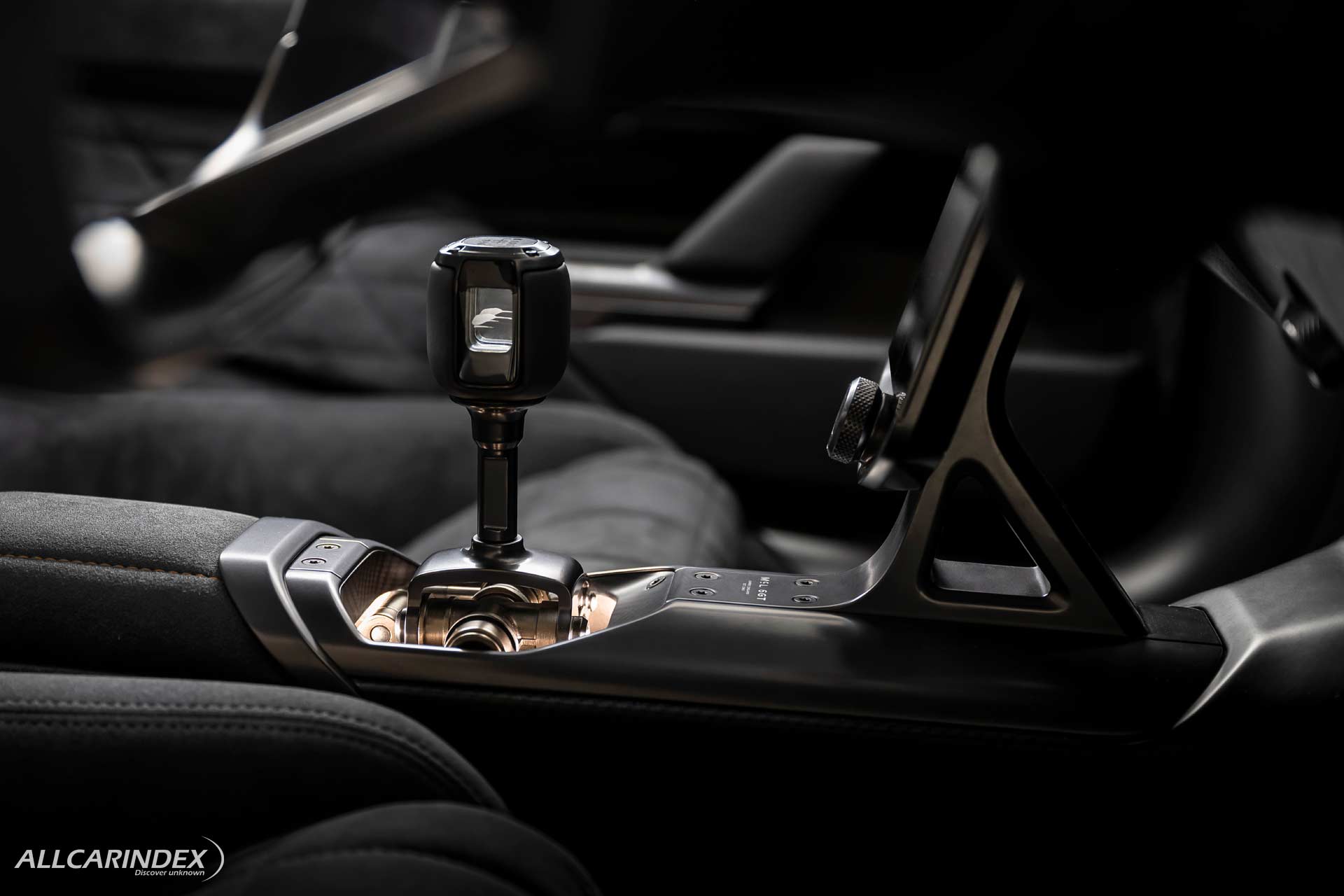
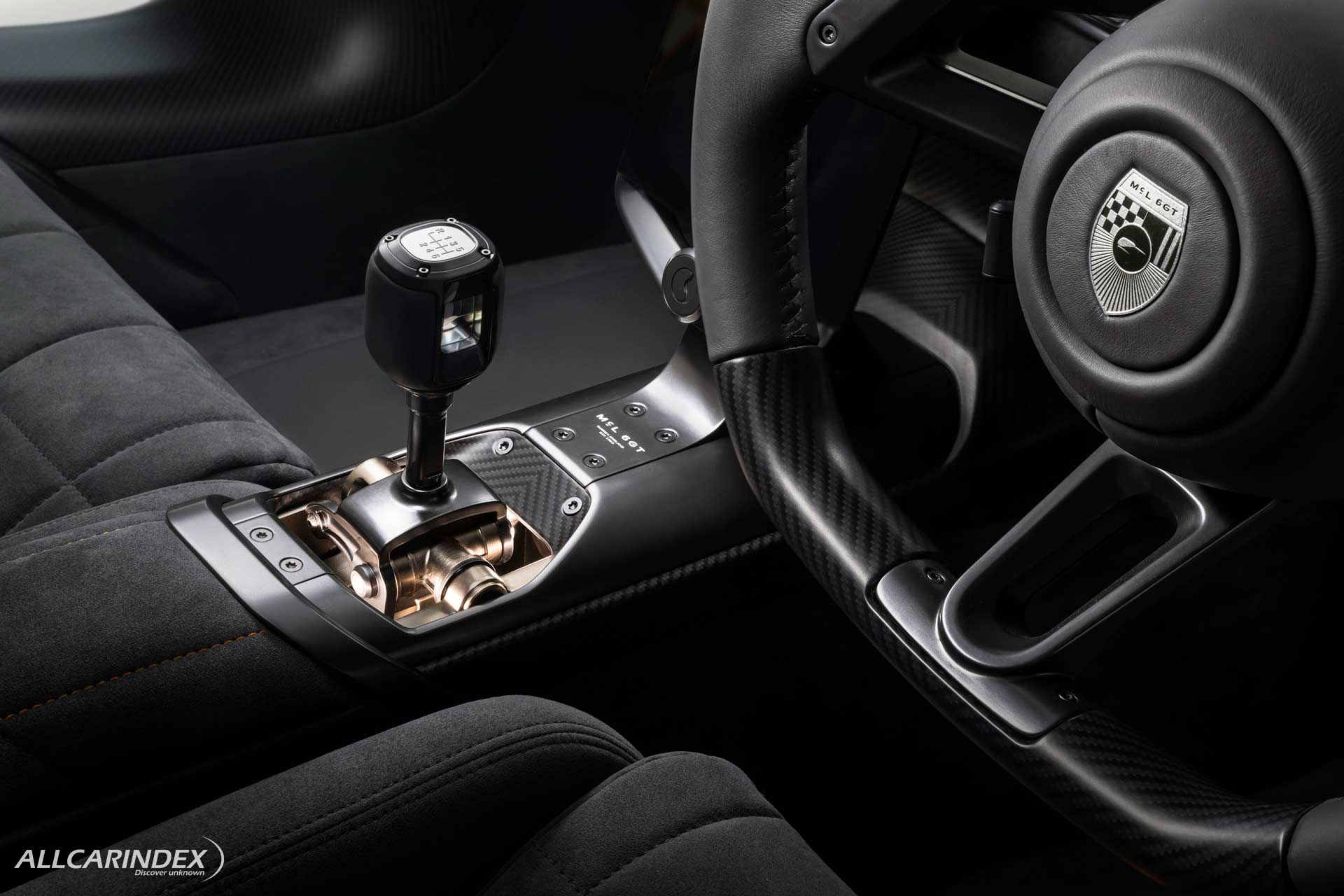
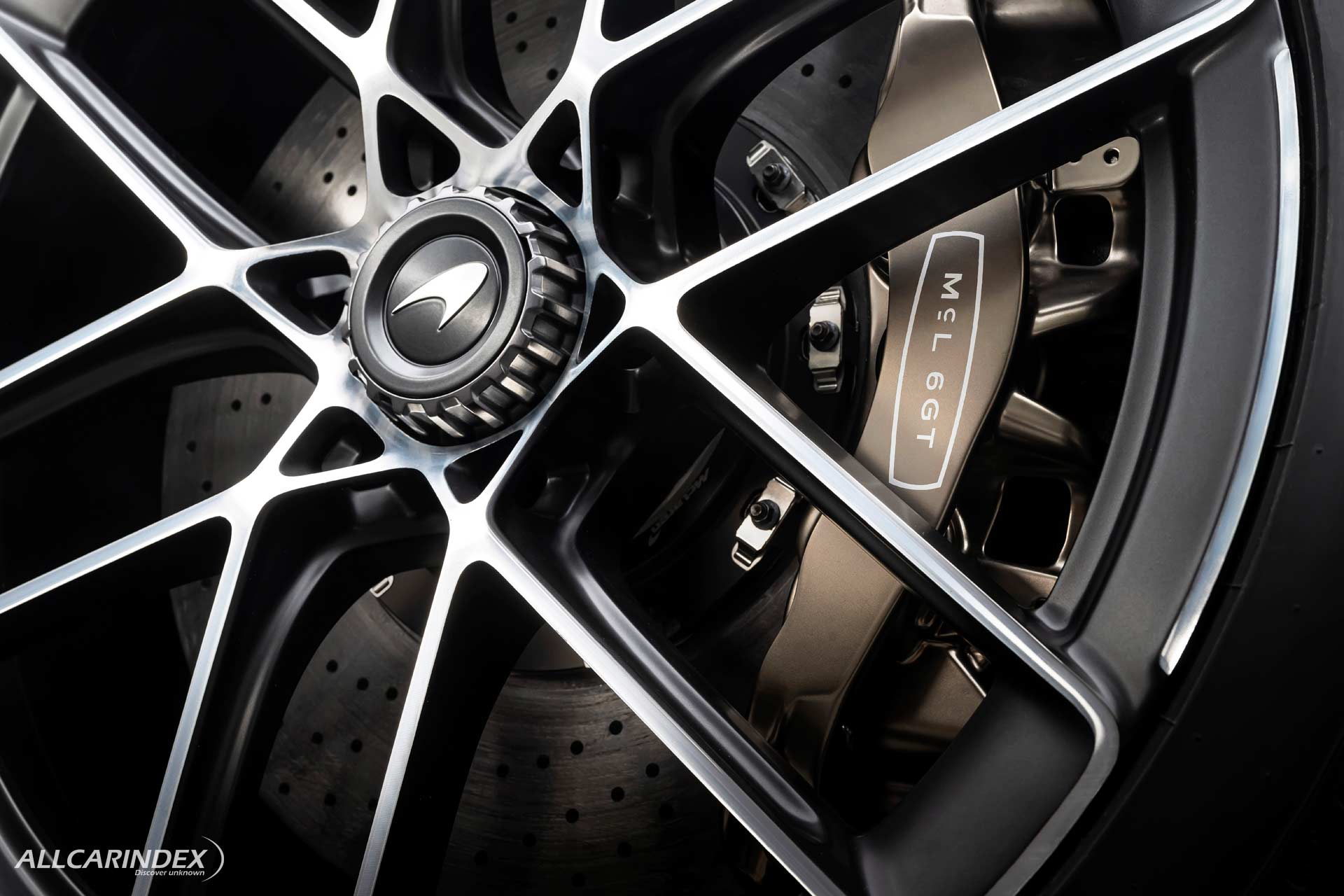
Likewise the exterior, the mechanical character of the car is meant to be felt rather than merely seen. Purity of character comes from lightweight carbon-fibre construction and V8 internal combustion power, and, for the first time in a McLaren since the legendary McLaren F1 in 1992, an authentic manual transmission sending drive to the rear wheels! Every shift, throttle movement and steering input is intended to feel deliberate, physical and rewarding, connecting the driver to the machine, and that mechanical character extends well beyond the drivetrain. Hydraulic steering, tactile switchgear and visible engineering details all add to a sense of purity of involvement for the person behind the wheel, and next to this, knurled machined aluminium controls and meticulous ergonomics reinforce the same human-machine connection, with detailing inspired directly by the original M6GT. The gearstick itself has been worked over for maximum feel and throw, and carries a three-dimensional Speedy Kiwi set into its upright.
That same philosophy carries into the cabin. Boxed quilting has been reinterpreted for a modern audience, while new digital instrumentation is built to retain the clarity and emotional appeal of the original car's dials. Together those choices are meant to create a cockpit that feels forward-looking while staying unmistakably connected to McLaren's heritage, and exposed gloss carbon fibre inside the cabin references both the original M6GT and McLaren's racing history more broadly.
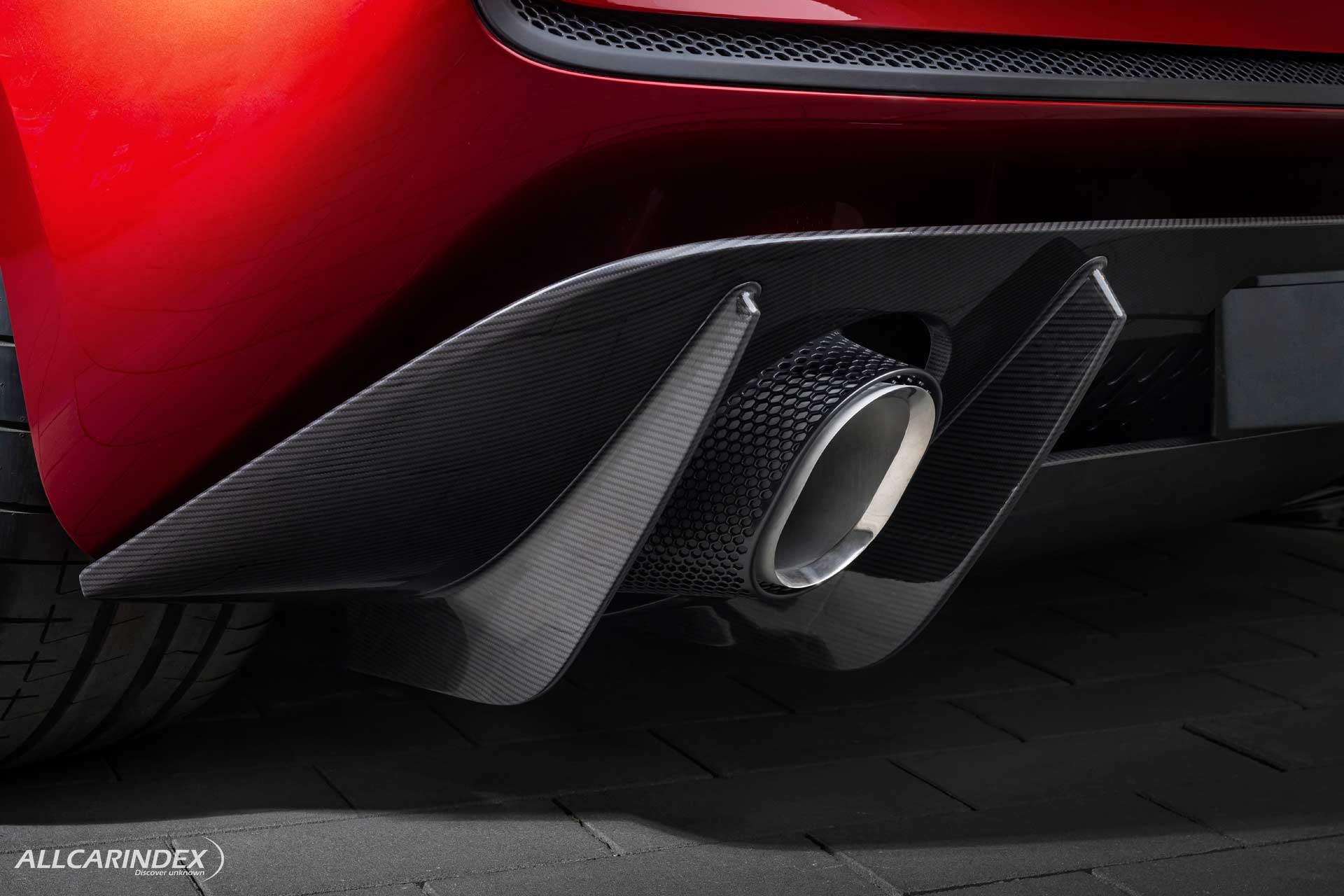
Carbon fibre construction has, in addition to that, become a central tenet of McLaren both on track and on the road, and the McL 6GT is built to bridge the gap between those two eras. Its reimagining of McLaren's road car origins is underpinned by the latest super-lightweight carbon fibre monocoque technology, combined with full carbon fibre bodywork. The material is treated as more than a structural choice, delivering performance through an exceptional power to weight ratio while acting as a clear expression of the car's philosophy, that every element exists to serve performance, purity and driver connection.
What arrived at Monterey, then, was not a finished production car but a concept built to set out a direction, one McLaren intends to follow through into an actual production McL 6GT by 2028. It was a car built around a dream Bruce McLaren never got to finish, given a manual gearbox, a V8, and a body shaped by the same instincts that shaped the M6A Can-Am racer decades earlier. That was the idea.