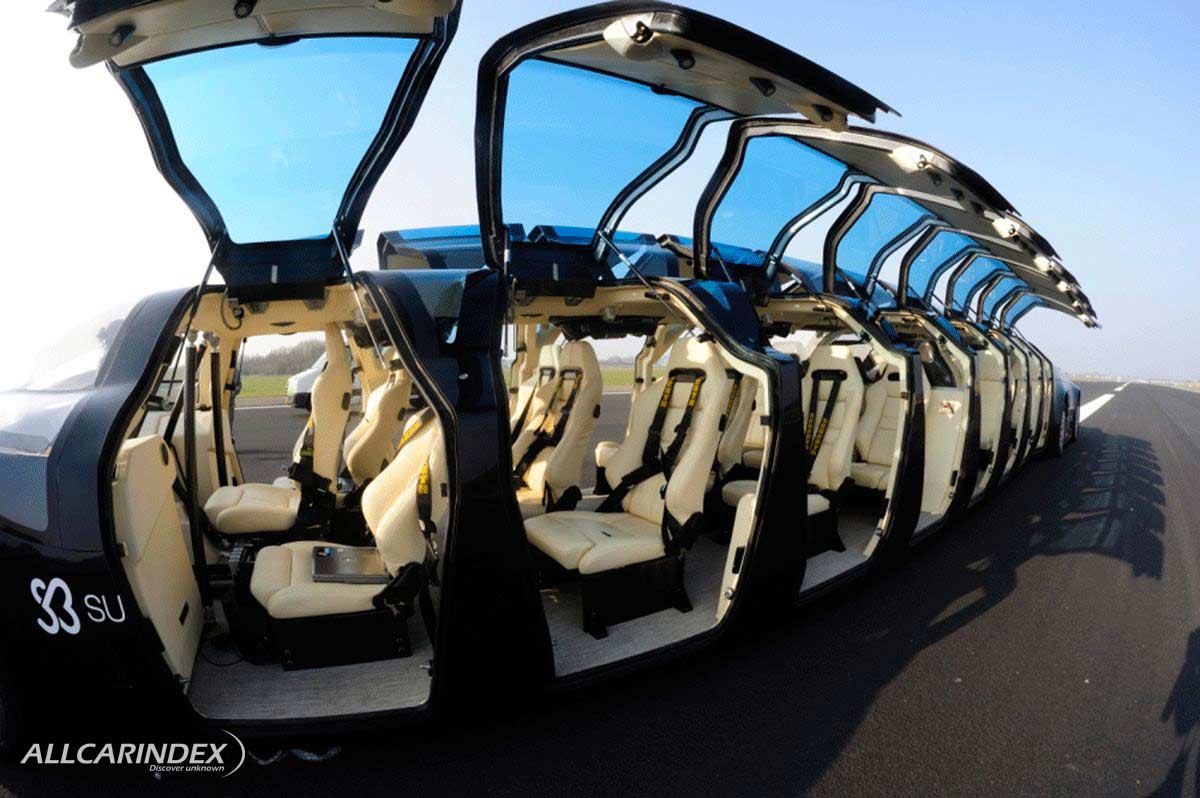
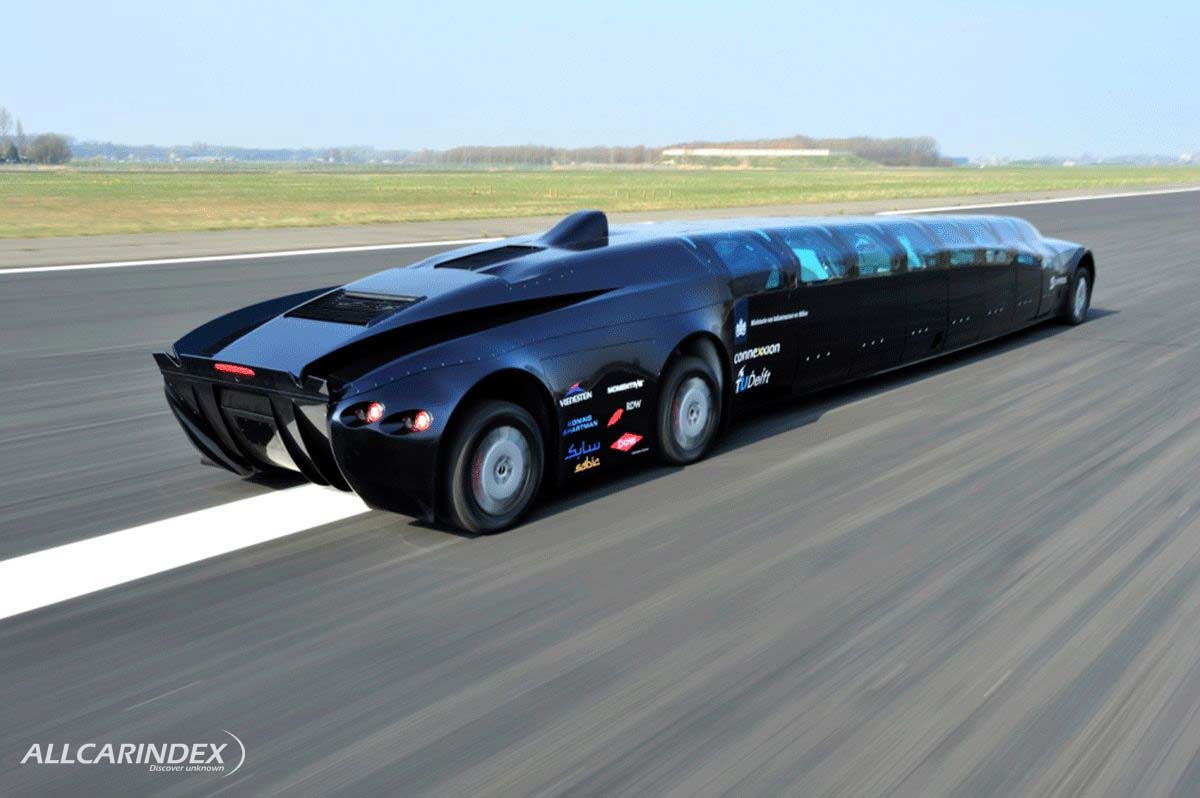
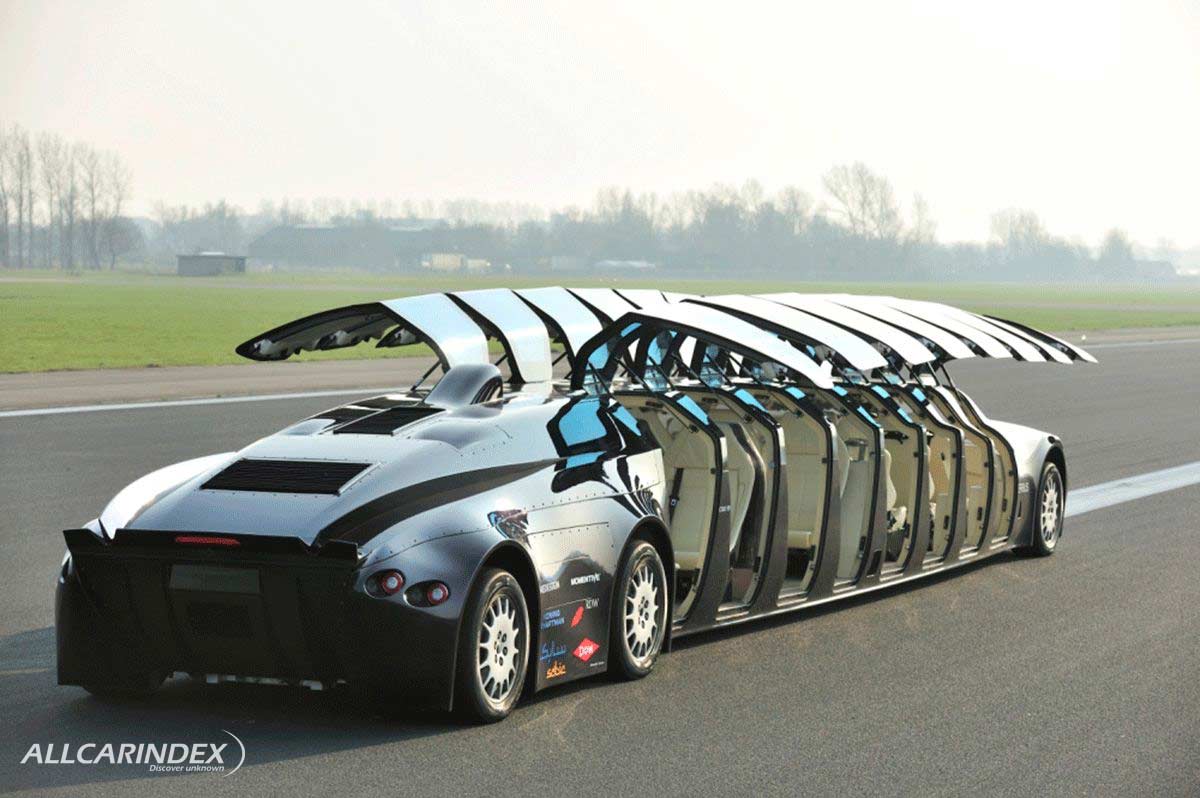
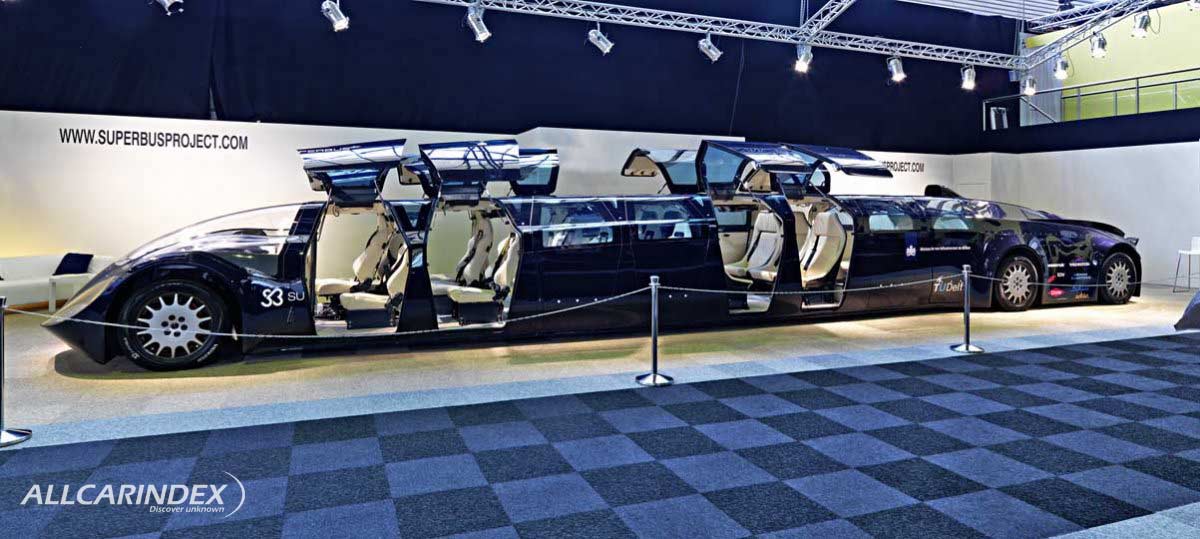
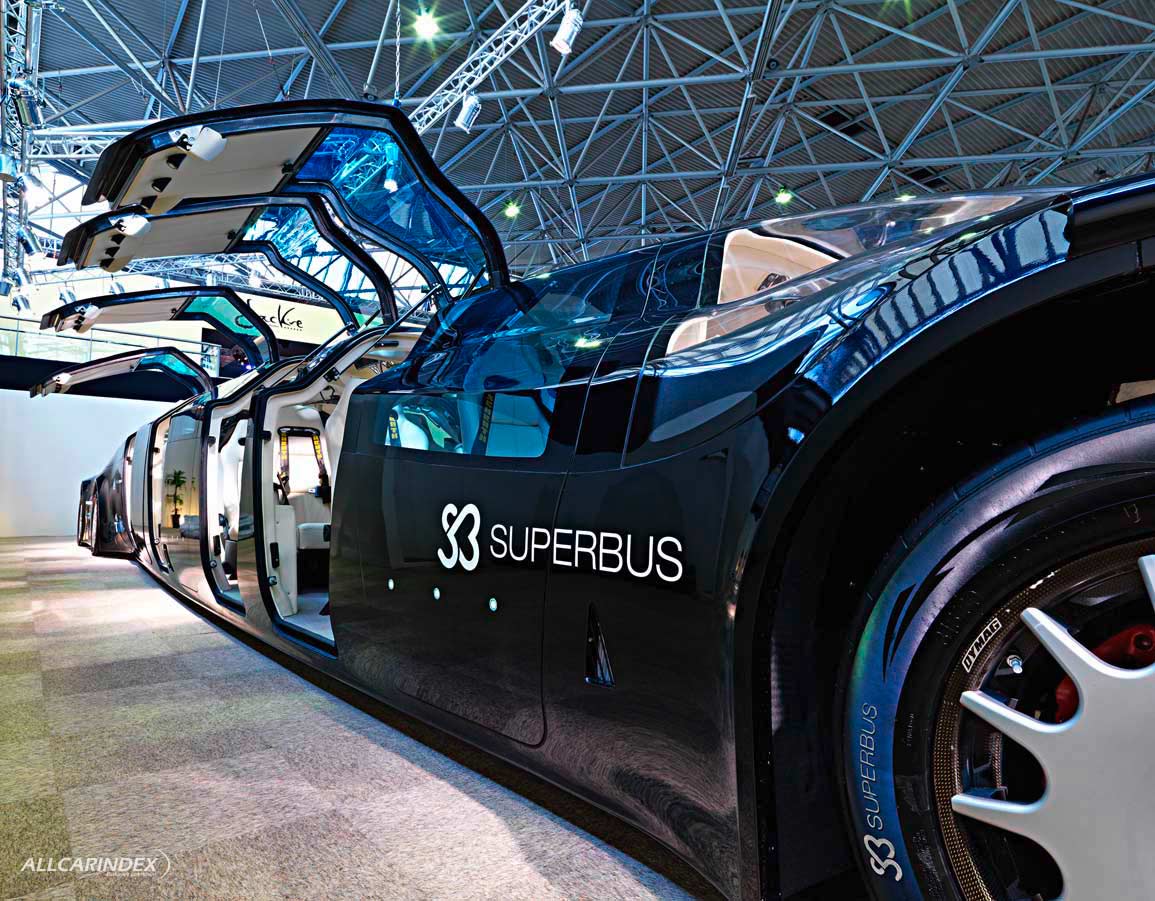
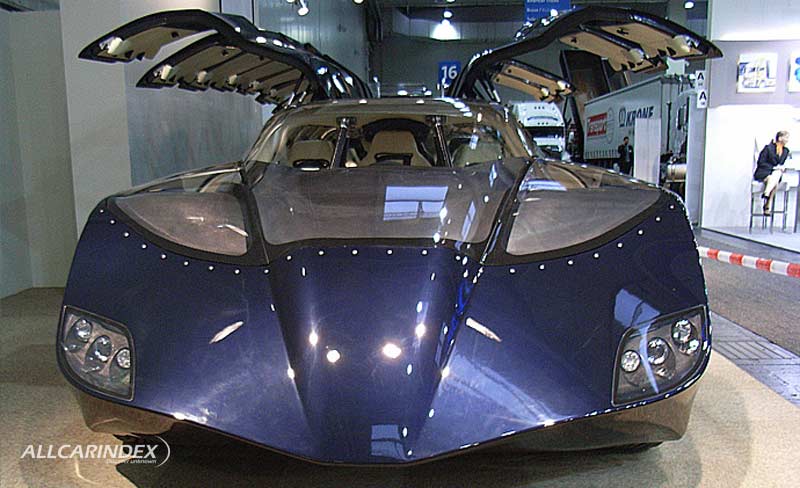

There are obscure automotive dead ends, and then there is Superbus: a 15-metre, 23-seat, electric, gull-wing-ish slab of Dutch ambition that looked less like public transport and more like a limousine designed by someone who had spent too much time around fighter jets. Which, in fairness, was not far off. Superbus came out of Delft University of Technology, specifically its aerospace world, and it carried the fingerprints of Wubbo Ockels, the astronaut-turned-professor who believed mobility had become lazy in its thinking. Cars were congested, buses were slow, trains were fixed and inflexible. So the answer, naturally, was to invent an all-electric land missile for 23 people and have it run at 250 km/h on its own dedicated lanes.
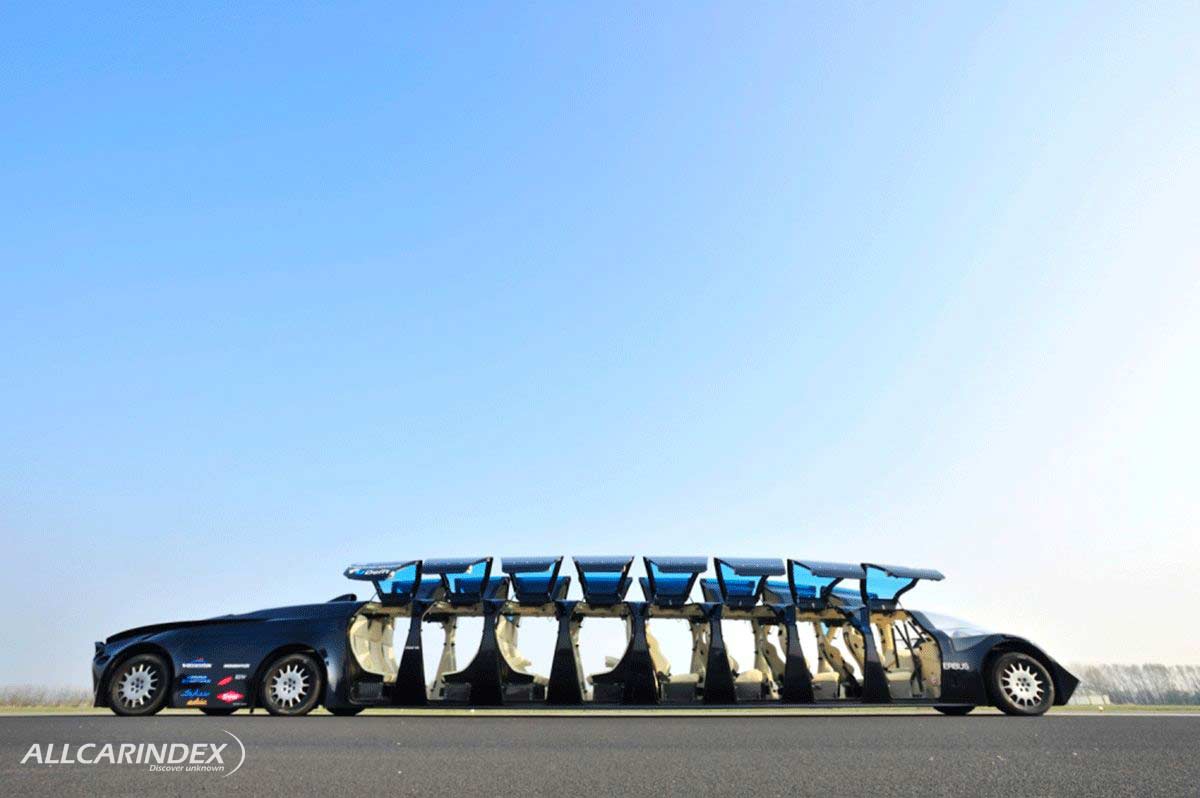
That is the bit people remember: the speed. A bus doing 250 km/h sounds like pub talk. But Superbus was never meant to be “just a fast bus.” The original material makes that clear. It was pitched as a complete transport ecosystem: vehicle, infrastructure and logistics. The vehicle was only one-third of the argument. The real idea was that passengers would book flexible trips on demand, board through one of sixteen doors, and be carried directly to their destination with no changeovers, no timetable drudgery and none of the usual grim compromises of public transport. It was trying to merge the privacy of a car, the capacity of a shuttle, the smoothness of a train and the efficiency of a digital dispatch network, years before “mobility solution” became boardroom wallpaper.
And the machine itself was gloriously odd. Superbus was long and low, far lower than any sensible bus has a right to be, because its creators wanted less drag and more theatre. The seating arrangement was designed for comfort and individuality rather than maximum density. Eight doors on each side meant ingress and egress were treated almost like aircraft boarding, except quicker and more personal. No central aisle, no clattering standees, no damp handrails and no sense that you’d been herded aboard by a municipal authority that actively resented you. This was mass transit reimagined by people who clearly thought ordinary buses were a failure of imagination.
That aerospace influence mattered. The project talked openly about putting the intelligence into the vehicle while keeping the dedicated infrastructure comparatively simple: cheap concrete roads, not fantastically expensive rail corridors. That inversion is what made Superbus so intriguing. Rail systems usually demand huge spending on fixed infrastructure and then run comparatively dumb rolling stock over it. Superbus wanted to do the opposite. Make the road simple. Make the vehicle clever. Give it six-wheel steering, lightweight composite thinking, advanced control systems and enough electronic brainpower to behave like something from a near-future transport white paper.
Which is why enthusiasts still bring it up. Not because it was pretty. It wasn’t. It looked like a stretch concept car that had swallowed a tram. Not because it was practical in the everyday sense. It wasn’t that either. But because it was one of those rare projects that attacked the whole problem instead of polishing one corner of it. Most concept vehicles are either styling exercises or engineering demonstrations in fancy clothes. Superbus was more radical than that. It asked whether the categories themselves were wrong. Why must a bus be slow? Why must public transport run to a fixed schedule? Why must comfort and efficiency be enemies? Why not build a premium-feeling, high-speed, on-demand people mover and let the infrastructure adapt around it?
The answer, of course, is because the real world is armed to the teeth with bureaucracy, cost, politics and unromantic physics. It is one thing to build a prototype. It is another to create a functioning network of dedicated lanes, regulatory acceptance, business logic, maintenance structures and urban integration. That is where most transport revolutions go to die. The archived project material shows a machine that was very much alive in testing and public demonstration. There were road tests, track appearances, international showcases, and eventually even a Dutch license plate after a long process with the RDW. So this was not a static motor-show fib. It moved. It ran. Officials examined it. It graduated beyond fantasy.
But the leap from running prototype to actual system was enormous. Superbus needed more than engineering credibility; it needed a world willing to rebuild part of itself around the idea. That was always going to be the killer. The project’s brilliance was also its weakness. A weird new sports car can survive as an indulgence for the rich. A weird new transport concept has to persuade governments, planners, operators and taxpayers all at once. It has to be safer than the existing thing, cheaper than the rival thing, easier to deploy than the entrenched thing and politically digestible to people who still argue about cycle lanes. That is a much harsher proving ground than a test track in Assen.
Even so, dismissing Superbus as a failure misses the point. Its importance lies partly in how shamelessly ambitious it was. Today, plenty of mobility start-ups promise frictionless on-demand travel in smooth, app-connected pods. Superbus was already there conceptually, only with more drama and a lot less venture-capital jargon. It anticipated the modern obsession with flexible routing, user-centric transport, electrification and modal blending. The difference is that Superbus wore its futurism on the outside. It did not hide behind software language. It arrived looking like a concept artist had been handed the brief “draw a bus for people who hate buses.”
And that is why it still has cult appeal among students of obscure vehicles. Superbus occupied the delicious space between road car, coach, train and aircraft. It was not sensible enough to become normal, and not ridiculous enough to be forgotten. It belongs to that small, fascinating category of machines that reveal what engineers and designers really want to do when nobody tells them to behave. In a world of cautious facelifts and fake innovation, Superbus was absurd in the most honorable way: it tried.
It did not become the future. But for a brief period, it made the future look a lot more interesting.