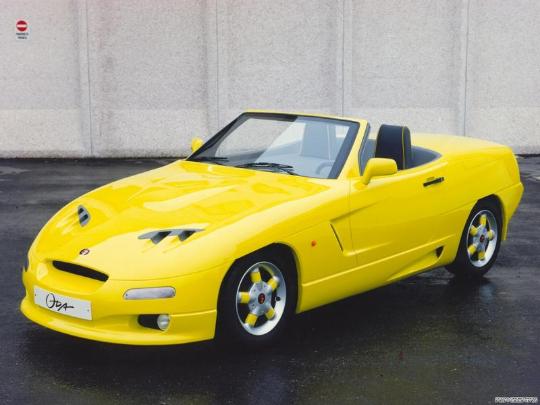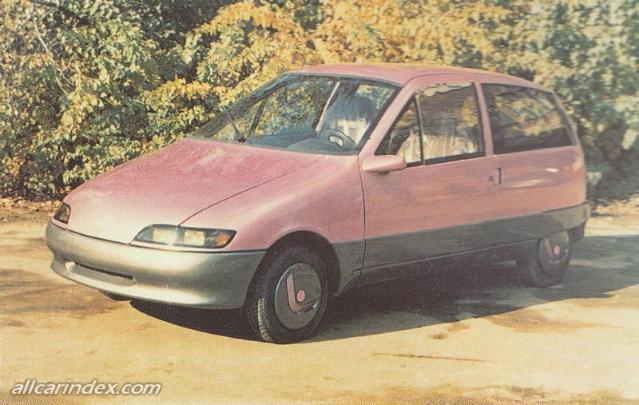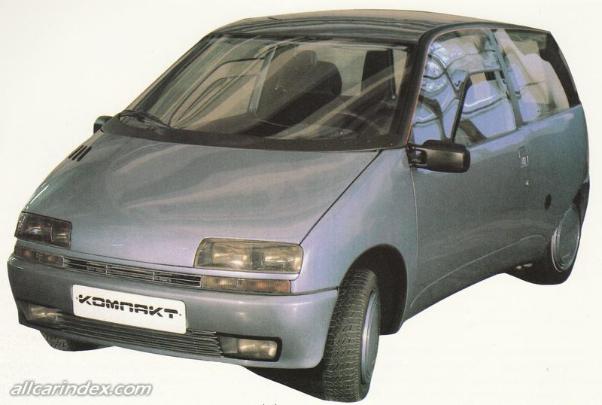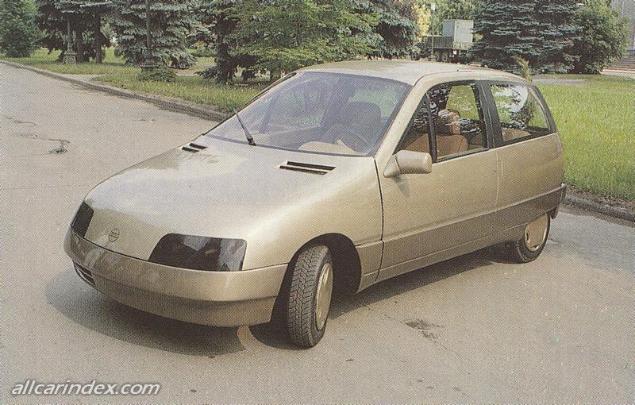

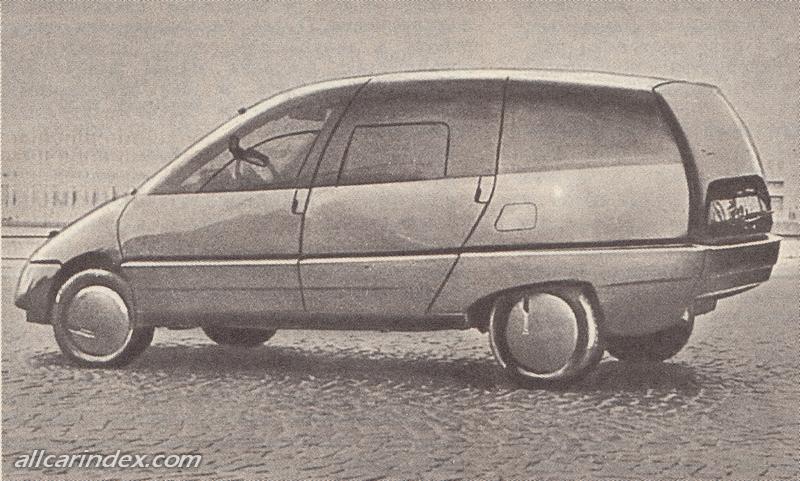
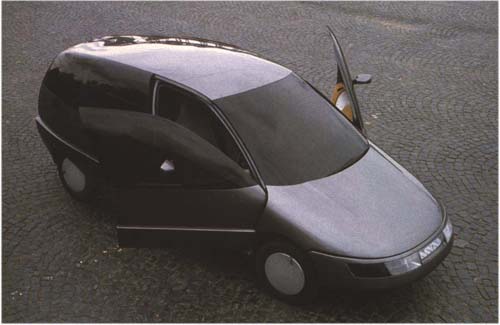
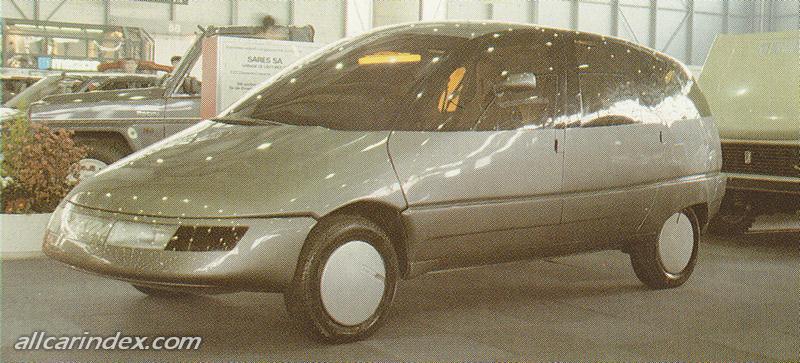
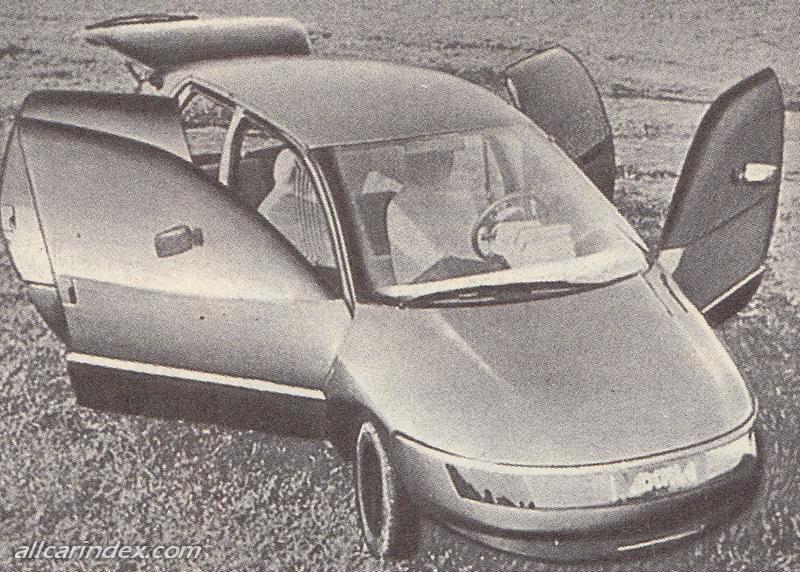
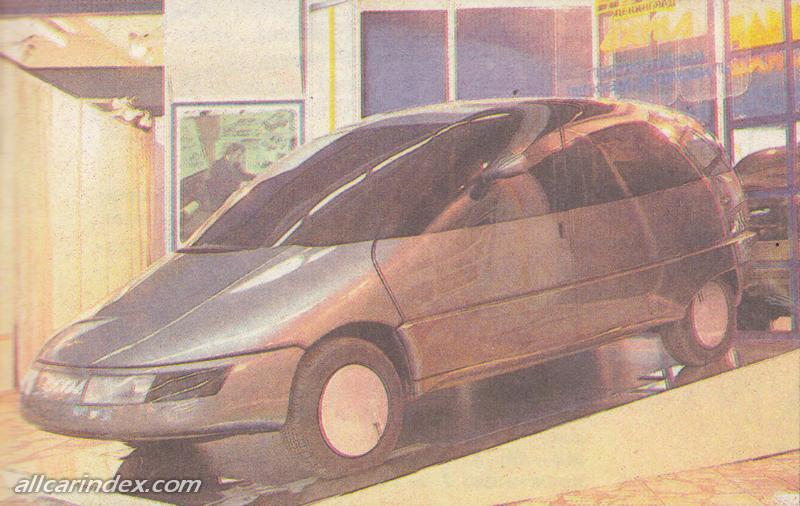
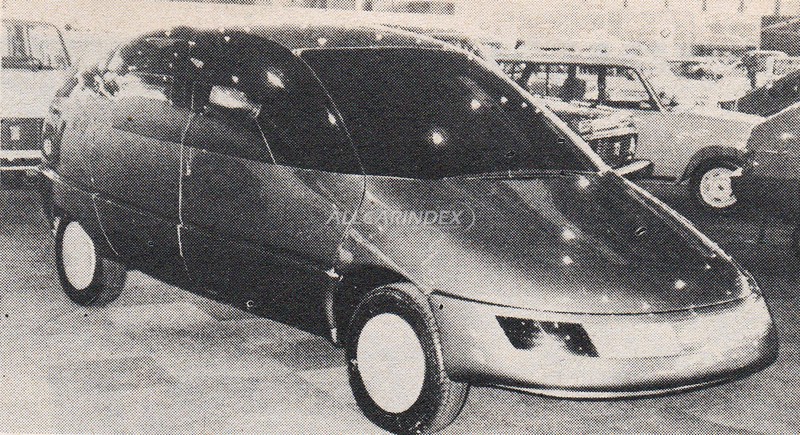
The Ohta was a concept car developed in the Soviet Union by NAMI, the Central Scientific Research Automobile and Automotive Engines Institute in Moscow, an organization founded at the end of 1918 that had contributed technical solutions to practically all Soviet automobiles. Work on the Ohta began in December 1985 and the car was completed in April 1987, making it the first official Soviet concept car.
Its origins lay in a pair of homemade sports cars called Laura, built by two Leningrad car enthusiasts, Dmitry Parfyonov (also rendered Dimitrij Parfenow) and Gennady Khainov (Gennadij Chainow), in the mid-1980s. These attractive, nearly identical vehicles impressed Soviet leader Gorbachev and drew the attention of the minister for the automobile industry, which led to the creation of a center for advanced automotive design in Leningrad. This studio, linked to NAMI and set up in a former church, became the Laboratory of Advanced Modeling, where the Ohta was built as a single prototype. The car took its name from a river in Leningrad.
Soviet press coverage of the Ohta did not appear until the second half of 1987, and after further refinement the car was officially unveiled at the Geneva Motor Show in March 1988, marking the first appearance of a Soviet concept study at an international motor show. Western journalists were given only limited information at the time. The Ohta was later shown at other exhibitions, including in New York.
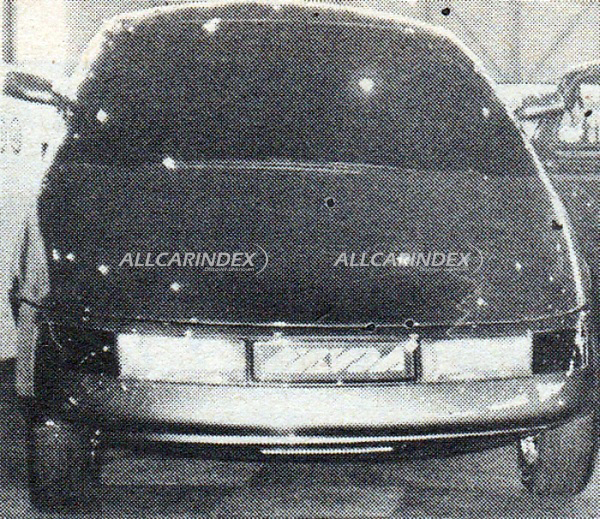
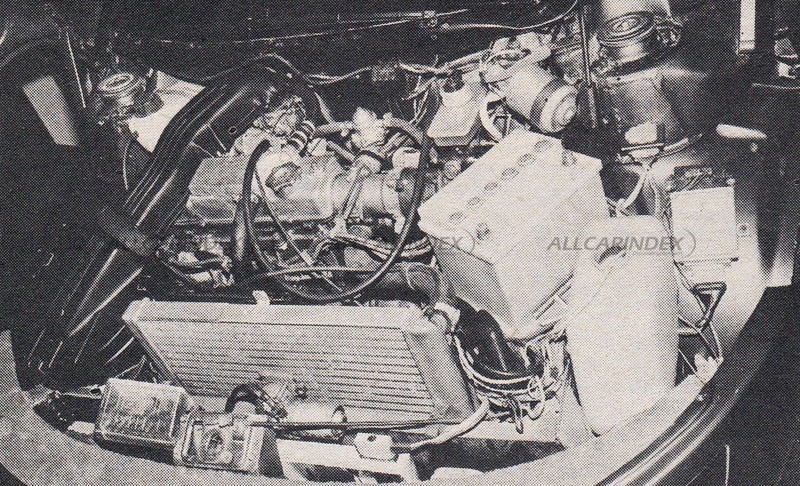
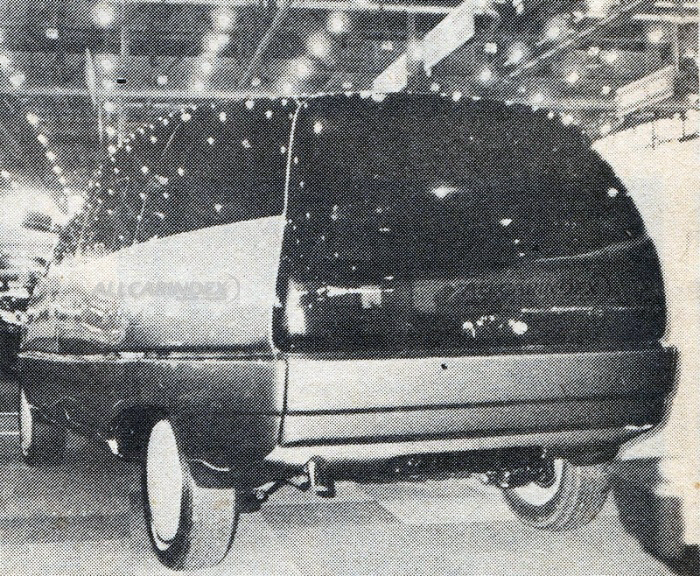
Mechanically the Ohta was based on the front-wheel-drive Lada Samara, launched in late 1984, and used the VAZ-21083 inline four-cylinder engine of 1,499 cc producing 73 hp at 5,600 rpm and 106 Nm of torque at 3,200 rpm, paired with a five-speed manual gearbox. The body combined a metal frame with fiberglass exterior panels and achieved a drag coefficient described in Geneva as under 0.3, later cited as 0.25. It measured 4,290 mm long, 1,700 mm wide and 1,530 mm tall on a 2,570 mm wheelbase, and weighed 960 kg. Top speed was 165 km/h, with 0-100 km/h taking 15 seconds. Fuel consumption was quoted at 5.5/7.0/8.0 l/100 km.
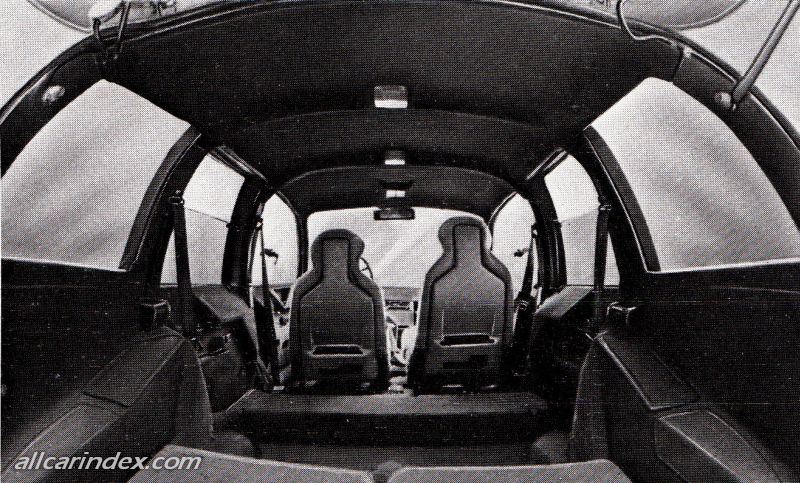
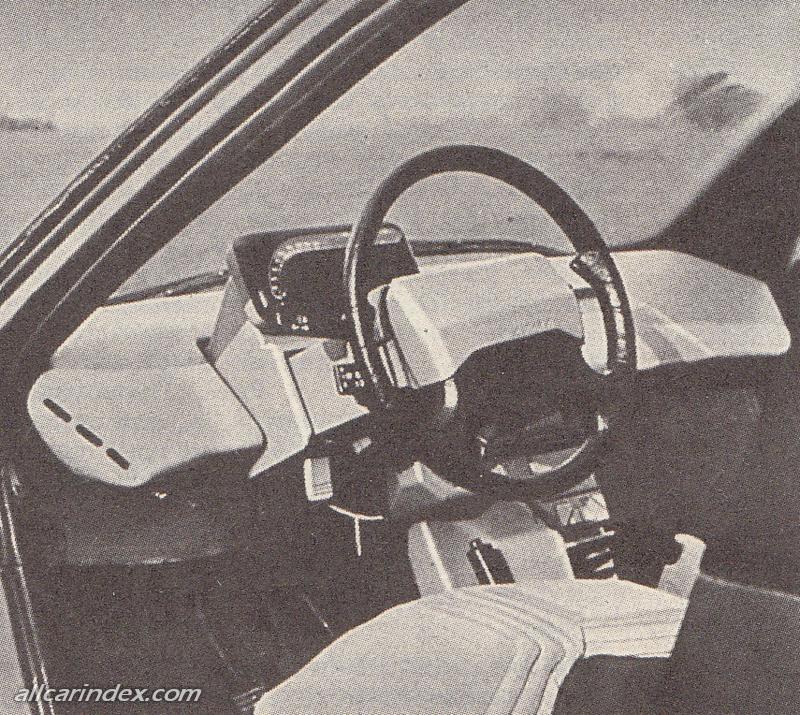
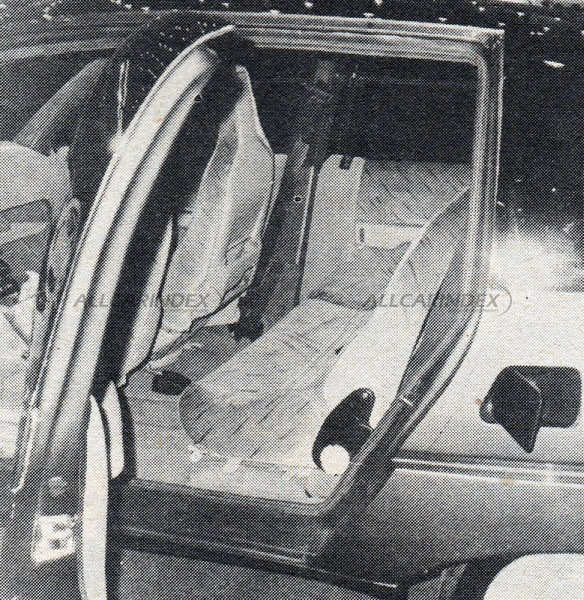
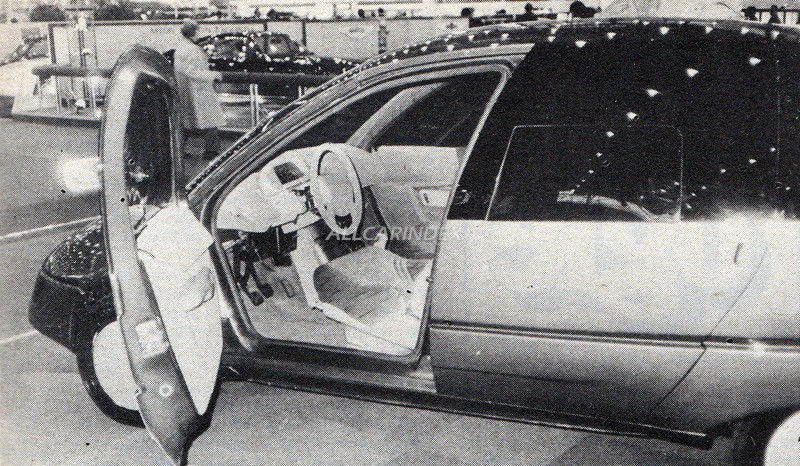
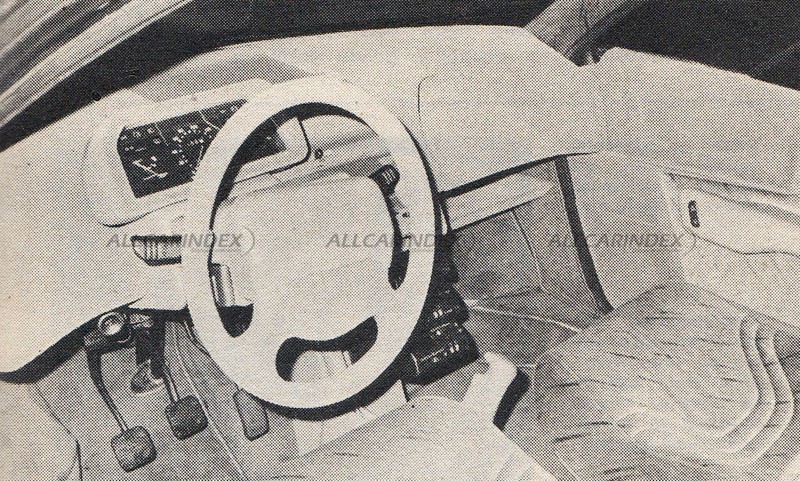
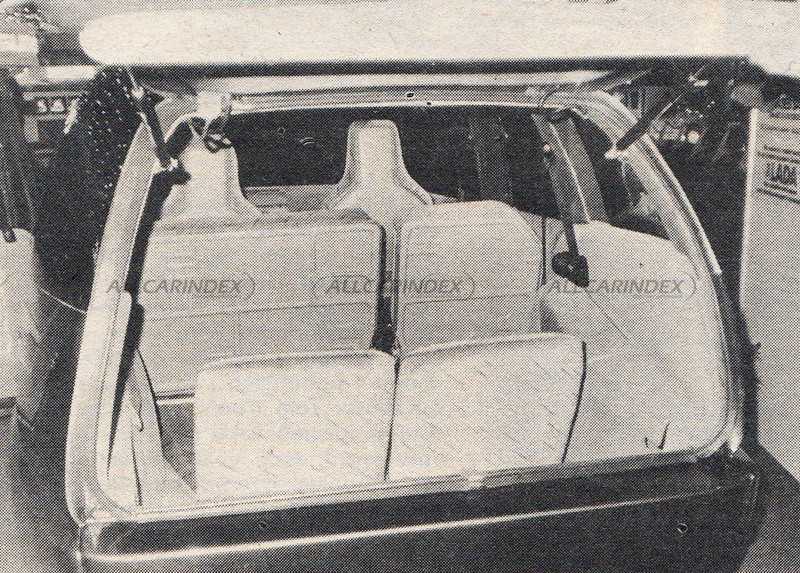
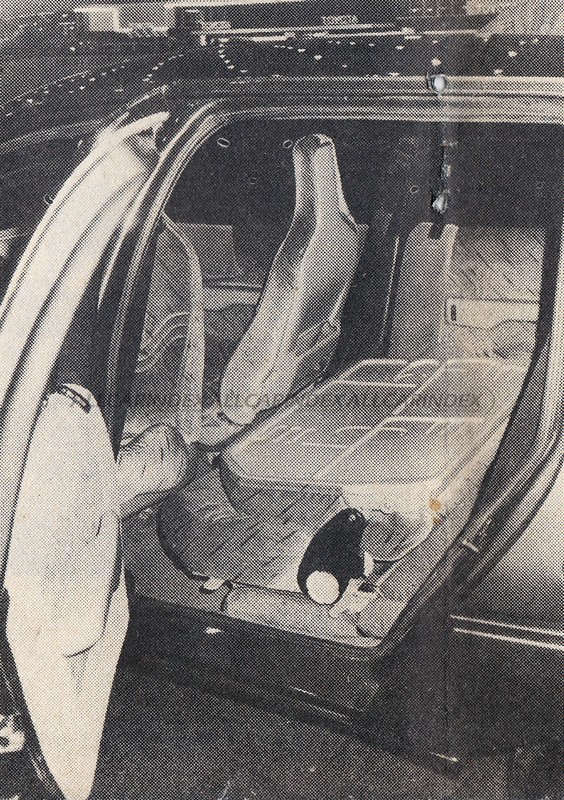
Configured as a seven-seat compact one-box estate, the Ohta featured front seats that rotated 180 degrees to allow a small table to be used inside, and its cargo volume could be expanded from 0.2 to 2.0 cubic meters. Suspension was independent MacPherson-strut at the front and a dependent spring setup at the rear, with hydraulic brakes using discs at front and drums at rear, a vacuum booster, a 12-volt electrical system and 165/70R13 tires. A notable technical feature was its multiplex wiring, developed jointly with the ATE-1 plant.