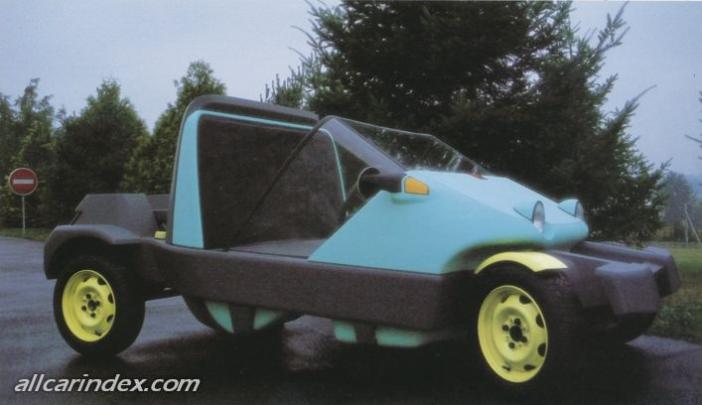
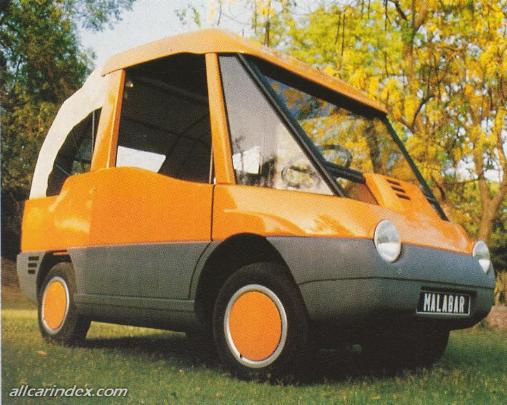

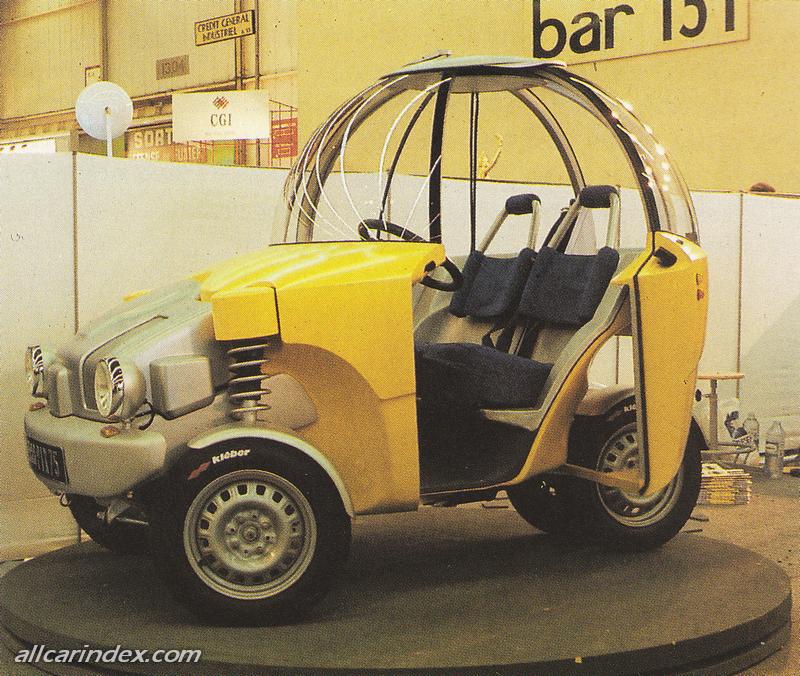
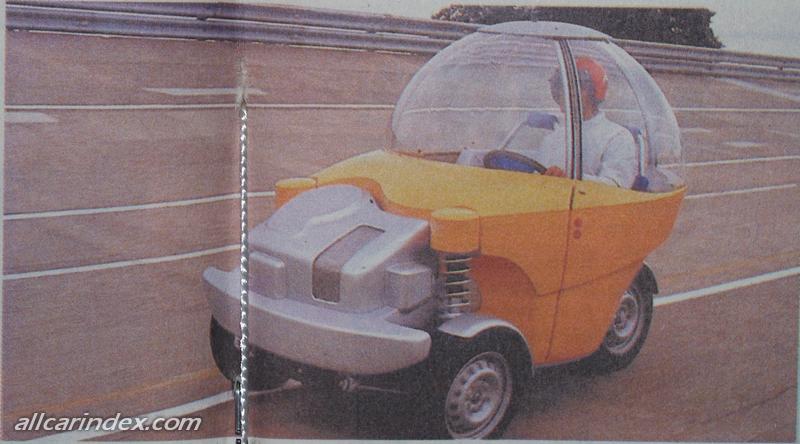
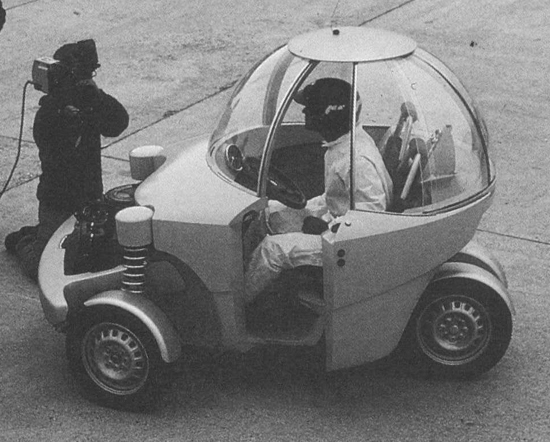
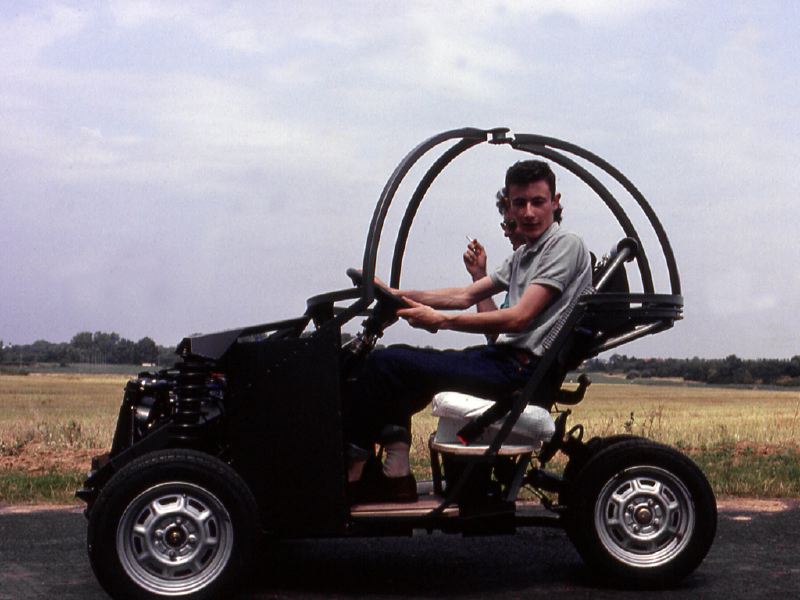
The Urbano Pix Band was a concept vehicle built by Les Ateliers, the workshop name associated with the Ecole nationale superieure de creation industrielle (Ensci), the French national school of industrial design based on the rue Saint-Sabin in Paris. It was presented at the first Mondial de l'Automobile, two years after the school had shown an earlier design study called Abracam at the Paris motor show in 1986. The Pix Band project was developed as the final-year study work of Ensci students Antoine Fritsch and Louis Le Bihan, and the exhibited prototype, called Professionnel Urbano Pix, was built and road-tested in under four months with assistance from the workshops of the firm Design Performance in St-Benoist.
The wider Pix Band concept covered three types of small city and short-distance vehicles: a utility vehicle for public services, a delivery van for private service work, and a passenger car intended for general use, including as a second car for commuters. The Urbano Pix itself was conceived as a delivery van, built around the idea that goods distribution in urban centers could be handled by smaller, more maneuverable vehicles than conventional vans, allowing more frequent deliveries matched to actual demand and simplifying warehousing. Goods would be gathered in intermediate depots at the edge of urban areas, from which the Urbano Pix would handle final distribution, towing small rolling platforms onto which containers could be loaded and unloaded. This distribution concept was illustrated through an illustrated comic-strip booklet and a video film.
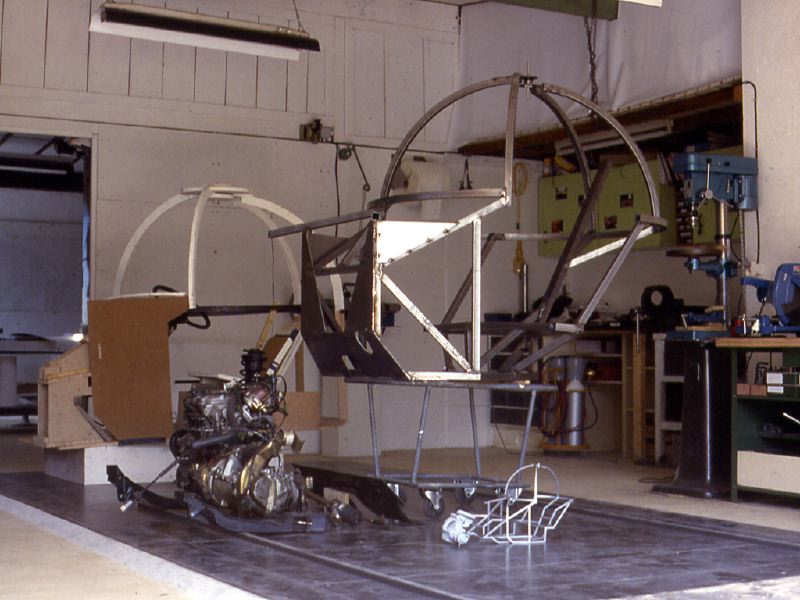
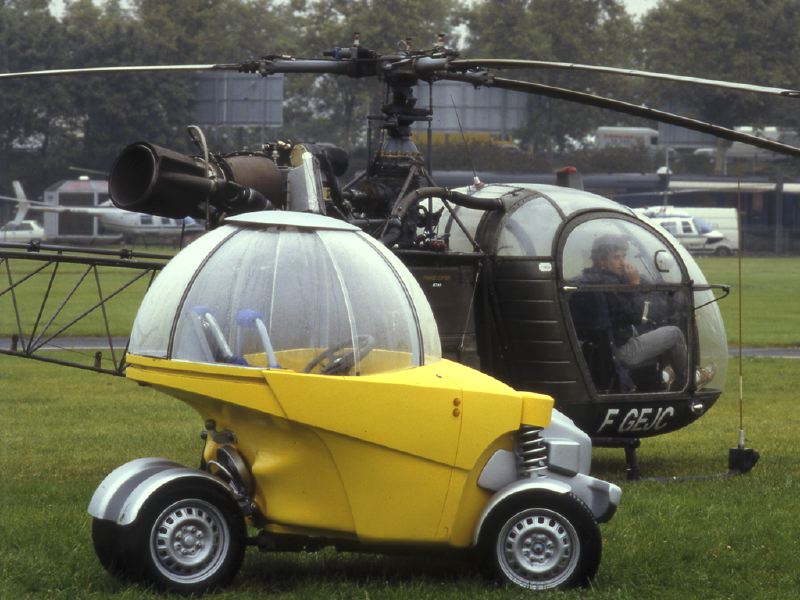
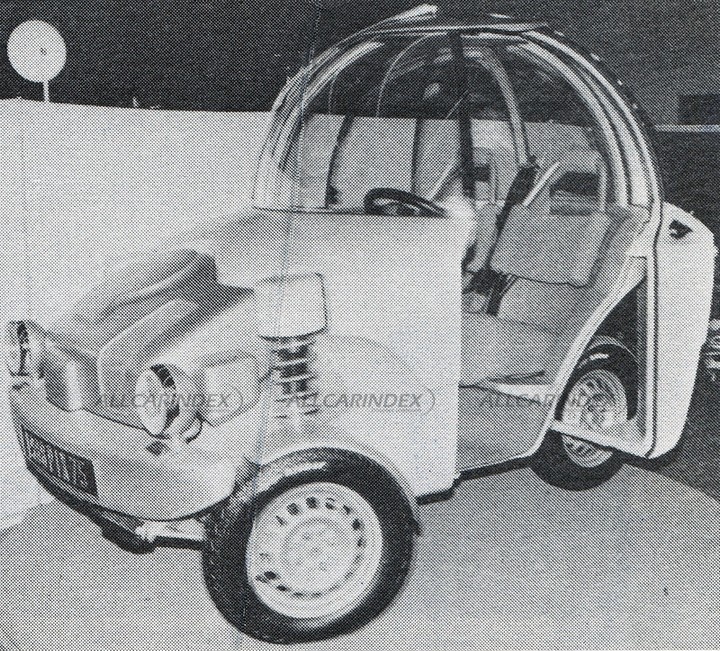
The Urbano Pix used a tubular chassis frame housing an older two-cylinder Daihatsu engine, sourced from the Daihatsu Cuore, displacing 617 cc and producing 31 hp at 5700 rpm and 45 Nm of torque at 3500 rpm. The front suspension used MacPherson struts mounted visibly on the exterior, while the rear featured twin wheels on a trailing arm. It rode on 155 SR 13 tires and weighed only 400 kg, reaching a top speed of 100 km/h. Its plastic body was distinguished by a fully glazed, circular upper section that gave occupants an unobstructed view in all directions, though the two seats sat enclosed as if under a glass dome. This body shape allowed for sliding doors that curved rearward without intruding into side space. Safety relied on the tubular frame structure connected to the glass canopy and the engine module positioned ahead of the cabin. The car measured 225 cm in length, 140 cm in width and 160 cm in height, with a wheelbase of 150 cm and a track of 124 cm.