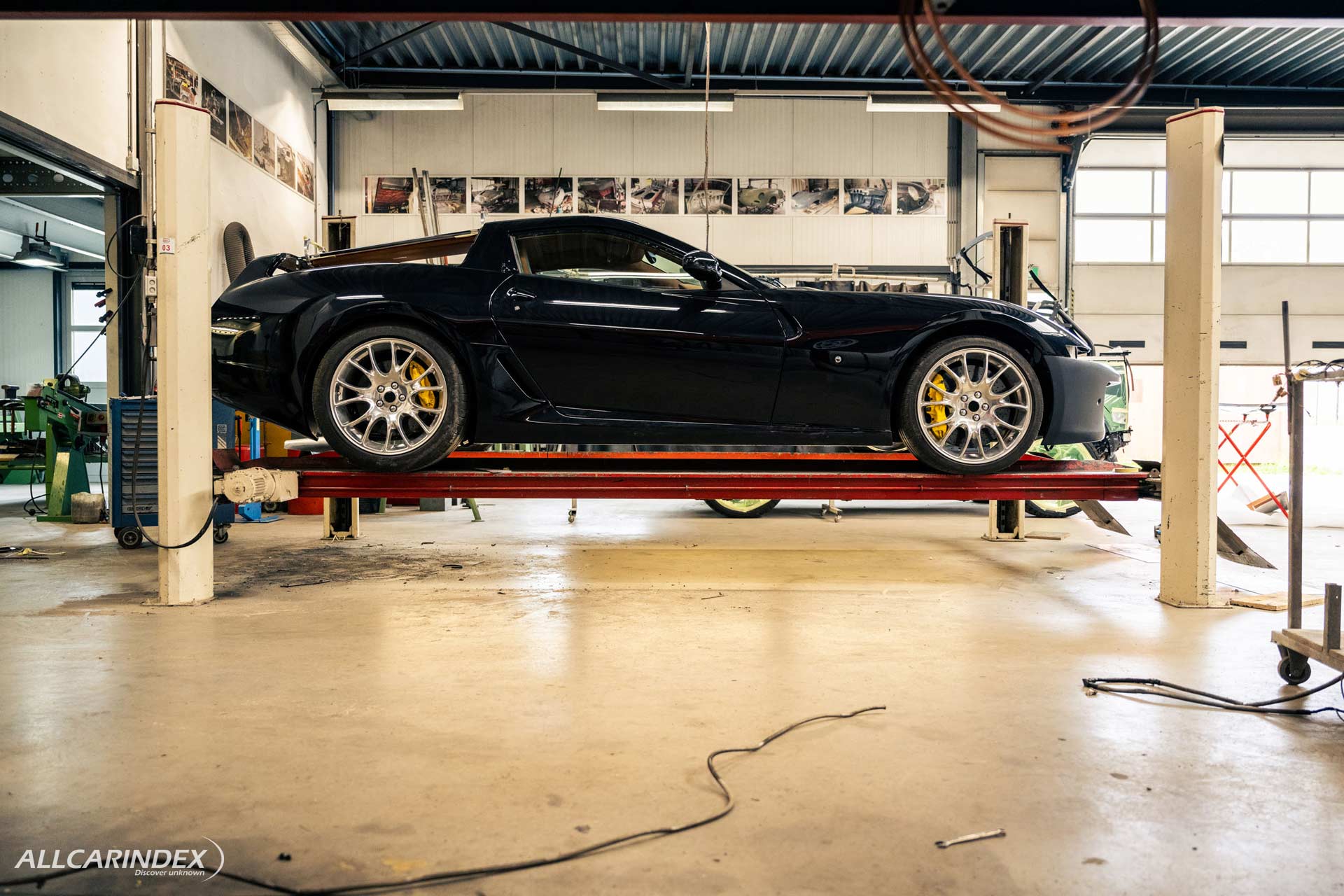
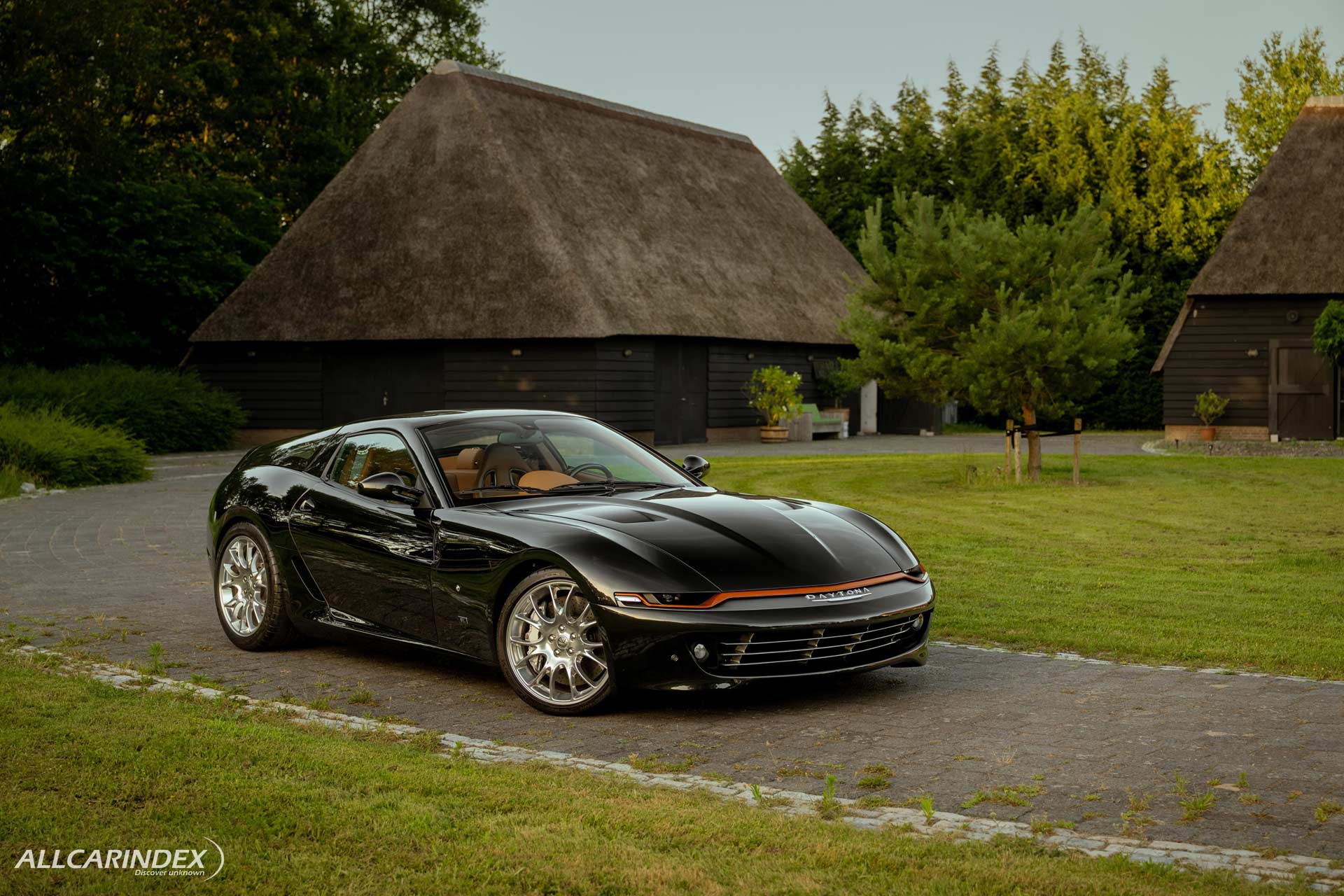
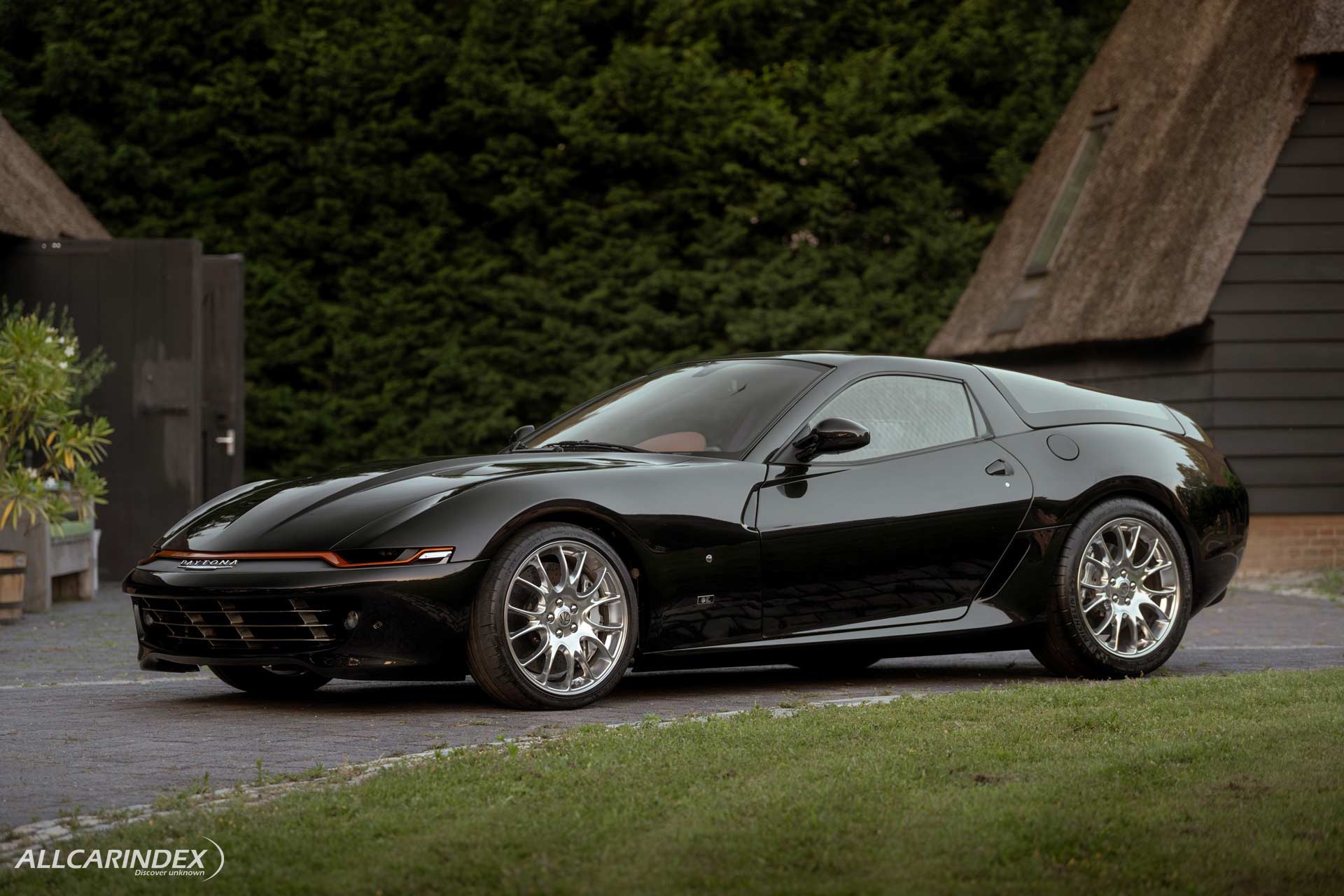
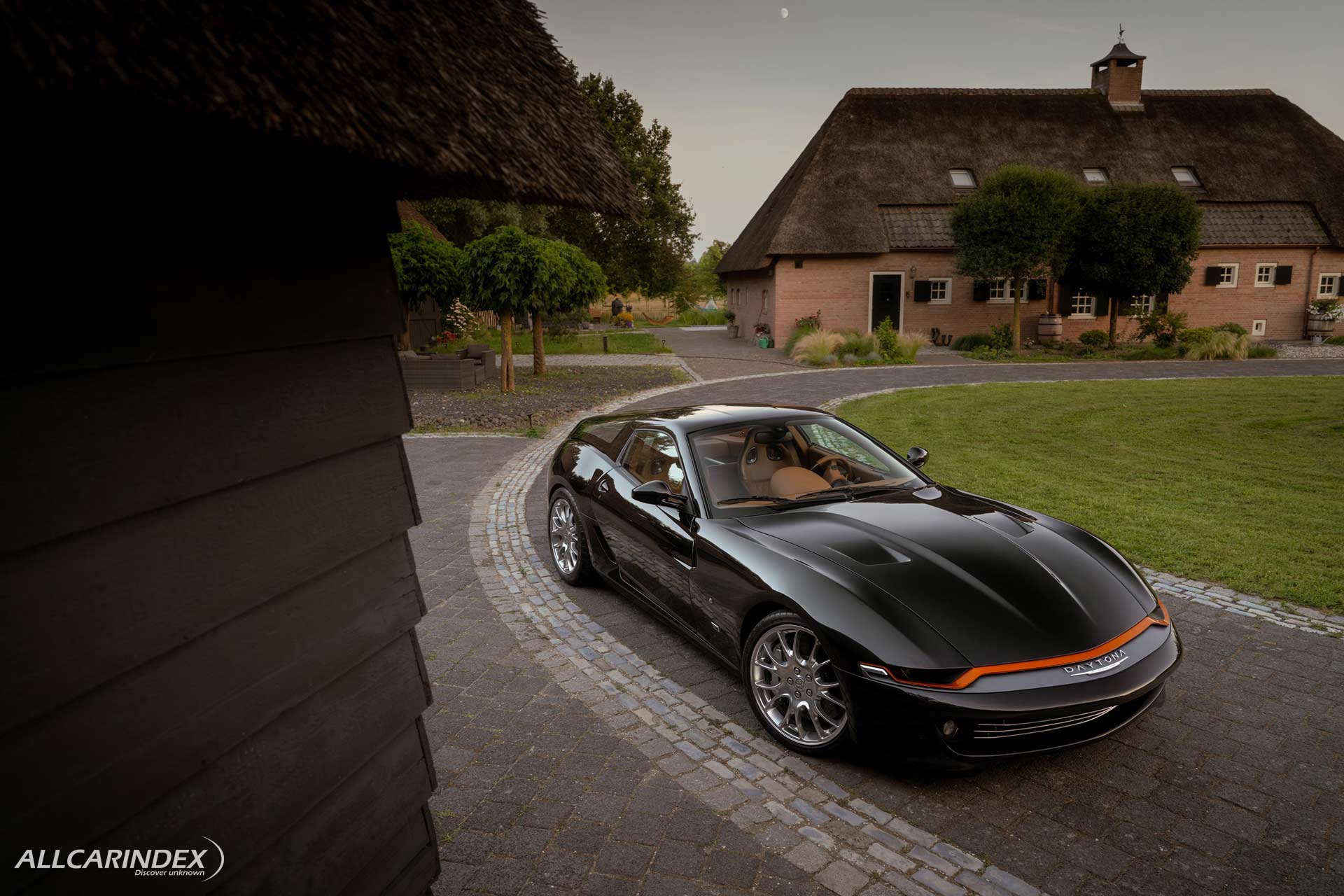
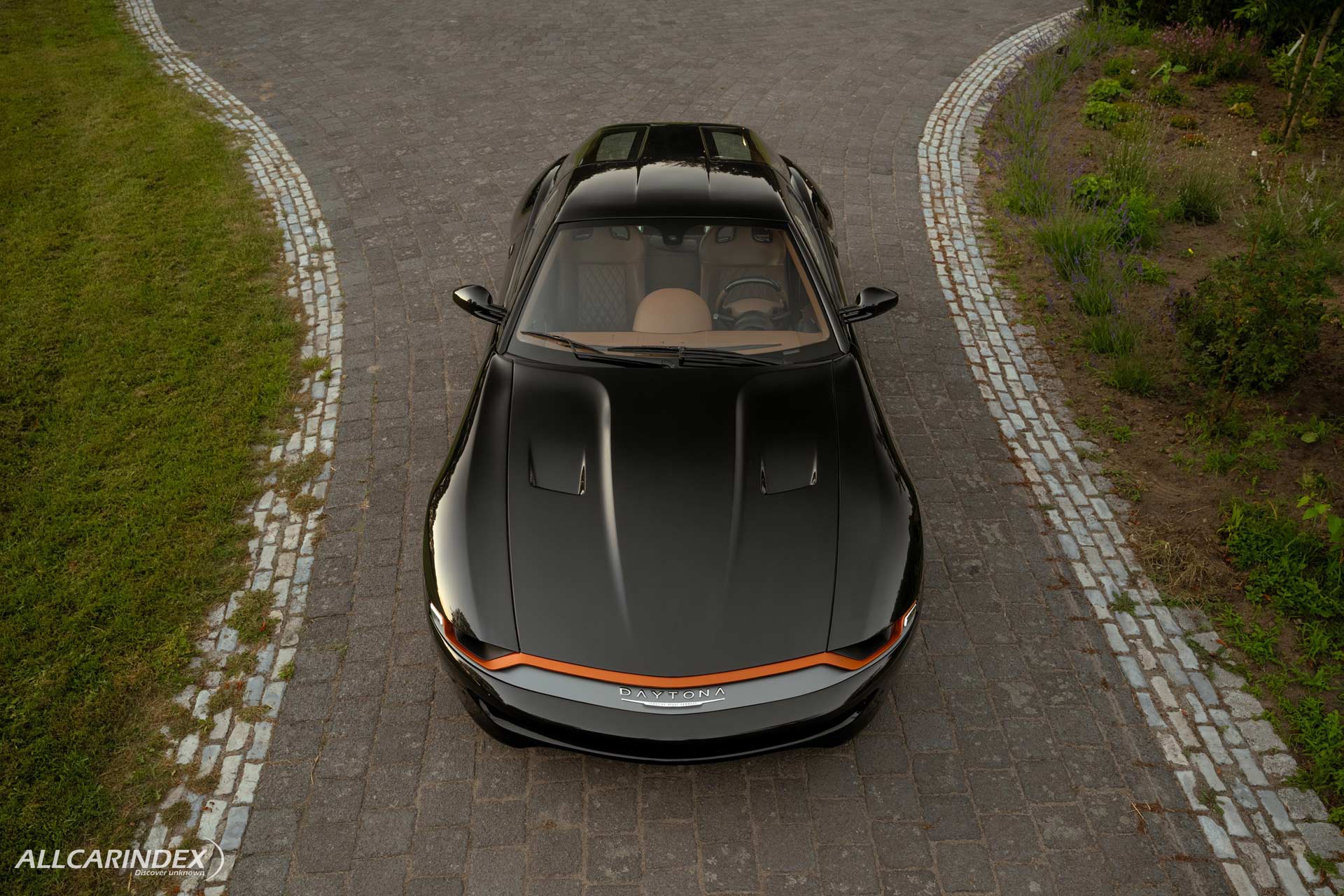

More than half a century after the original 1972 Daytona Shooting Brake was commissioned by Luigi Chinetti Jr., Niels van Roij Design presented a new one-off interpretation of that very particular coachbuilt idea. The result is the Daytona Shooting Brake Hommage, a front-engined V12 grand tourer transformed into a bespoke shooting brake through traditional aluminium coachbuilding and contemporary design development.
The story begins not with a production plan, nor with a limited series, but with one client who wanted an ode to the 1972 car. That original machine has always occupied a separate place in the world of coachbuilt grand tourers. It was created from a Daytona supplied from North America, and its unusual rear architecture, with side-opening butterfly windows, turned a familiar Italian GT base into something much more individual. In its period, the practical reasoning was as interesting as the appearance. With the car parked, conventional rear access would not have been simple, while side access allowed luggage to be loaded more naturally.
For Niels van Roij Design, the modern commission was not treated as a copy of the 1972 shooting brake. The project information describes it as a contemporary homage, shaped around proportion, restrained surfacing and carefully developed details. This is an important distinction, because the new car does not simply borrow the old silhouette. It translates the shooting brake theme onto a modern front-engined V12 platform, where the donor car’s proportions, safety structure and engineering package all had to be respected.
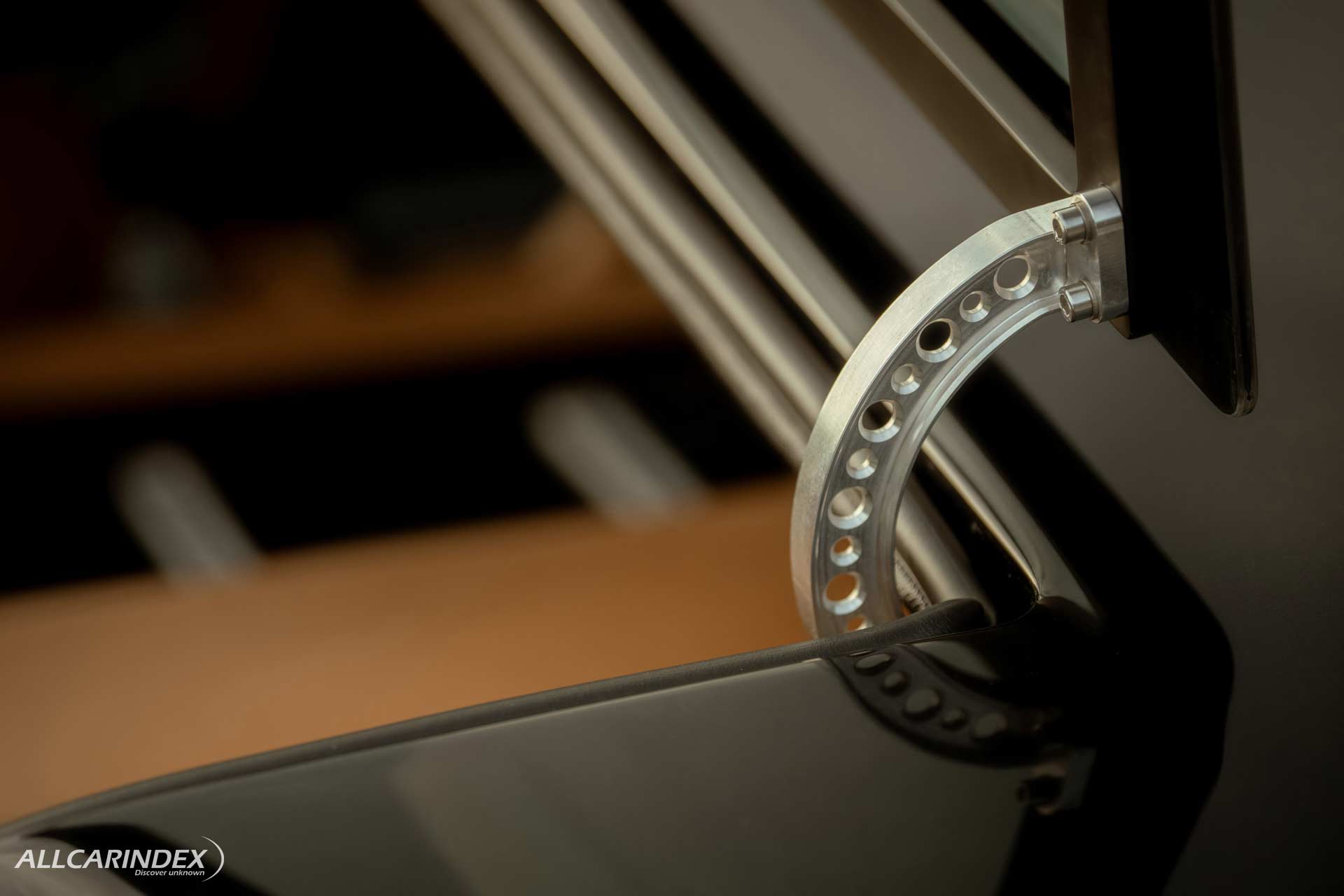
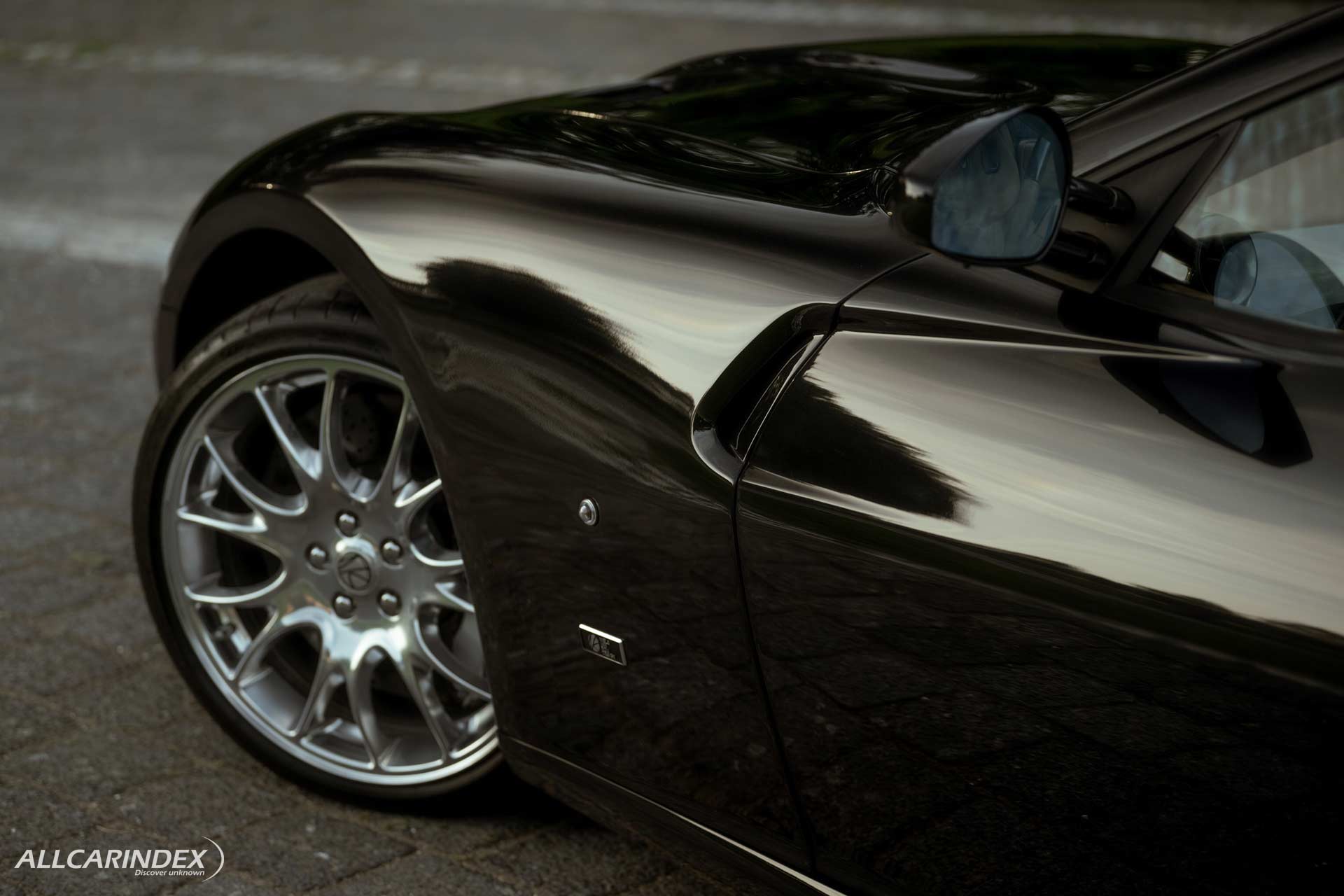
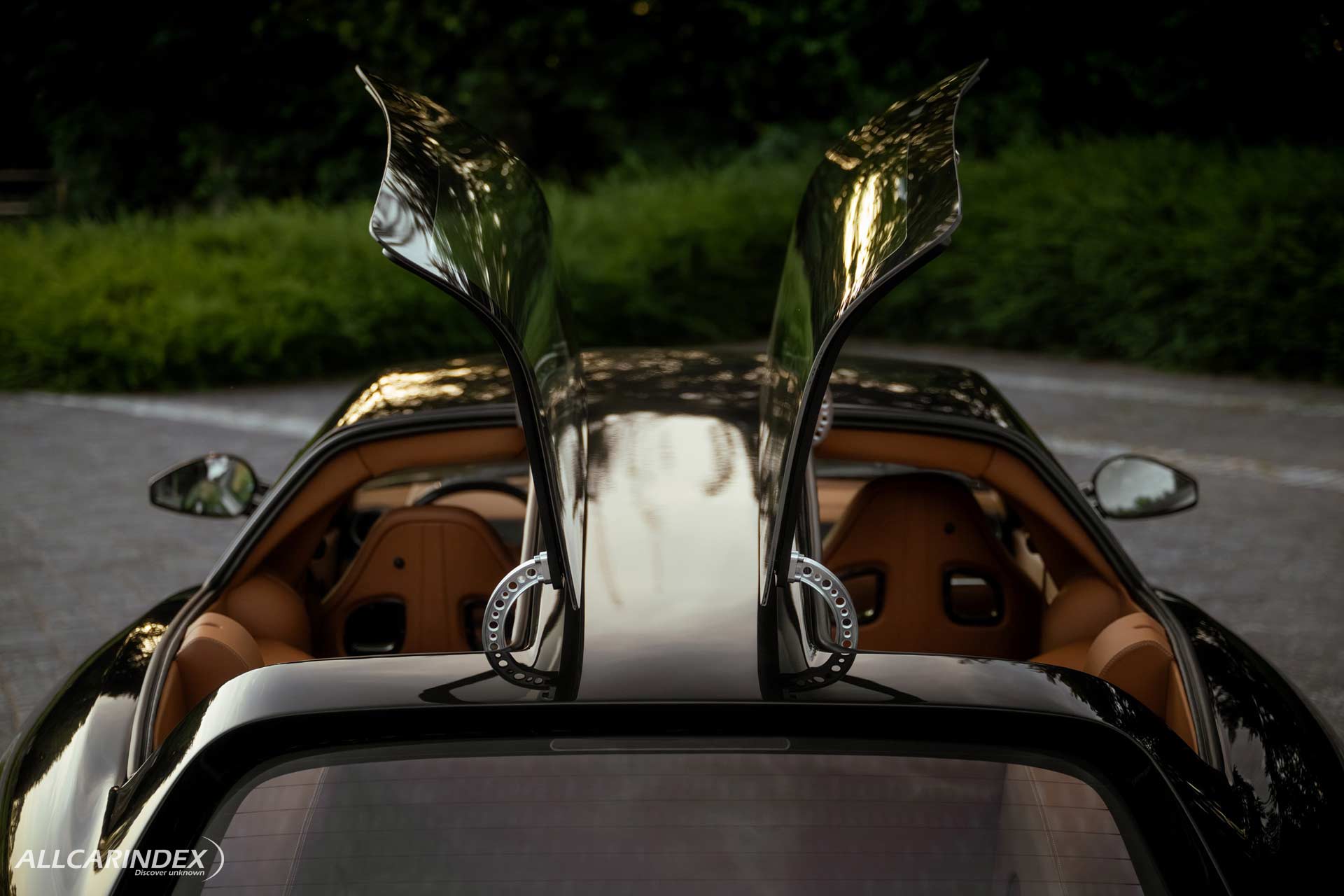
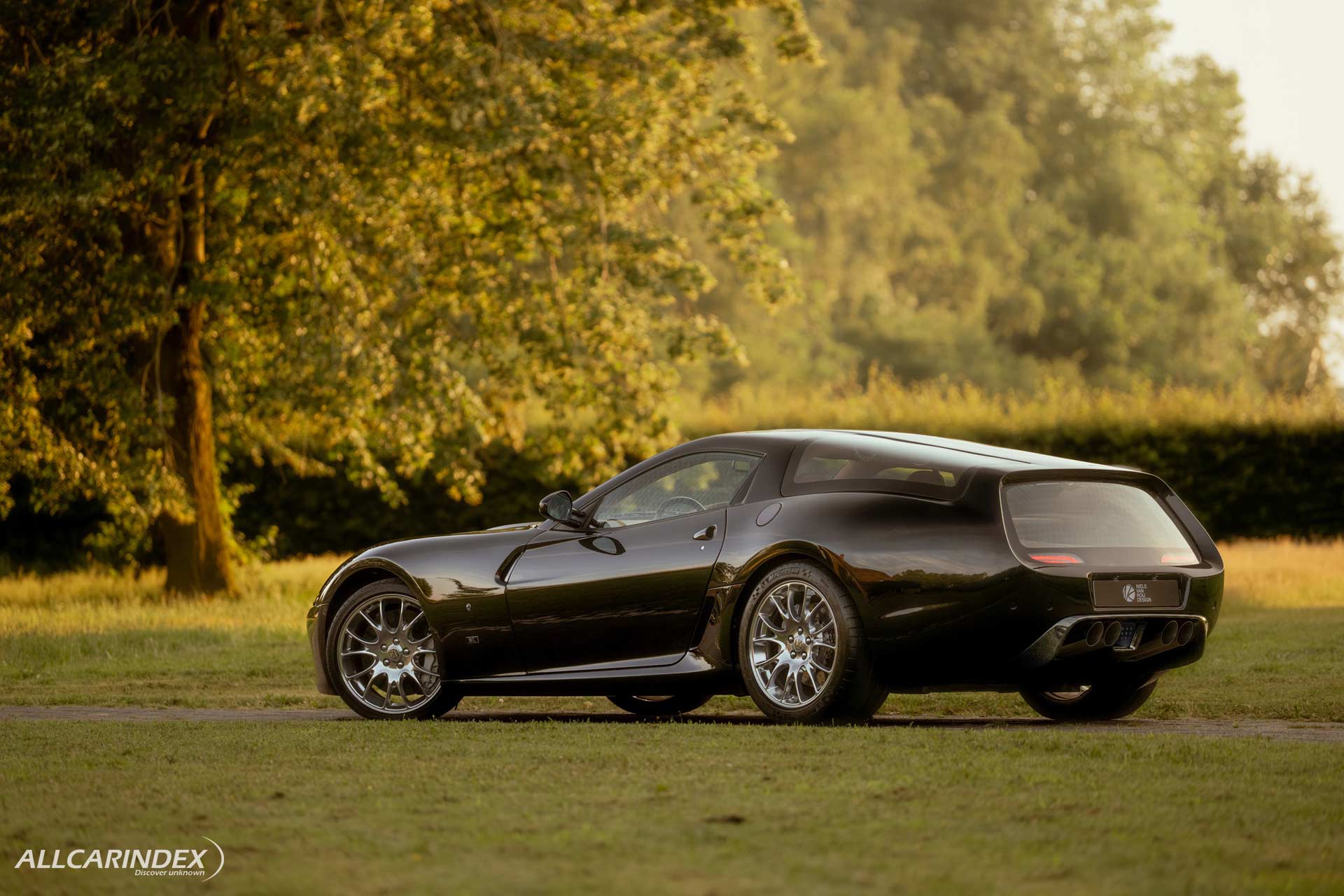
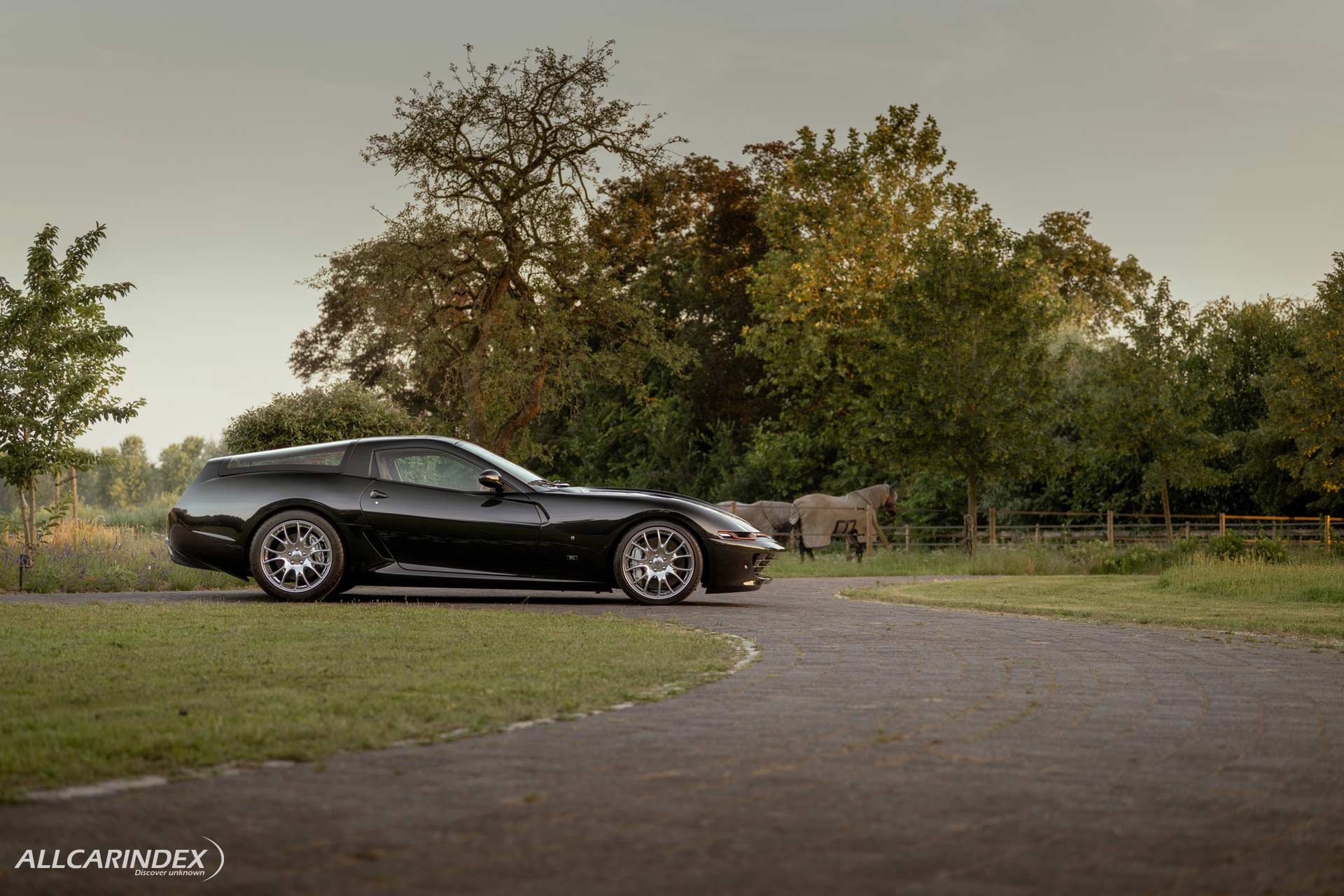
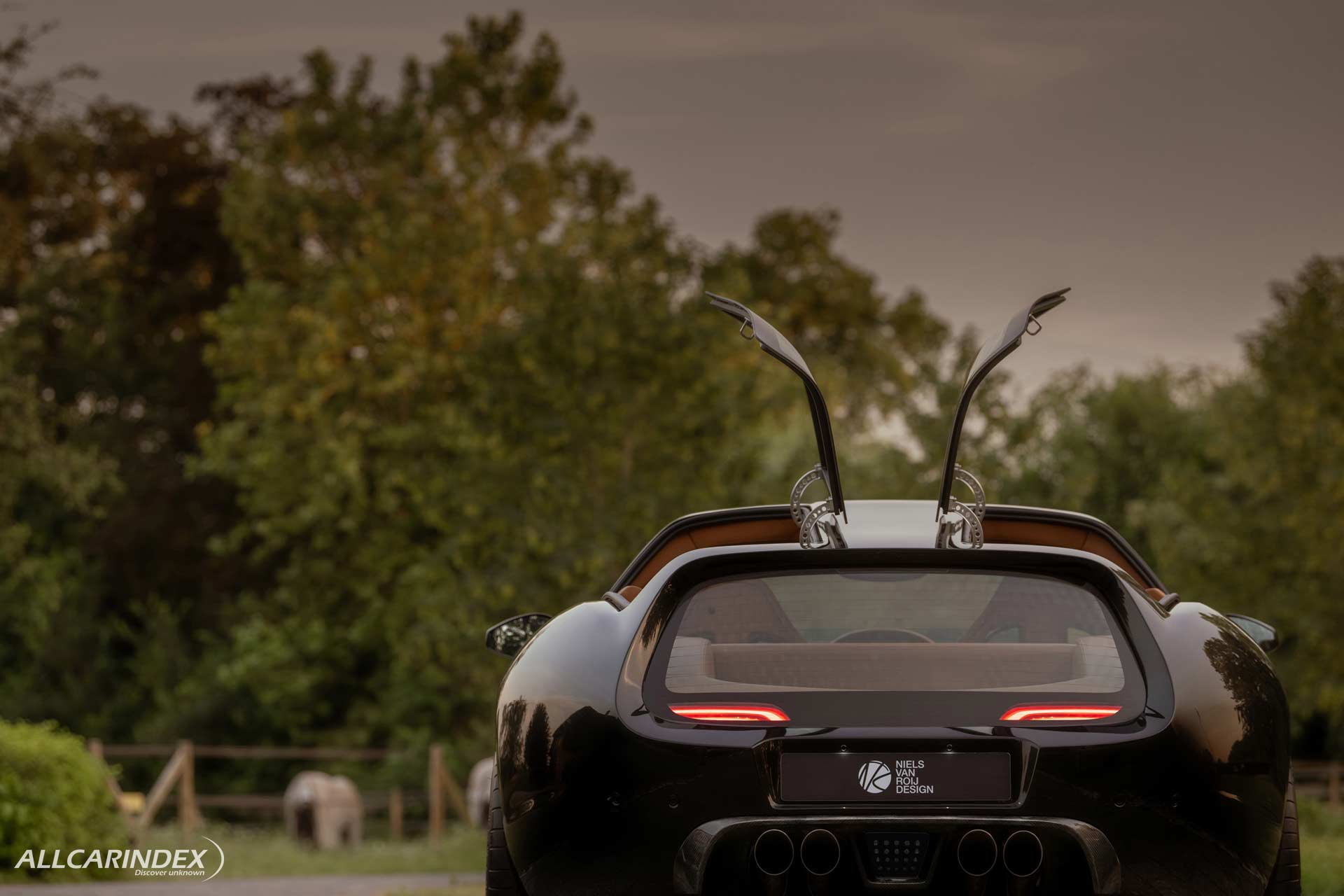
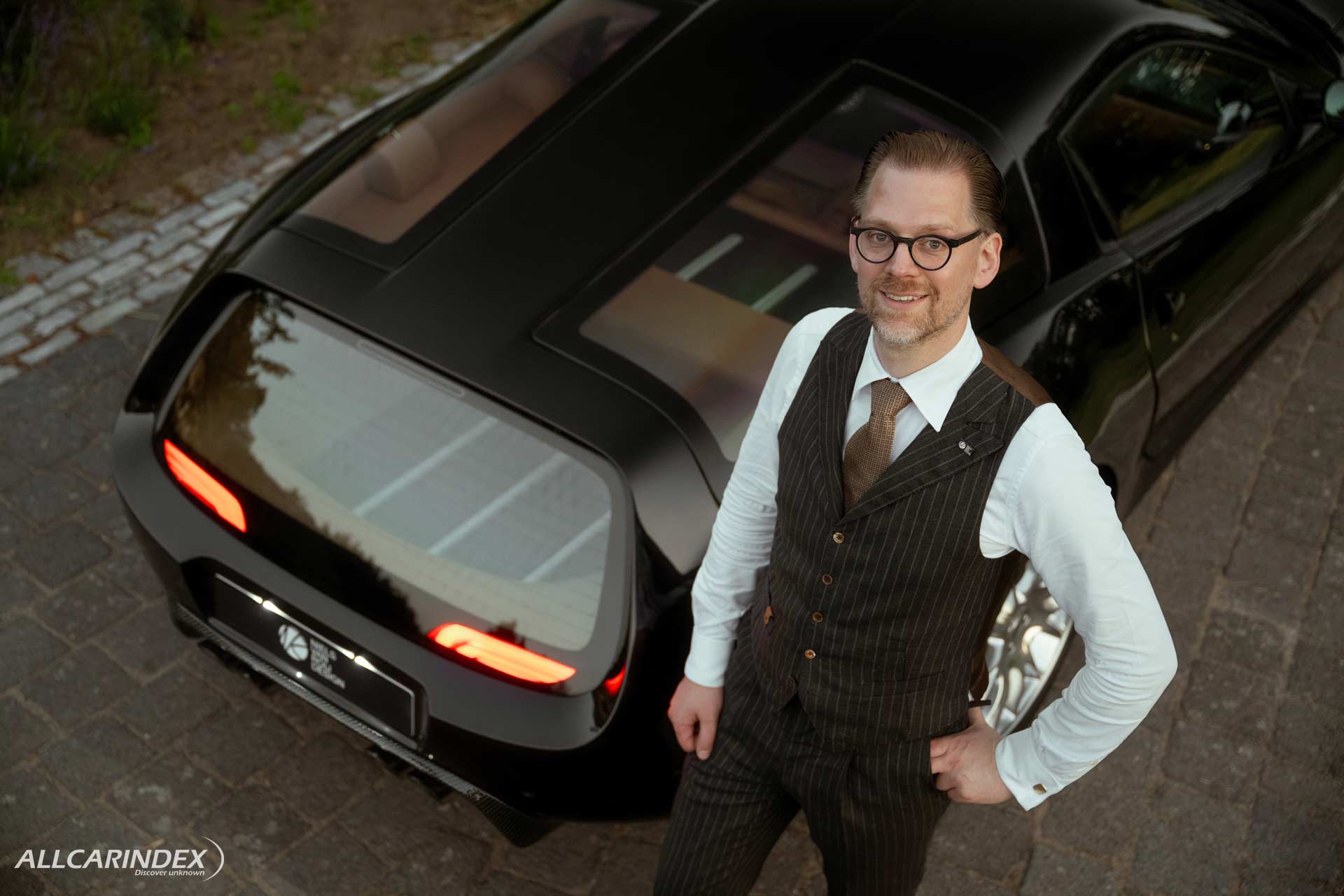
A major part of the work was concentrated behind the windscreen. The roofline was changed from the original base vehicle and raised slightly above the driver, before flowing rearwards into the elongated shooting brake volume. The B-pillar angle was redesigned, and the rear section received large electrically operated butterfly side windows. These side windows are mounted on precision-milled aluminium hinges and give direct access to the luggage area, keeping a clear link with the original 1972 idea while using a modern execution.
The construction itself remains in the old coachbuilding tradition. The body is formed entirely from aluminium, and every exterior body panel except the doors was reimagined. According to the project information, the car required more than 15,000 hours of design study, engineering refinement and hand work. Digital surfacing, CAD engineering, clay modelling, sketching and physical prototyping were all part of the process, but the final body still depended on hand-shaped metalwork.
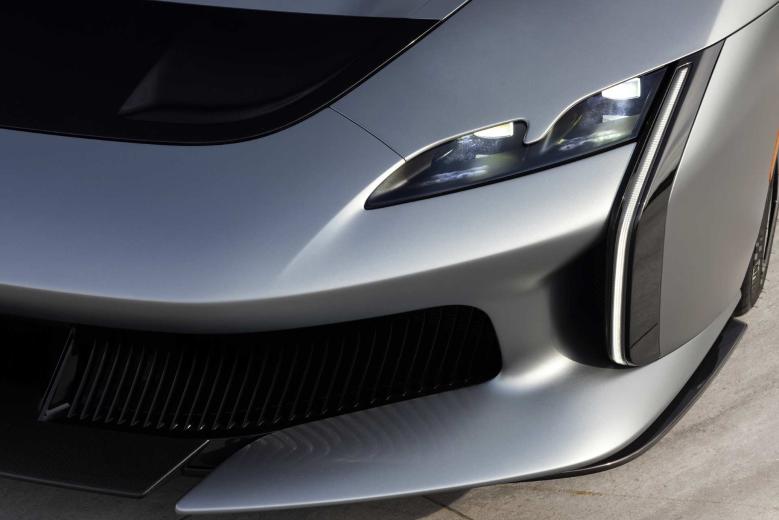
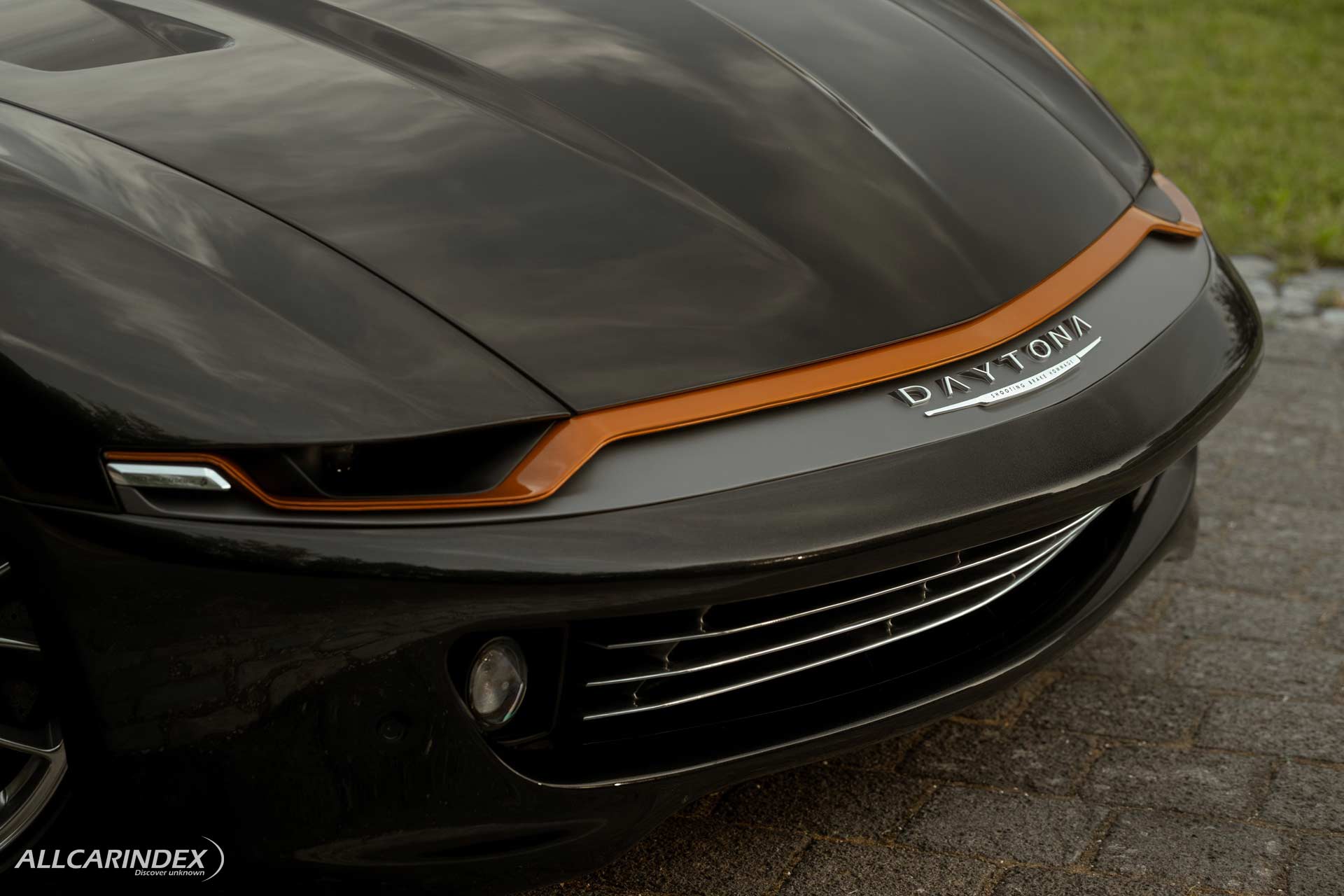
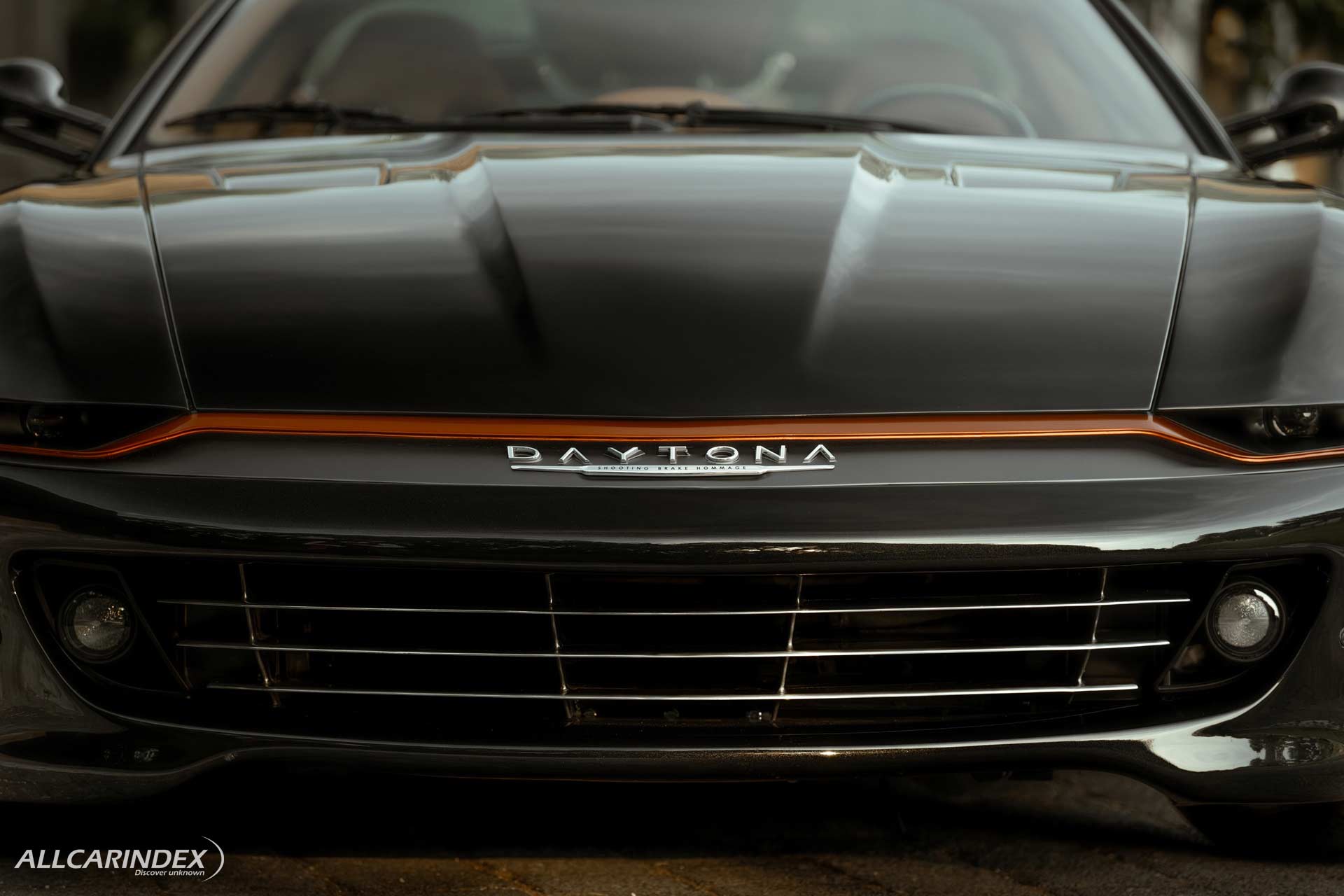
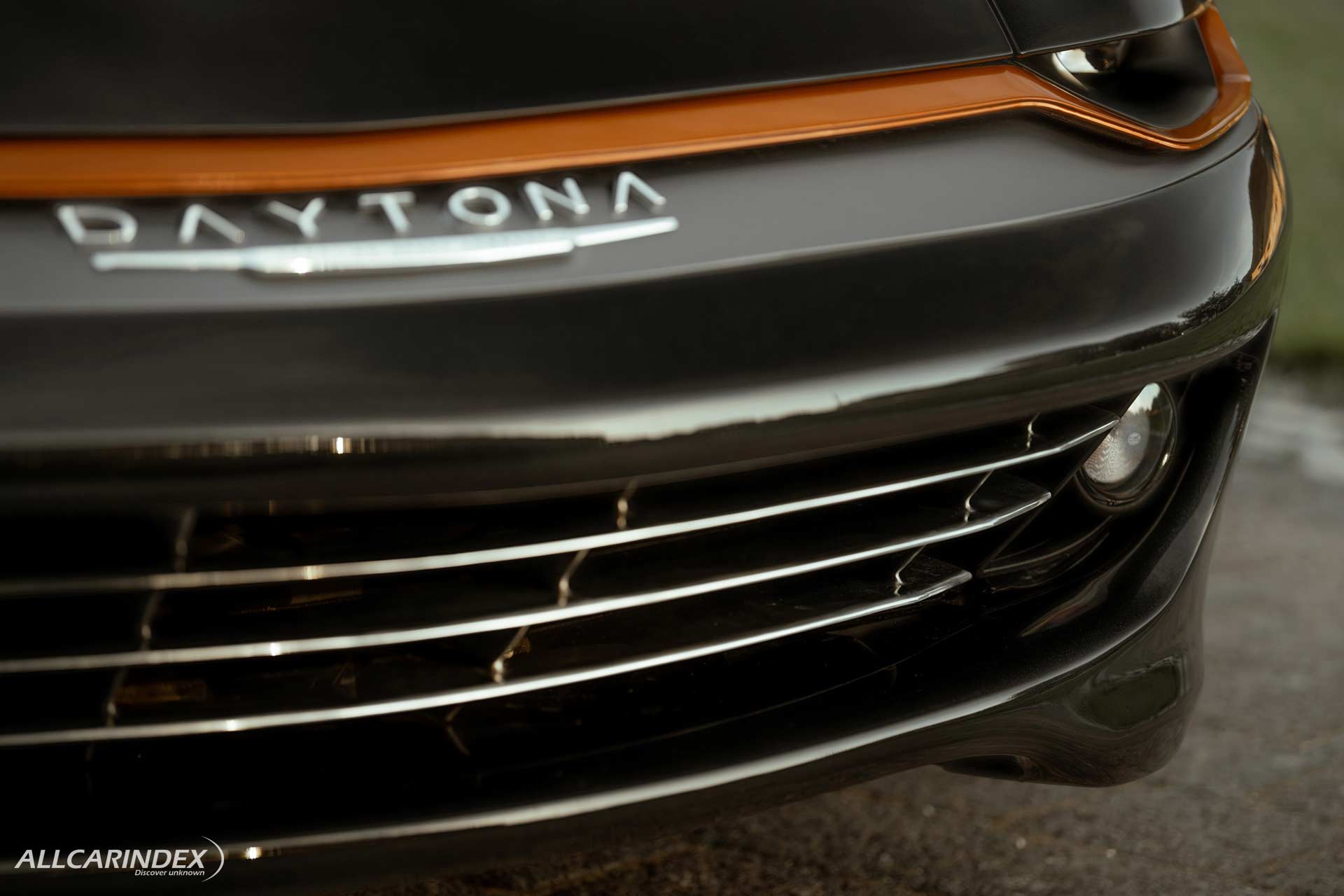
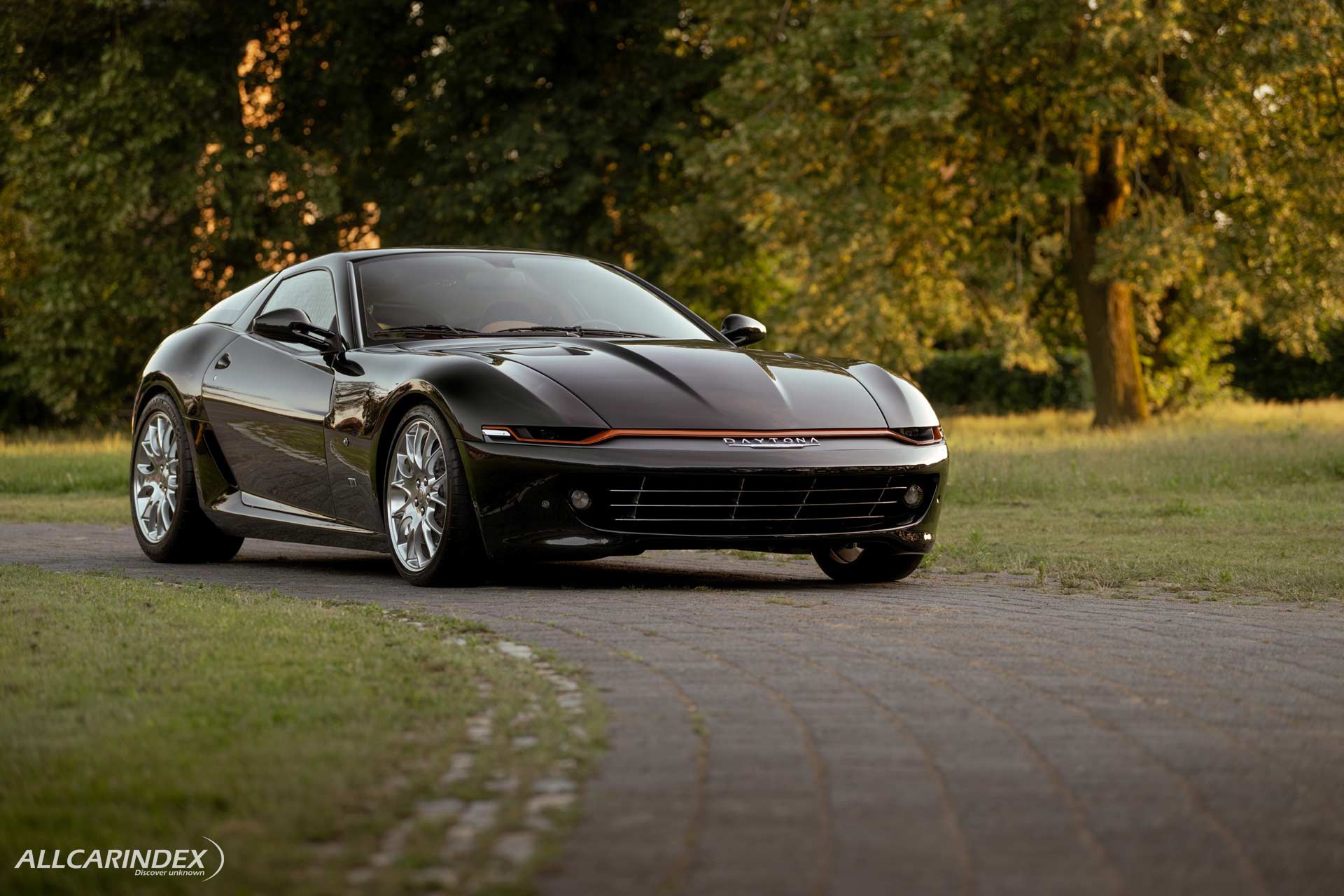
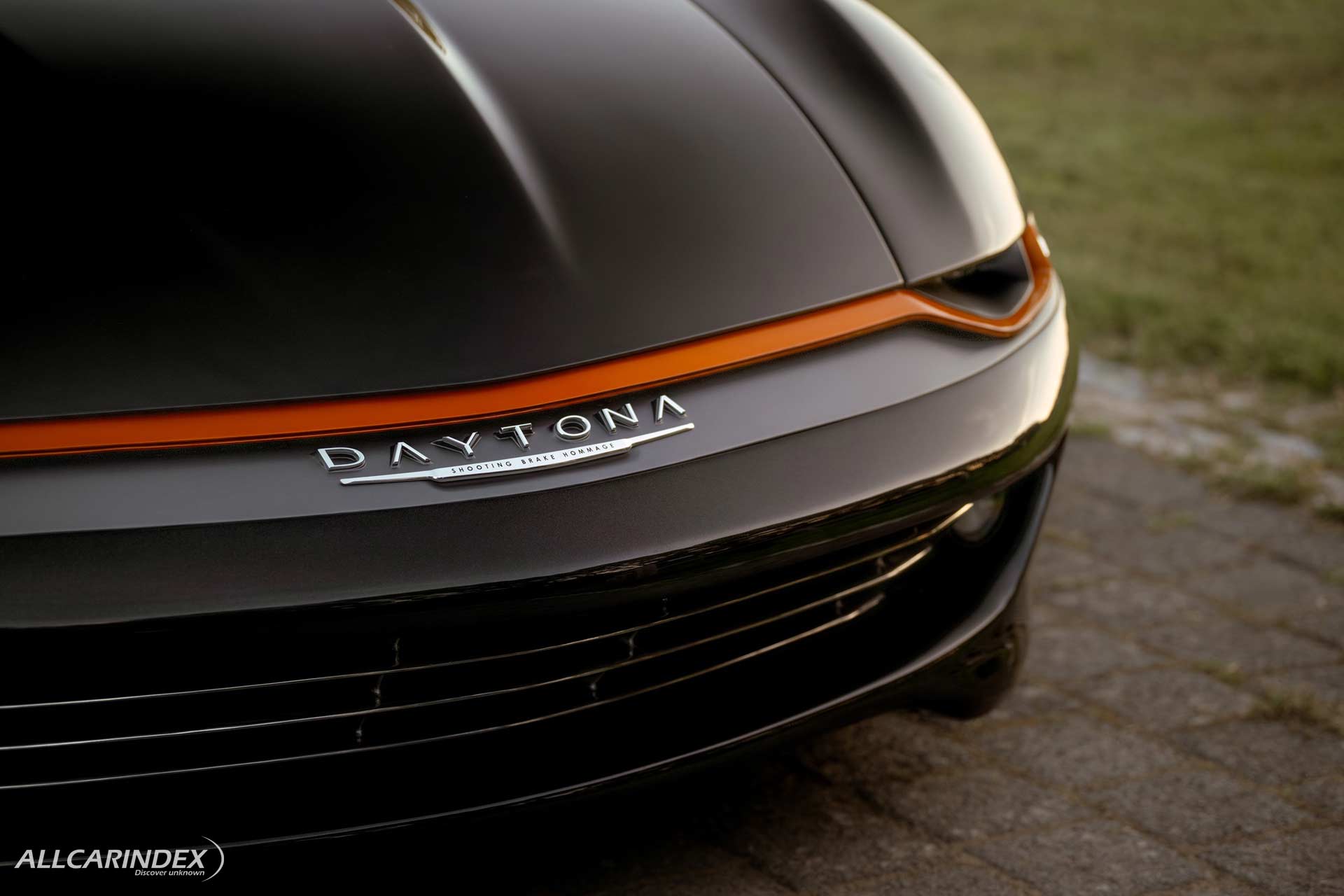
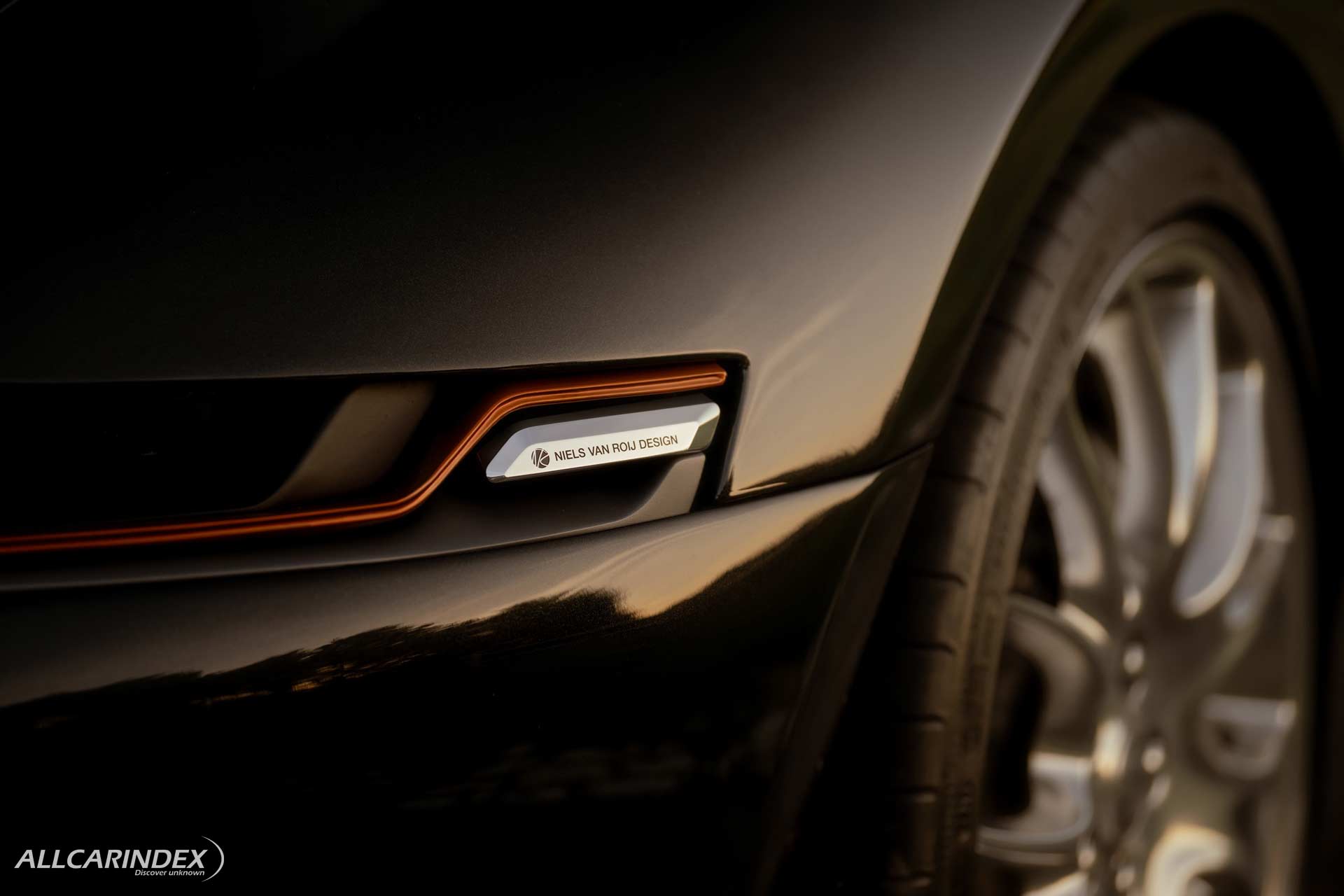
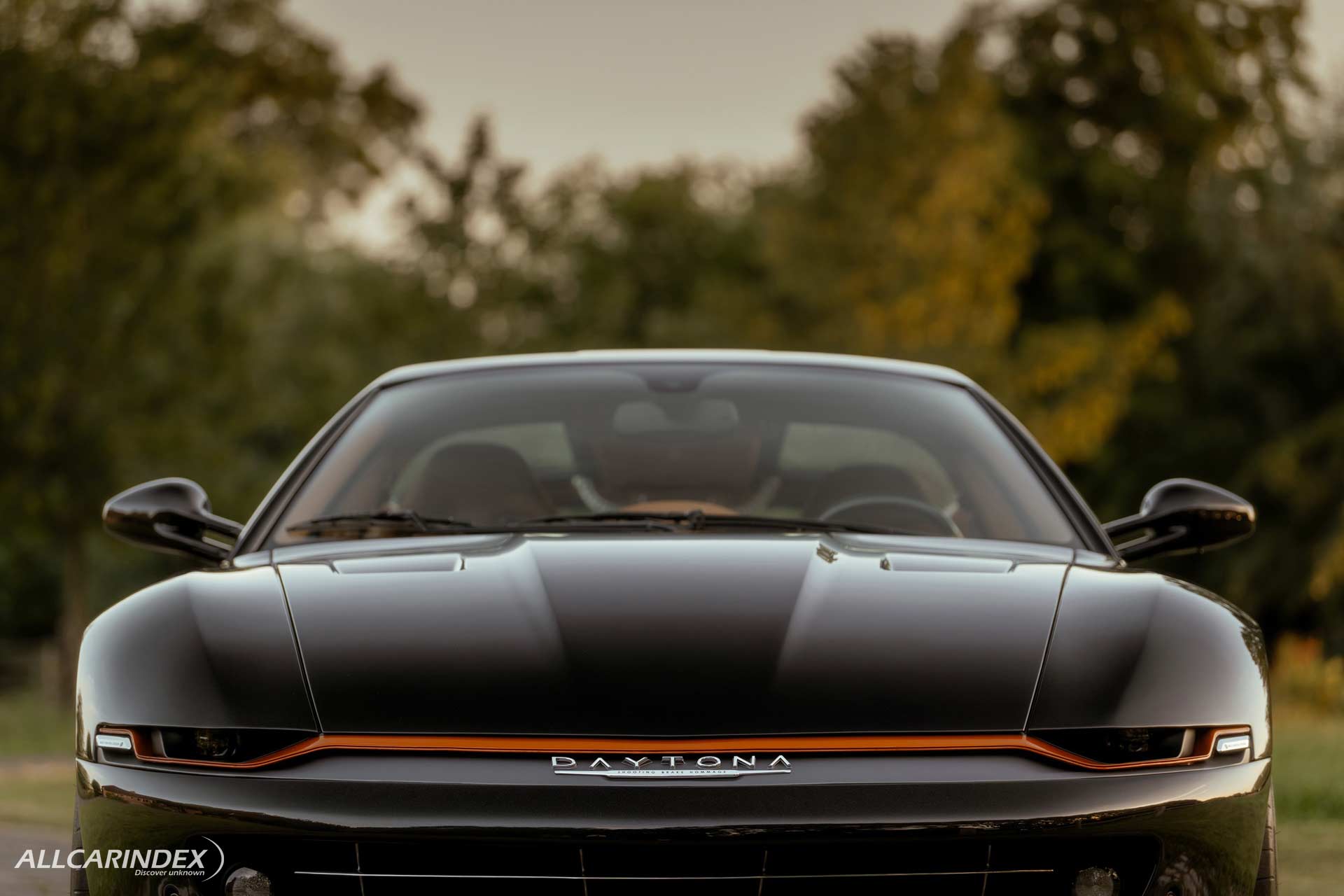
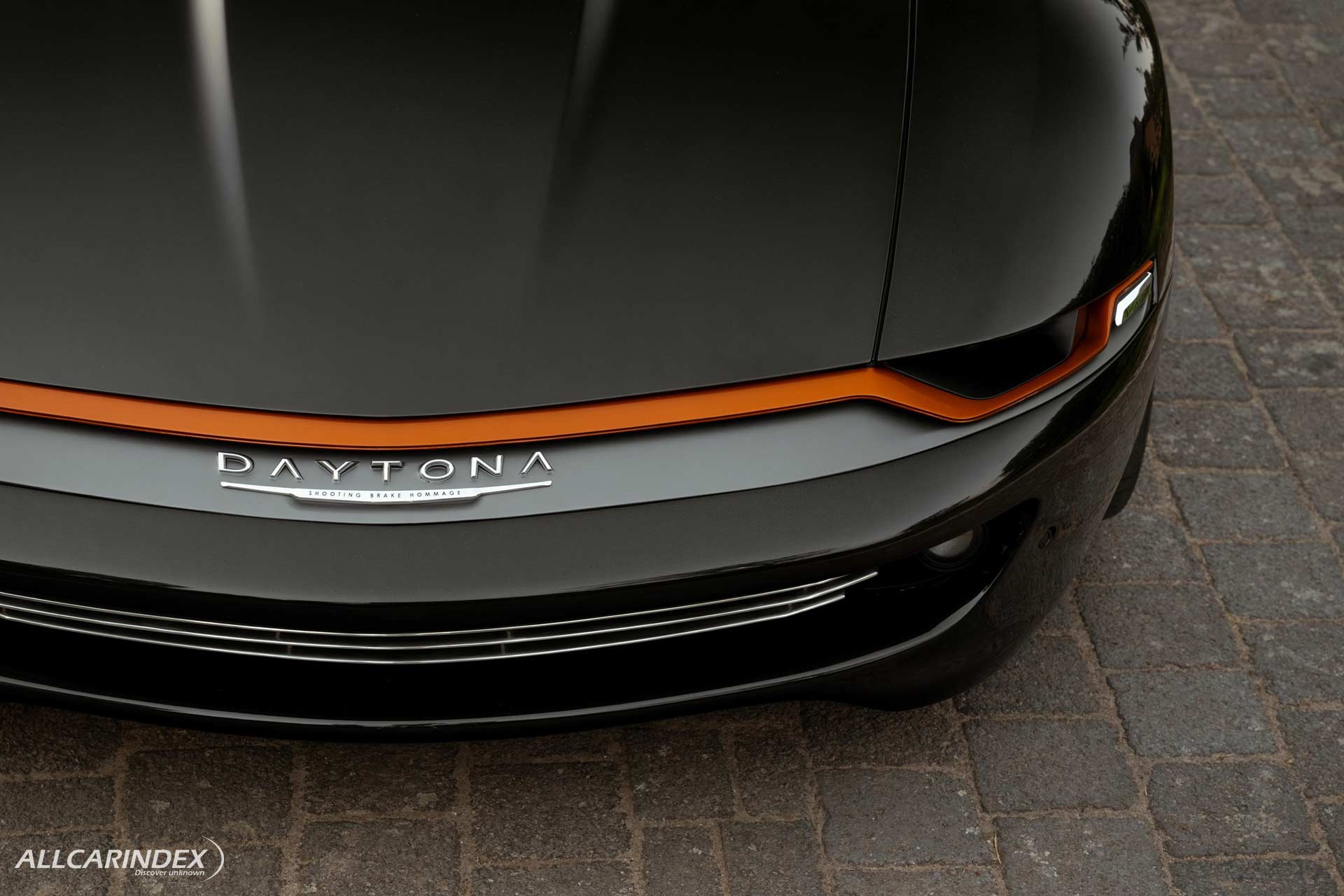
At the front, the Daytona reference appears through a bespoke lighting composition rather than a simple retro graphic. The headlamp units were developed specifically for the car, with carbon-composite 3D-printed elements and precision-milled aluminium detailing. The amber theme of the classical Daytona front end is interpreted as a three-dimensional light element integrated into the wide frontal graphic. It is not a separate decoration placed on the nose, but part of the complete front composition.
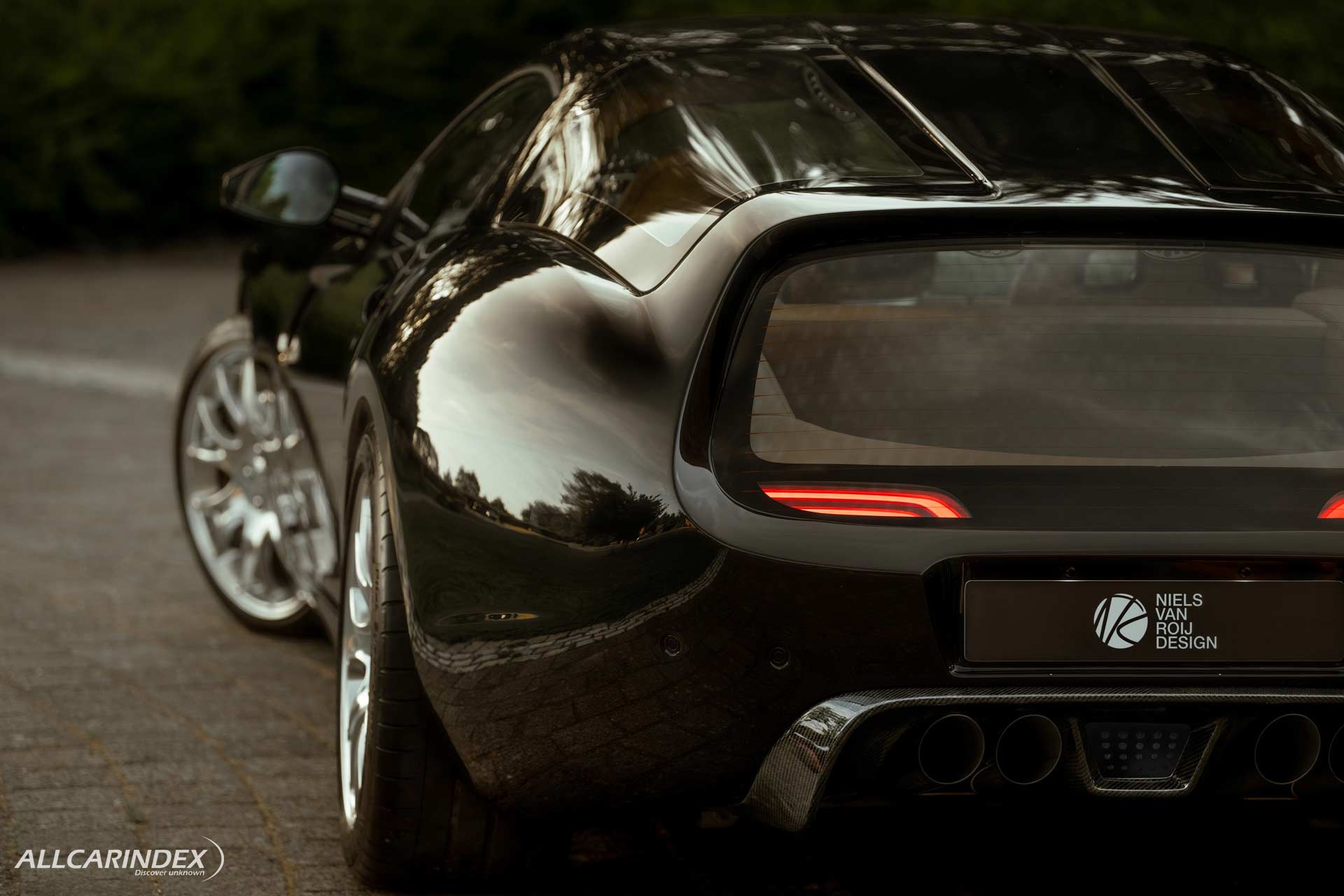
The rear of the car is equally specific. The shooting brake tail is shaped without a conventional interrupted bumper line or visible rear shutline in the main volume. The lighting is set behind tempered glass and placed deep within a trapezoidal rear form. Below it, four exhaust outlets sit within a carbon-fibre diffuser. Their paired arrangement is described by the studio as an indirect reference to the shooting brake name, while the naturally aspirated V12 remains central to the character of the car.
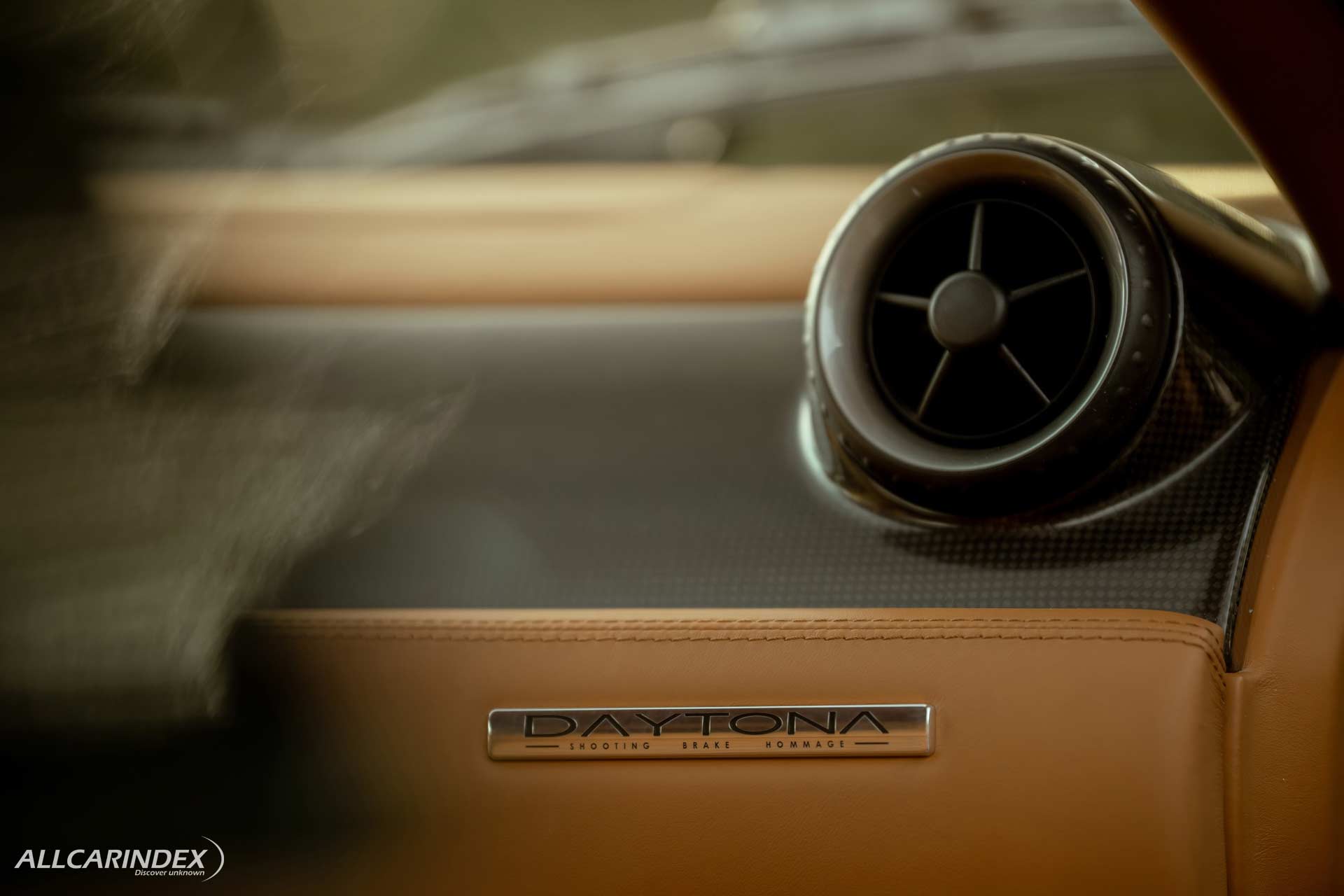
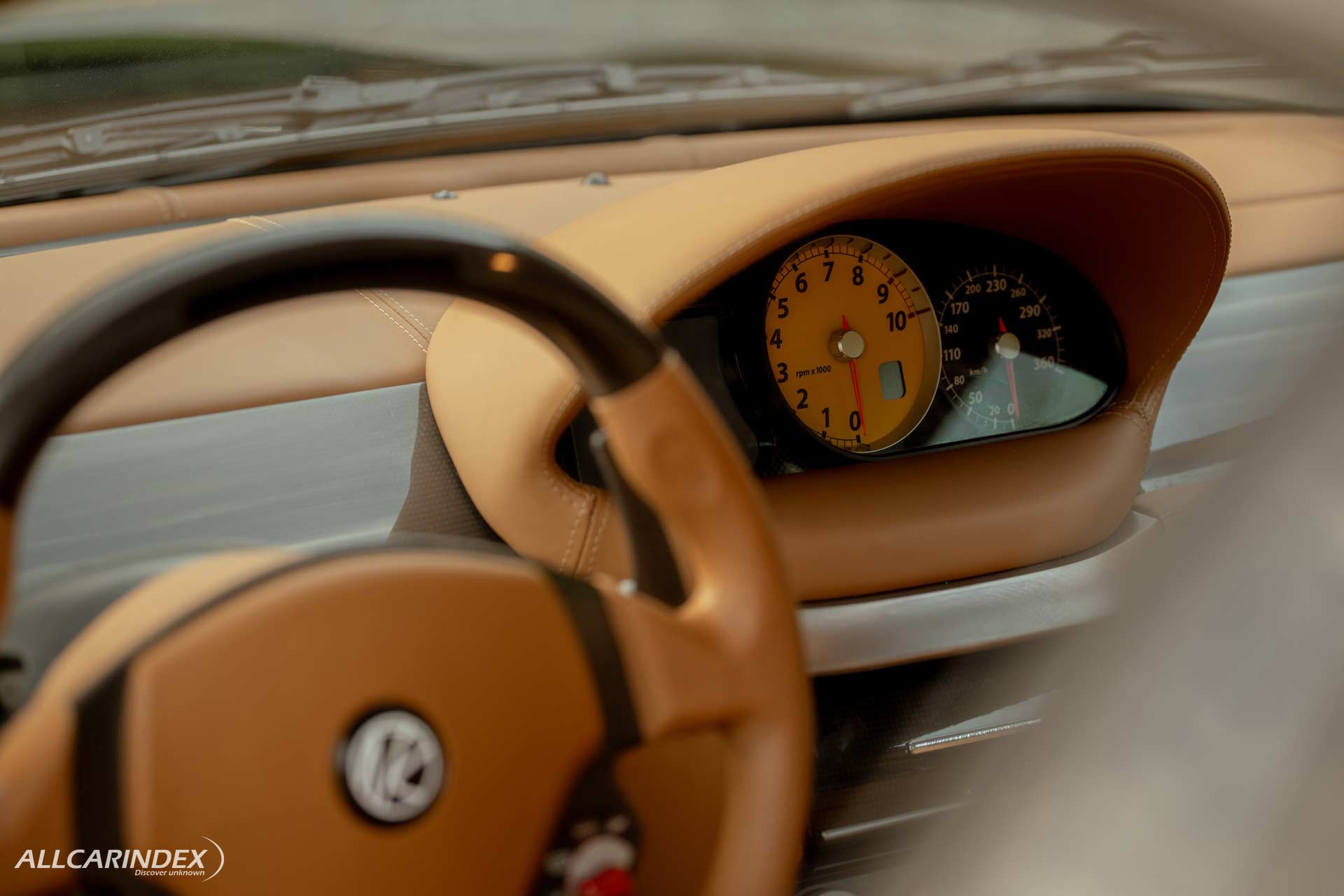
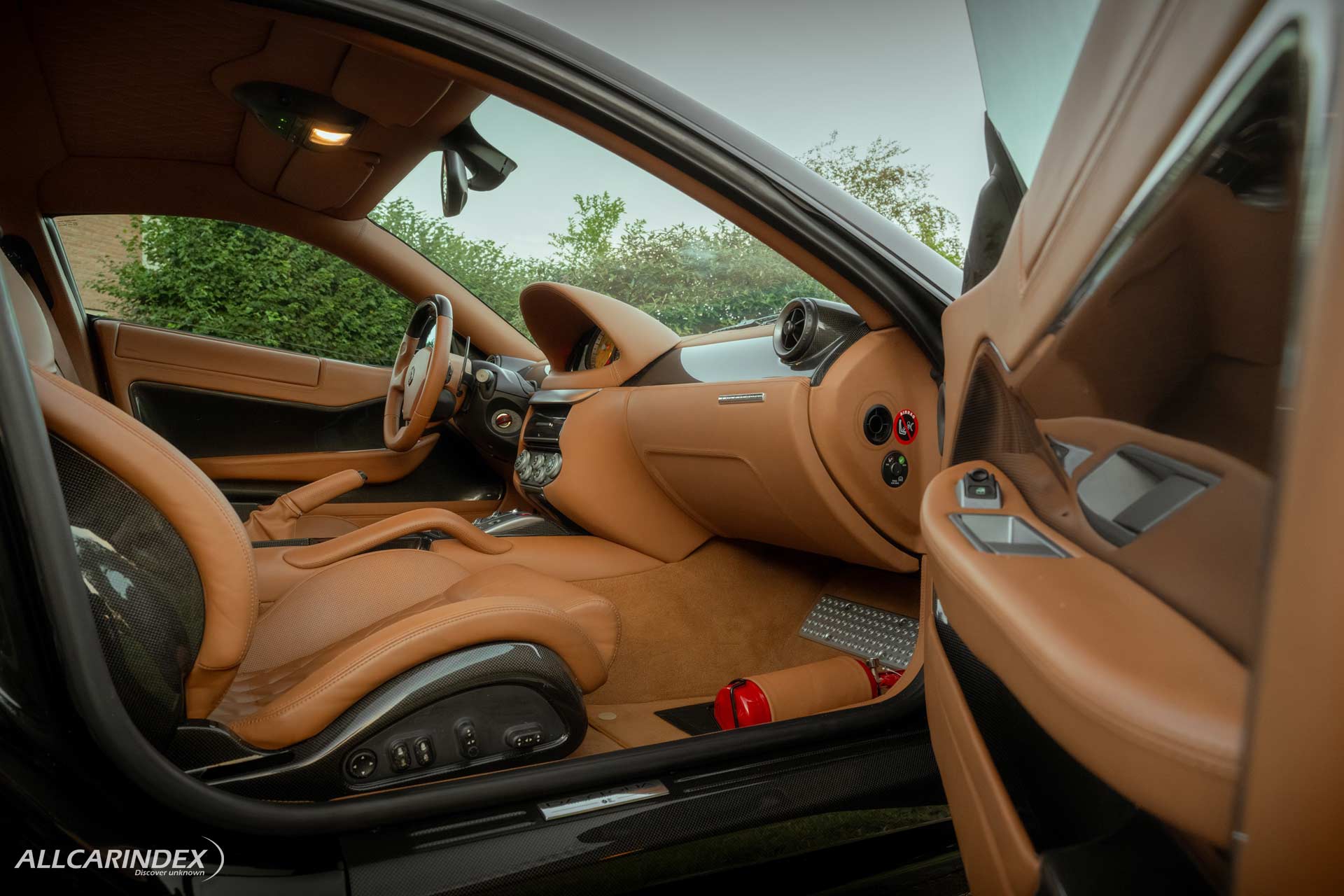
Inside, the Hommage refers again to the 1972 car, but with different materials. The original Daytona Shooting Brake used walnut panelling and centrally mounted instruments. In the modern car, the primary instrument binnacle is also positioned centrally, but the secondary structural surface is carbon fibre. Cognac-coloured leather covers the seats, dashboard, door panels, headlining and luggage compartment, while the leather surfaces are formed over hand-beaten aluminium structures and components.
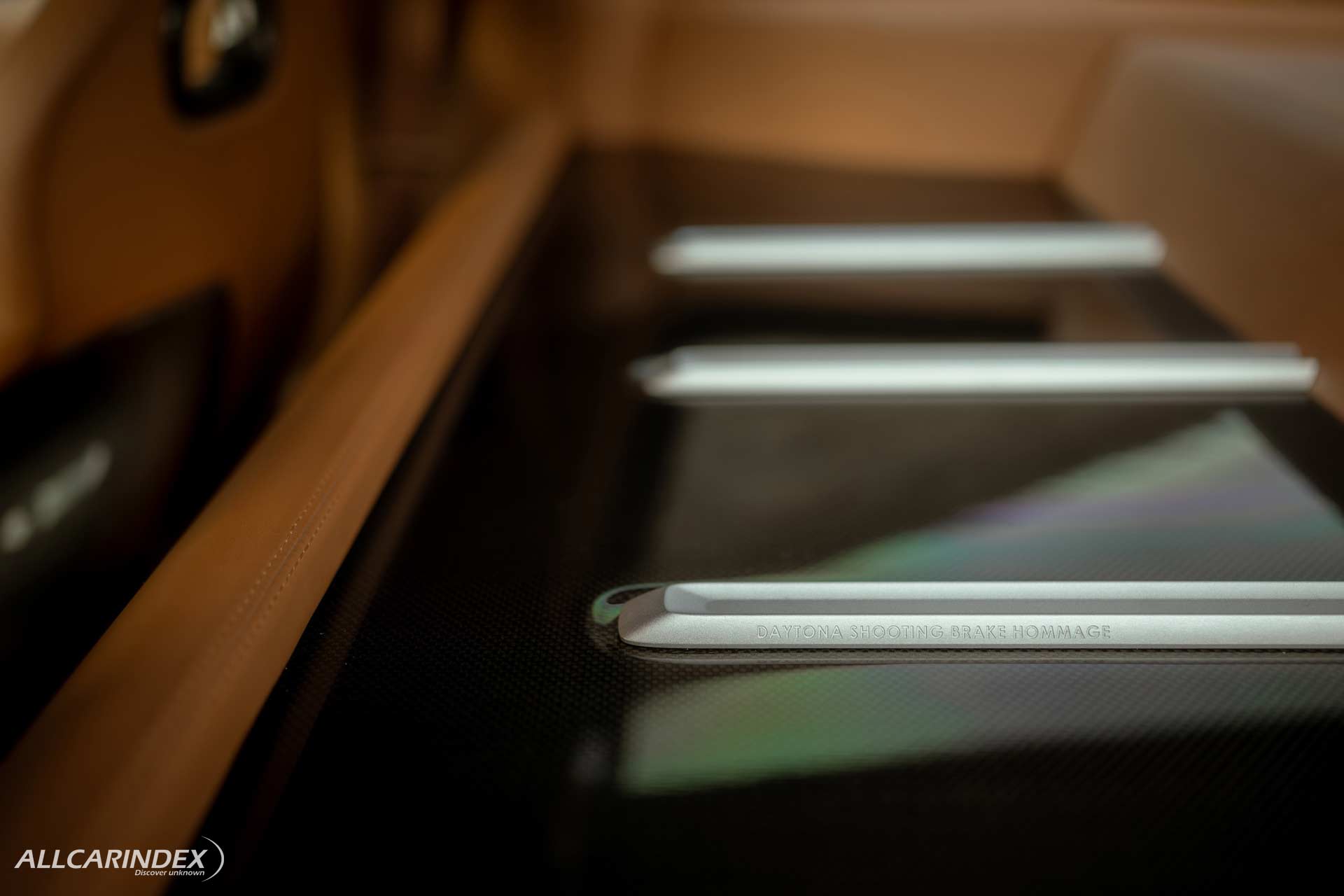
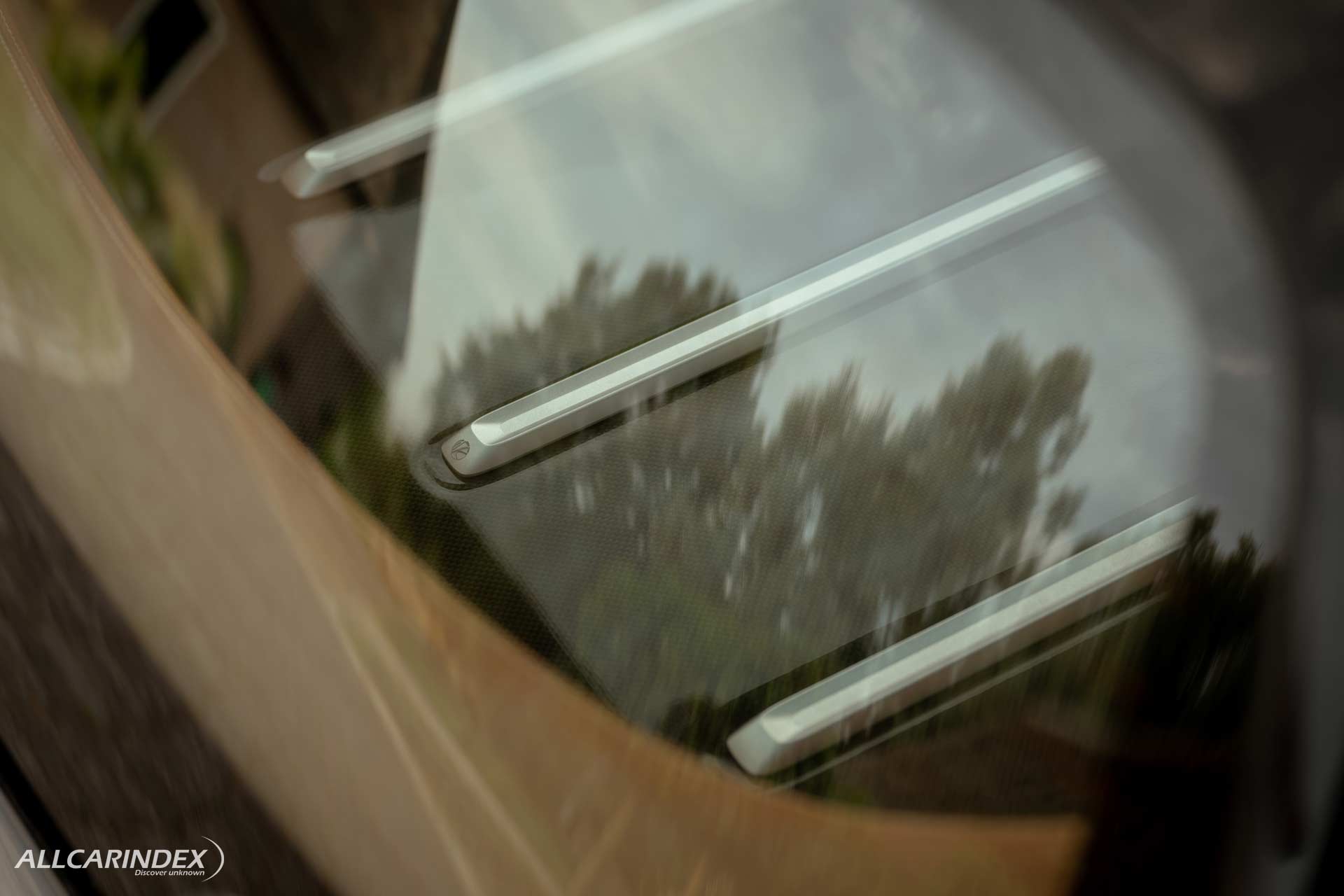
The luggage compartment received the same level of attention as the exterior. Six shaped aluminium runners are CNC-machined and brushed to match the gearbox selector panel, then integrated into the carbon-fibre load floor. The outer runners carry the Daytona Shooting Brake Hommage name, visible through the side glass, while the central element incorporates the Niels van Roij Design roundel in discreet positions. In this car, the luggage bay is not treated as a secondary space. It is part of the shooting brake concept itself.
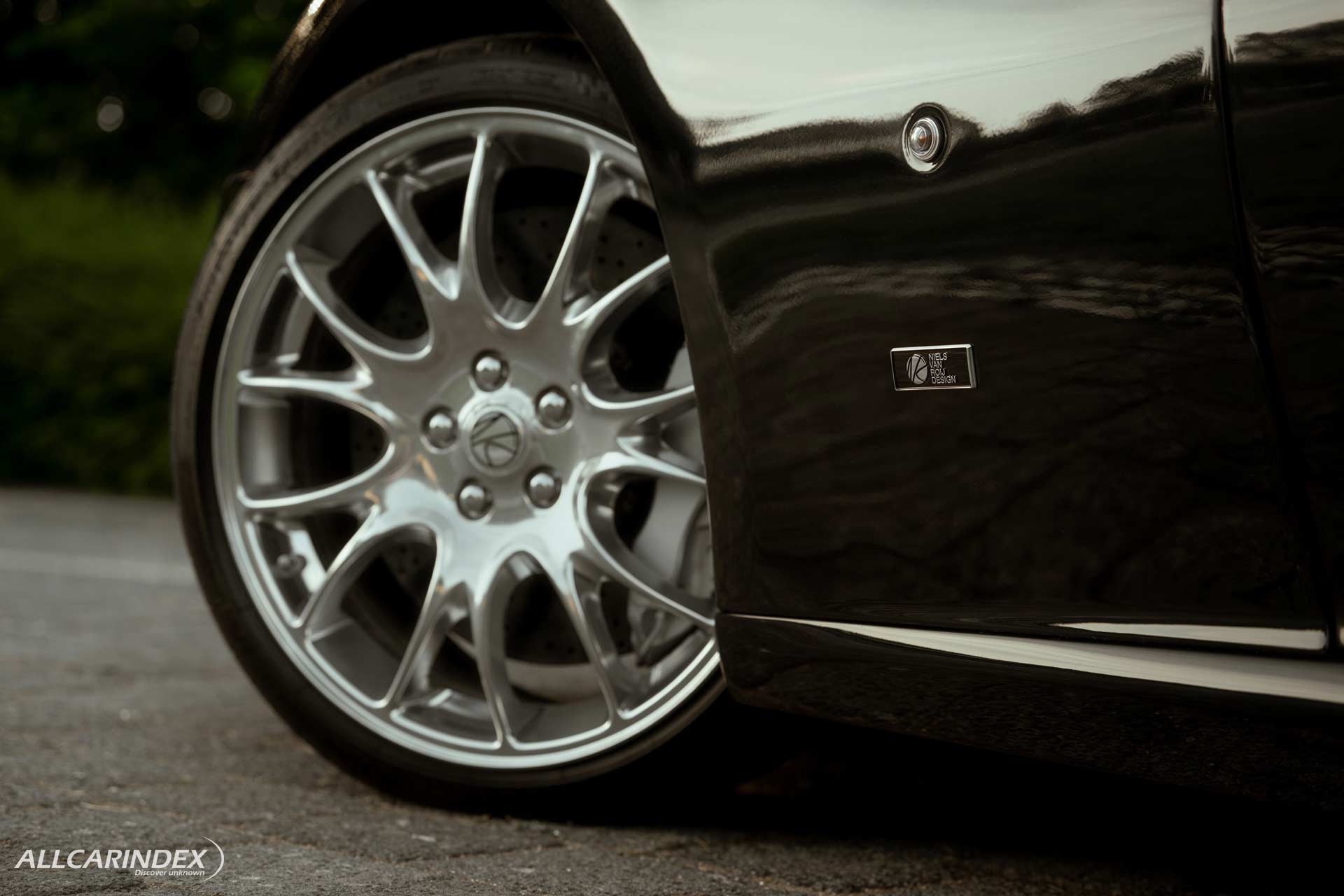
The wheels and brake calipers also follow the restrained character of the car. Polished wheels are used as a reference to the chrome wire aesthetic of the 1972 car, while satin silver brake calipers avoid a more aggressive visual treatment. These details suit the basic idea of the commission, which is a coachbuilt grand tourer rather than a track-derived special.
Another unusual detail is connected not to the car’s mechanical package, but to the studio’s own way of archiving commissions. A bespoke three-piece suit accompanies the project, made for Niels van Roij rather than for the client. It remains with the studio when the car leaves for its owner and acts as a physical record of the work. For this commission, the black cloth uses pinstripes that relate to the cognac interior, while selected details use the same leather hides as the car.
The Daytona Shooting Brake Hommage made its global debut on July 8 at the Royal Automobile Club, Woodcote Park. Its public introduction placed it among a small group of modern coachbuilt V12 grand tourers that are not conceived as production models, but as individual commissions shaped around a client brief, historical reference and hand-built execution.
There is no need to describe this car as a revival of the 1972 Daytona Shooting Brake. The project itself is presented as an homage, and that is a more precise word. It takes the main ideas of the Chinetti-era shooting brake, especially the side access to the luggage area, the central instrument theme and the long-roof GT proportion, and places them within a present-day coachbuilt body. The outcome is a one-off V12 automobile shaped by aluminium work, digital development, and a very specific memory of one of the most unusual coachbuilt Daytonas ever made.