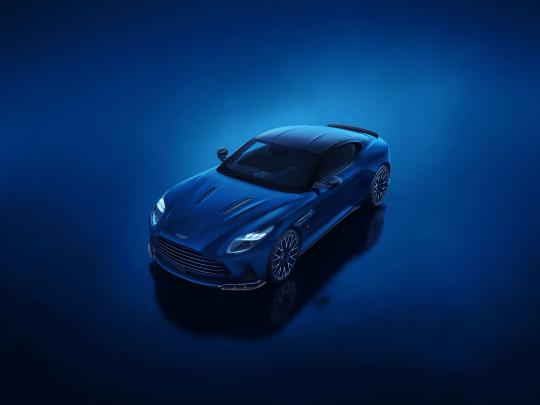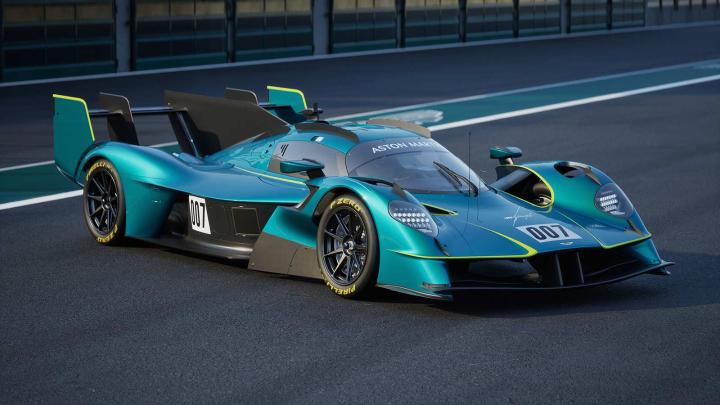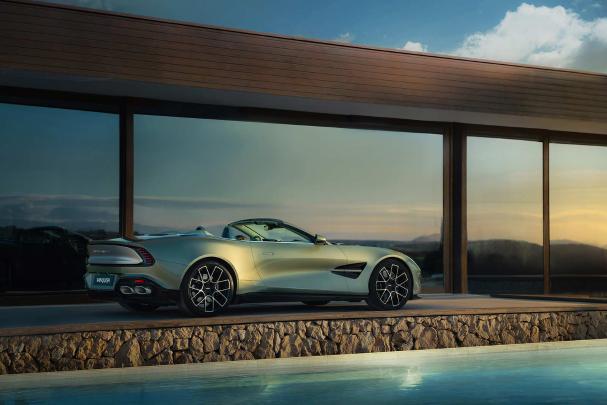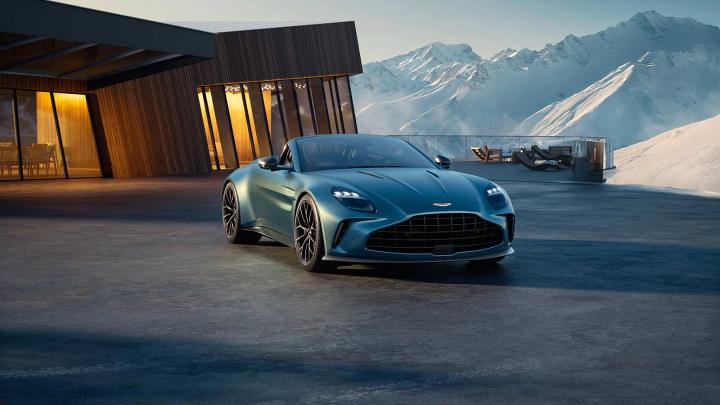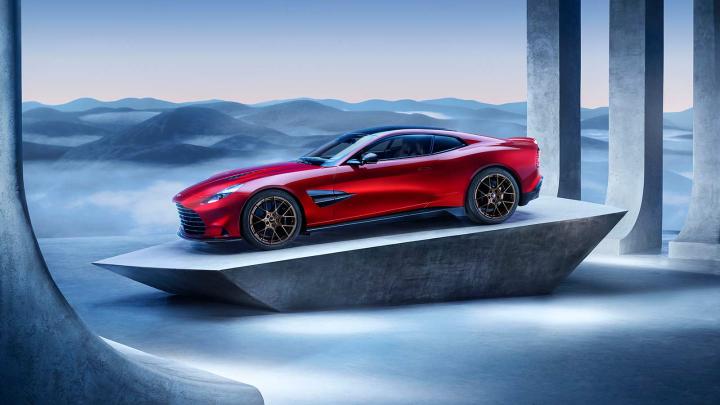
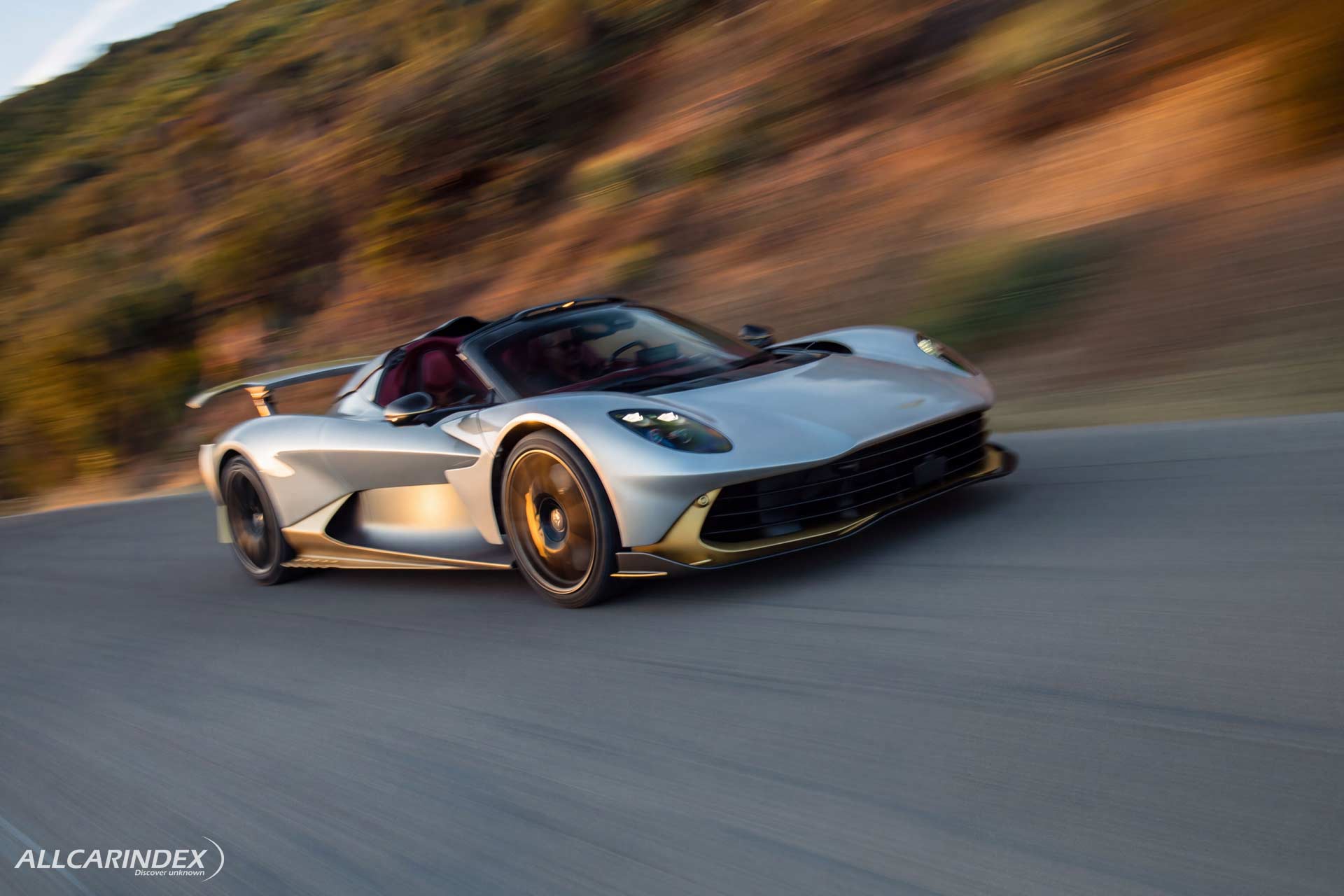
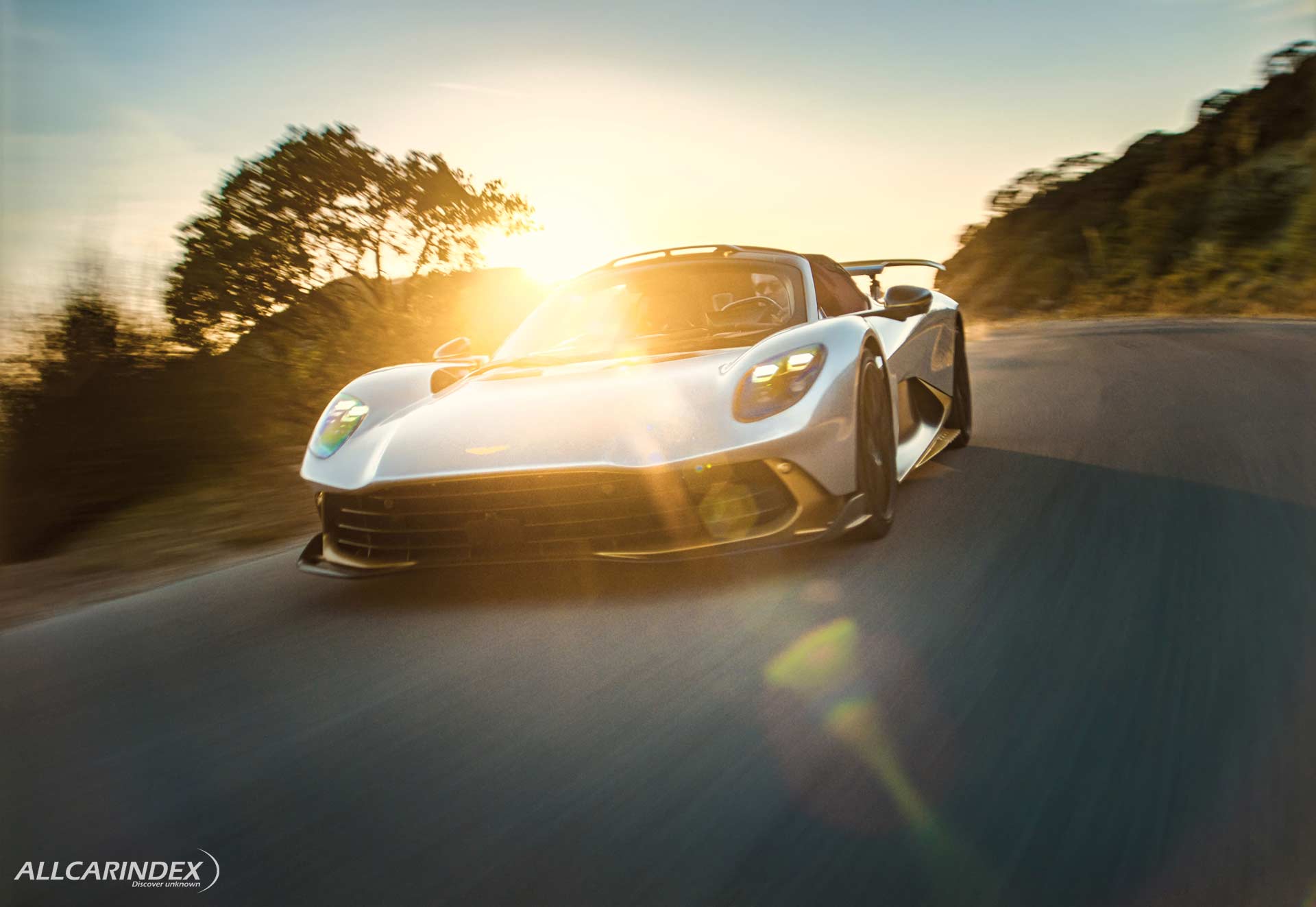
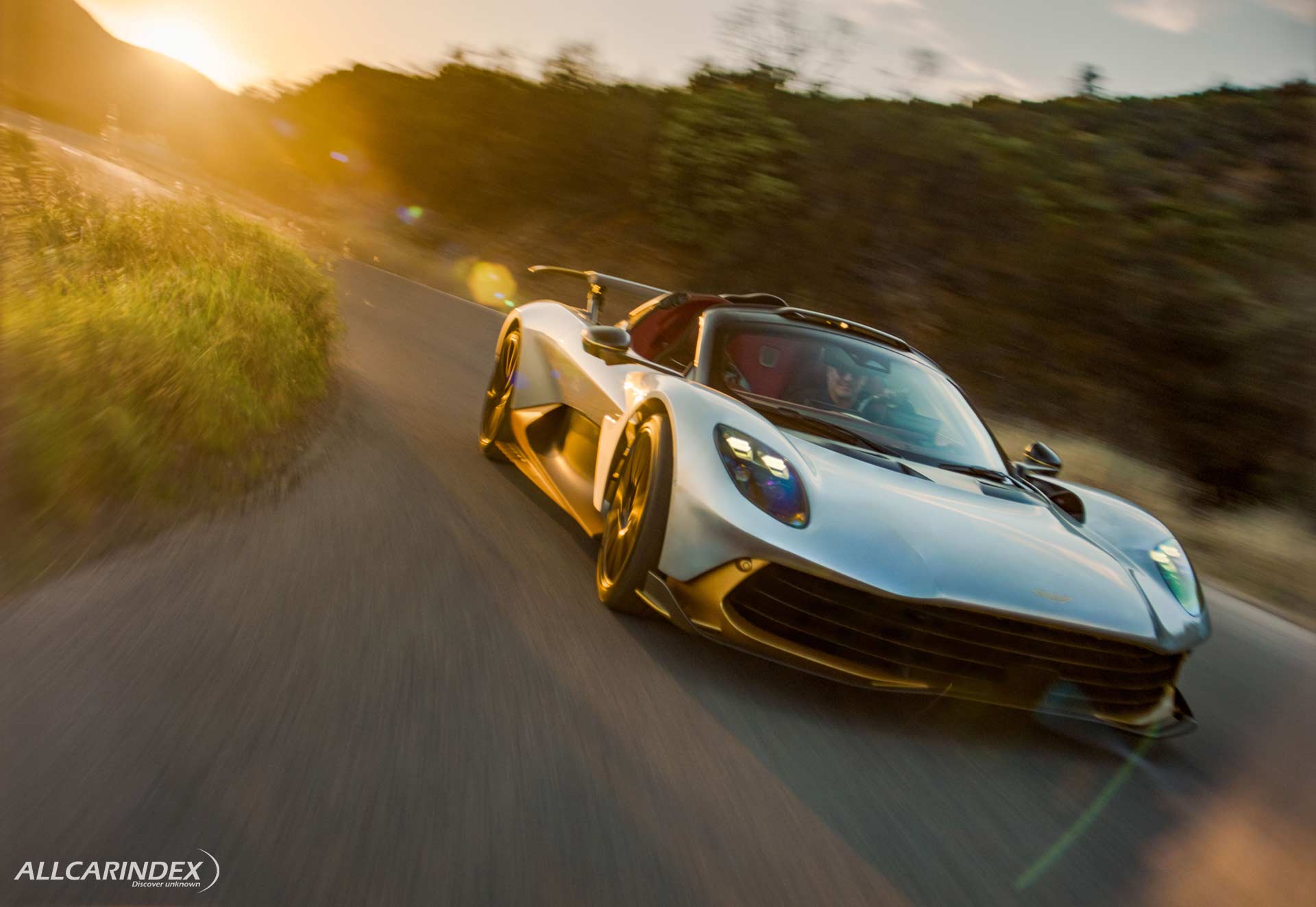
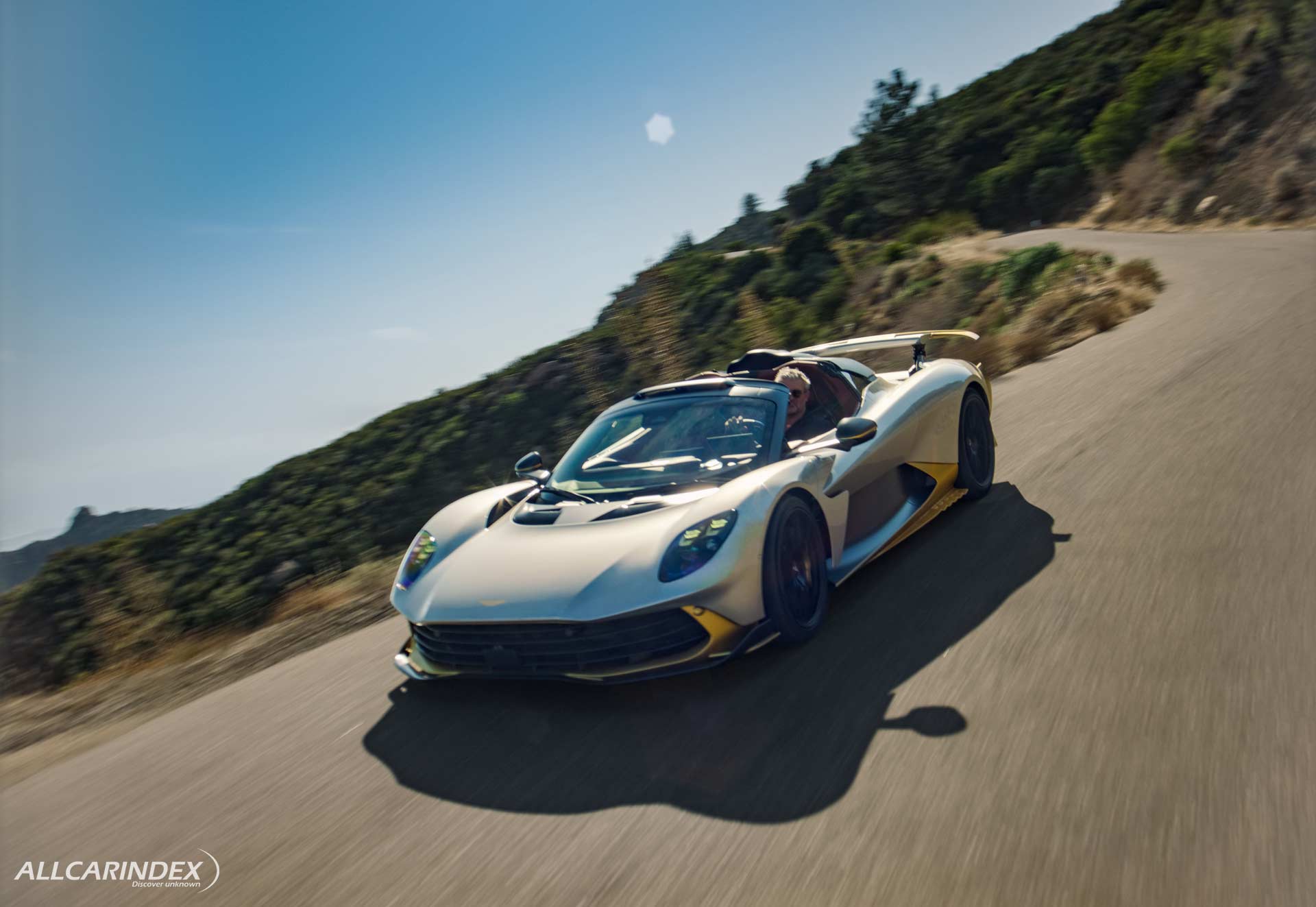
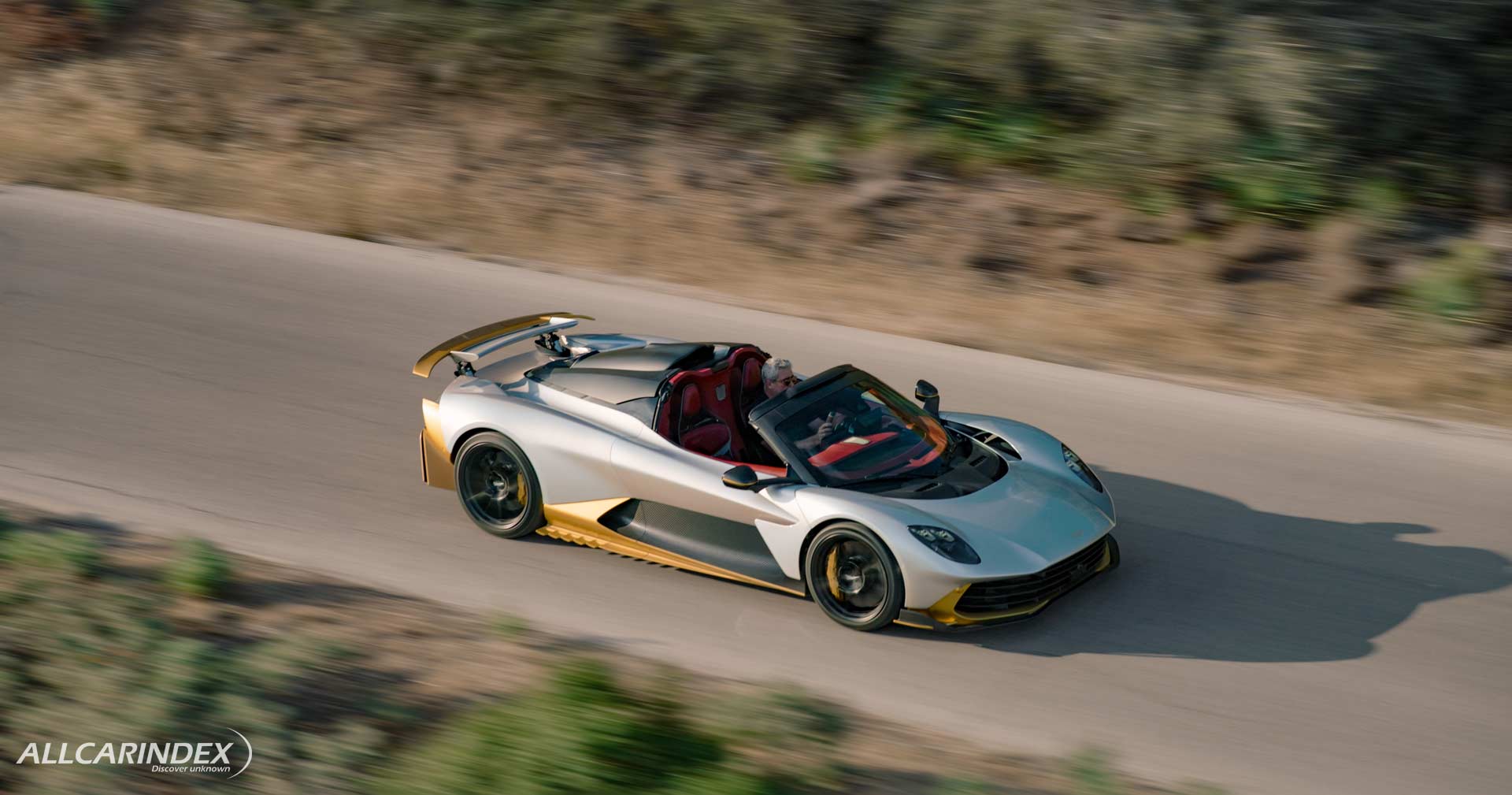
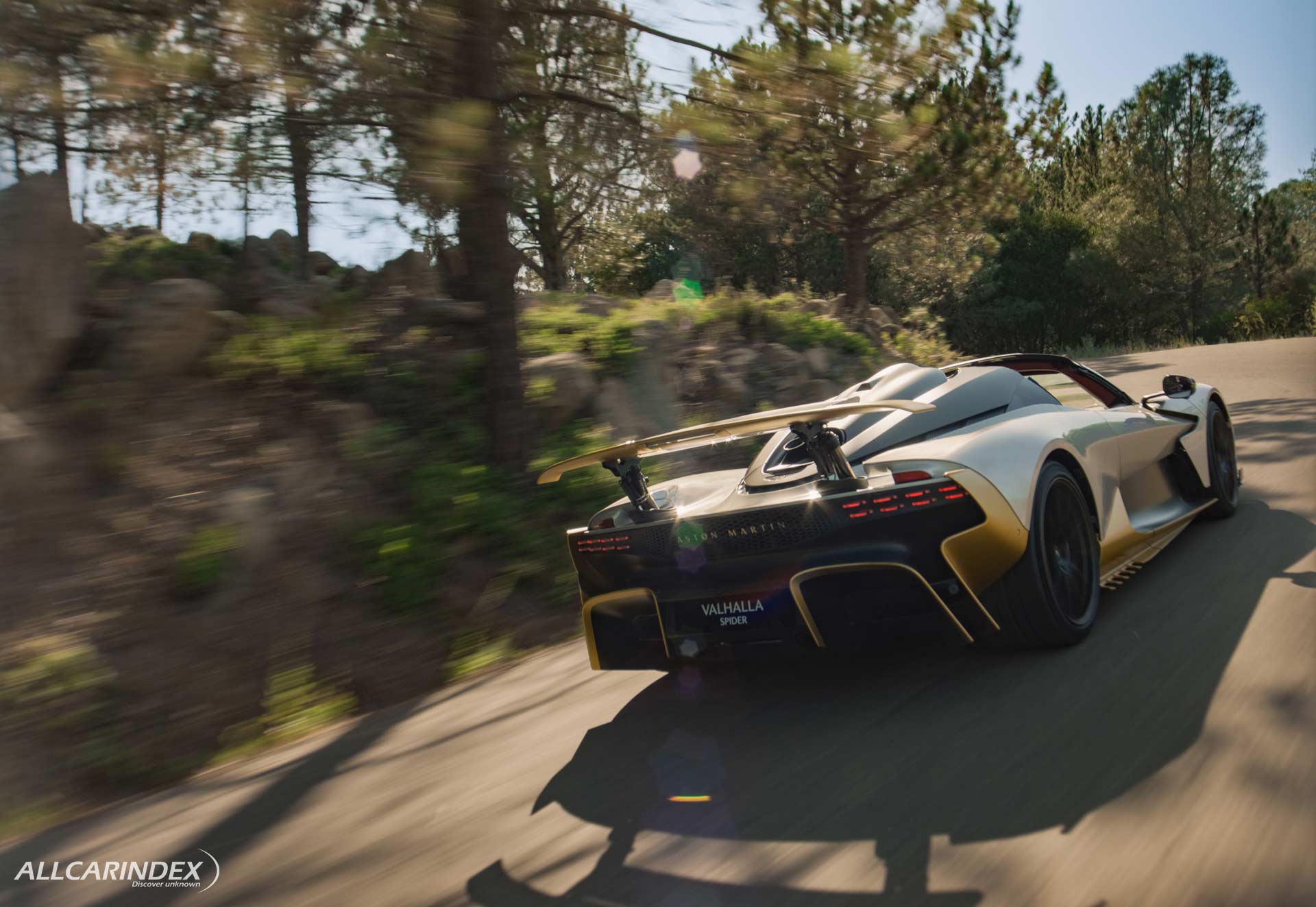
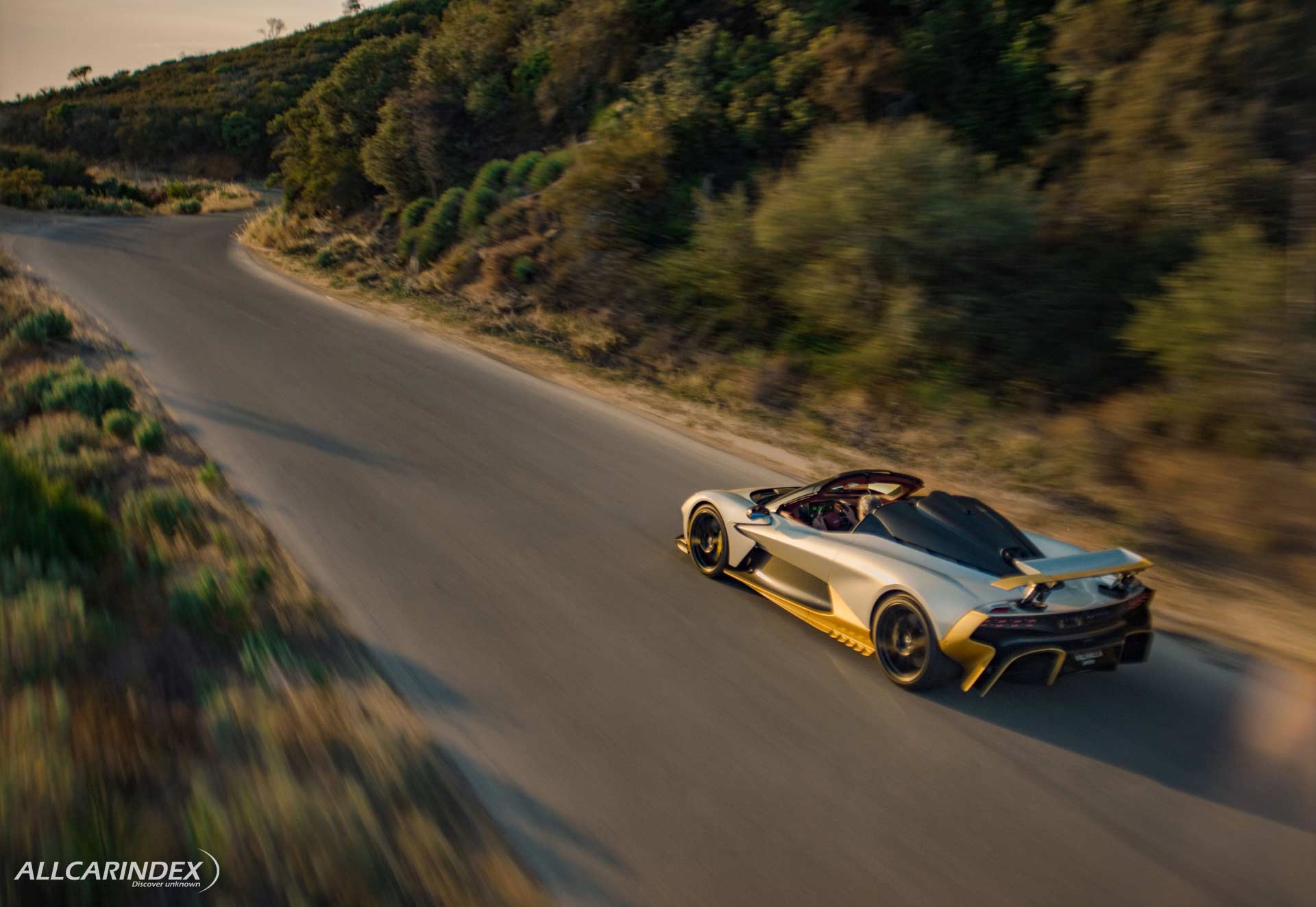
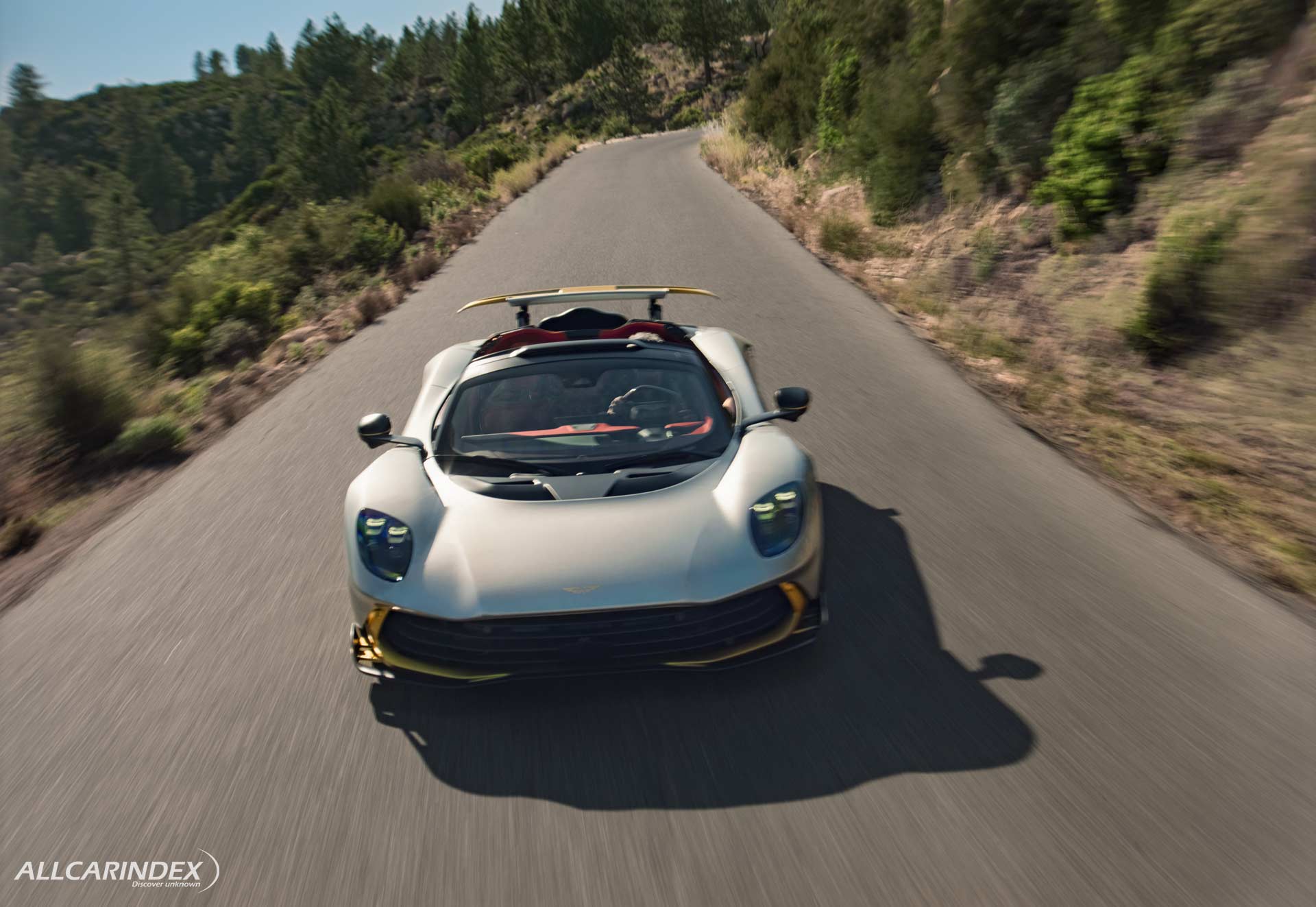
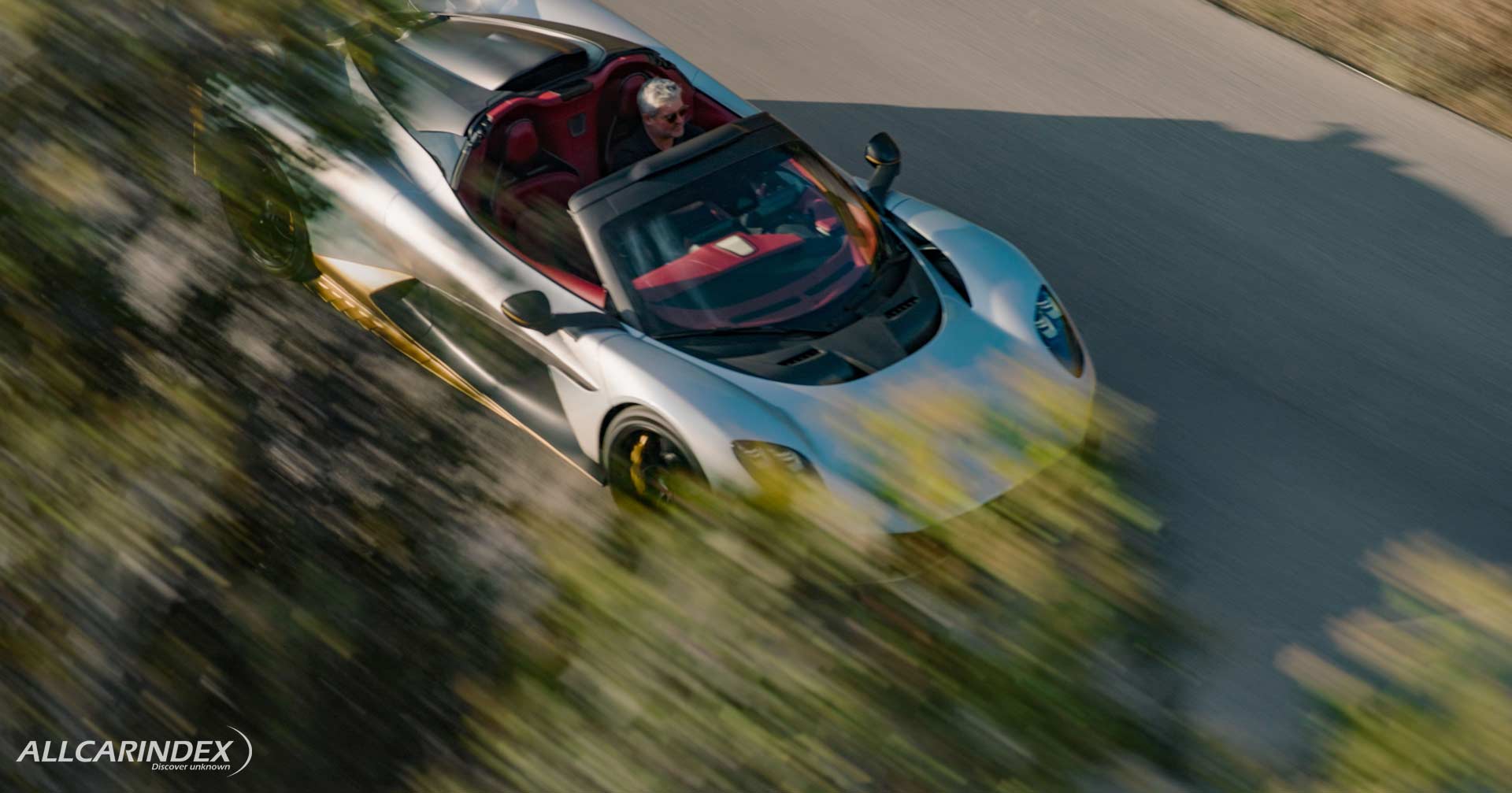
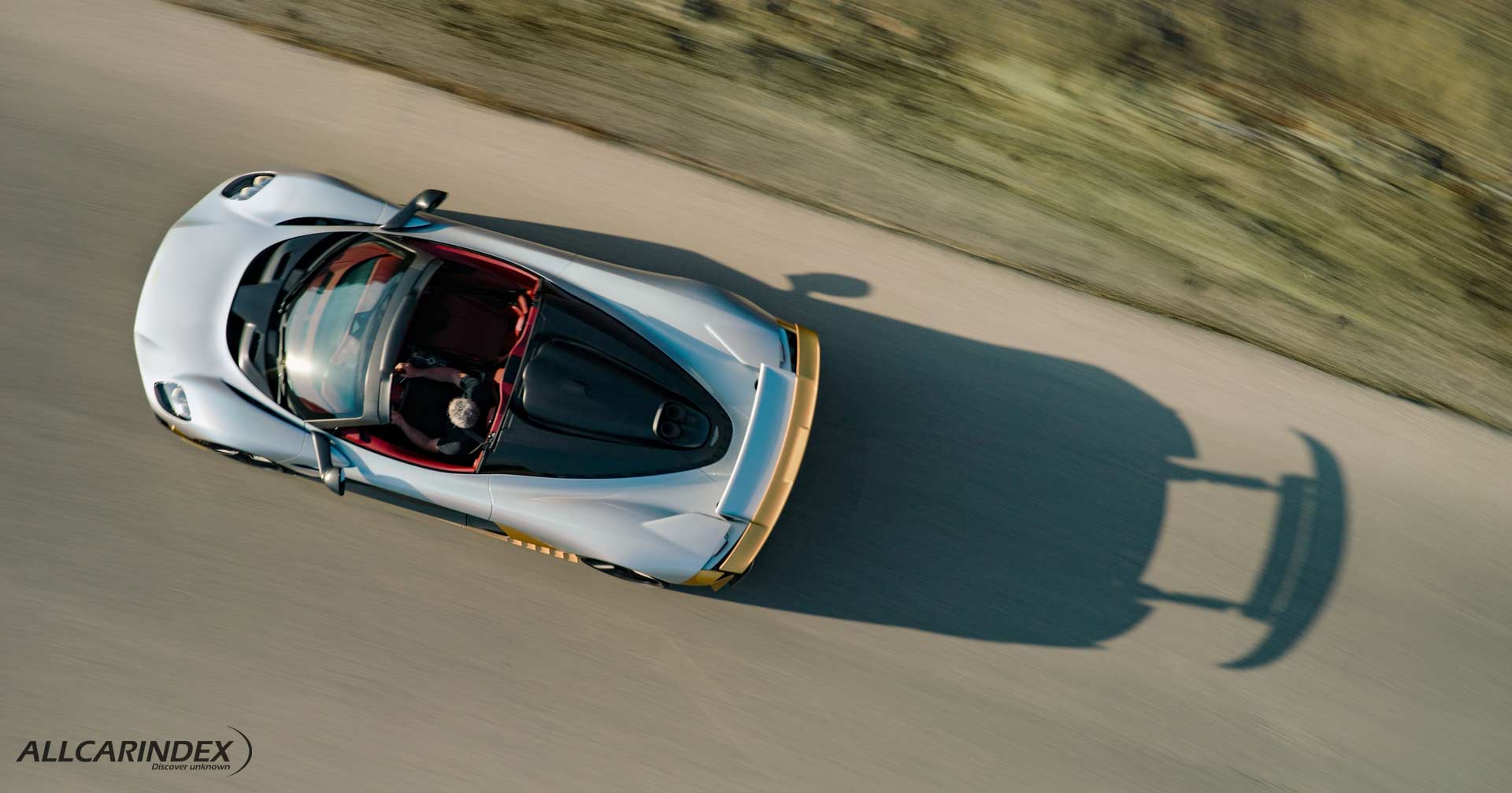
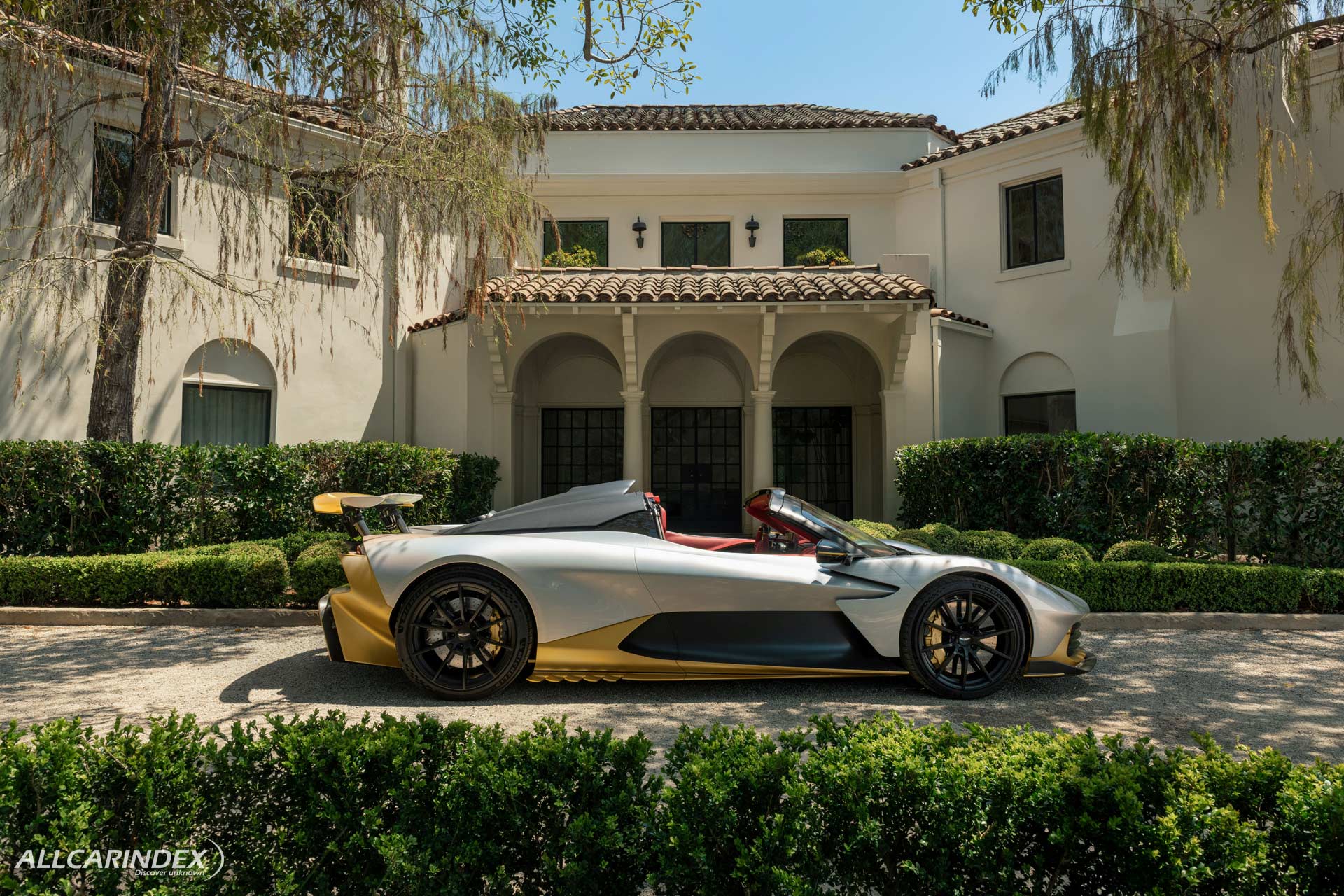
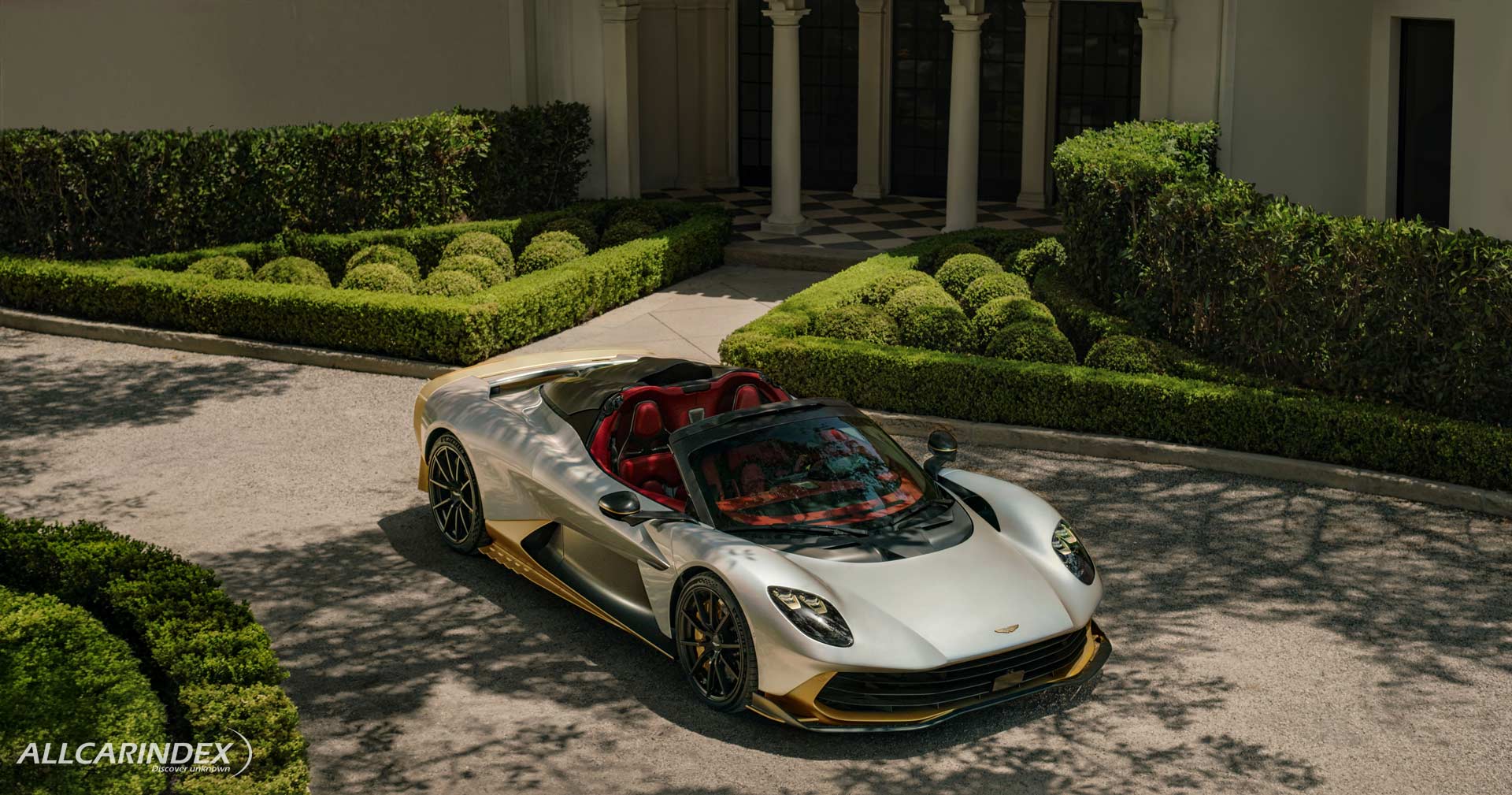
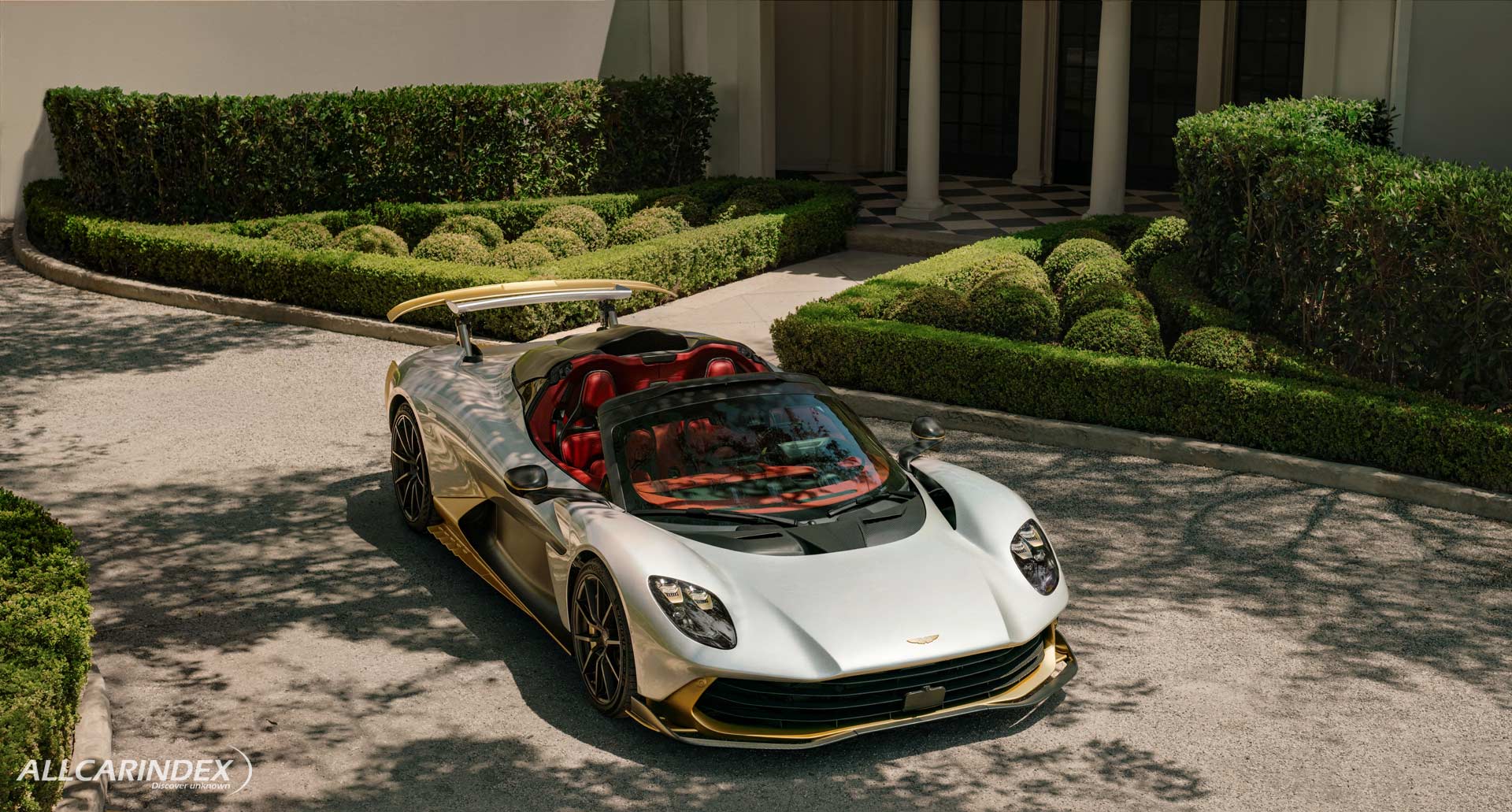
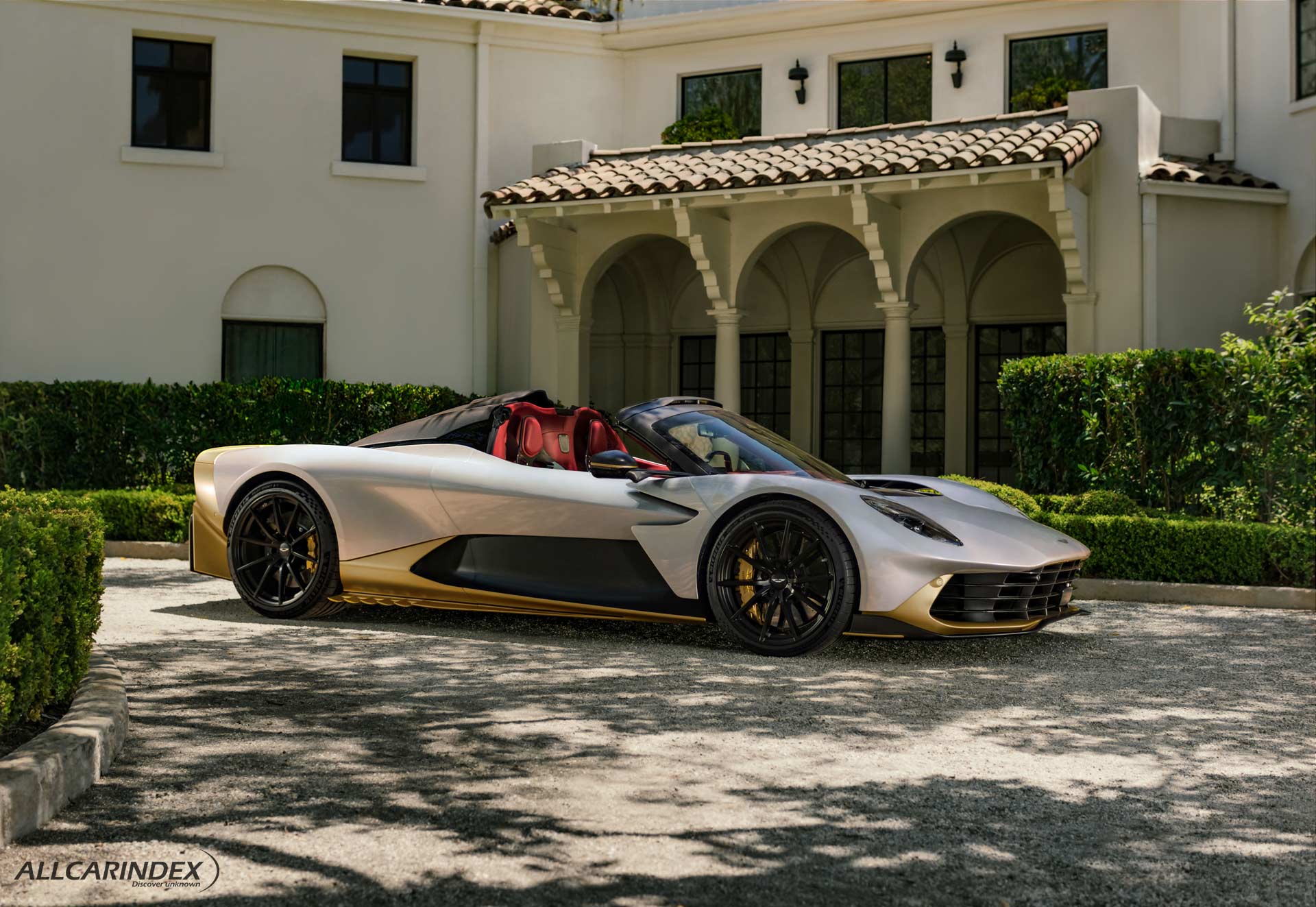
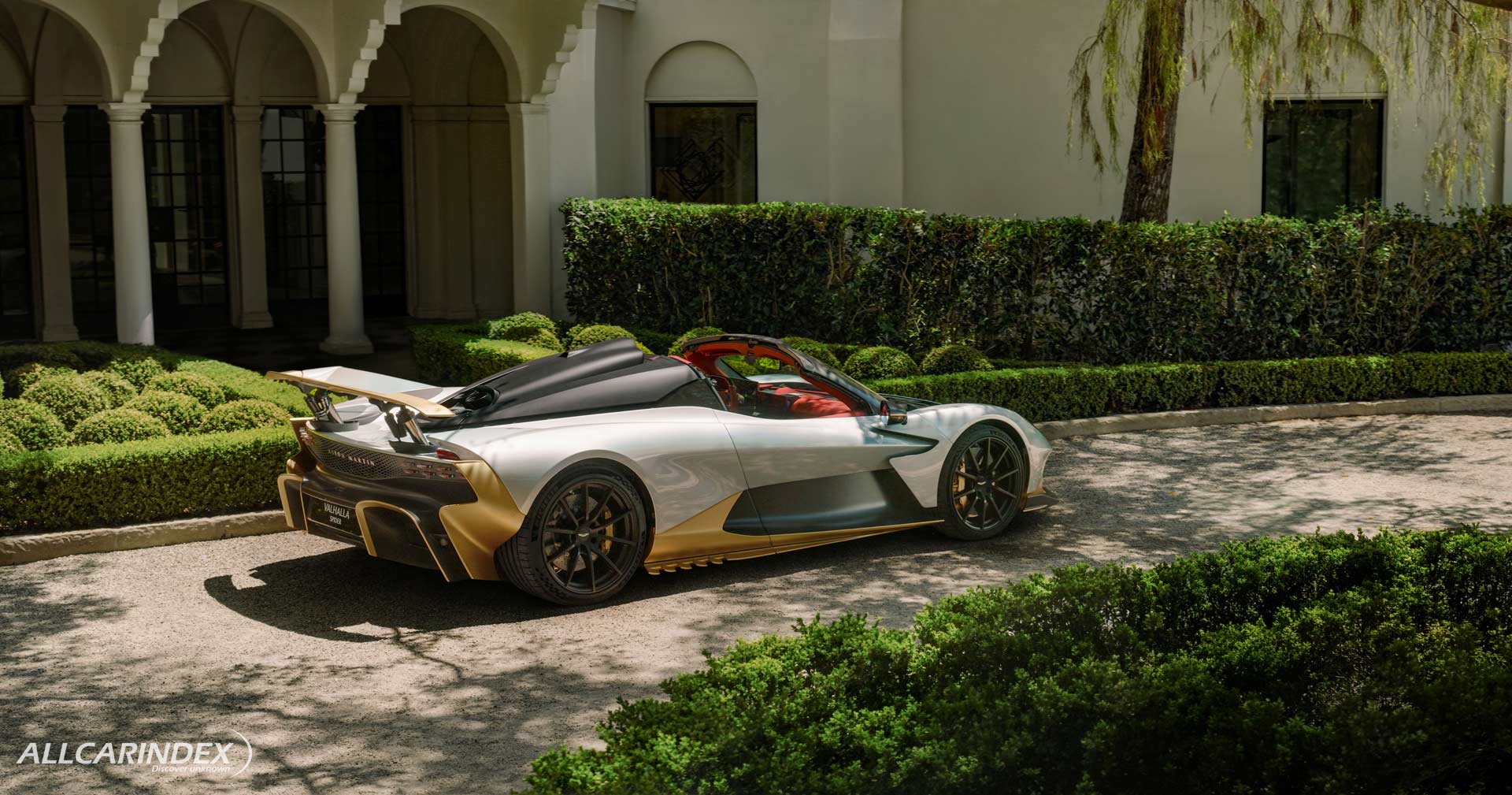
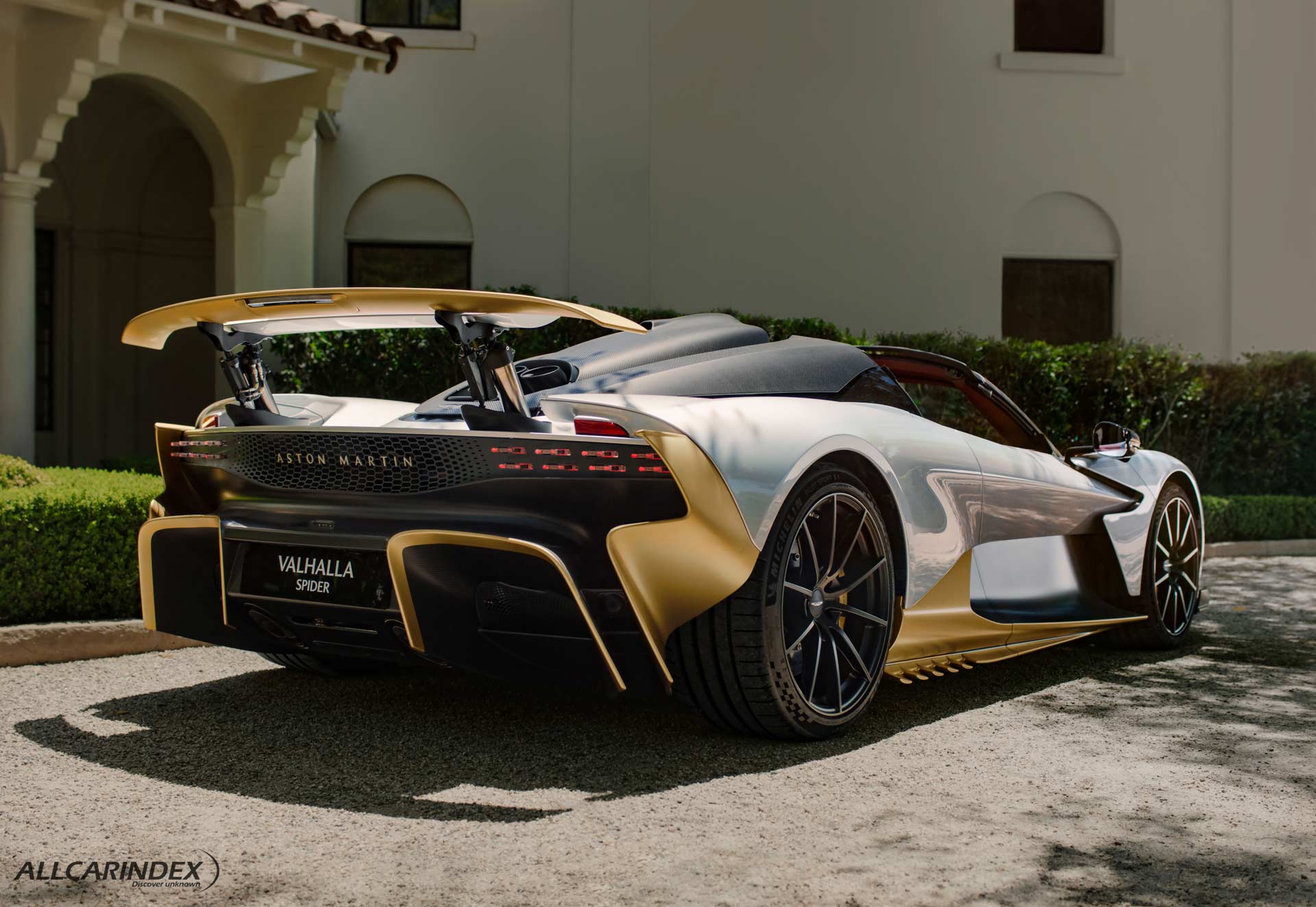

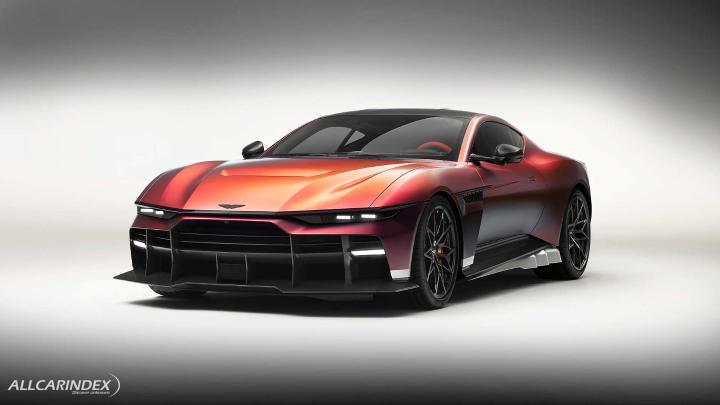
A top speed of 217mph, or 350km/h, with nothing above the driver’s head. That is the figure Aston Martin attaches to the Valhalla Spider, presented on 28 October 2026 in Gaydon and described as the fastest open-cockpit Aston Martin ever made. We are talking about the open version of the Valhalla Coupe, the mid-engined hybrid introduced earlier the same year, and about the first mid-engined open-cockpit production supercar from the marque. Deliveries are planned to begin in the third quarter of 2027. The purpose is stated simply: more opportunities for the driver to enjoy the car, while the road and track capability of the Coupe stays intact. Aston Martin Performance Technologies, the consulting arm of the Aston Martin Aramco Formula 1® Team, remained involved in dynamics, aerodynamics and materials, so the Spider continues a collaboration that was already running.
Mr Adrian Hallmark, the company’s CEO, explains the starting point by listing what the Coupe had already done. It was the first production mid-engined supercar of Aston Martin and its first plug-in hybrid, it introduced the bespoke flat-plane crank V8 and the new 8-speed dual clutch transmission, and it came with a fresh design language and a blend of on-road feel and track ability. The Spider, in his words, builds on these firsts and keeps the beauty and dynamic range of the Coupe, adding the kind of enjoyment only an open car gives. High speed or low speed, rain or sun, road or track. Nothing in that list requires the roof to be fitted.
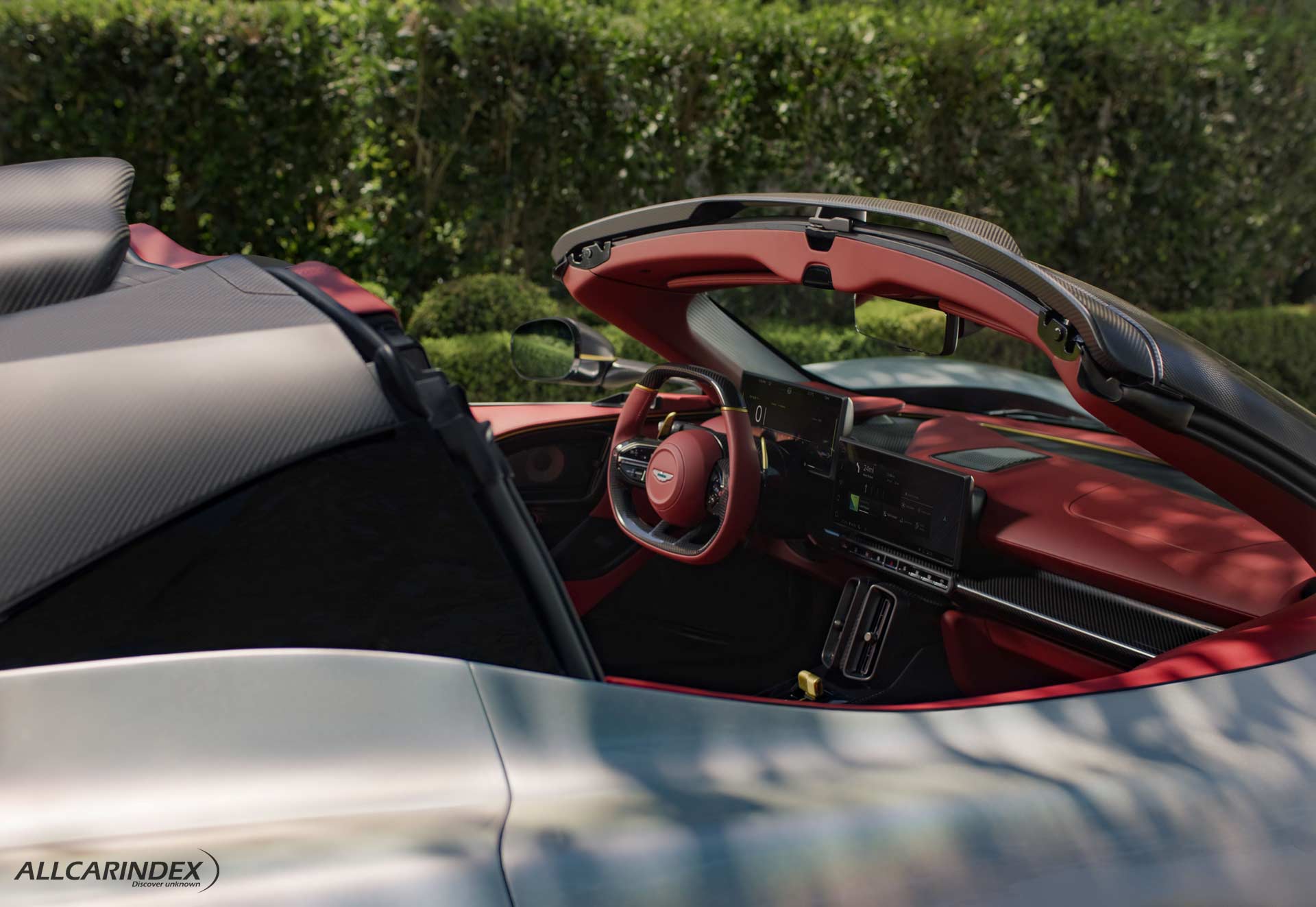
The roof is the most visible change, and it was designed to preserve the clean, flowing lines of the Coupe. In most markets the standard roof is a black fabric one, removable and stowable, so the owner can drive open and still has full weather protection if conditions change. With this fabric roof in place the Spider reaches up to 124mph (200 km/h). The optional carbon fibre hard top lifts that restriction and gives roof-on access to the electronically limited 217mph (350 km/h), and in the USA this hard top is fitted as standard. A rain cover is supplied as well, intended for static use. Further to that, Aston Martin states that the same top speed can be reached with the roof removed entirely. The roof stays off.
To keep the cockpit comfortable at speed, the Spider receives a wind deflector made for this car. It clips into position quickly once the roof panel is taken away and works on the air leaving the windscreen header: cooling air is pulled down towards the snorkel, while the air passing over the occupants is lifted. The snorkel was reprofiled for the open car and sits 35mm taller. With the roof fitted, the deflector folds into 3 parts and goes into the new 15-litre sill stowage apertures. In addition to that, the active aerodynamics and the Electronic Stability Programme calibrations were revised, so both identify the airflow in roof-on and roof-off condition and adapt to it, keeping balance, stability and driver confidence consistent. Maximum downforce is in excess of 600kg with the roof fitted.
Those two areas, active aerodynamics and stability calibration, are the only technical differences between Spider and Coupe, because the foundational hardware and software are shared. The whole-vehicle active aerodynamics first seen on the Coupe combine moveable surfaces with careful management of the underbody airflow. Front and rear downforce are adjusted continually to improve grip, handling balance and consistency of response, or reduced to lower drag, depending on the situation and the selected drive mode. Having active mechanisms at both ends gives control over how downforce is split between the front and rear axles, which Aston Martin describes as crucial for stability and performance.
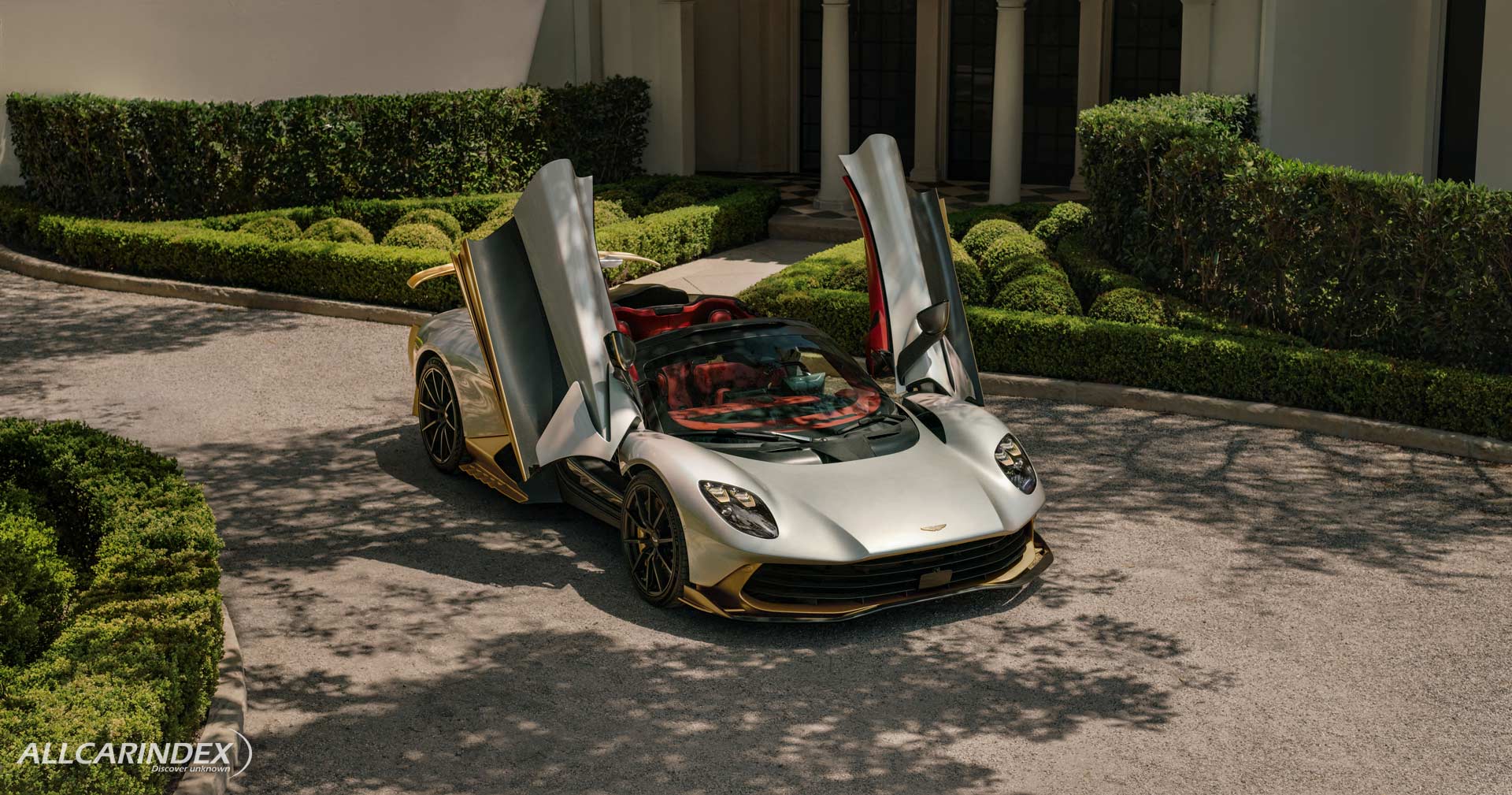
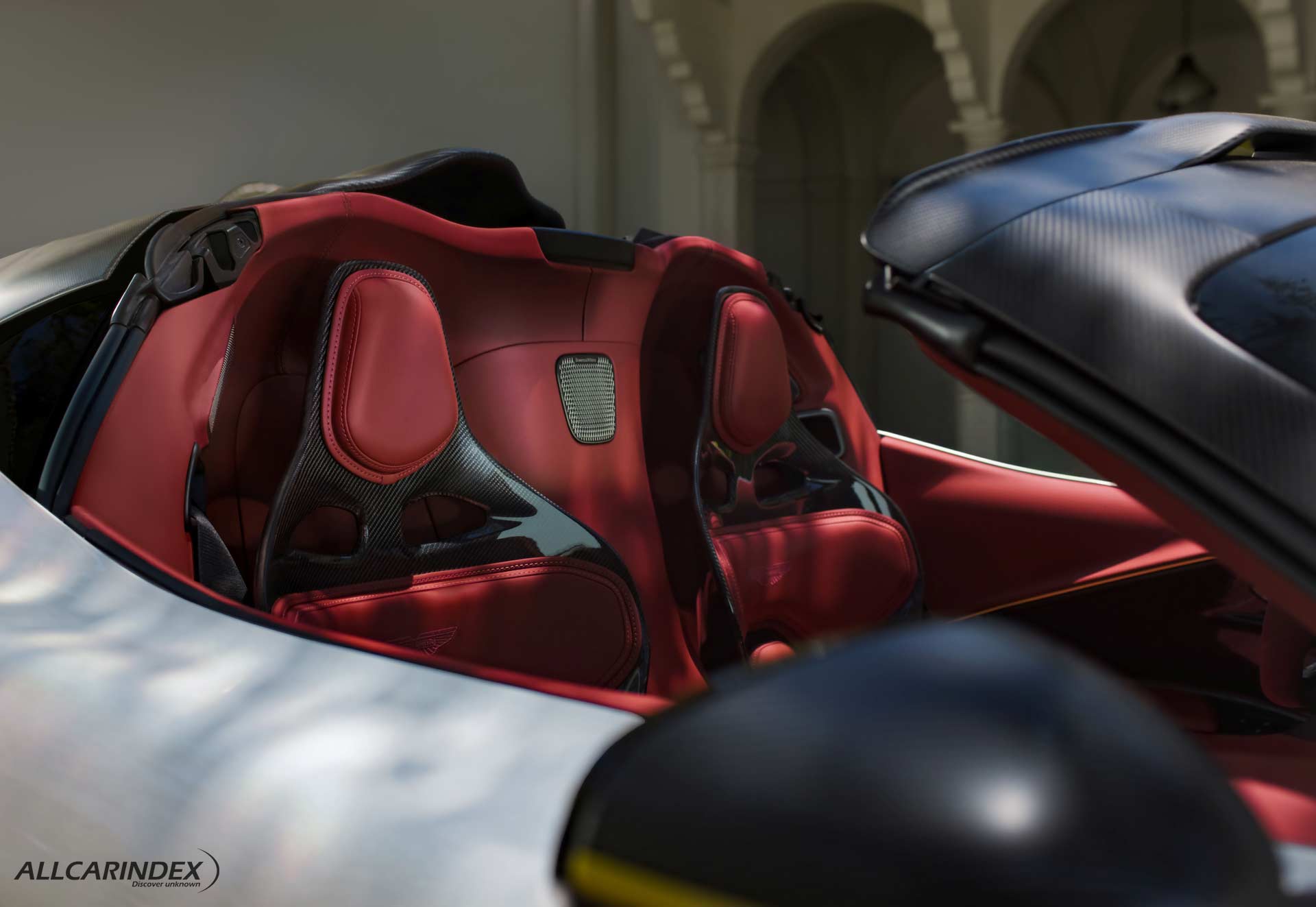
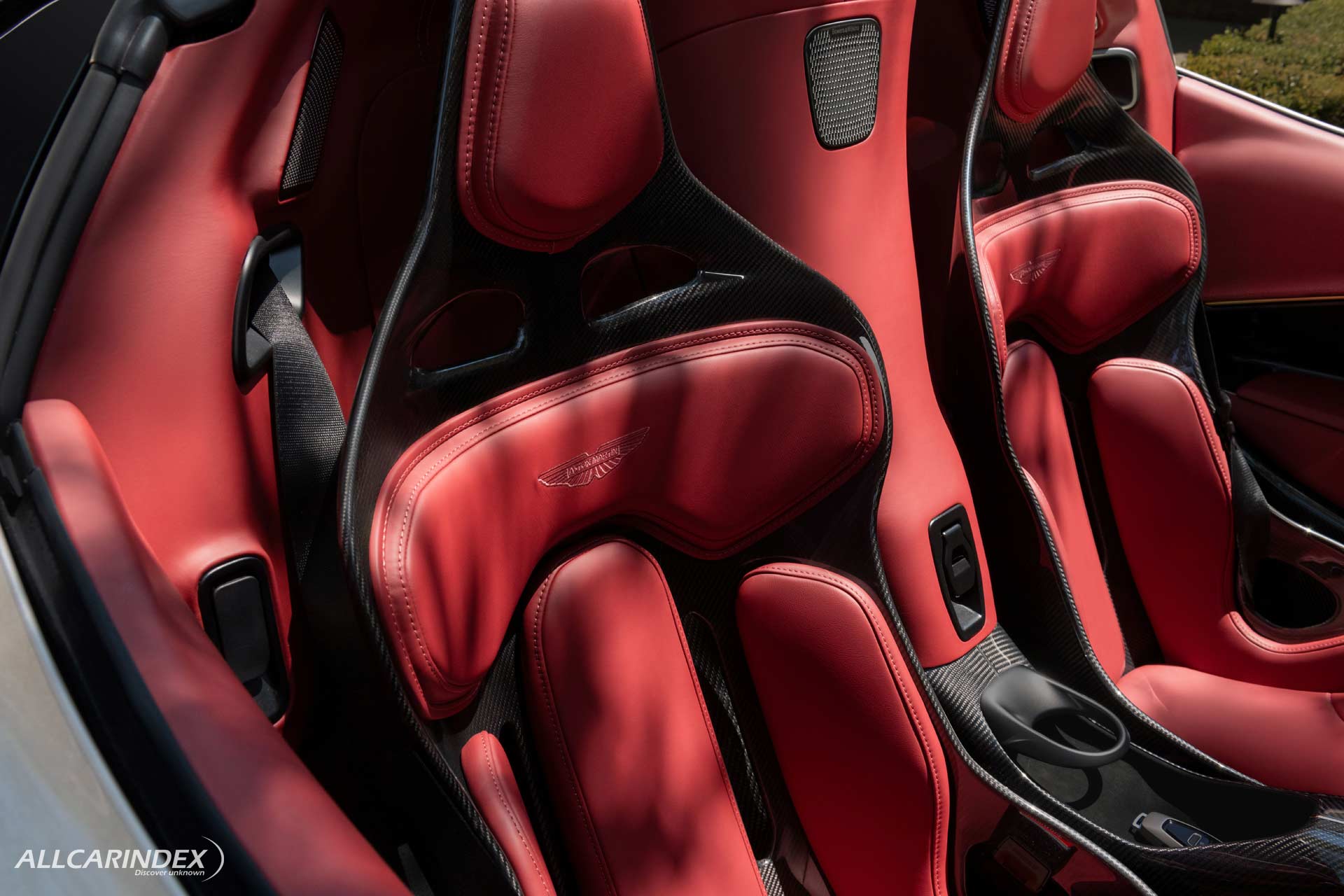
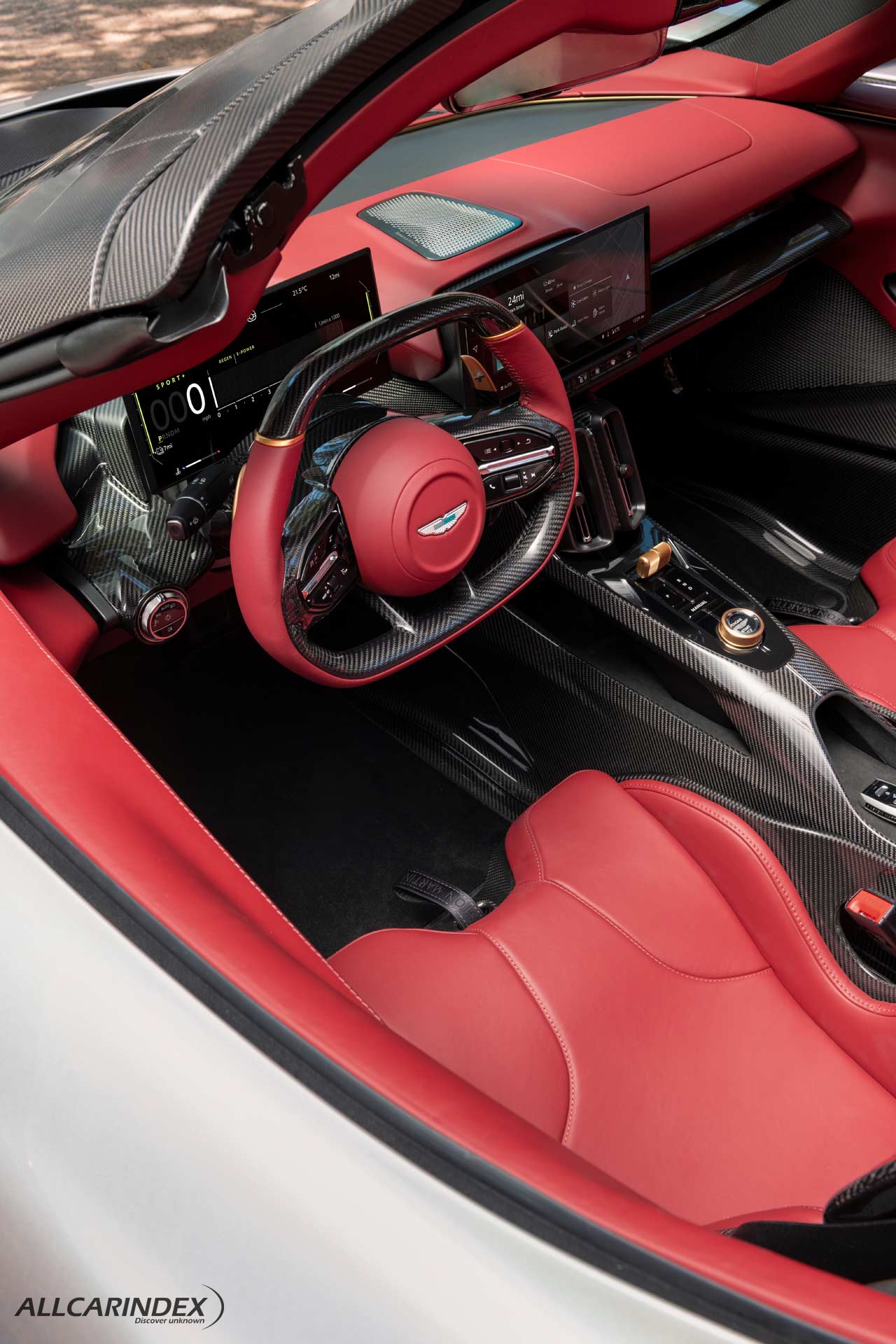
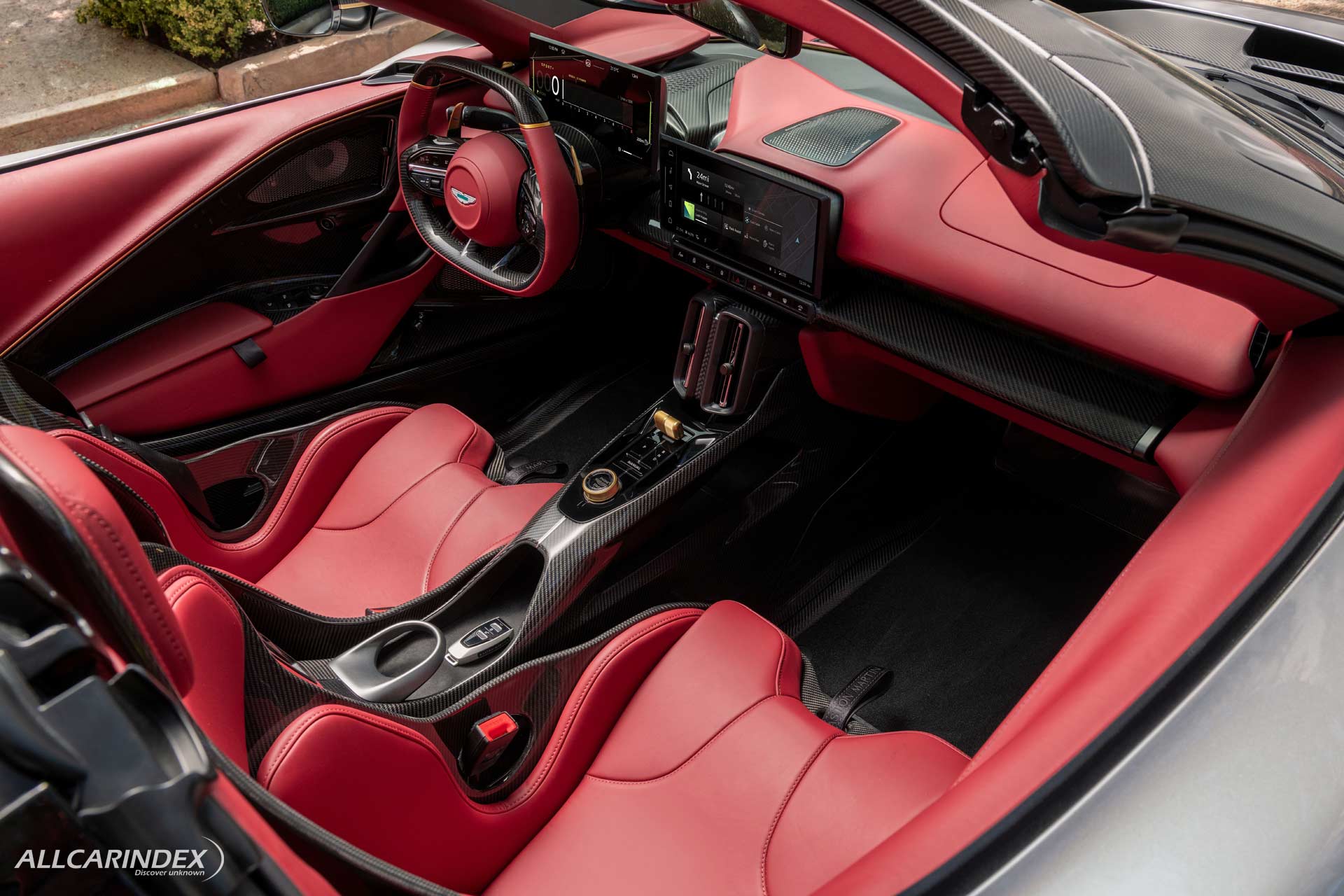
Likewise the roof, the cabin and the doors received attention. A new carbon fibre Touring Seat is standard on the Spider and eases entry and exit with the roof on, although the original carbon fibre seat of the Coupe can be kept at no cost for those who prefer stronger support when driving hard. The signature carbon fibre dihedral doors remain, now with refined kinematics for smoother operation and a frameless design. The curvature of the door glass top edge was increased slightly, which helps getting in and out when the roof is fitted. Standard interior trim is Alcantara, with Aston Martin Audio and Apple CarPlay, while Bowers & Wilkins audio is offered among the personalisation options.
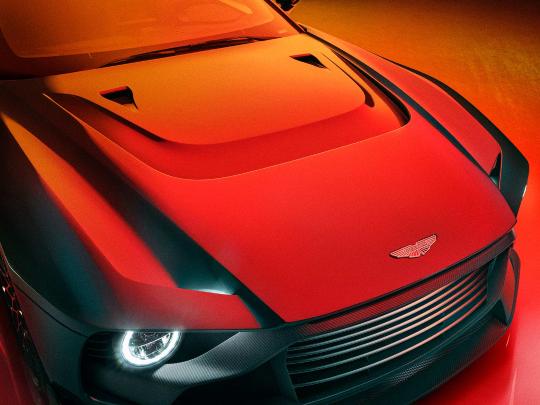
At the core is a version of the carbon fibre tub of the Coupe, designed and engineered by AMPT with the F1® expertise the company applies beyond motorsport. The upper and lower sections are moulded from carbon fibre using a combination of the Resin-Transfer-Moulding process and F1® derived autoclave technology, with proprietary technology developed for Aston Martin. The result is a singular, much stiff, strong and light passenger cell, and Aston Martin says it does not compromise ergonomics for driver or passenger. Aluminium subframes are fitted front and rear, while the body panels, including the front clam, bodysides, rear clam and diffuser, are carbon fibre as well. Dry weight is 1680kg with lightweight options.
The power aggregate is the 4.0-litre twin-turbo V8, built only for Valhalla, with a flat plane crank and a hot V layout to improve throttle response. It produces 828PS and 868Nm, runs to 7,000rpm and works with a maximum boost pressure of 3.0 bar. The firing order is 1-8-2-7-4-5-3-6. Its specific output of 207bhp-per-litre is the highest of any Aston Martin combustion engine. A new turbocharger and exhaust manifold improve catalyst heating and performance, and the engine breathes through a unique intake system and quad exit exhaust. In addition to that, the hybrid system adds a further 251PS, which brings the total to no less than 1,079PS (1,064bhp) and 1,100Nm of torque!
That hybrid system is the first plug-in hybrid powertrain of Aston Martin, working on 400V with a battery referred to as the High-Performance Battery. Two oil-cooled electric motors sit in the front axle unit, where they provide Electric Torque Vectoring and also handle reverse. The third motor is integrated into the rear-mounted eight-speed dual clutch transmission and helps the V8 drive the rear axle through an electronic differential. Each of the three motors turns up to 18,800rpm, the front and the rear ones alike. There is no mechanical connection between front and rear axles, so the Integrated Vehicle Dynamics Control system manages the drive to every wheel, monitoring suspension, braking, steering, active aerodynamics and powertrain. Four drive modes are available: Sport, Sport+, Race and EV. The 0-62mph (0-100km/h) figure is a predicted 2.5 seconds.
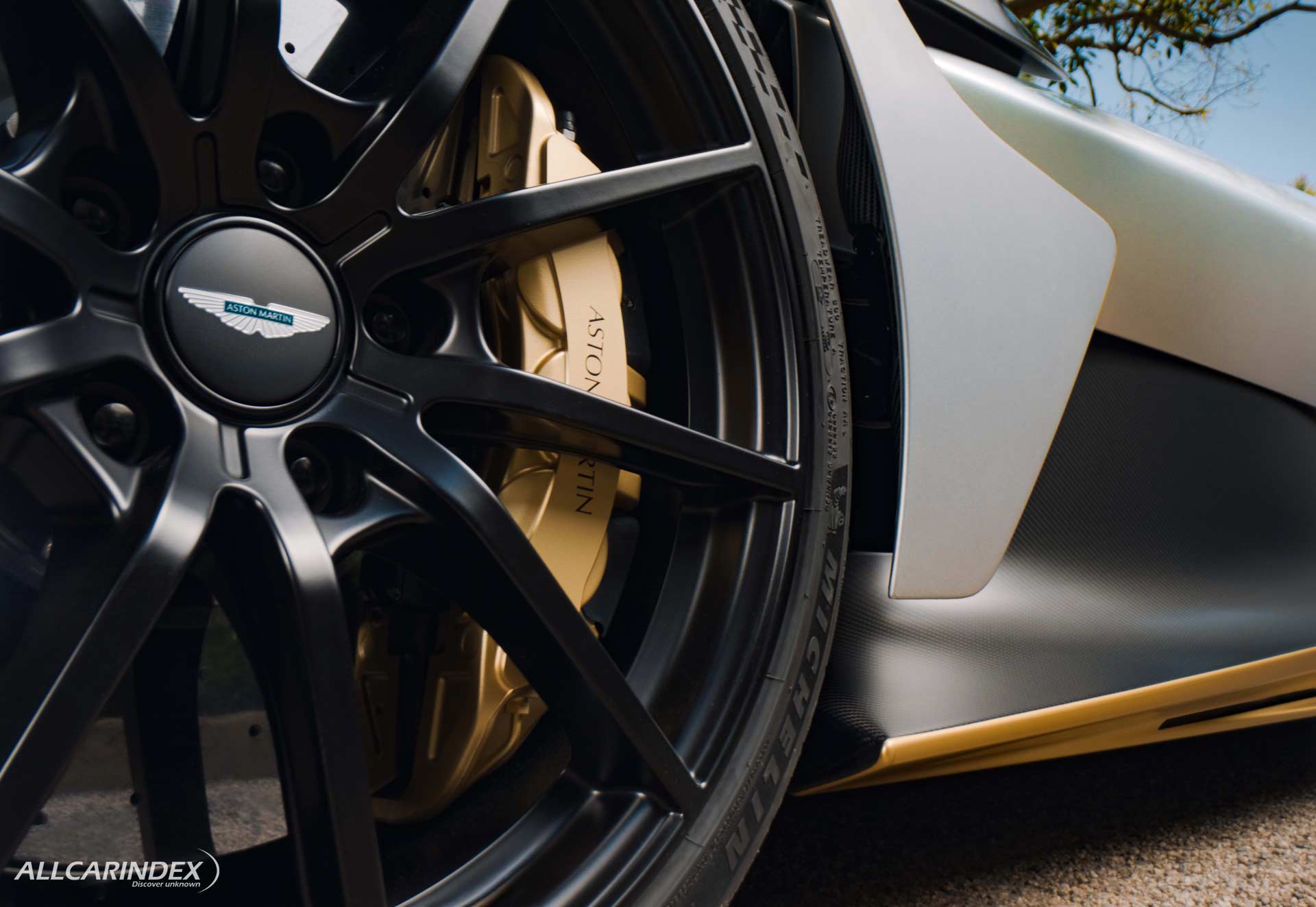
The chassis details complete the picture. The front suspension is double wishbone pushrod with inboard springs and dampers, the rear is multi-link with coil springs and an anti-roll bar, and Bilstein DTX adaptive dampers are fitted. Forged alloy wheels measure 20 inches at the front and 21 at the rear, wearing Michelin Pilot Sport S 5 AML tyres in 285/30 ZR20 and 335/30 ZR21. Carbon ceramic discs measure 410mm x 38mm with 6-piston calipers in front and 390mm x 38mm with 4-piston calipers at the rear. The car is 4,728mm long, 2,208mm wide including mirrors and 1,233mm high, on a wheelbase of 2,760mm. Its global debut takes place at the 2026 Concours at Wynn Las Vegas, with customers waiting until Q3 2027. Until then the Spider remains what it was on the day in Gaydon: a Valhalla with the roof off and the speed still there.