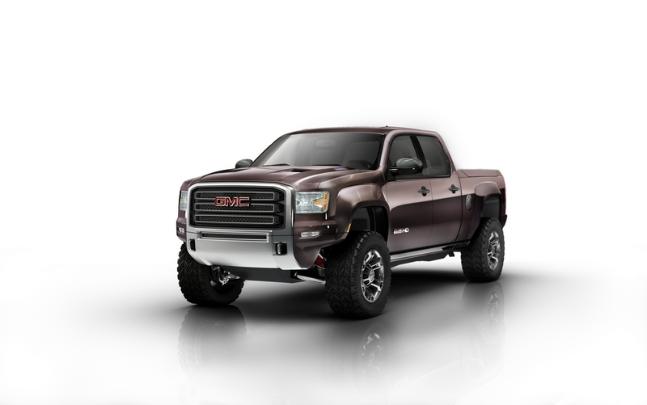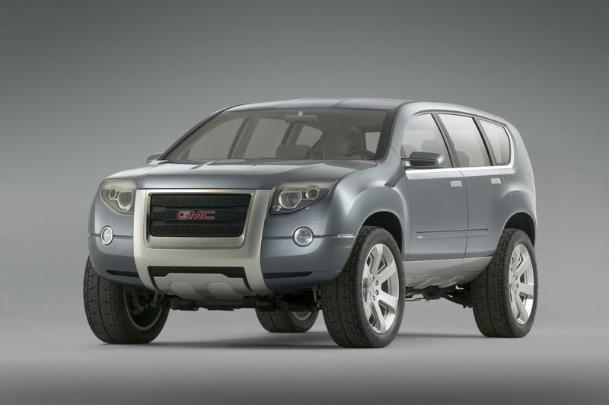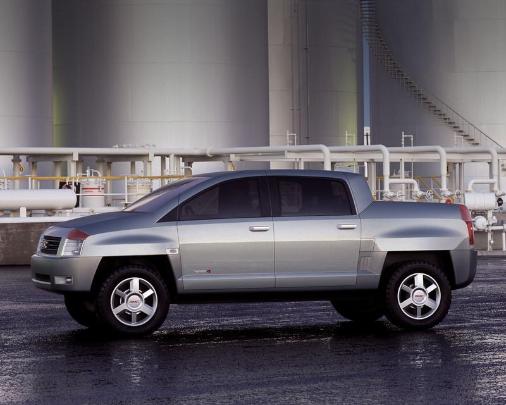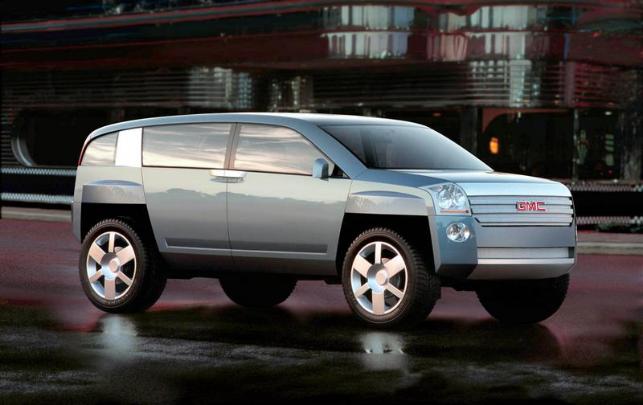




General Motors marked the official opening of its Advanced Design Pasadena studio with the presentation of two vehicles created beyond the limits of an existing production programme. Known as the GMC HUMMER X concepts, the pair consists of a mid-size electric pickup and an SUV developed as highly reconfigurable off-road vehicles.
The SUV represents the shorter of the two HUMMER X configurations. It was created through cooperation between GM Advanced Engineering, Advanced Manufacturing and the Advanced Design team in Pasadena, with each department contributing to a vehicle intended to examine new construction methods, technologies and forms of interaction between drivers and their surroundings.
No production version is planned. Instead, the HUMMER X SUV serves as an experimental platform built around reconfigurability, capability, community and sustainability. The project was developed as a rock-crawling vehicle that could be repeatedly adapted rather than permanently fixed in one specification.
This approach influenced both its physical structure and the way in which its components were intended to be manufactured. A system named FLEX FAB allows metal parts to be produced in small batches without relying on dedicated stamping tools for every individual design. Different components can be manufactured by the same machinery, giving the design team greater freedom to alter the vehicle or prepare alternative configurations.
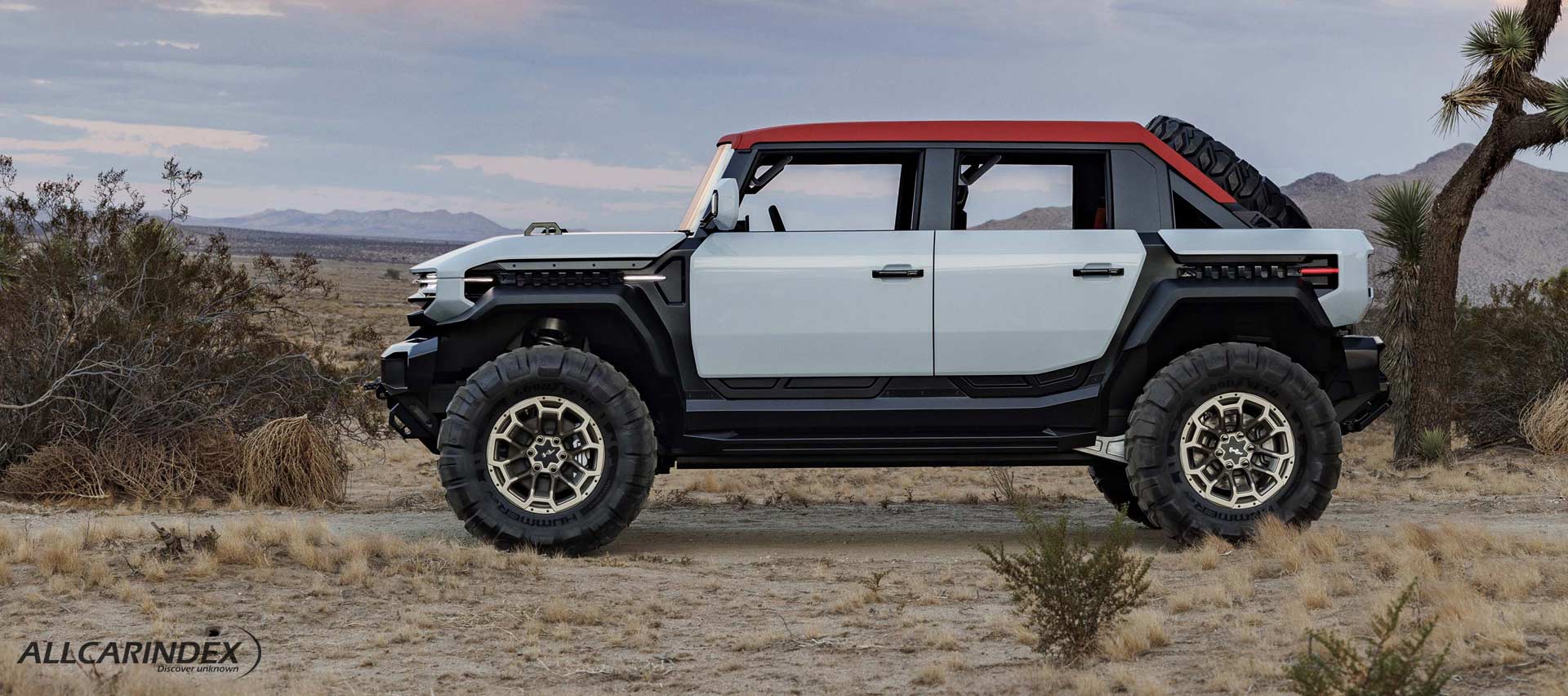
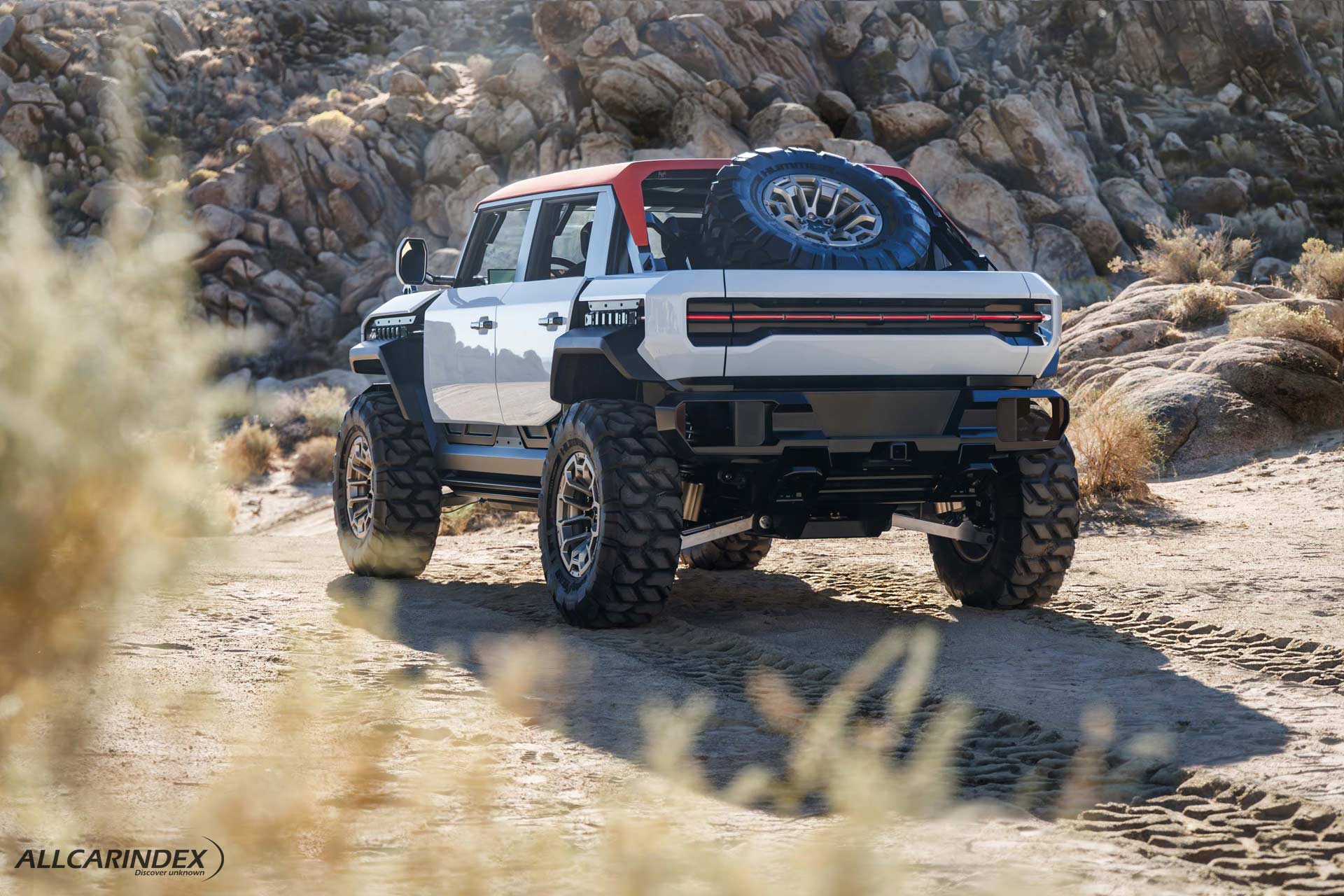
FLEX FAB accounts for 57 per cent of the SUV concept. Its use also established the visual language of the vehicle, which avoids heavily pressed surfaces in favour of flatter panels, rounded outer edges, laser-welded joints and exposed precision fasteners. These elements are not concealed beneath decorative trim, leaving the construction method visible as part of the exterior.
The resulting body measures 4,782.5 millimetres in length, making the SUV considerably shorter than the HUMMER X truck presented beside it. Its wheelbase is 2,945.5 millimetres, while the width reaches 2,032 millimetres and the overall height stands at 1,852.6 millimetres.
These dimensions place the HUMMER X SUV within a comparatively compact footprint for a vehicle carrying the HUMMER name, although its off-road geometry remains central to the design. Ground clearance is 334.3 millimetres, equivalent to 13.2 inches. The front provides an approach angle of 44 degrees, while the rear has a departure angle of 46 degrees. The breakover angle is 30.9 degrees.
The SUV is shown with 37-inch Goodyear rock tyres measuring 315/75R18. They are fitted to 18-inch aluminium wheels with separate accent inserts. This wheel and tyre combination forms part of the rock-crawling specification and differs from the road-focused 22-inch arrangement used on the truck concept.
The shorter wheelbase and body are accompanied by almost equal front and rear clearance angles. The body ends remain closely positioned around the wheels, while the flat upper profile continues across the passenger compartment before reaching the upright rear section.
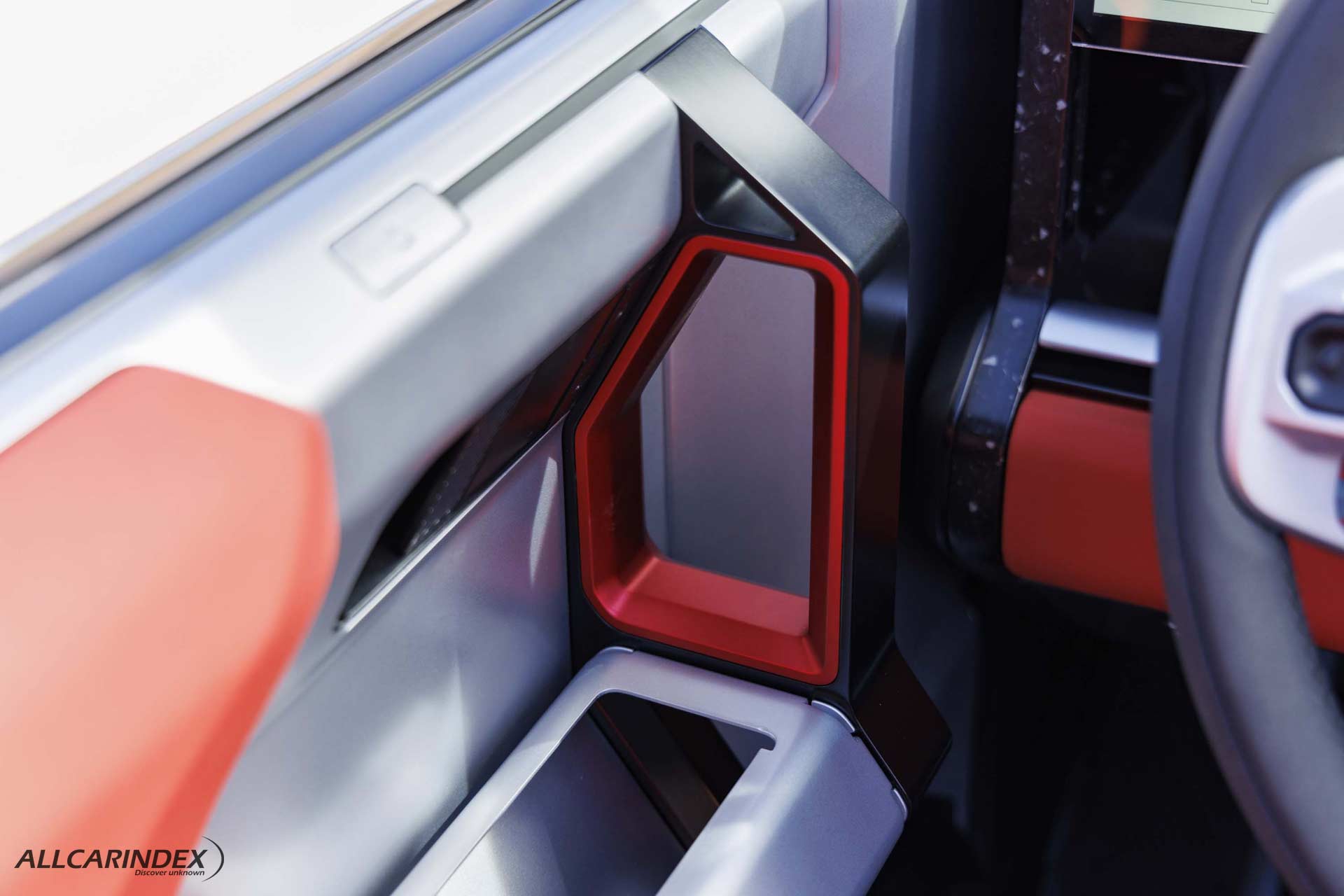
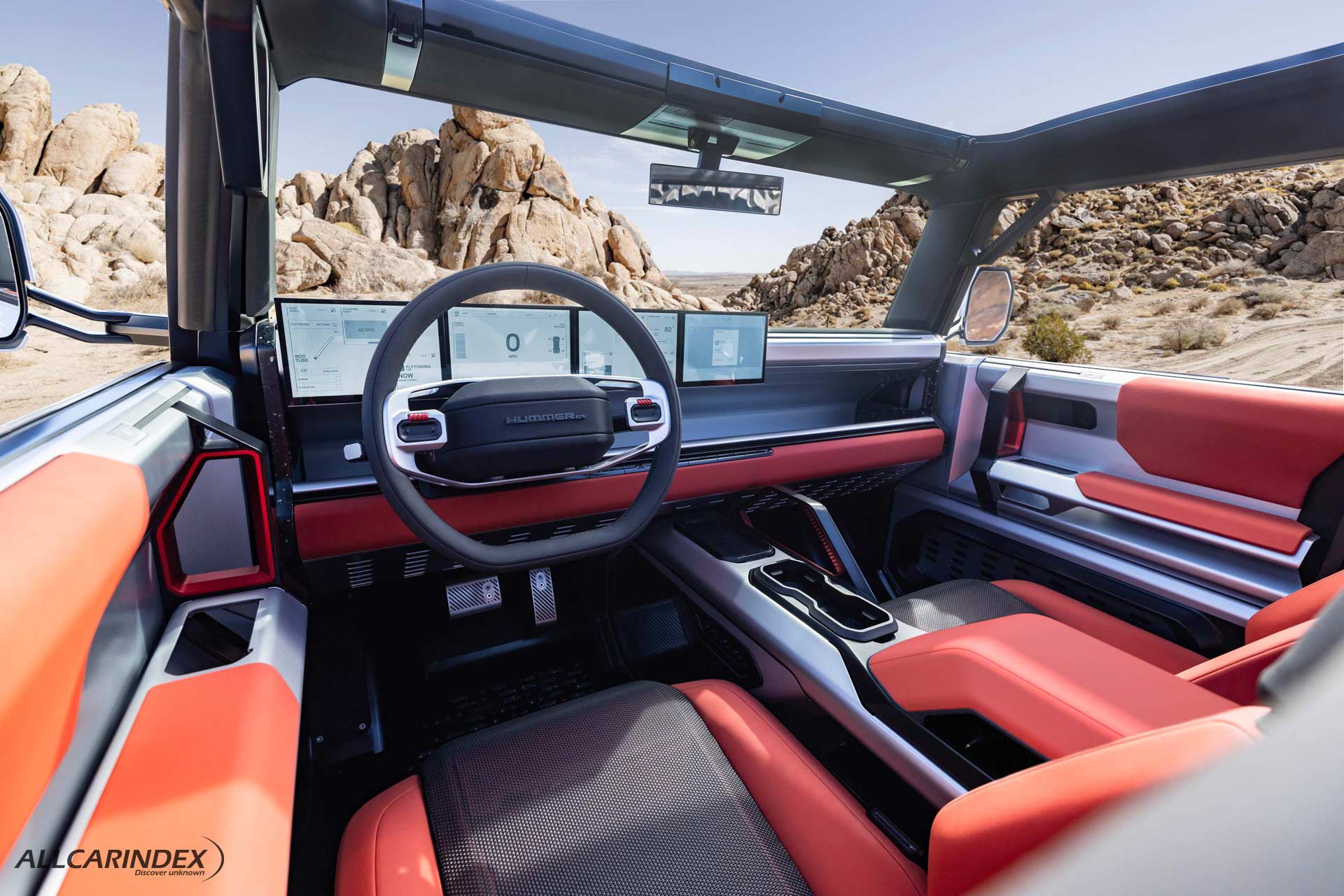
Reconfigurability also extends into the cockpit. Rather than using a permanently arranged display panel, the interior contains stackable screens that can be organised for different driving situations. The digital layout can therefore be changed for rock crawling, trail driving or highway use without requiring an entirely different instrument panel.
The HUMMER X SUV was developed under a design brief that connected off-road travel with responsible access to natural environments. The Pasadena team used the idea of taking photographs while leaving only footprints as a reference throughout the project. This principle informed the concept’s focus on sustainability and its role as a vehicle around which groups of drivers could share outdoor experiences.
Its development took place at GM’s new 148,000-square-foot Pasadena campus, which occupies three buildings and accommodates approximately 100 employees. The facility includes areas for full-size clay modelling, fabrication and immersive digital collaboration, allowing exterior design, physical development and advanced engineering studies to be carried out within the same campus.
The studio continues a Southern California design presence that General Motors established permanently during the 1980s. Previous work from the region has included experimental Corvette and Camaro projects as well as autonomous Cadillac studies. Pasadena now operates as part of the company’s wider Advanced Design network alongside facilities in Detroit, the United Kingdom and Shanghai.
Hussein Al Attar has been appointed director of the Pasadena studio, succeeding Brian Smith, who returns to the Chevrolet Corvette design team in Michigan after four years in California. Smith led the studio during the development of the HUMMER X programme and described exploration as the central idea behind the two concepts.
The GMC HUMMER X SUV therefore appears not as a preview of a confirmed showroom model, but as a full-size study of how a modular electric off-road vehicle could be designed, manufactured and reconfigured. Its 57 per cent FLEX FAB construction, adaptable display system, 37-inch tyres and 334.3-millimetre ground clearance form the technical basis of that study.