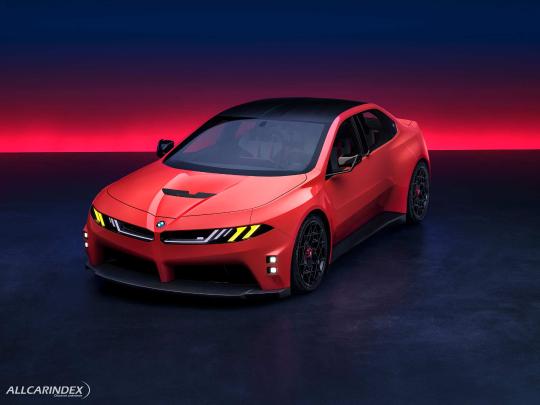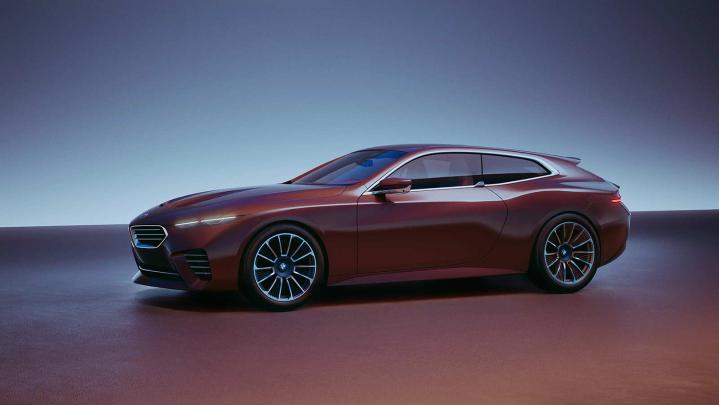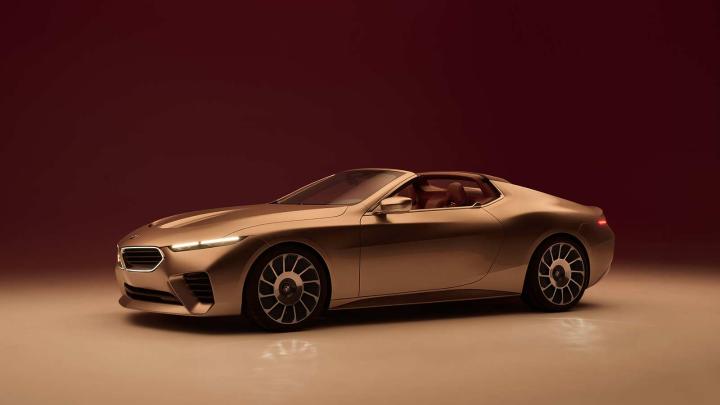

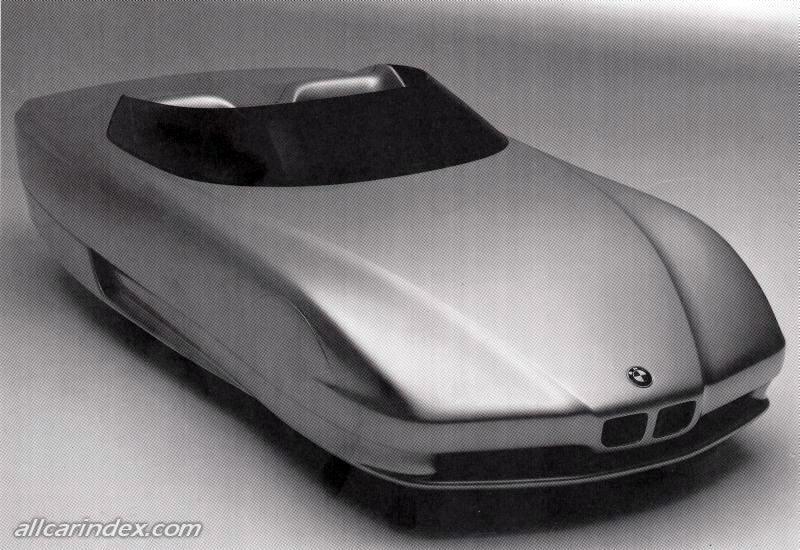
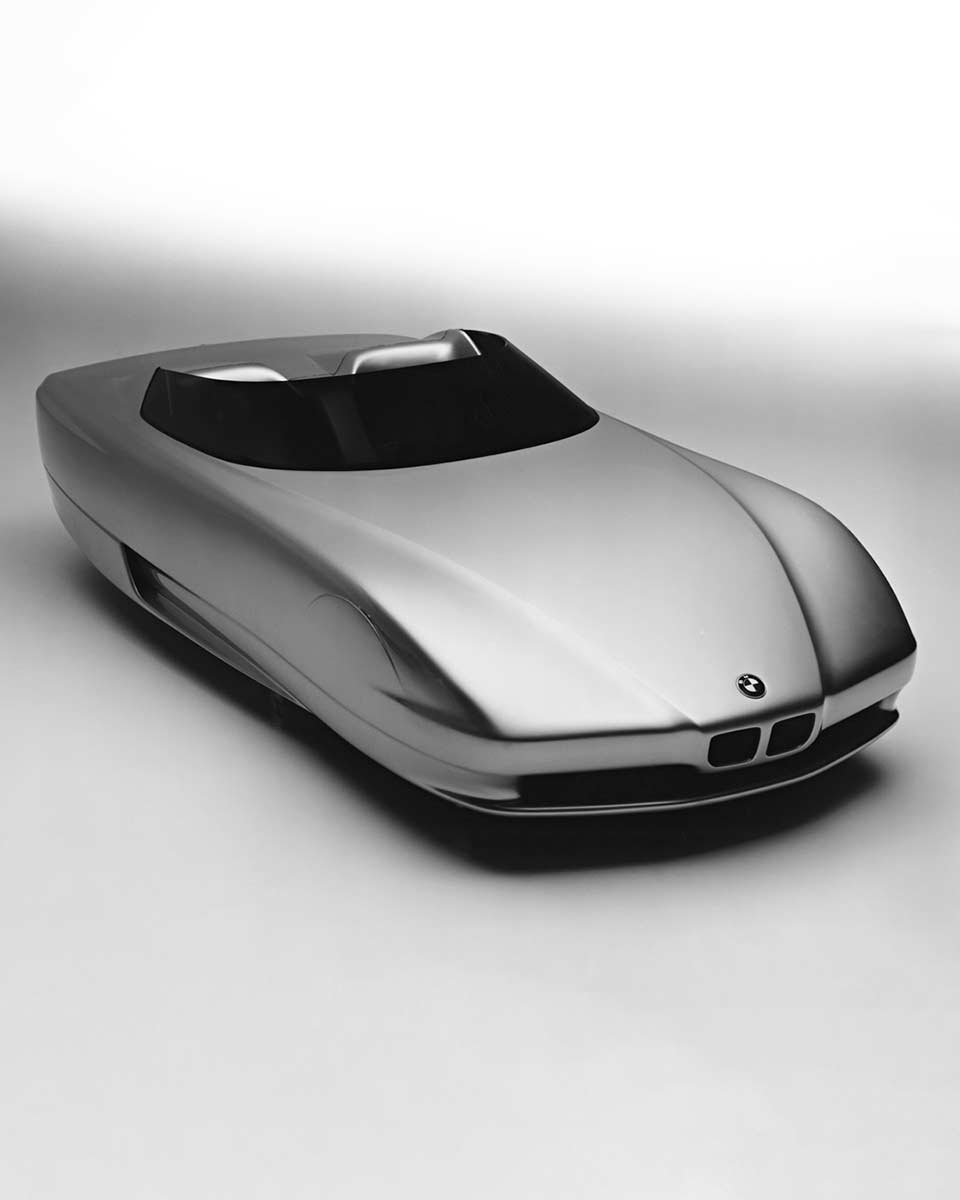
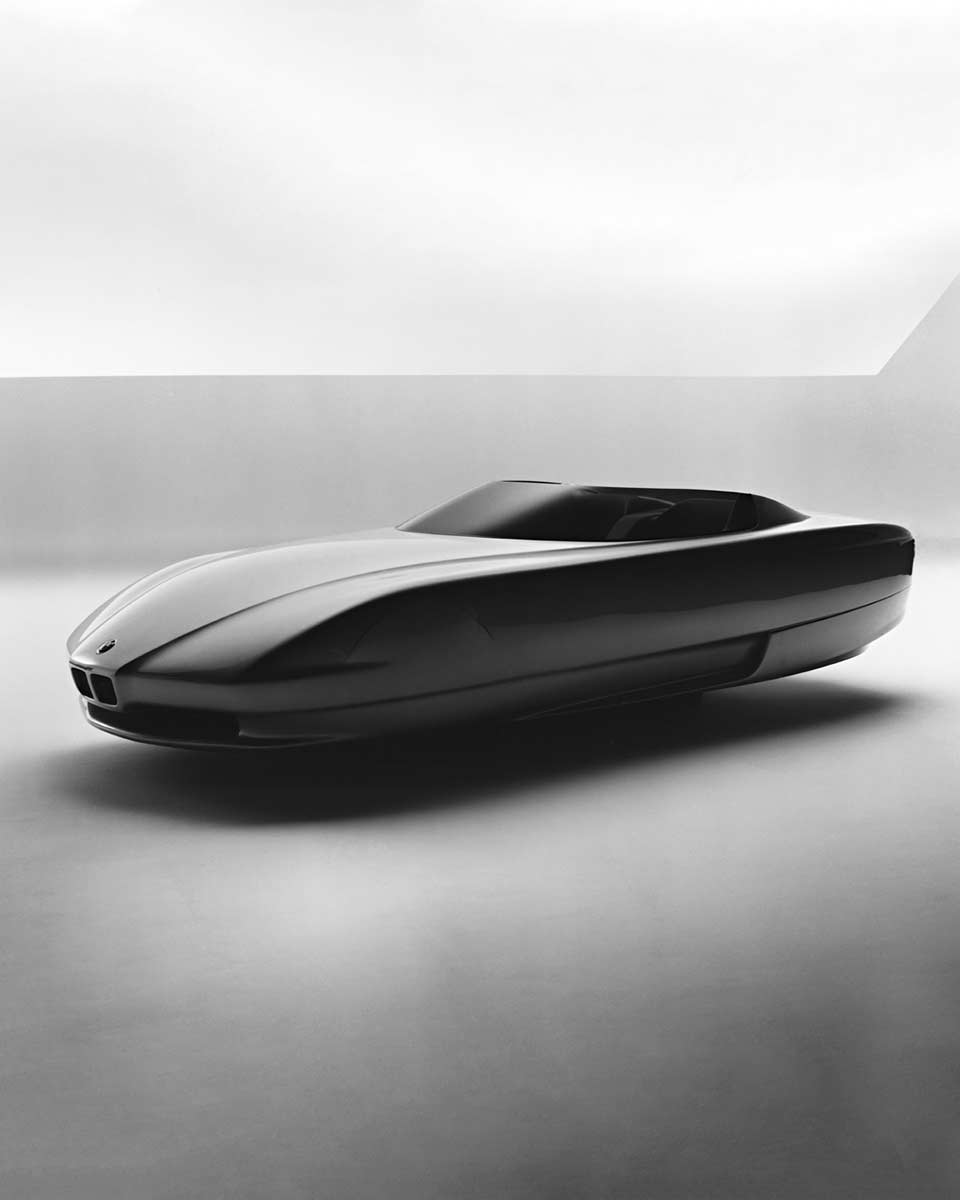
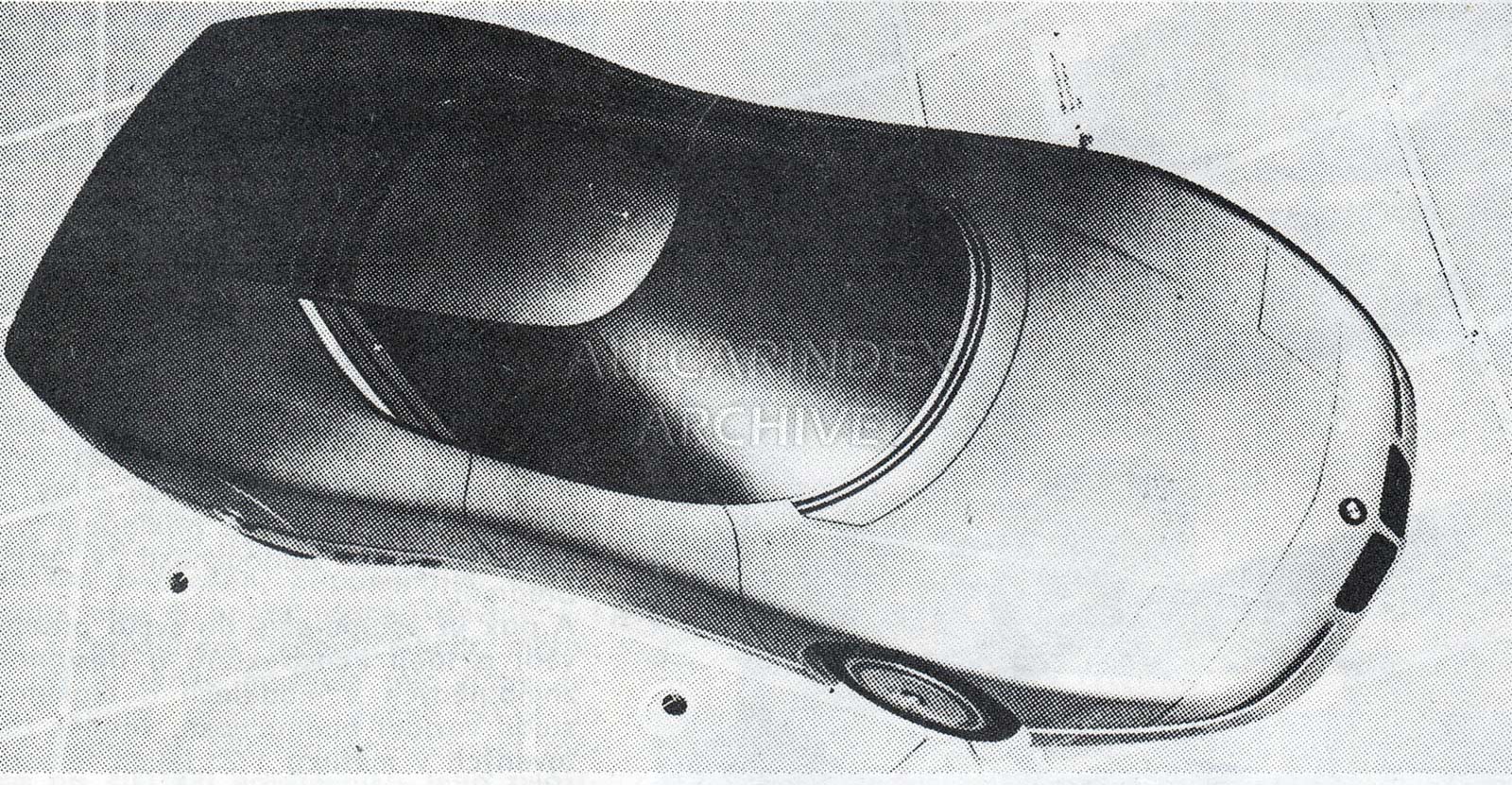
The BMW E1 was a design study created as a non-functional maquette rather than a running prototype. It was shown in spring 1989 to a limited audience at a world congress on the automobile. The concept took the form of a roadster with fully enclosed wheel arches, a detail that also allowed the wheels themselves to be omitted from the model.
The design featured a sweeping hood line and a smooth, unbroken body surface that gave it a harmonious appearance. Several of its stylistic cues anticipated the production coupe of the 8 Series, which BMW launched later that same year, in September 1989. The front end carried BMW's characteristic twin-kidney grille integrated into the bumper, while the lower flanks incorporated an air channel feeding the rear disc brakes. The interior was only suggested in outline and not fully developed.
BMW described the E1 at the time as having no functional purpose and stated it would not be developed further. The company presented it as the result of continued conceptual exploration of the design challenge posed by a small, open-top car. The maquette was described as an organic sculpture intended to evoke an impression of effortless, floating movement. Its elongated, elegant form stood in clear contrast to the more muscular, powerful styling of BMW's Z1.