
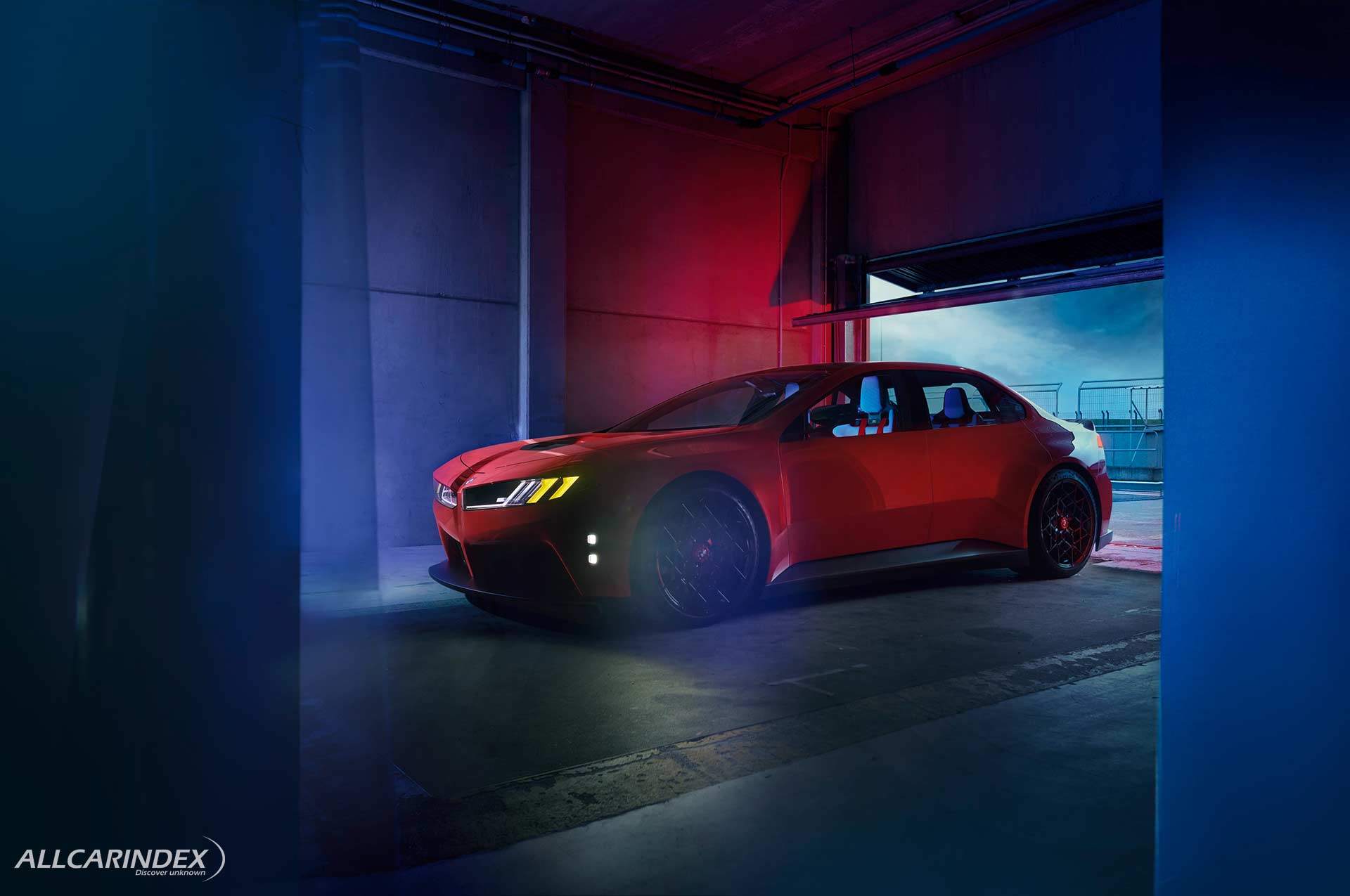
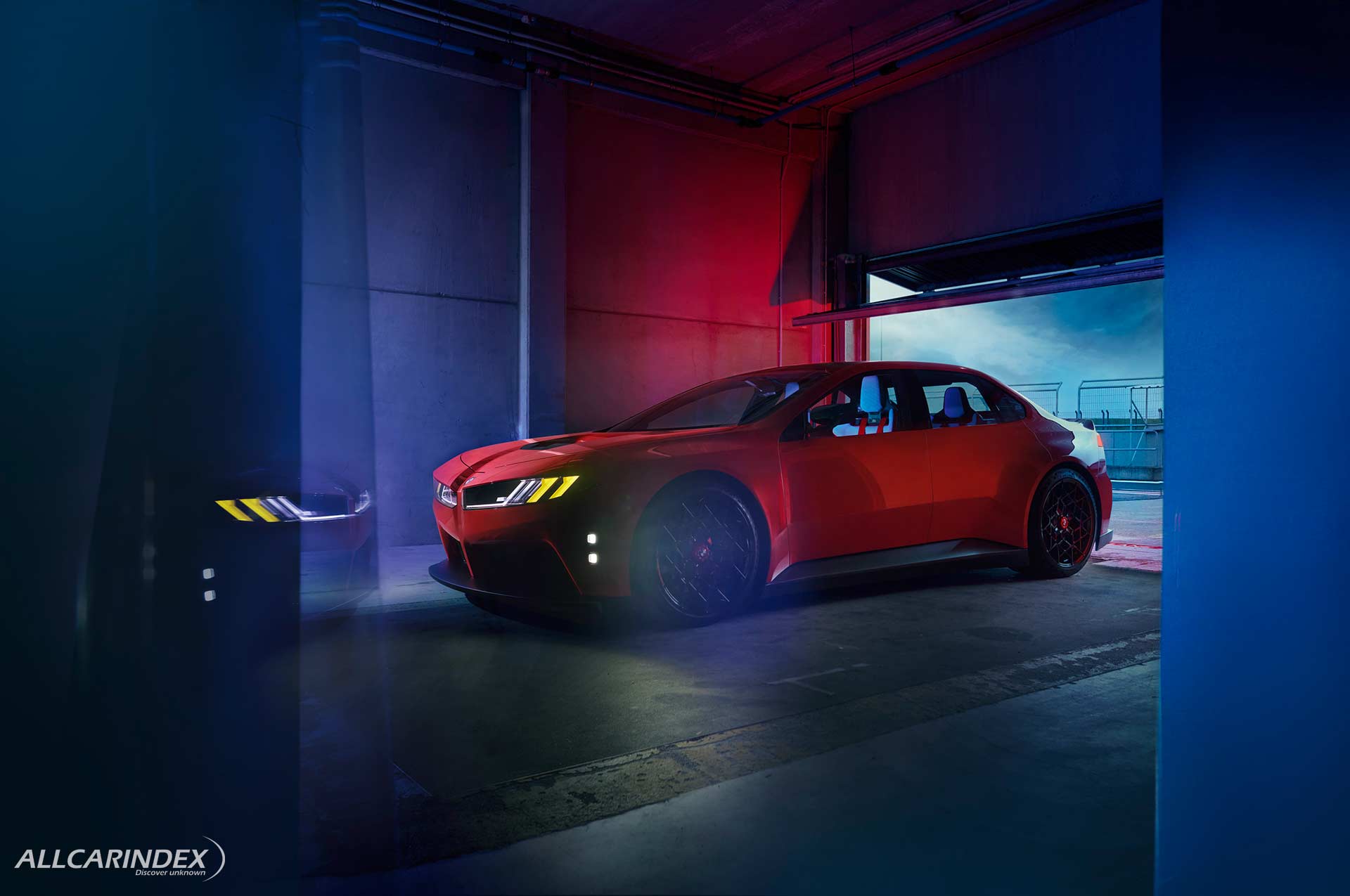
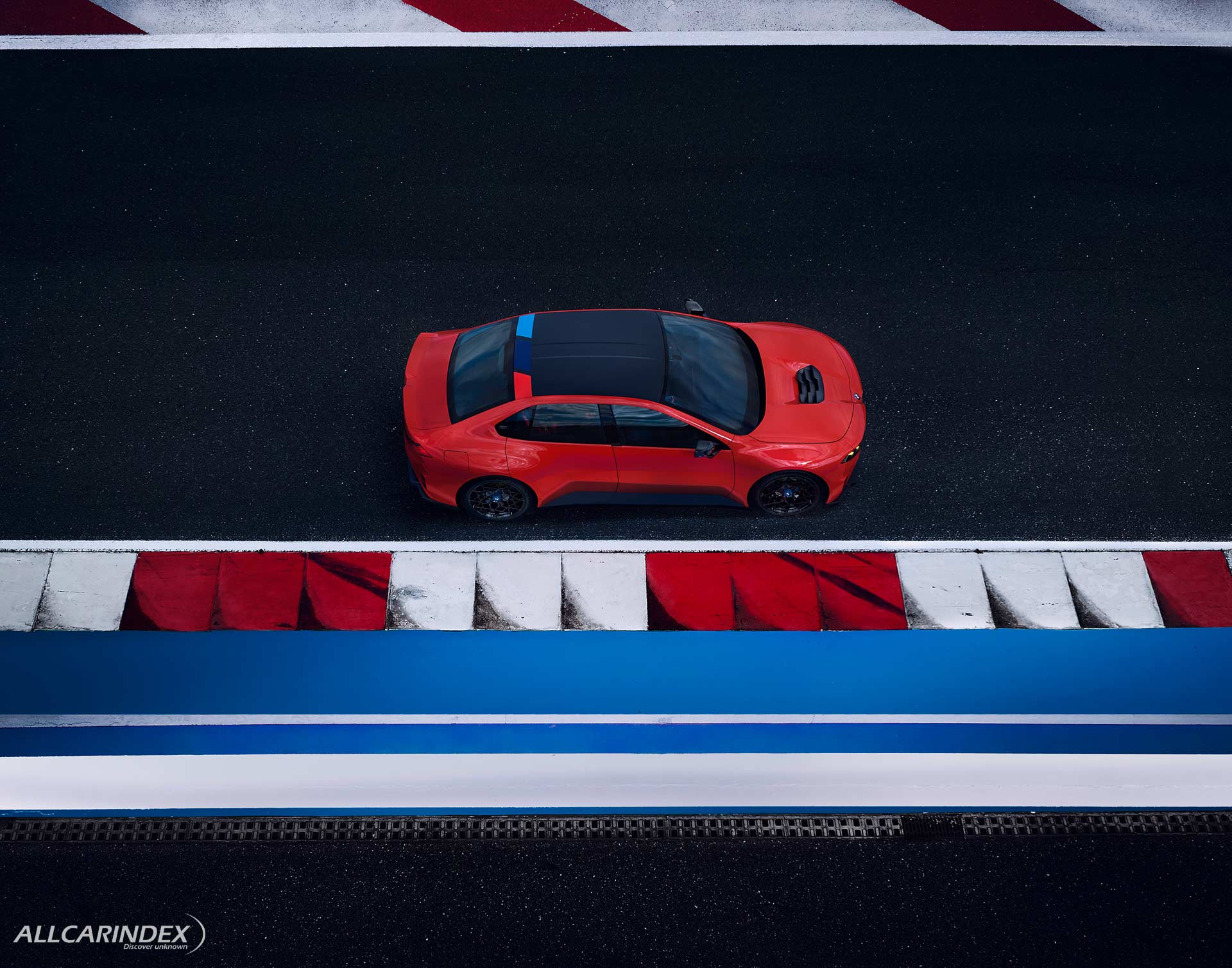
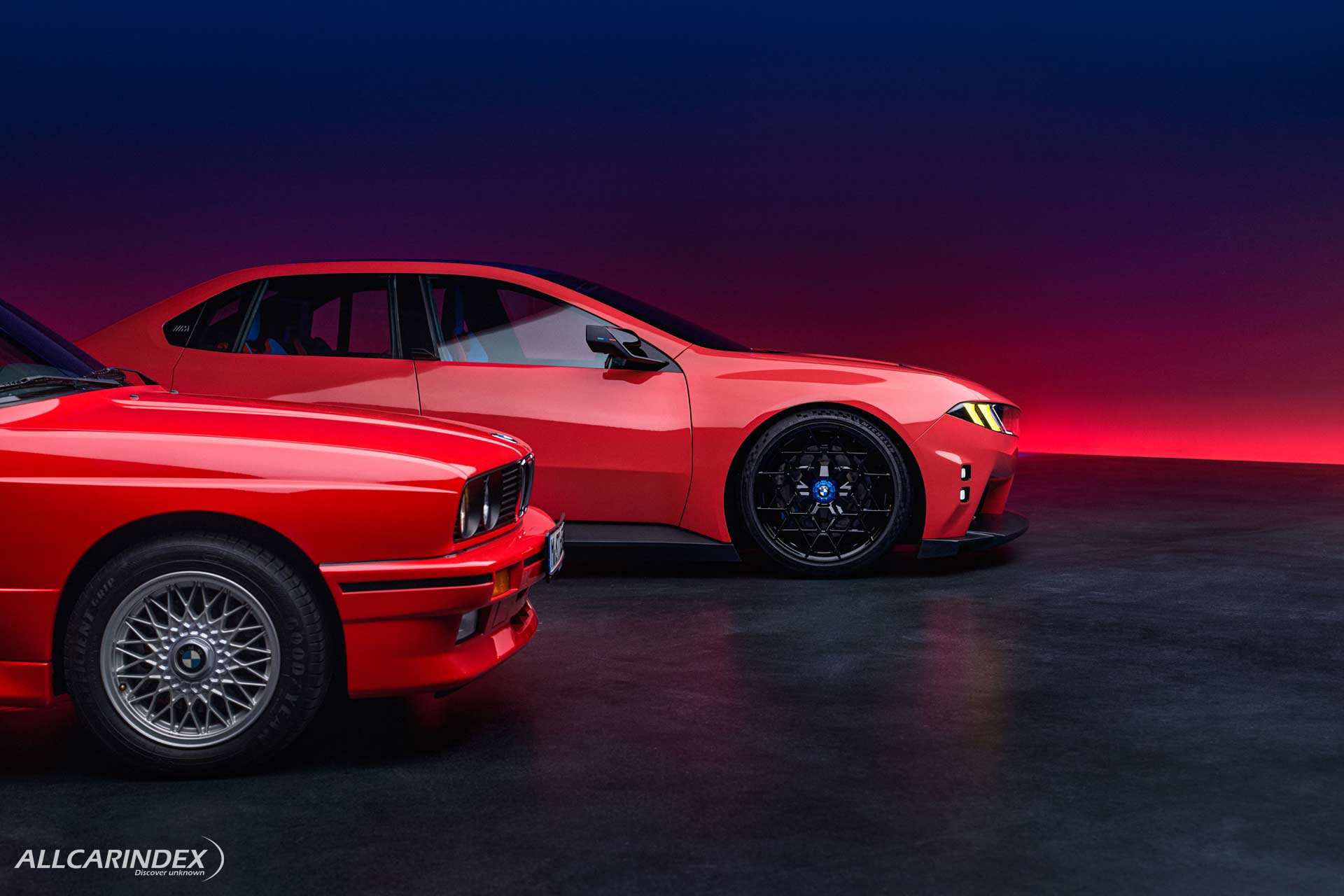
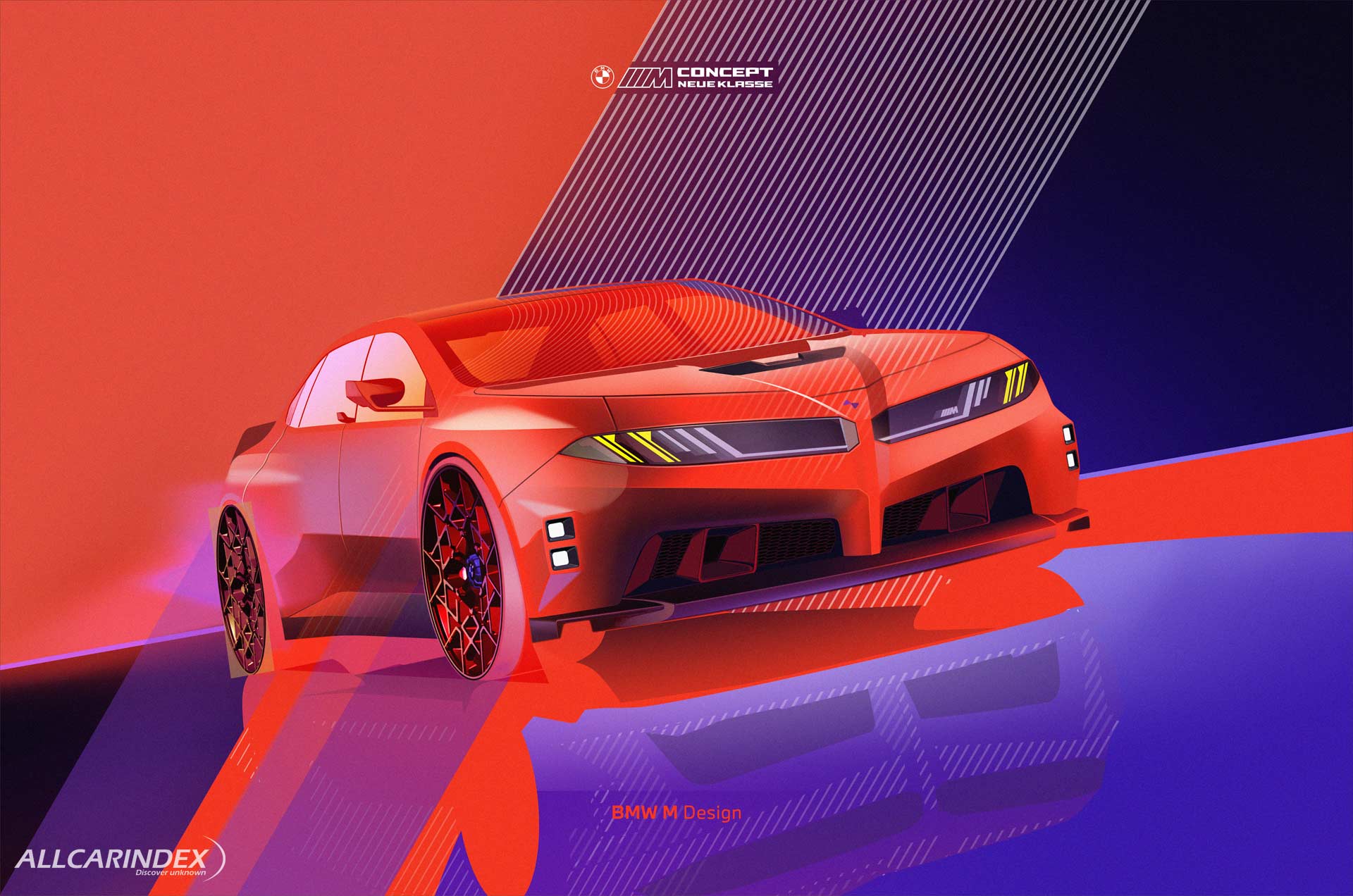
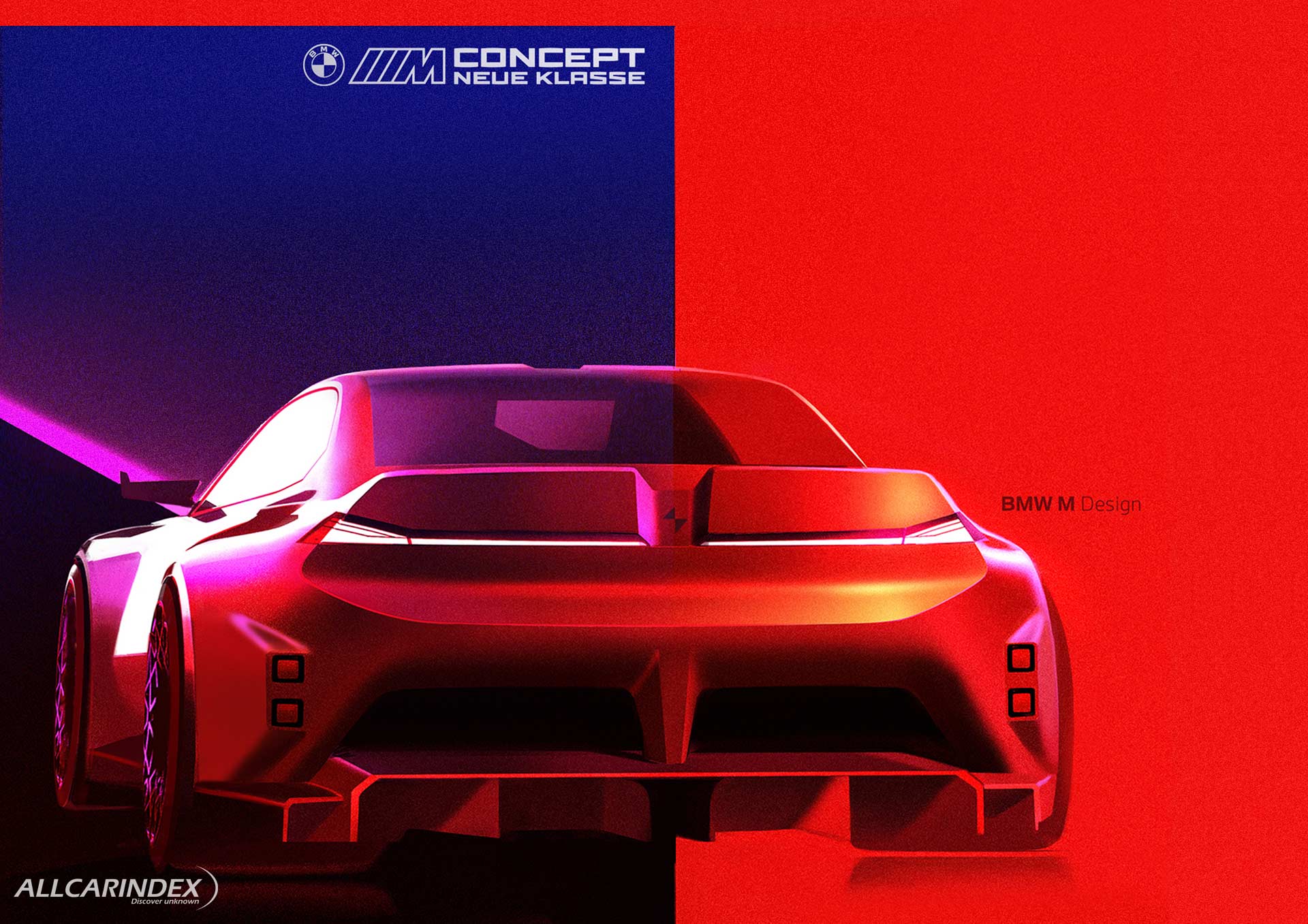
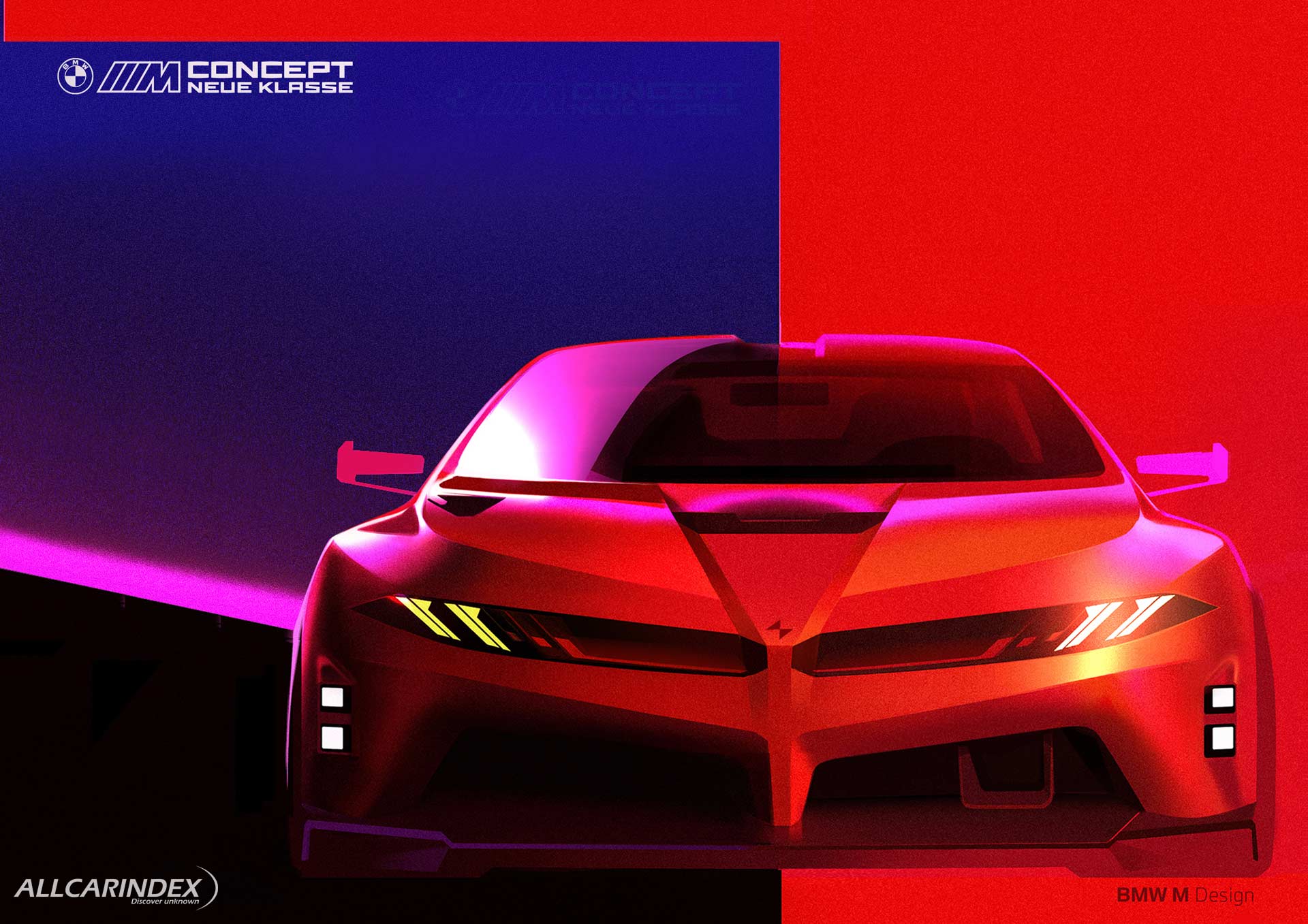
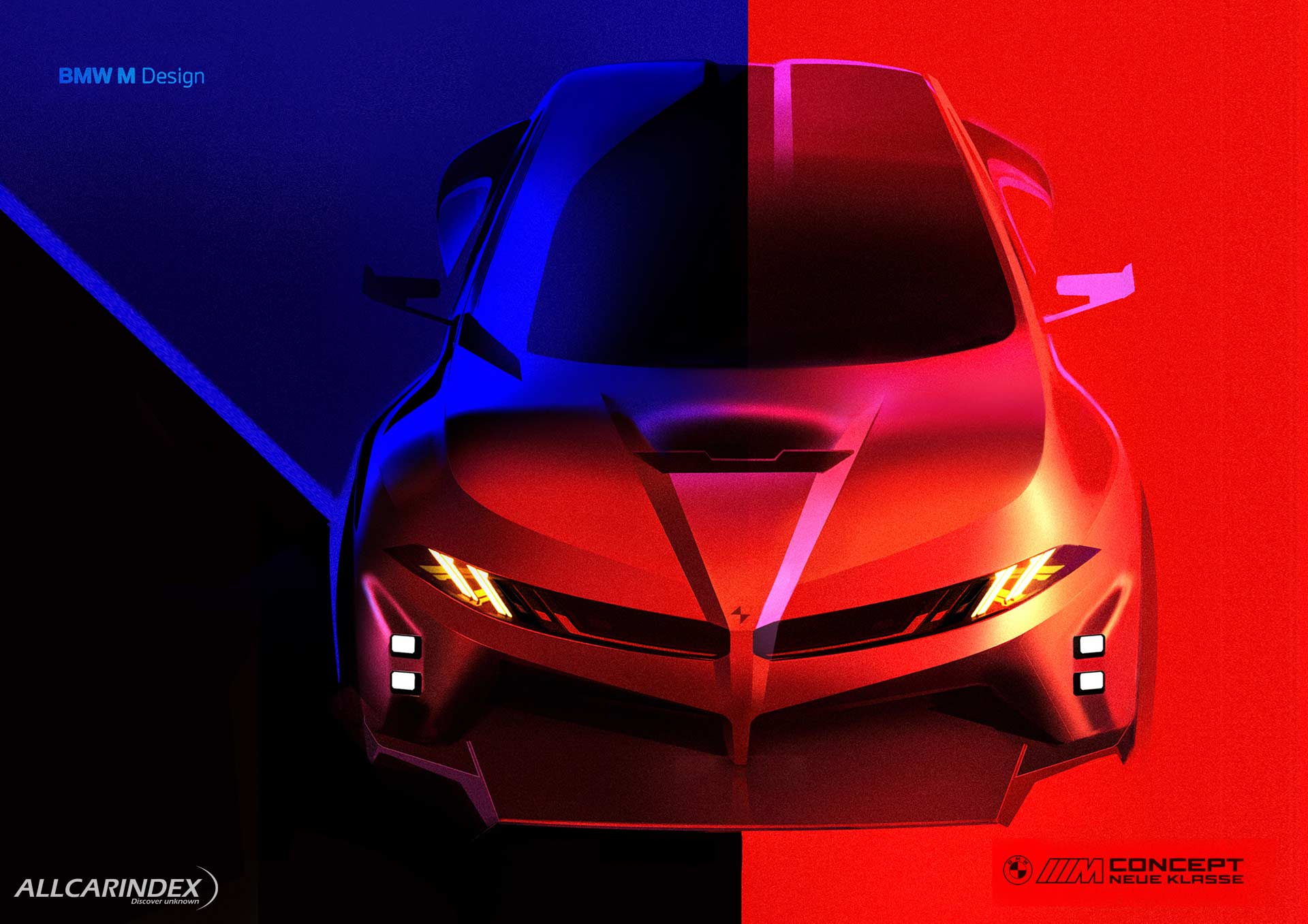
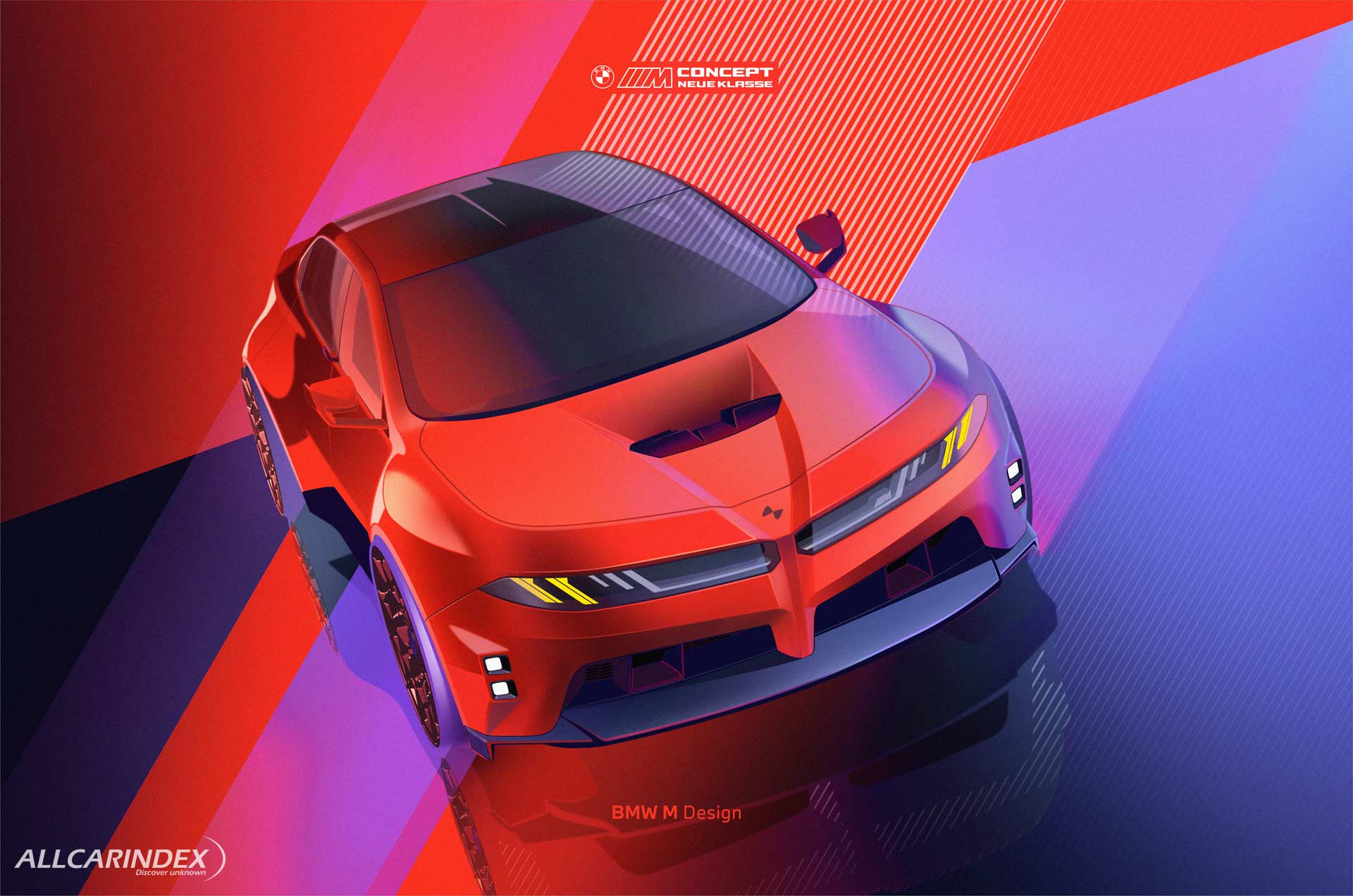
Presented during the 24 Hours of Le Mans in June 2026, the BMW M Concept Neue Klasse provides the first detailed view of the design and engineering principles intended for a new generation of all-electric BMW M automobiles. It introduces a separate M interpretation of the Neue Klasse platform, combining a four-motor drivetrain, an 800-volt electrical system, motorsport-derived aerodynamic elements and a cockpit arranged around high-performance driving.
The choice of Le Mans for the world premiere connected the concept directly with BMW M’s competition activities. Its exterior contains references to GT racing cars and to the BMW M Hybrid V8, while the technical package transfers several motorsport-related control principles to an electric road-car architecture. BMW describes the car as a preview of its future M design language rather than a production model with confirmed performance figures.
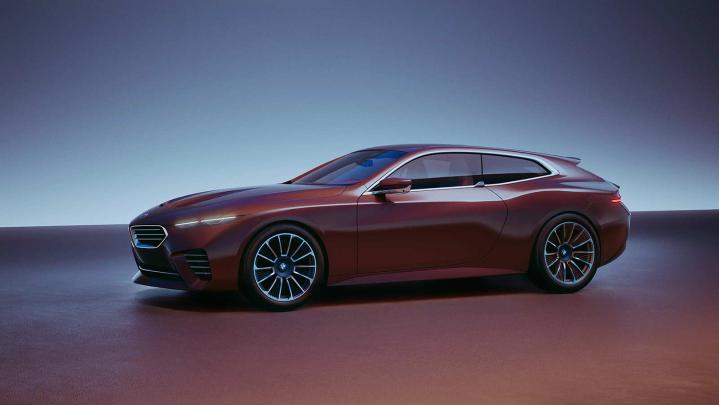
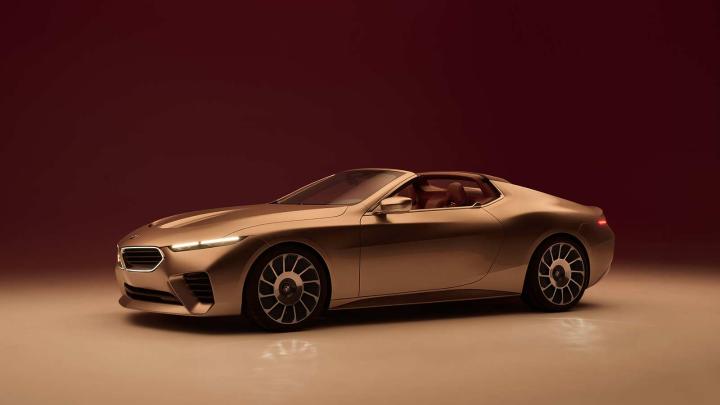
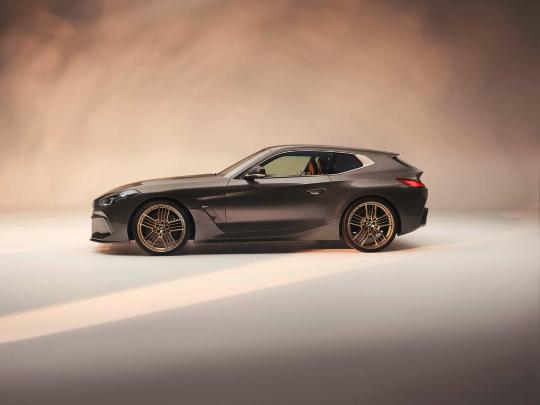
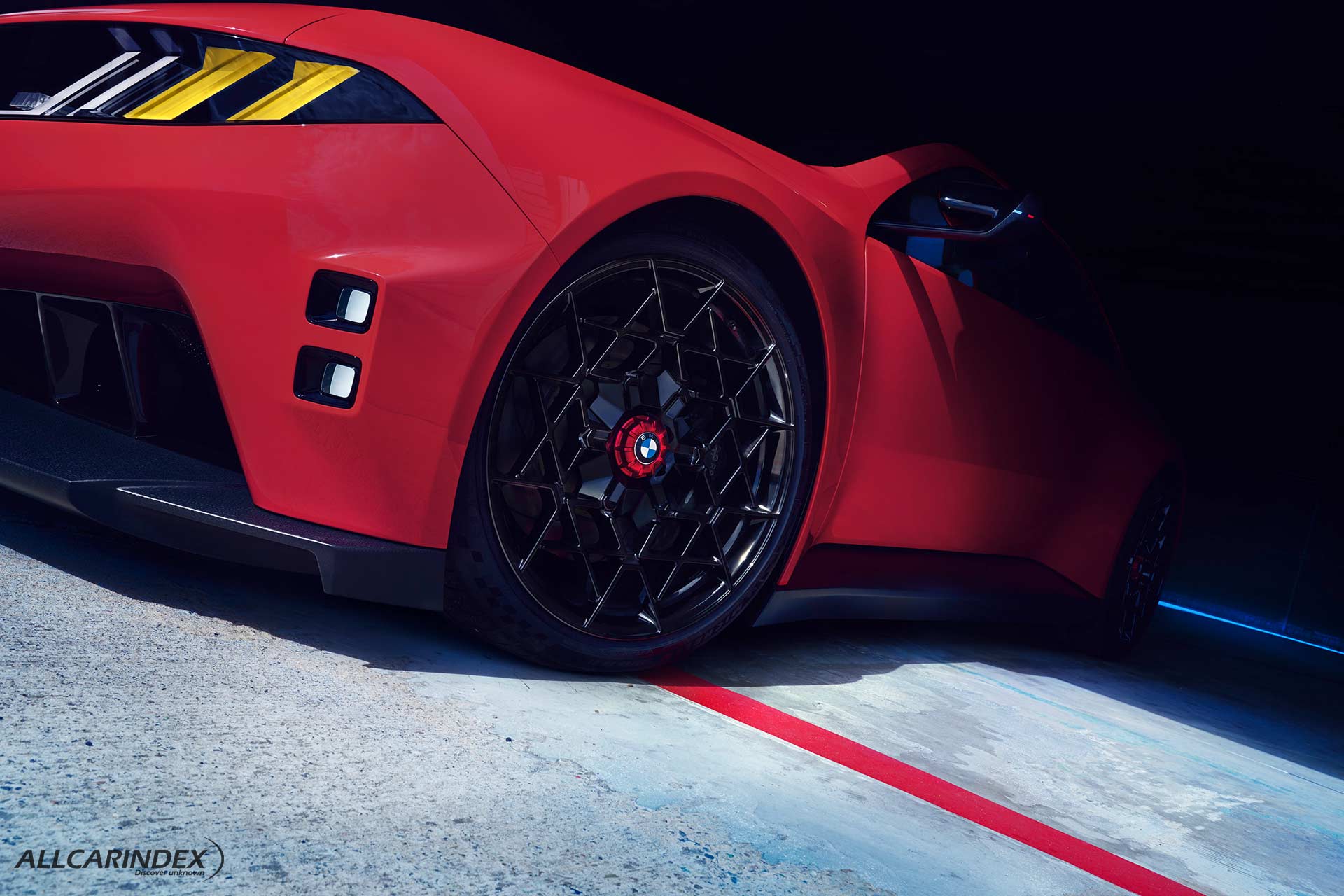
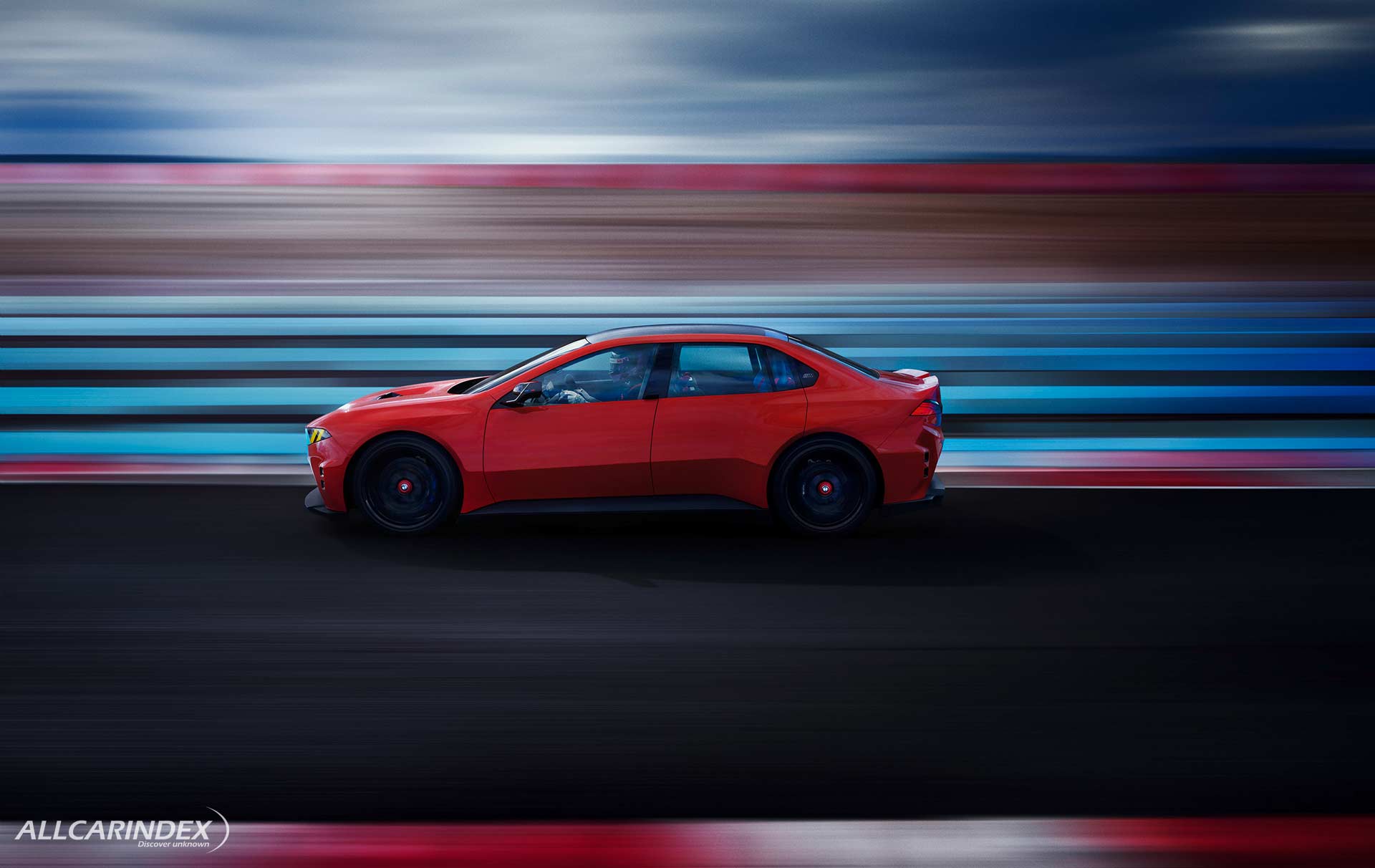
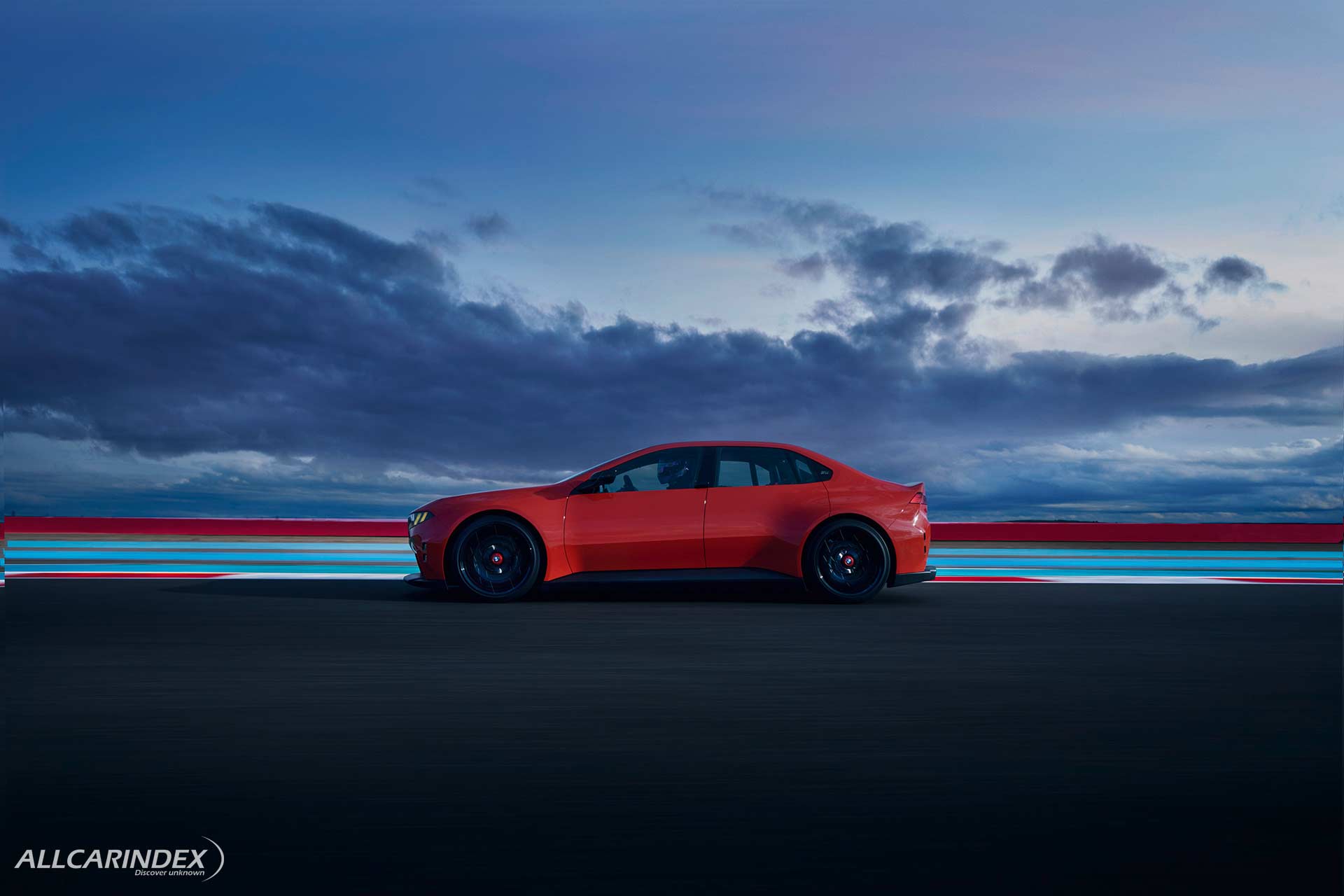
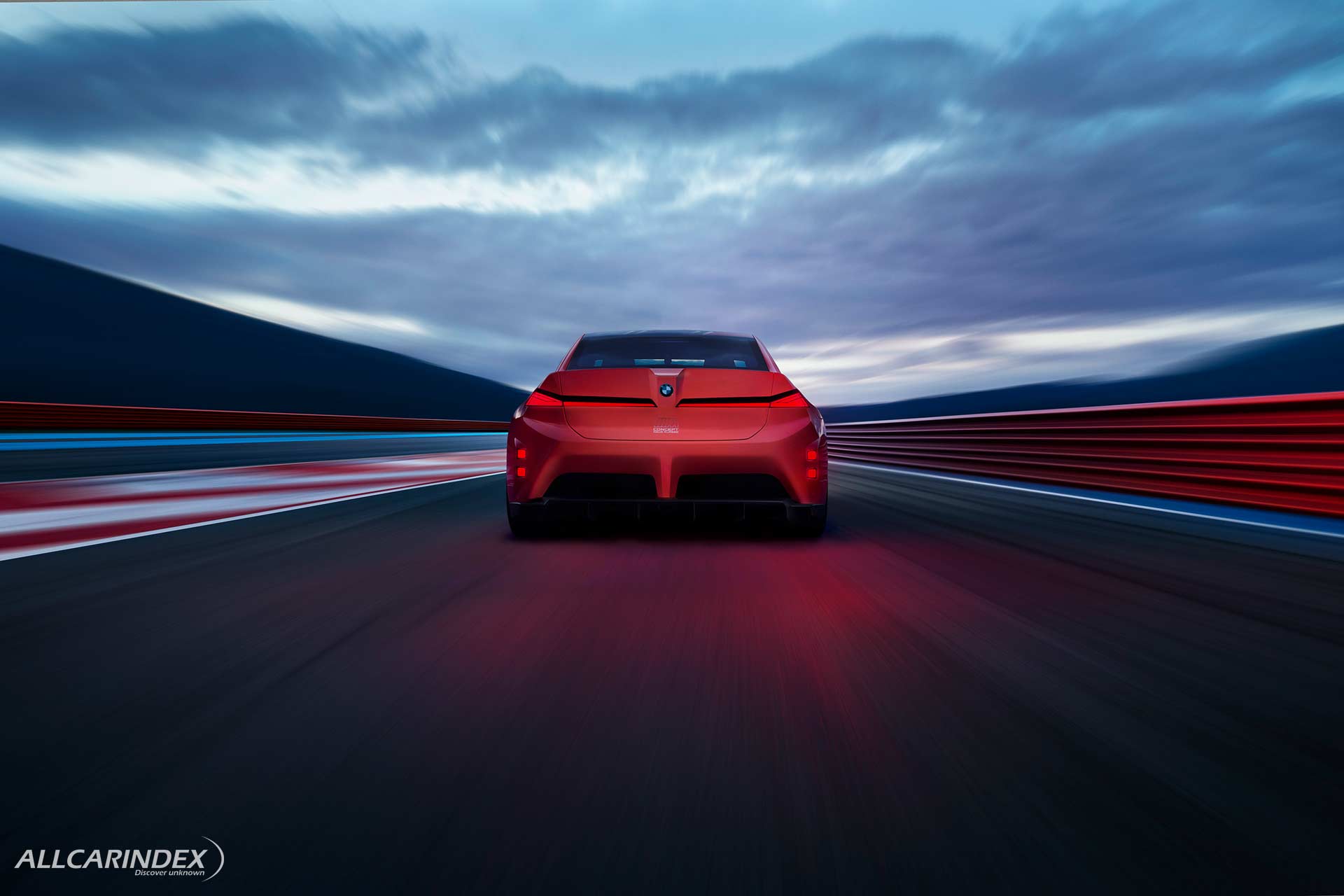
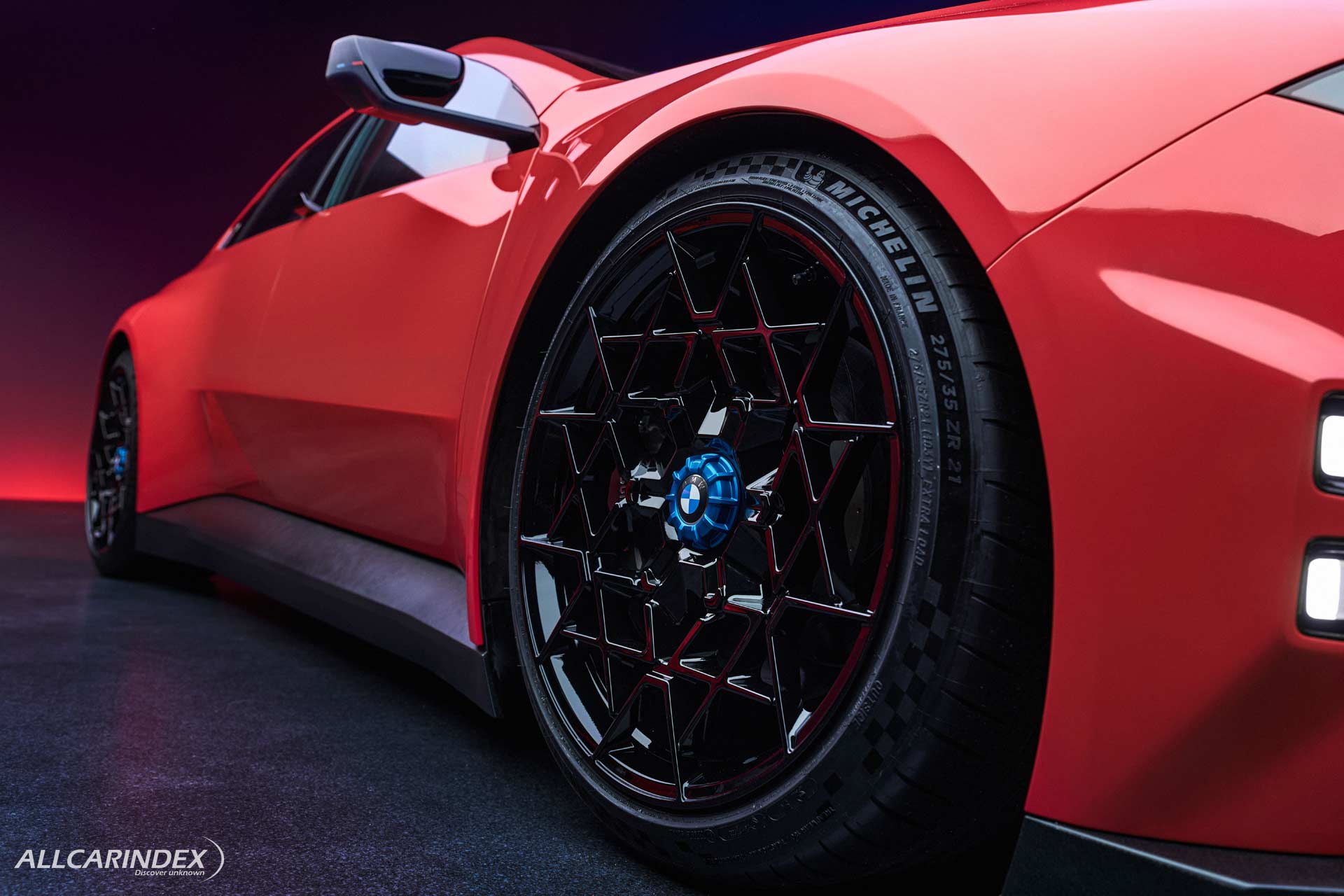
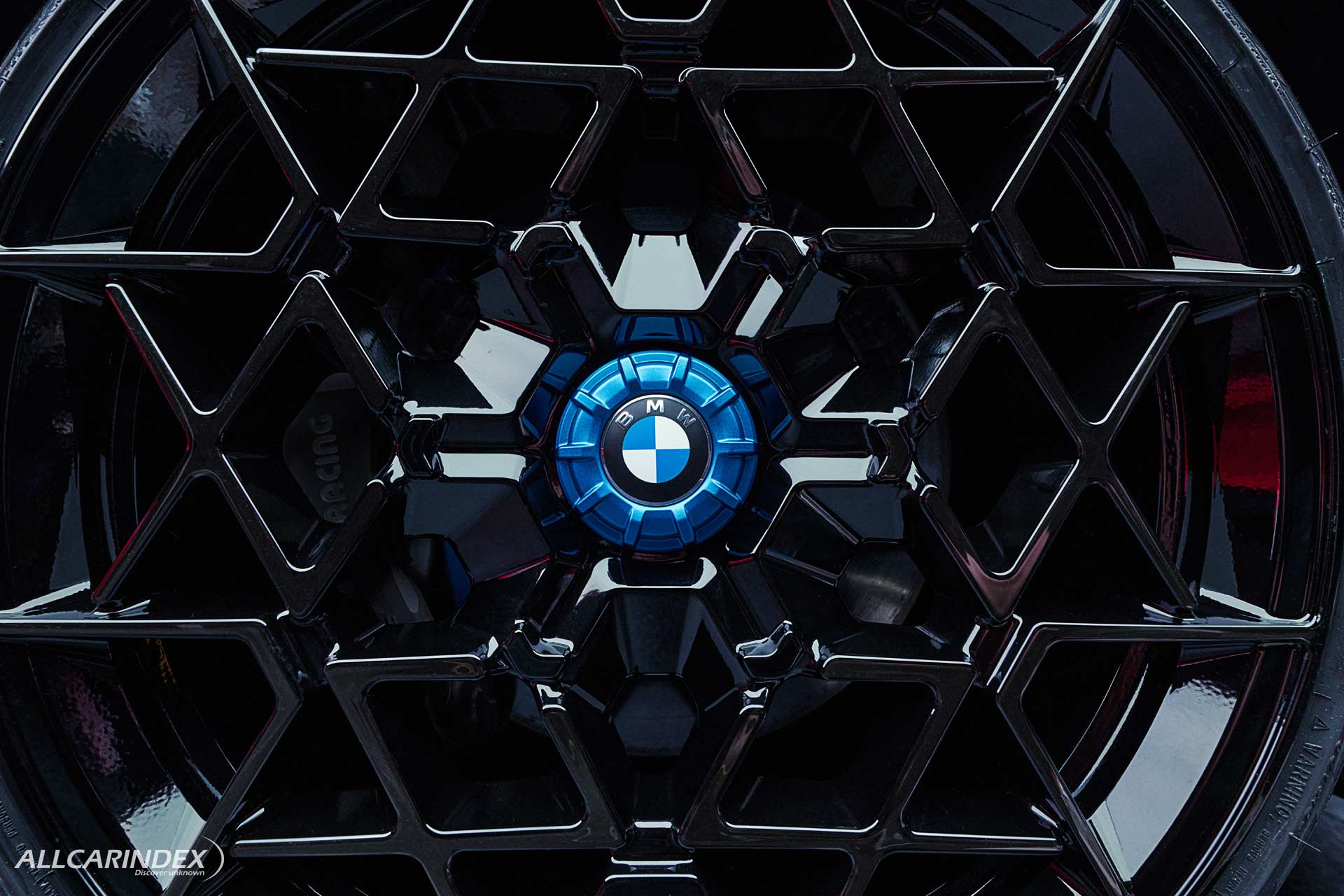
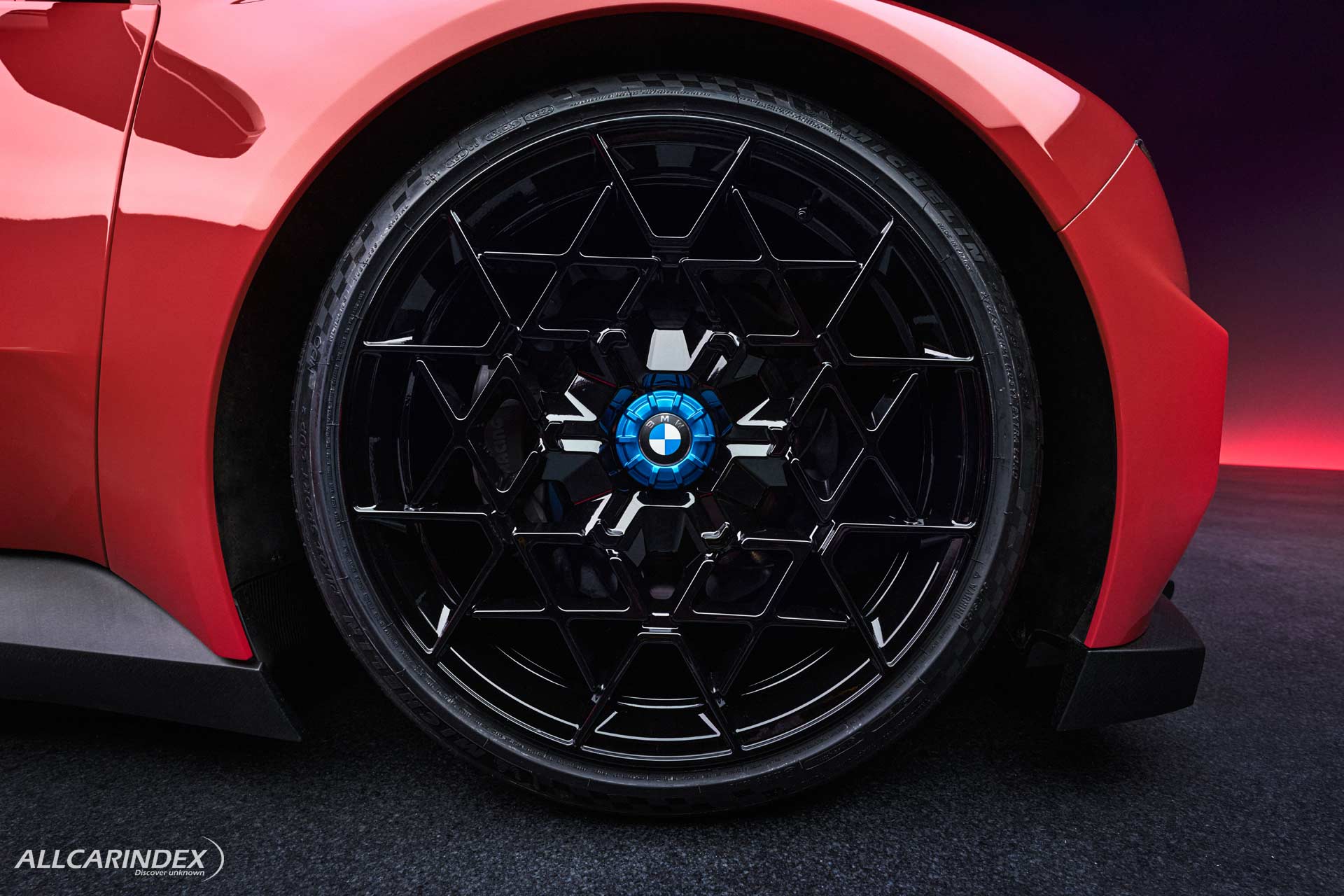
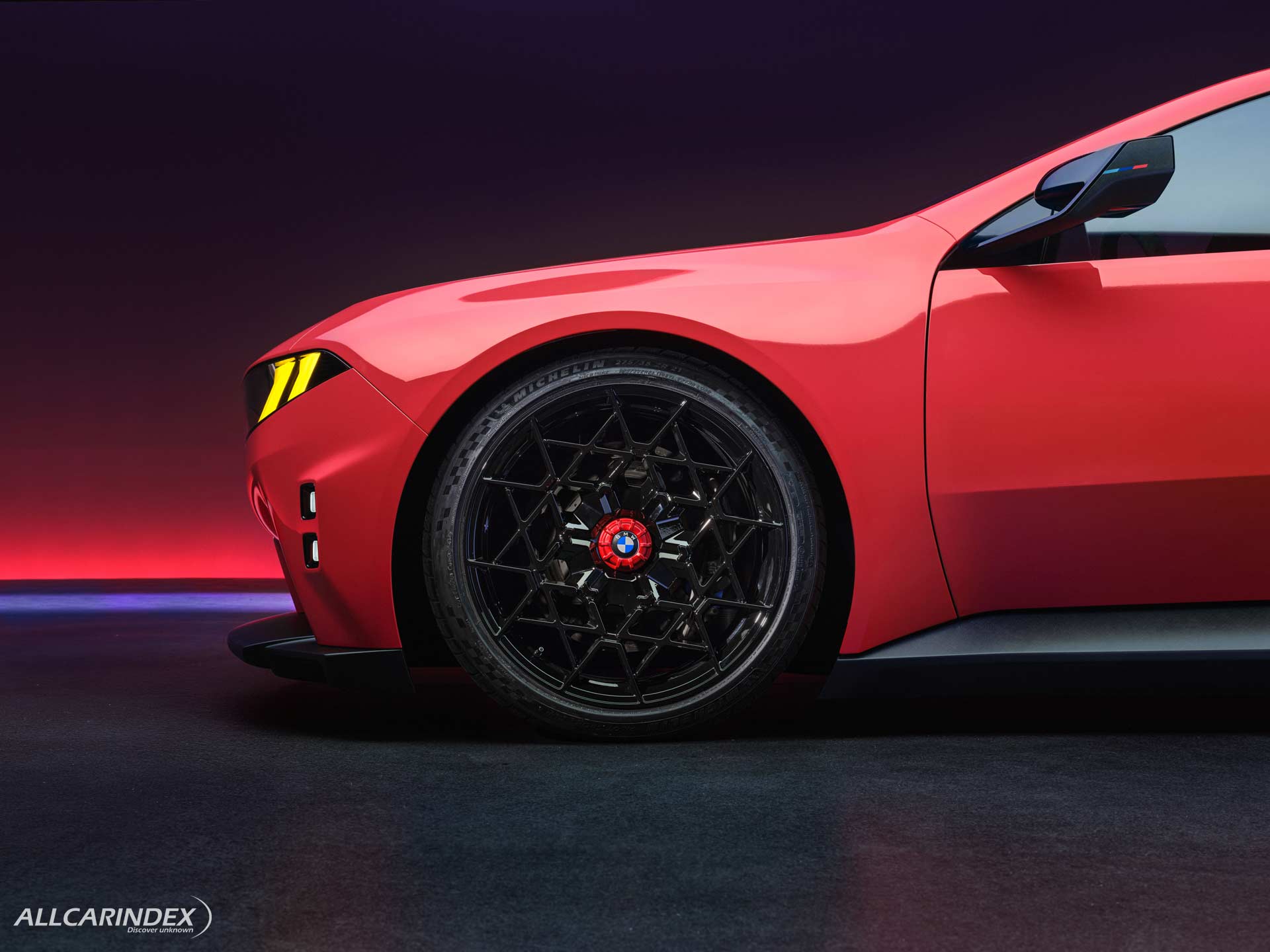
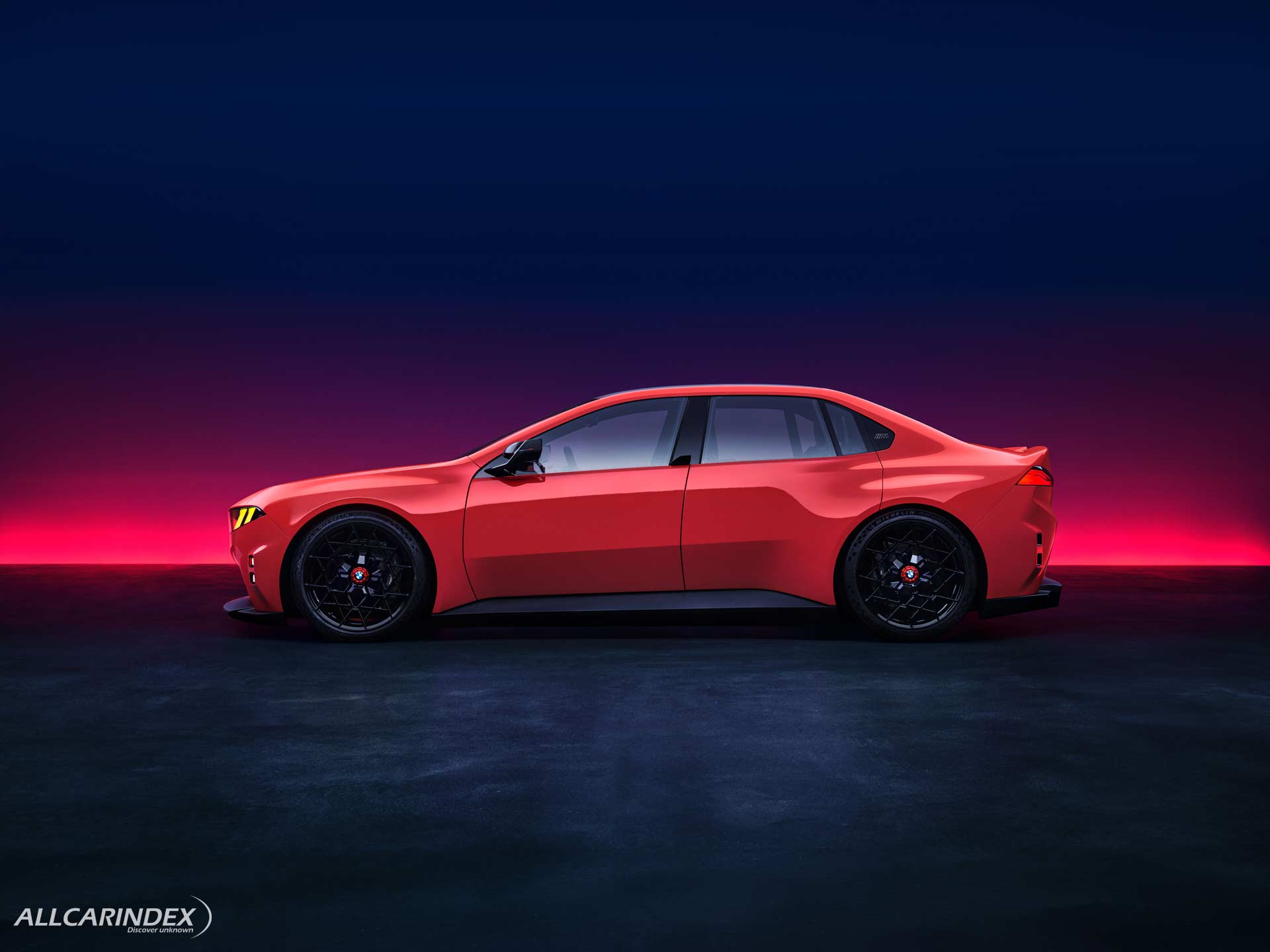
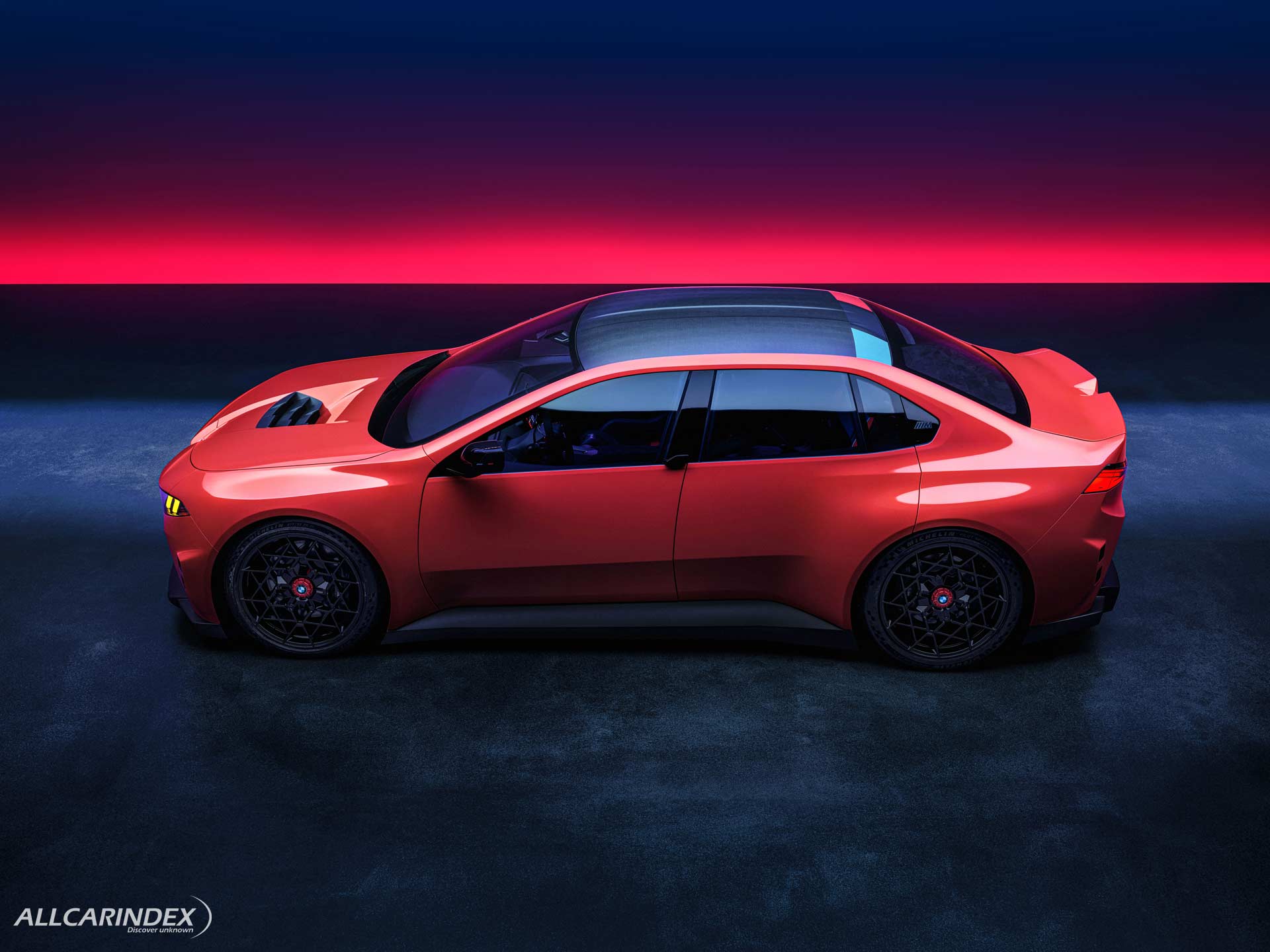
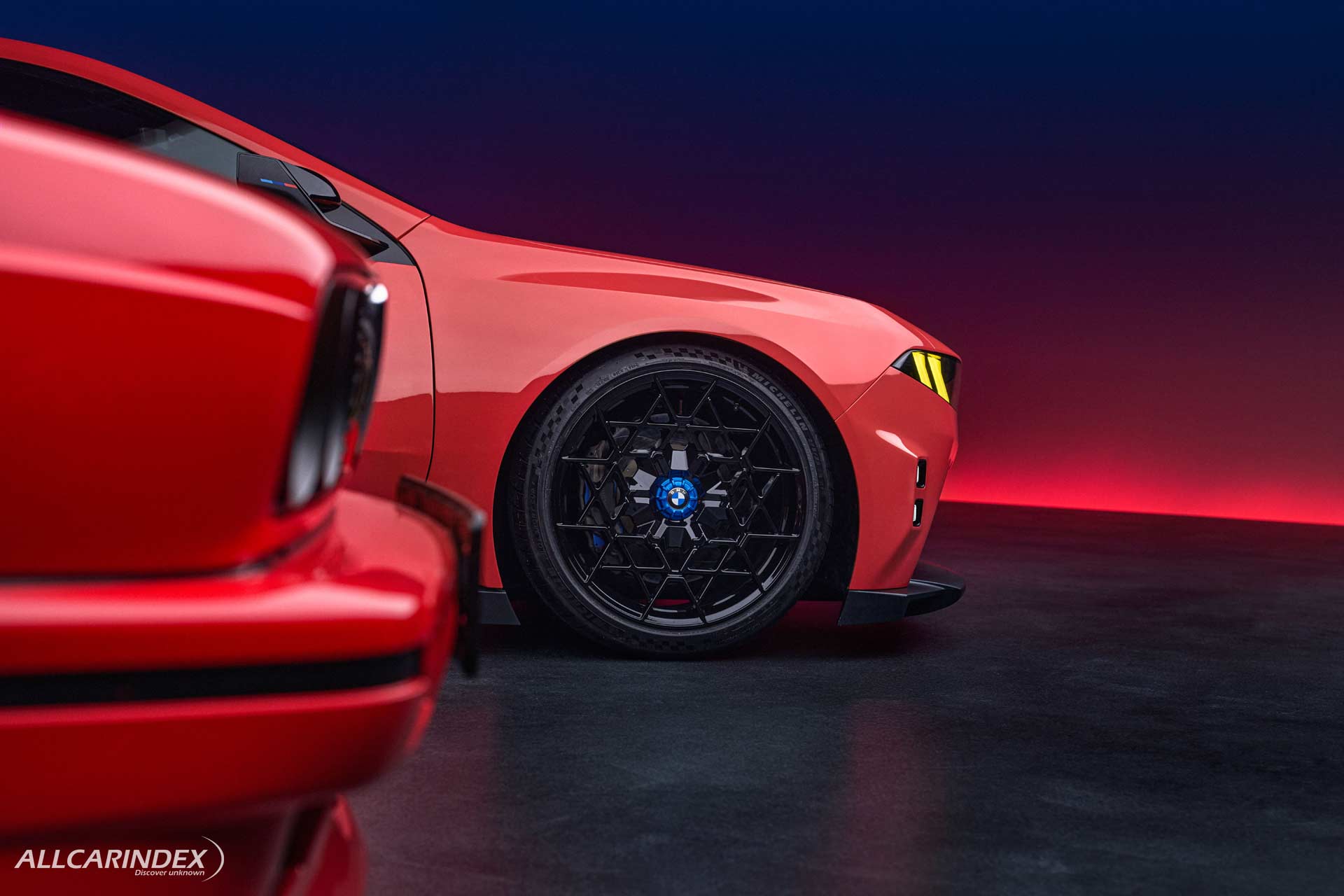
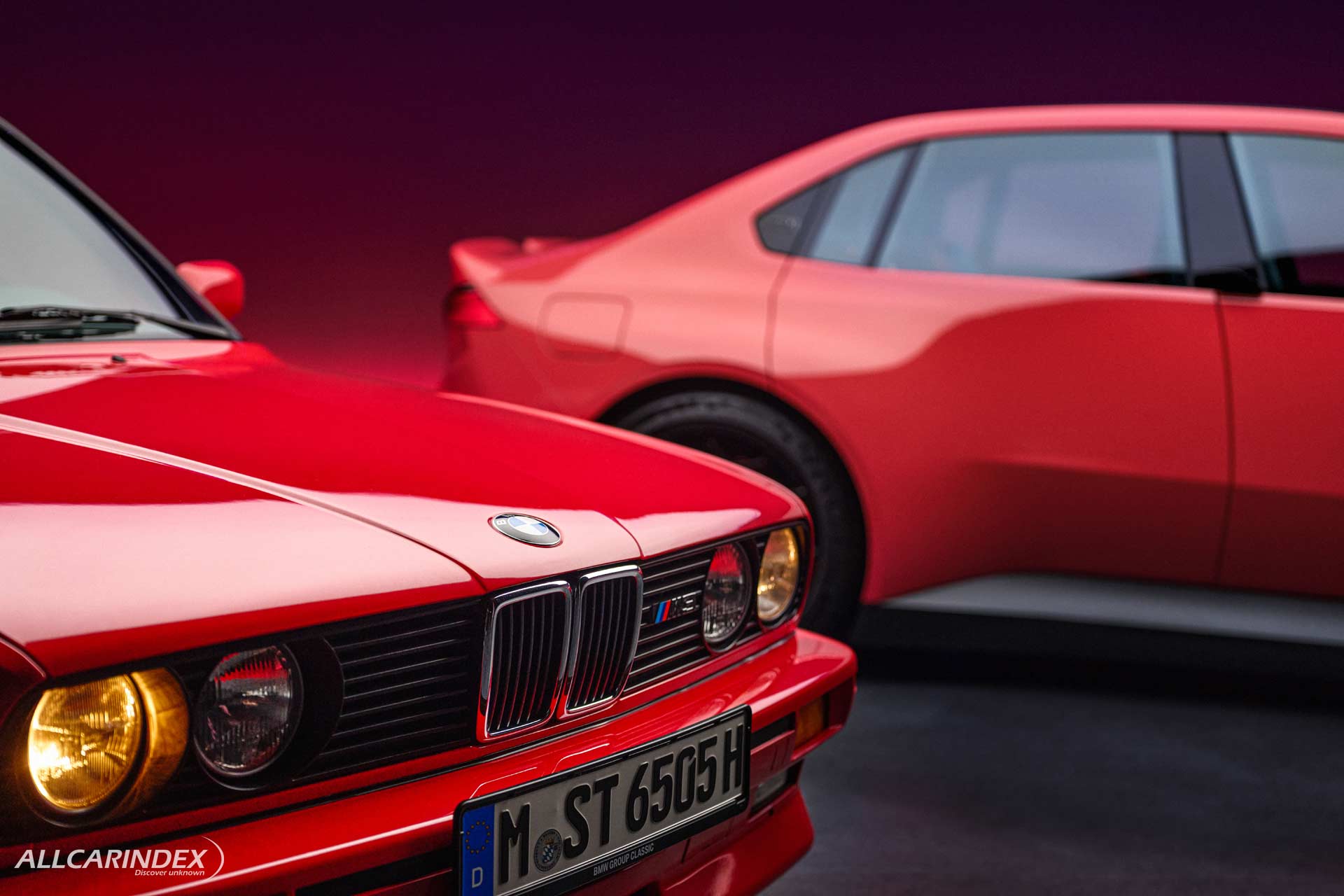
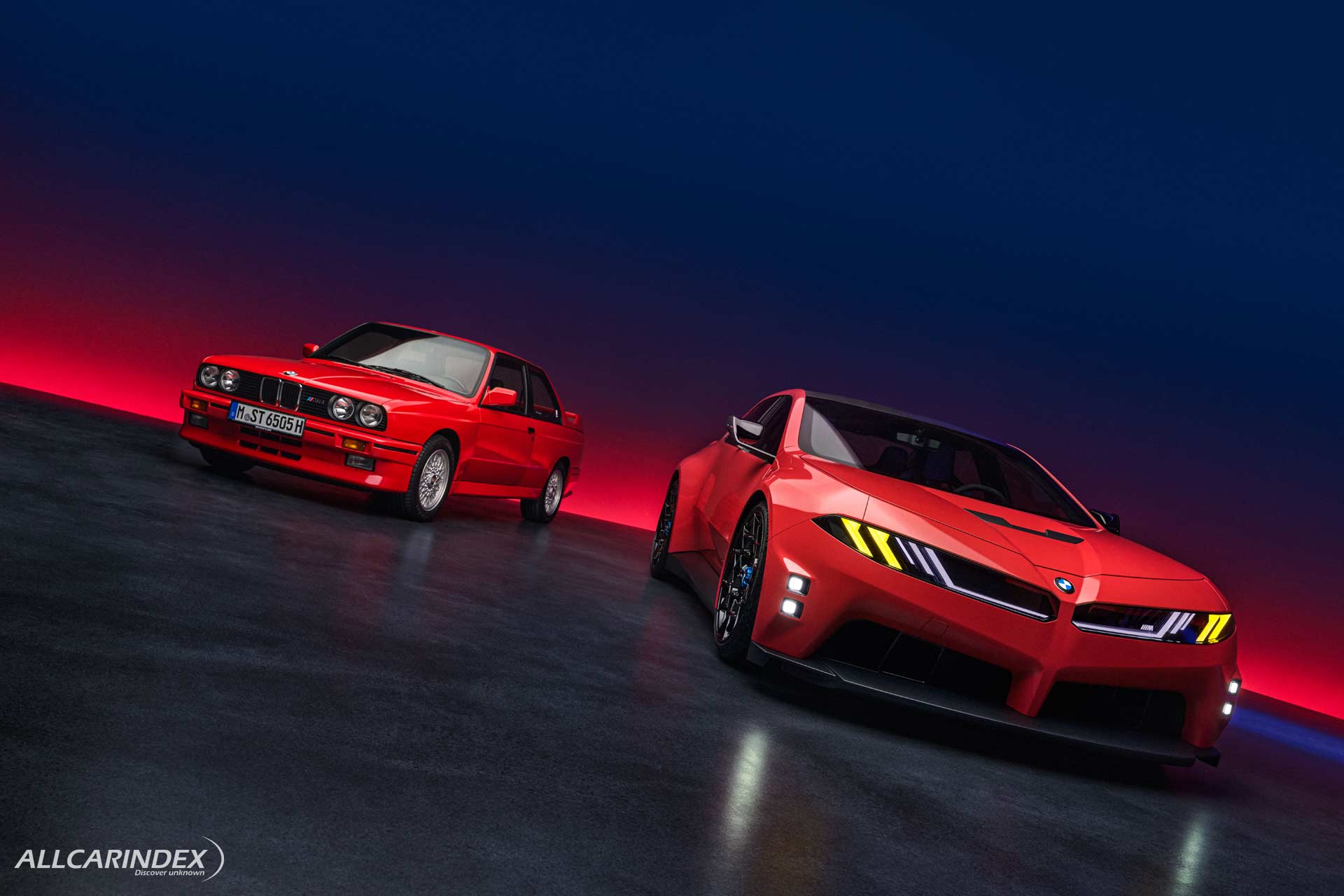
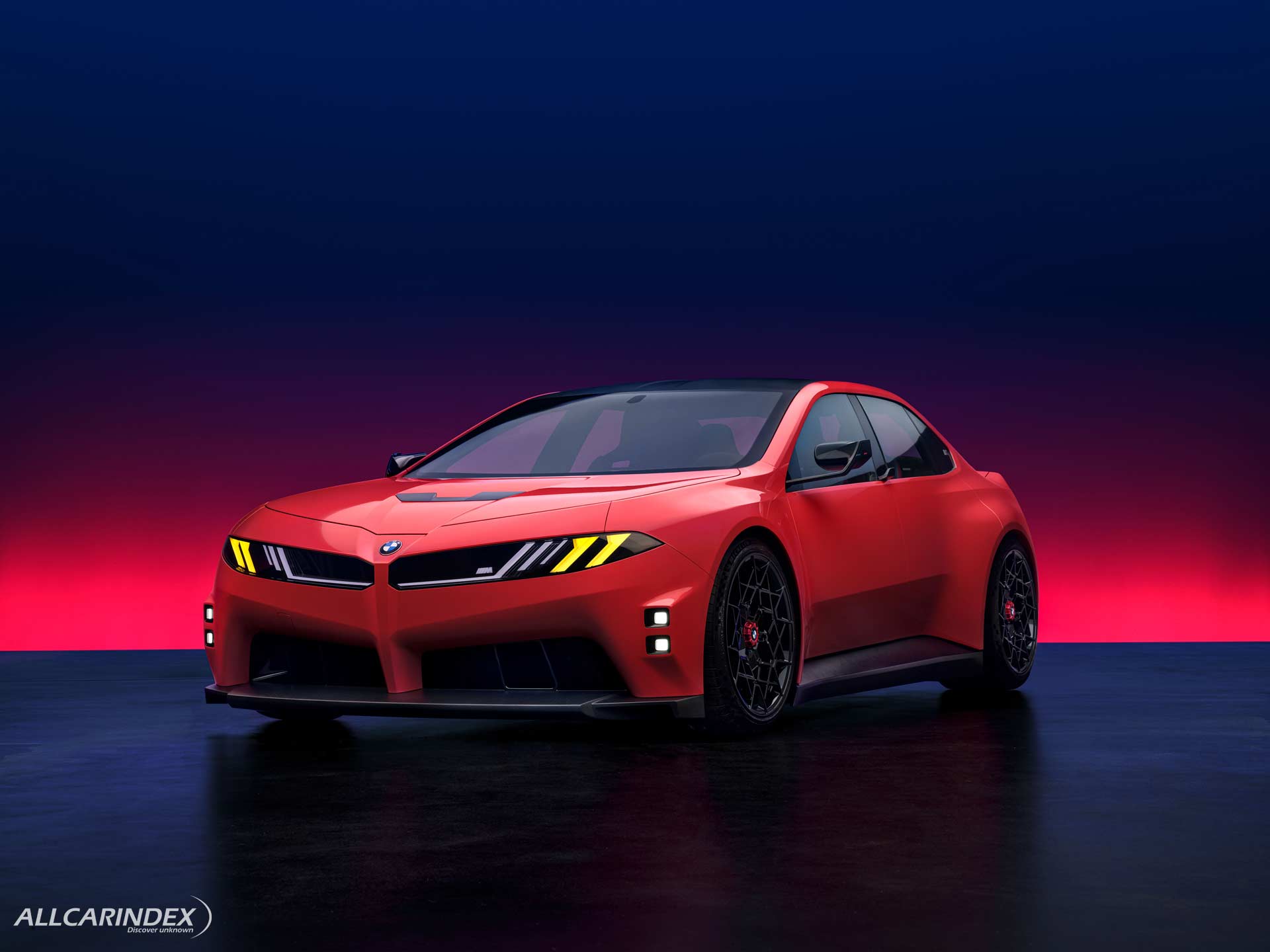
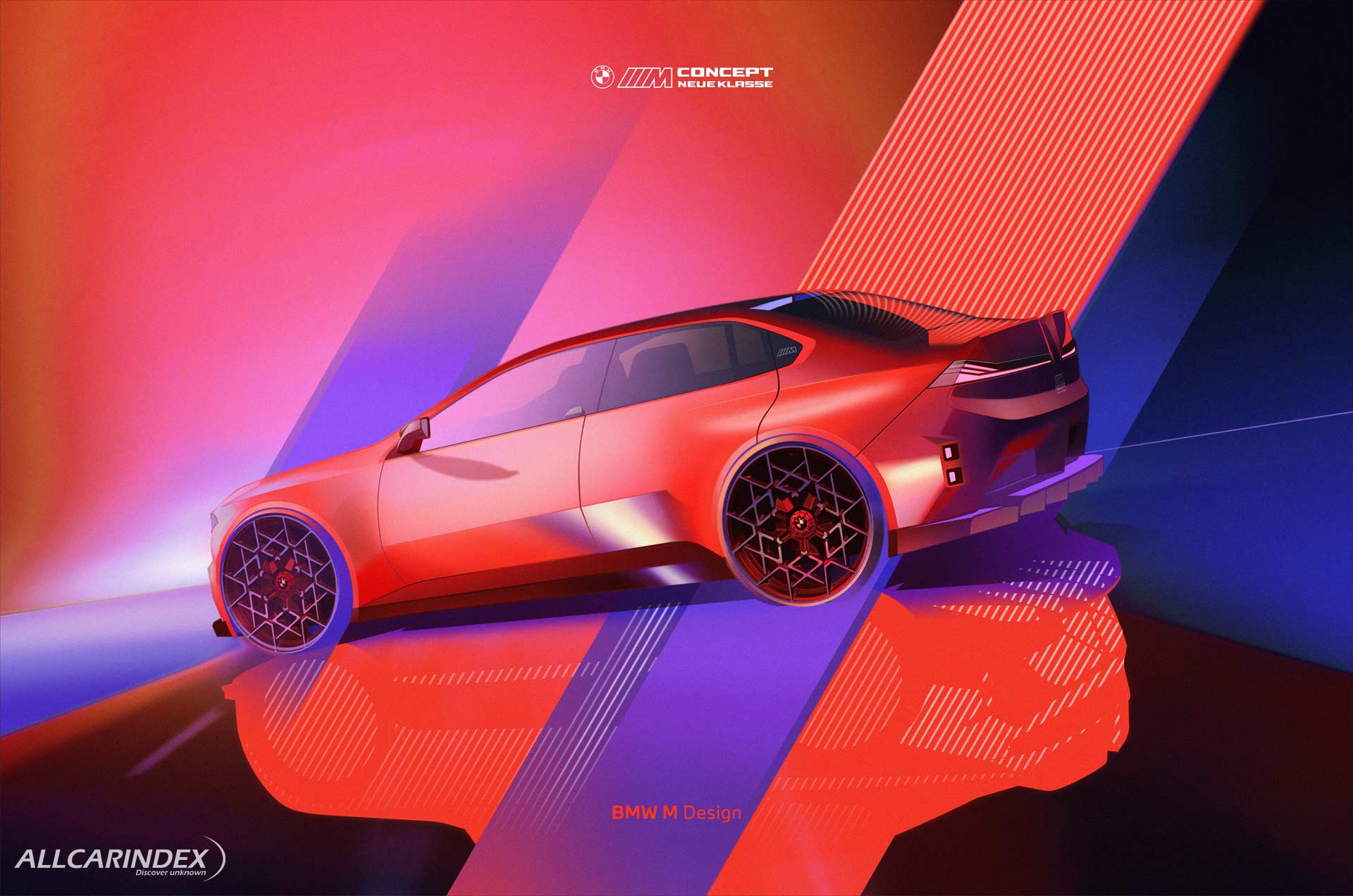
Its basic form is defined by wide wheel arches, a pronounced shoulder section and a body positioned closely around the wheels. The surfaces are relatively restrained, leaving the proportions, cooling openings and aerodynamic components to establish the car’s function. The concept is finished in a newly developed Monza Red metallic paint, accompanied by centre-lock wheels with red and blue identification details.
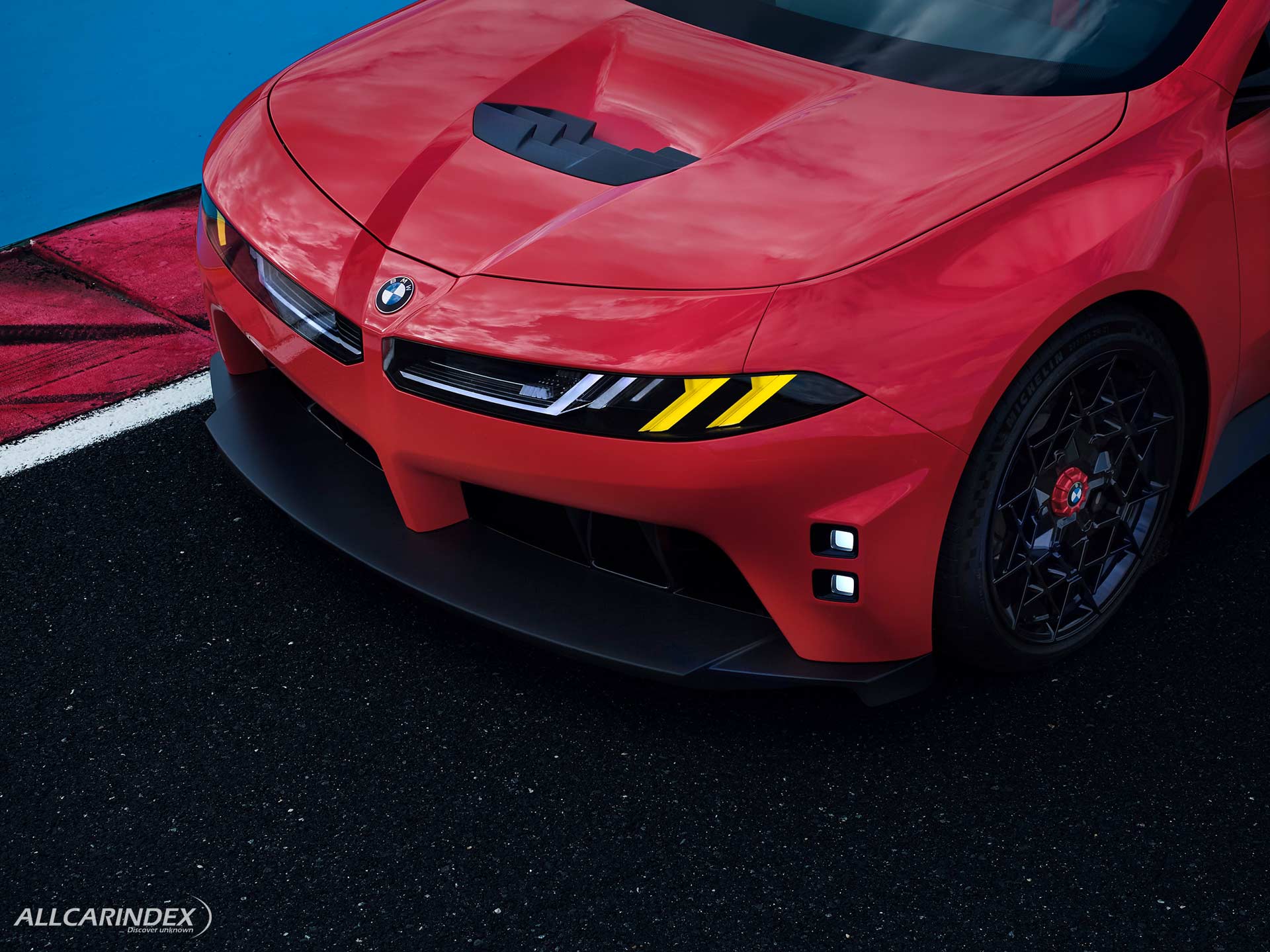
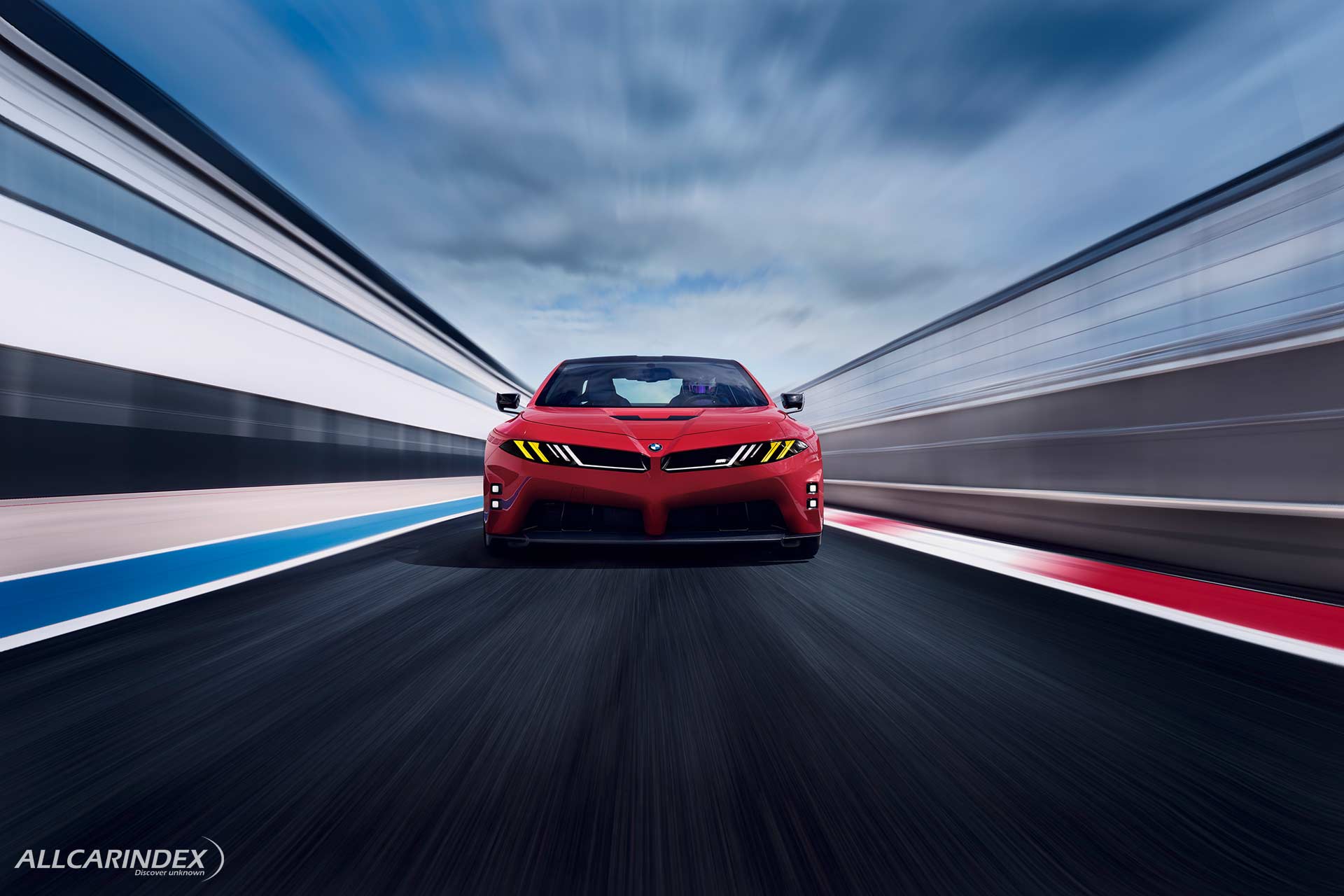
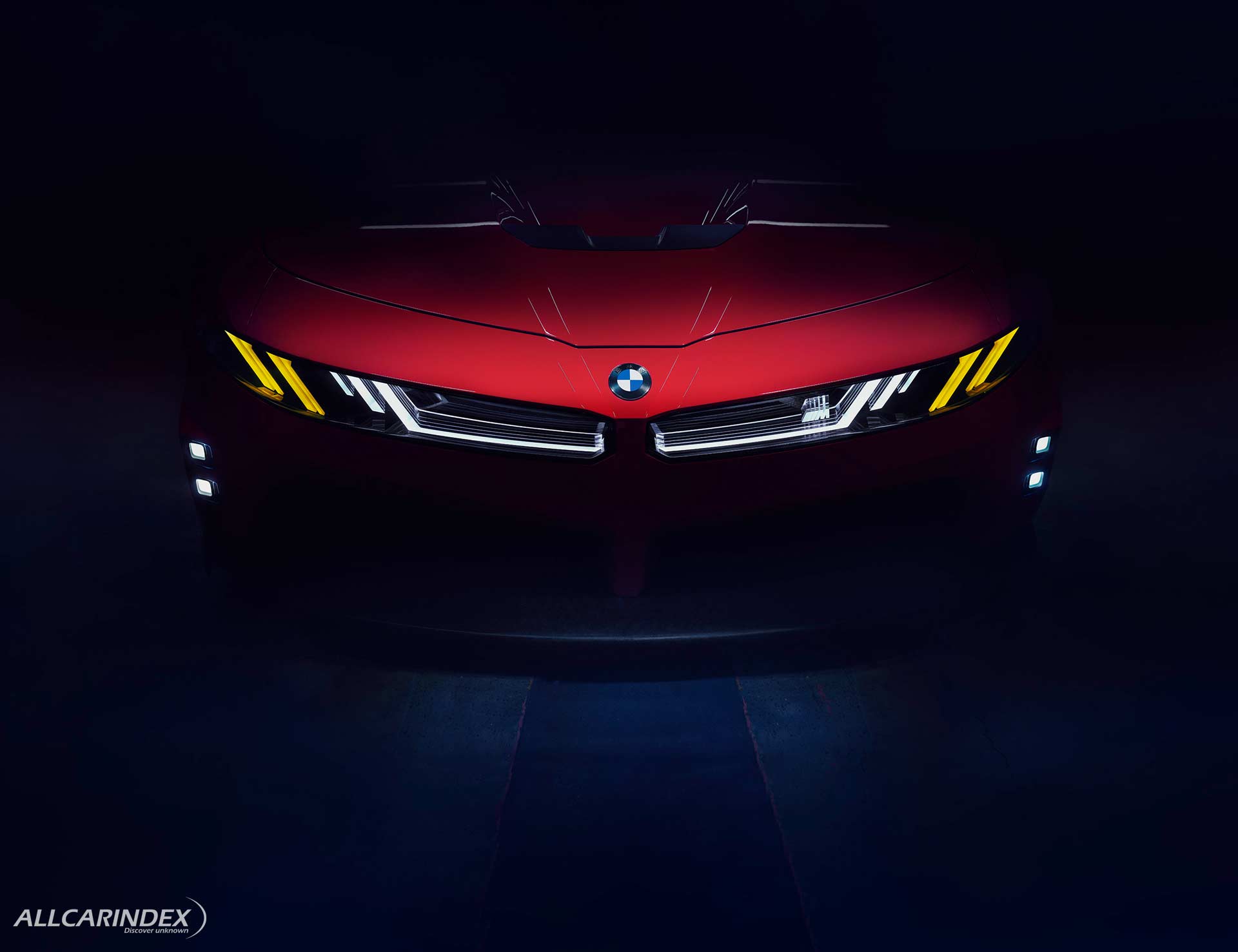
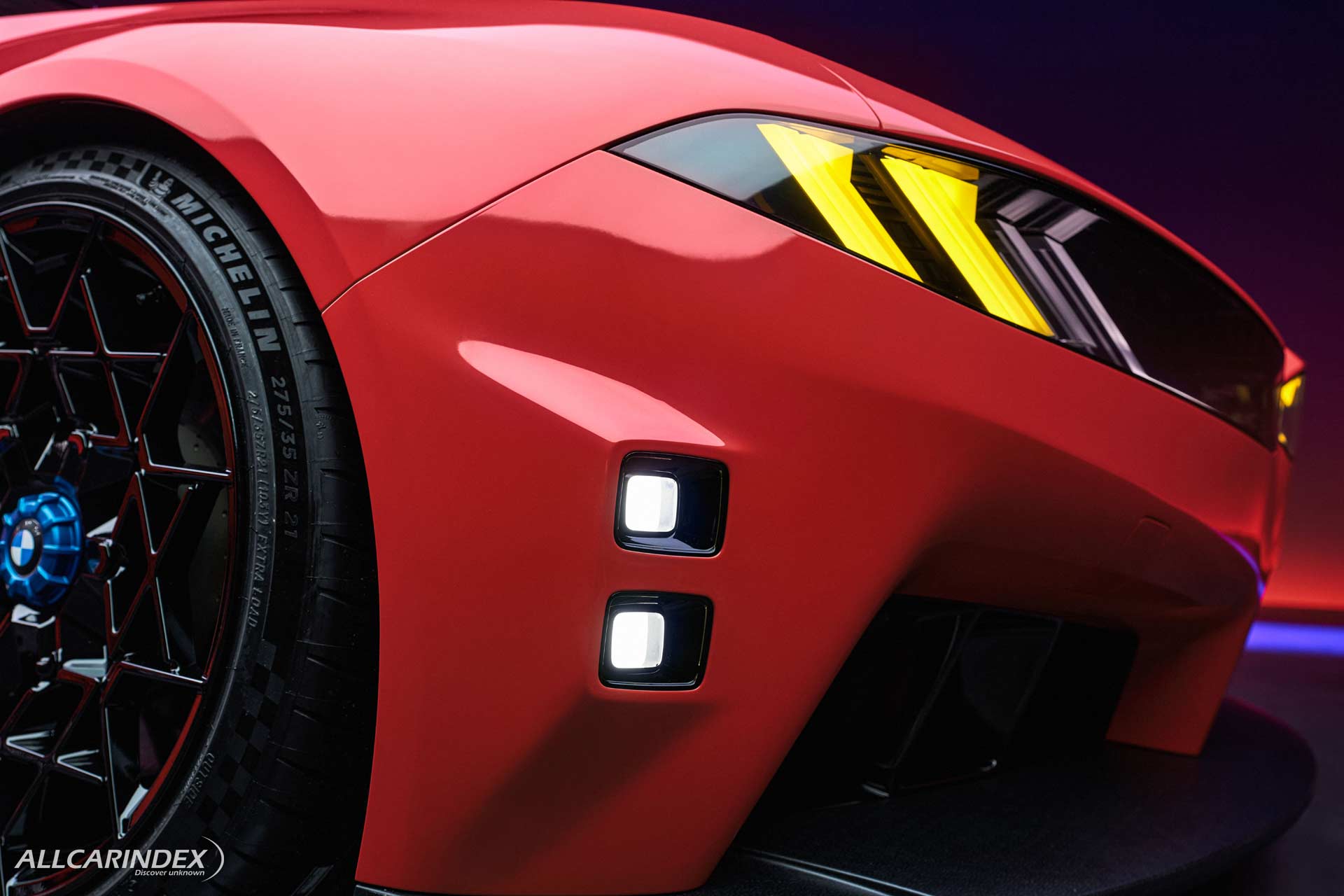
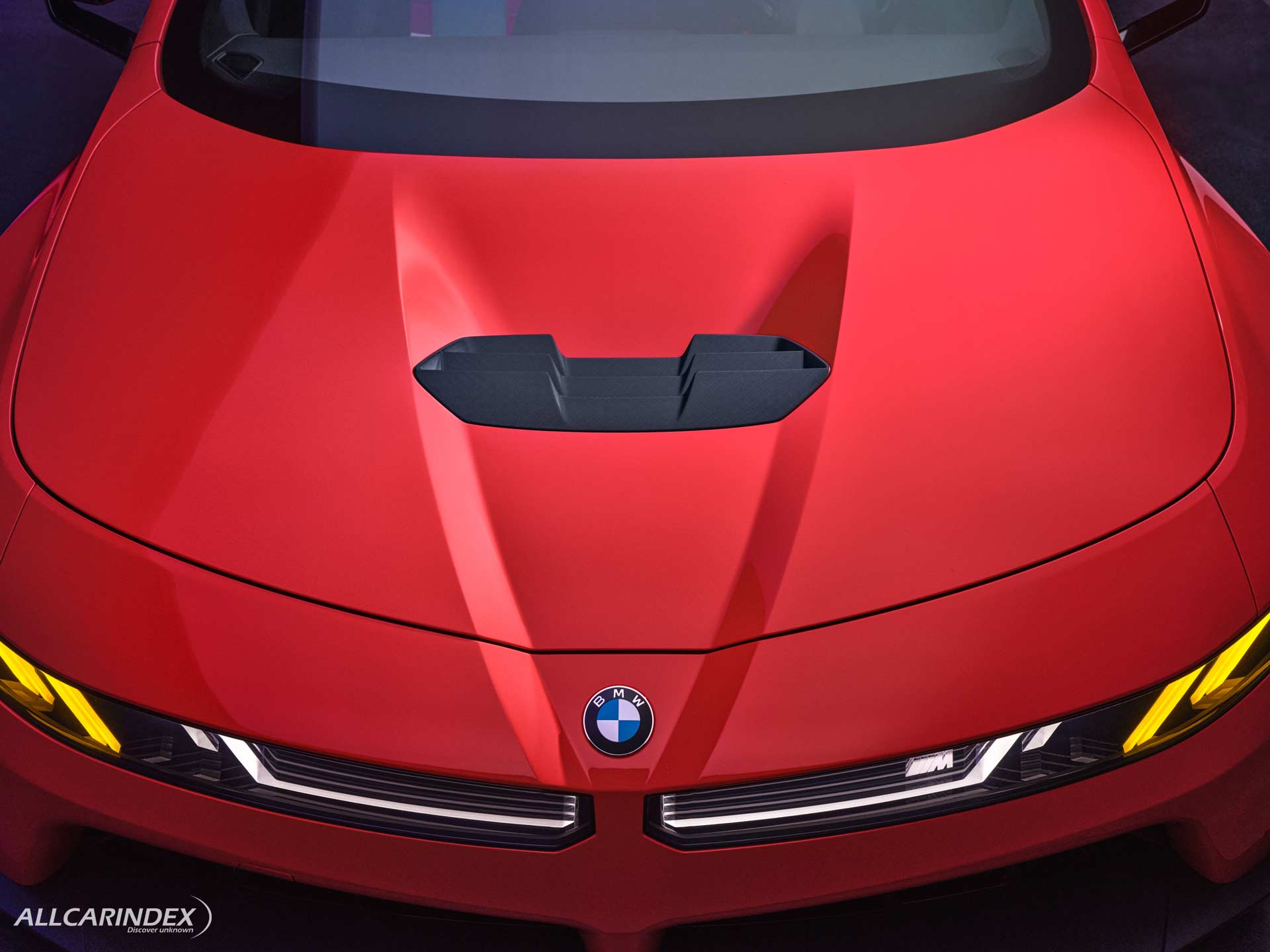
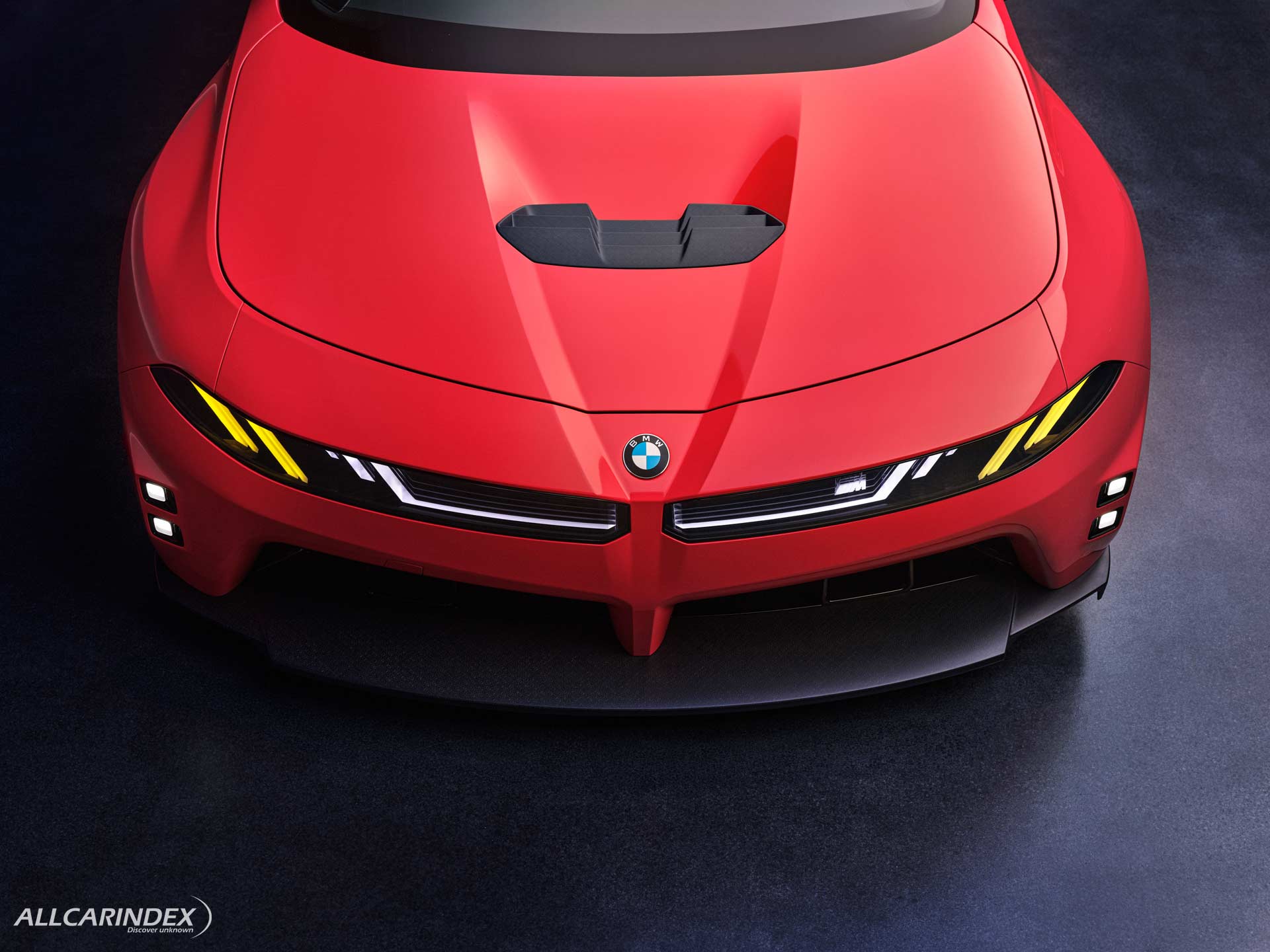
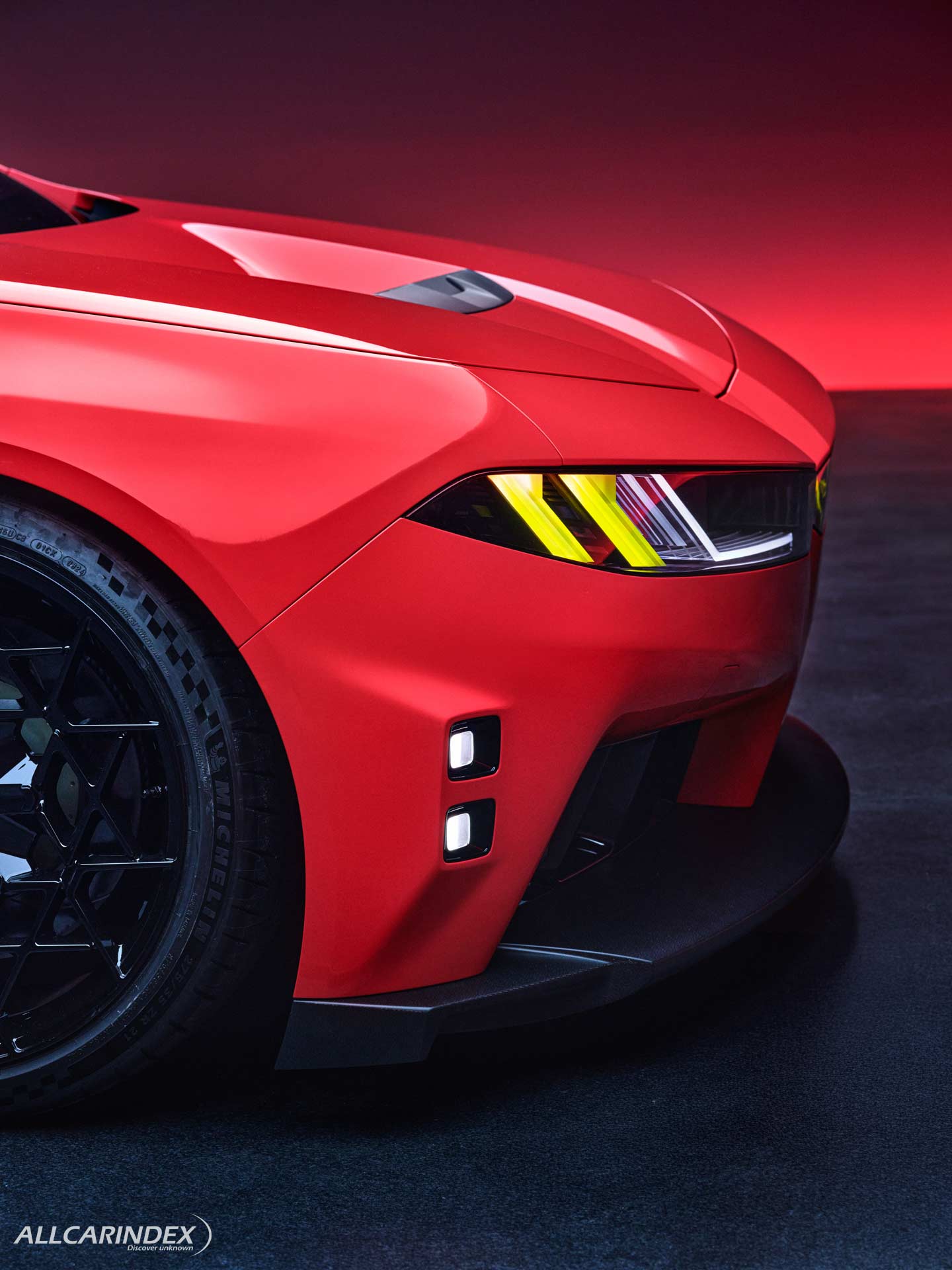
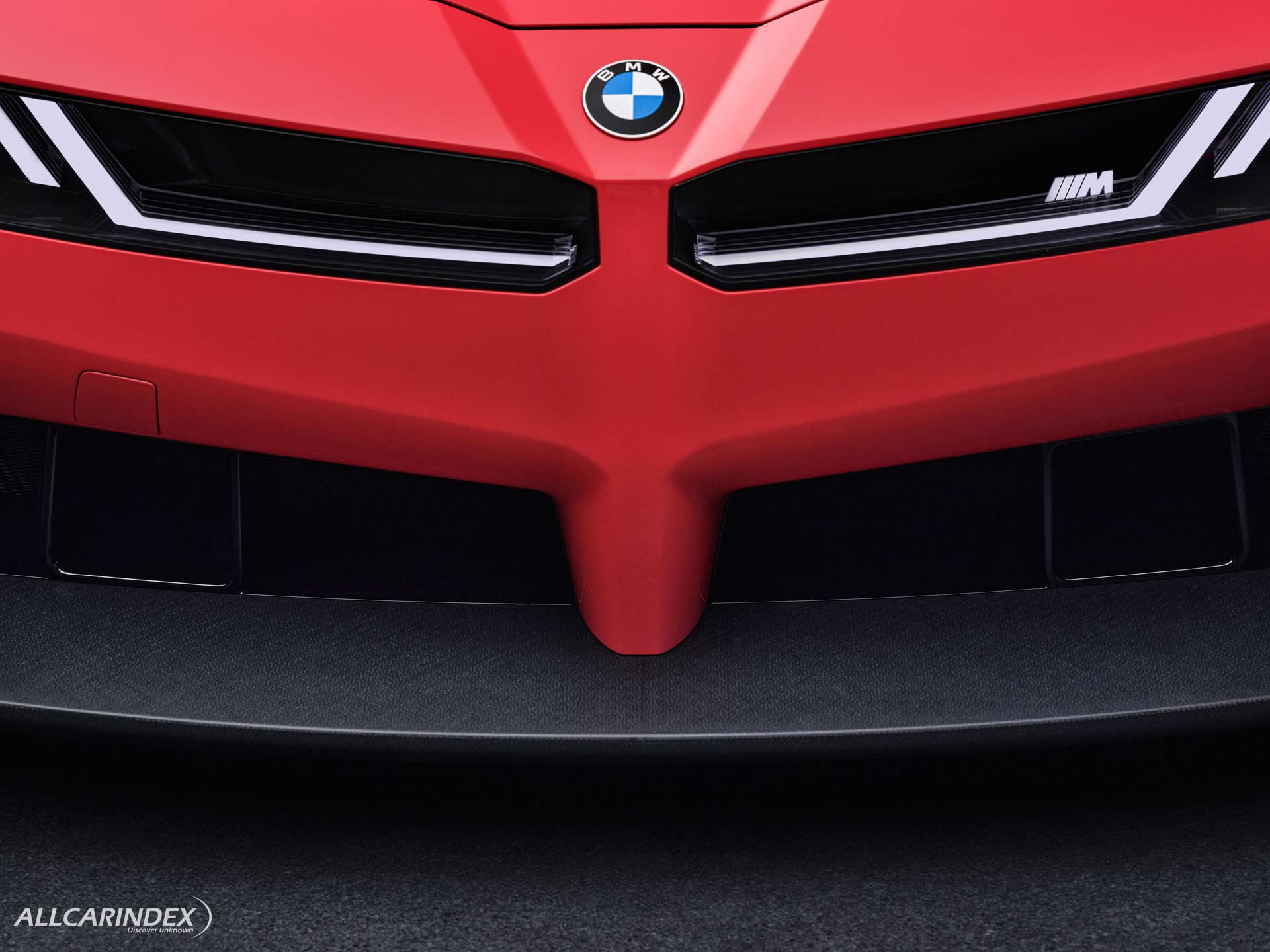
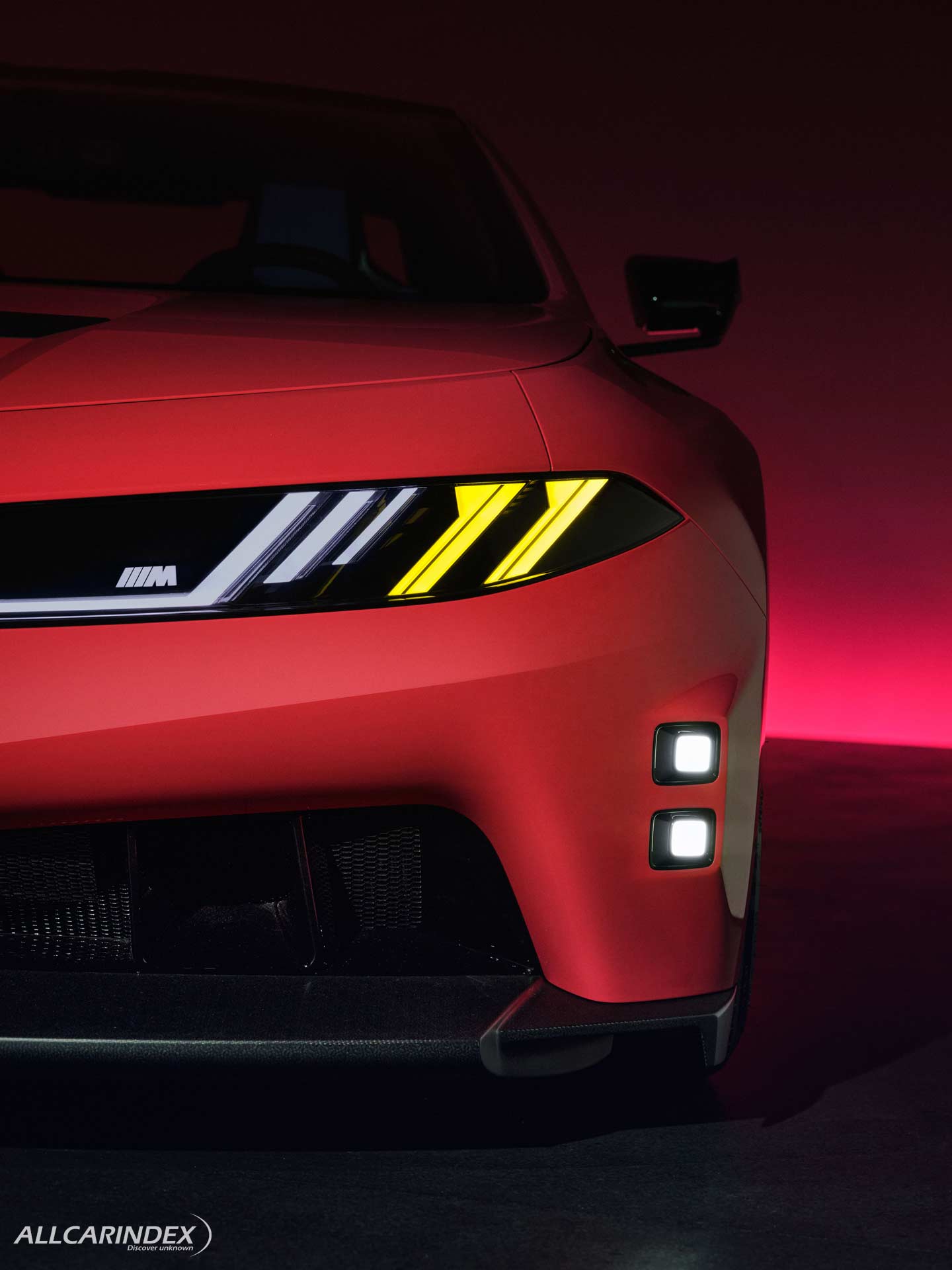
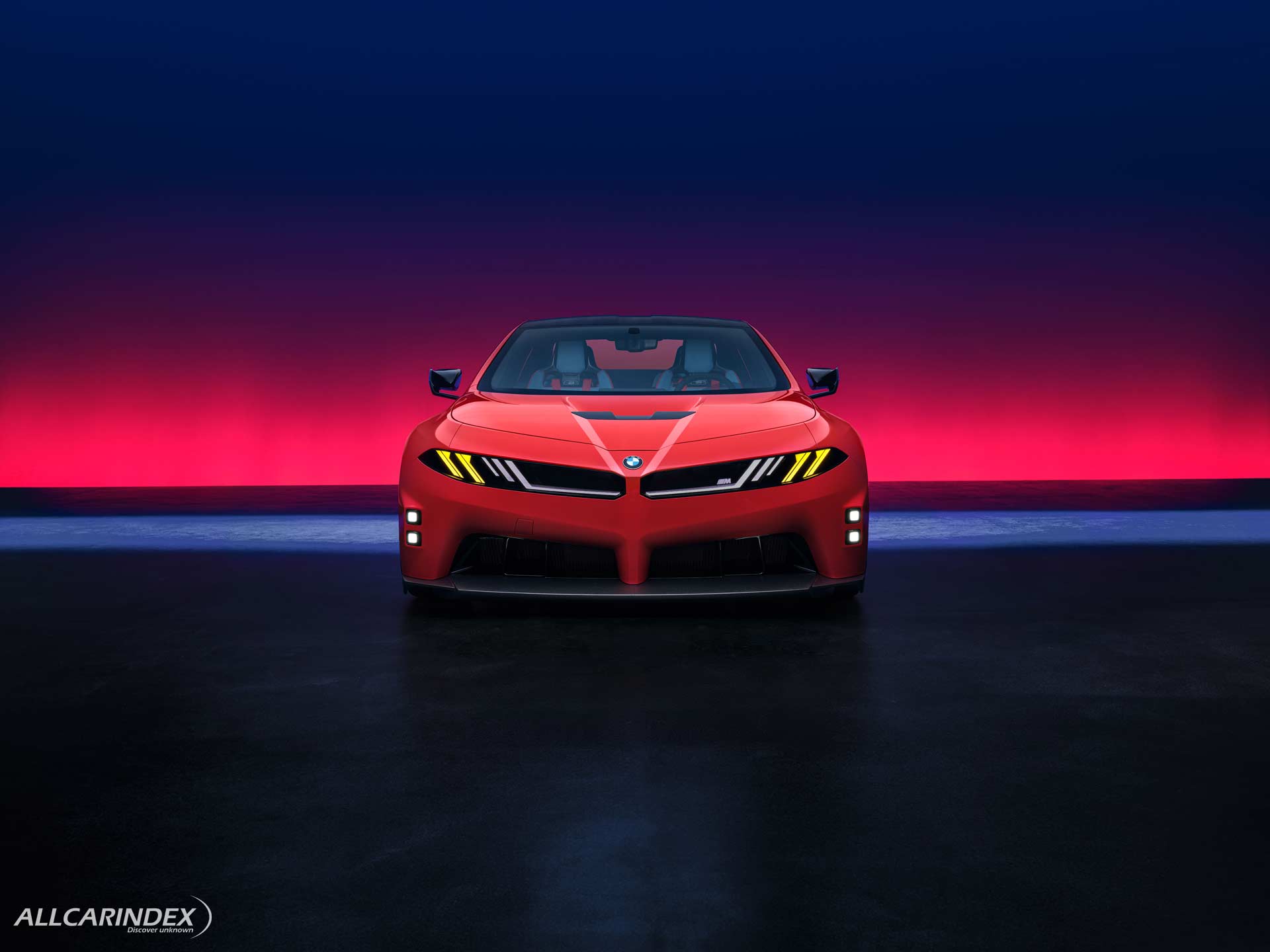
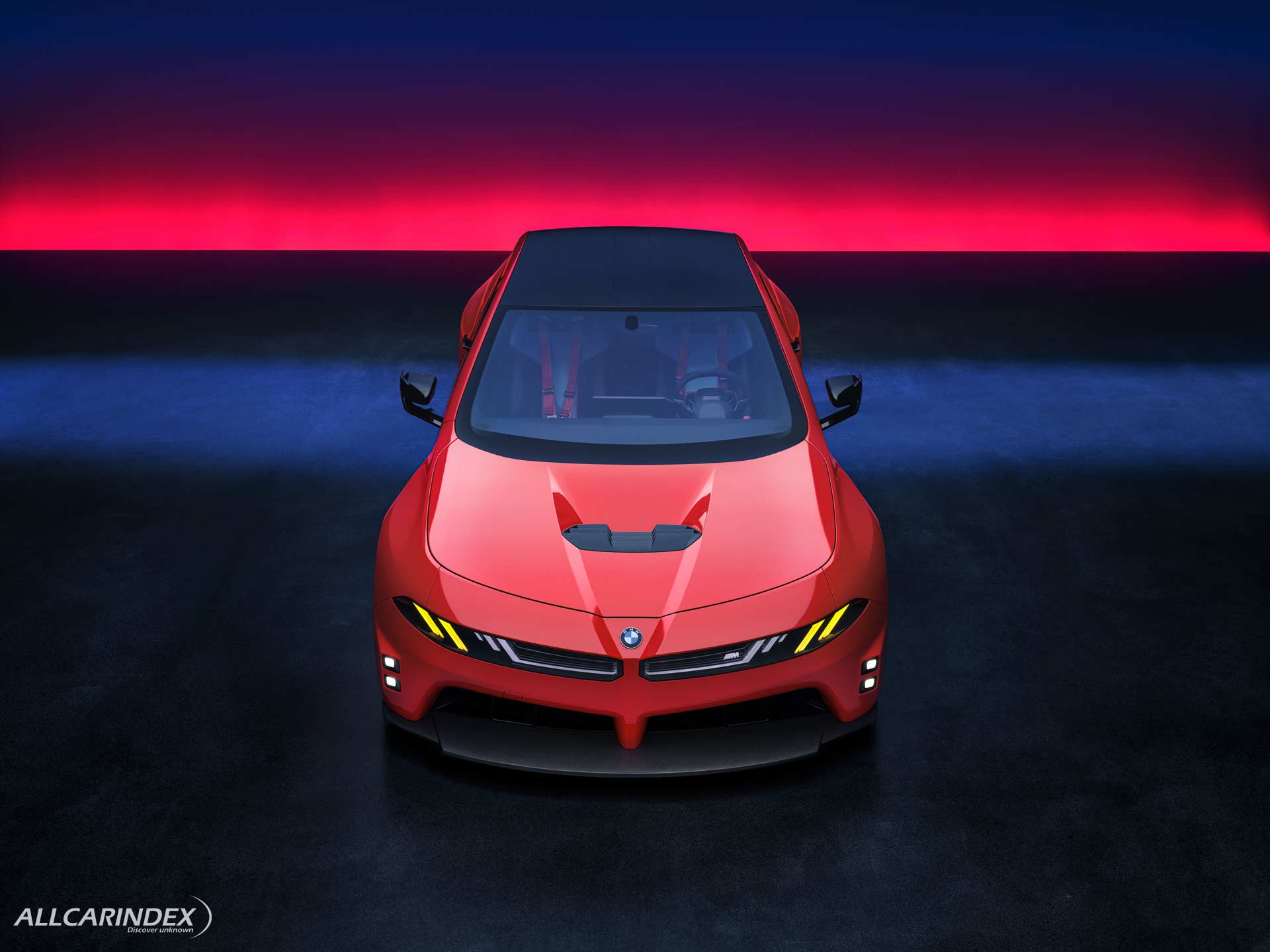
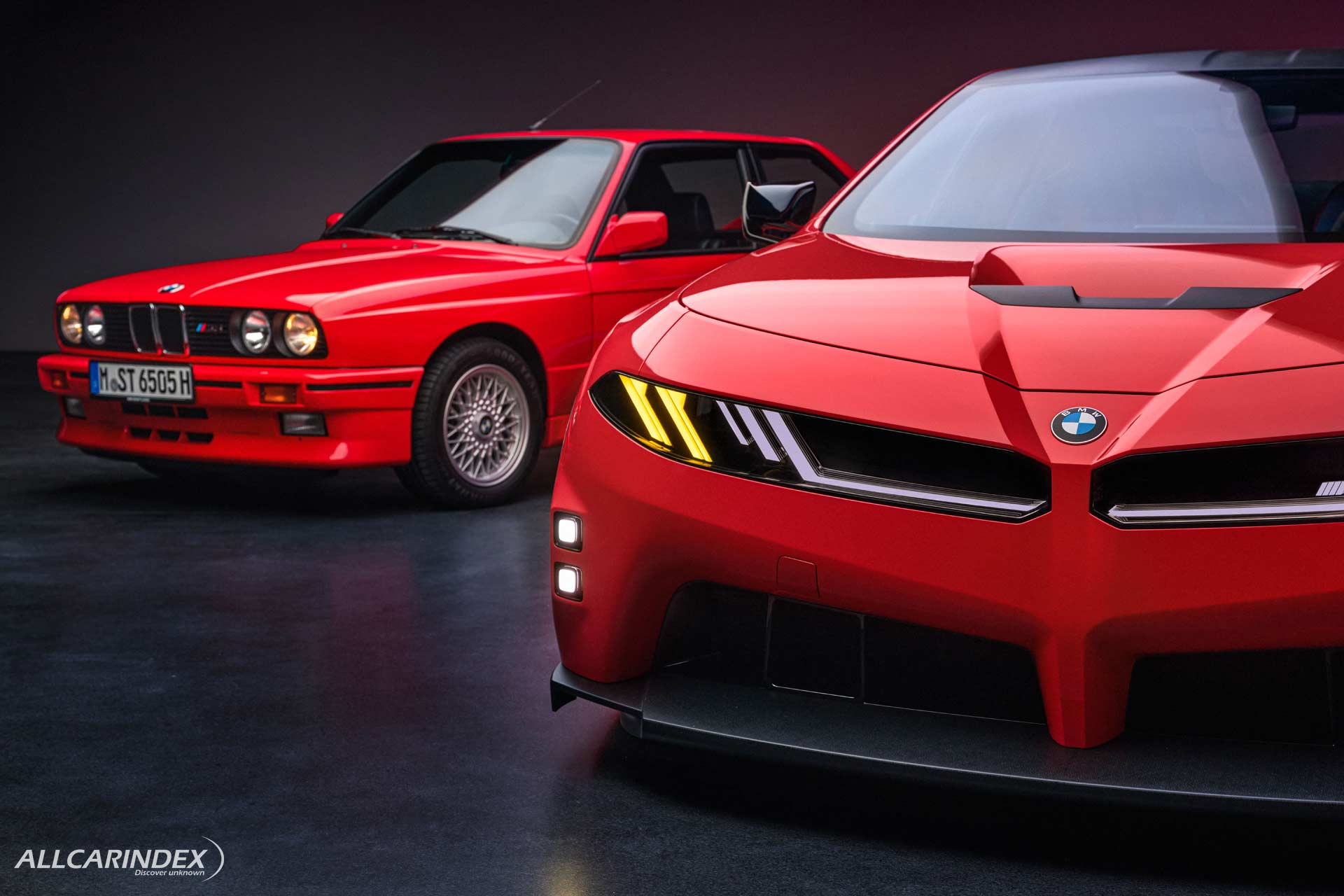
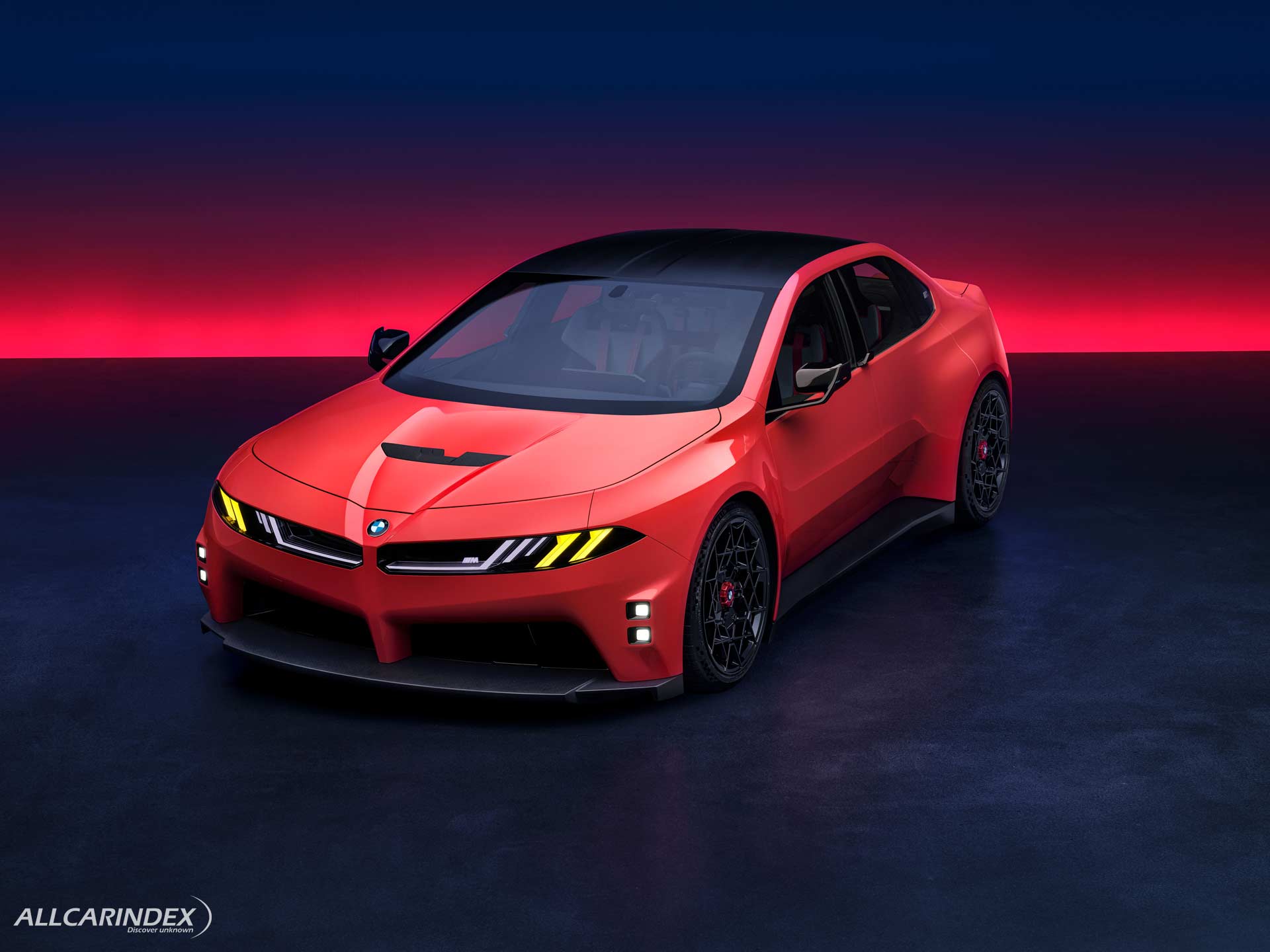
At the front, the bodywork forms a forward-projecting shark-nose profile. The headlights and kidney elements are incorporated into one horizontal assembly rather than treated as separate components. Yellow light elements appear within this structure, referencing the lighting used by BMW M racing cars. BMW states that these M Yellow Lights are intended to become a recognisable feature of future high-performance models.
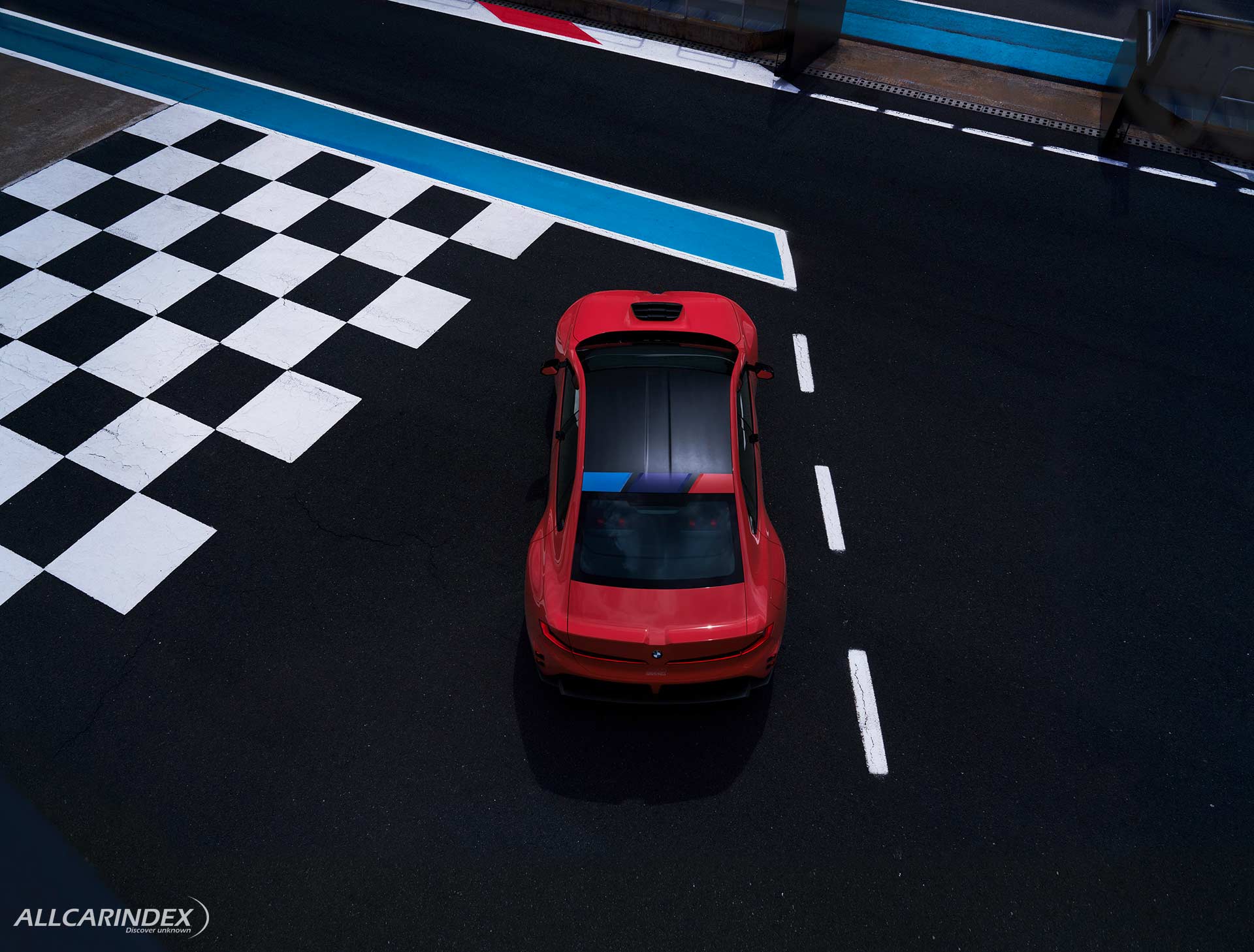
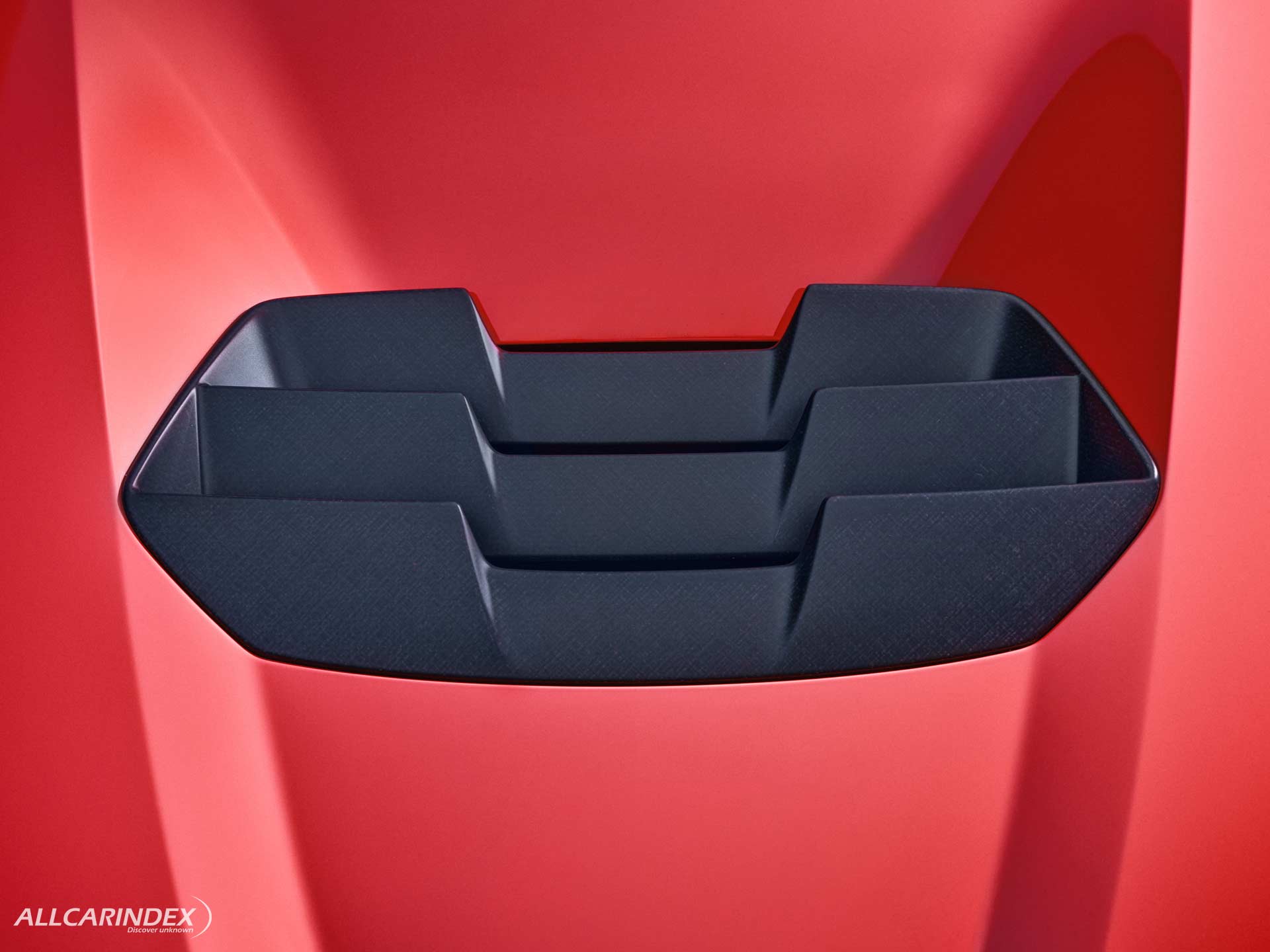
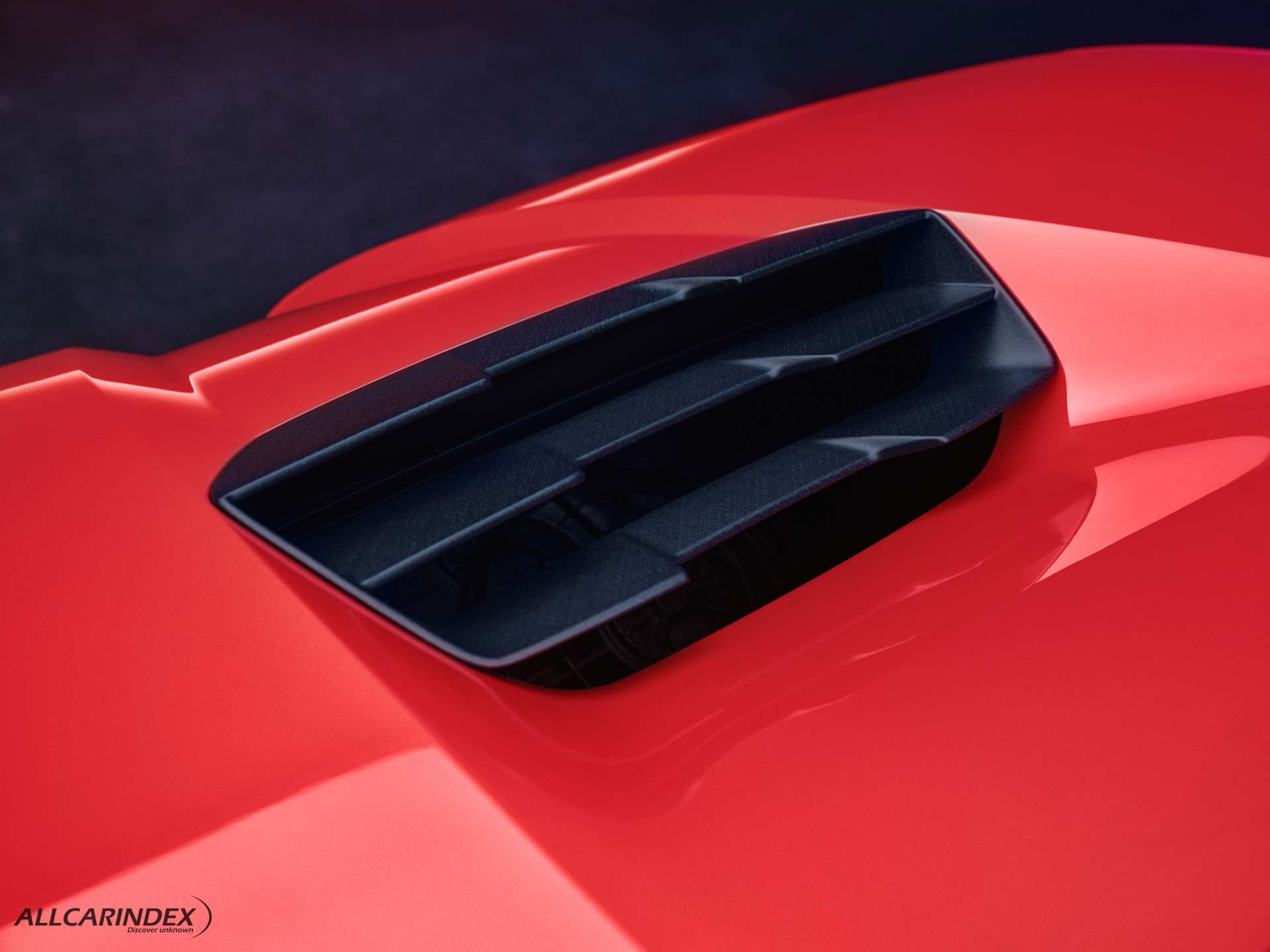
A V-shaped channel runs through the bonnet and ends in a defined air outlet. This opening is functional, directing cooling air away from the electric drivetrain installation. Below it, the front bumper is divided into three sections. BMW refers to this arrangement as a trimaran design, drawing its form from high-speed sailing boats. The structure also supports the front splitter positioned along the lower edge of the body.
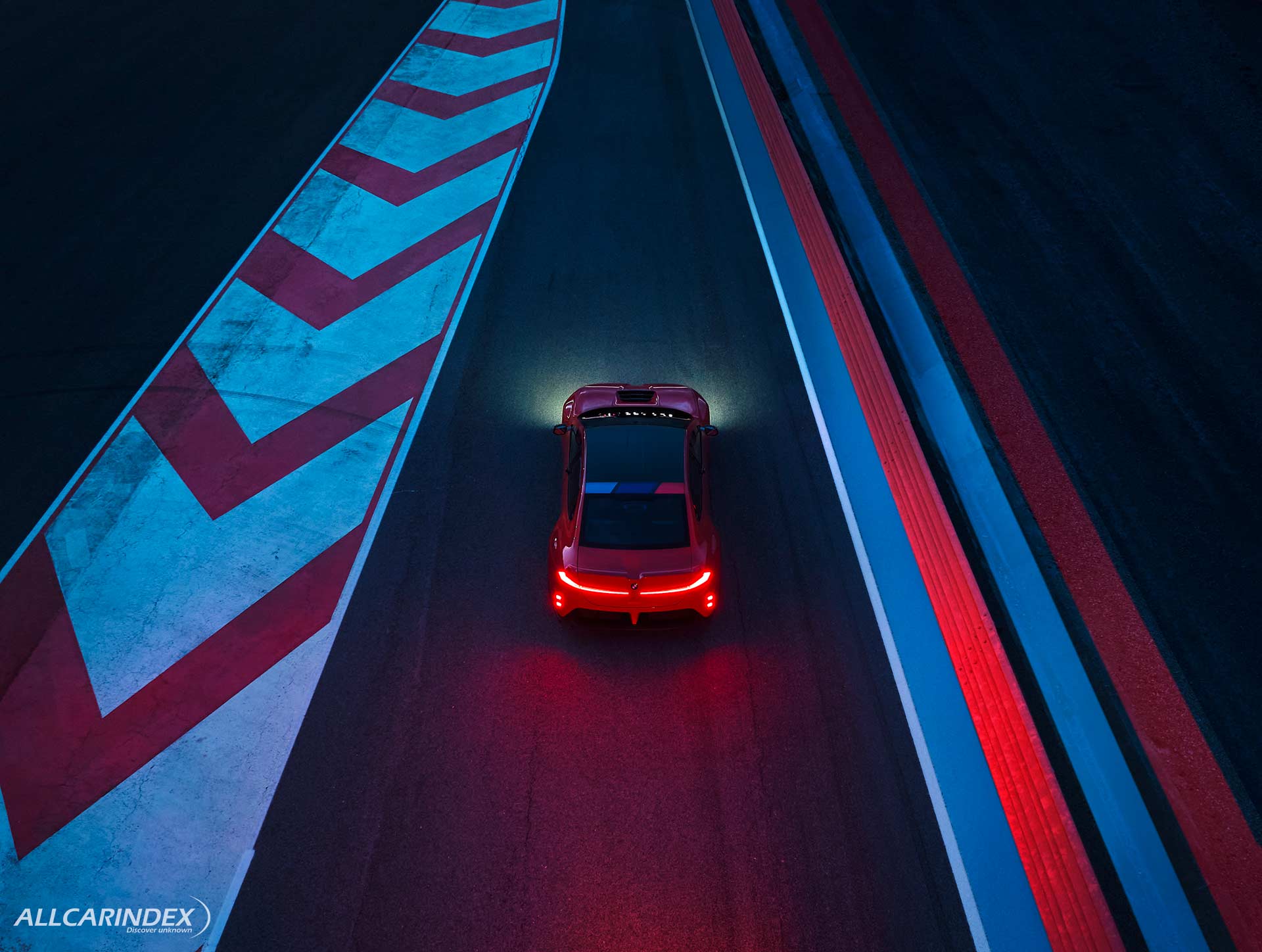
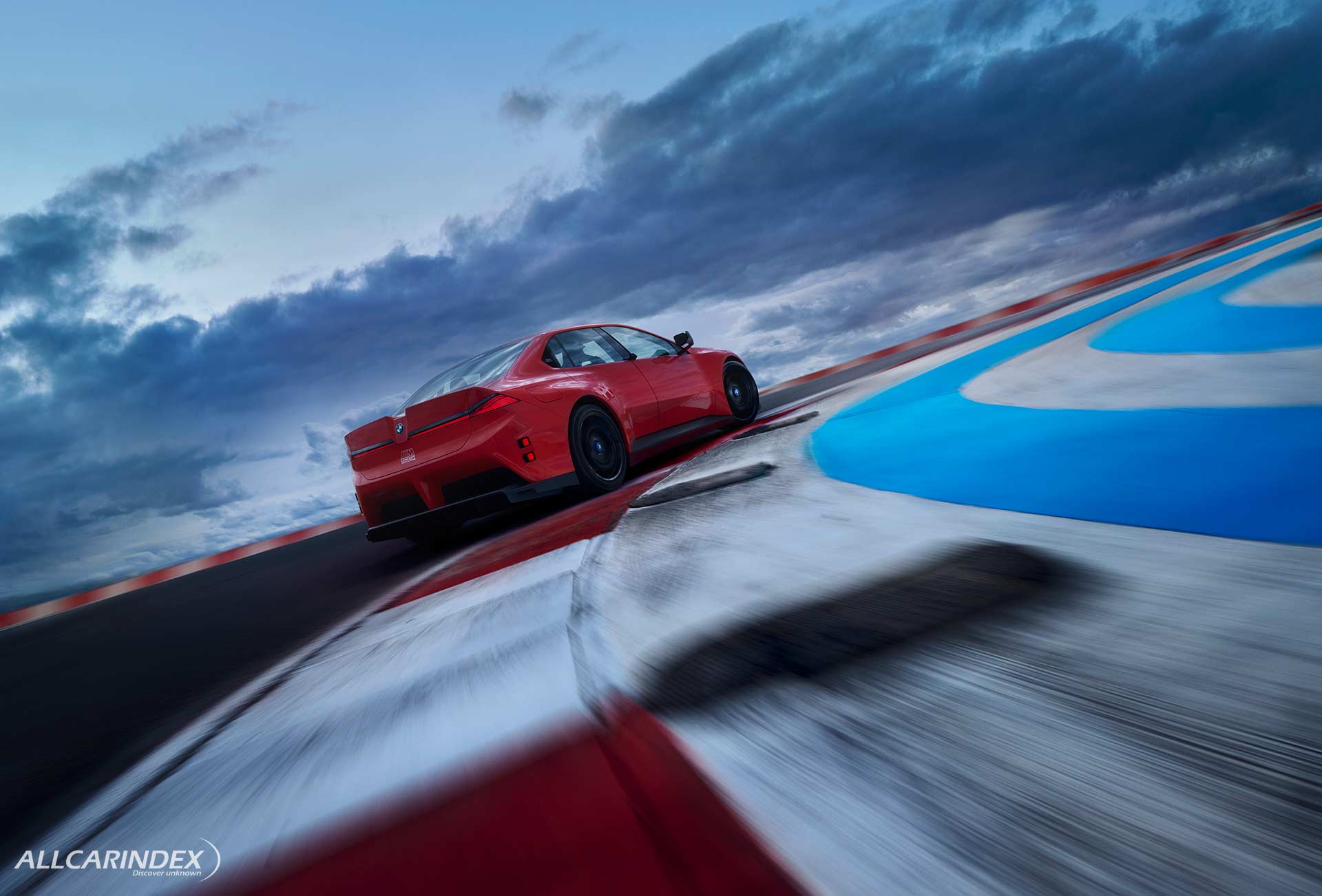
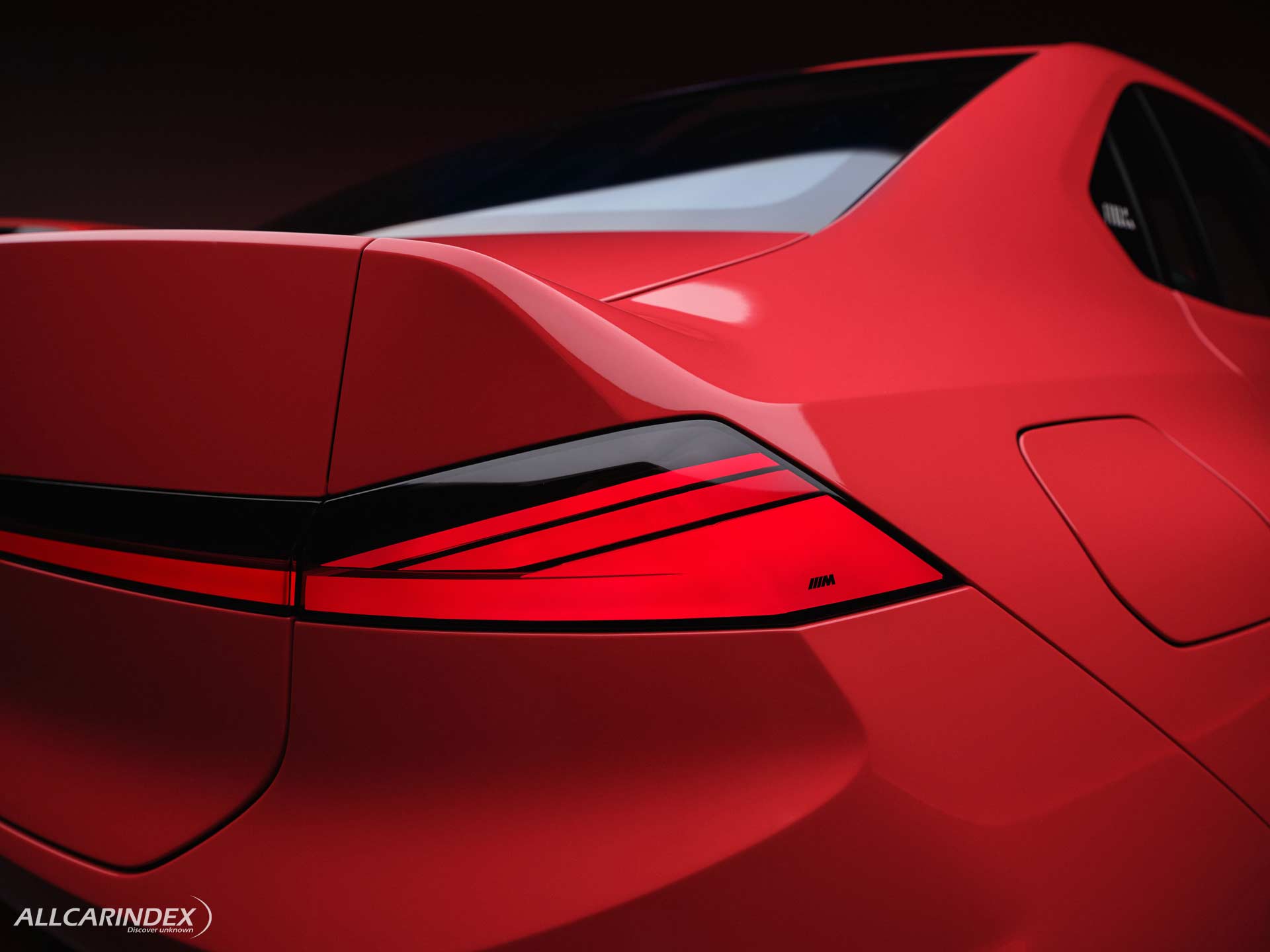
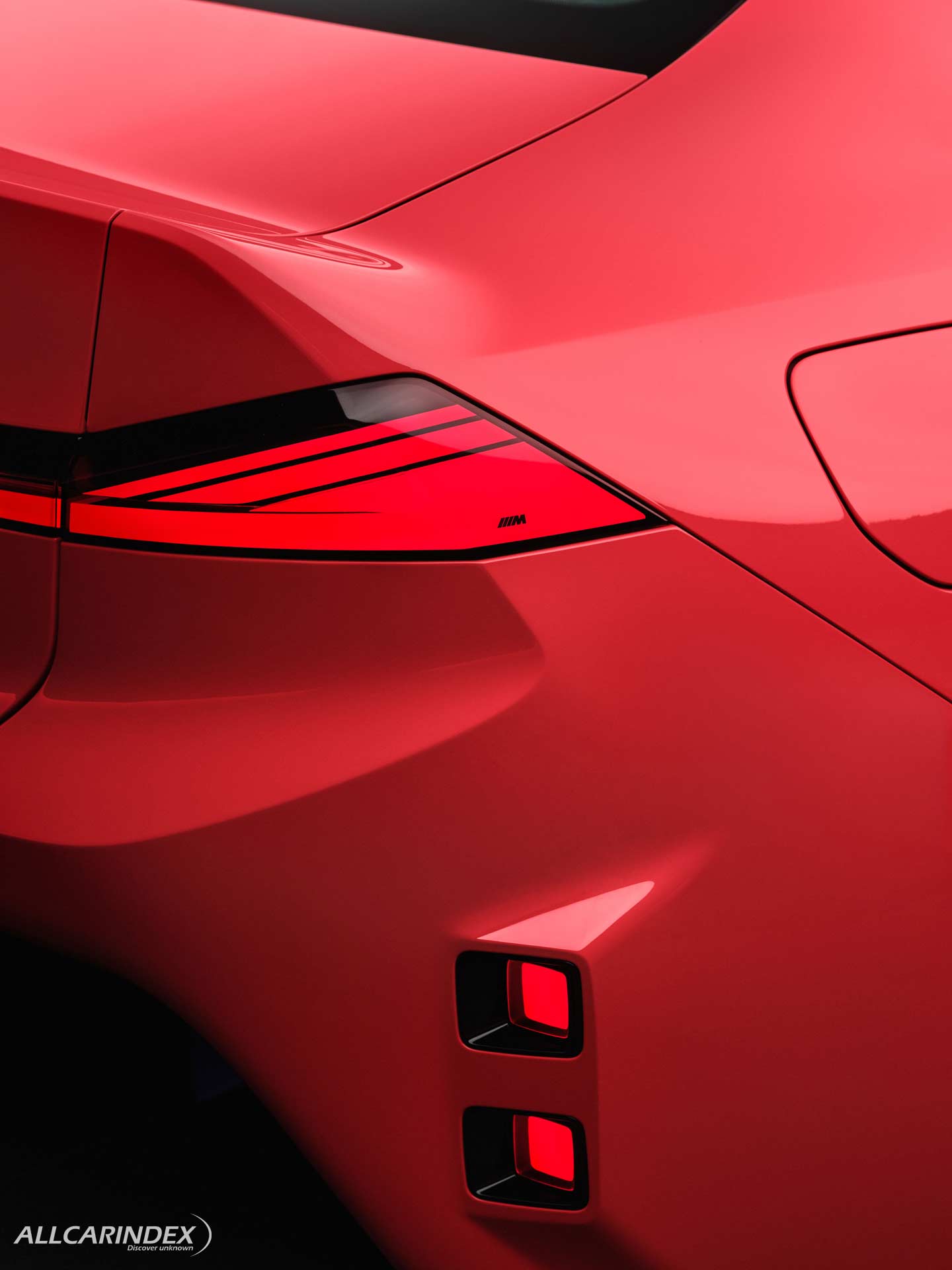
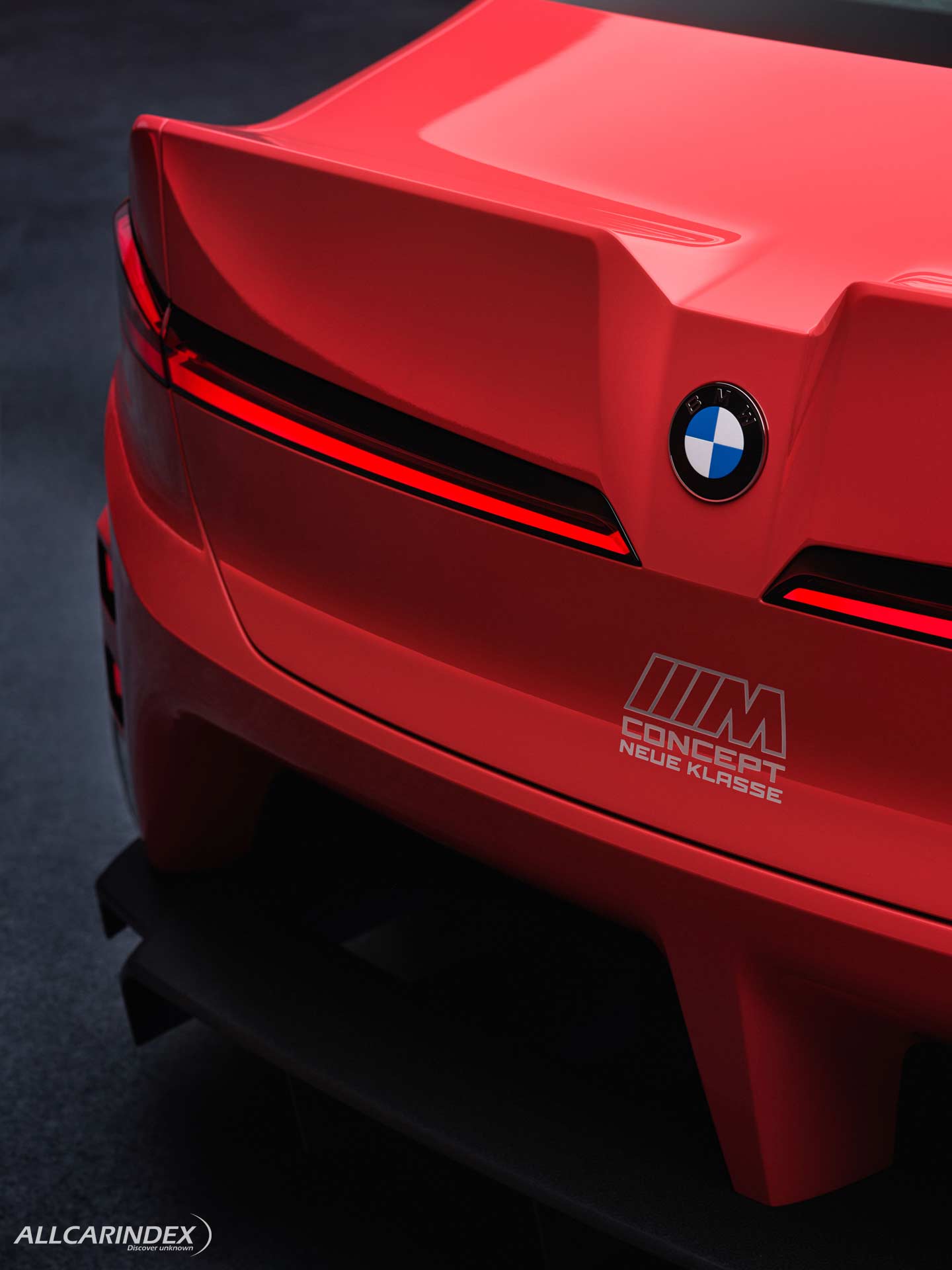
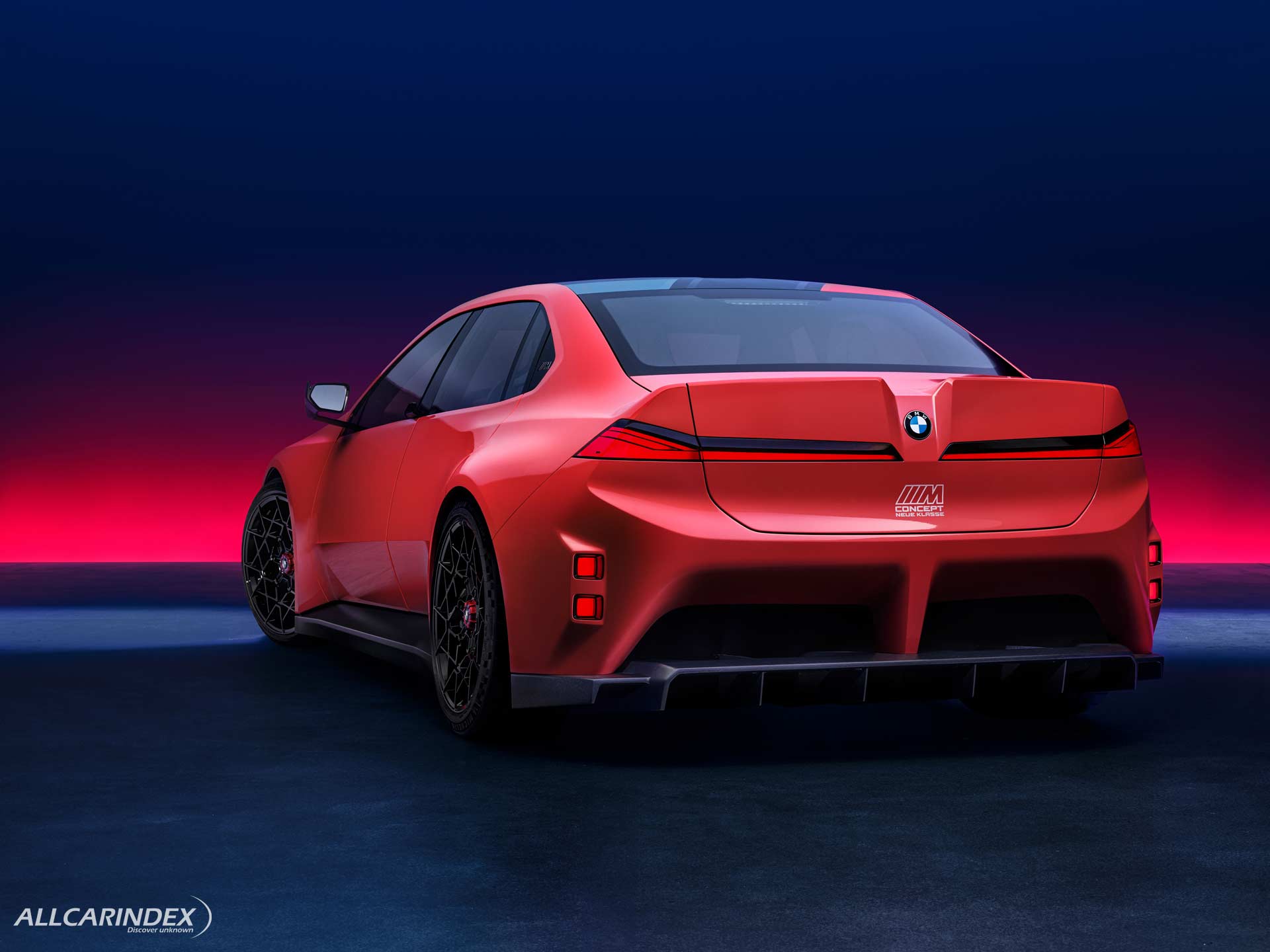
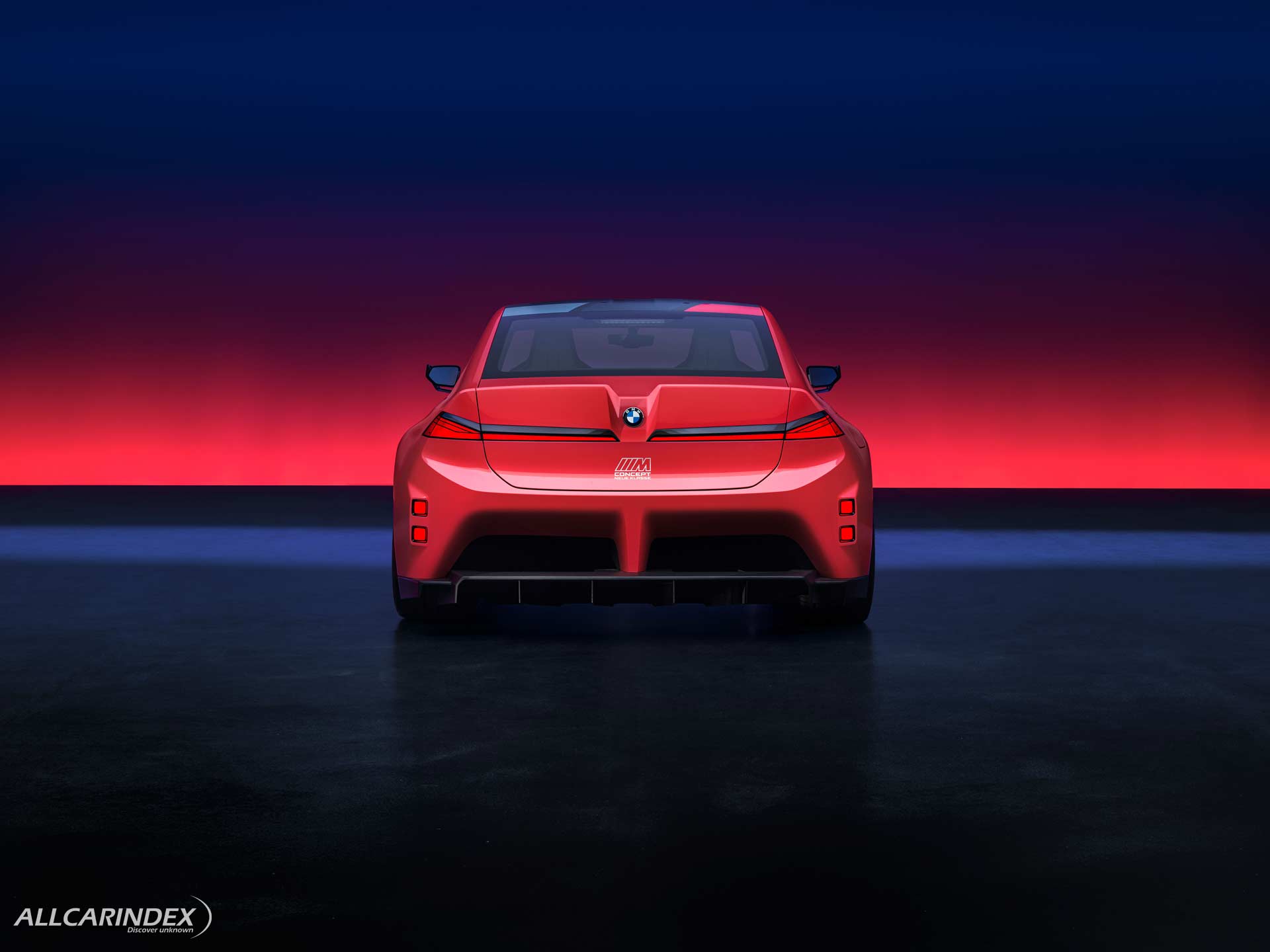
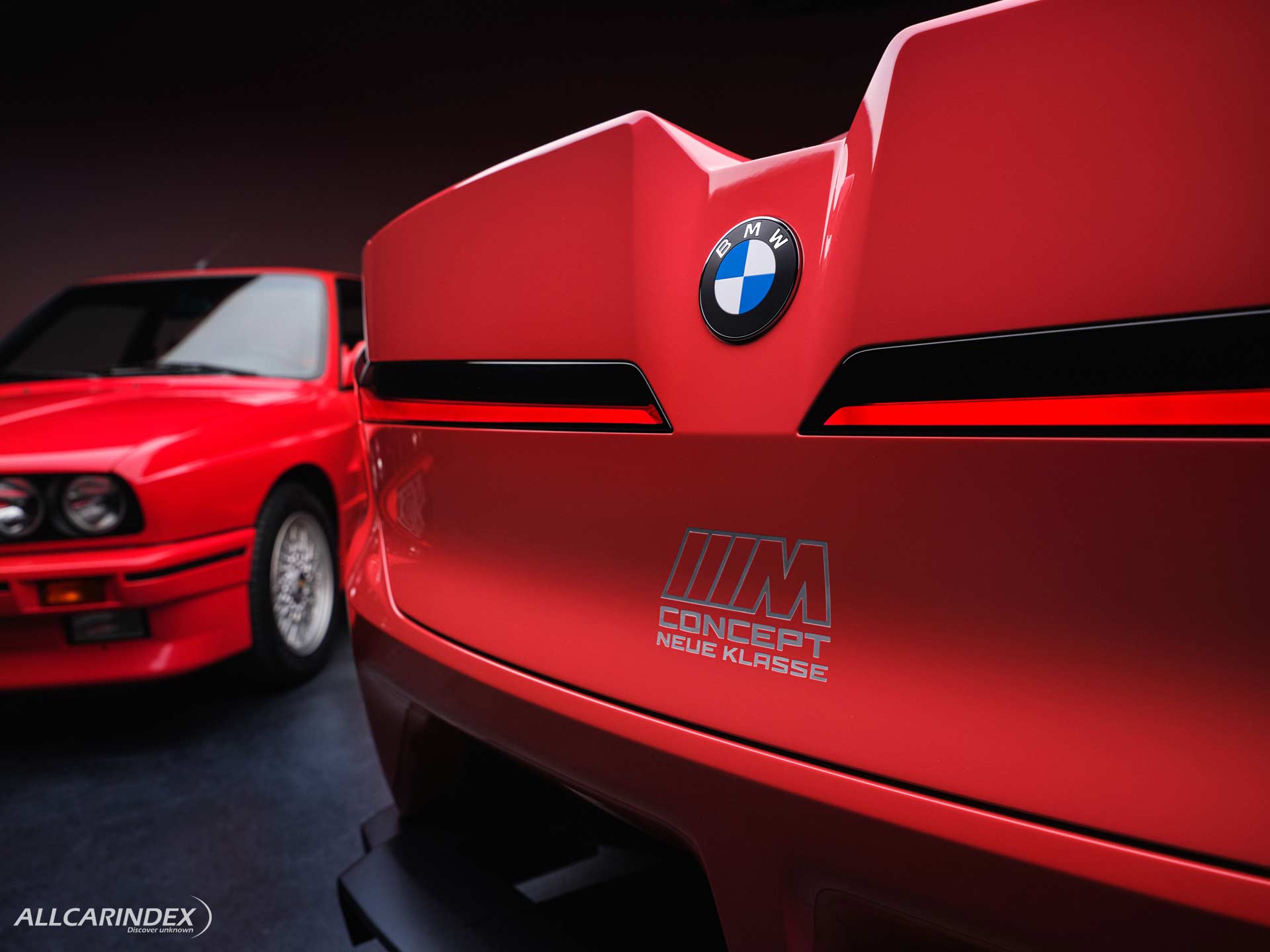
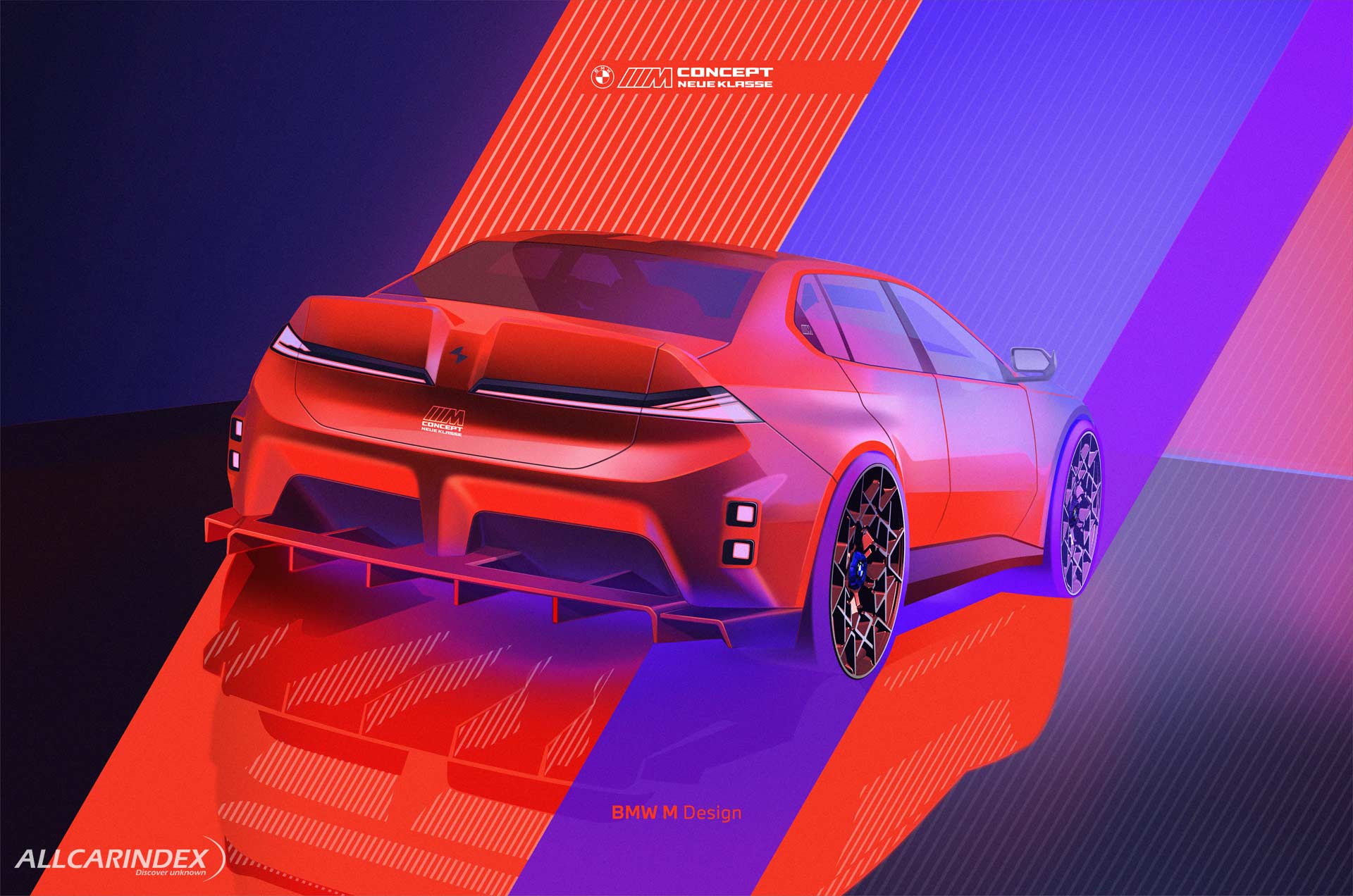
Three-dimensional Track Lights are installed in the outer areas of the front apron. The same lighting theme reappears at the rear, where the lamps sit on each side of another three-part bumper structure. Rather than relying on conventional decorative trim, the front and rear sections use lighting, air management and exposed aerodynamic components to define the M-specific appearance.
The rear bodywork incorporates a ducktail spoiler shaped into the luggage-compartment surface. Its purpose is to increase aerodynamic load over the rear axle. Beneath it, the bumper surrounds a floating diffuser, with the Track Lights positioned at its outer edges. The diffuser, spoiler and wide rear arches form the principal elements of the rear view.
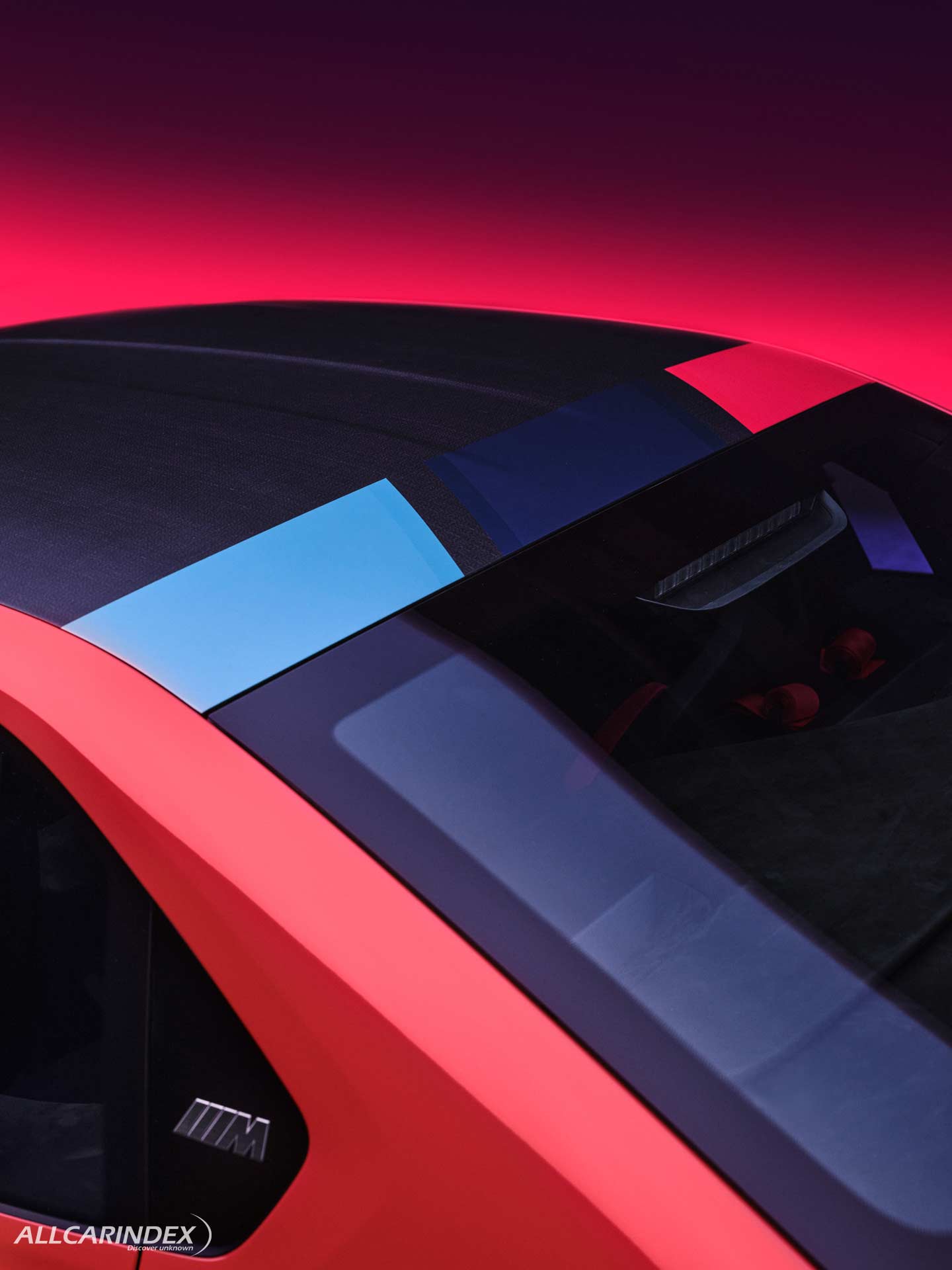
Natural-fibre material is used for several exterior components, including the front splitter, bonnet outlet and rear diffuser. The roof also carries a refined natural-fibre finish with BMW M identification incorporated into its graphic treatment. BMW has previously used lightweight composite materials throughout its road and competition programmes, but this concept applies natural fibres both as structural-looking components and as visible design surfaces.
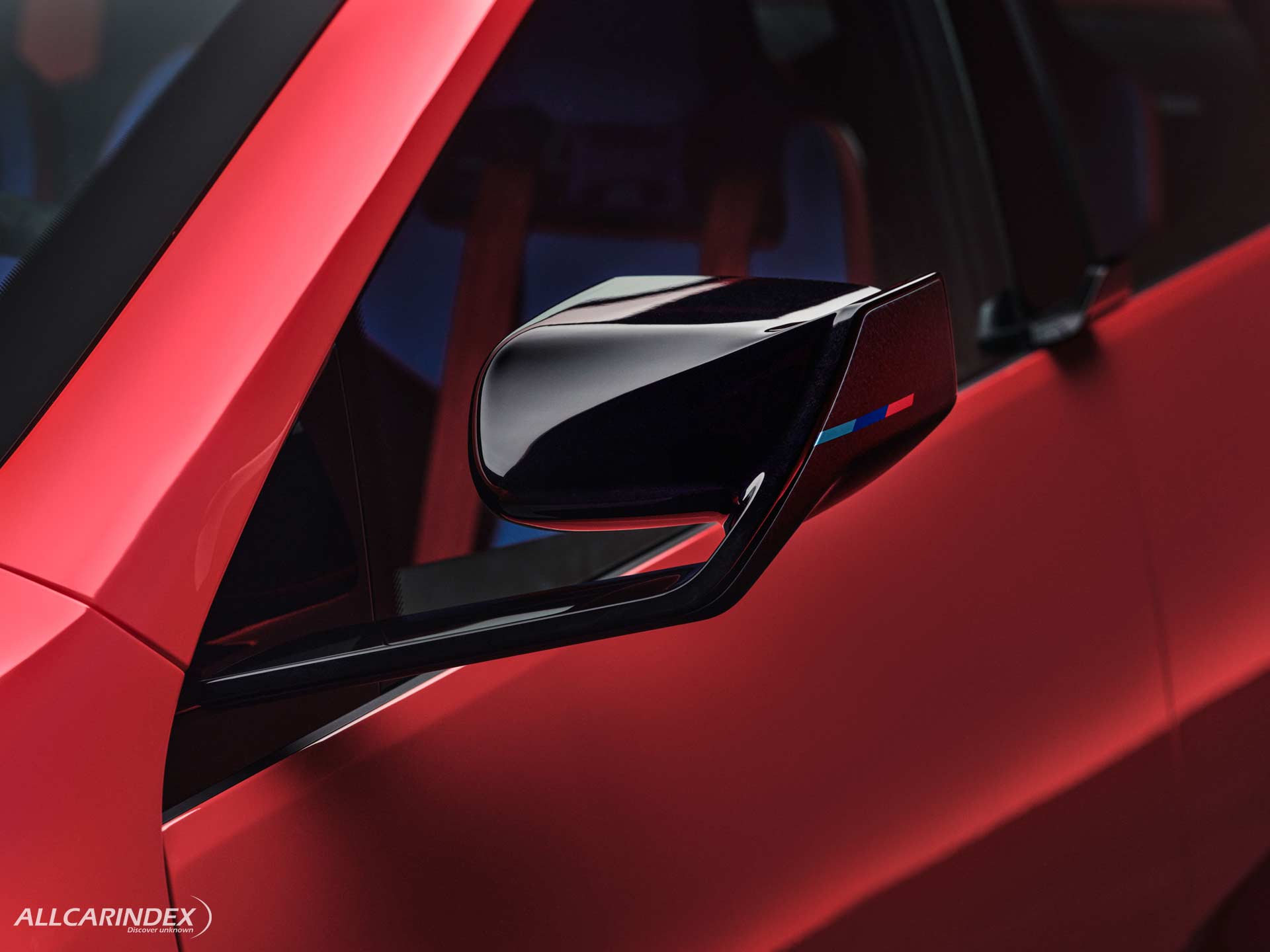
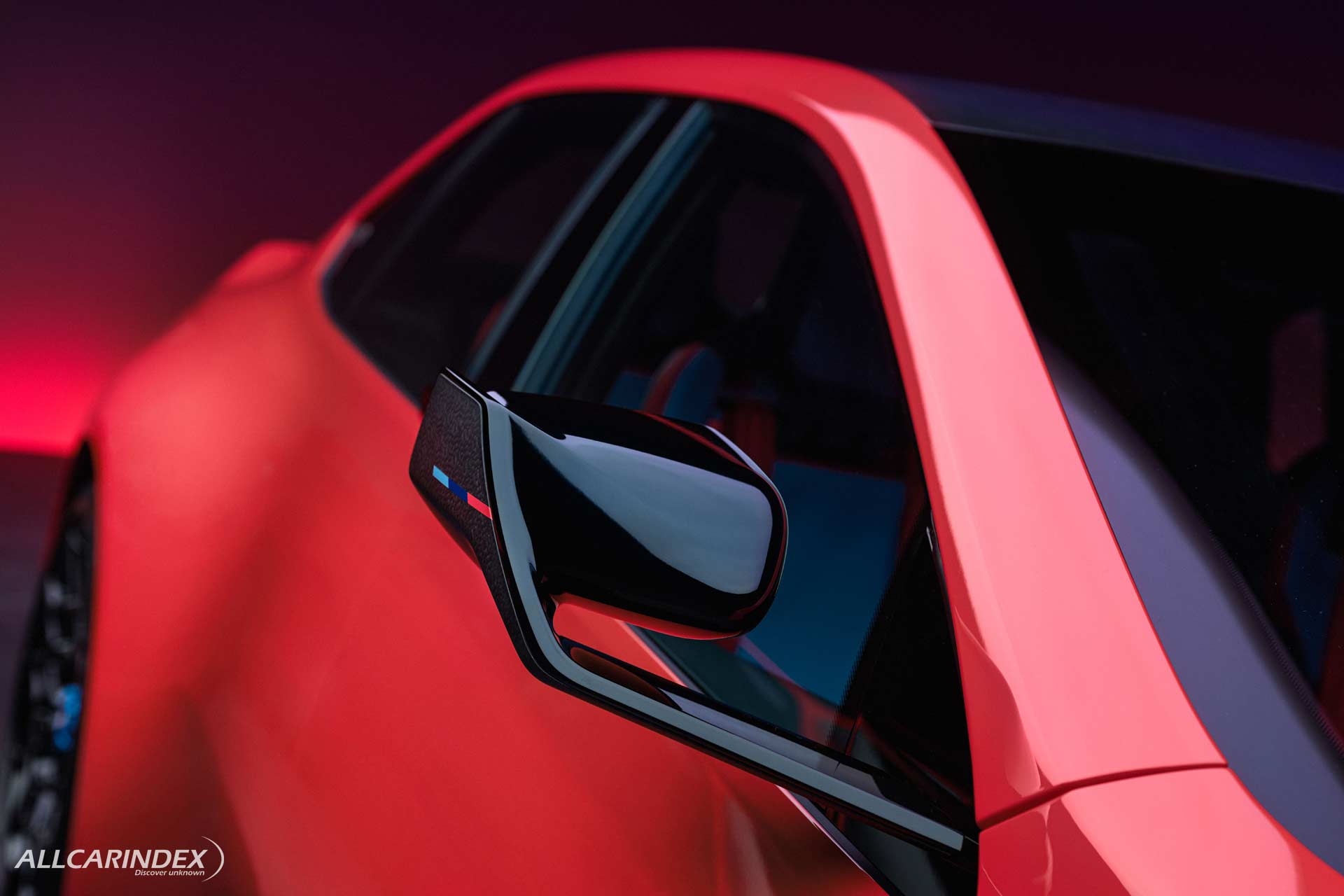
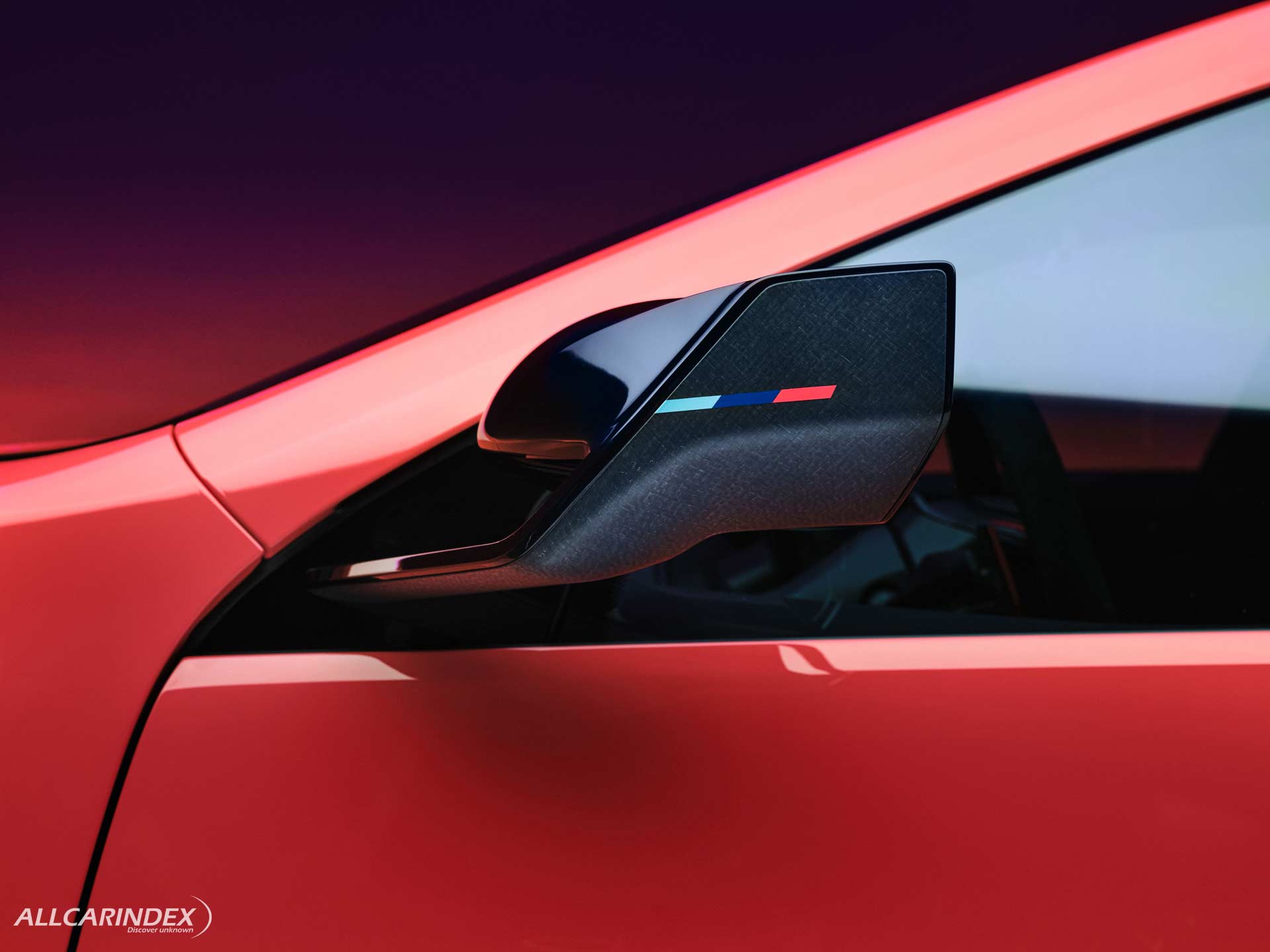
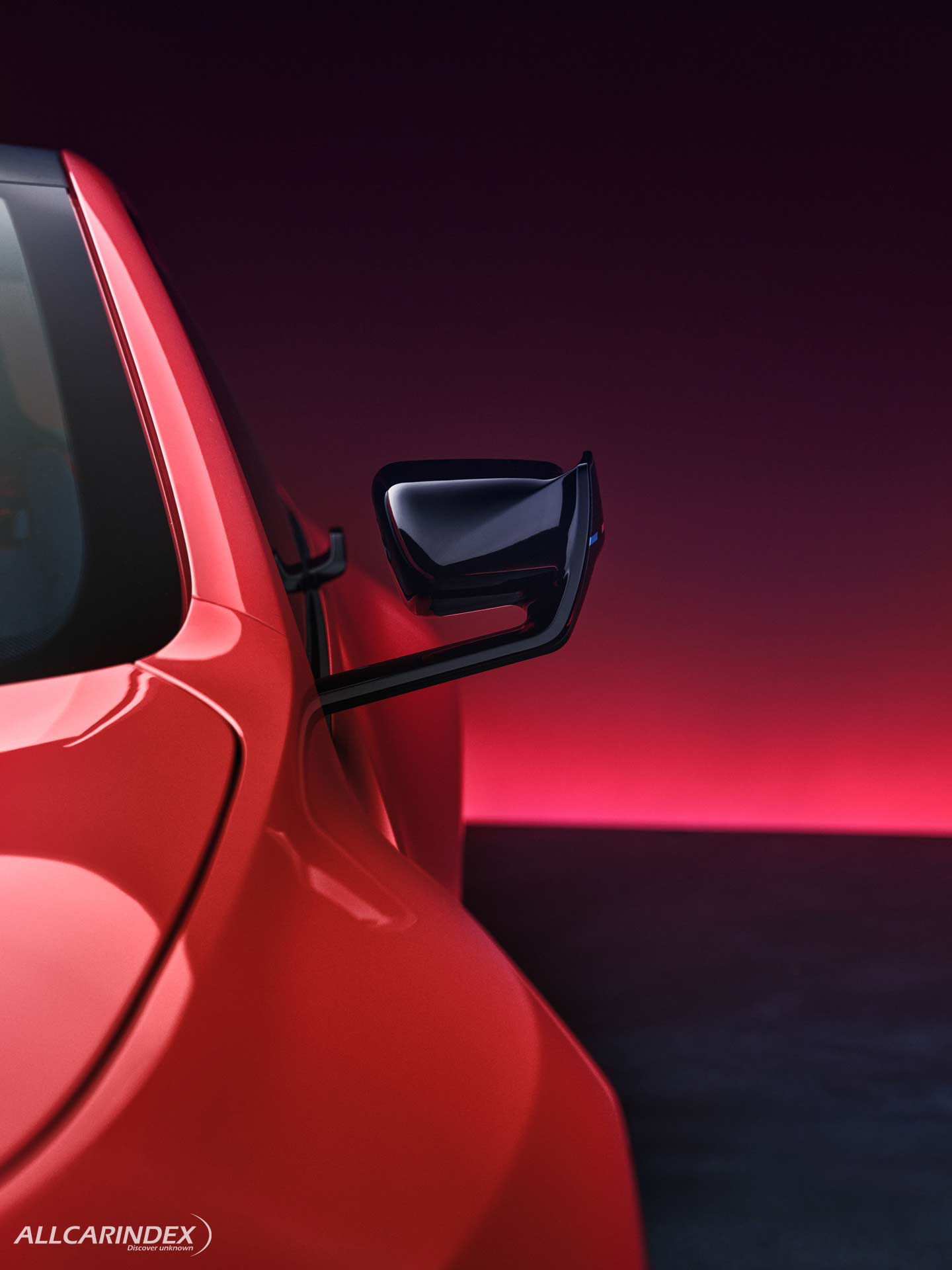
The exterior mirrors follow a separate M aerodynamic design and carry the traditional BMW M colours. Their narrow supports reduce their visual mass and connect them with earlier M concept cars and competition vehicles. Together with the centre-lock wheels, bonnet outlet and exposed aerodynamic sections, they establish the concept’s technical details without adding conventional exterior ornament.
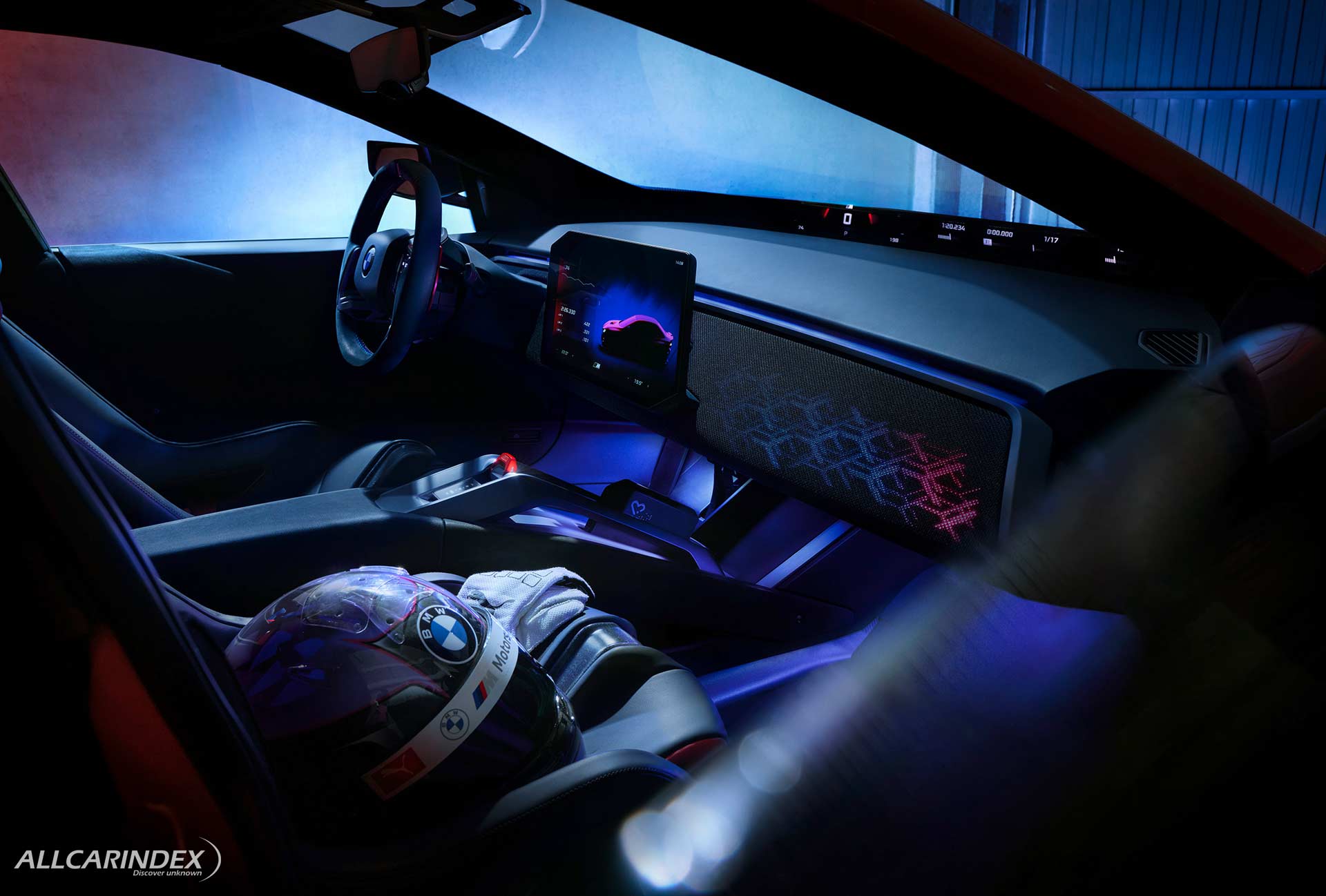
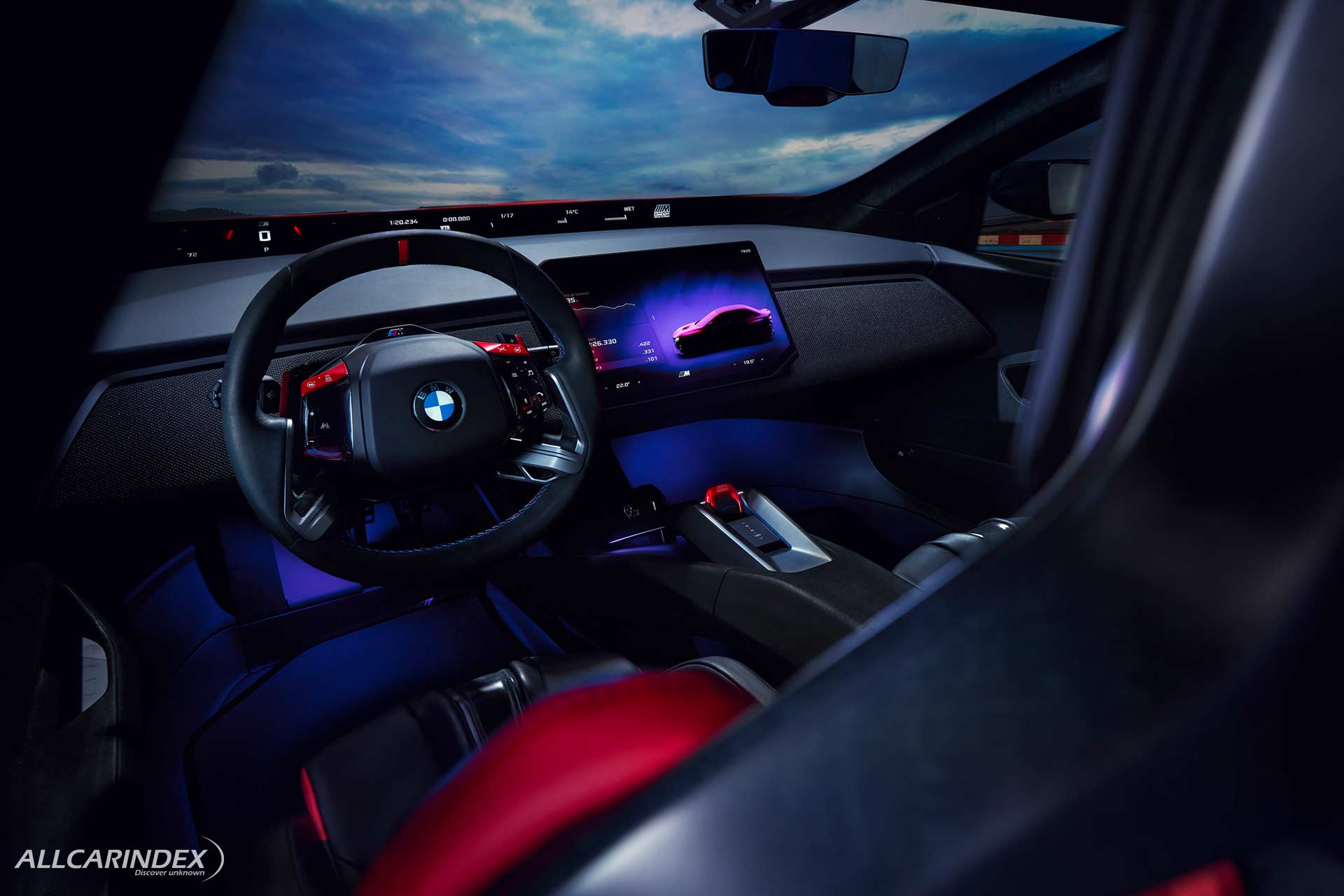
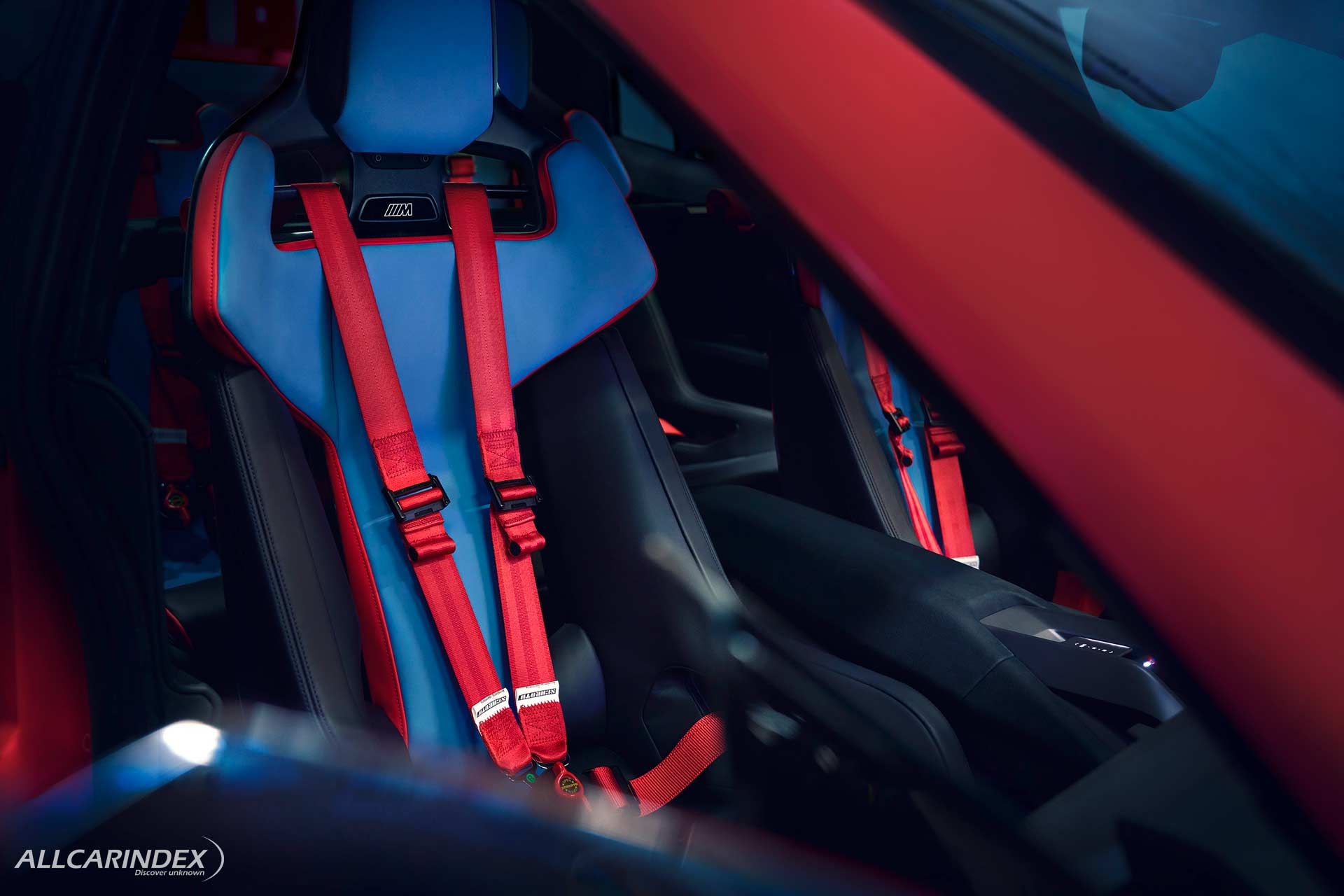
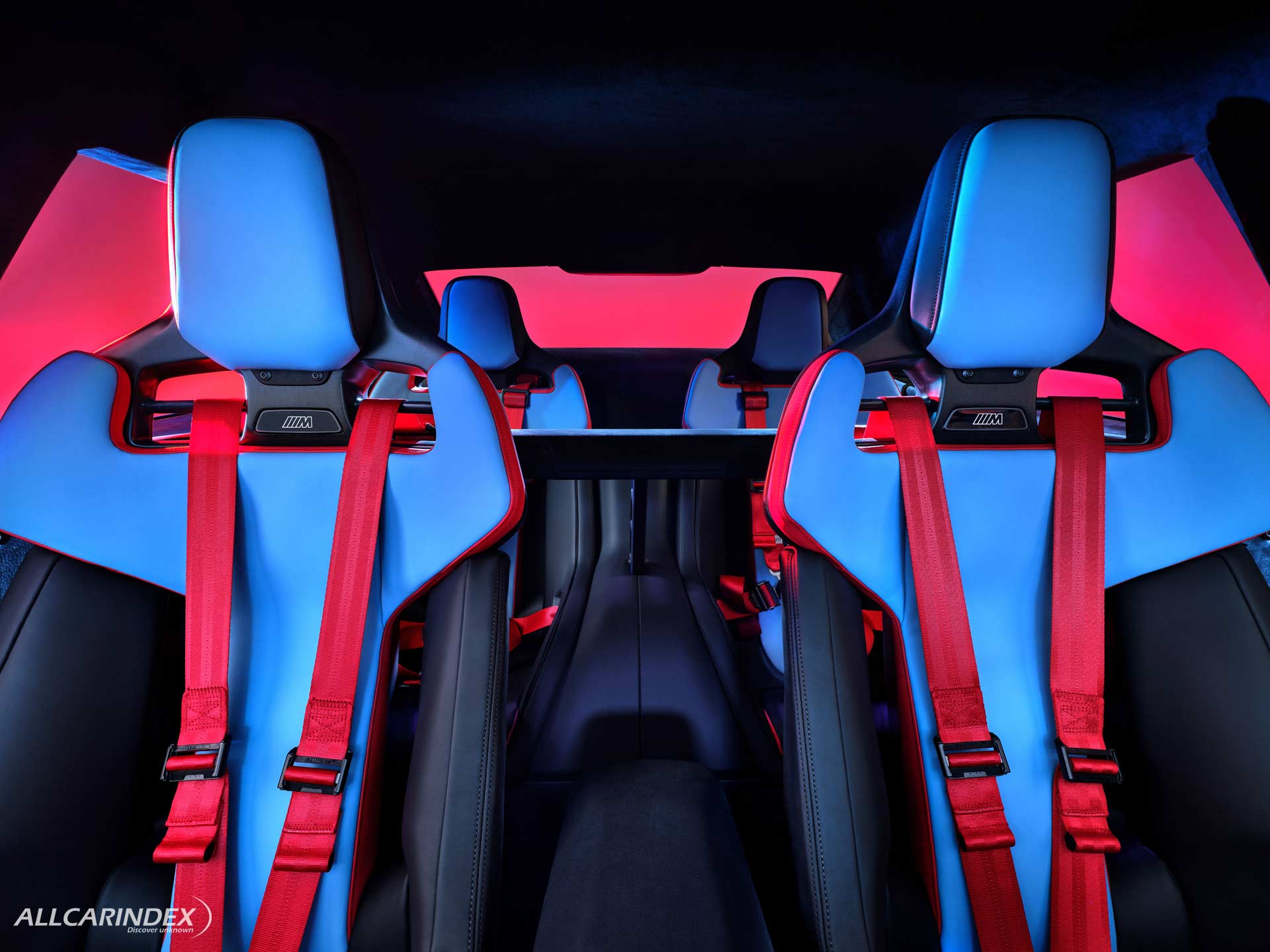
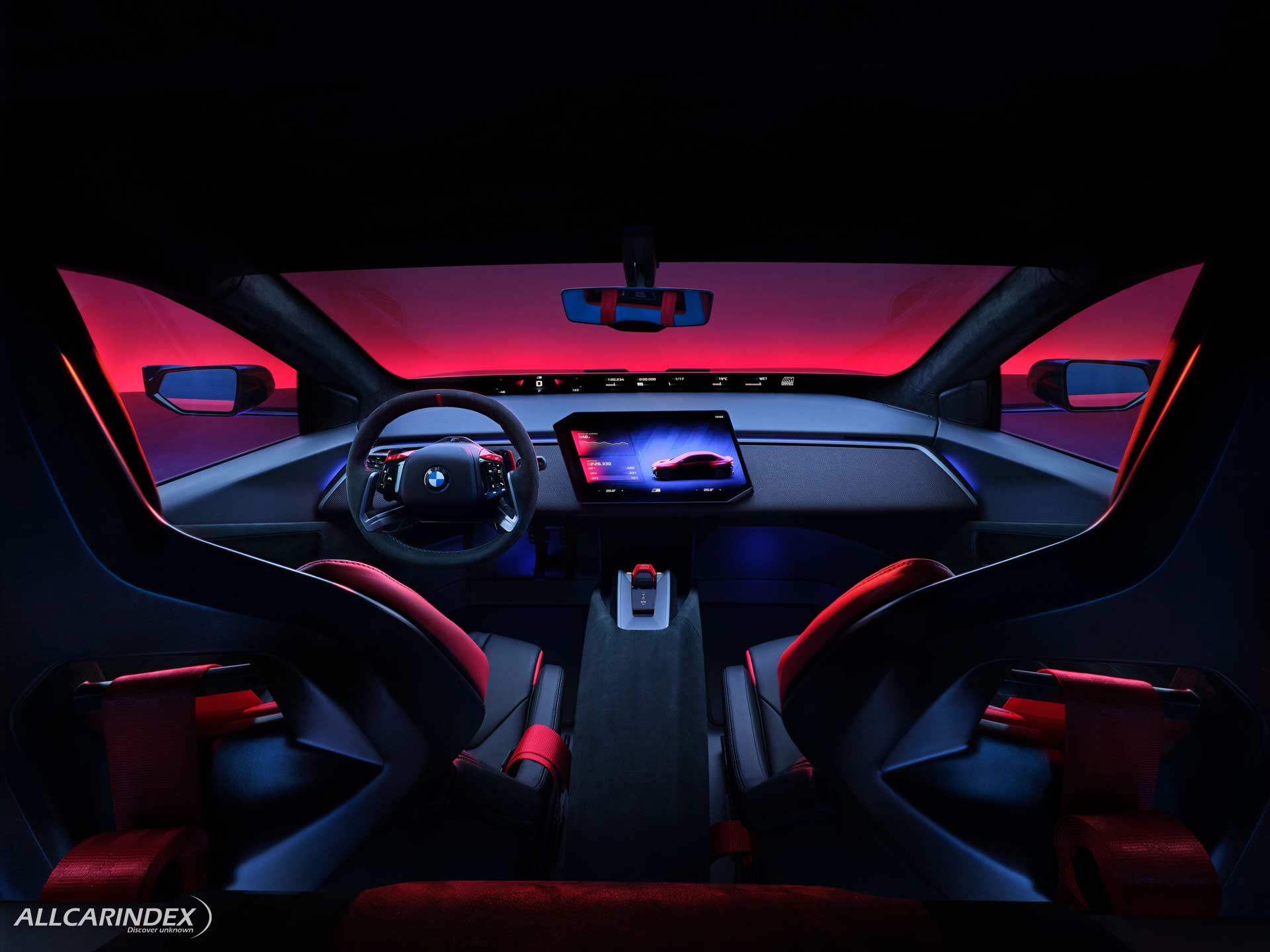
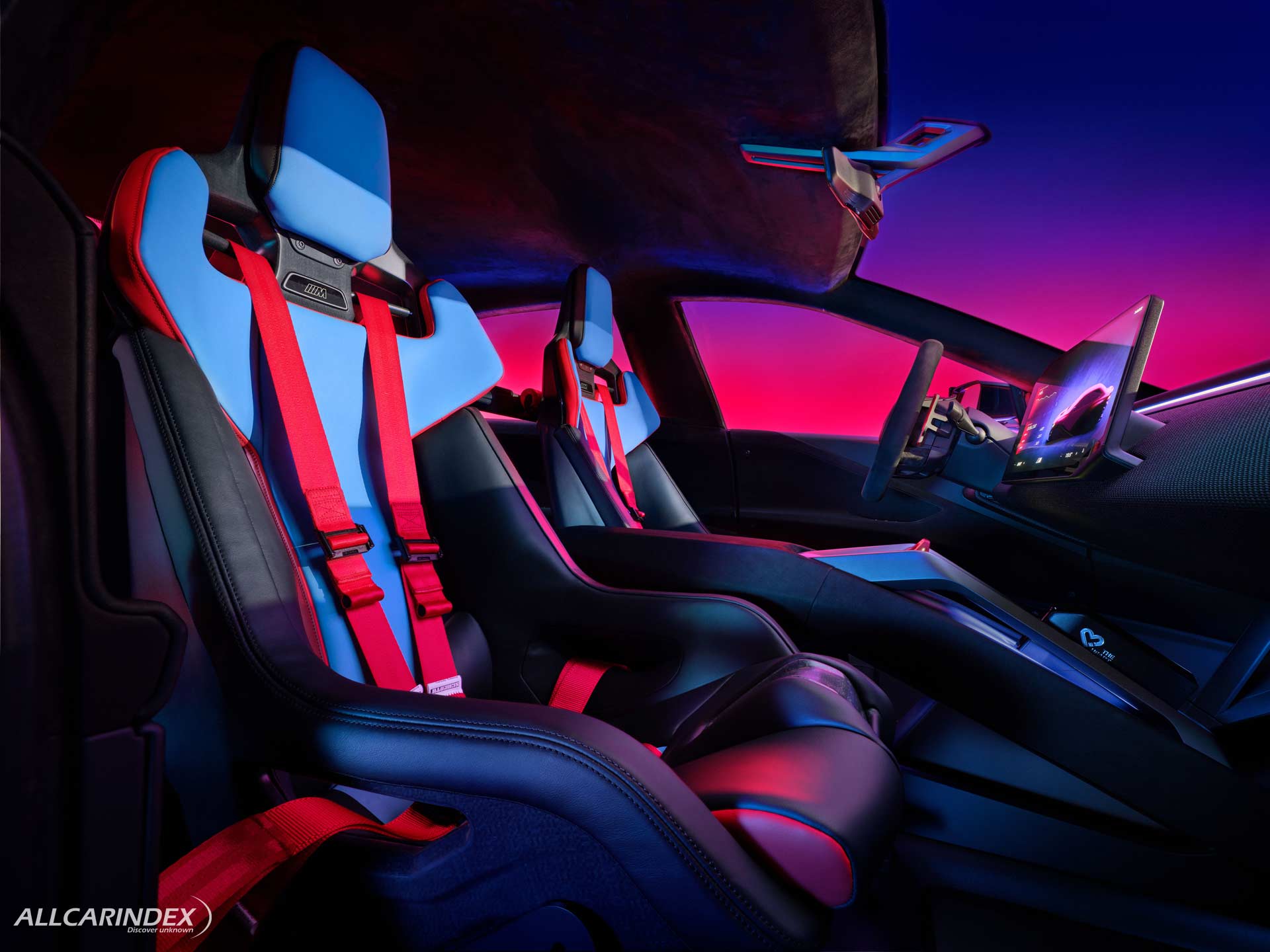
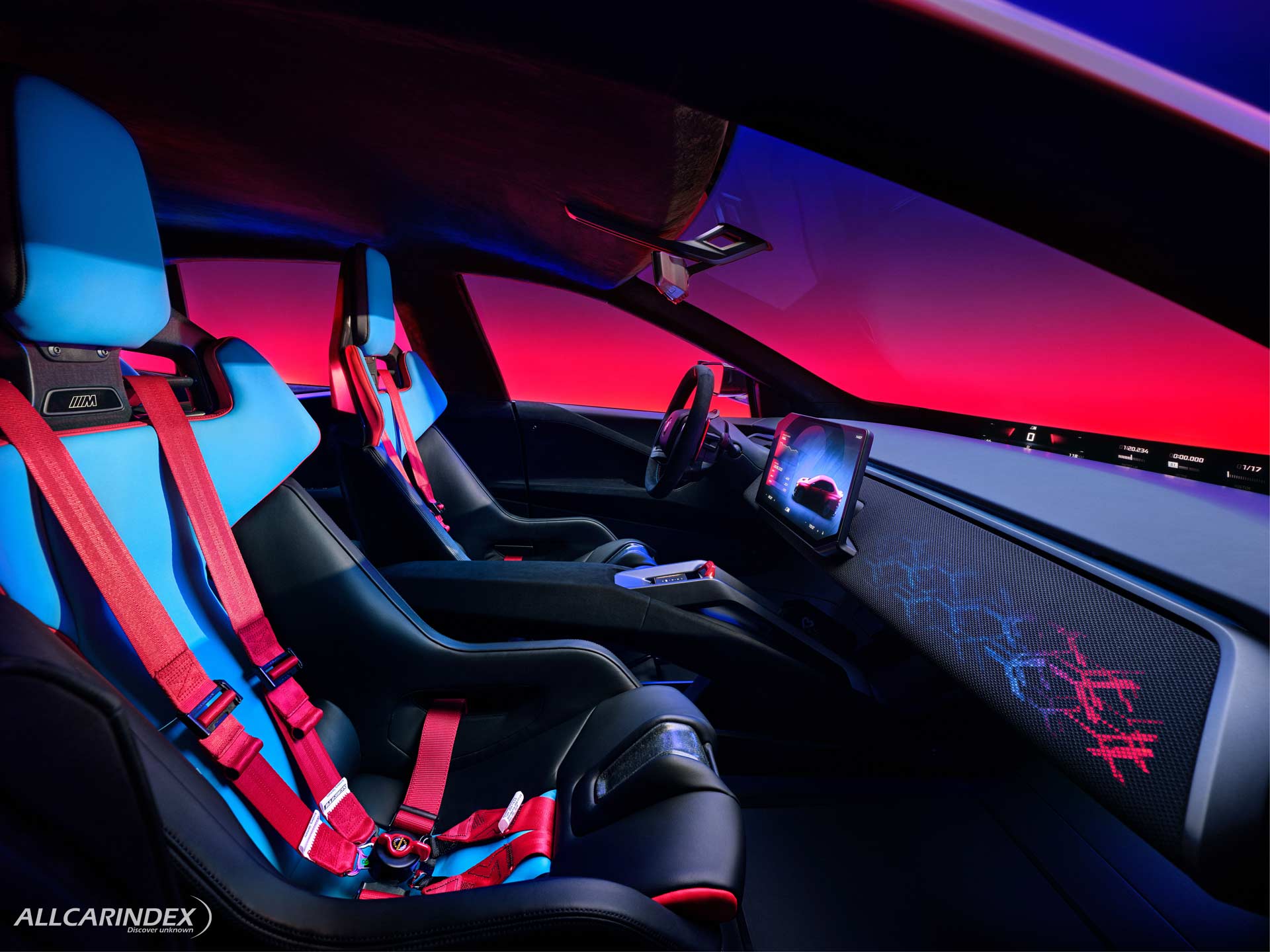
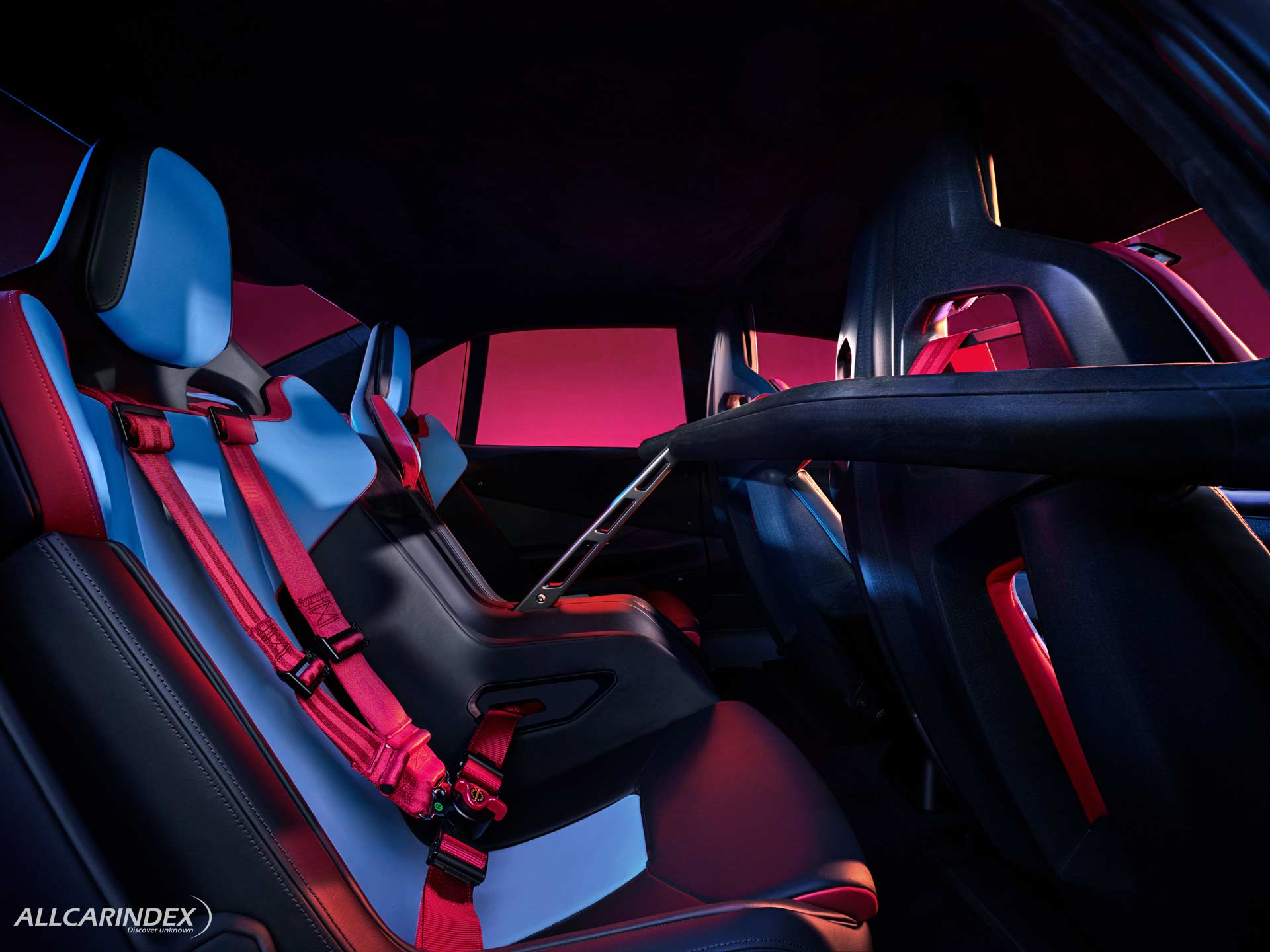
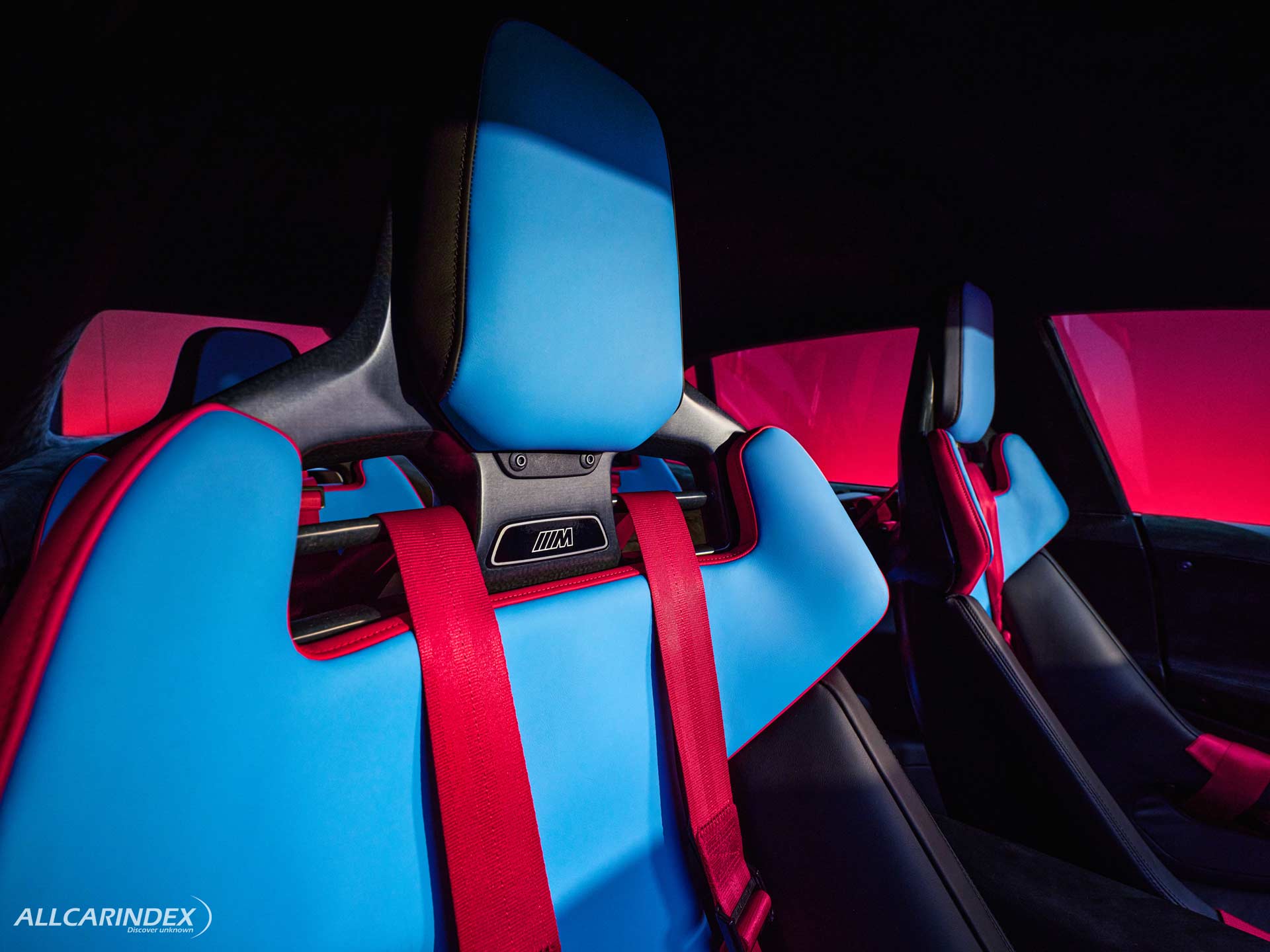
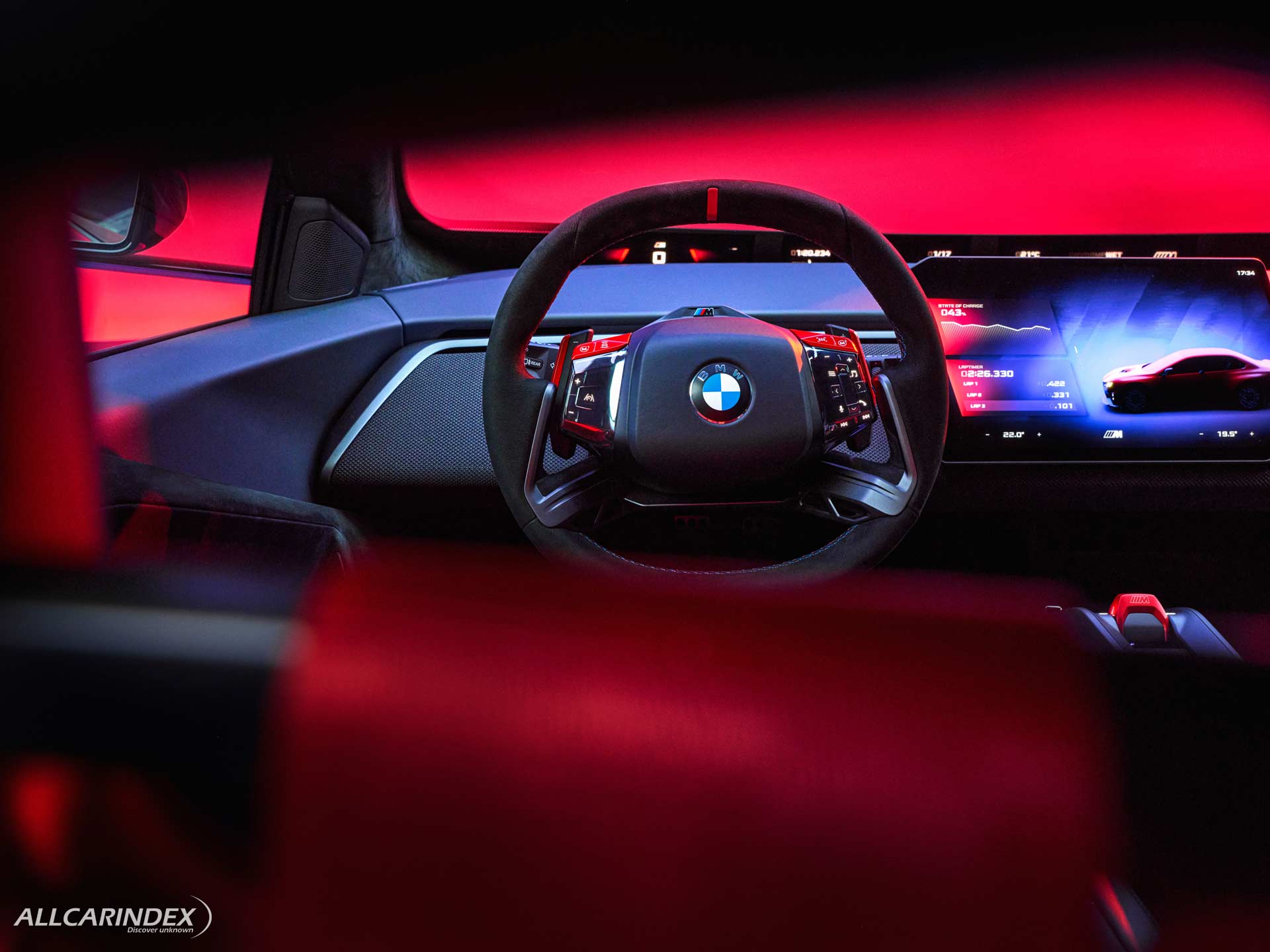
The interior follows the same functional approach. Four individual bucket seats are installed rather than conventional front seats and a rear bench. Their structures include natural-fibre components, while the upholstery combines Bathurst Blue and Berry Red Merino leather. Each position is equipped with a red five-point safety belt, maintaining the relationship with track-oriented seating systems.
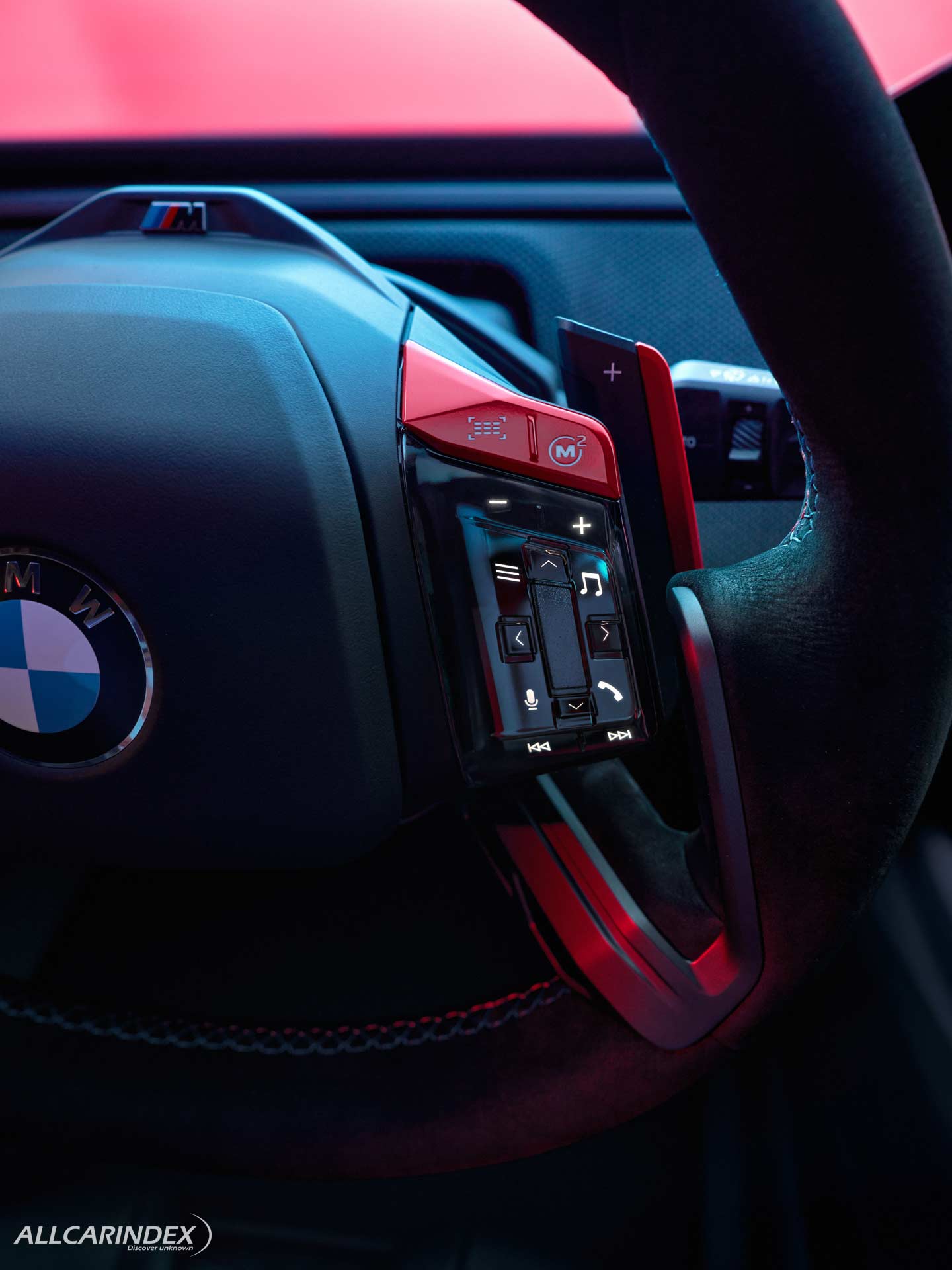
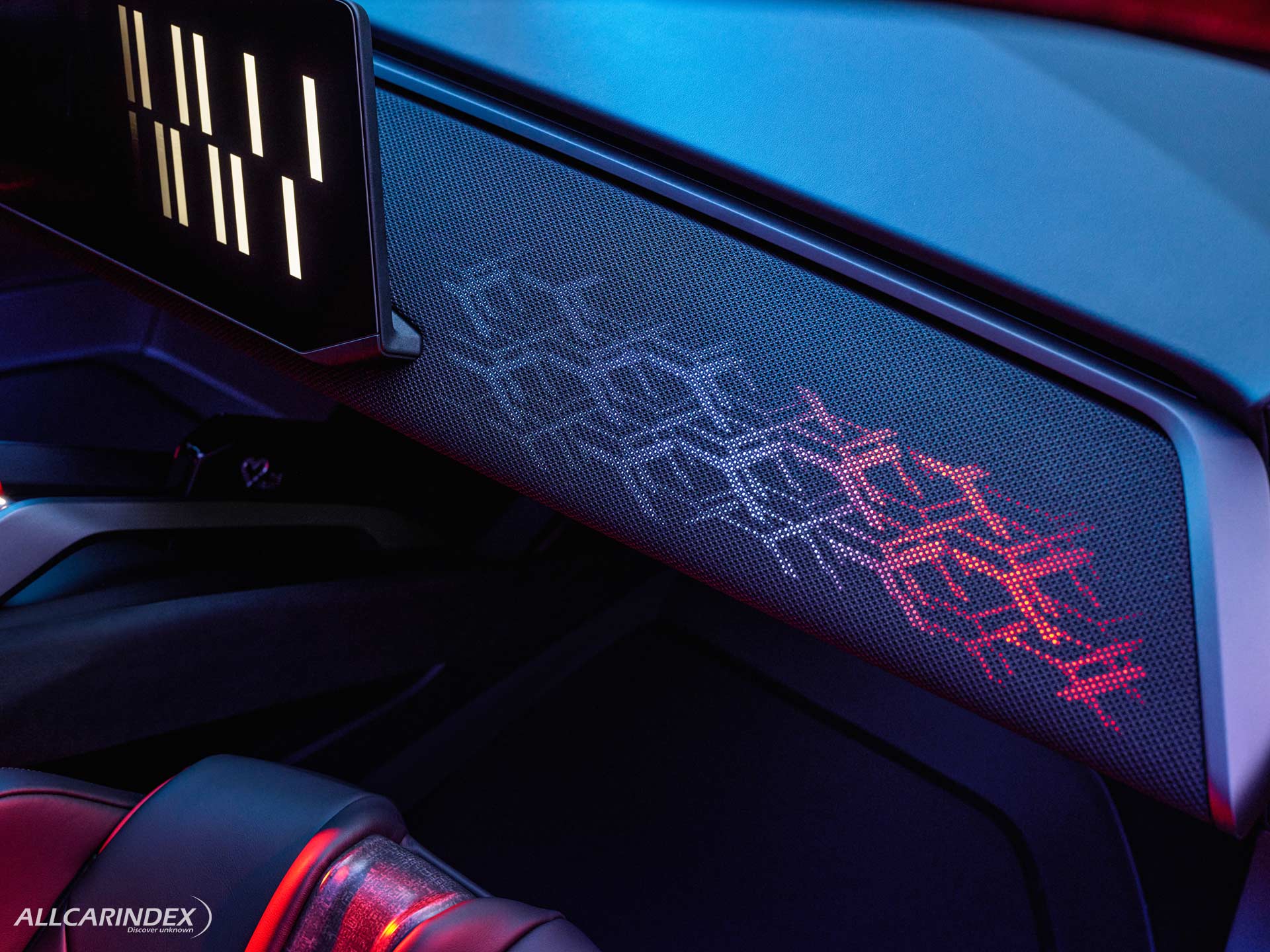
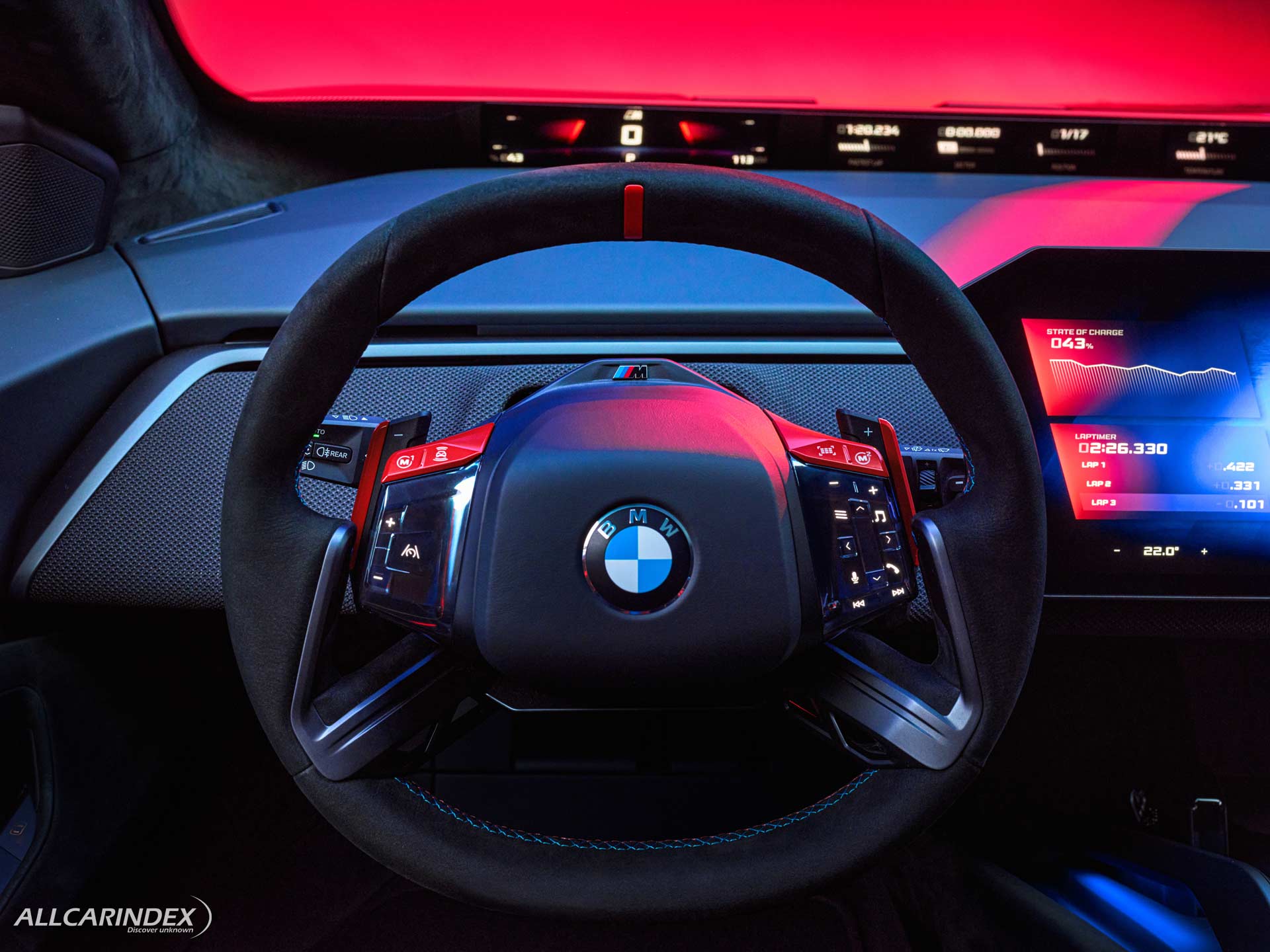
Black nubuck leather appears on the steering wheel, door panels and roll bar. According to BMW, this is the first use of the material in a BMW M vehicle. The dashboard is arranged as a floating horizontal structure covered in black knitted textile. Hexagonal backlighting provides its M-specific graphic treatment.
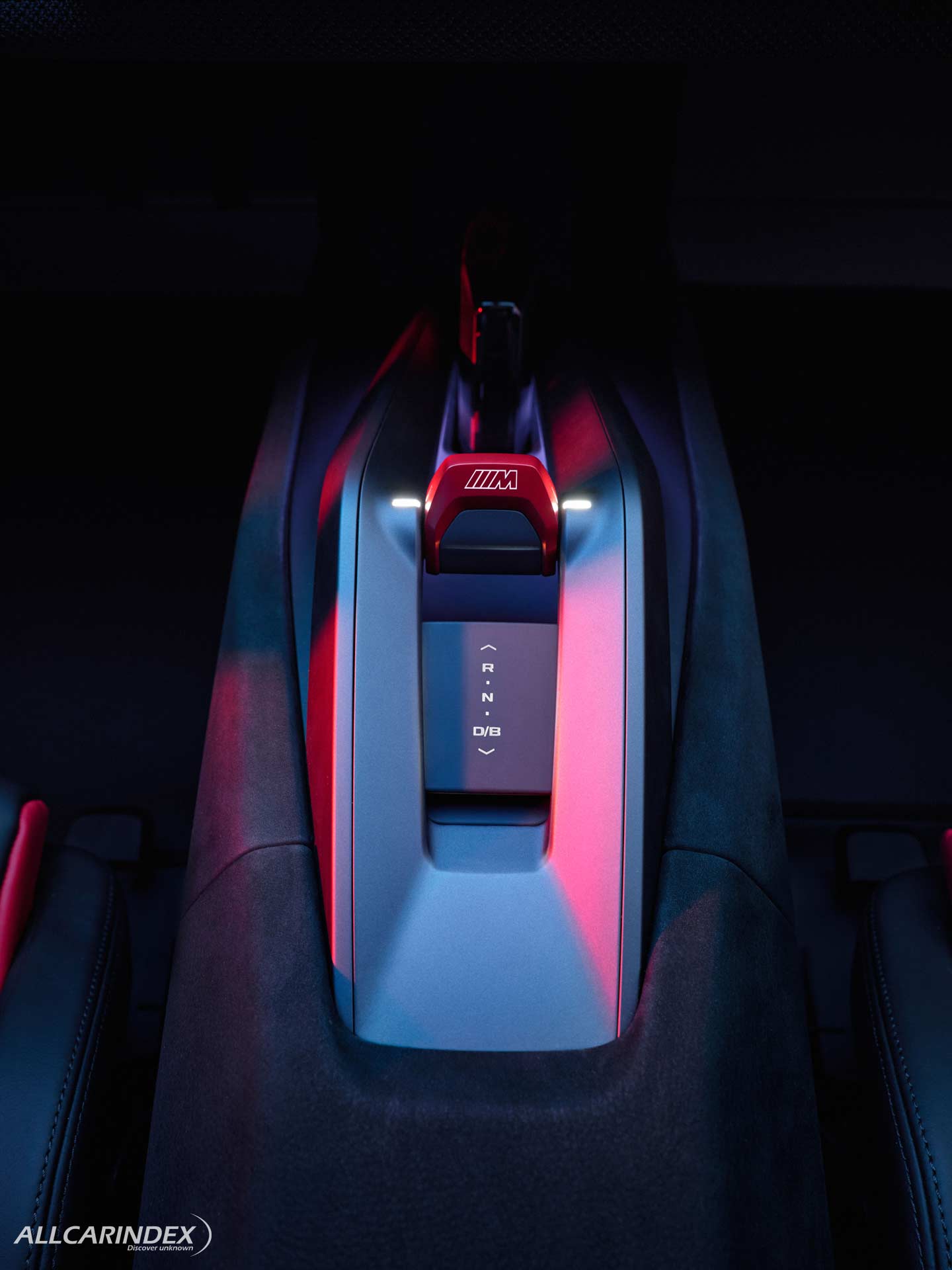
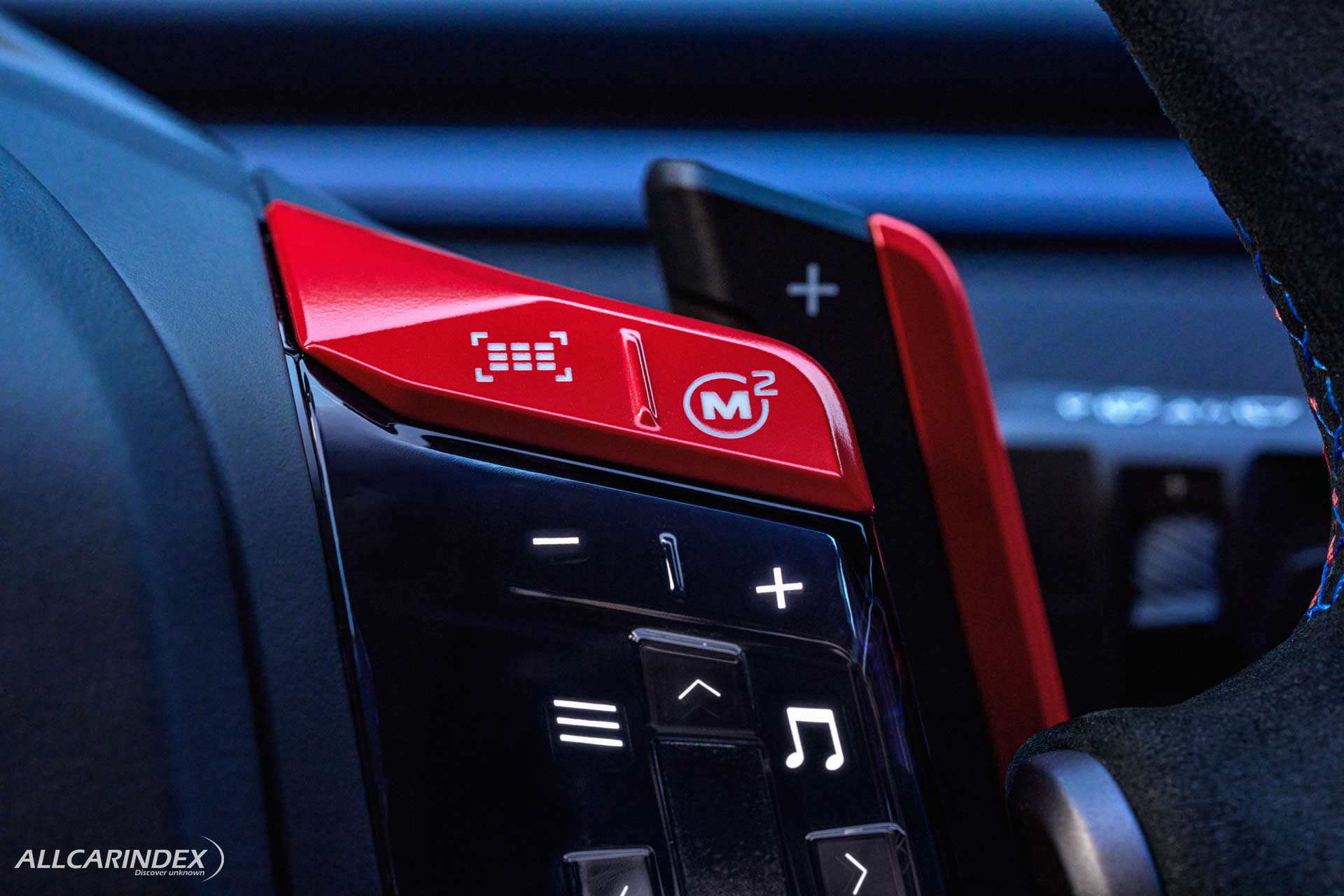
Red details identify the main driver controls. They appear on the gear selector, the steering-wheel paddles and the digital display system. Although an electric drivetrain does not require a conventional multi-ratio manual transmission, the concept retains dedicated paddles and an M gear selector as parts of its driver interface. BMW has not provided further information about the individual functions assigned to these controls.
The principal technical feature is BMW M eDrive, an electric powertrain developed specifically for future M automobiles. It combines four electric motors with wheel-specific drivetrain management, allowing the system to control the torque delivered at each wheel. The motors work with BMW M Dynamic Performance Control, which coordinates propulsion and braking through the central Heart of Joy high-performance computer.
By processing the drivetrain and braking functions together, the control architecture can regulate traction, response and energy recovery at individual wheels. BMW states that the arrangement is designed to provide direct reactions to driver inputs, maintain traction near the dynamic limit and support high levels of recuperation. The concept therefore uses software coordination as an integral part of its chassis and drivetrain operation rather than treating the electric motors as independent power units.
The system is based on the sixth generation of BMW eDrive technology developed for the Neue Klasse. Its electrical architecture operates at 800 volts, while the high-voltage battery has an energy capacity of more than 100 kWh. BMW has developed an M-specific version of its sixth-generation cylindrical battery cells to sustain high energy output during acceleration and accept high power during charging.
The battery housing is integrated structurally with both the front and rear axles. This arrangement makes the battery pack part of the vehicle’s load-bearing architecture and connects it directly with the main chassis structures. BMW identifies this integration as one of the elements contributing to the concept’s driving dynamics.
No combined power output, torque figure, acceleration time or maximum speed accompanied the presentation. BMW also did not publish the vehicle’s dimensions, weight, charging time or estimated production range. The information released at the world premiere concentrates instead on the four-motor layout, control architecture, battery construction, material selection and future M design elements.
The BMW M Concept Neue Klasse consequently serves as a technical and stylistic preview of the company’s all-electric M programme. Its four motors, wheel-specific control system, structural battery installation, natural-fibre components and motorsport-derived lighting and aerodynamic details establish the areas BMW M intends to transfer into its future series-production automobiles.