
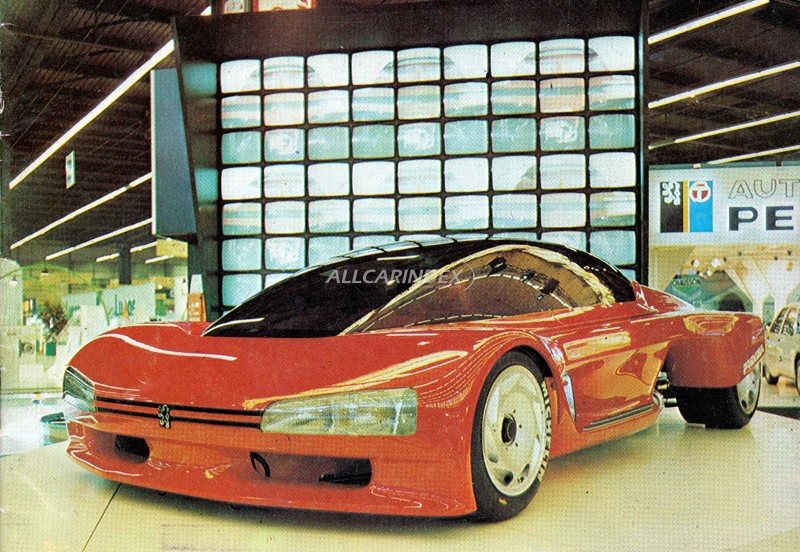
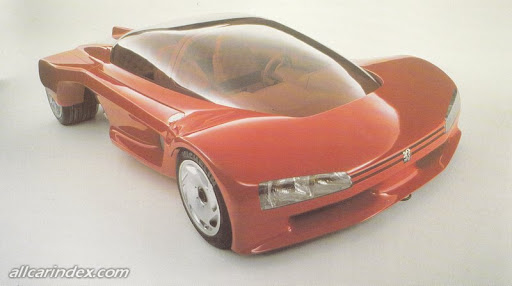
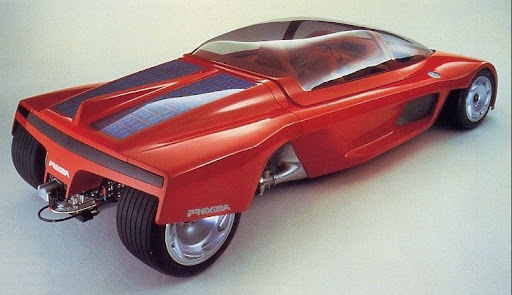
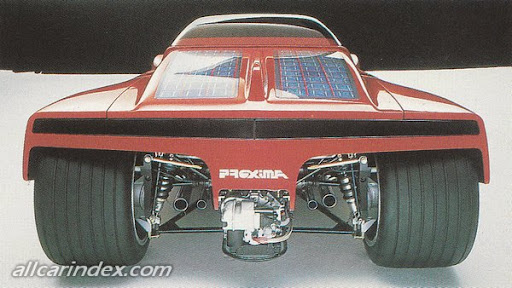
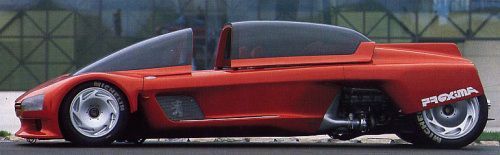
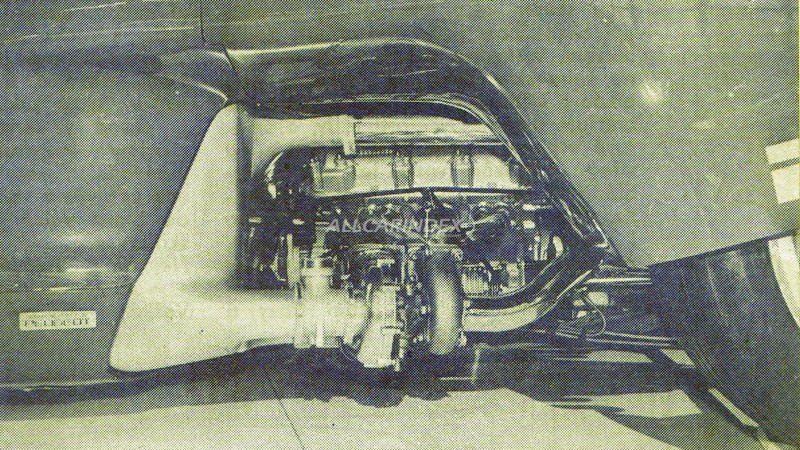
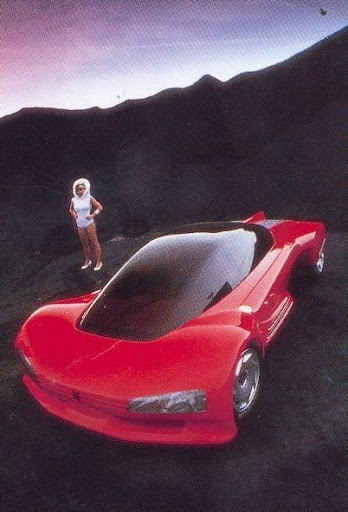
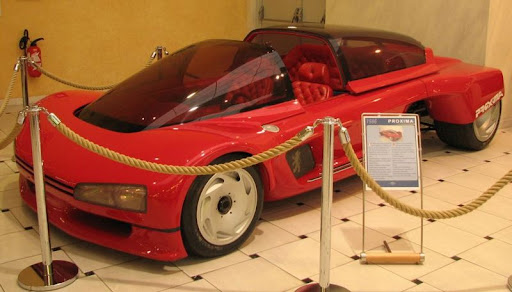
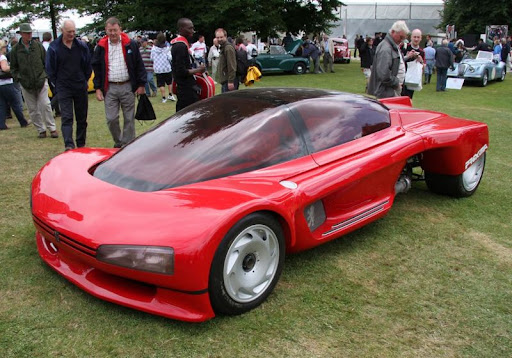
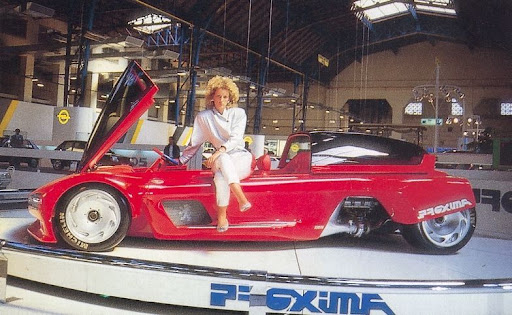
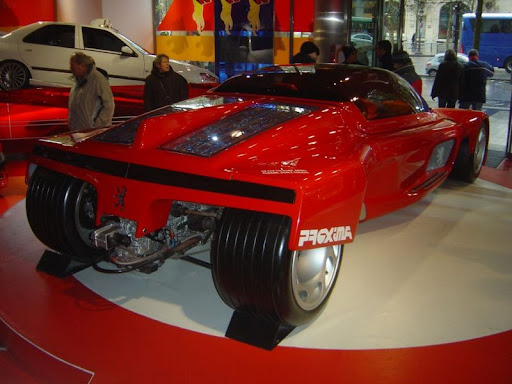
The Peugeot Proxima was a mid-engined 2+2 coupe concept with four-wheel drive, presented by Peugeot as an extrapolation of the Quasar concept that had appeared two years earlier. Its name referred to a fixed star. The car's low, aggressive shape was designed by Gérard Welter's team at the Centre du Style Peugeot in La Garenne, and like the Quasar it exposed parts of its drivetrain mechanics when viewed from the side and rear, while retaining a production-style Peugeot grille of horizontal slats flanked by glass-covered headlight units.
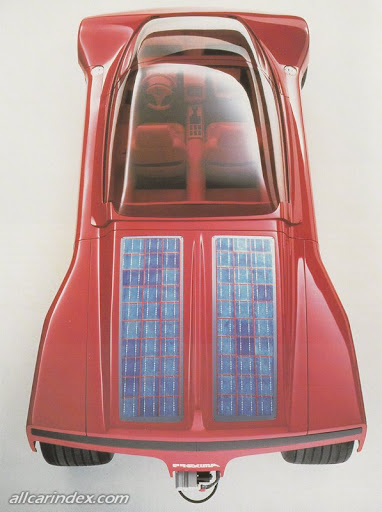
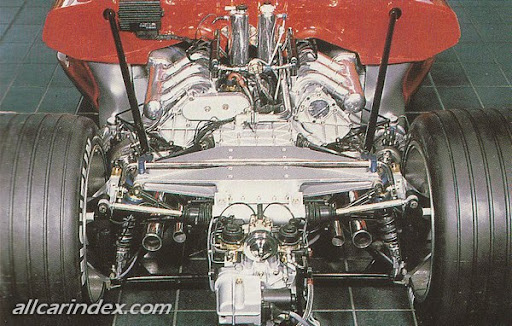
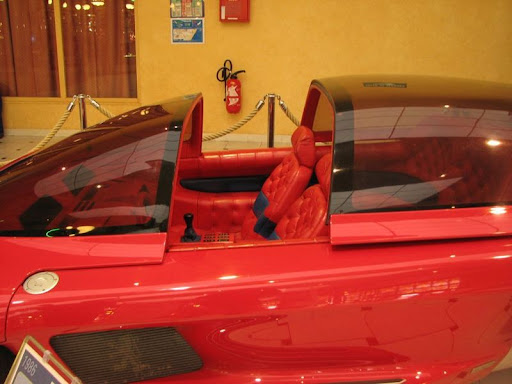
The nose carried a deep front spoiler with two large air intakes feeding the cooling systems, while air outlets behind the front wheel arches and an intake ahead of the partly covered rear wheel supplied the twin turbochargers of the mid-mounted engine. A two-piece glass canopy sat behind the beltline, with the front section hinging upward for entry and the rear section sliding backward; it blended into the nose section at the front and into a tapering rear deck that carried thirty solar cells on each side of a stabilizing fin, with an open rear section exposing the drivetrain in a manner reminiscent of racing car design.
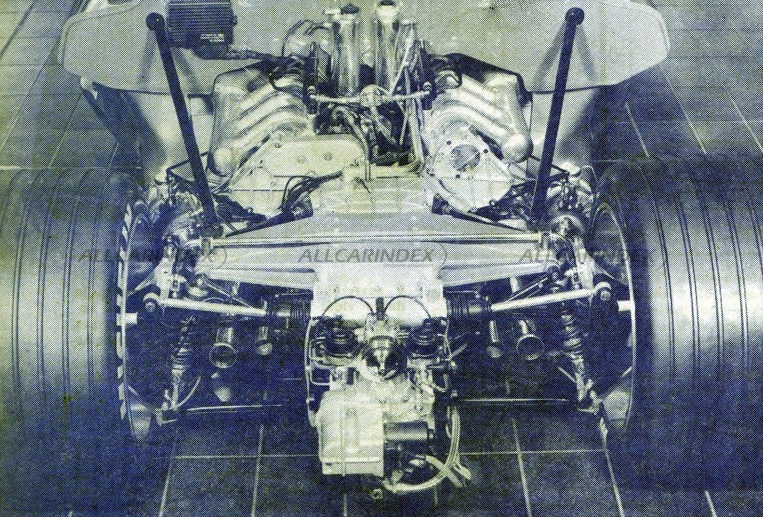
The body, for which no drag coefficient was published, was built from composite materials including carbon fibre and Kevlar/epoxy, along with polycarbonates, mounted on a monocoque structure to which the longitudinally installed engine was attached. Suspension used upper and lower wishbones at the front and lower wishbones with three upper locating arms at the rear. Brakes were ventilated carbon-fibre discs with four pistons per caliper and ABS.
Power came from a special version of the PRV V6 enlarged to 2850 cc, with two overhead camshafts, 24 valves, and twin turbochargers each with a water-cooled intercooler, producing 600 hp at 8000 rpm and 608 Nm of torque at 6000 rpm. Features included computer-controlled multi-point fuel injection with oxygen sensors, twin injectors per cylinder, automatic ignition timing via knock sensors, integrated spark plug/coil units, ceramic-coated bearings and shafts, and dry-sump lubrication shared by the electronically controlled five-speed gearbox, which used a lever with microswitches instead of a conventional linkage. Drive normally went to the rear wheels, with a carbon-fibre propeller shaft and an oil-cooled clutch engaging the front axle when wheel spin was detected, managed by an electronics unit linked to the ABS system.
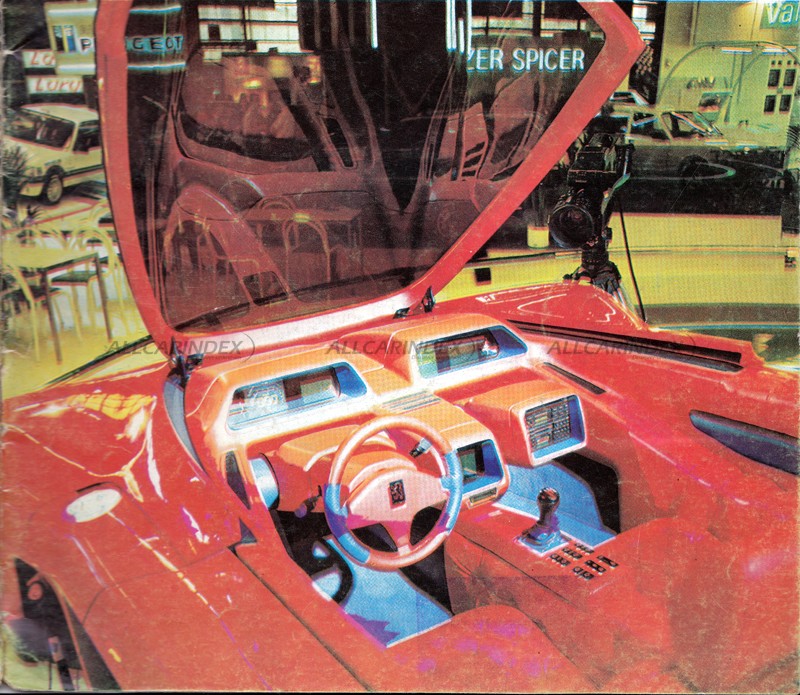
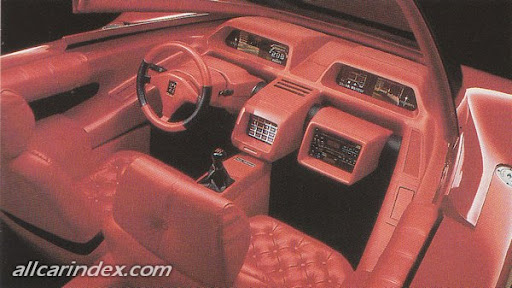
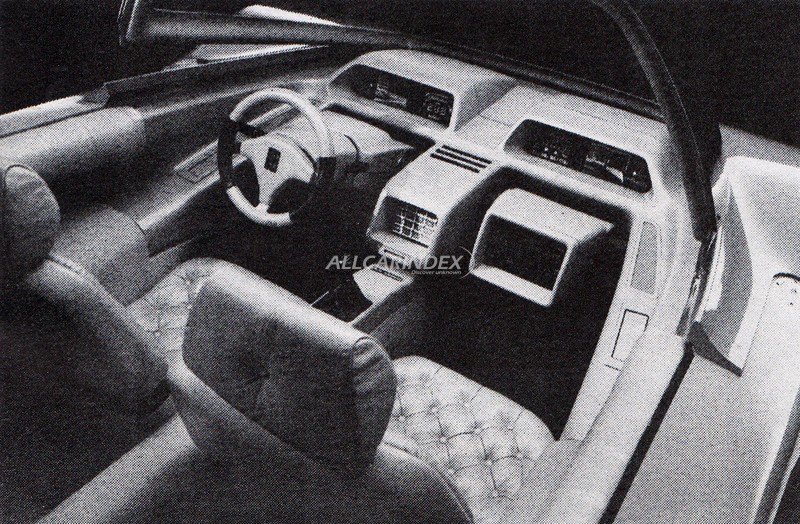
Additional systems included speed-sensitive dual power steering, electronic tyre-pressure monitoring with an automatic compressor, diode brake and turn-signal lighting, solar-powered cabin ventilation, a leather-covered one-piece dashboard and seat structure, four high-resolution colour monitors run by two 40-megabyte computers, a touch-sensitive control panel activated by an ID card, windscreen-projected warnings, rear-view cameras in place of mirrors, a collision-distance warning display, and a navigation system capable of plotting routes in three dimensions. The Proxima measured 4420 mm long, 2060 mm wide and 1140 mm high, and weighed 1080 kg.