aci-logo

Day-Leeds

1912-1924

Brand Data

Job Day & Sons Ltd was a manufacturing company based in Leeds, Yorkshire, formally established in 1901, although its founder, William Henry Day, had already been operating as a manufacturing chemist since 1886. The firm's name derived from William Henry's father, Job Day, who himself had no active role in the business.

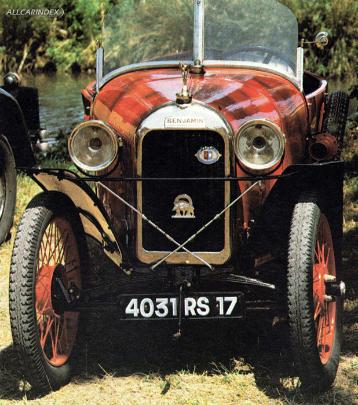
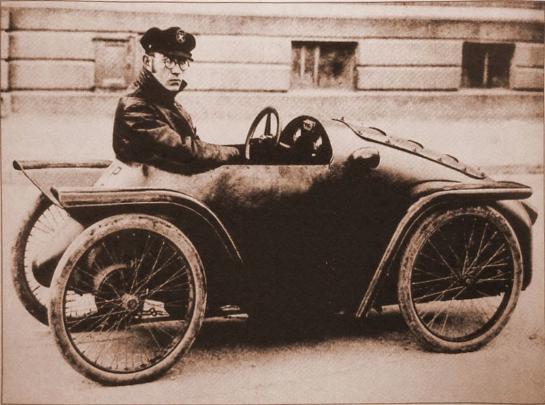
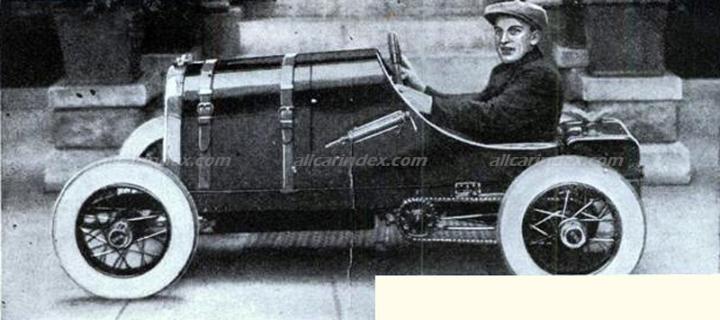
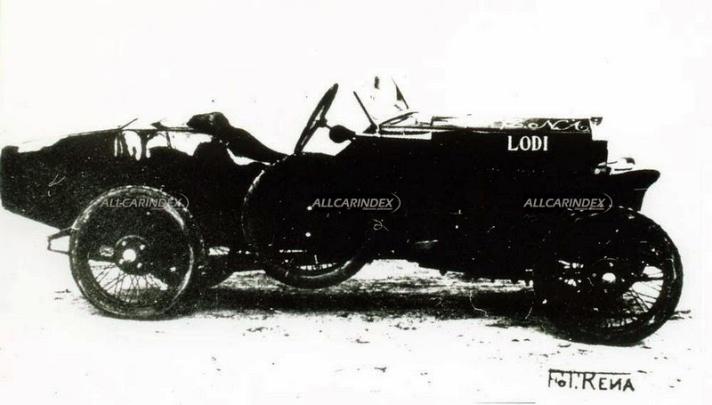
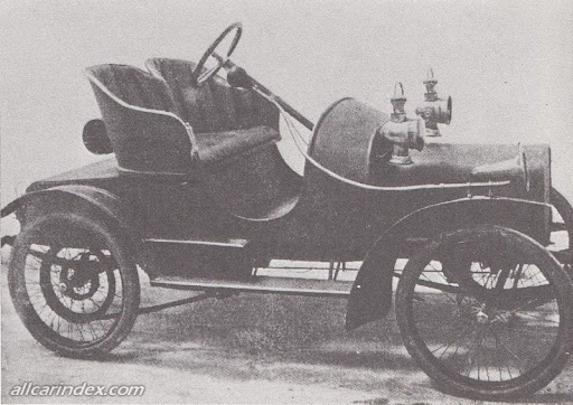
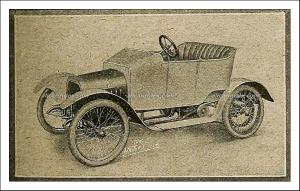
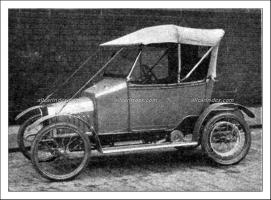
The company became known primarily for producing tea packaging machinery. In 1912 it diversified into new areas, adding a bacon slicing machine, motorcycles, and a cyclecar to its range. Operating from three factories in Leeds, the firm built its cyclecar in one of these plants. The vehicle was fairly typical of the cyclecar genre of the period, but unlike many rivals it used an in-house 998cc inlet-over-exhaust V-twin engine rather than a proprietary unit; the same applied to its motorcycle engines. The cyclecar had a three-speed gearbox with belt drive to the rear wheels and was claimed to reach 50 mph (80 km/h). Only a small number of these cyclecars were produced.

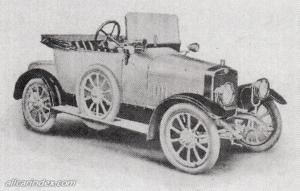
At the 1913 Olympia Show, the company presented a shaft-driven light car fitted with a 1130cc four-cylinder Turner engine. By the end of 1914, this had been replaced by a 1286cc T-head engine of the company's own design, created by W.L. Adams, who was also associated with the design of the Mendip engine. Castings for both engines were initially produced in Antwerp.

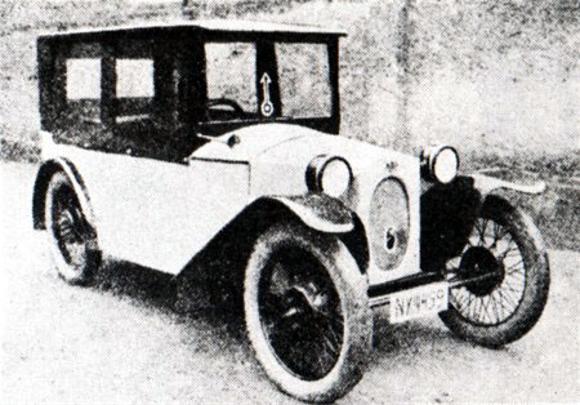
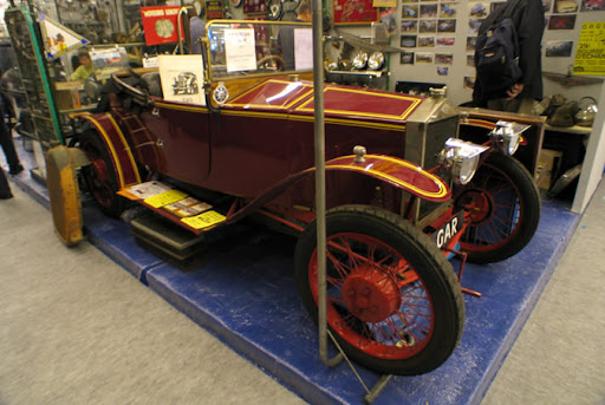
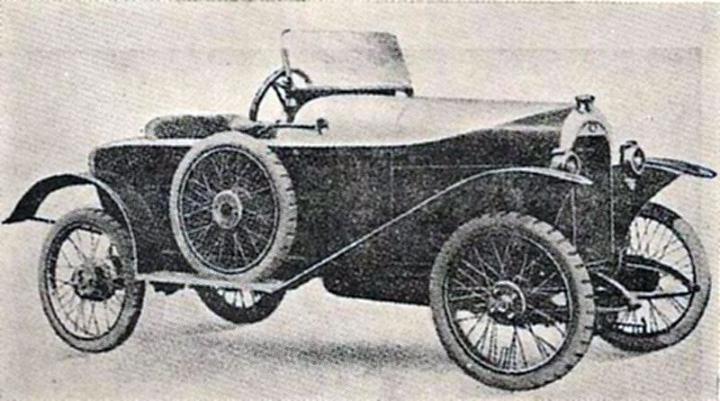
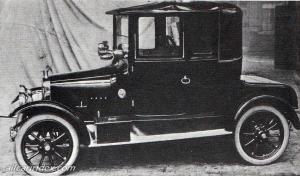
After the First World War, the same basic model was reintroduced, though its cylinder dimensions of 63.5 x 100mm gave it a slightly revised capacity of 1266cc. Apart from the addition of electric lighting (though not electric starting), the 1920 Day-Leeds car changed little from its prewar version, although its price rose considerably, from £150 before the war to £400 afterward. Two-seater and coupé bodies were supplied by Lockwood & Clarkson of Leeds.

Demand for this relatively expensive light car declined as mass manufacturers such as Morris entered the market, and production of the Day-Leeds car ceased in 1926. Exact production figures were not recorded, but estimates suggest around 100 cars were built before 1915 and about 300 after the war.

The company continued producing packaging machinery until it was absorbed by Baker-Perkins, which also acquired another packaging manufacturer, Rose-Forgrove. That firm, previously known as Rose Brothers, had itself built a car known as the Rose National (or National (ii)) between 1905 and 1912.

Subscribe for Full Access

  • Brands and models — Full galleries and interactive map
  • Exotic car catalog — Full brand details and model specs
  • Documentation archive — Full scans, plus PDF and ZIP downloads

  • Ad-free browsing

From €9.90/month — or €50/year (save 58%)

Subscribe Now
Test your car knowledge

Take a quick quiz or try the Mystery Car of the Week — can you name the car?