- Company name
- Buckingham Engine Works
- Place
- Coventry
- Country
- United Kingdom

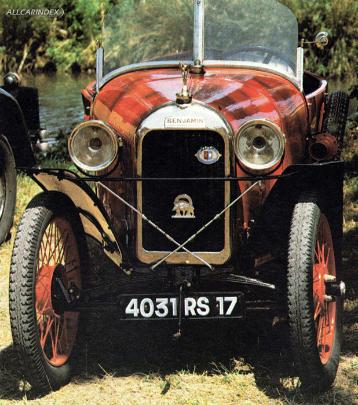
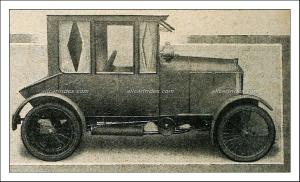
This British marque originated as the Buckingham Engine Works of Coventry, active between 1913 and 1915, and later continued as the Buckingham Engineering Co. Ltd from 1922 to 1923.
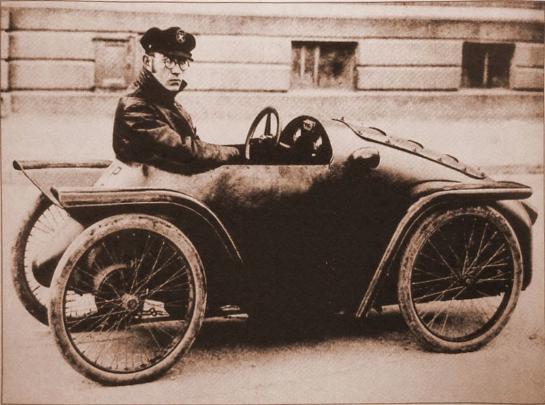
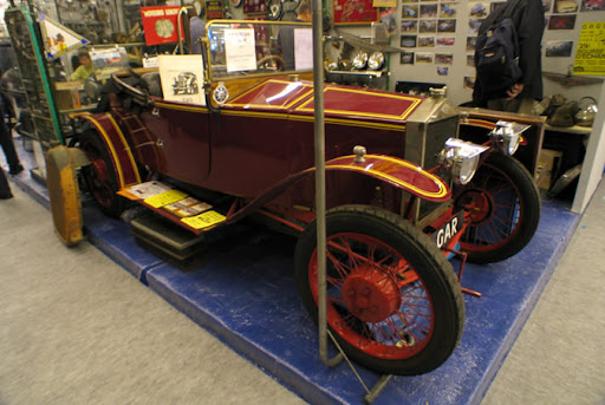
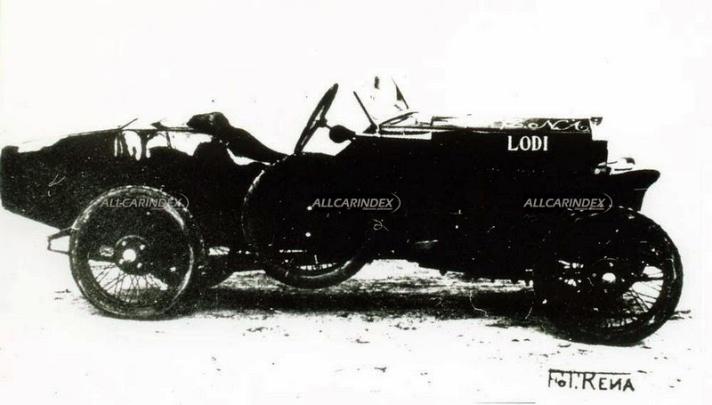
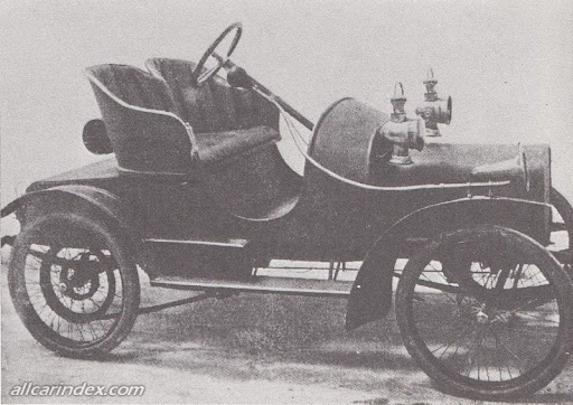
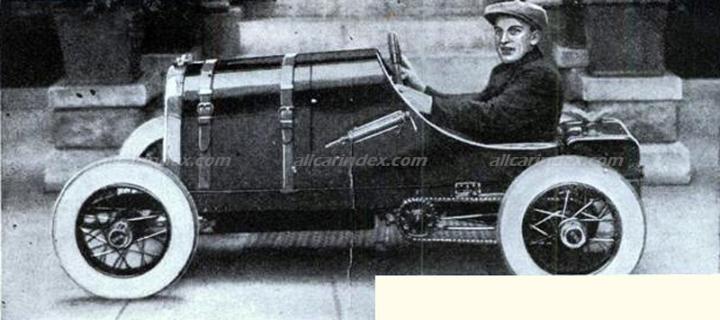
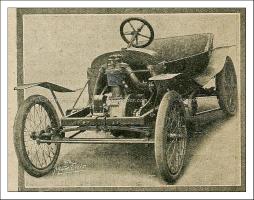
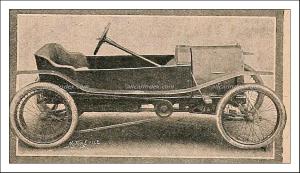
The company's founder, J. F. Buckingham, announced his first cyclecar in December 1912 under the name Chota, a Hindustani word meaning small. It was fitted with a 6/8 horsepower, 746cc single-cylinder overhead-valve engine of his own design and manufacture, an unusual feature at a time when most cyclecar builders relied on proprietary engines from firms such as J.A.P. or Precision. Drive was transmitted by belt. In May 1913, an unusual low-slung single-seater with a tapered wooden prow was introduced, using the same engine; it was reportedly built to attempt records at Brooklands but was also offered for general sale. Later that year, Buckingham introduced a larger 1492cc V-twin engine with slightly staggered cylinders, and in September he renamed the Chota after himself. By early 1914, production at the Spon Street factory in Coventry had reached fifteen cars a week, and Buckingham also supplied engines to other cyclecar manufacturers, including Duo and H.C.E.
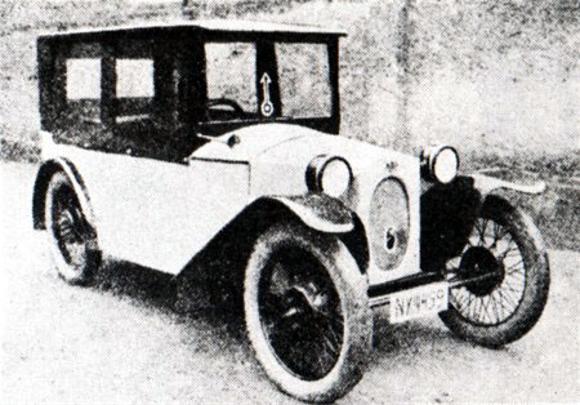
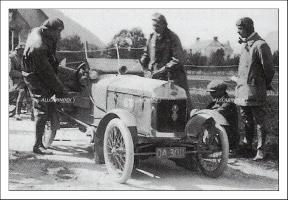
During the First World War, Buckingham gained recognition for inventing the incendiary bullet used against Zeppelin airships. He returned to car production in 1920 with a postwar cyclecar retaining the prewar twin-cylinder engine, a two-speed gearbox, and belt drive, fitted with a two-seater body built by Charlesworth. Production remained limited until the Alvis company took over manufacture at its Holyhead Road factory, updating the design with a conventional three-speed Moss gearbox and shaft drive.
Like other cyclecars of the period, the Buckingham suffered from competition with the Austin Seven, leading Alvis to discontinue production in 1923. It is estimated that no more than thirty examples were built during the Alvis era.