
Overview
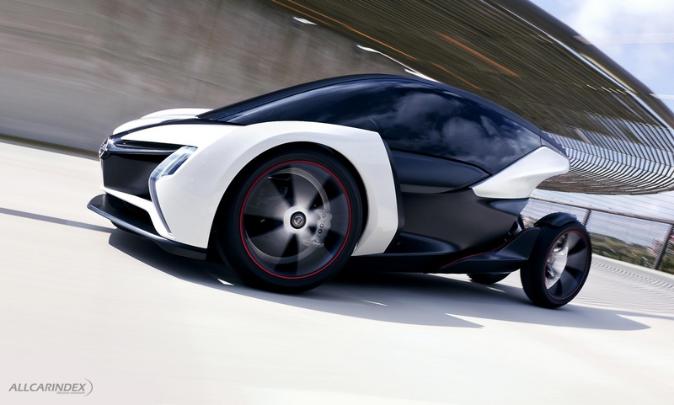
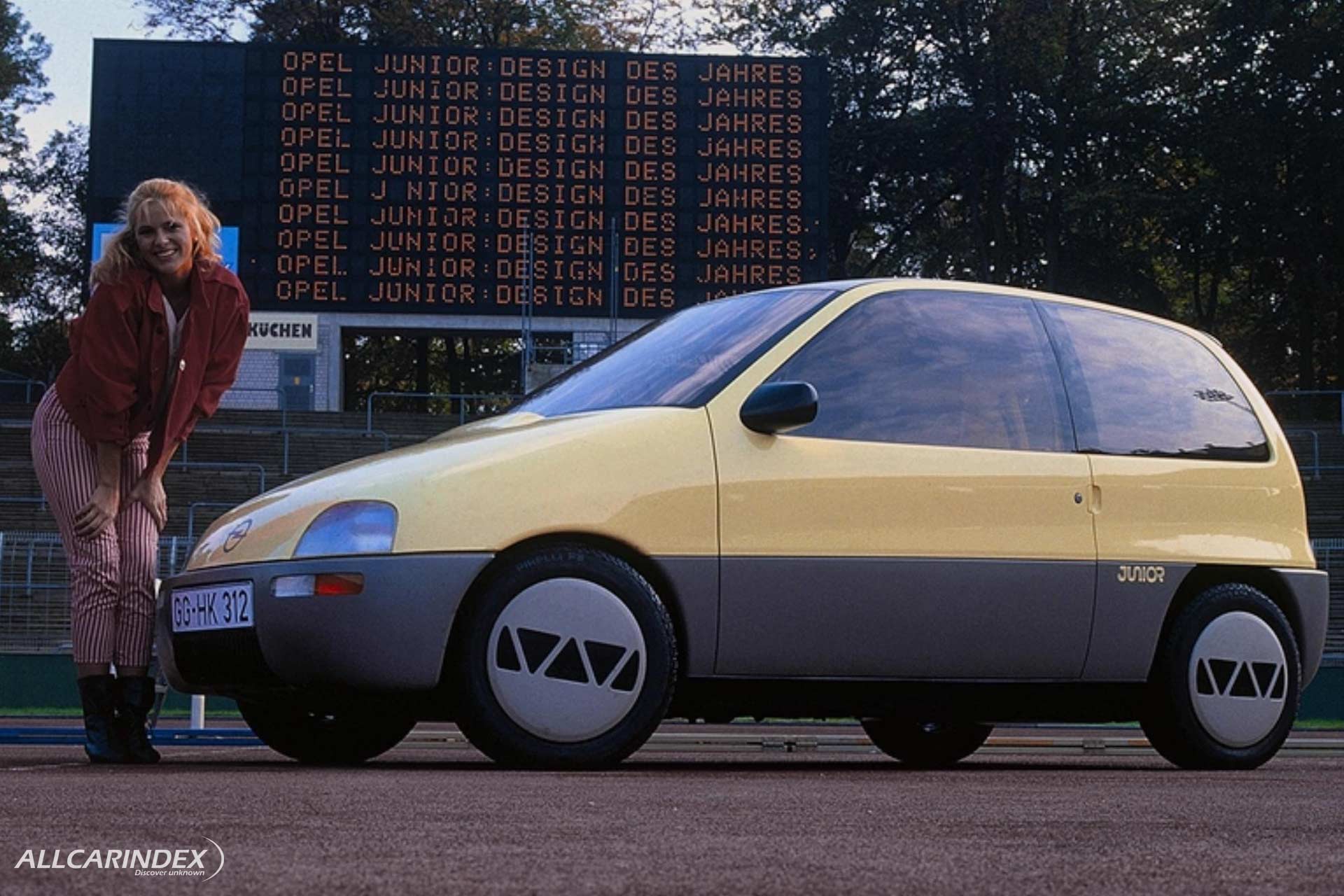
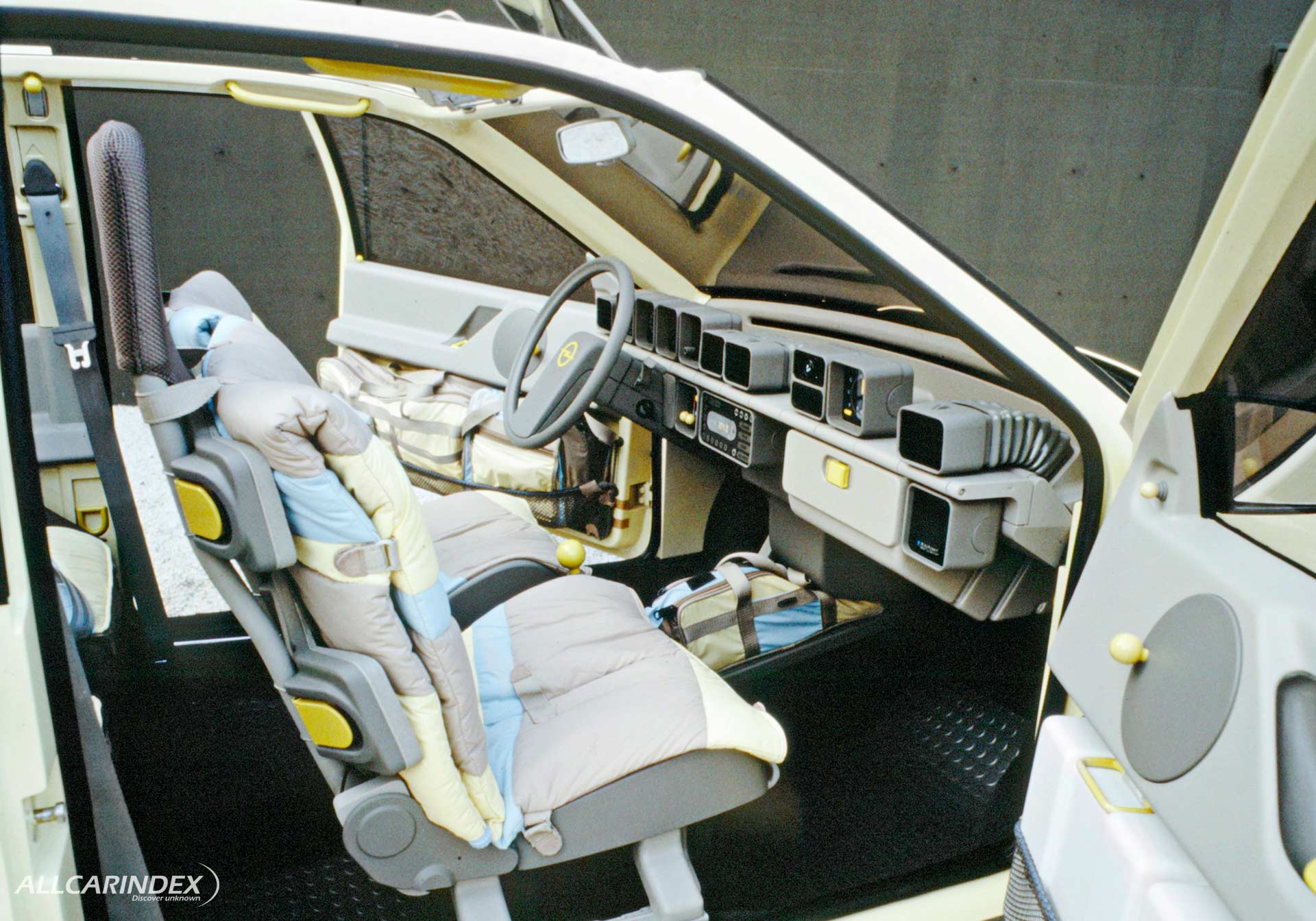
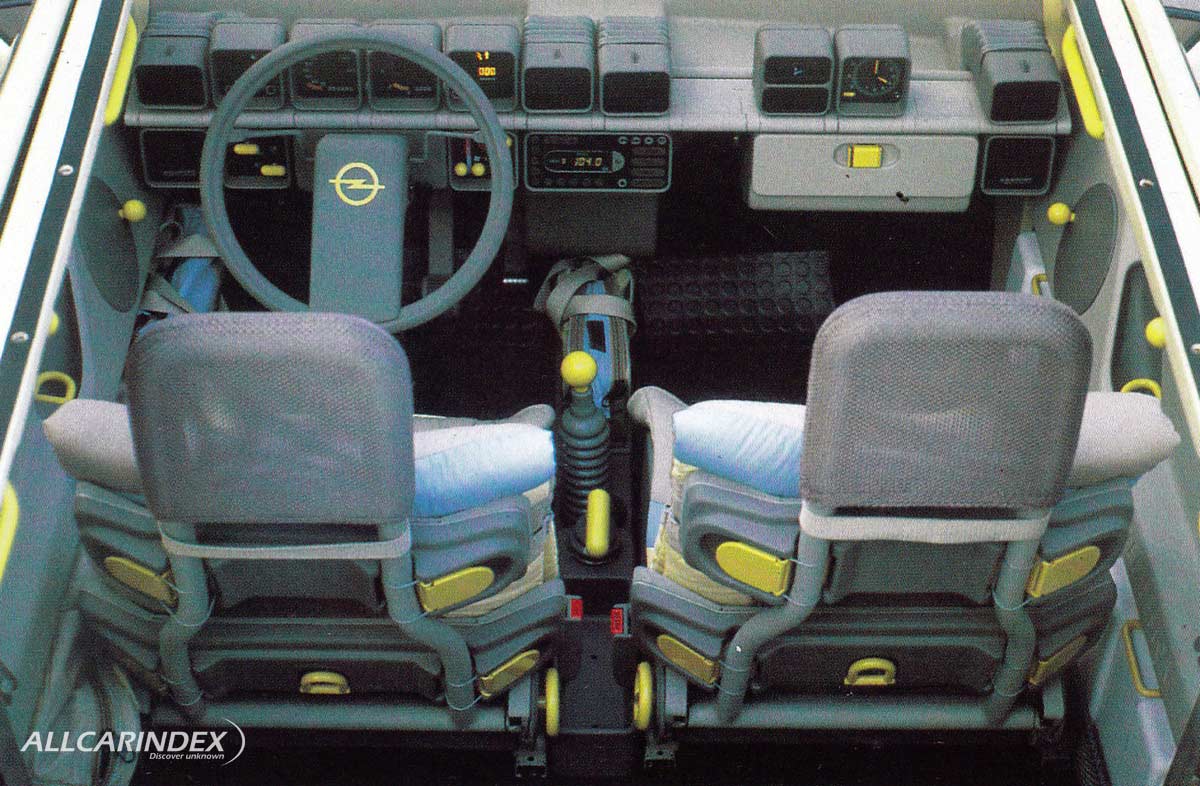
General Motors’ European design team developed a design study for a car smaller than the Vauxhall. Known as the Opel Junior, it was not scheduled for production. The study targeted leisure and outdoor use, and it was equipped with ideas such as removable seat upholstery that could be used as ground sheets or sleeping bags, and a lockable instrument carrier-bar with instrument and accessory modules that could be used as “portables” outside the car. Additional instruments could be added to the carrier-bar at any time.
Market Aims
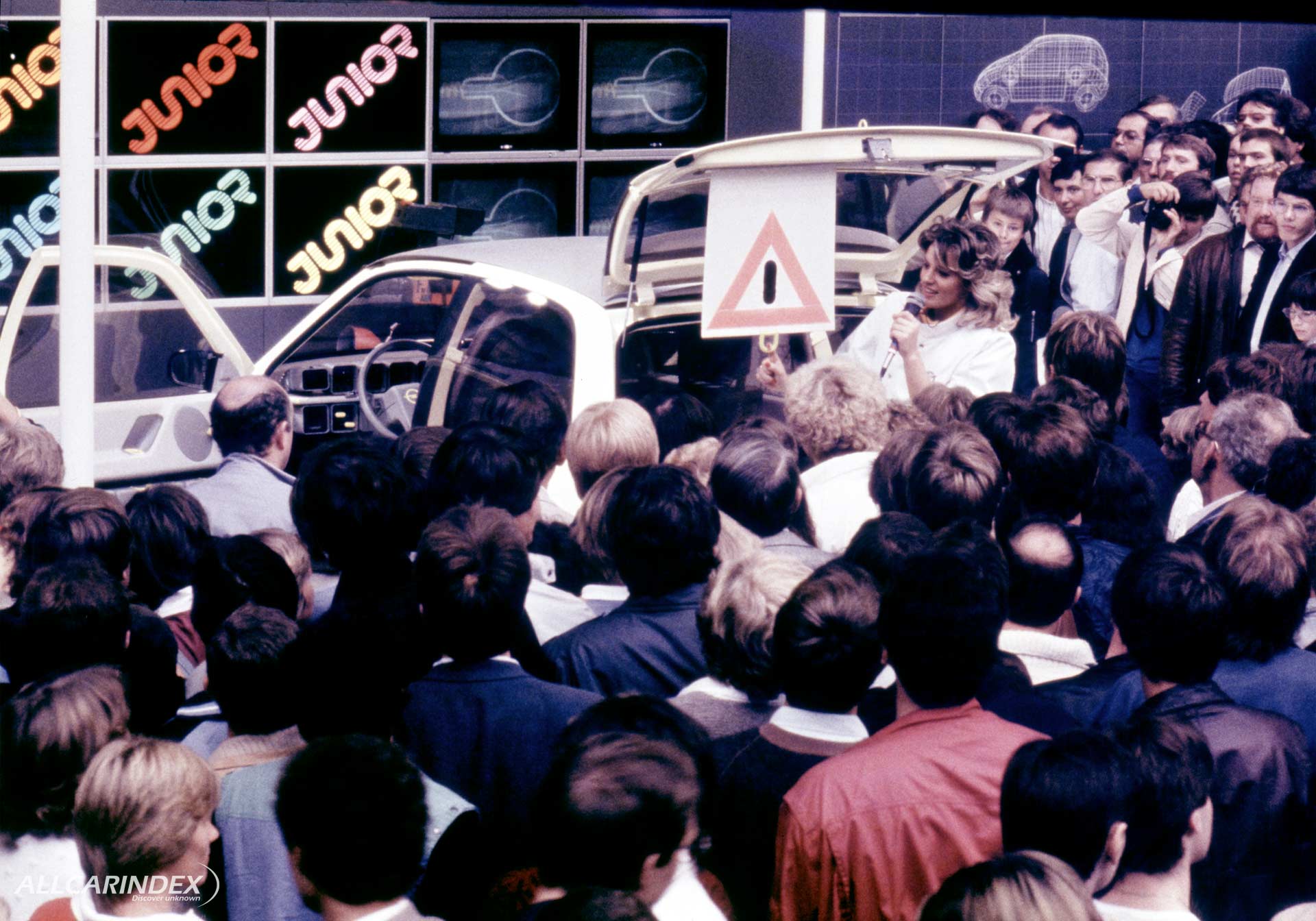
The Opel Junior was conceived as a futuristic concept in which innovation and creativity were important. It was also built to help compile market research data on sales trends in European small cars at the beginning of the 1990s. GM’s interest in this market sector reflected the company’s principle of competing in all relevant segments. Public reaction at the Frankfurt Motor Show was expected to offer initial points of reference for possible production.
Aerodynamics and Dimensions
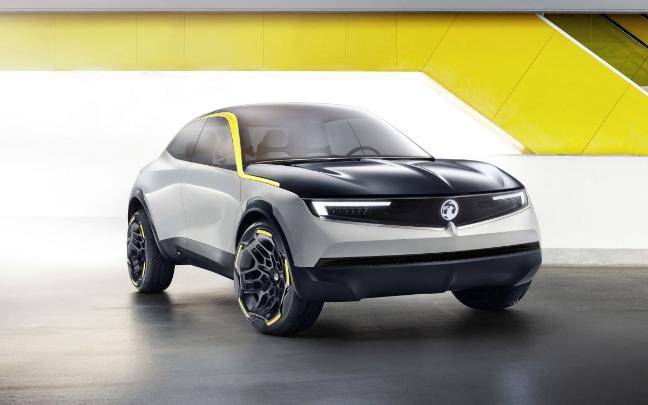
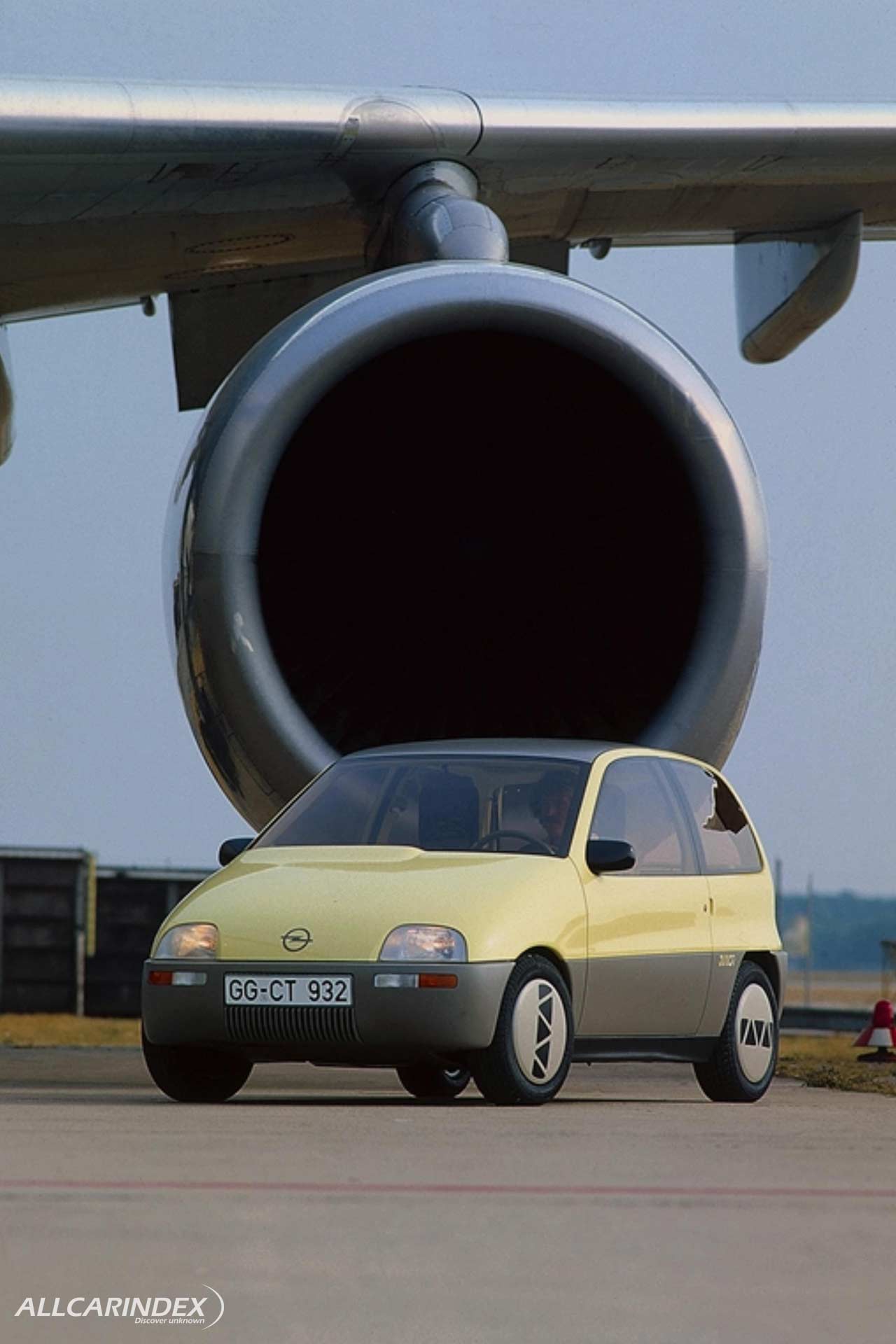
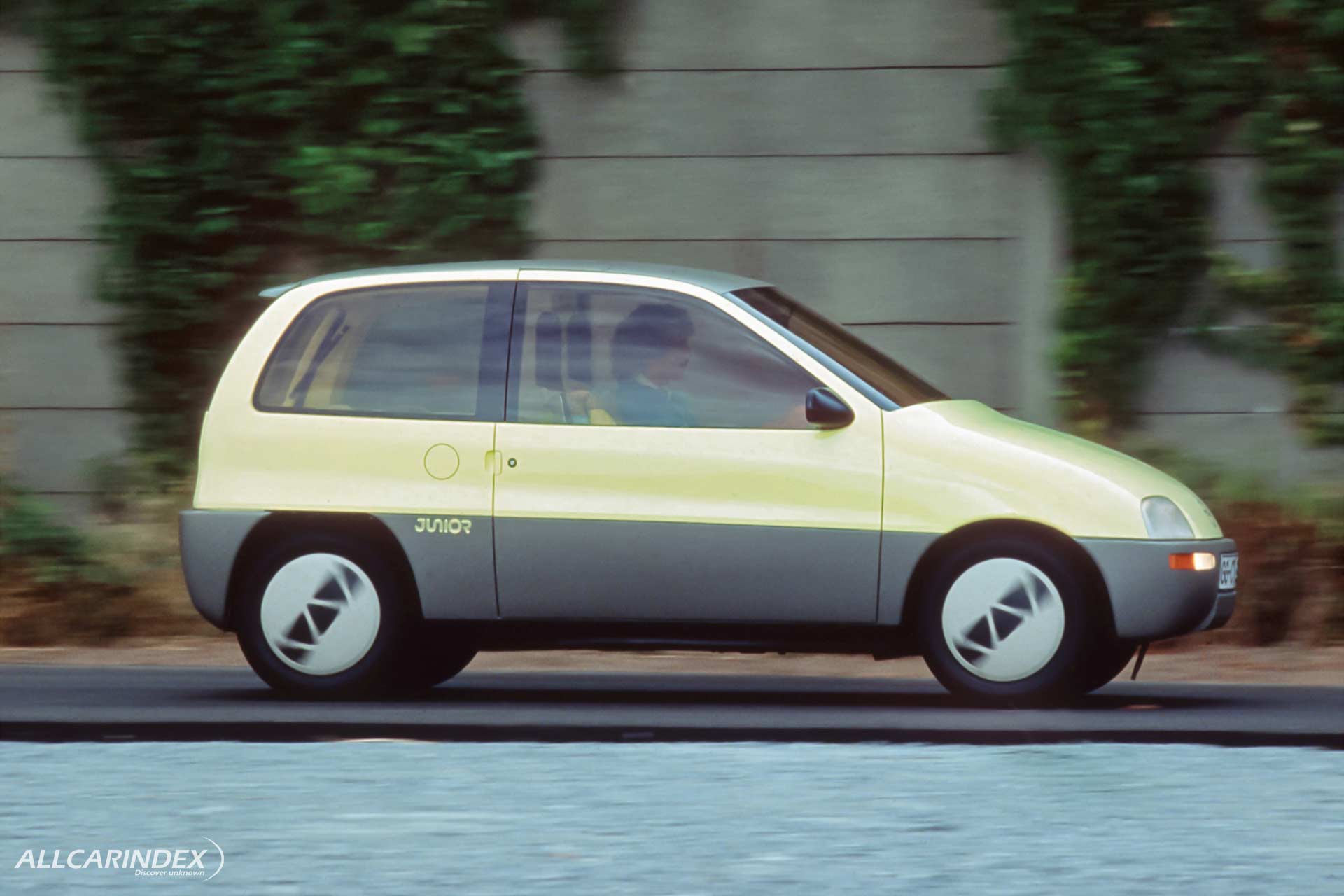
Initial measurements indicated a drag coefficient of Cd = 0.31 for a car with an overall length of 11.18 feet, which was eight and a quarter inches shorter than the Nova. The Junior was 1.5 inches wider and 3.25 inches higher than the Nova. The smooth, sloping front end featured flush-fitting headlights, a combined spoiler and flexible plastic bumper with an air inlet, and a single windscreen wiper recessed under an aerodynamic fairing. Flush-fitting glass doors, hinges, and latches contributed to uninterrupted airflow.
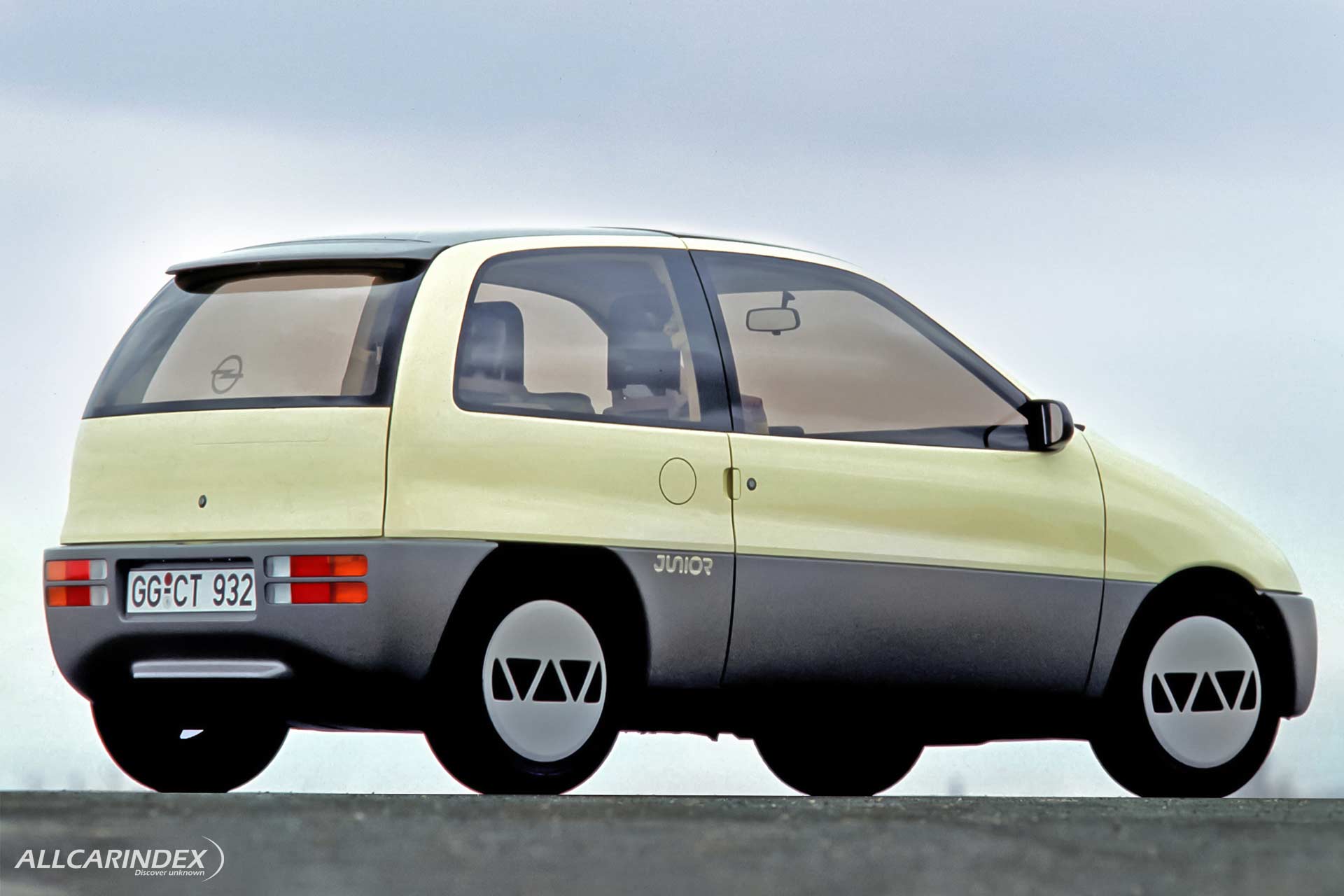
A louvre between the upper rear spoiler and the roof edge kept the rear window clean. There was a spoiler below the rear plastic bumper, smooth front and rear underbody coverings extending from the bumpers to the axles, and wind deflectors fitted to the sills below the doors. Wheel covers directed airflow for brake cooling and could be removed with buckle-type latches. Tyre-changing instructions were printed inside the wheel covers.
Powertrain and Performance (Engineering Calculations)
With a transverse-mounted 1.2-litre engine (40 kW/55 hp), engineering calculations suggested that the Junior would accelerate from 0 to 60 mph in under 15 seconds and reach a top speed of about 93 mph. It would achieve about 70 mpg at a constant speed of 56 mph.
Roof Configurations
The roof system offered multiple variations. The standard version was a two-piece, easily detachable plastic unit that covered the entire roof area. It could be exchanged for a folding canvas top or a panoramic glass roof. Luggage racks for skis, surf boards, bicycles, or containers could be mounted on the roof.
Rear Hatch: Space-Saving Design
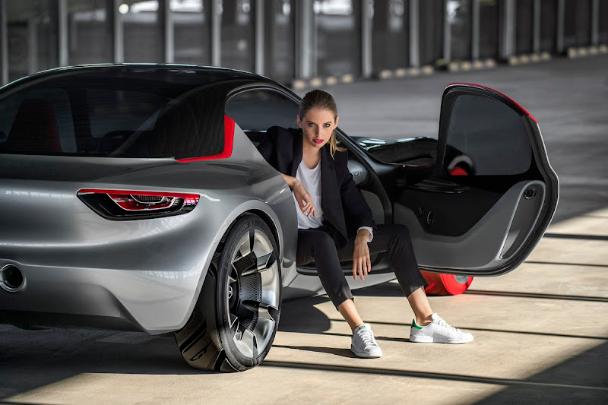
The rear hatch door was split into two parts at the waistline. With the lower part folding up like a jackknife, the opening radius was reduced by nearly 12 inches to aid use in tight spaces. Because the tail lights were integrated into the one-piece rear bumper, loading access extended across almost the entire width of the car. A warning triangle could be pulled down like a shade from the lower edge of the open hatch door.
Interior Features
The interior combined several new design ideas with a focus on functional and easily variable use. The upholstery of the four seats could be easily removed and used as sleeping bags or ground covers at the beach or on a picnic. The lockable instrument carrier-bar accepted instrument and accessory modules that could be removed and used outside the vehicle, with the option to add extra instruments quickly at any time.
Final Notes
The Opel Junior design study presented a compact package with low aerodynamic drag, flexible equipment, and modular features. It served as a research tool for General Motors to evaluate small-car trends in Europe and to gather early public feedback at major shows.