aci-logo

Frisky

1957-1964

Brand Data

Frisky was a British microcar marque manufactured between 1957 and 1964, successively based in Wolverhampton, Staffordshire, and later in Sandwich and Queenborough, Kent. The marque passed through several corporate identities during its short existence, beginning with Henry Meadows (Vehicles) Ltd, followed by Frisky Cars Ltd and then Frisky Cars (1959) Ltd, before production ended under Frisky Spares and Service Ltd.

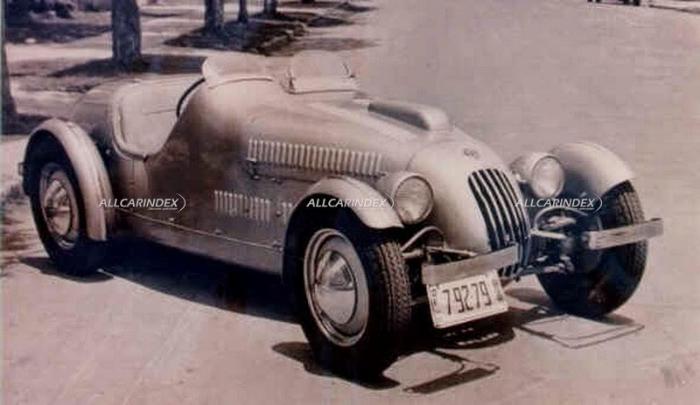
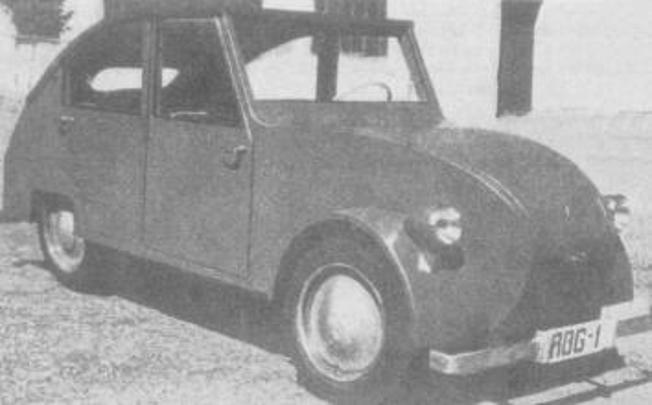
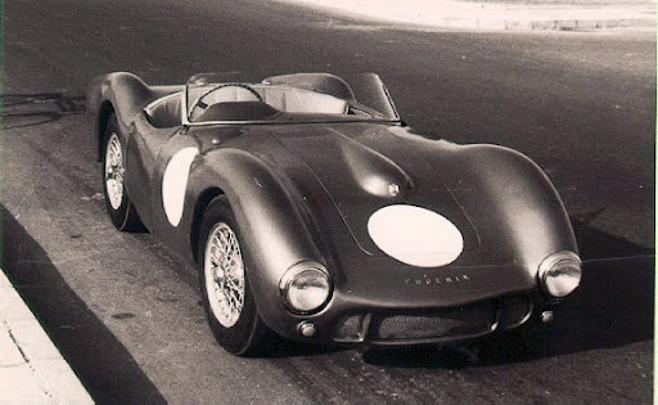
The origins of the marque lay with Captain Raymond Flower, a British businessman based in Cairo who developed a sports car called the Phoenix, finished in the purple racing colours of Egypt. While still in Egypt, Flower also designed a microcar of unusual appearance, featuring a single up-and-over door, though this vehicle was never marketed. He returned to Britain during the Suez crisis and began collaborating with the engineering firm Henry Meadows Ltd, which went on to build the production cars.

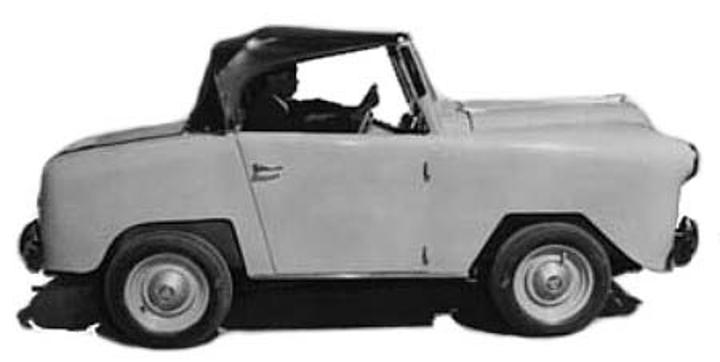
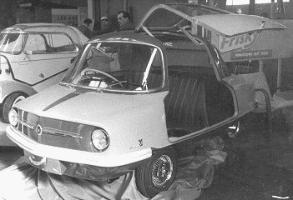
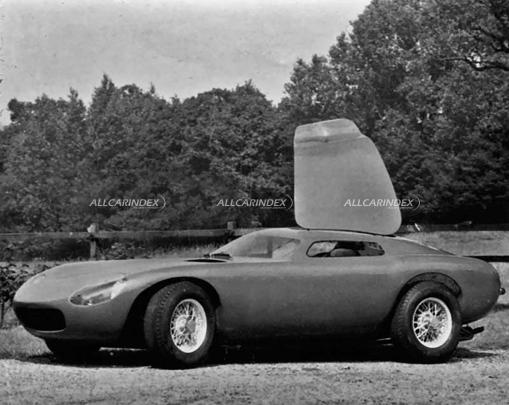
The Frisky first appeared in Britain in 1957 with styling by Michelotti and gull-wing doors, and it was claimed to offer seating for five. This configuration was judged impractical for production, and the car was subsequently restyled with open bodywork, conventional doors and sharper lines that included tail fins. Its fibreglass body was produced at the Guy lorry works and mounted on a separate ladder chassis. The rear wheels were set so close together that no differential was required. Power came from a 249cc Villiers two-stroke engine driving the rear wheels by chain through a motorbike gearbox, with reverse achieved by running the engine backwards; front suspension was of the independent Dubonnet type. Shortly after launch, a 324cc Villiers engine became available as an option.

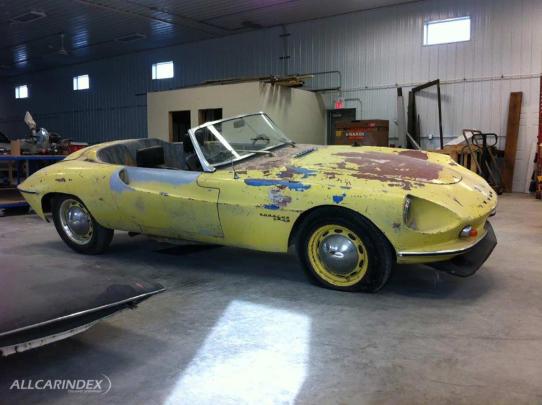
These early cars were marketed as the Friskysport, capable of around 65mph while returning 56mpg, and were offered in both coupé and convertible form. A related project, the 1958 Friskysprint, was a dramatic, low open sports car only 37.5 inches high, designed by Gordon Bedson and powered by a 492cc three-cylinder Excelsior two-stroke engine producing 30bhp, with a claimed top speed of 85mph. This model did not reach production in Britain, though the design later resurfaced in Australia as the Lightburn Zeta Sports.

Captain Flower also pursued a simpler model called the Family Three, a three-wheeler offering accommodation for four people, initially fitted with a 197cc engine and later a 250cc two-cylinder unit. From 1961, production concentrated on three-wheeled models. A larger derivative, the Prince, was introduced in 1960 with either a 324cc or 328cc engine. A further model also named the Frisky Sport was produced in limited numbers as a larger, more conventionally styled car, though little is known about it and it is unclear whether it reached full production.

After four changes of premises, Henry Meadows ceased production of the Frisky in 1964.

Subscribe for Full Access

  • Brands and models — Full galleries and interactive map
  • Exotic car catalog — Full brand details and model specs
  • Documentation archive — Full scans, plus PDF and ZIP downloads
  • Ad-free browsing

From €9.90/month — or €50/year (save 58%)

Subscribe Now
Models

Test your car knowledge

Take a quick quiz or try the Mystery Car of the Week — can you name the car?