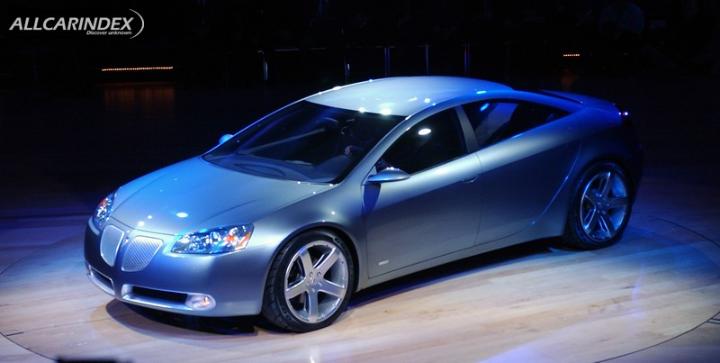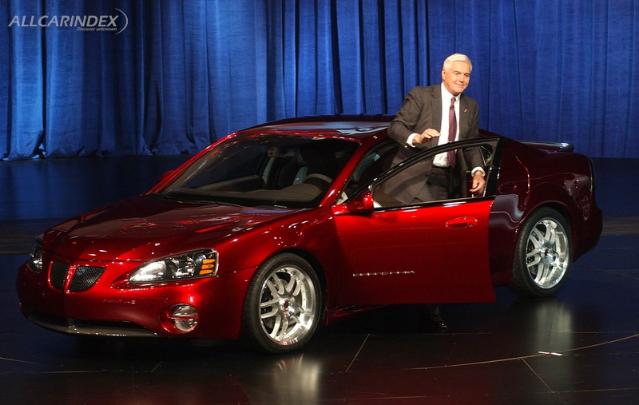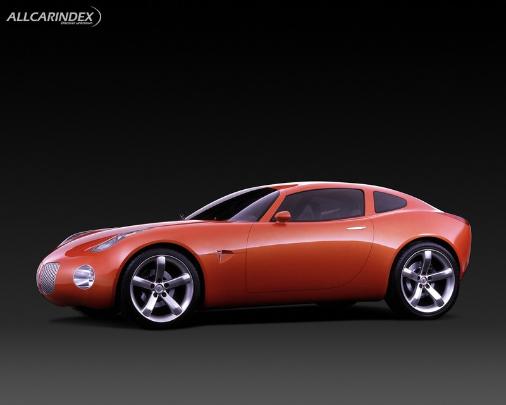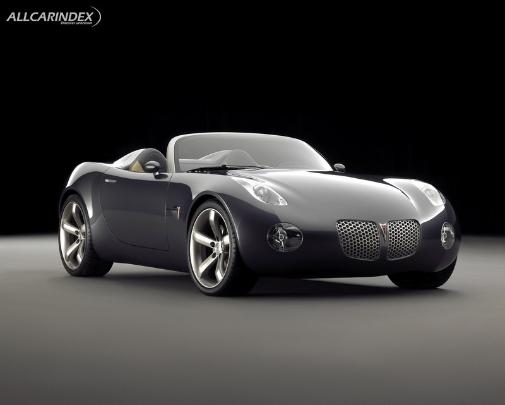
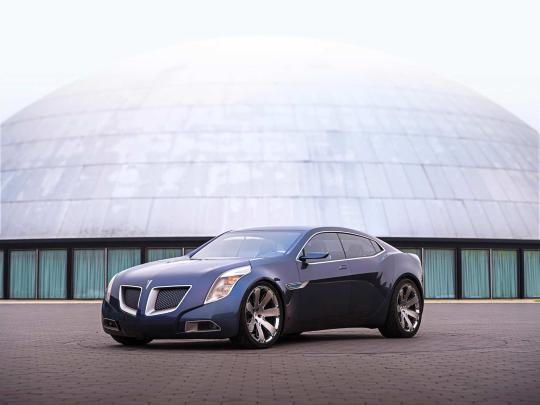

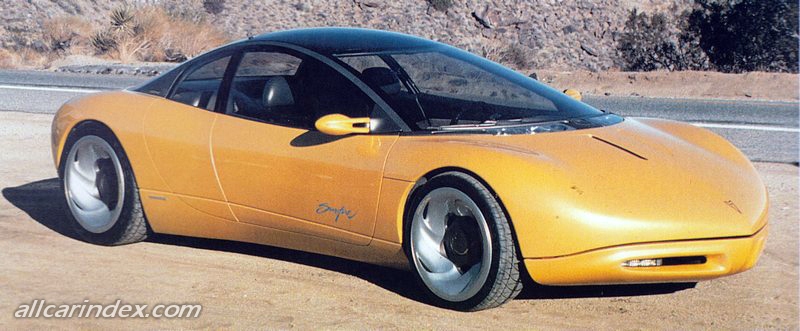
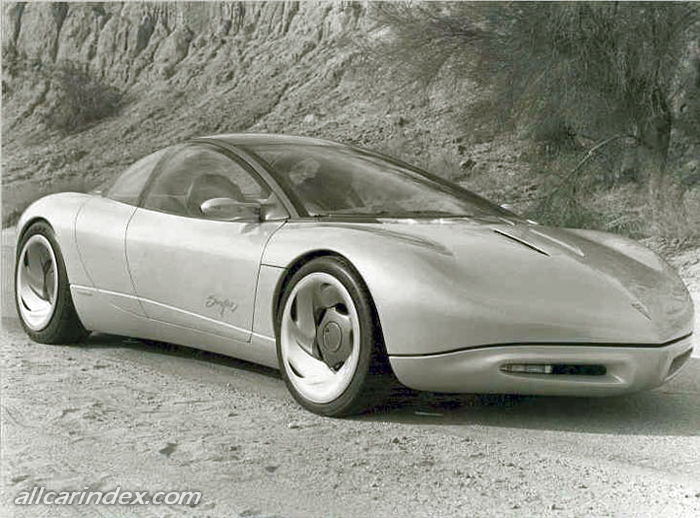
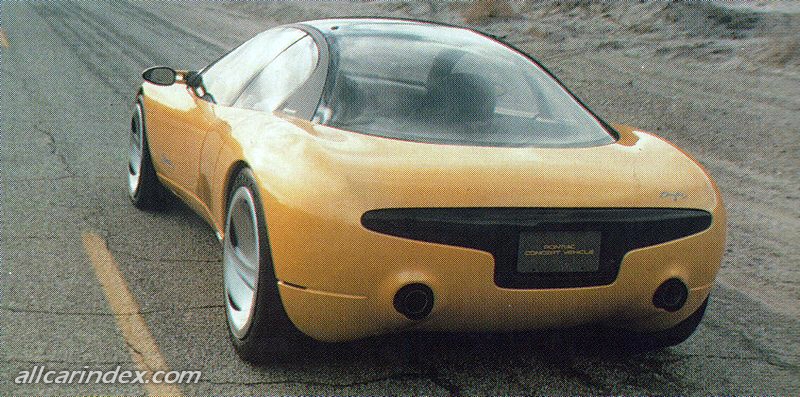
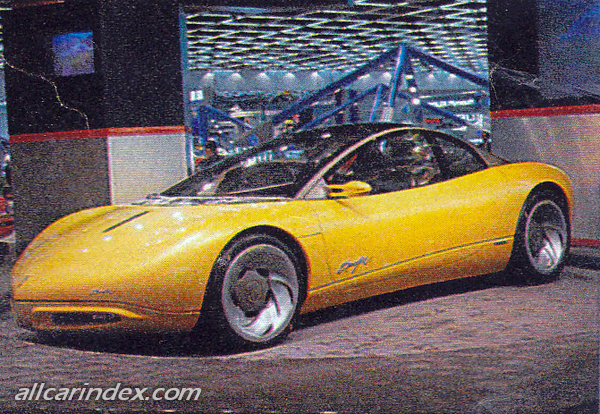
The Pontiac Sunfire was a concept car shown at the North American International Auto Show in Detroit shortly after the turn of 1989/90, presented as part of General Motors' effort to appeal to younger buyers. It took the form of a 2+2 to four-seat sport coupe with a carbon fiber body built on a frame structure, and it was never produced.
The design featured a pointed front end with a low, split air intake, a heavily curved windshield that flowed seamlessly into an arched roof and dome-shaped rear window, and a familiar hip-line curve along the beltline. Wheels were pushed to the extreme corners of the body for very short overhangs, and rear tires were an inch larger in diameter than the fronts. Pop-up headlights were mounted just ahead of the windshield. Rear half-doors, hinged at the back and lacking a center pillar, opened at a touch, in a style comparable to the Isuzu 4200 R.
Inside, the rear seats angled slightly outward for extra leg and head room and easier entry. Front bucket seats adjusted automatically with a six-position memory function and moved together, with an air-cushioned driver's seat. Controls were built into a flattened-top steering wheel that rotated with them, while a sculpted center console housed further switches and a light-action gear lever. Analog gauges sat far forward under the windshield, supplemented by a head-up display, a Delco audio system with Pioneer CD player, and a voice-activated cellular phone.
The car used a front-mounted, transverse 2-liter DOHC 16-valve four-cylinder engine producing 192 hp at 6000 rpm and 278 Nm of torque, paired with a 5-speed manual transmission and ABS. Wheelbase measured 2770 mm and overall length 4550 mm.