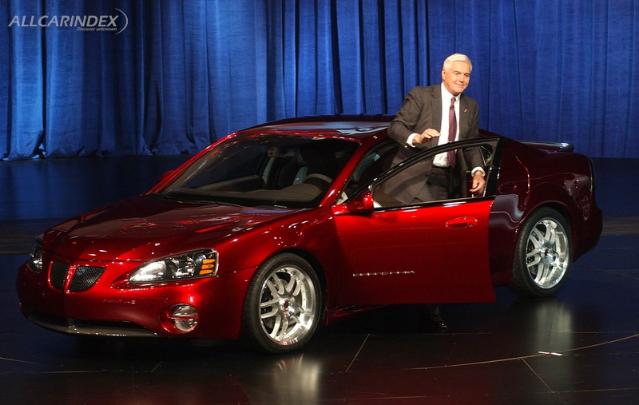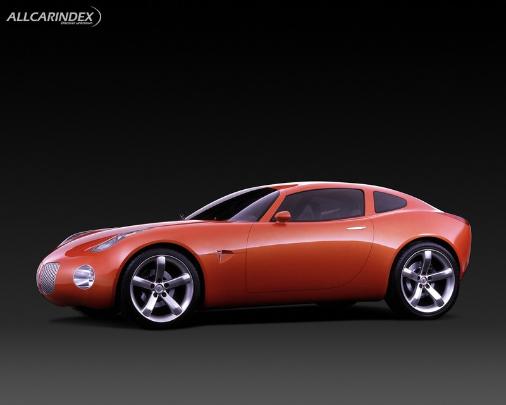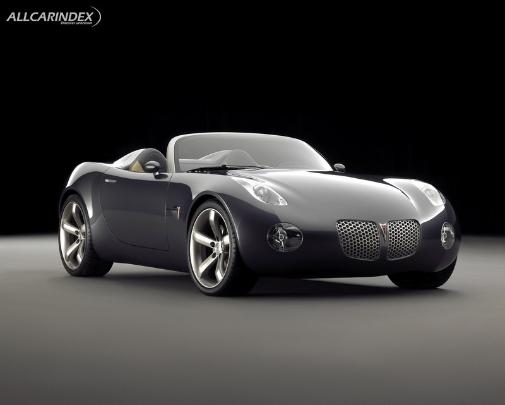
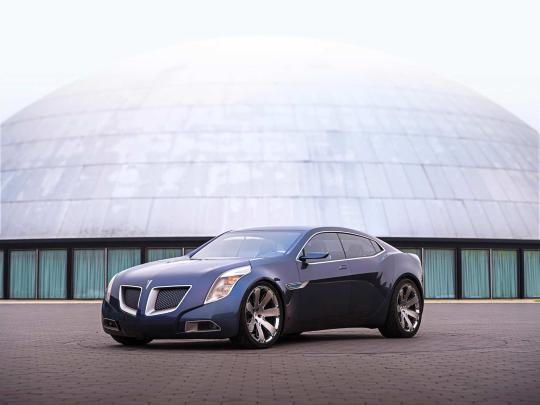

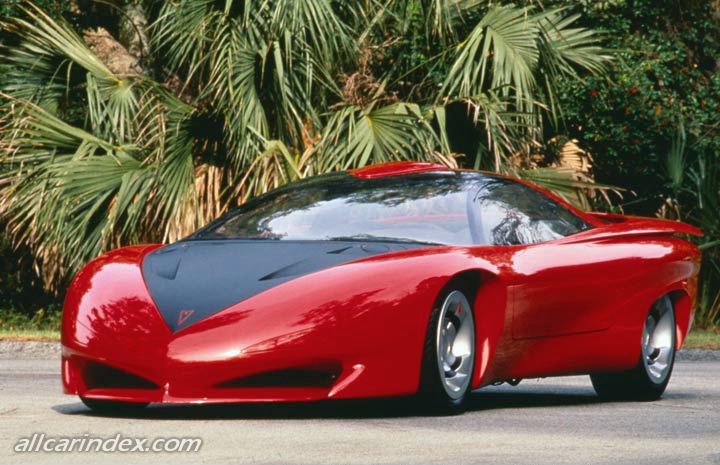
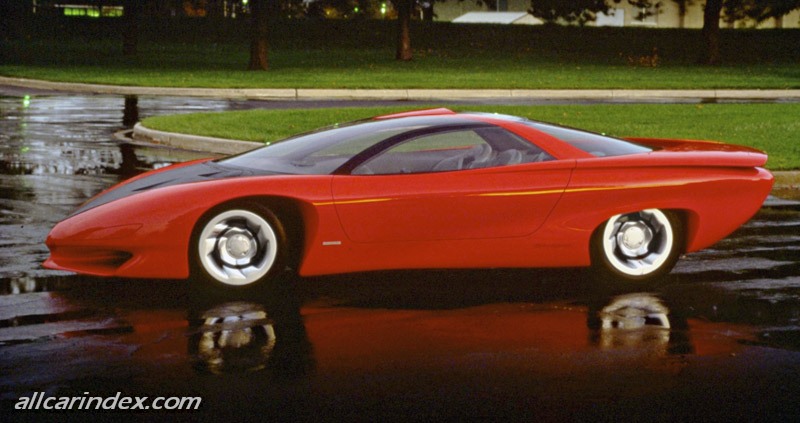
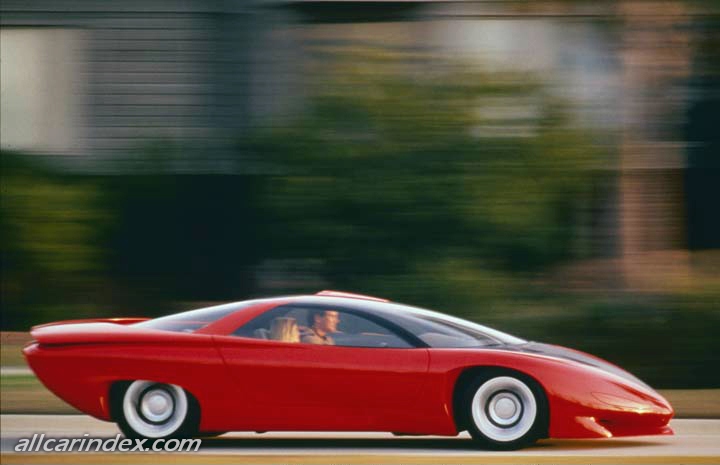
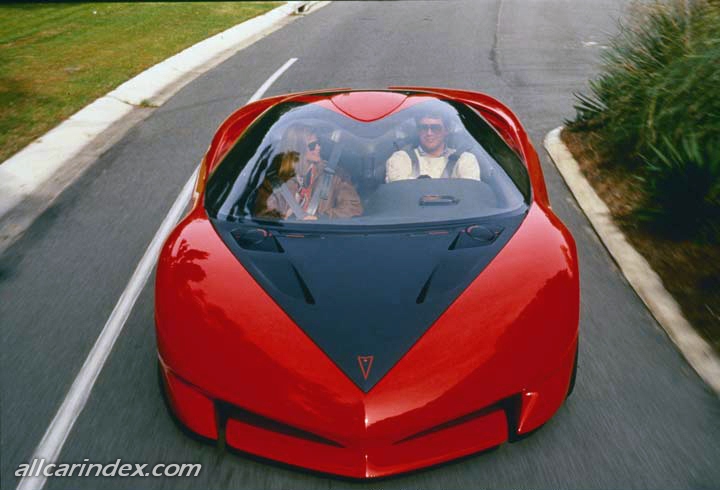
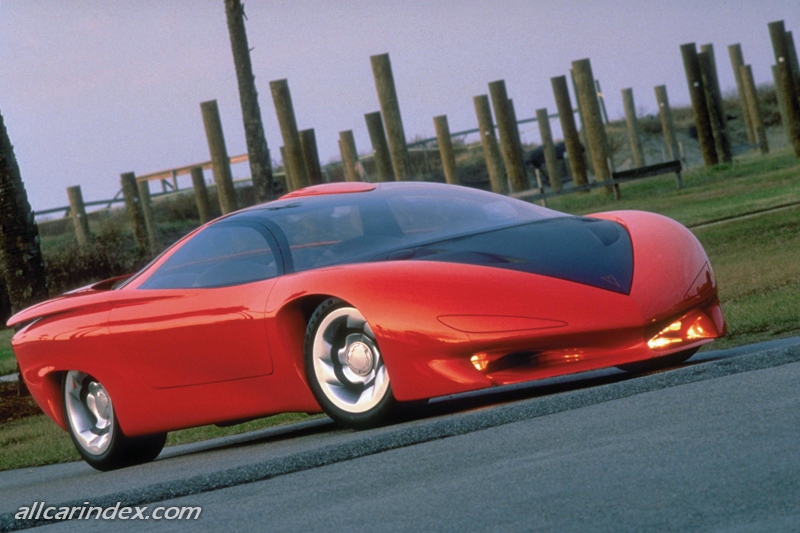
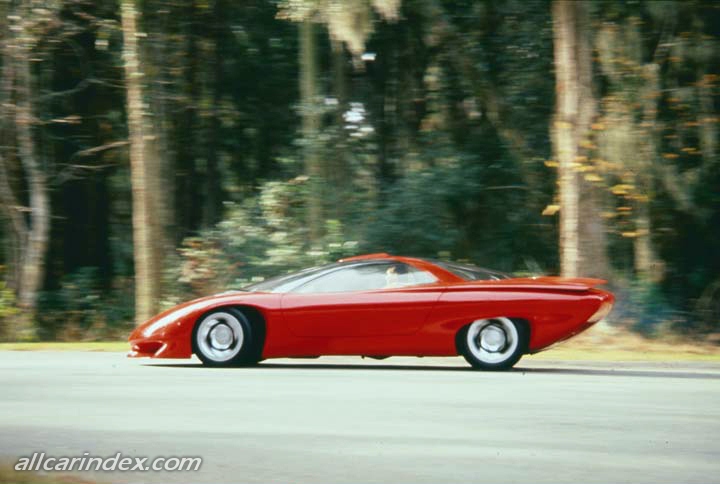
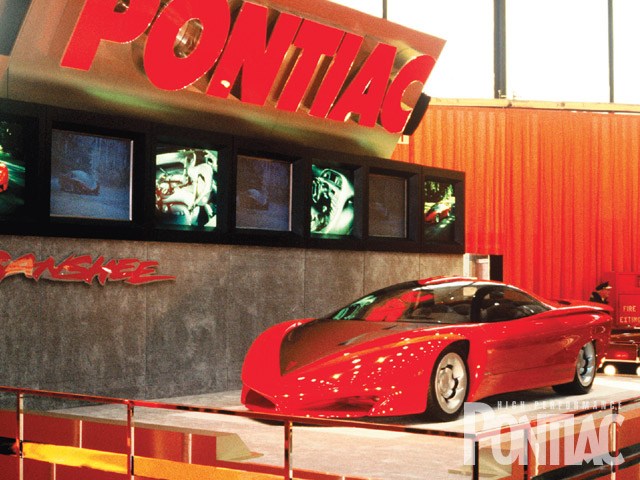
The Pontiac Banshee was a concept car shown by Pontiac in early 1988 at the General Motors exhibition "Teamwork and Technology — for Today and Tomorrow," held at the Waldorf-Astoria Hotel in New York City. It was a 2+2 seat coupe styled in Pontiac's design language of the time, and its appearance was widely seen as a preview of future Firebird generations. Pontiac acknowledged that styling elements of the Banshee, built as a single red example, could appear on Firebird models heading toward the turn of the century. Its front-end design was said to have already influenced the 1991 model-year Firebird.
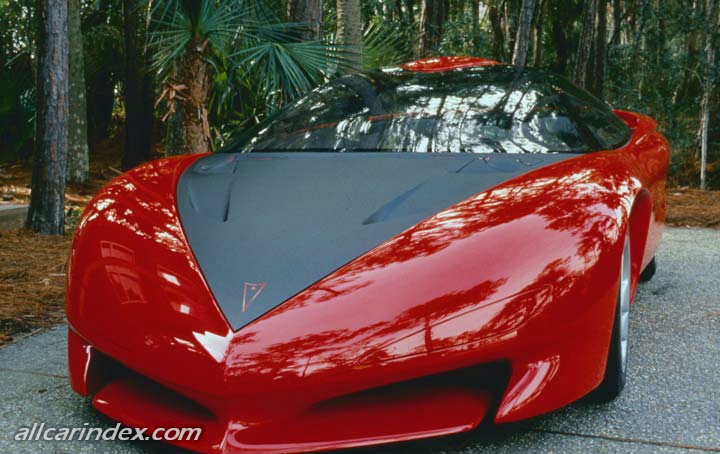
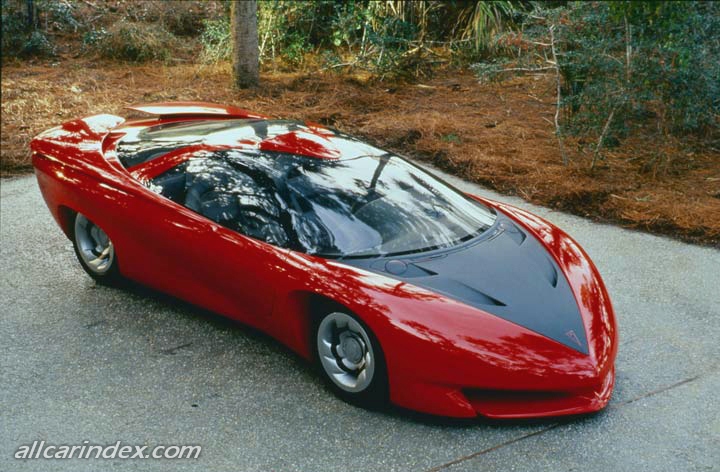
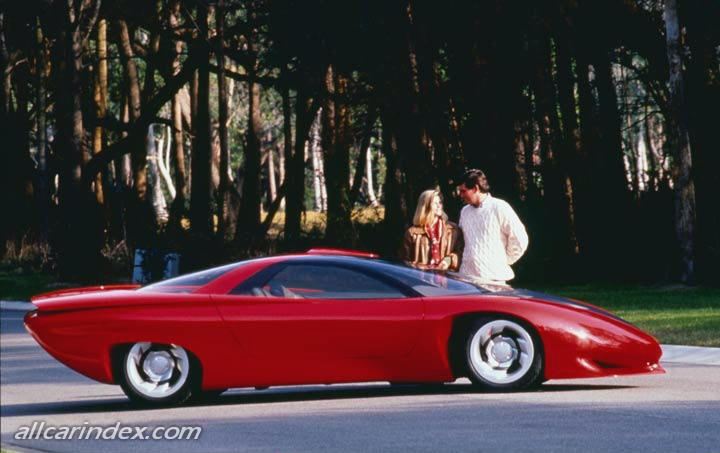
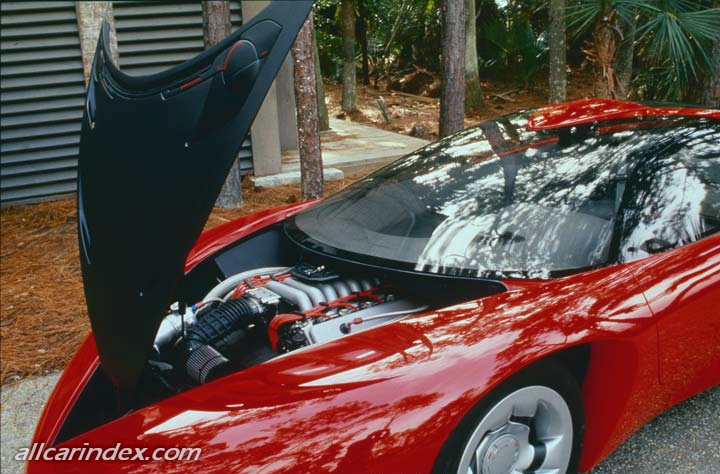
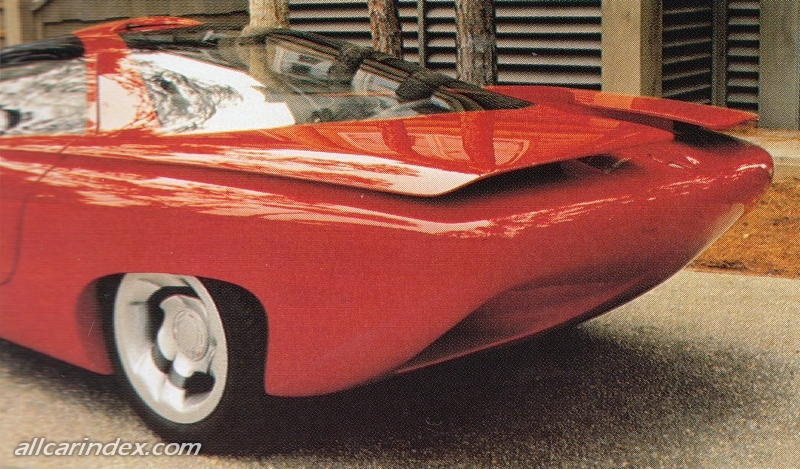
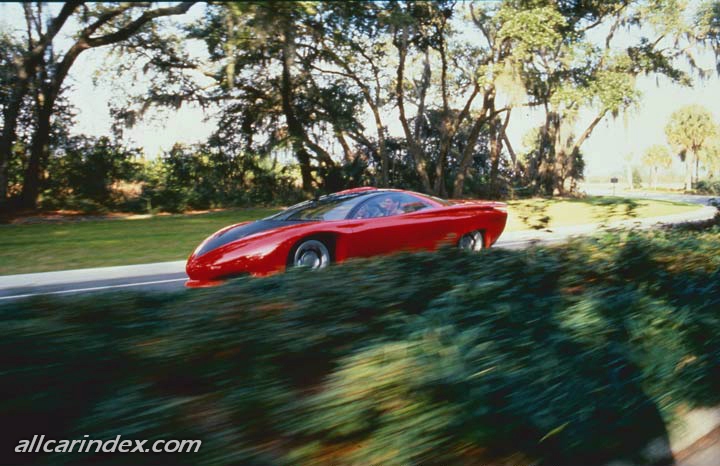
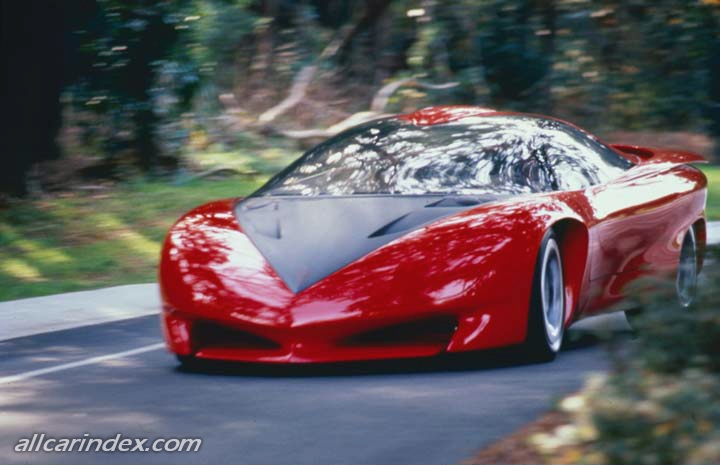
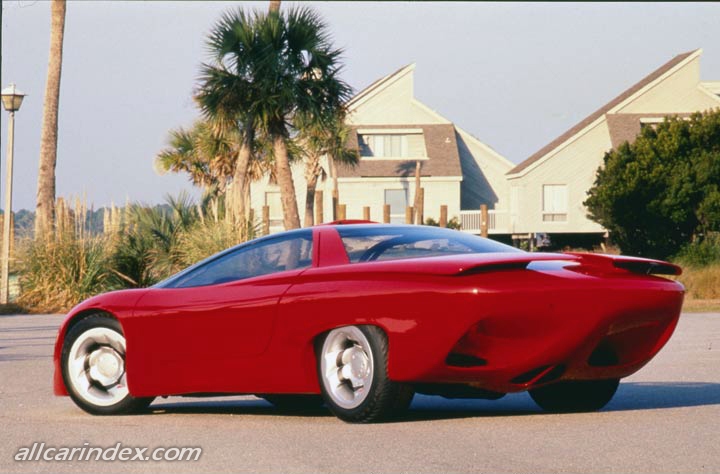
The body was made of fiberglass-reinforced plastic mounted on a tubular frame chassis, with a conventional front-engine, rear-wheel-drive layout. The nose was deeply scooped and sharply pointed, with a black triangular panel running from the windscreen base onto the hood. The windscreen curved back over the tops of the doors into the roof, beltline creases ran into adjustable rear wings, and upward-angled air channels beneath the tail provided ground-effect airflow. The wheelbase measured 267 cm, 10 cm longer than the 1988 Firebird, while overall length and width of 511 cm and 203 cm also exceeded the production car's 484 cm and 184 cm. Roof height was reduced to 117.5 cm from 126.5 cm, and ground clearance was just 10 cm. Suspension components were largely taken from the Chevrolet Corvette, with an independent rear rather than a live axle. Custom wheels carried Goodyear tires sized 17x8 inches at the front and 17x9½ inches at the rear.
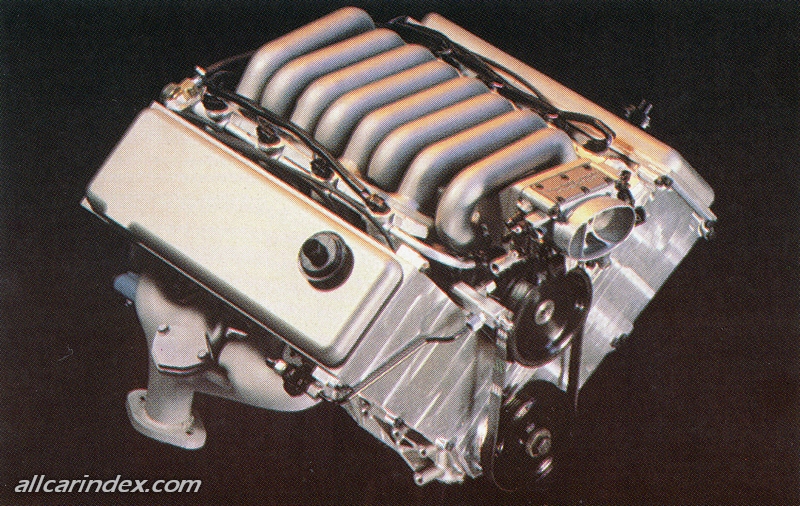
Power came from a newly designed 4-liter V8 with double overhead camshafts, an aluminum block and head cast as a single piece, and output given as 230 hp at 5600 rpm, compared with 225 hp for the Firebird Trans Am GTA of the time. A Getrag five-speed manual transmission handled drive to the rear wheels, and four-wheel disc brakes were fitted with ABS.
The interior featured no exterior door handles or mirrors; the car was opened using an infrared remote built into a Pontiac wristwatch. A small, rounded-square steering wheel incorporated an airbag and numerous controls operable without releasing the thick leather-wrapped rim. Instrumentation was electronic, combining a head-up display with a Virtual Image Display that projected holographic readouts over the hood, plus an LCD screen for a rear-view camera and a second LCD for an Etak navigation system. Front seat backs could swivel to ease access to the rear seats, and each occupant had individual volume and tone controls for speakers built into the headrests. The Banshee was built as a fully drivable concept within a few months by Cars and Concepts (C&C) of Brighton, Michigan.