
The Ford Ghia Zig is a concept car built by Ford's Ghia design studio in Turin, Italy, presented alongside a related study, the Ghia Zag, as part of an exploration of package-efficient small-car design intended to anticipate ecological and manufacturing demands of the 21st century. Ford suggested that the shared underpinnings of the Zig and Zag could form the basis for a wider family of economically produced small cars.
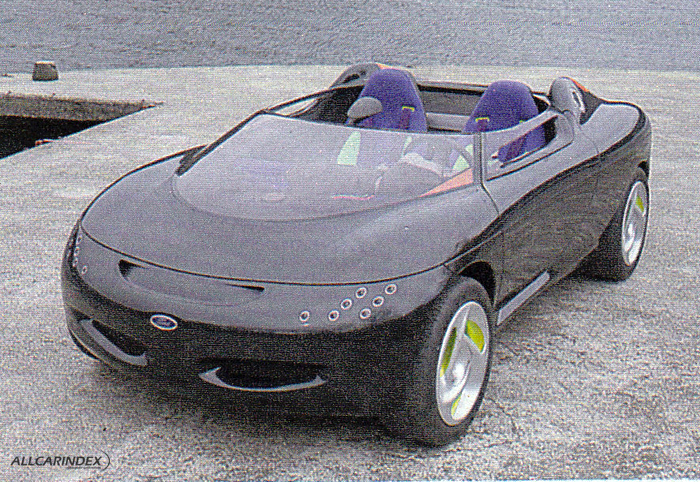
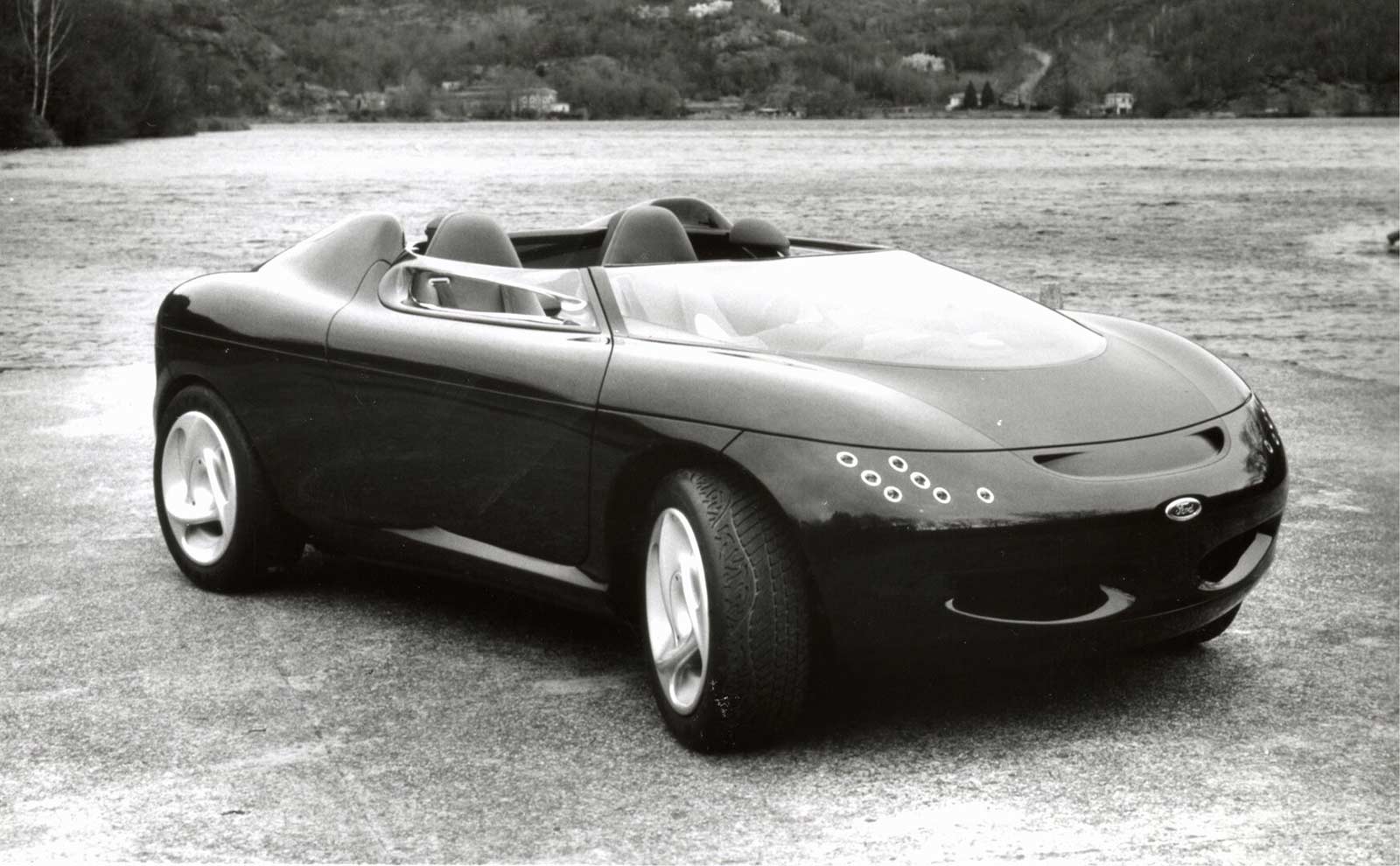
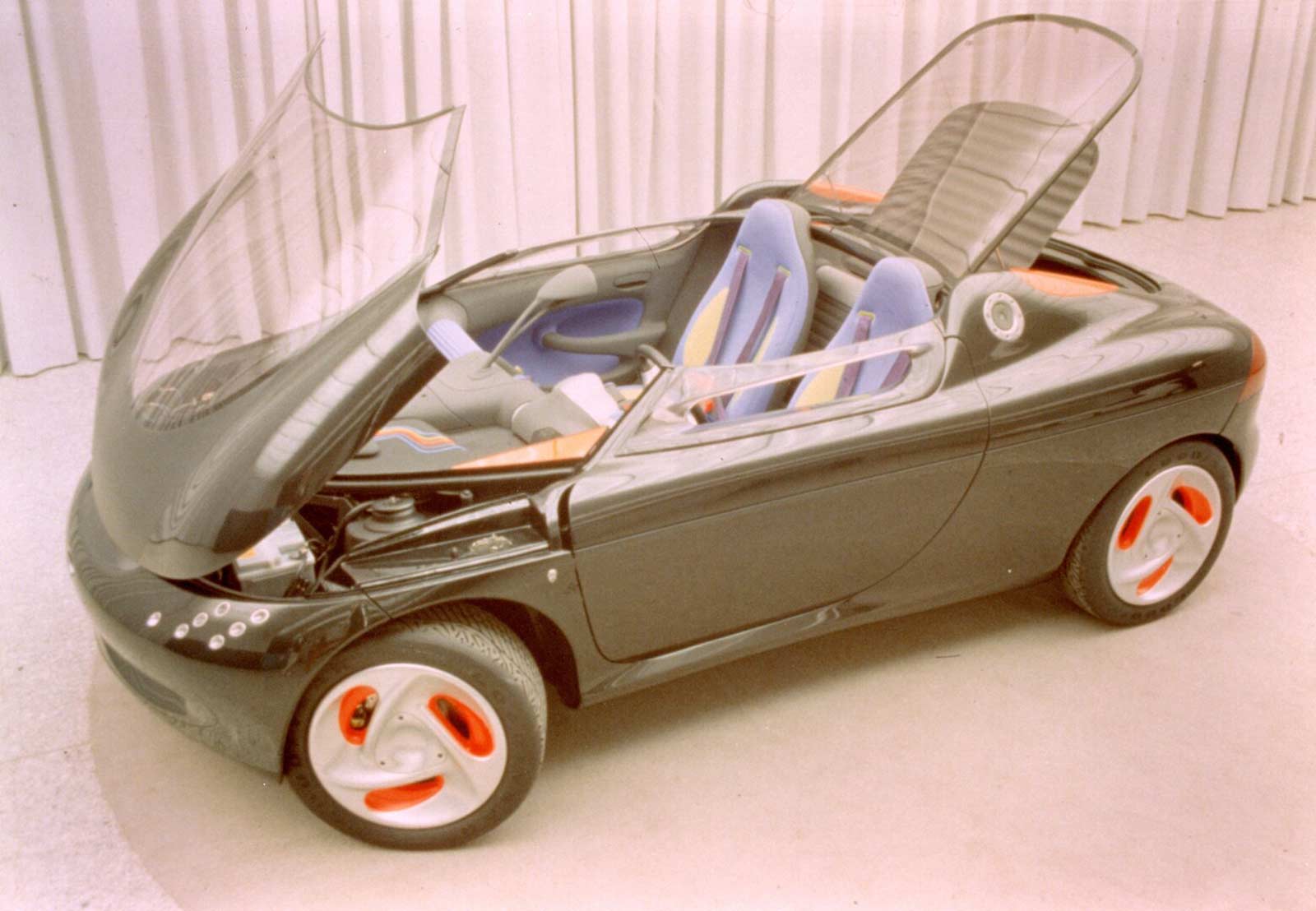
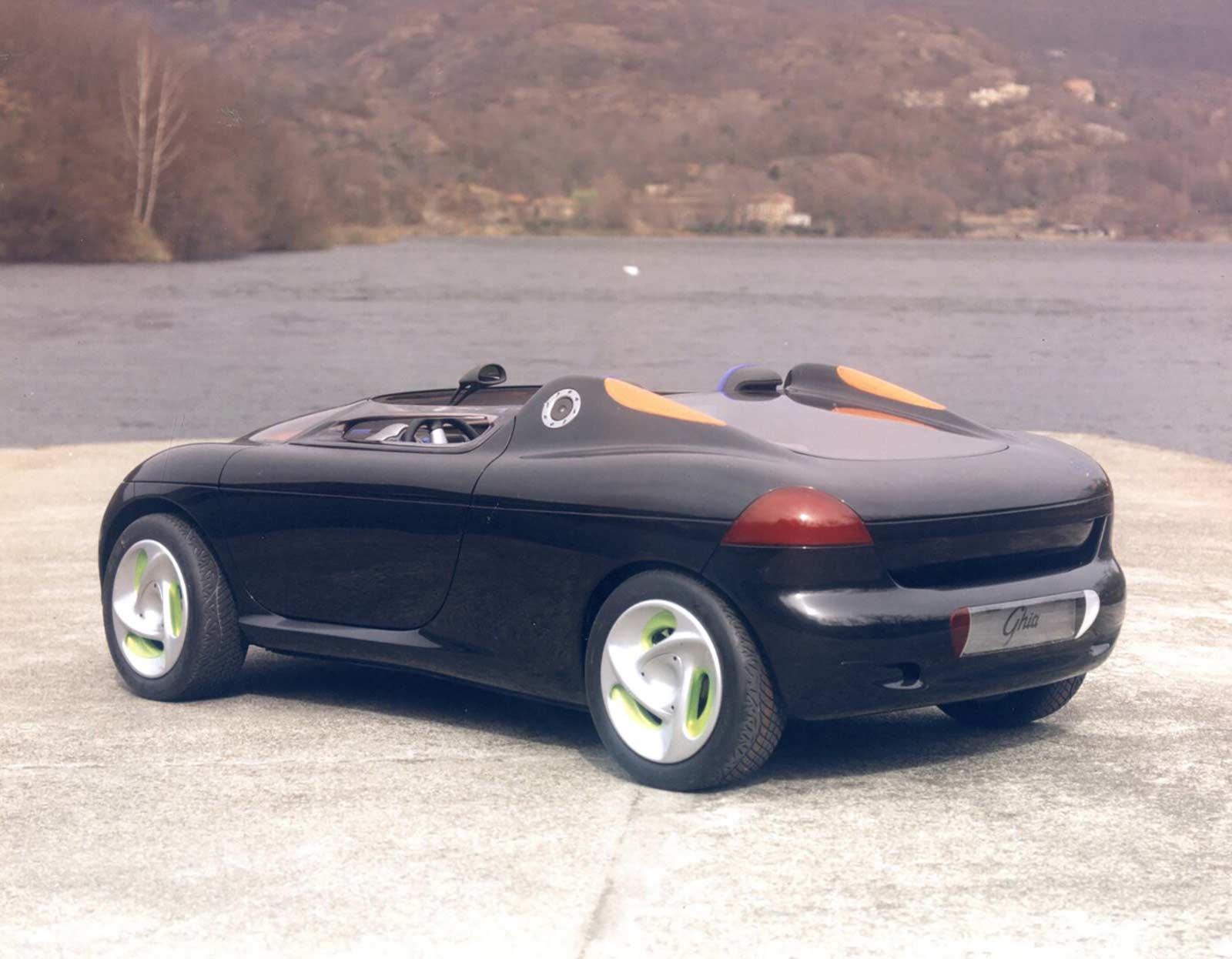
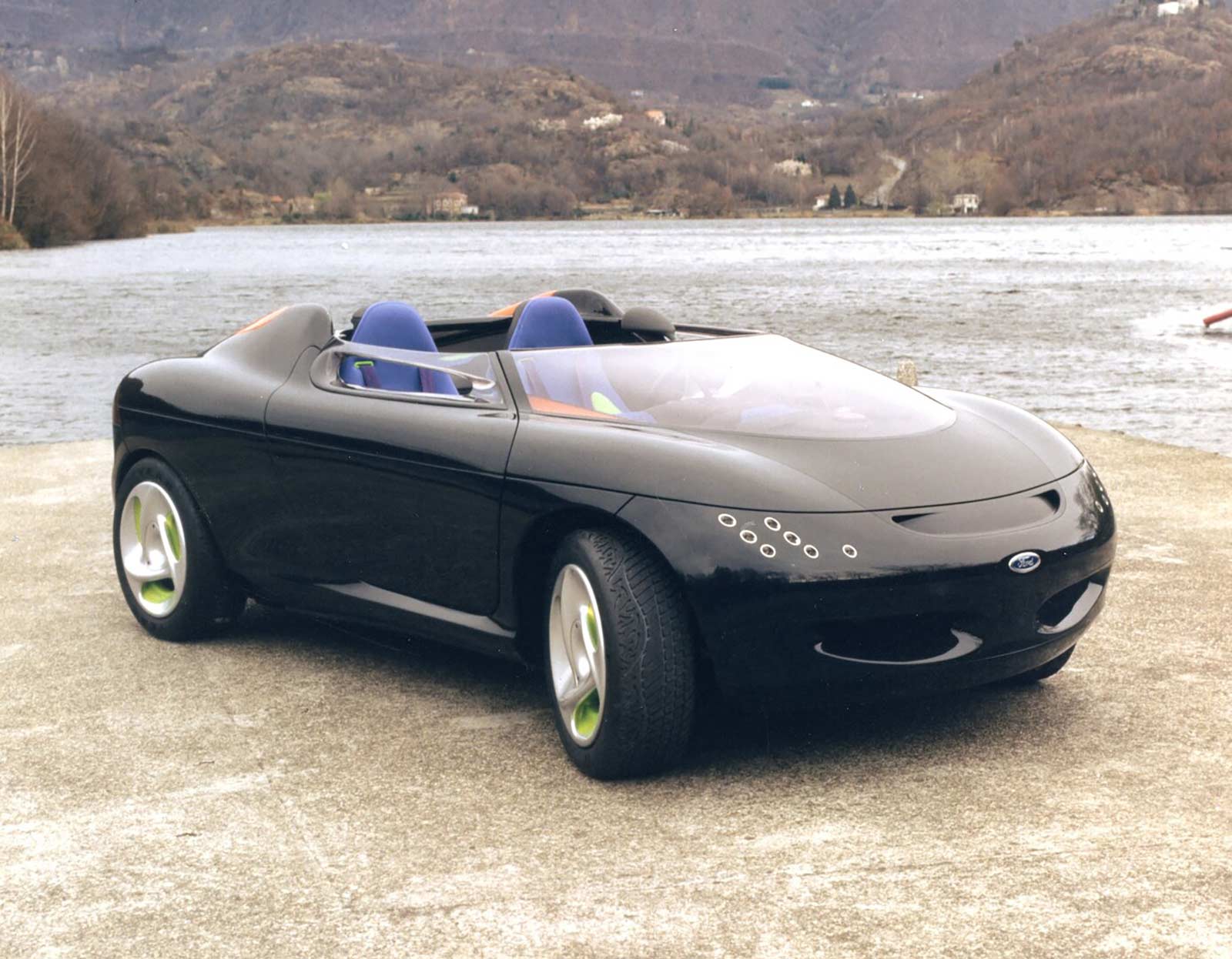
Like the Zag, the Zig used a shortened Ford Fiesta platform, with the wheelbase reduced by 21.5 cm to 223 cm, and the two cars shared identical flanks and doors. Both featured a fully functional fibre-optic lighting system that terminated in seven small points of light in place of conventional headlamps.
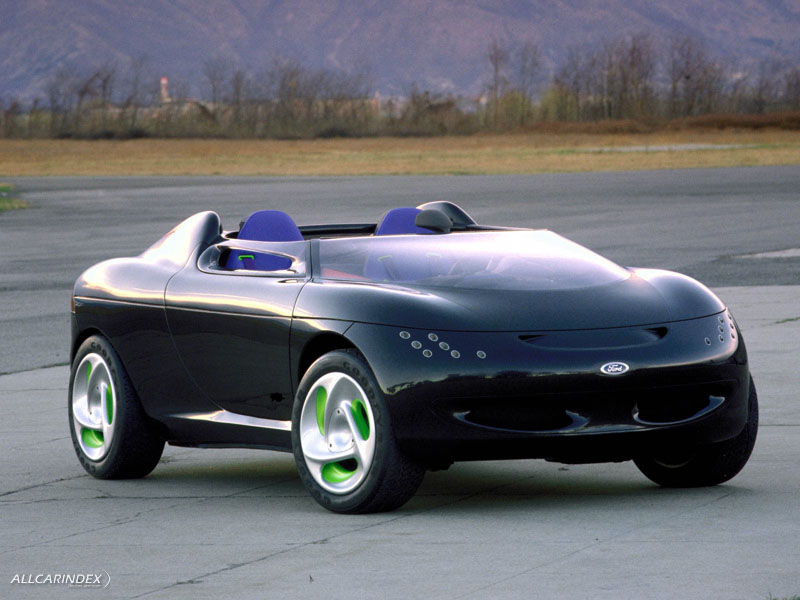
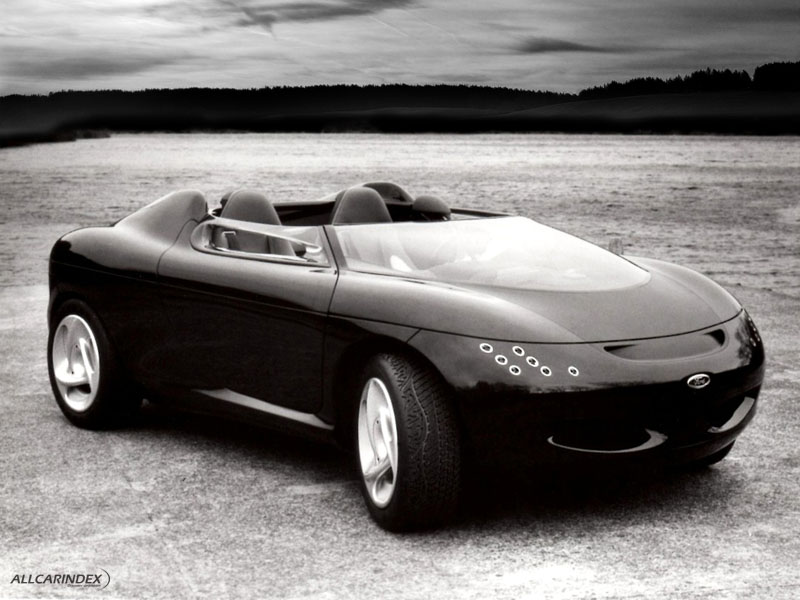
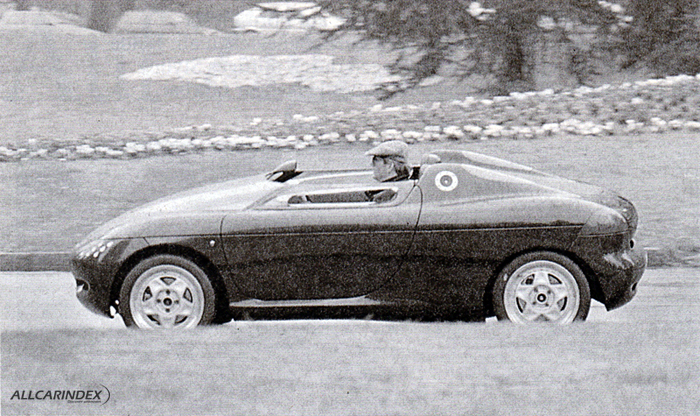
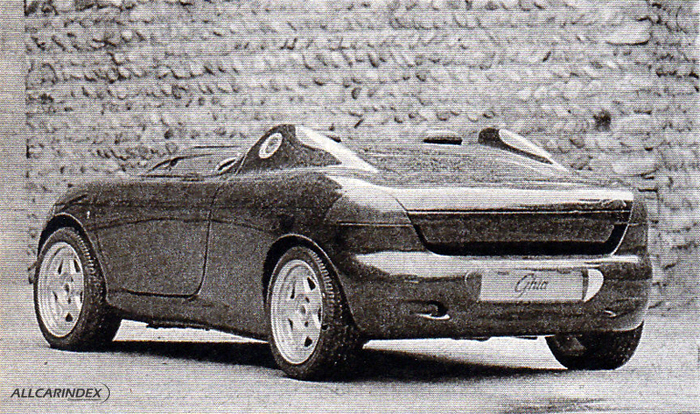
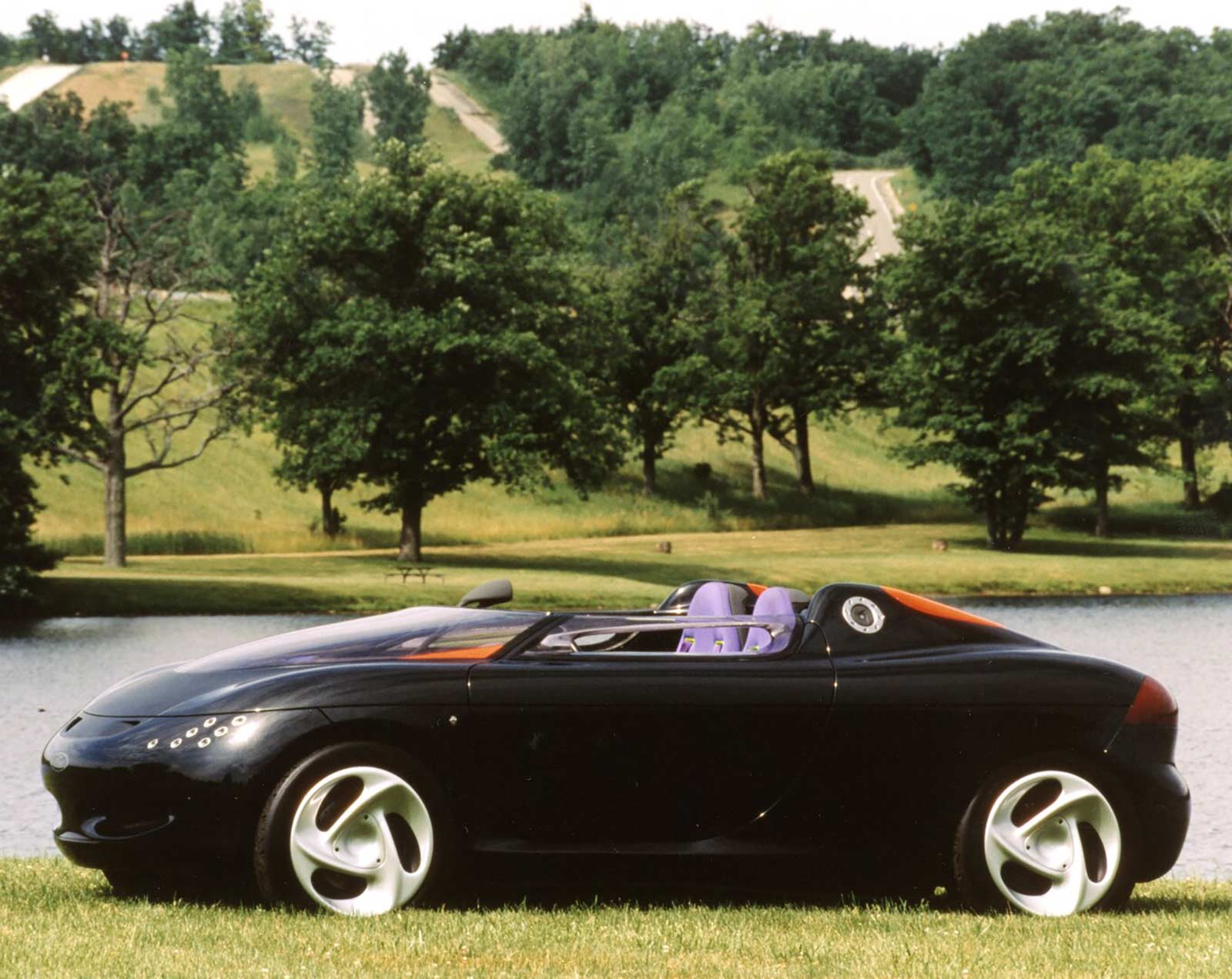
The Zig was styled as a barchetta, essentially a roofless sports car fitted only with a small racing-style windscreen rather than full glazing. This low, forward-set screen opened together with the bonnet and continued visually into glazed upper door sections, intended to give occupants the sensation of riding "a motorcycle with four wheels." Despite this sporting concept, the Zig was fitted with the same 1.1-litre, 1119 cc, 55 hp Fiesta engine as the Zag, rather than the 110 hp 1.6-litre unit from the Fiesta XR2i that Ford indicated could theoretically be fitted. Ford stated that the purpose of both studies was chiefly to demonstrate efficient use of raw materials and minimal fuel consumption rather than outright performance, despite a weight of under 700 kg and favorable aerodynamics.
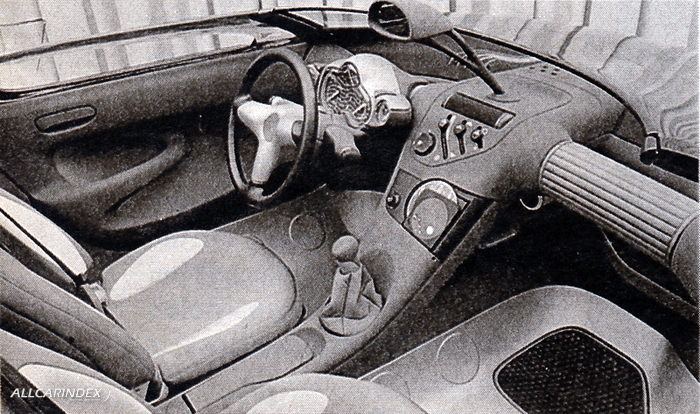
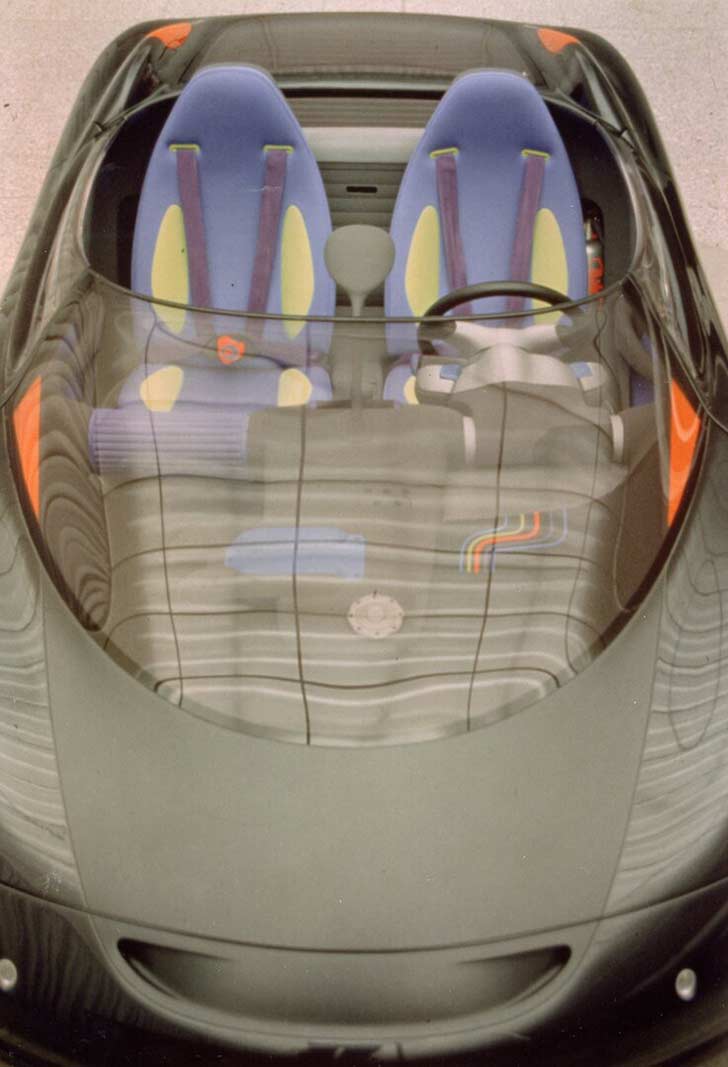
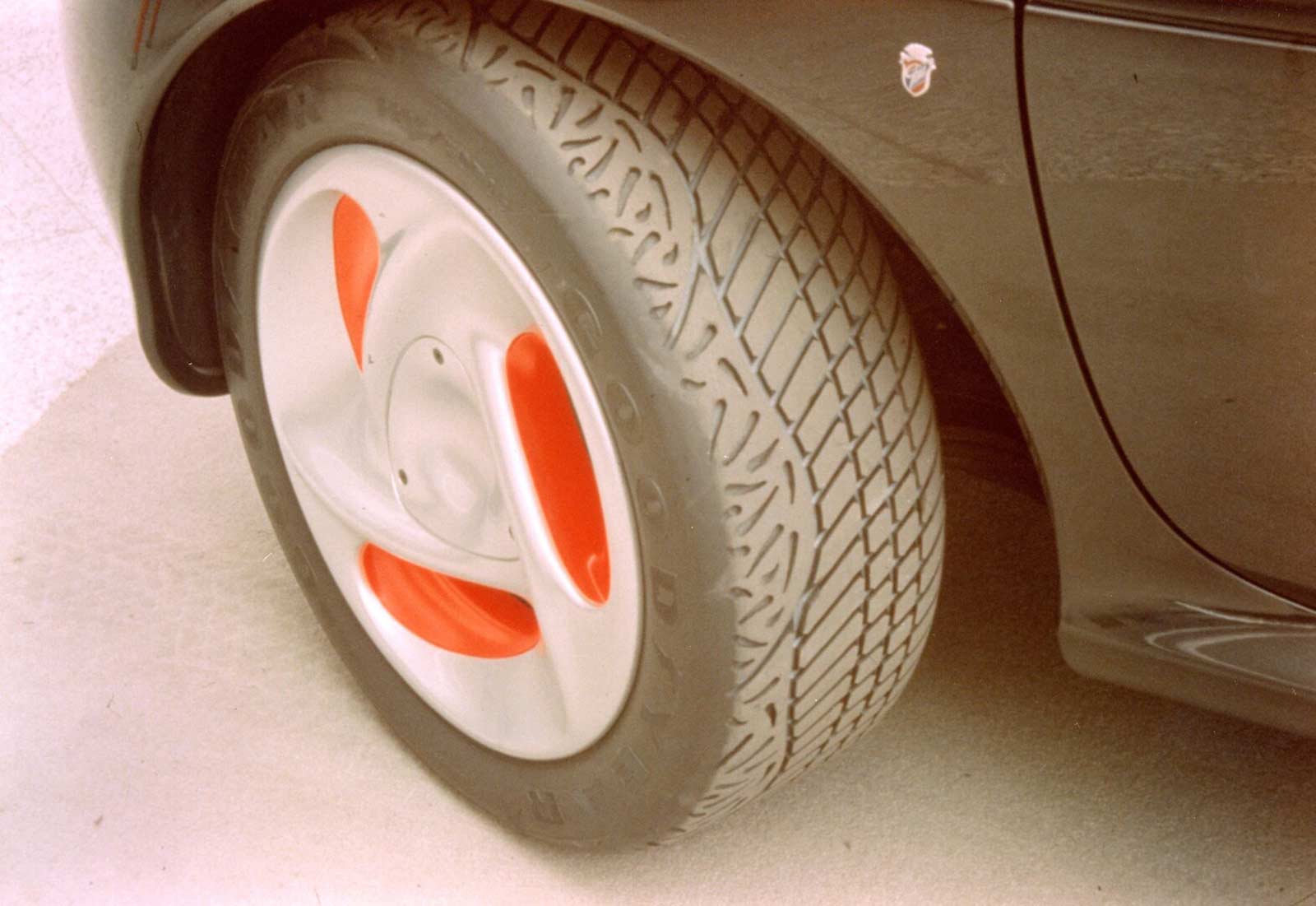
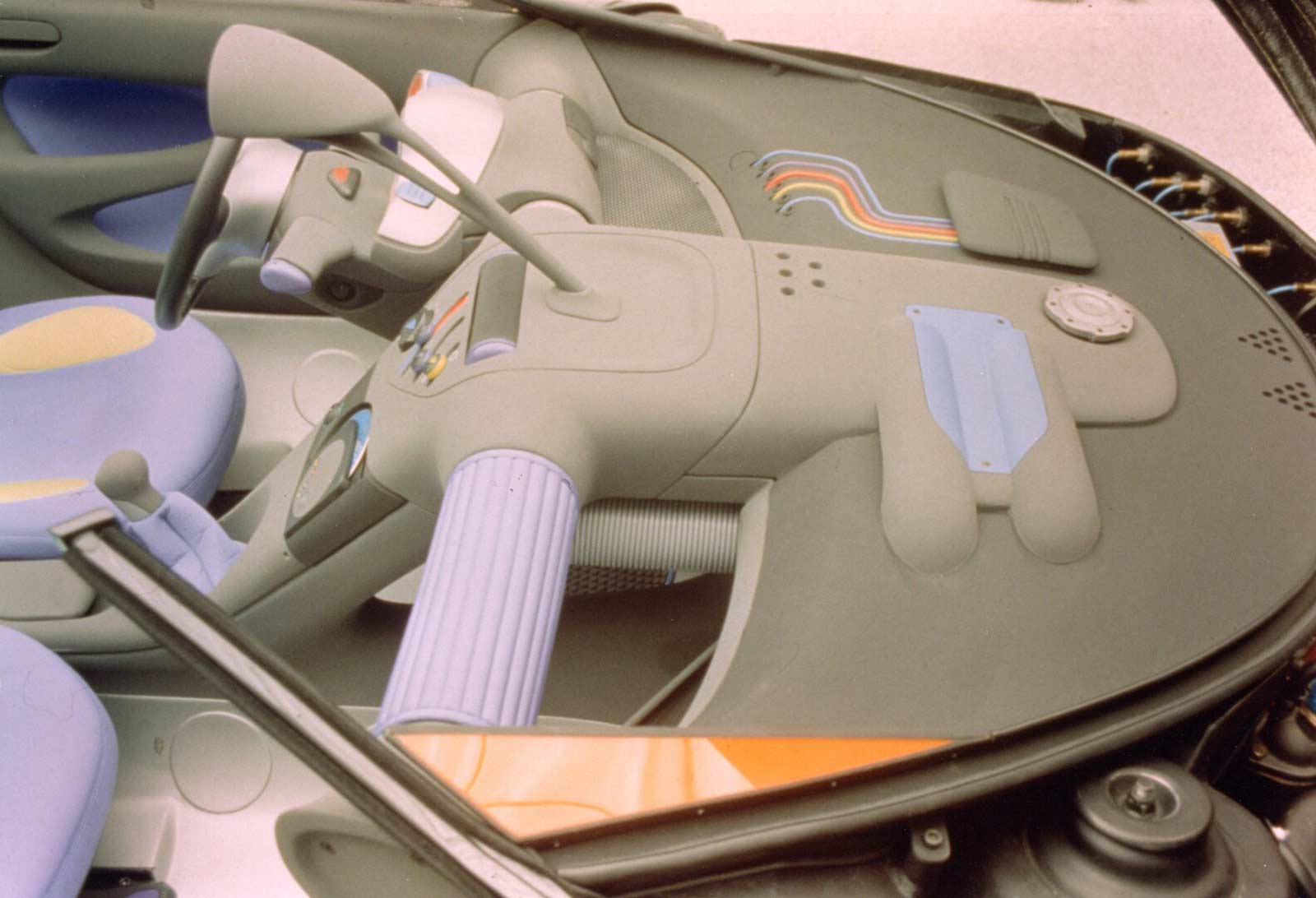
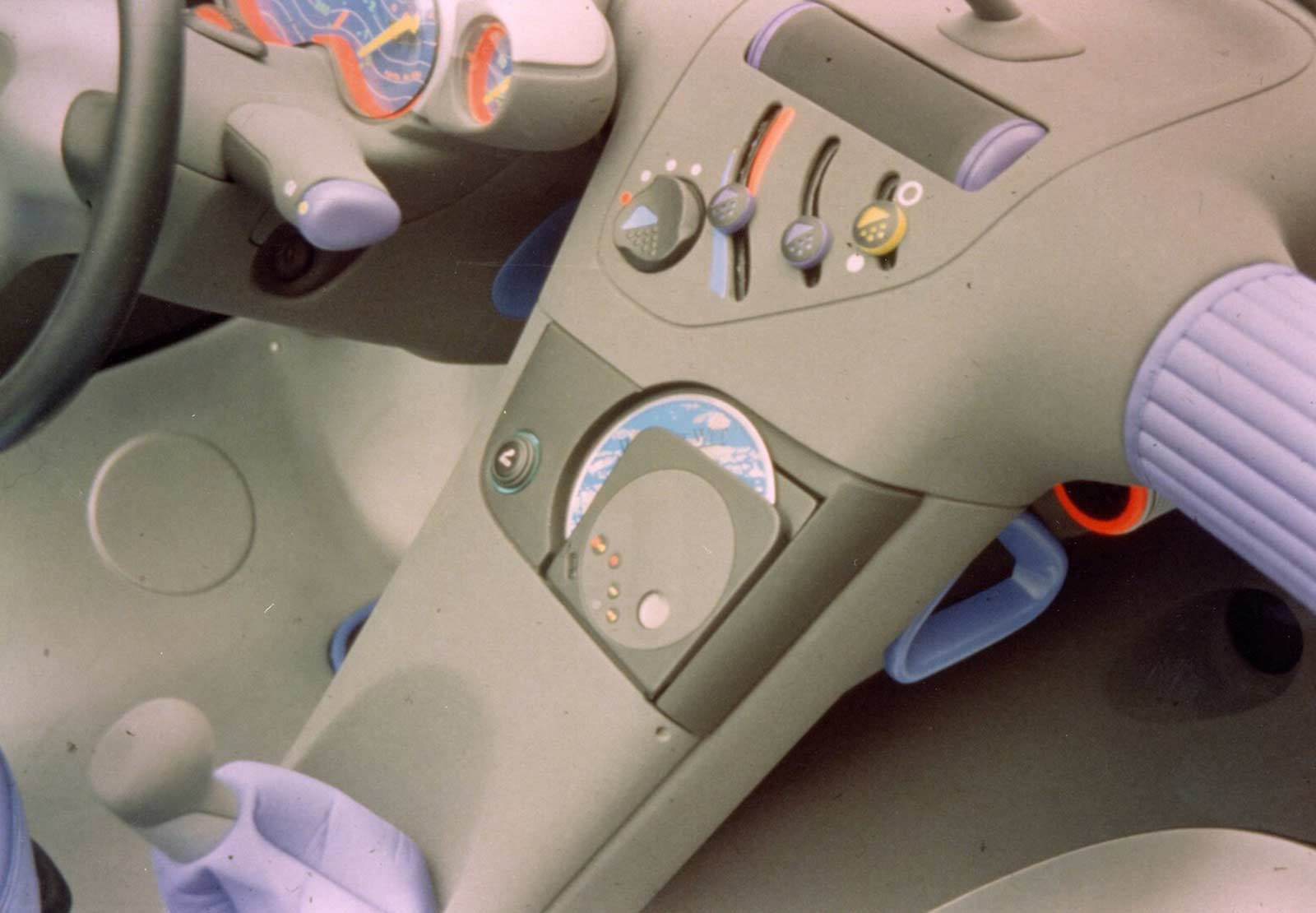
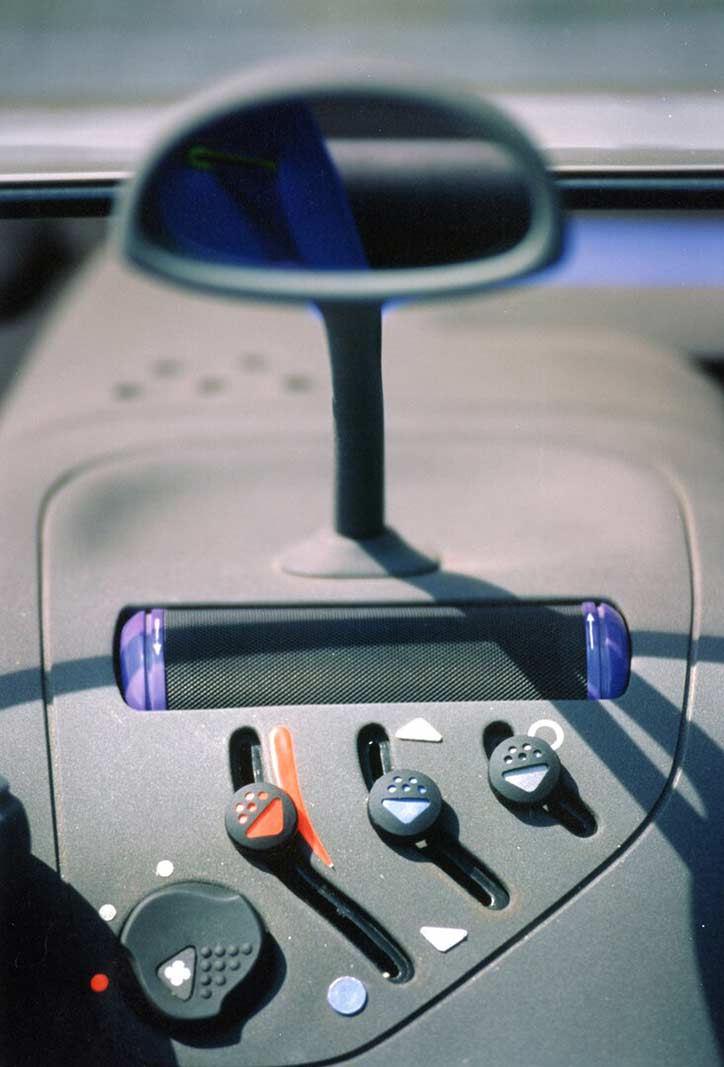
The Zig rode on sport-styled alloy wheels with low-profile tires and was equipped with four ventilated disc brakes. Its exterior, designed by David Wilkie, was finished in metallic black with red decorative triangles front and rear along the beltline, and featured raised sections flanking the door cutouts, one of which incorporated the fuel filler cap. A Plexiglas cover sat between these raised sections above a rear luggage compartment accessible from the cockpit via a roll-up door. Inside, the cabin used blue rally-style sport seats with light green inserts, integrated purple harness belts, and silver-grey and green pedals, along with an asymmetrically shaped dashboard that included a removable CD player. The car measured 354 cm in length and 160 cm in width, had a two-door, two-seat barchetta body, and weighed less than 700 kg.