
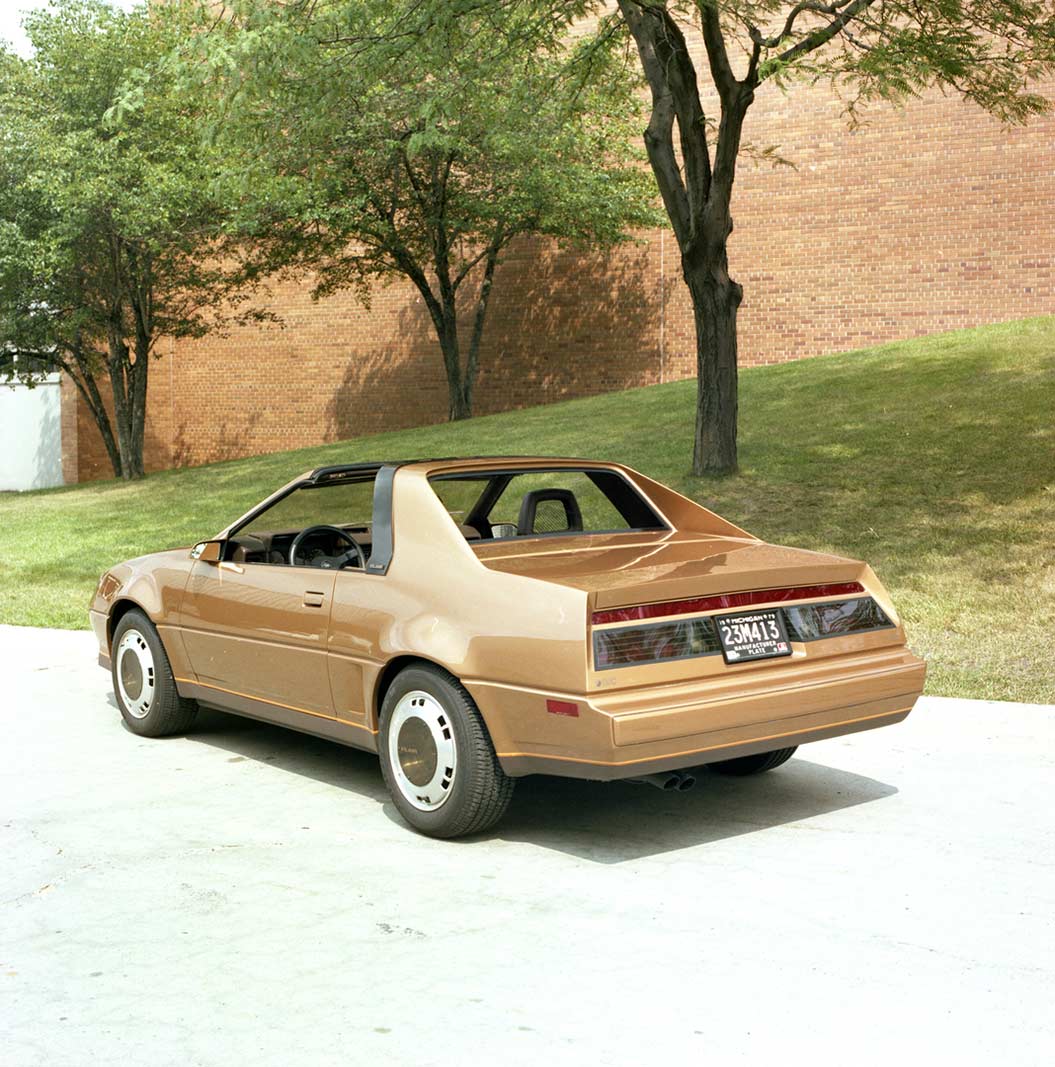
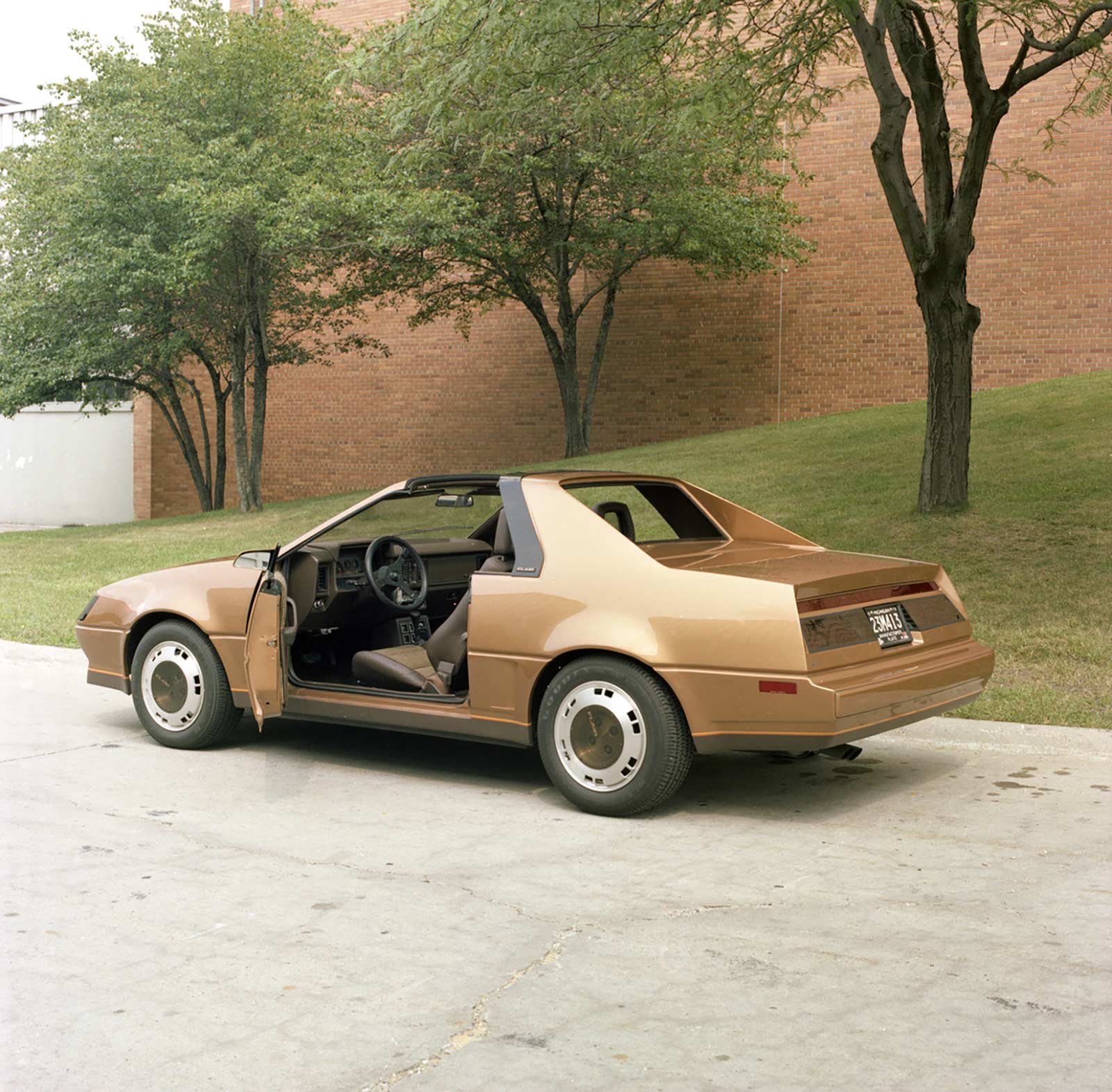
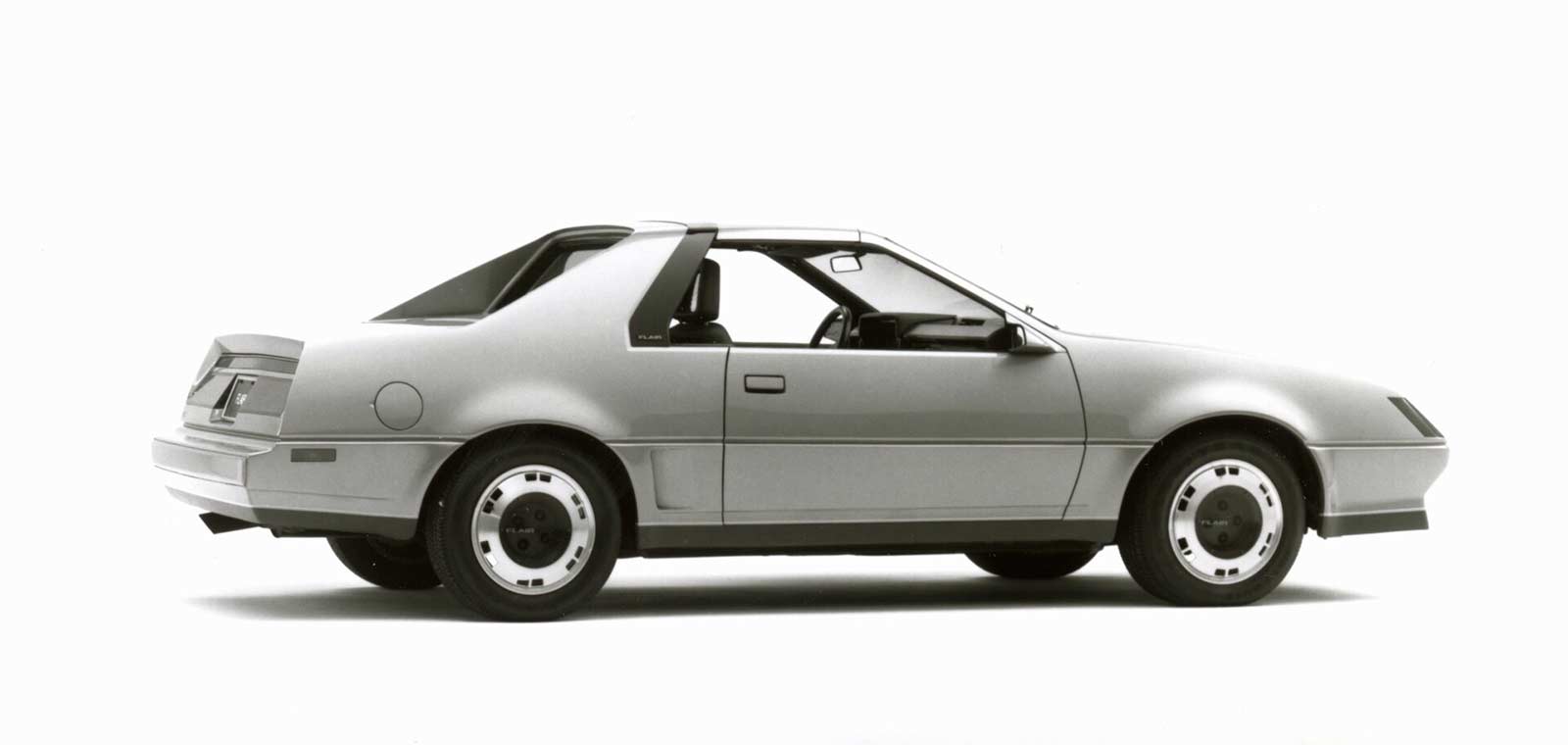
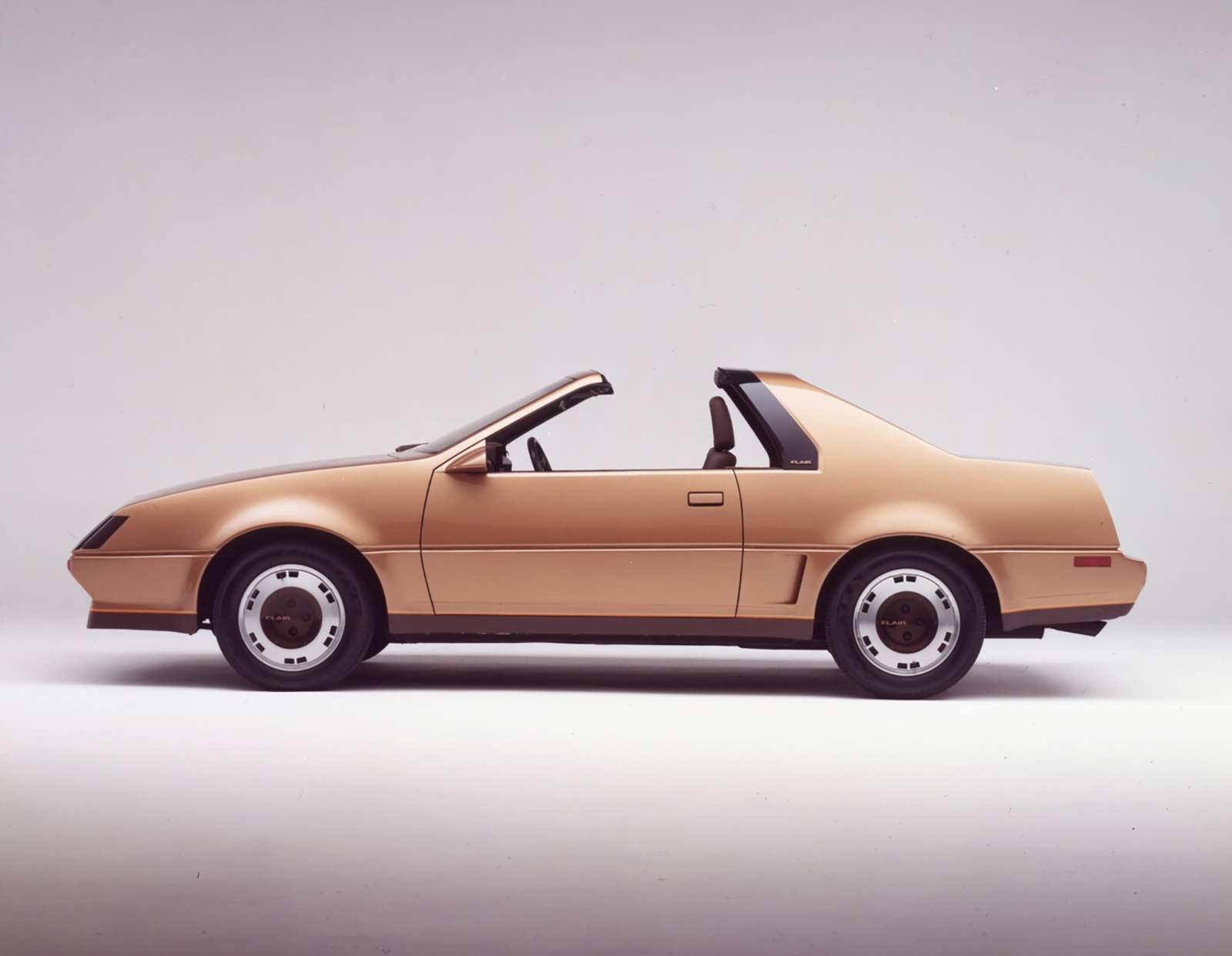
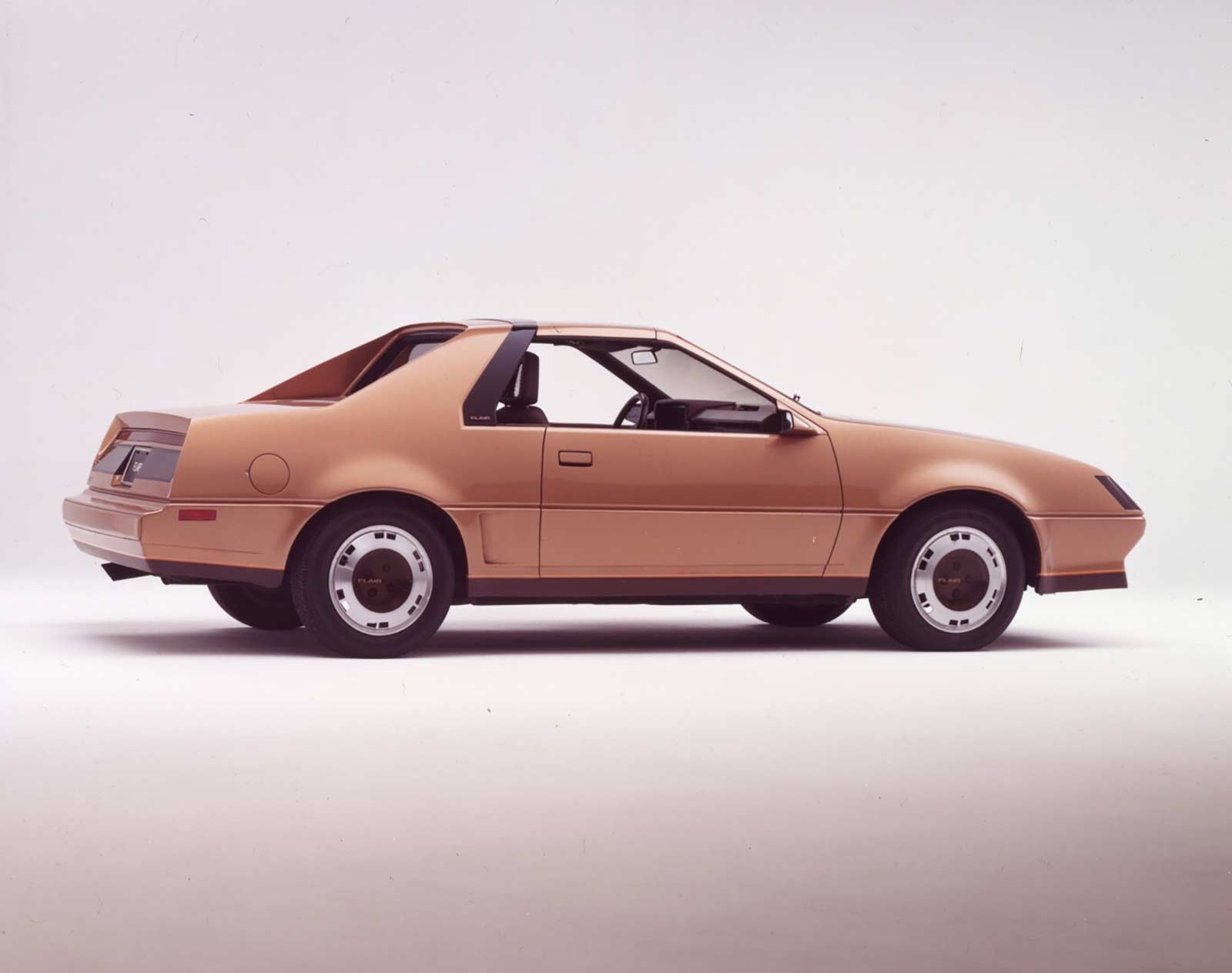
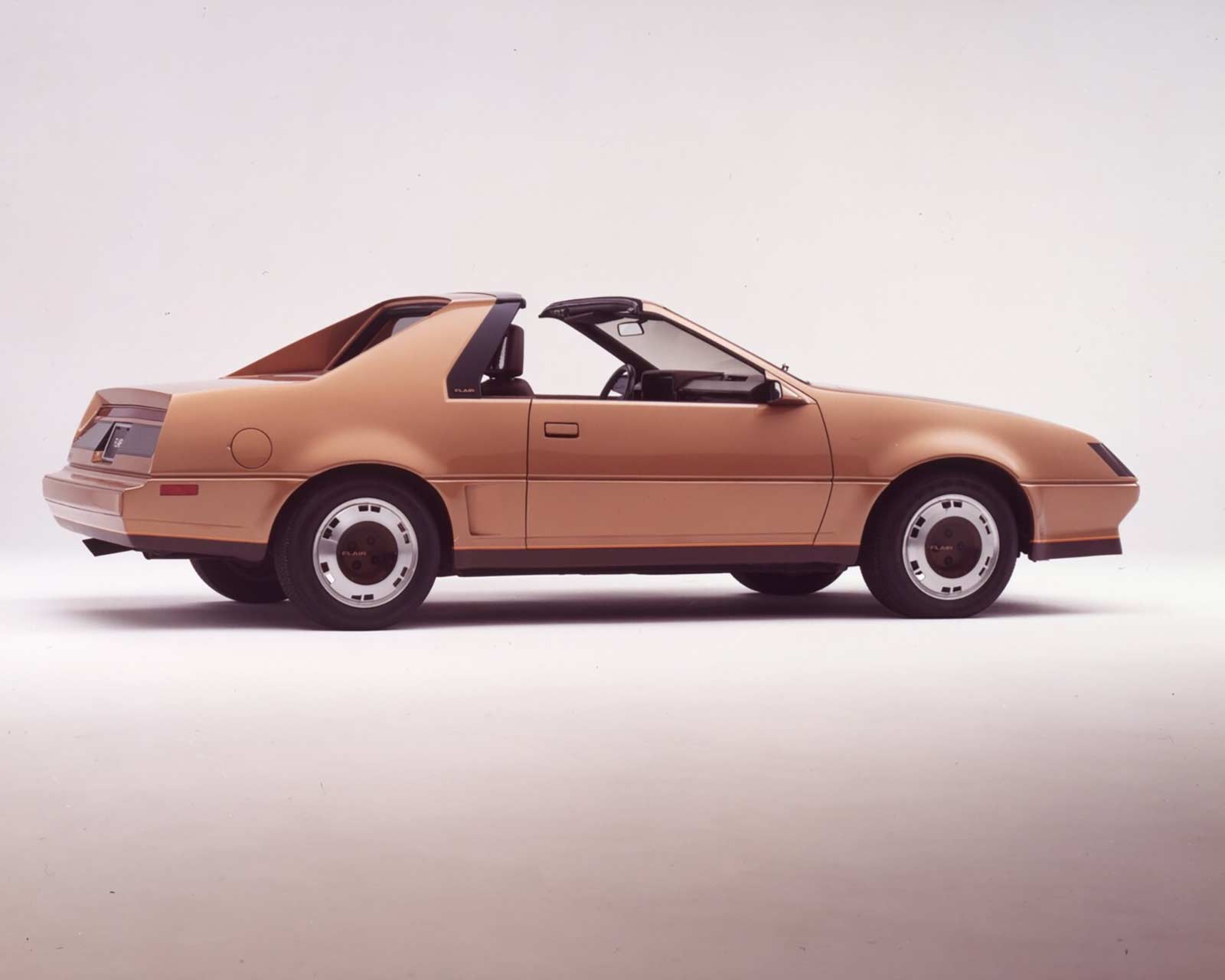
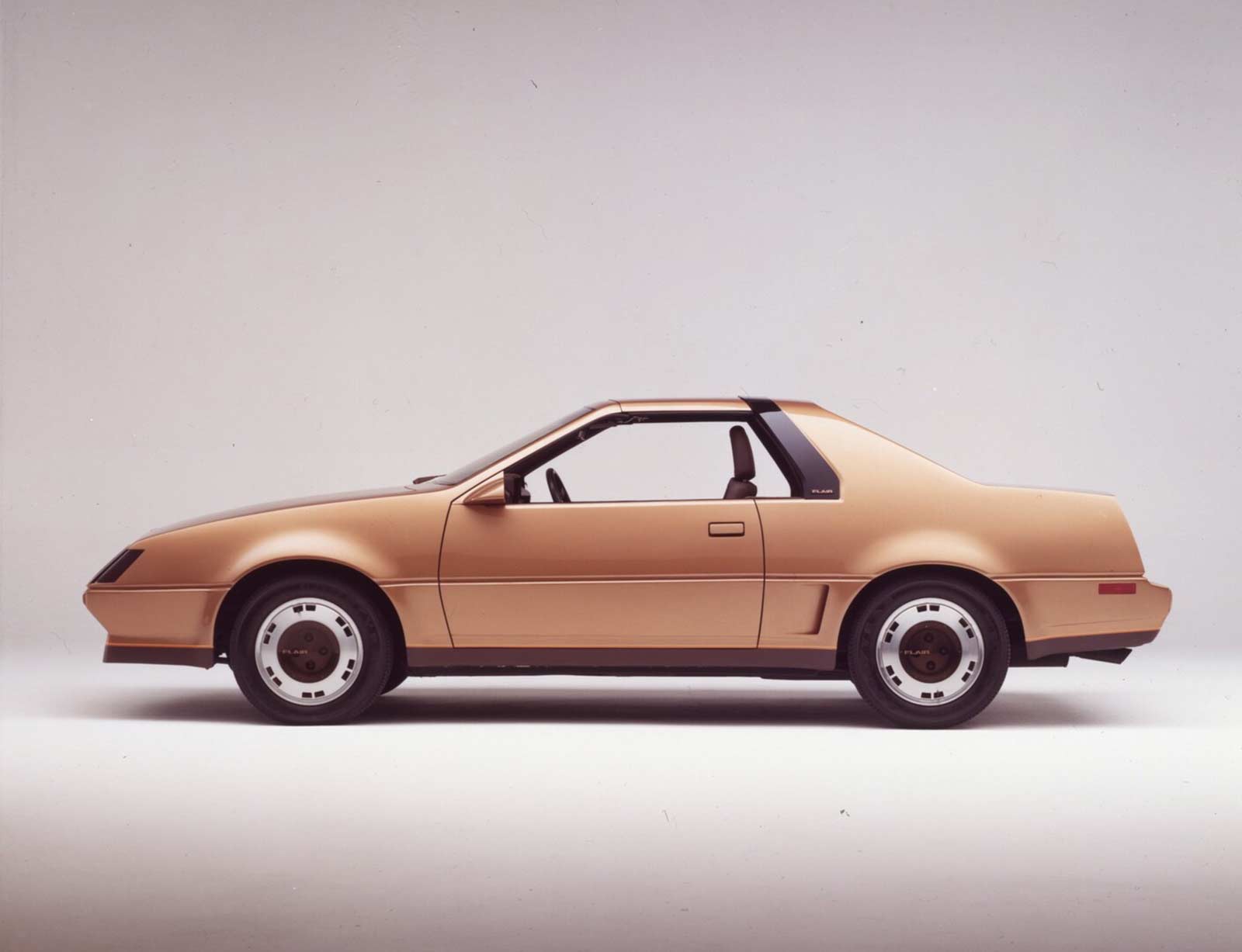
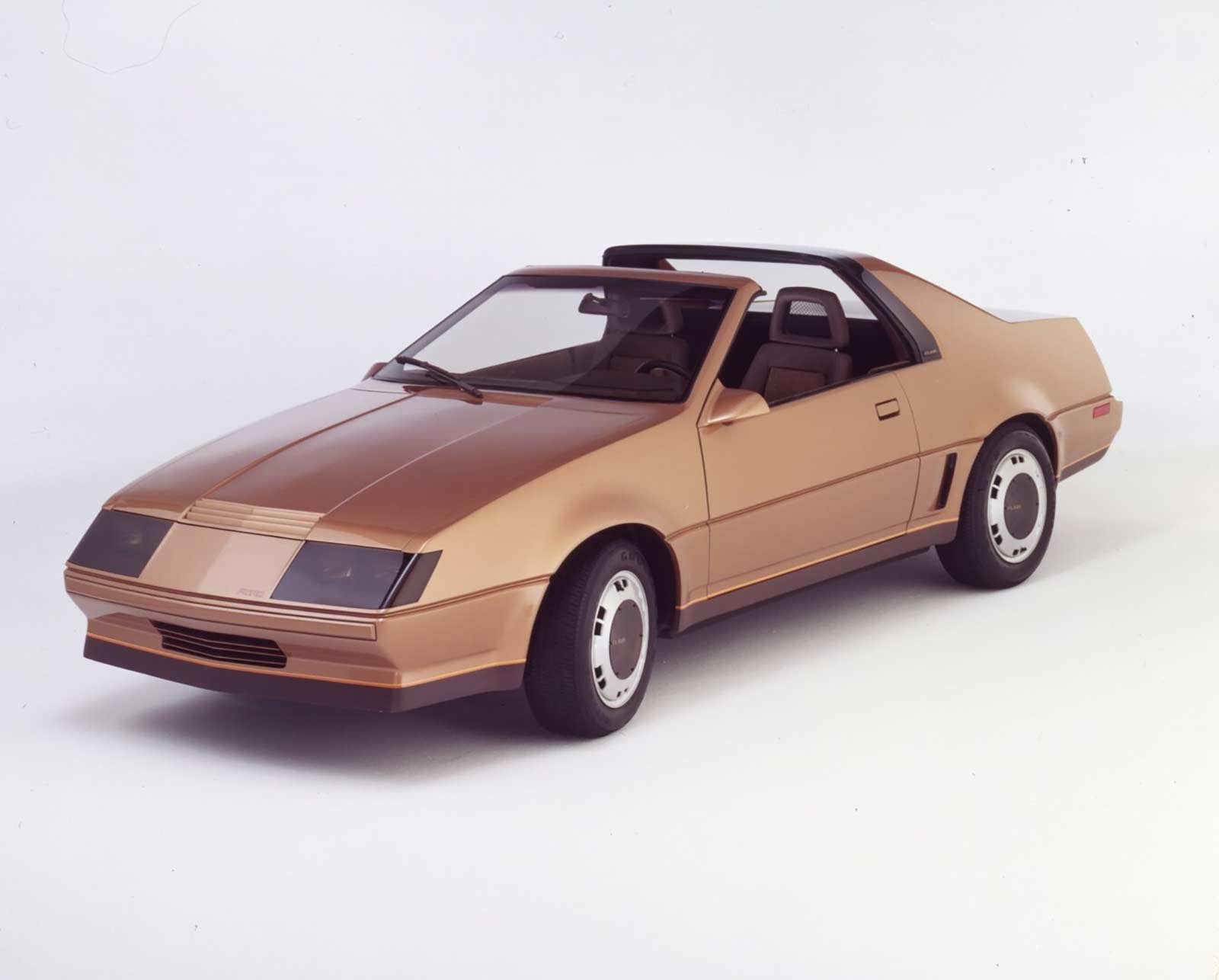
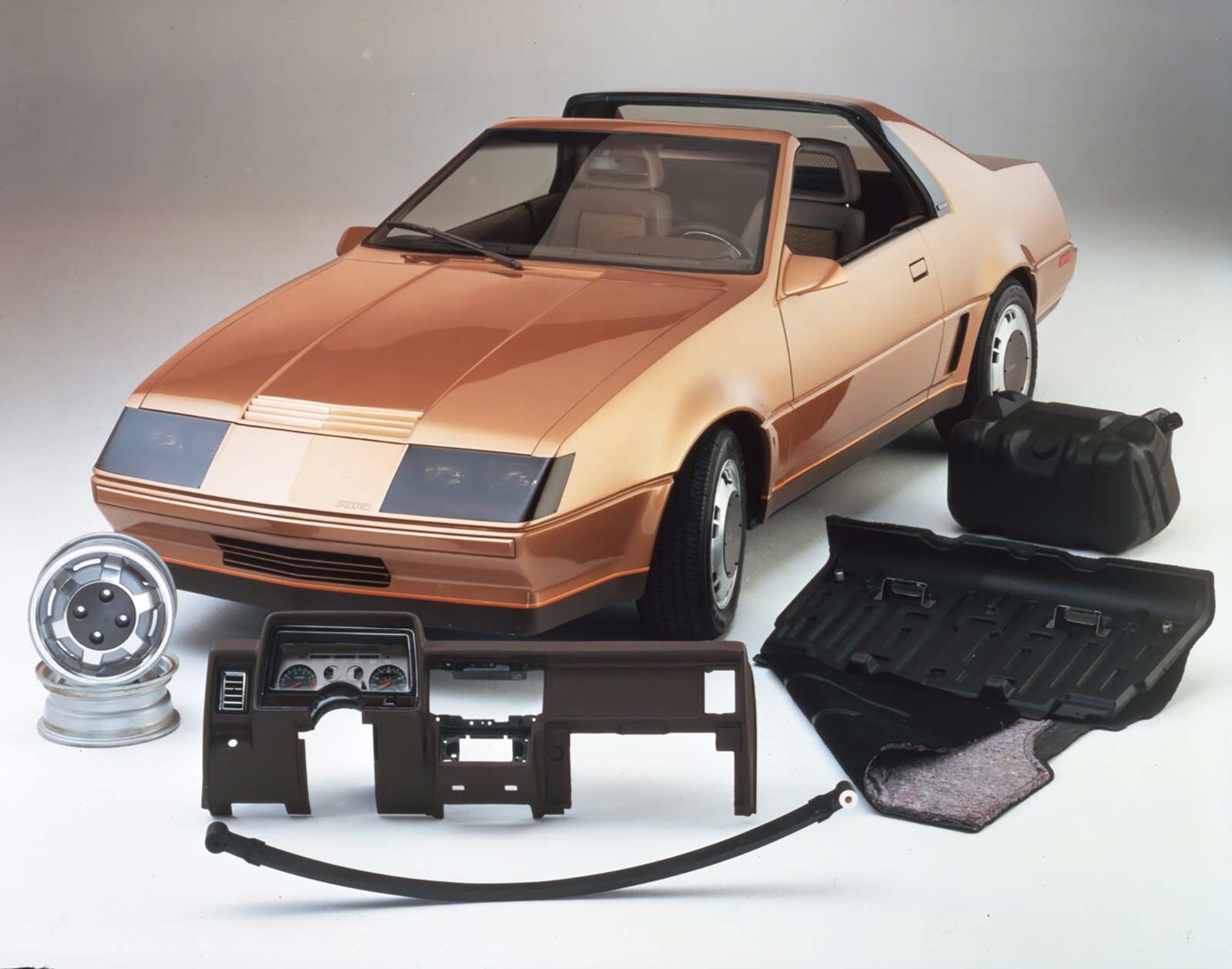
The Ford Flair was a one-of-a-kind concept car unveiled by Ford Motor Company in 1983 at SITEV, the international exhibition for vehicle industry suppliers, held that year from May 31 to June 3 at the Exhibition and Congress Center in Geneva, Switzerland. SITEV, first held in 1974, had grown by 1983 into an event with 37 participating countries and nearly 1,600 exhibitors, and this appearance marked the second time Ford's Diversified Products Operations (DPO) division took part. The Flair was built to showcase the latest materials, components and manufacturing techniques developed by three DPO units: the Climate Control Division (CCD), the Electrical and Electronics Division (EED), and the Plastics, Paint and Vinyl (PP&V) Division. It was styled and built in conjunction with ASC, Inc. of Southgate, Michigan.
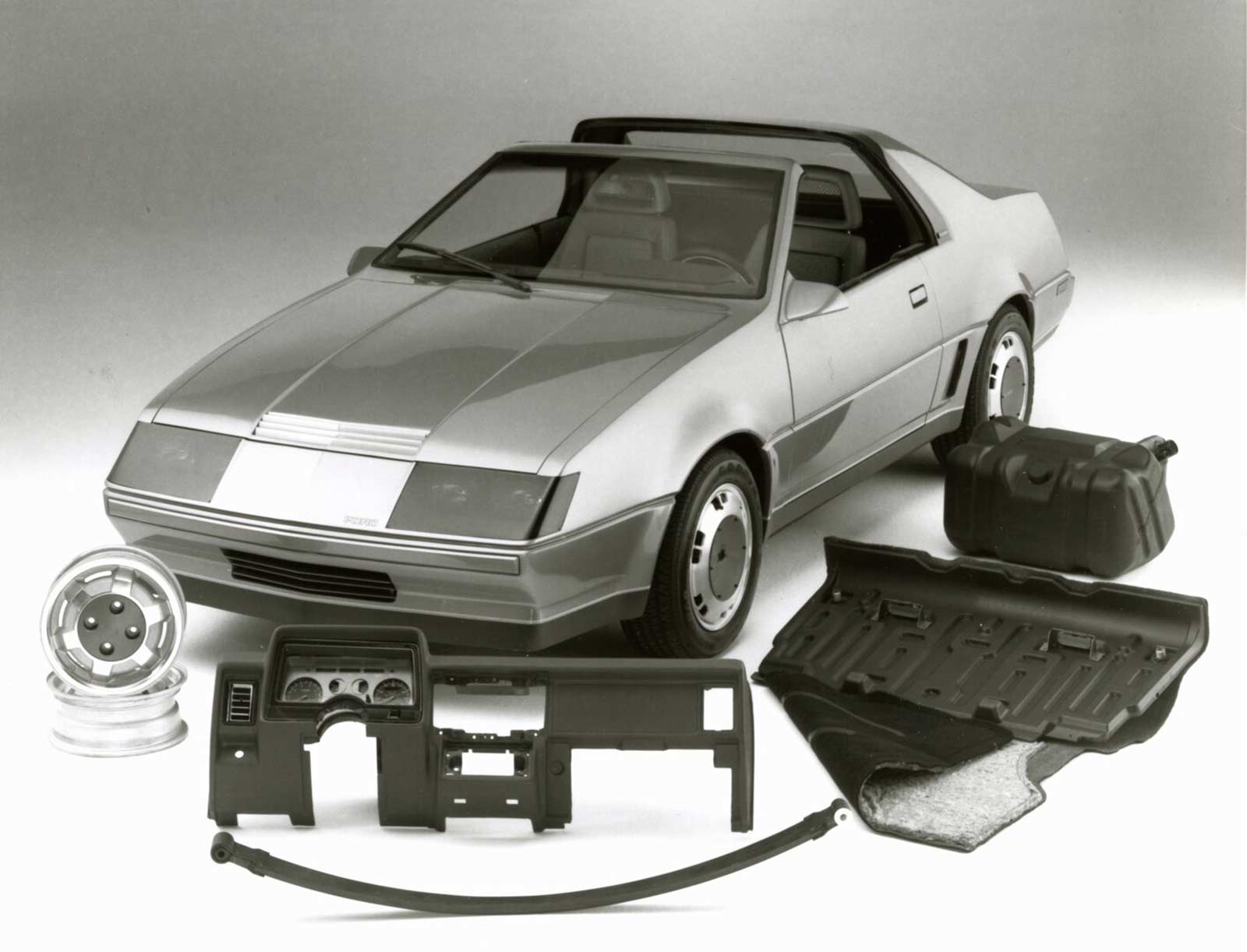
Accounts of the car's underlying platform differ. According to one source the Flair was built on the floorpan of the Ford Escort, using its 1598 cc four-cylinder engine, while another account describes it as based on a Ford EXP platform with redesigned A-pillars and roof structure. The Flair was a two-door, two-seat targa-style convertible with a fully functional drivetrain. Its exterior body panels, including the removable open-air roof section, were made of two-piece fiberglass-reinforced polyester (FRP), a material that could be produced by compression molding at Ford's Milan, Michigan plastics plant. The windshield featured a novel compound-curved, flush-mounted design in bronze-tinted glass supplied by Ford's Glass Division, which also provided the tinted glass for the electrically powered hinged backlight and side windows. The body was finished in a specially blended metallic-gold acrylic color coat covered with a clear urethane topcoat, a paint system produced at Ford's Mt. Clemens, Michigan paint plant.
Inside, the Flair used a soft-design instrument panel similar to those built at Ford's Saline, Michigan plastics plant for contemporary U.S.-market Escort and Lynx models, made possible by a new ABS vinyl skin material from Ford's Mt. Clemens vinyl plant. The same vinyl plant supplied a Polyknit material, consisting of soft nylon yarns knitted over vinyl, used for the bucket-seat inserts, along with a soft Acento vinyl used on the seat bolsters. The car also incorporated two blow-molded components manufactured at the Milan plastics plant: a carpeted, fixed load floor and a high-density polyethylene fuel tank.
The Flair's climate control hardware came from Ford's Climate Control Division, while its entertainment system and communications equipment were developed by the Electrical and Electronics Division. Among its most distinctive features was an integrated hands-free cellular mobile-telephone system, described as the first of its kind developed by Ford engineers. Rather than using a handheld receiver, the car itself functioned as the telephone, with calls placed by pressing a sequence of numbers on a 12-button keyboard built into a computer-controlled Message Center patterned after the units fitted as standard equipment in the 1983 Lincoln Continental and Mark VI. The driver spoke into a microphone built into the sun visor, with the other party's voice heard through the rear speakers of the car's entertainment system. The Message Center could also display trip-related data such as time, day, date, distance, speed and fuel information, and could be programmed for trip data even during a call. Integrating the telephone dialing function required only software changes to the existing Trip Computer hardware, without modification to the electronics themselves.
The mobile-phone system was designed for compatibility with the cellular mobile radio networks then being tested, which divided metropolitan areas into hexagonal "cells" each served by its own base-station transceiver, operating at 800 MHz in the United States and 900 MHz in some European systems. This structure allowed a call from a vehicle like the Flair to continue uninterrupted as it moved between cells, with the signal automatically reassigned to new frequency channels at each cell boundary. At the time of the Flair's unveiling, cellular systems had been field-tested in Chicago and Washington, D.C., and were expected to be introduced in Britain and France by the mid-1980s; Ford anticipated eventually offering its mobile-telephone technology as optional equipment on one of its luxury models.
The Flair was the centerpiece of a larger DPO exhibit at SITEV 83, which also included other hardware from the same three divisions. The Climate Control Division displayed a mechanically assembled aluminum radiator and a vacuum-brazed all-aluminum radiator with plastic end tanks intended for the Ford Tempo and Mercury Topaz, along with a copper/brass radiator with plastic end tanks produced for European vehicles at CCD's Basildon, England plant, and heater assemblies destined for the European Ford Transit and Sierra. The Electrical and Electronics Division exhibited its fourth-generation electronic engine control (EEC-IV) system and previewed an electronic air-spring suspension system intended for Ford's 1984 U.S. luxury car lines, along with an electronic instrument panel with multicolored graphics that foreshadowed instrumentation for the 1984 Continental and Mark VII. The Plastics, Paint and Vinyl Division showed a blow-molded polyethylene split rear-seat back destined for the 1984 Ford Mustang, an FRP leaf spring, a polycarbonate linear-welded bumper similar to one used on the European Sierra, a vacuum-formed foamed-in-place instrument panel with a simulated hand-stitched pattern, new Polyknit seating-fabric designs, and samples of stone-chip resistant coatings and exterior paint colors.
As a concept vehicle built to demonstrate DPO's manufacturing and technological capabilities rather than for production, the Flair remained a single example and was not built or sold beyond its Geneva show appearance.