
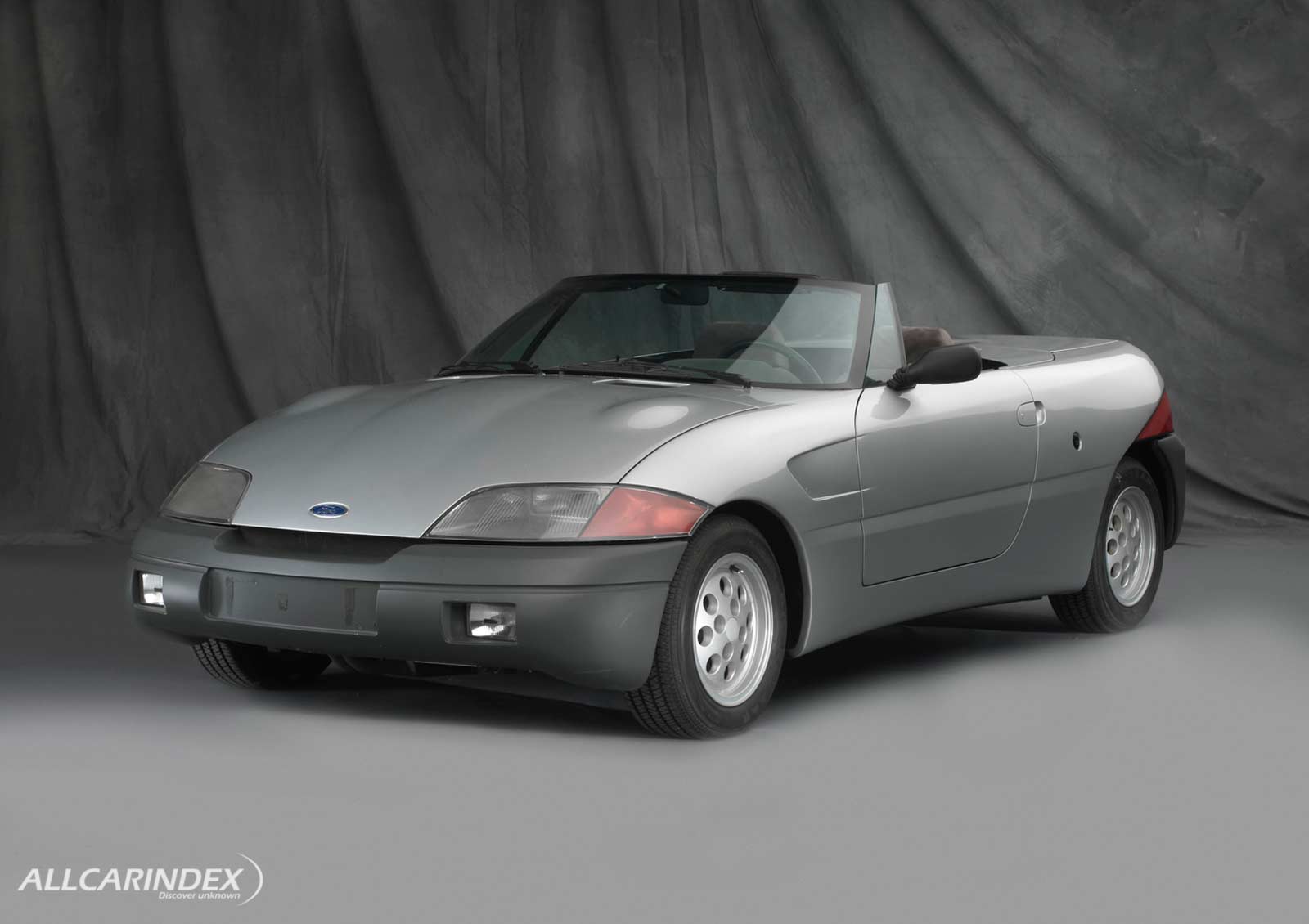
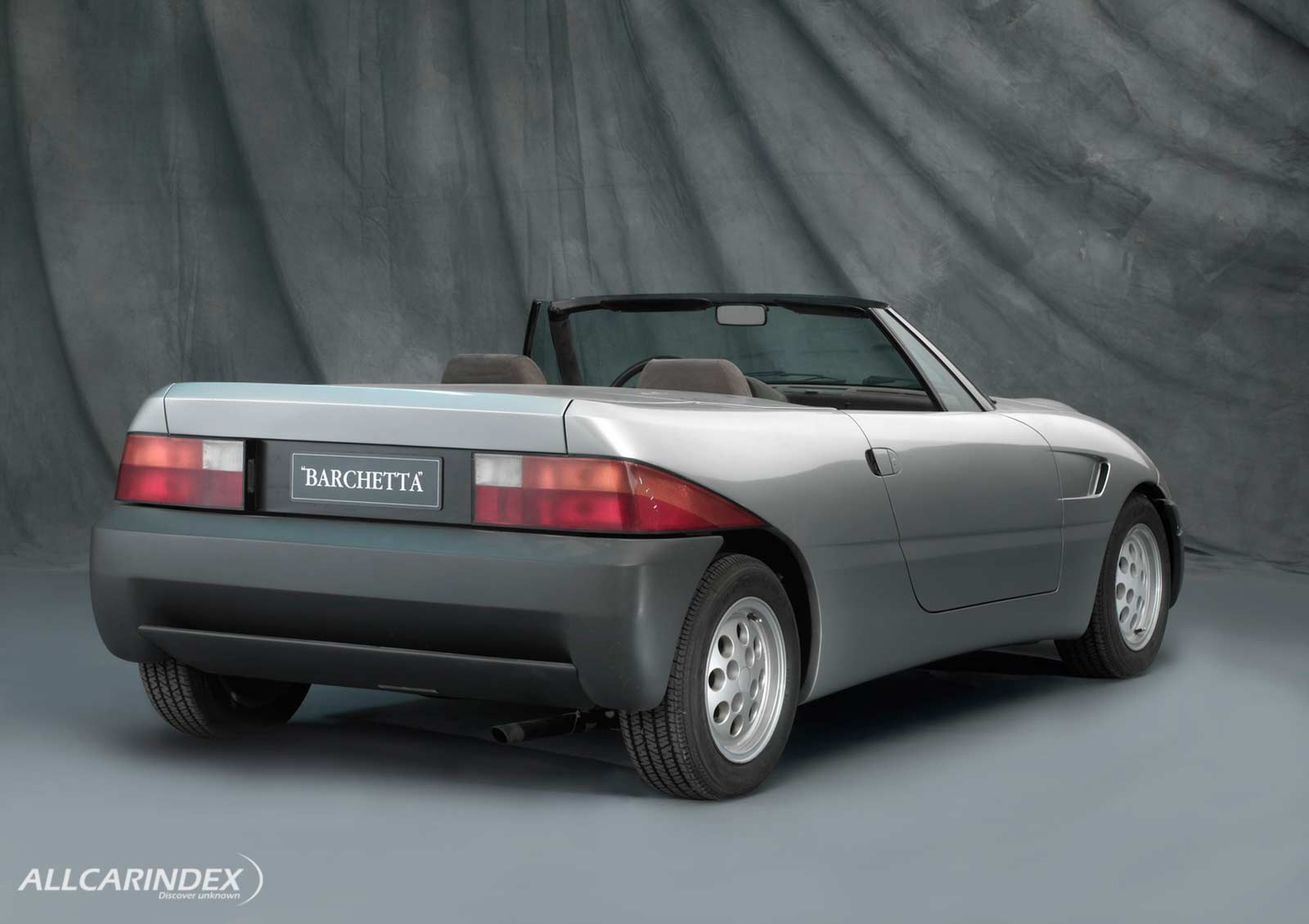
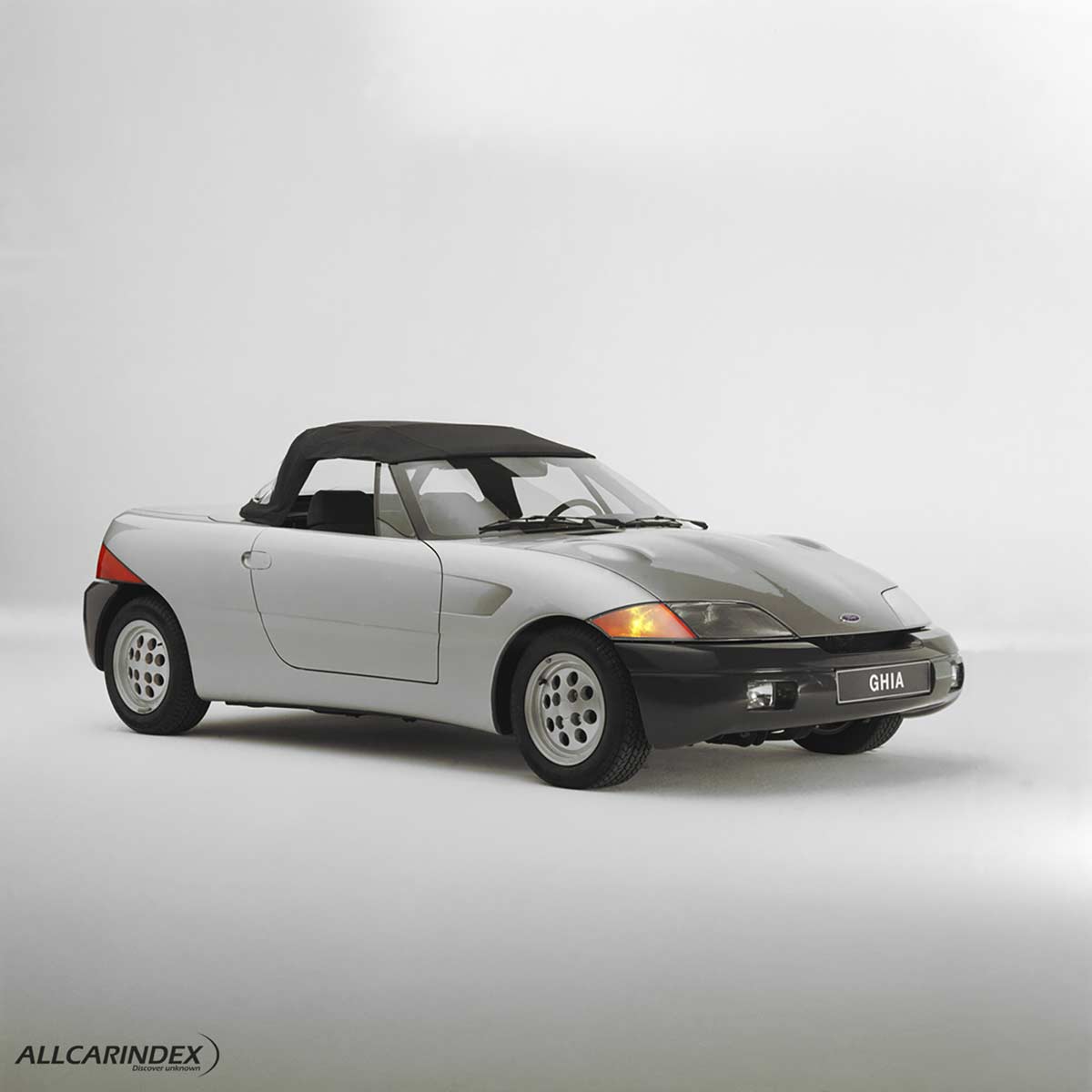
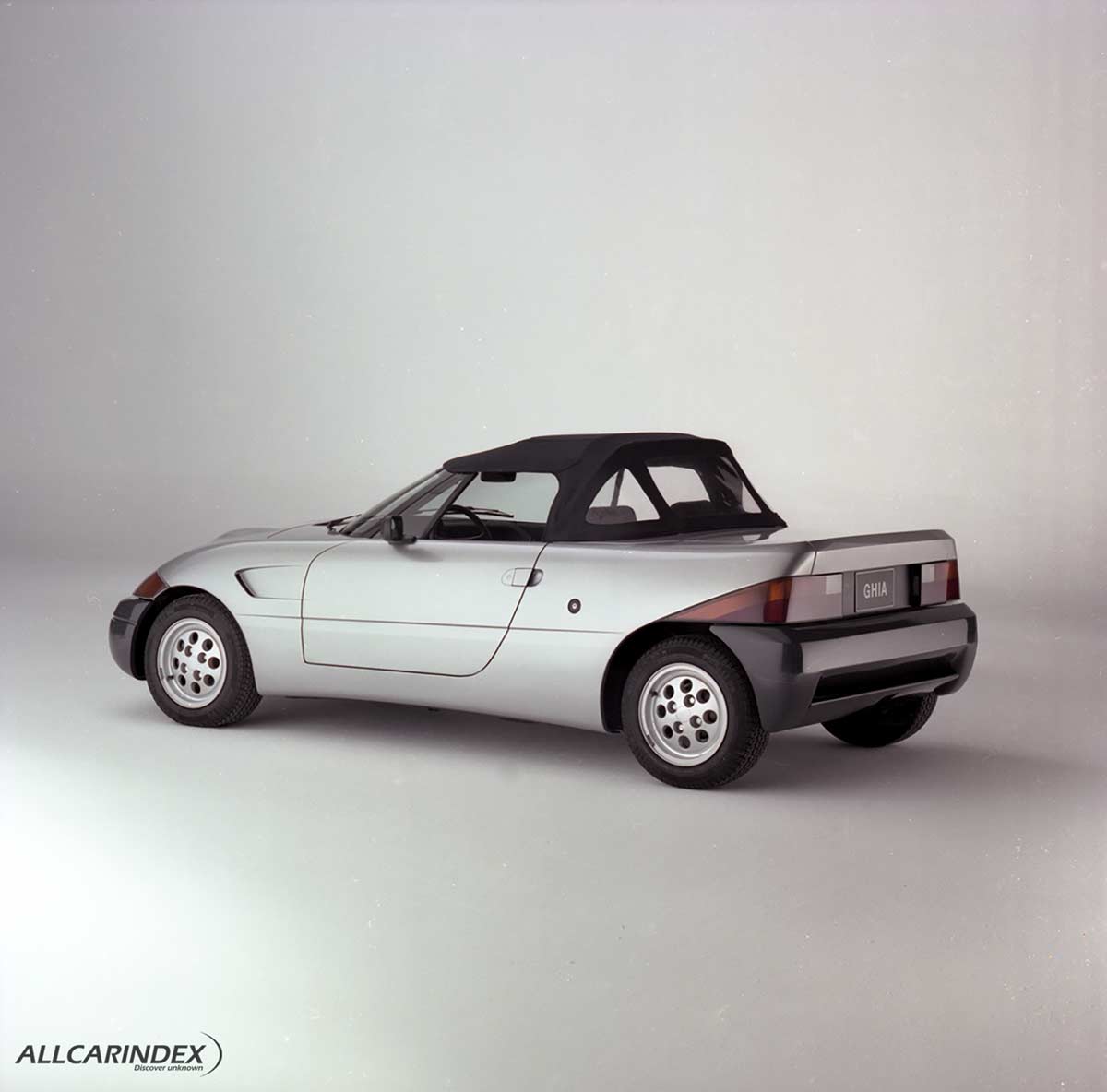
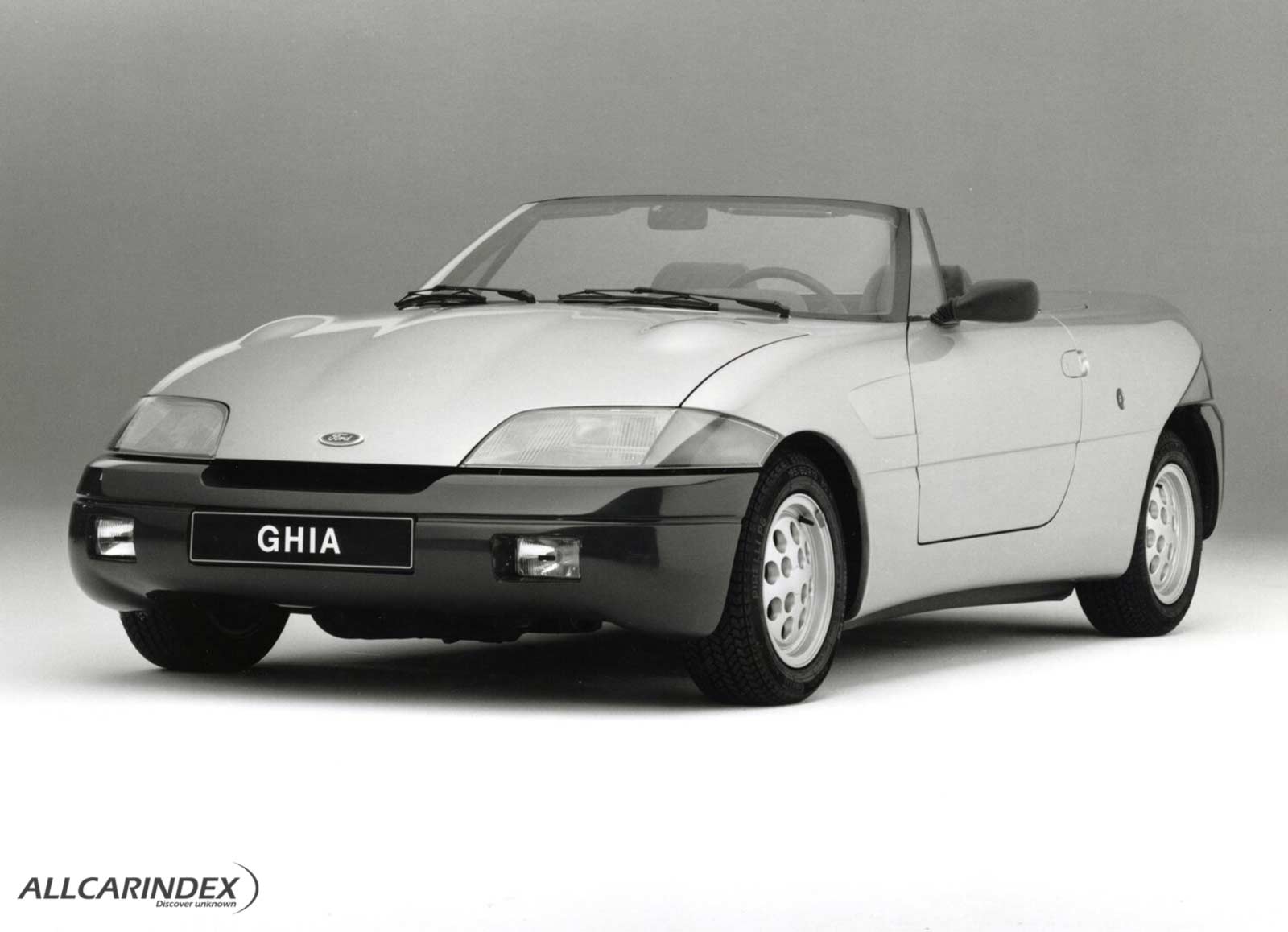
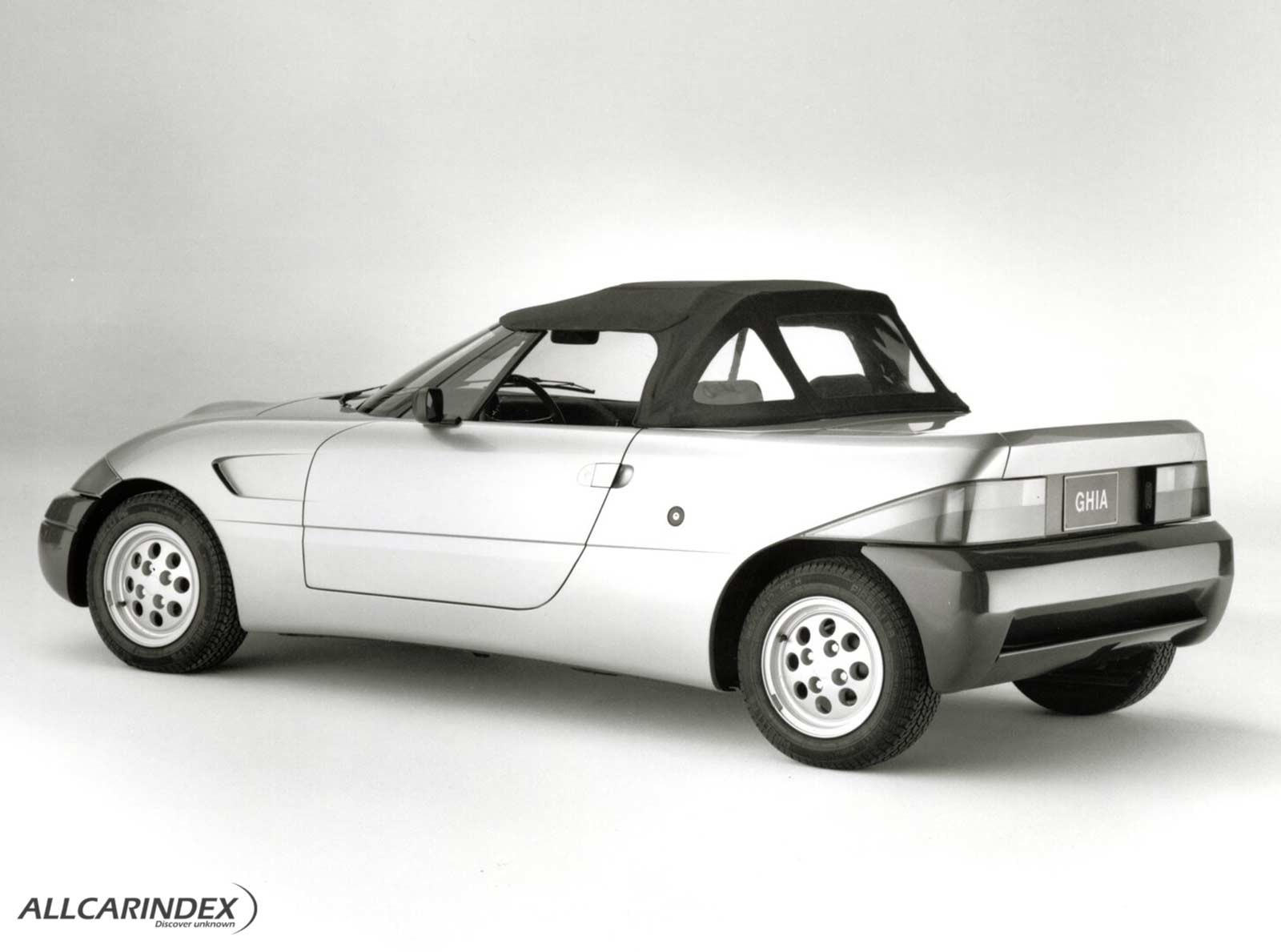
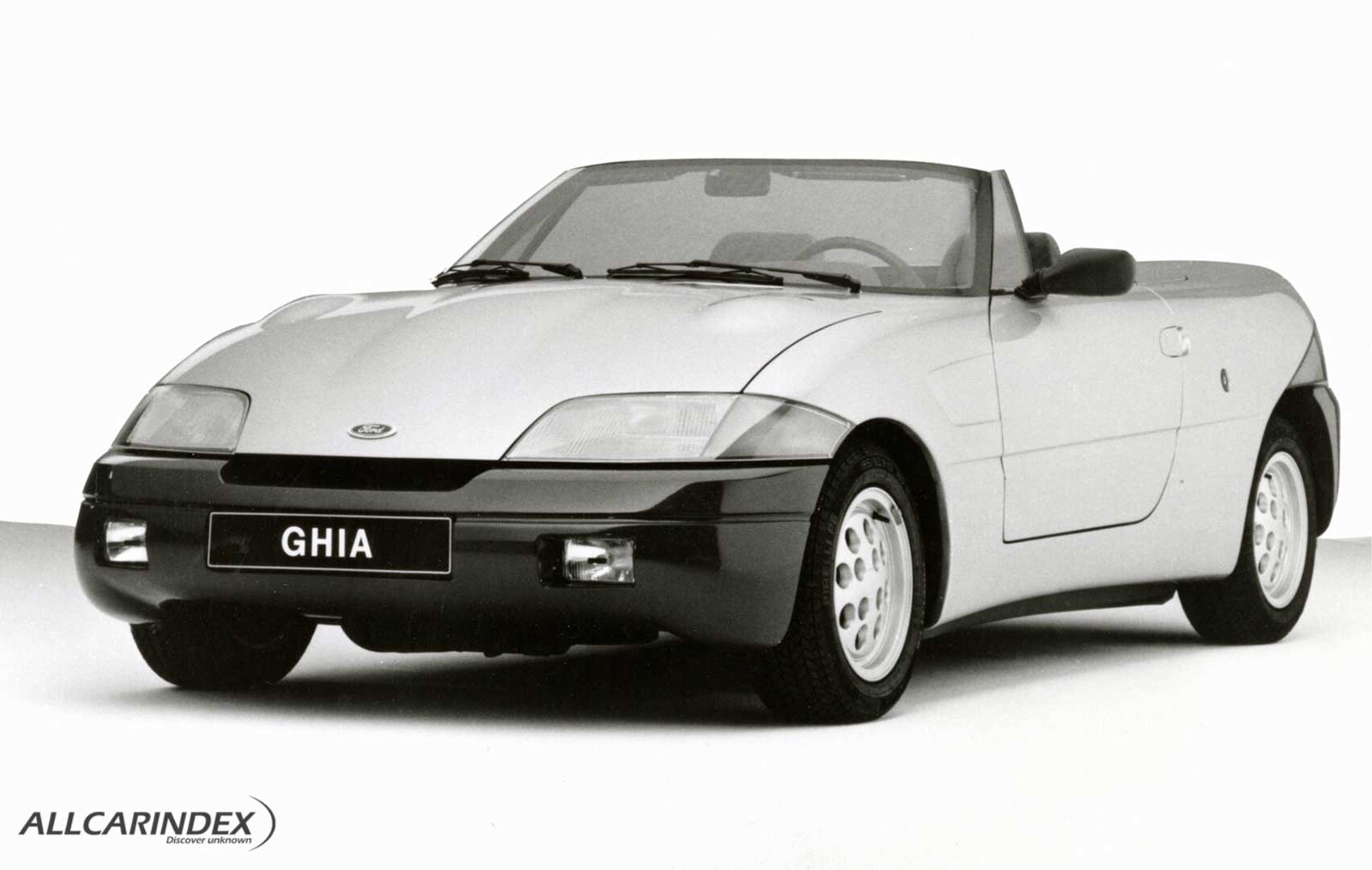
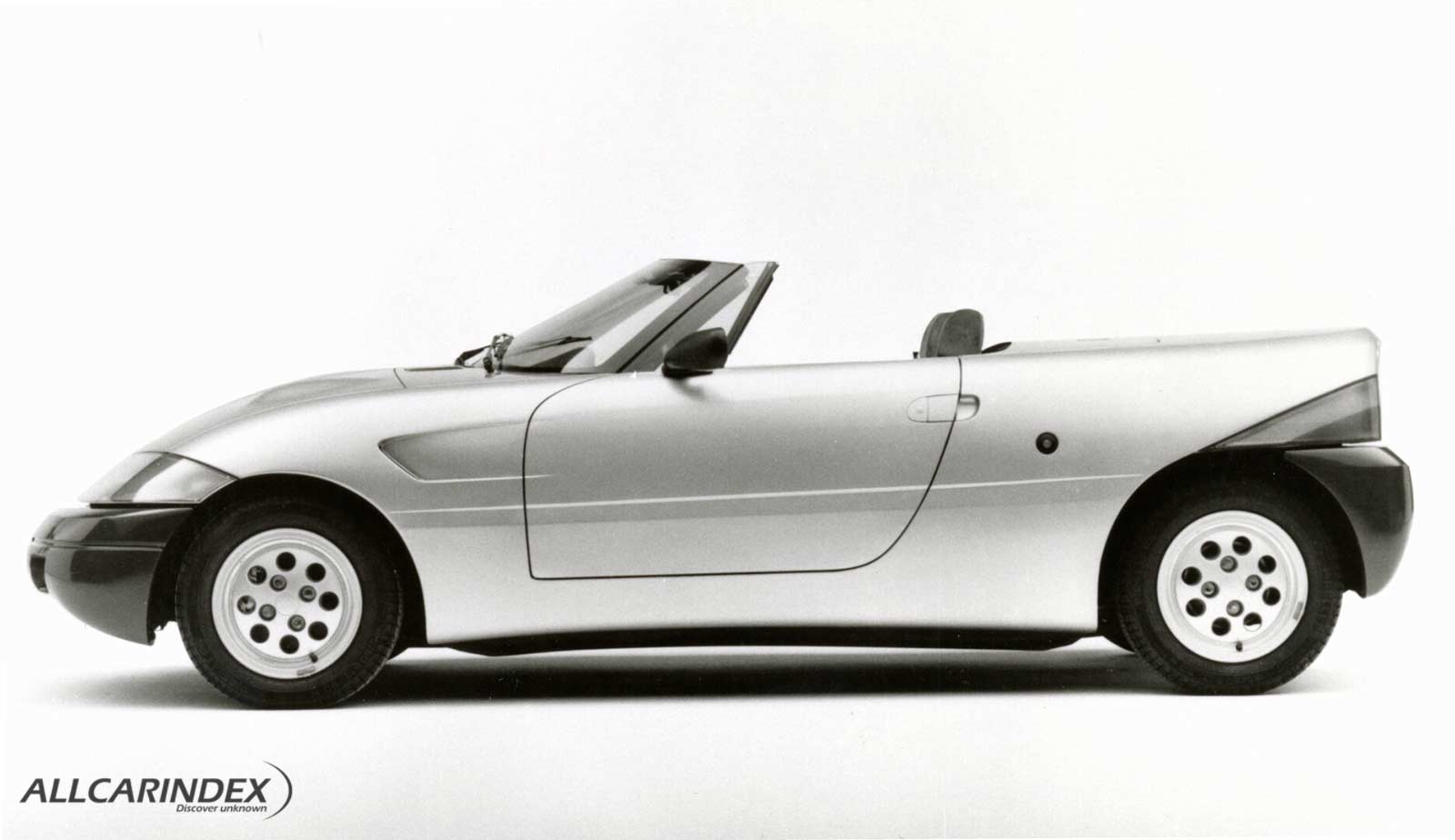
The Ford Ghia Barchetta was a two-seat concept roadster shown by Ford Motor Company, unveiled at the 50th Frankfurt International Motor Show and displayed at selected U.S. auto shows the same spring. It was presented as a small, low-priced, sporty convertible, described in Ford's own materials as a car conceived in the spirit of earlier European sports cars that combined affordability with a youthful, fun-to-drive character. The project had been commissioned to the Ghia design studio in Turin, where the car was fabricated, at the instigation of the sports-minded Ford manager Bob Lutz, who later became a senior executive at Chrysler. Ford of Europe engineers also contributed to the design, and Donald F. Kopka, Ford's vice president of Design, described it as a contemporary interpretation of the classic two-seat open-roof roadster popular in Europe and the United States during the 1960s and 1970s.
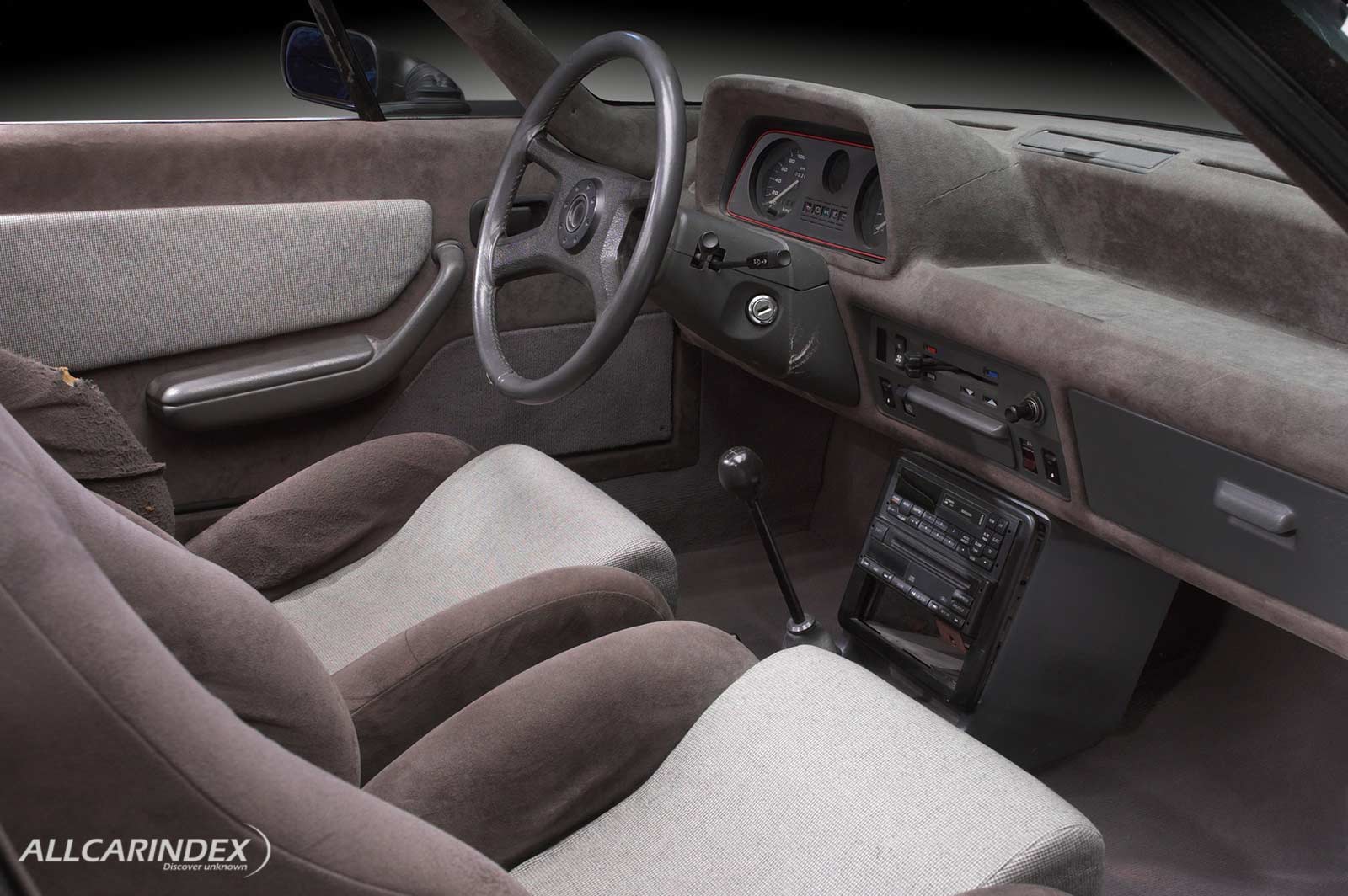
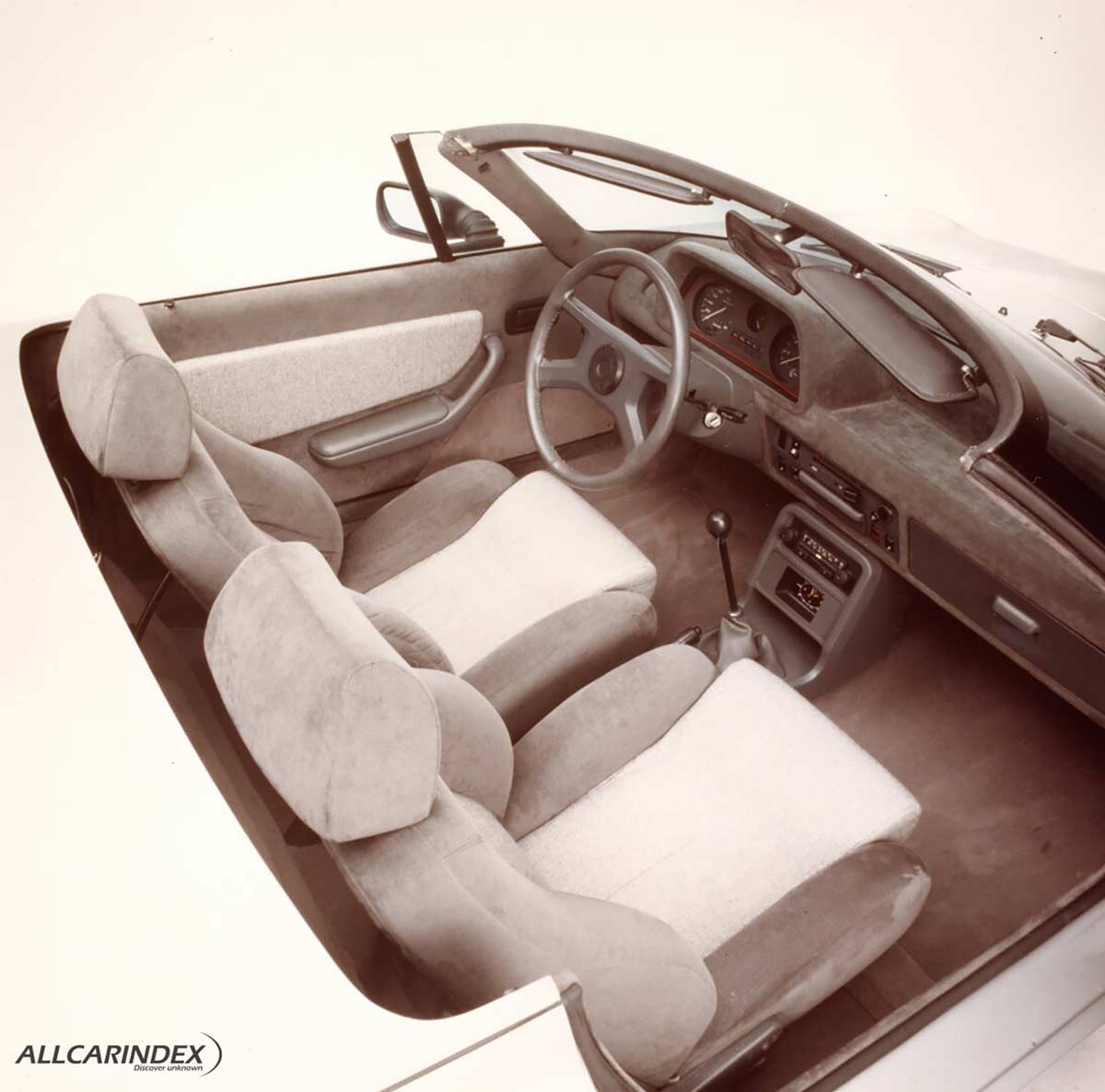
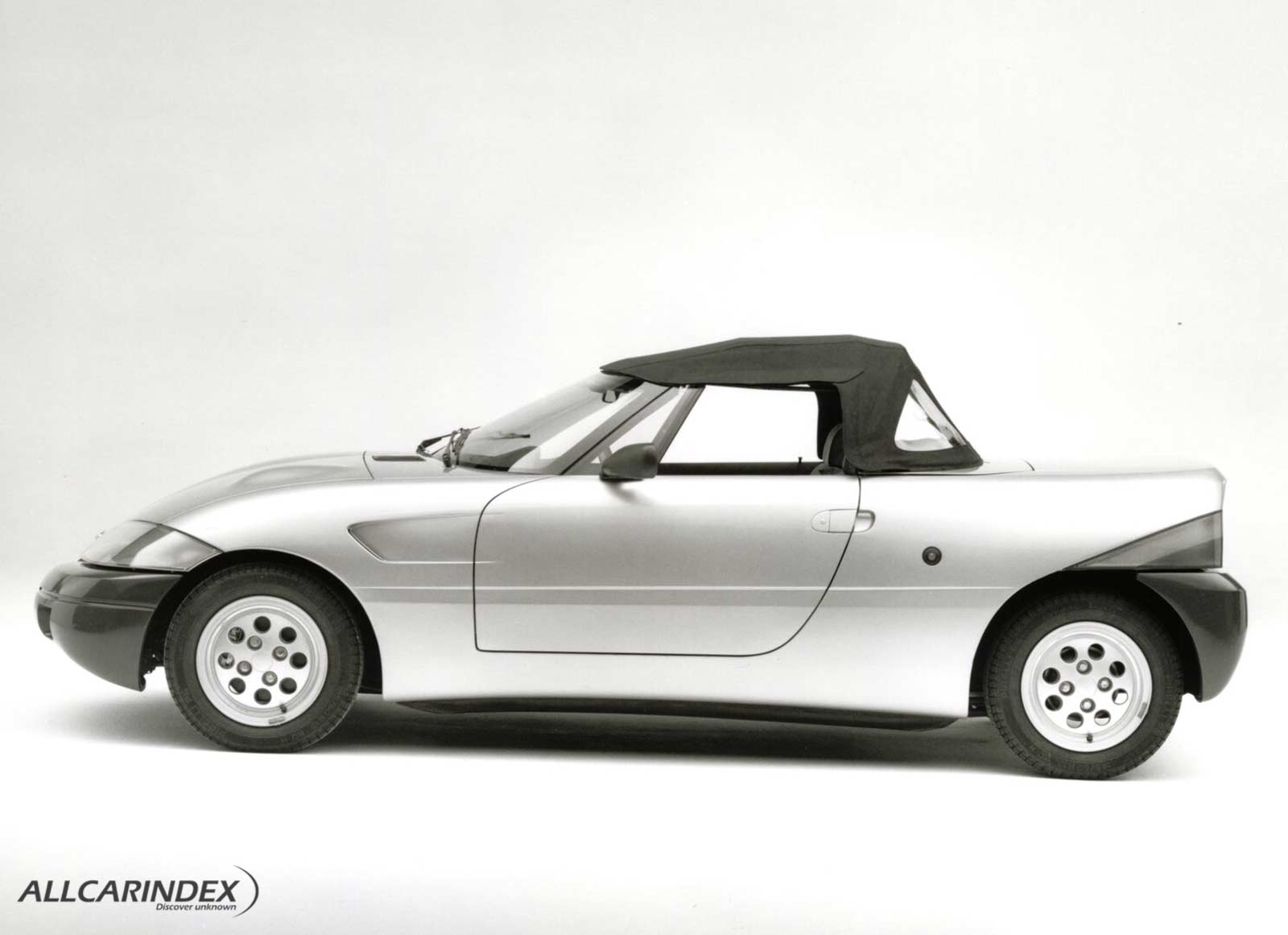
The Barchetta name, meaning "little boat" in Italian, was a term traditionally used for two-seat sports or racing cars. The concept used the platform and mechanicals of the Ford Fiesta XR2, giving it a front-wheel-drive layout, and its body needed to be substantially reinforced to suit an open-top structure. Styling featured a wedge-shaped, aerodynamic nose, a low and steeply raked 60-degree windshield, flush headlamps, integrated turn signals and taillights, inset flanks, and a flat rear deck without overhang. Black front and rear bumpers wrapped around the corners into the wheel cutouts. The convertible top was a scissors-type fabric roof that stowed behind the seats, and the side glass was also fully retractable. Interior instrumentation and detailing were carried over from the Fiesta for cost reasons. The car rode on 13-inch wheels with servo-assisted disc brakes.
Mechanically, the Barchetta used the Fiesta XR2's 1599 cc four-cylinder OHV engine producing 84 PS (84 hp) at 5500 rpm and 125 Nm of torque at 2800 rpm, paired with a four-speed manual transaxle. Dimensions included a wheelbase of 229 cm, track widths of 134 cm and 133 cm, and overall length, width and height of 350 cm, 155 cm and 120 cm respectively.
Despite public speculation about series production, Ford stated at the time that no production version was planned. A genuine market gap for small, affordable two-seat sports cars existed following the disappearance of traditional British roadsters from MG and Triumph, fueling continued interest. The Barchetta concept influenced two later Ford developments: a materials research vehicle in the United States known as the LTV, and a 2+2 convertible developed by Ford Motor Company of Australia for the American market with European assistance. That production car retained a similar basic shape, with exterior design again by Ghia and interior design by Ital Design, but was based on the Ford Laser, a Far Eastern derivative of the Mazda 323. It was ultimately sold through the Lincoln/Mercury network under the Capri name, with production beginning in 1990 after delays caused by adapting the car to American safety regulations.