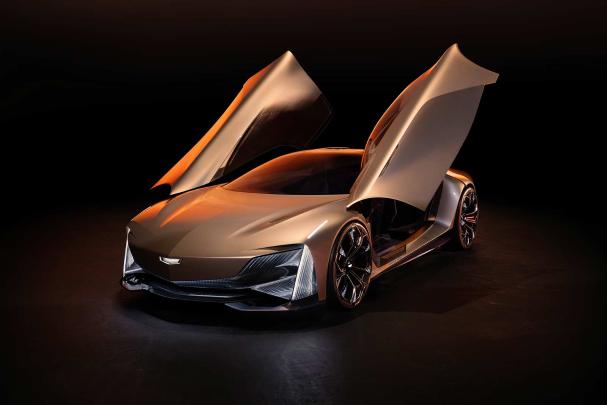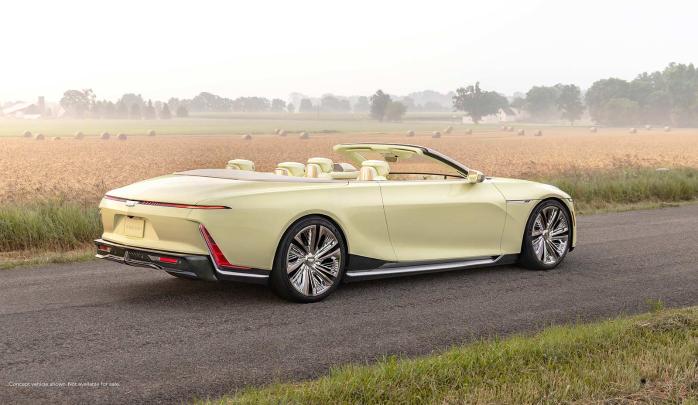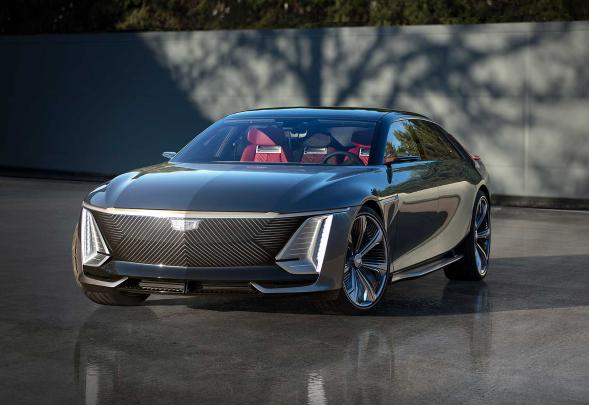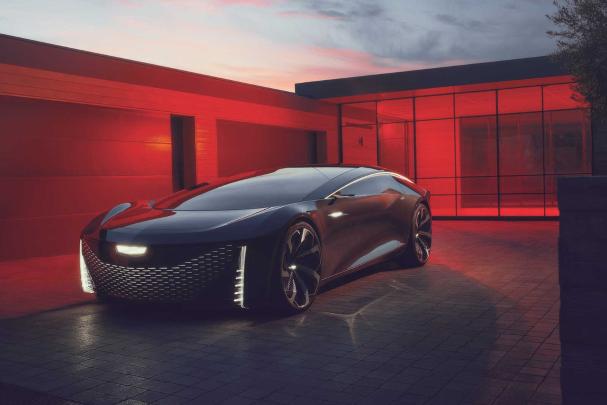

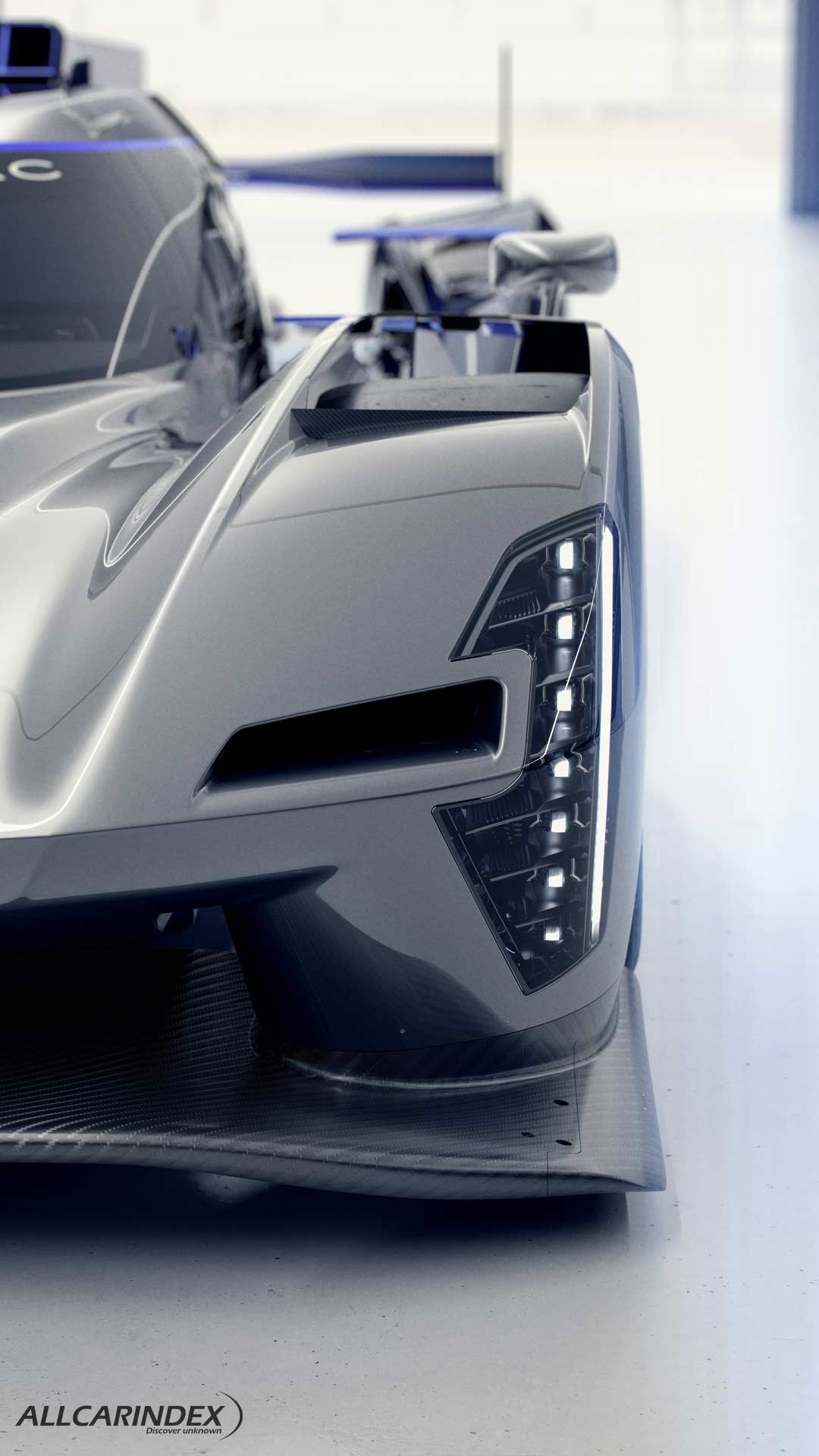
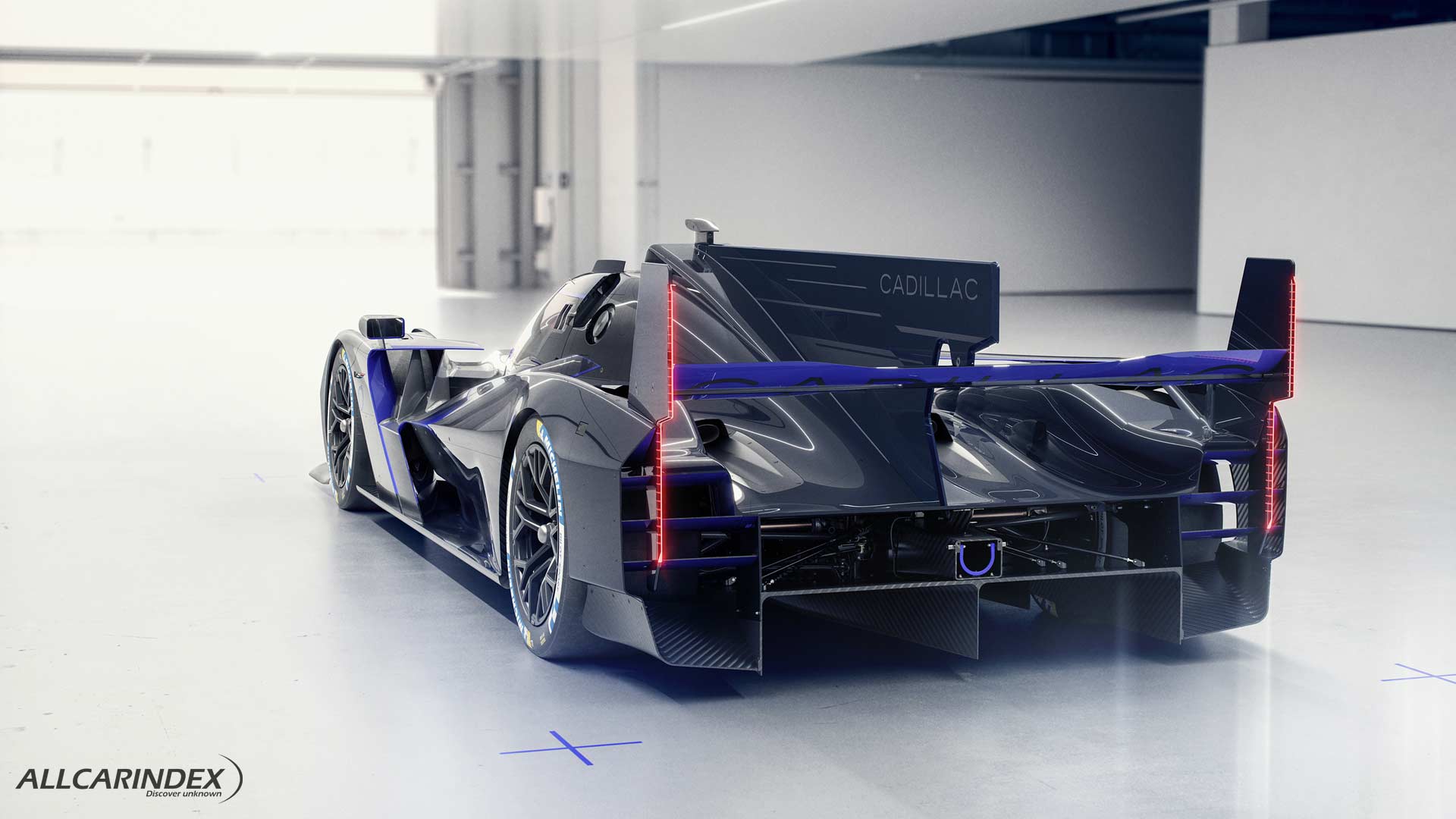
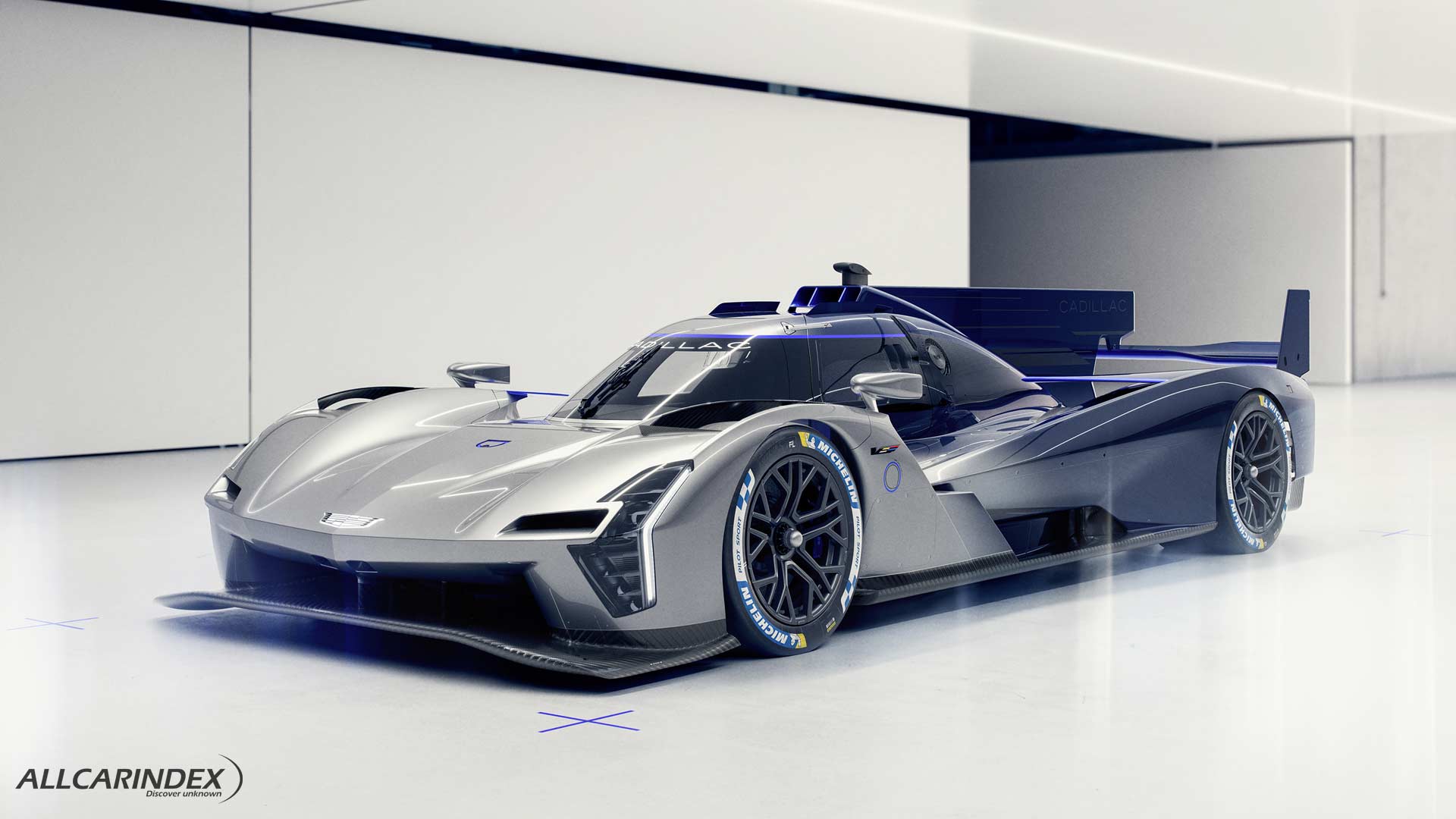
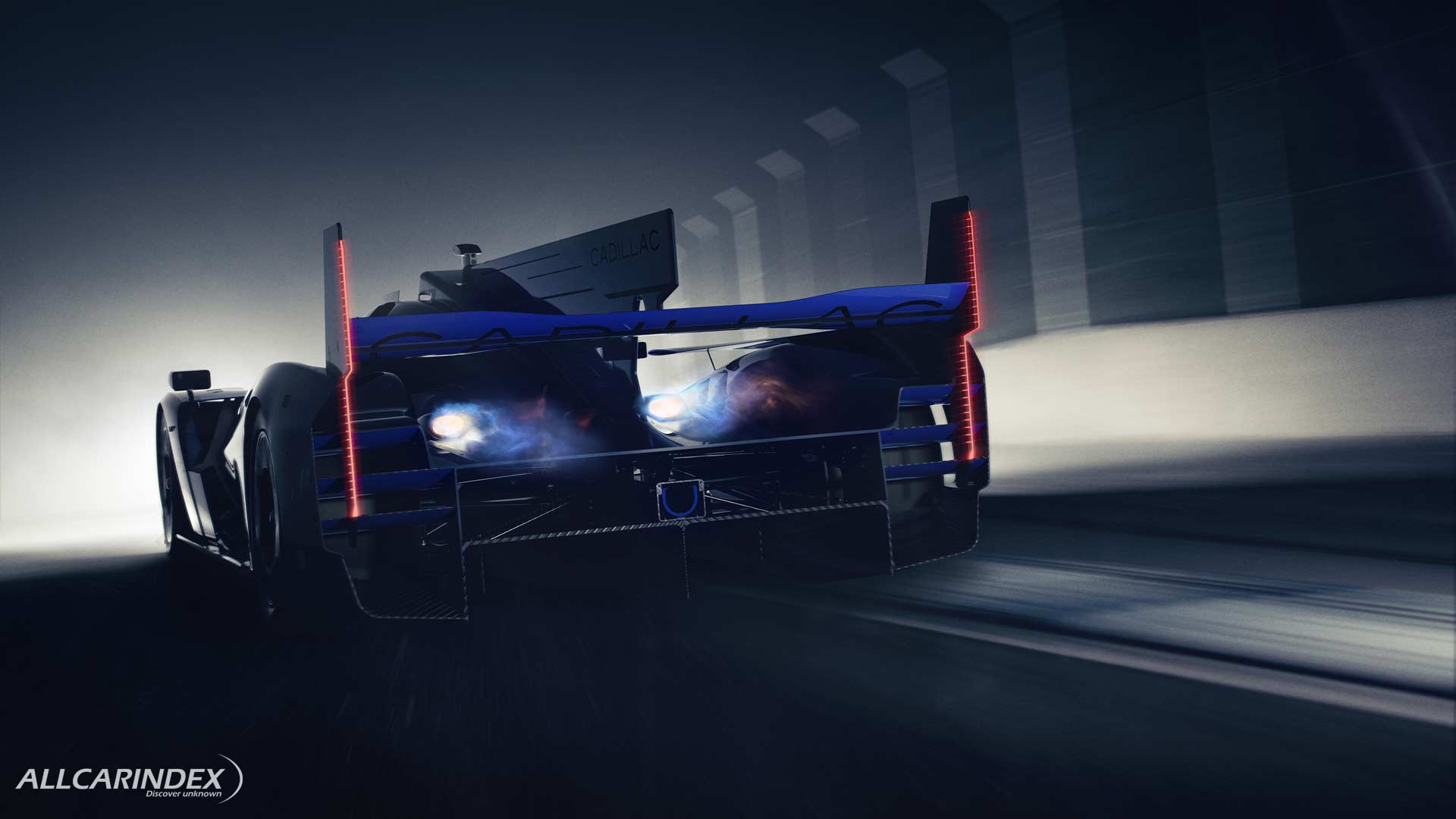
The Cadillac V-Series.R has built its reputation lap by lap, first pulling away from the pits on quiet electric power before the thunderclap of its big V-8 takes over, a sequence that has earned the race car pole positions, race victories, and a championship. Cadillac now builds on that legend directly with a concept that carries the same bones and much of the same soul onto the road, if only in concept form. That car is the V-ONE.
Sean O'Shea, Cadillac LMDh Propulsion Manager and one of the minds behind the project, described the intent plainly: "It's about as close to the race car as you can get." The idea driving the V-ONE was simple in its aim, if not in its execution, to create a car that lets a driver tap into the competition-proven performance of the V-Series.R on track.
Much of what makes the V-ONE close to its racing counterpart comes down to shared hardware rather than imitation. The concept shares an identical chassis with the V-Series.Rs that compete around the globe, a carbon tub built by Dallara, the Italian firm responsible for the race car's chassis as well, and even the V-ONE's bodywork was formed using the same molds as the race car. Under that shared skin sits the V-Series.R's own naturally aspirated 5.5-liter V-8, the same power aggregate that gives the race car its distinctive and much-loved sound. Assembling that engine is no quick job either: "It takes 160 hours of build time just to assemble the engine," O'Shea says, work carried out entirely in Pontiac, Michigan, by people who have built race engines their whole careers and who are hand-picked for the job.
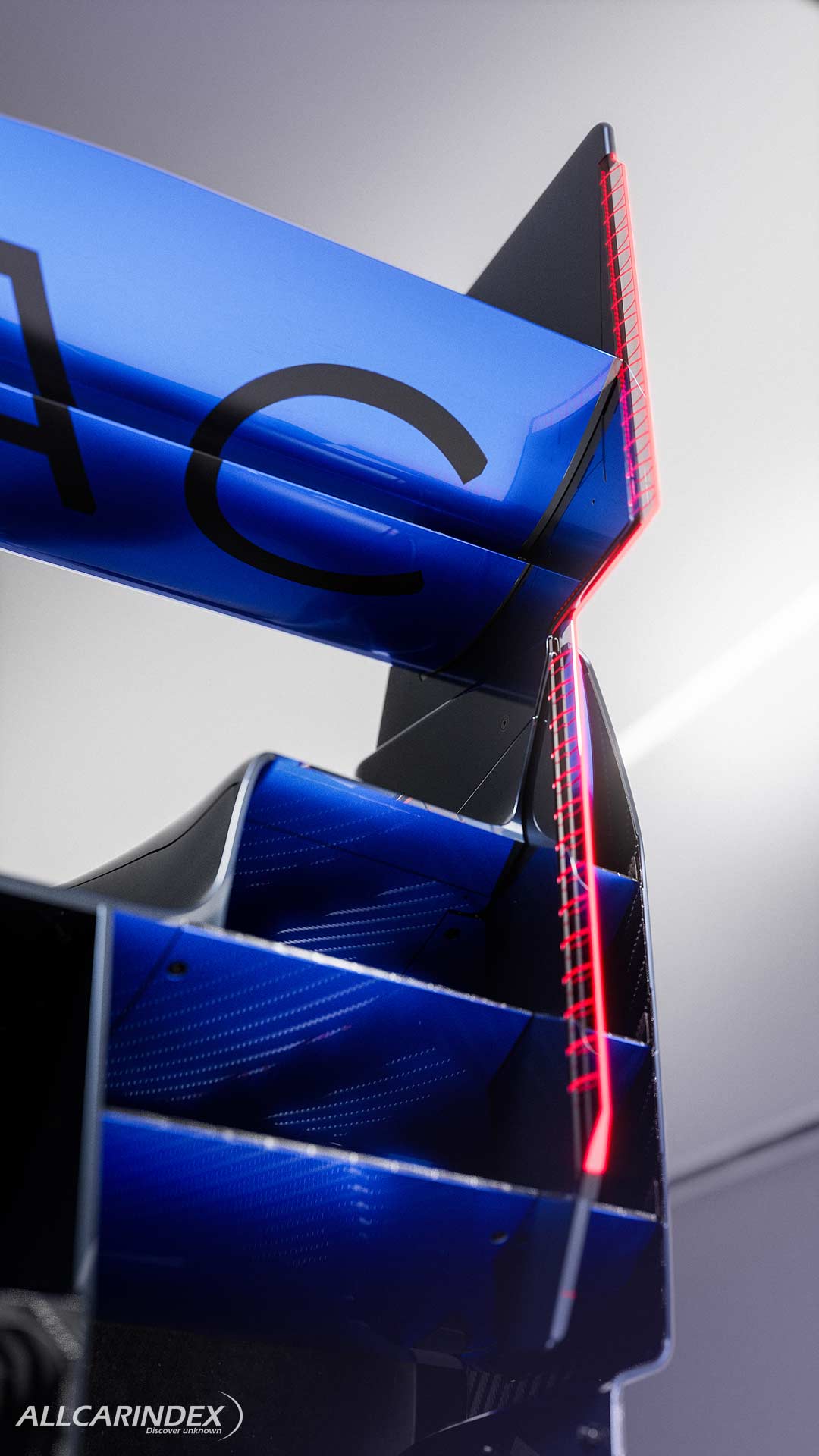
Where the V-ONE departs from its racing sibling is in how that power gets managed. Cadillac Racing engineers tweaked the V-8 and hybrid system specifically to make the car more user-friendly, a necessary step given that the race engine normally requires a team of specialists just to operate. Racing series regulations cap the combined horsepower of engine and hybrid system on the V-Series.R, but the V-ONE answers to no such rules, so its hybrid system works instead as a boost layered on top of engine power, bringing total output to around 830 horsepower. "You get on the straightaway, hit a button and get an extra 134 horsepower," O'Shea says. "I couldn't even imagine that. These things are already so fast, adding a bunch more power with the press of a button is incredible." Despite that extra power, the aim for the V-ONE is lap times within about 10% of the V-Series.R's, a target balanced against a lightly simplified hybrid system and a unique aerodynamic package that combines elements drawn from different V-Series.R iterations.
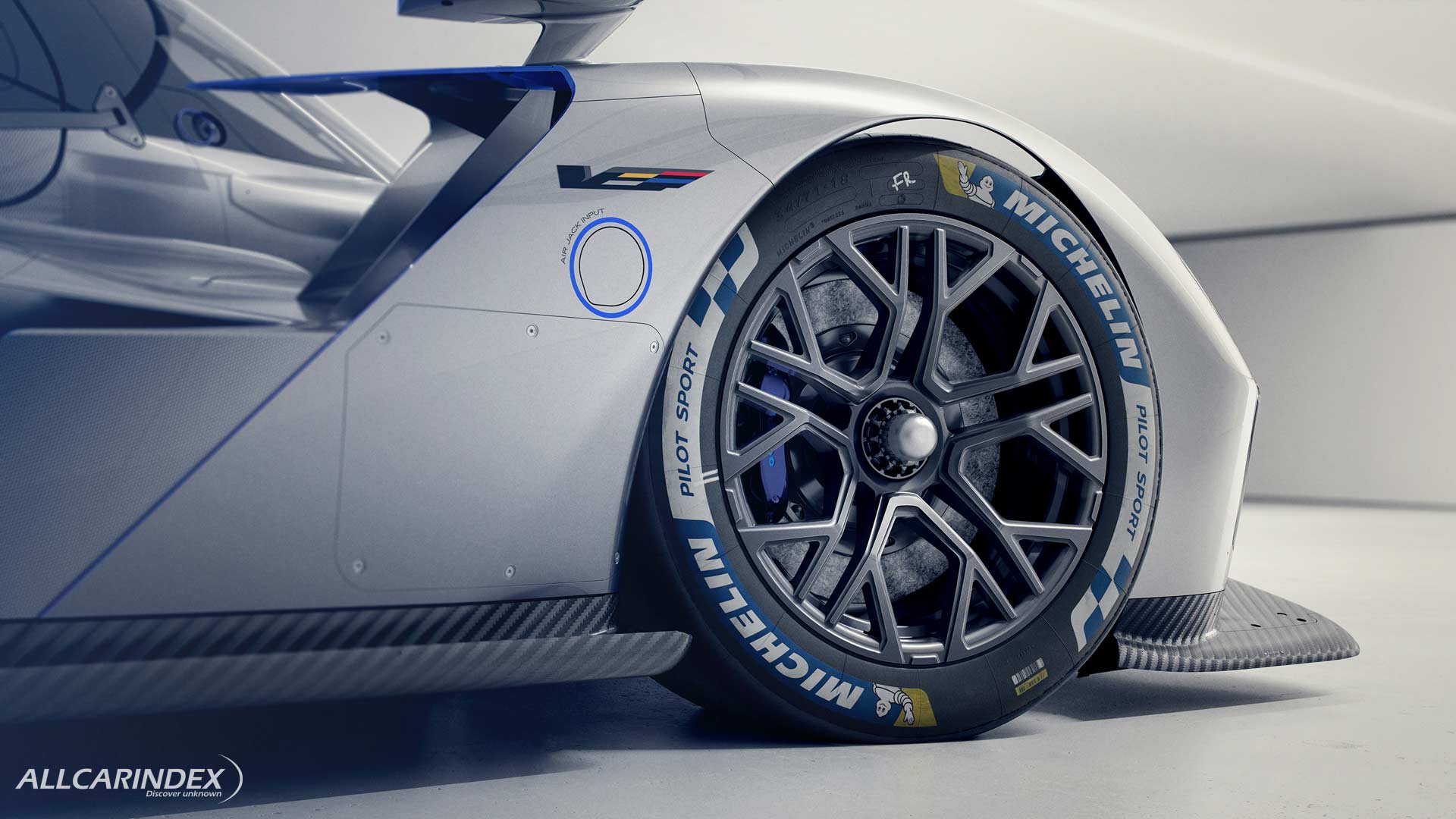
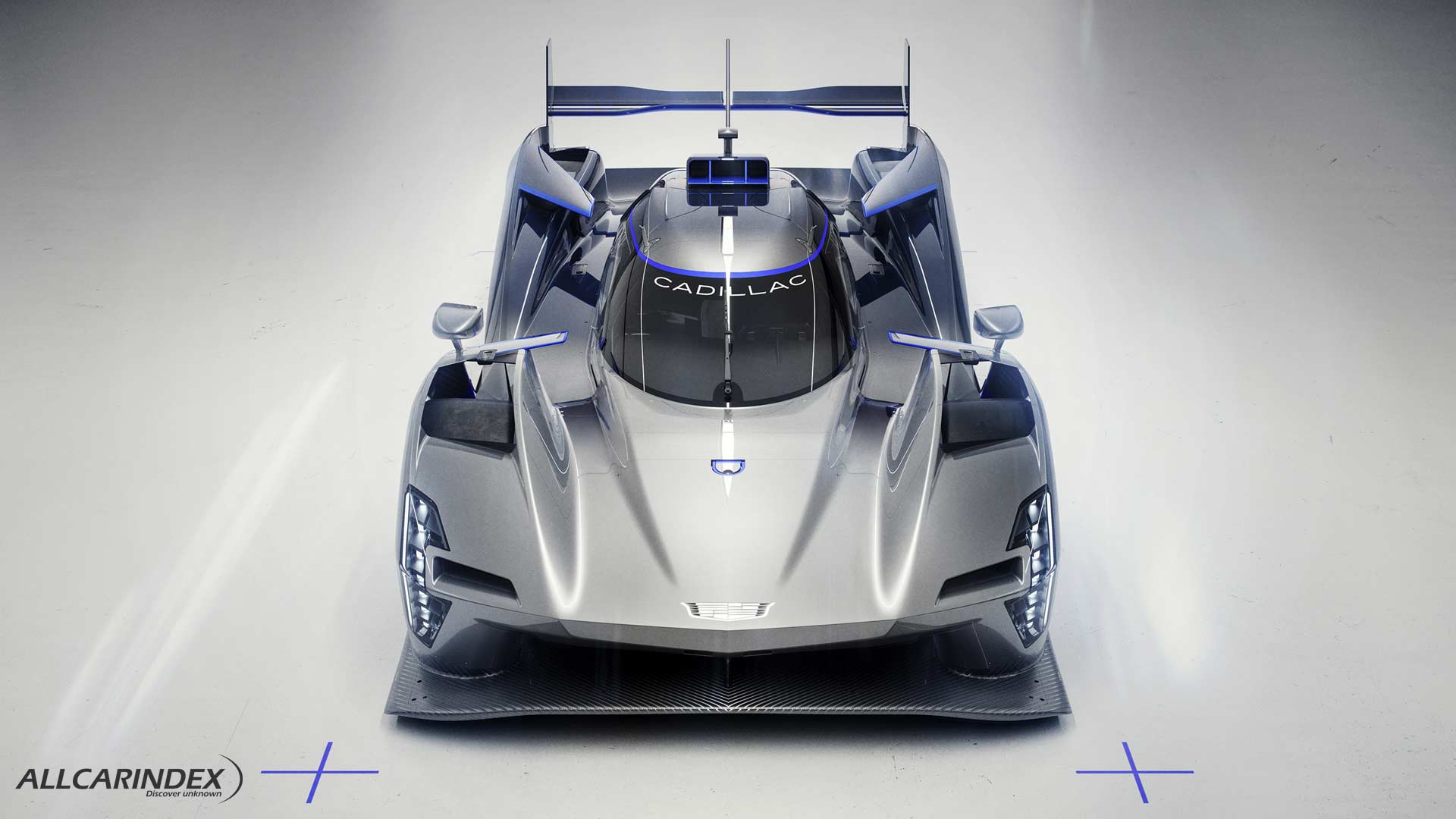
Design is where the two cars pull furthest apart, even while staying visually related. Dominic Najafi, Executive Director of Design for Global Cadillac Design, explained the approach taken despite the car's competition roots: "Even though it's a race car, even though it's raw and very functional, we've actually surfaced every single part of it by hand. That gets us the most perfect reflections, highlights, surface integrations, and surface flow. We've uplifted some details as well to make it feel more advanced and high tech." The V-ONE also debuts a new V-Series logo, alongside a wheel design that previews the wheels expected on future V-Series production models. Unlike the race car, which is typically wrapped in vinyl, the V-ONE is hand-painted, its livery running from a rich silver at the front to a very dark Caspia blue at the rear, a reference to the transition from day into night over the course of a long endurance race.
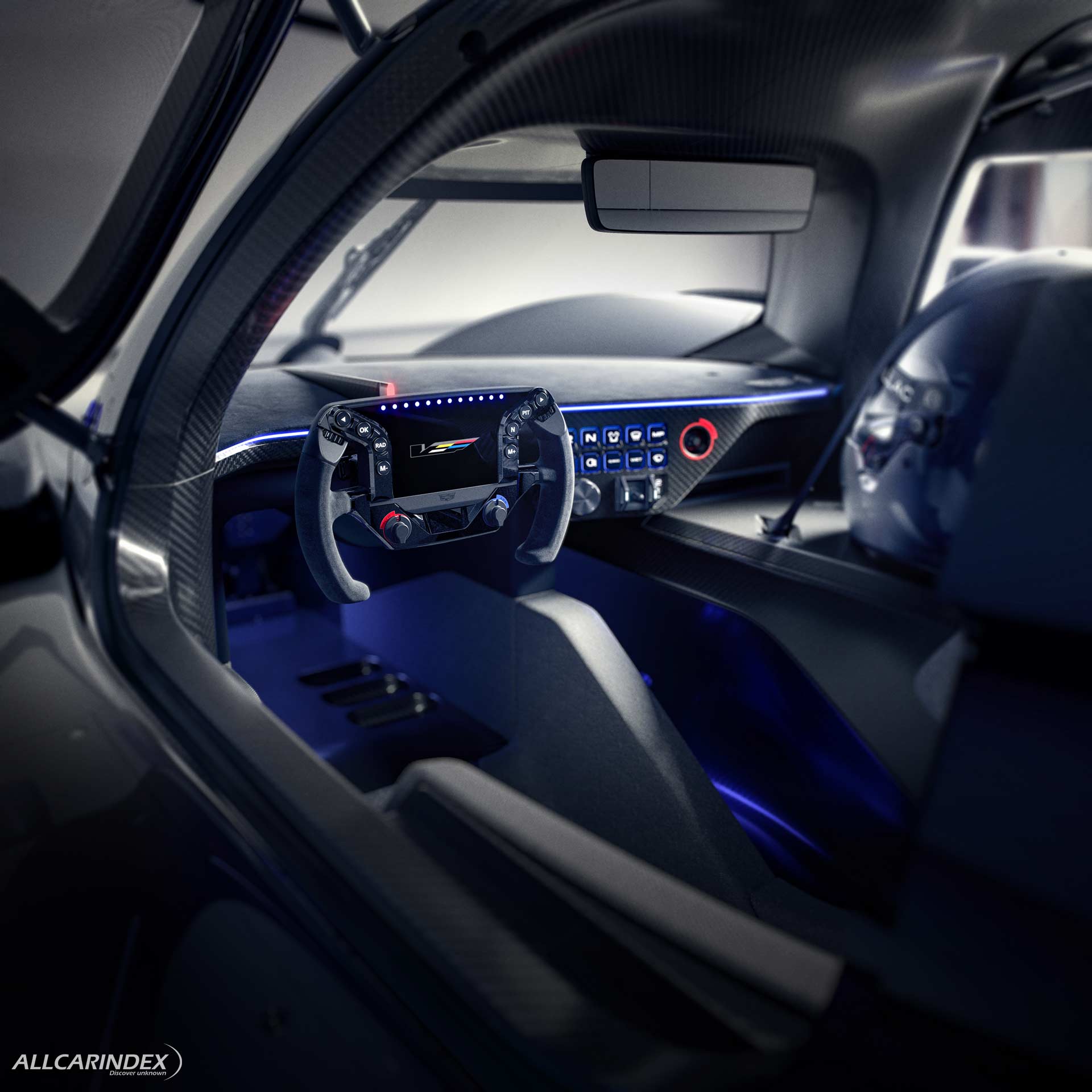
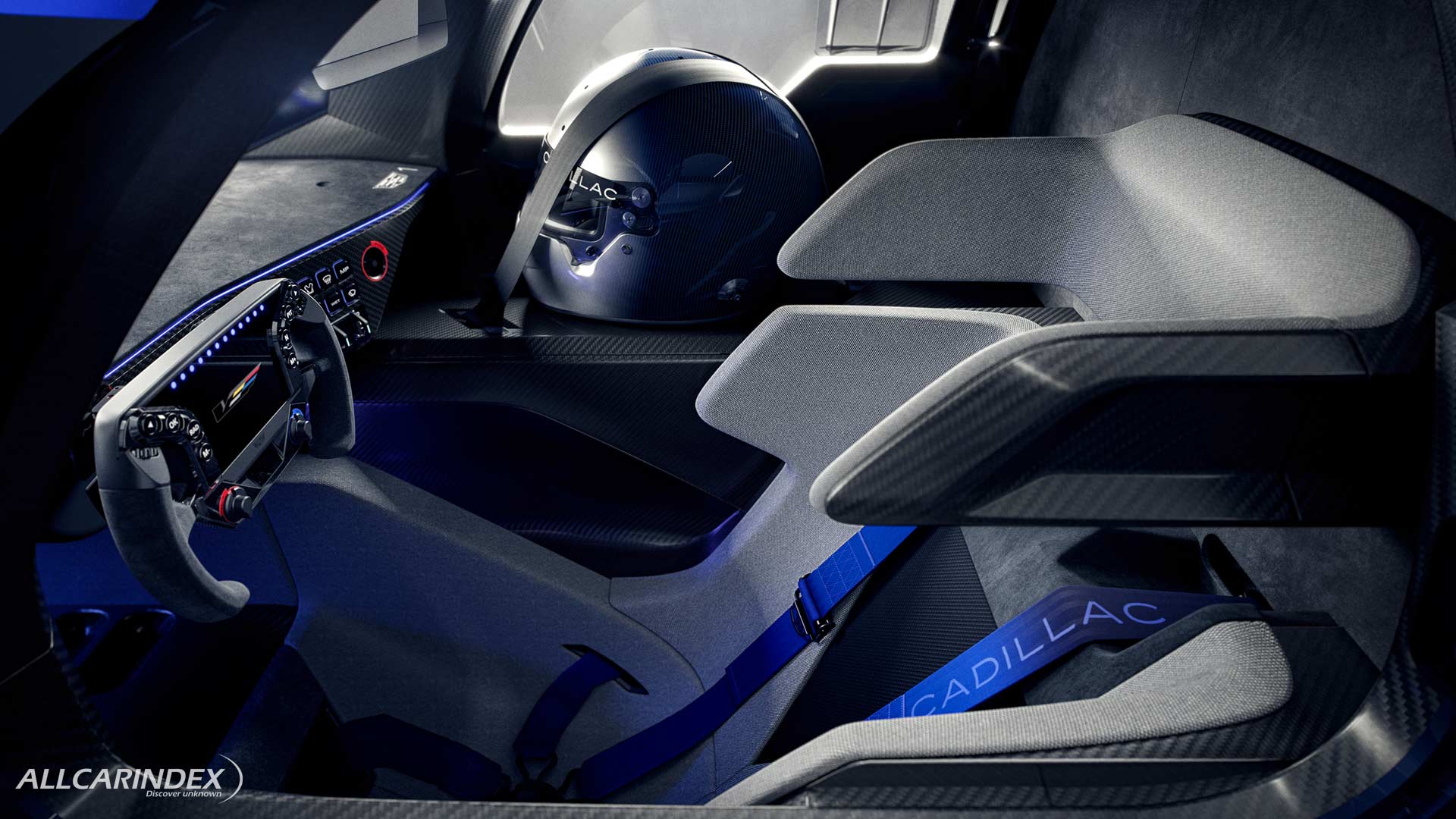
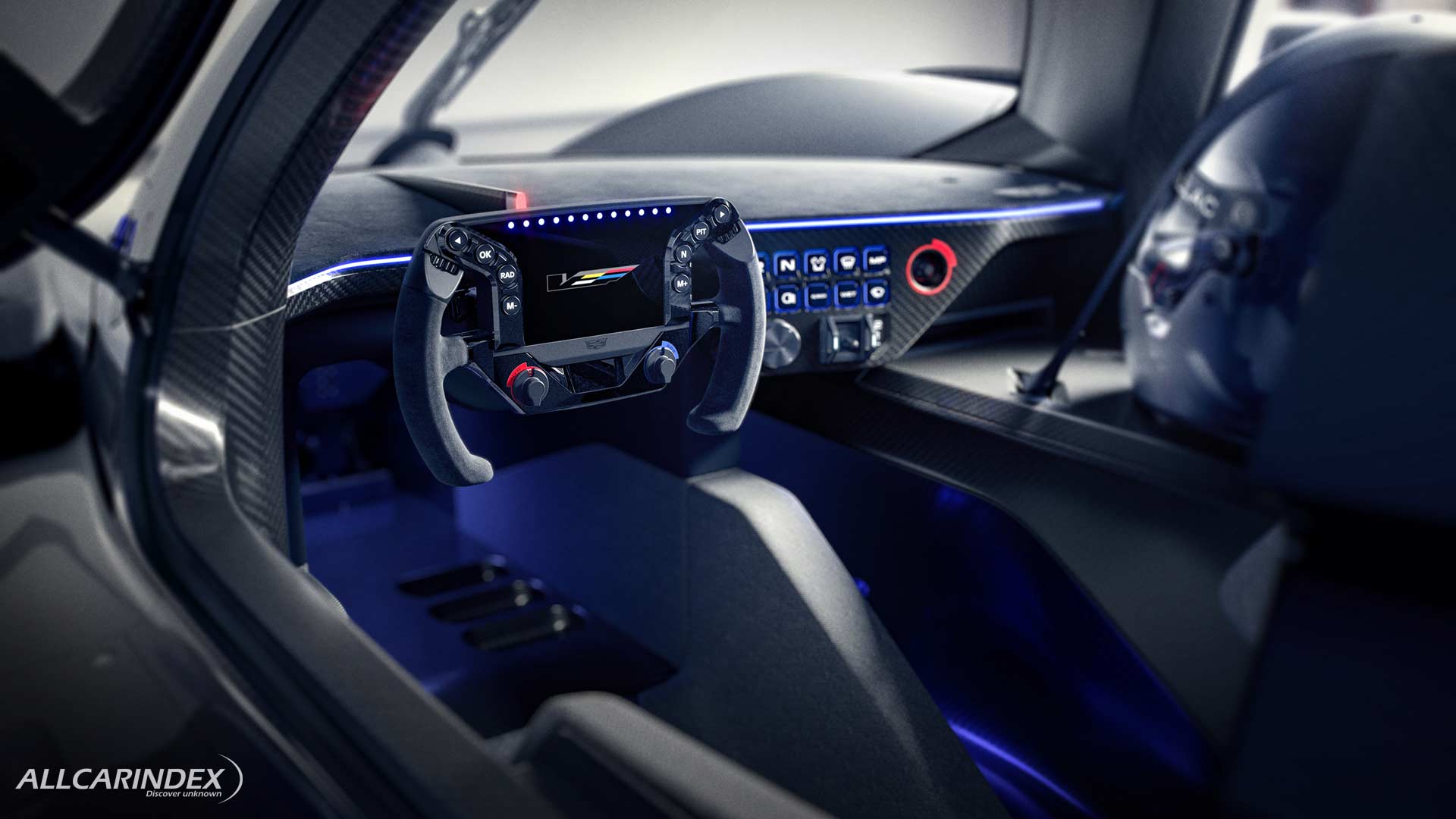
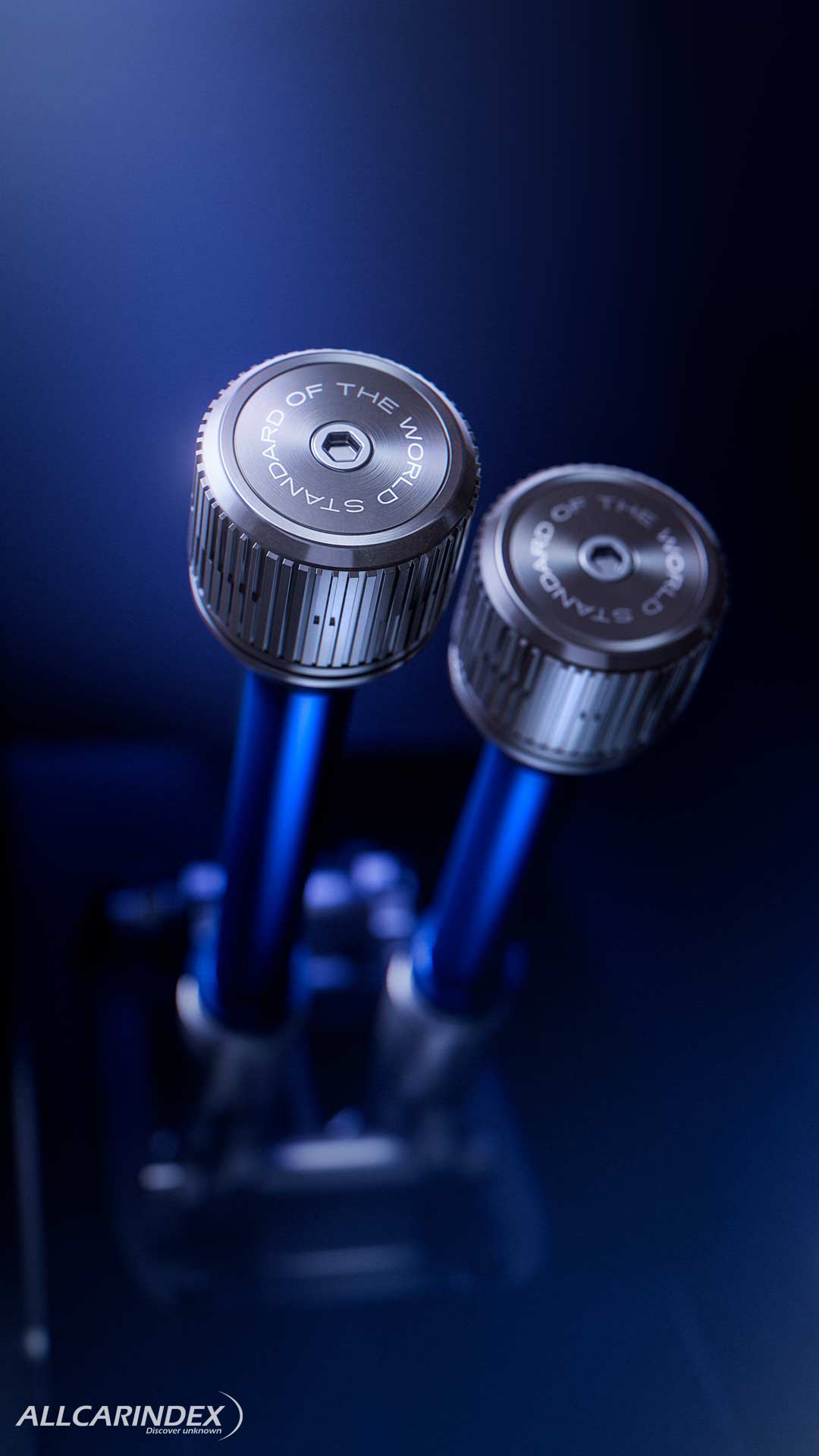
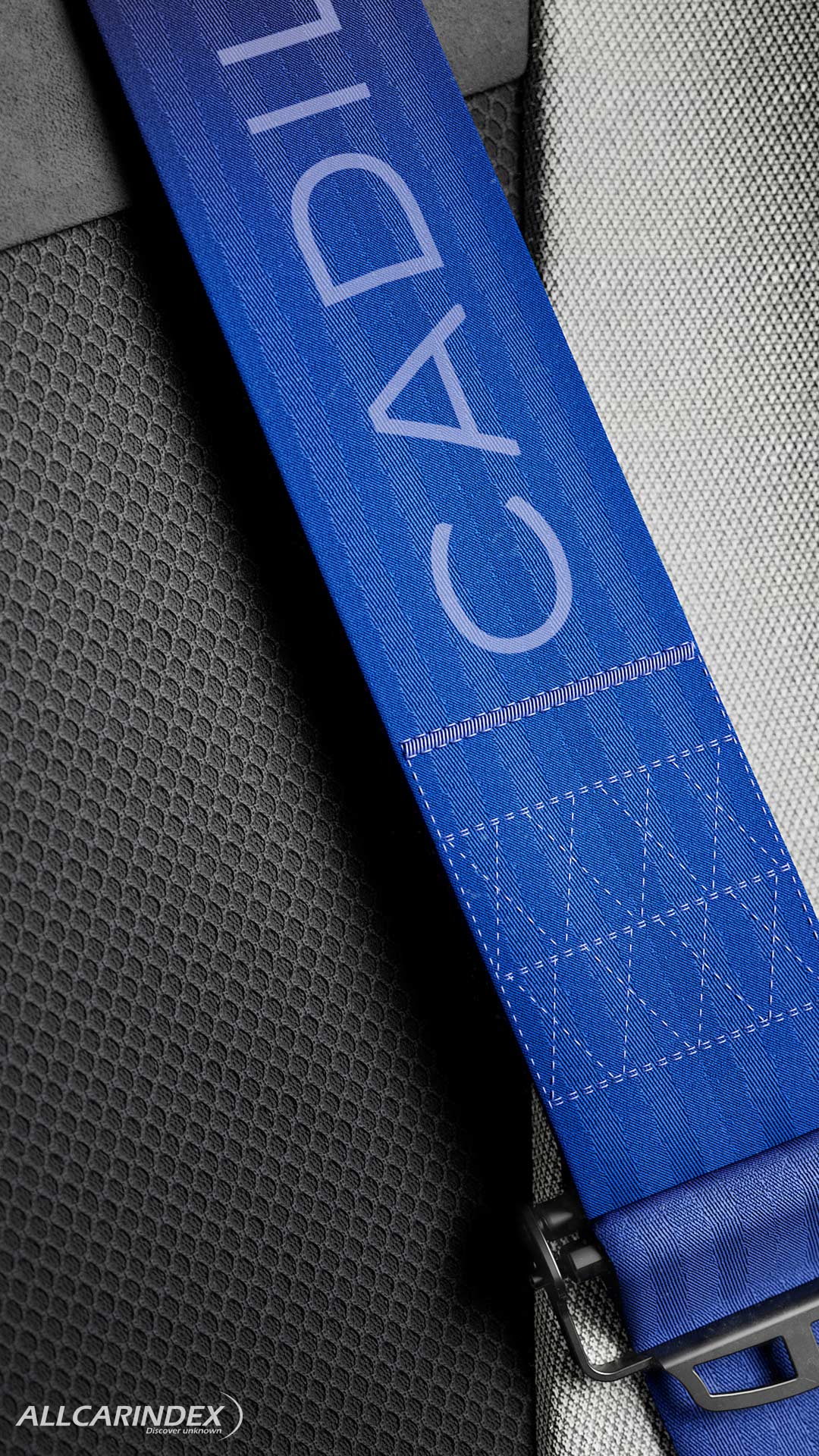
Inside, the same tension between motorsport function and Cadillac's usual craftsmanship plays out again. "The interior of the car is one of the main selling points with the car," O'Shea says. "You open the doors and you look inside and it's a clean, purpose-built race car with a bespoke Cadillac interior." Getting there took three dozen iterations of the steering wheel alone, with many of its controls replicated directly from the race car's own. Blue accents run throughout the cabin, tying back to the exterior livery, while a GT3-style racing seat replaces the tighter chair found in the actual race car, improving visibility for the driver.
Safety, as expected of anything built this close to a Le Mans-style prototype, was not simplified along with the rest of the car. The V-ONE meets all the same standards as the V-Series.R and uses the race car's own FIA-approved survival cell, with development incorporating the applicable FIA safety requirements and validation practices already established for competition.
Najafi summed up the concept's place alongside Cadillac's other flagship statement: "It's a serious machine, but it's amazing how we've been able to bring this curated design element to it to make it feel like a very special car. The CELESTIQ represents ultimate luxury, the V-ONE represents ultimate performance. Both show the scope of Cadillac, the scope of what we can achieve, our ambition, and the excitement around the brand." The V-ONE is not for sale, a concept built to carry the V-Series.R's championship pedigree as close to the road as a Dallara tub, a 5.5-liter V-8, and 830 horsepower will allow.