
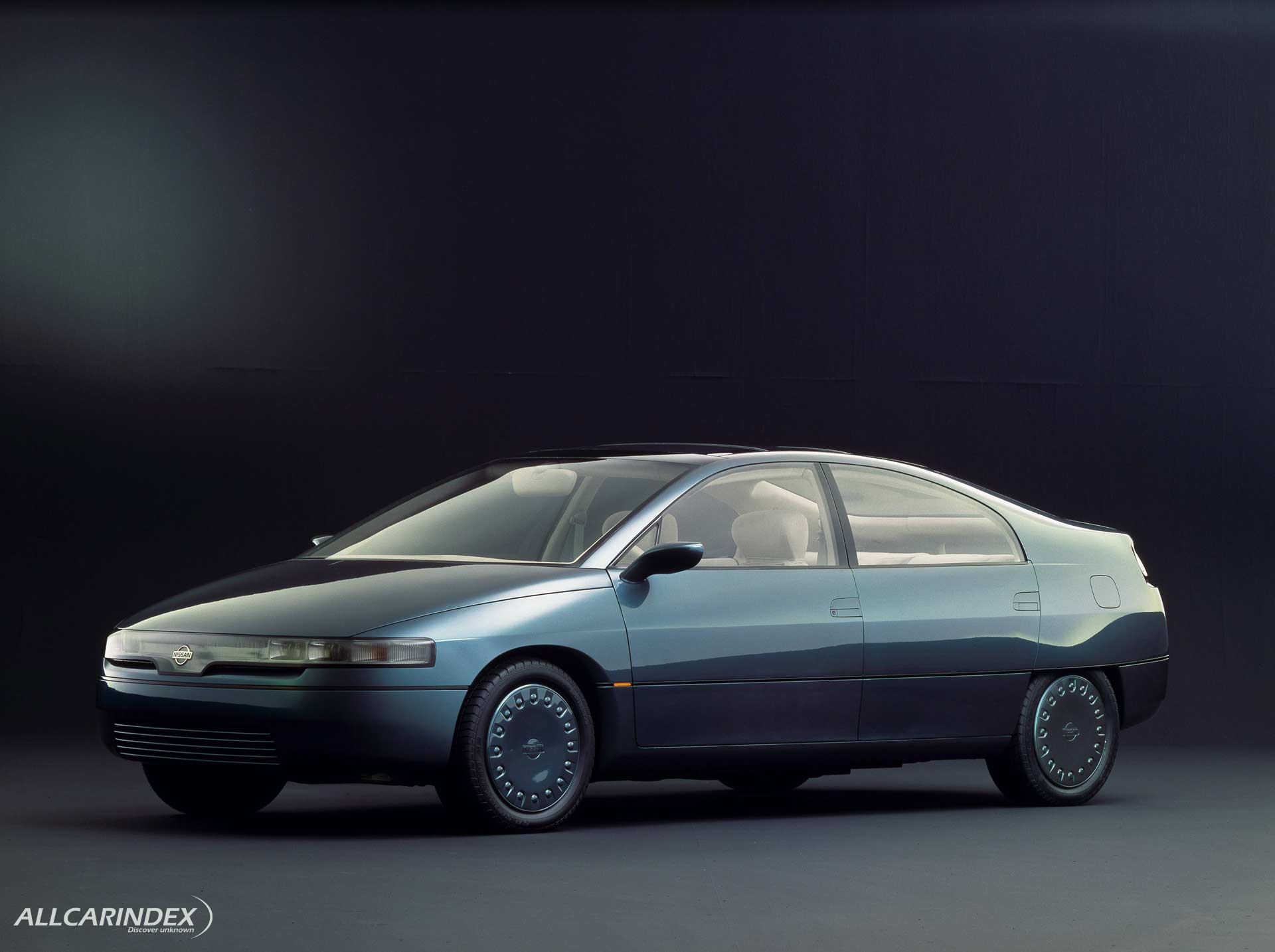
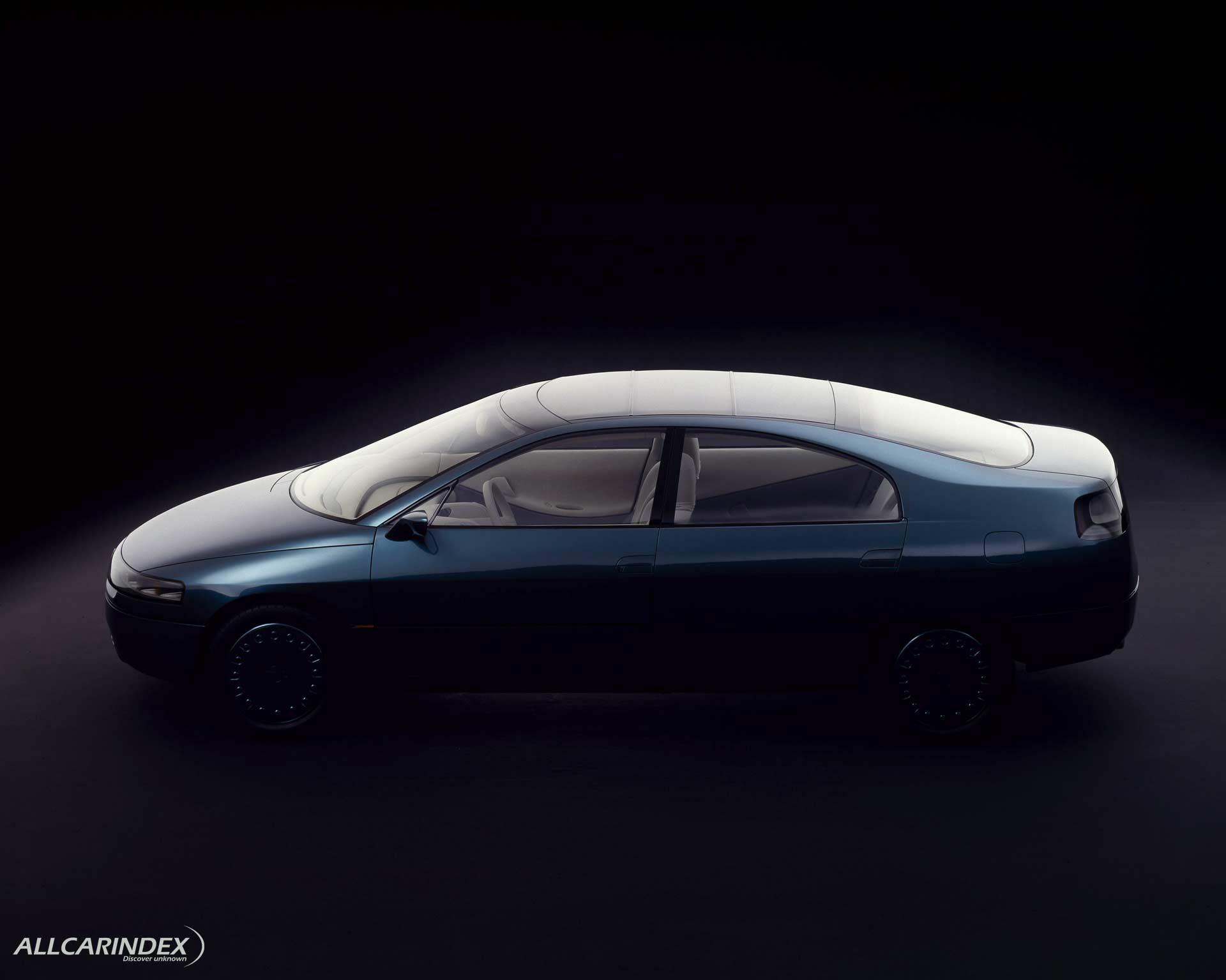
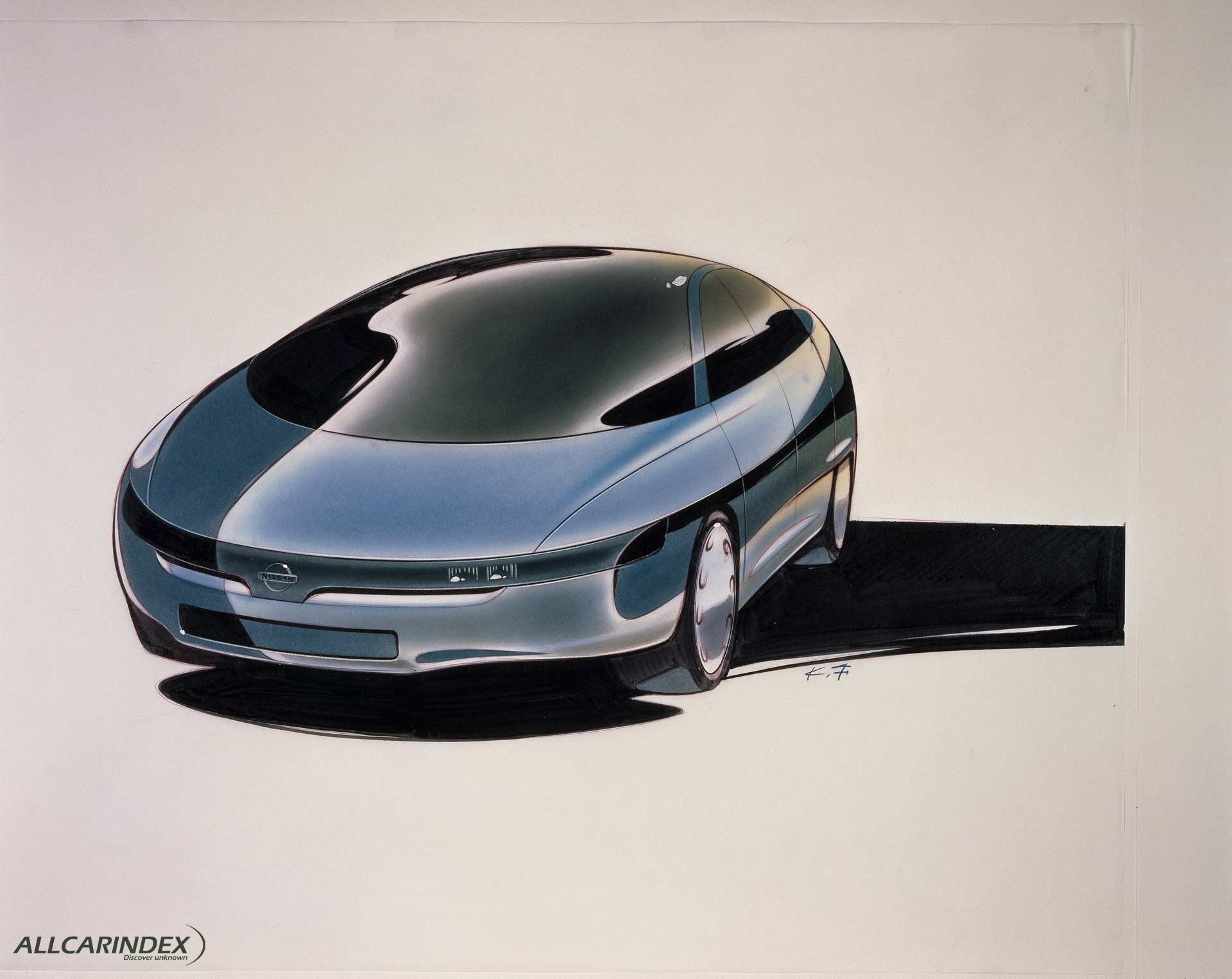
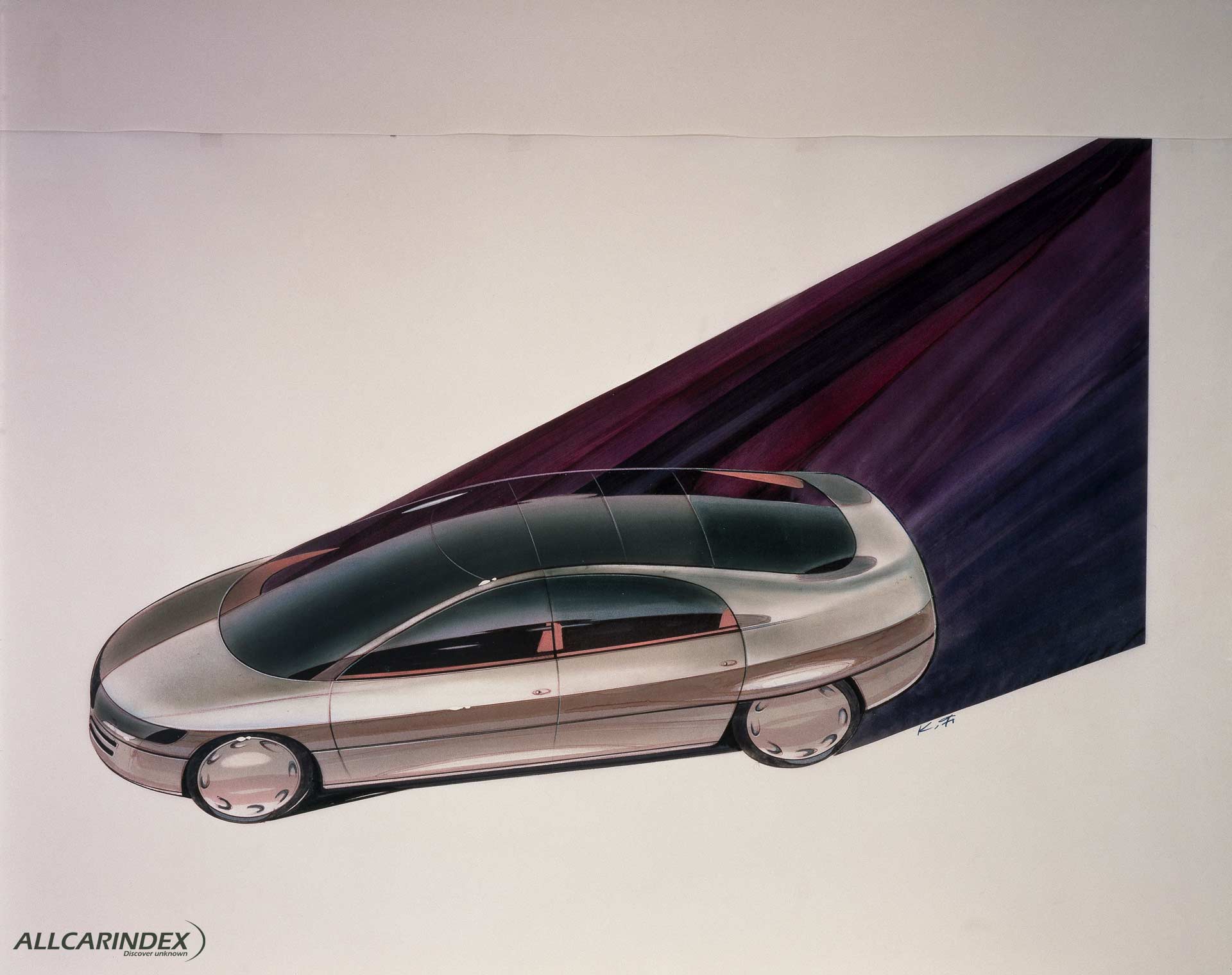
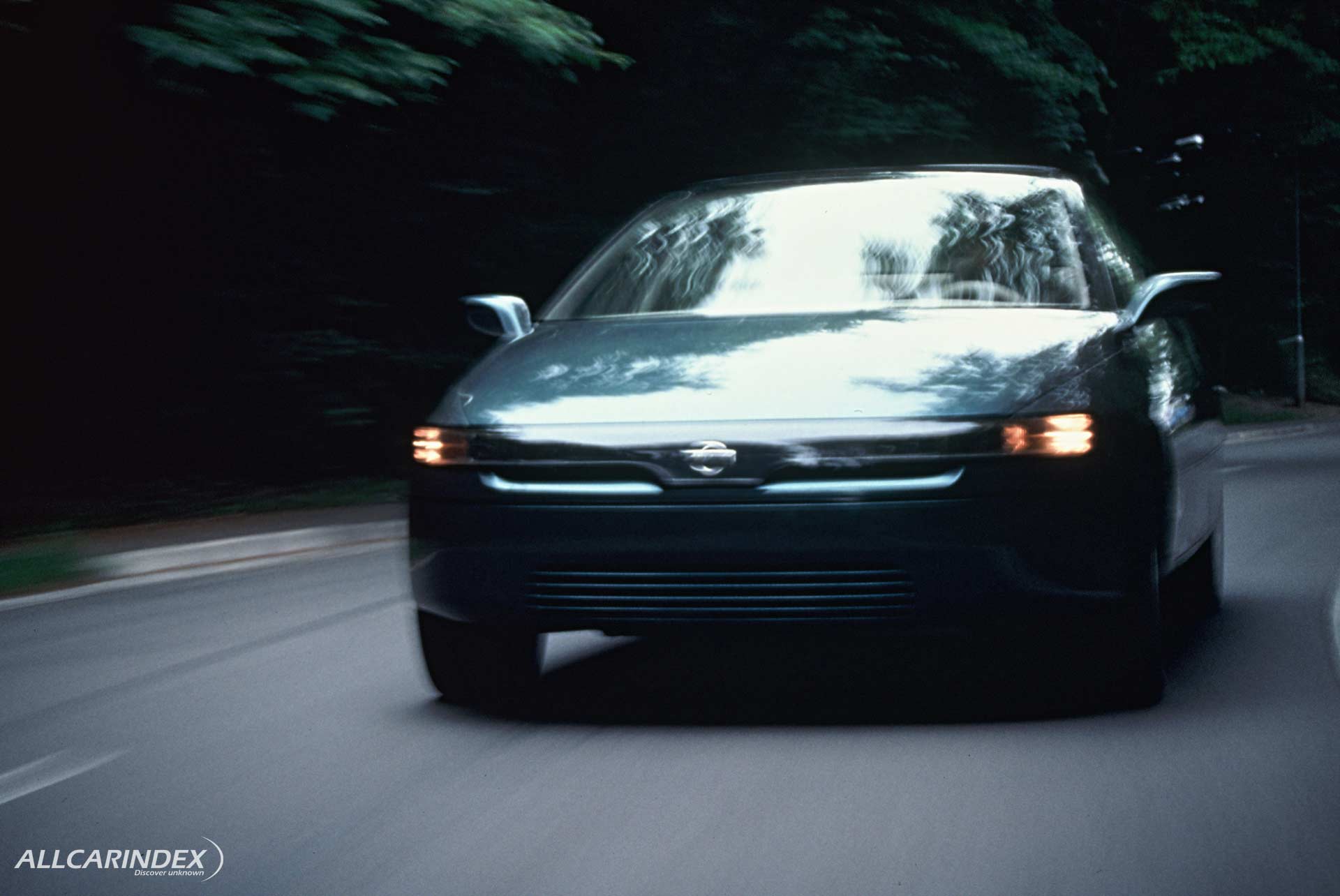
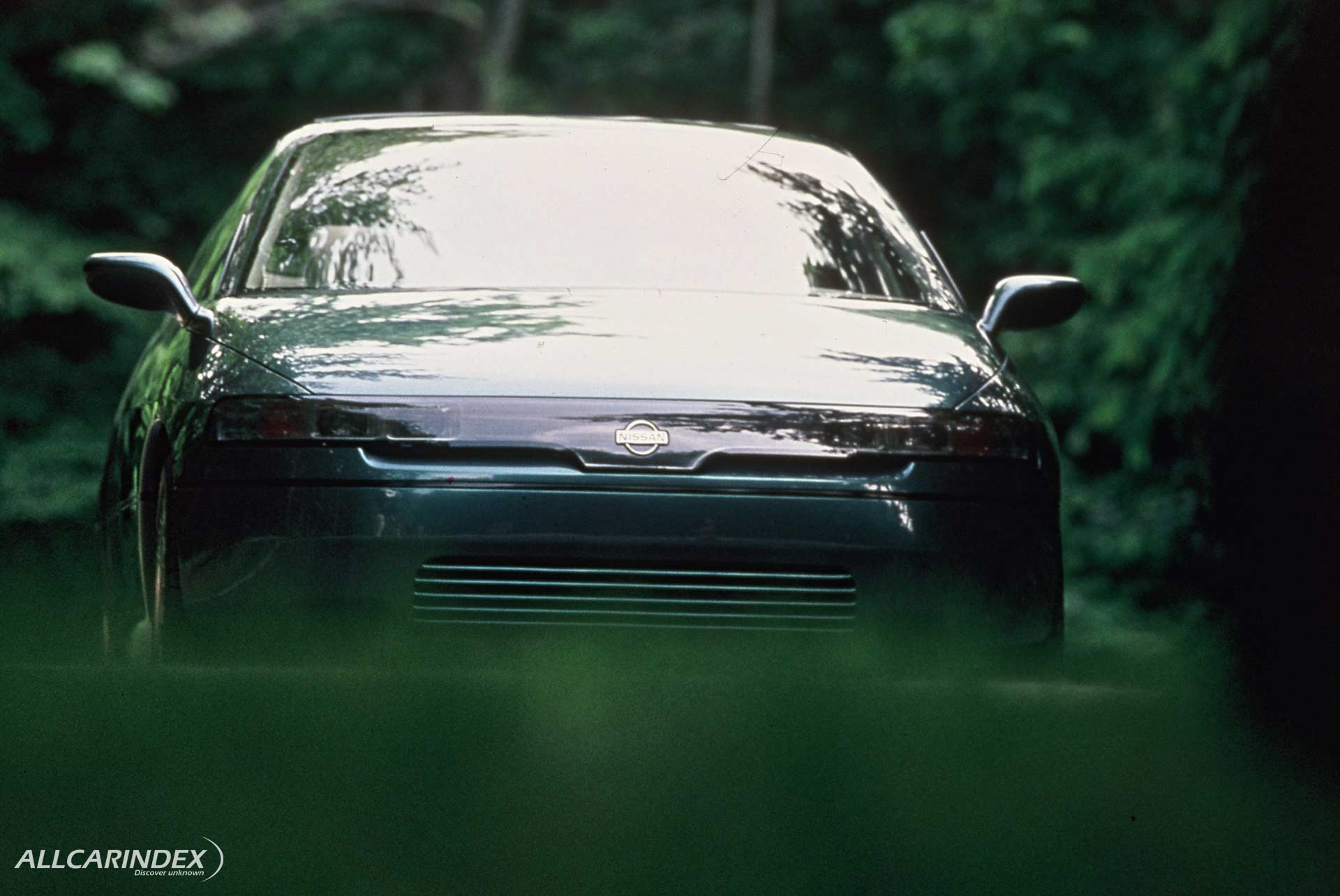
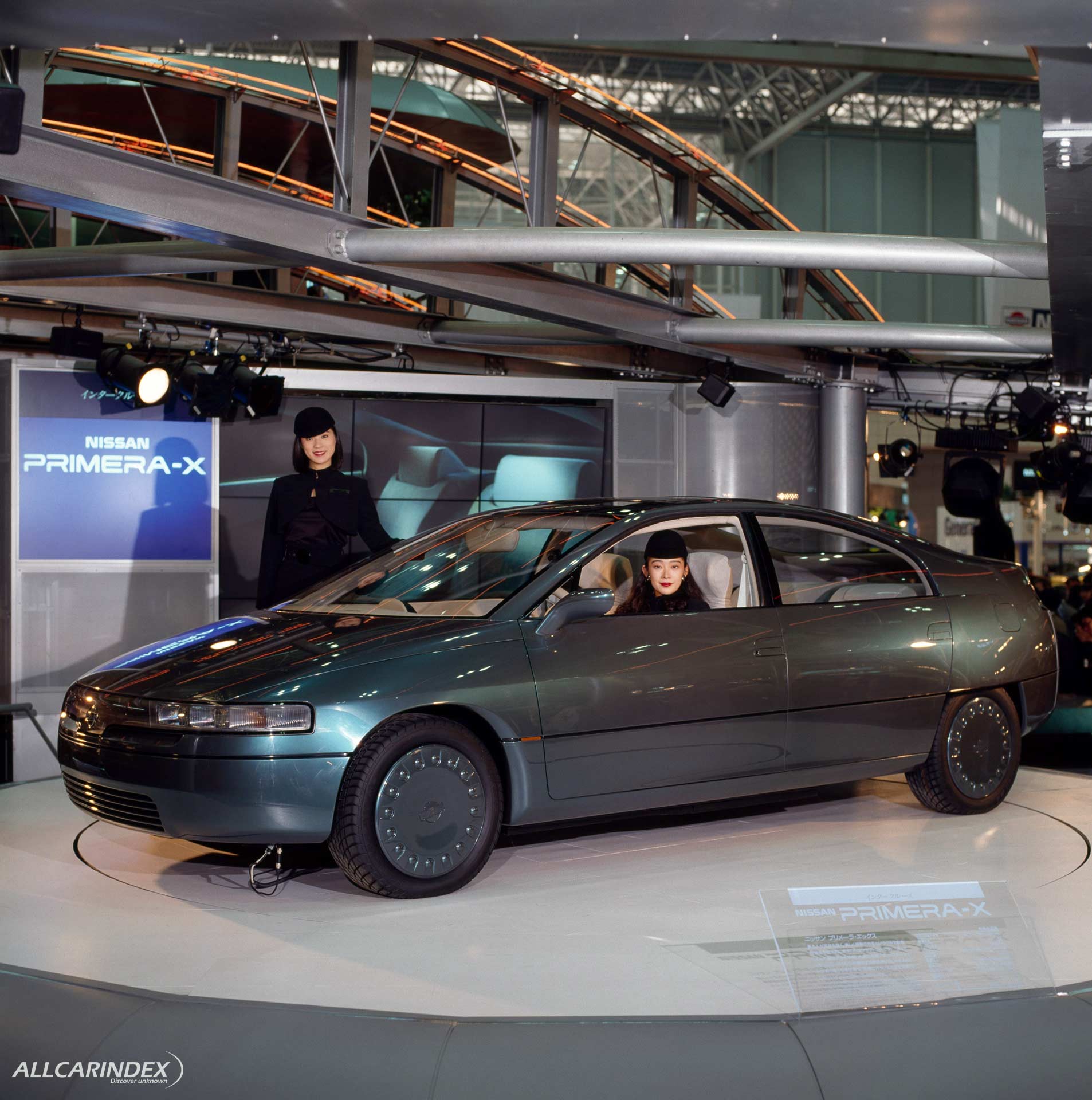
The Nissan UV-X, also referred to as the Primera X, was a concept car unveiled by Nissan and described by the company as its first concept vehicle developed specifically for Europe, based on extensive study of the European market and customer needs. It was shown at the Frankfurt IAA rather than waiting for the Tokyo Motor Show, which followed about a month later, a choice linked to Nissan's plans to significantly expand the English production plant it had opened in 1987. Its design echoed the award-winning Arc-X concept of 1987, though the UV-X was more compact, sized as a mid-range saloon.
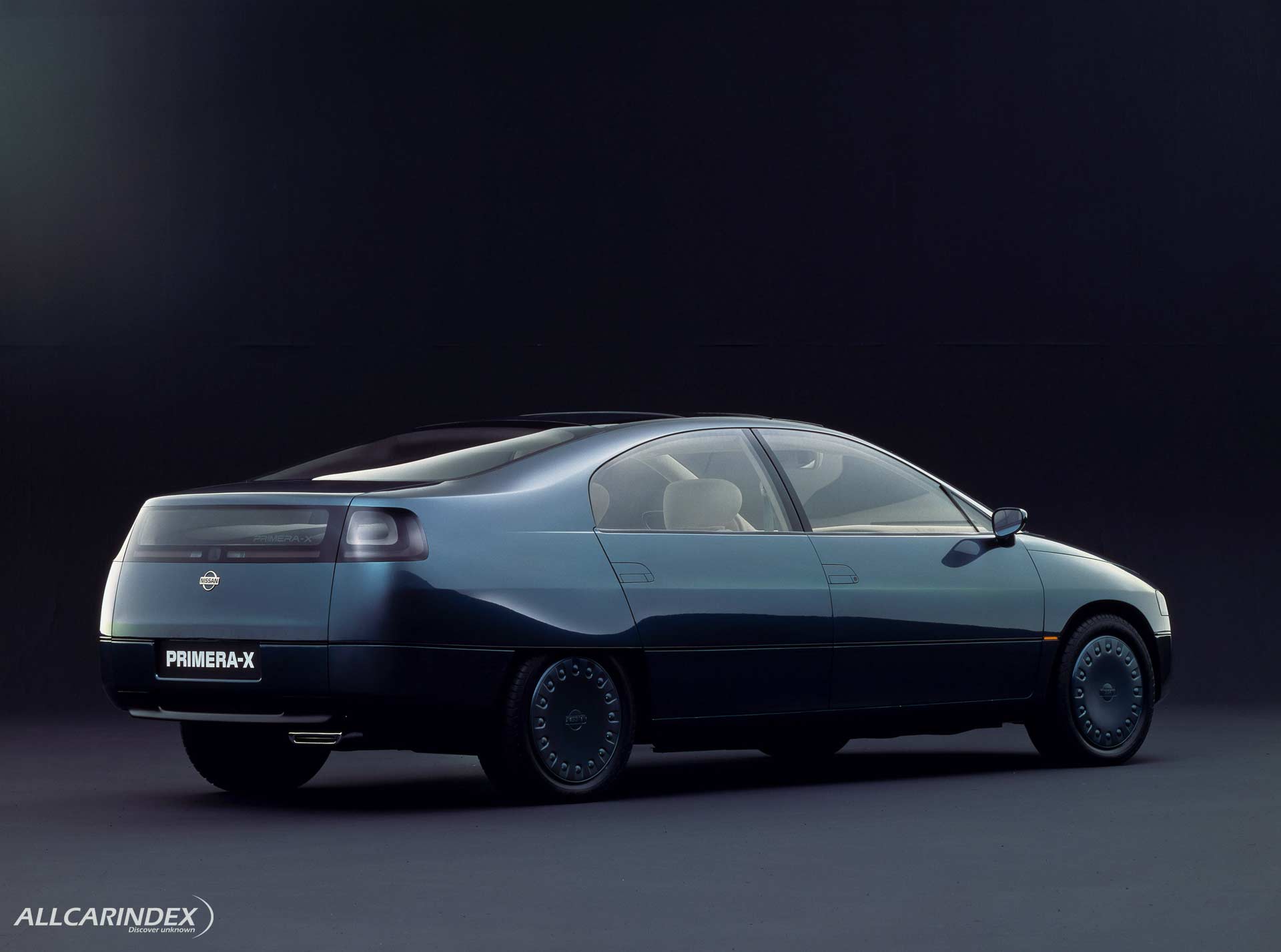
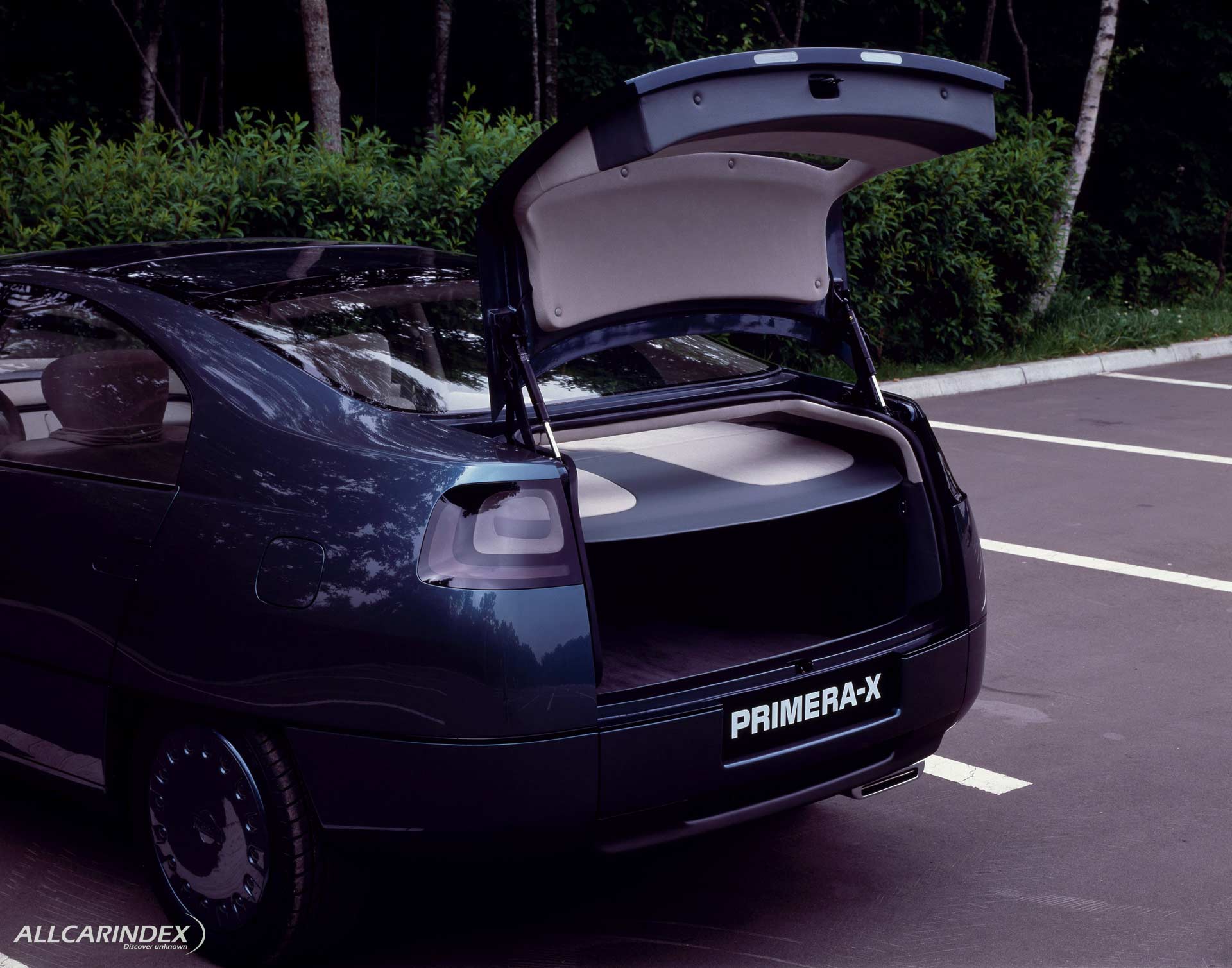
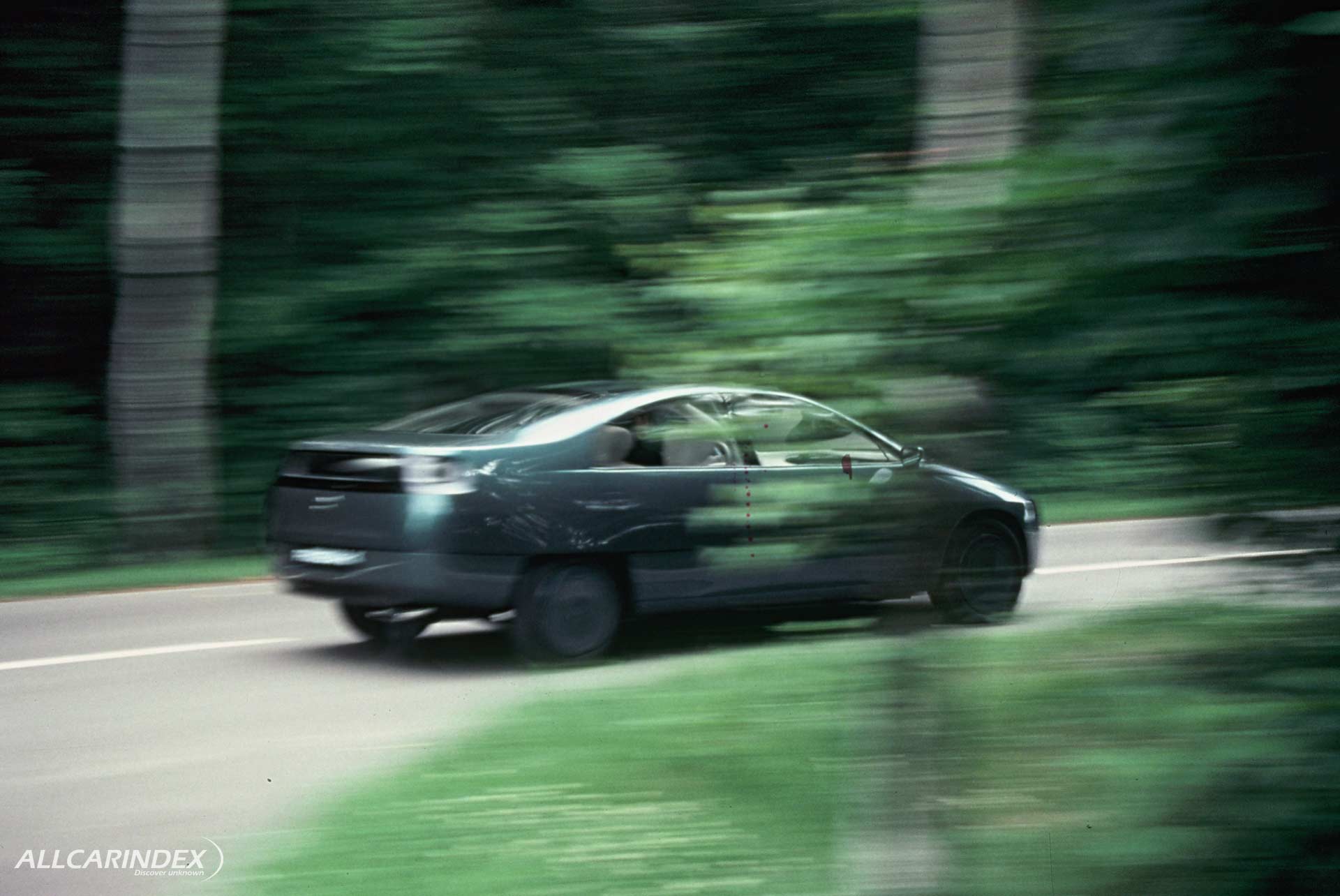
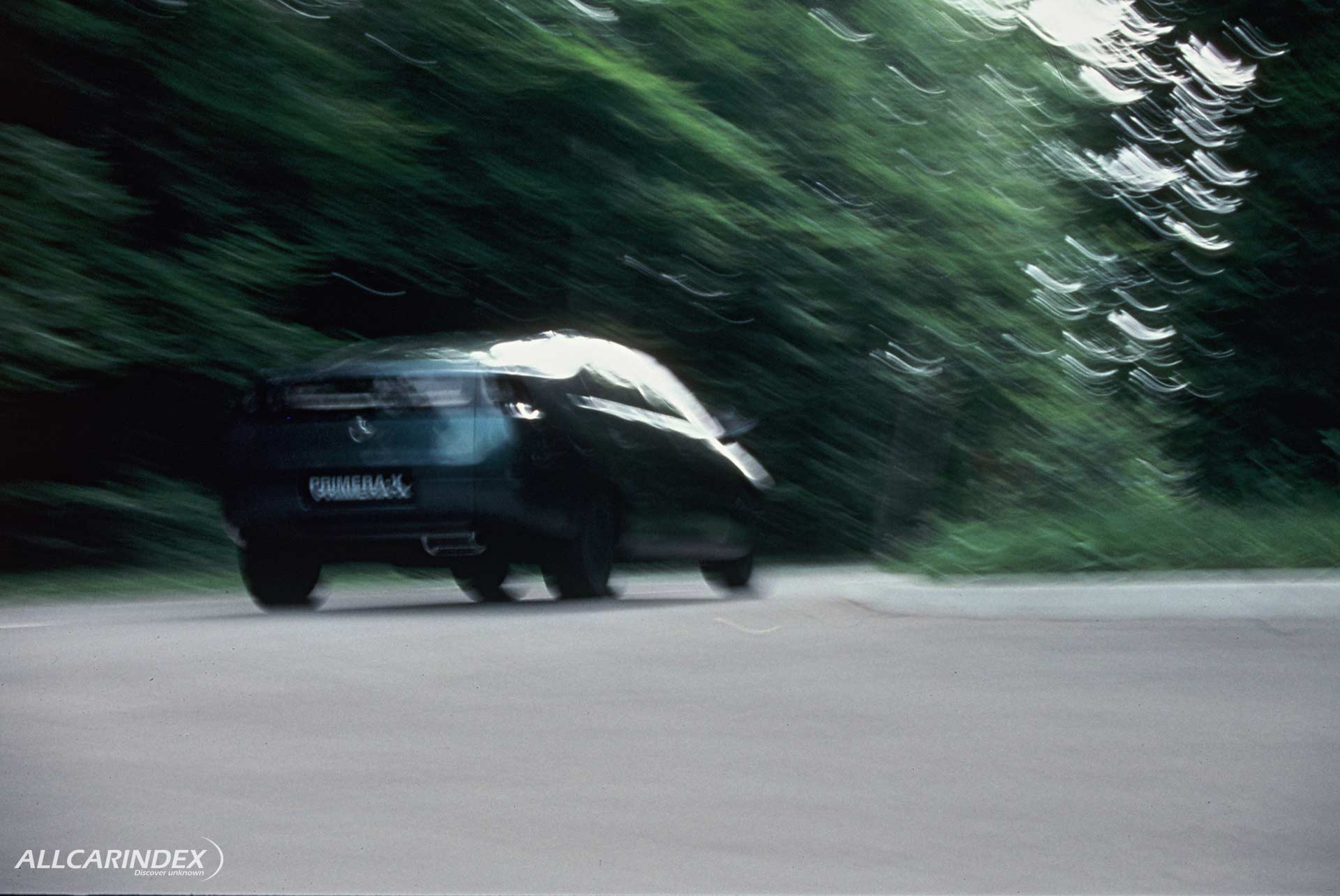
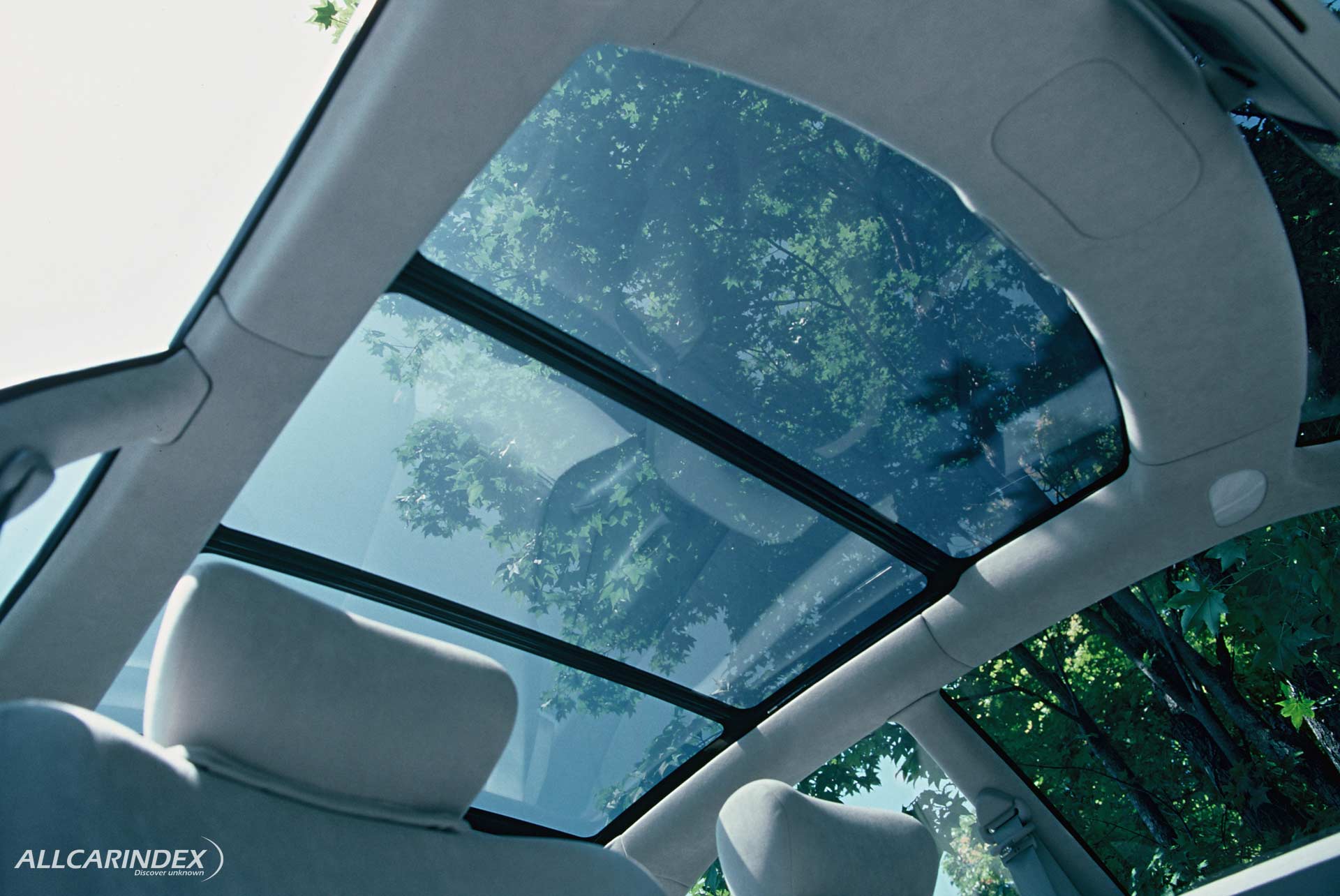
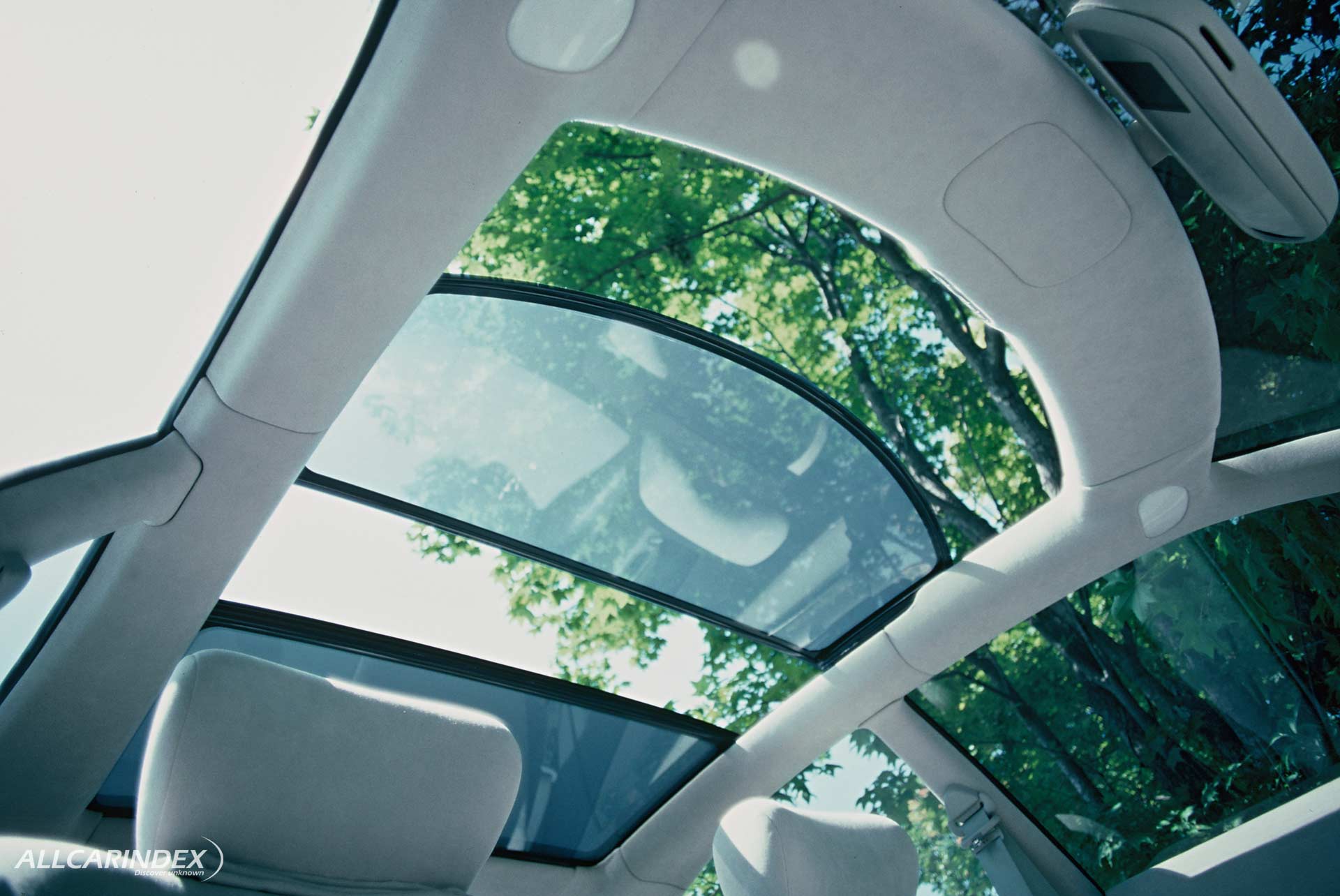
The arched roofline first seen on the Arc-X had already reached production on the redesigned 300 ZX sports coupe and the mid-size Cefiro saloon. On the UV-X, the tail was set noticeably high, promising generous boot space, while overhangs were short. With a wheelbase of 280 cm, overall length reached only 452 cm, compared with the contemporary Mercedes-Benz W124, which shared the same wheelbase but measured 474 cm, and the Fiat Croma, which was 450 cm long on a shorter 266 cm wheelbase. Despite its compact footprint, the UV-X appeared elongated and elegant, aided by a gently curved roofline running into an almost fastback-style, abruptly cut-off tail. This shape, along with flat plastic wheel covers and partial underbody covering, helped achieve a drag coefficient of 0.25. Other exterior features included a streamlined nose with small headlights concealed under transparent covers, flush-fitted window glass, retractable wipers, and a three-section glass sliding roof with liquid-crystal panels allowing variable light transmission.
Power came from a newly developed SR20DE engine, a transversely mounted 2-liter DOHC 16-valve four-cylinder producing 150 hp at 6400 rpm and 181 Nm at 4800 rpm, driving the front wheels through a four-speed automatic transmission with a viscous-coupling differential. Front suspension used a multi-link layout, with MacPherson struts at the rear, and the car ran on 205/55 ZR15 tires. It featured ABS along with a dual load-sensing valve system to counter oversteer during braking in corners. Top speed was 230 km/h.
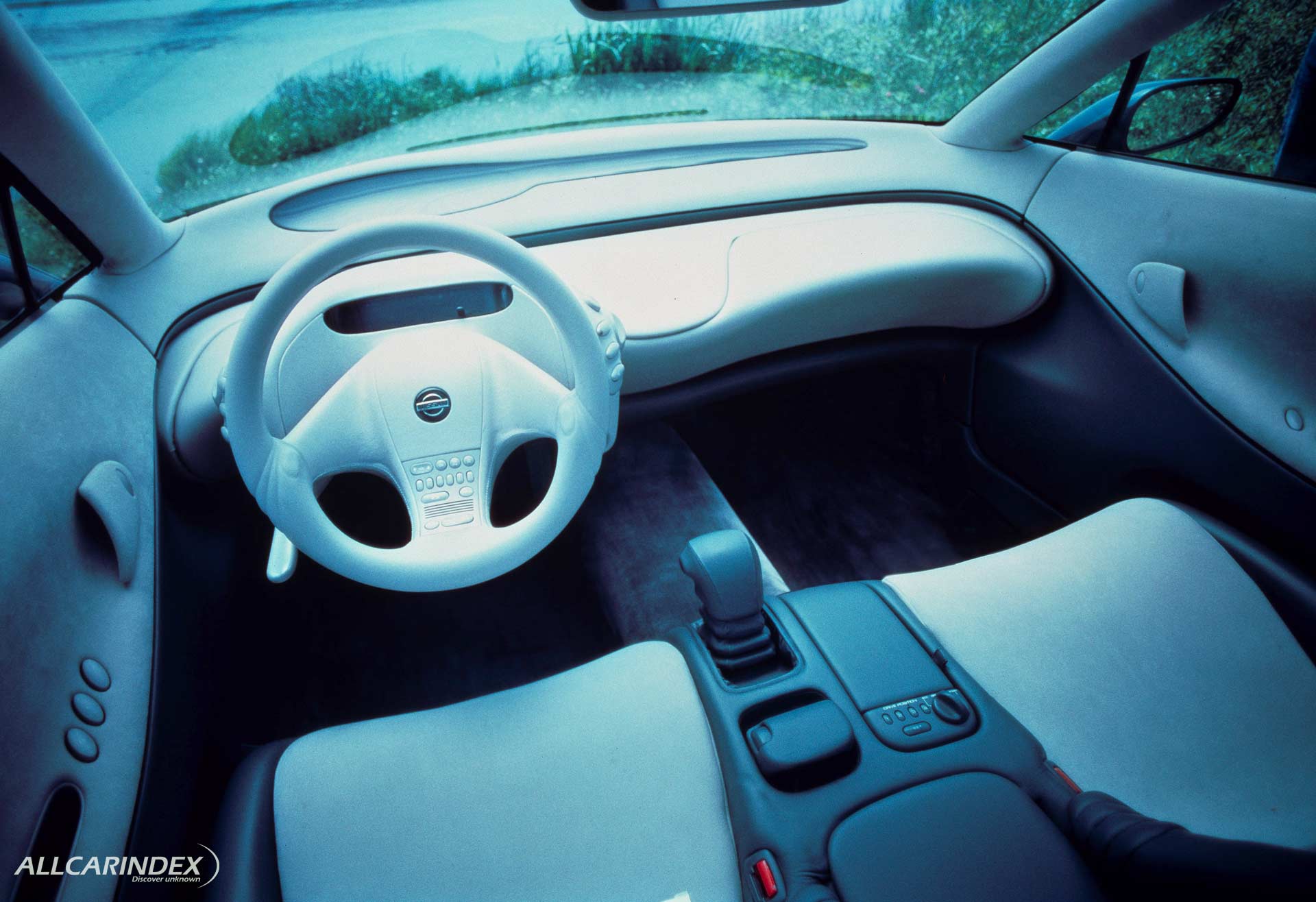
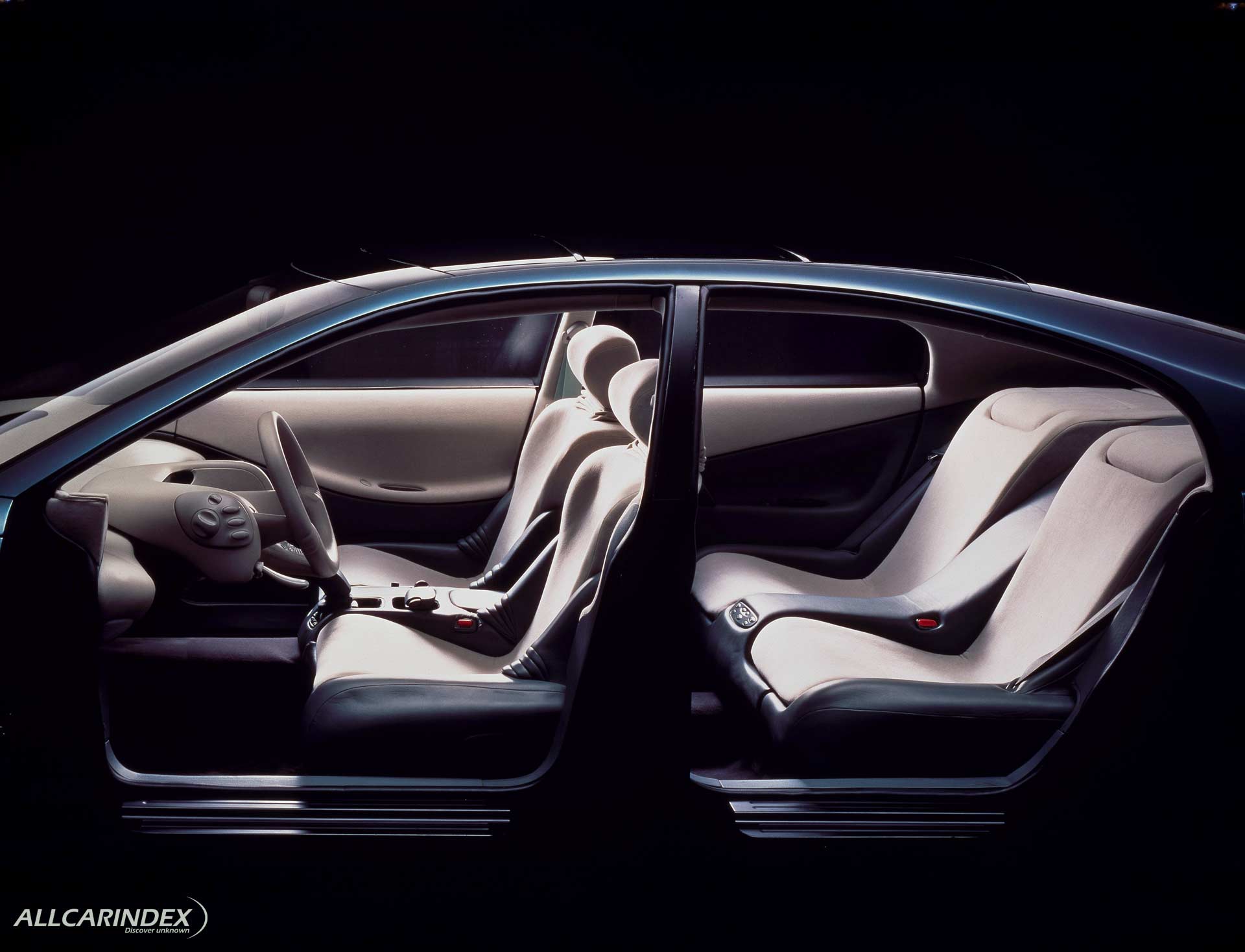
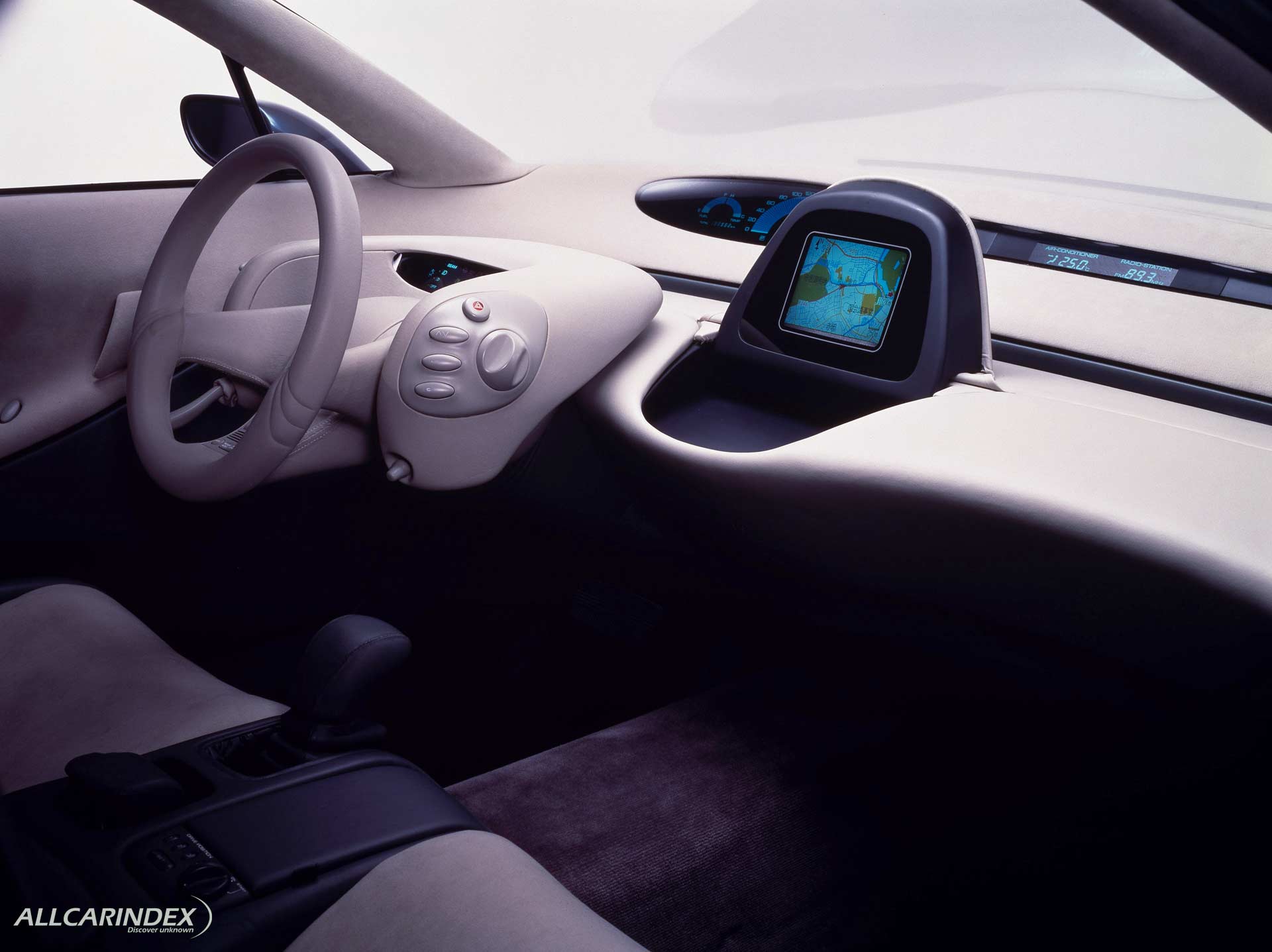
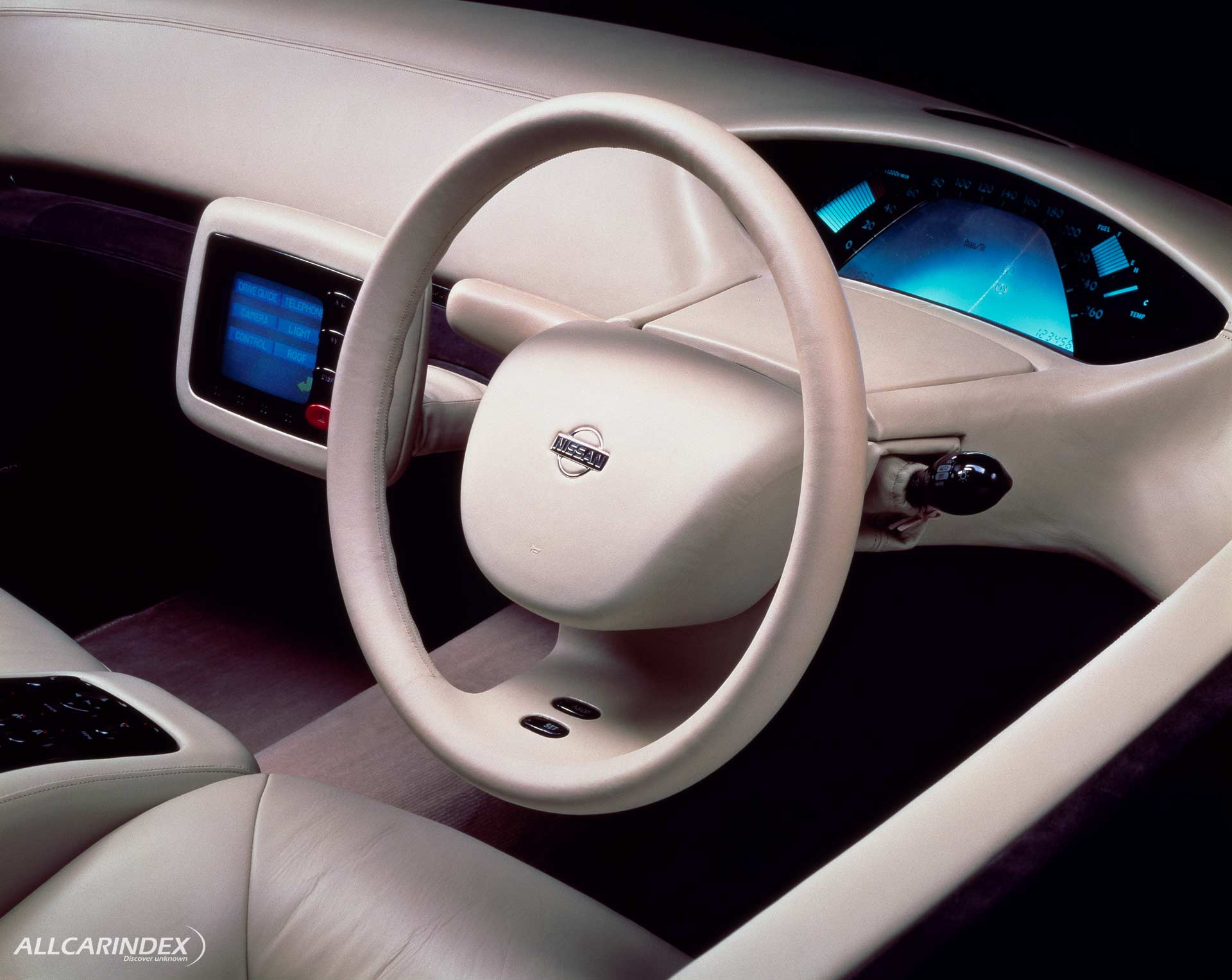
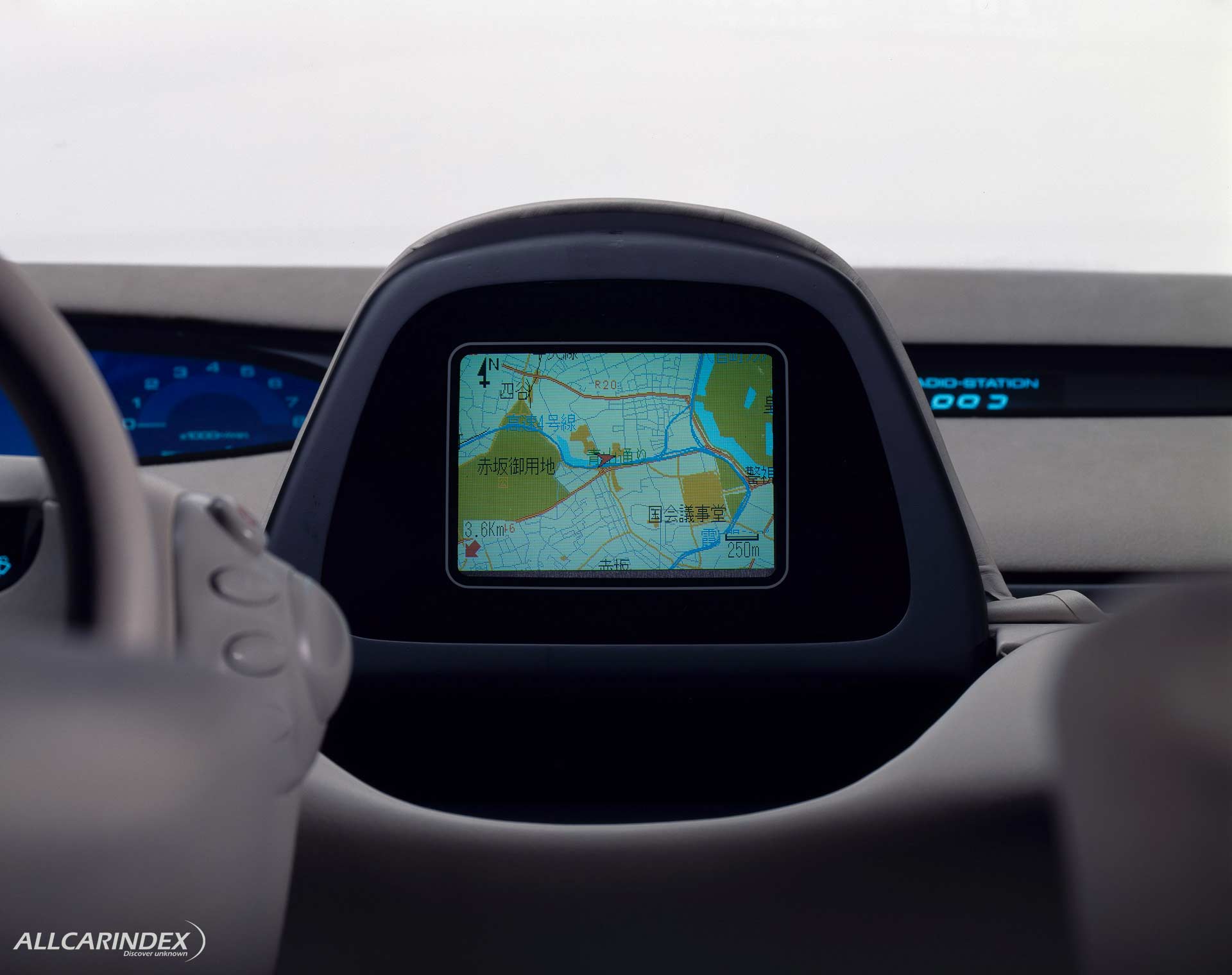
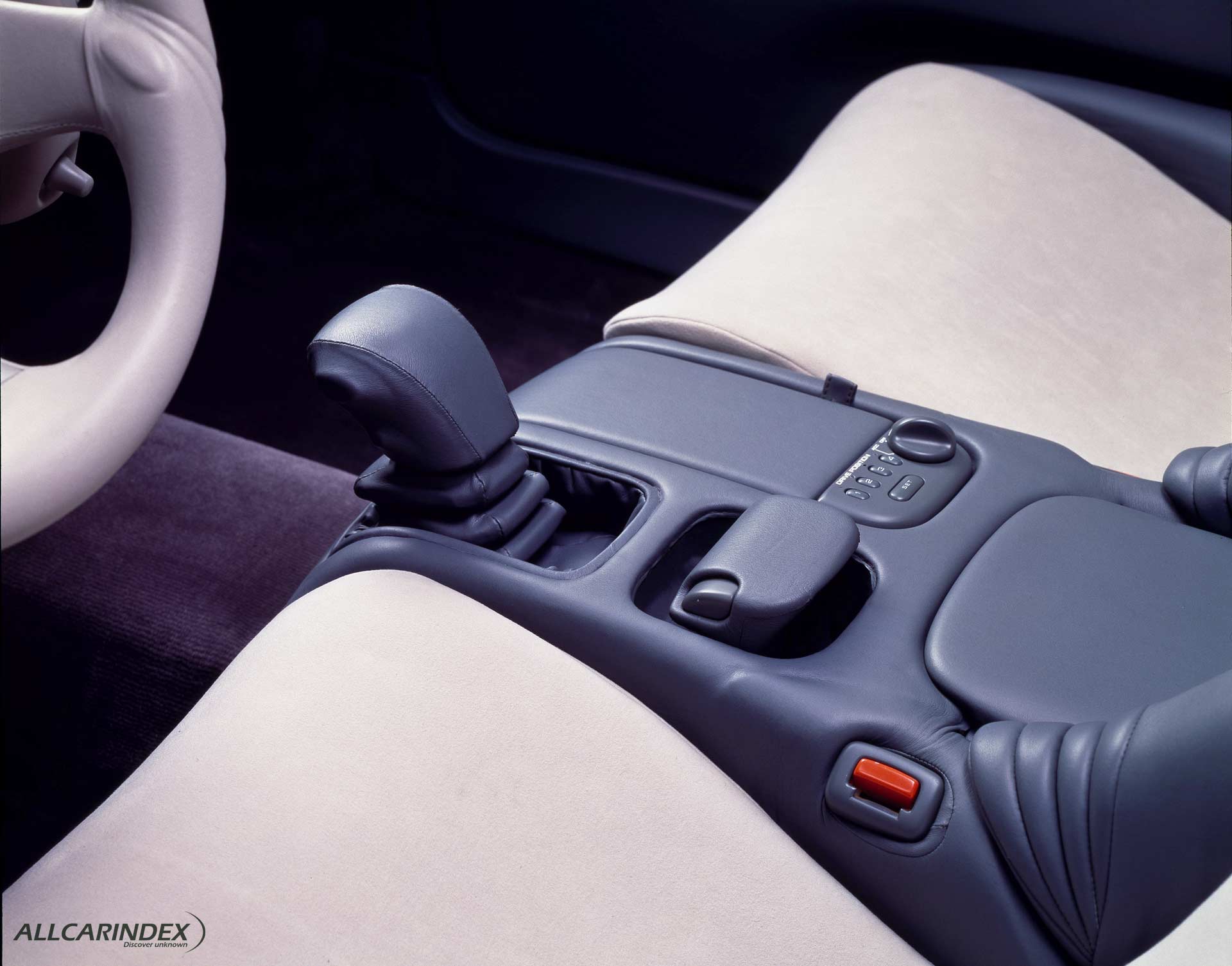
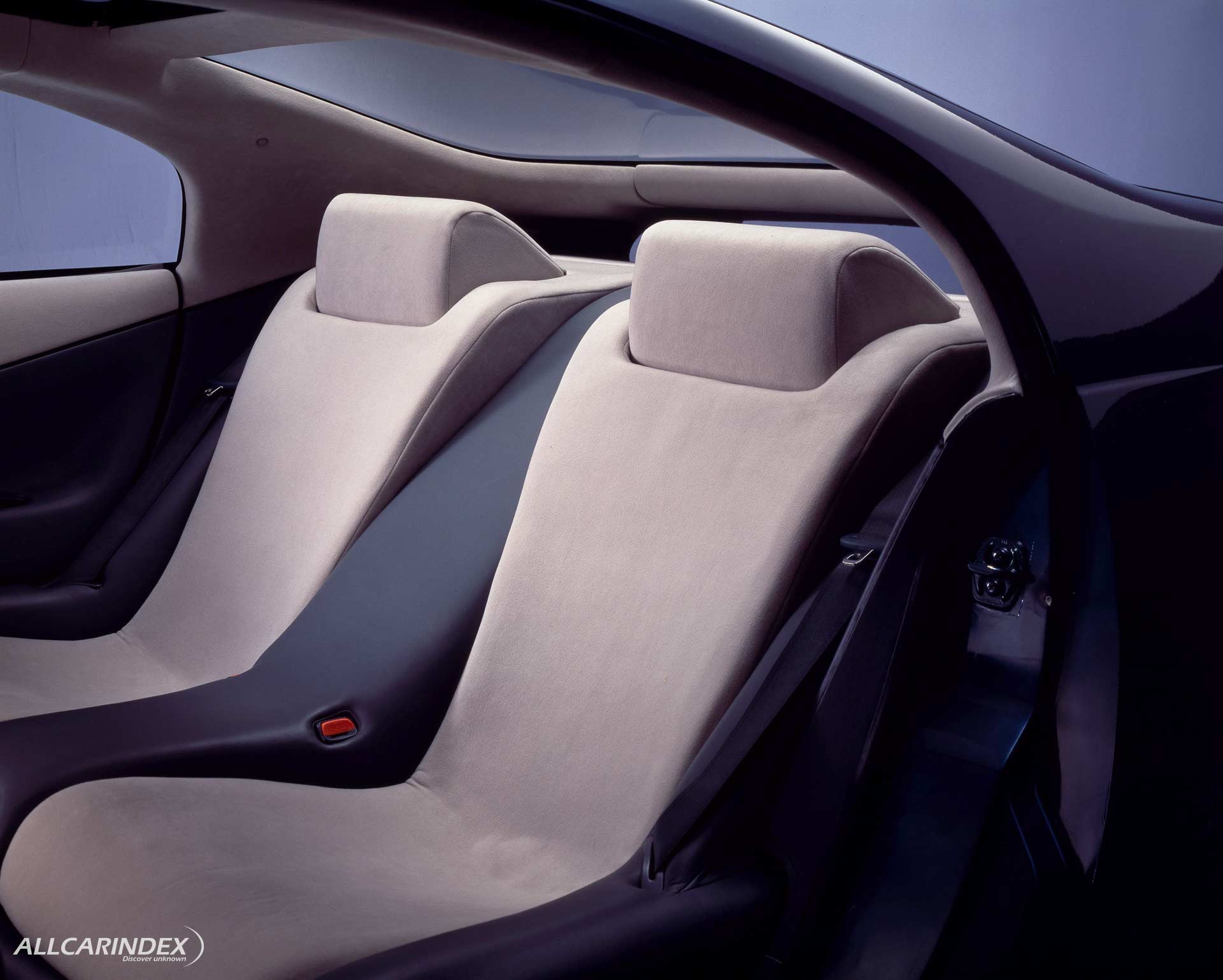
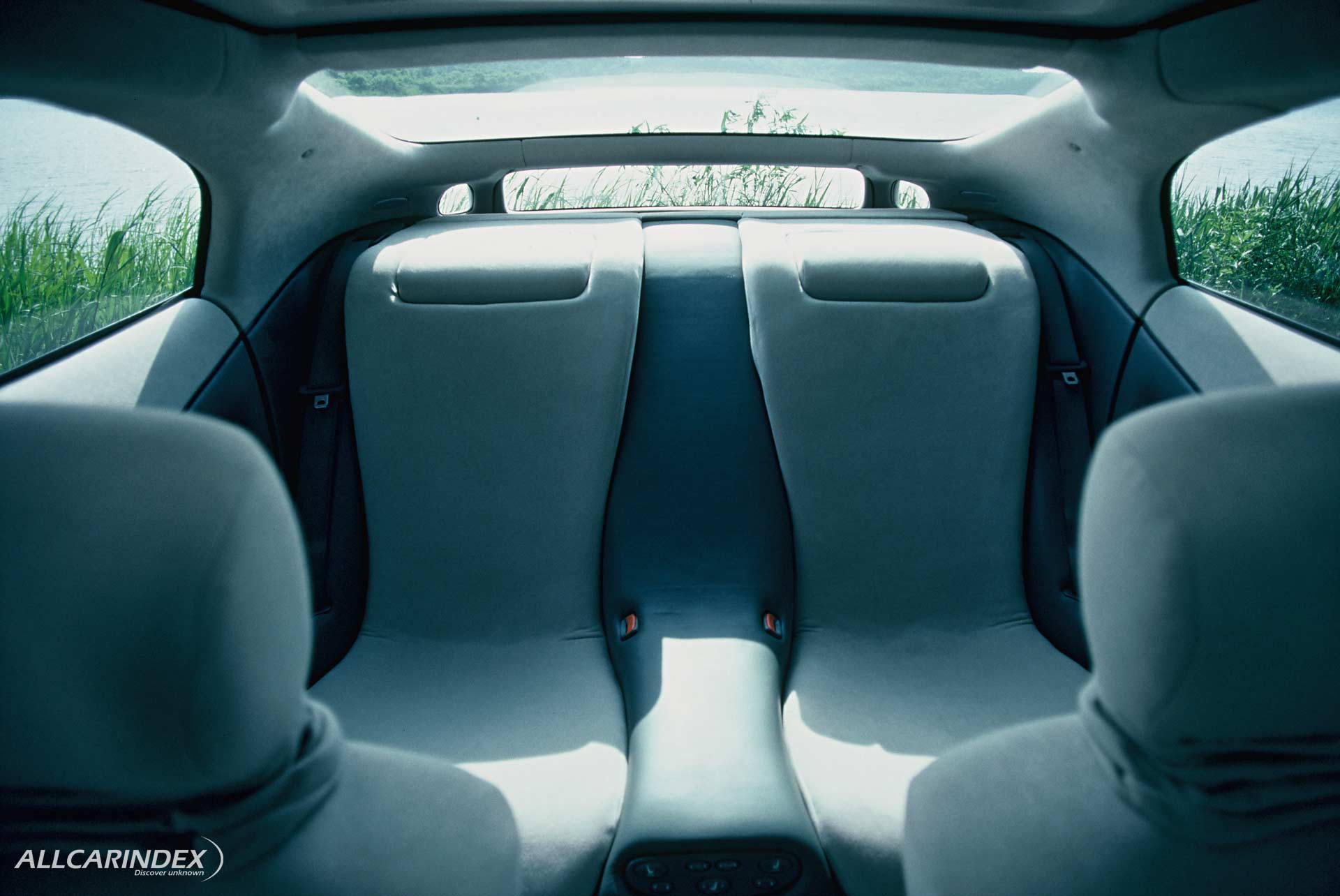
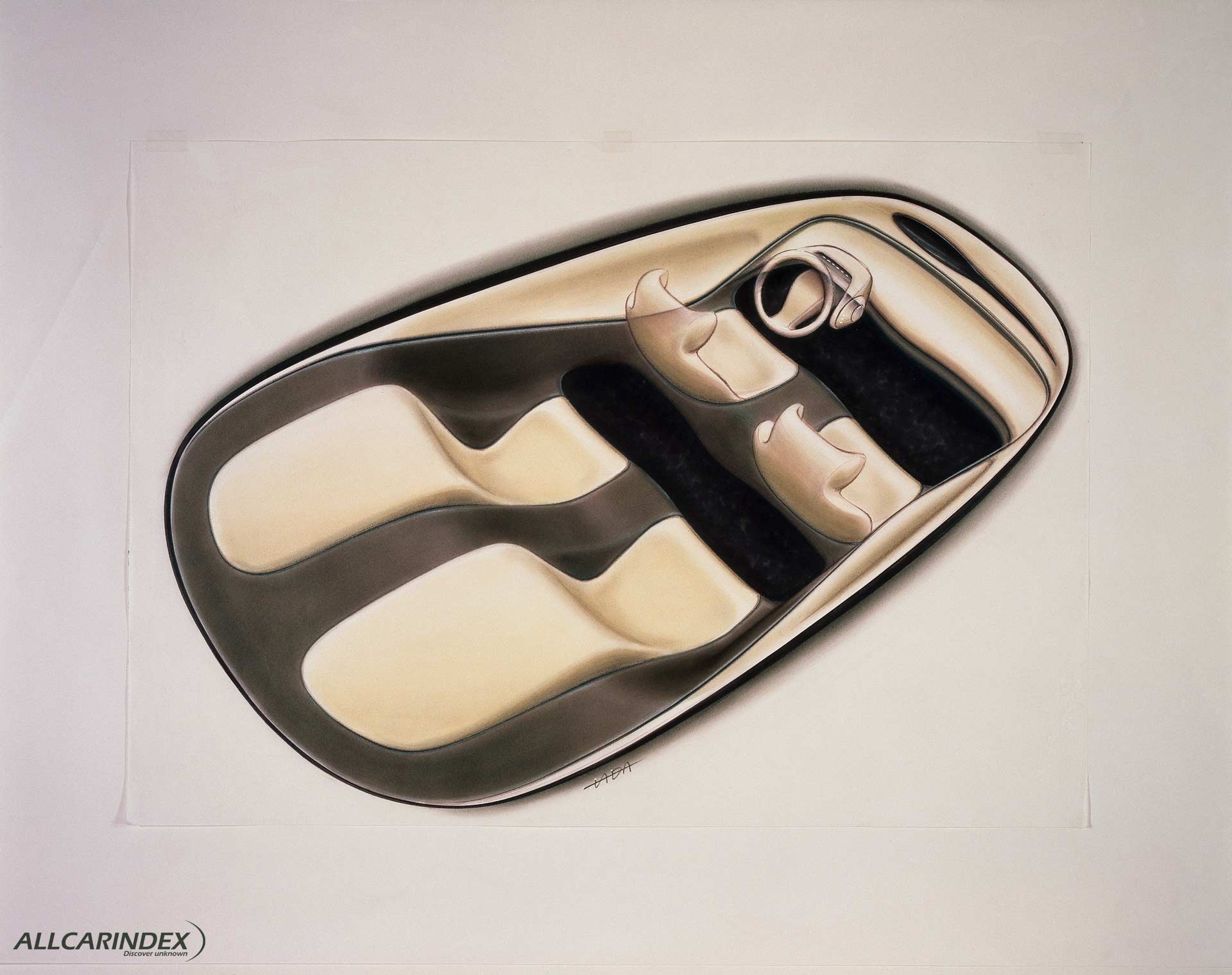
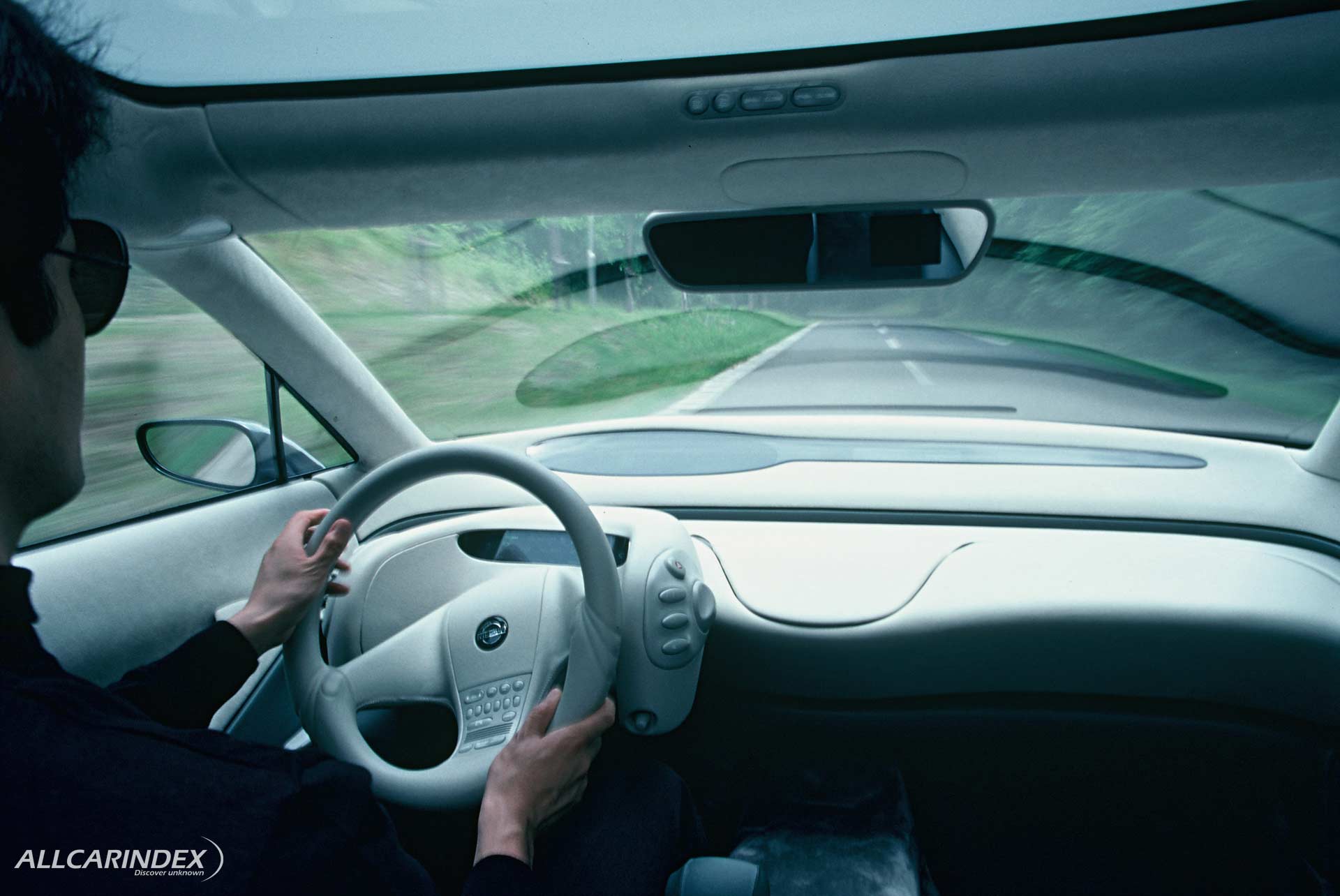
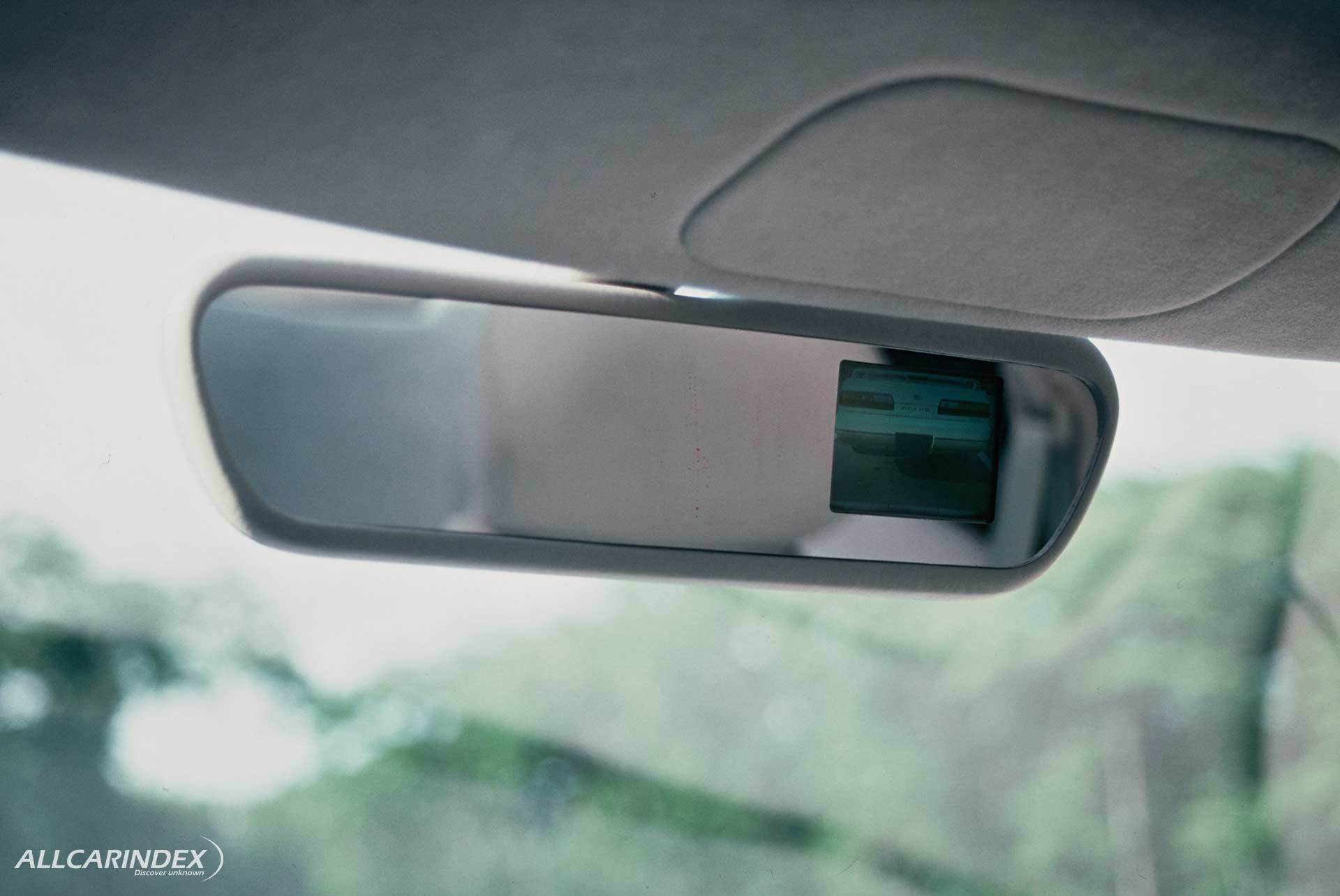
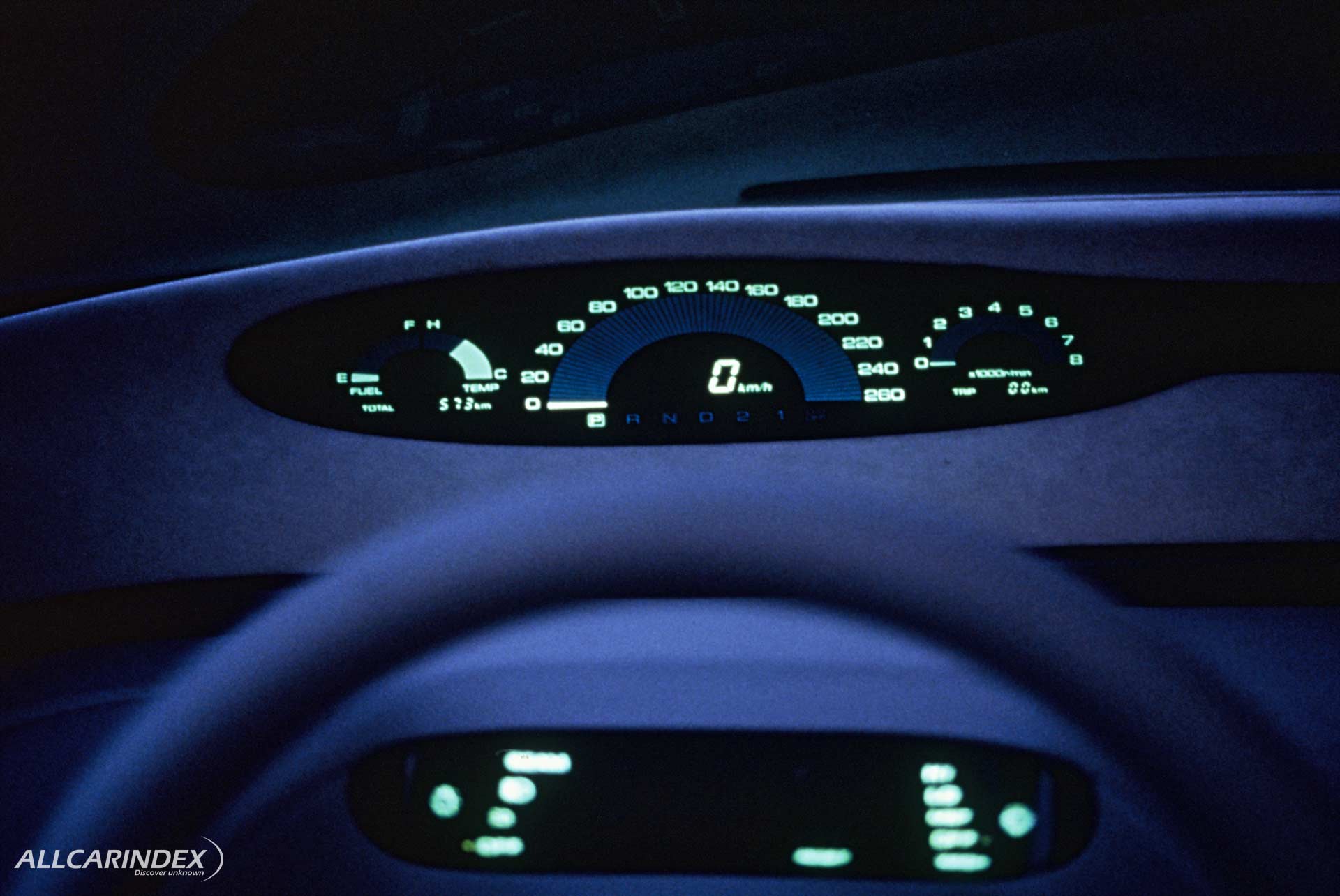
The cabin sat four occupants in individually sculpted seats, with fully adjustable rear seats and power-retractable rear headrests operable from the driver's seat. Being intended for Europe, it had left-hand drive. Features included a height- and reach-adjustable steering column with pedal assembly, a memory system with constant pedal-pressure compensation, an electric parking brake, liquid-crystal instrument displays, a fold-up navigation monitor, a rearview camera feeding the interior mirror, a power-lowering rear bumper section, and an audio system with a concert-hall sound effect.
Developed with numerous Nissan suppliers, the UV-X was renamed Primera X for the Tokyo Motor Show, identifying it as a preview of the production Nissan Primera, which replaced the Bluebird range in England in early 1990. The production Primera was less elaborate, with a more conventional 255 cm wheelbase and 440 cm length, though it carried over some styling cues and used the SR20DE engine in its top variants.