
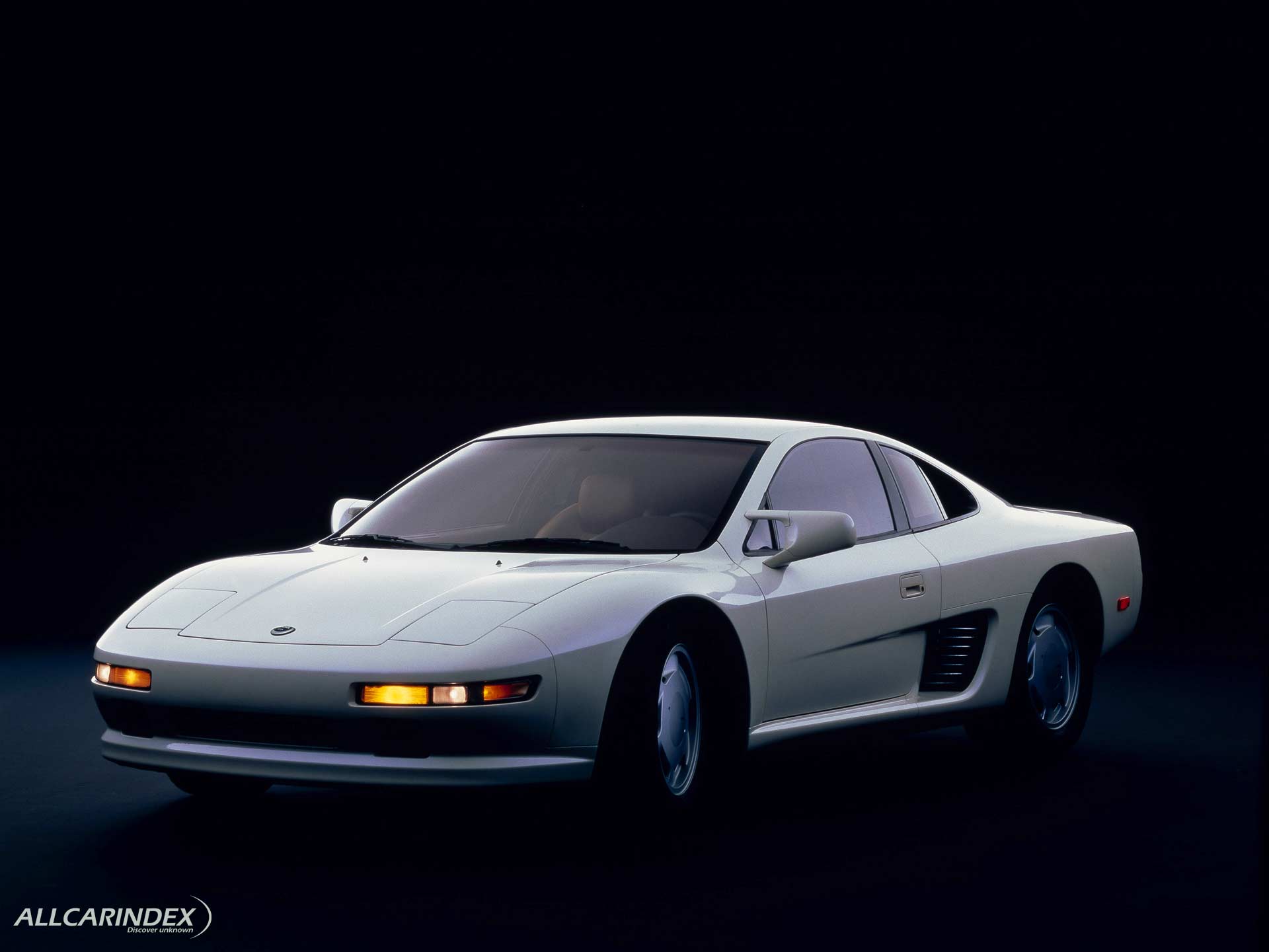
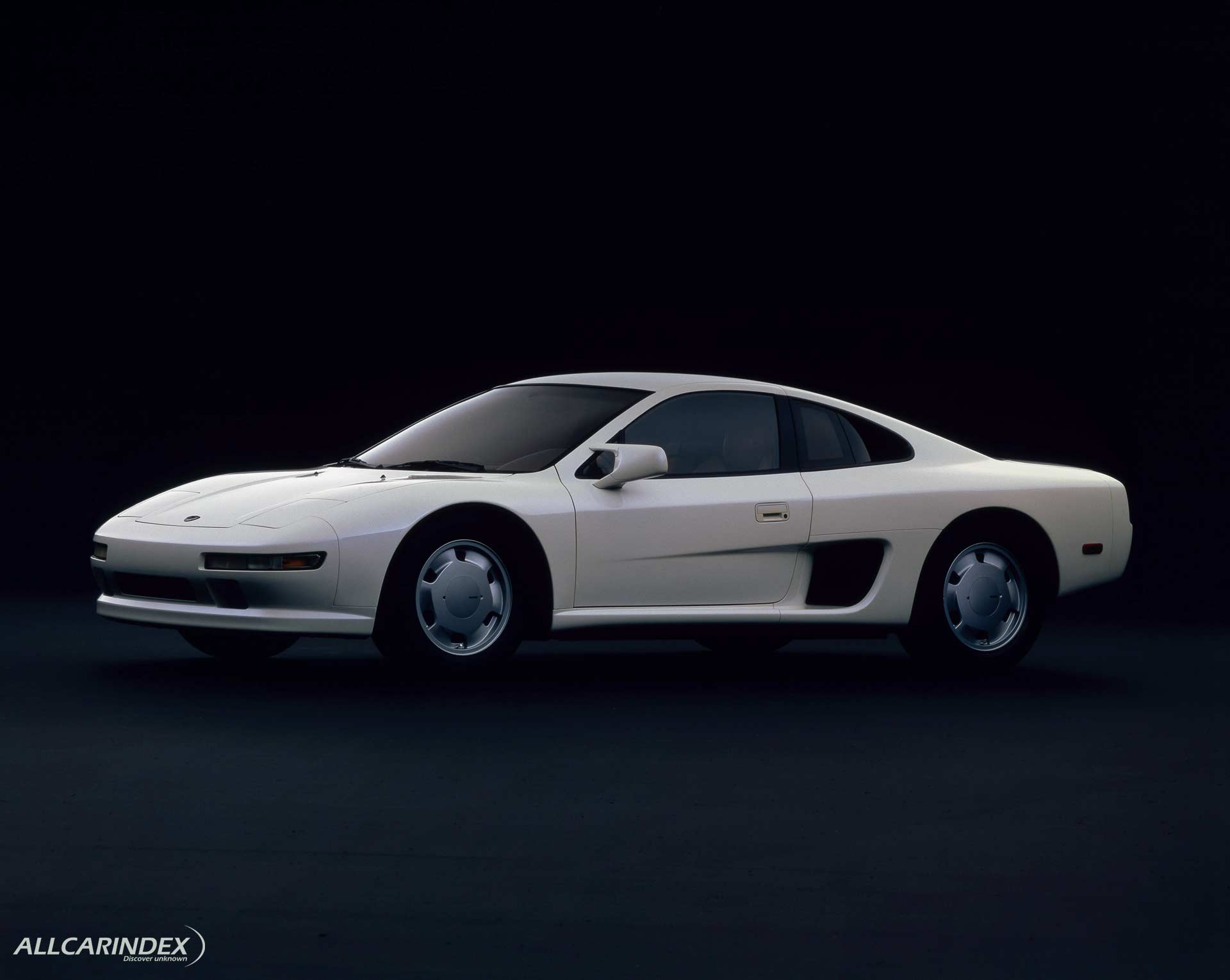
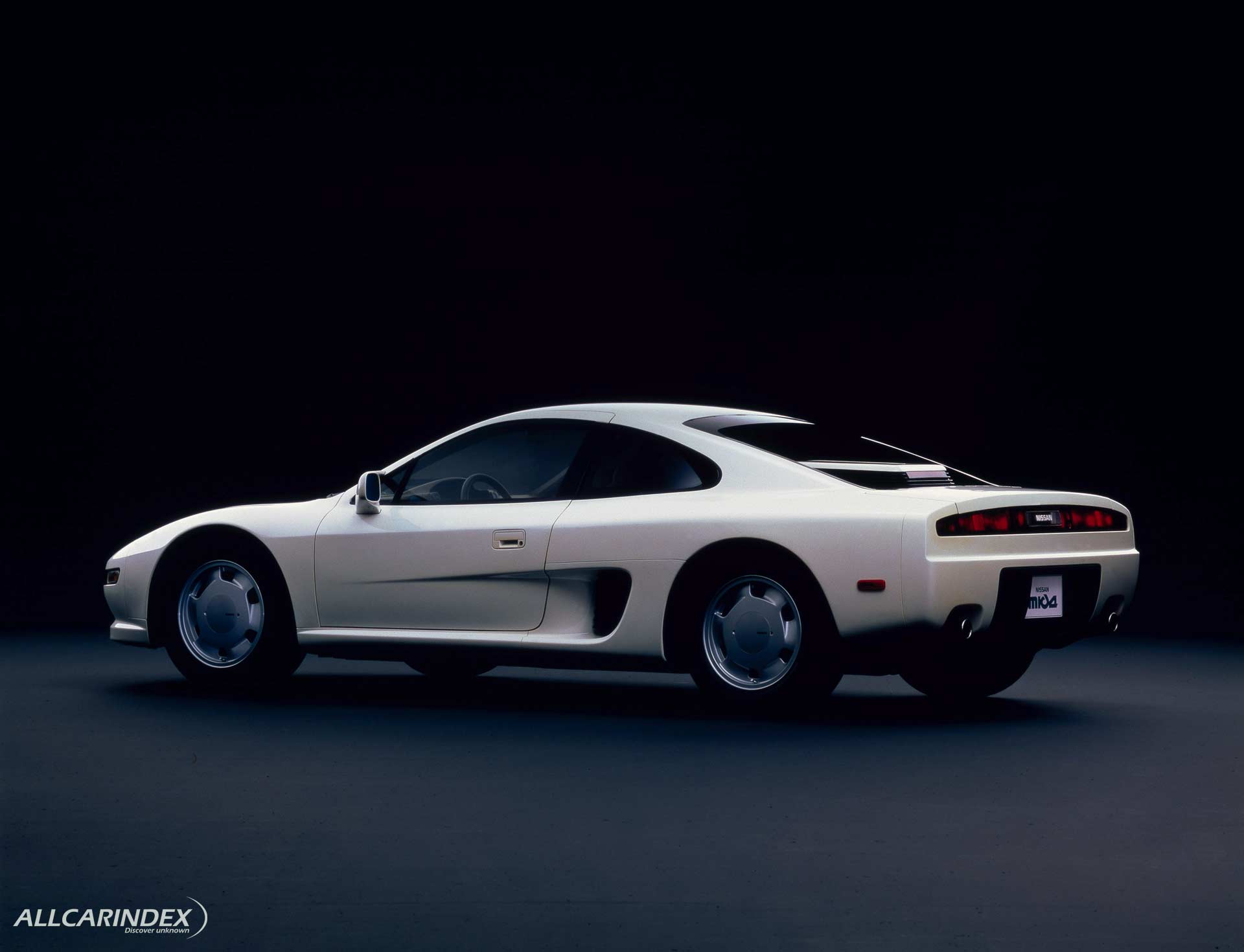
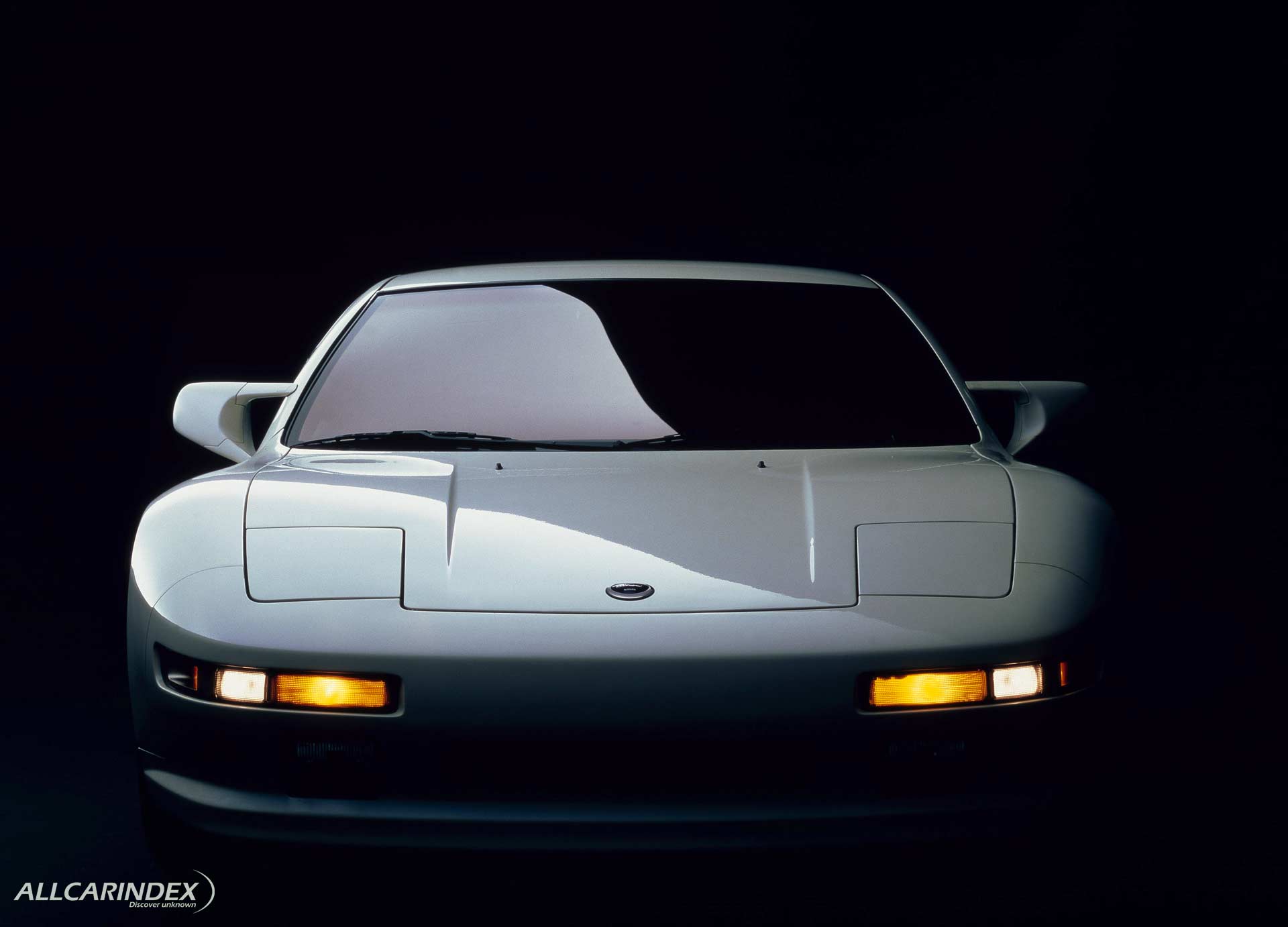
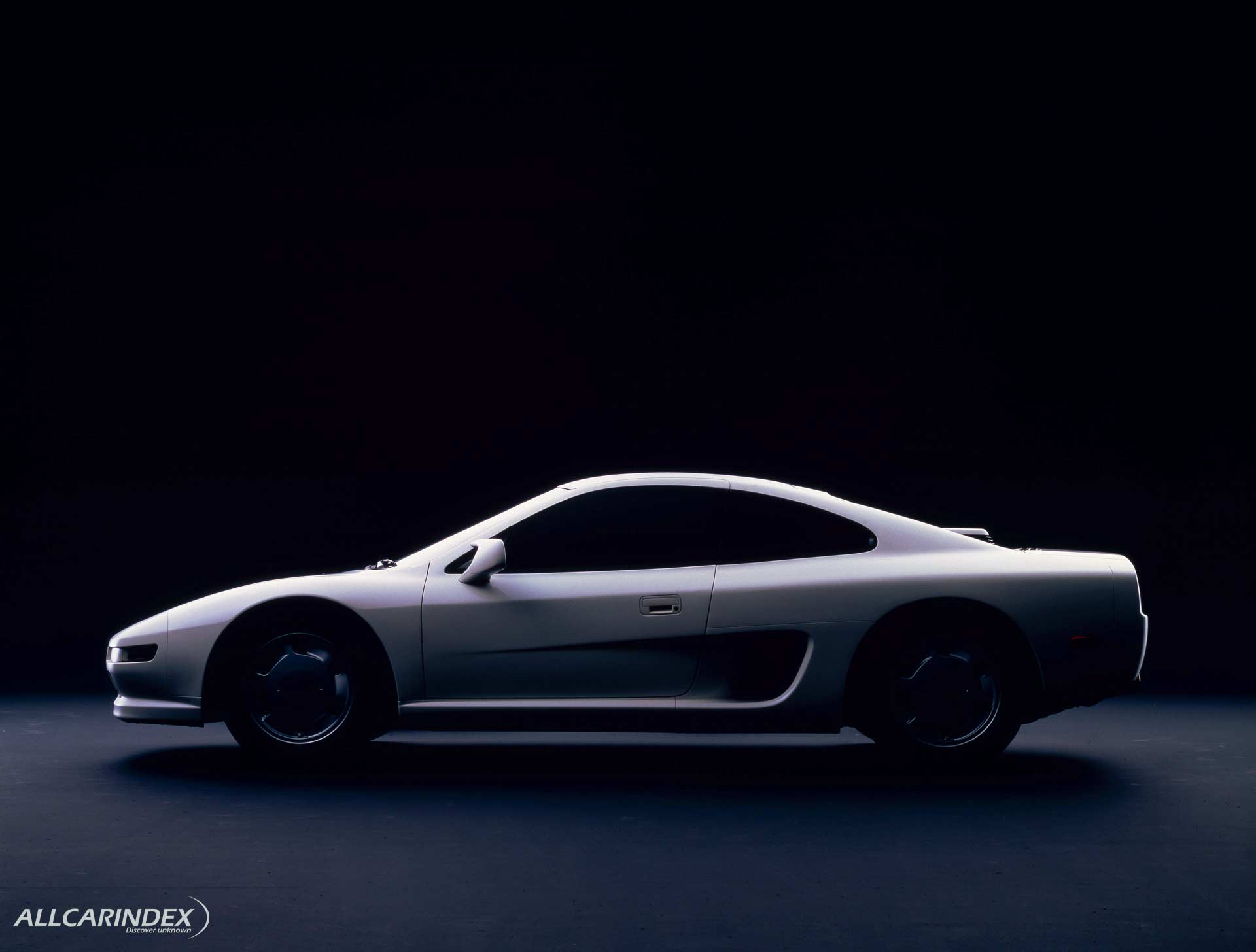
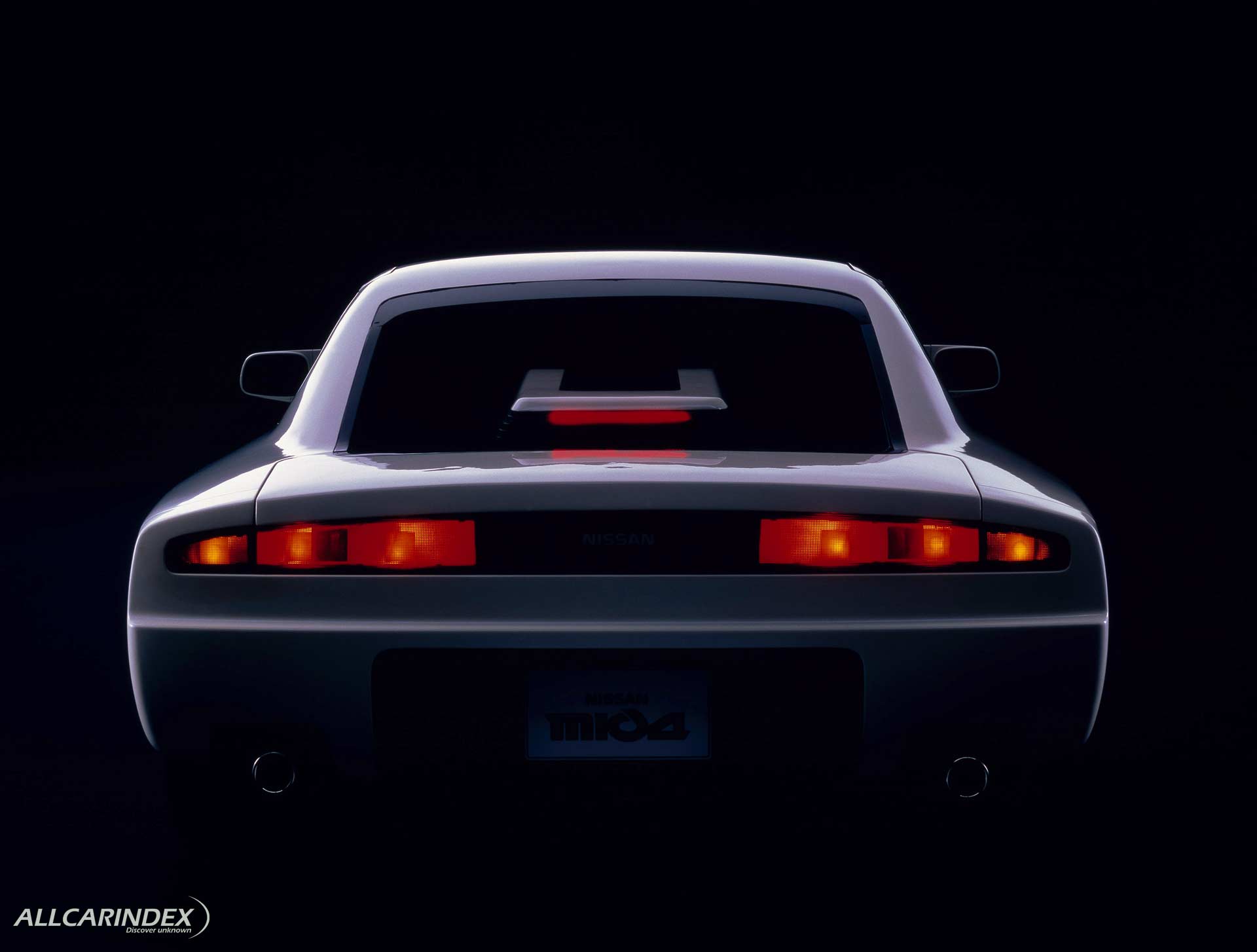
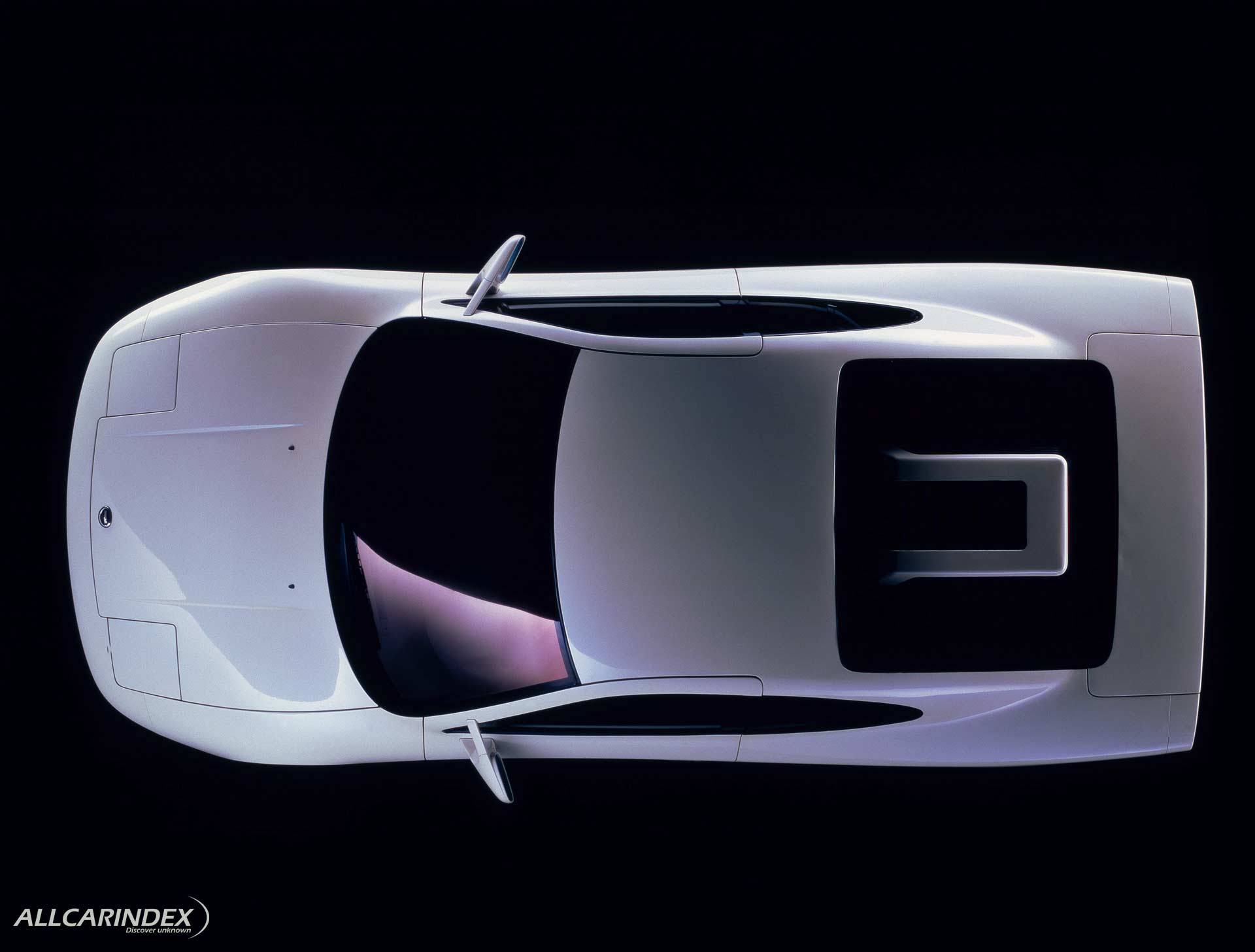
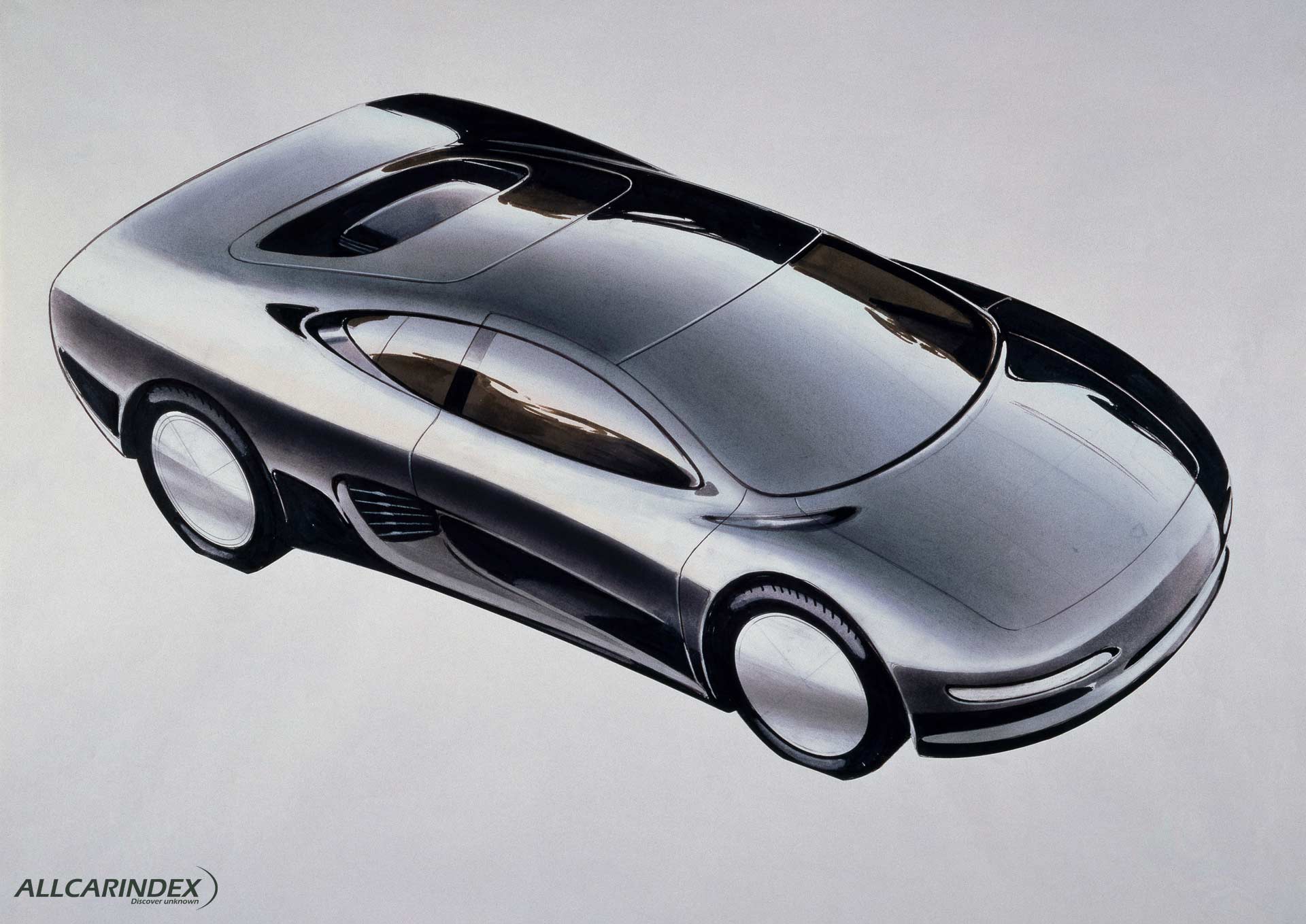
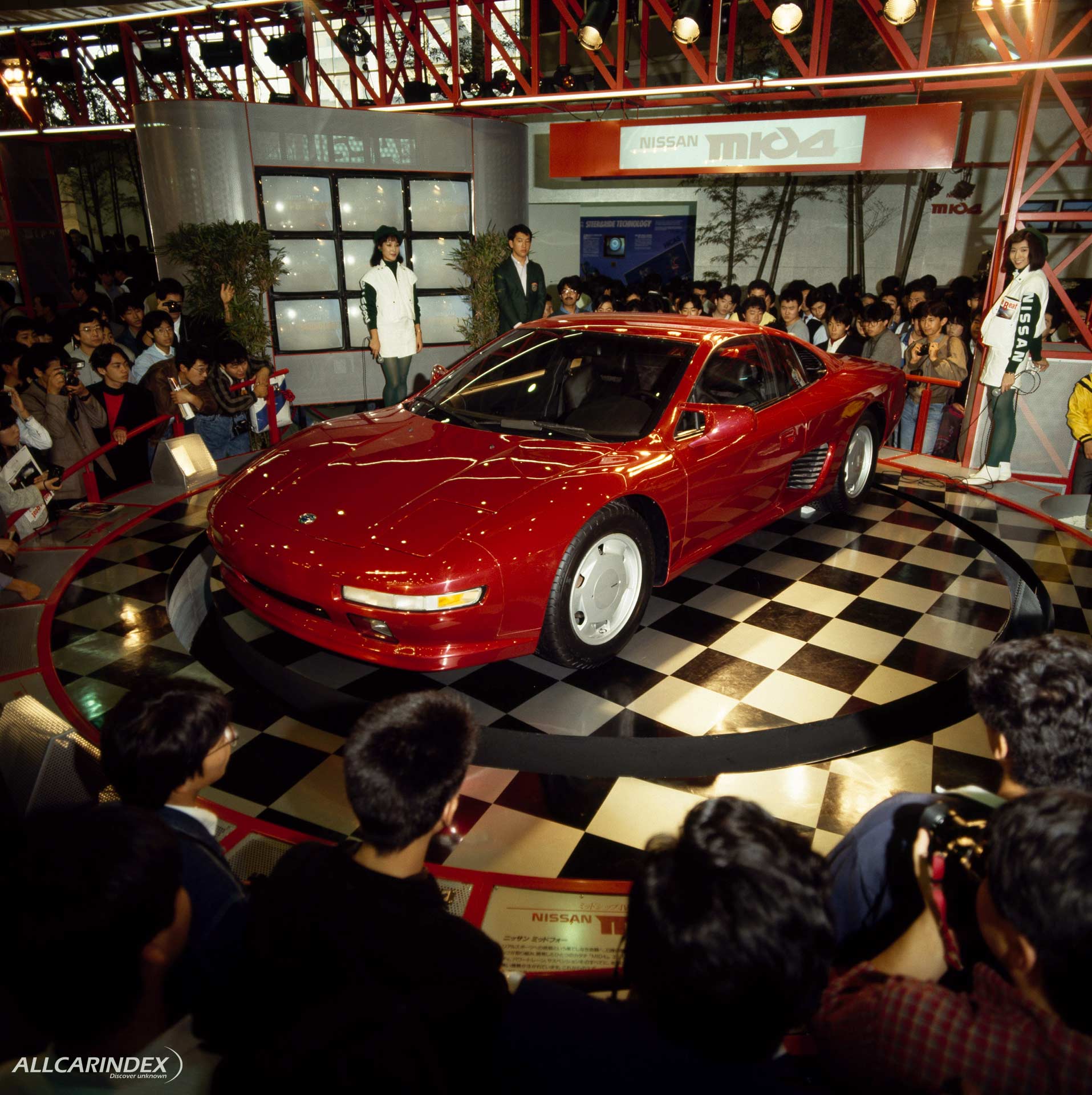
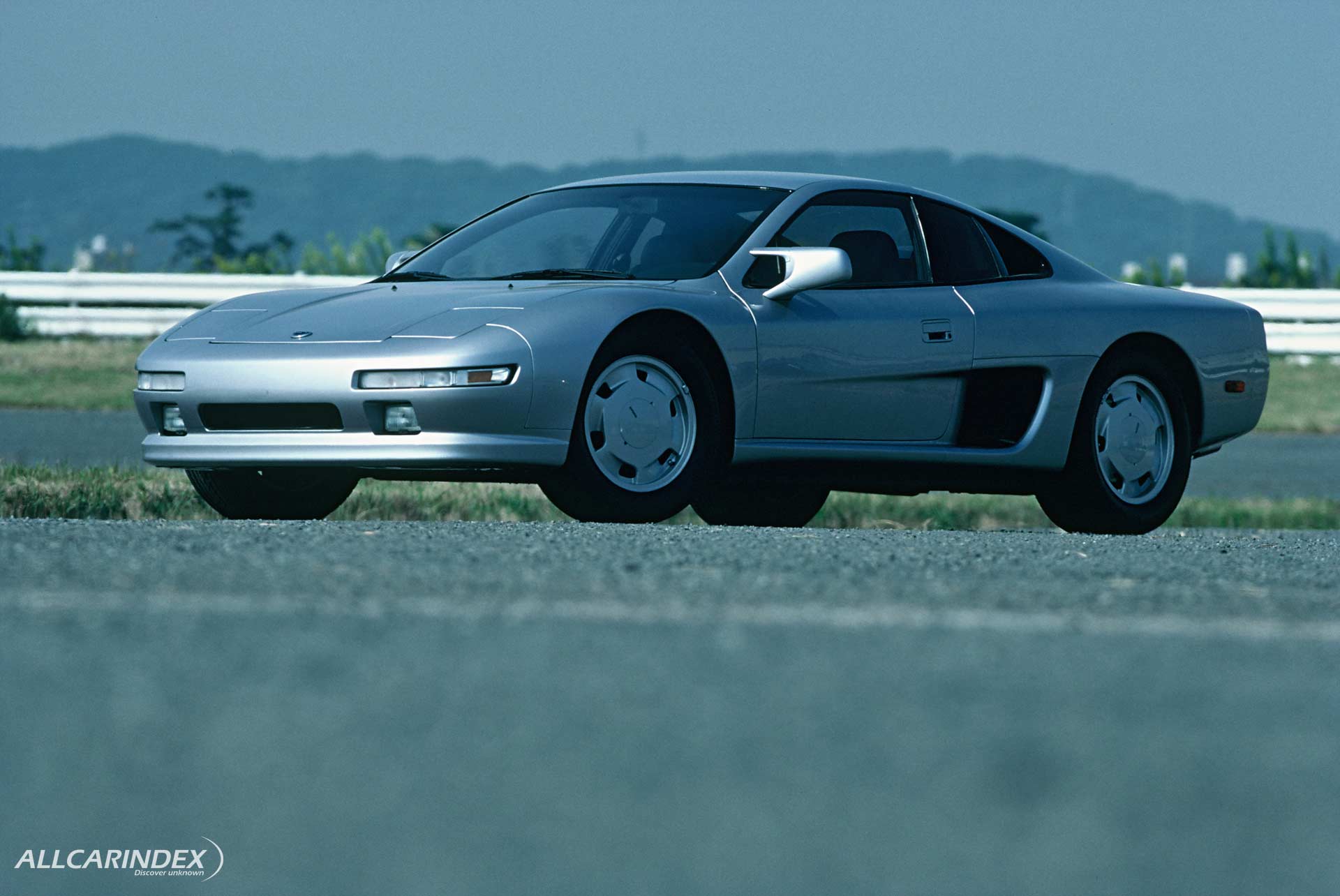
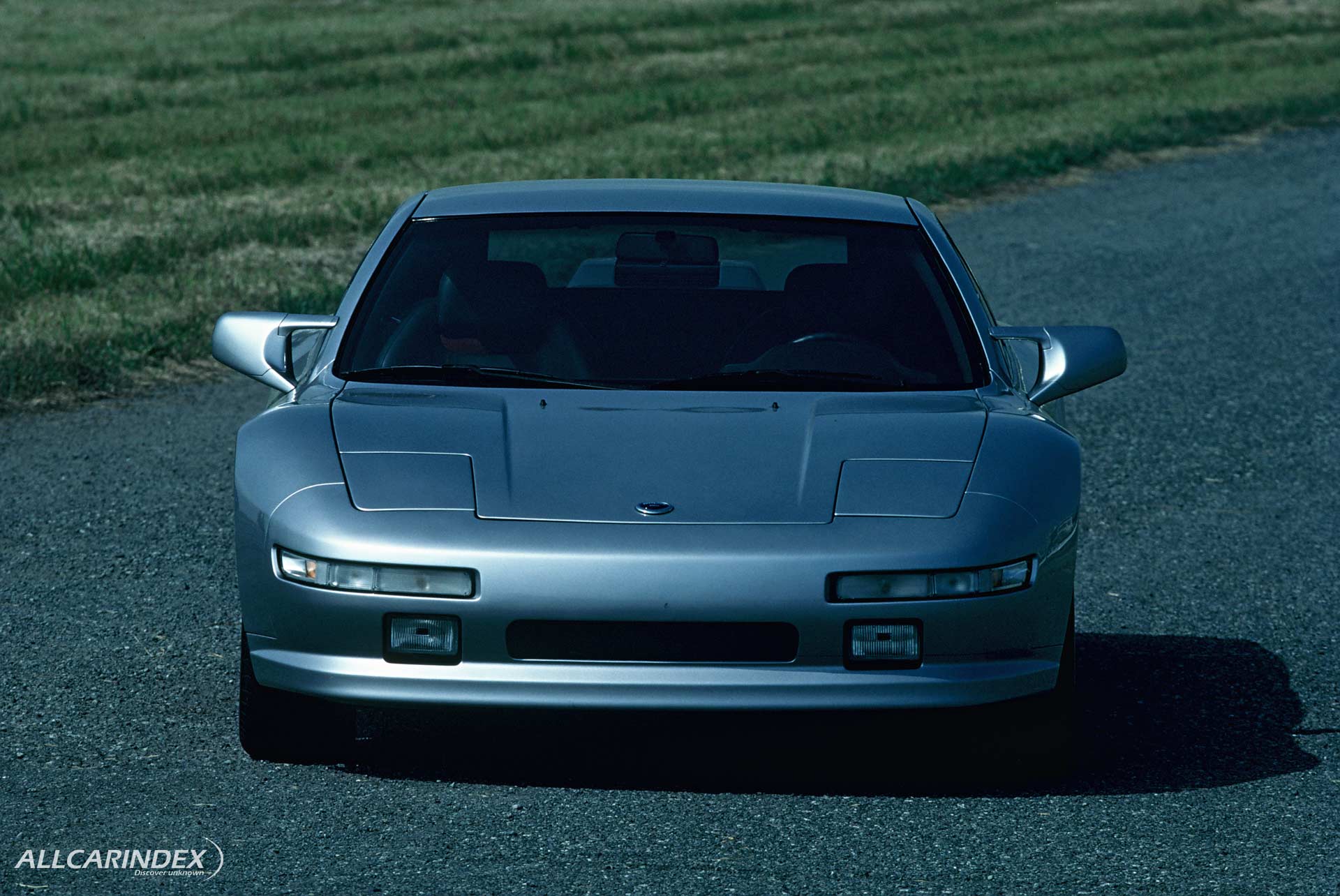
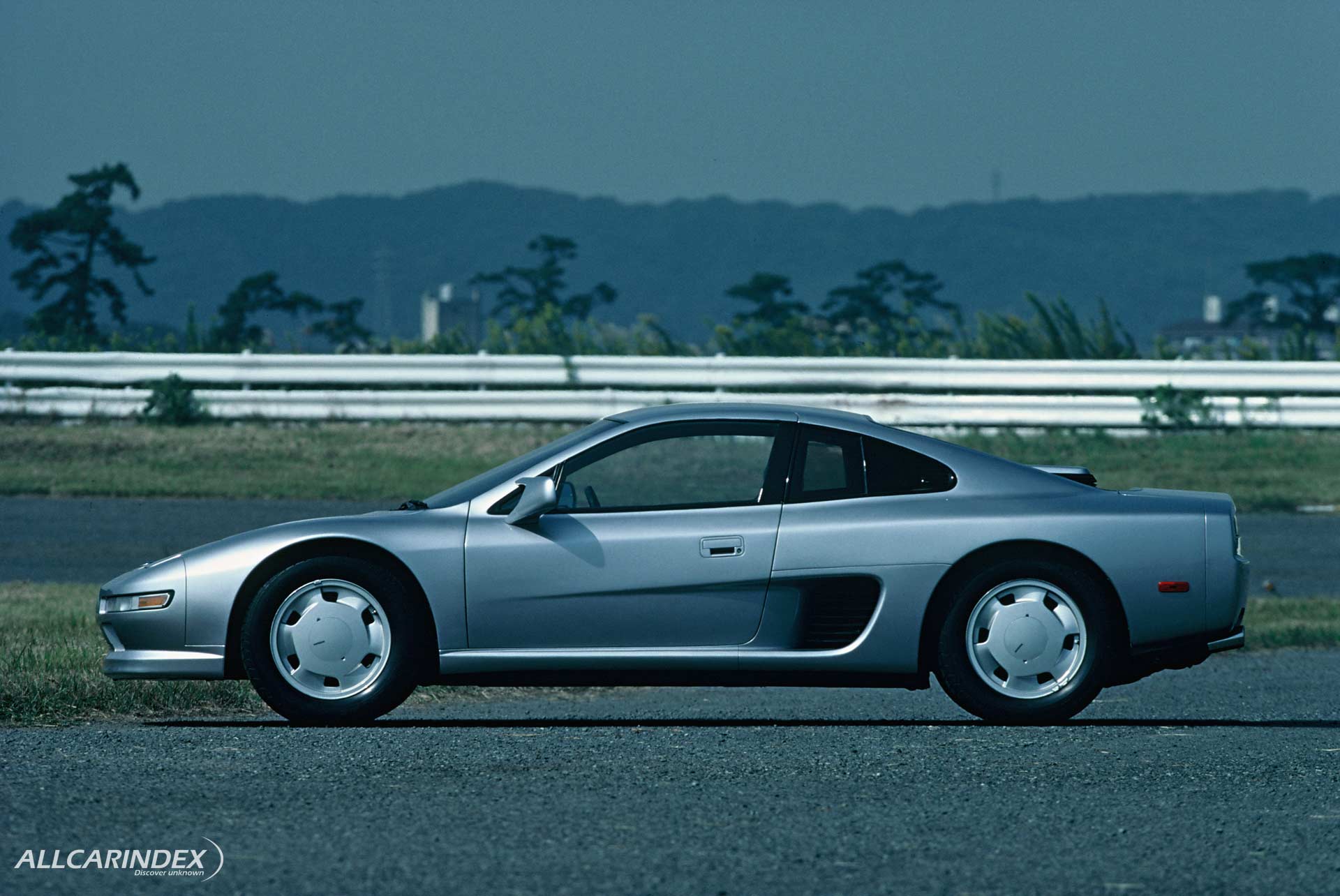
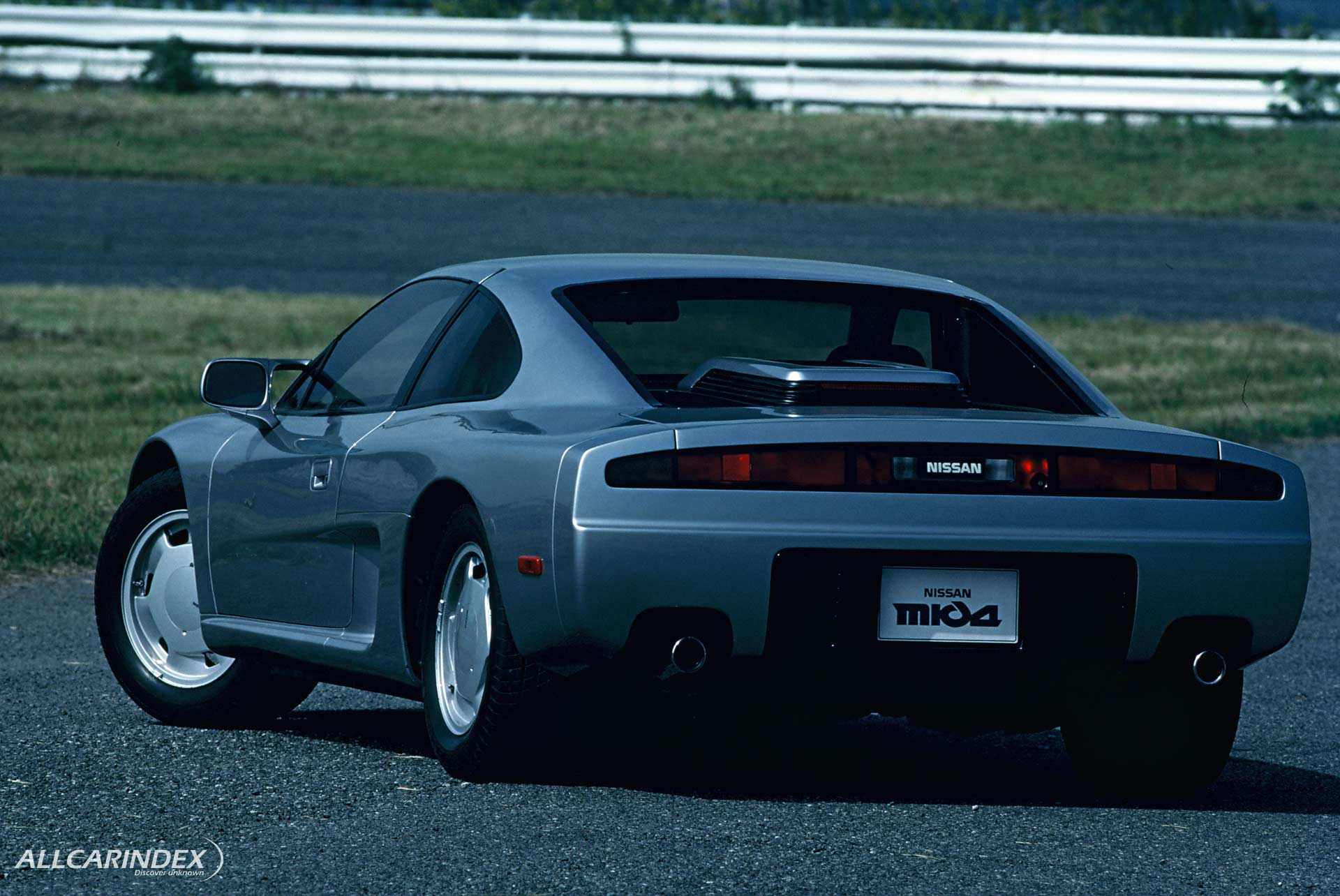
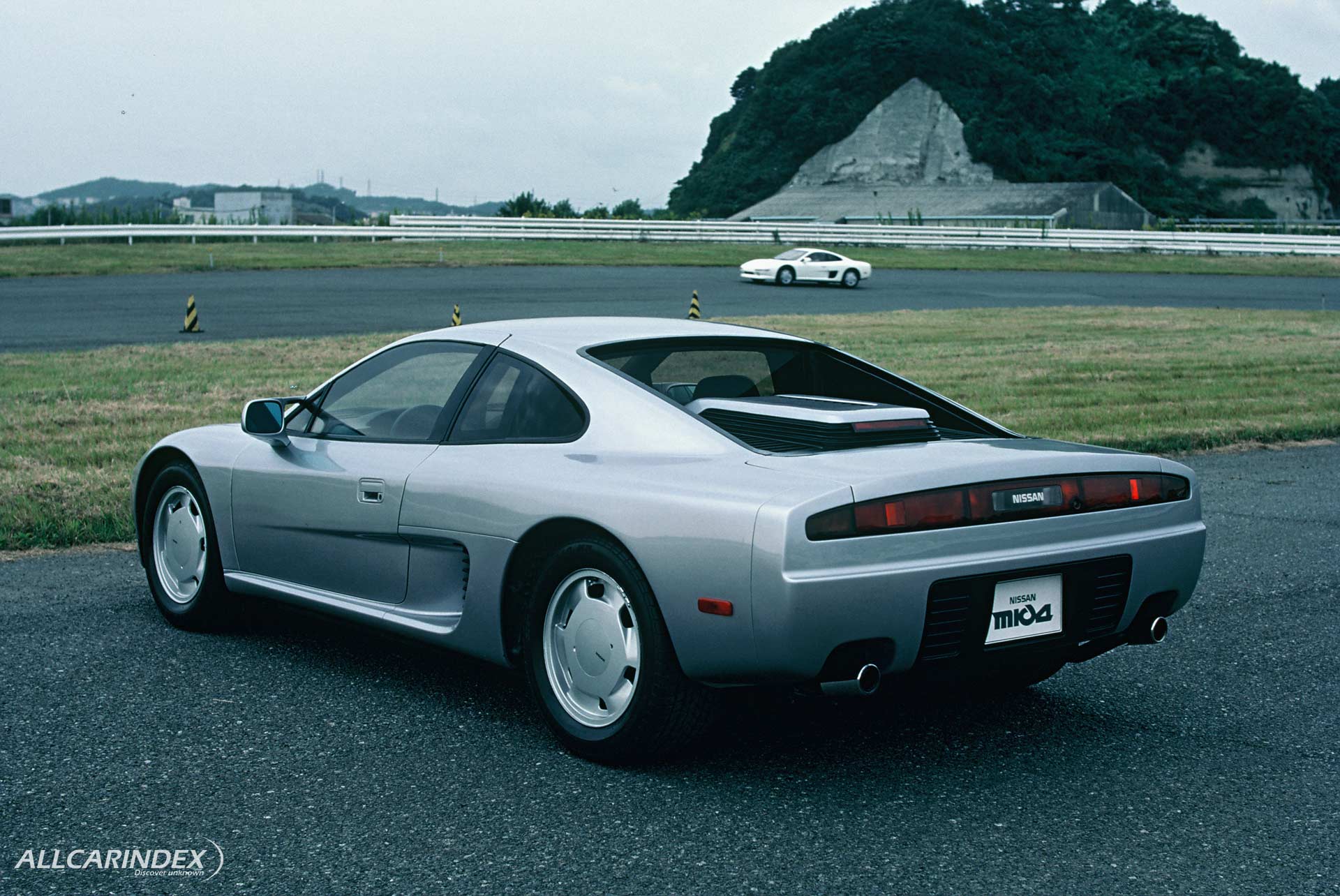
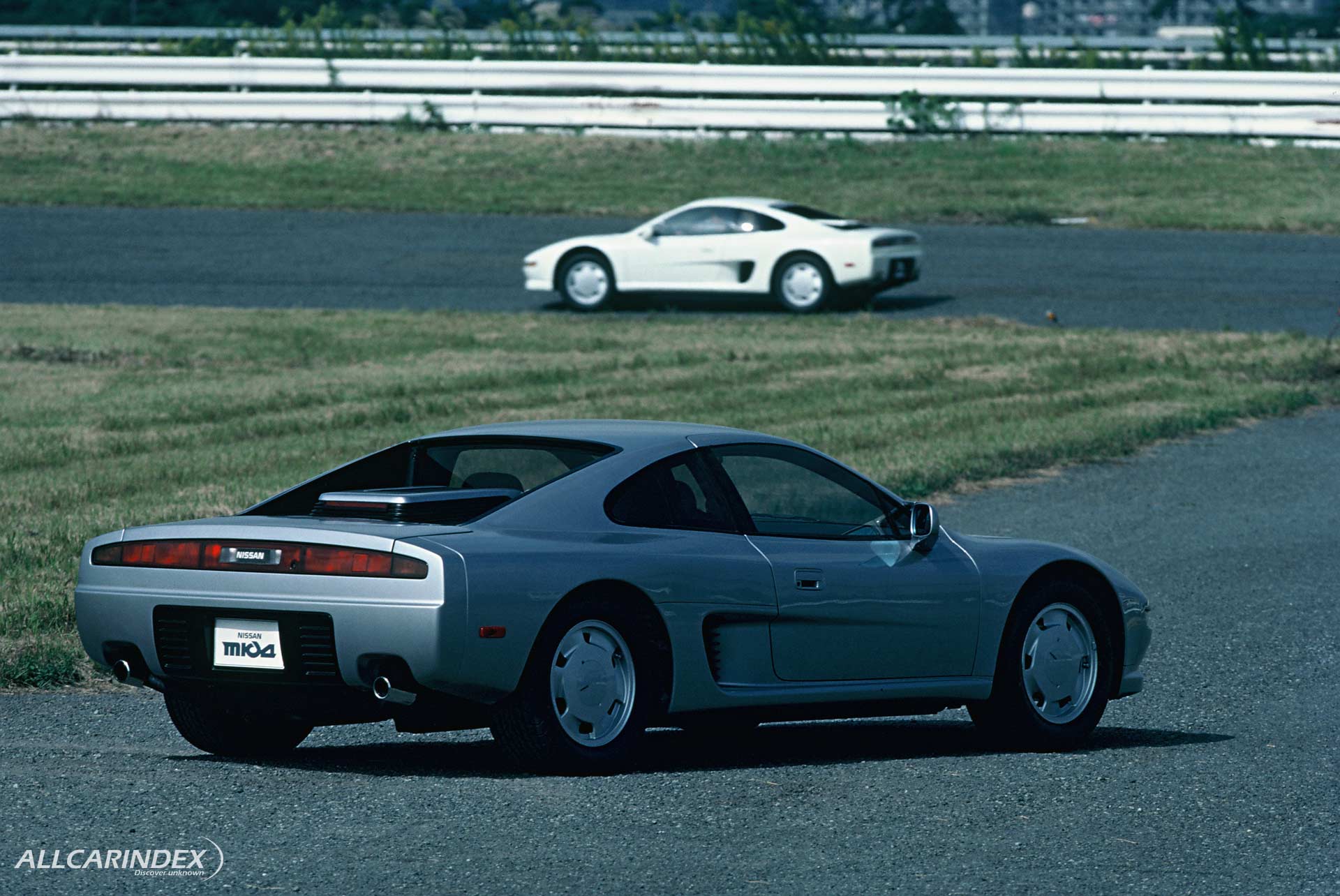
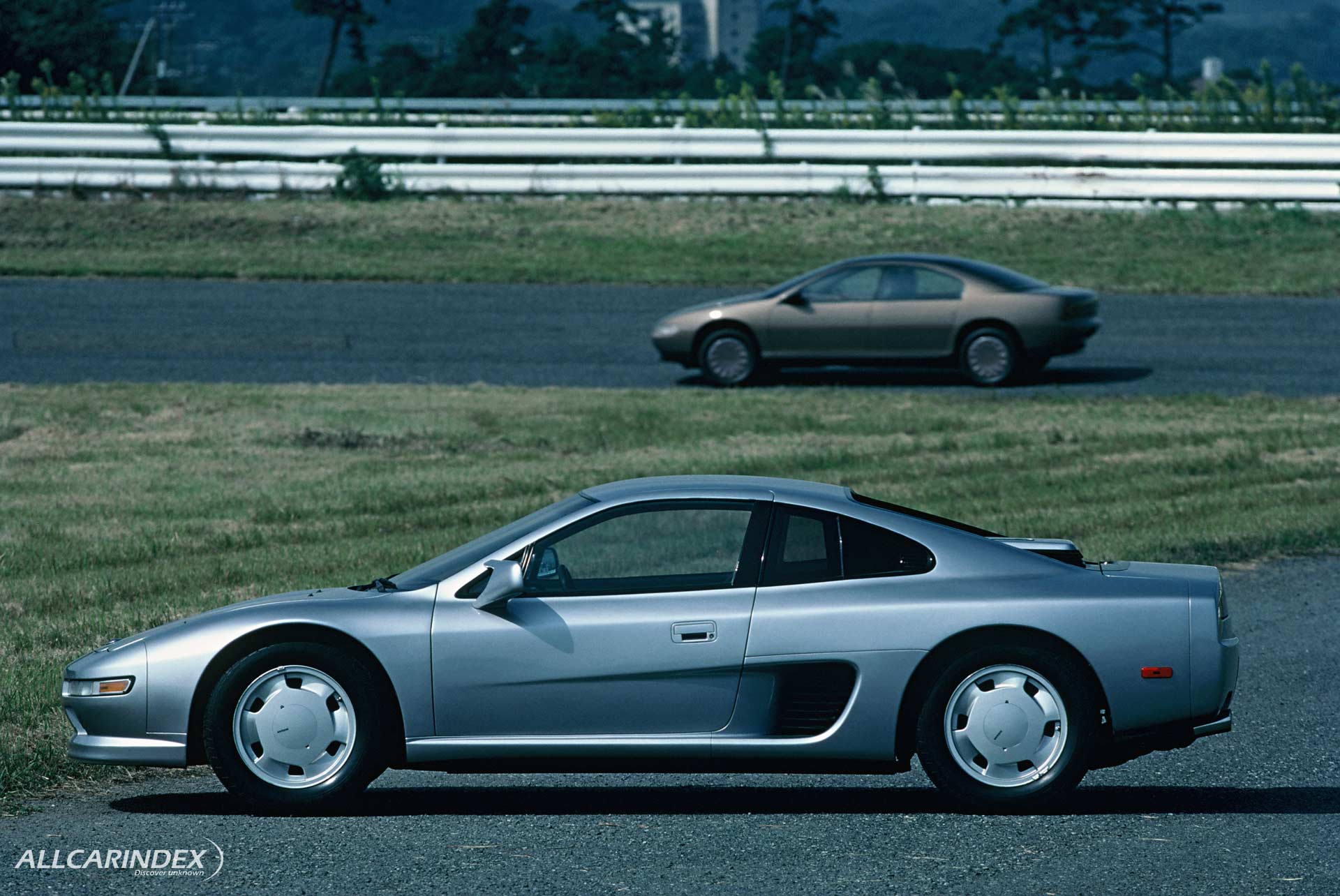
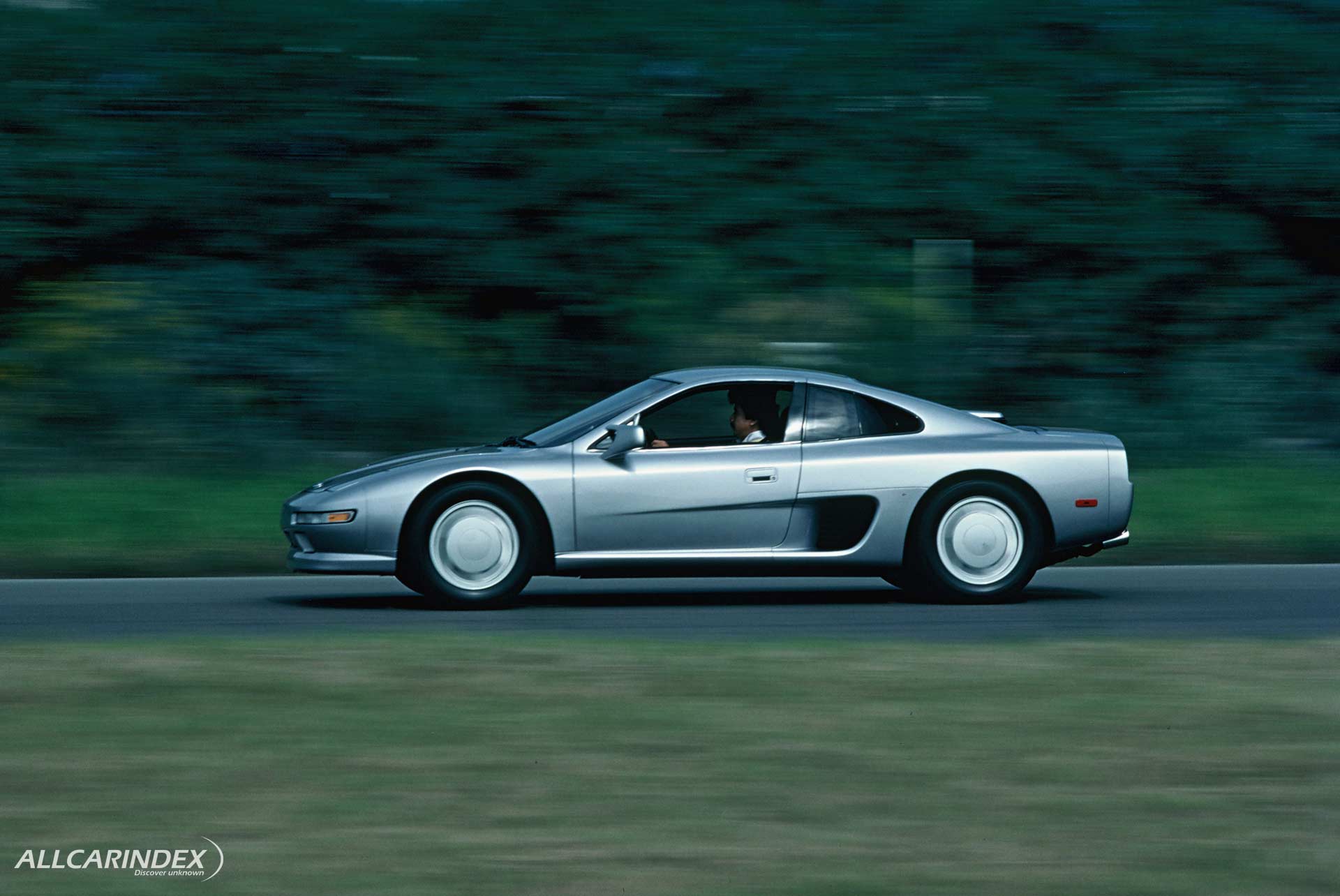
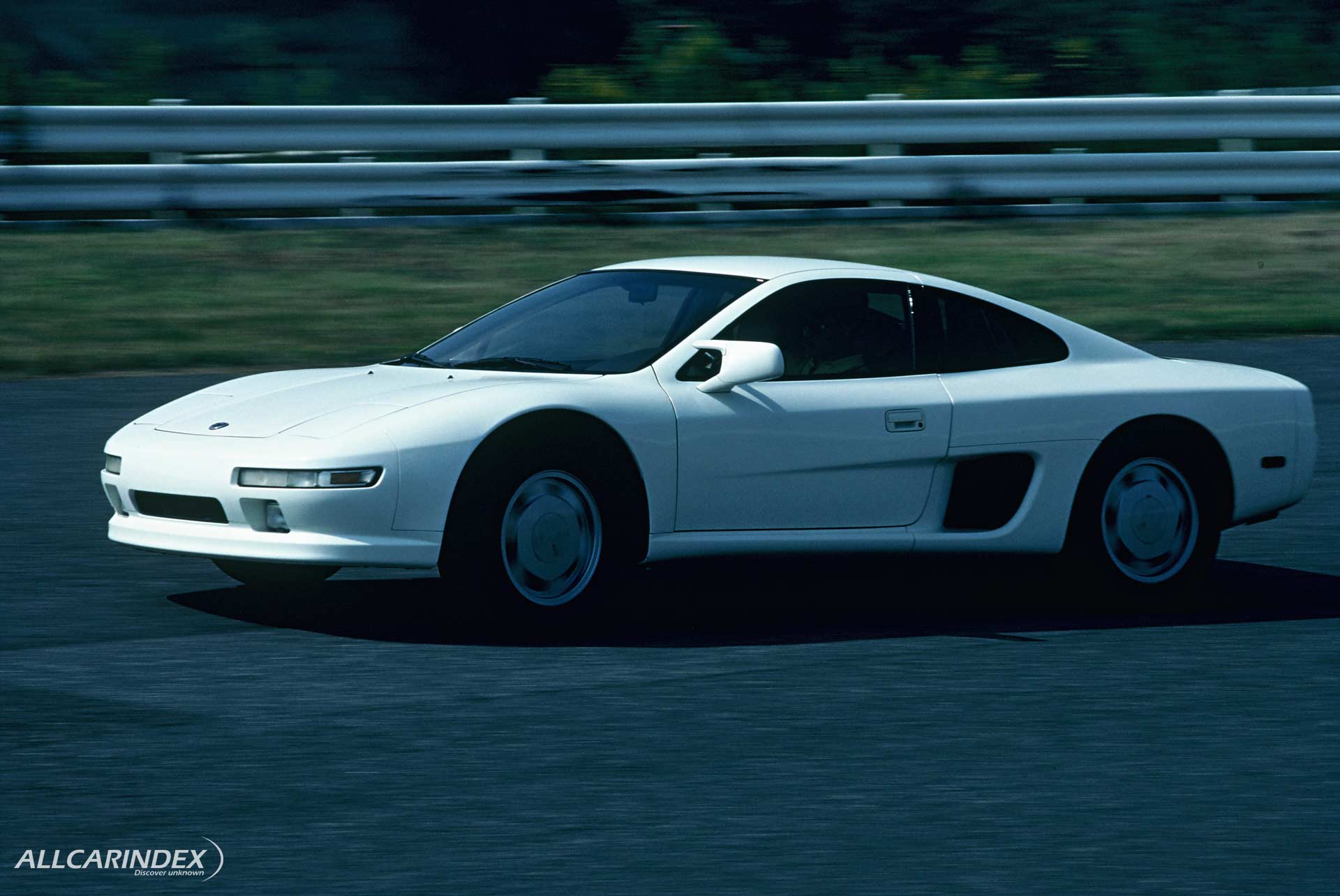
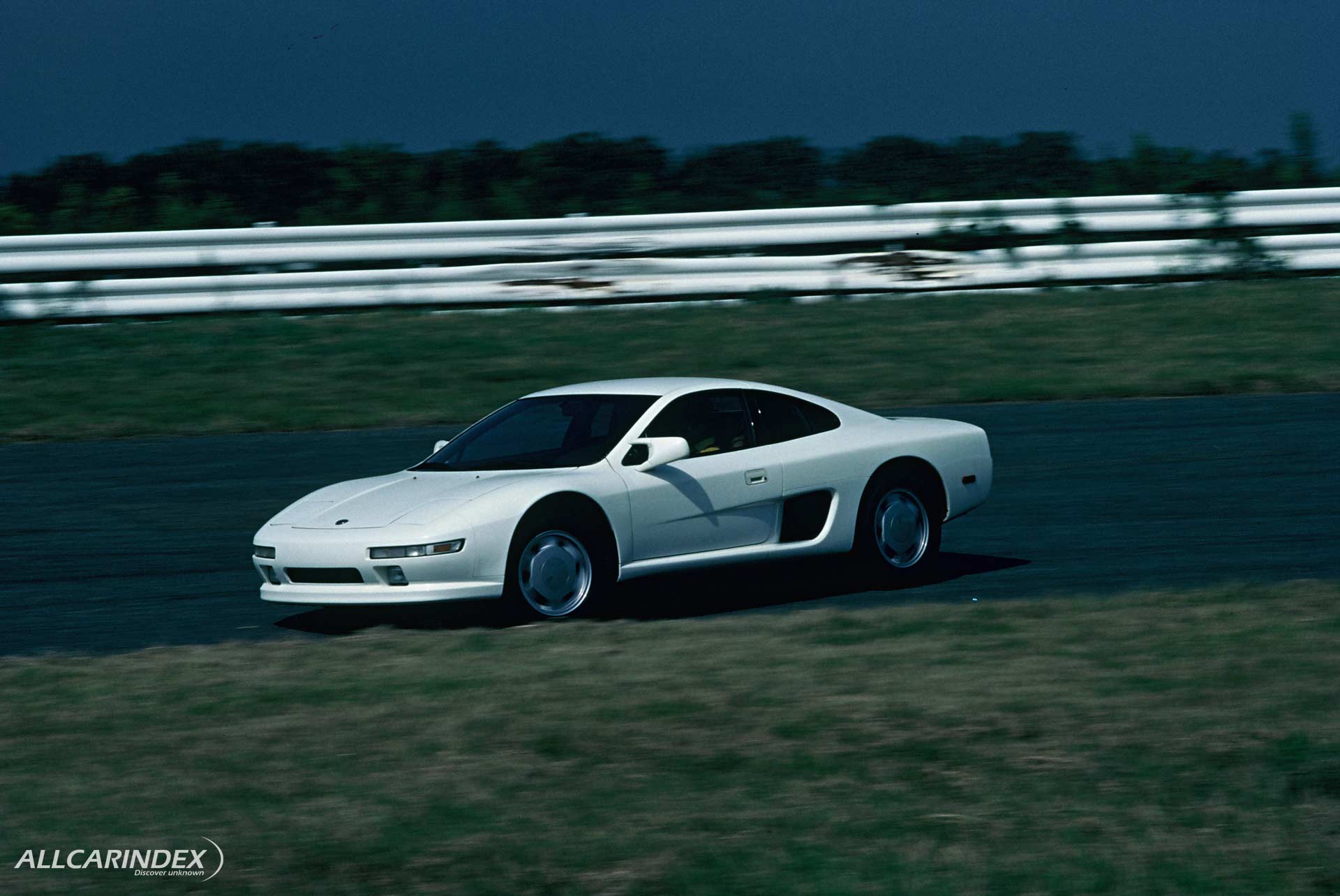
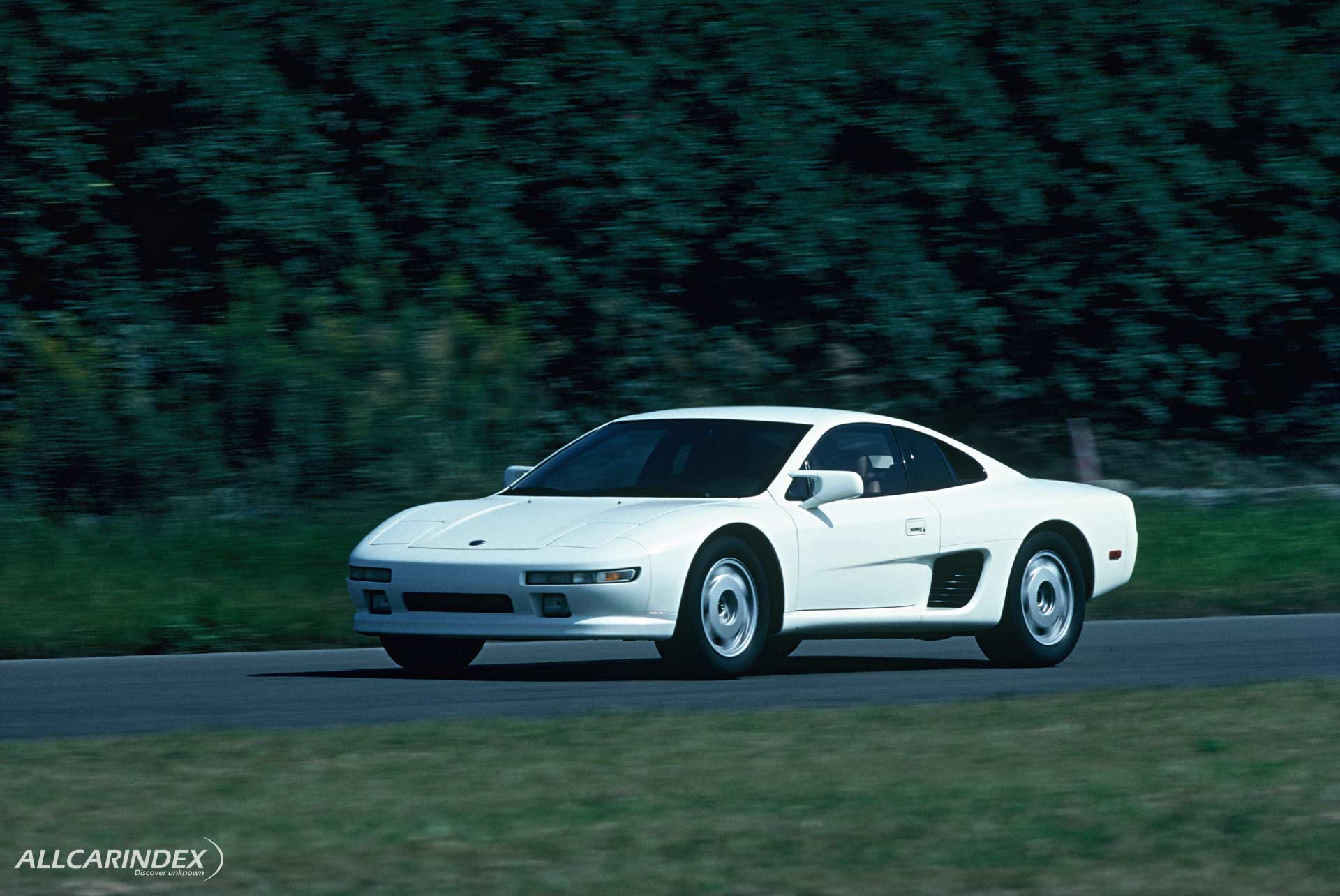
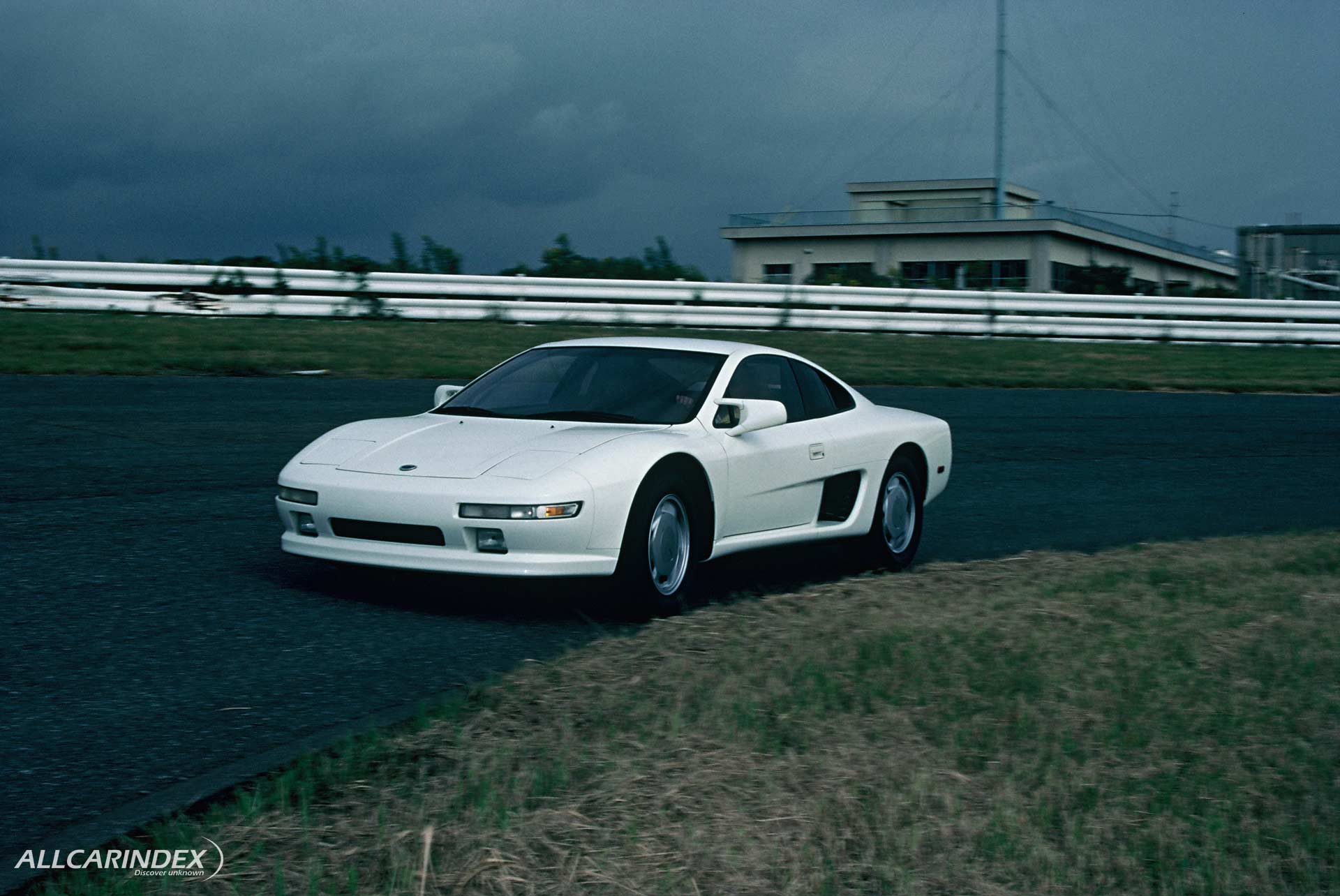
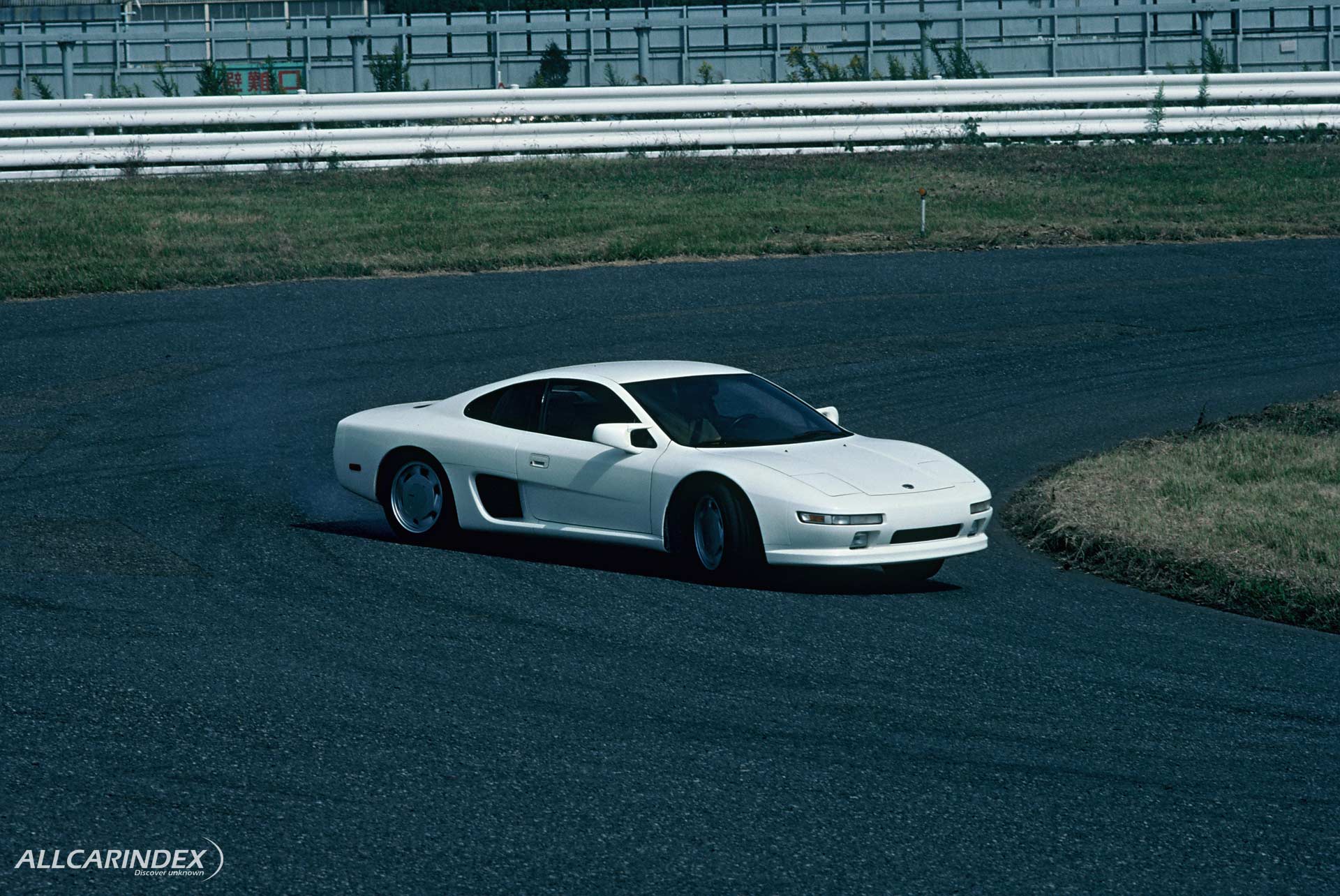
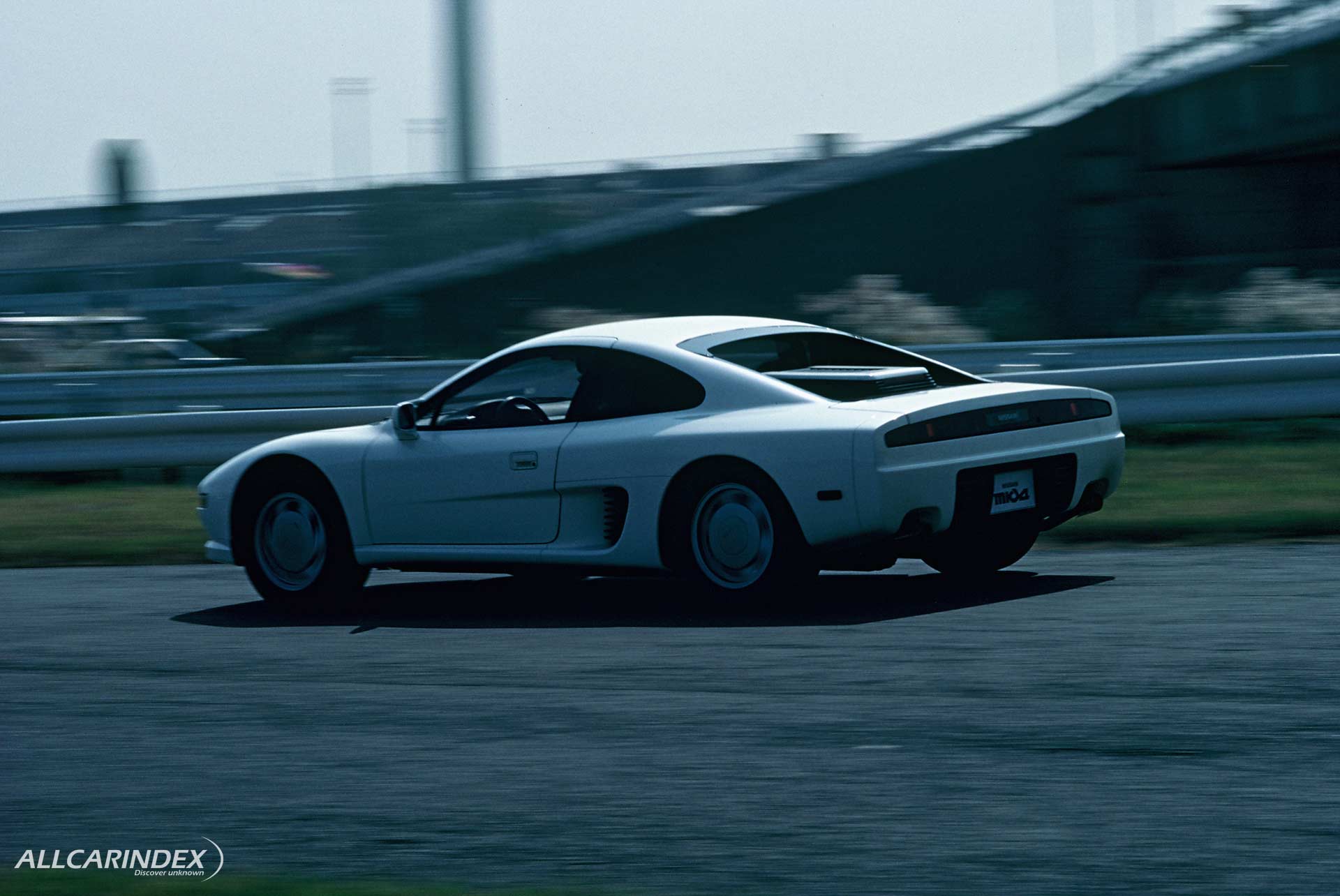
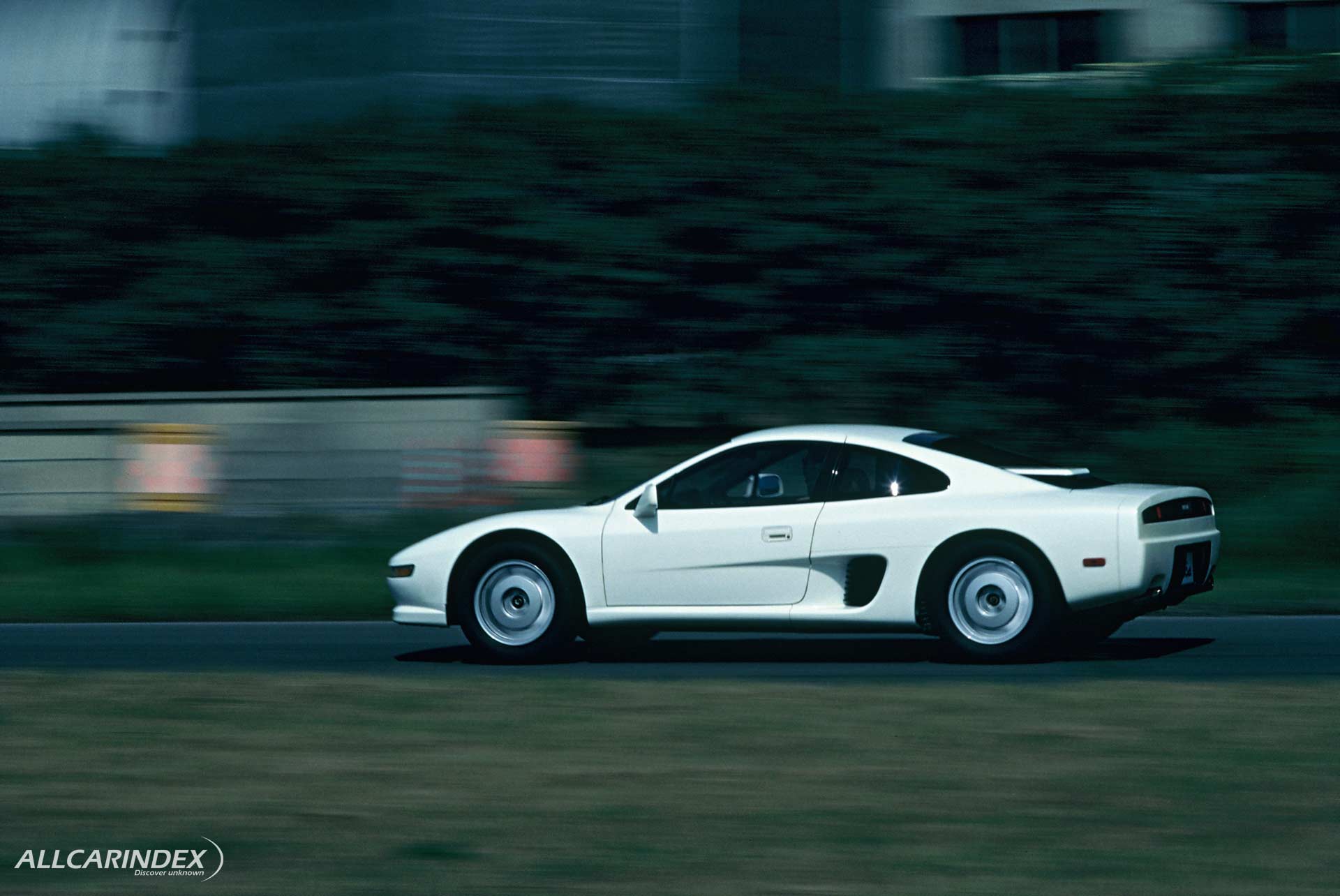
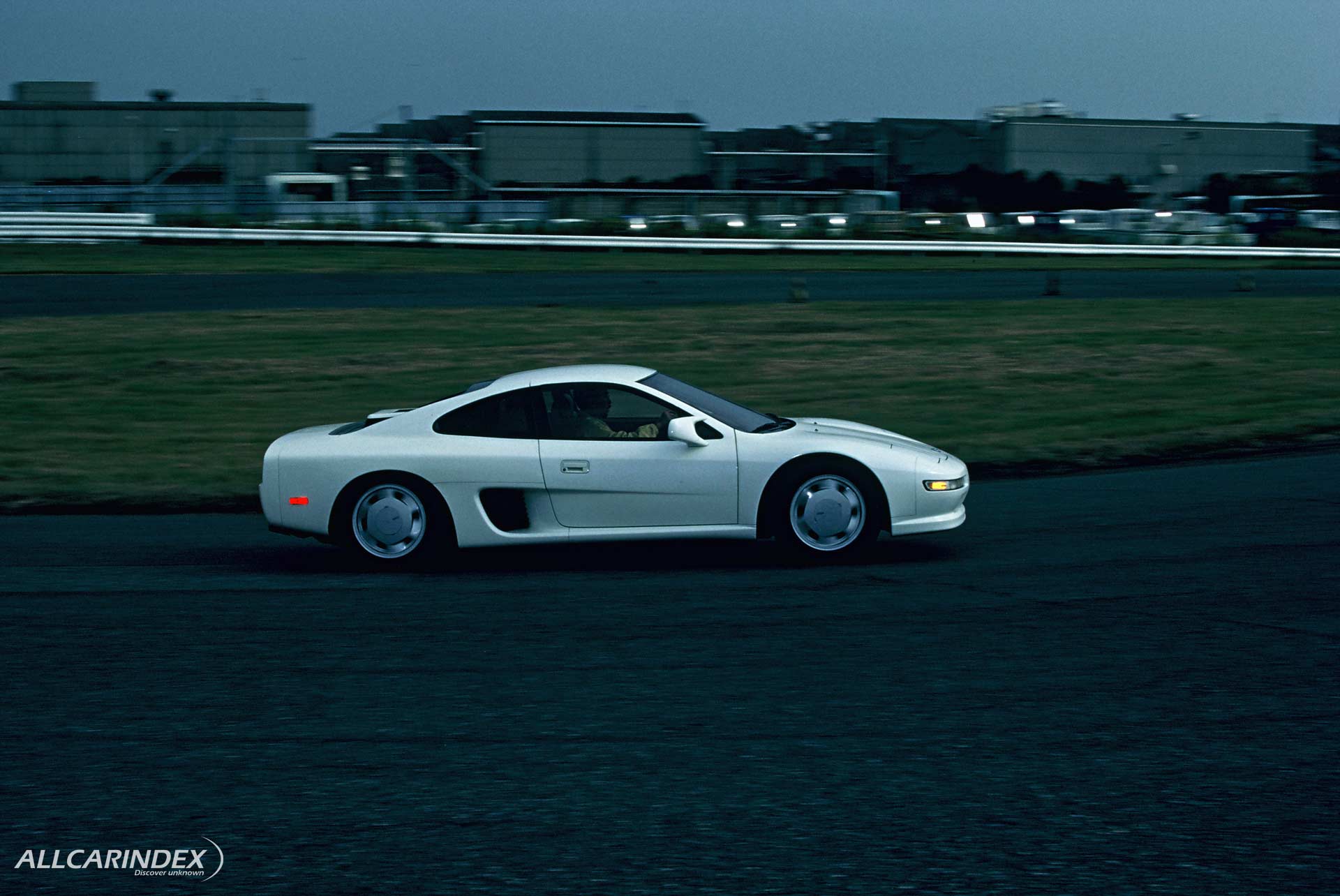
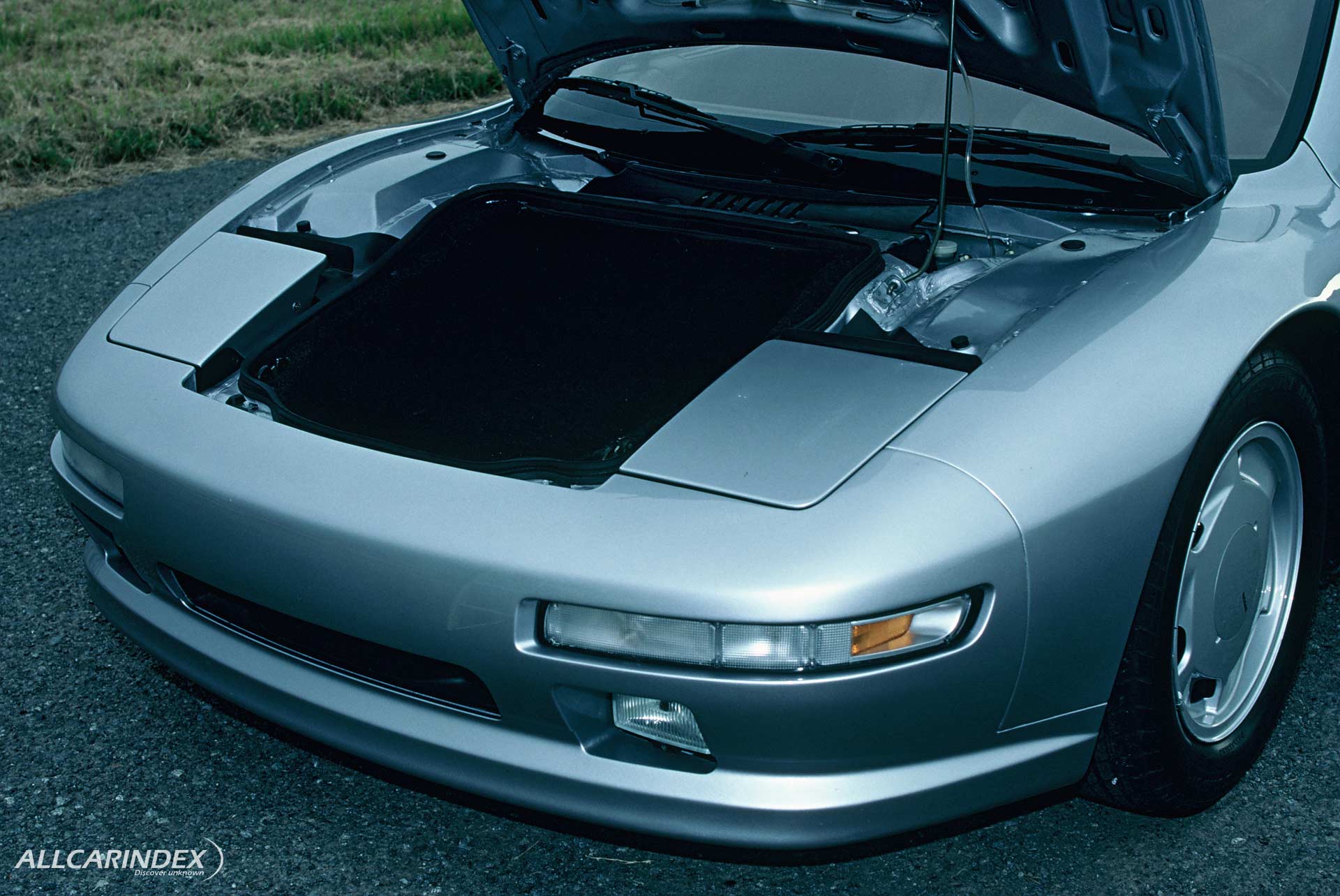
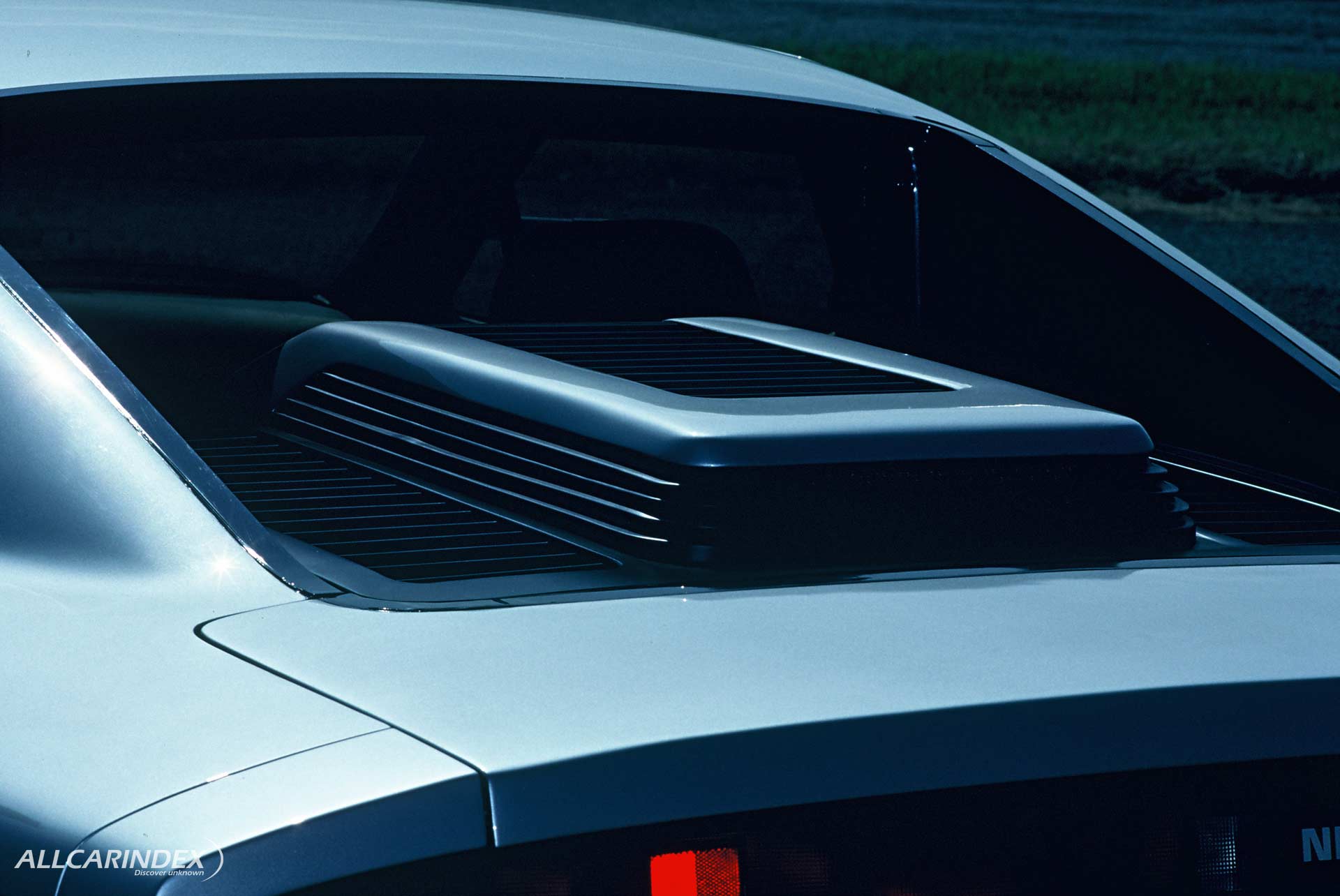
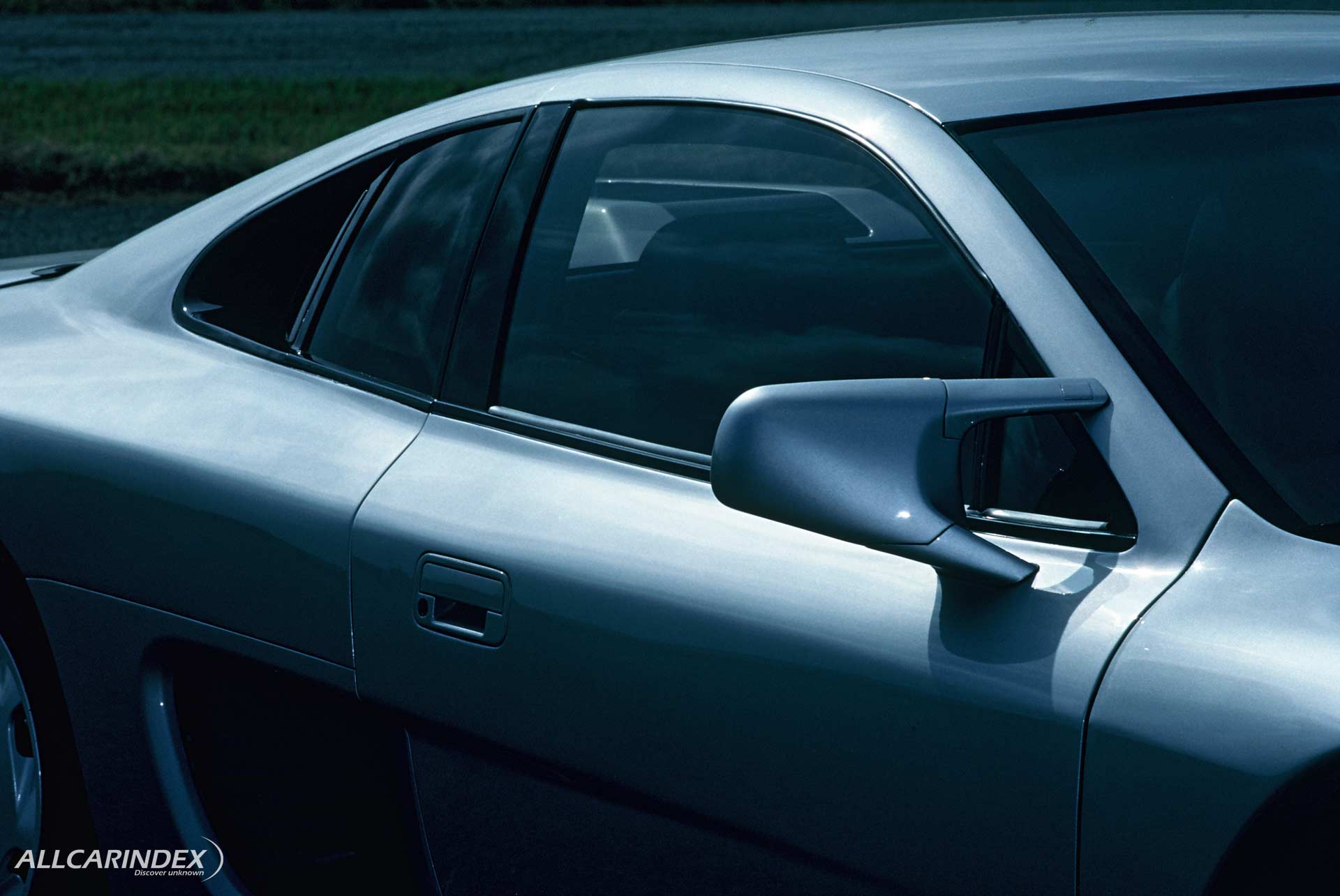
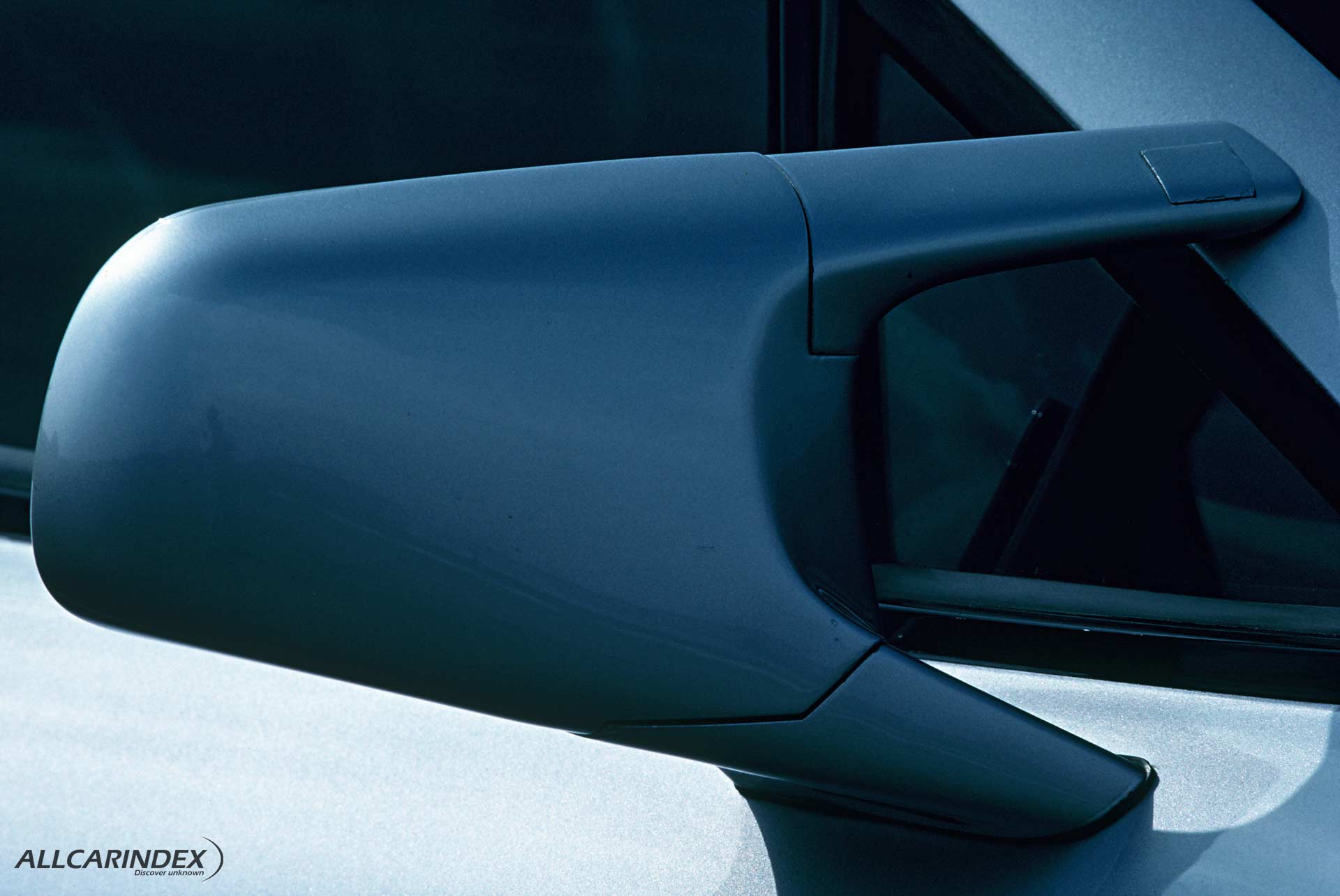
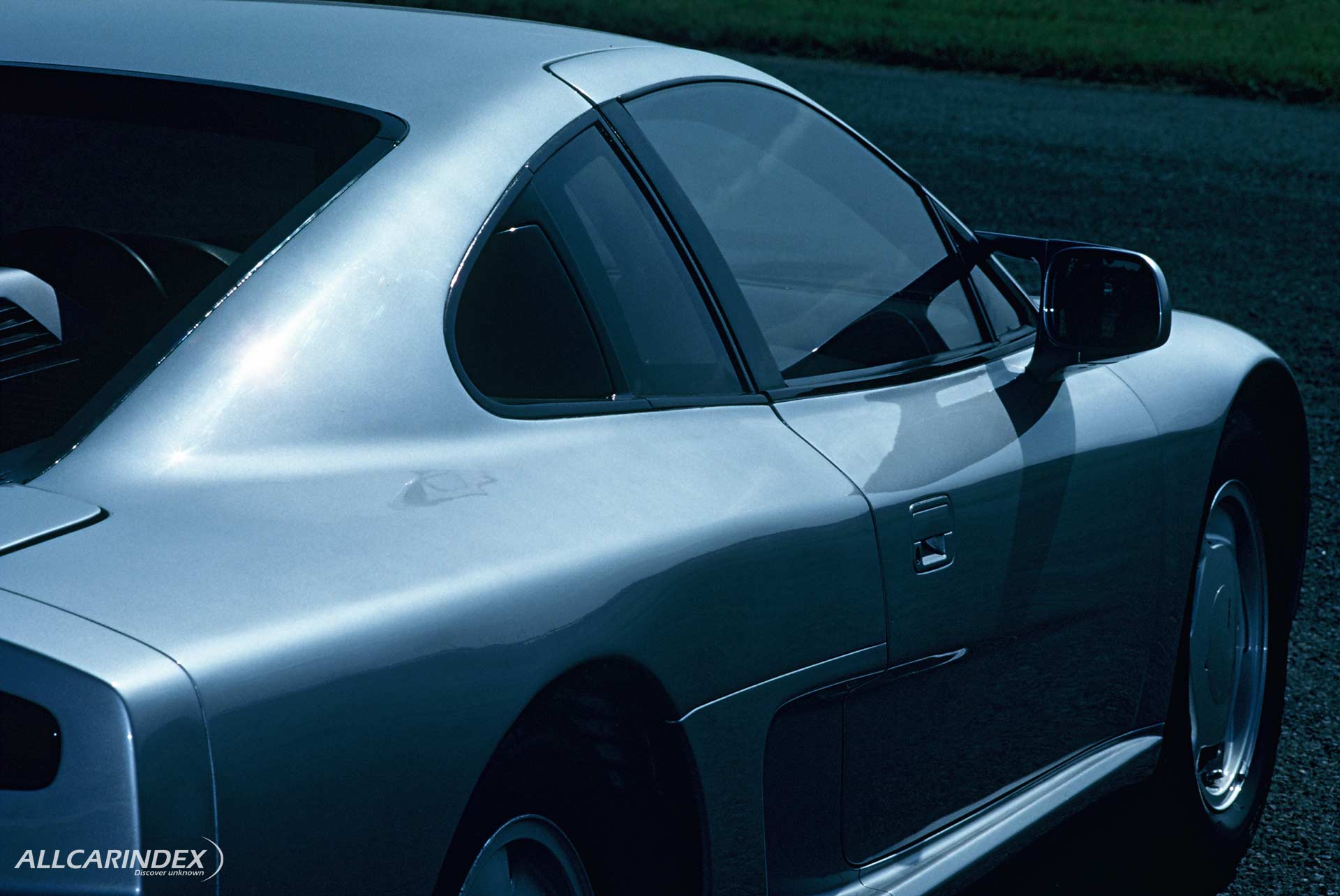
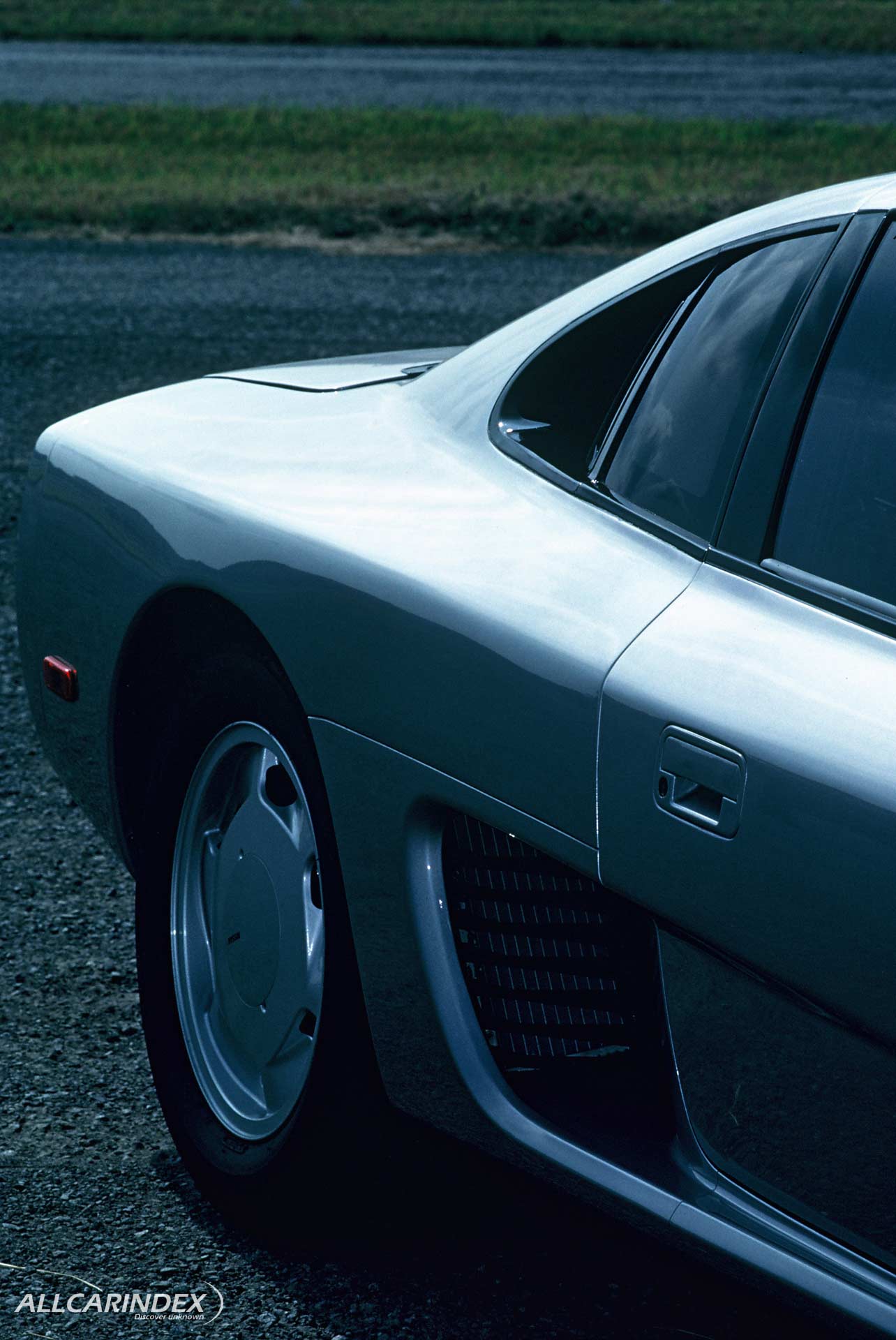
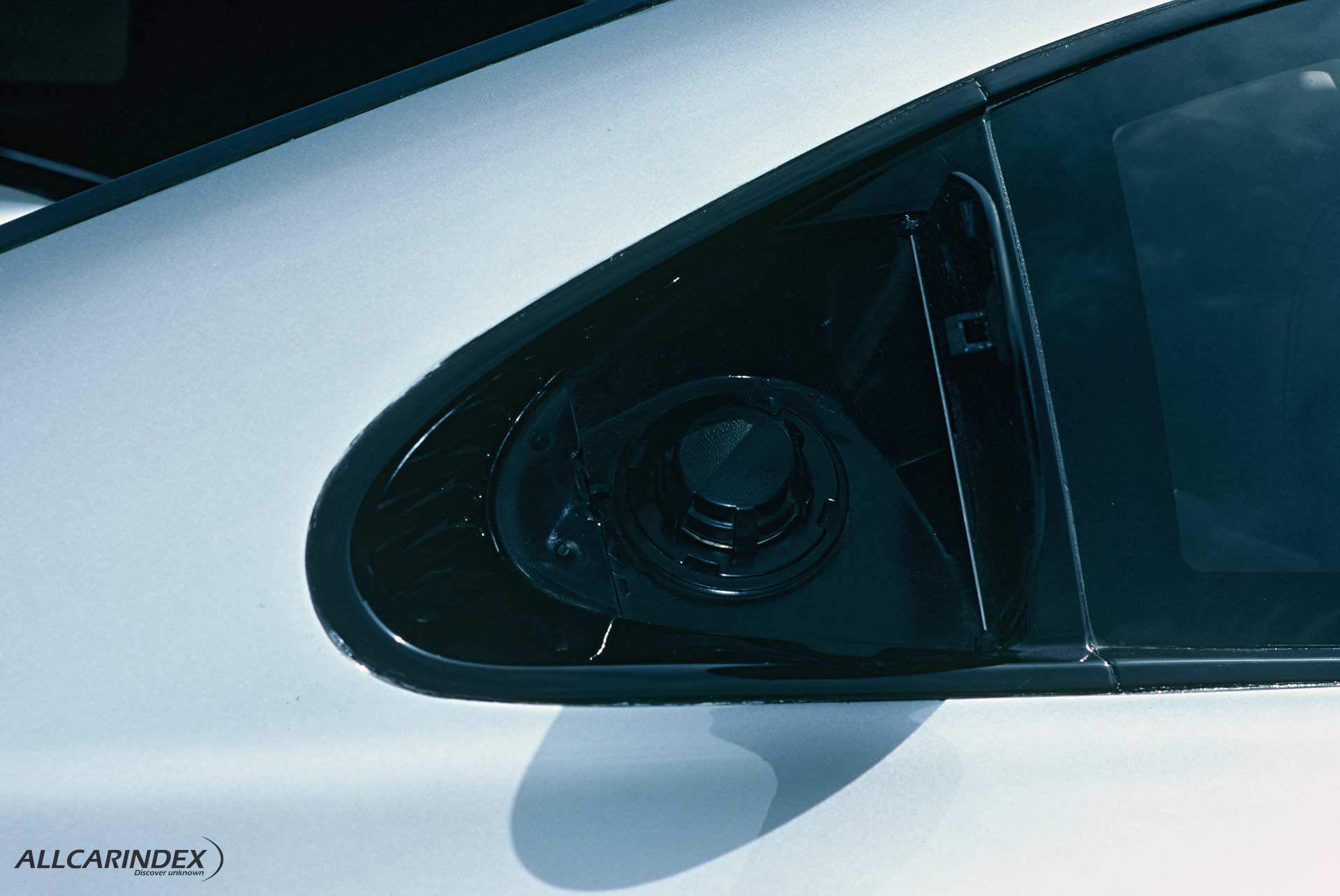
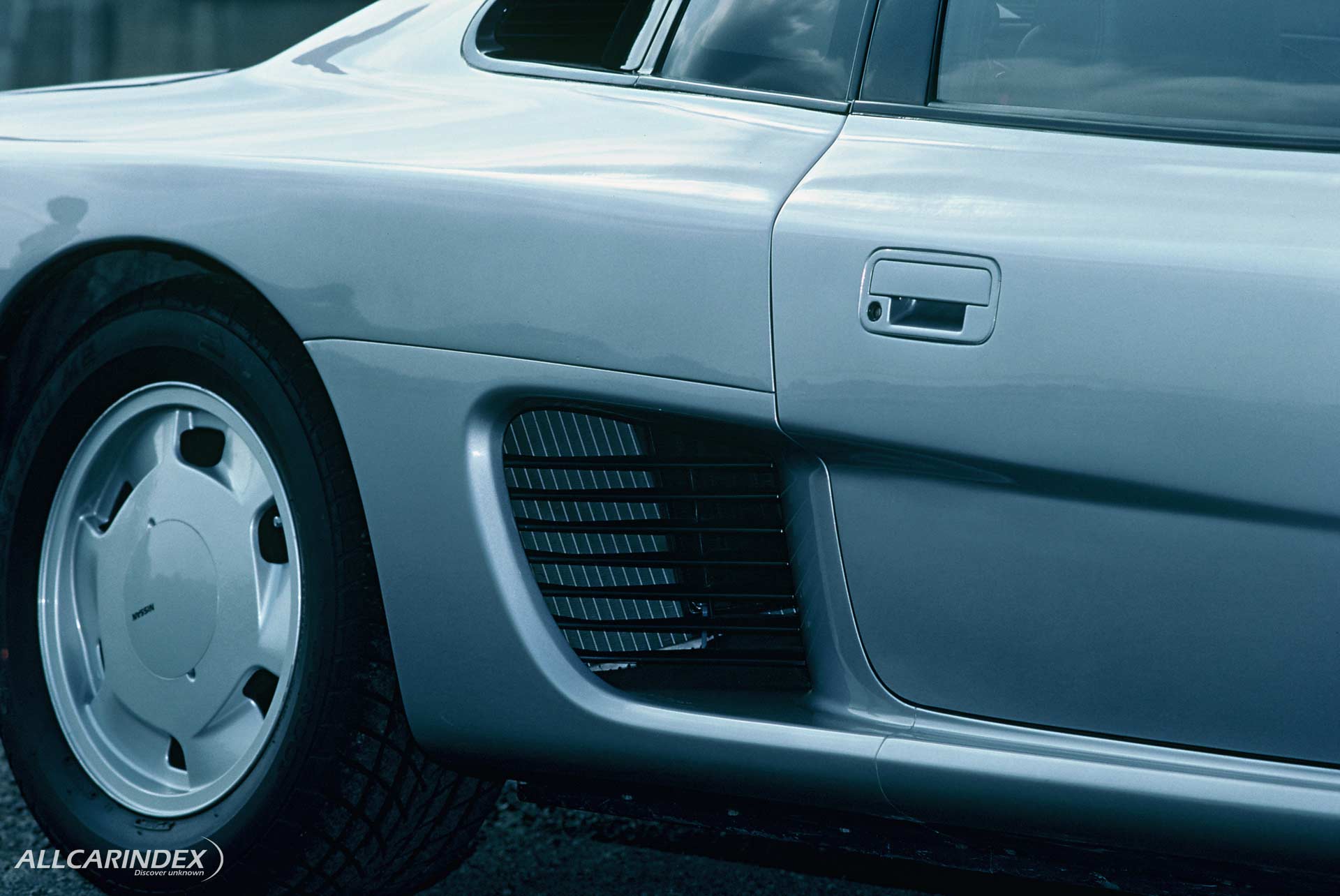
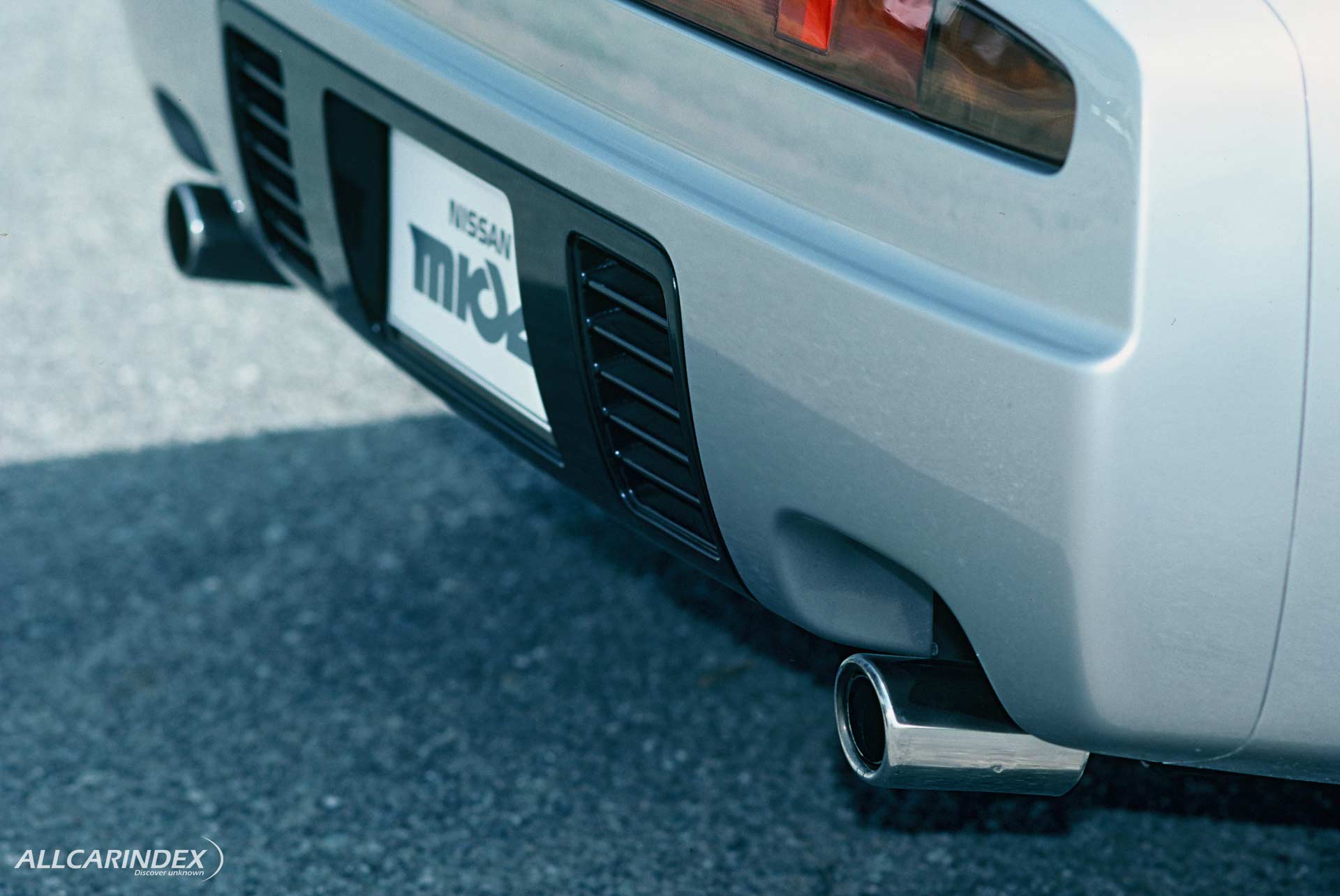
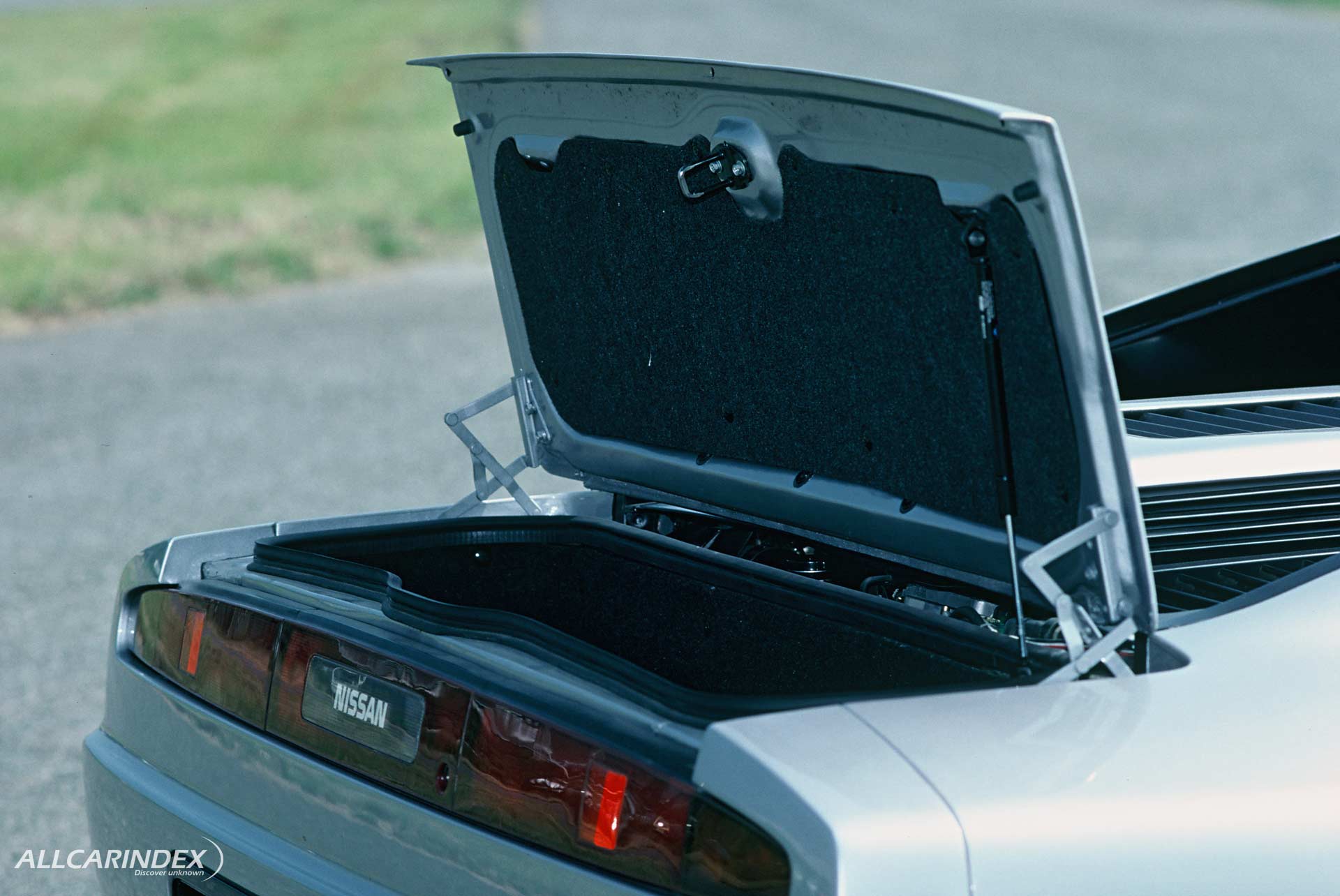
The Nissan Mid4-II, known in Japan as the Nissan MID4-II, was a mid-engined concept coupe shown at the Tokyo motor show two years after the original Mid4. Unlike the first car, Nissan did not directly state that it would enter production, describing it instead as a design and engineering exercise aimed at achieving the performance dynamics of a world-class sports car, with the results of its research expected to feed into the company's production models. The Mid4-II was said to occupy a significant place in Nissan's development work at the time. Visually it appeared more modern than its predecessor, with a redesigned front end, altered side window lines, and a reshaped air intake ahead of the rear wheel arch, though its overall silhouette still recalled a Ferrari.
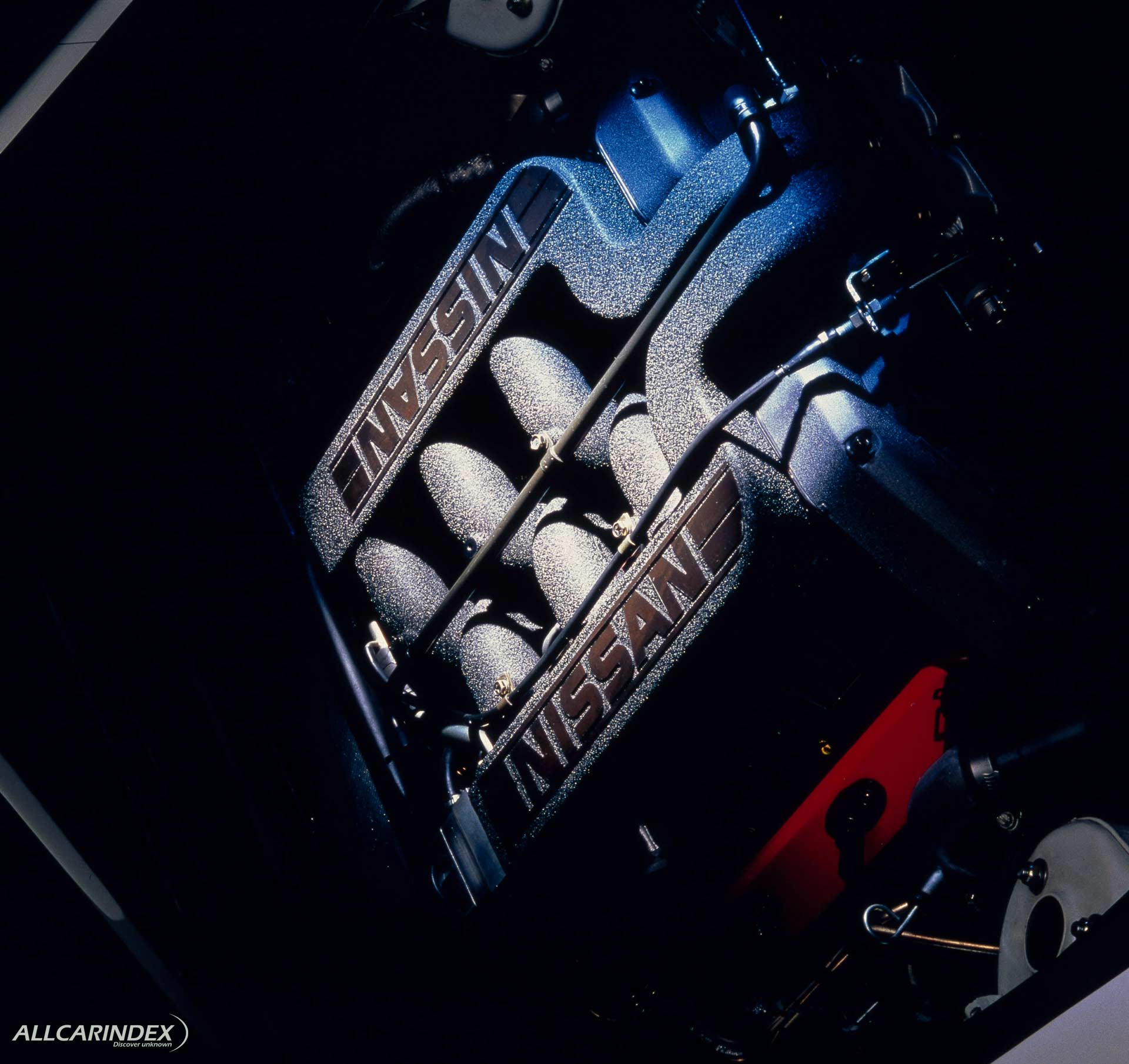
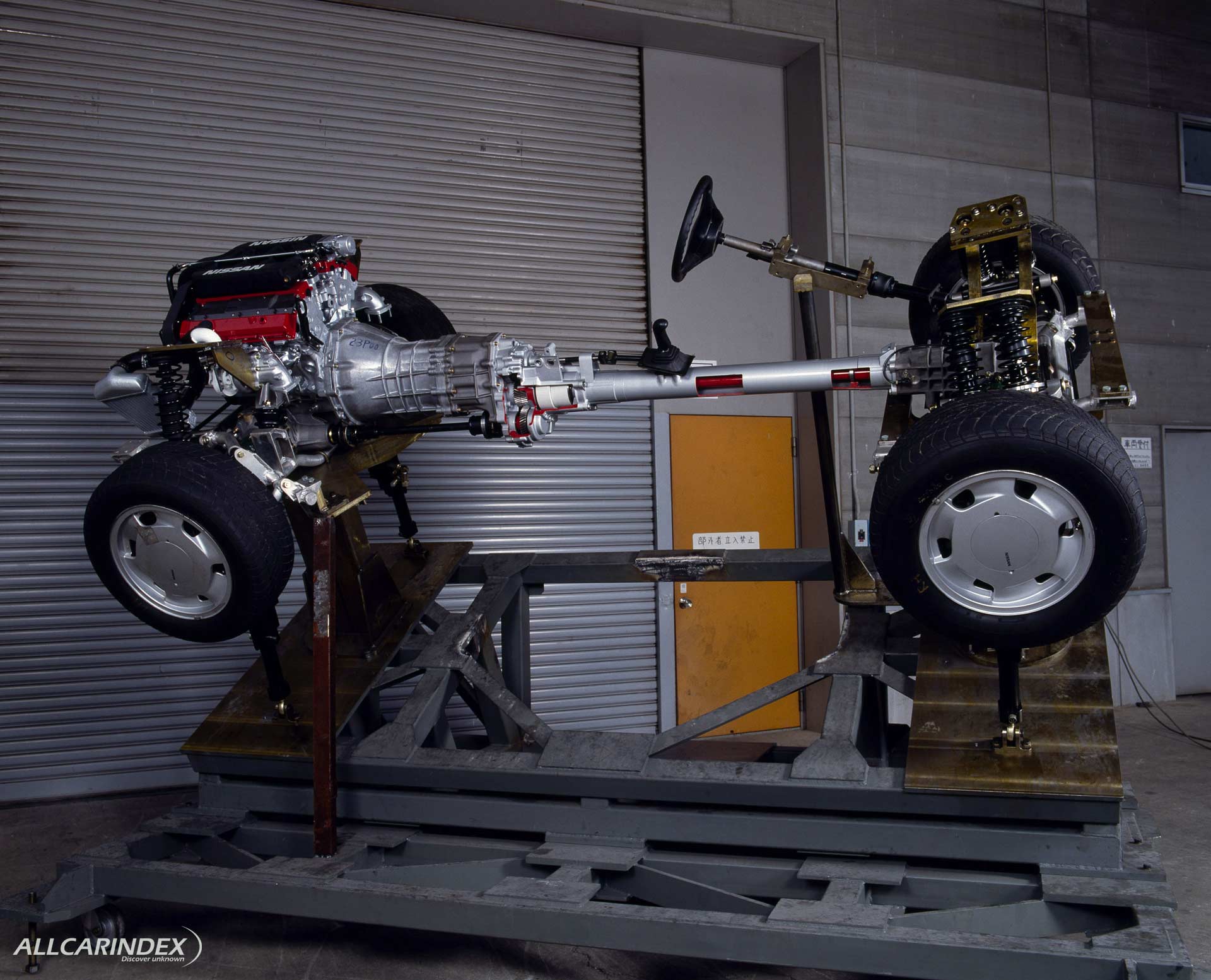
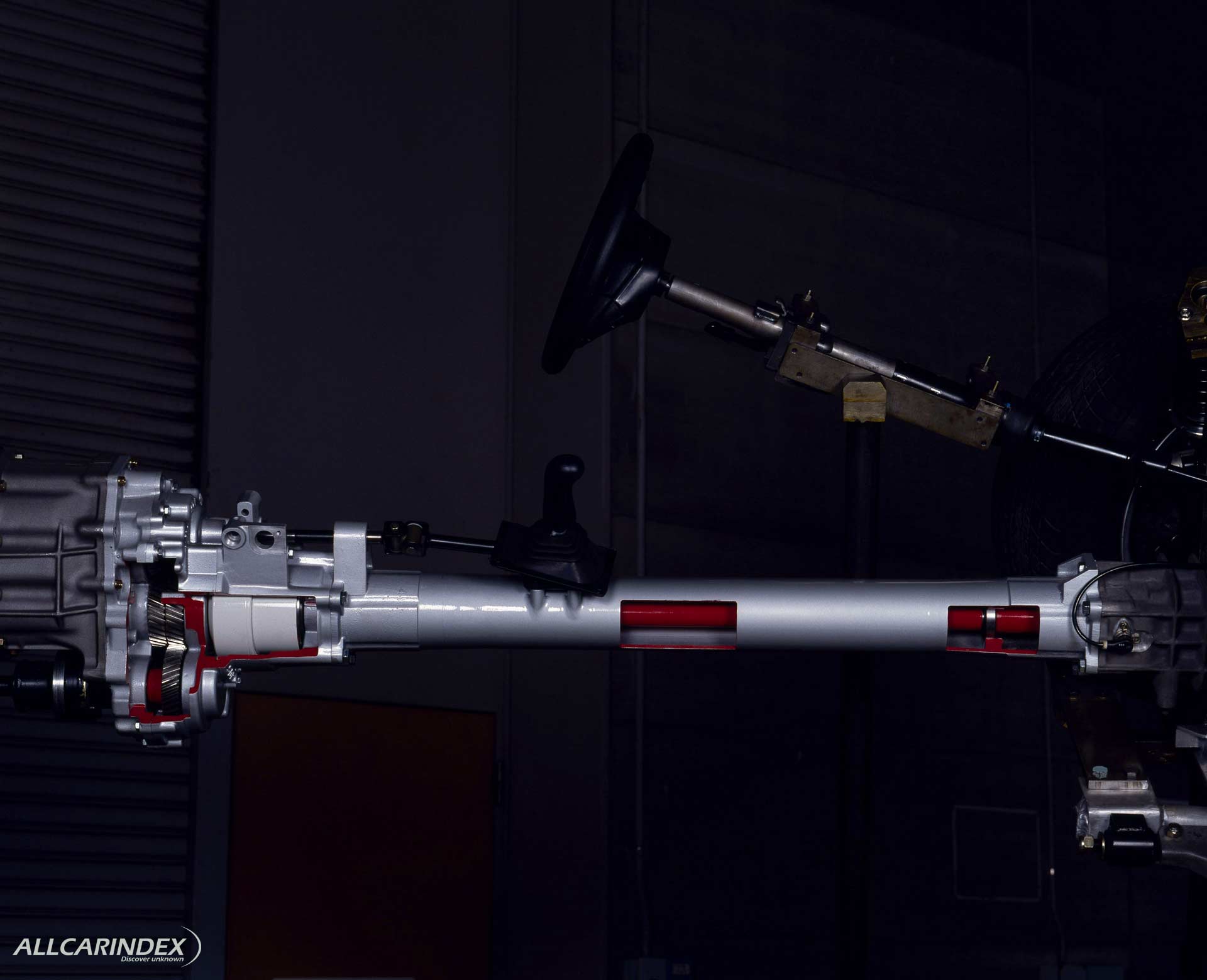
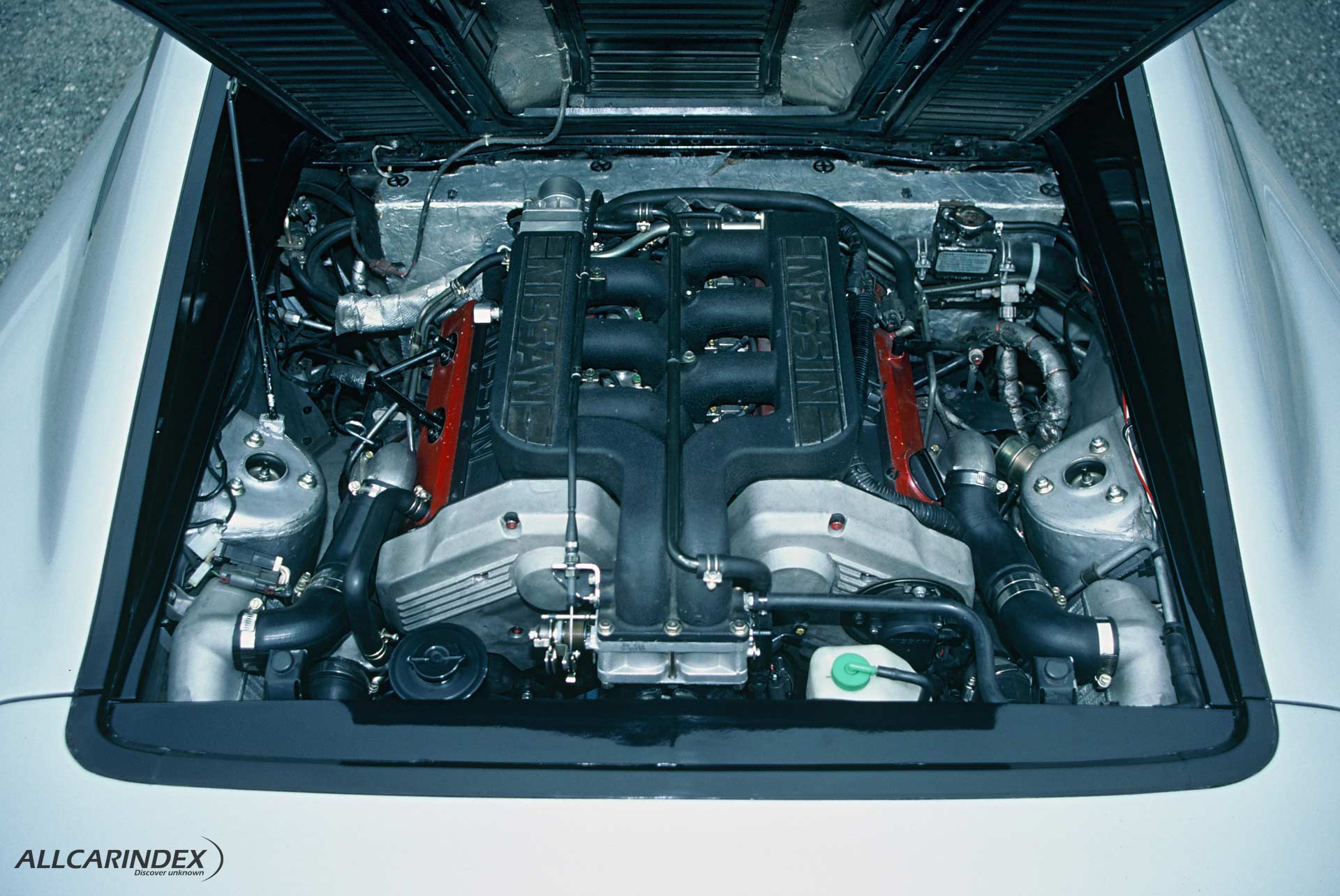
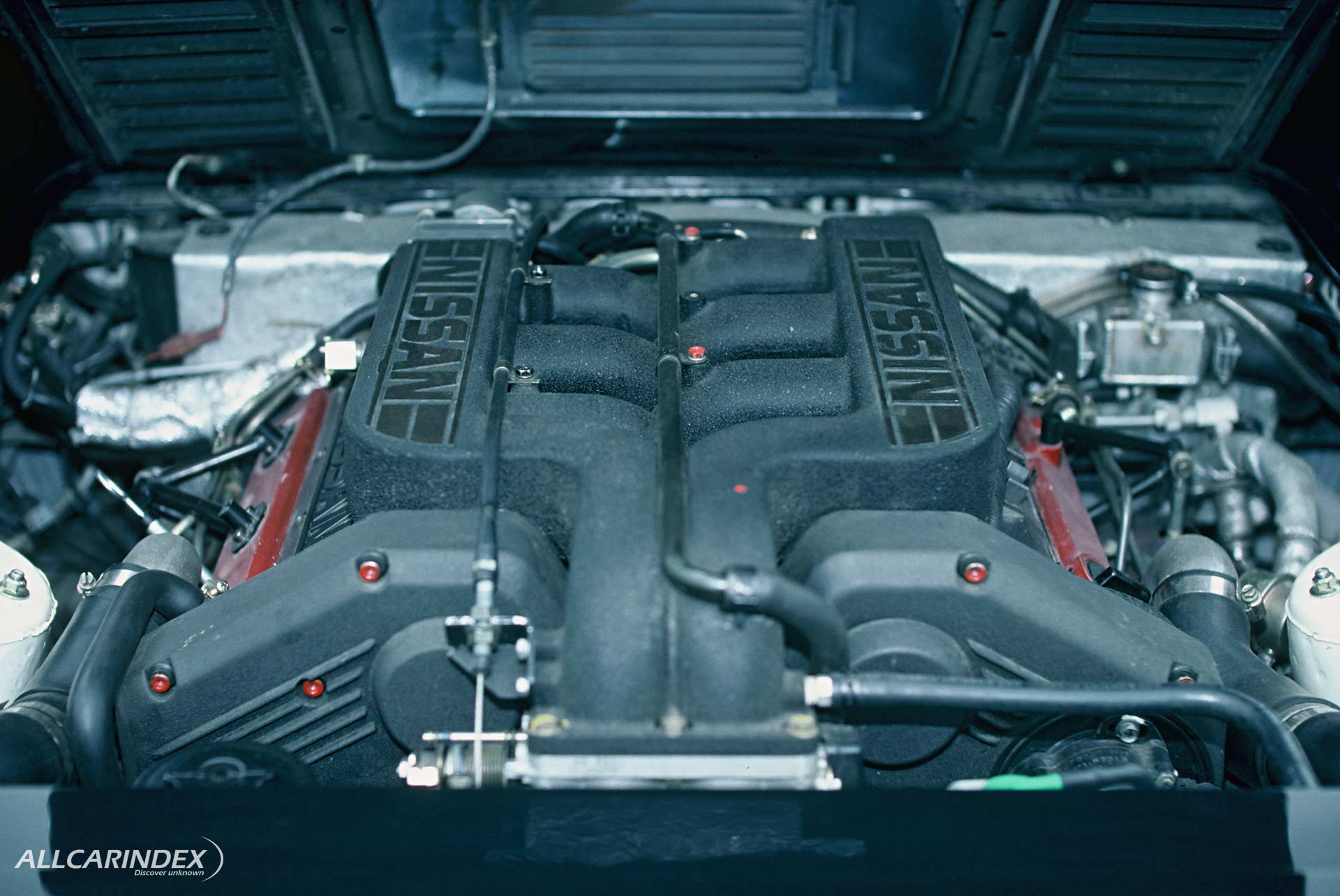
A major technical change from the first Mid4 was the switch from a transverse to a longitudinal mid-mounted V6 engine, which improved weight distribution. The 2960 cc VG30DE V6 used double overhead camshafts and 24 valves, and with the addition of twin turbochargers and an intercooler its output rose to 330 hp at 6800 rpm, with 382 Nm of torque at 3200 rpm, up from 230 hp in the earlier car. Drive went through a five-speed gearbox to a permanent four-wheel-drive system using viscous couplings at the center, front, and rear differentials, directing torque away from wheels prone to slipping. The front suspension used racing-style upper and lower wishbones tuned for stable, secure steering feel, while the multi-link rear suspension was adapted from the one developed for the Nissan Arc-X concept car and worked together with the Hicas four-wheel-steering system and ABS. Tires measured 235/55 ZR 16 at the front and 255/50 ZR 16 at the rear, and the body achieved a drag coefficient of 0.30.
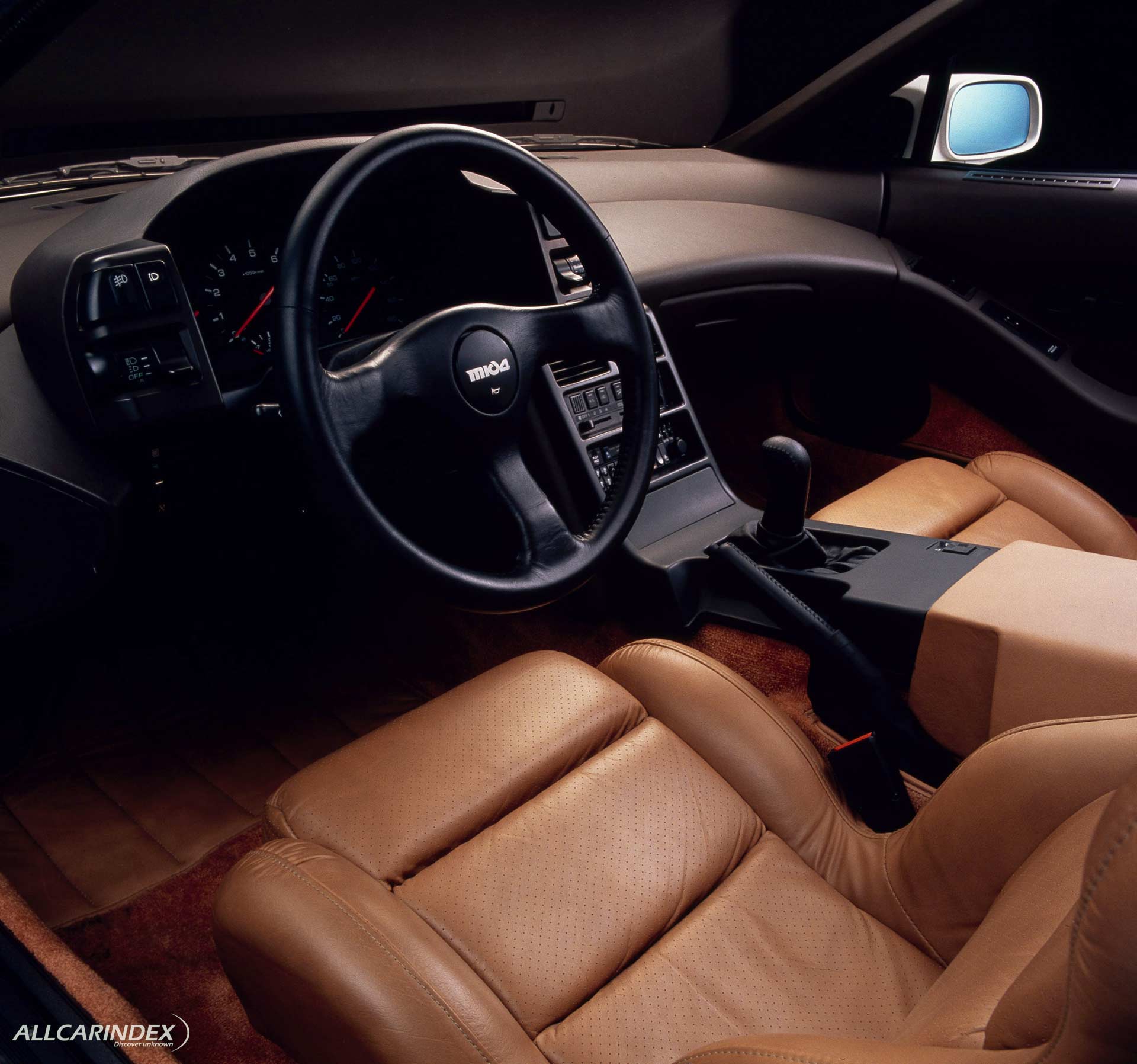
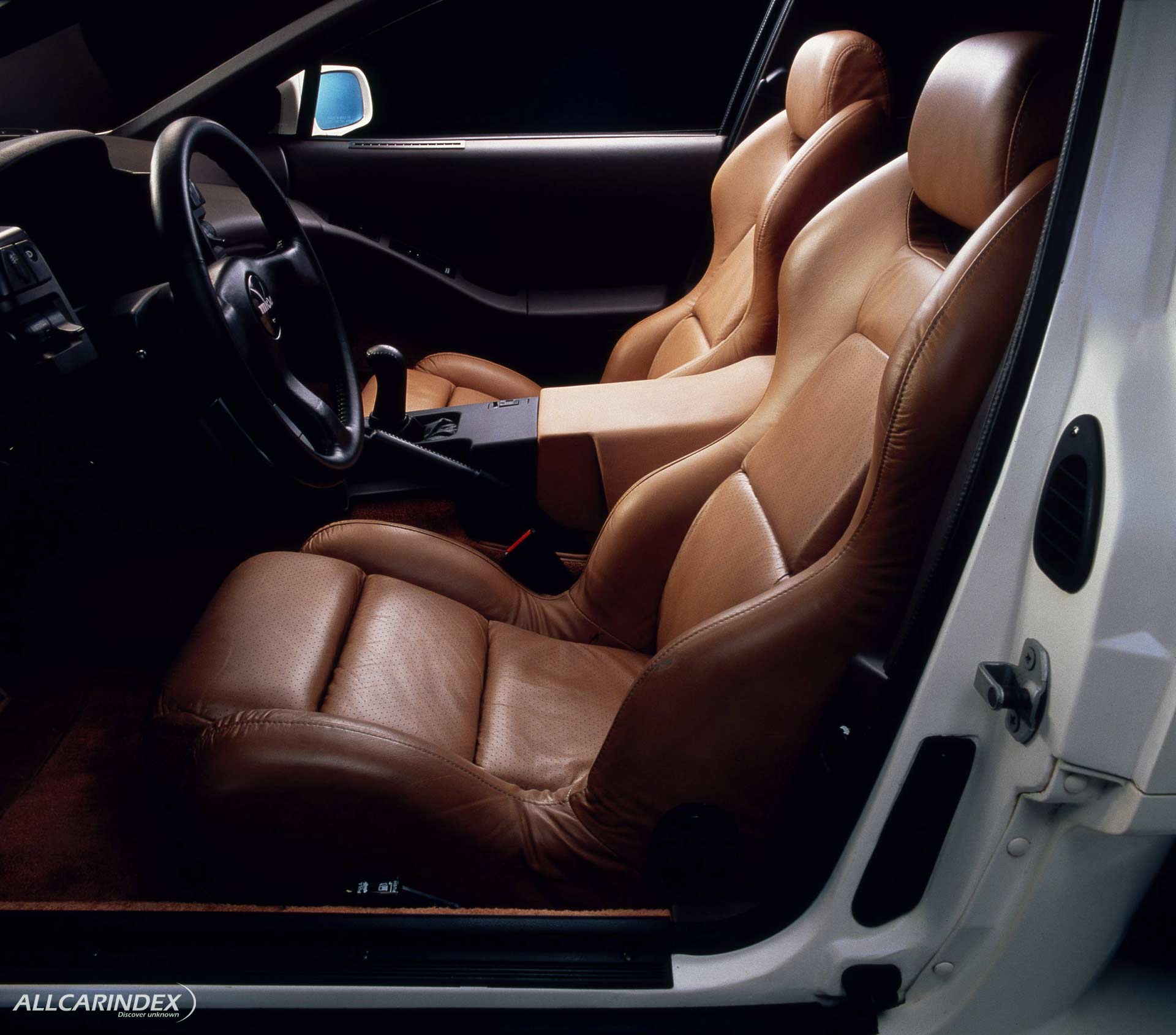
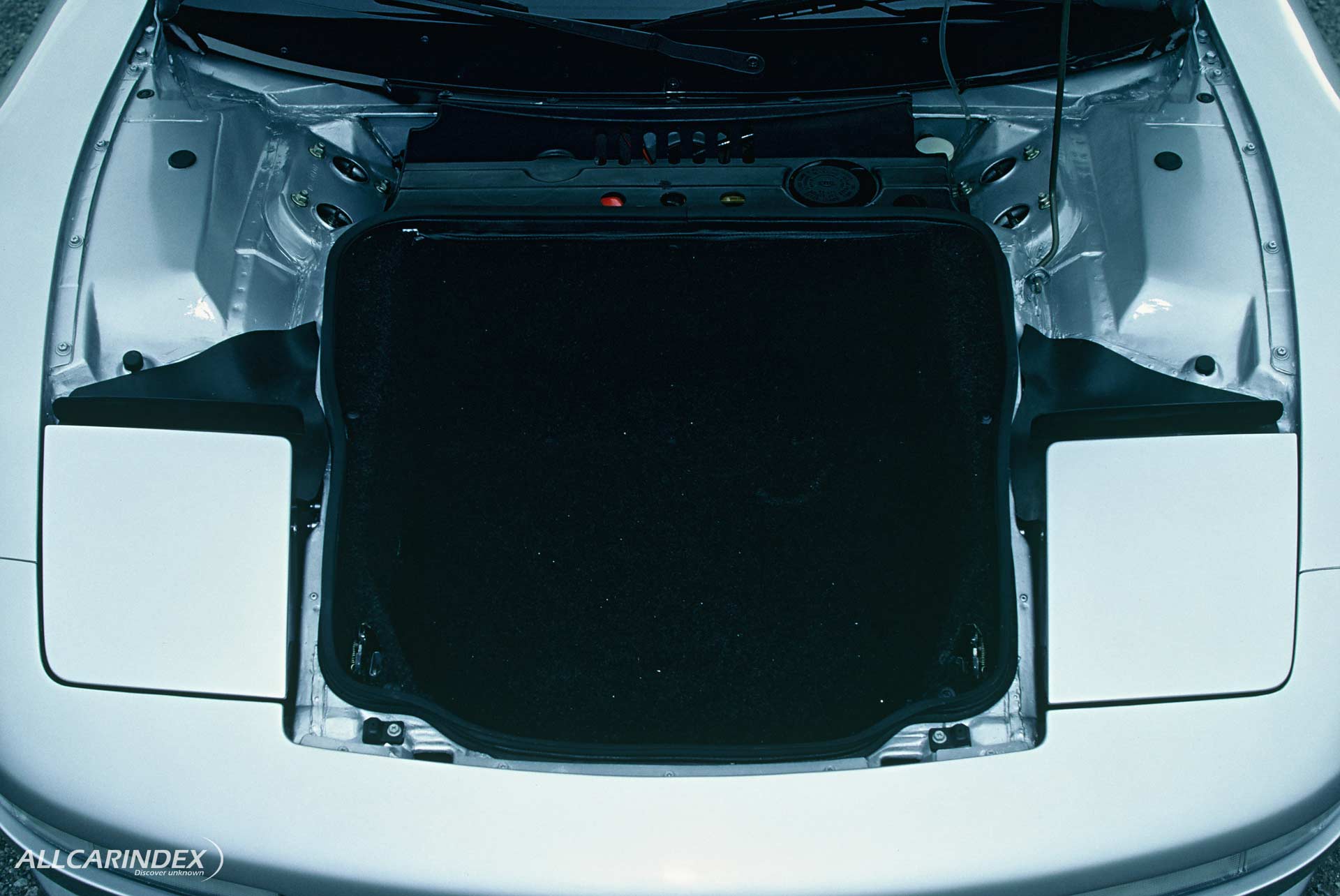
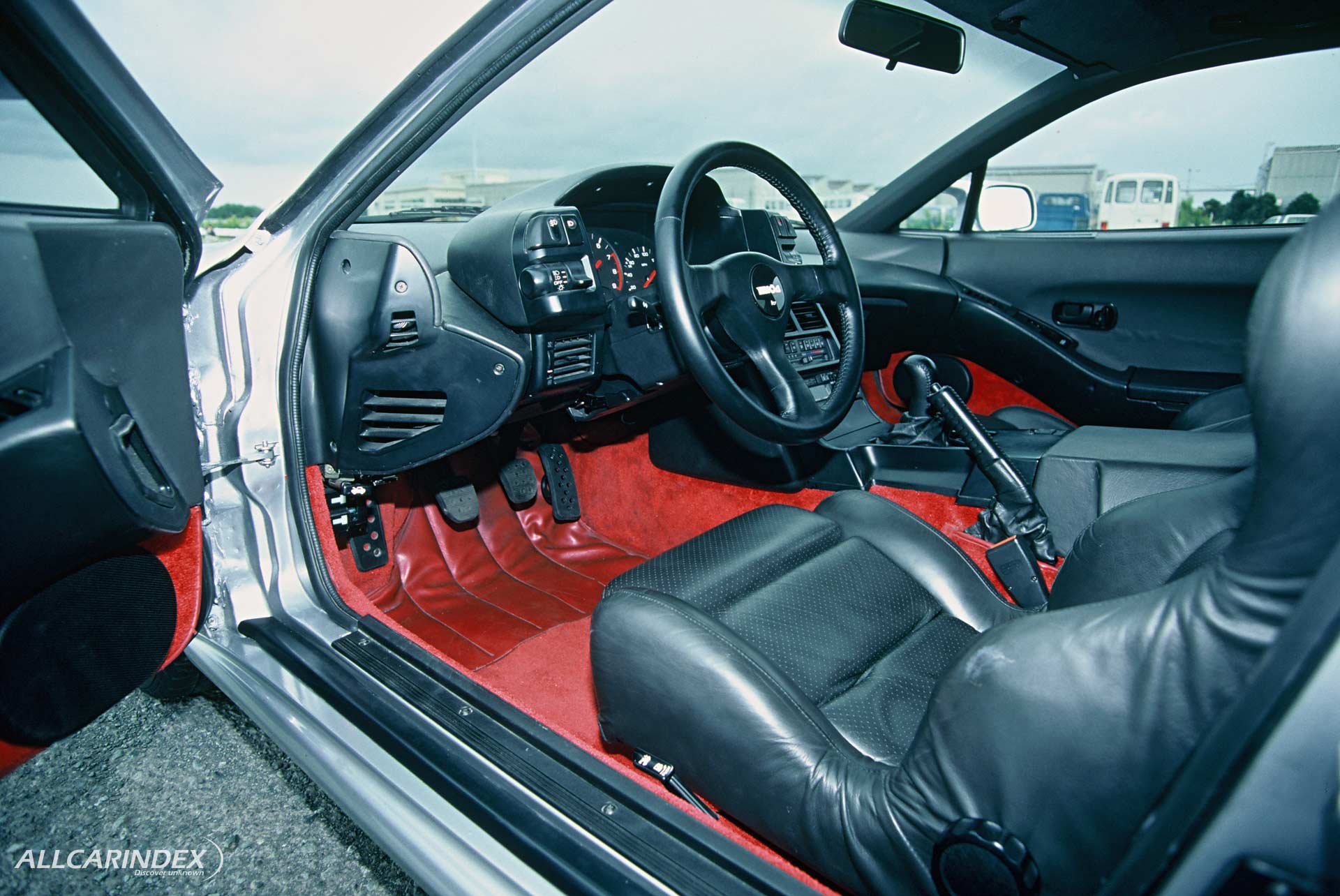
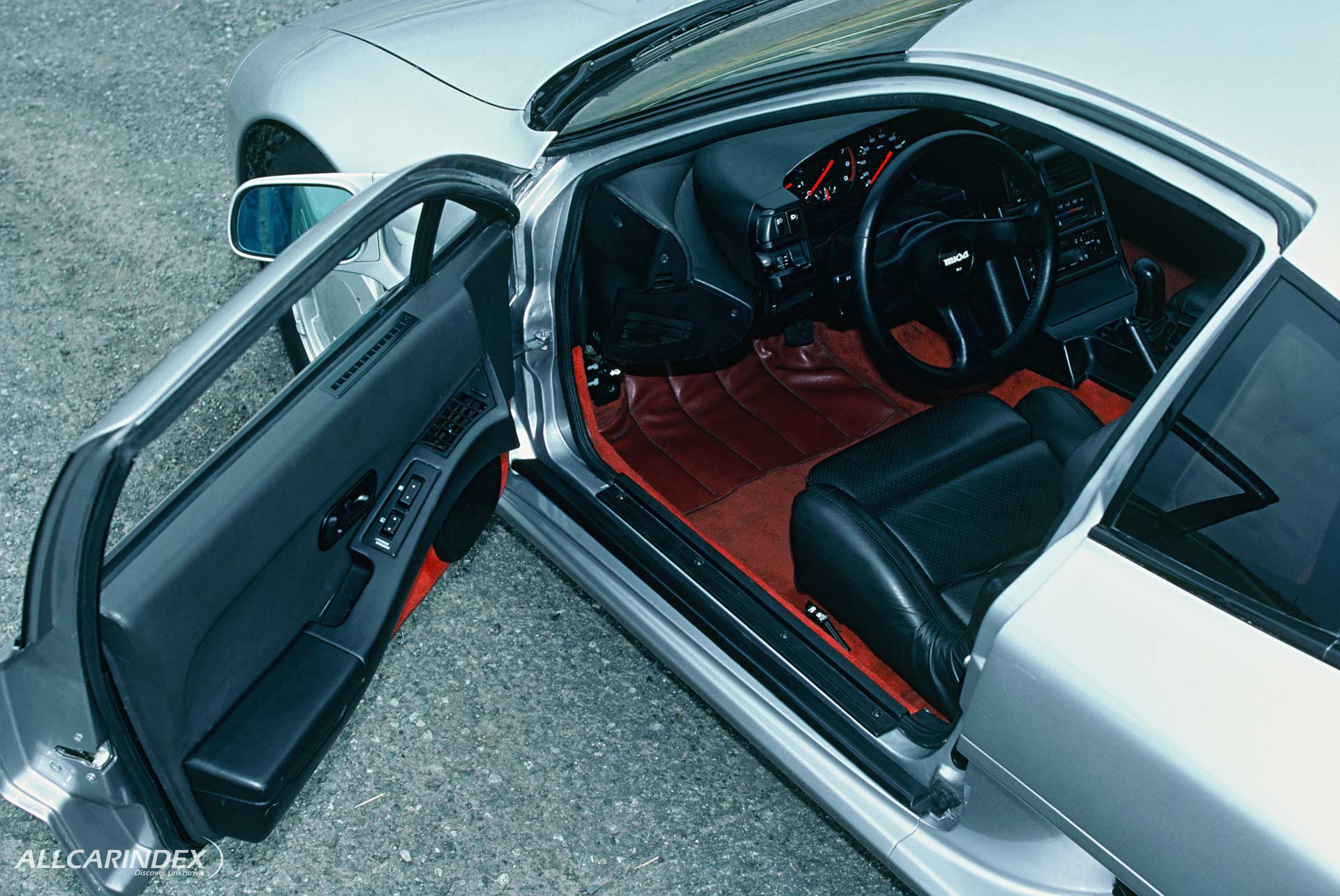
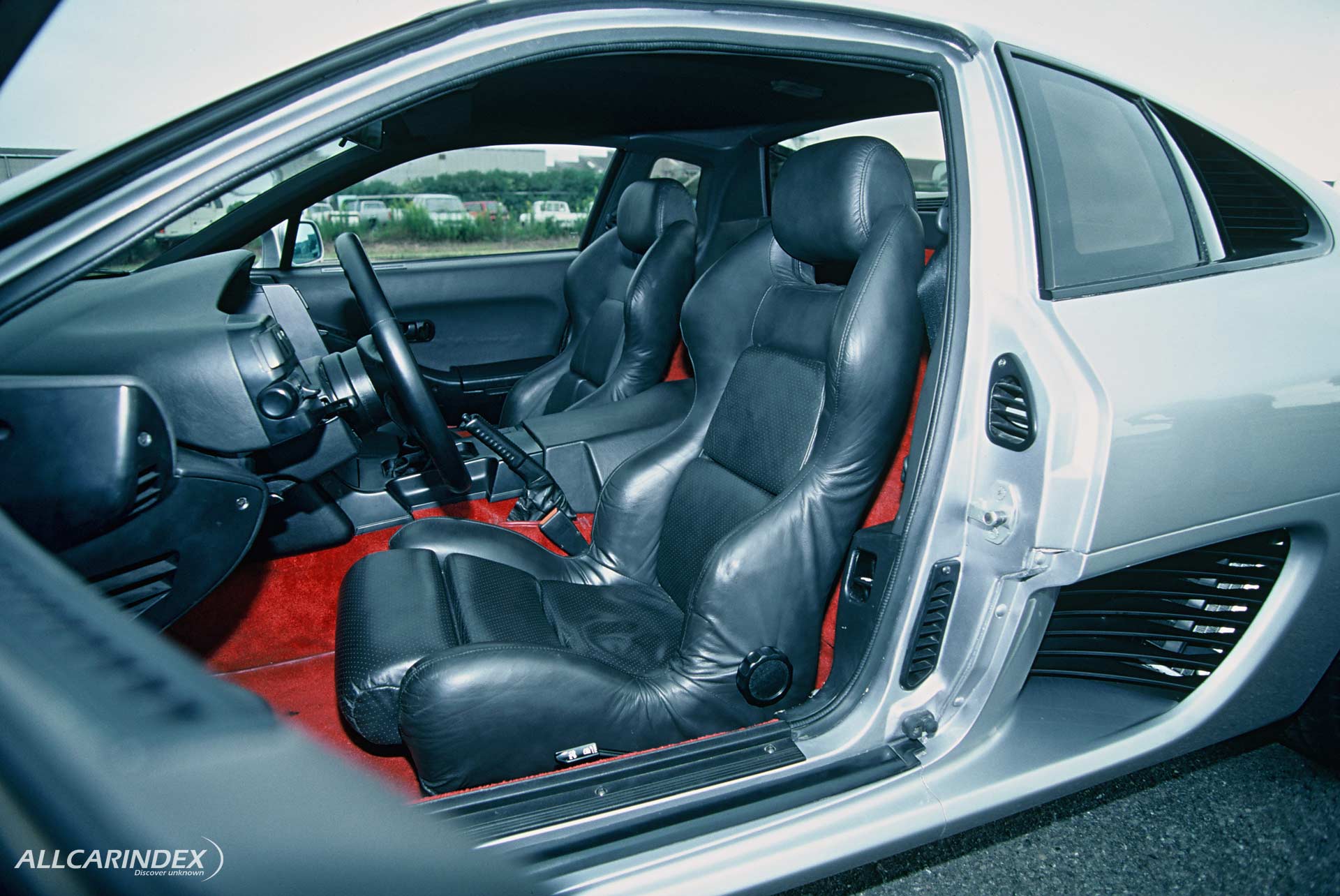
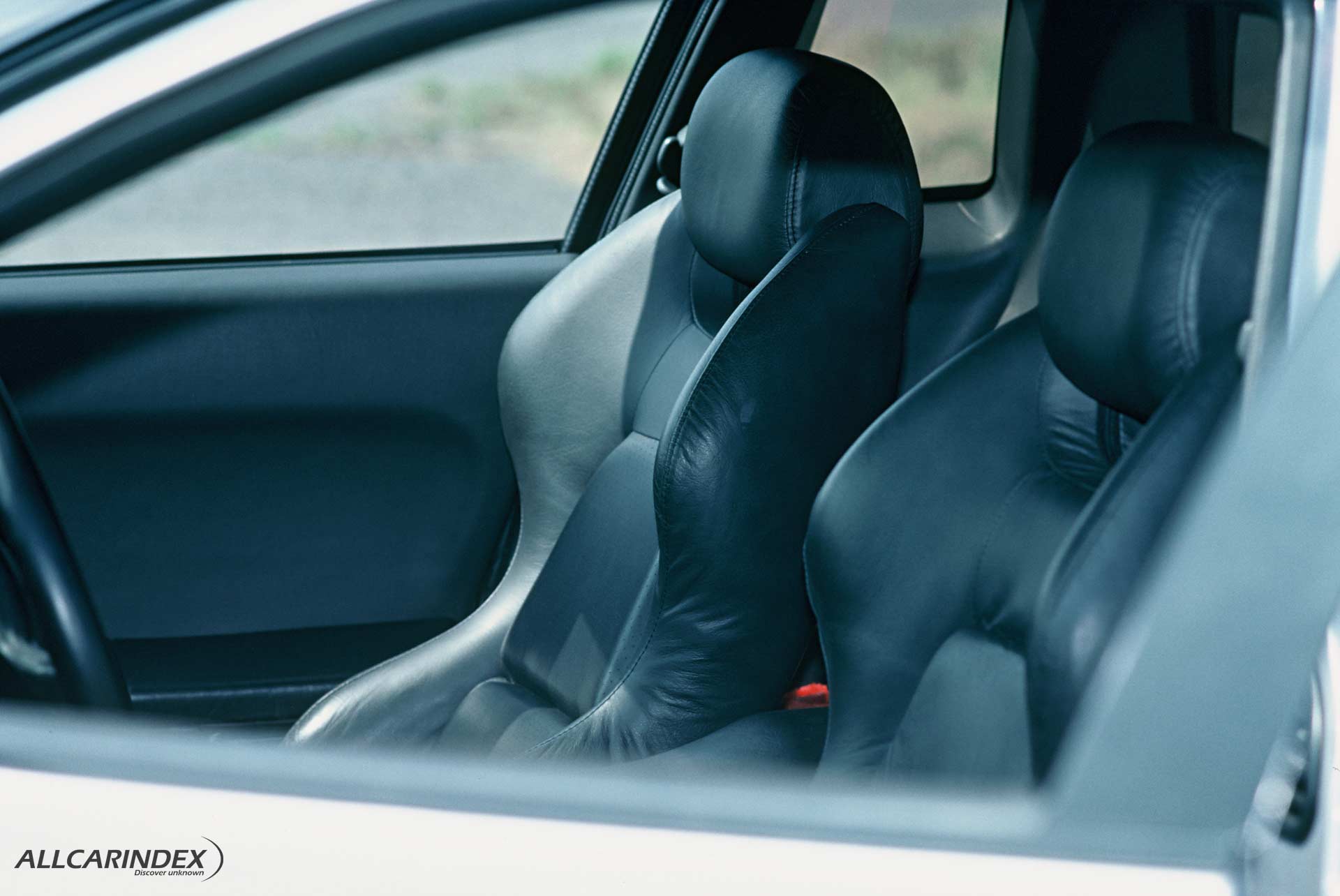
Aluminum was used for the front hood, front fenders, engine cover, front and rear trunk inserts, side floor sections, rear panel, and rear suspension components, cutting around 25 percent of weight compared with an all-steel body, giving a total weight of 1400 kg. Inside, the dashboard design extended visually into the doors, instrumentation consisted of three analog dial clusters, and adjusting the steering wheel also repositioned the instrument and switch panels. The bucket seats included shoulder supports, and the center console featured knee padding to suit high cornering speeds. The car measured 4300 mm long, 1860 mm wide, and 1200 mm high, with a 2540 mm wheelbase and track widths of 1545/1550 mm. It remained a concept and was not put into production.