
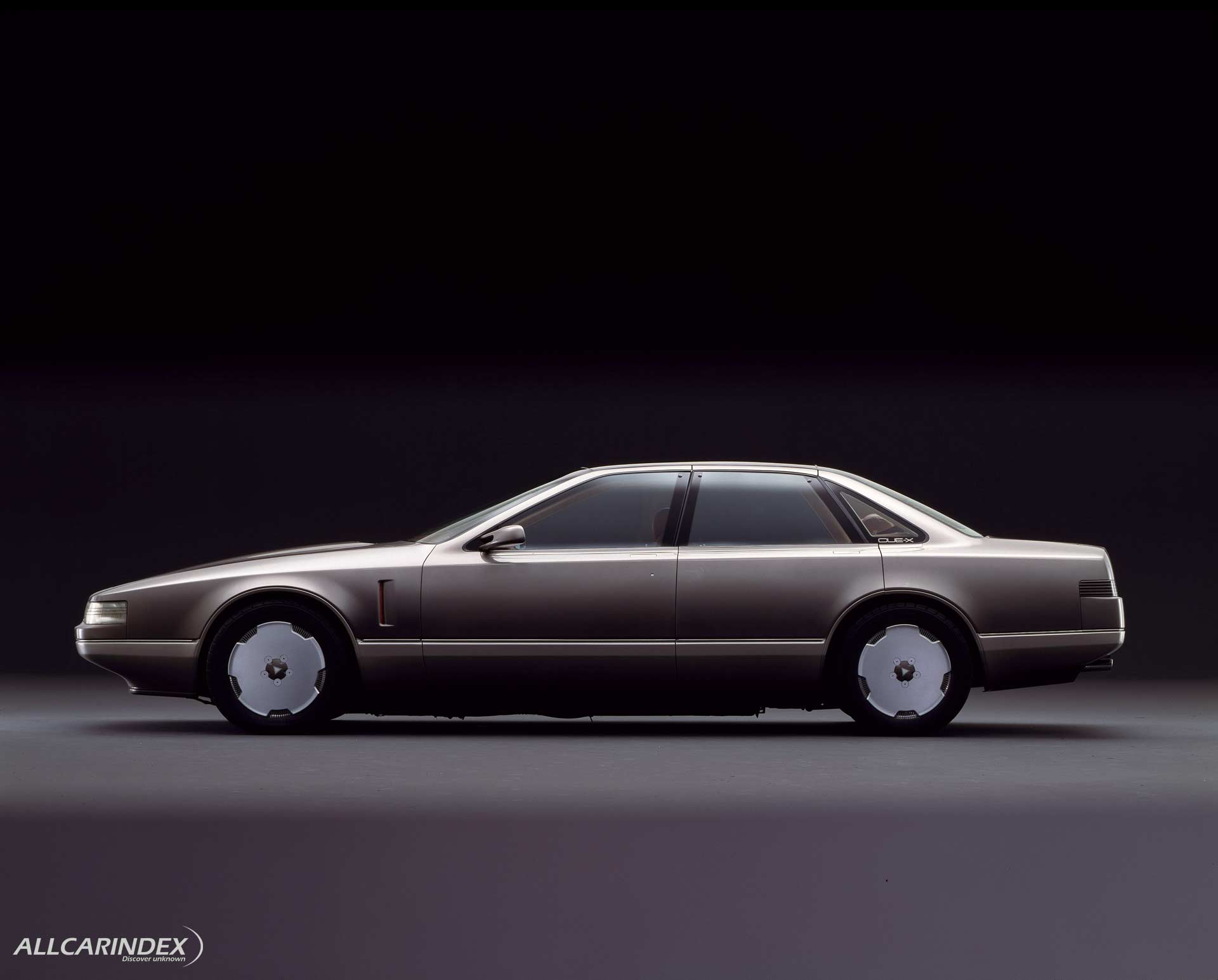
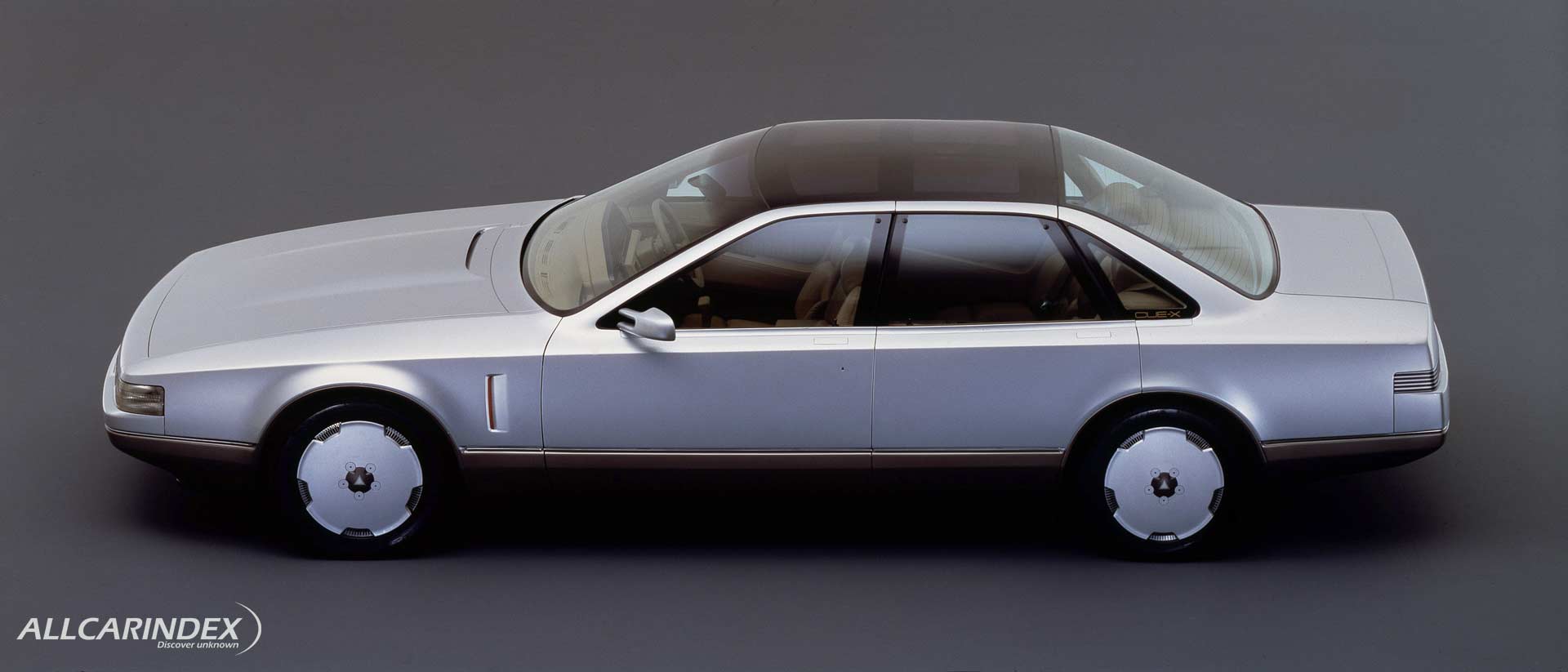
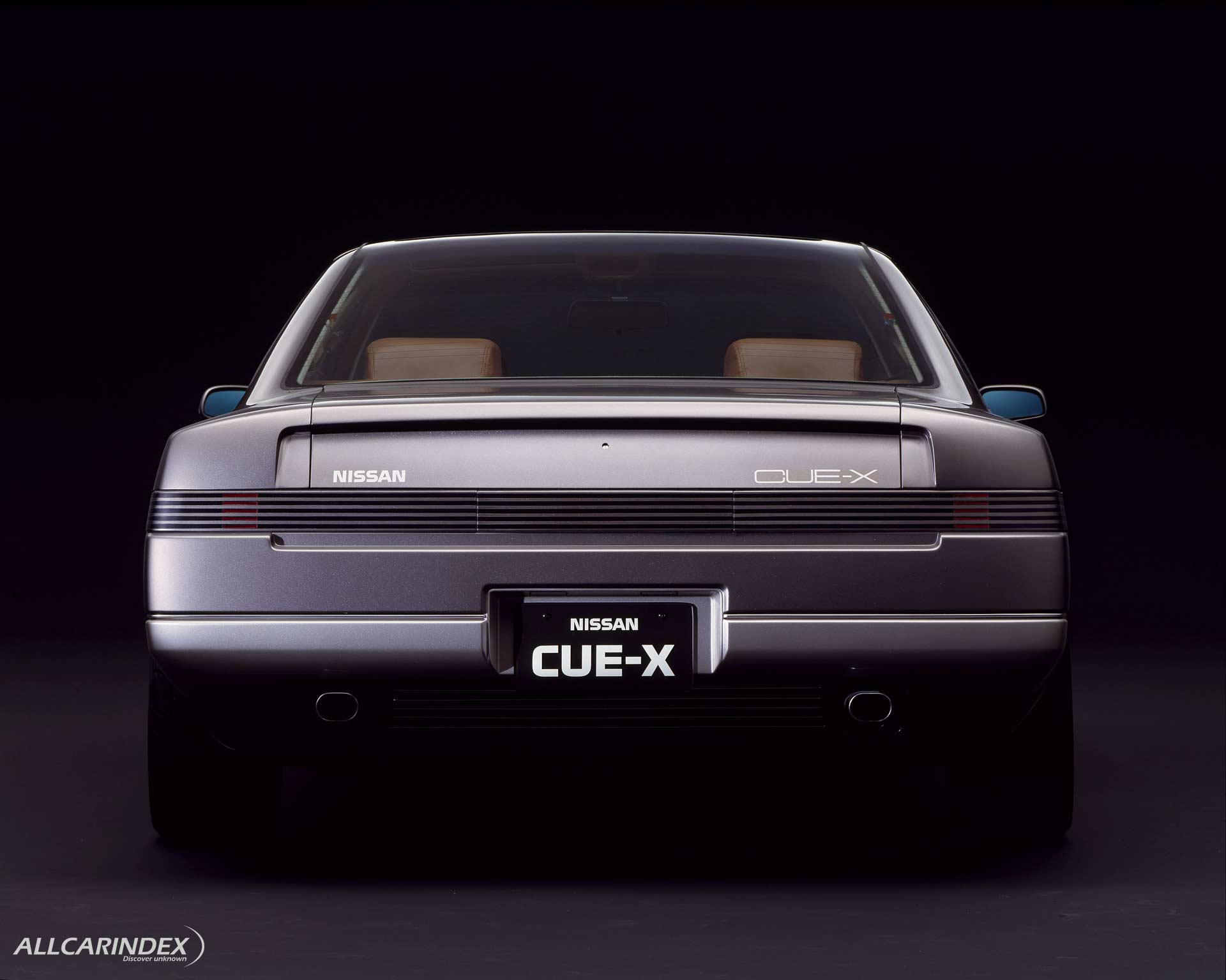
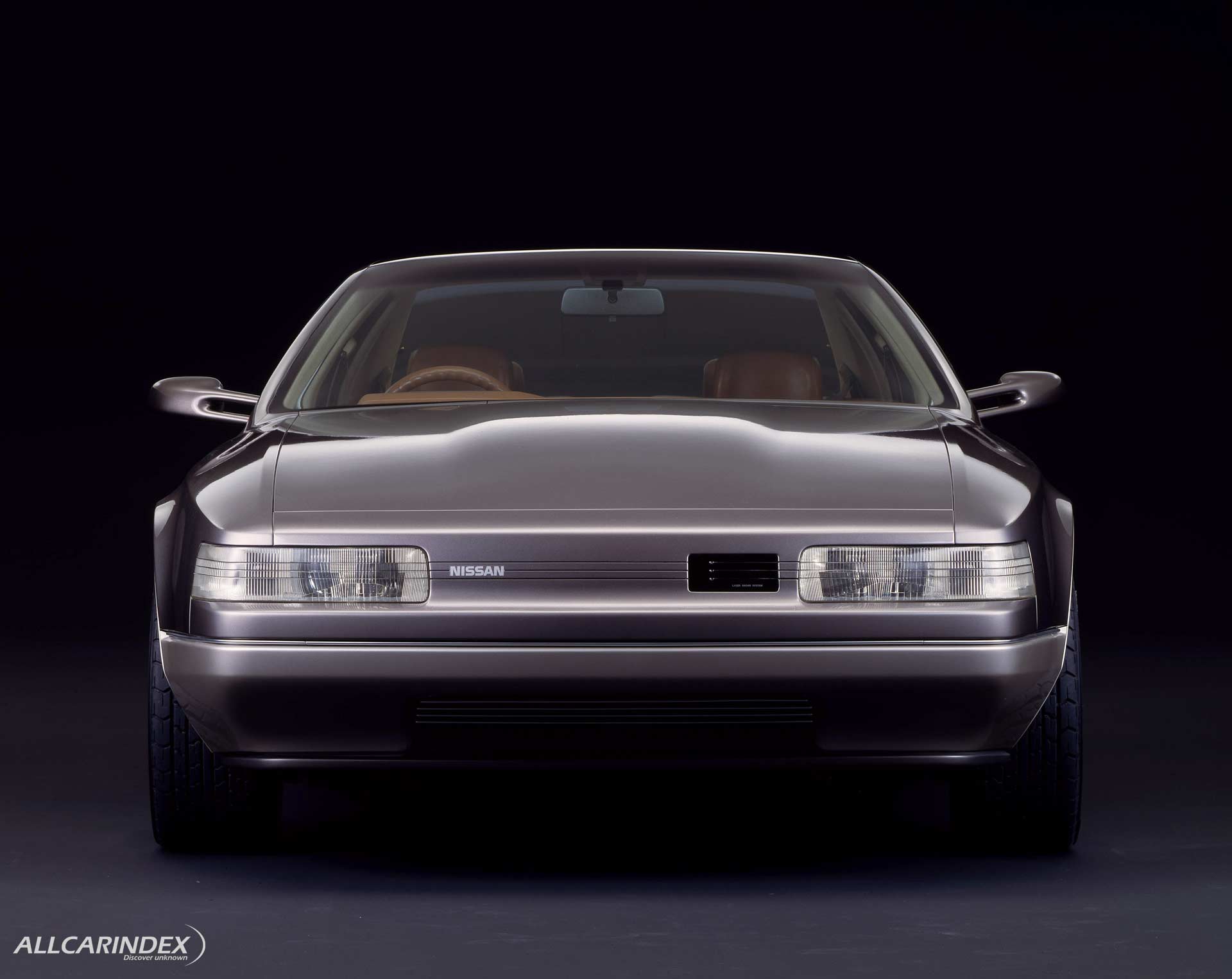
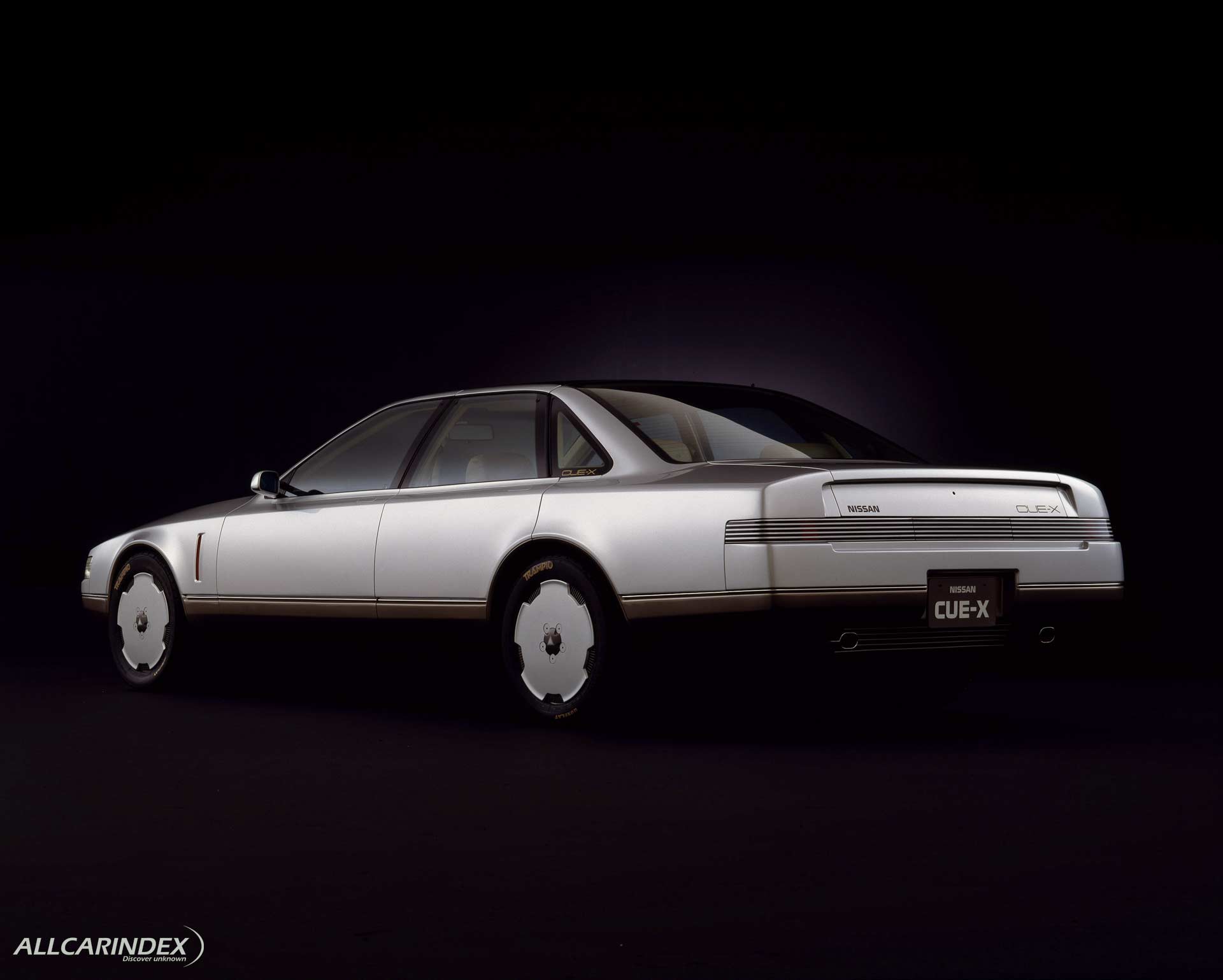
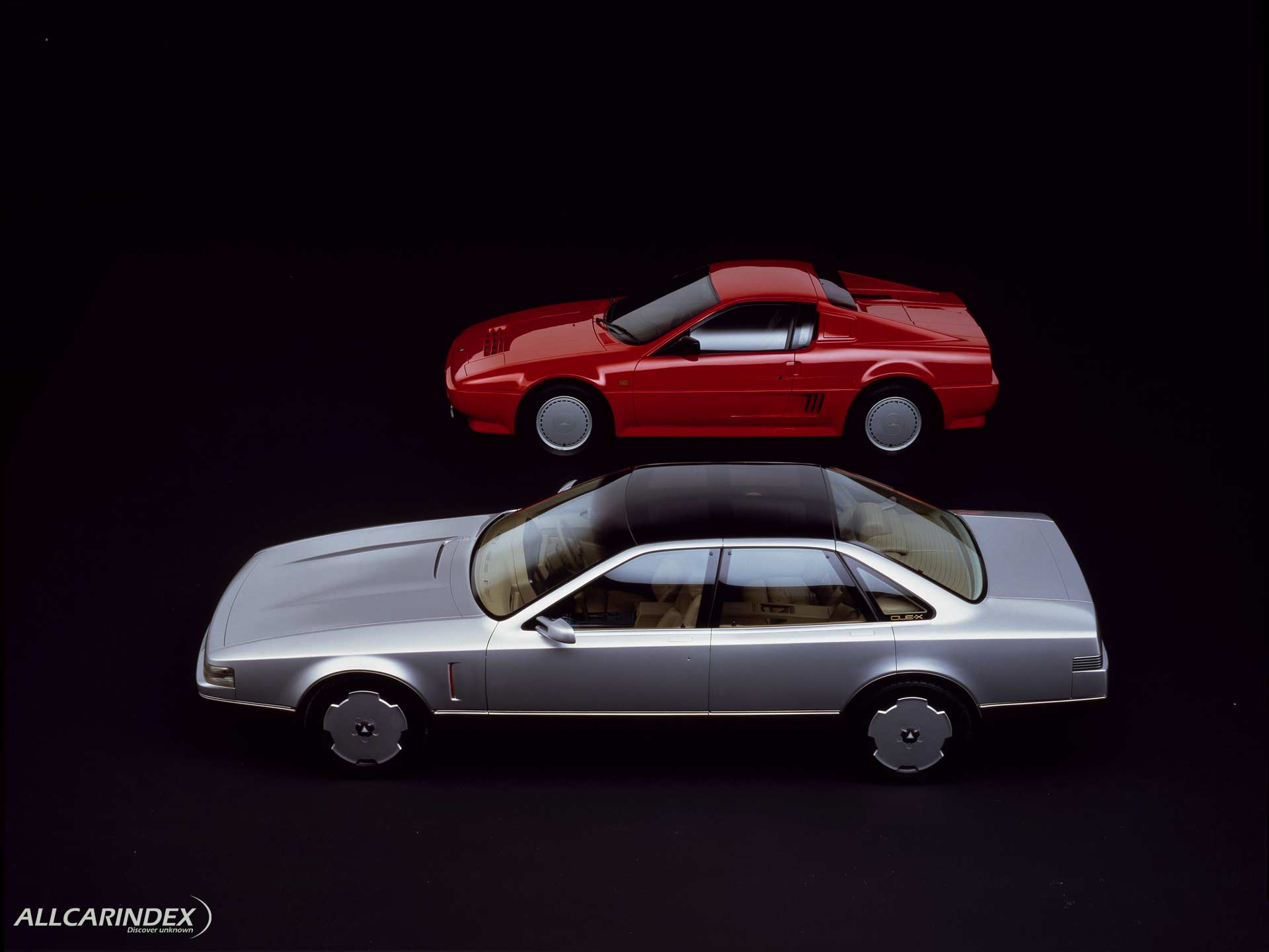
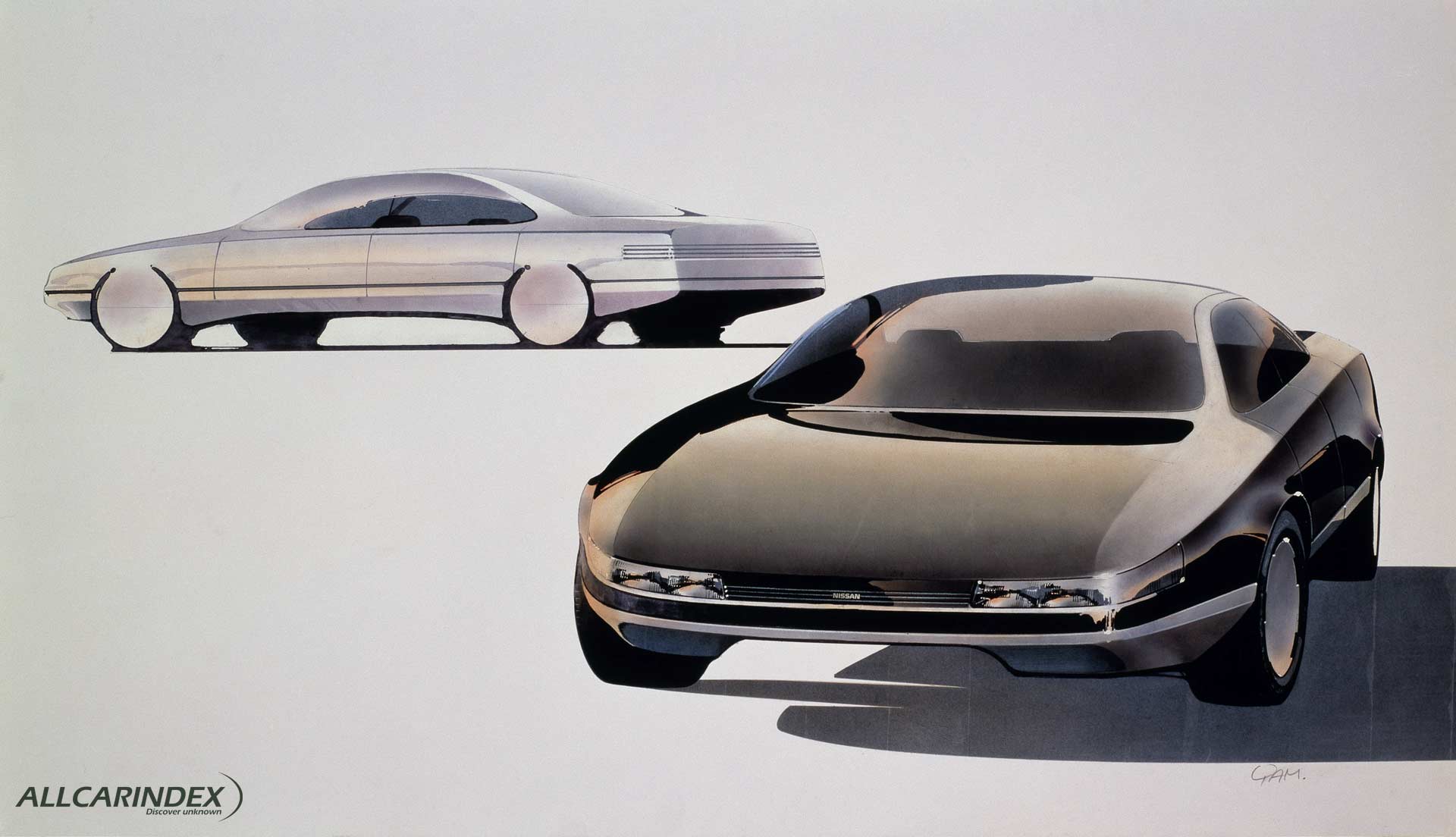
The Cue-X was a concept car from Nissan, shown in the autumn of 1985 at the Tokyo Motor Show. Its Japanese name was written as CUE-X, and Nissan chose the word "cue" for its meaning of hint or guideline, reflecting the car's role as a preview of technology and design direction. The concept was widely seen as confirmation that major Japanese manufacturers intended to establish themselves in the luxury segment. Its silhouette closely resembled the sedan that would launch the Infiniti luxury brand roughly three years later, though the Cue-X was somewhat smaller, with a wheelbase of 280 cm and overall length of 486 cm compared with 288 cm and 508 cm for the Infiniti model, and featured a cleaner, more modern front-end design.
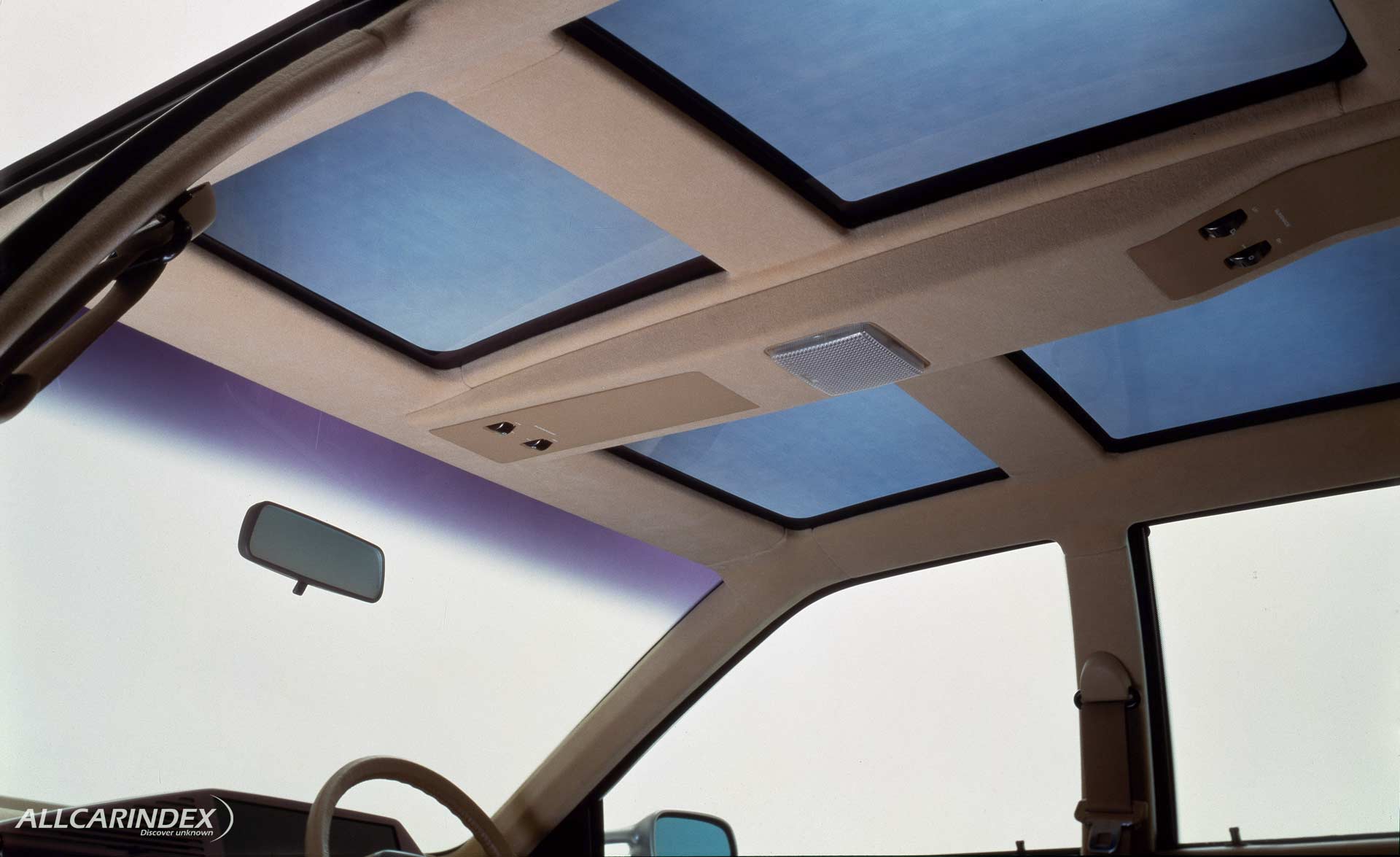
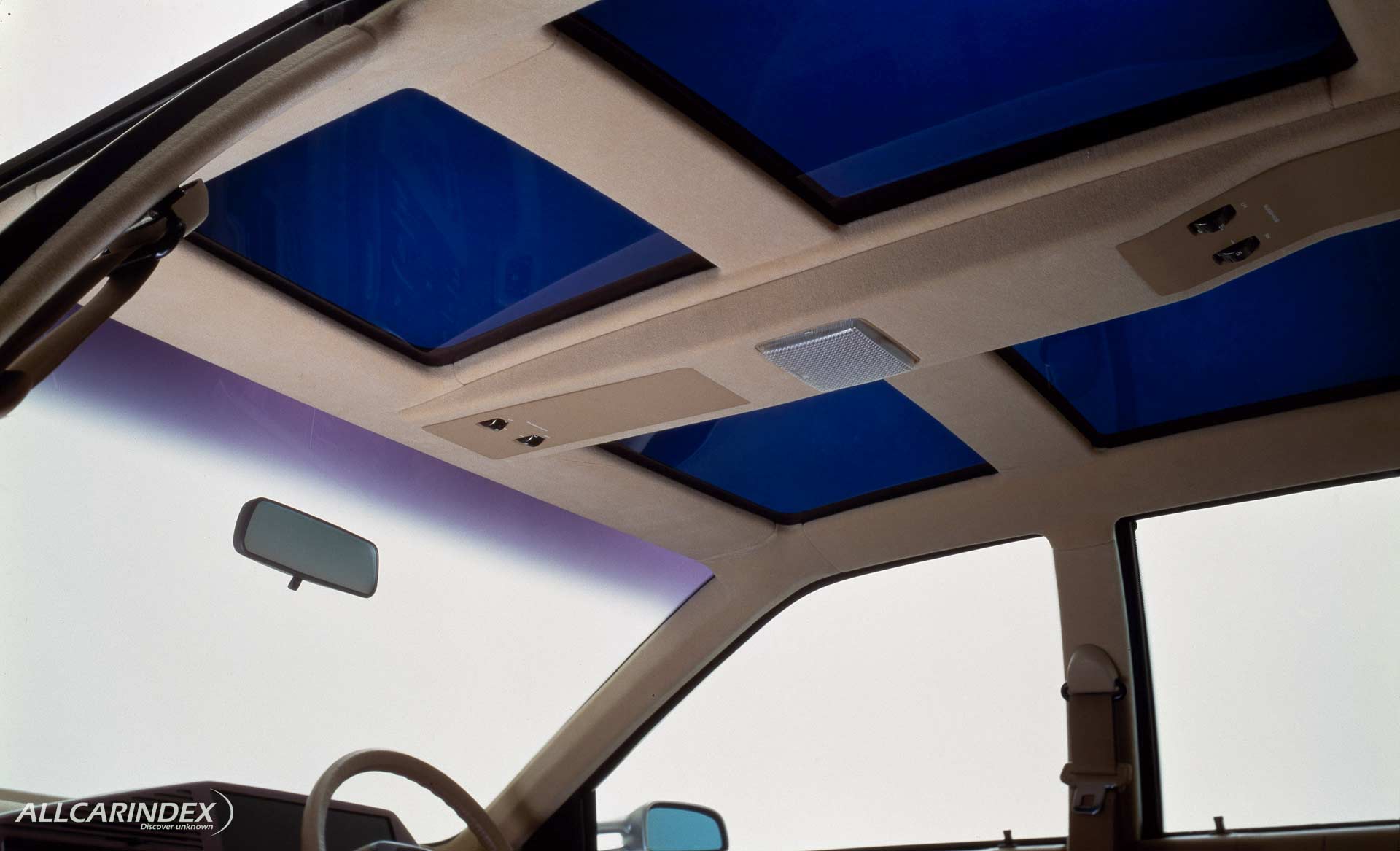
The Cue-X was a four-door luxury sedan with four to five seats, built with a self-supporting steel structure rather than an exotic chassis, though new detail solutions were tested. Its smooth-surfaced body achieved a drag coefficient of 0.24, aided by side windows recessed only 3 mm into their frames, glass roof and windshield joined seamlessly to the body, hidden wipers, flat wheel covers, and an aerodynamic underbody cover. A front spoiler and a rear wing that extended from the trunk lid were electronically controlled, deploying at 120 km/h on dry roads or 50 km/h on wet roads detected by a rain sensor, raising the drag coefficient to 0.279 when both were deployed and to 0.302 when the rear wing acted alone as an air brake during hard braking. Conventional headlights were fitted, while side indicators and taillights used LED technology.
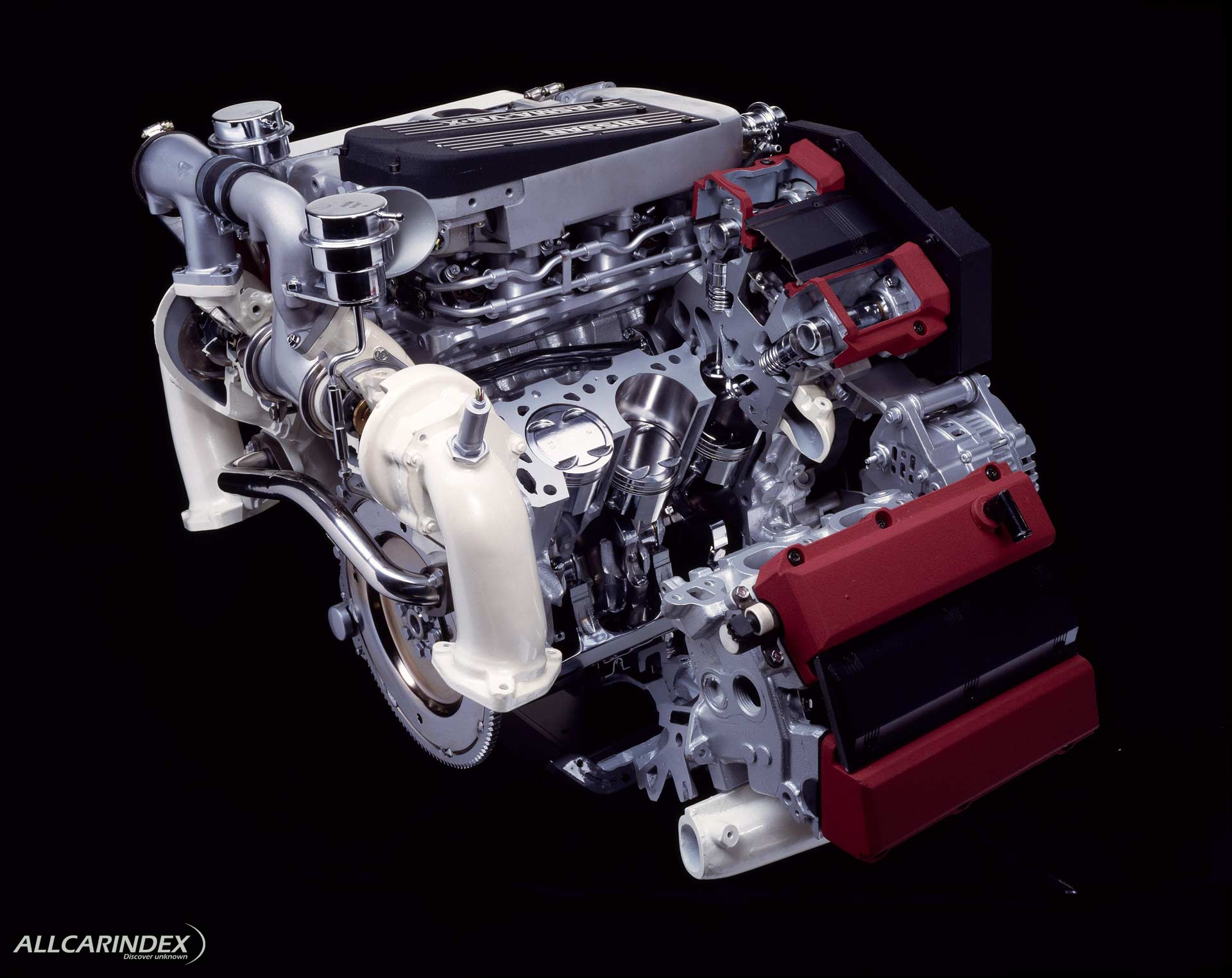
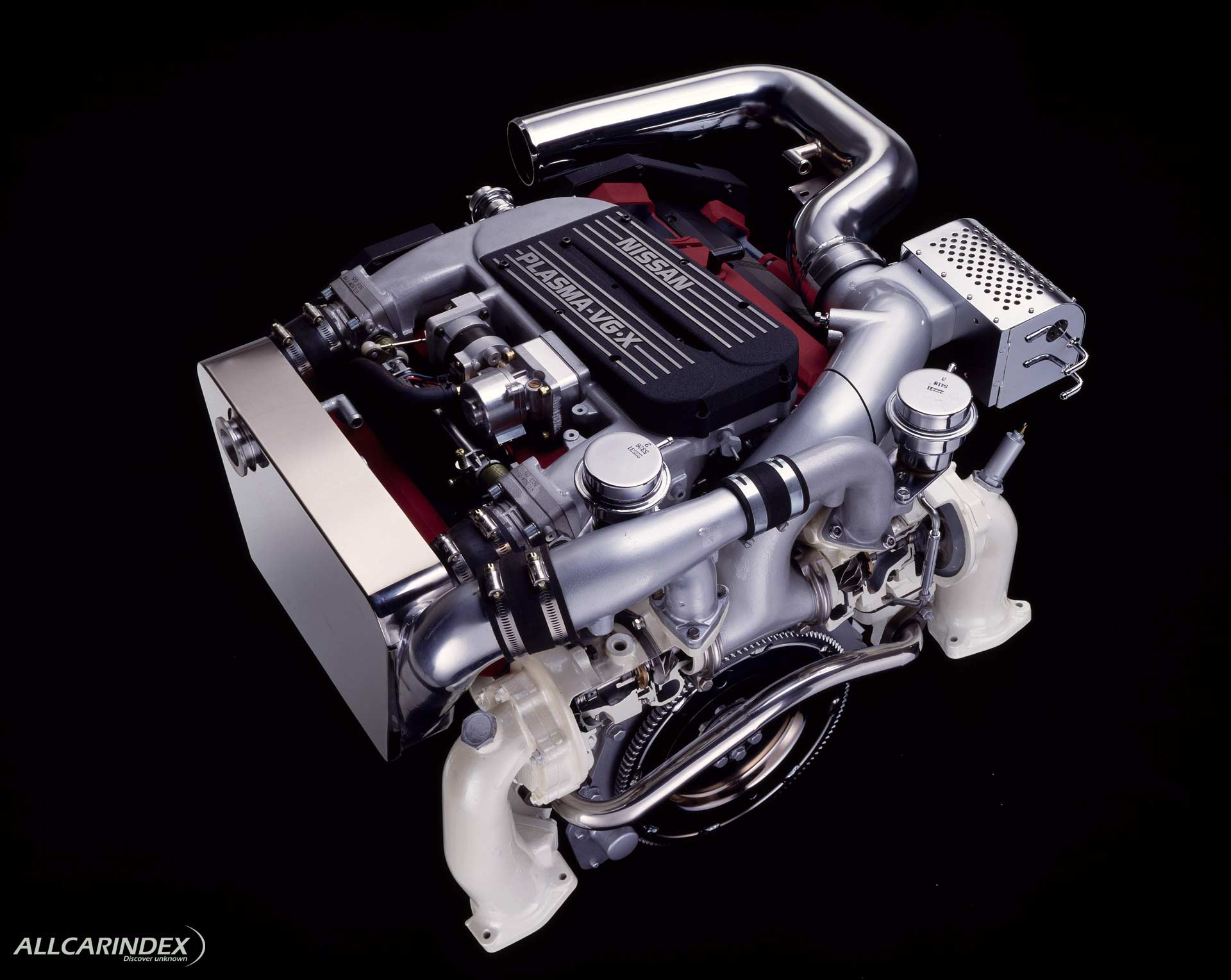
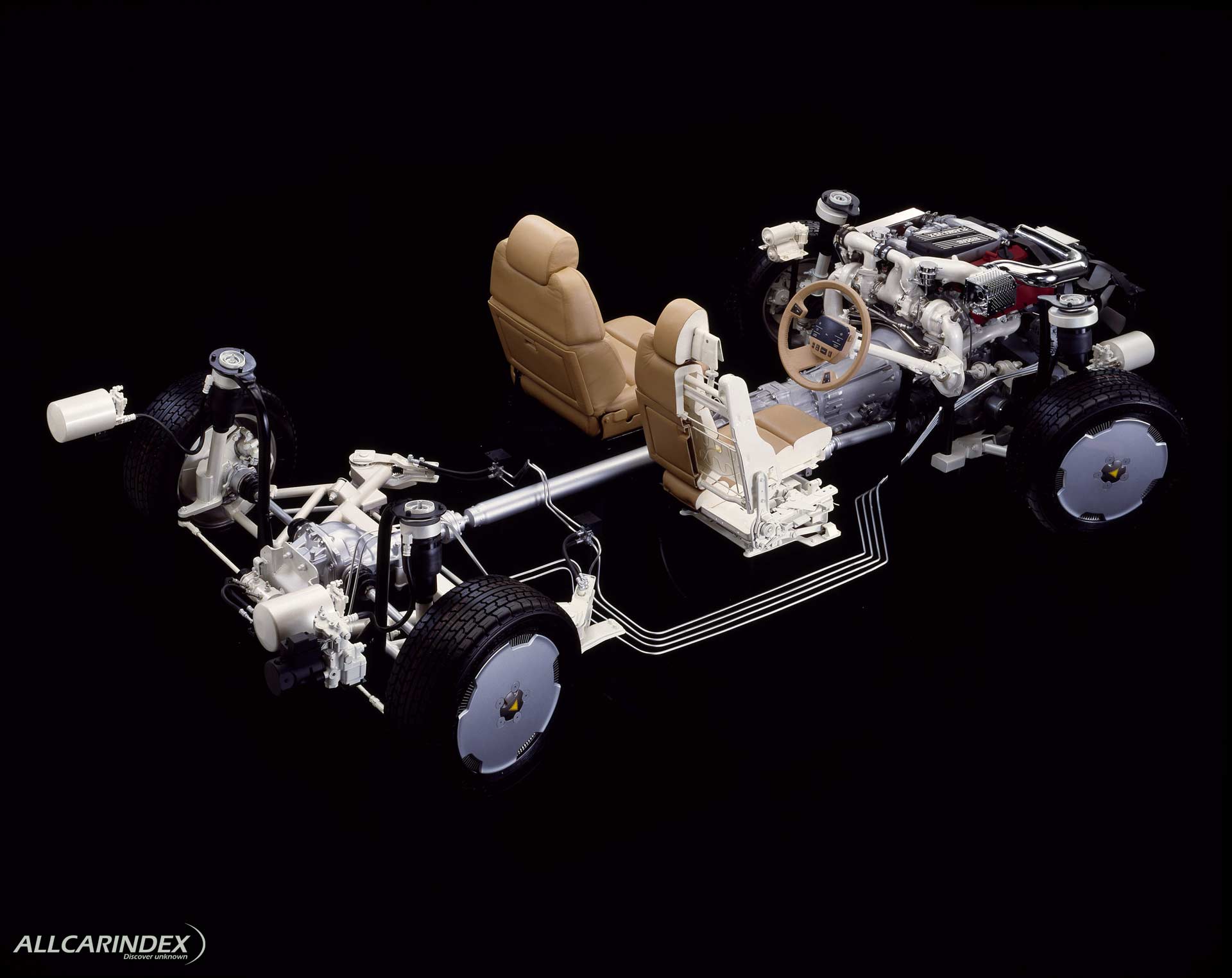
Power came from a longitudinally mounted V6 engine, internally designated VG30 Proto, with 2960 cc, DOHC, 24 valves, and twin turbochargers with variable geometry and ceramic turbines, developing around 300 hp and 400 Nm, enough for a top speed of 250 km/h. The engine used a 16-bit ECCS-II control system, a Variable Impedance Aspiration System with dual intake tracts, platinum spark plugs, individual cylinder combustion monitoring with knock sensors, a wide-range oxygen sensor, an electronically controlled evaporative cooling system, hollow camshafts, aluminum connecting rods, and a drive-by-wire throttle enabling a compact automatic speed control device. A four-speed automatic transmission with lockup torque converter offered normal and power modes and was paired with a permanent four-wheel-drive system that varied front-wheel torque distribution from up to 60 percent under acceleration to zero at low speeds in tight turns.
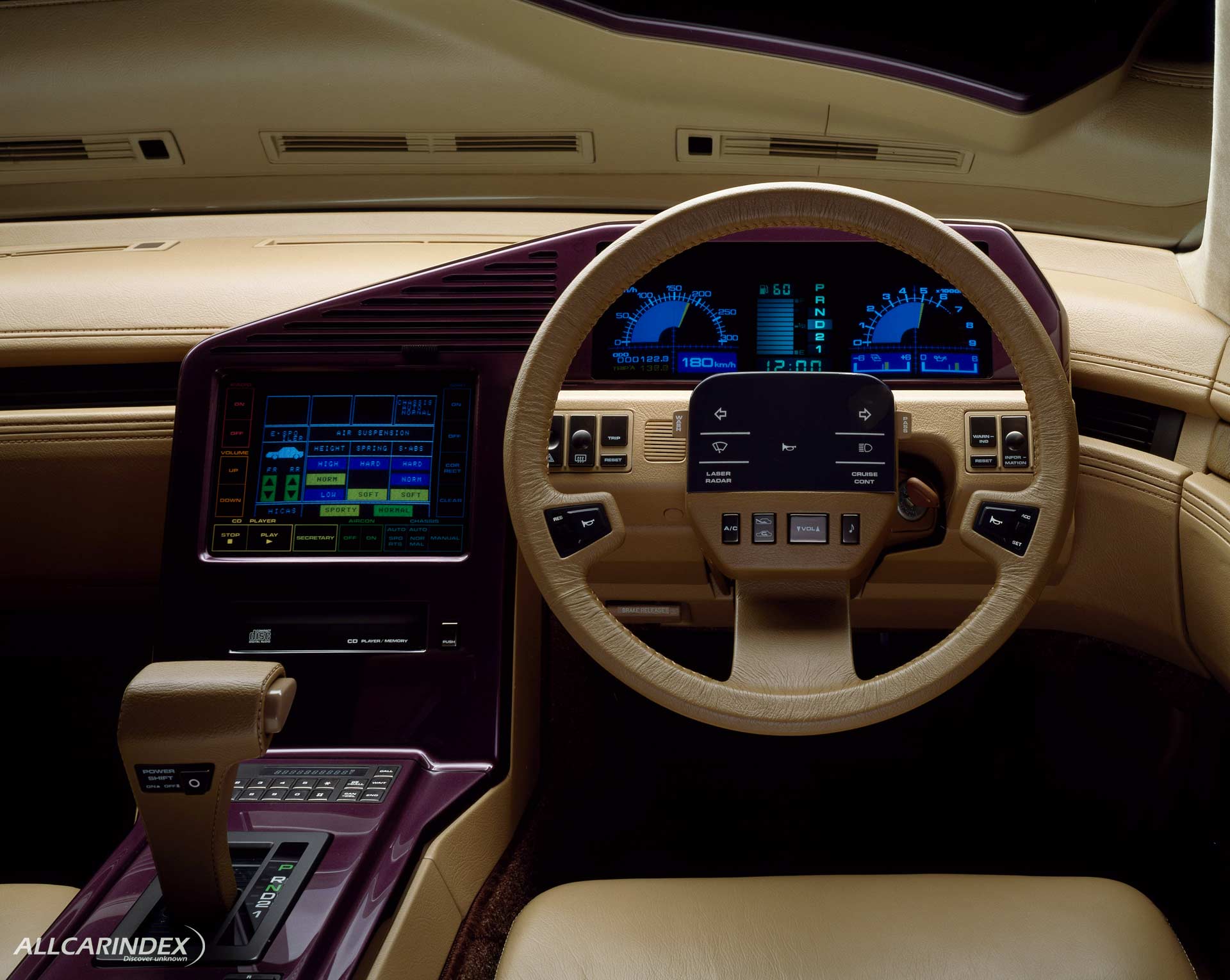
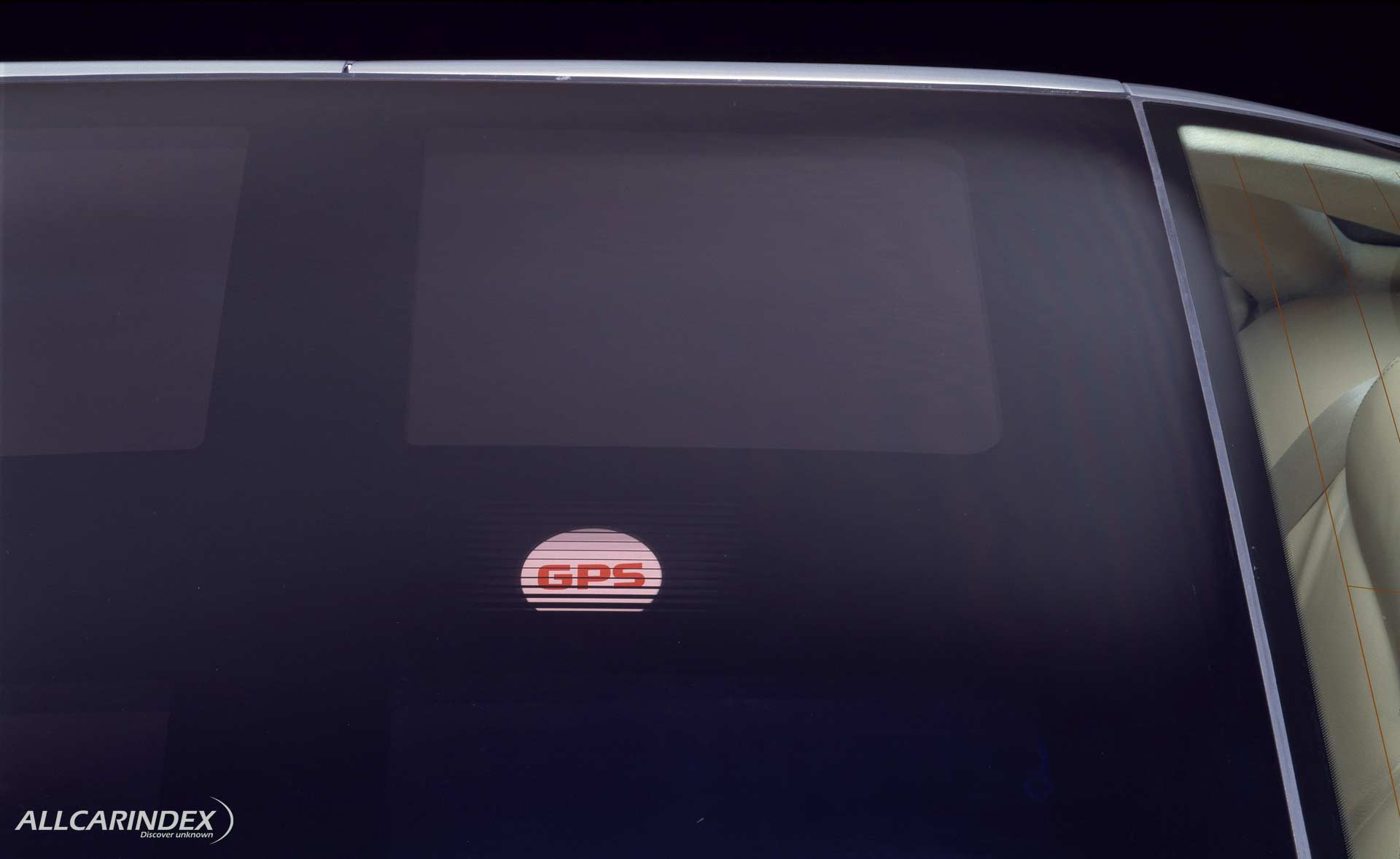
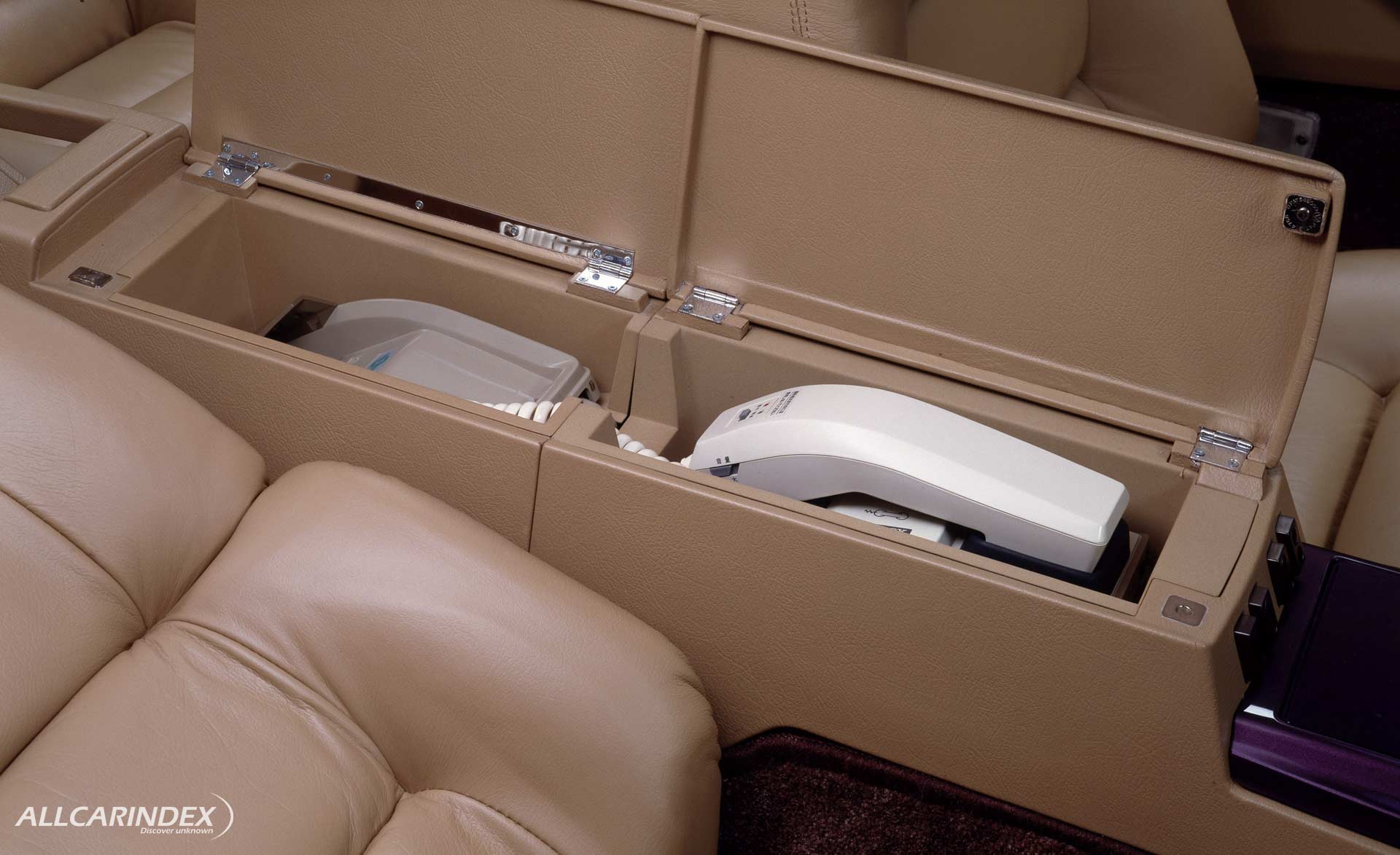
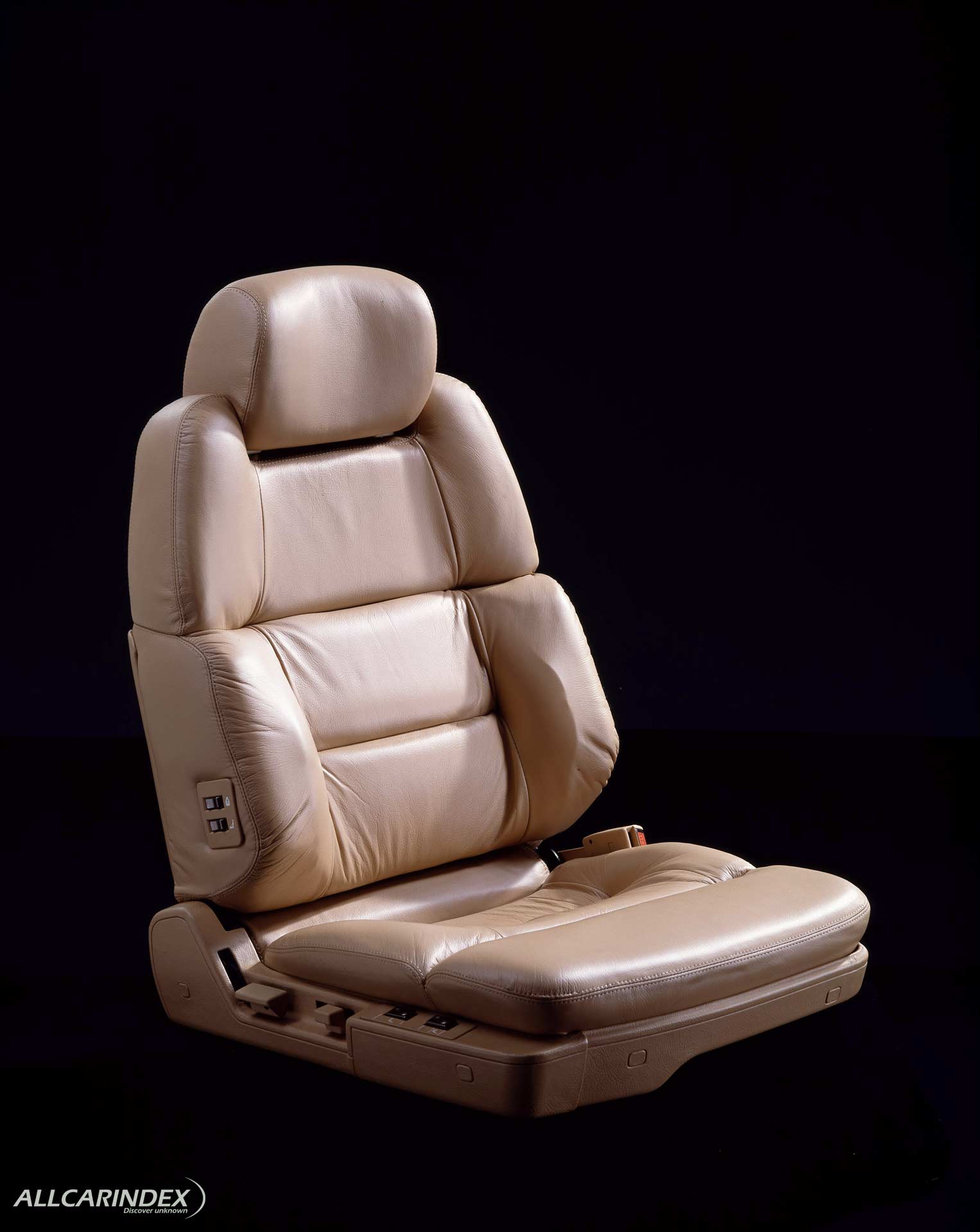
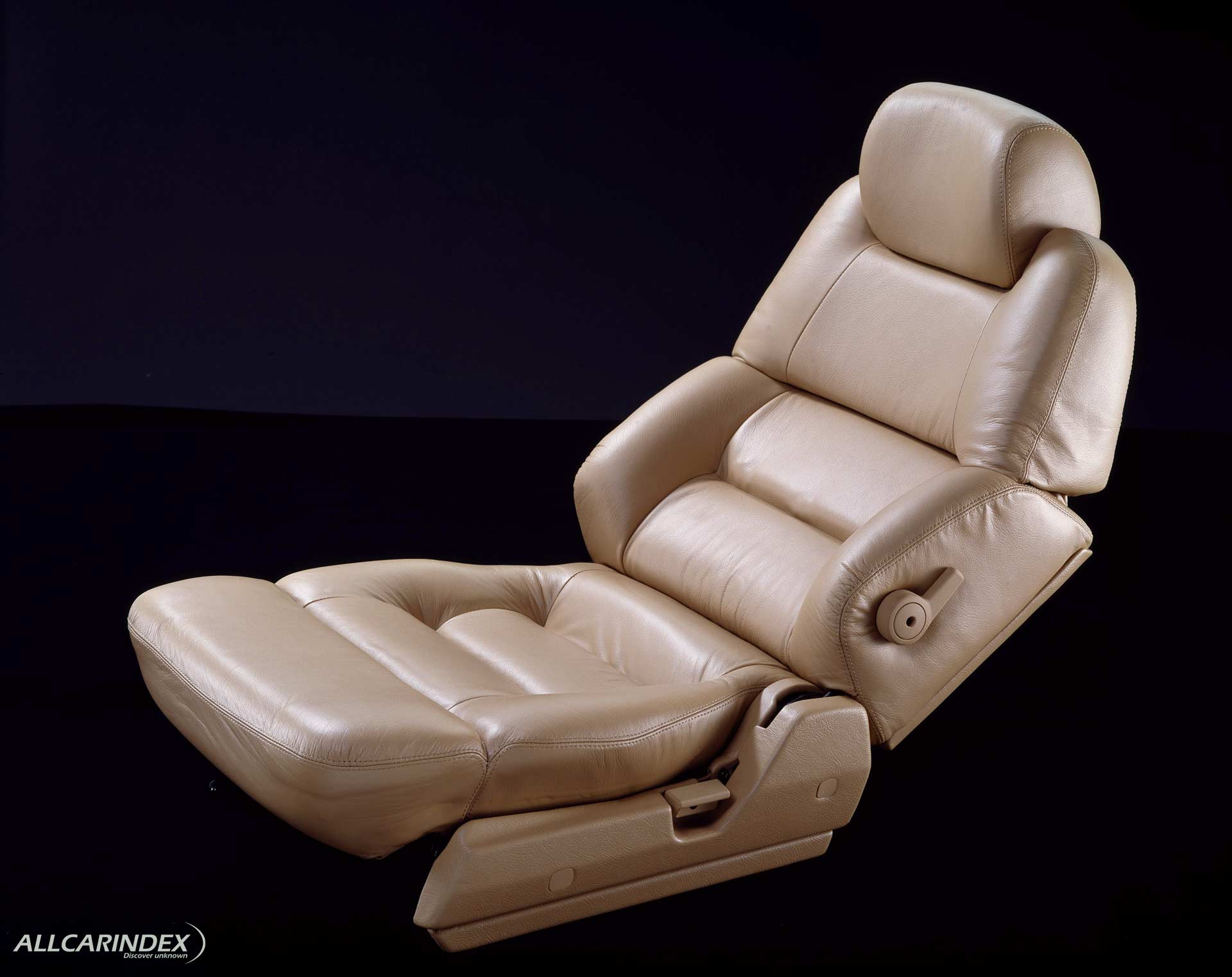
The suspension used strut-type dampers with a new Nissan rear layout featuring diagonal A-arms, electronically controlled air springs, and four-wheel steering combining Nissan's Hicas system with a low-speed feature turning the rear wheels up to 7 degrees opposite the front. It rode on 225/50 VR16 run-flat tires developed with Toyo Tire & Rubber, with electronically monitored tire pressure. Equipment included a reconfigurable electronic instrument panel, a 9-inch CRT monitor supporting a GPS navigation system and audio controls, steering wheel-mounted controls, a laser radar system linked to the speed control device for distance monitoring and automatic braking, an electronically adjustable driver's seat, and a reclining passenger seat with a self-adjusting cushion.