
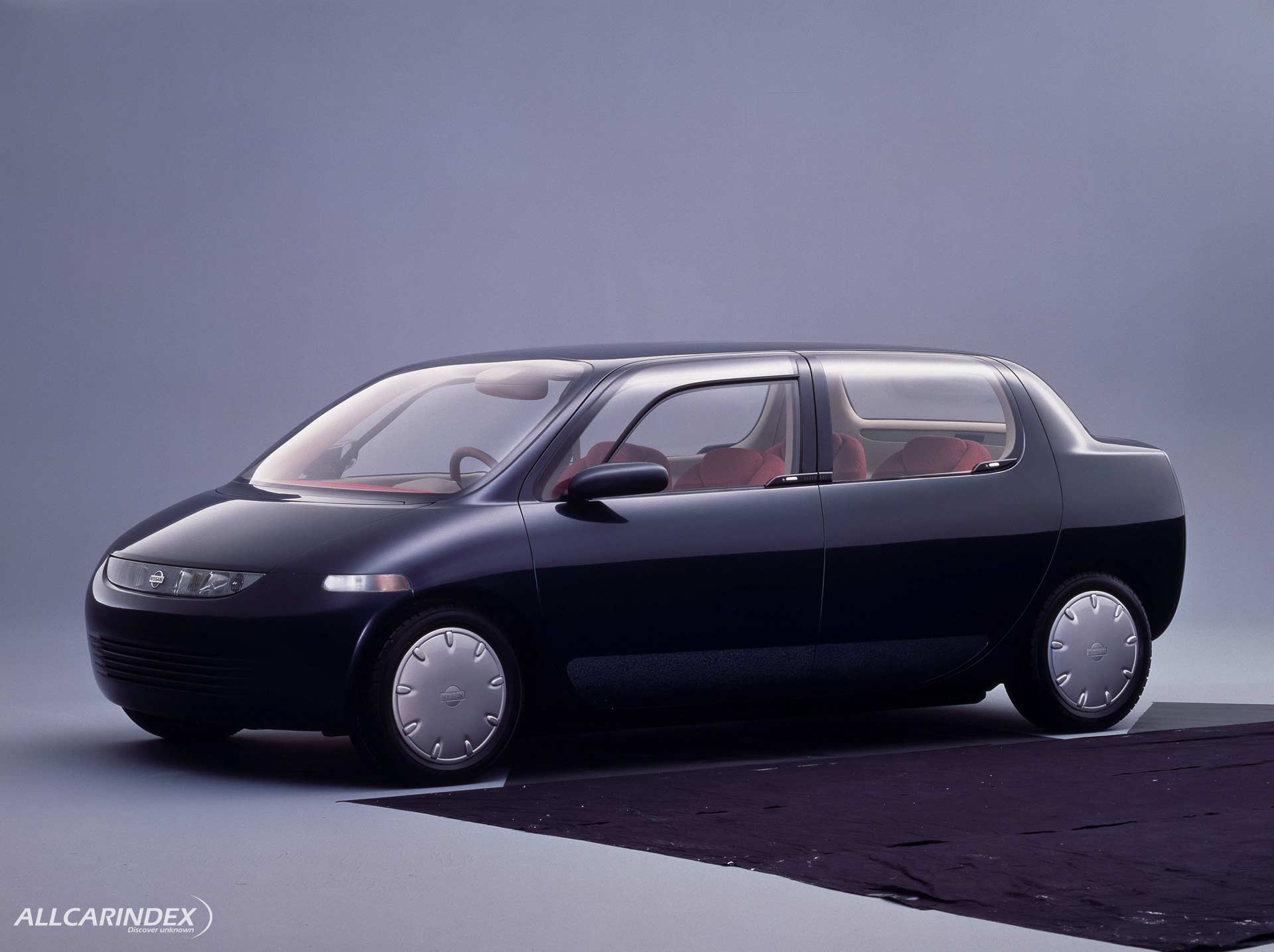
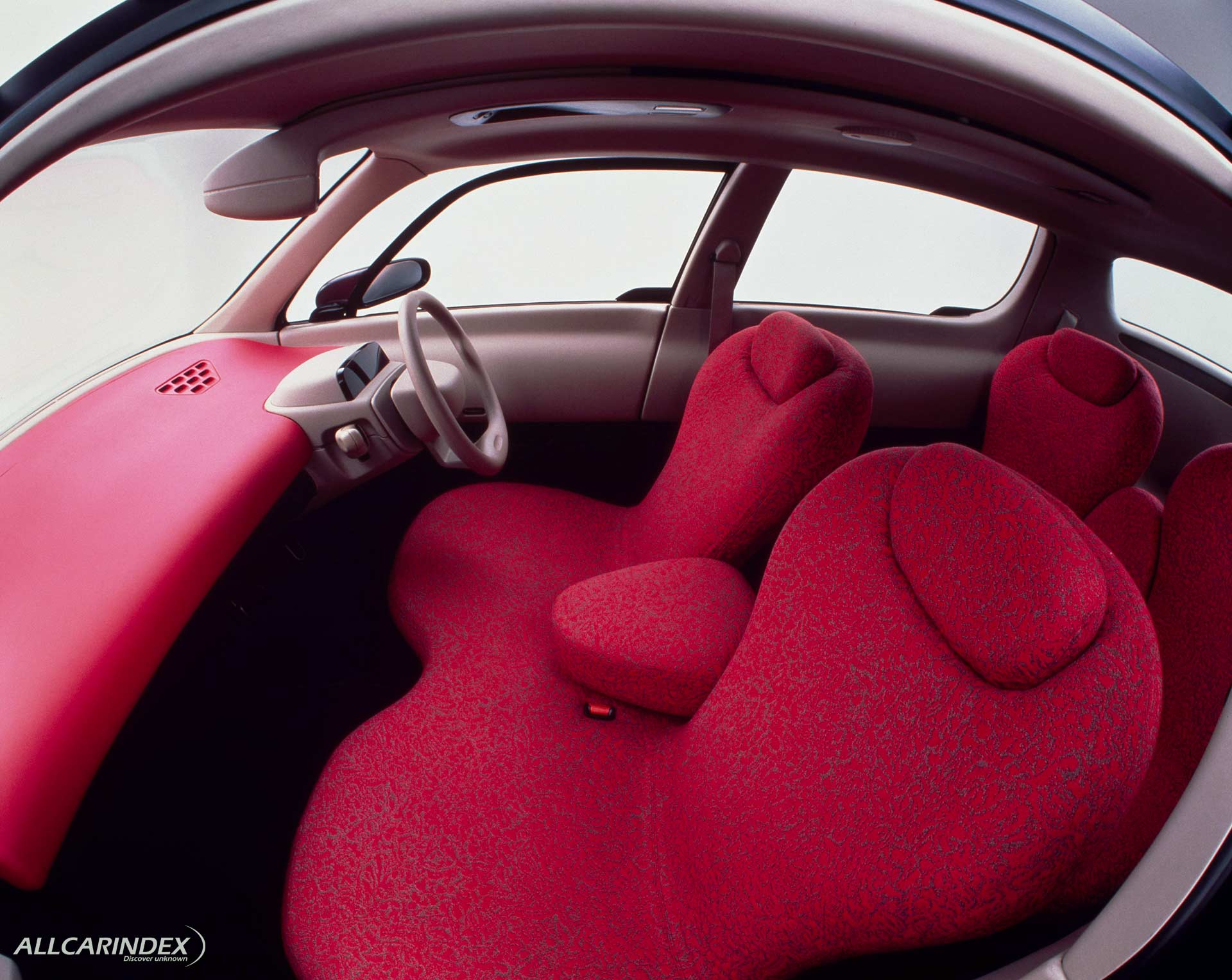
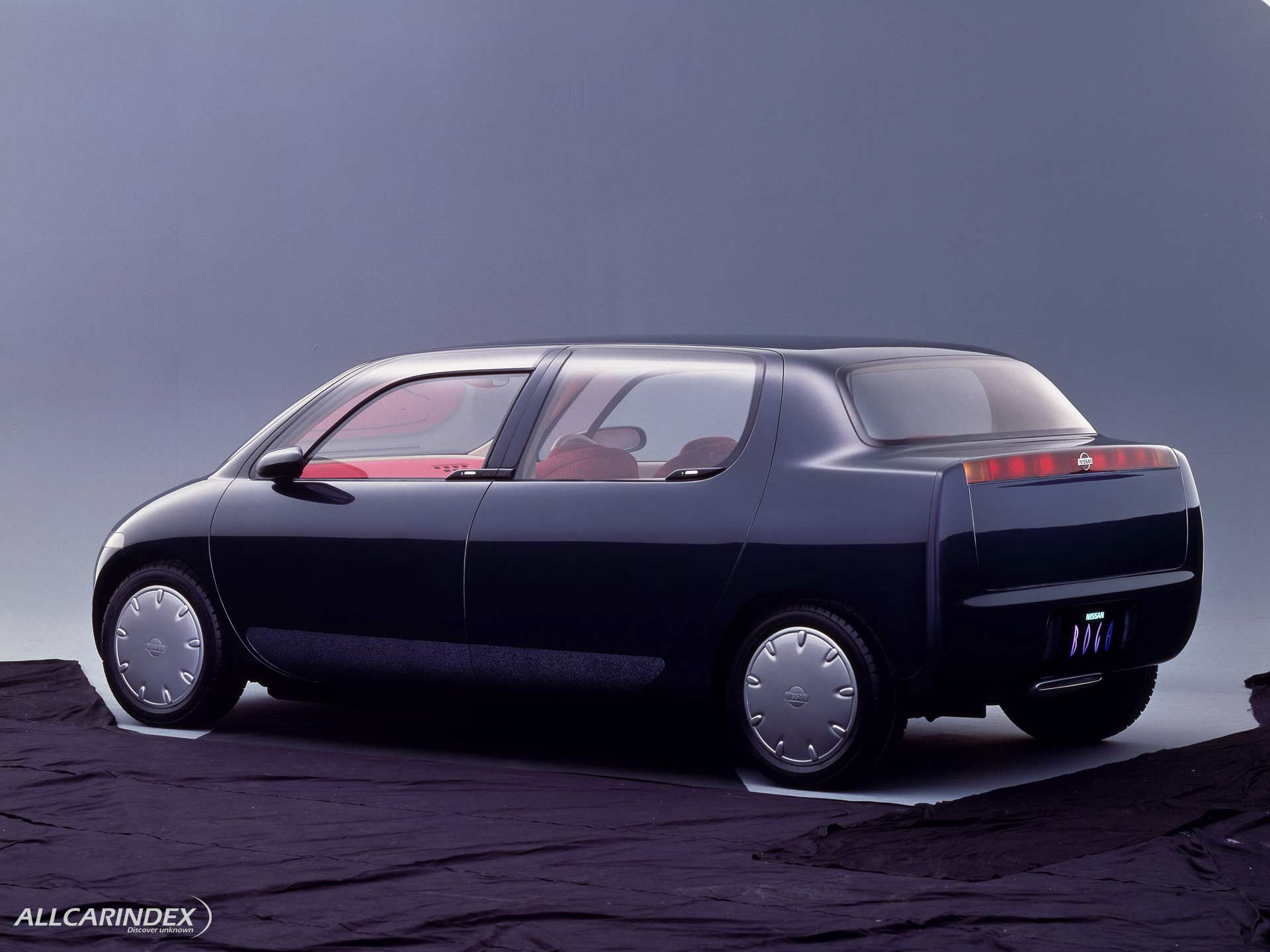
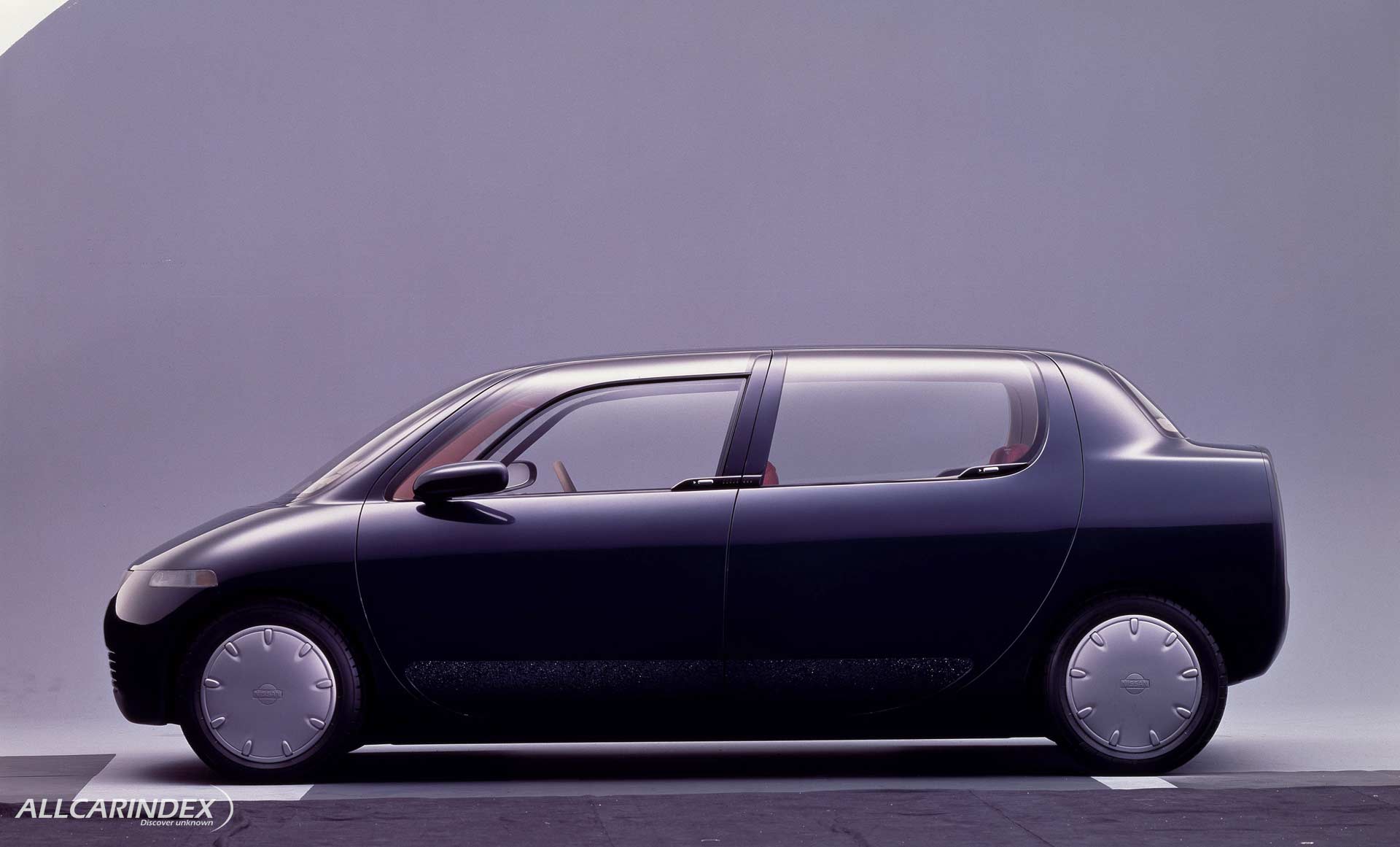
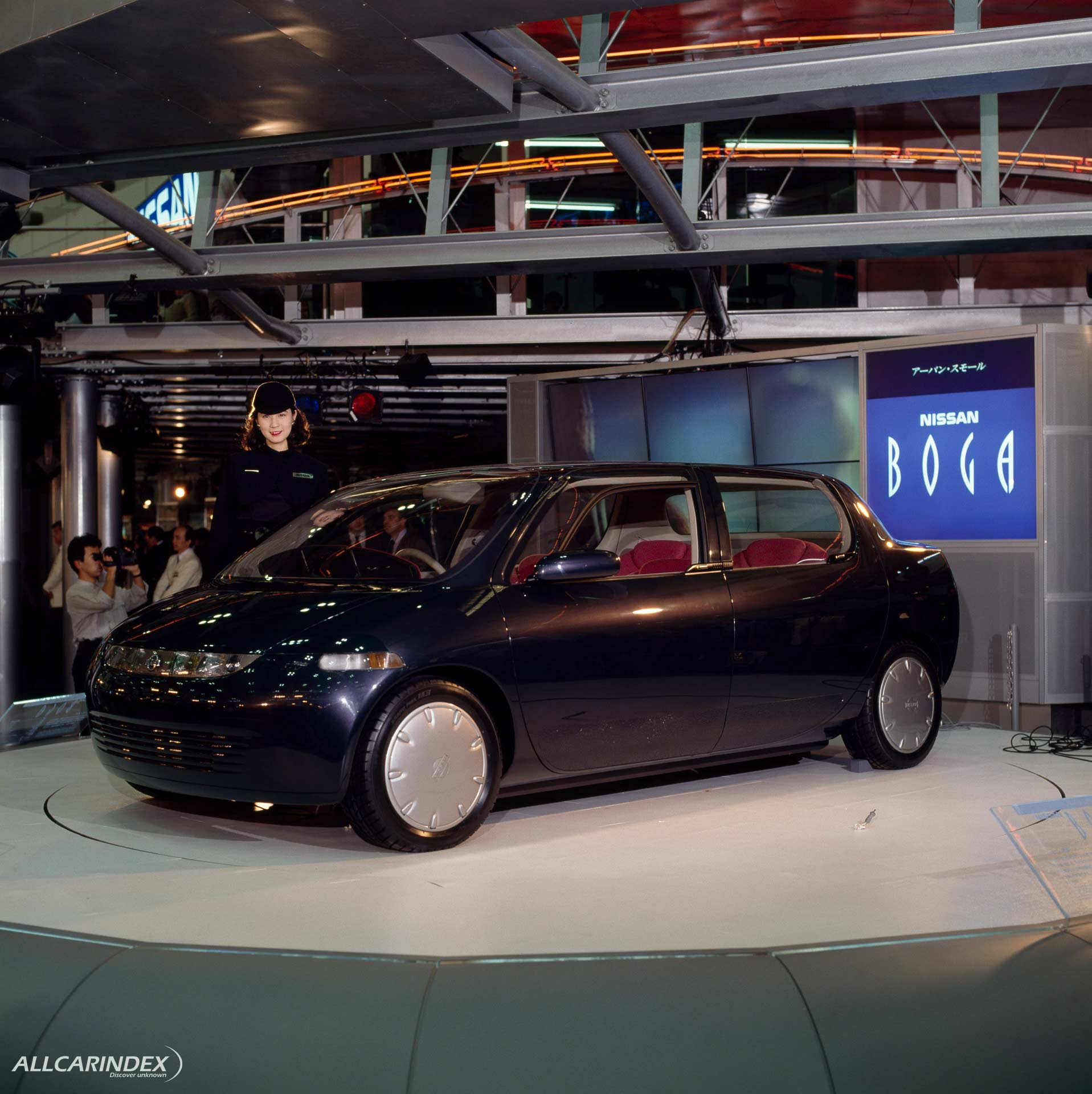
The Nissan Boga was a concept car described as a city-car study, departing sharply from the balanced proportions typical of earlier Nissan concepts. Its name, taken from the Spanish word for fashionable or popular, referred to its intended audience of style-conscious young men and women of the 1990s. The design combined a blunt, aerodynamically rounded nose, an unusually long four-door midsection, and a short, tall tail. Shorter overall than the Nissan March/Micra, it was conceived as a four-door saloon with seating for up to six occupants across two sofa-like bench seats.
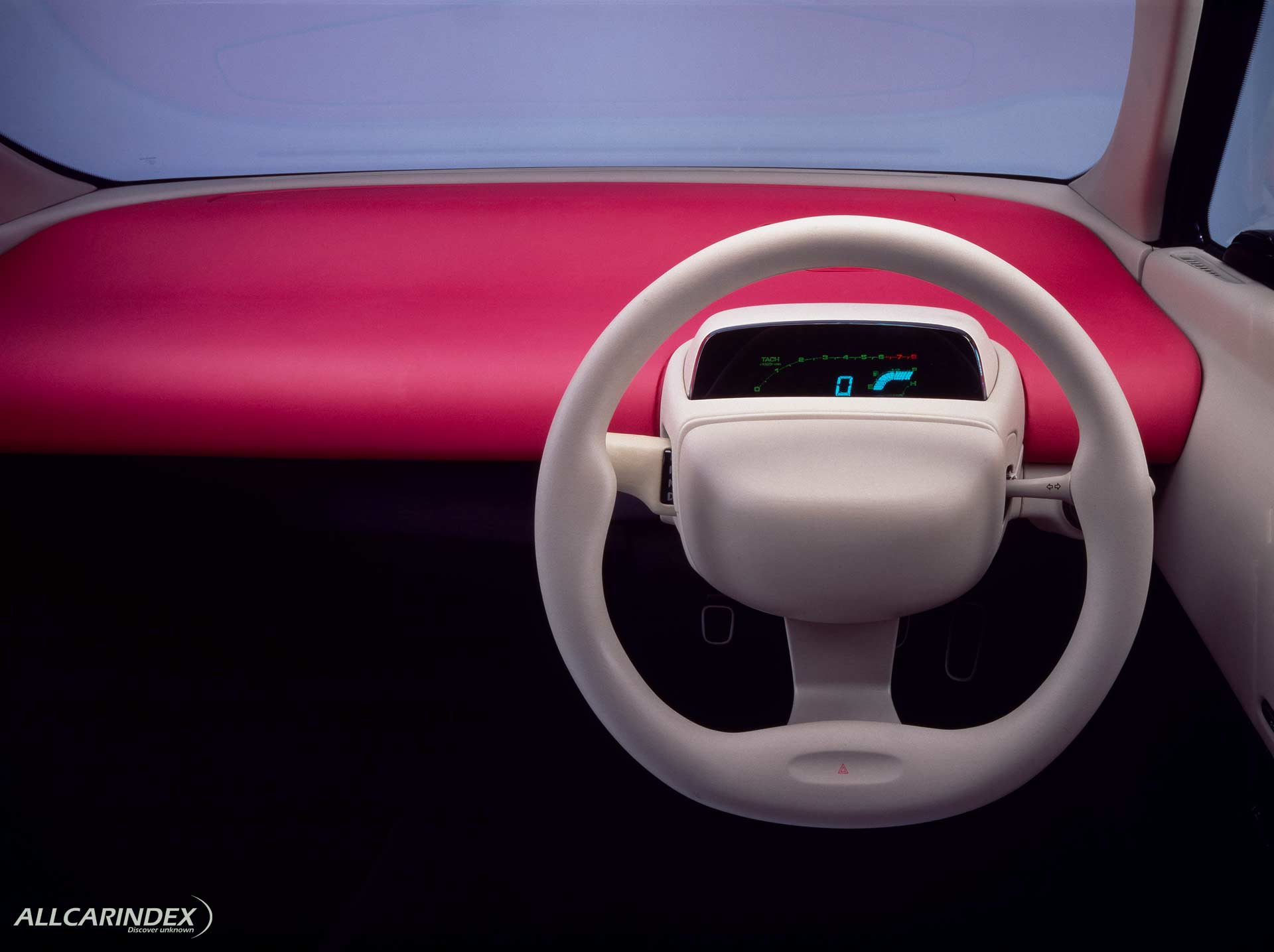
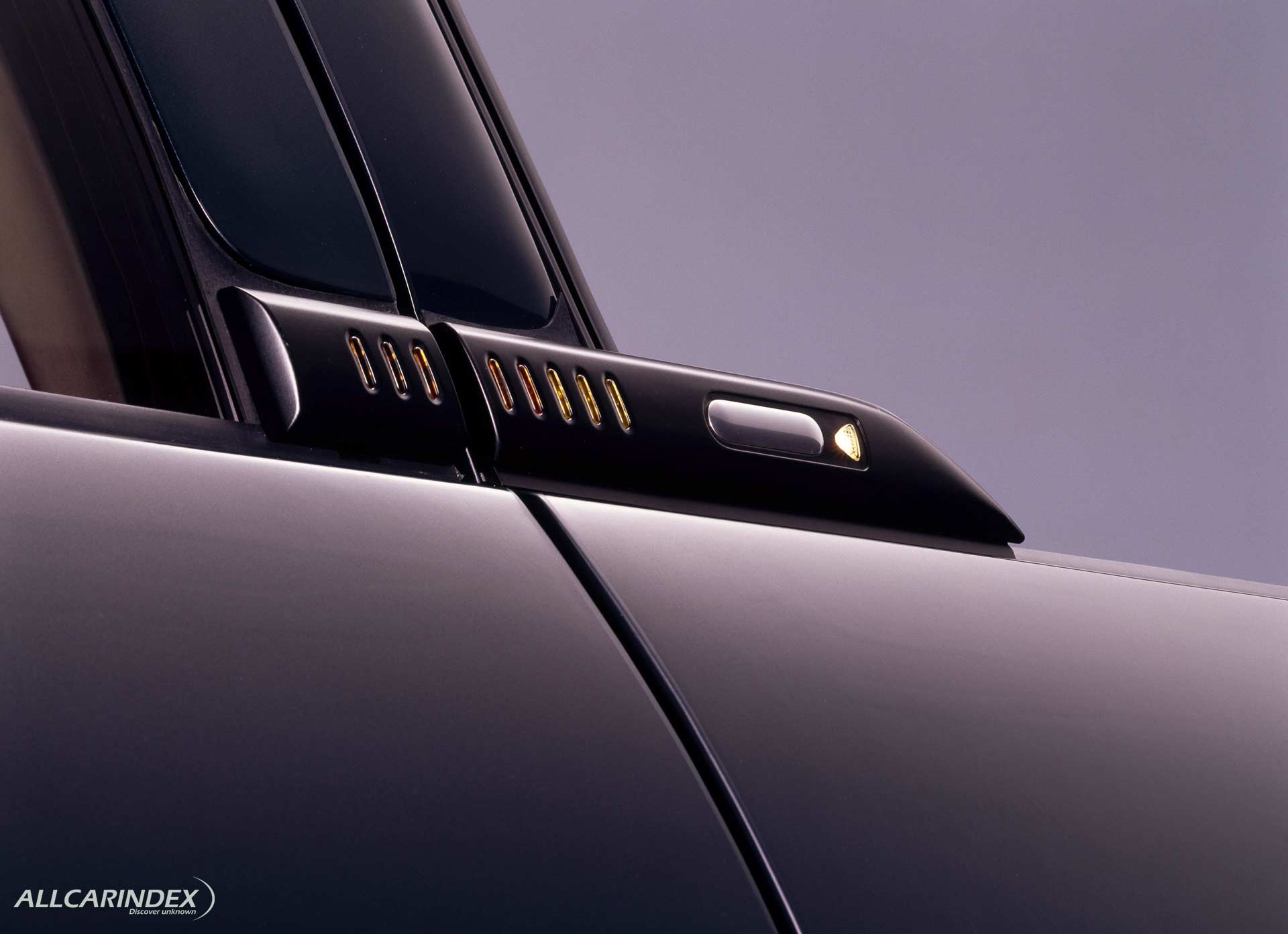
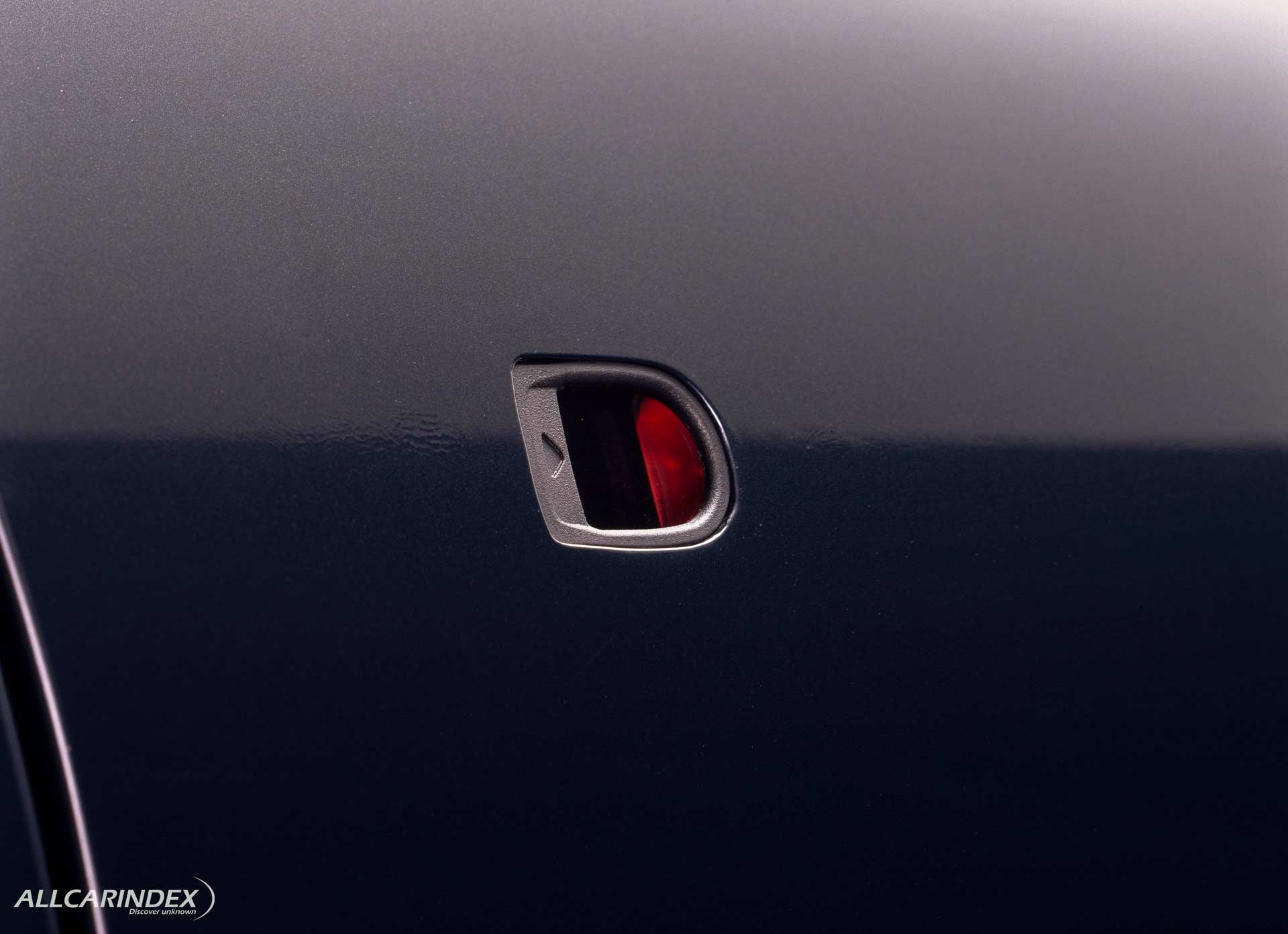
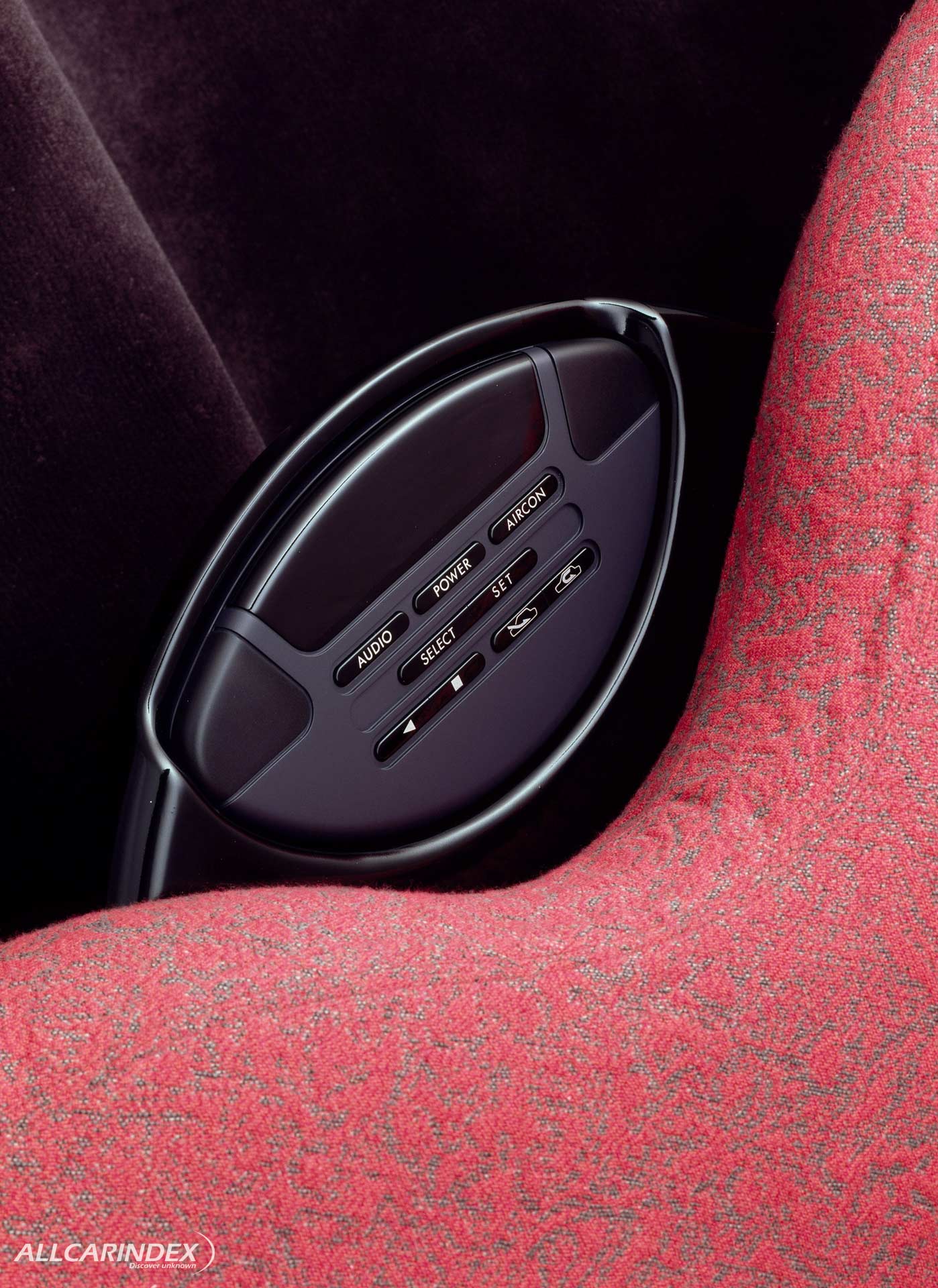
The concept emphasized practicality and comfort for dense city driving alongside a range of unusual luxury features. These included a fingerprint recognition system for opening the doors, electrically operated door opening and closing, solar-powered interior ventilation with fans built into the doors, a fragrance system for the cabin, indirect interior lighting, and a rotating console allowing rear passengers to control climate and audio systems. The side windows curved up into the roofline, with only the front sections able to lower, while the headlights were unified beneath a central cover.
Power came from a 1497 cc four-cylinder GA15E engine, shared with the Sunny range, producing 97 hp at 6000 rpm and 129 Nm of torque at 4400 rpm, paired with an electronically controlled four-speed automatic transmission operated through a steering-column selector using a select-by-wire system rather than a mechanical linkage. Rear brakes were drums. The car measured 372 cm long, 176 cm wide and 133 cm high, with a 260 cm wheelbase and a track of 149/147 cm.