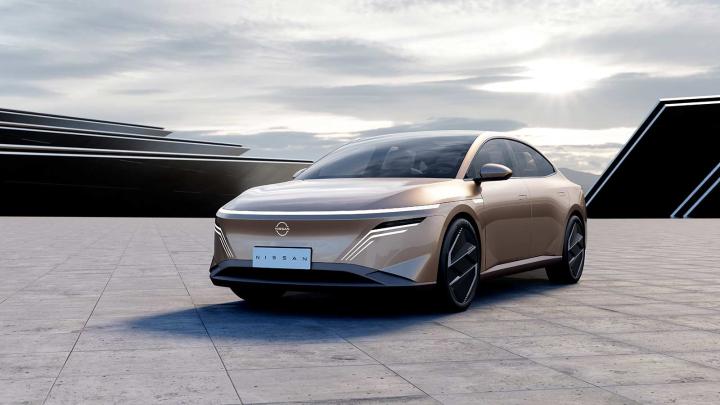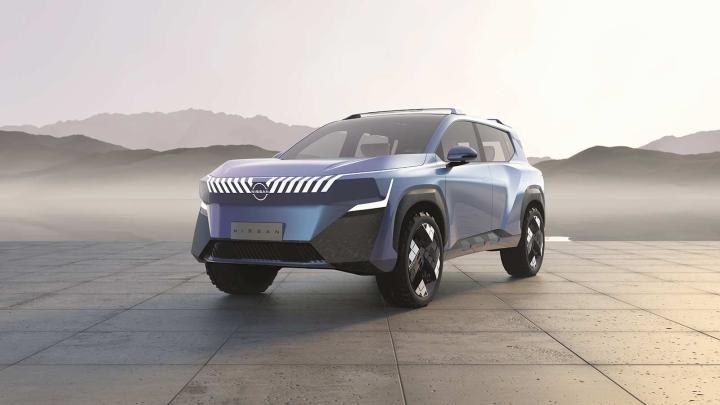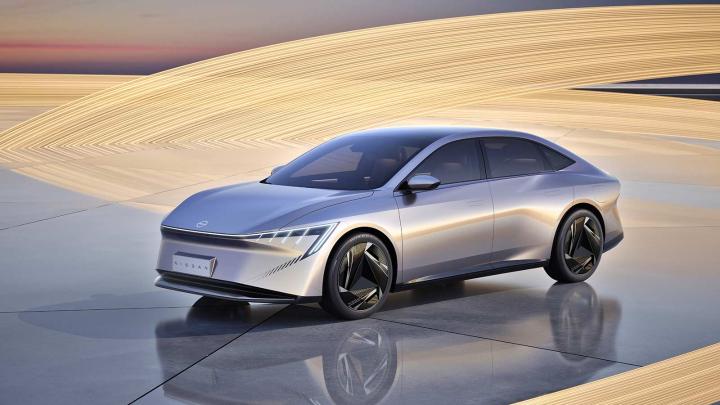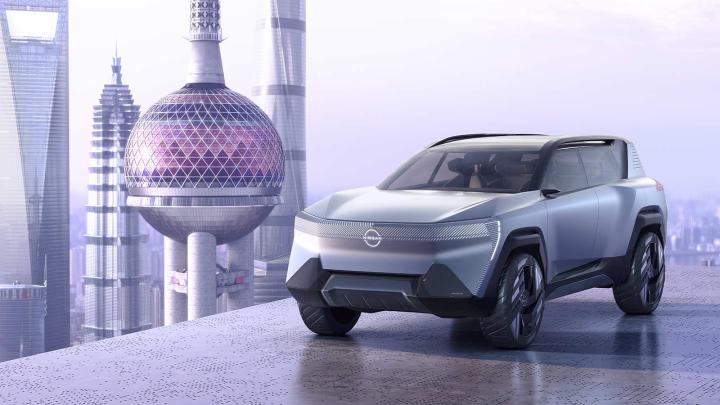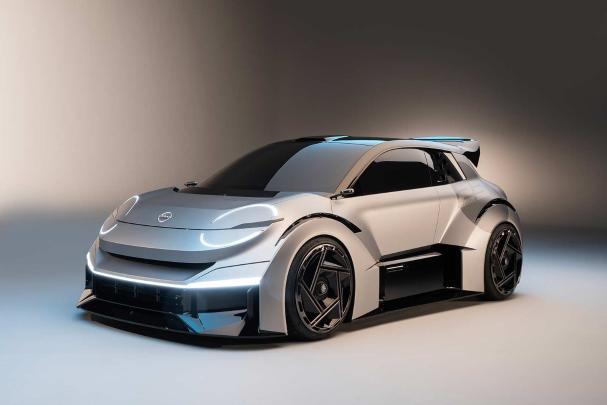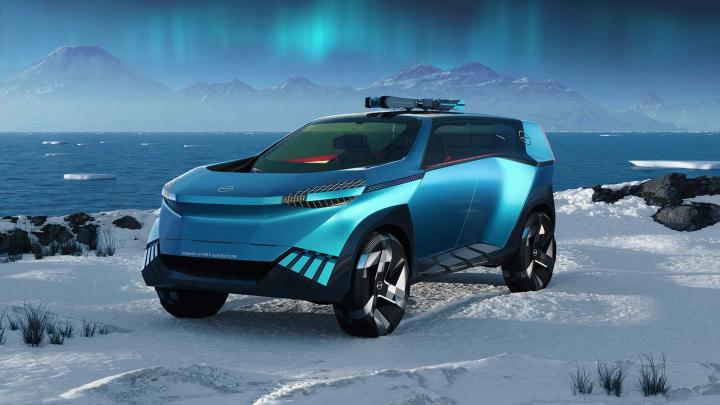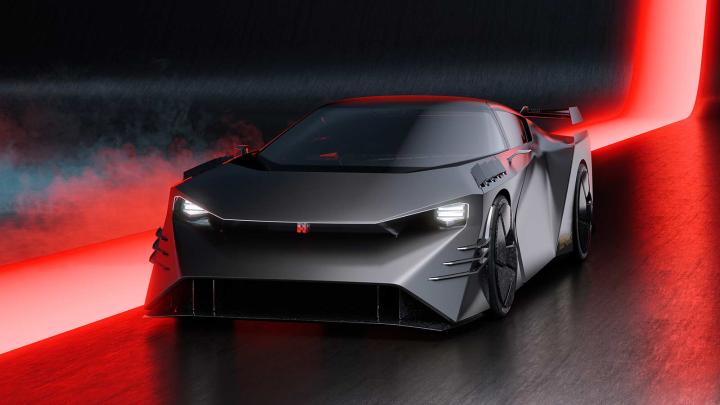
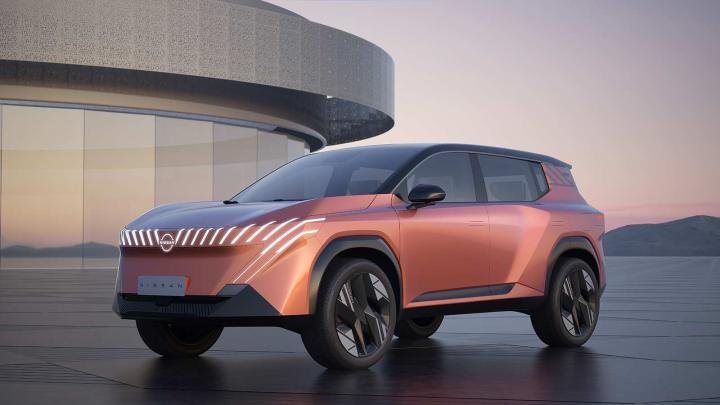

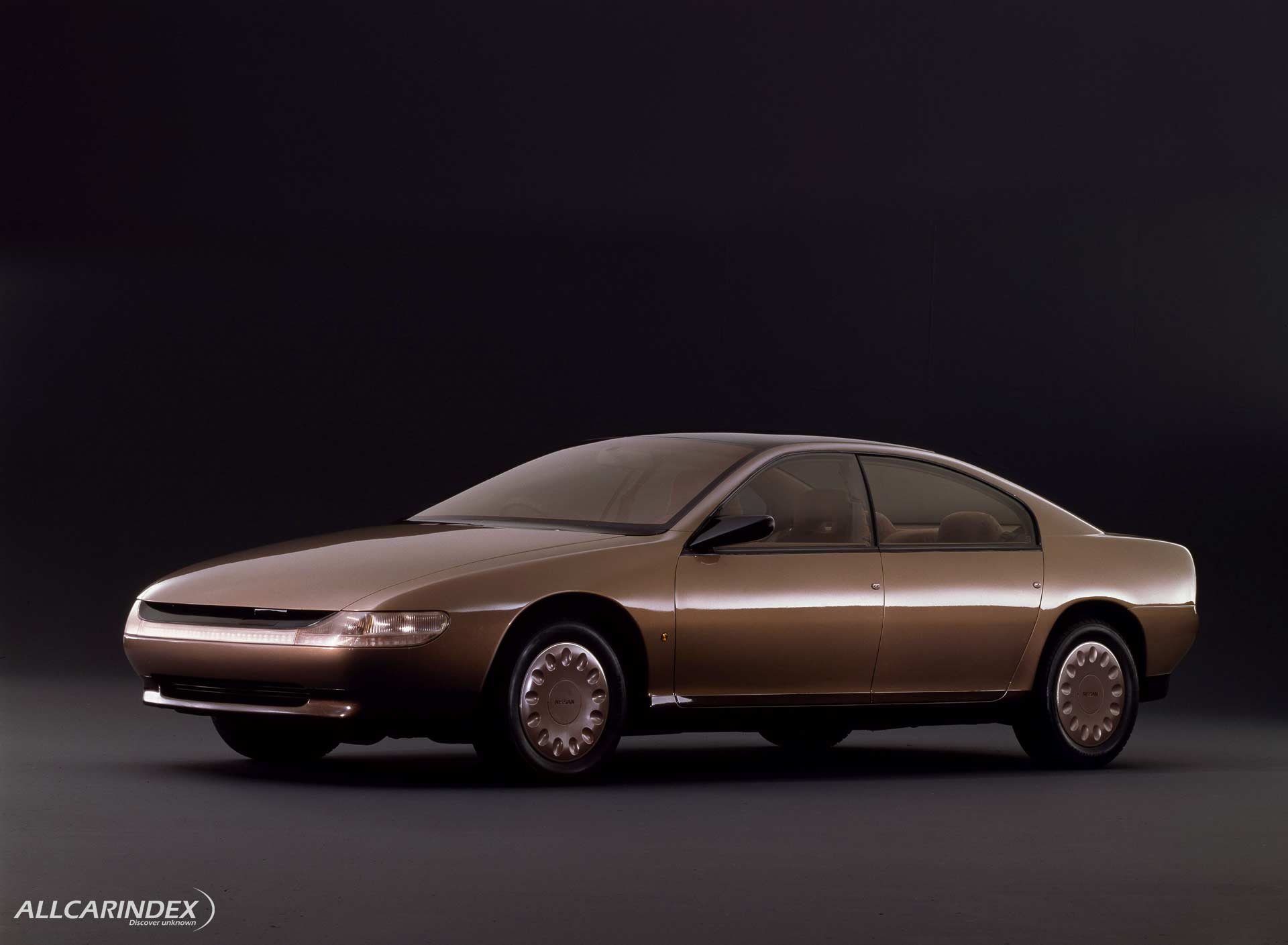
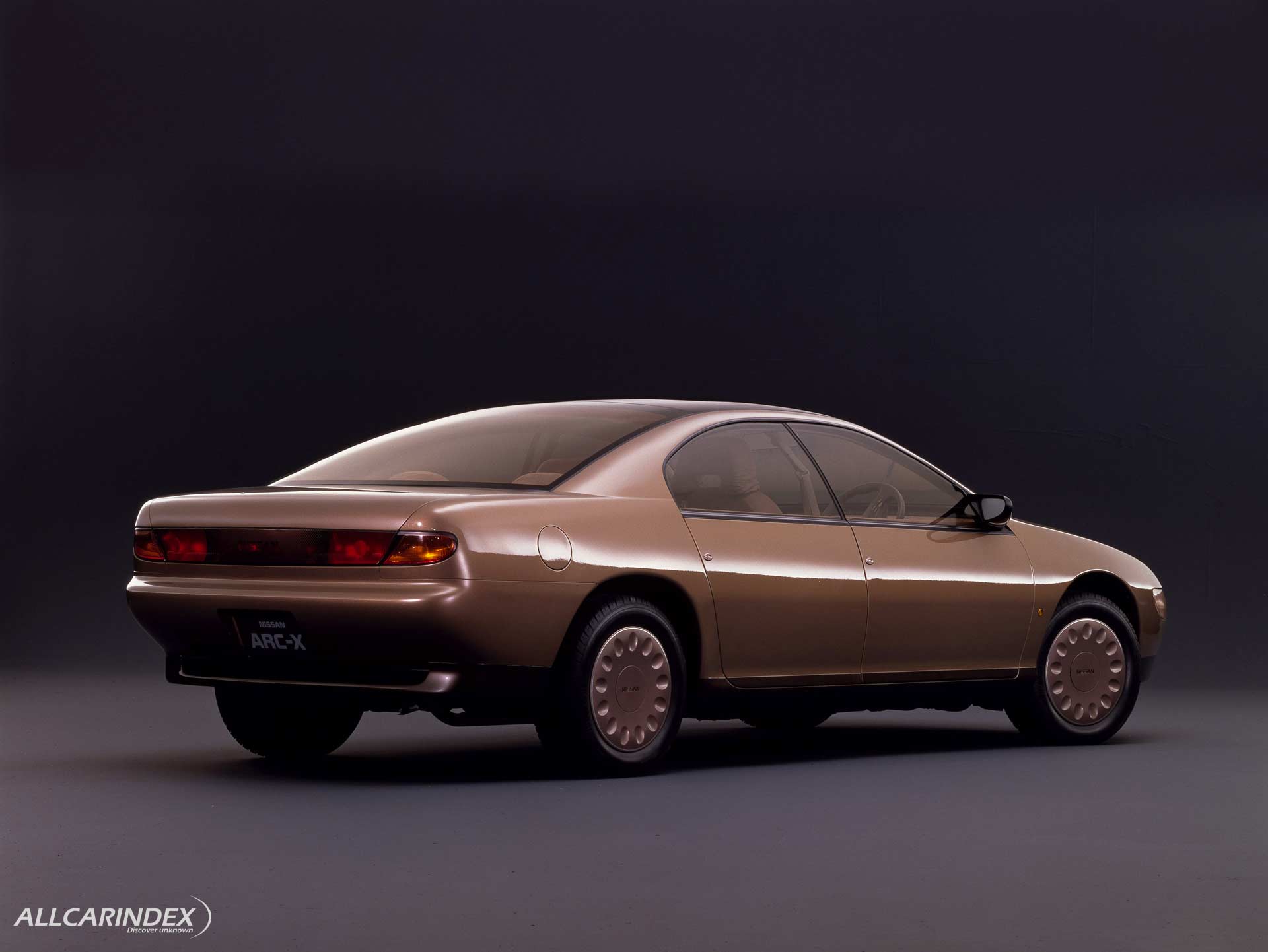
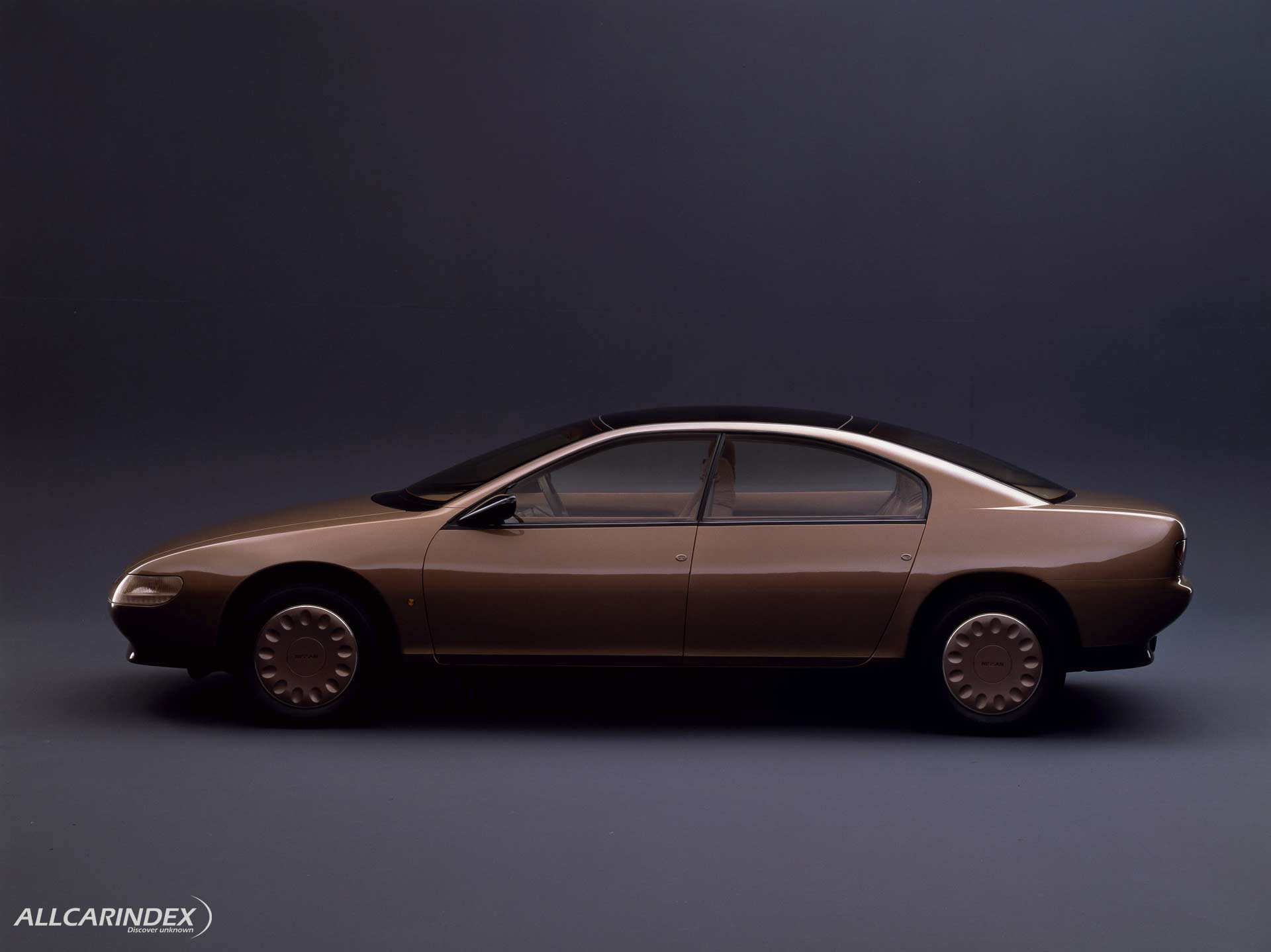
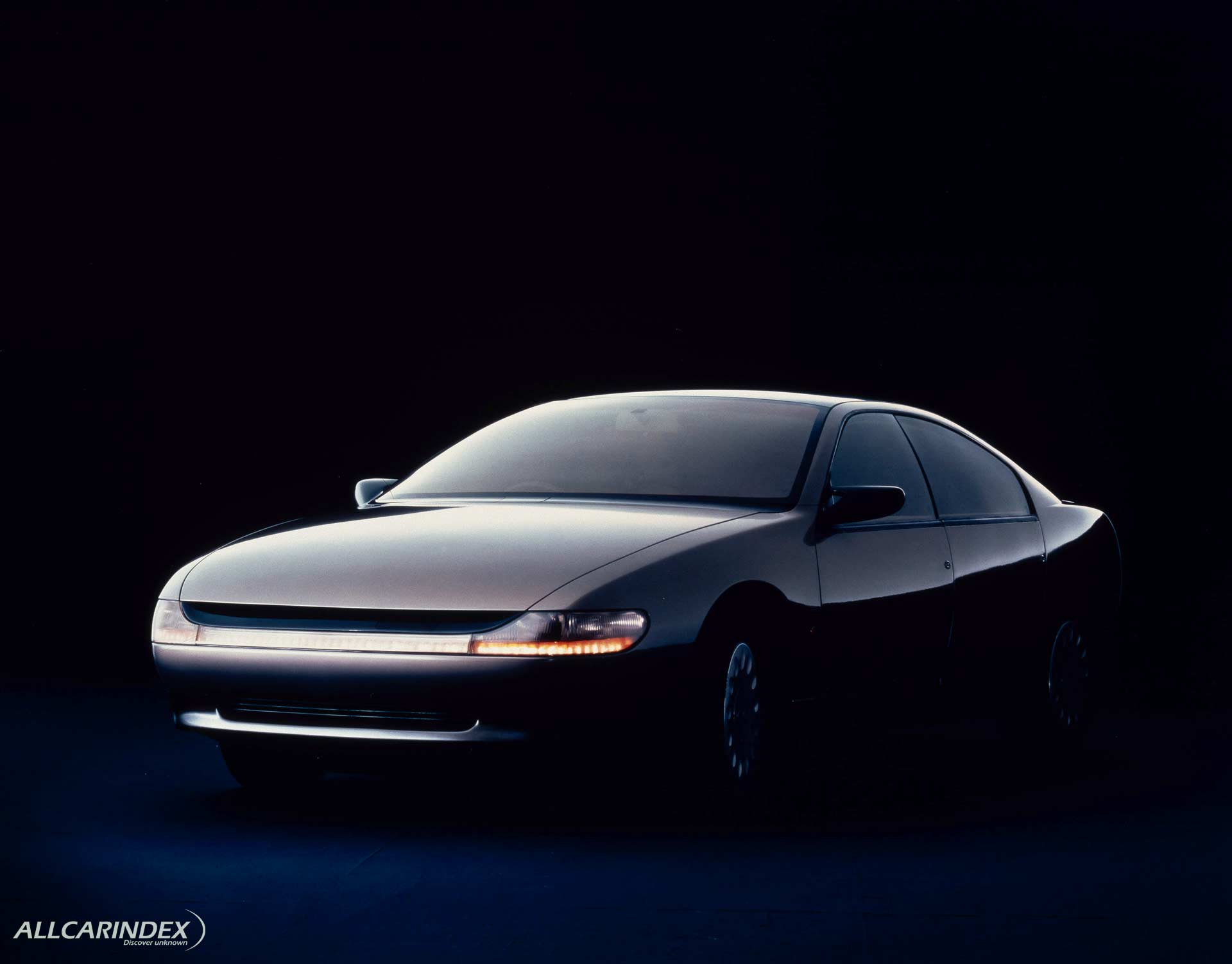
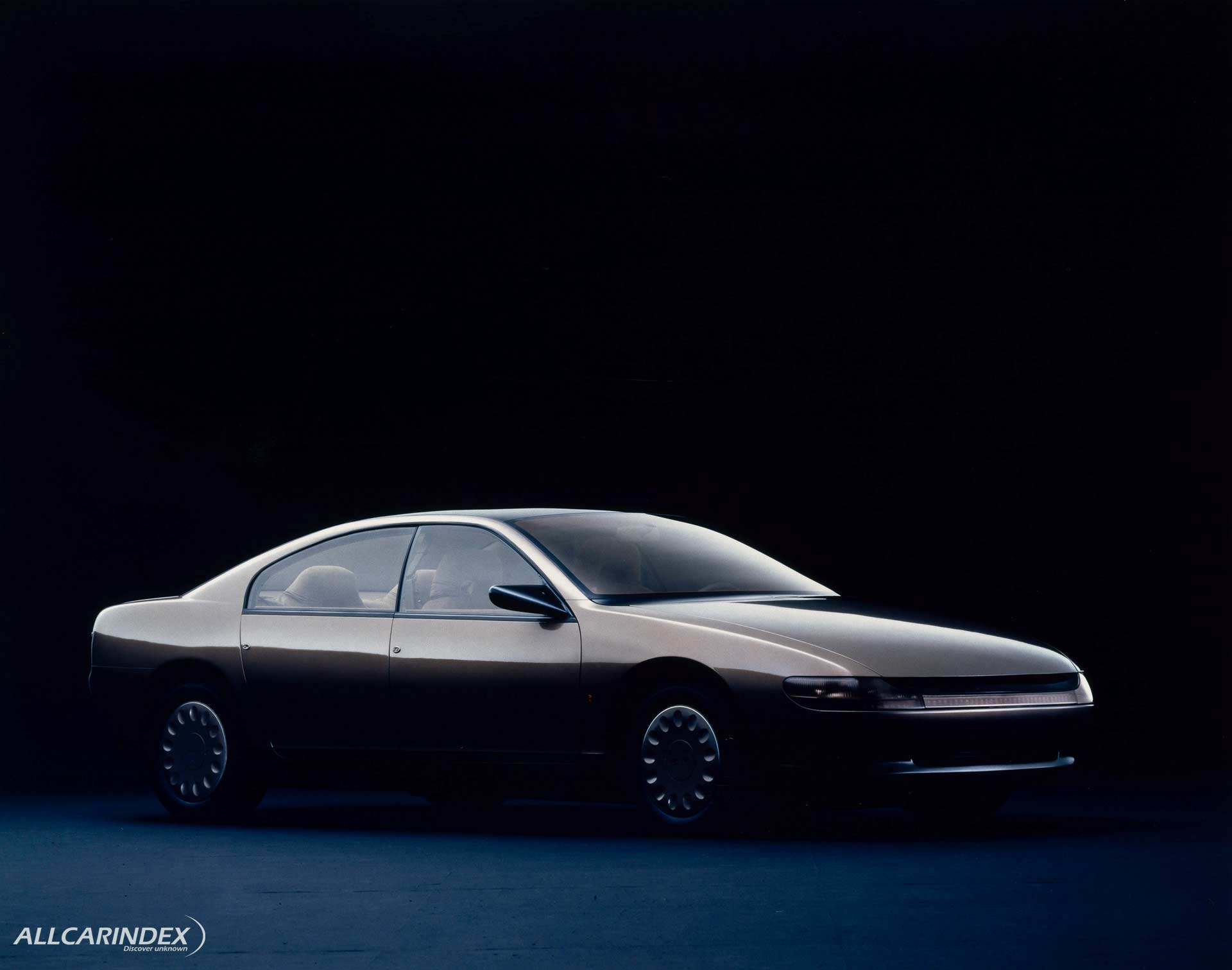
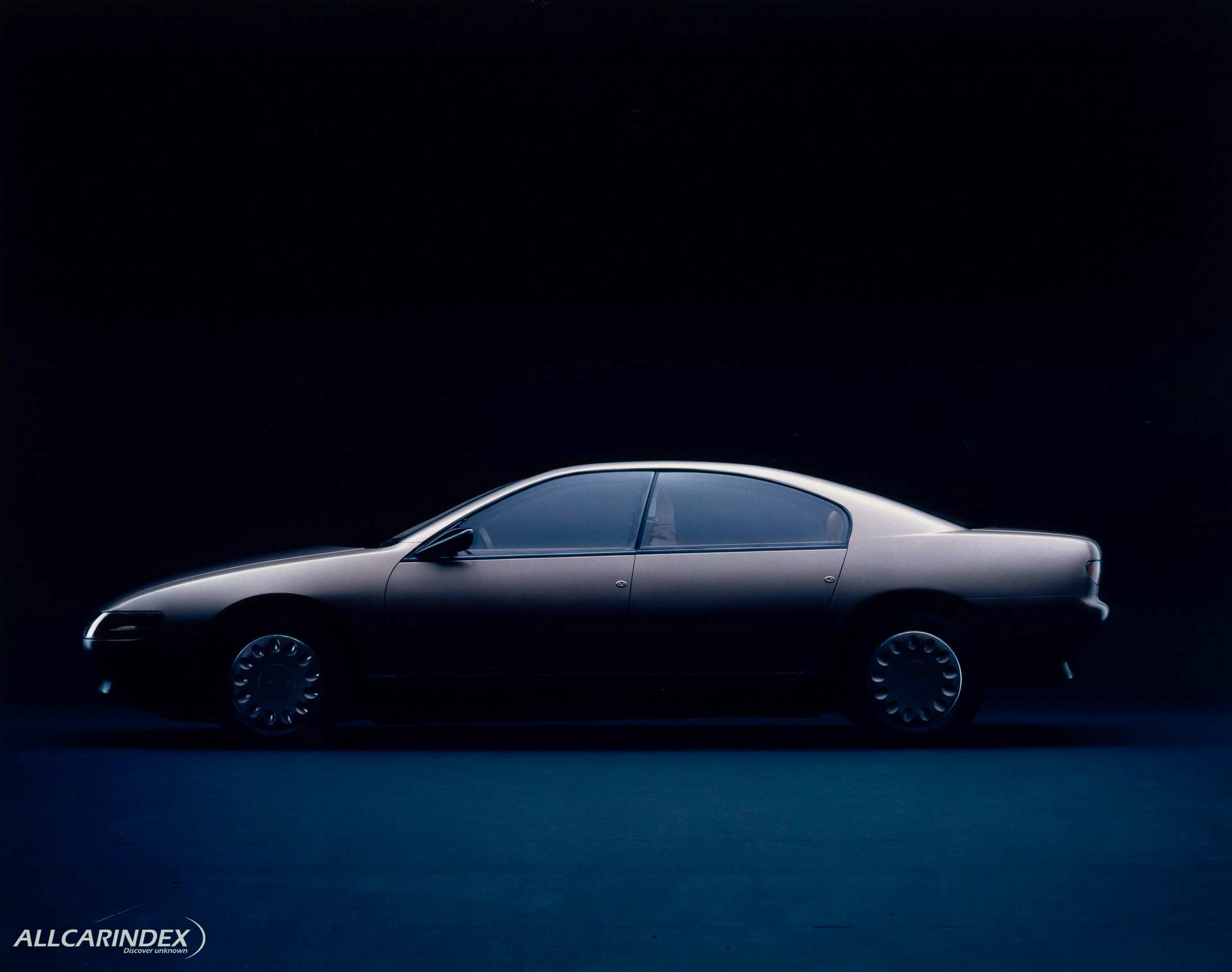
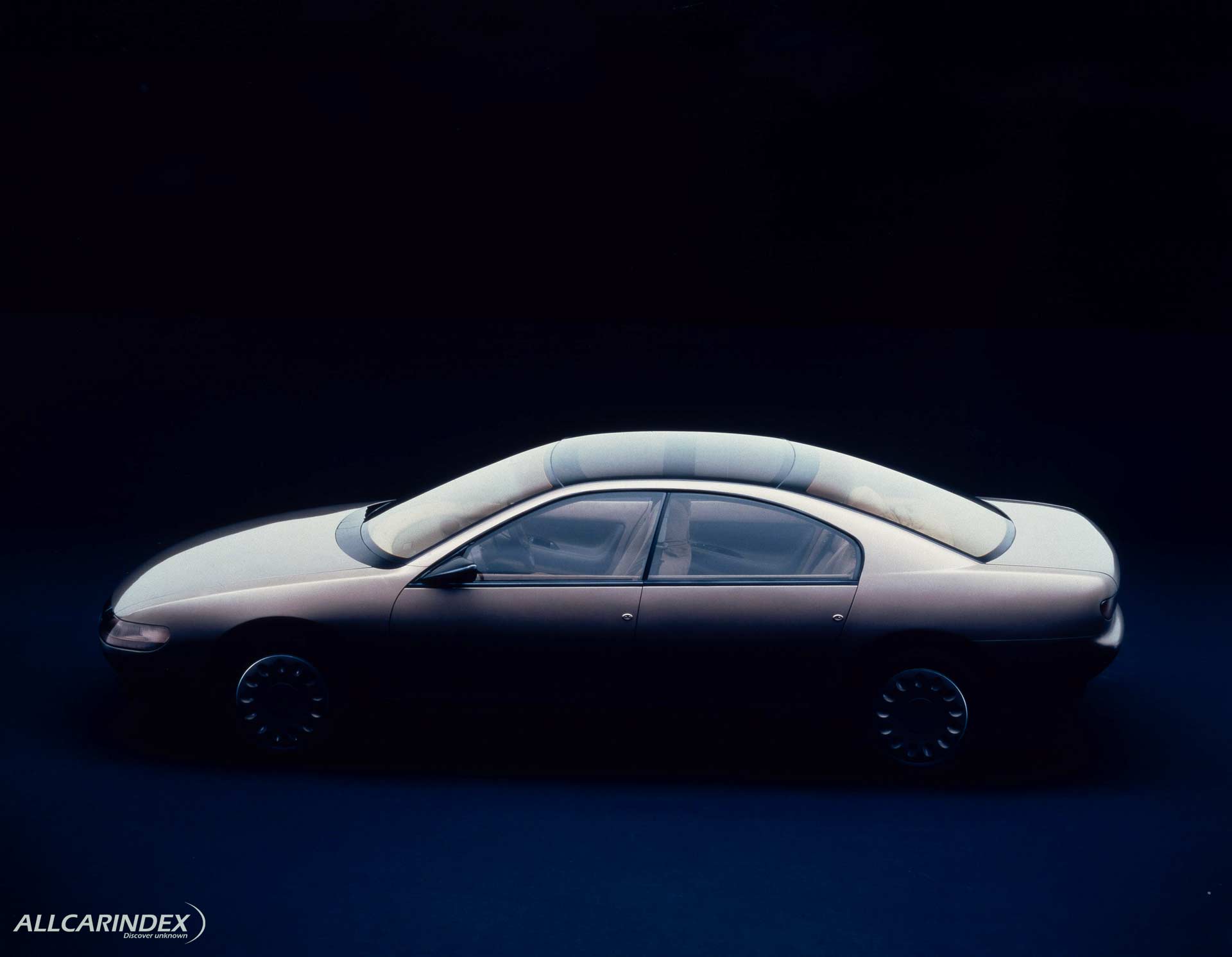
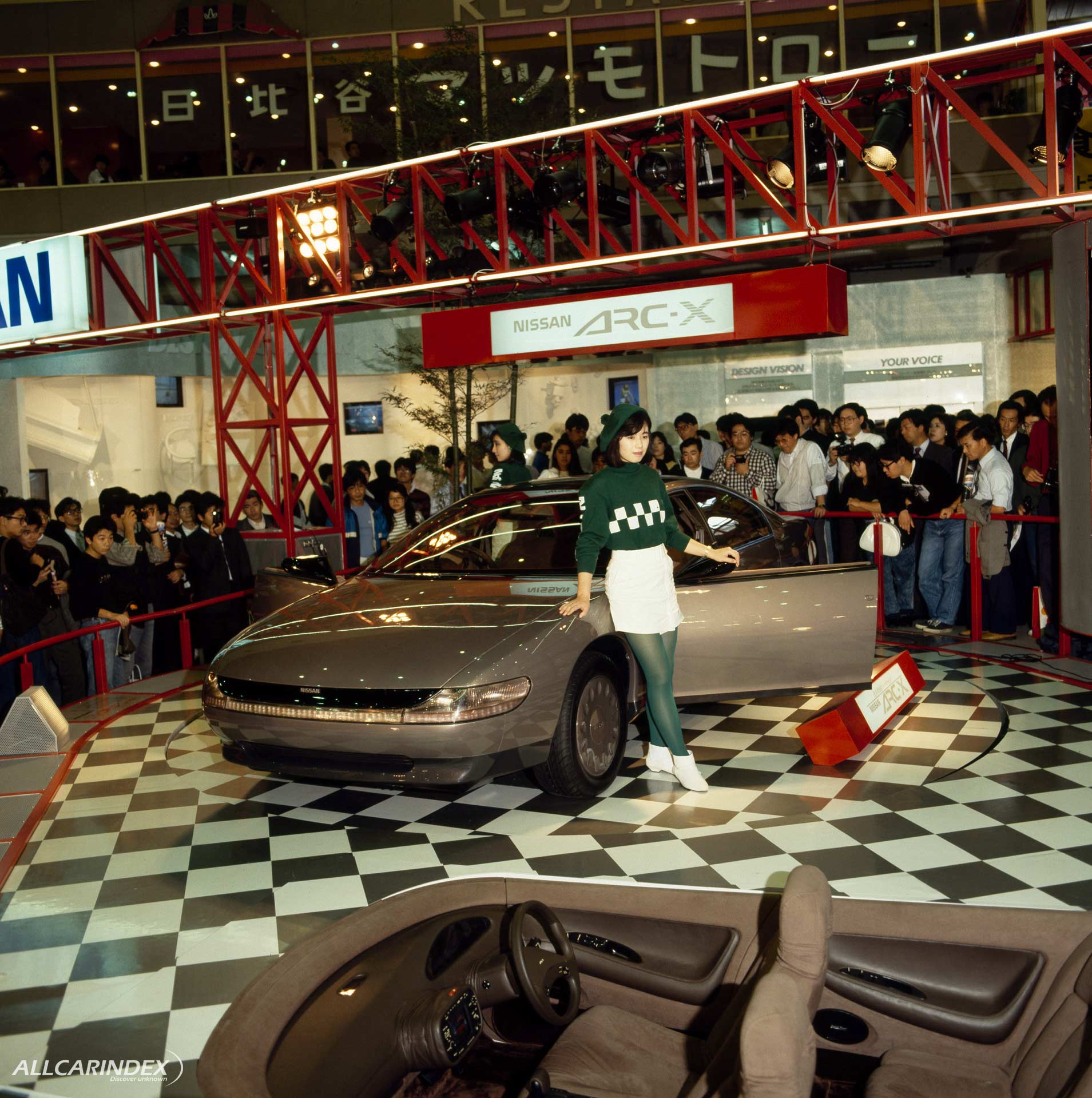
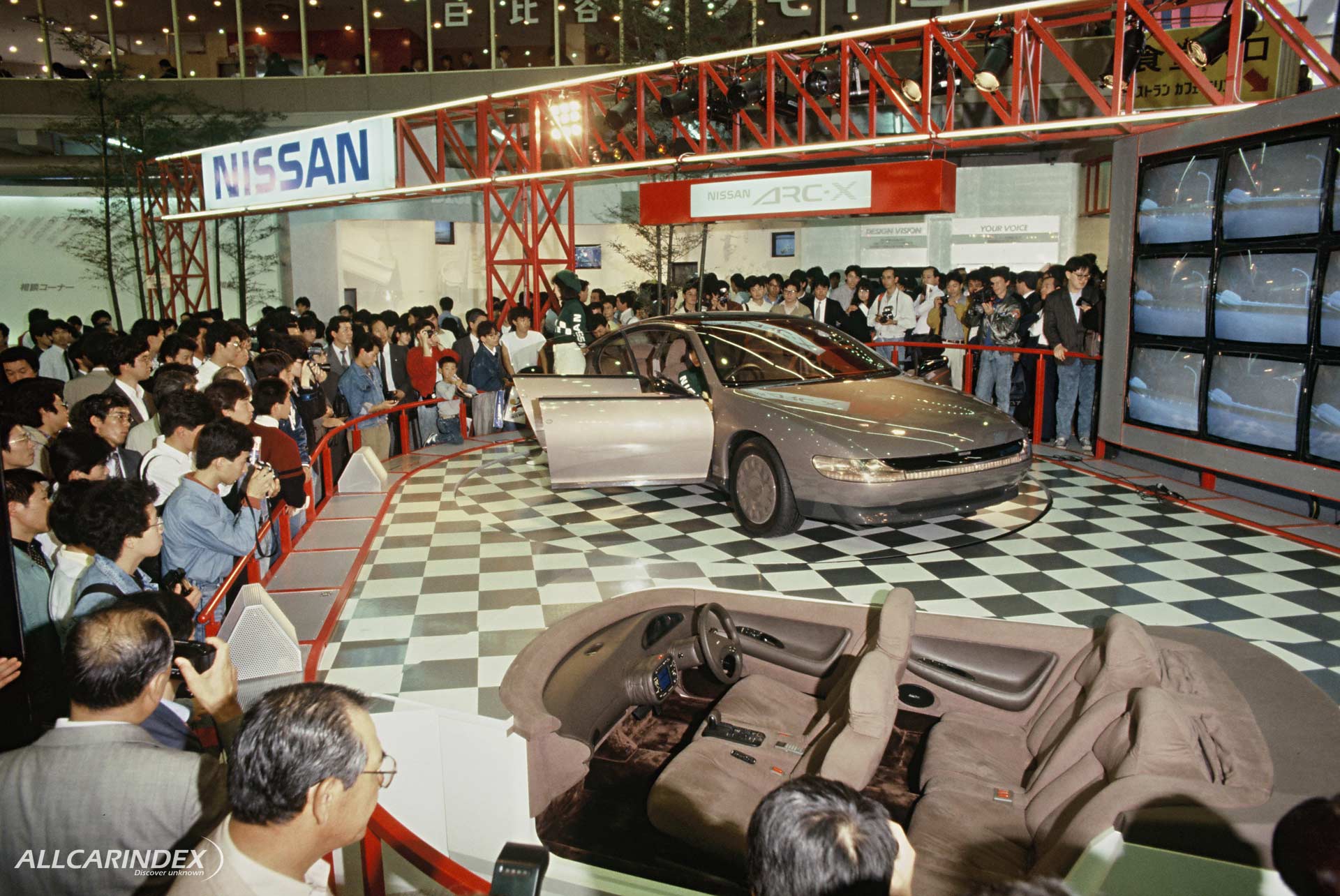
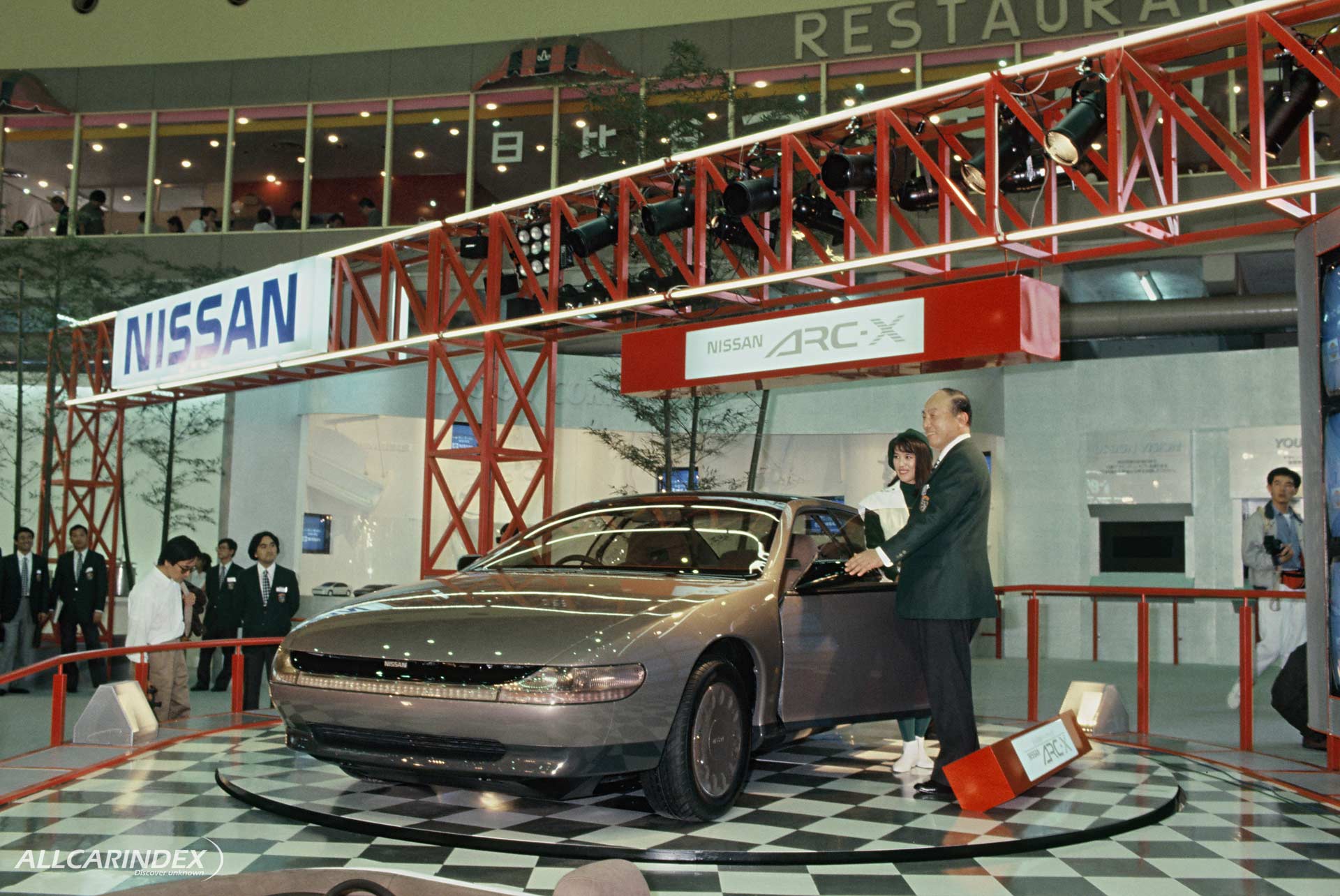
The Nissan Arc-X was a concept car shown at the 27th Tokyo Motor Show, presented as the most elaborate new design among the fleet of concept cars and pre-production prototypes Nissan brought to that event. It represented a further step toward high-tech luxury saloons, continuing a direction Nissan had already explored two years earlier with the Cue-X concept car. By the time the Arc-X appeared, it was known that Nissan intended to launch a V8-powered luxury car in the United States in 1989 under the Infiniti brand, a car that would later prove to share many styling traits with the Cue-X. The Arc-X, however, pointed further ahead. Its arched roofline, which gave the car its name, was considered stylistically pure enough to win the Car Design Award for concept cars of 1987. That roof treatment later influenced smaller production Nissan saloons, including the Primera that succeeded the Bluebird and the new Sunny/Pulsar range, both of which entered production in 1990.
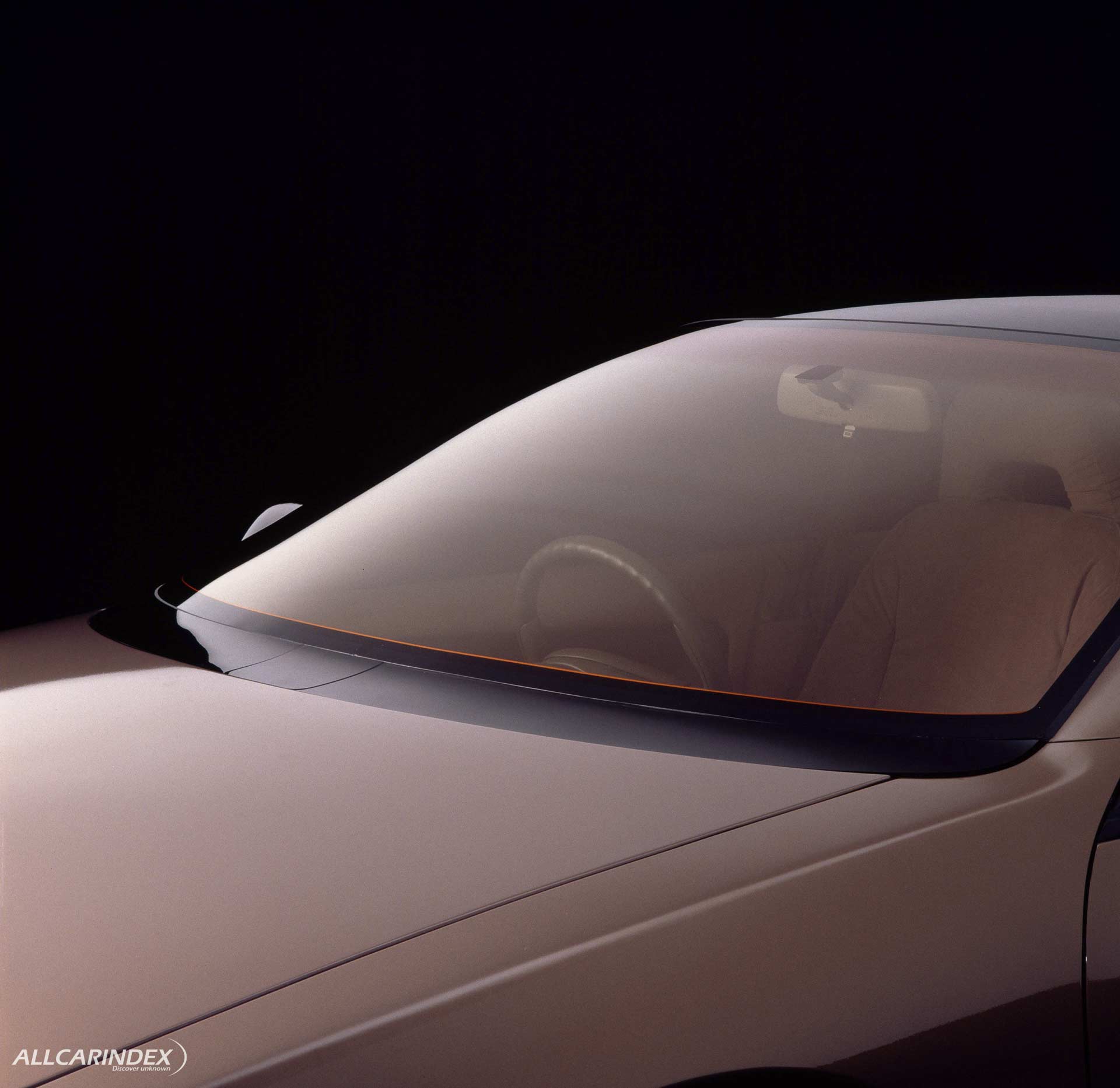
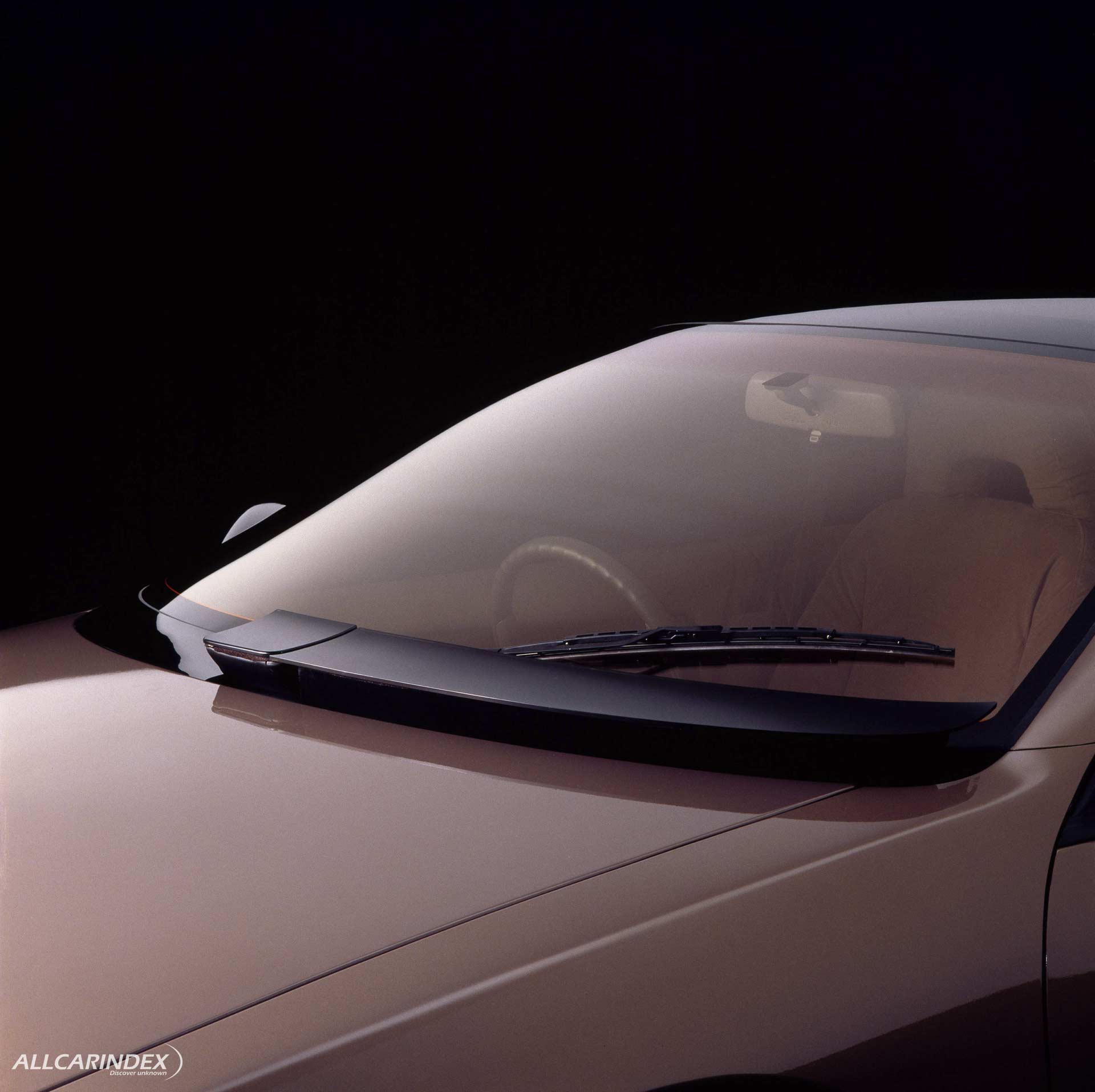
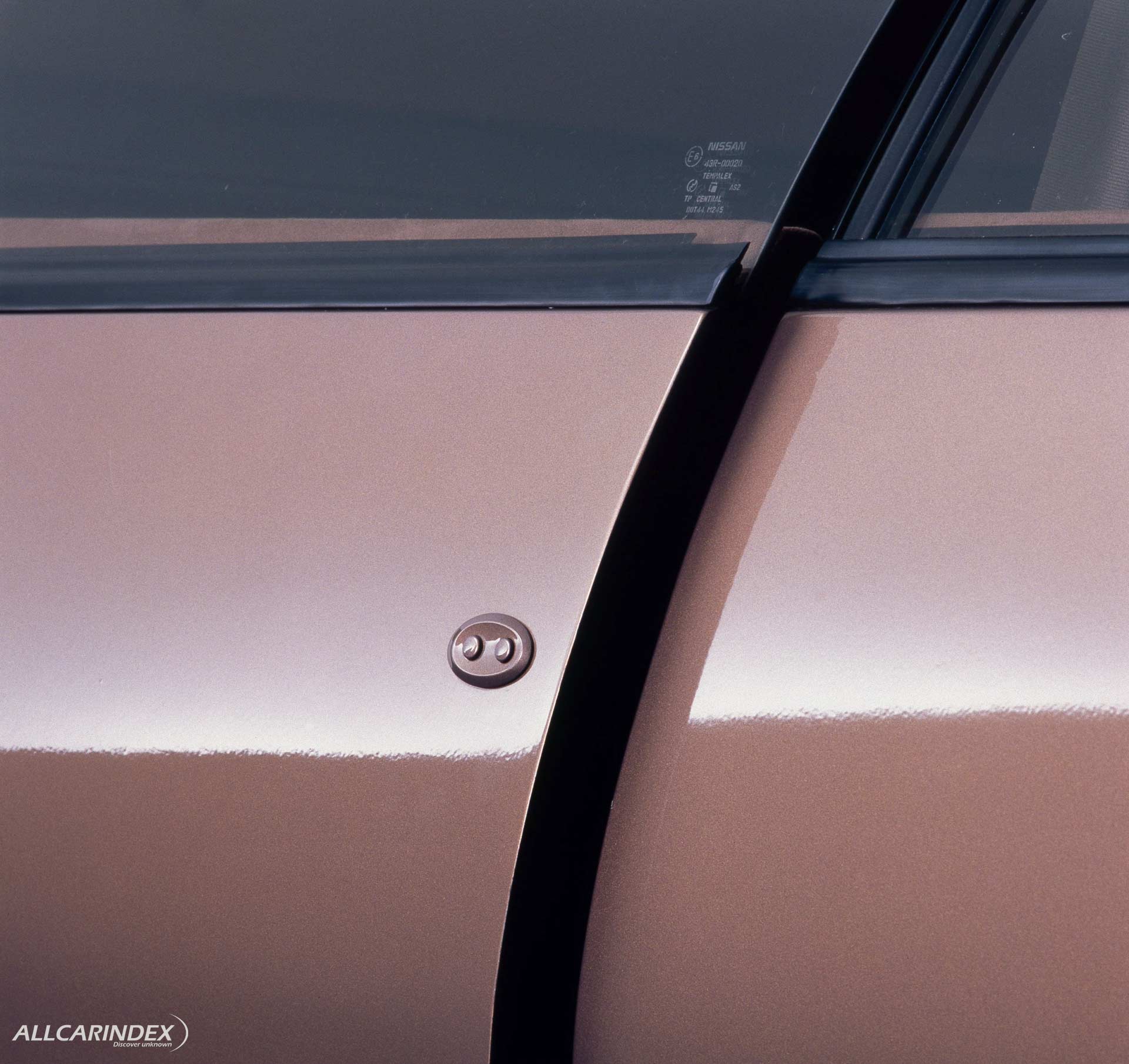
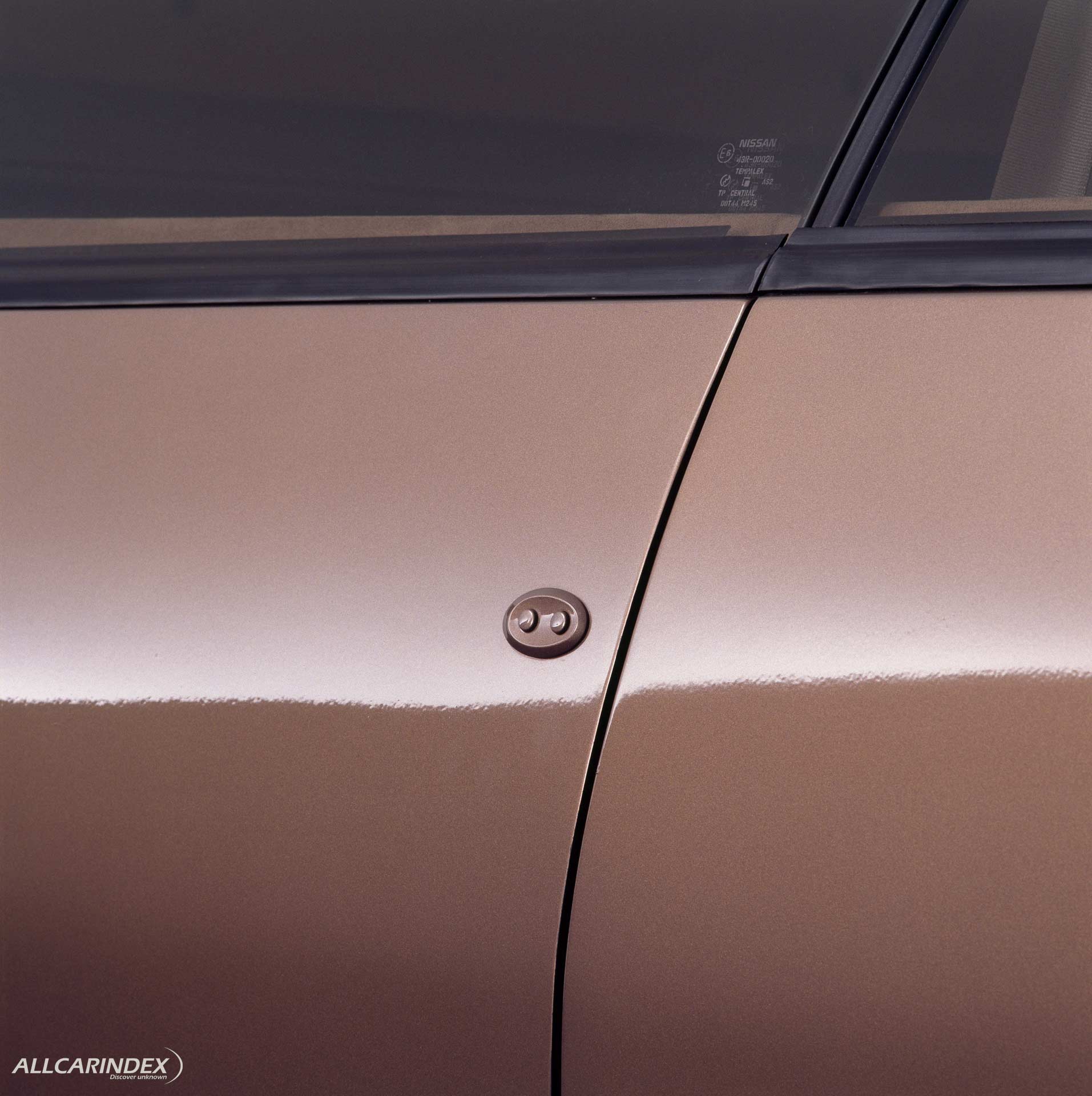
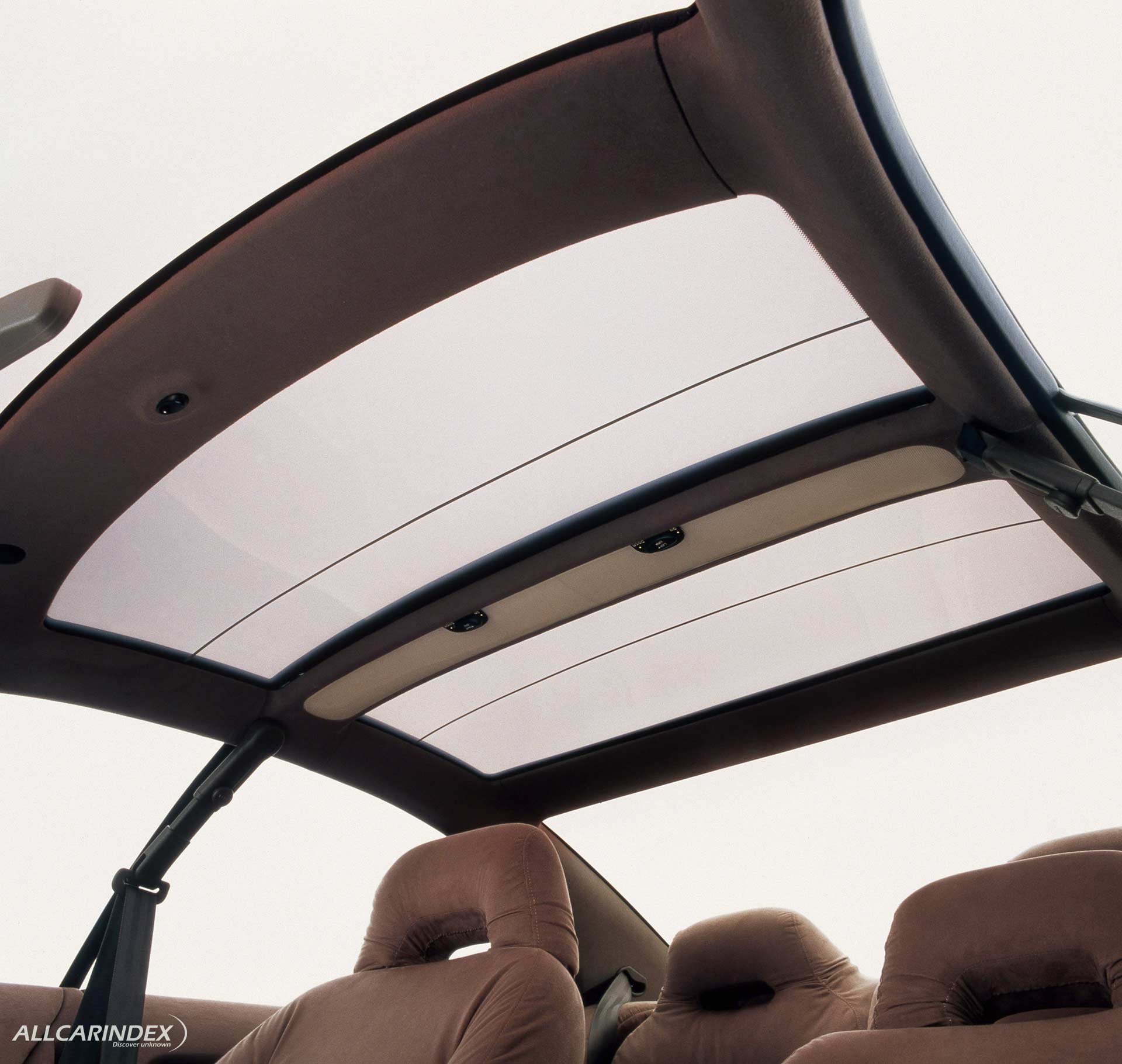
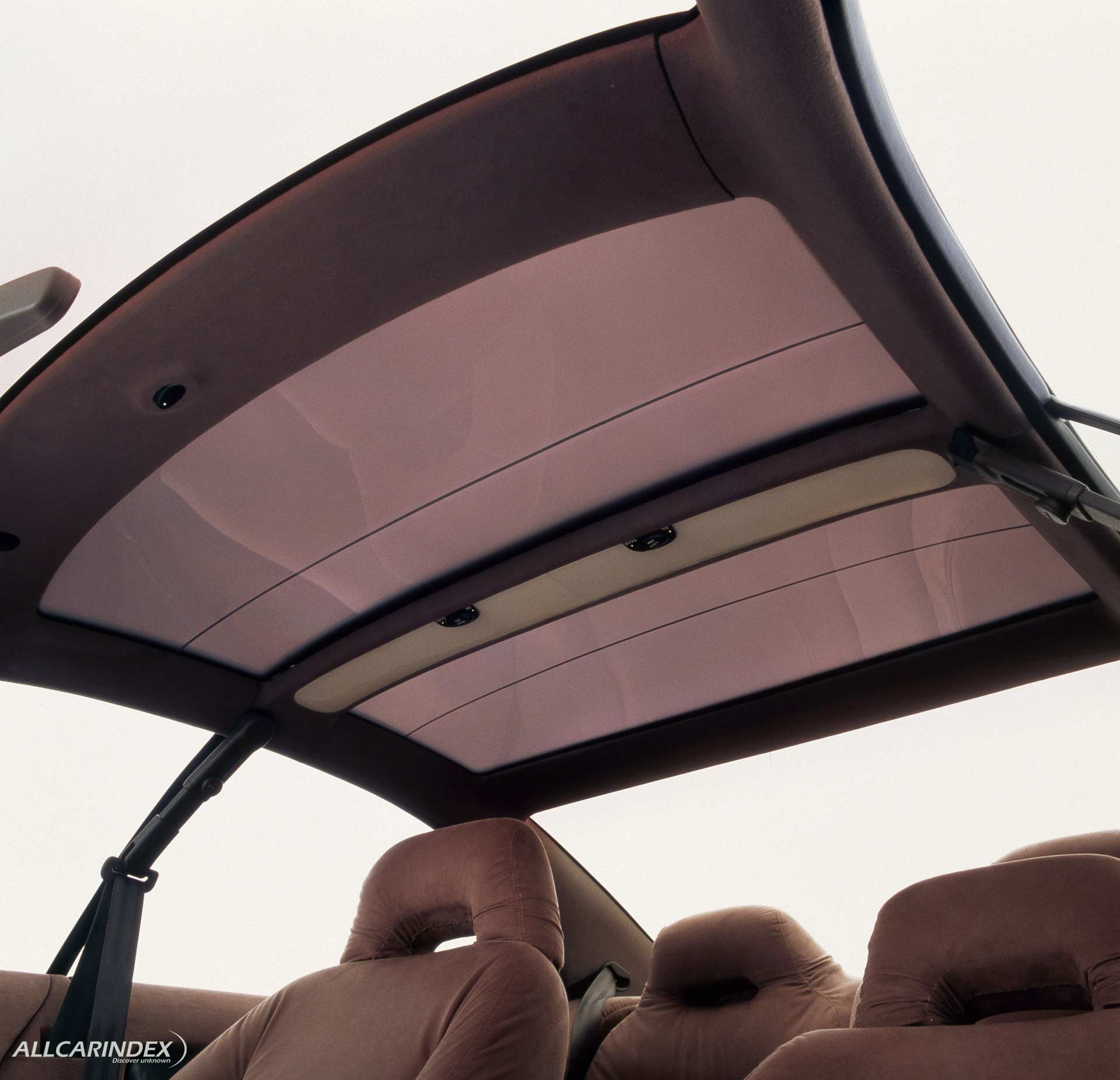
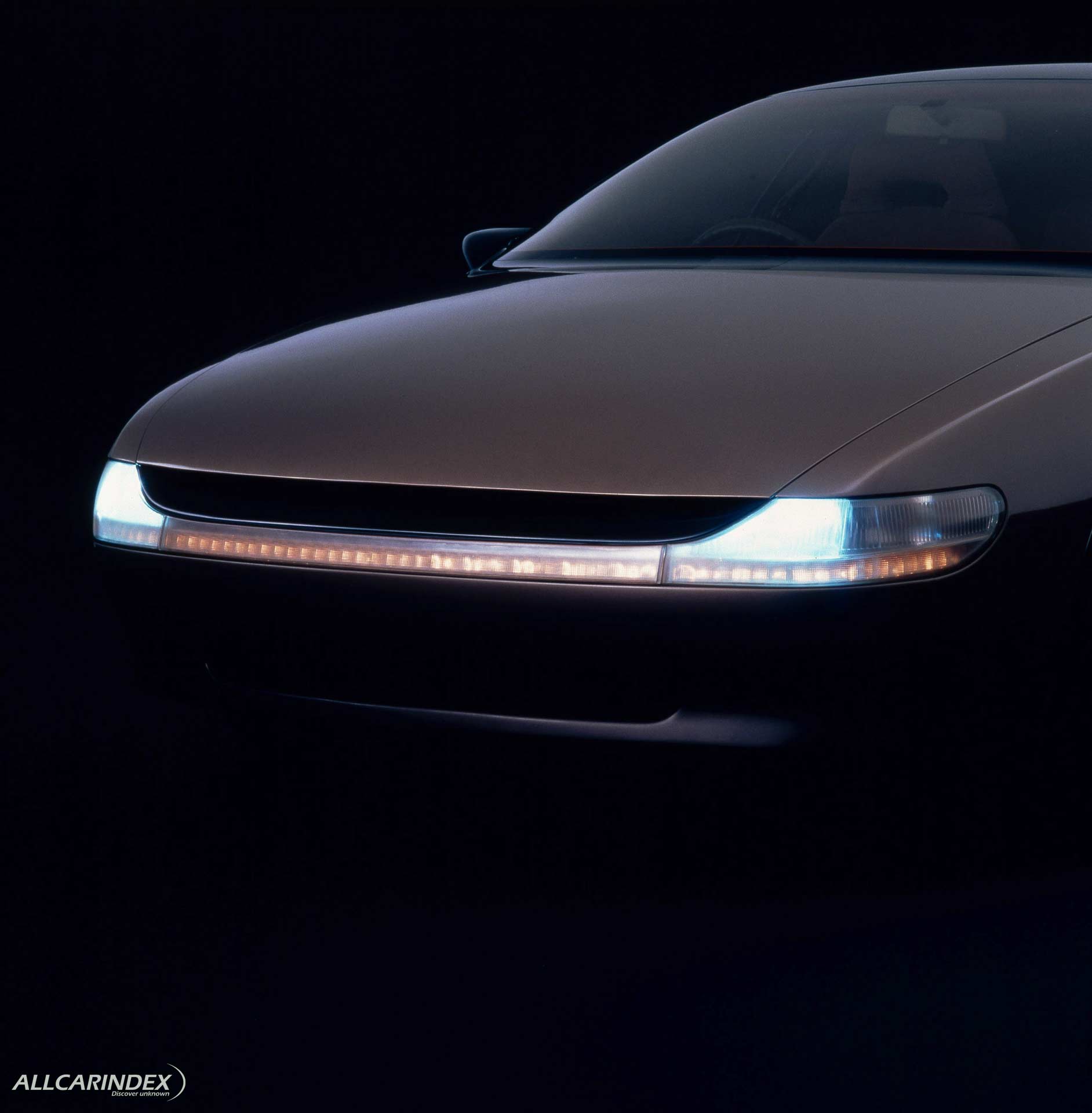
The Arc-X was a four-door, four-seat luxury saloon measuring 477 cm in length on a 285 cm wheelbase, making it comparatively compact next to the Cue-X (486 cm long, 280 cm wheelbase) and the production Infiniti Q45 (508 cm long, 288 cm wheelbase). Its drag coefficient was given as 0.26, slightly higher than the reported 0.24 of the Cue-X. The bodywork was curved on all sides with fittings largely integrated into the surface, including a windshield wiper hidden beneath a cover and a windshield that curved up into the roof. The frameless side windows had only moderate curvature, while the roof panel between windscreen and rear window consisted of a glass panel containing a liquid-crystal layer that let the driver adjust light transmission. The windshield itself used a multifunction glass laminate with a hidden metal and semiconductor foil sandwich that reflected sunlight, served as a radio and television antenna, and was claimed to offer three times the protection of conventional heat-resistant glass while preventing interior fogging.
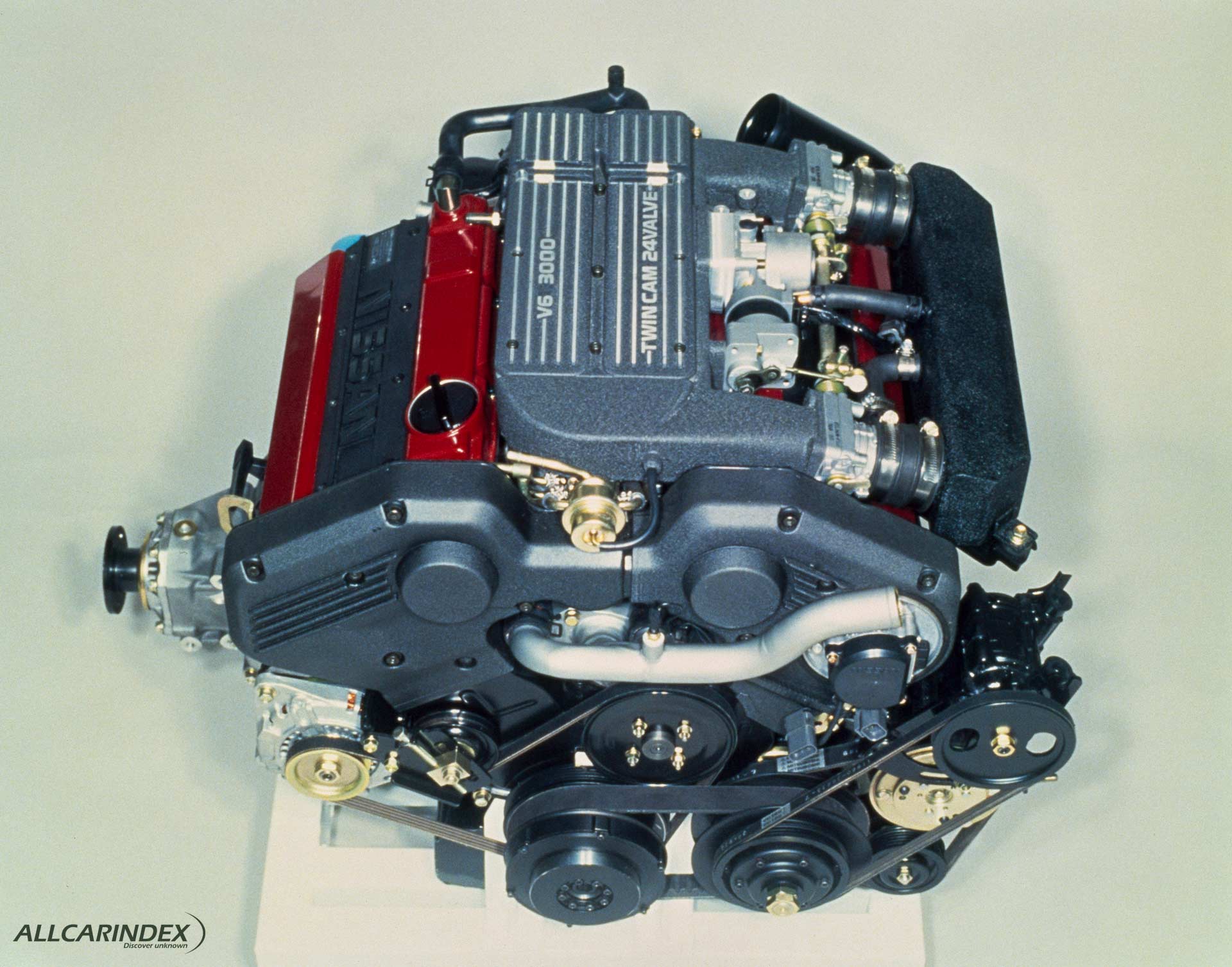
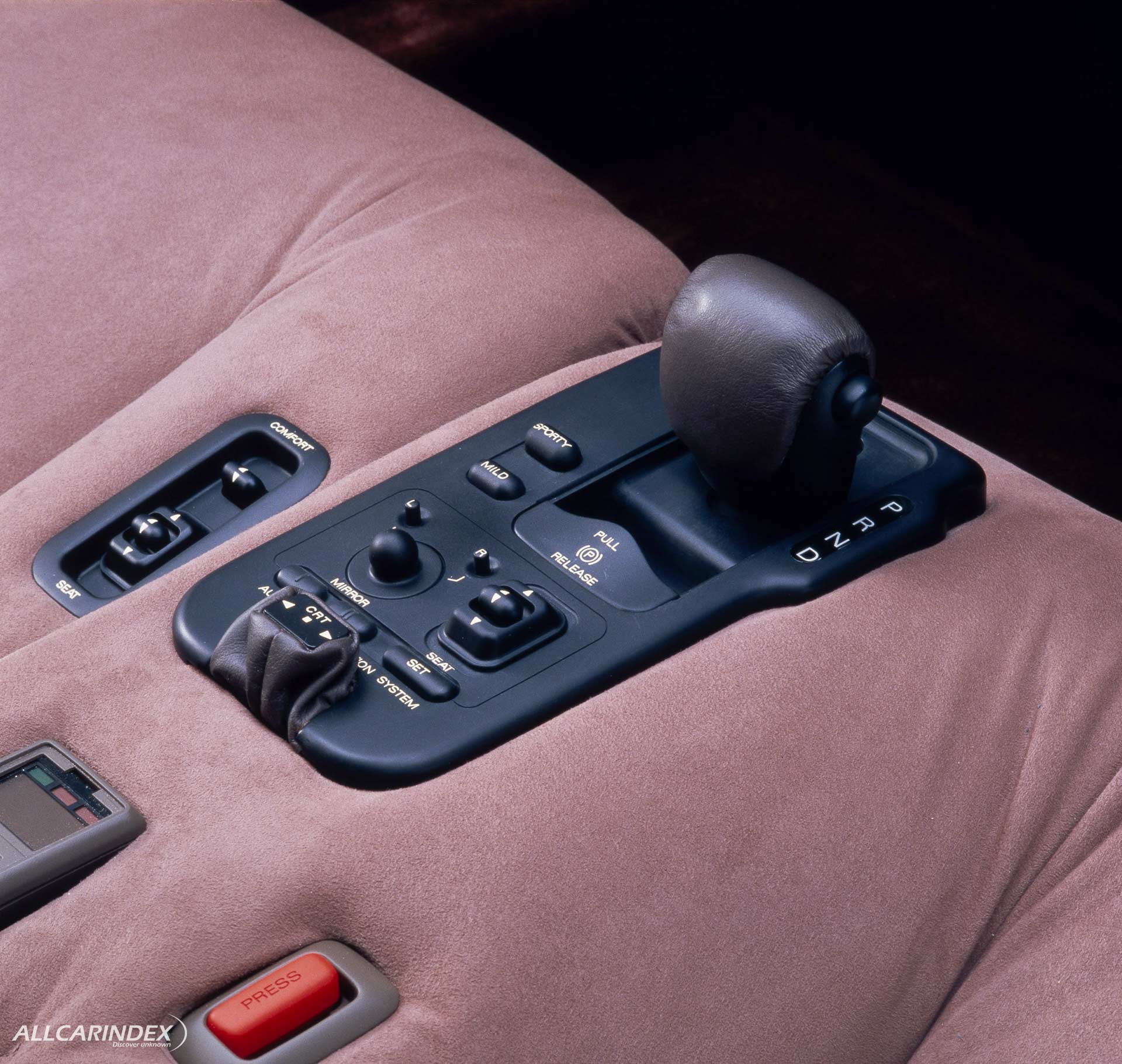
Power came from a transversely mounted 2960 cc V6 with double overhead camshafts and 24 valves, related to the unit used in the ZX sports model, though no output figure was quoted. The engine used drive-by-wire throttle control, cylinder-independent knock control, and a variable-ratio accessory drive, paired with a fully electronic four-speed automatic transmission operated via a select-by-wire lever. As in the Cue-X, a permanent four-wheel-drive system combined with the automatic transmission, using a variably lockable hydraulic multi-plate clutch and a torque split that could vary between front and rear axles up to a ratio of 10:90 depending on cornering conditions, along with a differential brake on the rear axle.
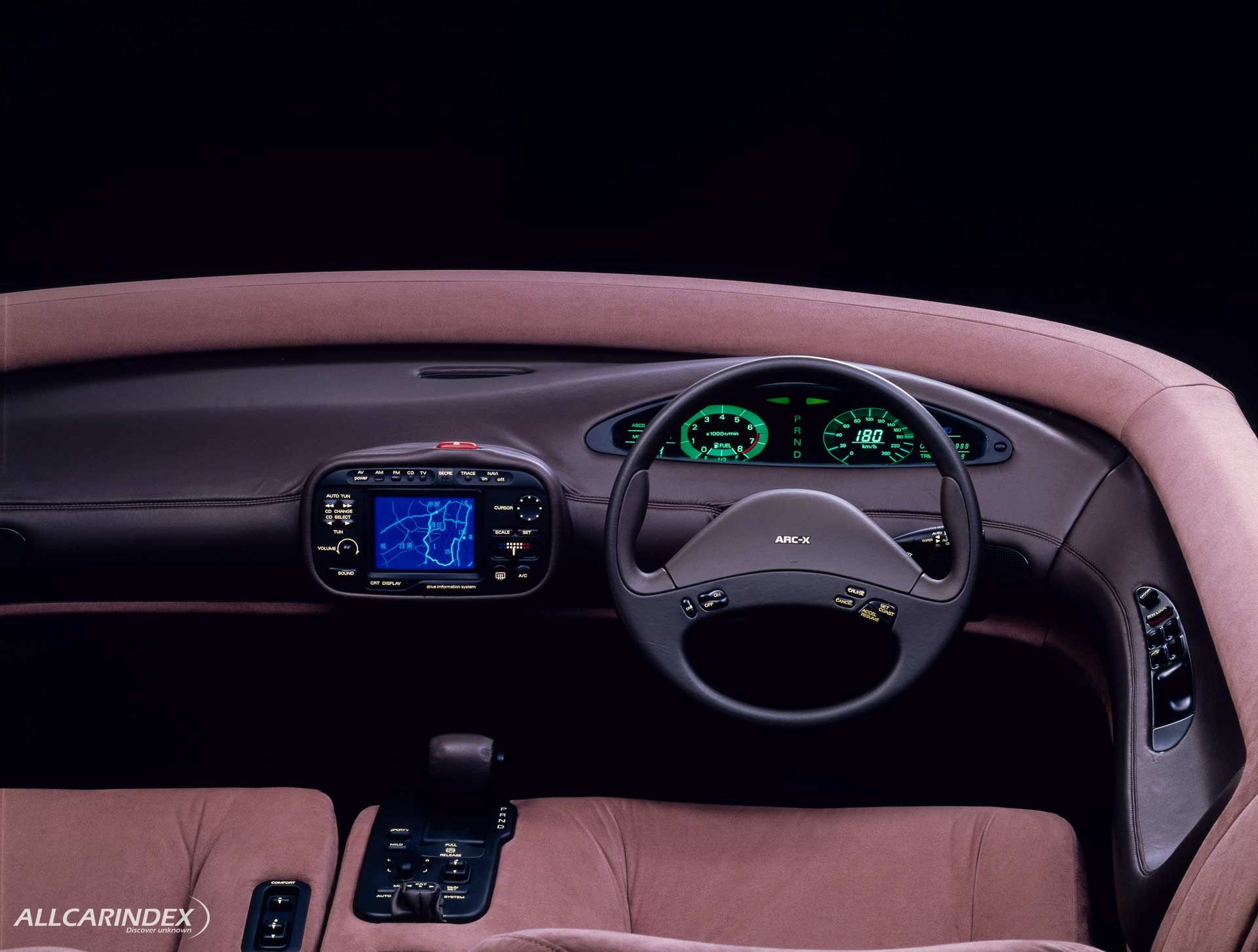
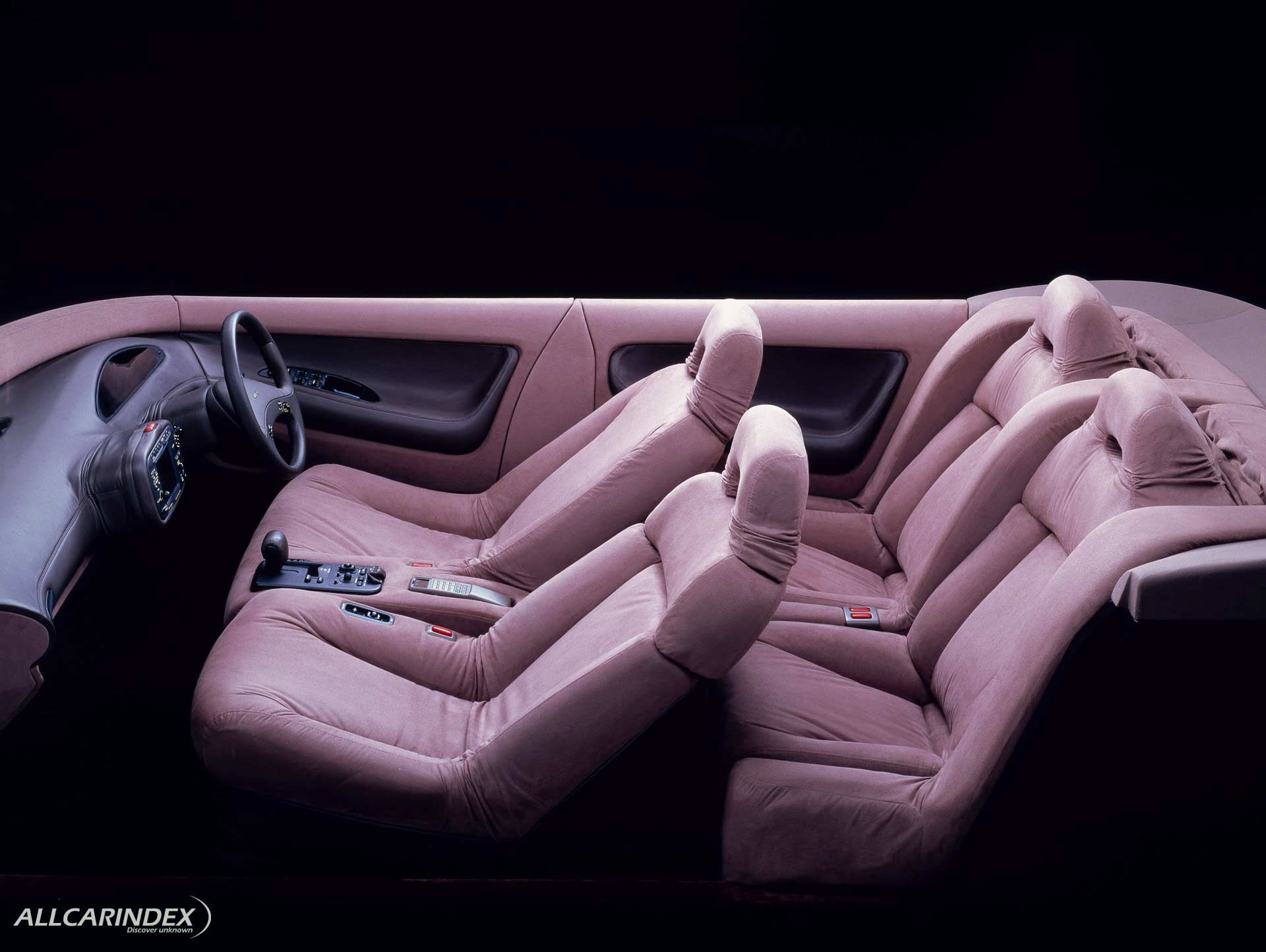
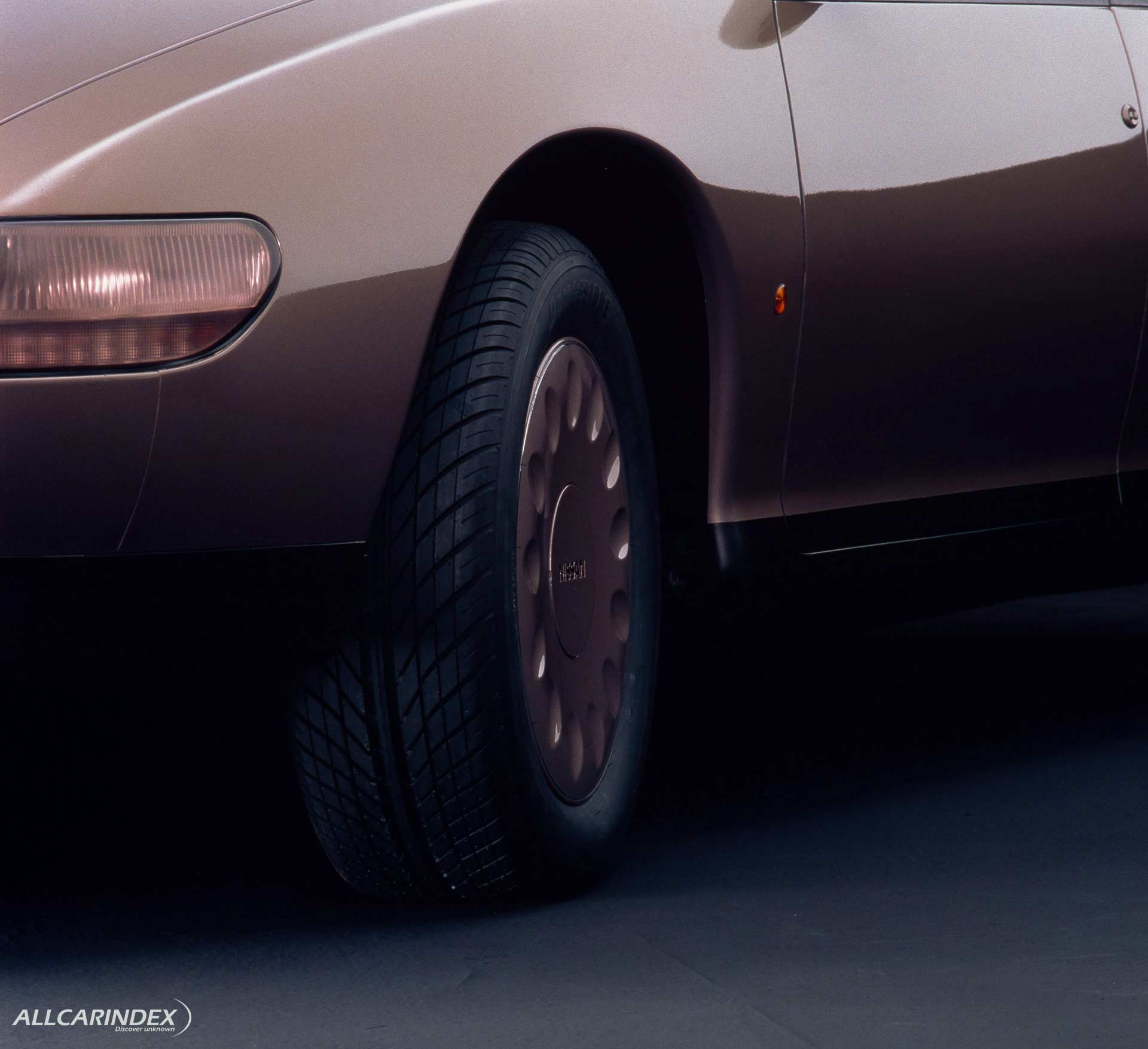
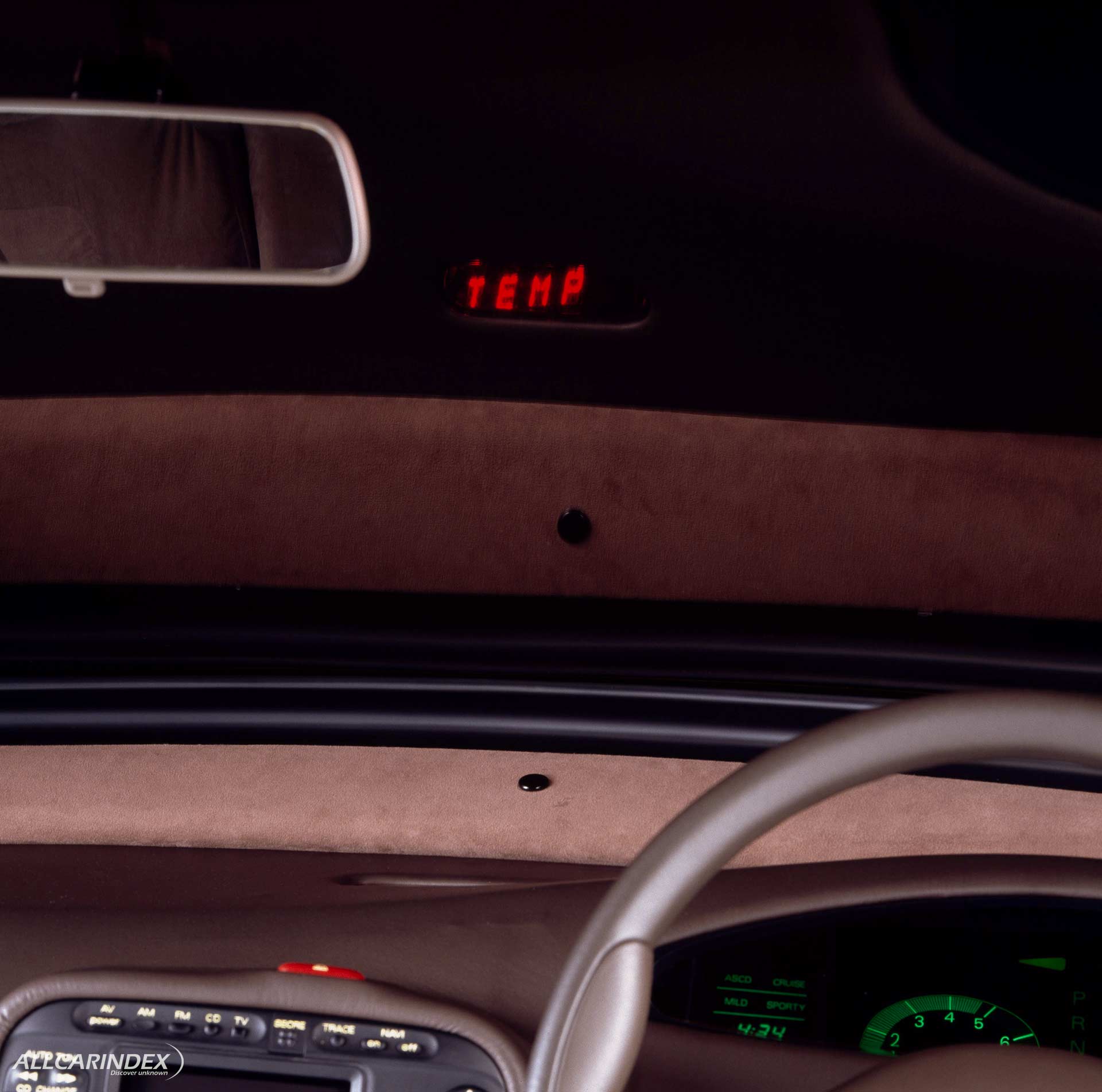
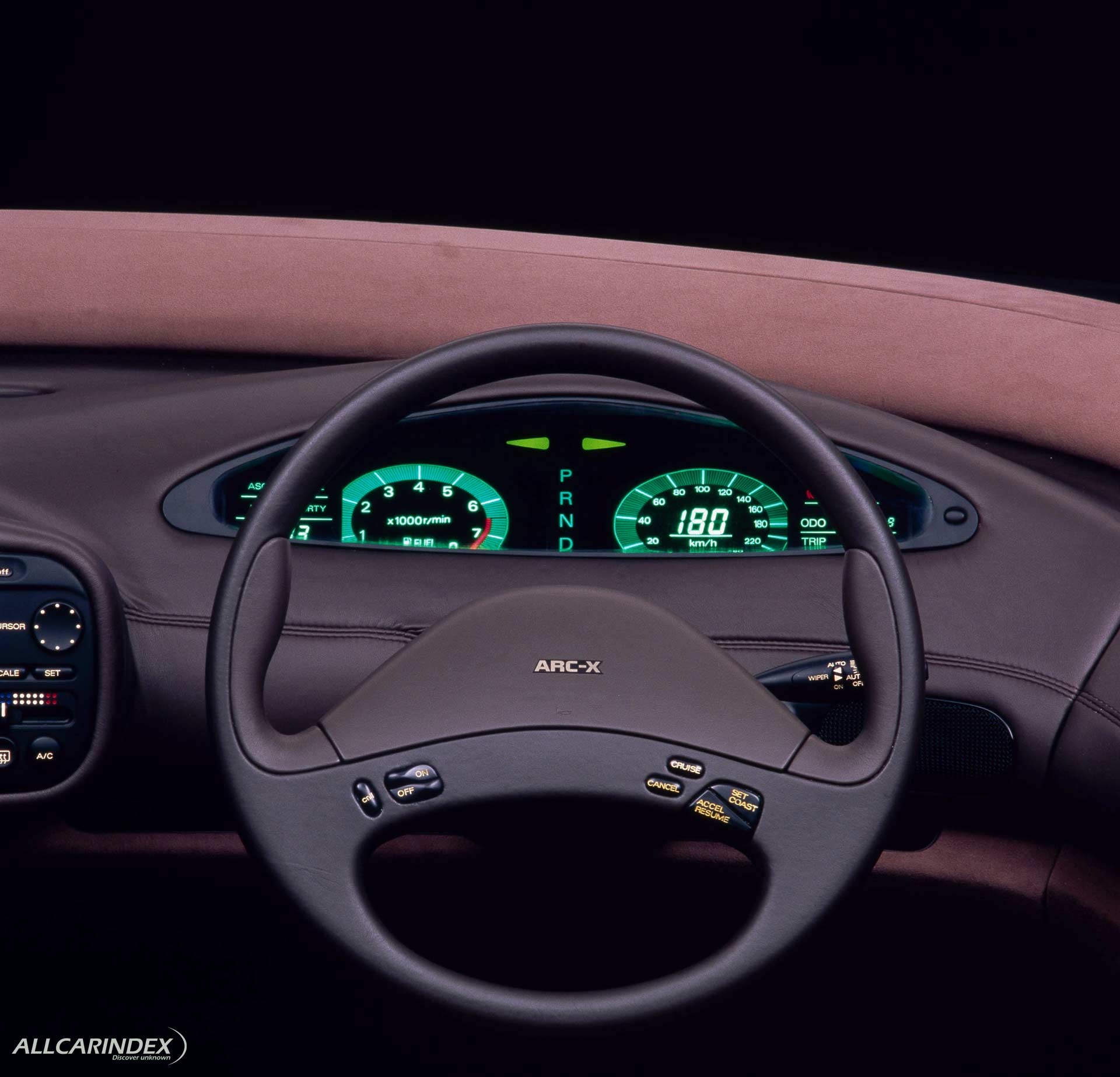
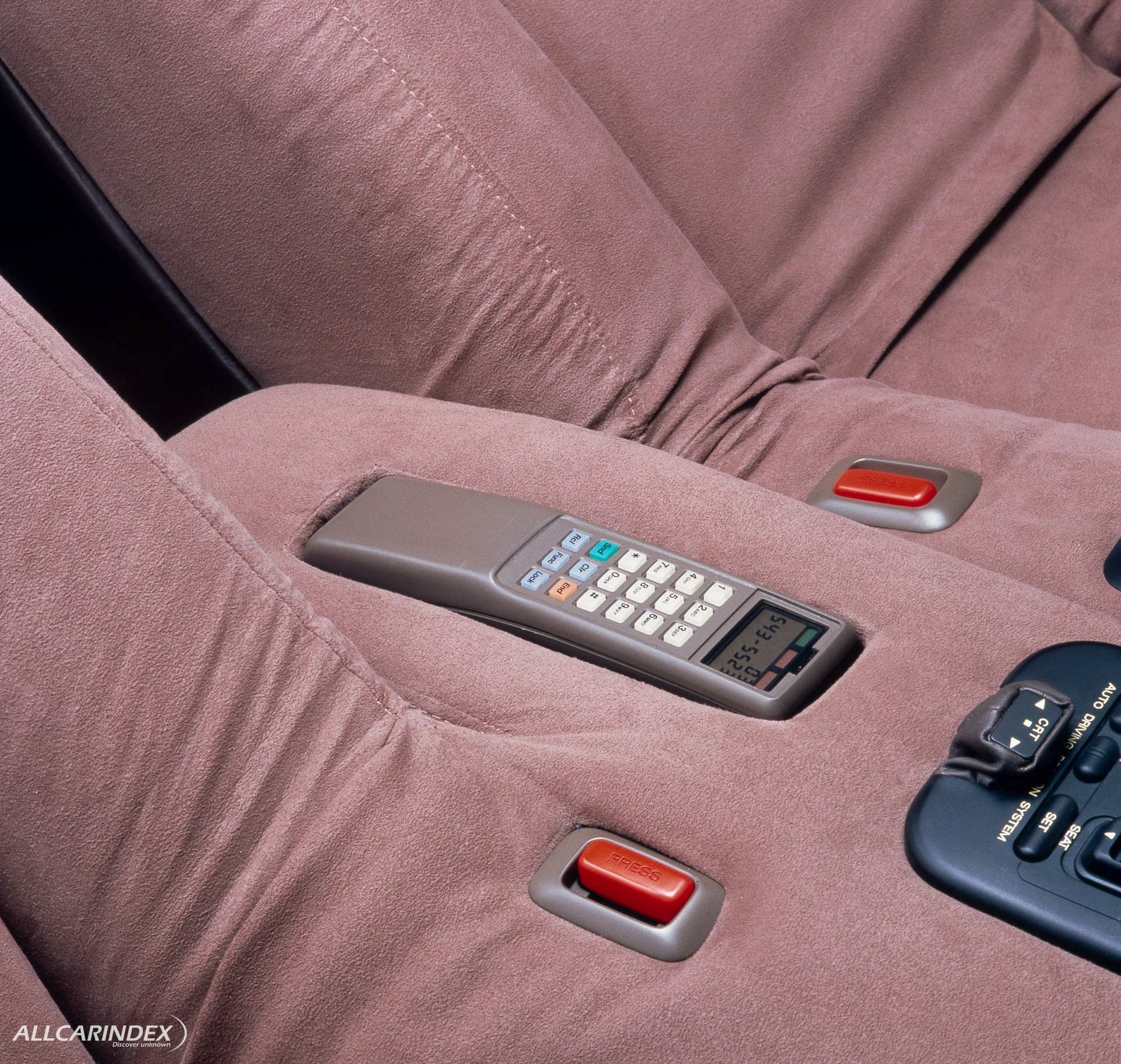
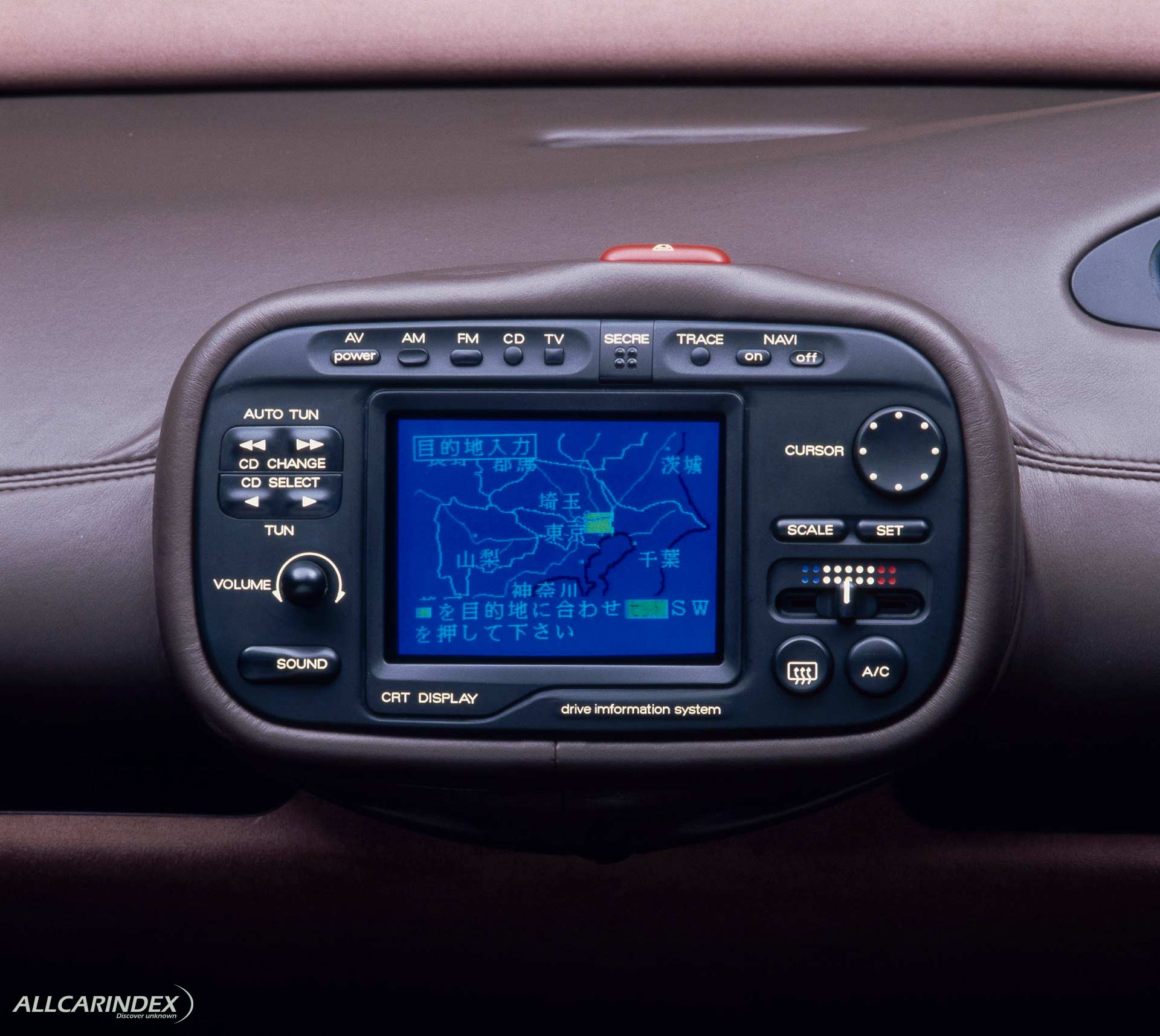
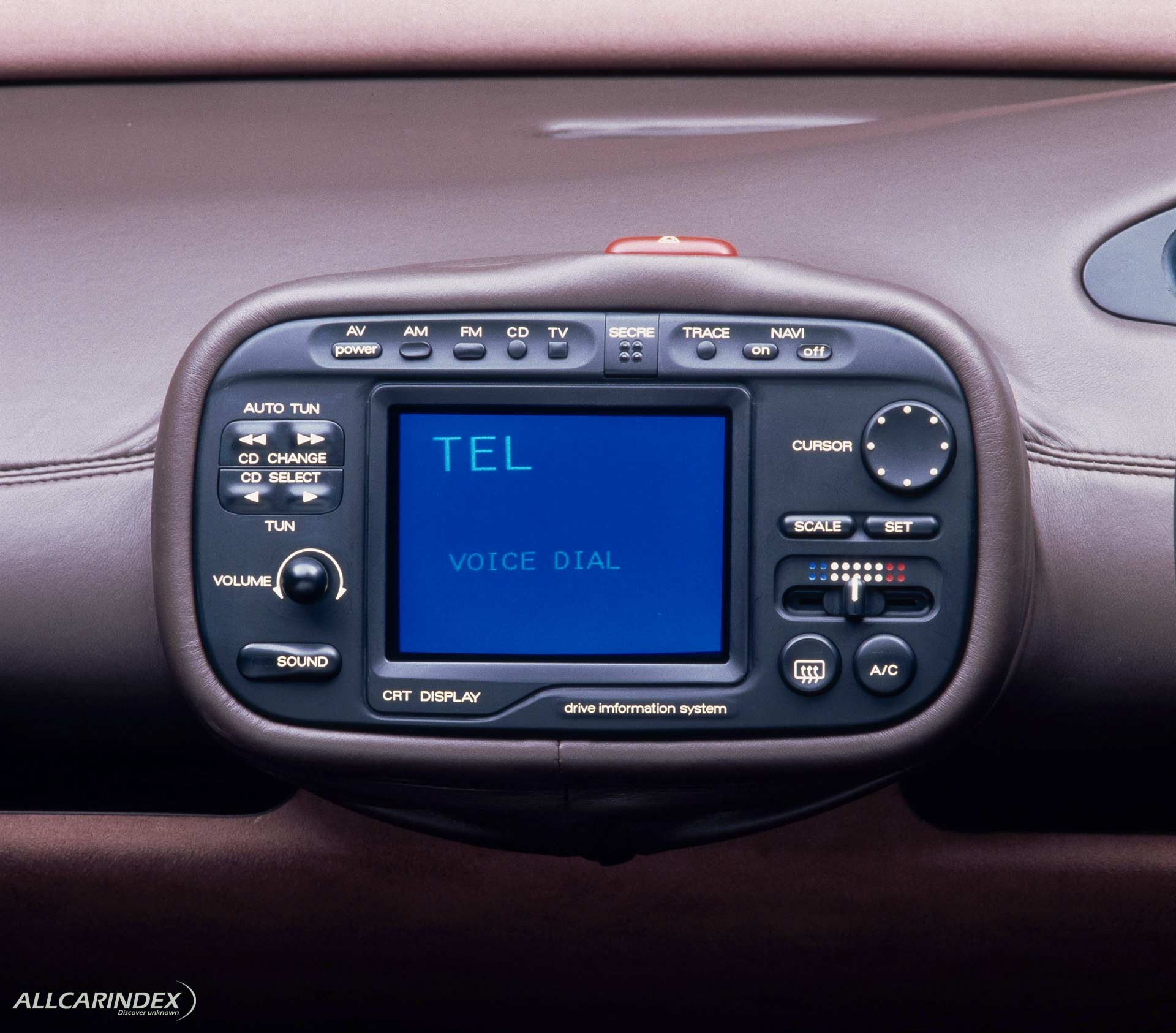
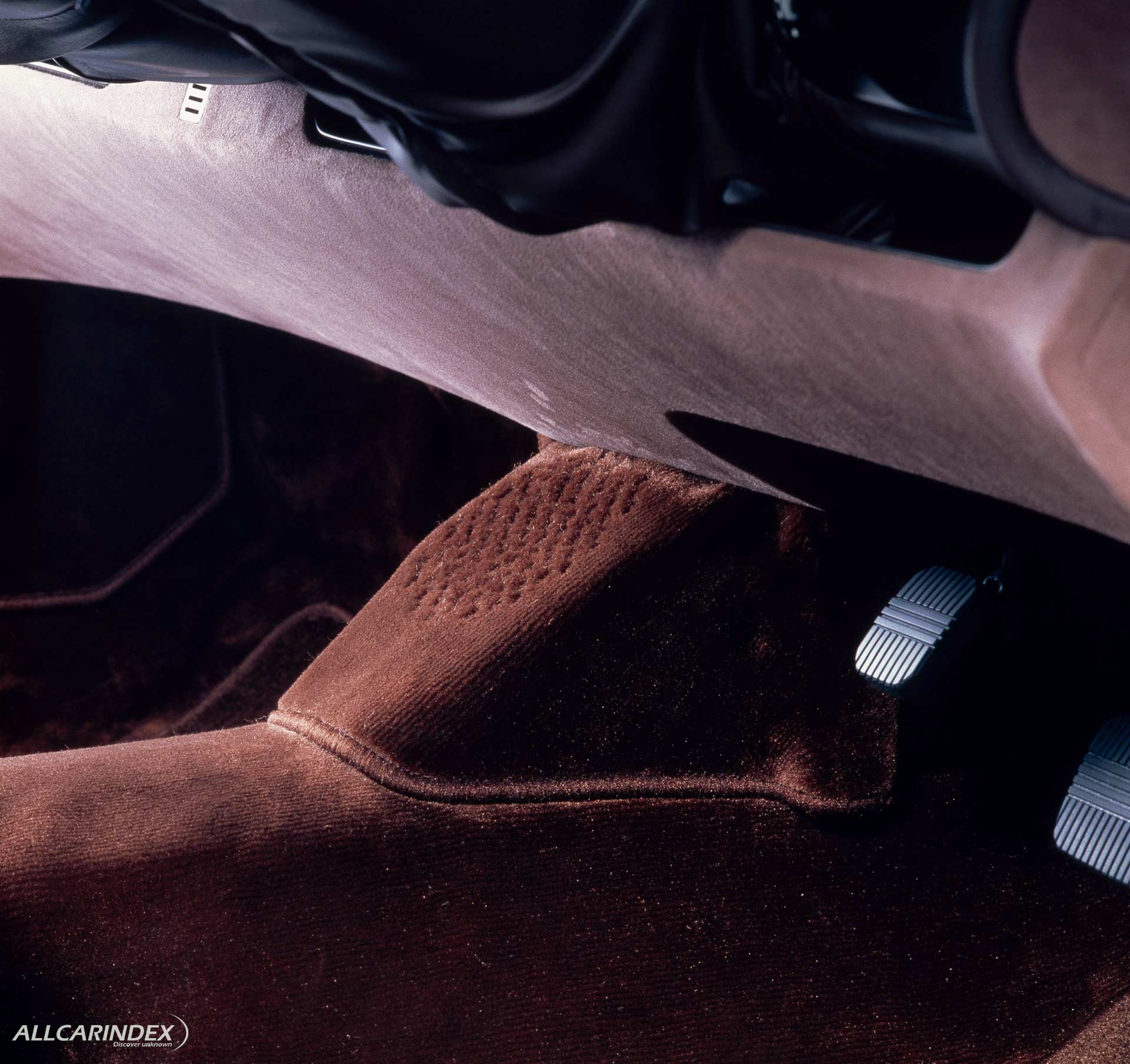
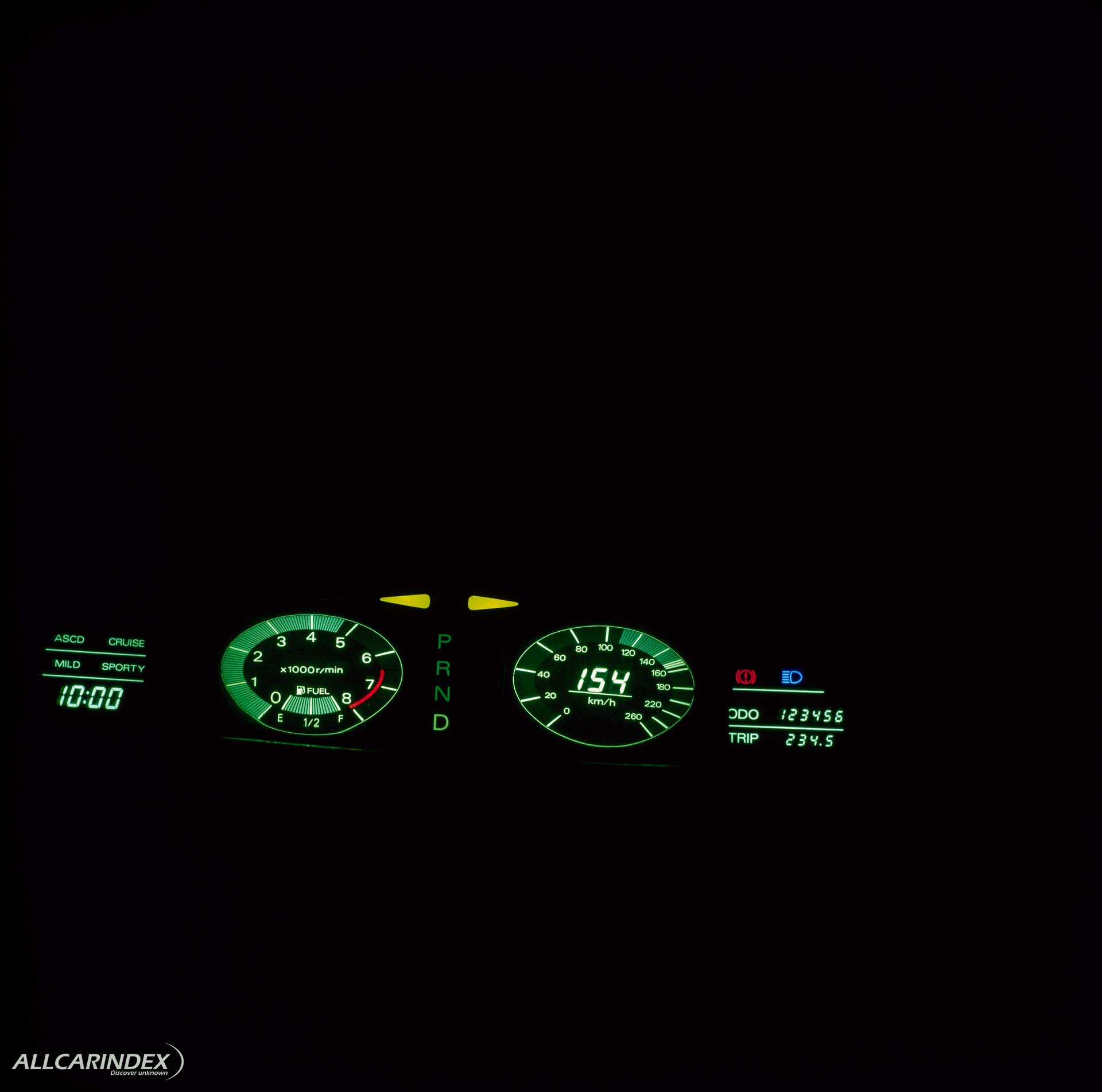
Four-wheel steering was provided by the Super-Hicas system, complemented by ABS and traction control, all coordinated through an electronic "Intelligent Vehicle Control System" managing engine output, four-wheel-drive torque split, differential braking, four-wheel steering, and variable suspension damping, with driver-selectable sporty or comfort-oriented settings. The interior featured memory settings for the driver's seat surroundings, a centre console that moved longitudinally with the seat, an electronically controlled auxiliary cushion linked to the variable suspension, adjustable seating for three passengers, and air conditioning capable of pre-cooling and storing cold air. Instrumentation combined analog and digital displays in two elliptical clusters, supplemented by a head-up display and a ground-based navigation system with a road map monitor that could switch to television reception, along with a voice-activated telephone.