
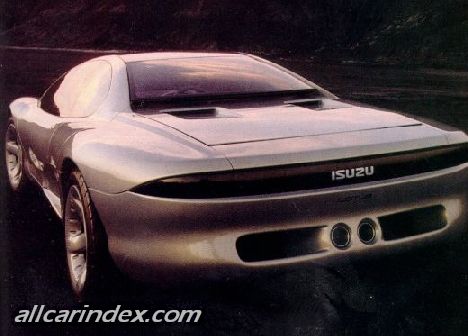
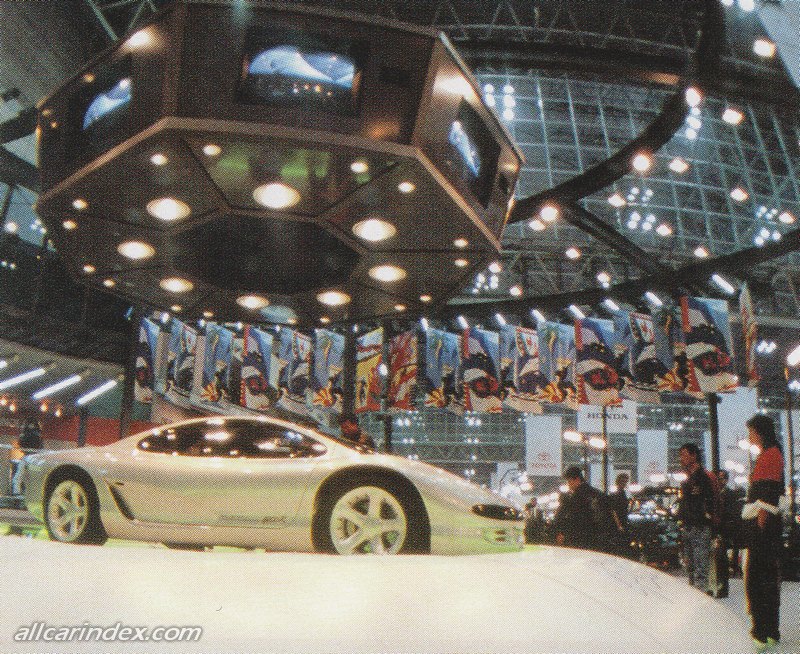
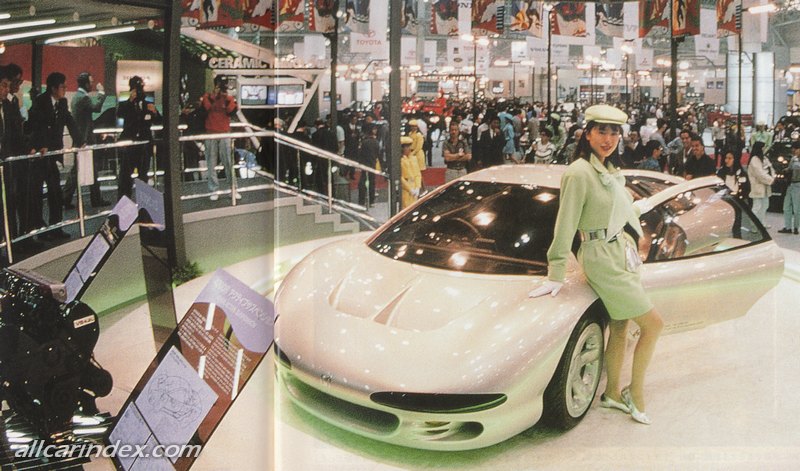
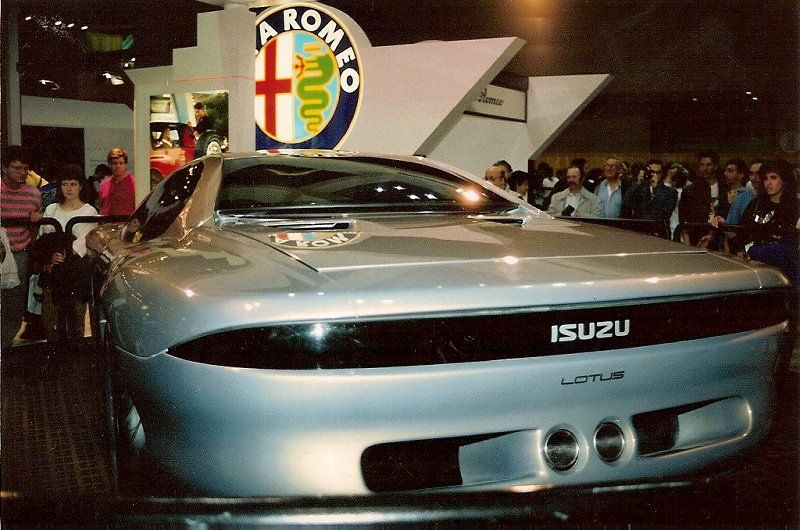
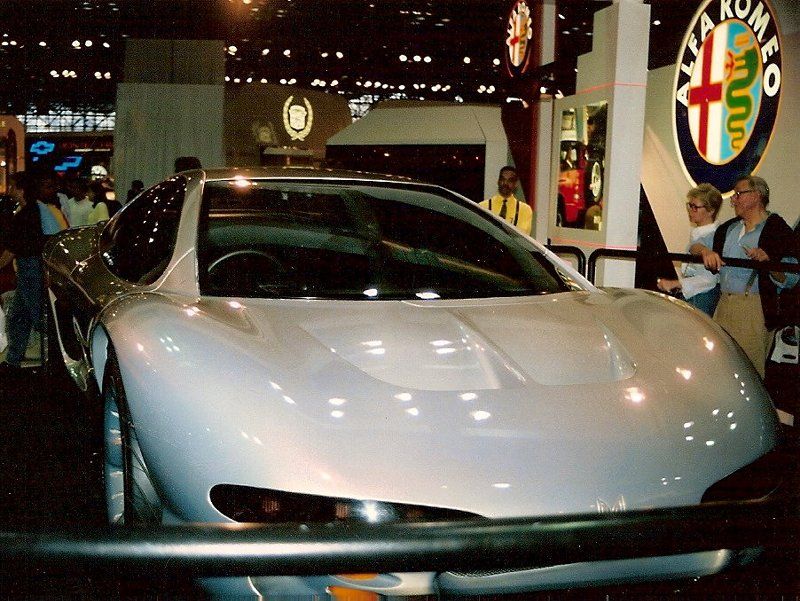
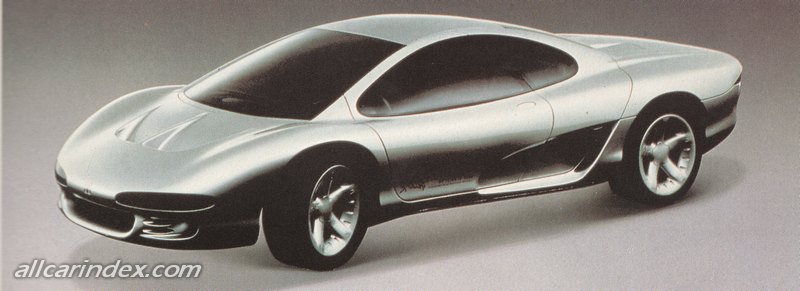
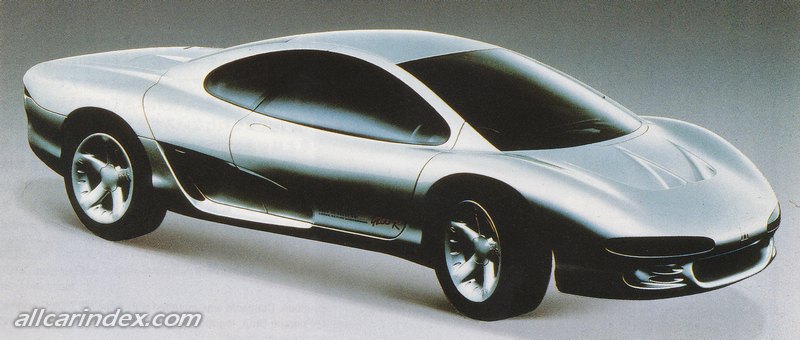
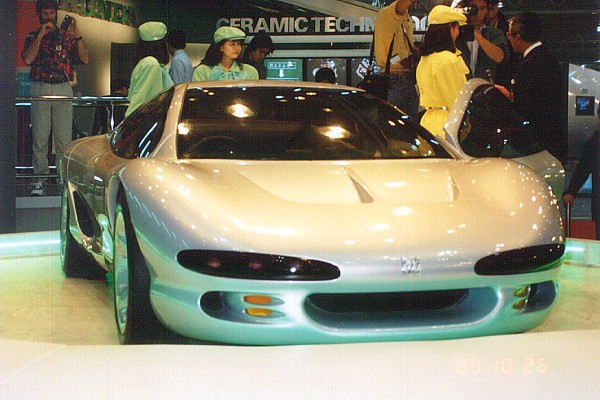
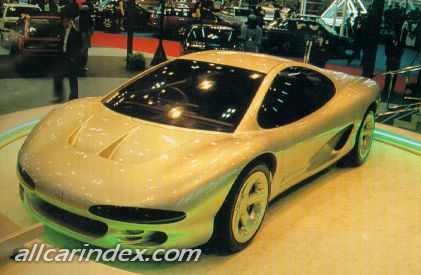
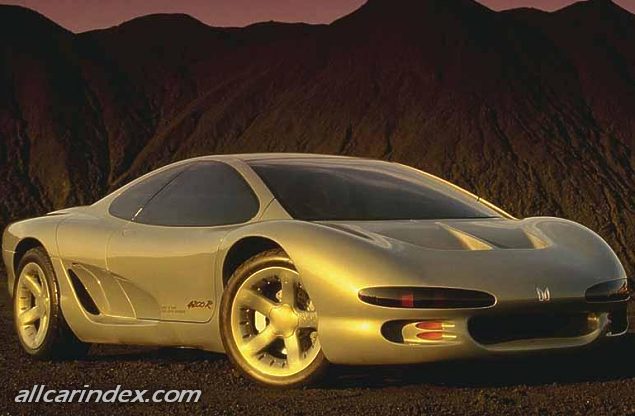
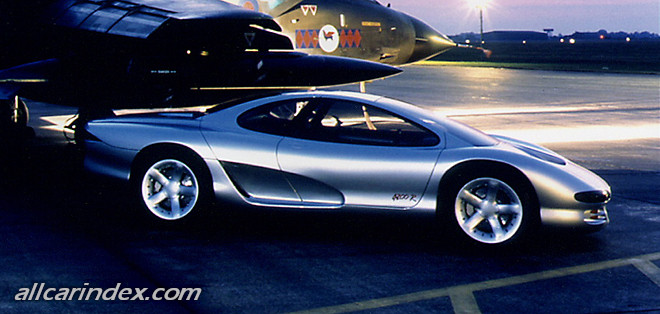
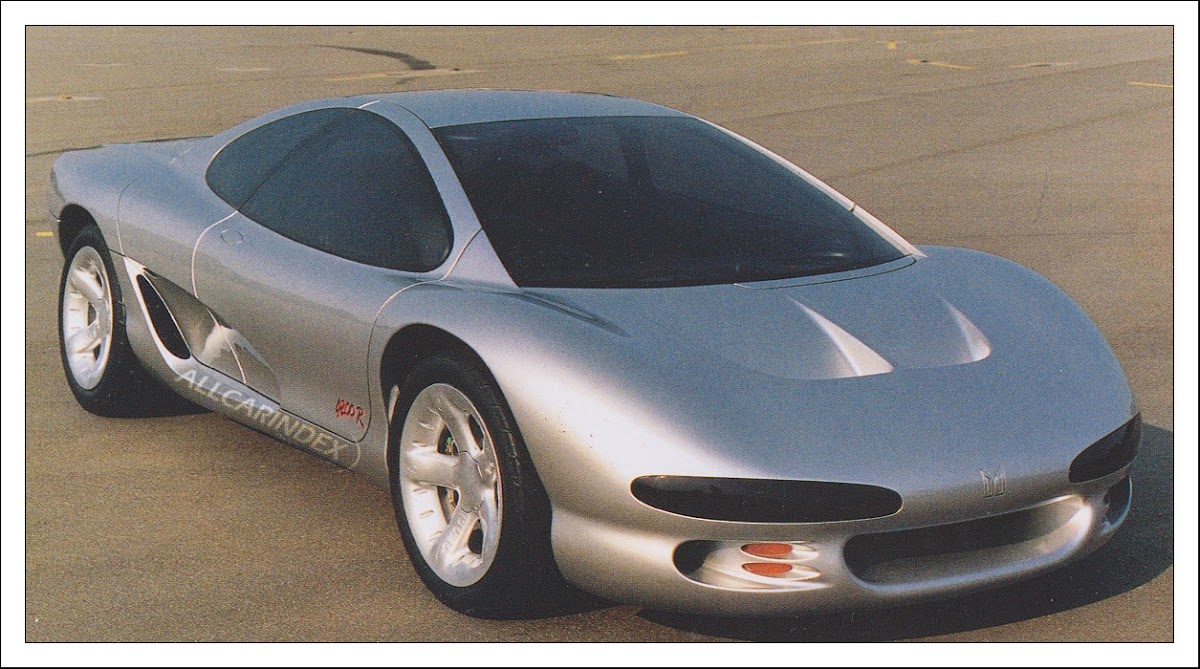
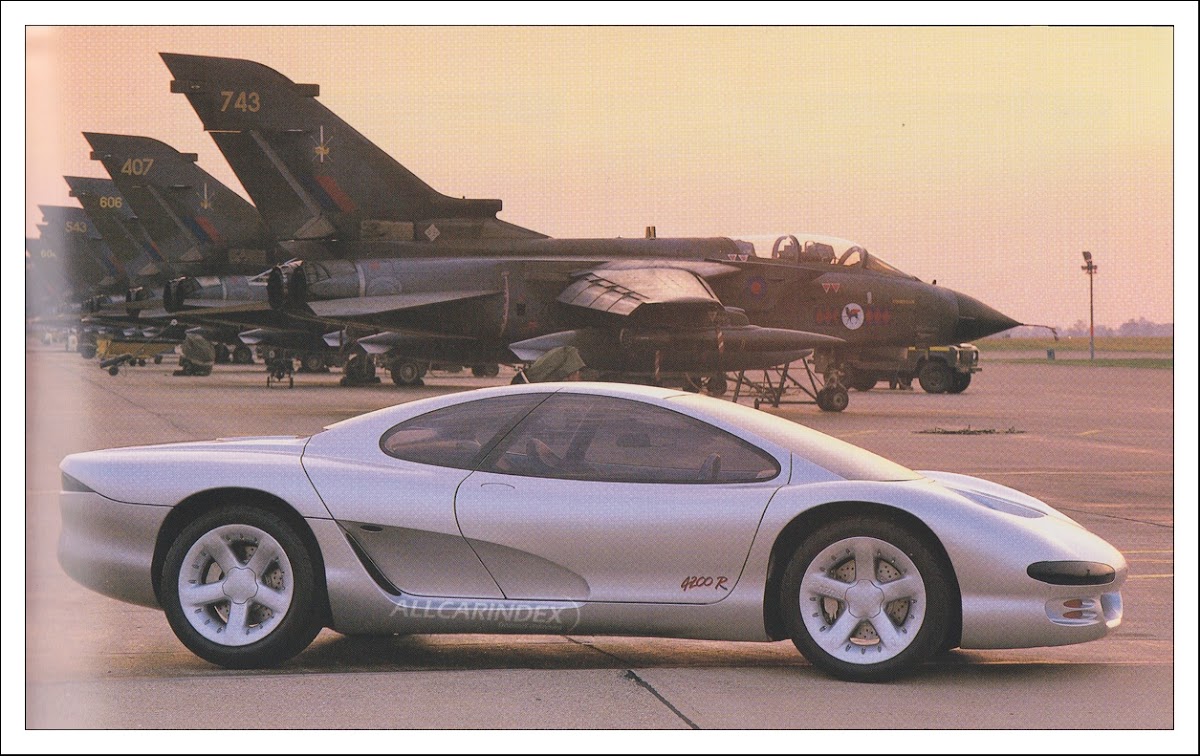
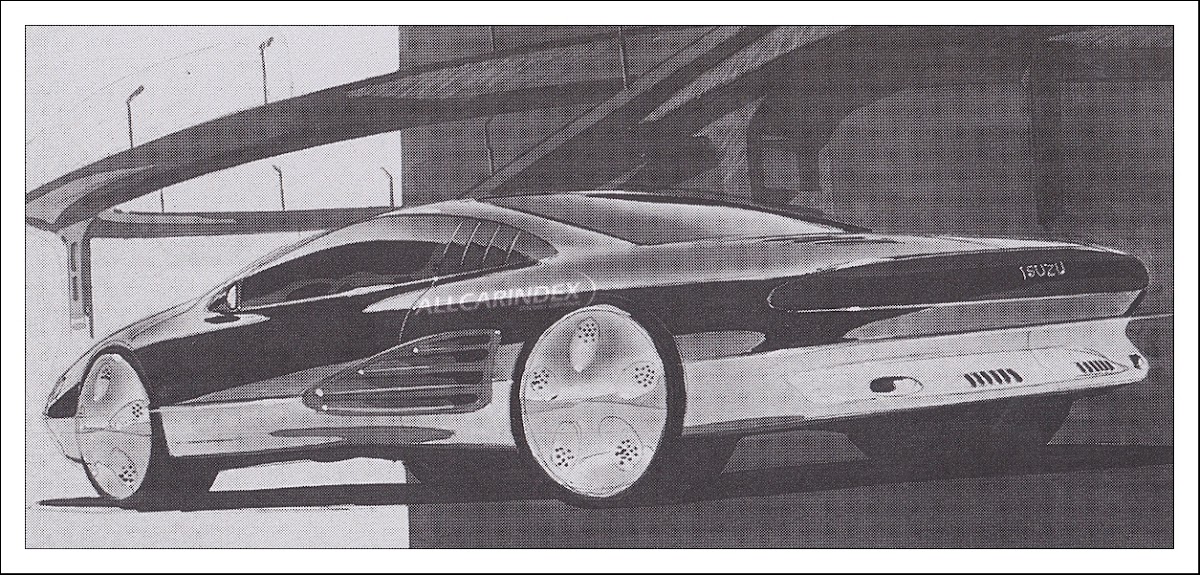
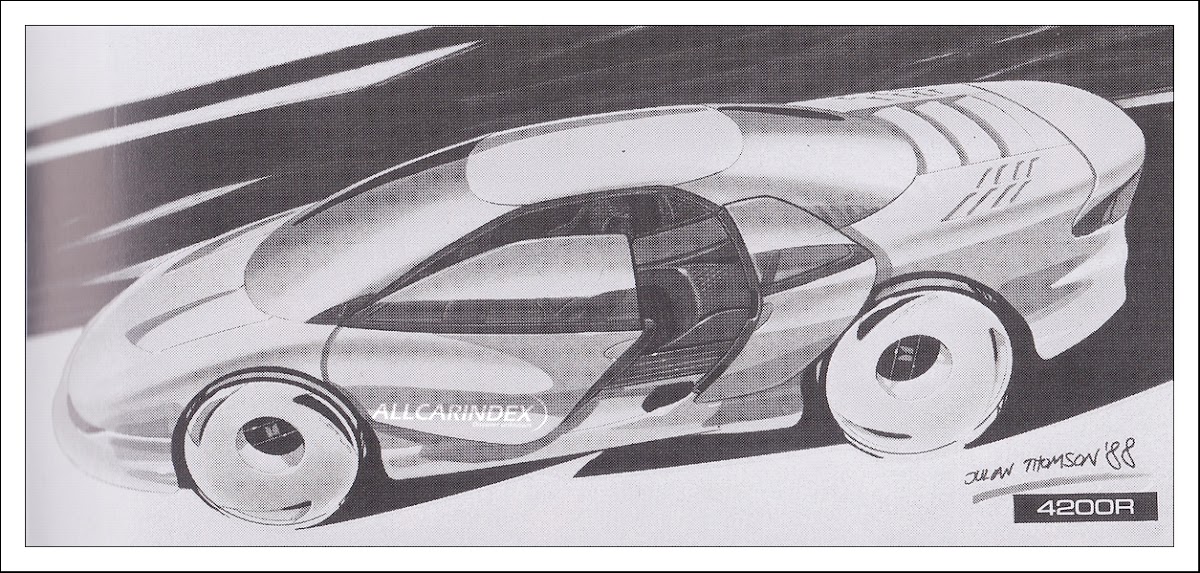
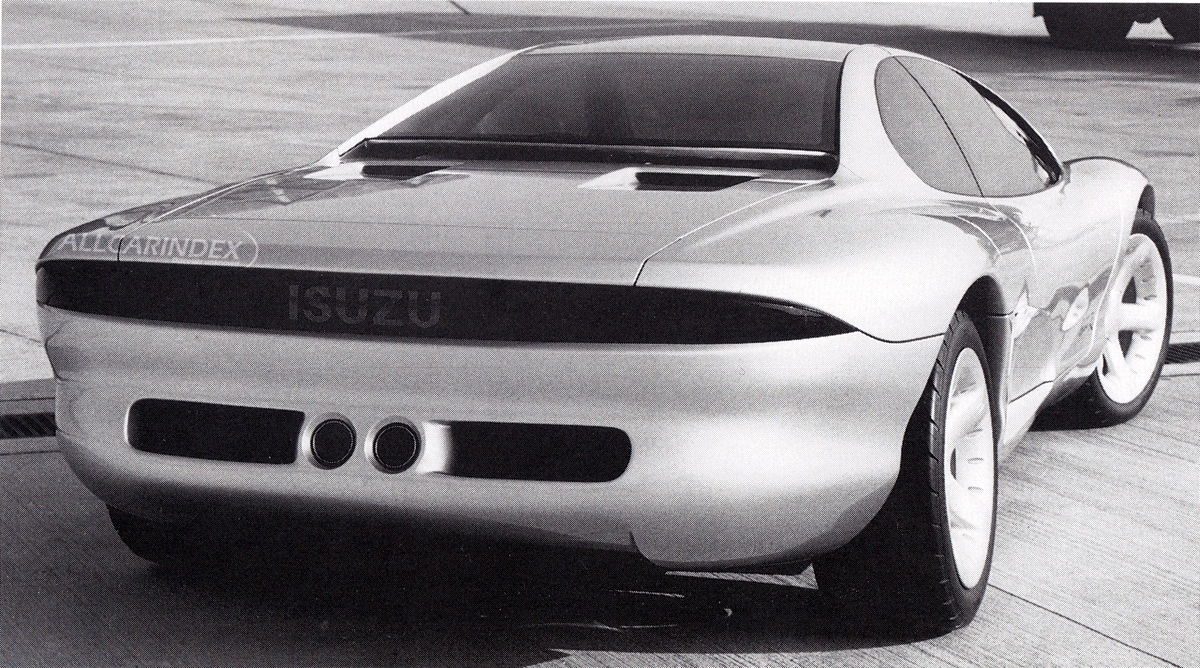
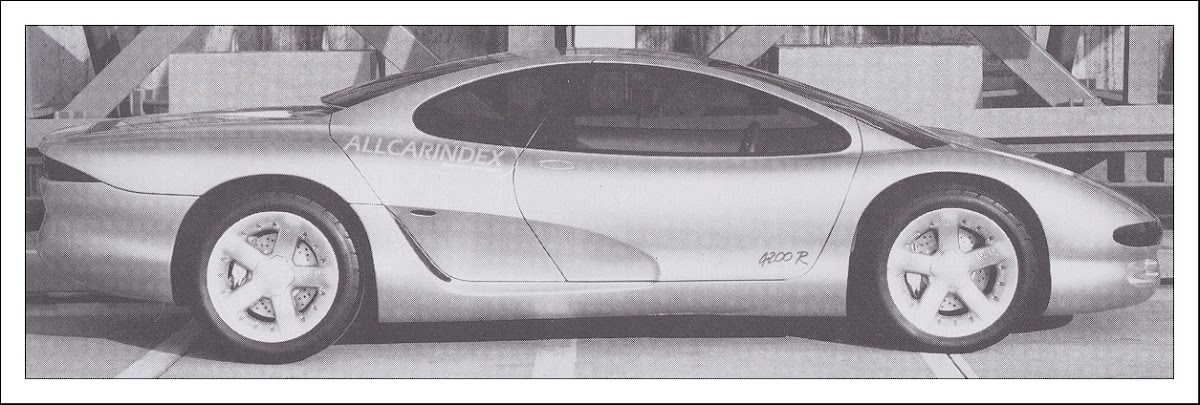
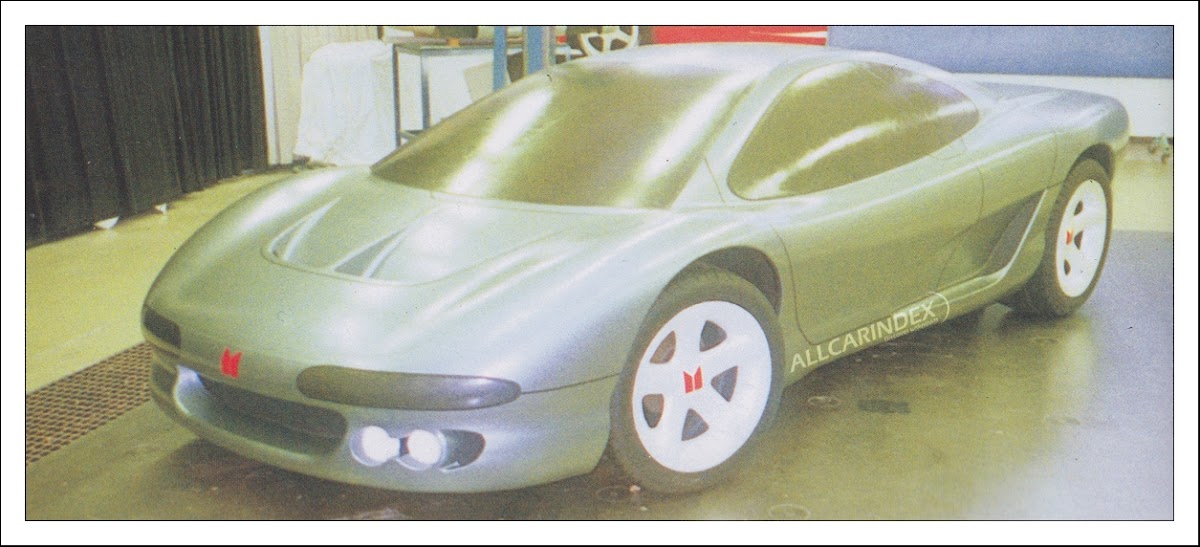
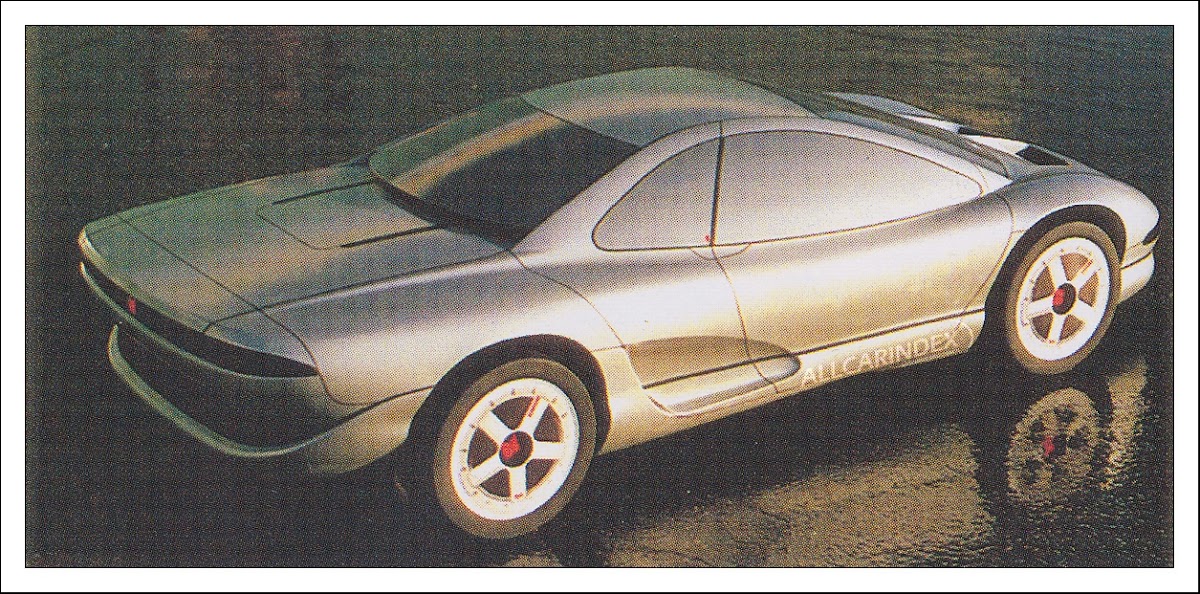
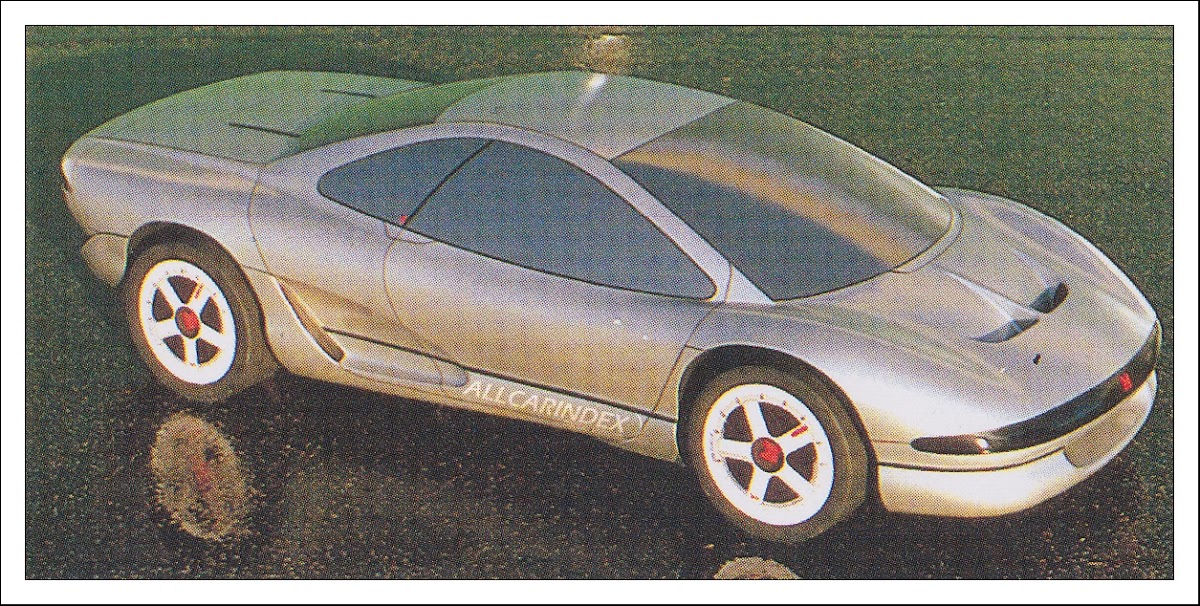
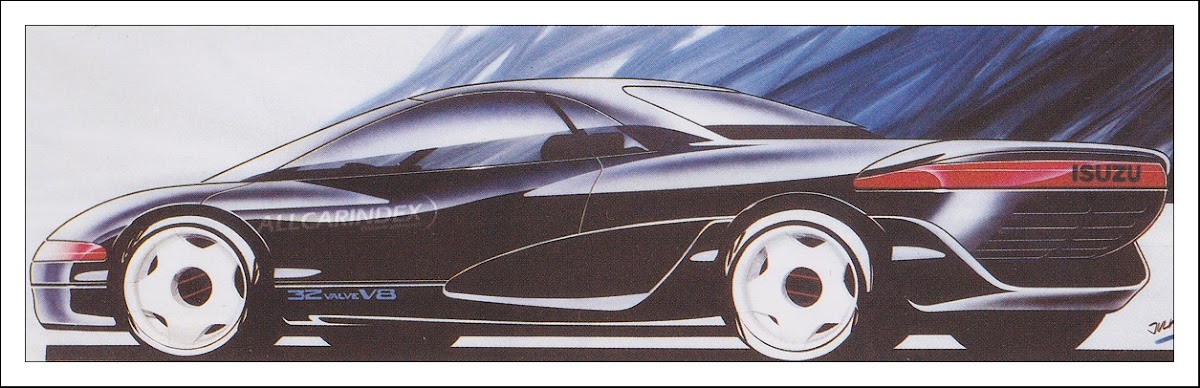
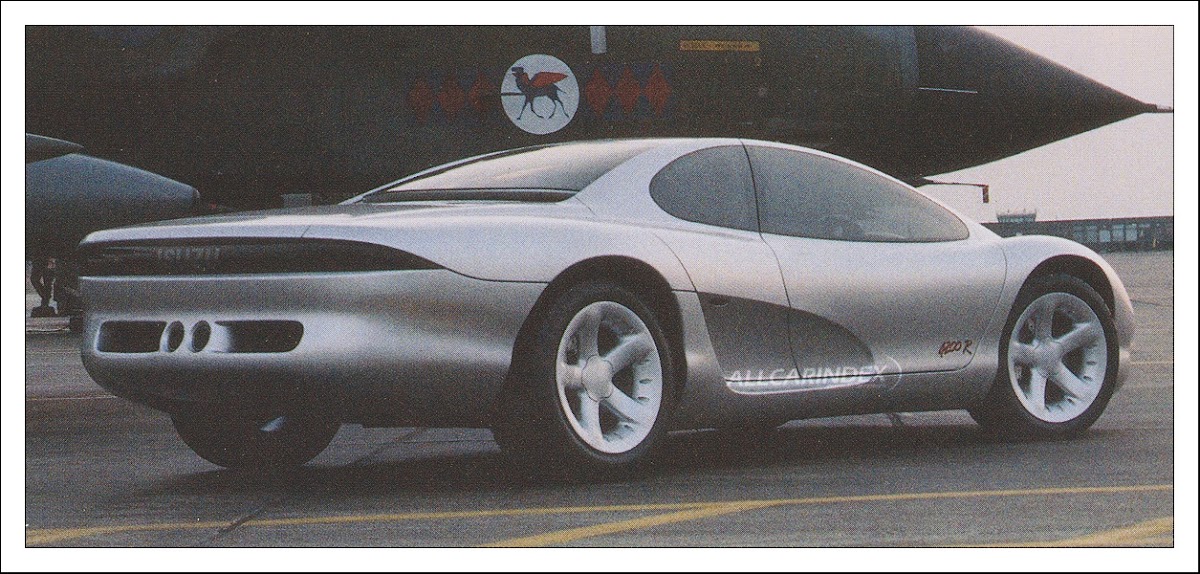
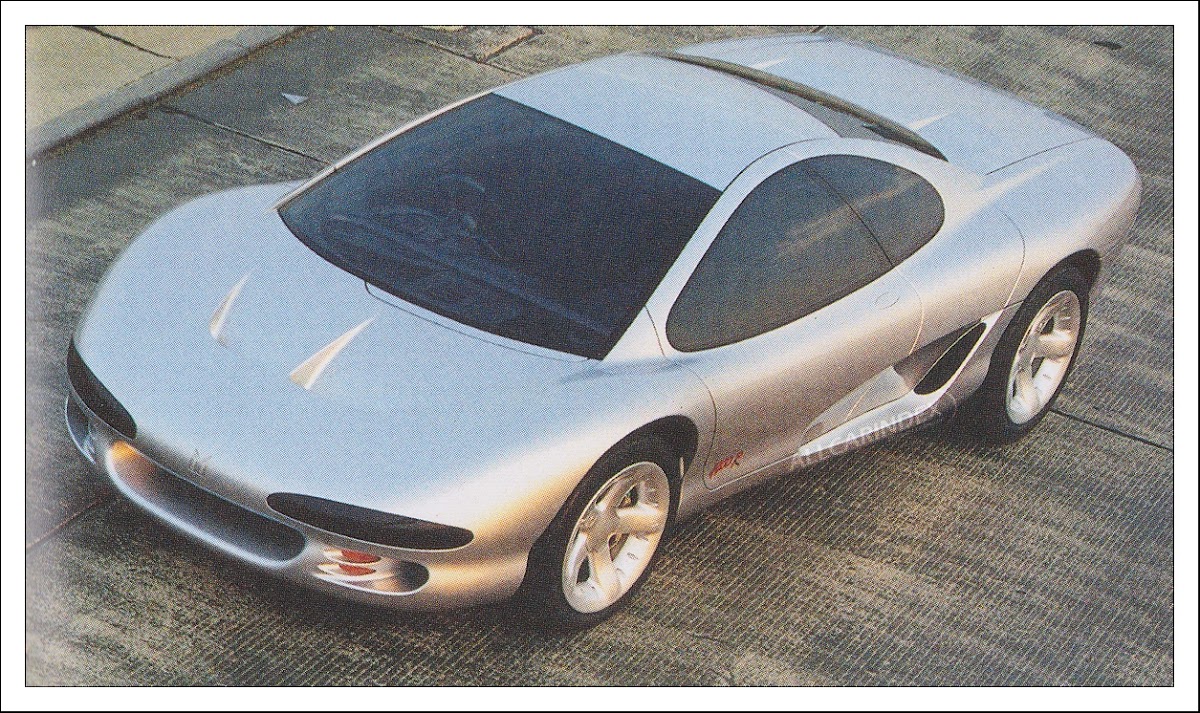
The Isuzu 4200R was a mid-engined concept coupe shown by the Japanese manufacturer at the Tokyo Motor Show, where it competed for attention as a high-performance concept car alongside rivals such as the Mitsubishi HSR-II and the Jiotto/Subaru Caspita. It marked a significant departure from anything Isuzu had previously built, adopting a supercar-style silhouette with a rising beltline and a long tail section, a form comparable to that of the Jaguar XJ220. The body featured a semicircular side window and rounded air intakes, and stood 135 cm tall, a proportion intended to allow a comfortable seating position.
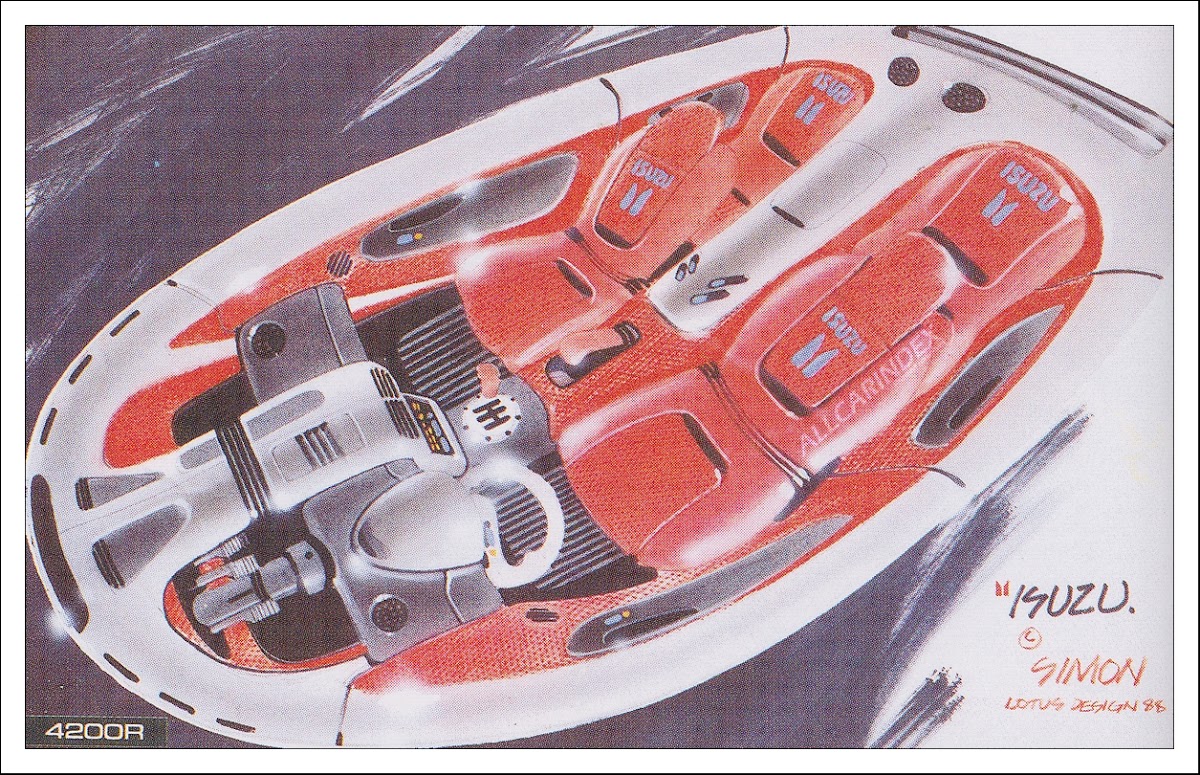
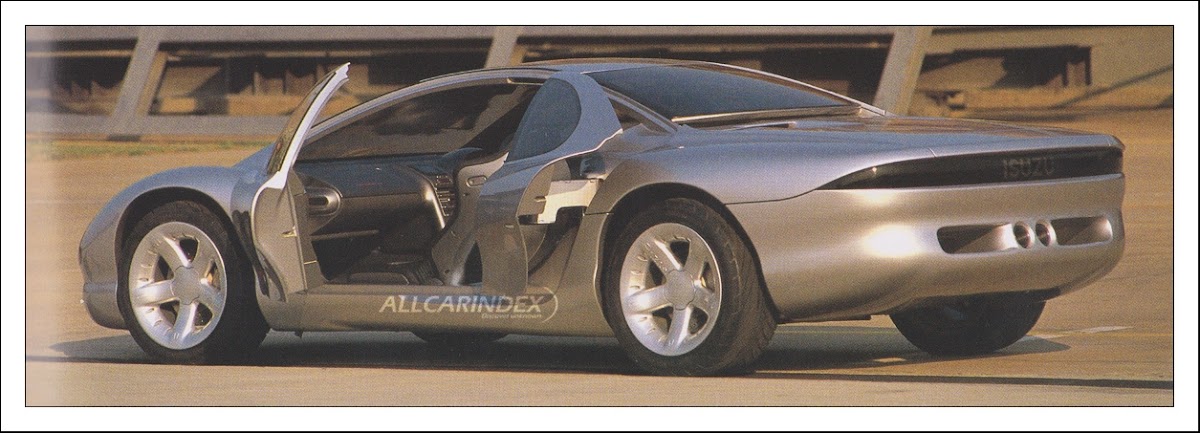
The car's development benefited from Isuzu's corporate ties to General Motors, which held a minority stake in Isuzu Motors and had recently become the majority shareholder of Lotus Cars. This connection meant several production Isuzu models already carried "Handling by Lotus" branding, and Lotus also contributed to the 4200R. The car was unusual for a mid-engined design in offering seating for more than two adults: a 2+2 layout allowed two children to ride between the front seats and the mid-mounted engine bay. It was also configured as a "2+2-door" car, with small rear half-doors that opened in conjunction with the front doors, sliding rearward through a specially designed kinematic mechanism. This arrangement eliminated the need for a central door pillar and was noted as an innovative feature that would later be echoed in other concept car designs.
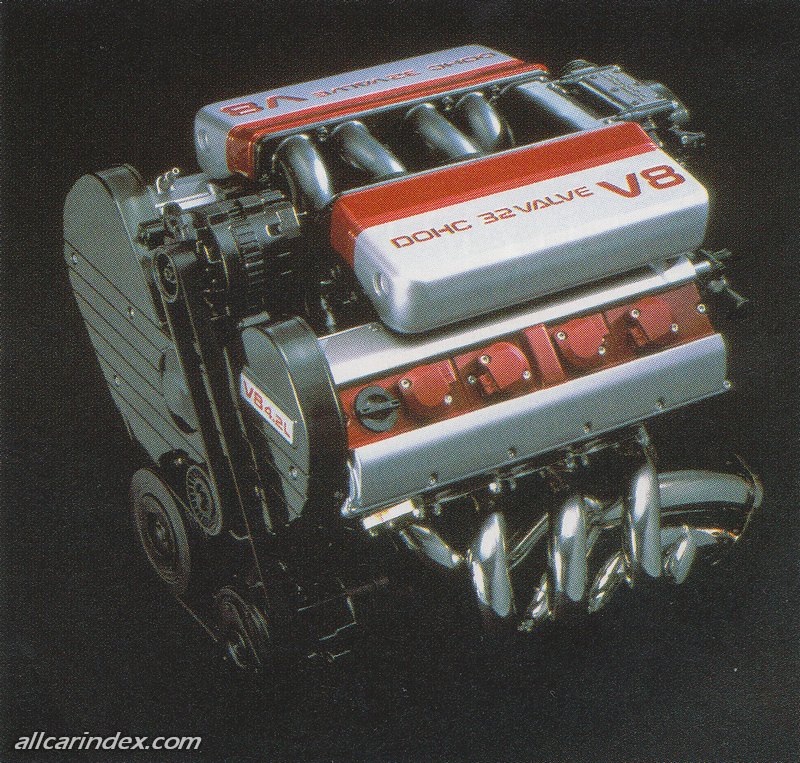
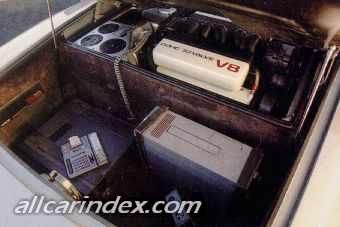
Power came from a completely new engine for Isuzu, a lightweight, compact high-performance V8 of 4.2 liters, since the company had previously built only four-cylinder units. The engine, displayed separately, was a DOHC design with 32 valves and was capable of producing around 350 hp without turbocharging. Lotus involvement was evident, as the British firm had already developed a similar V8 for its own Etna project and had helped give the Chevrolet Corvette a four-valve cylinder head.
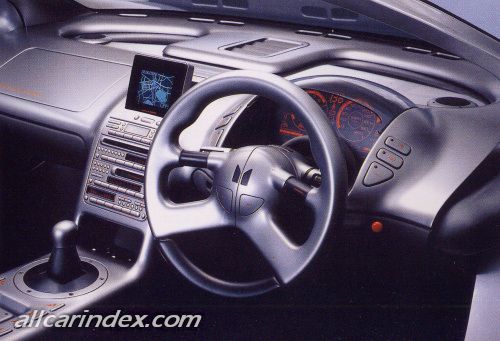
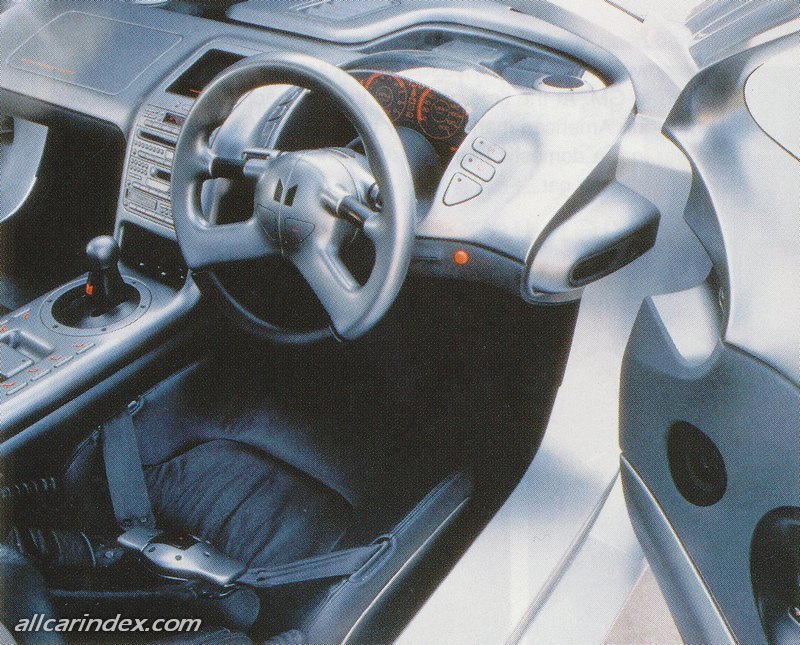
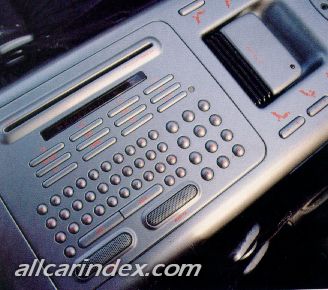
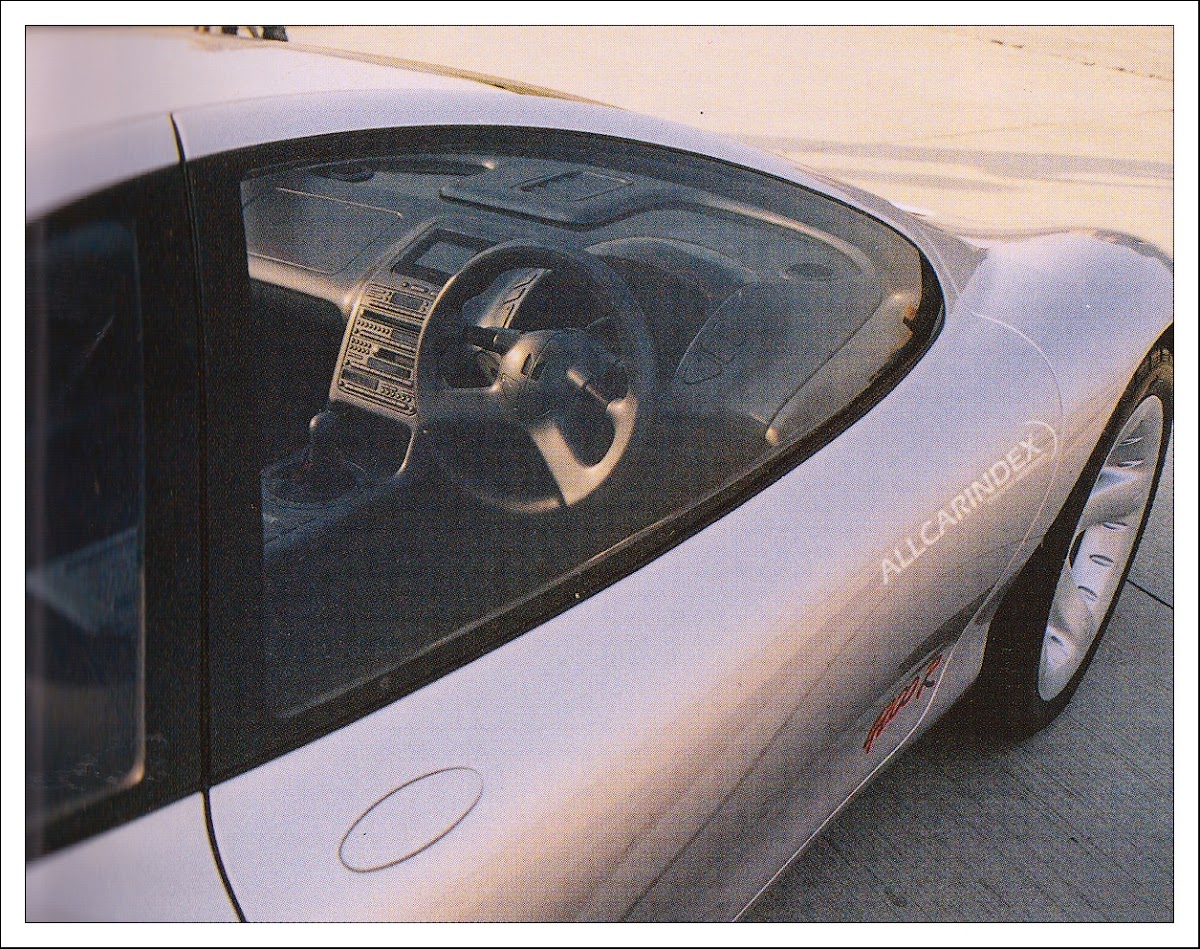
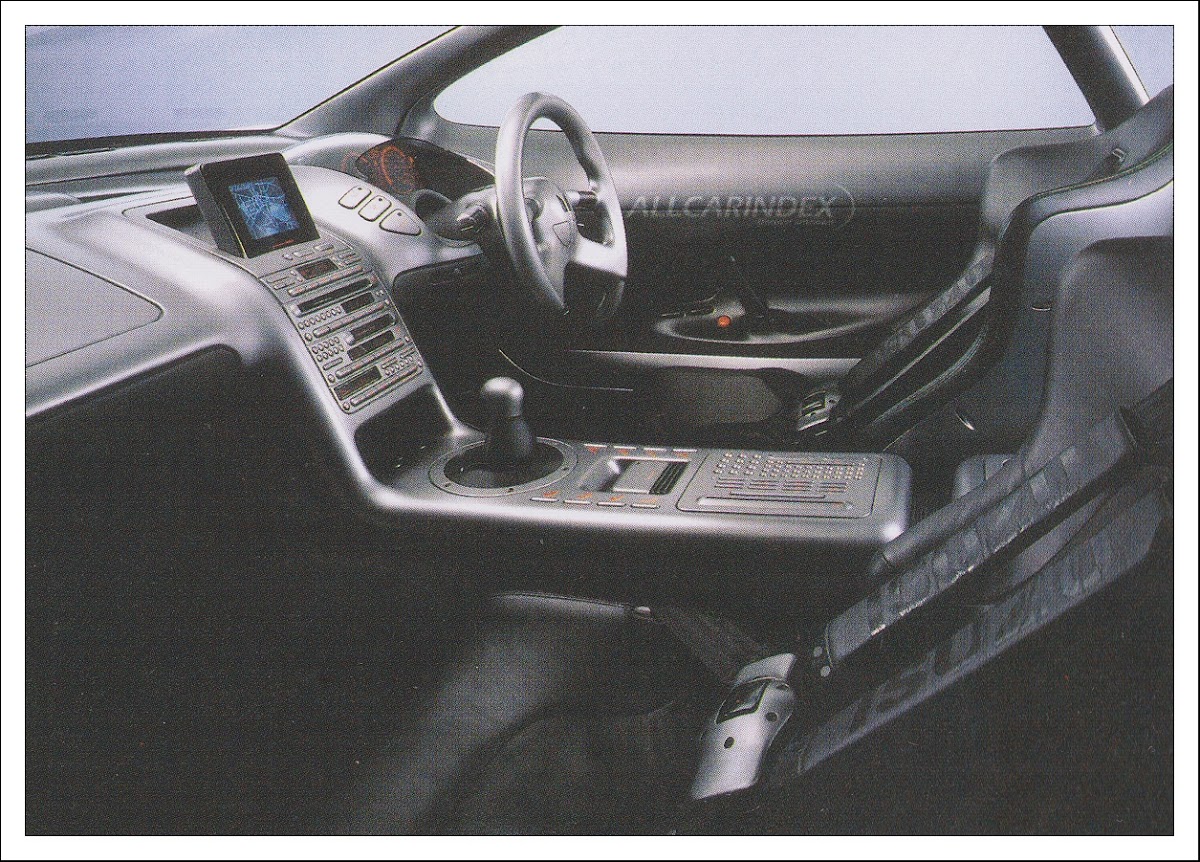
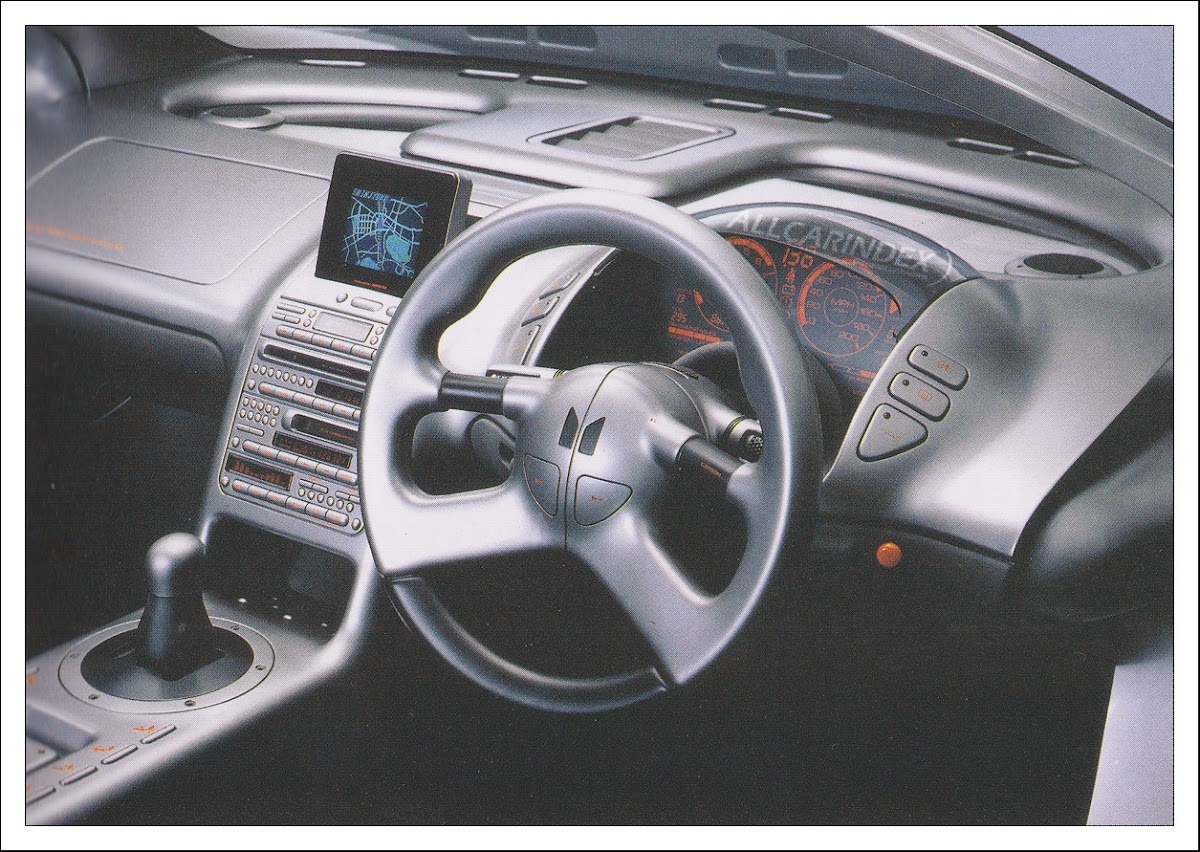
The 4200R, not yet fully finished at the time of its Tokyo Motor Show appearance, also featured an active suspension system developed together with Lotus, aimed at balancing stability and ride comfort. Its cabin combined comfort with sporting intent, incorporating electronic instrumentation, a navigation system with a map screen that folded up from the center console, a multi-function audio system, and a fax machine. The car measured 463 cm in length, 191 cm in width and 135 cm in height, with a wheelbase of 263 cm.