
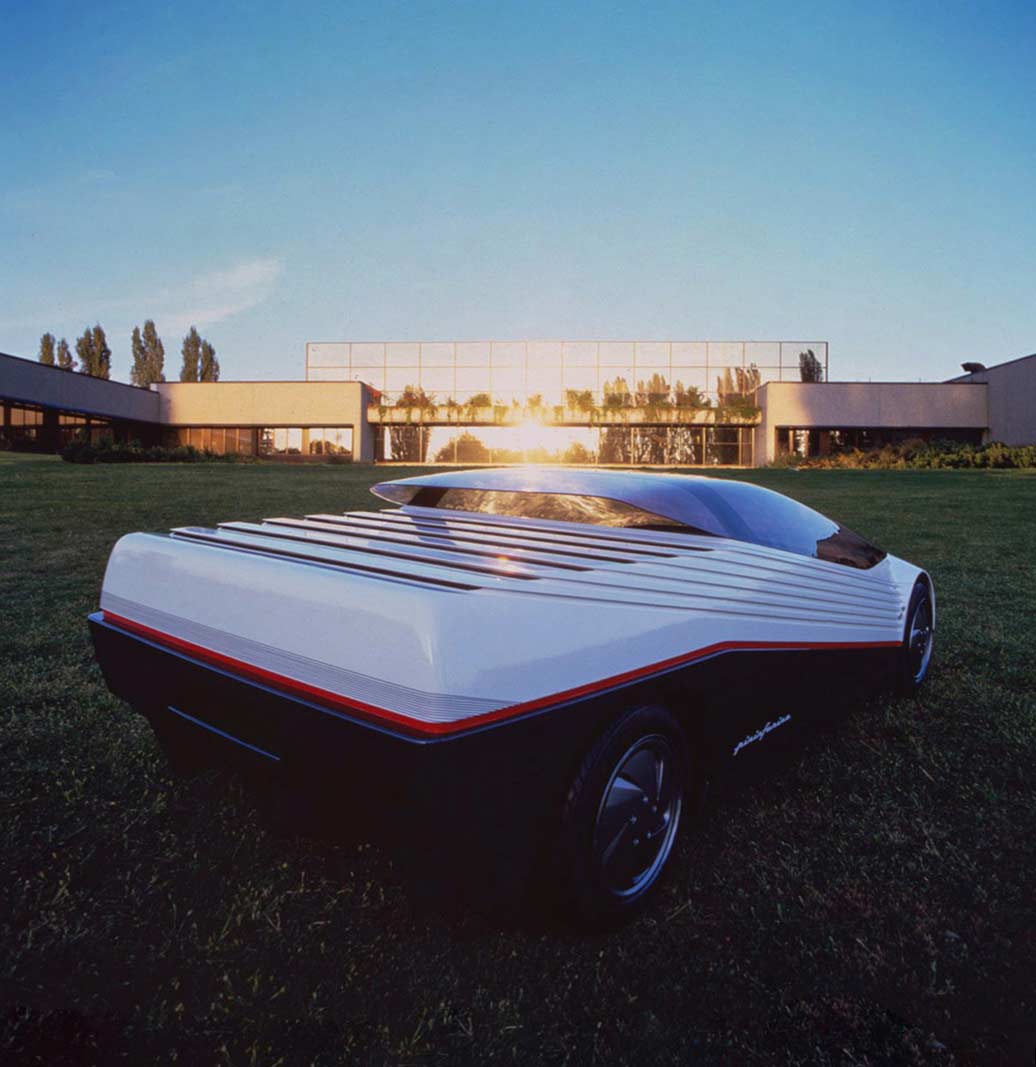
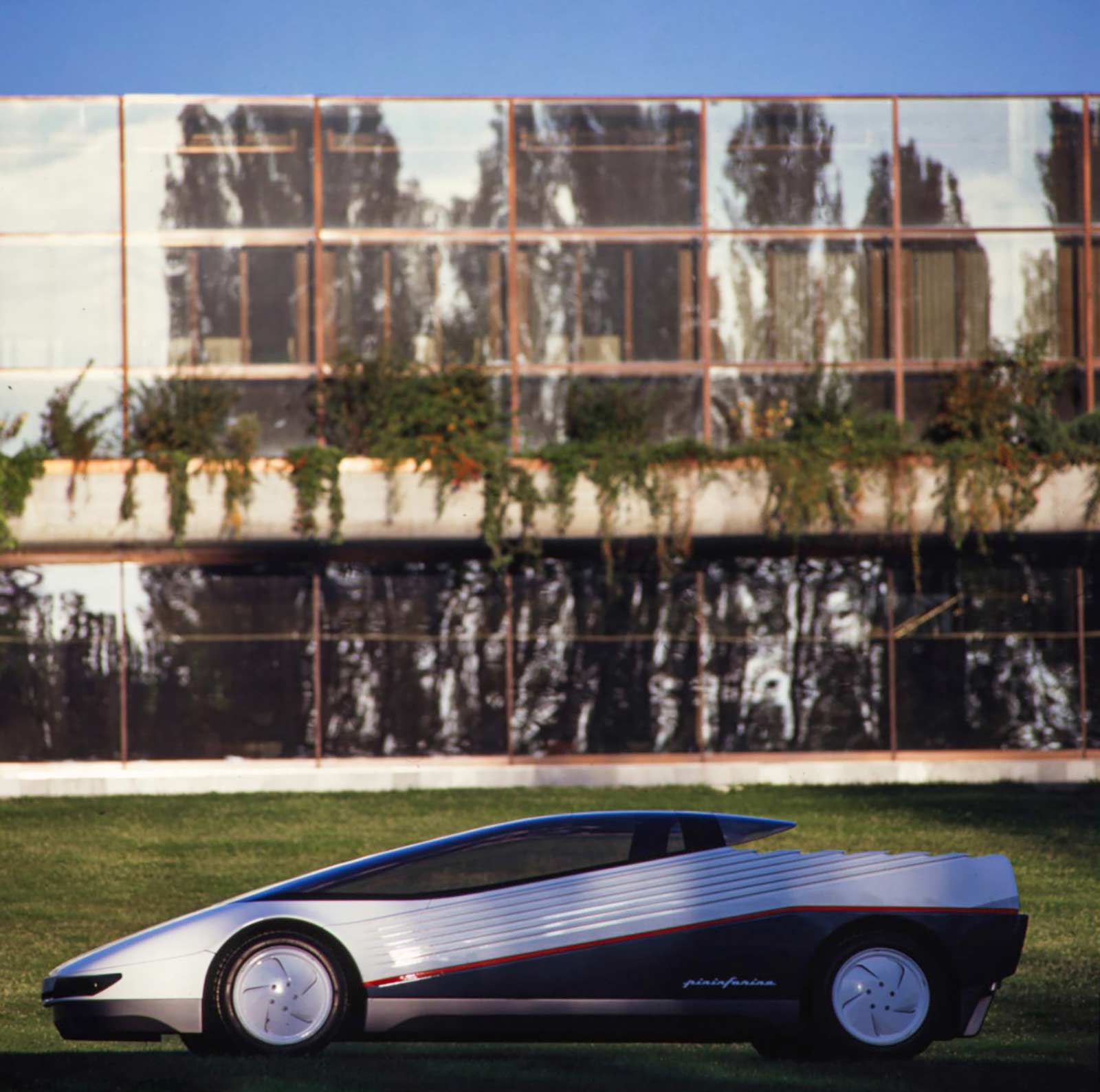
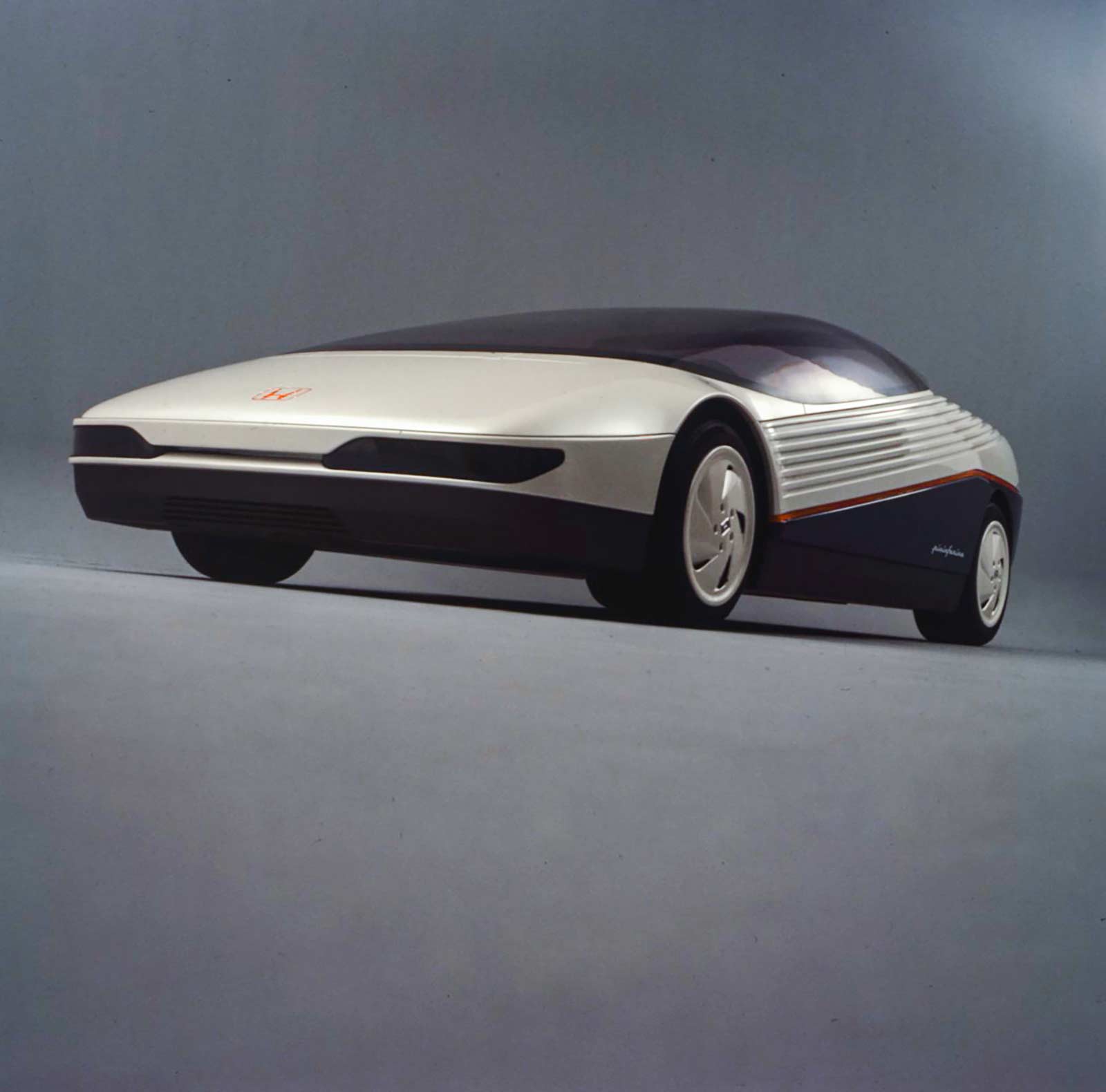
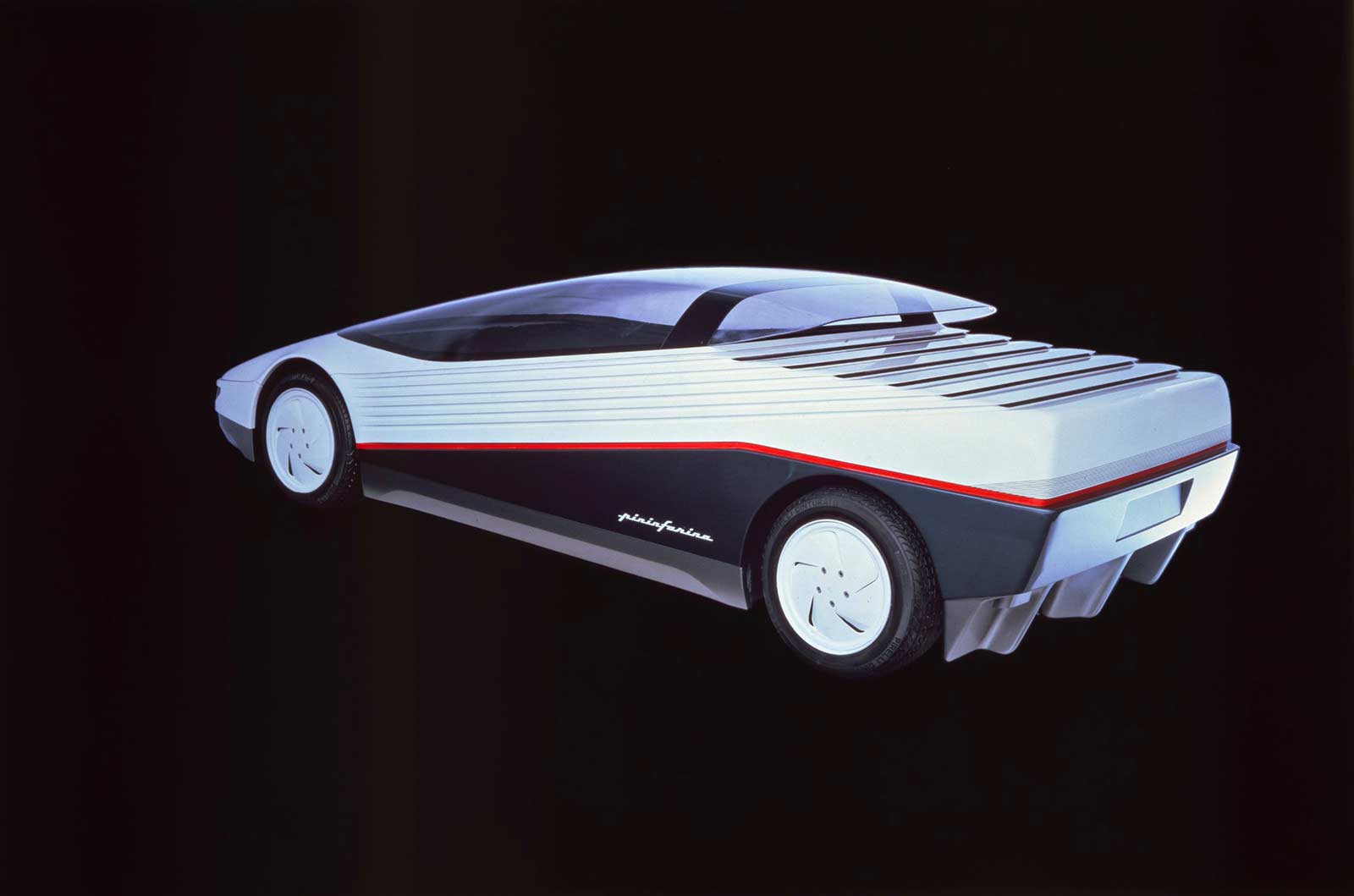
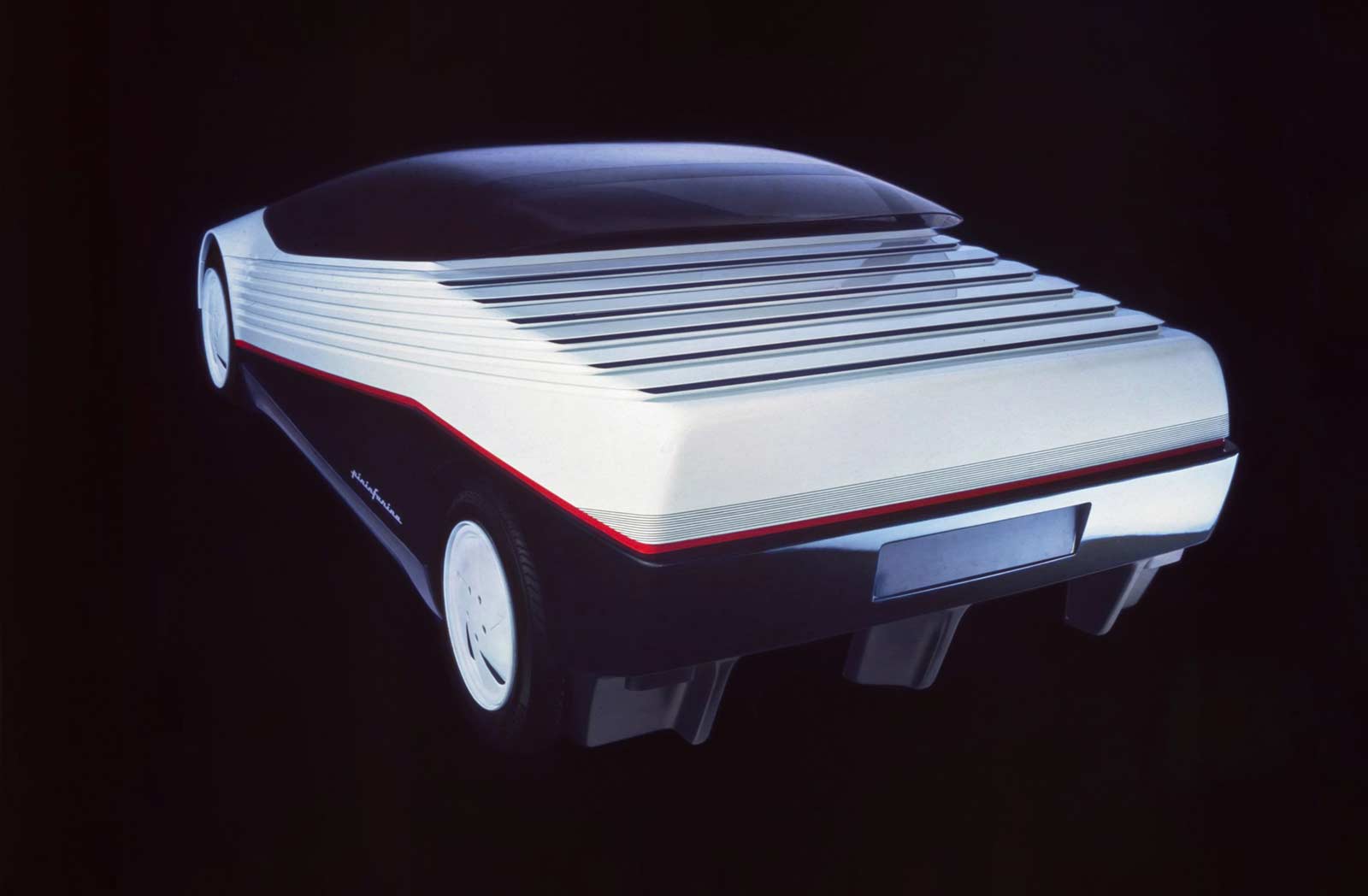
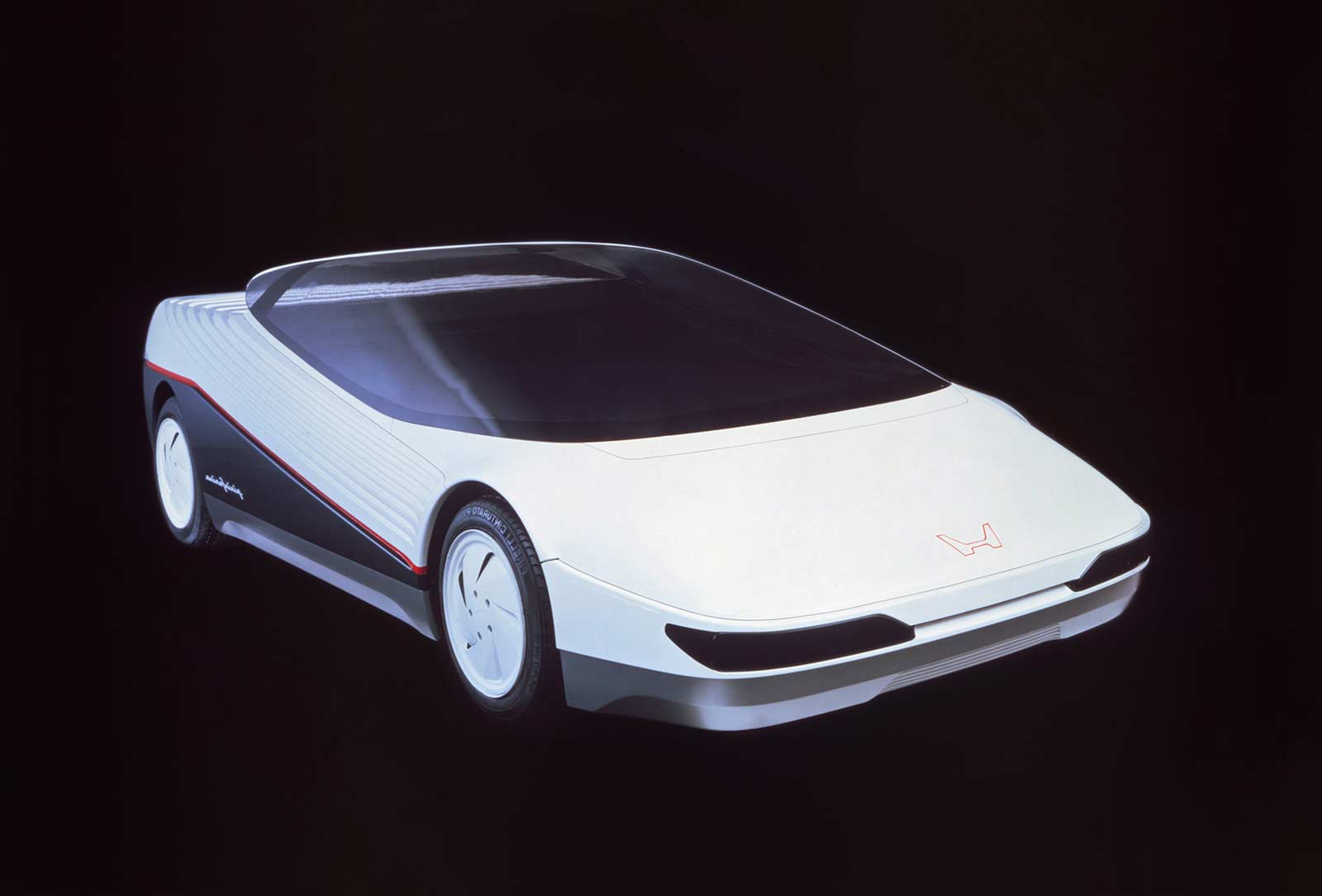
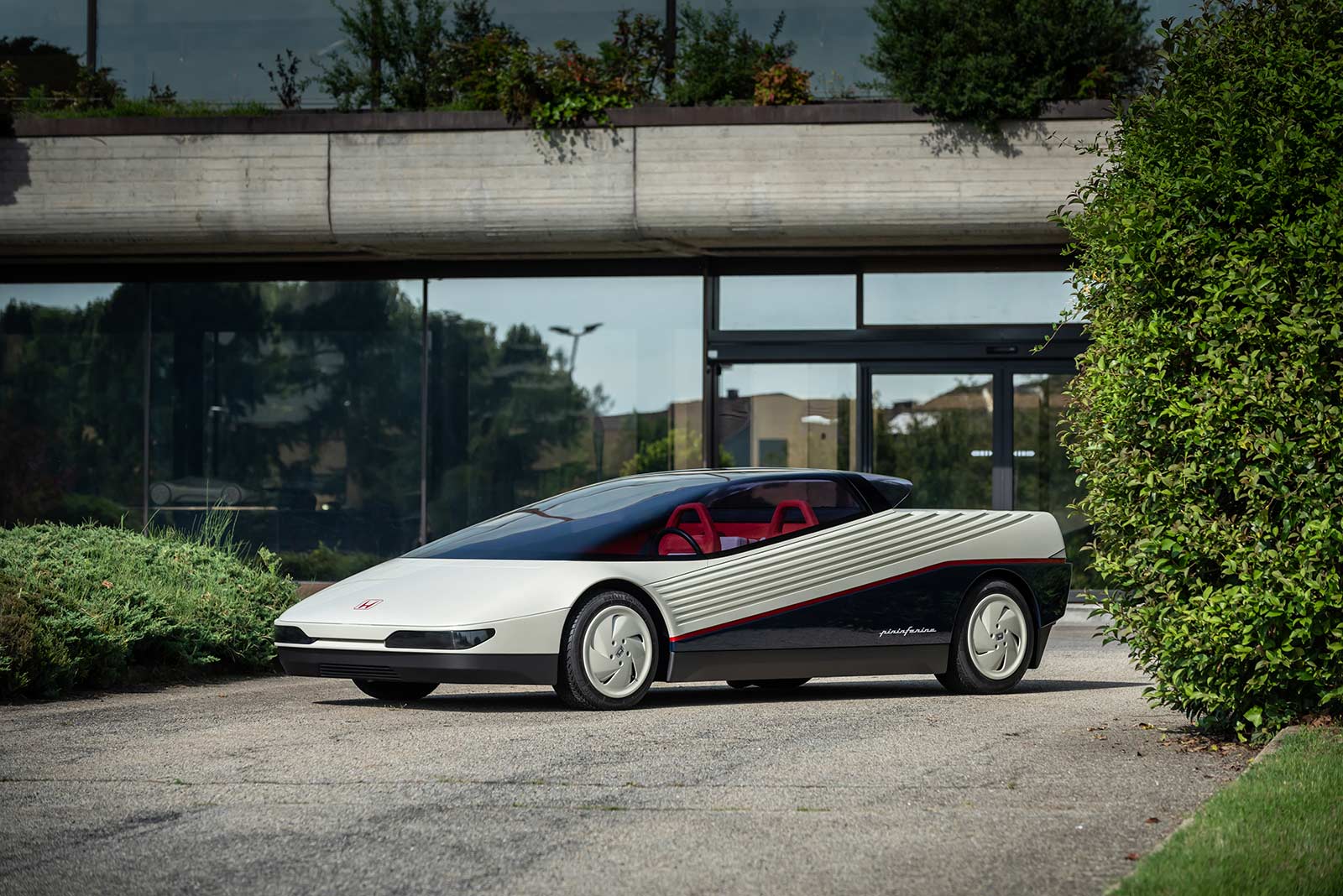
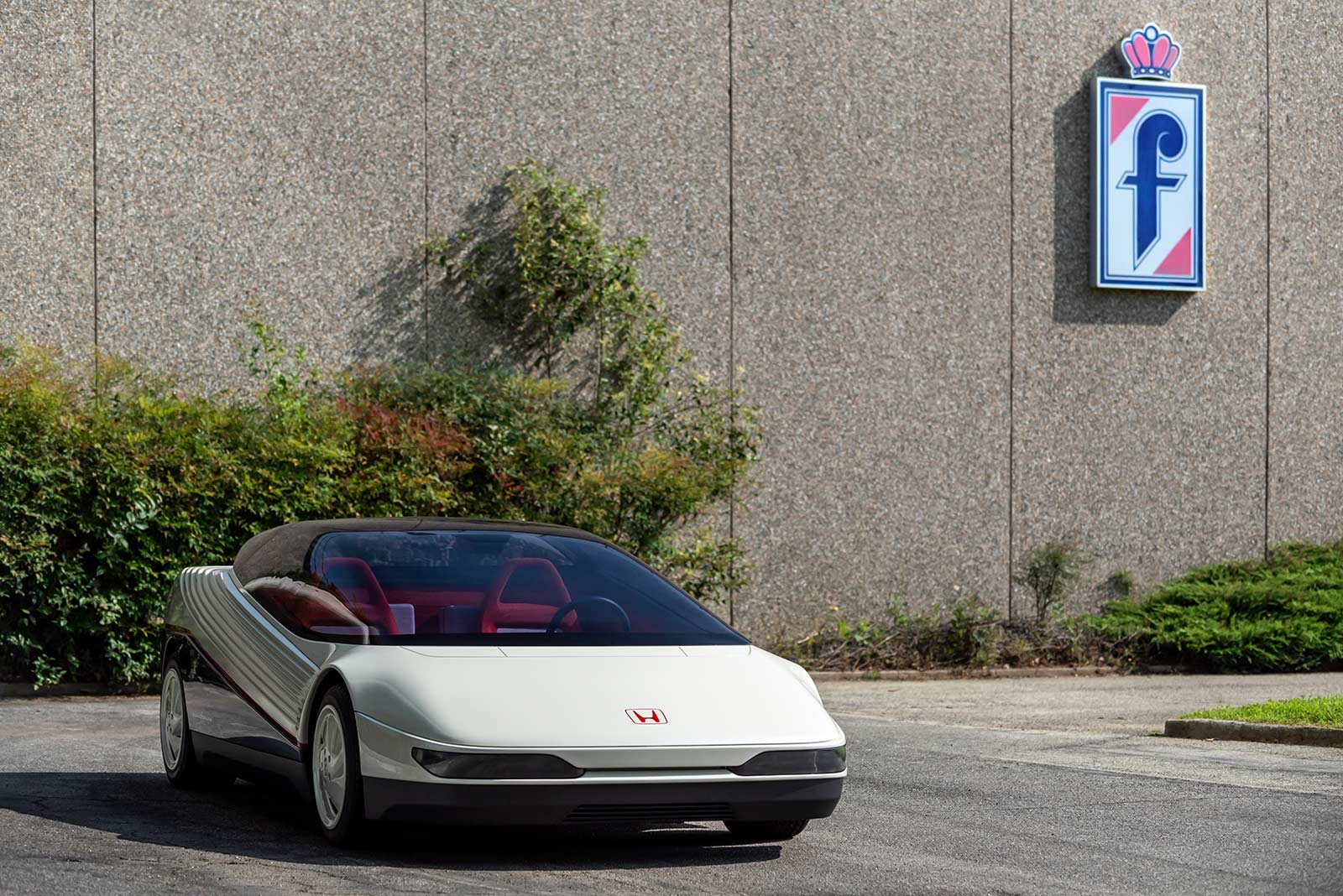
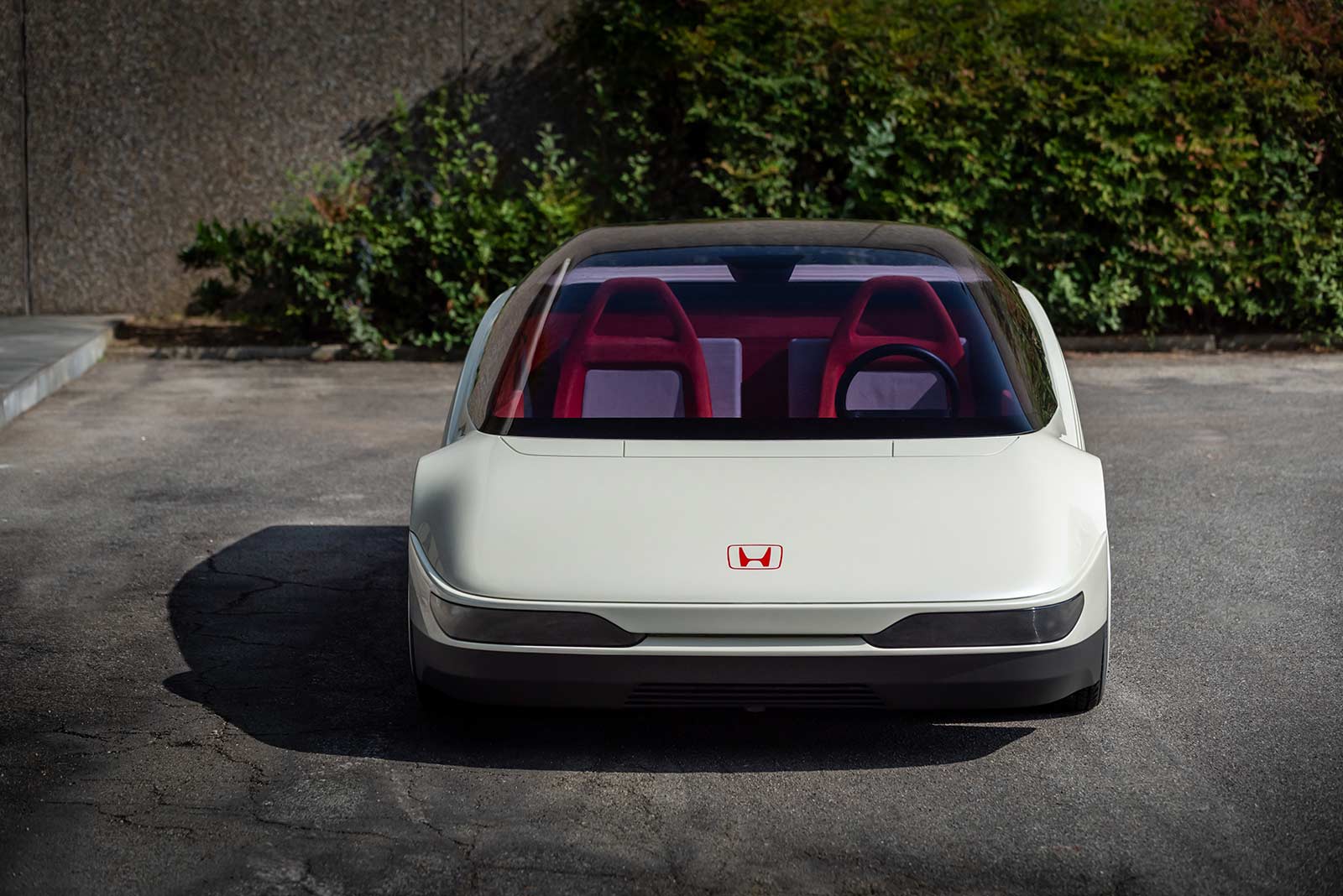
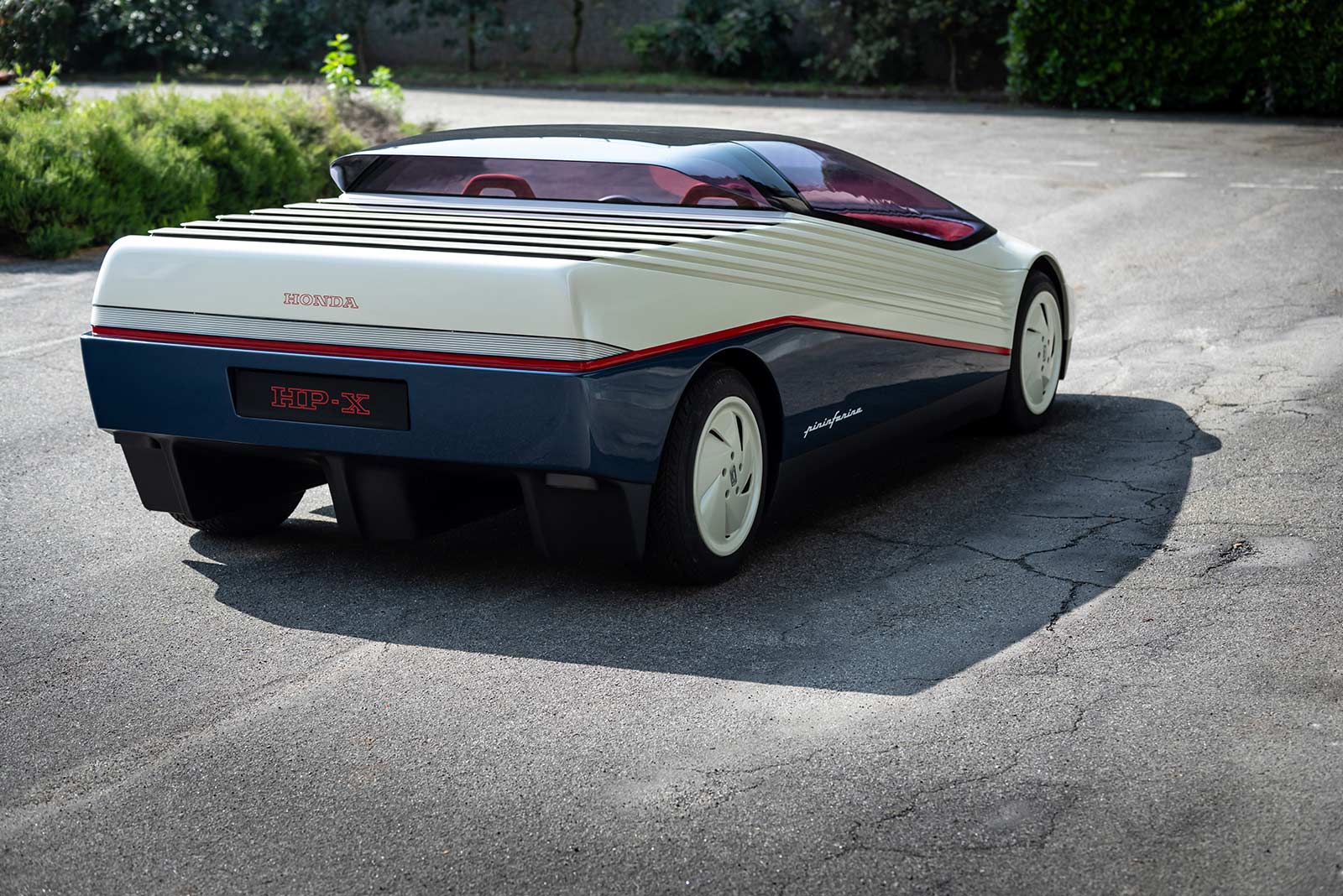
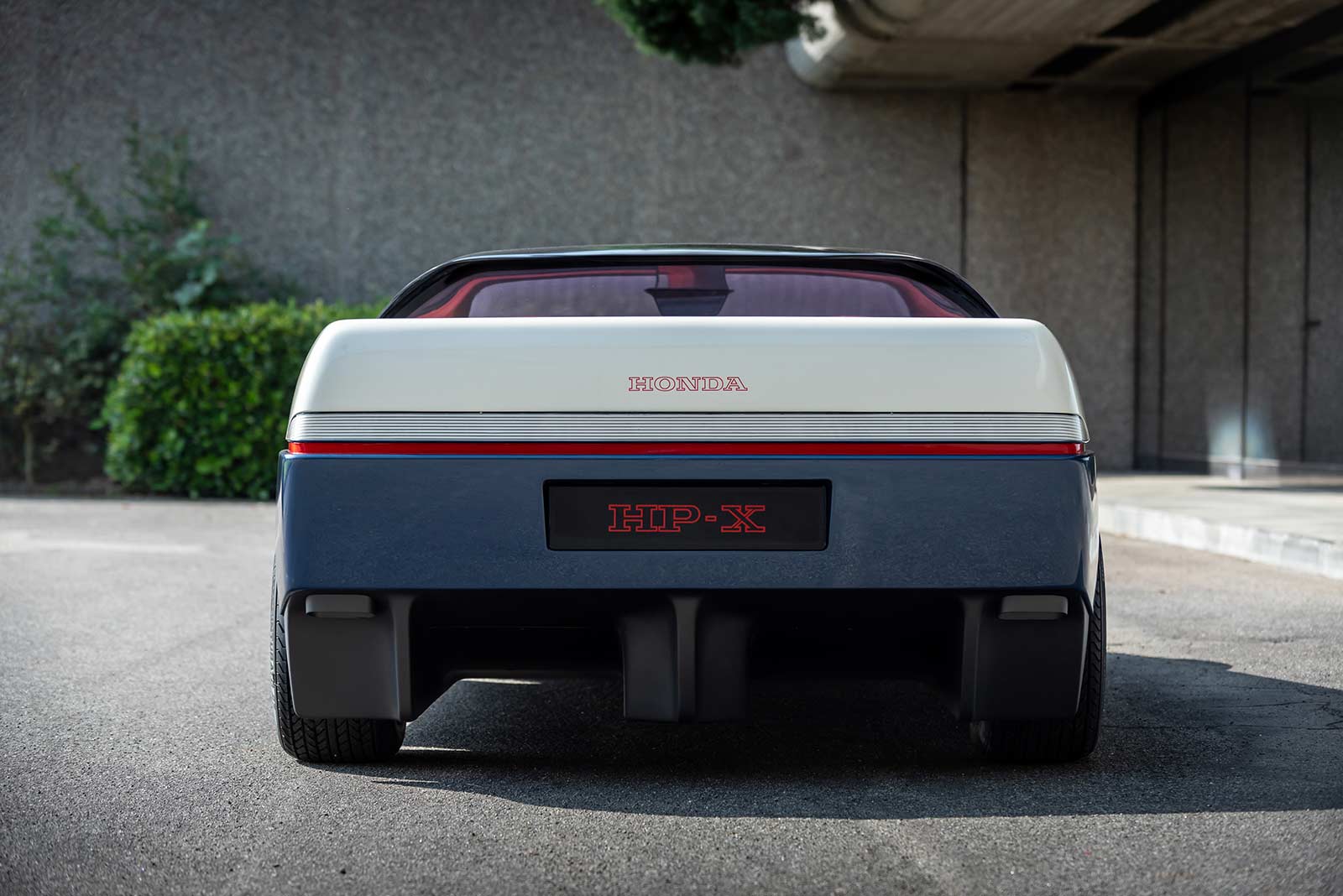
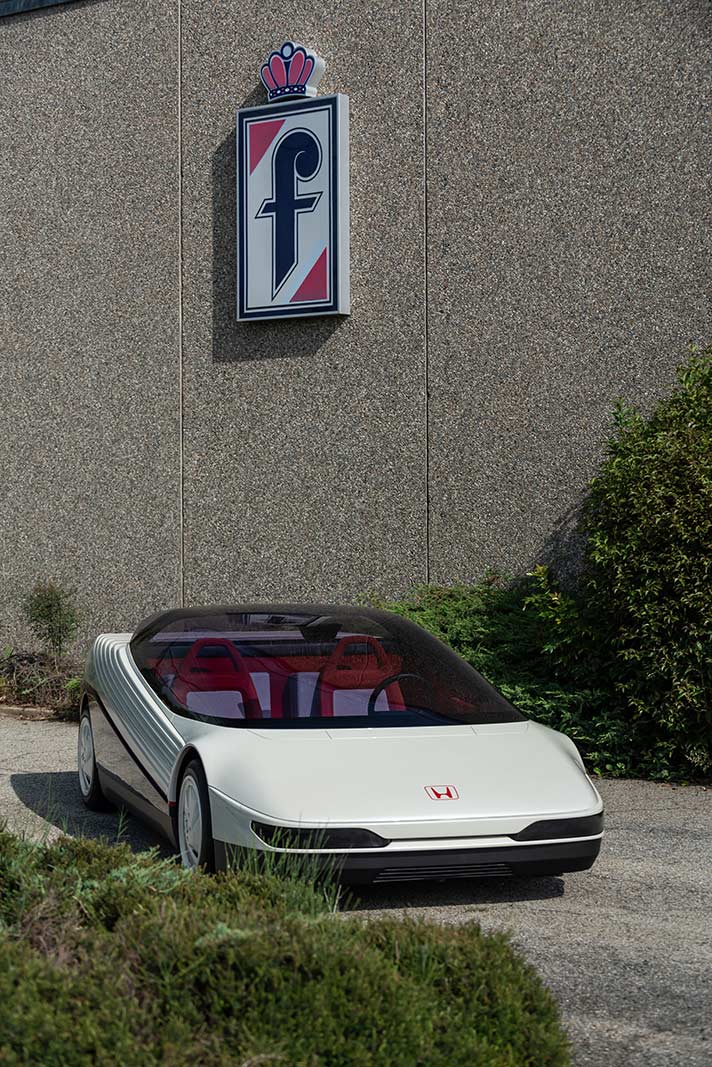
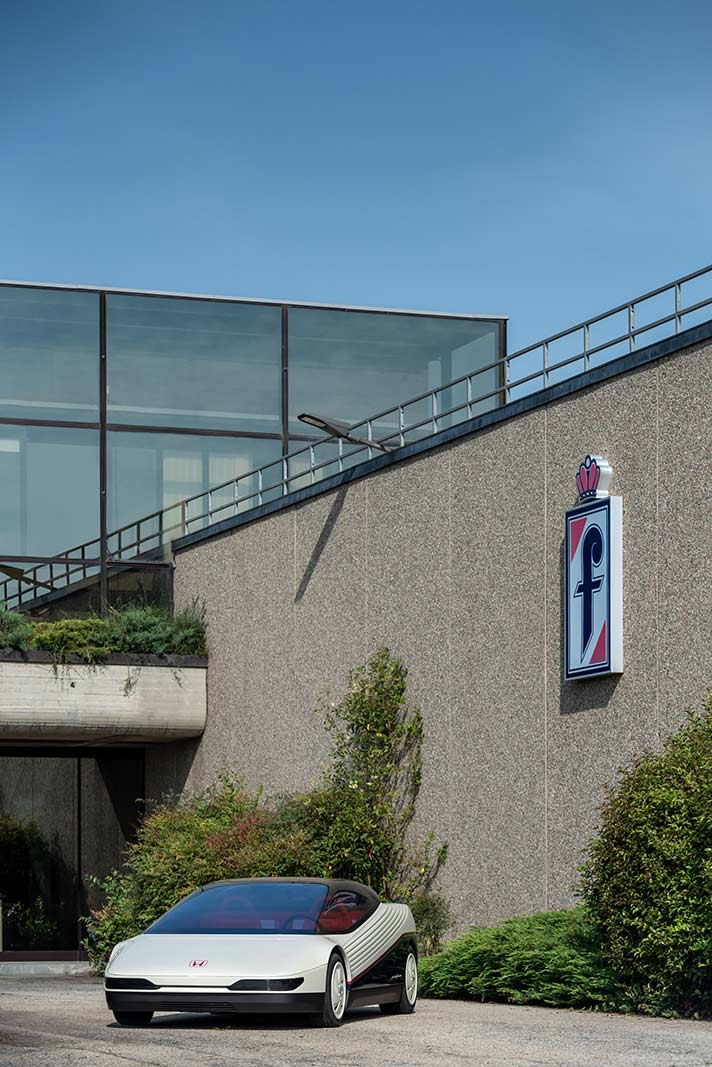
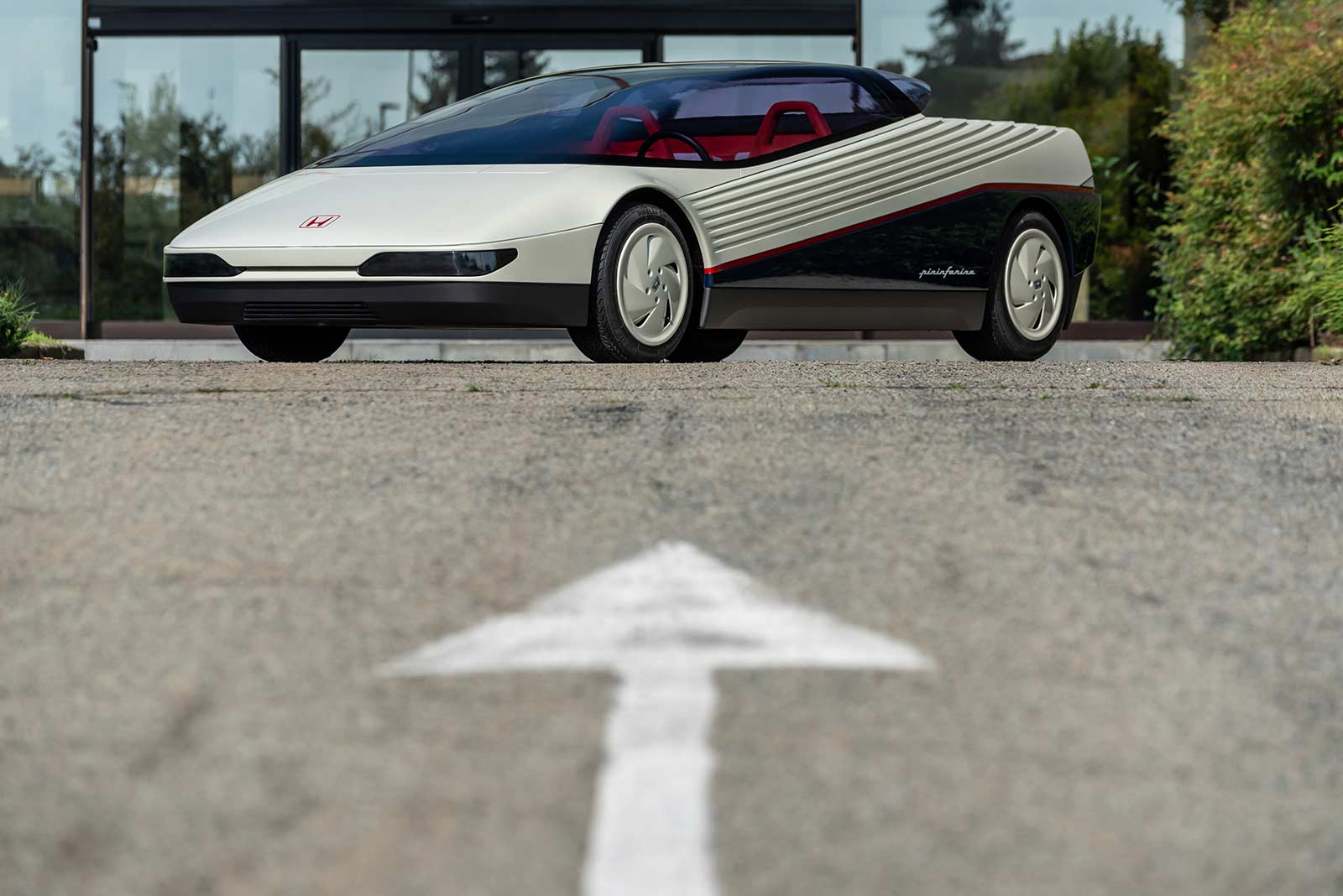
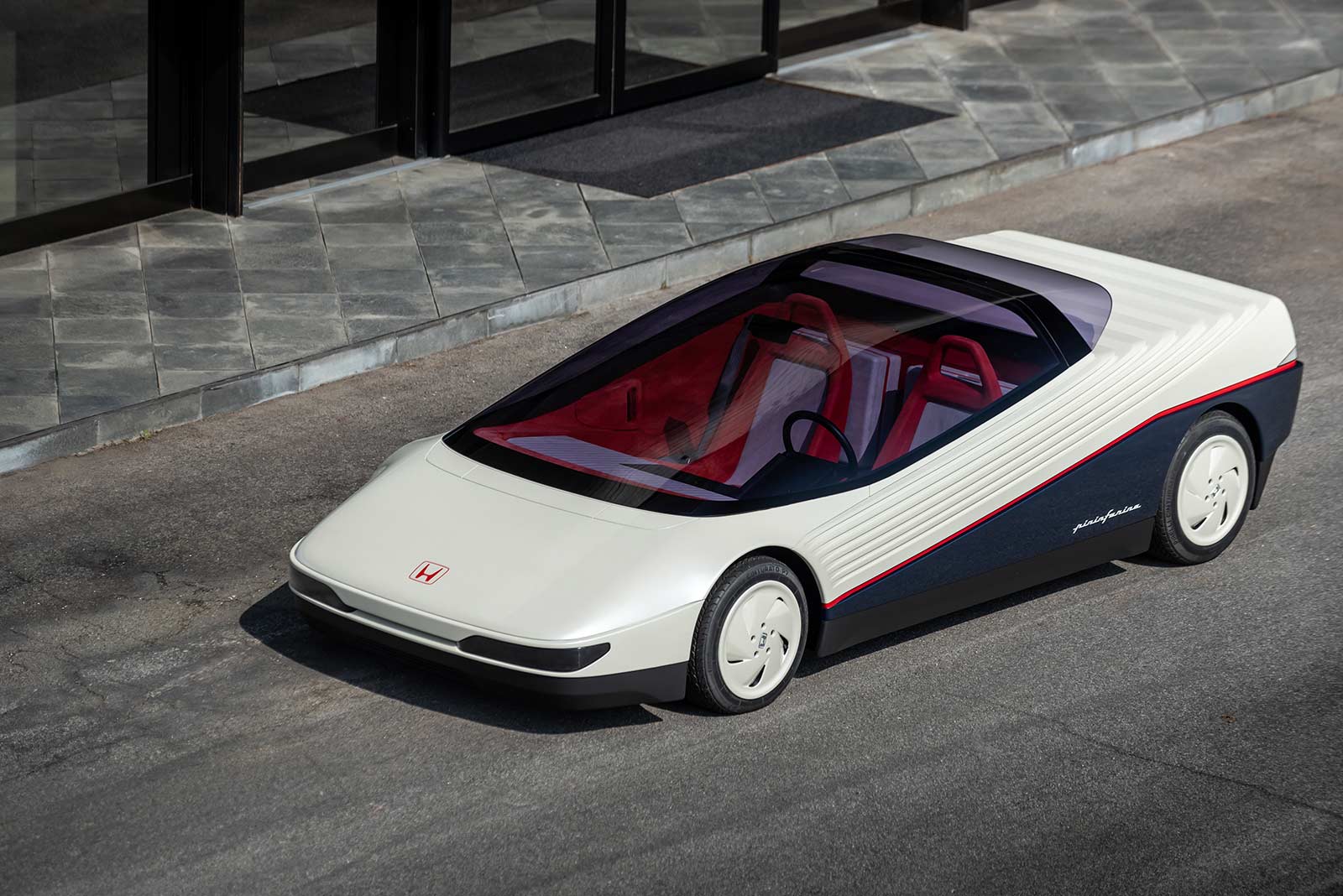
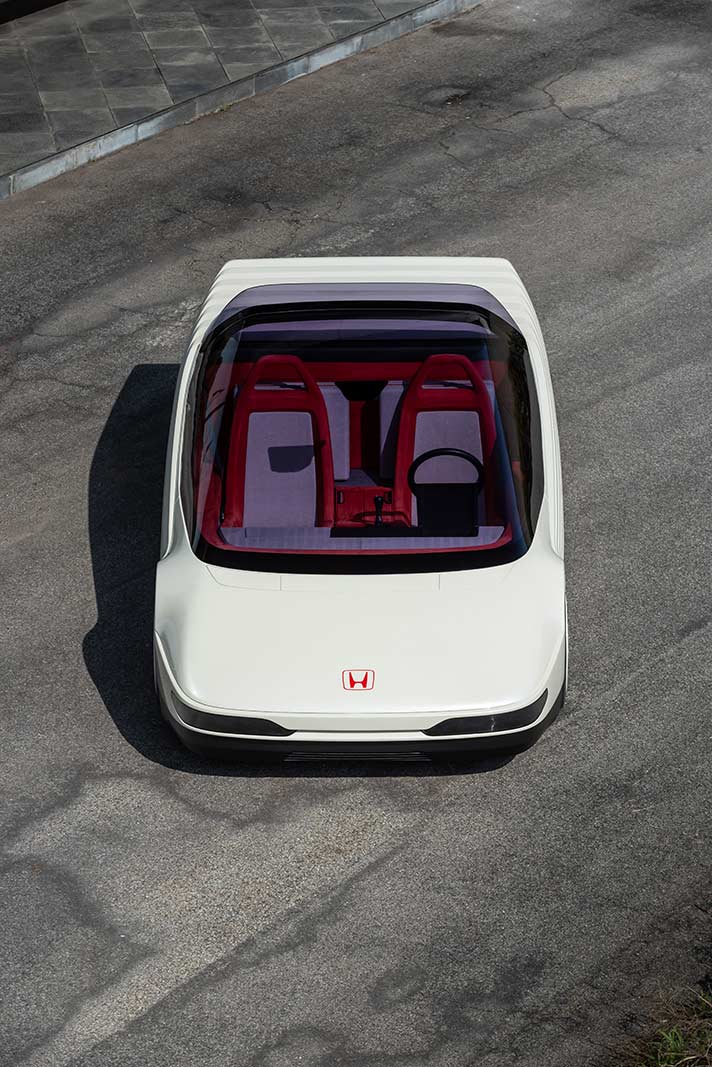
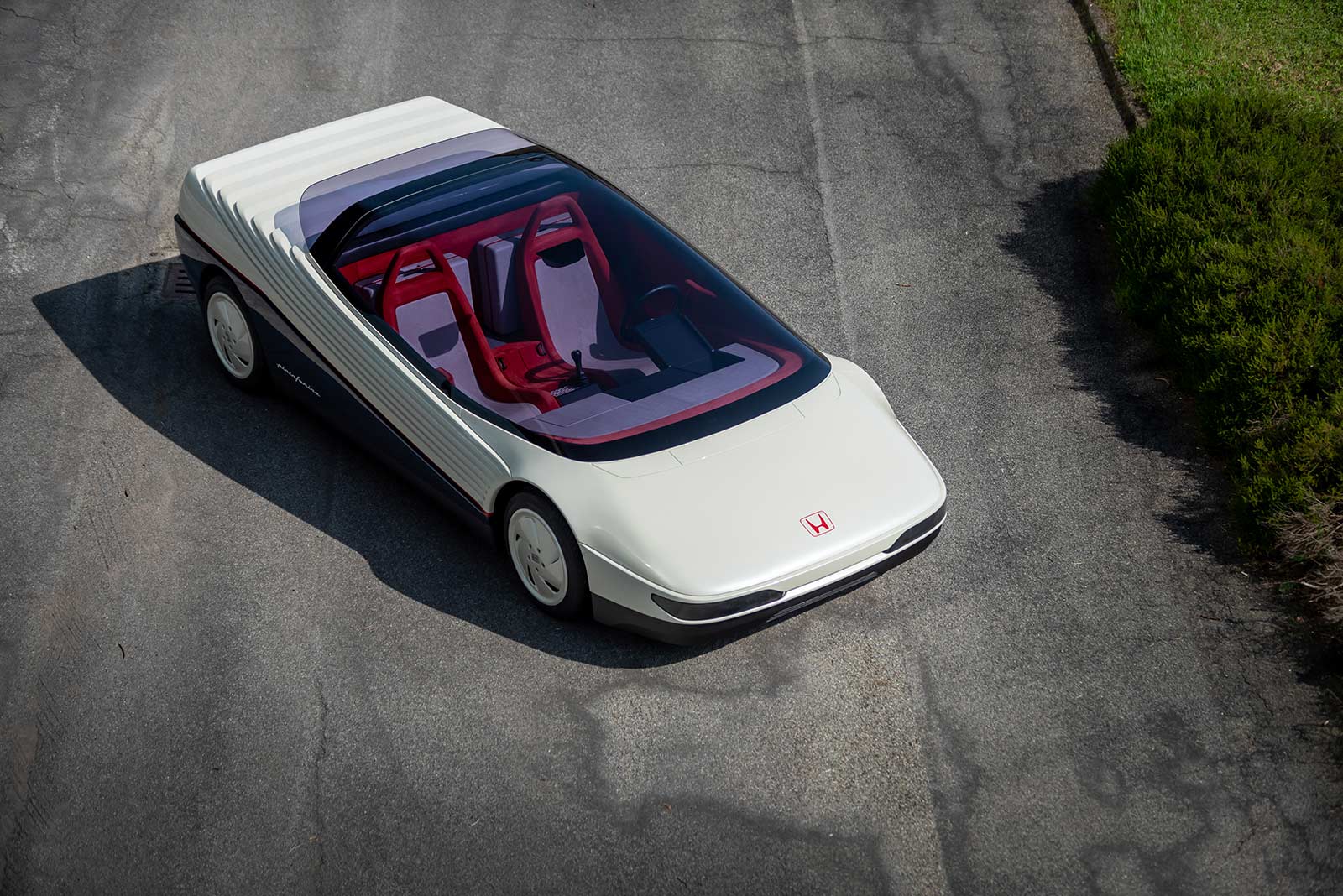
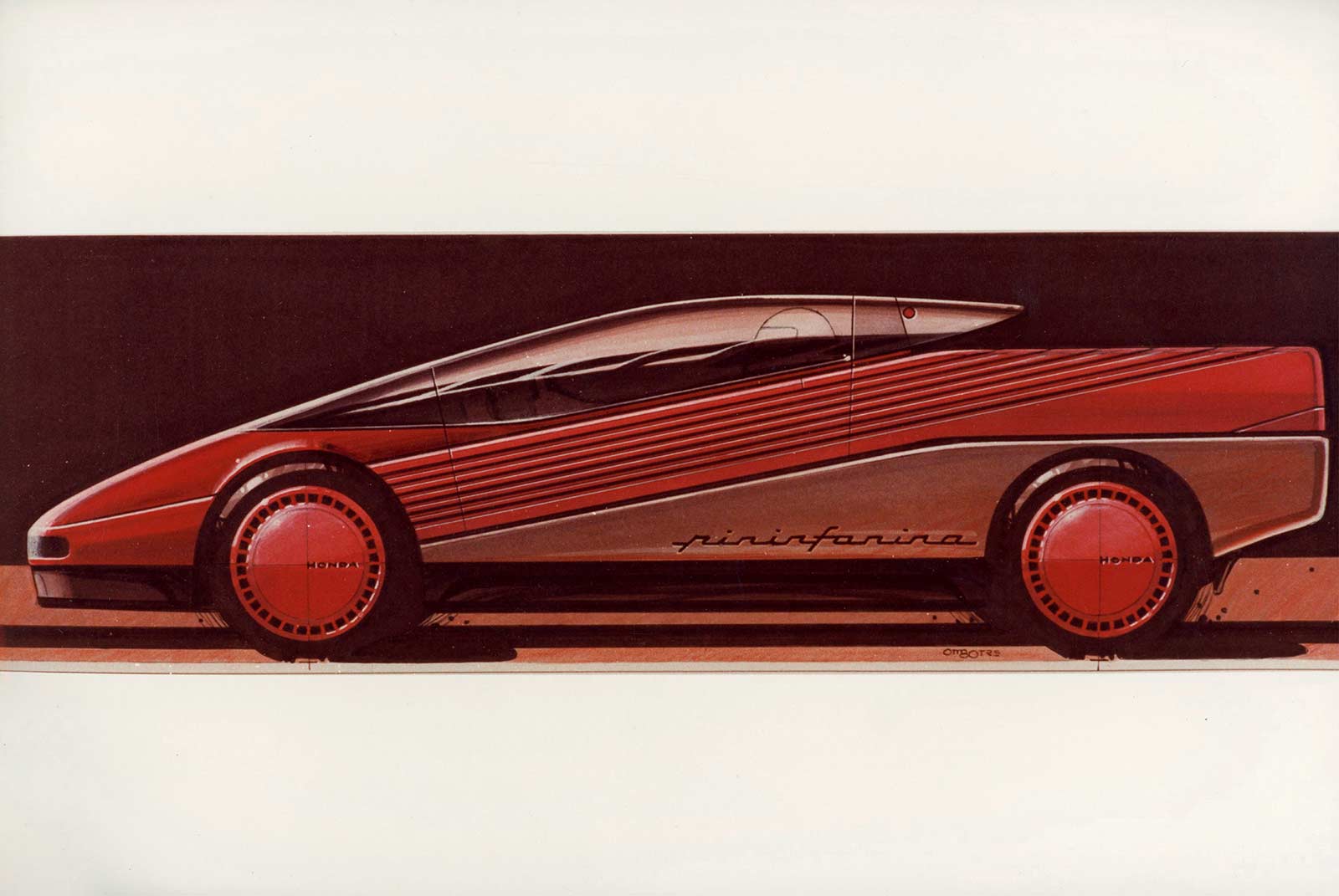
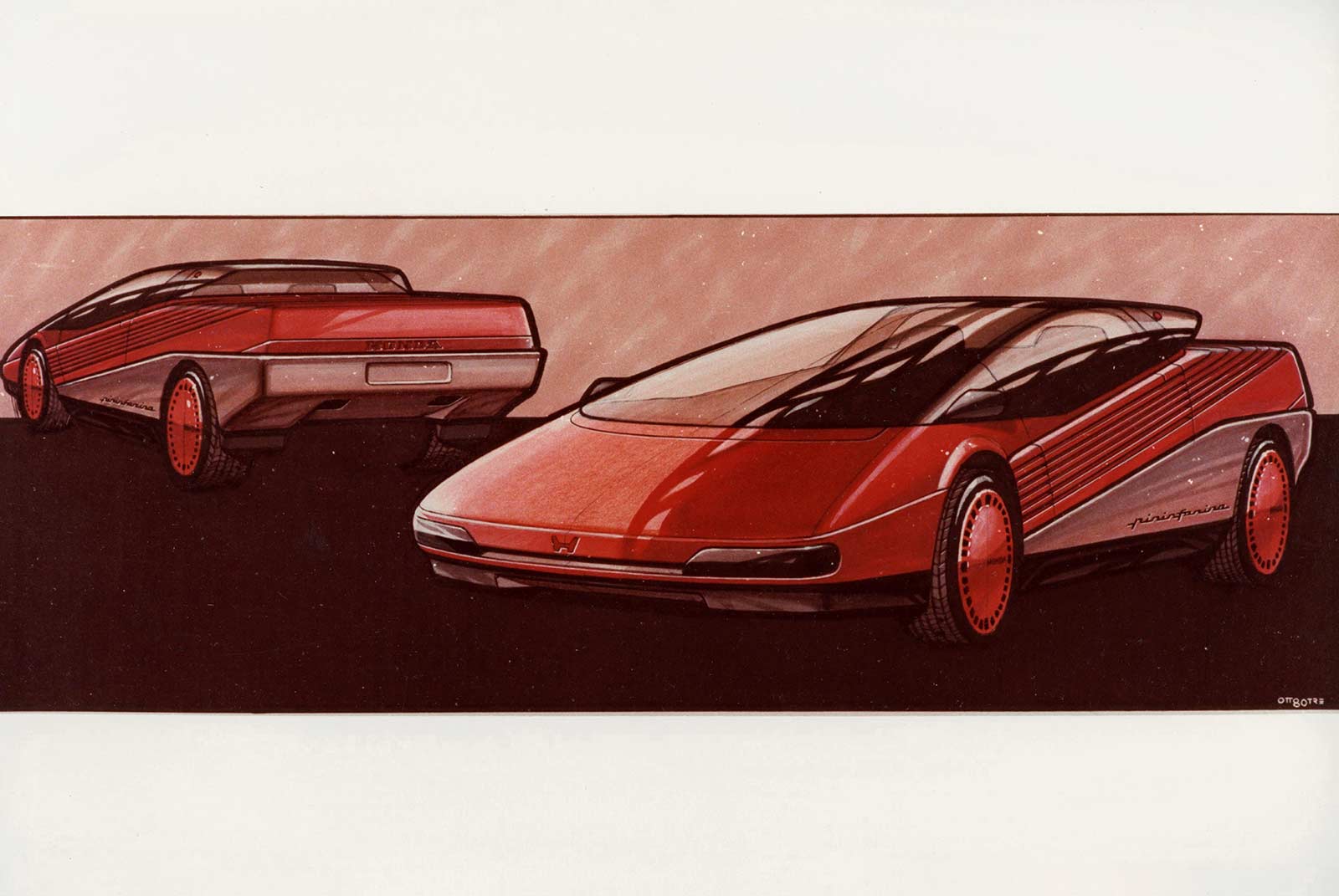
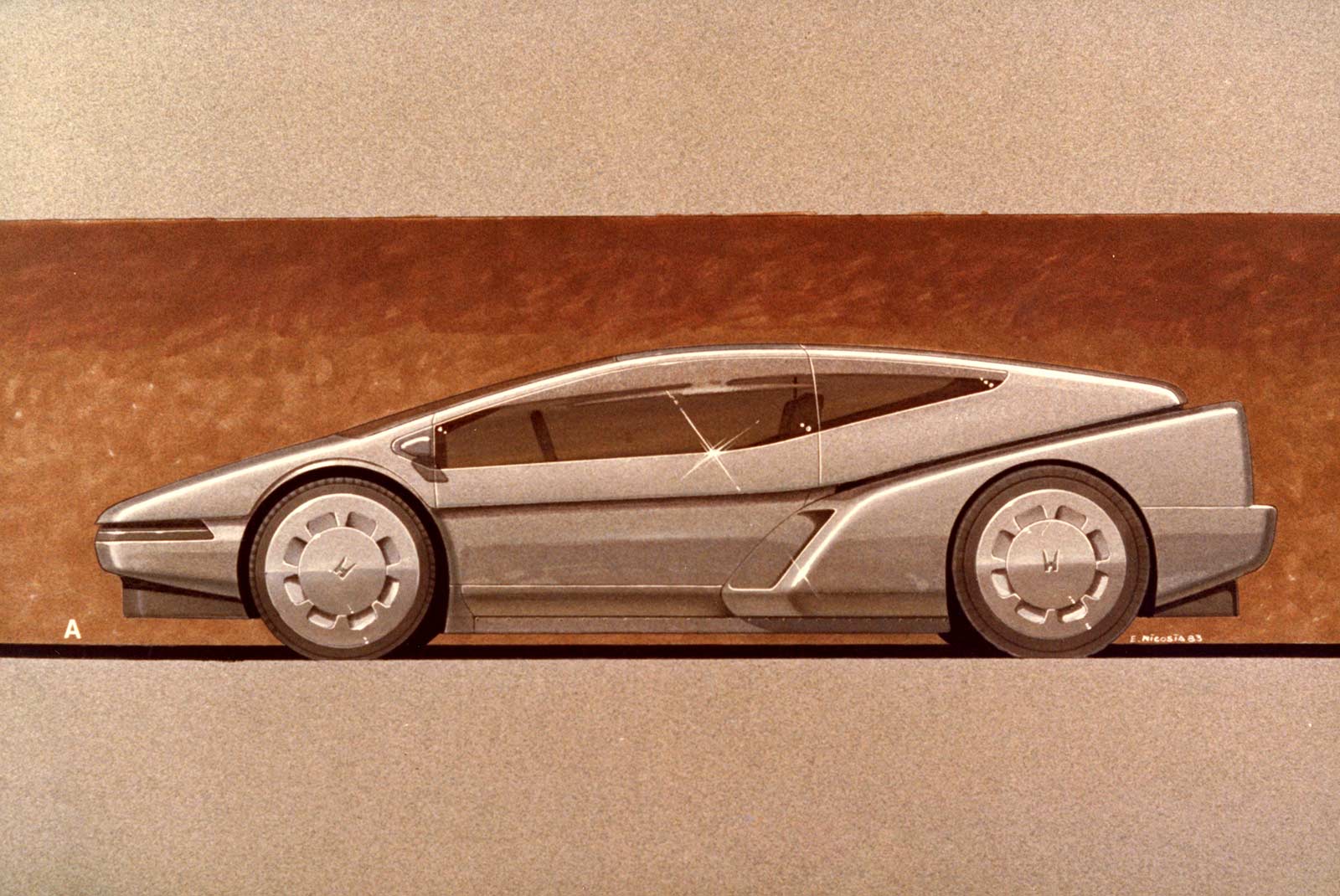
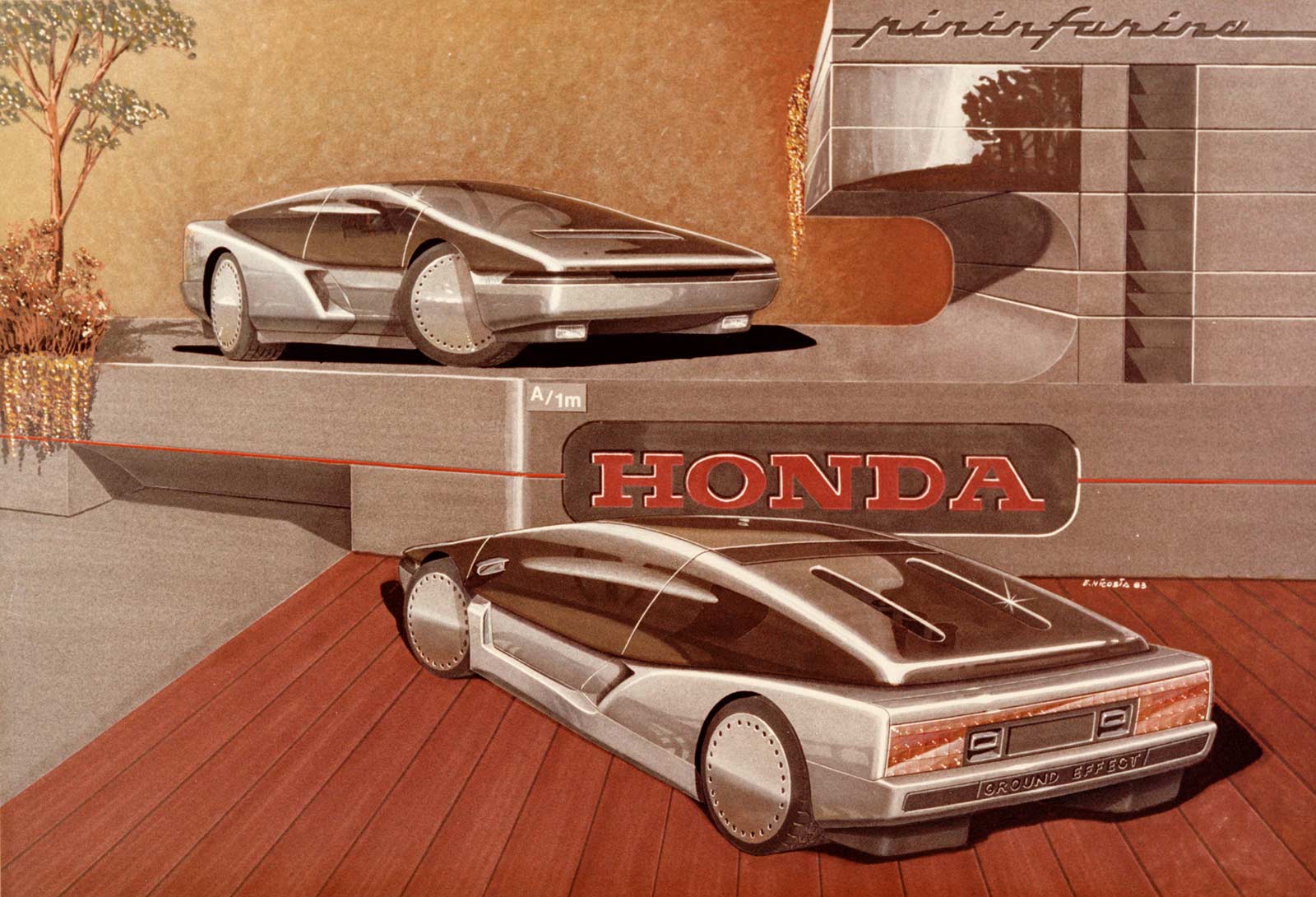
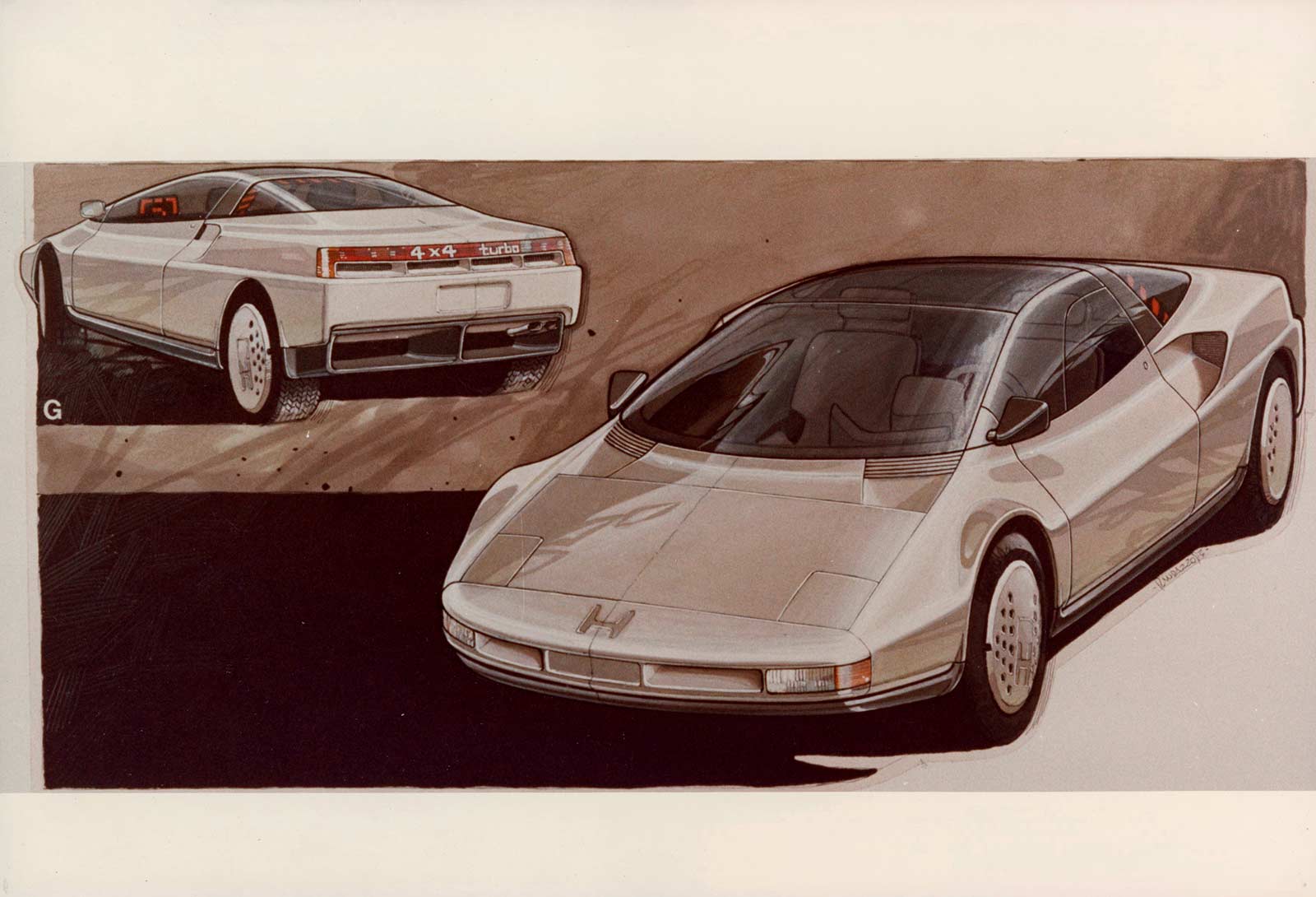
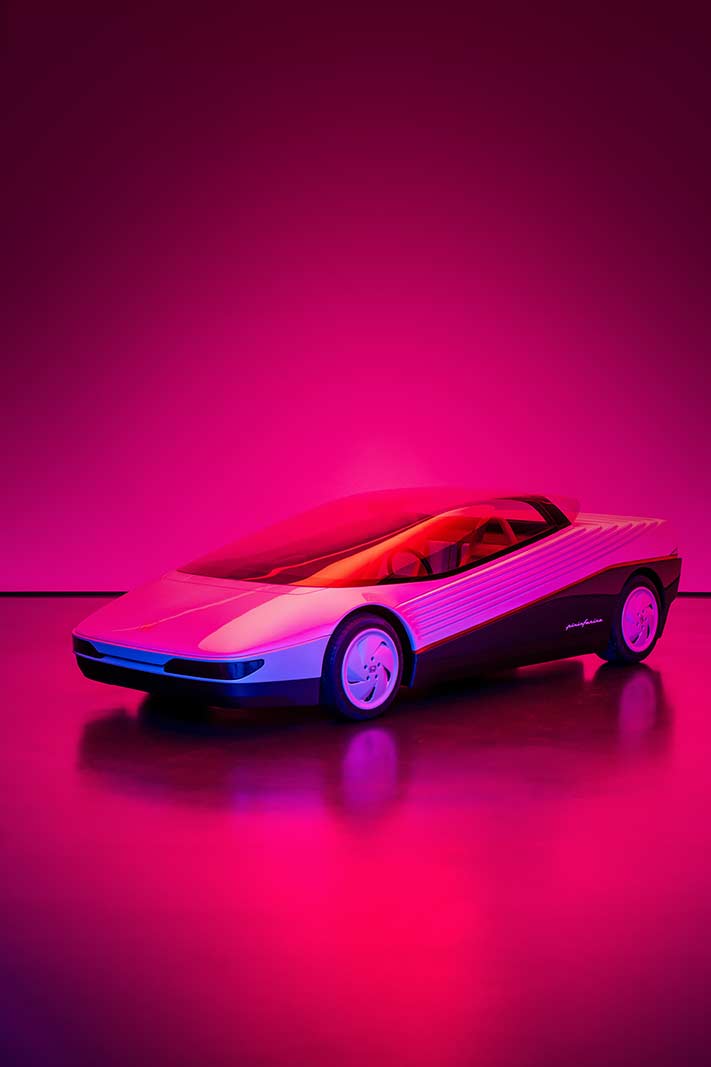
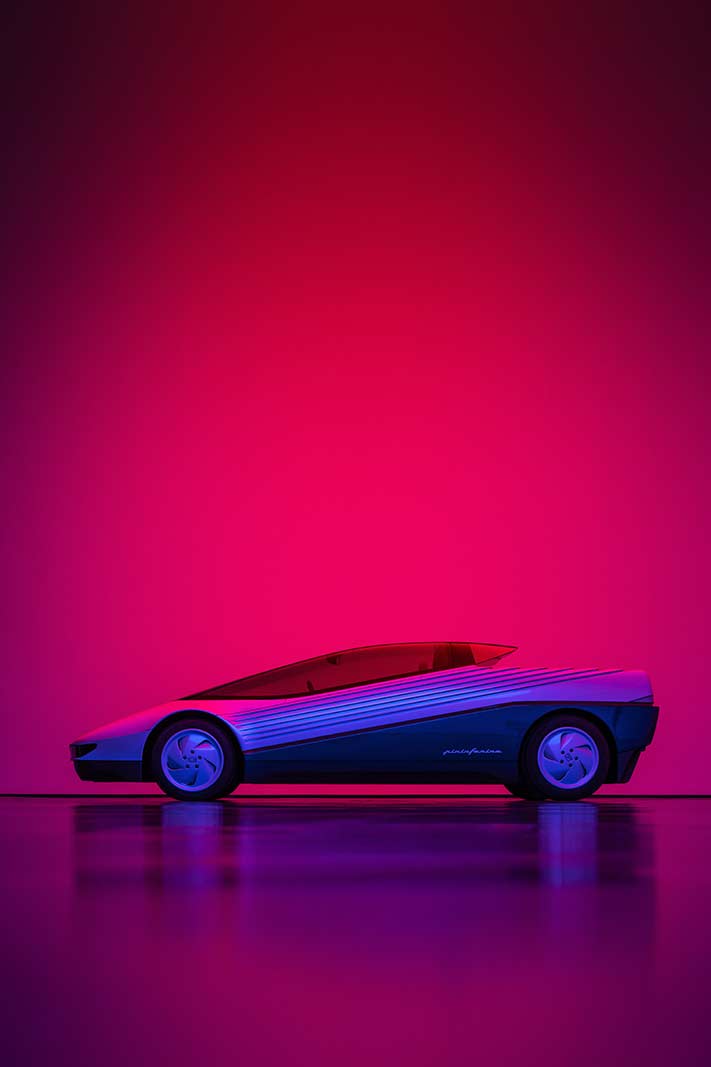
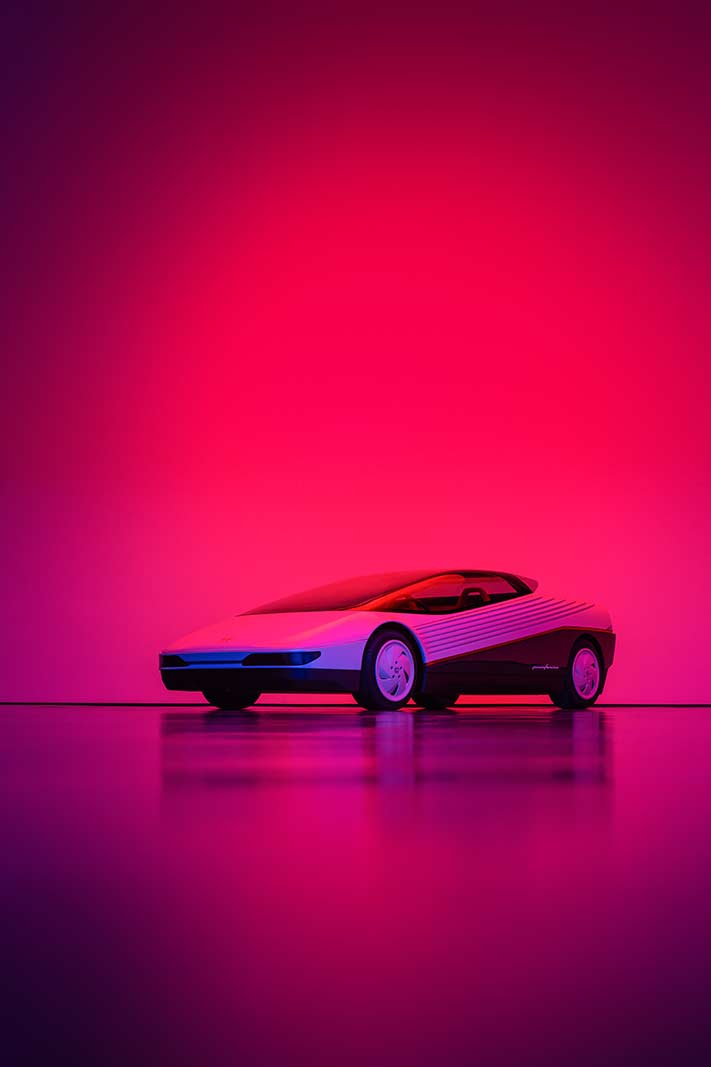
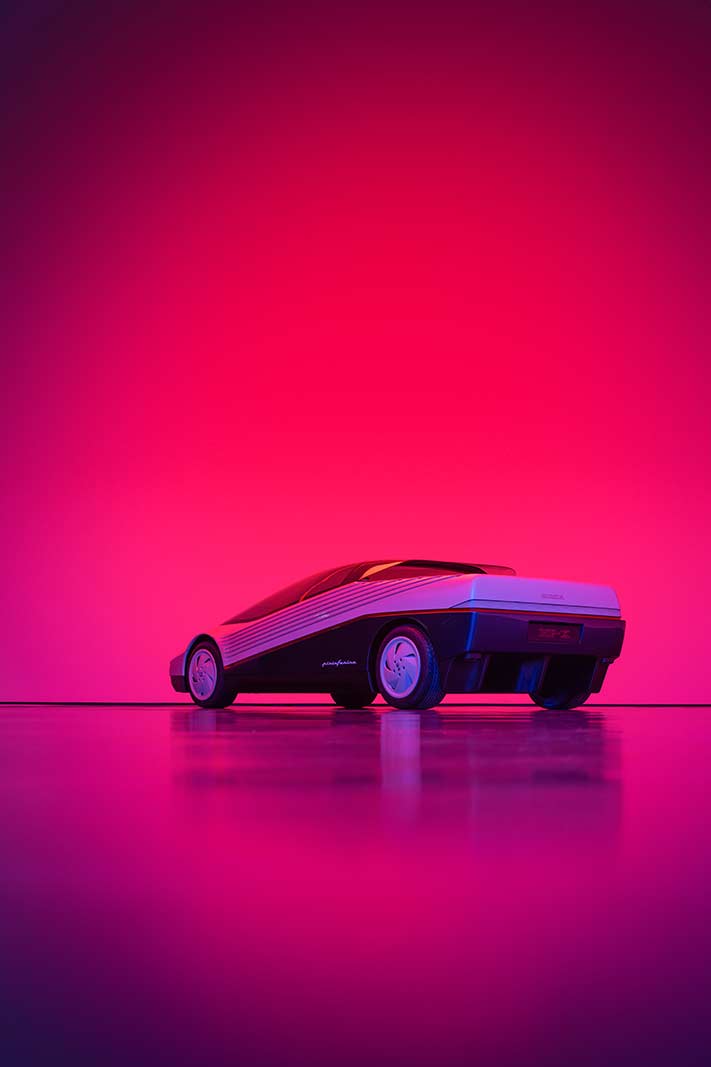
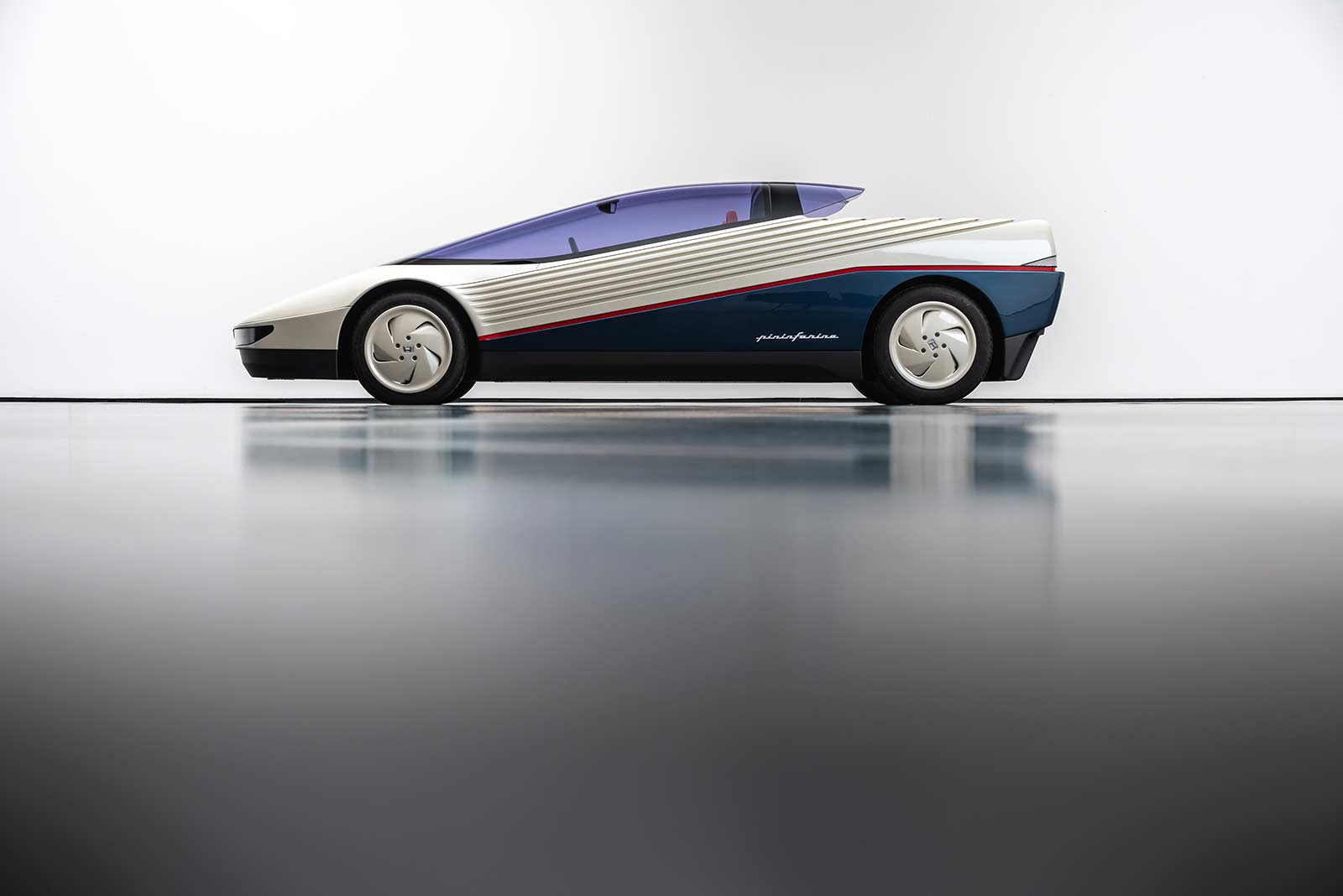
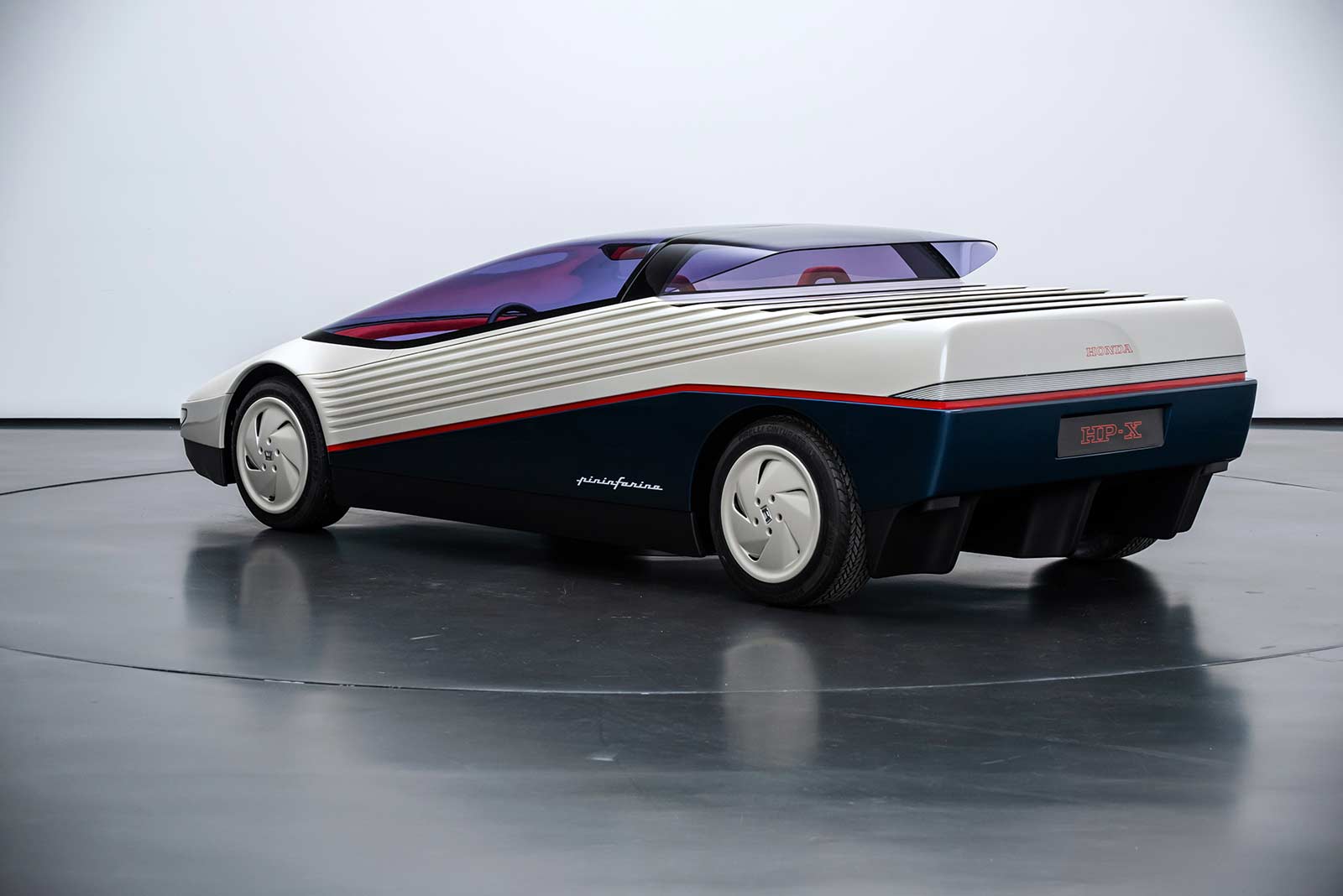
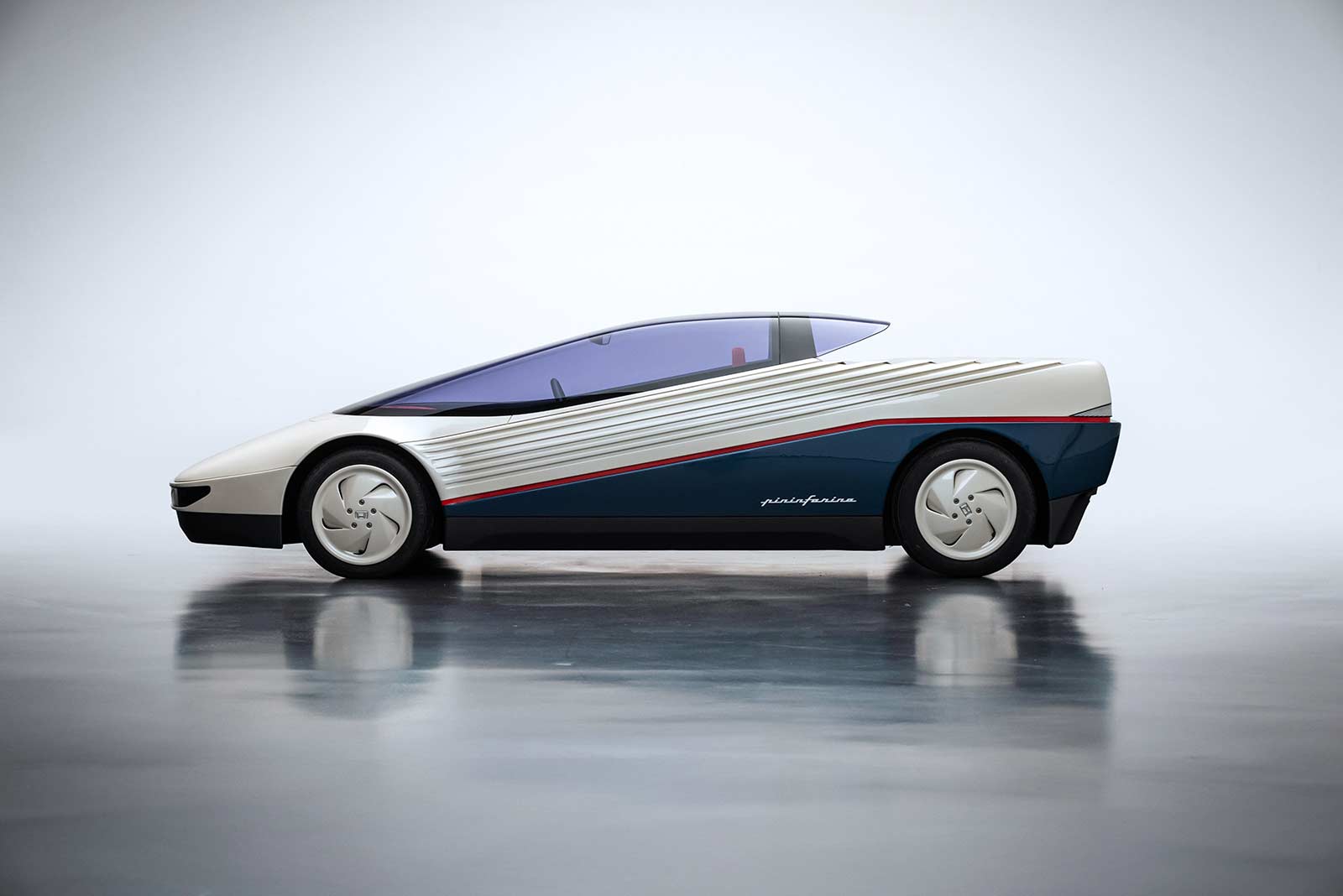
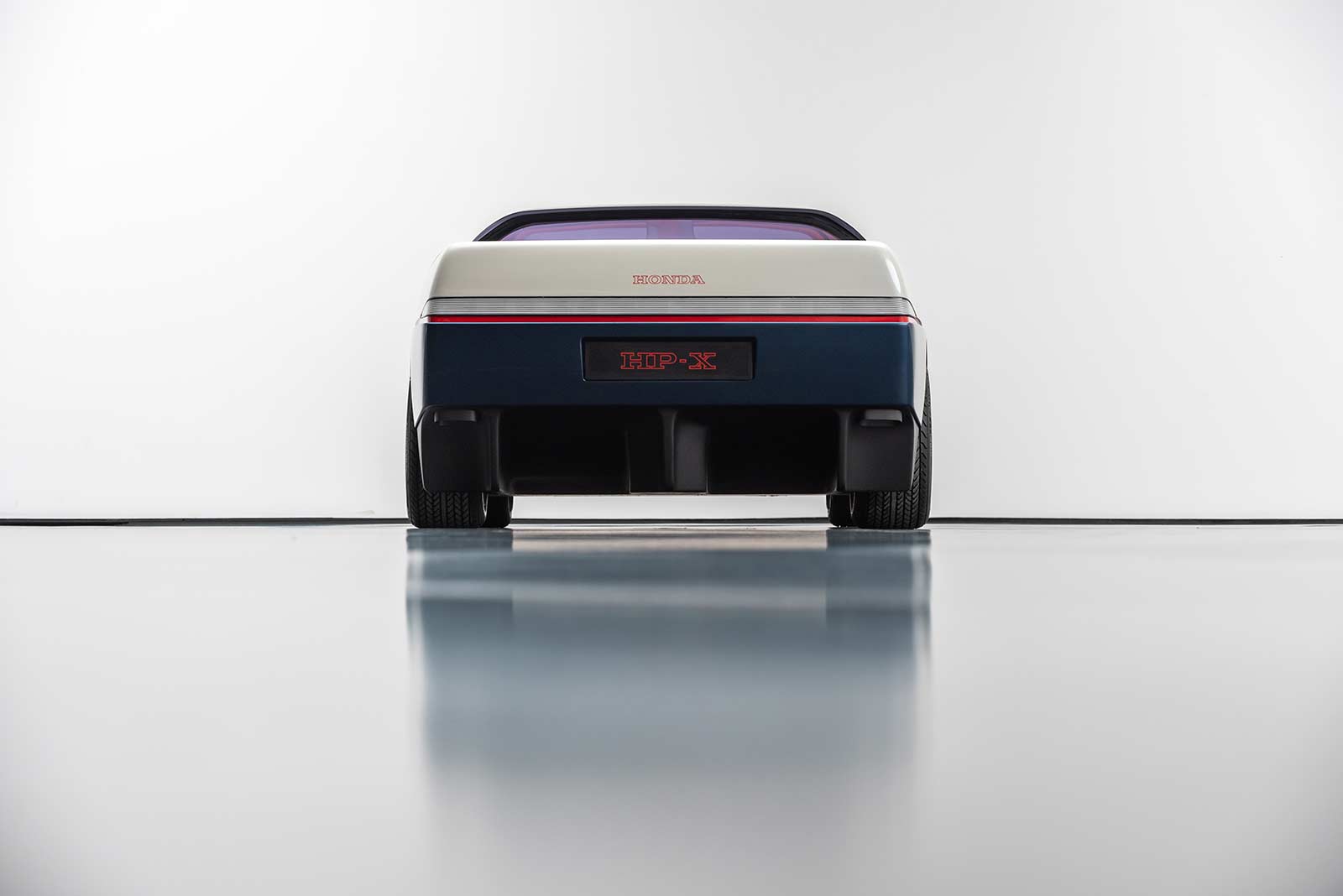
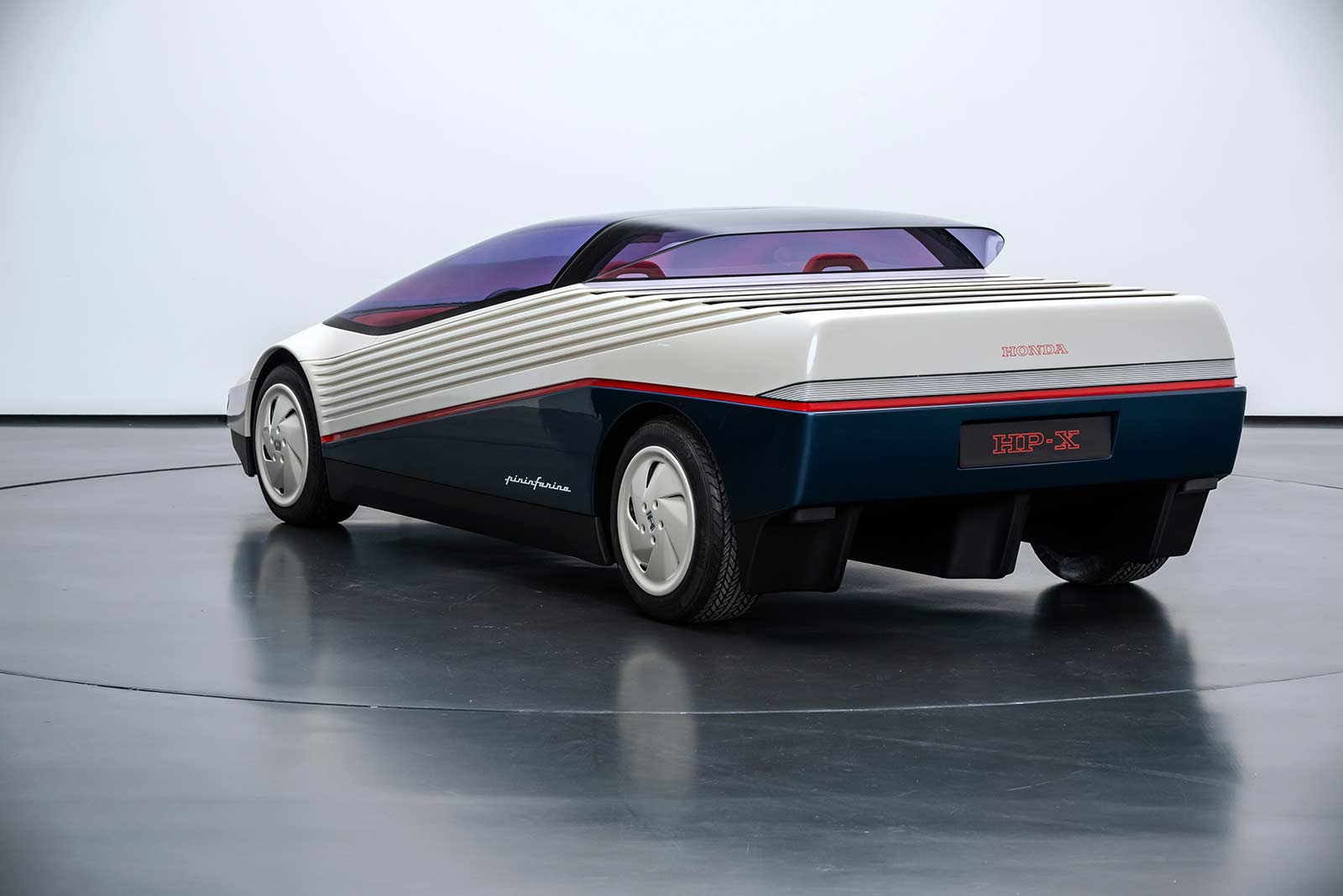
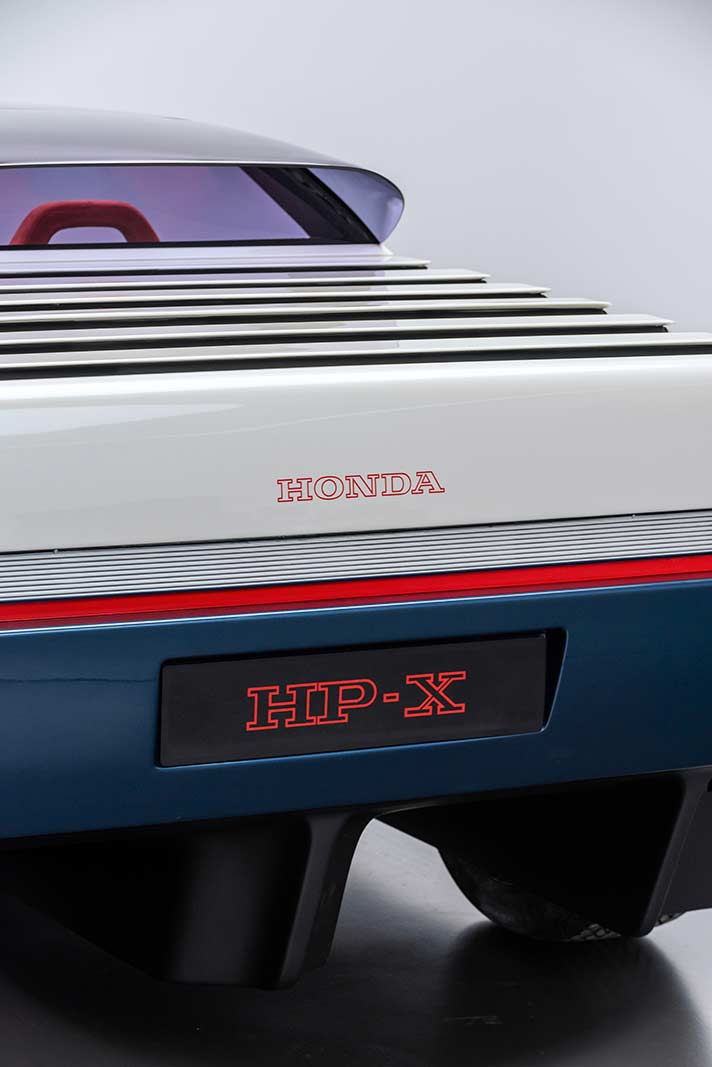
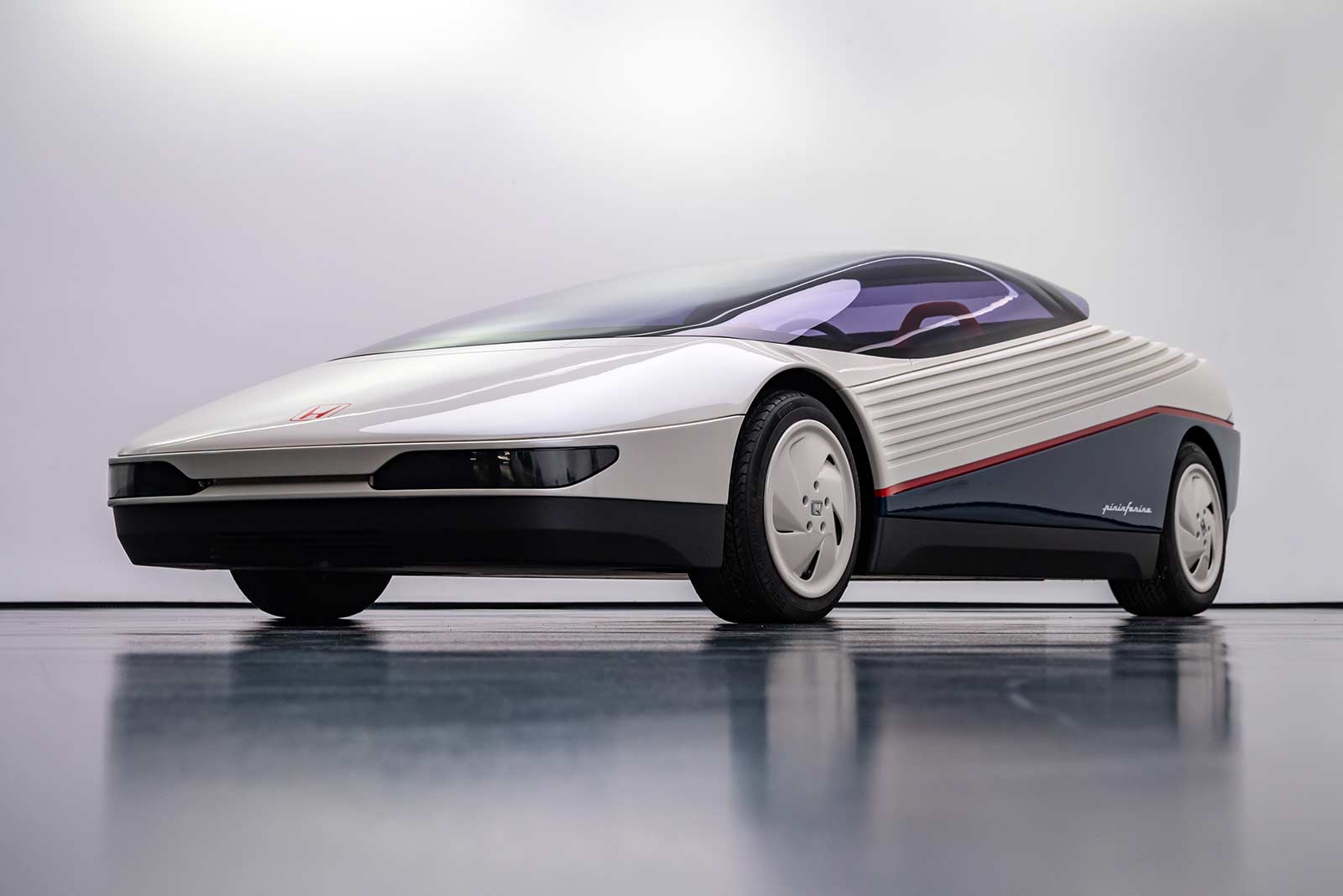
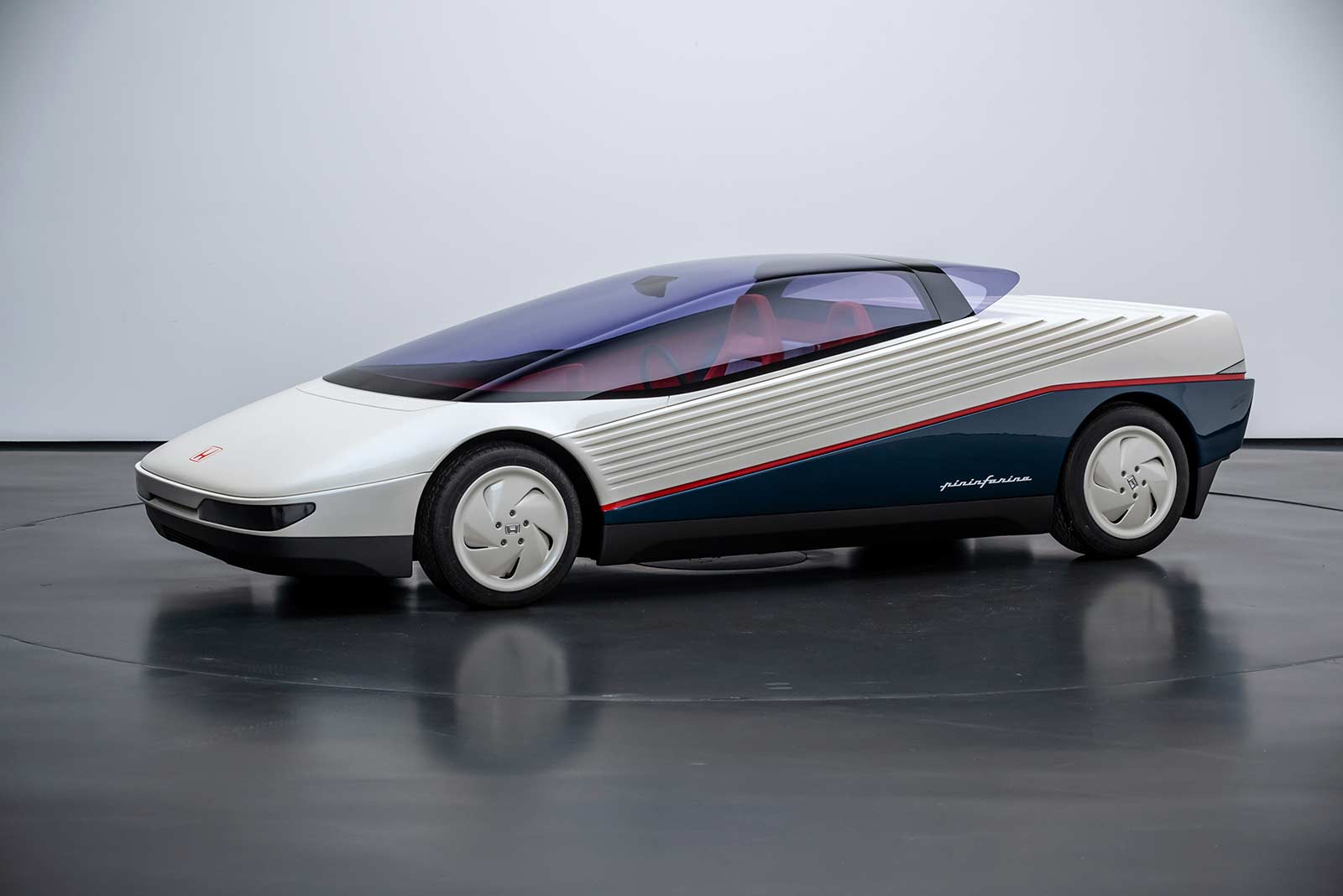
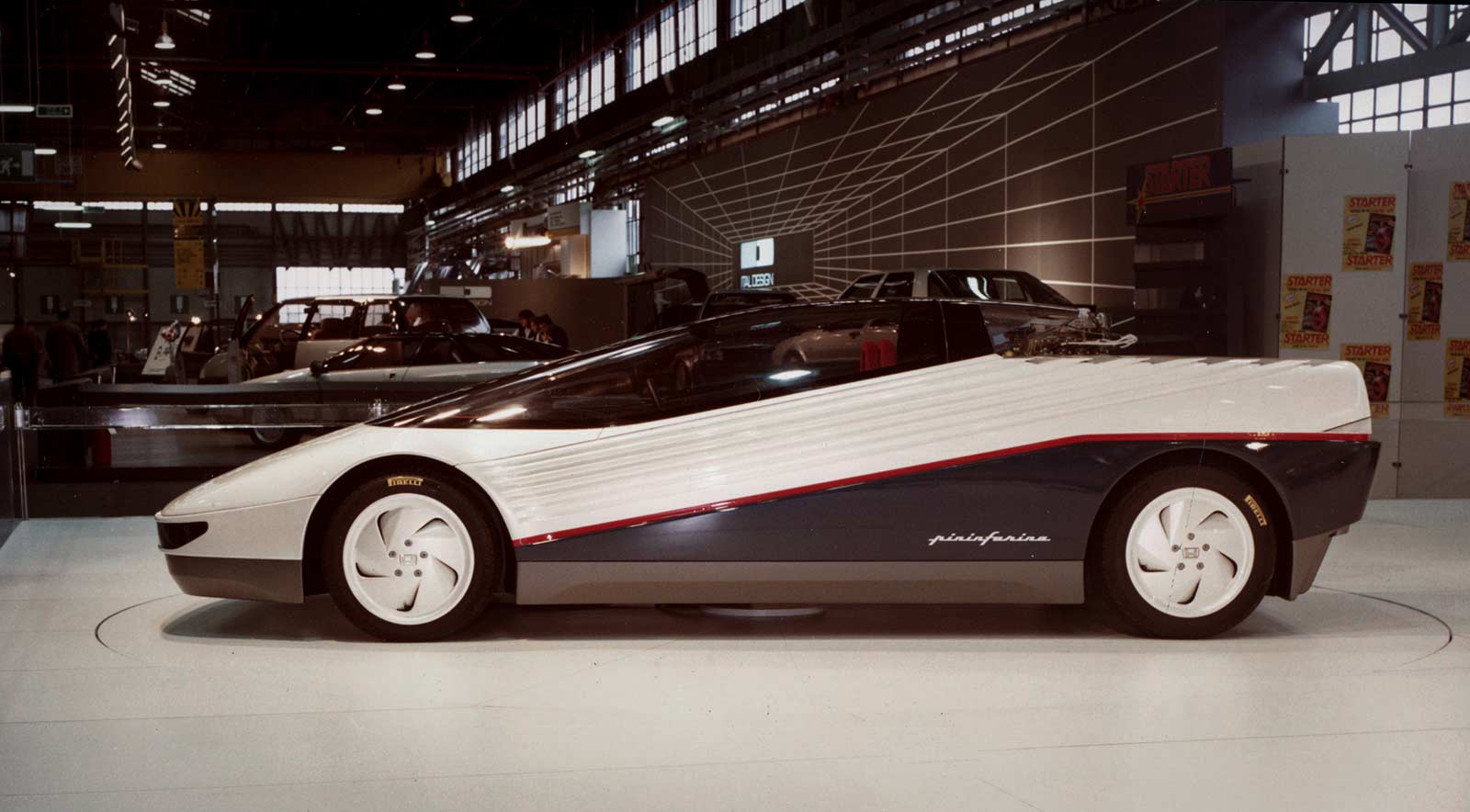
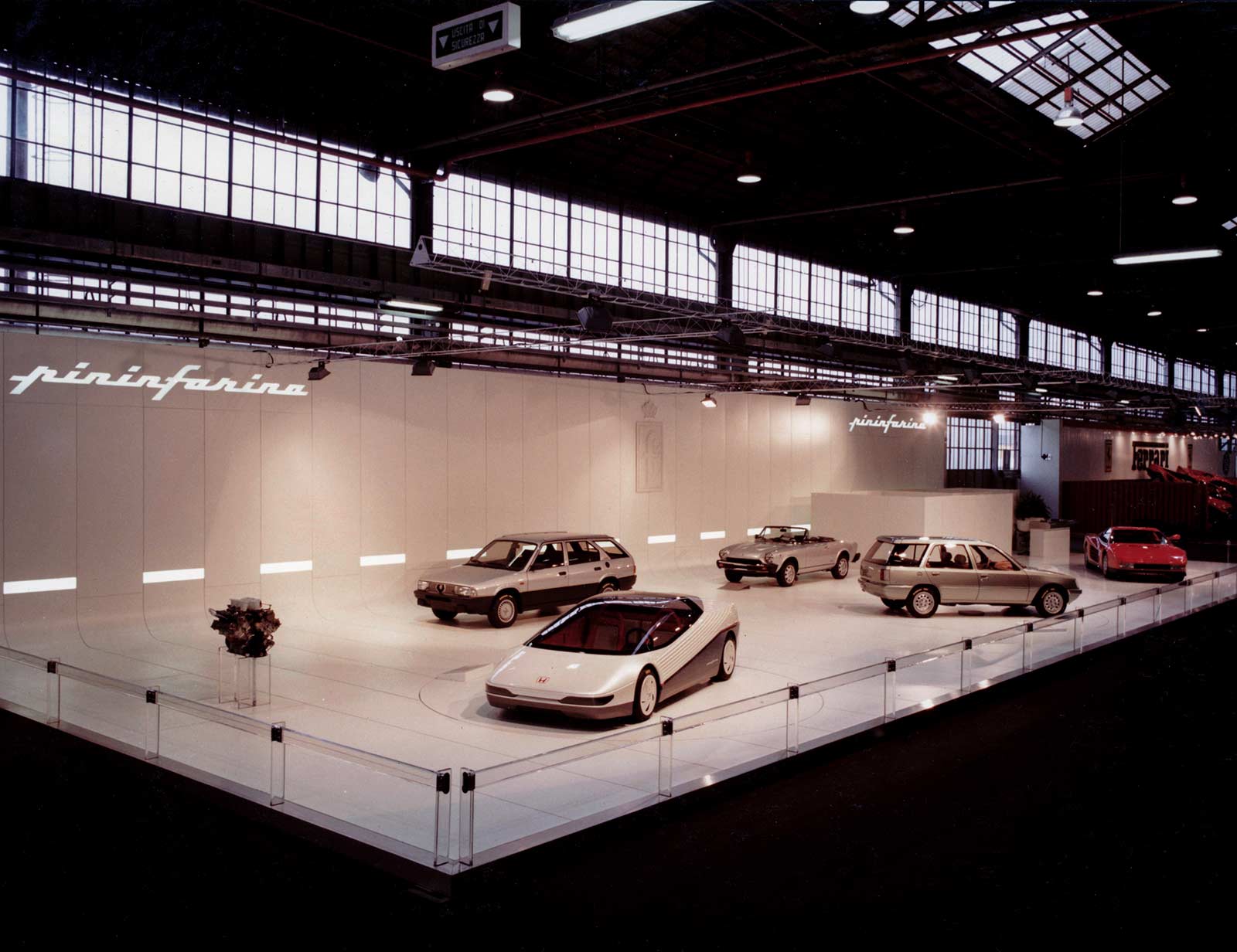
The Honda HP-X, known in Japan as the Honda HP-X, was a concept study created by Pininfarina for Honda and presented at the Turin motor show in the autumn of 1984. It was designed as a high-performance sports car study, a mid-engined two-seater with a wedge-shaped body described as one of the sharpest such designs of its time. The concept was never put into production.
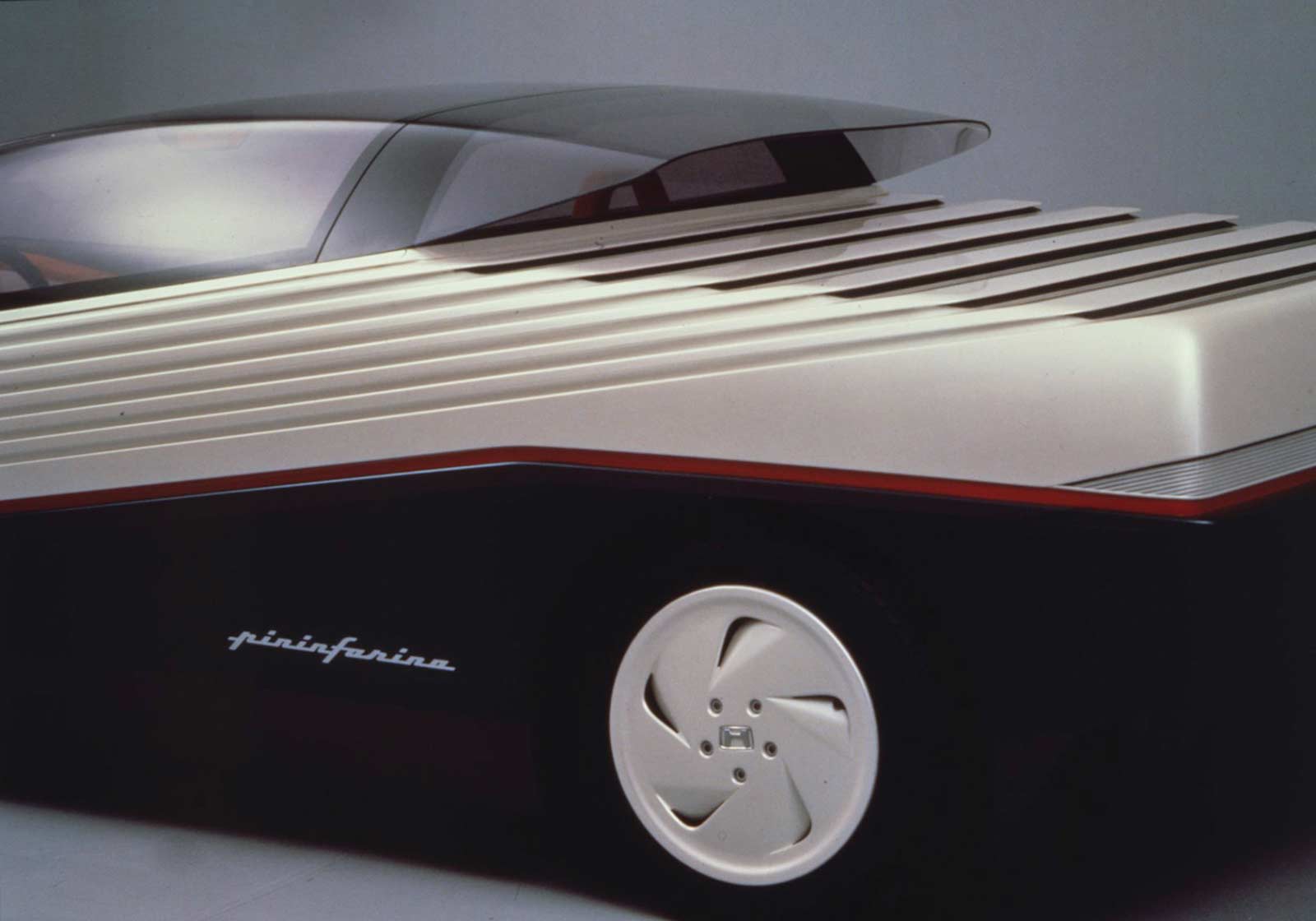
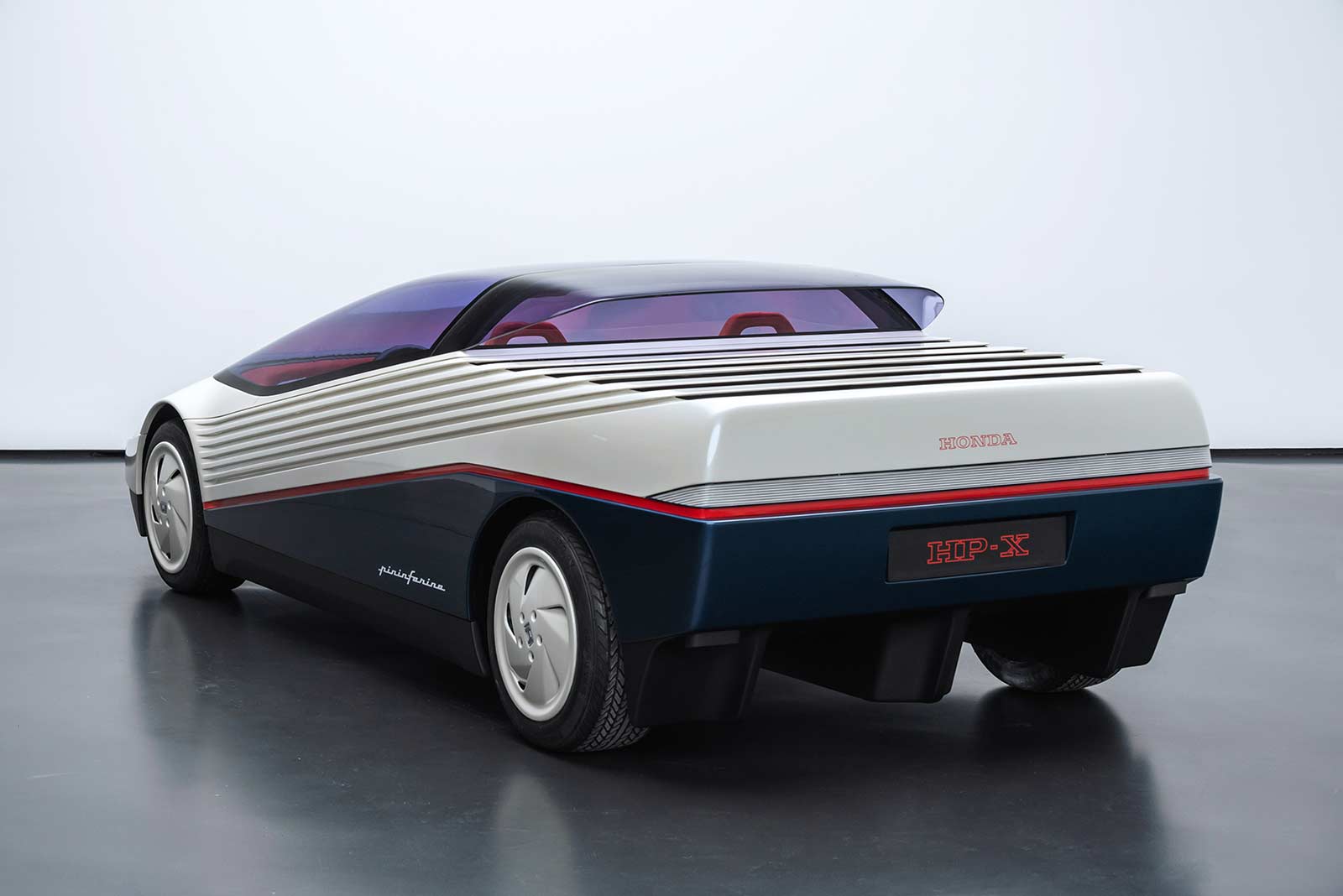
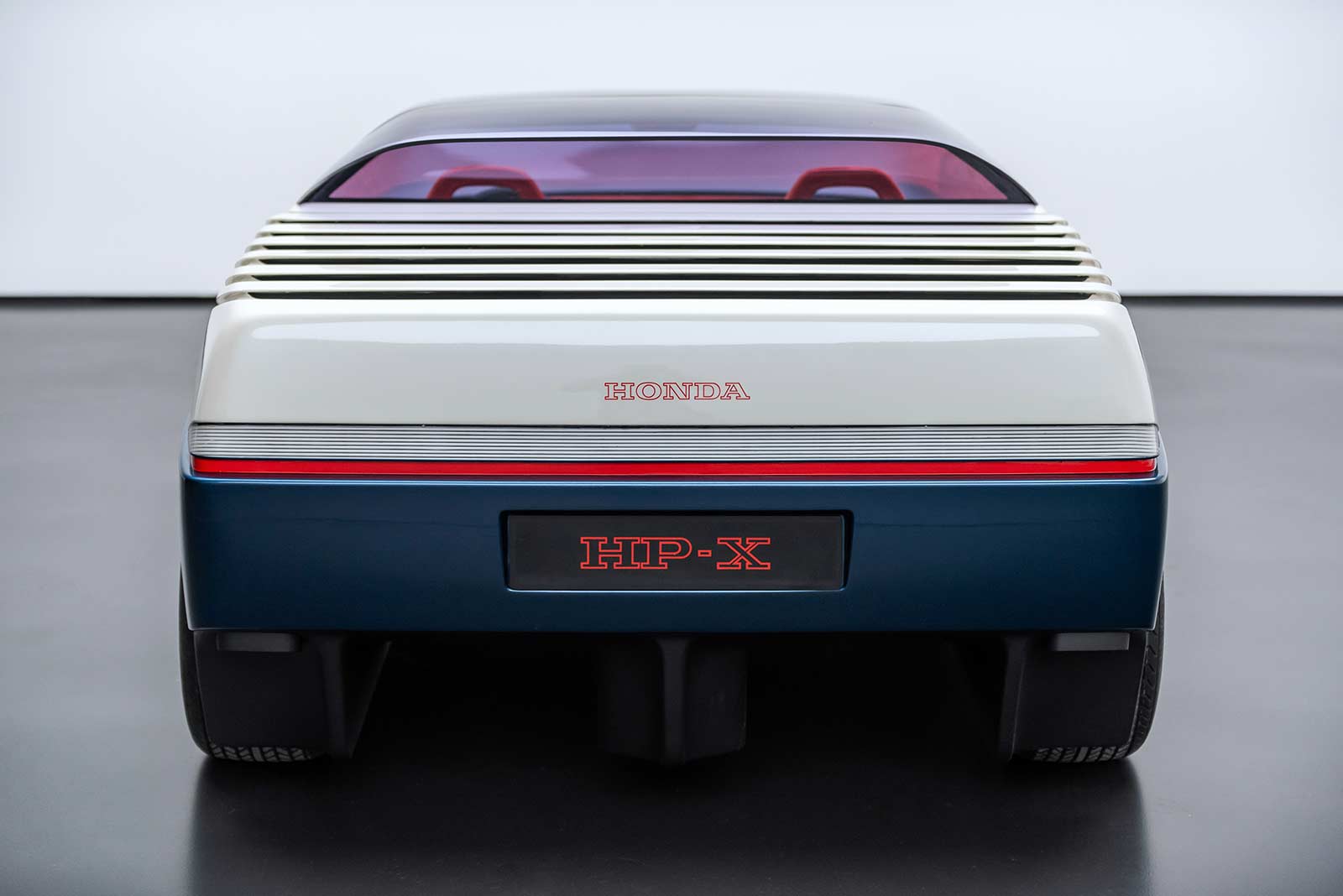
The bodywork featured a one-piece glass canopy that swung upward as a unit to allow entry and exit, overlapping the rear window to improve aerodynamics. At high speed under braking, the rear portion of the canopy was designed to lift slightly to act as an air brake. The flanks were finished in two tones, with a lighter, rearward-rising section made up of fine ribs that fed into ventilation slits running across the entire rear deck. The headlight outlines and front air intake were styled in a manner typical of Honda design language of the period. The body and underbody of the shown model were built from Epowood modelling material, though the design was intended for lightweight composite materials in a production form.
Power was to come from a mid-mounted, specially prepared version of Honda's 2-litre Formula 2 V6 engine, a 1996 cc unit with double overhead camshafts and 24 valves. The mechanical layout was arranged to allow the underside of the car to be optimised for ground-effect aerodynamics, and the design was said to have been conceived with road use in mind. The wheelbase measured 255 cm, with overall length, width and height of 417, 177 and 112.5 cm respectively (given elsewhere as 4165 mm, 1770 mm and 1125 mm with a 2550 mm wheelbase).
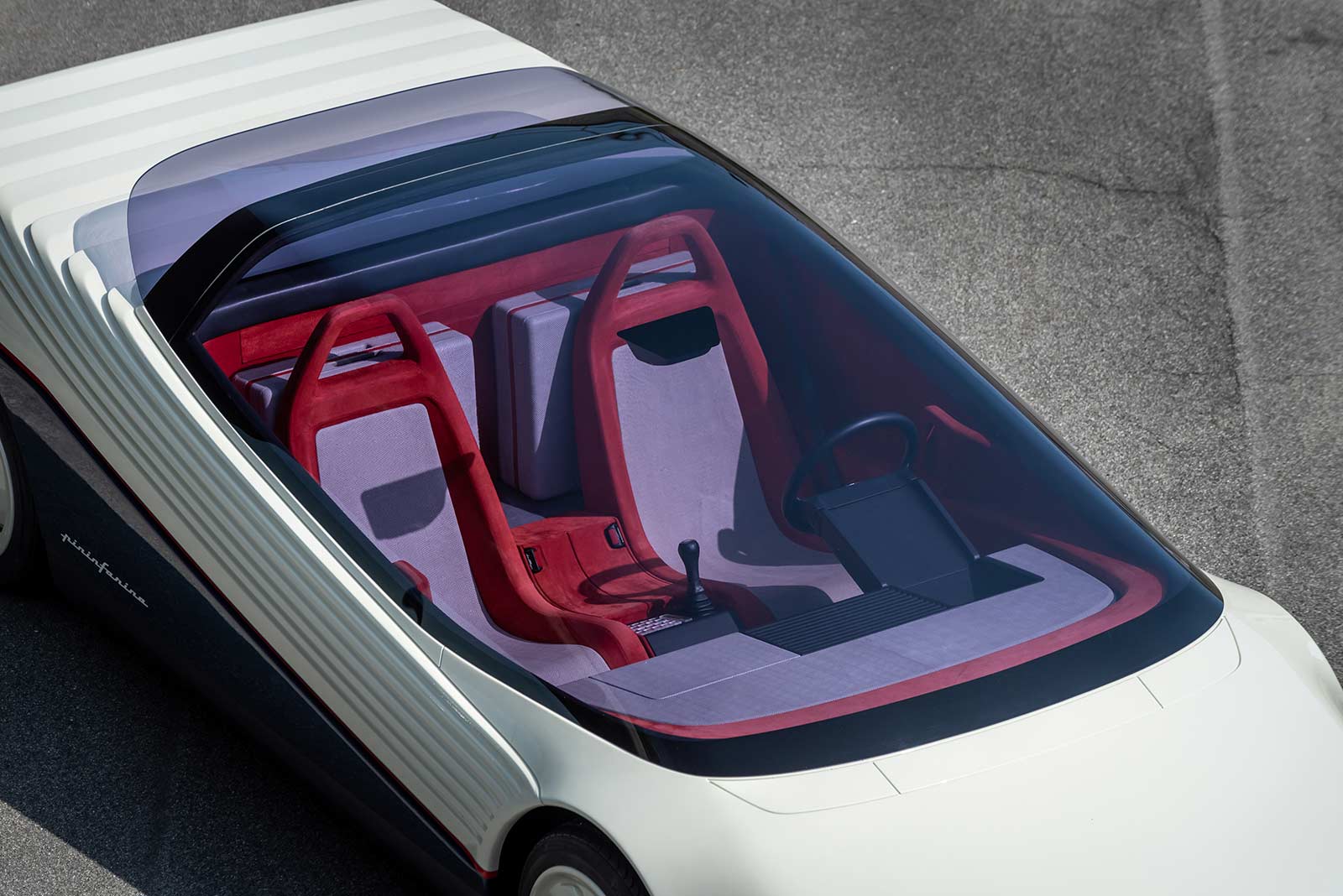
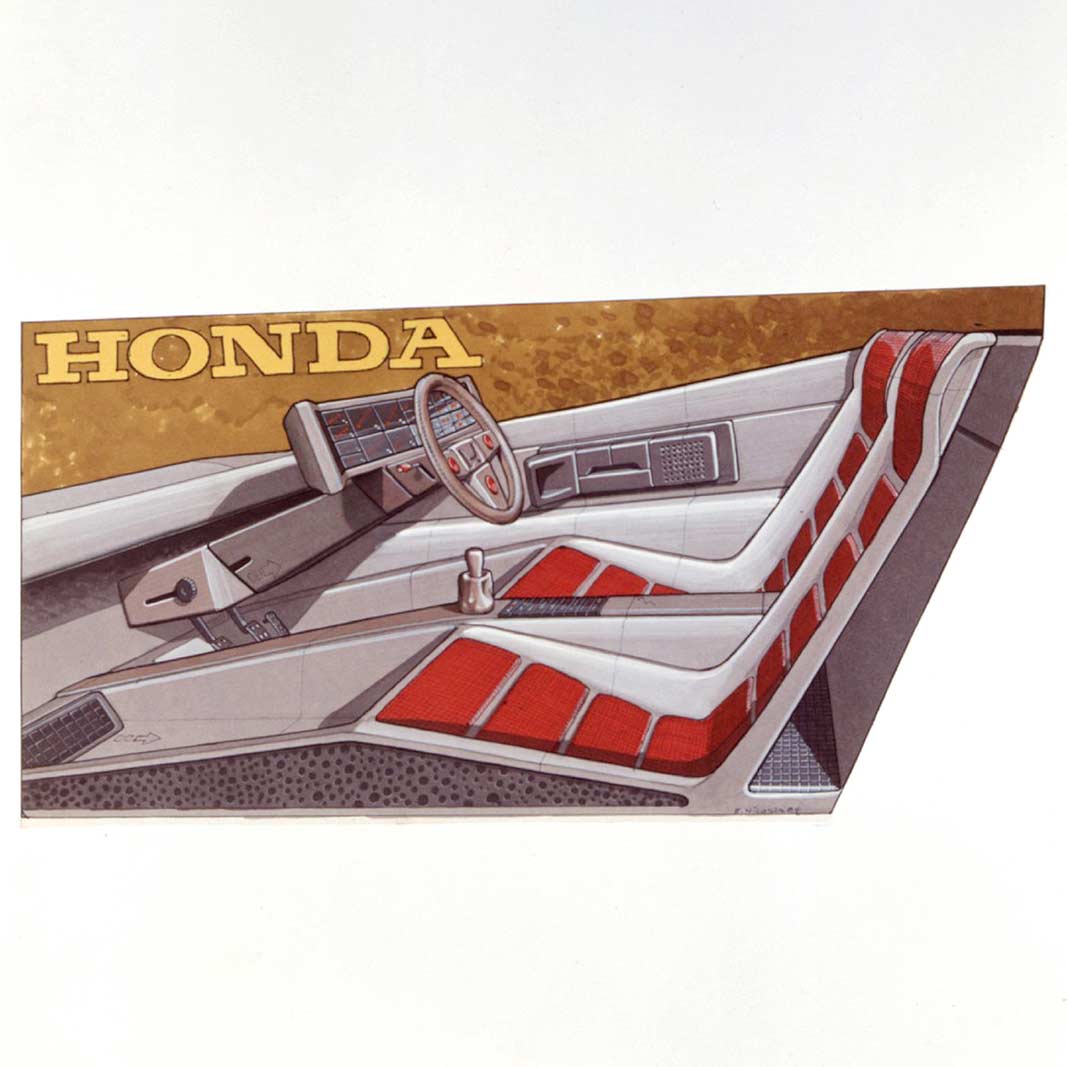
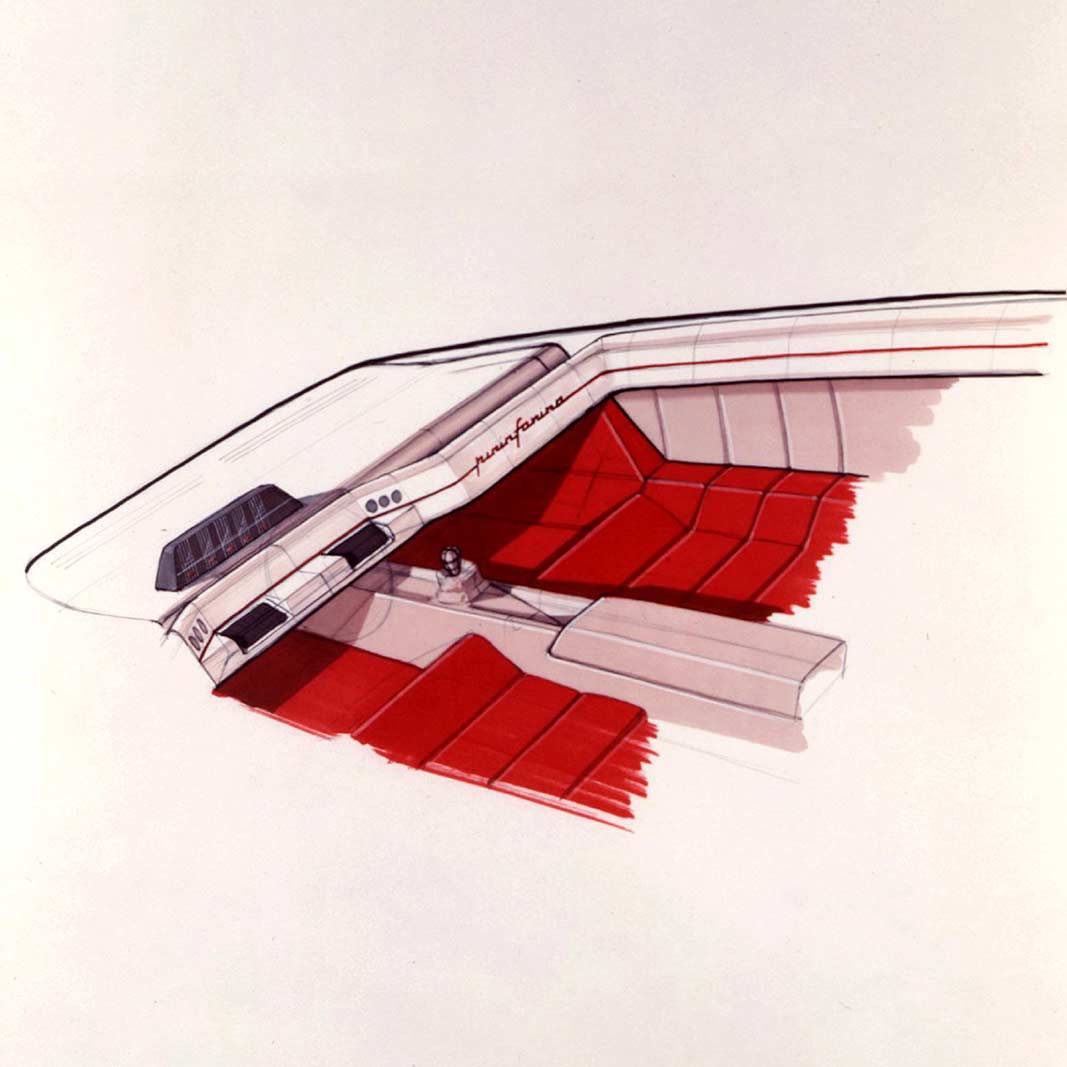
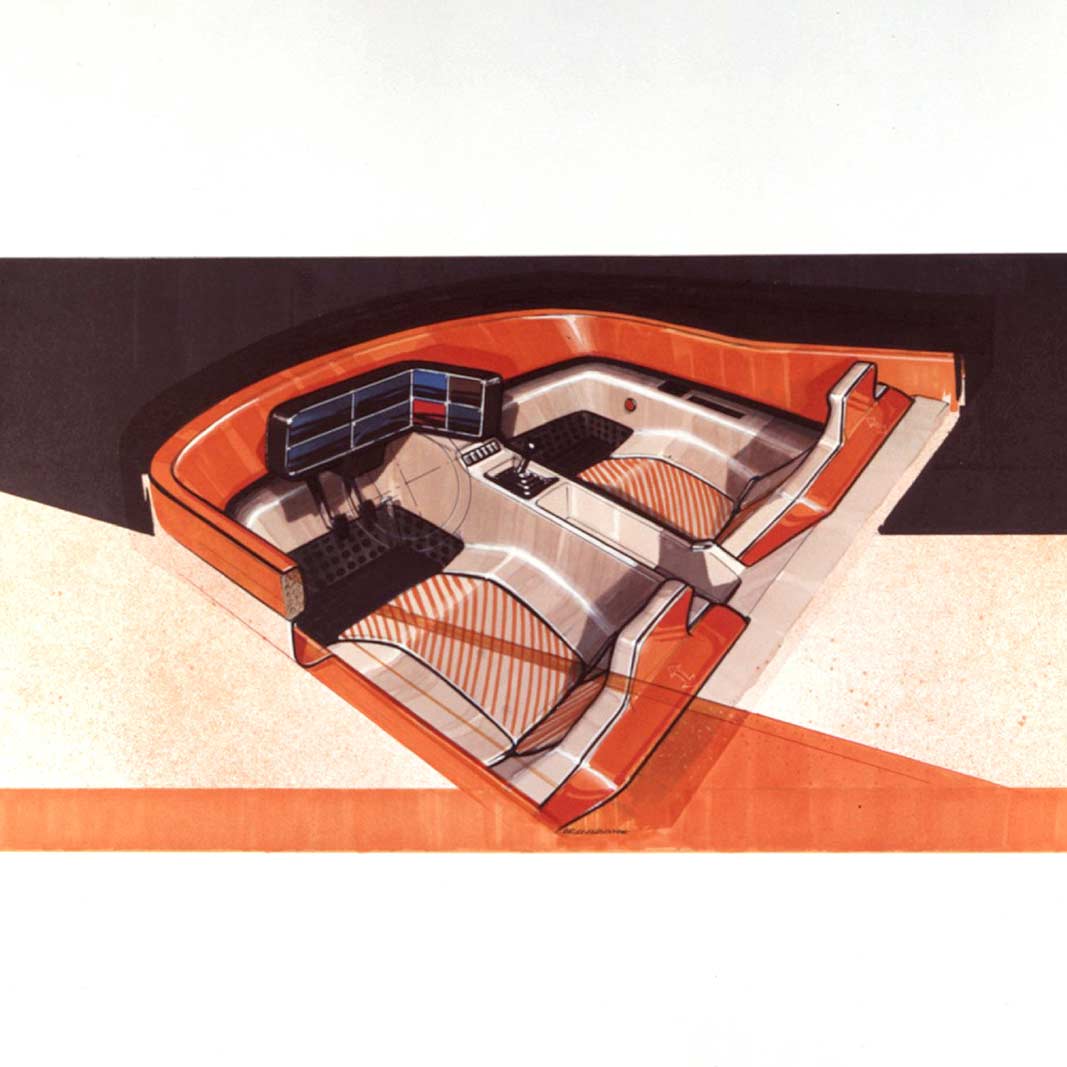
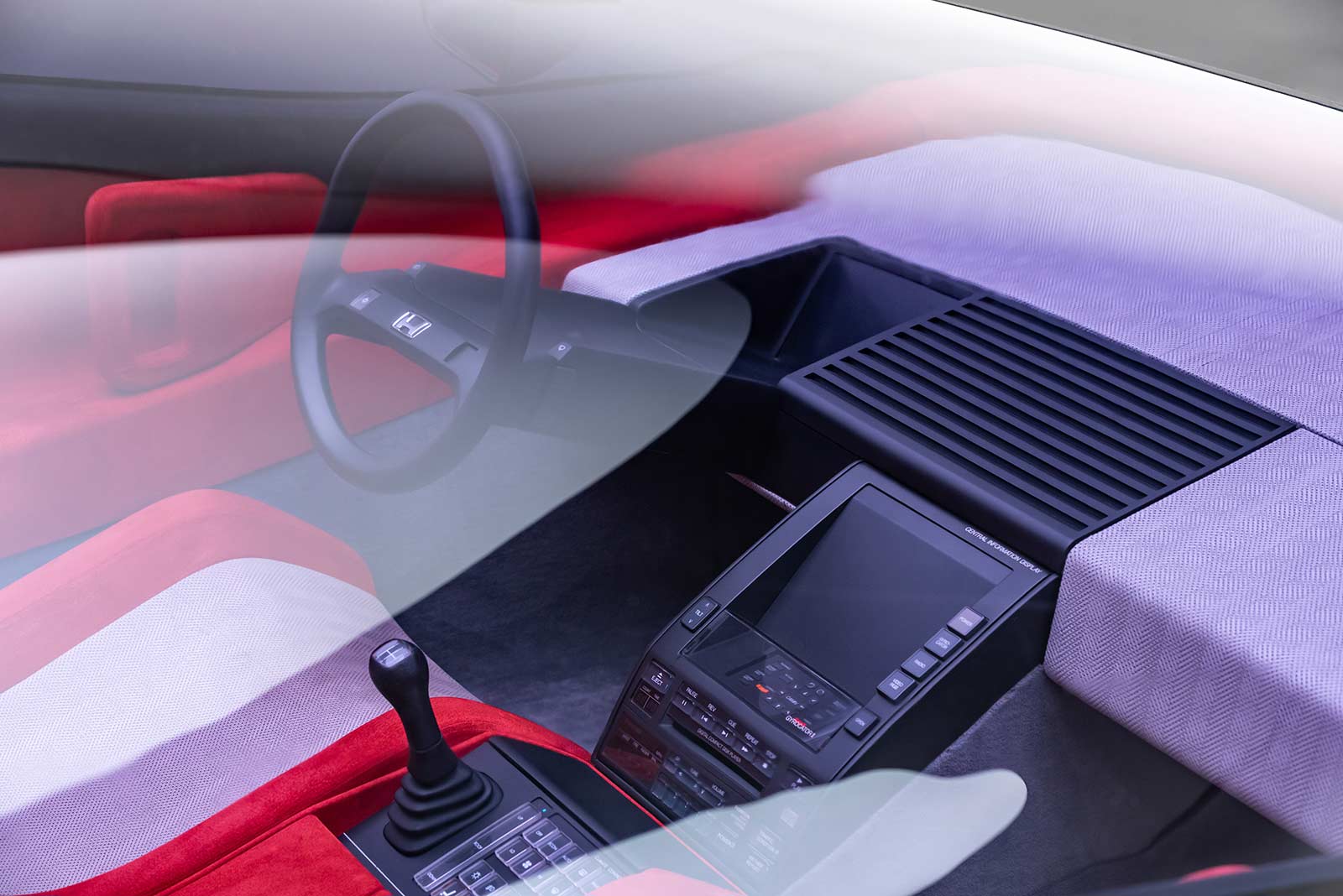
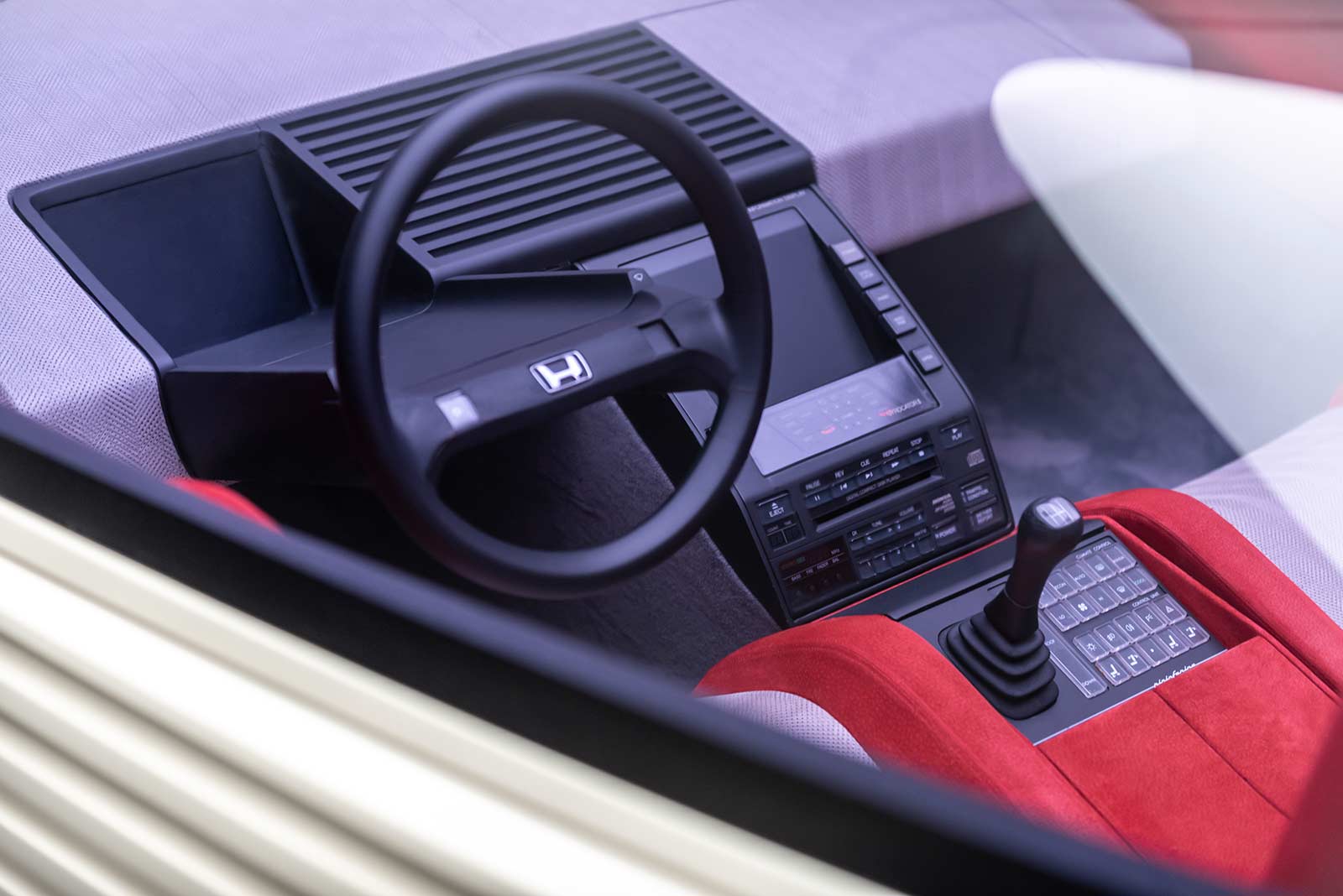
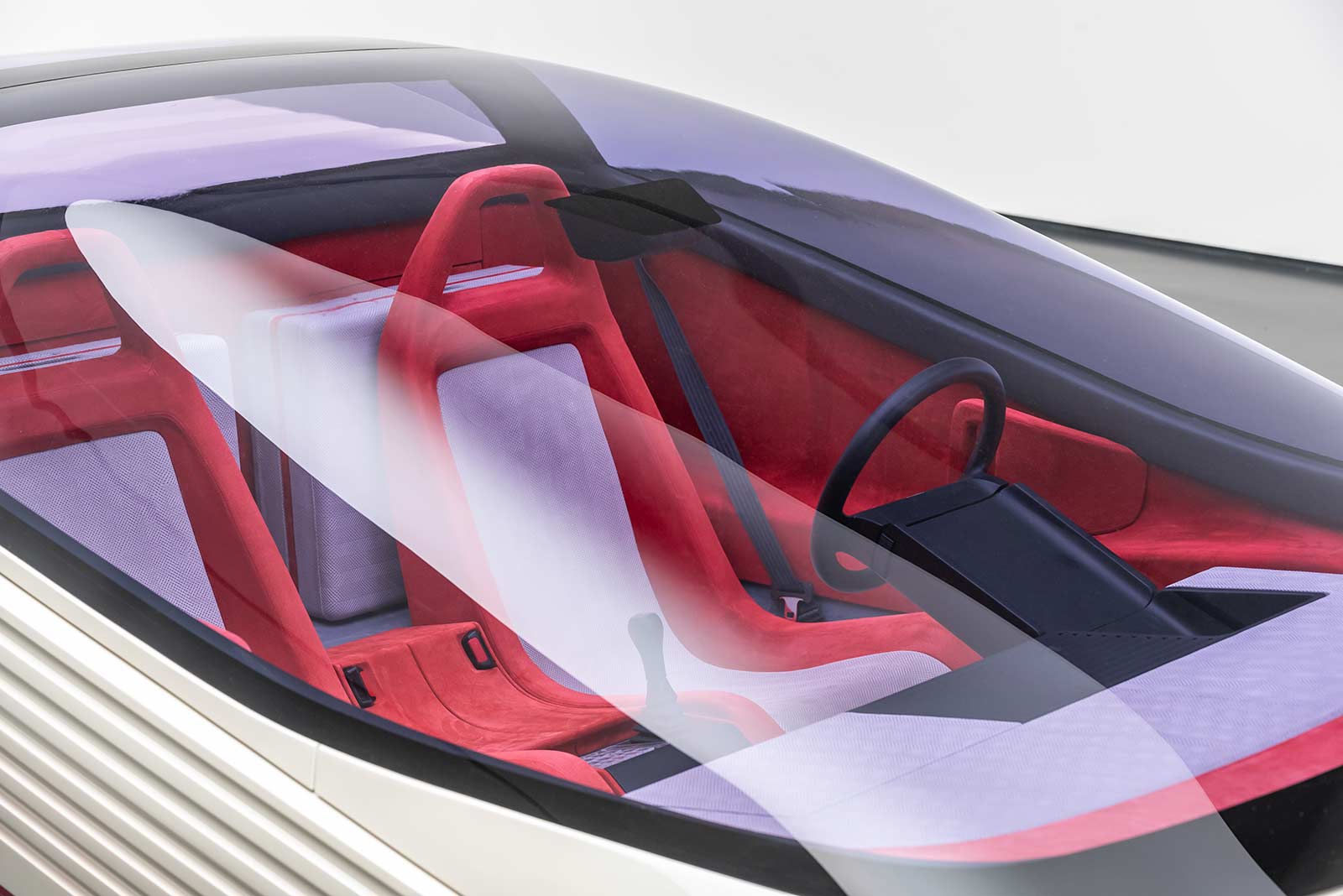
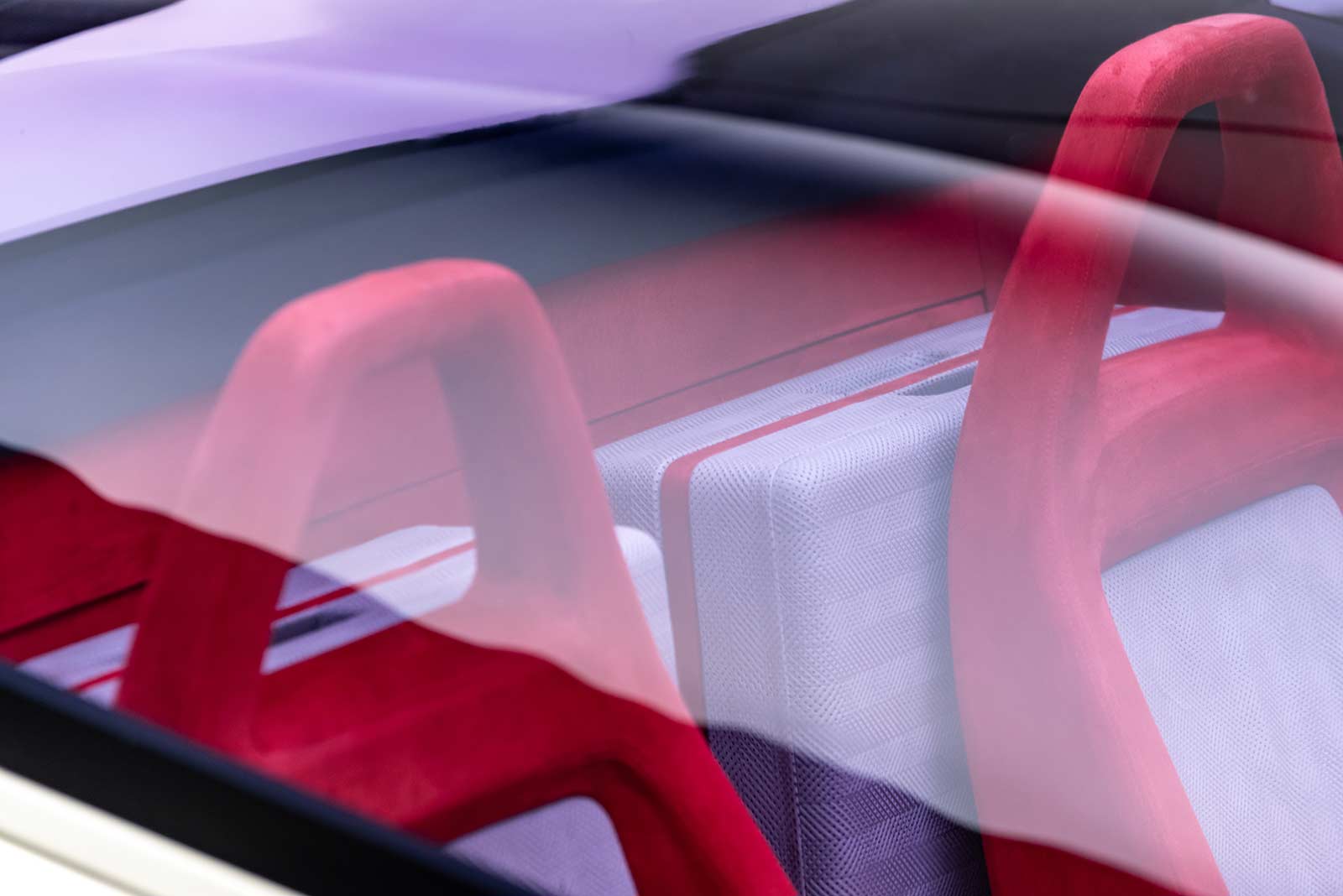
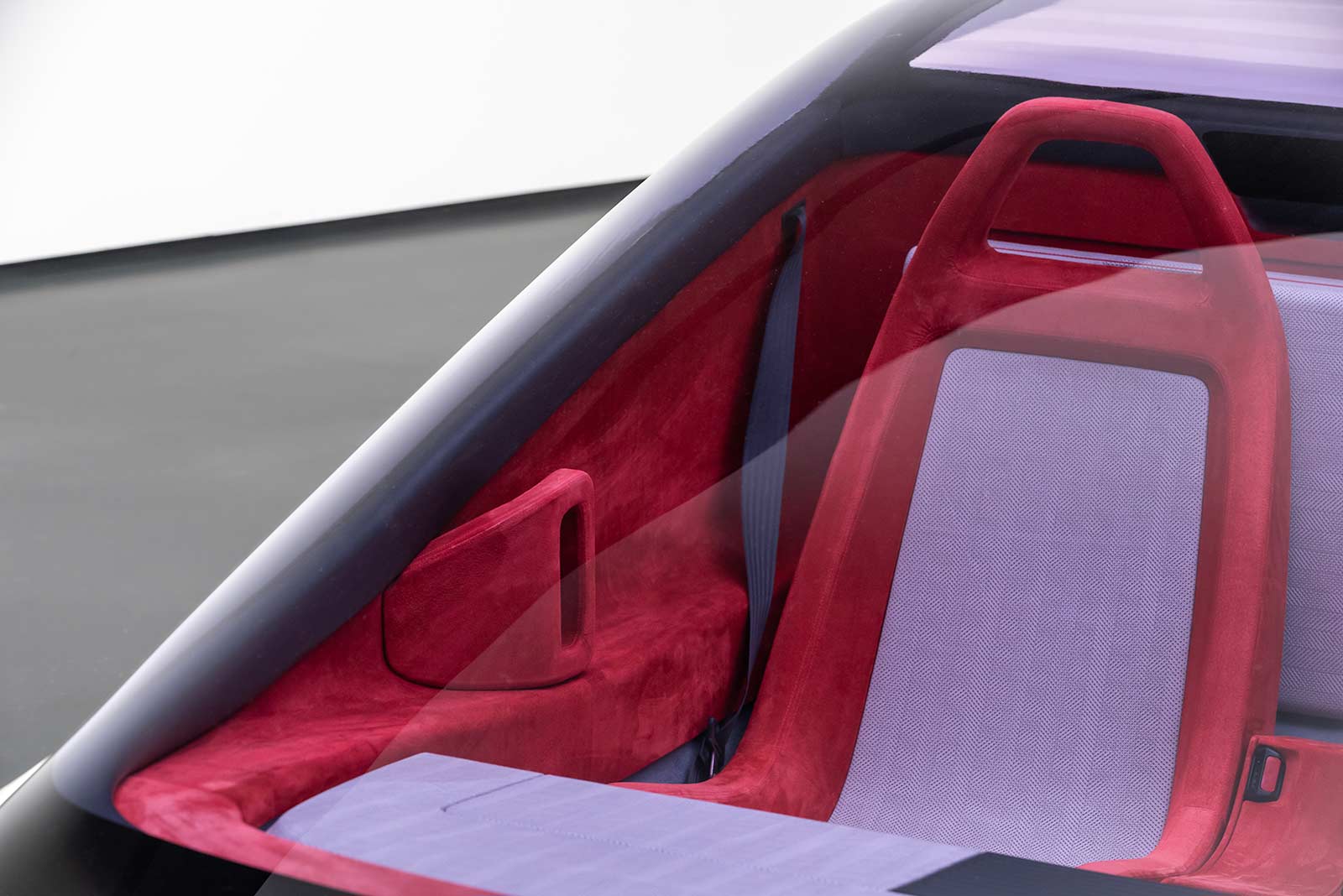
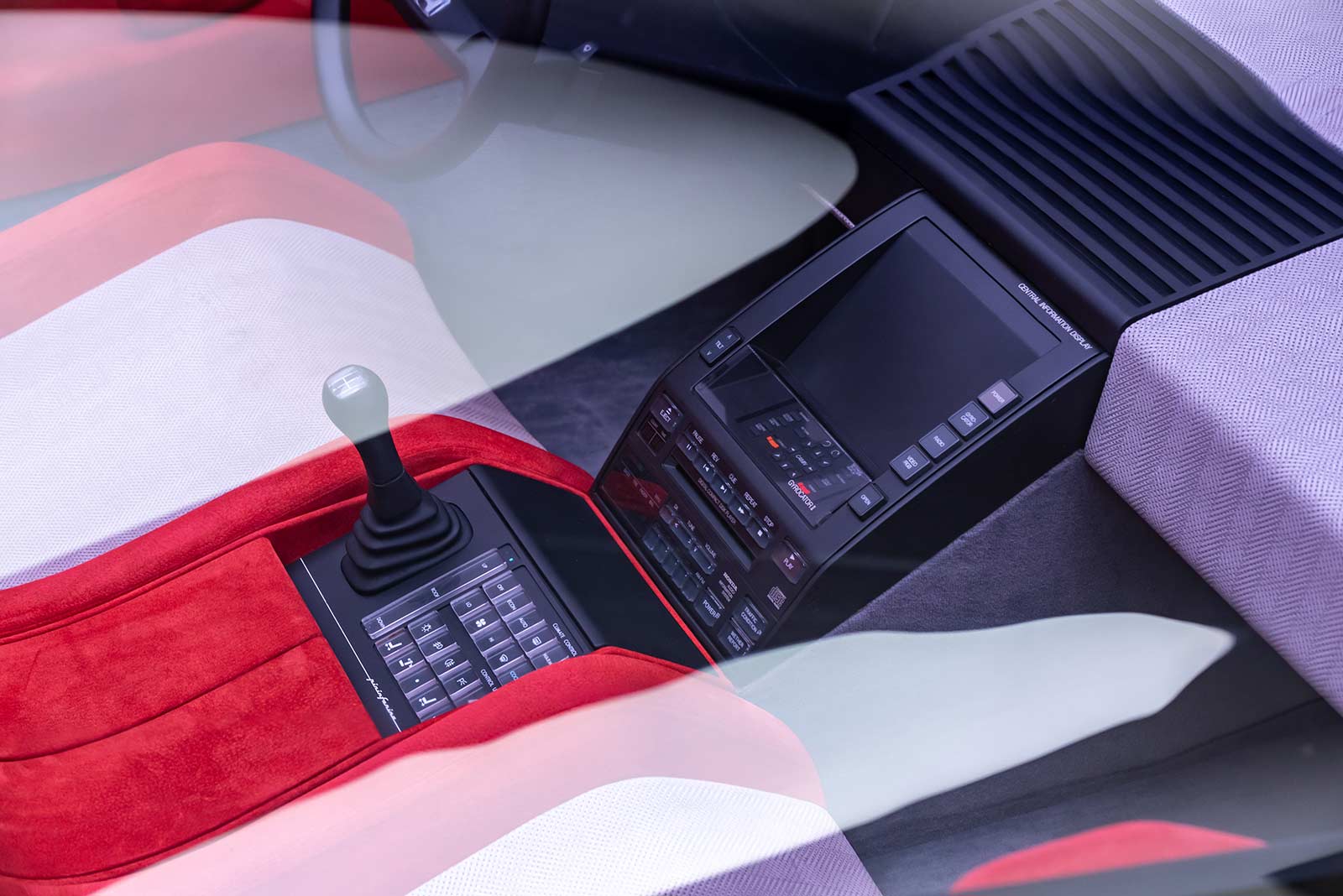
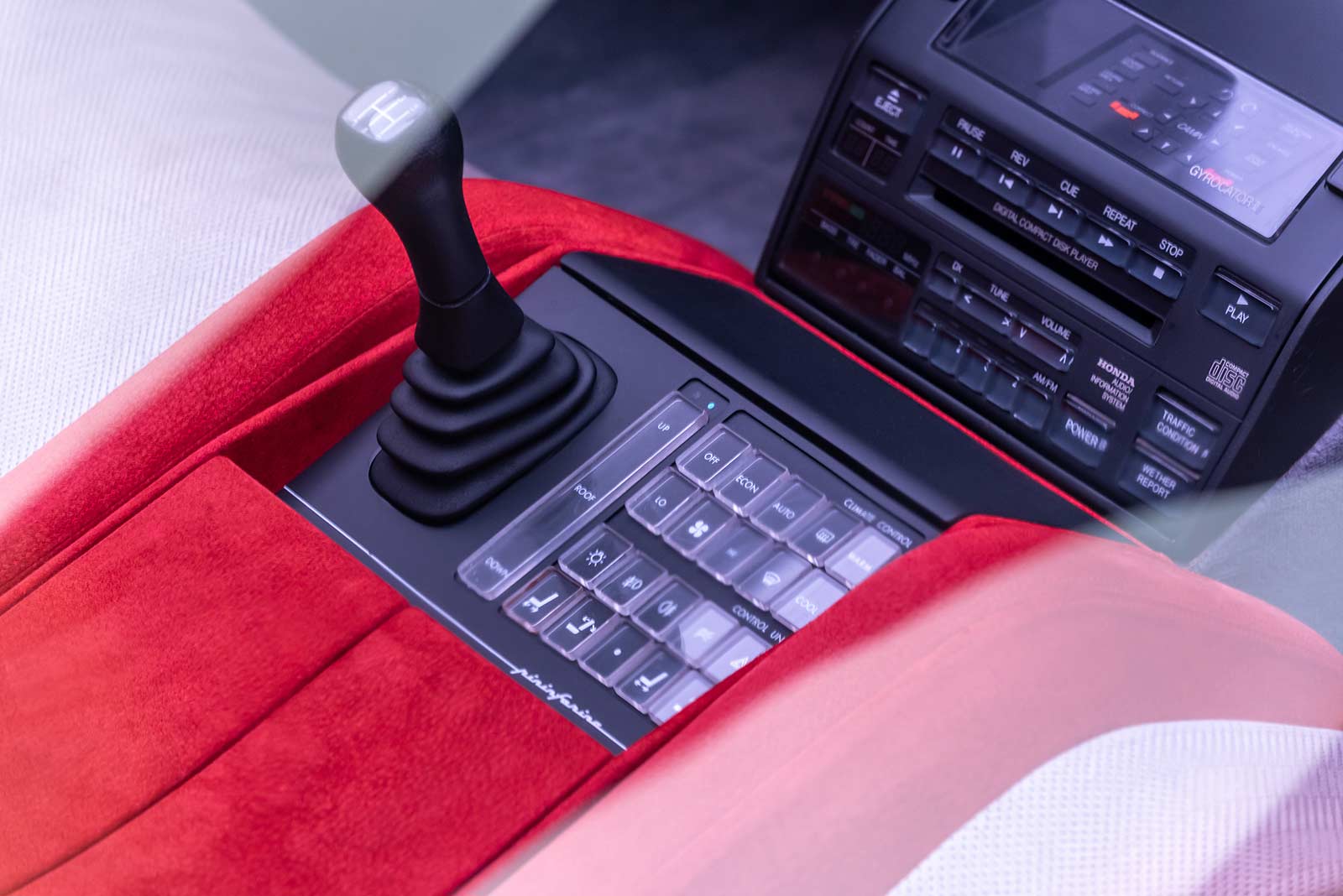
The interior was designed for comfort and practicality, with a fabric-covered upright case behind each seat matching the seat upholstery. A monitor ahead of the steering wheel displayed speed, oil pressure, fuel level, average consumption and other driving data, while a second screen above the centre console was intended for a navigation system and also served a sensor-based distance display intended as a manoeuvring and parking aid, part of an Electronic Driver Support System developed by Honda. A Honda spokesperson at the Turin show stated that the HP-X, shown without functioning drivetrain, was expected to reach series production within three years. That did not occur, and when Honda's related high-performance sports car, the NS-X, appeared as a near-production prototype in Chicago in February 1989, it showed no trace of the HP-X's design, resembling instead body styles Pininfarina had created for Ferrari.