
TIME. A MANIFESTO FOR FUTURE MOBILITY
IED UNVEILS A NEW AUTONOMOUS CONCEPT CAR
DEVELOPED IN COLLABORATION WITH TESLA
At MAUTO – Museo Nazionale dell’Automobile in Turin, an immersive exhibition explores new ways of inhabiting movement, space, and technology in a self-driving future, through the vision of students of the Master’s program in Transportation Design at IED Torino
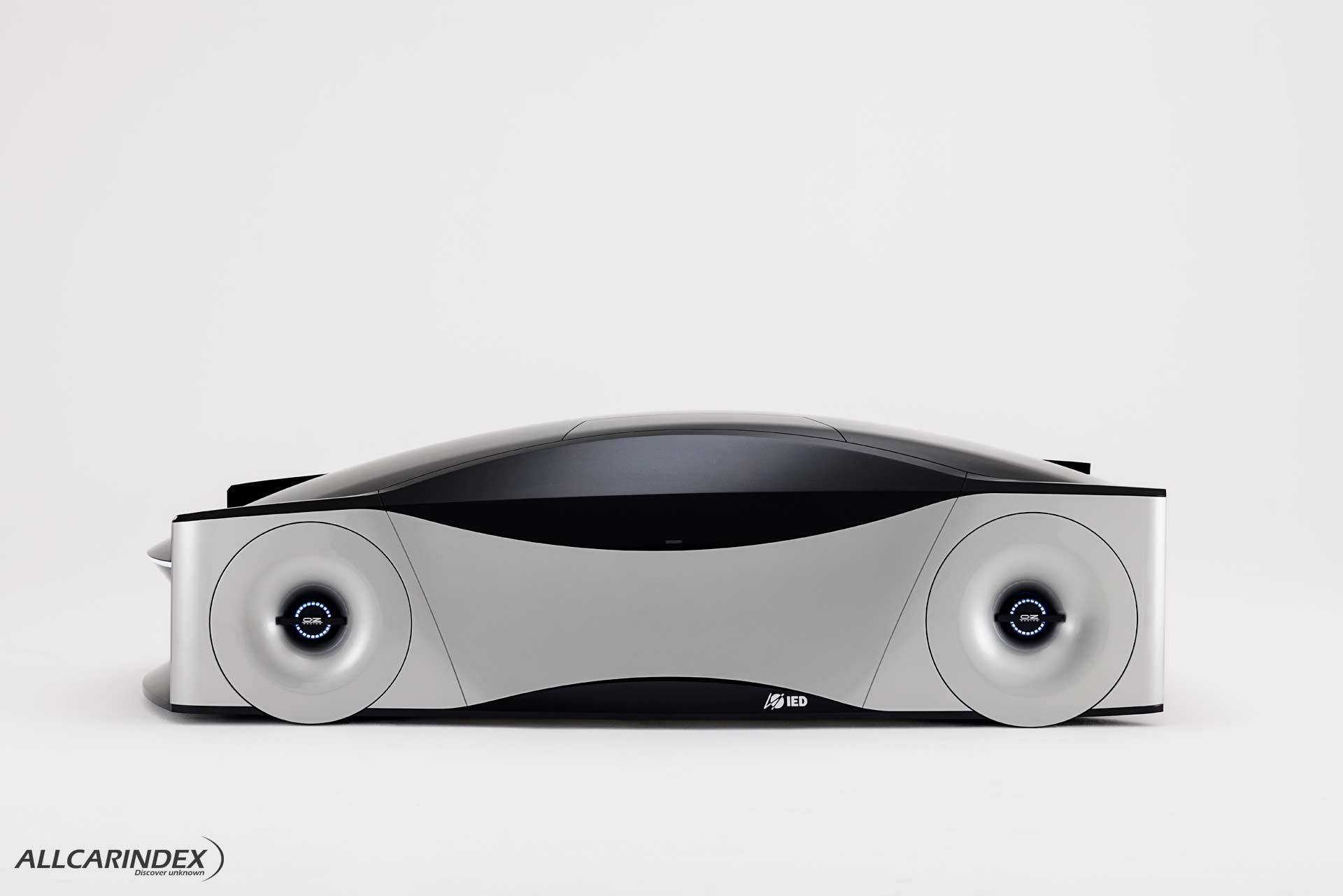
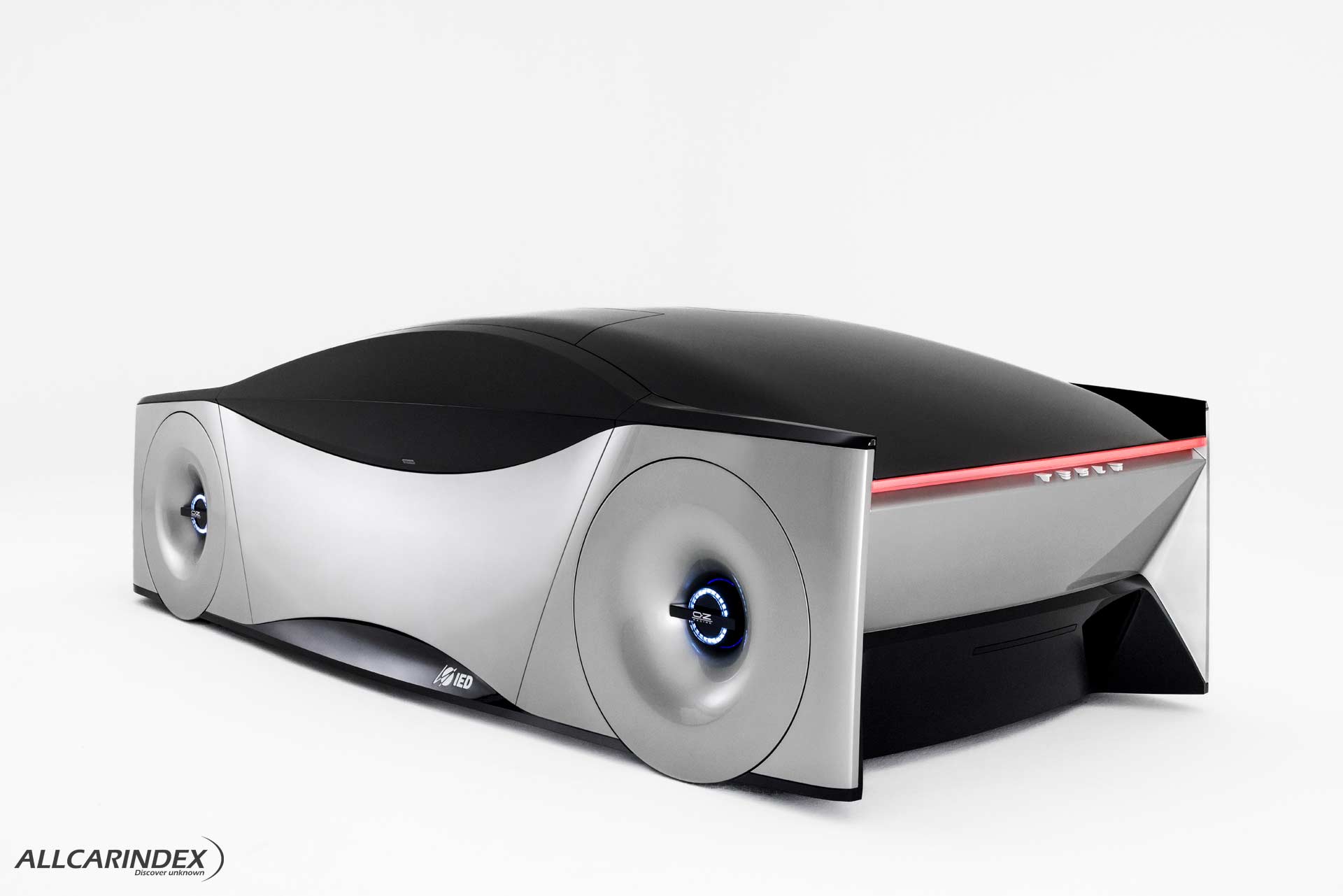
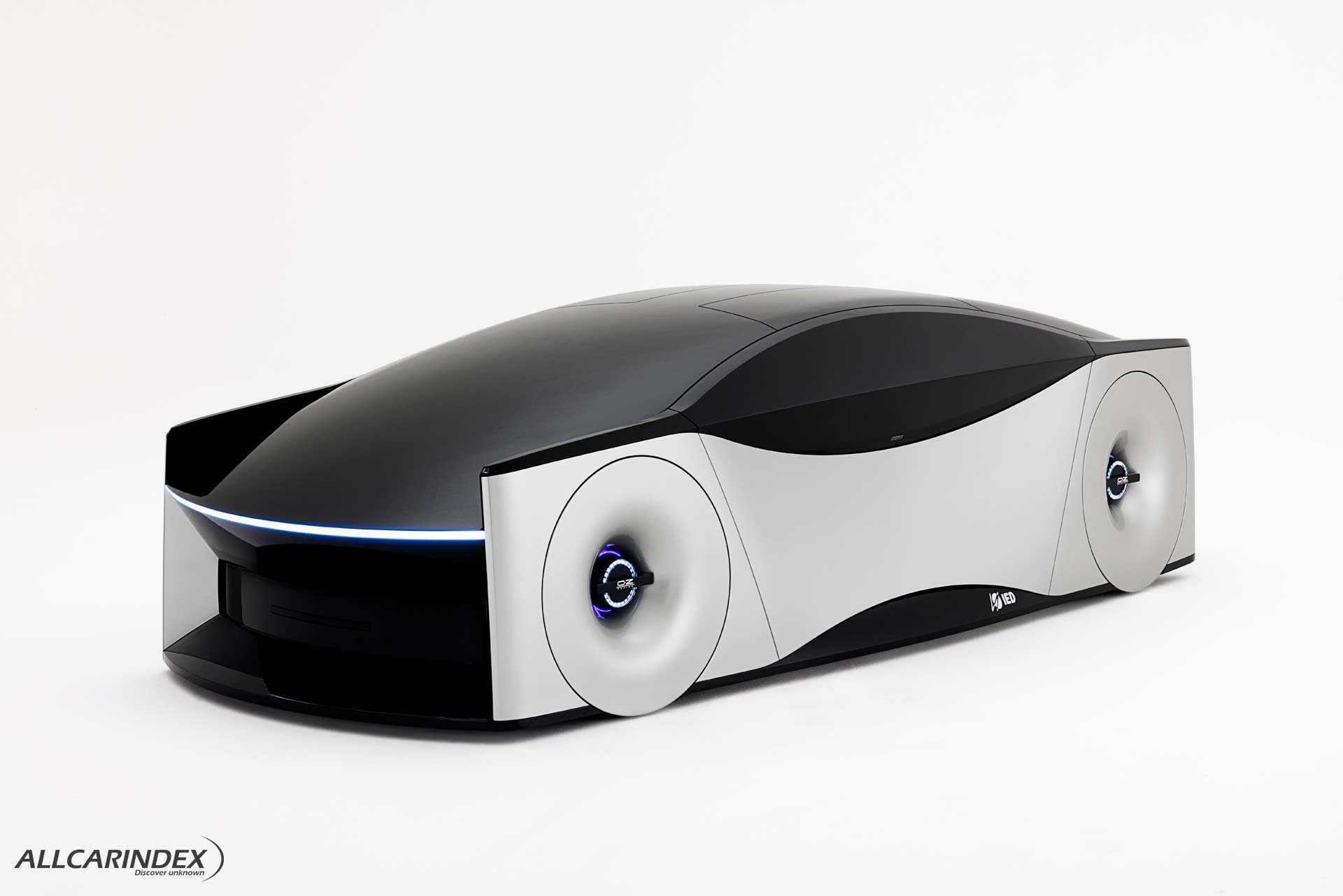
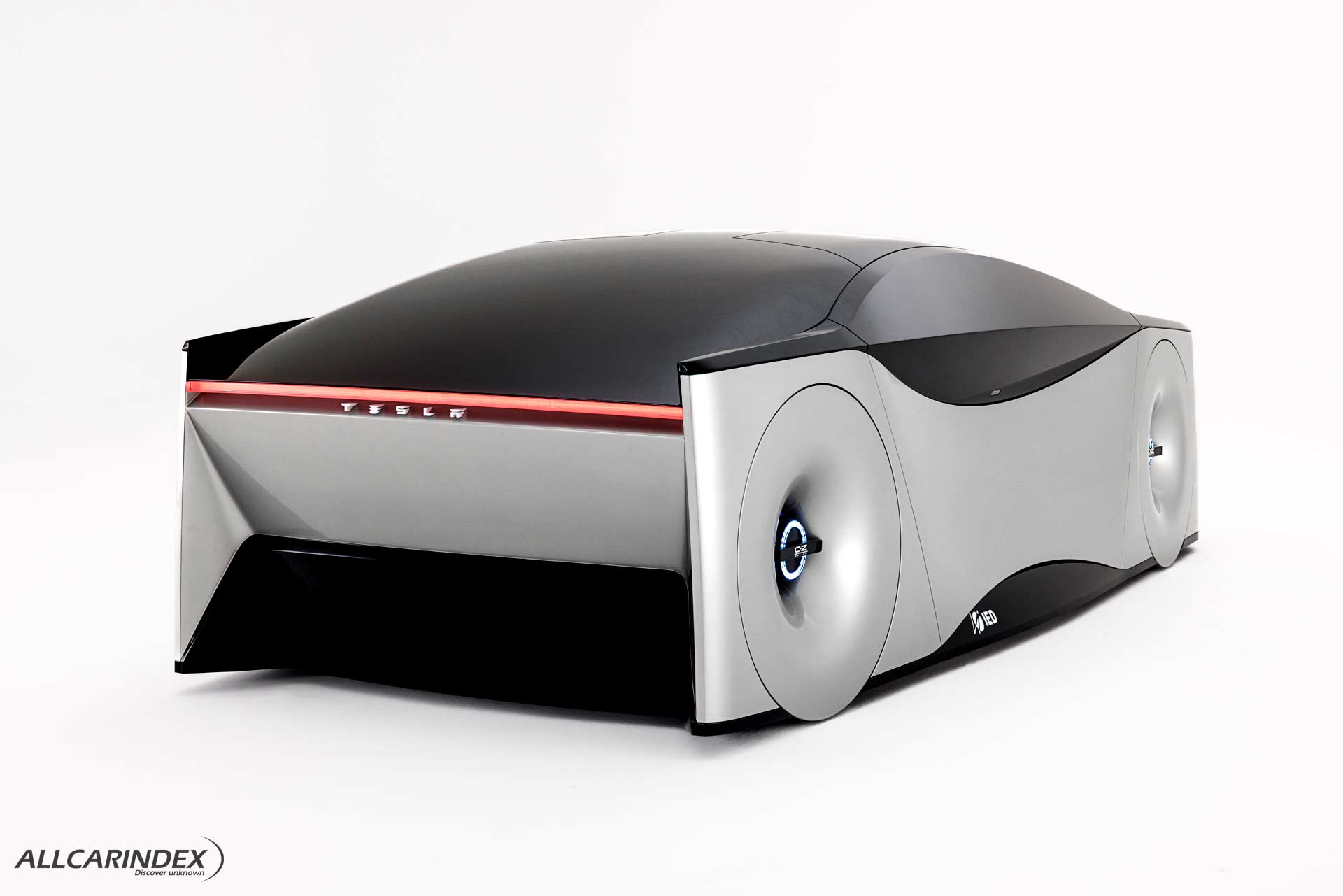
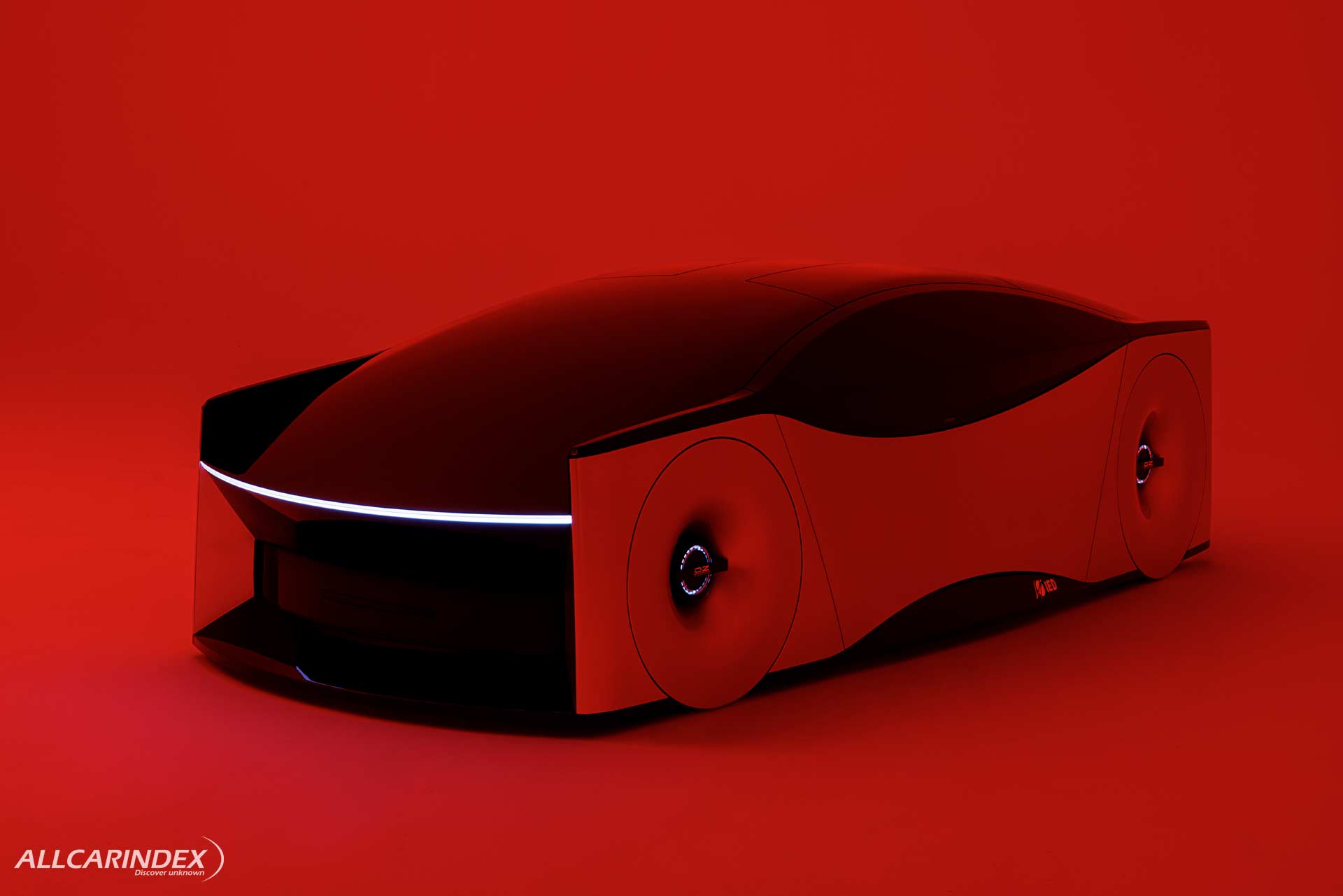
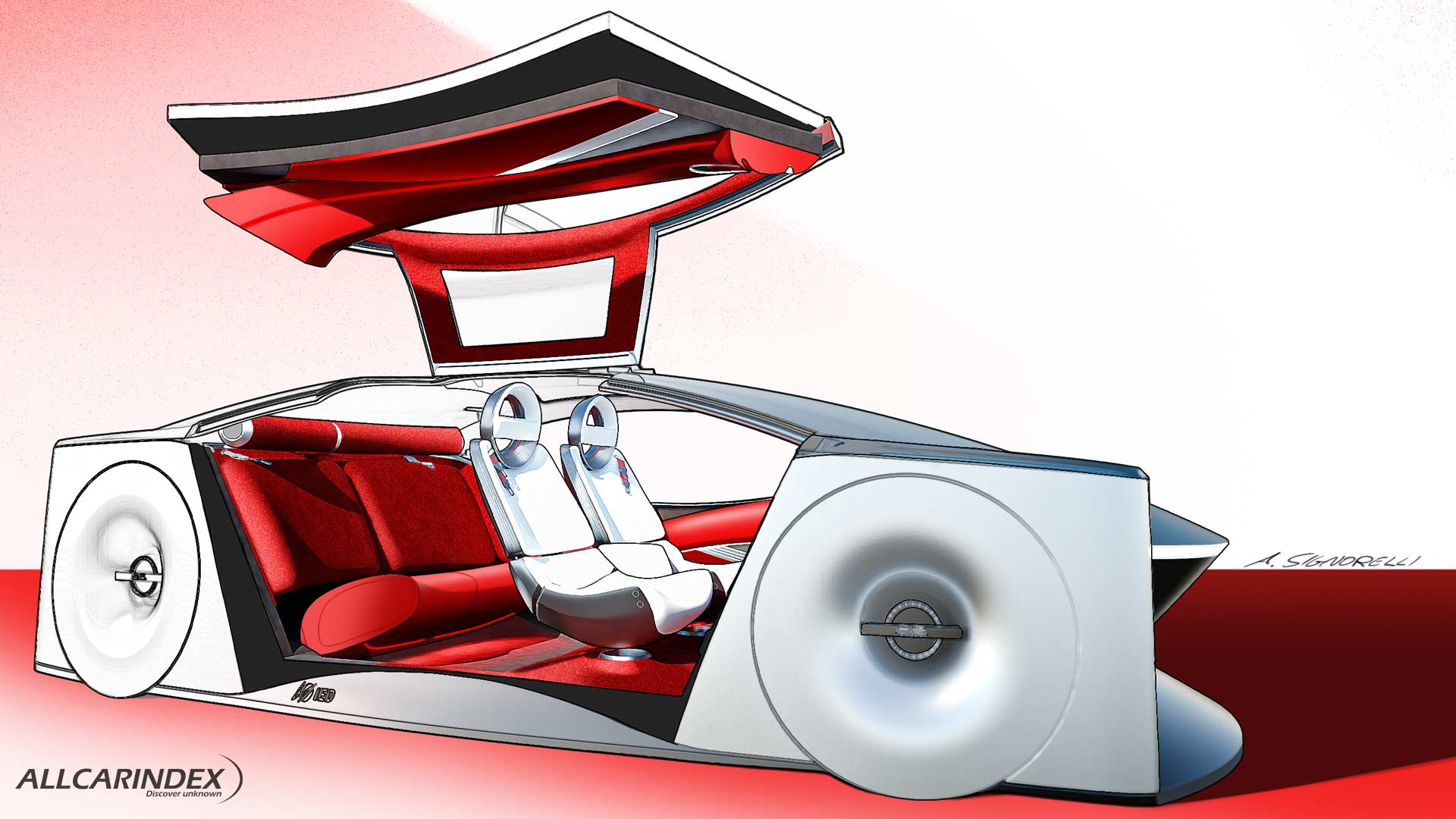
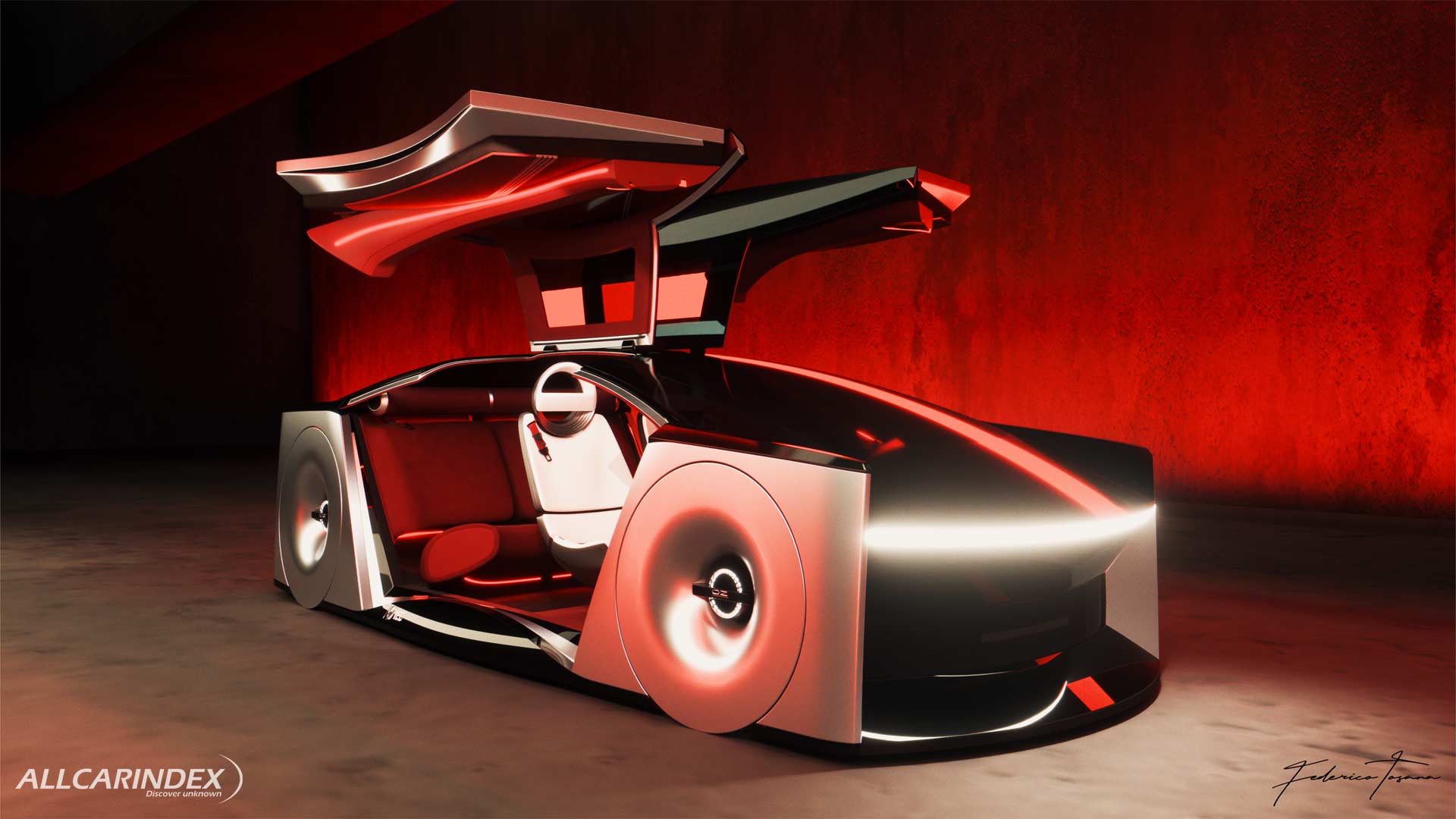
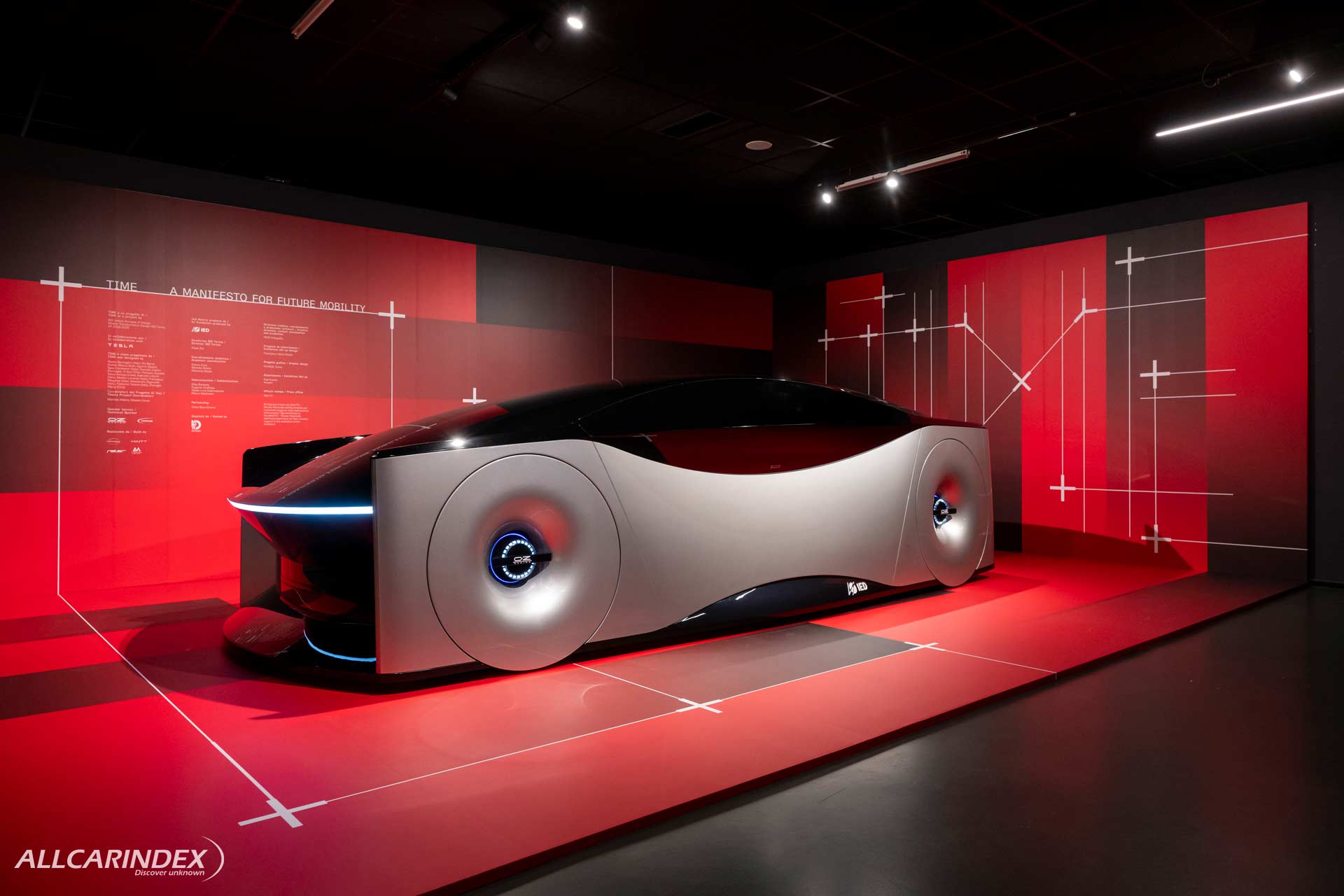
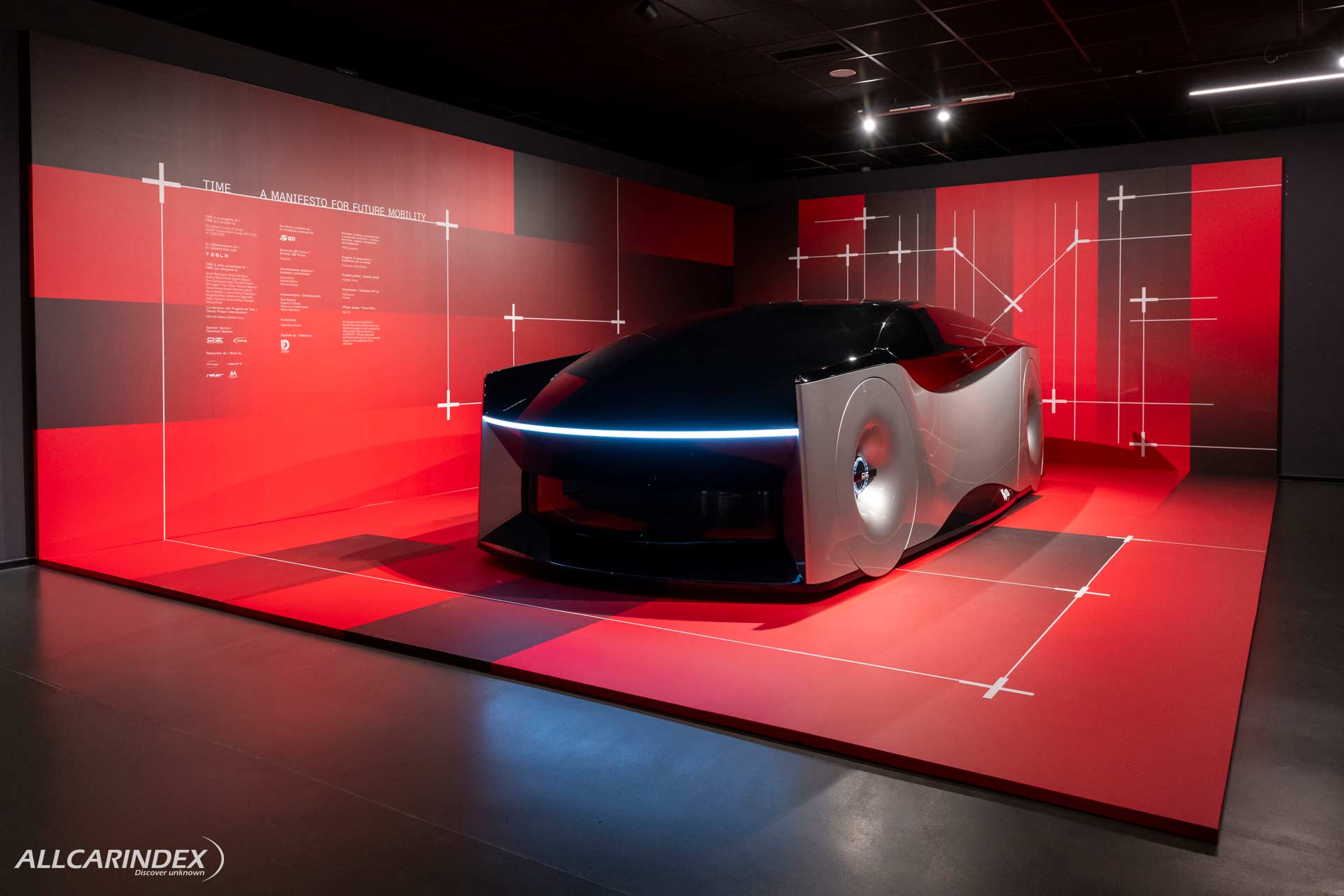
There is a threshold in the present moment where design is no longer simply about shaping new vehicles, but about rethinking how we inhabit time, space, and movement. It is within this context that TIME was conceived, a self-driving concept car developed by students of the Master’s program in Transportation Design at IED Torino in collaboration with Tesla. This thesis project offers a bold design-driven reflection on the transformations brought about by emerging autonomous driving scenarios.
This vision takes shape in the exhibition TIME. A Manifesto for Future Mobility, on view in Turin at MAUTO – Museo Nazionale dell’Automobile from March 26 to May 3, 2026. Curated as an immersive experience, the exhibition guides visitors through the questions, tools, and trajectories that drove the entire research process, blending physical and digital dimensions to convey the complexity of contemporary design practice.
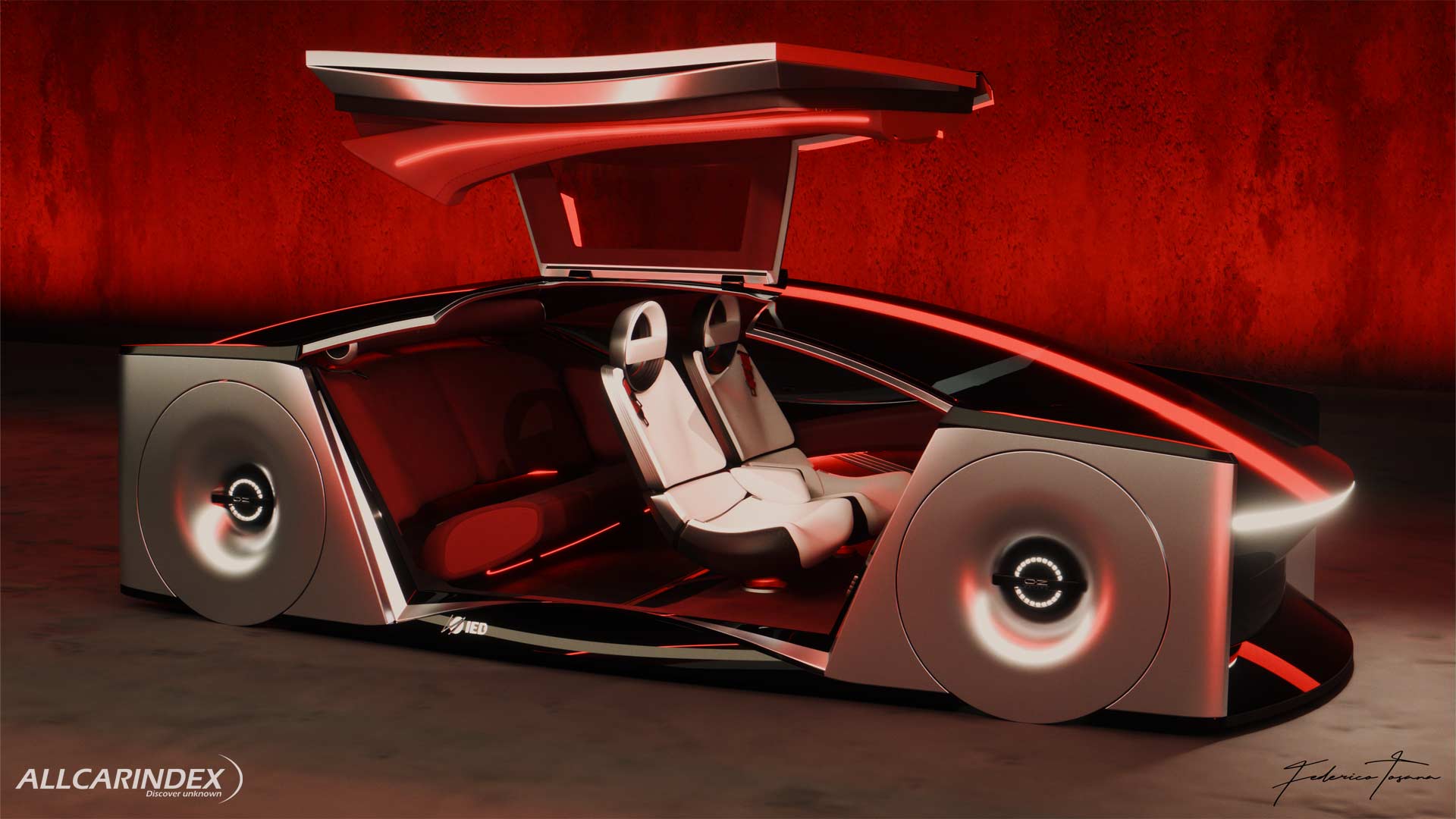
In a near future where driving is increasingly delegated to technology, travel time is no longer defined by waiting but becomes a resource: a “25th hour,” reclaimed from traffic and returned to the individual. An hour that does not exist on the clock yet redefines the very value of movement. Moving beyond the traditional concept of the automobile, the project envisions it as a living space: no longer a confined cell in which to wait while traveling from one point to another, but a new environment designed to host activities, relationships, and personal moments.
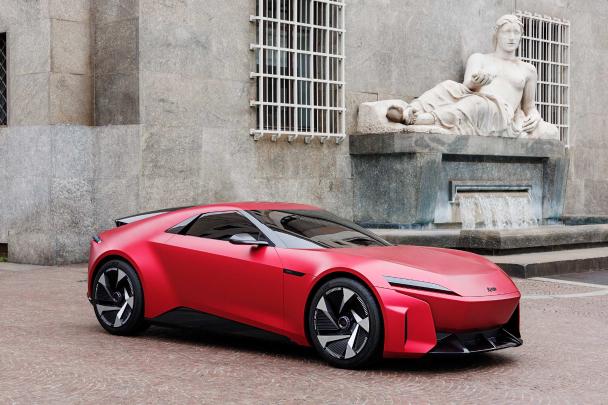
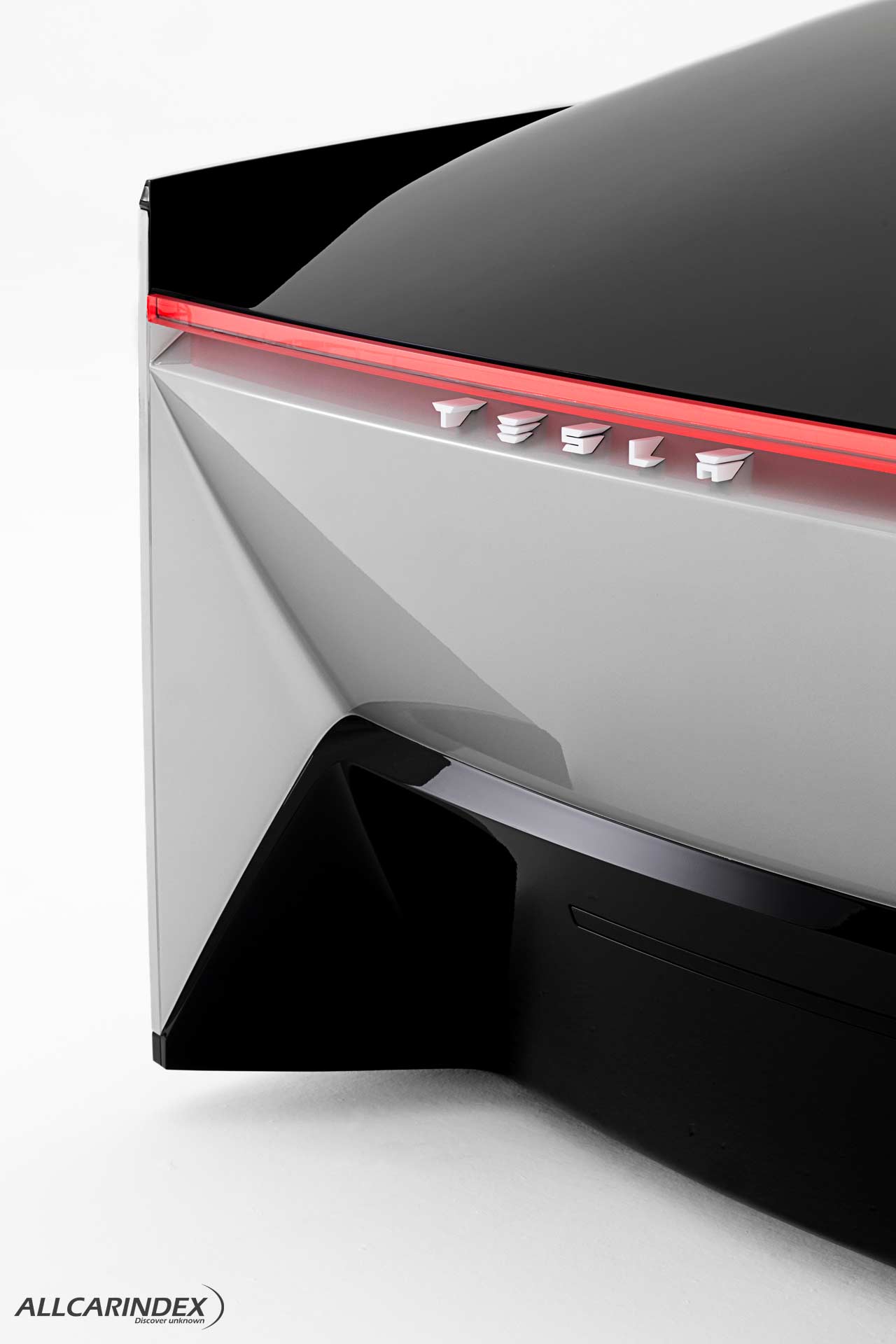
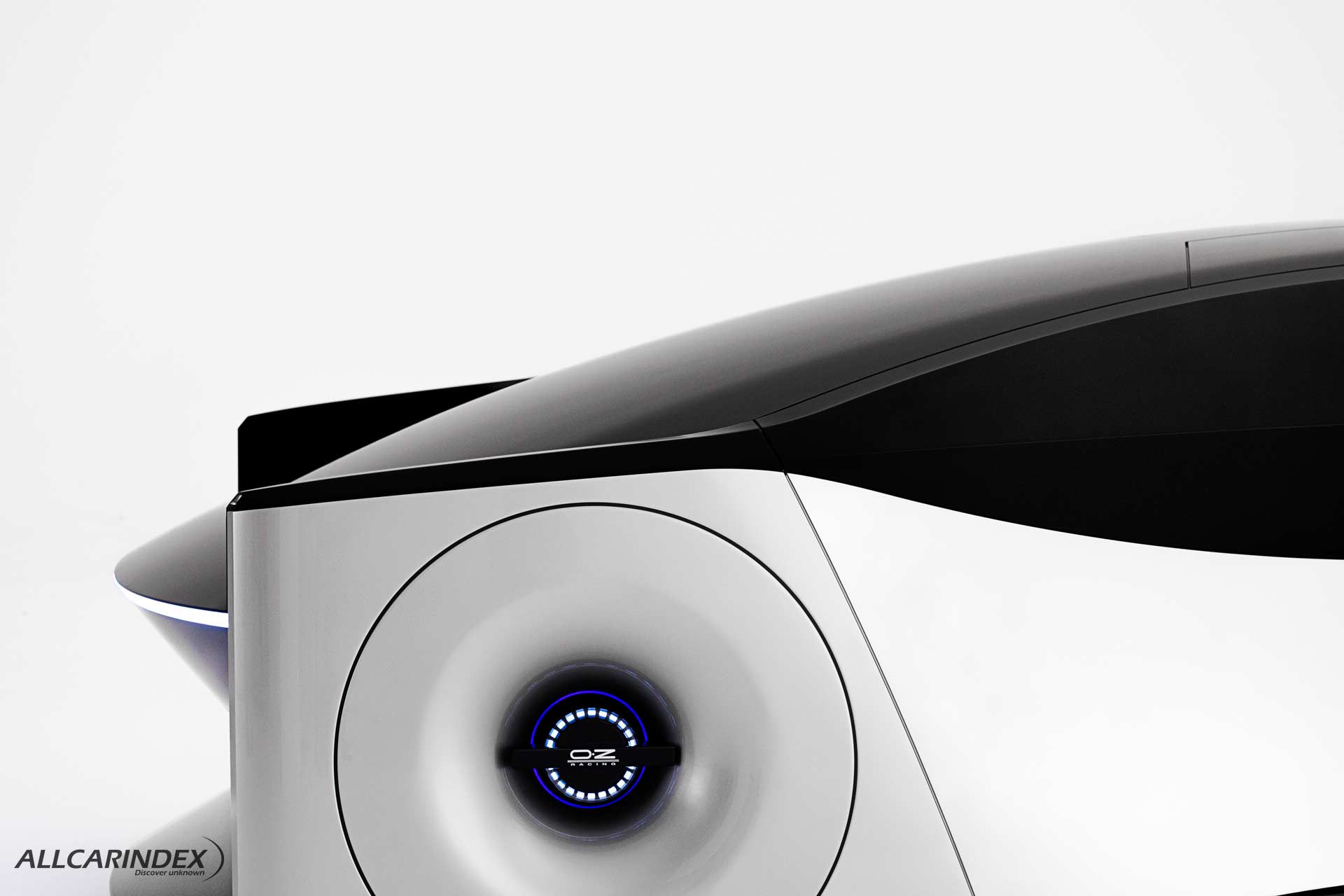
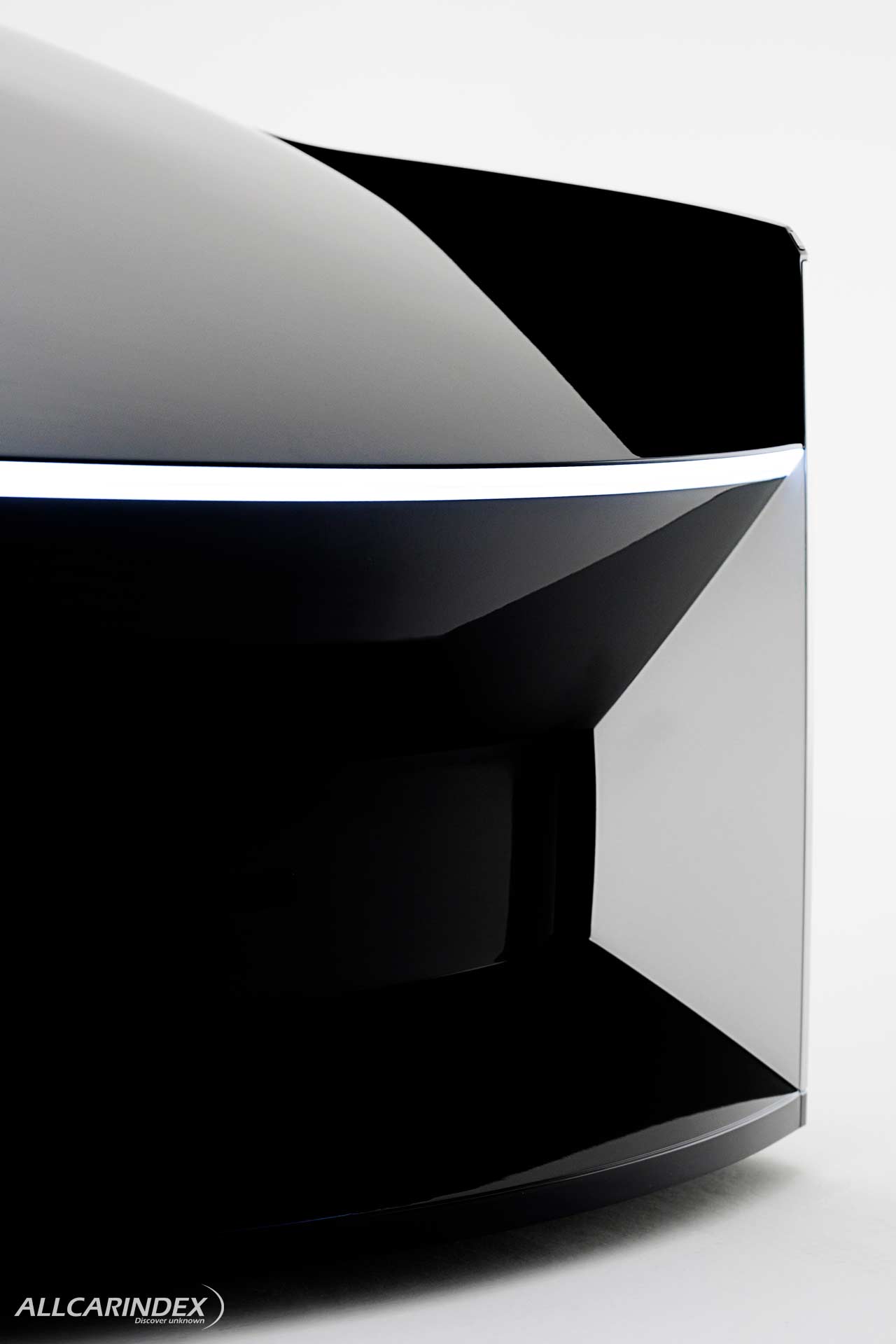
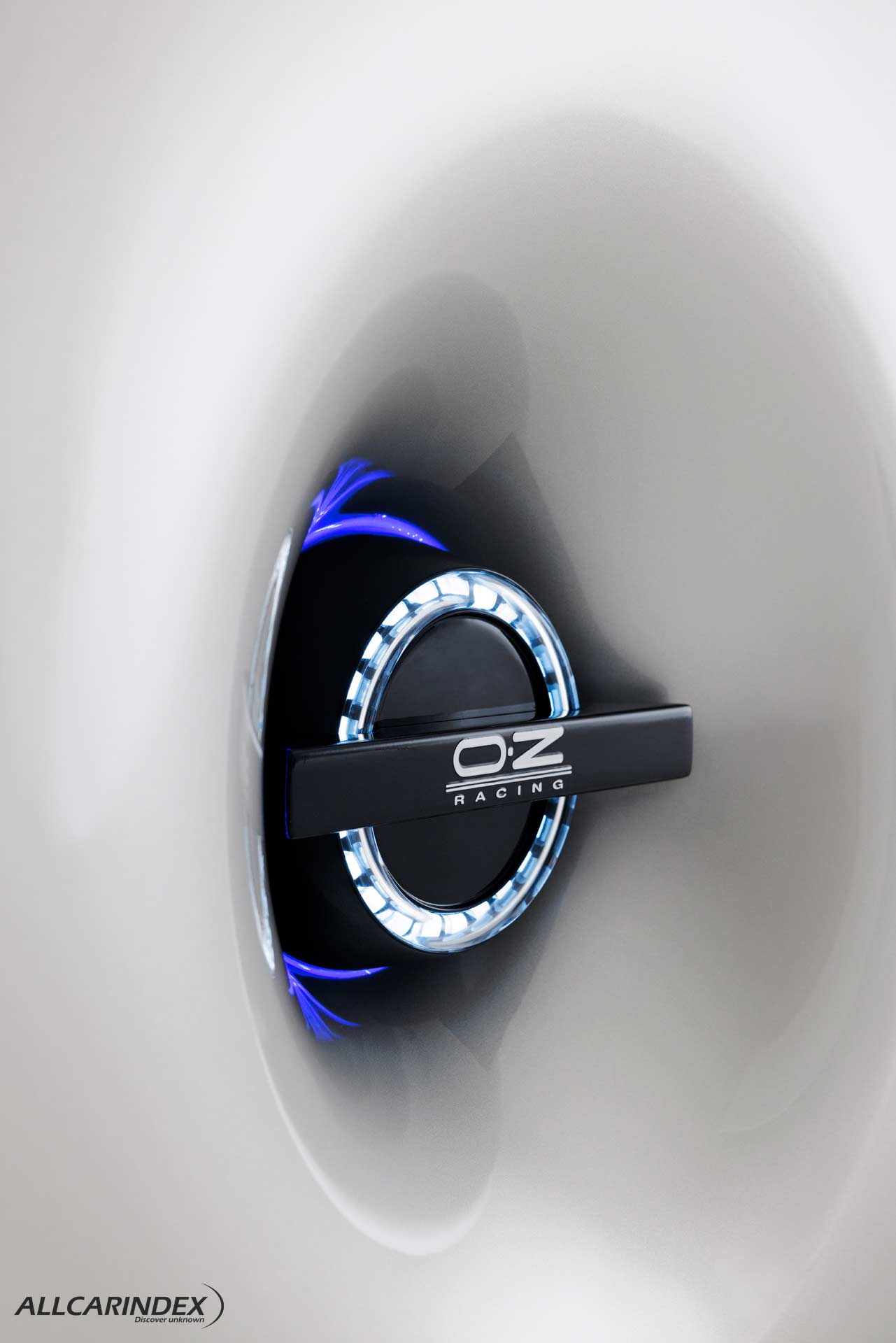
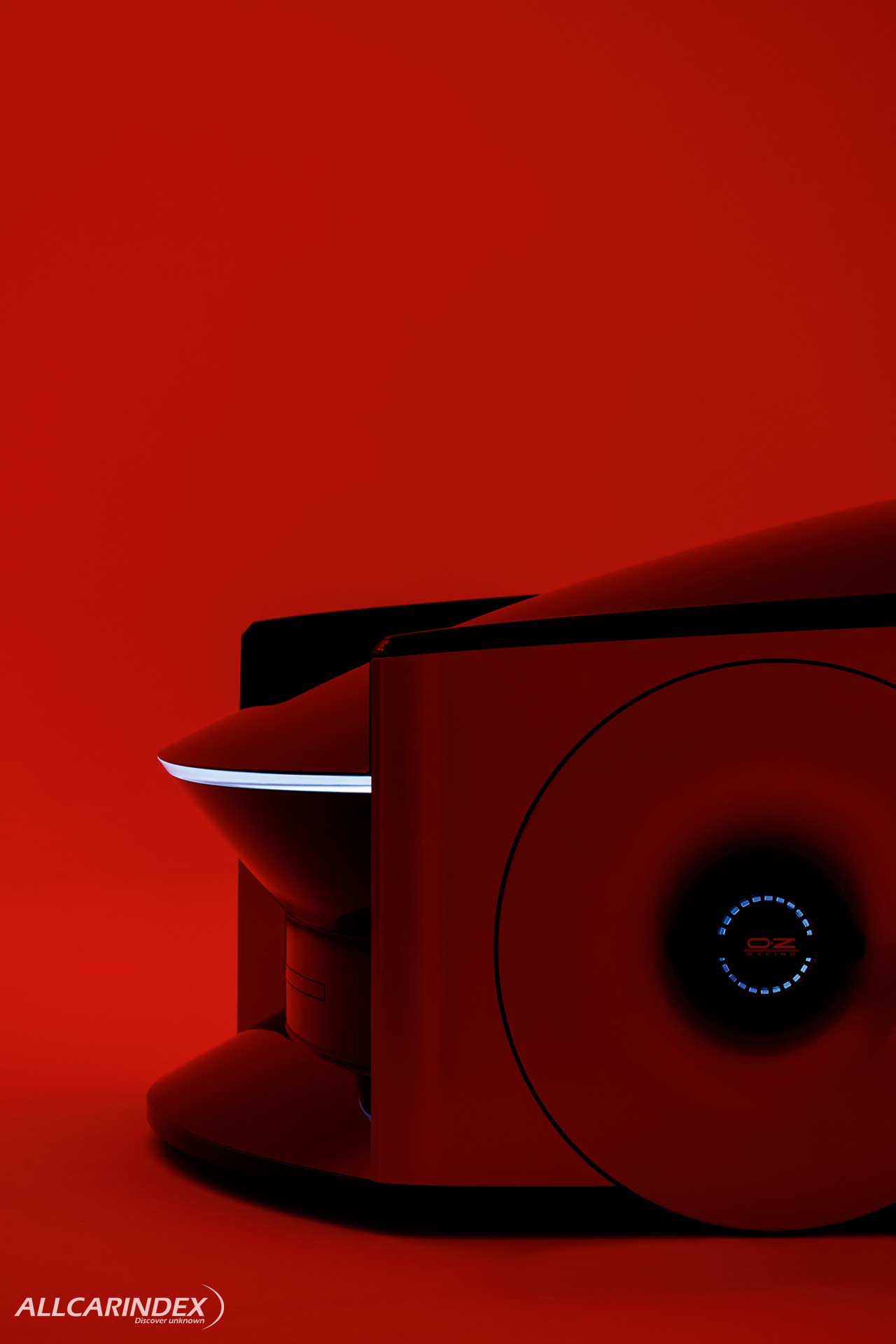
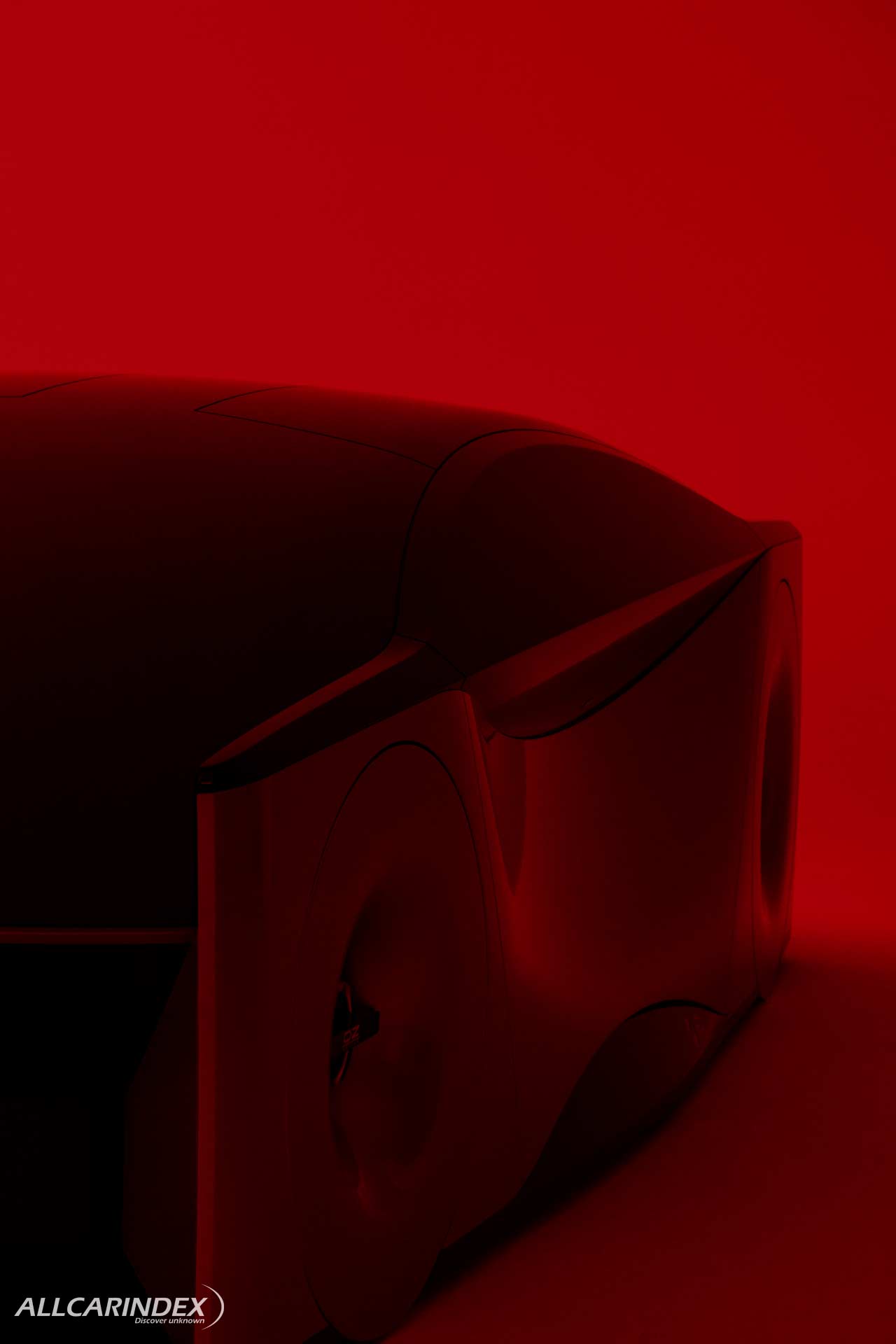
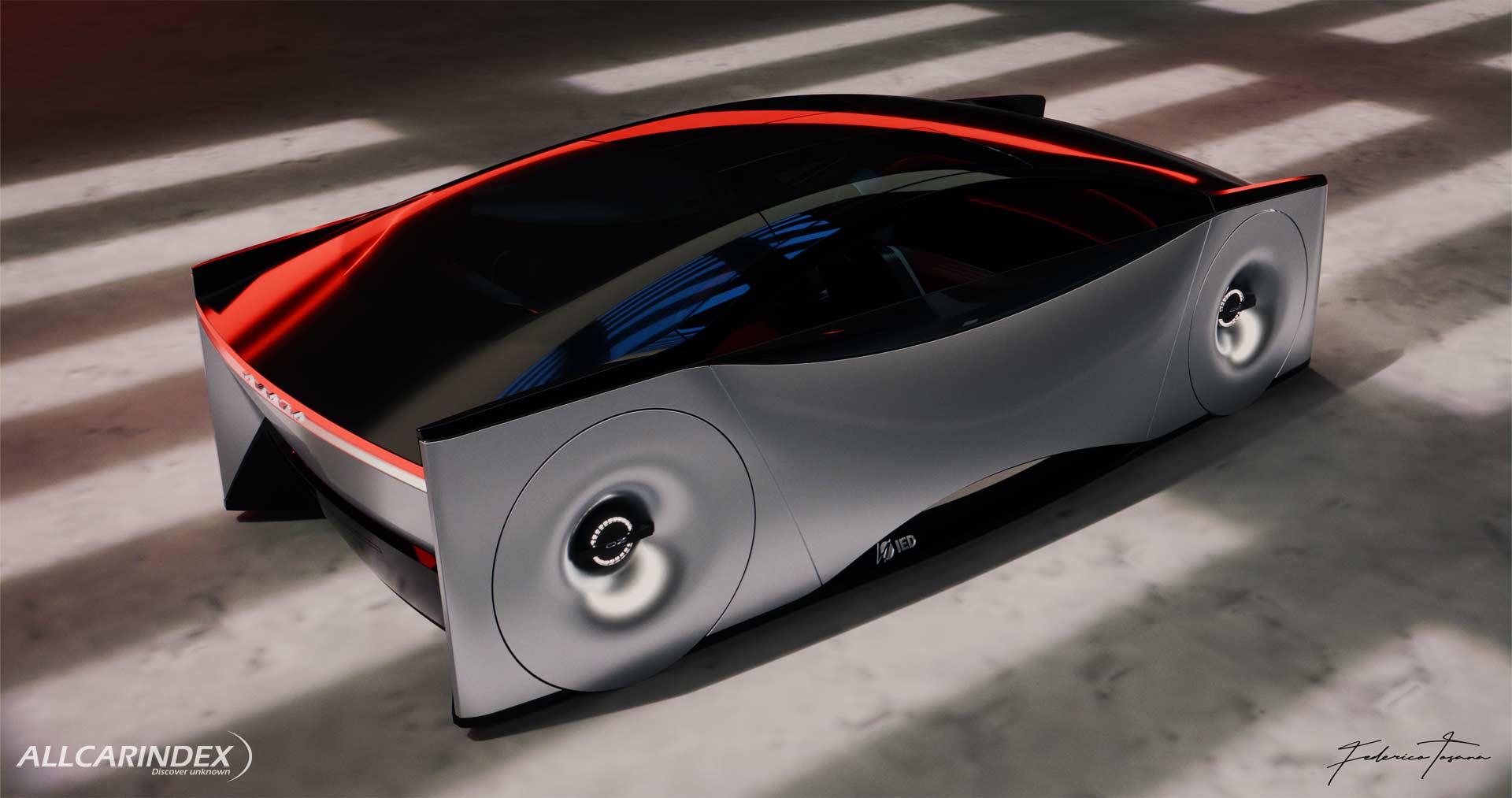
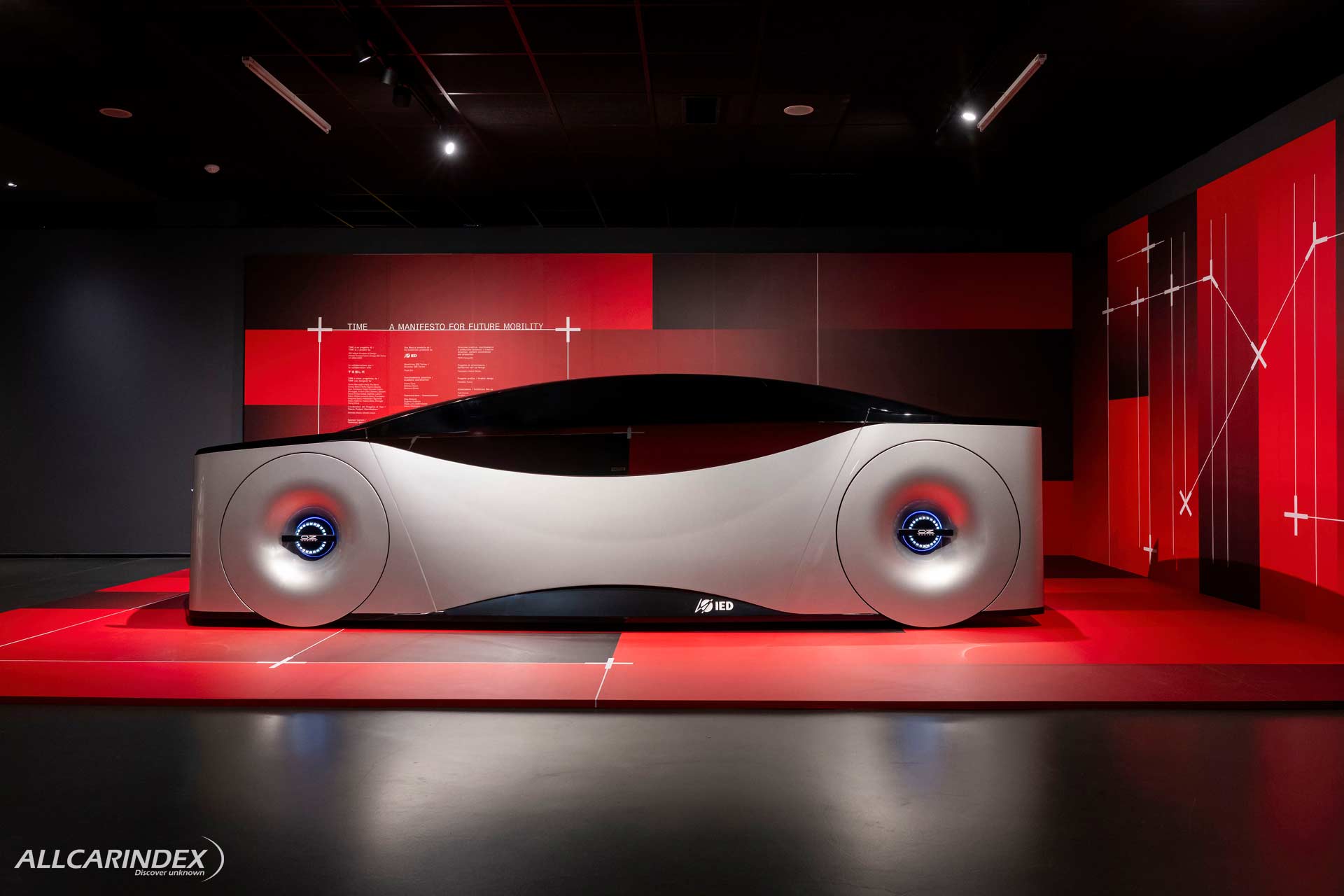
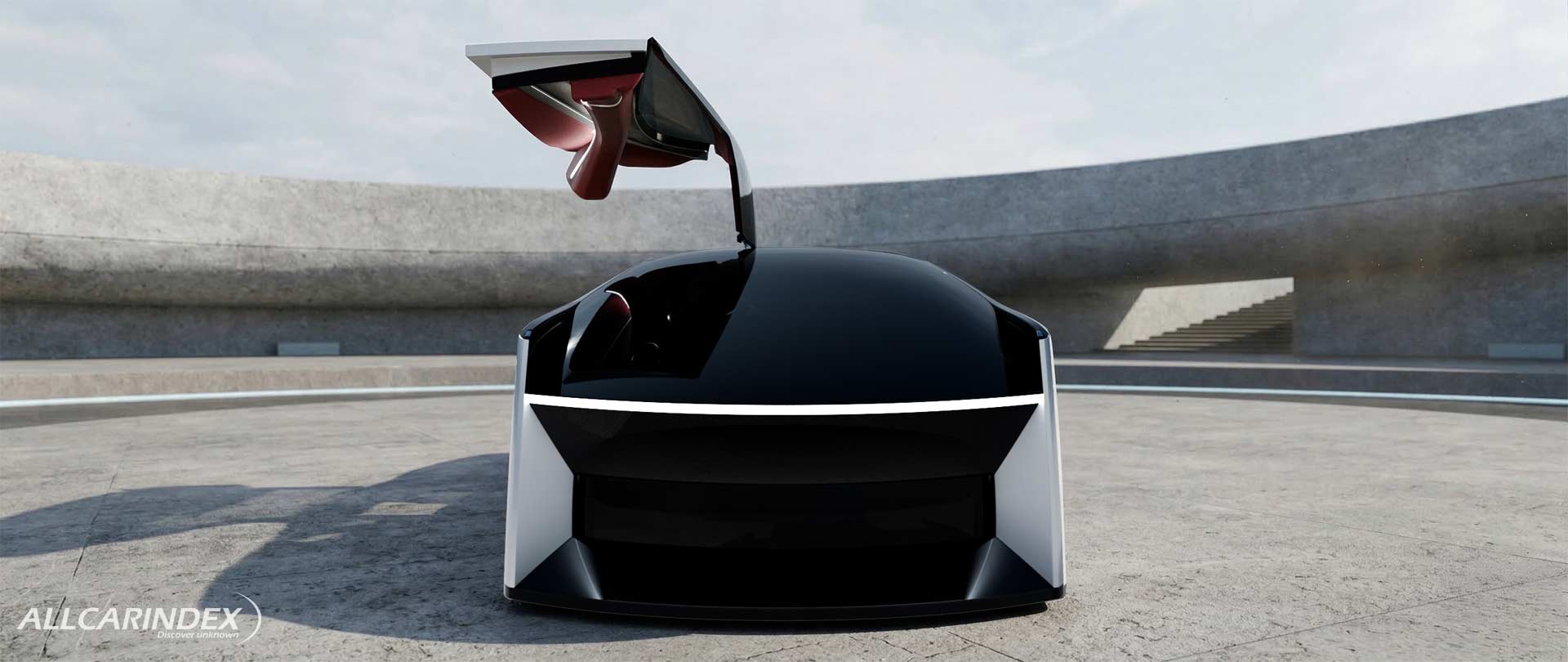
Far from conventional automotive aesthetics, TIME draws on both industrial design and architecture, embracing a timeless minimalism that resonates with Tesla’s philosophy of stripping away the unnecessary to reveal pure, functional design. The geometric coolness of the exterior is defined by essential volumes and continuous surfaces, structured around a single wedge form, an homage to the tradition of Italian design, that seamlessly merges roof, windshield, and rear window into one compact body crossed by a distinctive hourglass-shaped lateral element. Vertical and horizontal light elements frame the front and rear, while the wheels appear only as an implied presence, cavities along the sides where the vehicle body seems to dissolve, suggesting motion rather than depicting it. In total contrast to the exterior, the interior regains softness, warmth, and an inviting atmosphere: a fluid space where technology recedes into the background, prioritizing the human experience. Rather than prescribing functions, the environment enables them.
The exhibition TIME. A Manifesto for Future Mobility translates the project into a curated experience that goes beyond presenting a final outcome, offering instead a layered narrative of the methodology behind it, in dialogue with MAUTO – the National Automobile Museum, which has recently opened a new gallery dedicated to the future of mobility. Visitors are guided through a sequence of visual and sound installations, alternating moments of listening, reflection, and imagination, with creative direction and production by PEPE Fotografia, within an exhibition design by Francesco Librizzi Studio and a visual identity designed by FIONDA.
The journey opens with a plurality of voices from the future, bringing together diverse perspectives on cities, technology, infrastructure, and services through contributions from Alessandro Lago (Editor-in-Chief, Quattroruote), Lowie Vermeersch (Founder and CEO, Granstudio), Lorenza Bravetta (Director, MAUTO), and Carlo Ratti (Architect and Founder, Carlo Ratti Associati). Rather than offering definitive answers, the aim is to highlight both constraints and opportunities, encouraging a rethinking of the vehicle as not an isolated object, but part of a broader, dynamic, and interconnected ecosystem.
The exhibition then moves into the heart of the project through the voices of the students who developed the concept, working for months as a design studio alongside faculty and Tesla mentors to define the identity of TIME. The narrative continues by unpacking the design process, from initial sketches to final form, emphasizing the complementary role of design culture and advanced technologies in shaping future scenarios and solutions. This section also reveals a new approach to design, enabled by cutting-edge tools such as DIGIPHY, a platform developed by Granstudio that integrates virtual reality with physical interfaces, used by students to experiment with and refine the project in a dynamic, interactive way. The experience concludes with a more intimate and immersive dimension focused on the interior space, where a guiding voice invites visitors to imagine new ways of inhabiting travel time.
“Projects like TIME,” says Paola Zini, Director IED Torino, “clearly express IED’s approach as an open laboratory of experimentation, where education is constantly engaged with contemporary transformations and in dialogue with the professional world. Students are supported in developing the conceptual skills needed to fully express their creative potential and cultivate a critical perspective capable of interpreting the growing complexity of the present. Our collaboration with Tesla has amplified this process, offering a real research context in which to explore and imagine what does not yet exist.”
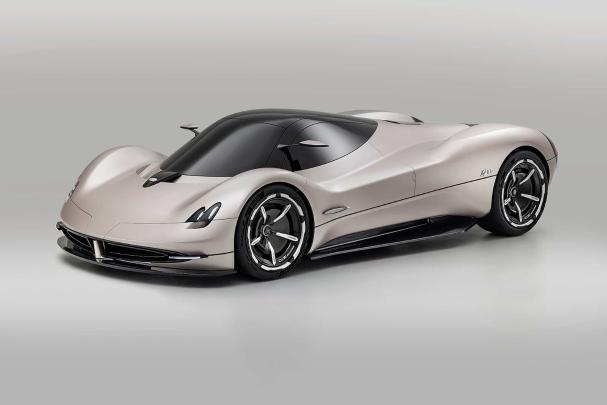
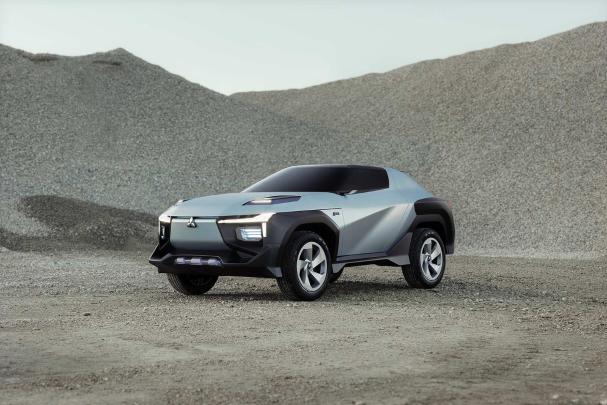
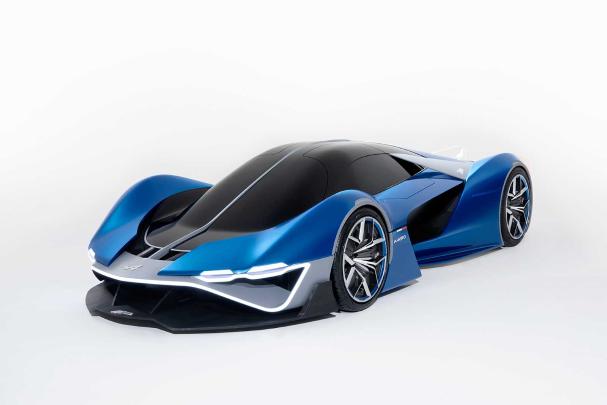
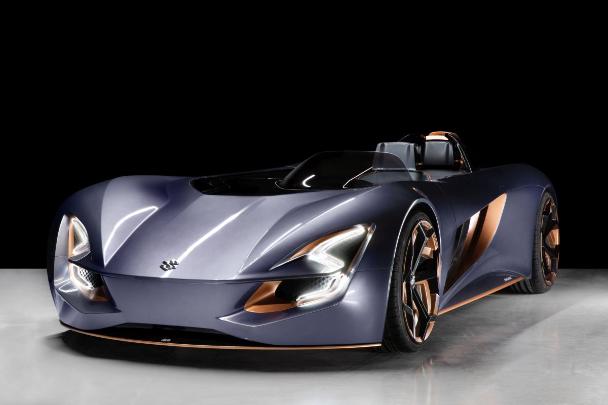
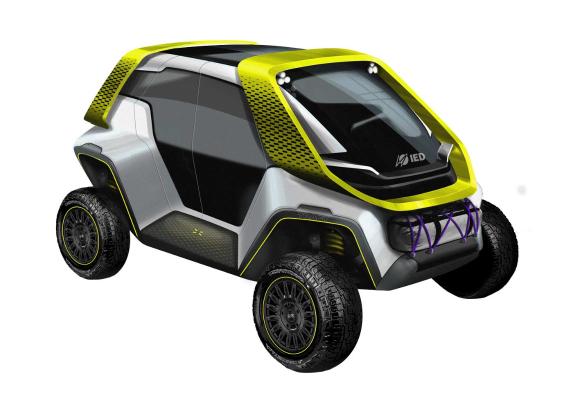
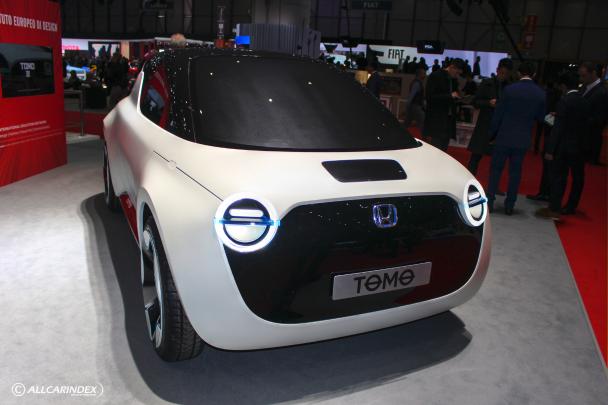
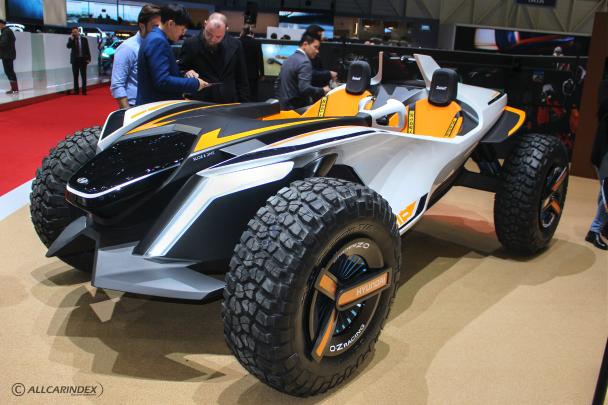
Since 1994, IED Torino has interpreted and enhanced Italy’s automotive heritage, becoming a global reference point for education in Transportation Design and Mobility. Its academic offering spans from Summer Schools to Bachelor and Master’s programs, as well as Continuing Study Programs. Today, the area hosts over 310 students, more than half of whom are international, fostering a multicultural environment that bridges research and application through collaborations with iconic brands such as Ferrari, Pagani, Mitsubishi, Alpine, and Suzuki. Each year, students in the Master’s program in Transportation Design develop a full-scale concept car as the culmination of a collective design process.
TIME is part of this ongoing journey, expanding the collection of prototypes developed over time. The project was supported by technical sponsors OZ Racing and Lechler, while the concept car was built by Freeland.car, MINTT, Raitec, and AM Costruzione Modelli.