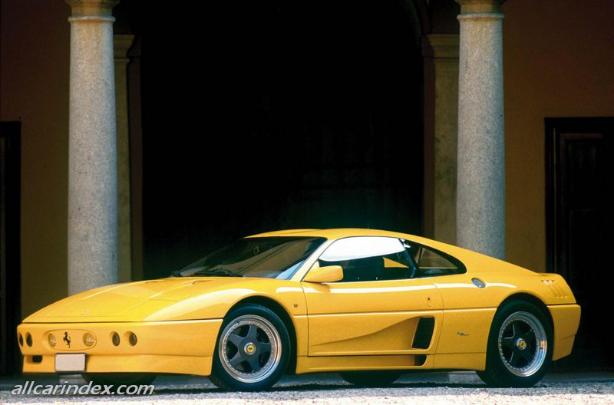

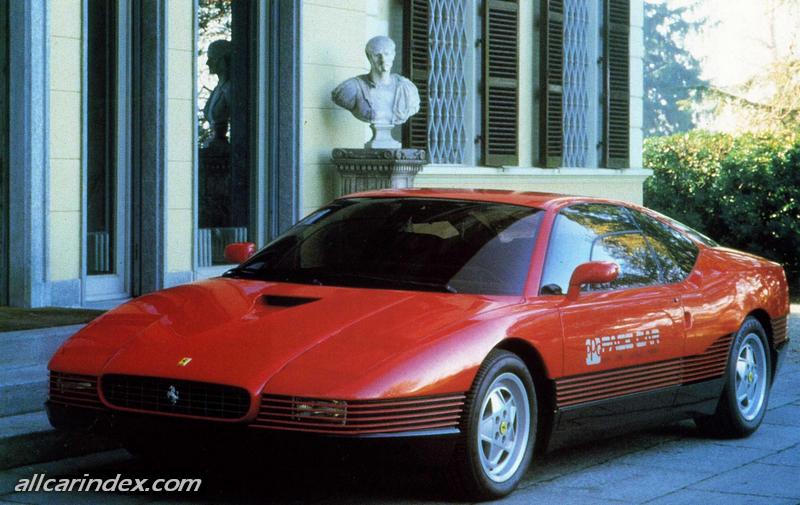
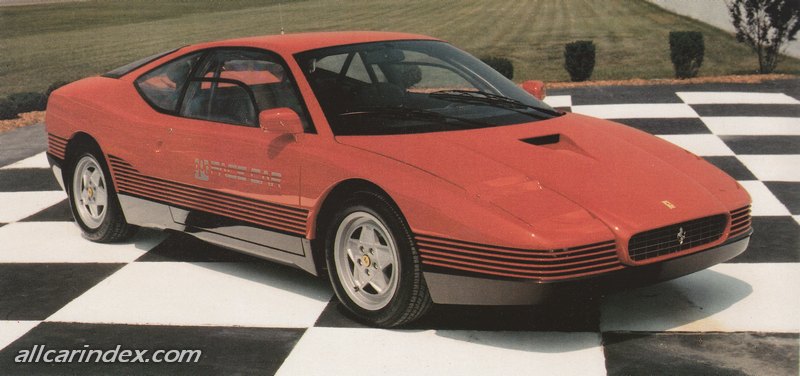
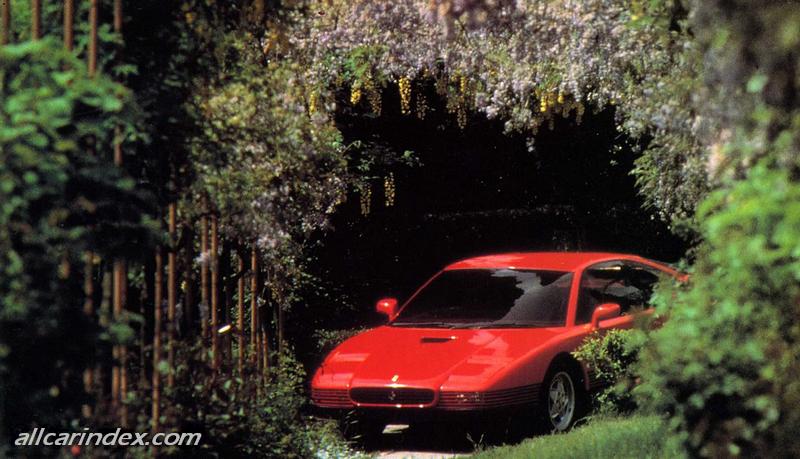
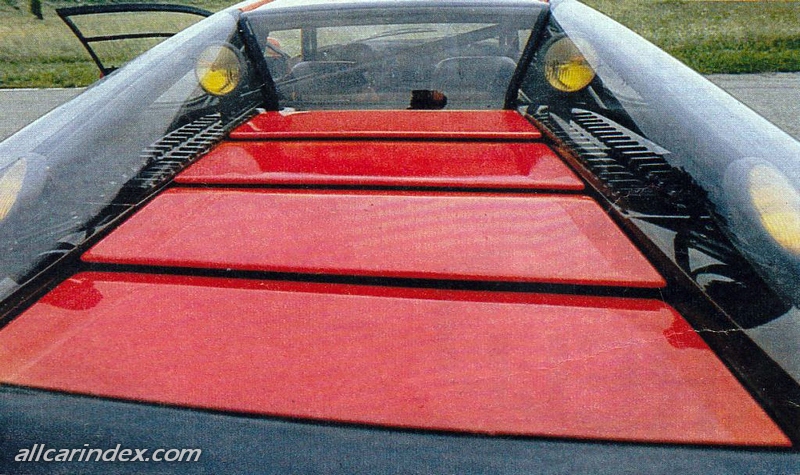
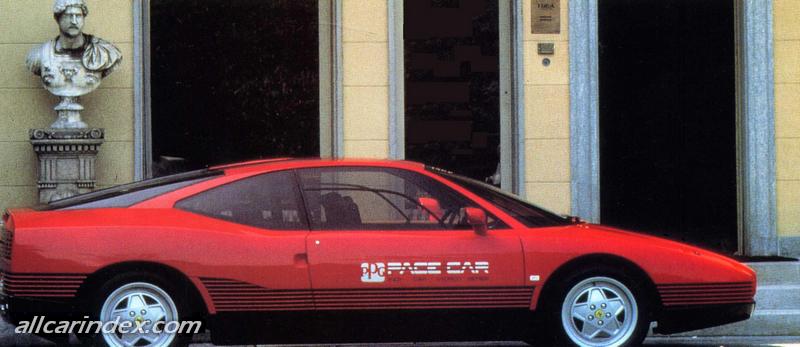
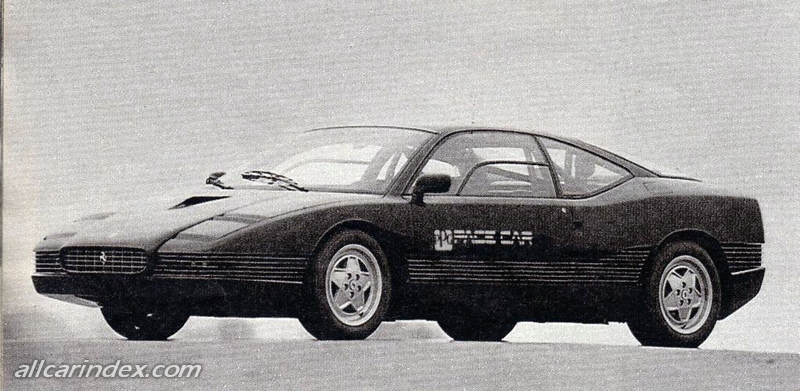
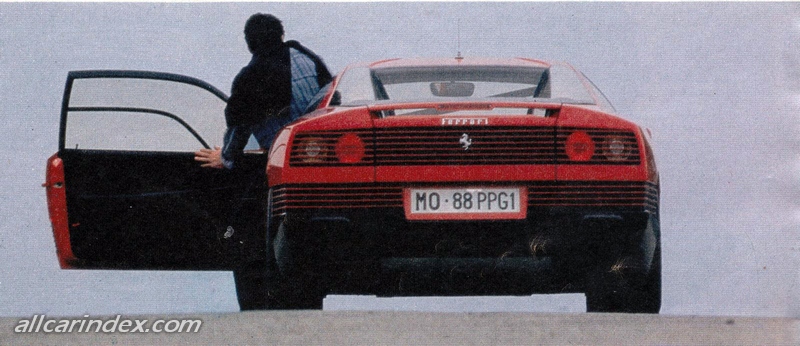
The Ferrari PPG Pace Car was a one-off 2+2 mid-engined coupe built for PPG Industries, Inc., the American automotive supplier that commissioned a series of pace cars during the 1980s for the PPG Indy Car World Series, the American counterpart to Formula 1. The car was unveiled on 9 October 1987 at the Laguna Seca racetrack and was intended to lead the field of Indy cars during starts and caution periods. It was designed and built in Italy, but not by any of the studios traditionally associated with Ferrari such as Pininfarina, Bertone, ItalDesign or Michelotti.
The design and construction were instead entrusted to Idea SpA, short for Institute of Development in Automotive Engineering and marketed under the logo I.DE.A. The company had been founded in 1978 by Dr. Ing. Franco Mantegazza, a mechanical engineering graduate of ETH Zurich, and was based in a villa on a hill between Turin and Moncalieri, with two workshops employing around 200 specialists working across automotive and other industrial design fields. Idea had already demonstrated its capabilities with the 1981 Fiat Ritmo VSS, and by 1987 had worked for major Italian manufacturers as well as GM, Chrysler and BMW. Its chief designer, Ercole Spada, had trained at the company. In April 1988 Mantegazza announced that fourteen vehicles with Idea design input would reach production within four years, including the Fiat Tipo and the upcoming Lancia Dedra.
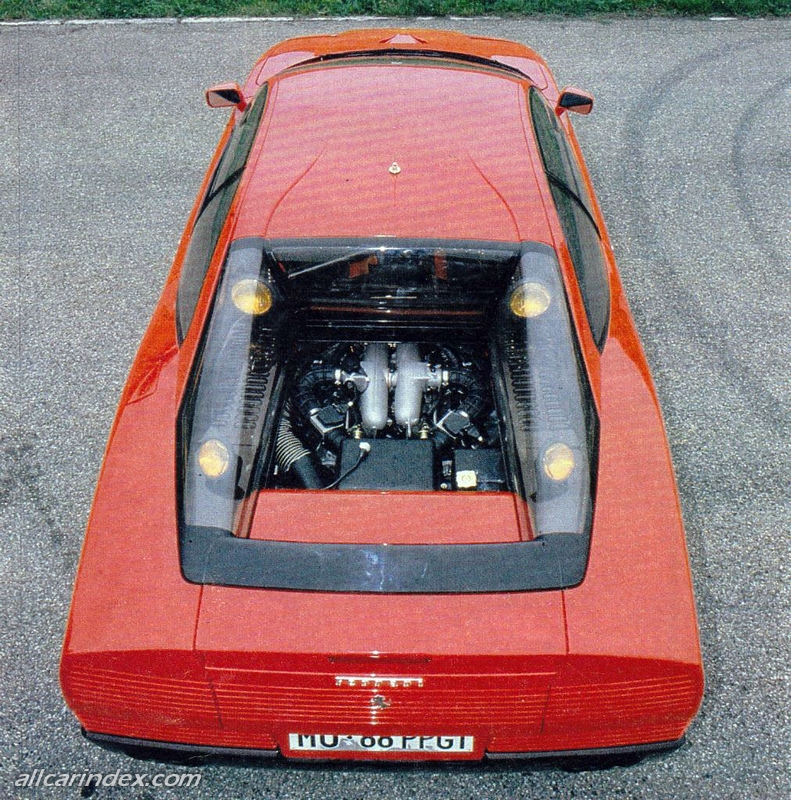
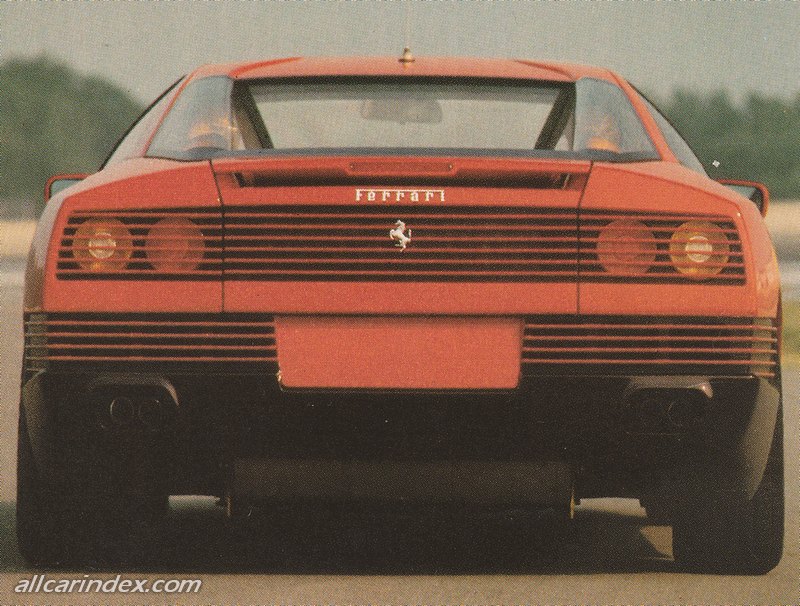
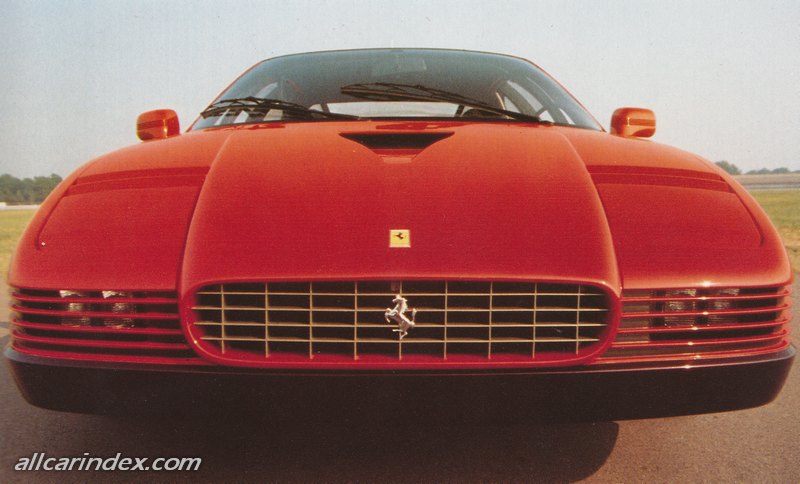
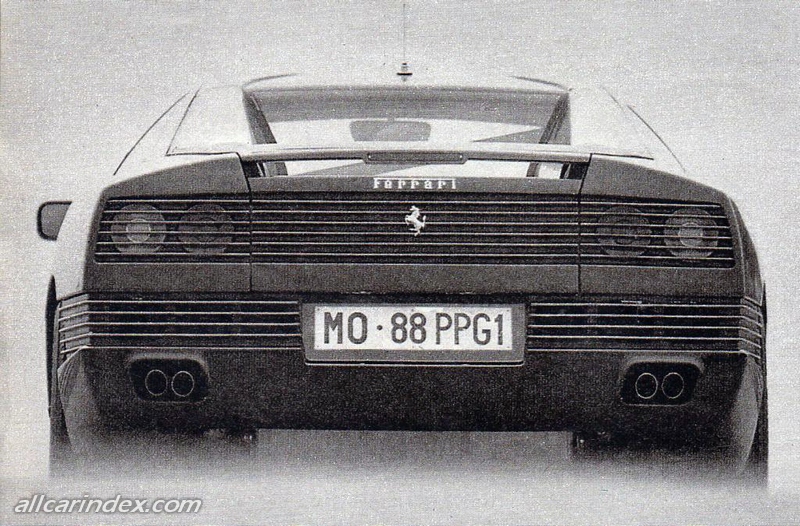
Styling departed from contemporary Ferrari production models such as the 328 GTB, Mondial, Testarossa and F40. The front hood featured a raised center section continuing the line of a checkered, oval-rimmed grille evoking Ferrari's historic racing models, flanked by square twin headlights protected by horizontal bars that retracted when not in use. A matching horizontal-bar motif appeared at the rear, concealing four circular taillights, and ran the length of the flanks over the engine air intake. A Naca duct sat ahead of the windscreen, the rear side window took a triangular shape, and the rear screen was split into three sections. The chassis used a tubular steel frame with body panels made from carbon-fiber-reinforced epoxy composite, and Idea patented a thermostatically controlled engine cover.
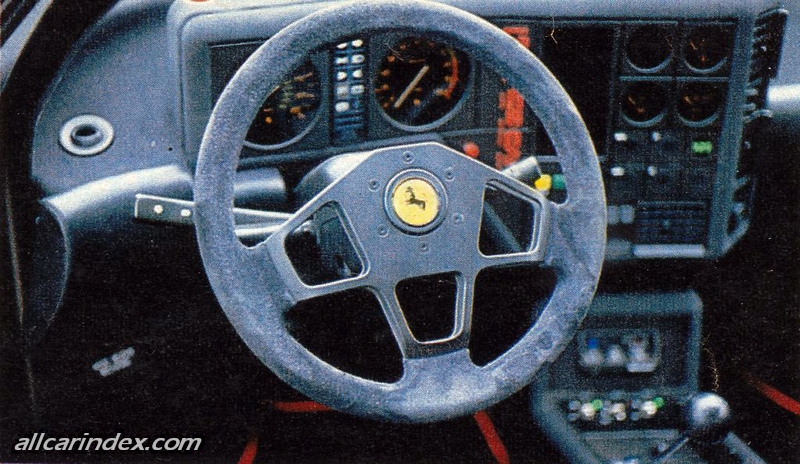
The longitudinally mounted, four-valve V8 was developed jointly with Ferrari engineers, displacing 3405 cc (85 x 75 mm) compared with the 3186 cc of the contemporary Mondial and 328, pointing toward the later Mondial T launched at Geneva in 1989. It used Bosch Motronic fuel injection and produced around 285 to 300 hp. The interior was leather-trimmed with comfort features, and Ferrari's general director, Giovanni Battista Razelli, attended the presentation. The car measured a wheelbase of 265 cm, with dimensions of roughly 453/183/125 cm and a weight near 1700 kg.