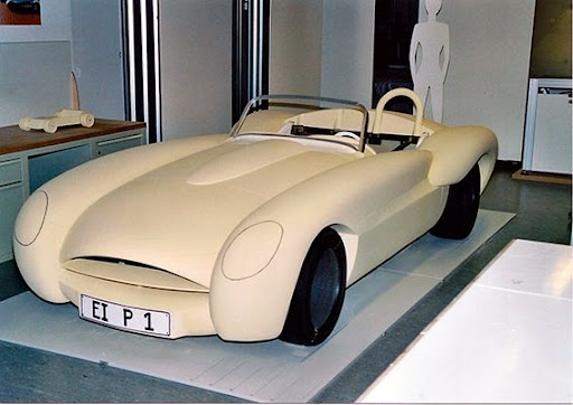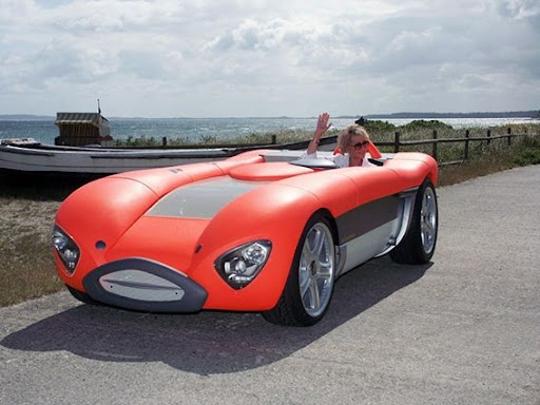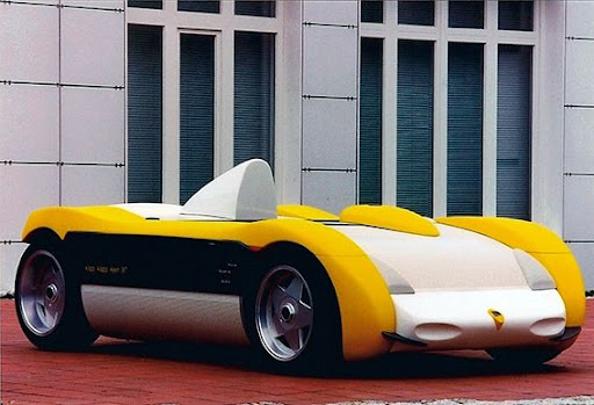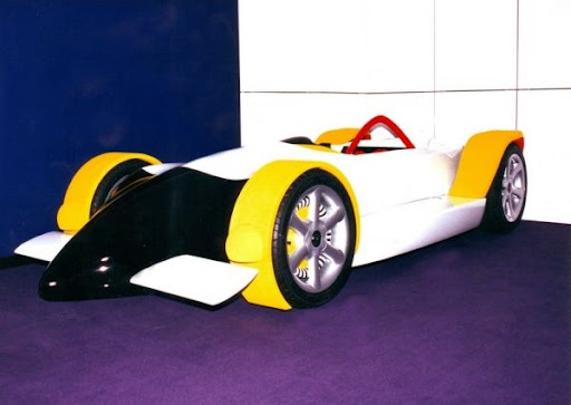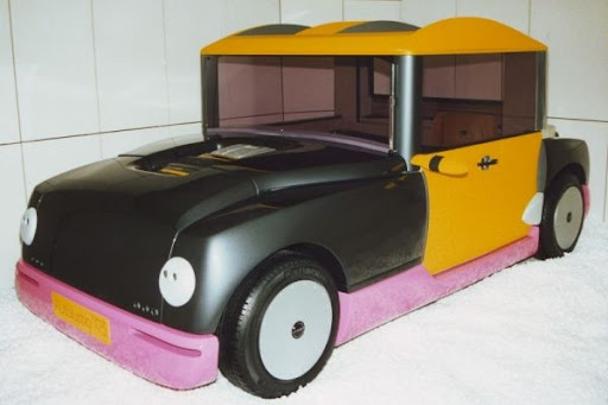

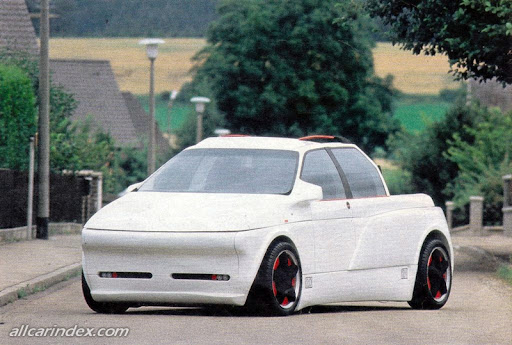
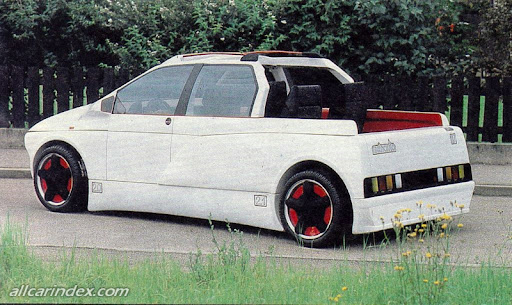
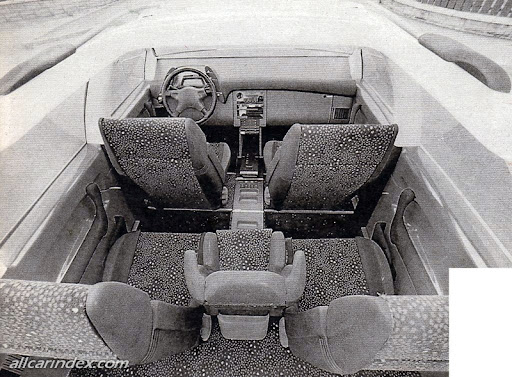
The Pollmann Meinauto was a design study concept unveiled in 1987, developed by Gert Pollmann's design studio in Böhmfeld together with a group of suppliers to the German automotive industry. It was conceived as a convertible-saloon (Cabriolimousine) with four doors arranged asymmetrically, two on the right, one on the left, and one at the rear, seating four to five occupants. Its unusual body could be transformed in several stages into a full convertible without removing the roof-mounted luggage rack.
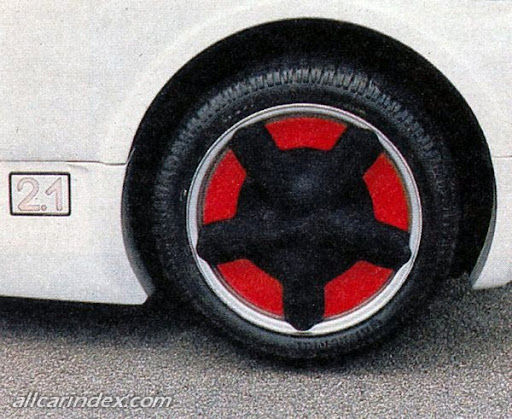
The design emphasized protection against parking damage, using wide sills supplied by Happich along with deep front and rear aprons and rear fenders molded from polyurethane foam using the RIM (Reaction-Injection Moulding) process. Paints developed by Herberts shielded these polyurethane components from stone chips and UV exposure while matching the color of the metal bodywork. Despite being roughly the length of a Golf, the Meinauto had a wheelbase of nearly 3 meters and wore wide Continental Sport-Contact 245/40 R17 tires, with tire pressure shown via indirect lighting (Luxled system) beside each wheel. Rear lighting and the license plate were integrated beneath a single washable panel from Geier & Stadelmeier, while VDO supplied see-through instrumentation with individually programmable displays, and Kirsten designed the controls and transformable interior.
A Grundig communication unit combined radio, DAT cassette and CD players with a car telephone selectable from the steering wheel, plus call recording and a dictation device. Power was proposed from a transverse front engine producing around 150 PS, paired with an adaptable suspension system to accommodate cargo capacity of up to about 2000 liters with the rear seats removed. It measured 4220 mm long and 1550 mm high, with a 2960 mm wheelbase.