
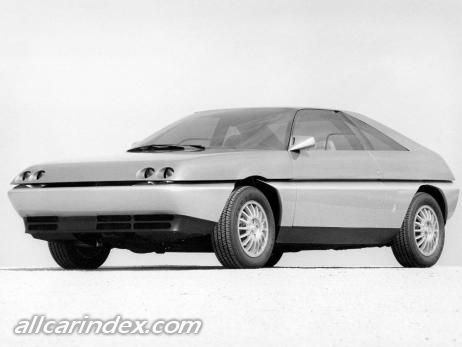
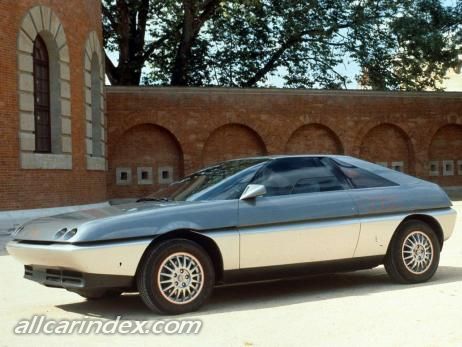
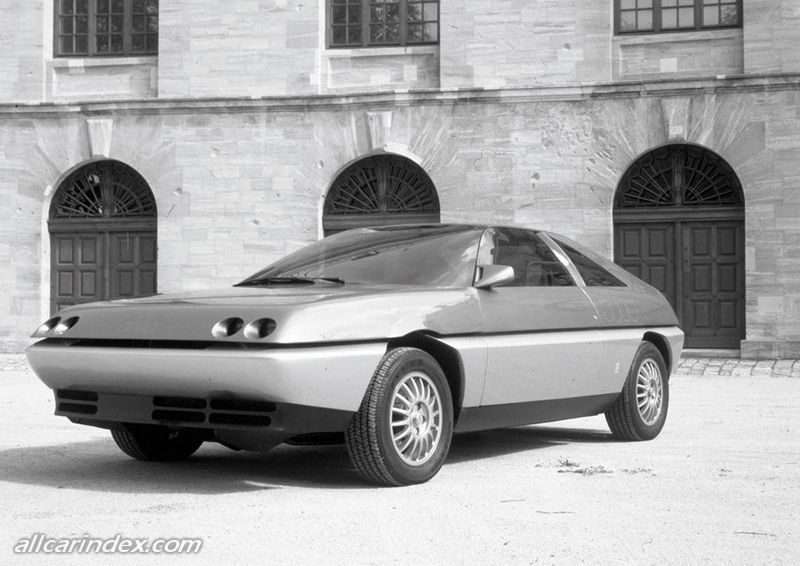
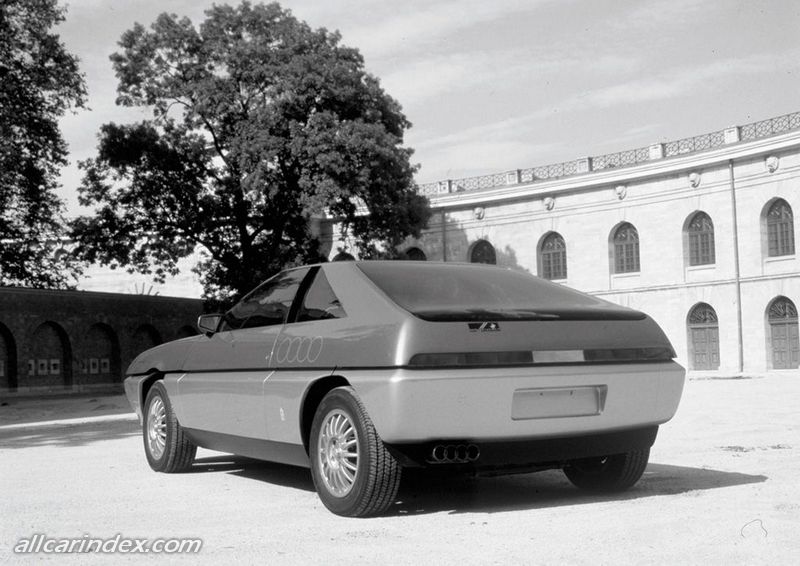
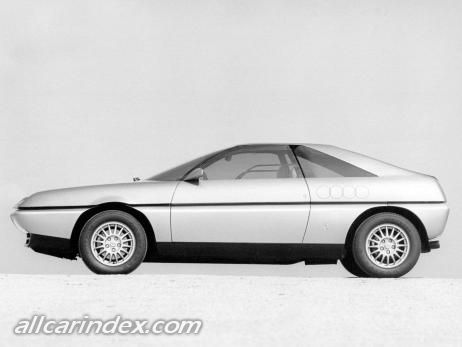
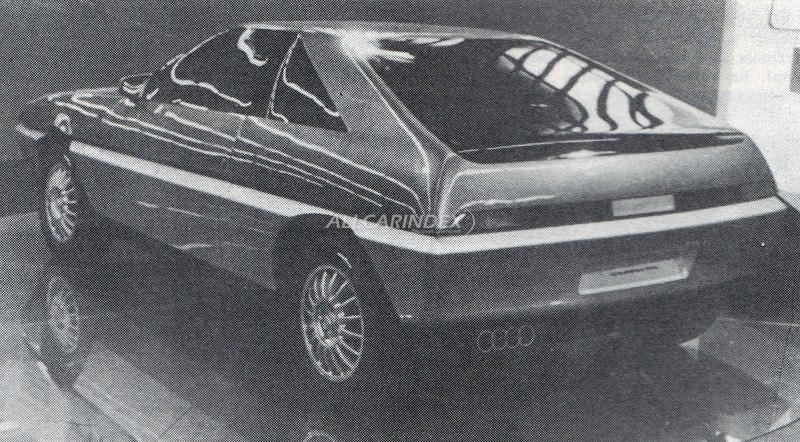
The Audi Quartz was a one-off show car built by Pininfarina on the mechanical base of the Audi Quattro. It was created specifically to mark the 75th anniversary of the Swiss magazine "Automobil Revue", on the initiative of the publication's retired editor-in-chief Robert Braunschweig together with Sergio Pininfarina. Pininfarina was drawn to the project because the technically advanced Quattro, a high-performance coupé with permanent four-wheel drive, presented a design challenge he found appealing. Audi's then head of development, Ferdinand Piëch, was quickly won over to support a Pininfarina-bodied version of the car.
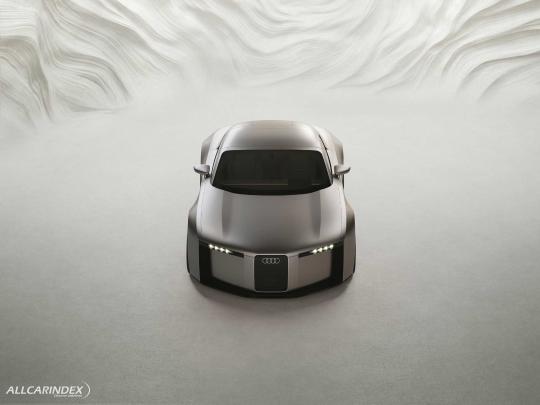
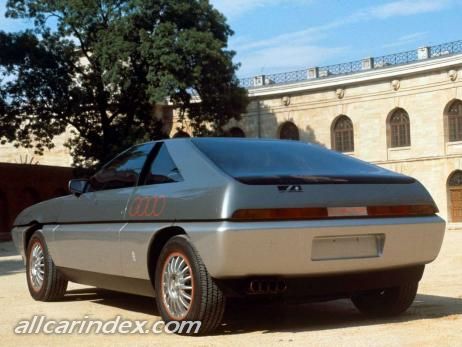
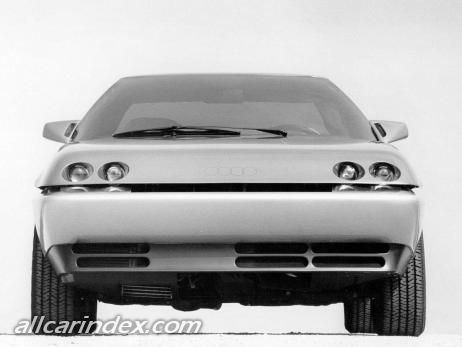
Designing the car around the Quattro's tall, longitudinally mounted 2.2-litre five-cylinder engine ruled out a particularly aerodynamic bonnet shape. To achieve a compact coupé silhouette without altering the wheelbase, Pininfarina shortened the rear overhang significantly and gave it a rounded, elegant form, which reduced rear headroom. To avoid a corresponding loss of boot space, the fuel tank was shaped like an inverted "T" so it could extend into the central rear seat backrest. A styling feature typical of Pininfarina at the time was a body crease running from the headlights to the taillights, which also concealed a front air intake and an air outlet behind the front wheel arches. The car was among the first to use small dual DE headlights, 75mm in diameter and supplied by Carello, as an alternative to pop-up units, giving the Quartz a distinctive face. At the rear, the exhaust tip carried a four-part dummy fitting shaped like the four interlinked Auto Union rings forming the Audi badge.
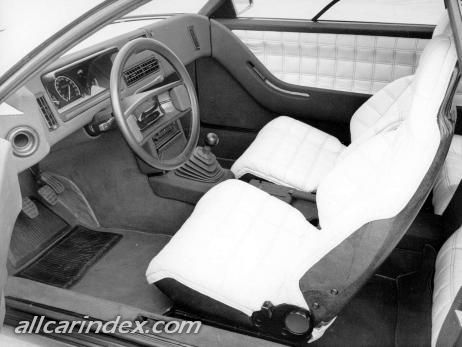
Built on the Quattro's steel structure with front subframe, the Quartz served as a testbed for Pininfarina to experiment with materials it had previously avoided, such as GFK plastics, in favor of materials described as developed for aerospace use, including Kevlar, carbon fibre, polypropylene and polycarbonate. The bonnet, side panels and roof were made of aluminium, while the doors used a sandwich construction of steel, plastic and steel. The bumpers combined two layers of Kevlar around a honeycomb structure. Carbon fibre was used for the seat shells, steering wheel and rear window frame, with the rear window itself made of polycarbonate. Interior surfaces were trimmed with lightweight parachute fabric on the seats and other components, while the dashboard and window sills used foamed rubber similar to that used in diving suits.
The Quartz was engineered to full drivability and later passed into the ownership of Audi, which allowed "Automobil Revue" to carry out performance testing in 1986. The car reached a top speed of 217 km/h, accelerated from 0 to 100 km/h in 7.1 seconds, and covered the standing kilometre in 27.8 seconds. It weighed 1315 kg and had a drag coefficient of 0.45, with a wheelbase of 2525 mm and dimensions of 4135 mm in length, 1765 mm in width and 1265 mm in height. Power came from the Quattro's turbocharged 2144 cc five-cylinder engine, producing 200 hp at 5500 rpm and 285 Nm of torque at 3500 rpm, driving all four wheels.