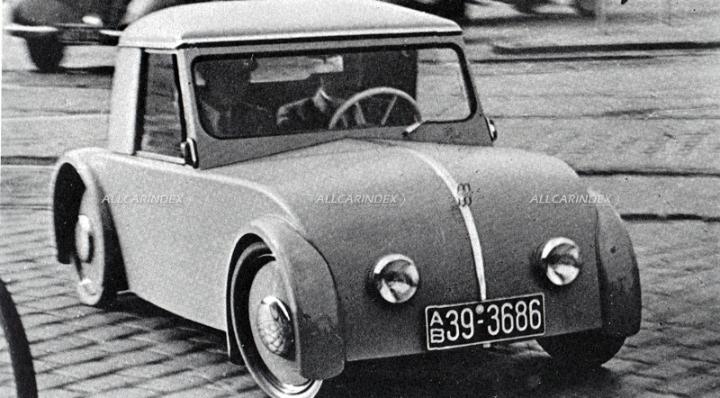
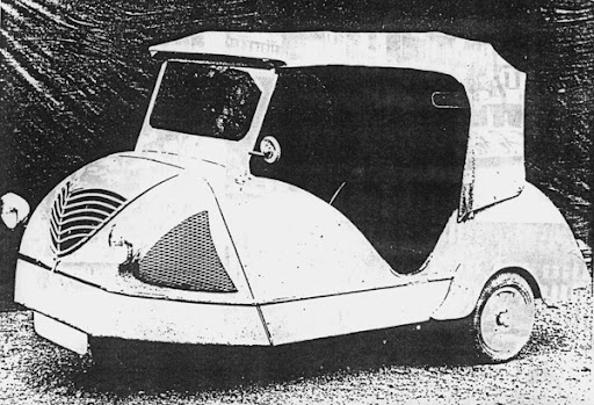
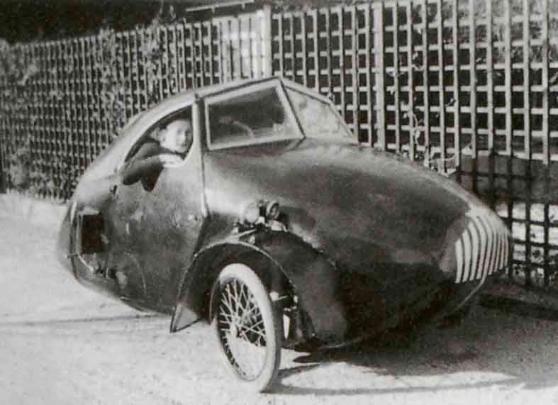
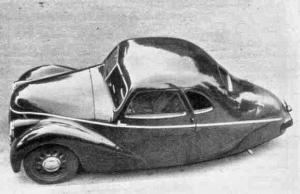
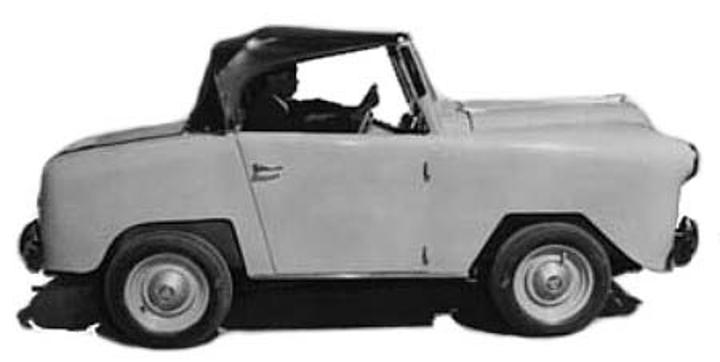
Bünger was a Danish automotive project associated with De Forenede Automobilfabrikker, a manufacturing concern based in Odense, Denmark. The venture was the work of engineer Børge Bünger, who developed a three-wheeled "people's car" in collaboration with a coachbuilding firm. The vehicle featured a conventional-looking front end paired with a sloping coupé-style rear that tapered down to a single rear wheel. Power came from a front-mounted 600cc Ilo two-cylinder engine producing…

![Jensen [1]; Jensen-Healey](/img/models/0/jensen-jensen-healey-45-litre.jpg?w=720&h=405)