

There's something about owning a classic Triumph that goes beyond just driving it. It's a piece of British motoring history sitting in your garage, and if it's a TR6, a Spitfire, a Stag, a Dolomite or a GT6, chances are you already know exactly why people fall for these cars — the styling, the way they drive, the fact that you can still work on them with a reasonable set of tools and a bit of patience. But keeping one running properly takes more than the odd service. You need parts you can actually trust. That's true whether you're chasing the best Triumph car parts for a TR6 rebuild or trying to track down Land Rover classic parts for a Series vehicle that's been mud-splattered more times than anyone can count.
Why the Parts You Choose Actually Matter
These cars are old now, and age catches up with everything on them. Rubber bushes go soft and crack. Suspension components fatigue after enough miles. Seals harden until they stop sealing anything. Wiring and electrical bits get temperamental in ways that can drive an owner mad trying to diagnose. Fit the right parts and you keep the car driving the way it was meant to, keep it safe, and keep whatever value it has intact. Fit the wrong ones and you might not notice straight away — a cheap bush can look identical to a good one sitting on a shelf — but you'll feel it in the way the car handles, or you'll be back under it again in six months wondering why.
The Bits That Wear Out First
Ask anyone who's kept a Triumph on the road for a while and they'll rattle off the usual suspects. Brakes, obviously — pads and discs don't last forever and you don't want to find that out the hard way. Suspension bushes wear down gradually enough that owners sometimes don't realise how vague their steering has become until they fit new ones and feel the difference immediately. Clutches wear too, cooling systems start letting engines run hotter than they should, and ignition components get flaky, leading to hard starts and rough idling. Then there's the stuff that's easy to ignore until it isn't — weather seals splitting and letting water into the cabin, interior trim fading or cracking after decades in the sun. None of it is exciting to replace, but doing it before something fails usually costs a lot less than doing it after.
What Actually Makes a Part Worth Buying
Price is tempting to focus on, but it's not the whole story. A good part fits properly the first time, doesn't wear out in a season, and is made to something close to the original specification rather than a rough approximation of it. Some owners go further and specifically hunt down parts that replicate the original factory design as closely as possible, because for them a restoration isn't really finished if it's technically working but doesn't look or feel right.
Land Rovers Wear Differently
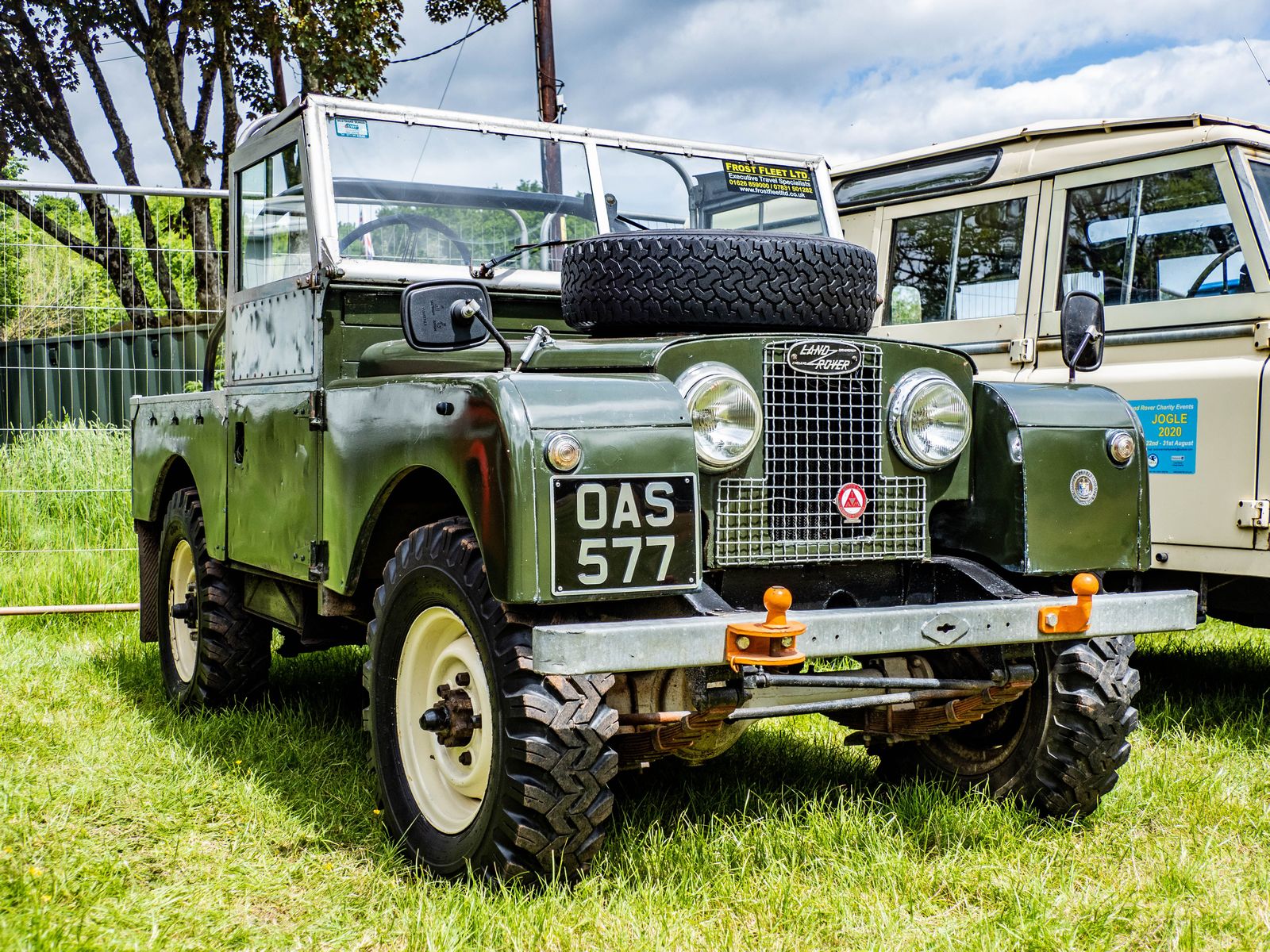
Classic Land Rovers weren't built to be pampered — they were built to get muddy, get dented, and keep going. That toughness is exactly why so many are still around, but decades of hard use leave their mark. Chassis rust, worn steering assemblies, tired suspension, brake components that have seen better days — it's all fairly common. Body panels and door seals take a beating too, especially on vehicles that spend real time outdoors rather than sitting in a heated garage. Cooling systems and drivetrain parts wear the same way. And because a lot of these Land Rovers are still working vehicles — used for farm work, green laning, or just because someone genuinely prefers driving one over anything modern — sourcing dependable Land Rover classic parts isn't optional. It's what keeps them safe to actually use, not just nice to look at.
Where the Two Overlap
Triumphs and Land Rovers were built for completely different jobs, but restoring either one tends to come down to similar problems. Rust is the enemy in both cases, whether that means fixing bodywork and trim on a Triumph or chasing corrosion through a Land Rover's chassis. Suspension work matters to both too, even if the goal is different — a Triumph owner wants better handling and a smoother ride, a Land Rover owner wants something that'll survive being driven somewhere a normal car has no business going. Engines get rebuilt for reliable touring in one case and long-term durability in the other. Interiors get treated with more reverence on a Triumph, where originality is often the point, while Land Rover interiors tend to stay practical first, with period character coming second. And parts availability differs — Triumph owners often lean on specialist suppliers for harder-to-find components, while Land Rover parts, thanks to how many were built and how long they've been serviced, are generally easier to come by.
Genuine, OEM or Aftermarket
There's no single right answer here, just trade-offs. Genuine parts get you closest to factory spec, but for older models they can be hard to find at all. OEM parts, made to the same standard as the originals without the factory badge, are often the sweet spot between quality and cost. Aftermarket parts give you the widest choice and the widest range of prices too, though quality swings a lot depending on who's actually making them, so it pays to do a bit of homework before buying. For anything safety-related — brakes, steering, suspension — most experienced restorers won't cut corners and will pay for original-spec parts whenever they can get them.
Little Habits That Save Big Repairs
Classic cars don't warn you the way modern ones do. There's no dashboard light telling you a bush is about to fail. You have to look for it yourself. That means checking brake wear regularly, keeping an eye on suspension bushes, swapping out rubber hoses before they start weeping rather than after, watching coolant condition, servicing ignition components on schedule, greasing steering and suspension joints, and checking weather seals for cracking. None of it takes long individually. Skip it for a few years running and you'll eventually pay for it in a much bigger way.
Why a Specialist Supplier Is Worth Using
General parts shops just don't stock what these cars need. A proper specialist does — a deep catalogue built around the specific models, staff who actually know the cars rather than just the part numbers, a mix of genuine, OEM and decent aftermarket options side by side, and enough experience to help when something rare needs sourcing. Rimmer Bros is one name that comes up a lot in this world, having supplied parts for Triumph, Land Rover, Jaguar, MG, Rover and other British marques for decades, with a huge stock of genuine, OEM and aftermarket components and the kind of model-specific know-how that's hard to get anywhere else.
Before You Order Anything
A few minutes of checking before you buy saves a lot of hassle afterwards. Know your model and production year. Know the engine specification. Check chassis or VIN compatibility if it applies, and have part numbers ready where you can get them. And be honest with yourself about whether you're chasing originality or you're happy to fit something that performs better even if it's not period-correct. Getting that clear up front means fewer returns and fewer parts that show up and just don't fit.
At the end of the day, restoring or maintaining a classic British car is a long game. Whether you're after the best Triumph car parts for something close to a concours finish, or Land Rover classic parts to keep a well-used off-roader going for another few decades, the parts you choose are what decide whether the project holds together or slowly falls apart. Do the maintenance, buy from people who actually know these cars, and there's no real reason these vehicles can't keep being driven — and loved — for a long time yet.