
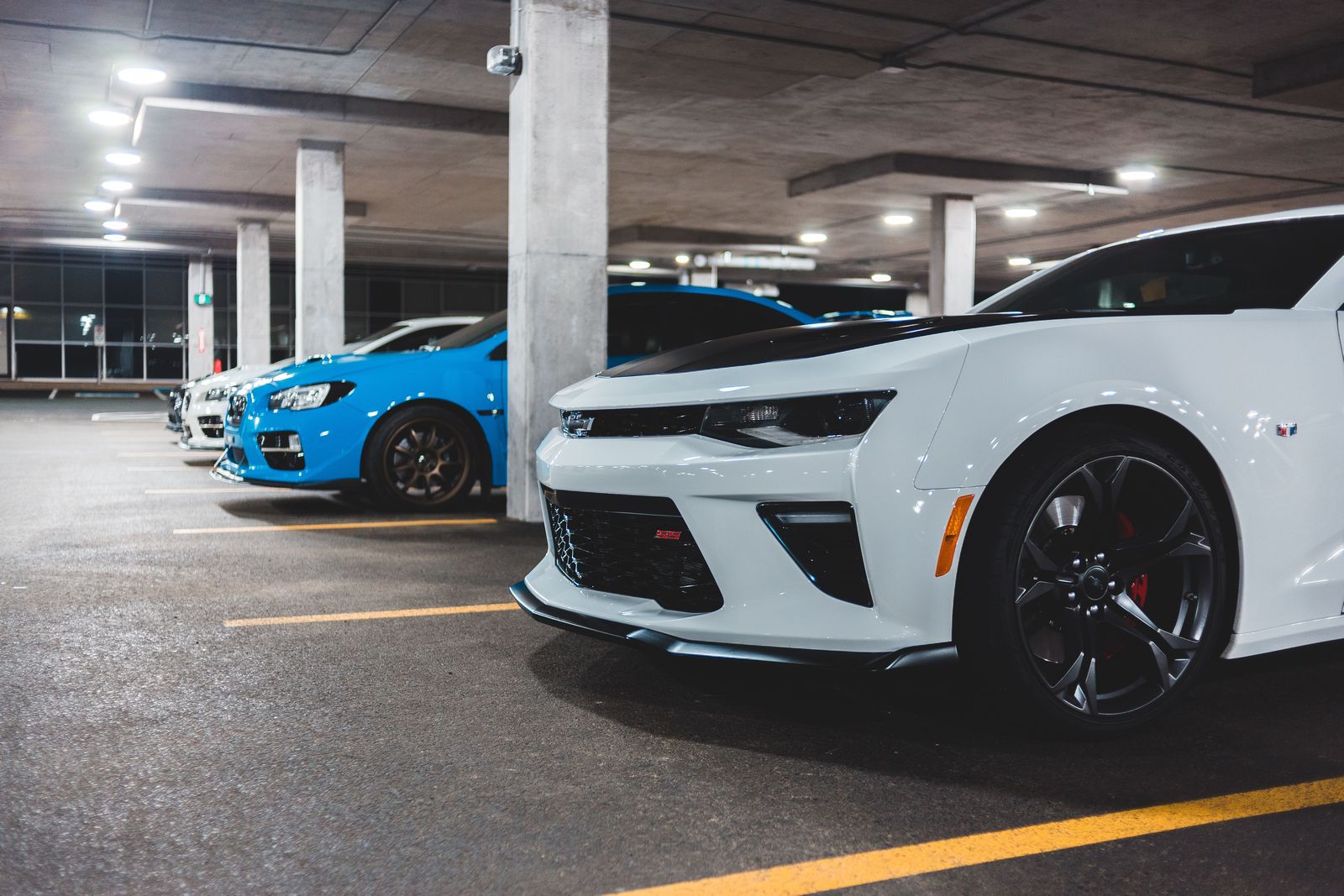

Many households own more than one vehicle, whether to accommodate different commuting schedules, family needs, hobbies, or lifestyle preferences. What starts as a convenience often becomes a longer-term balancing act between cost and everyday practicality.
Why Some Households Choose to Own More Than One Car
Two working adults with different job locations, teenagers learning to drive, or a weekend project car sitting alongside the family runabout: the reasons multiply quickly. Rural households often need a second vehicle simply because public transport doesn't reach where they live, while others keep an older car specifically for towing or off-road use.
Once a household crosses into multi-car territory, the decisions that follow tend to be more financial than emotional.
The Ongoing Costs Beyond the Purchase Price
Buying the car is rarely the biggest expense over its lifetime. Road tax, fuel, servicing and depreciation apply to each vehicle individually, and none of these costs shrinks just because a household already owns another car.
Parking can also become a genuine constraint, particularly in urban areas where permits are charged per vehicle or driveway space is limited. It's worth totting up the full annual cost of each car separately before deciding whether keeping both actually makes financial sense.
Managing Maintenance and MOTs Efficiently
Staggering MOT and service dates, rather than letting them fall in the same month, helps spread out both the cost and the inconvenience of being without a car. Keeping a simple shared record of mileage, tyre condition and upcoming work for each vehicle also makes it easier to spot small problems before they become expensive ones.
Many households find it worth using the same garage for both cars, since a mechanic familiar with both vehicles' histories can flag patterns more easily.
Insurance Considerations for Multi-Car Households
Insuring several vehicles under one roof brings its own set of decisions. Multi-car policies can reduce admin and sometimes cost, but they aren't always cheaper than insuring each car separately, especially if drivers have very different risk profiles.
For cars used only occasionally, such as a second vehicle brought out for holidays or lent to a visiting relative, temporary car insurance can be more sensible than paying for annual cover on a vehicle that spends most of the year parked up. It's a practical middle ground for households that don't need every car insured all year round.
When Multiple Vehicles Make Everyday Life Easier
The appeal isn't purely financial. Having a second car removes the daily negotiation over who needs it and when, particularly where school runs or long commutes are involved.
It also provides a fallback when one vehicle is off the road for repairs, which matters more the further a household is from reliable public transport.
Deciding Whether a Multi-Car Setup Is Right for You
There's no universal answer here. For some households, running two or more cars is simply the cost of keeping daily life manageable; for others, the maintenance, insurance and parking overheads outweigh the convenience.
Working through the real annual cost of each vehicle, and being honest about how often each one is actually used, is usually the clearest way to decide whether a multi-car household still makes sense.