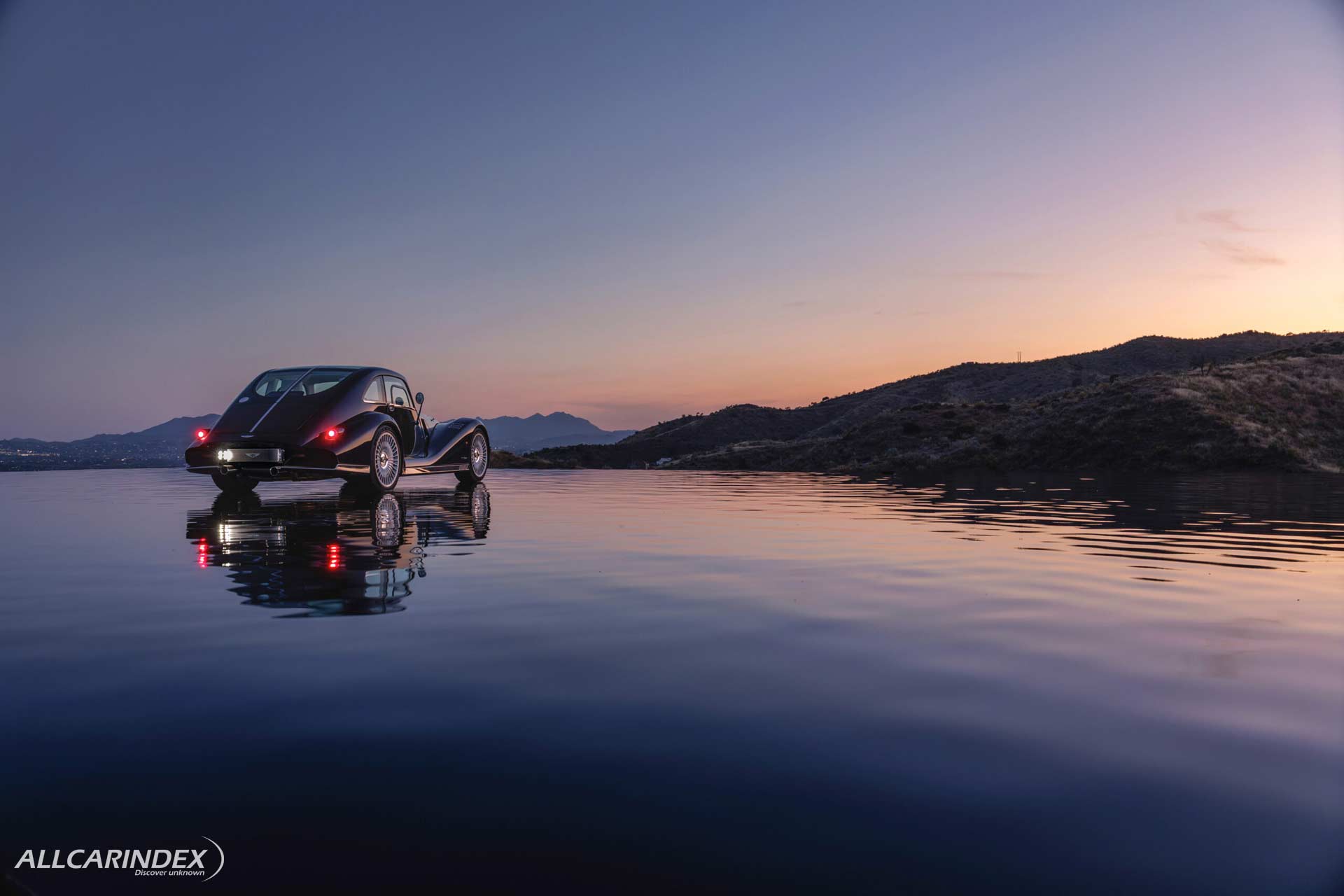
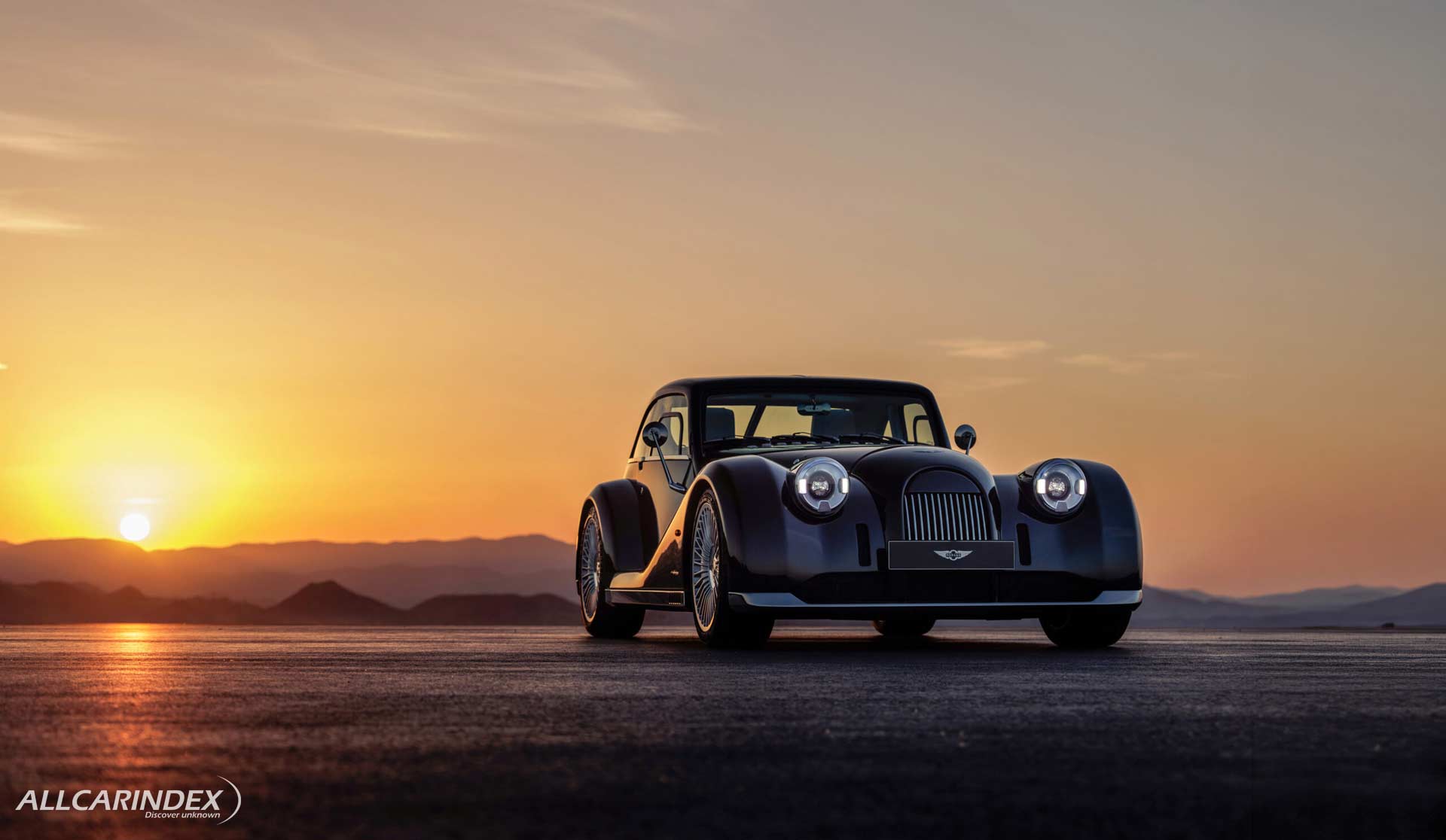
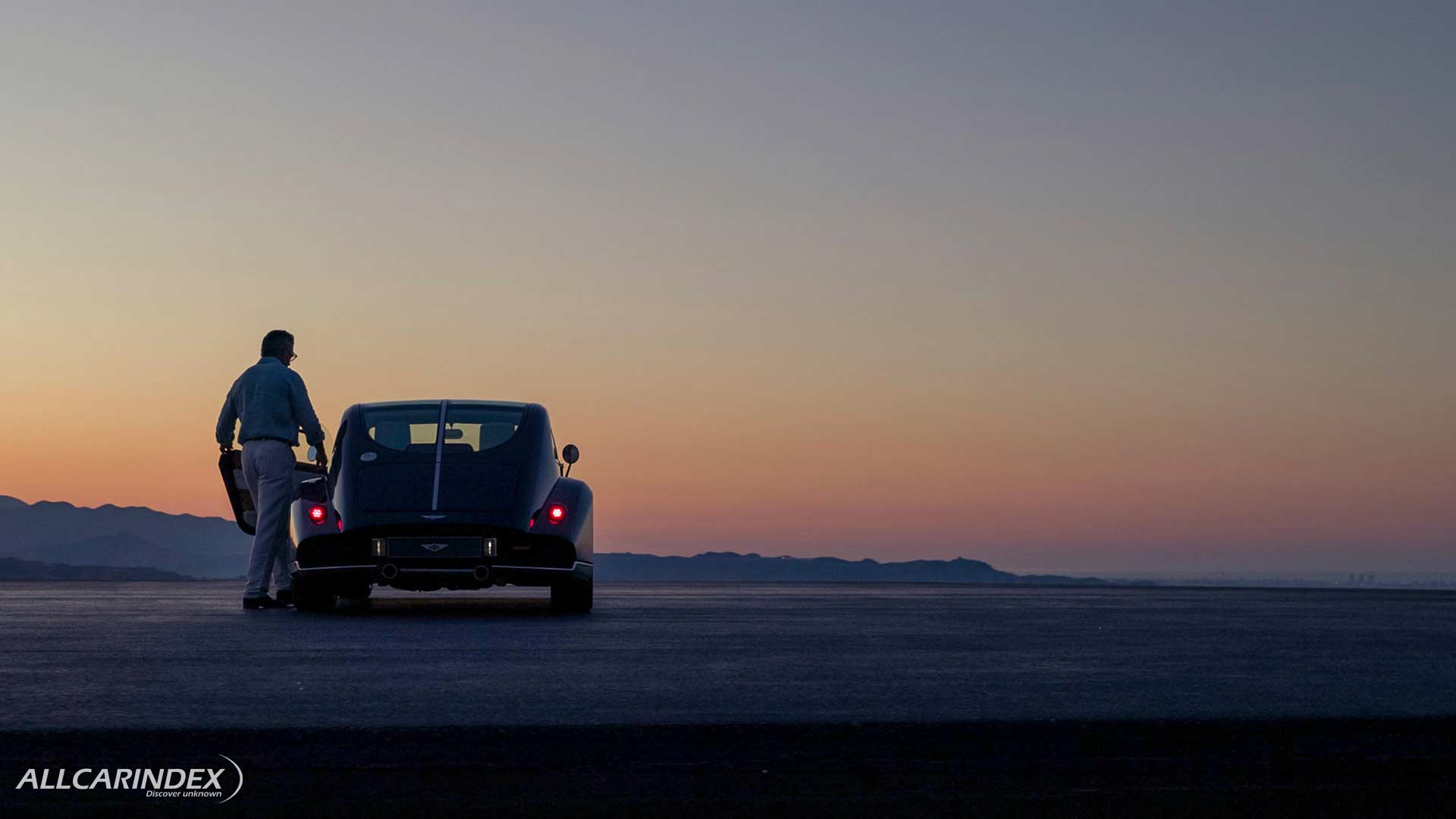

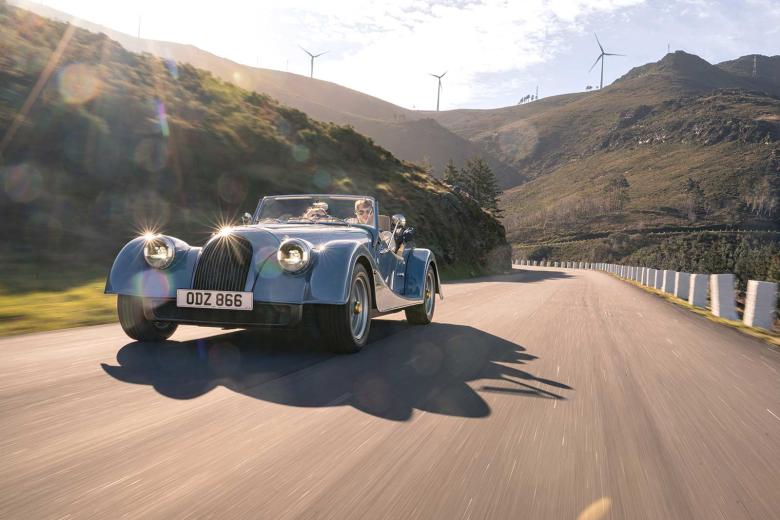
Morgan Motor Company has presented the Midsummer Coupé, a fixed-roof development of the Midsummer barchetta introduced in 2024. The programme consists of a prototype and nine customer cars, all based on the same underlying design and structure but individually specified with their owners.
The idea originated with a customer who asked Morgan to consider a closed version of the barchetta. Developing the proposal involved more than fitting a roof to the existing body. Morgan created revised proportions, a dedicated structural system and additional manufacturing processes for the coupé.
Pininfarina again participated in the design work, continuing the partnership established for the open Midsummer. The two design teams developed the body surfaces, overall proportions and identity of the closed car while retaining recognisable links to the earlier project.
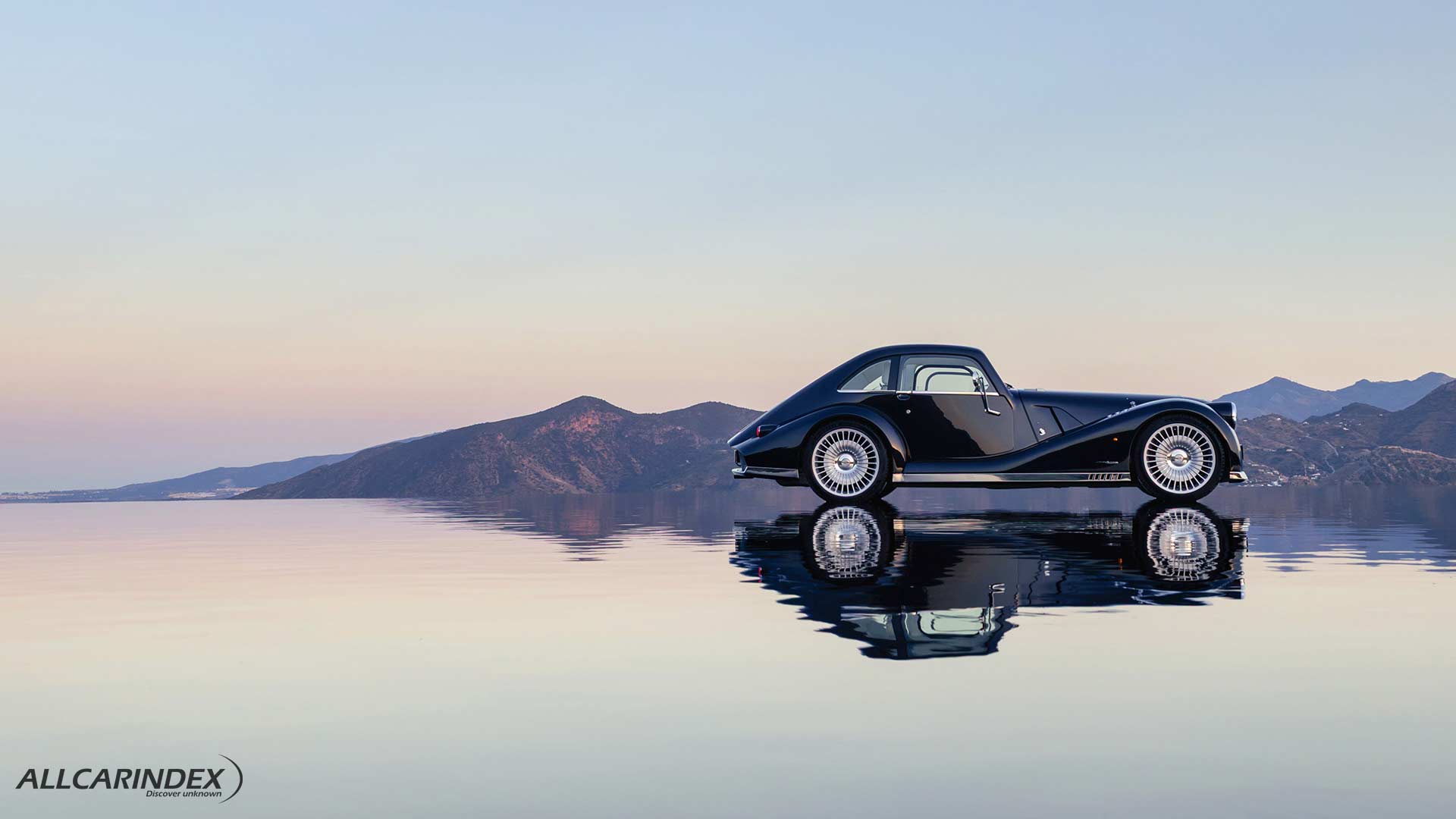
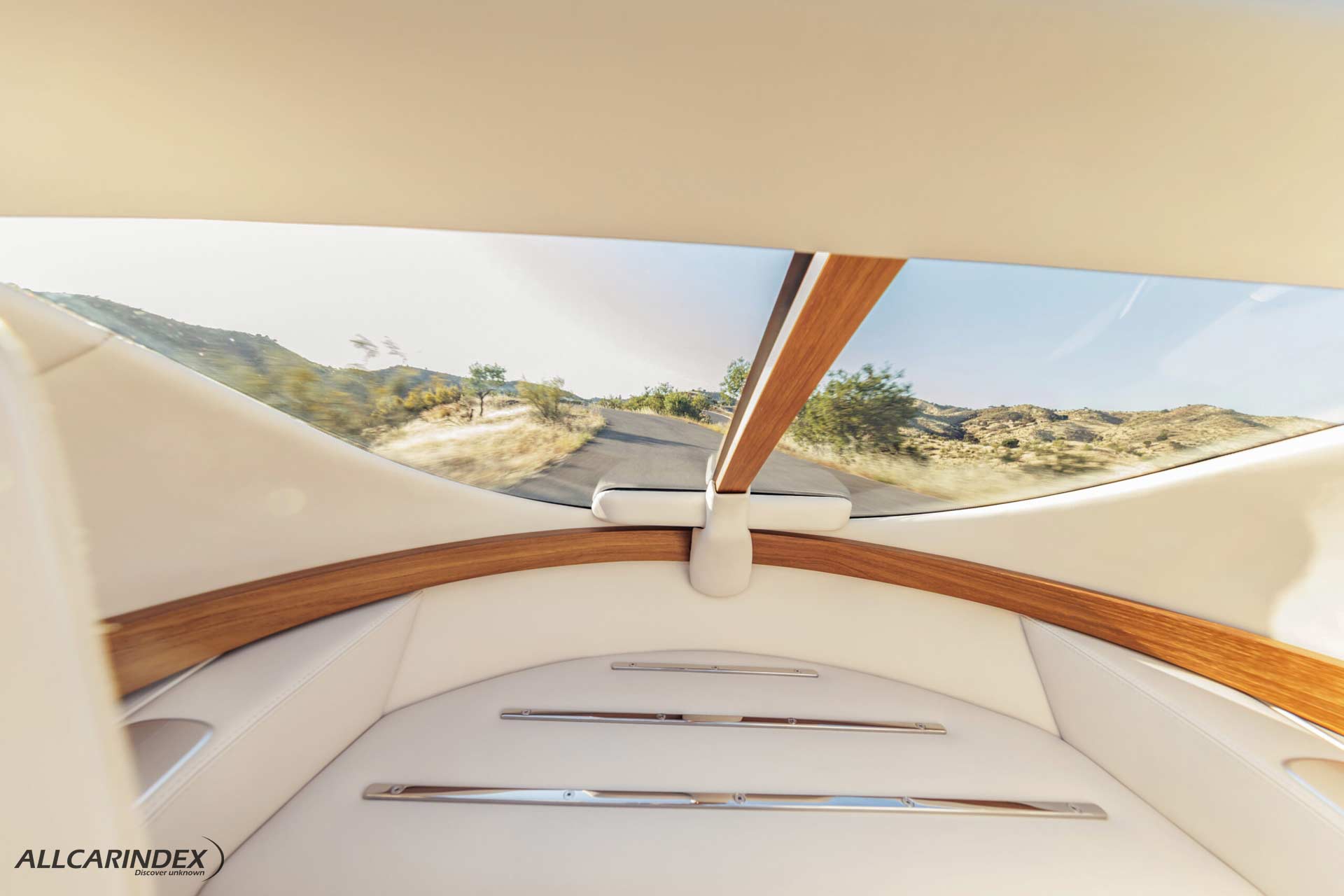
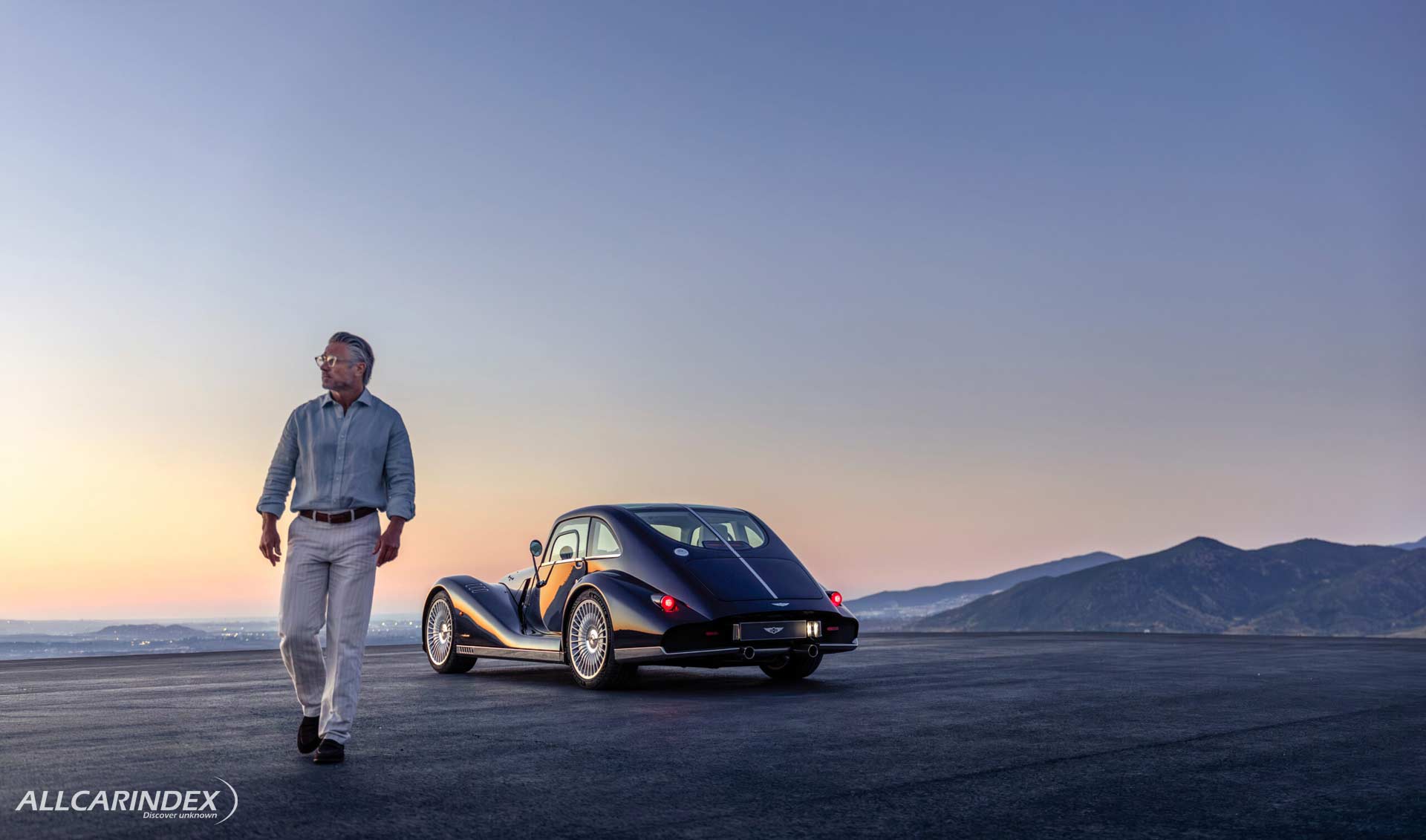
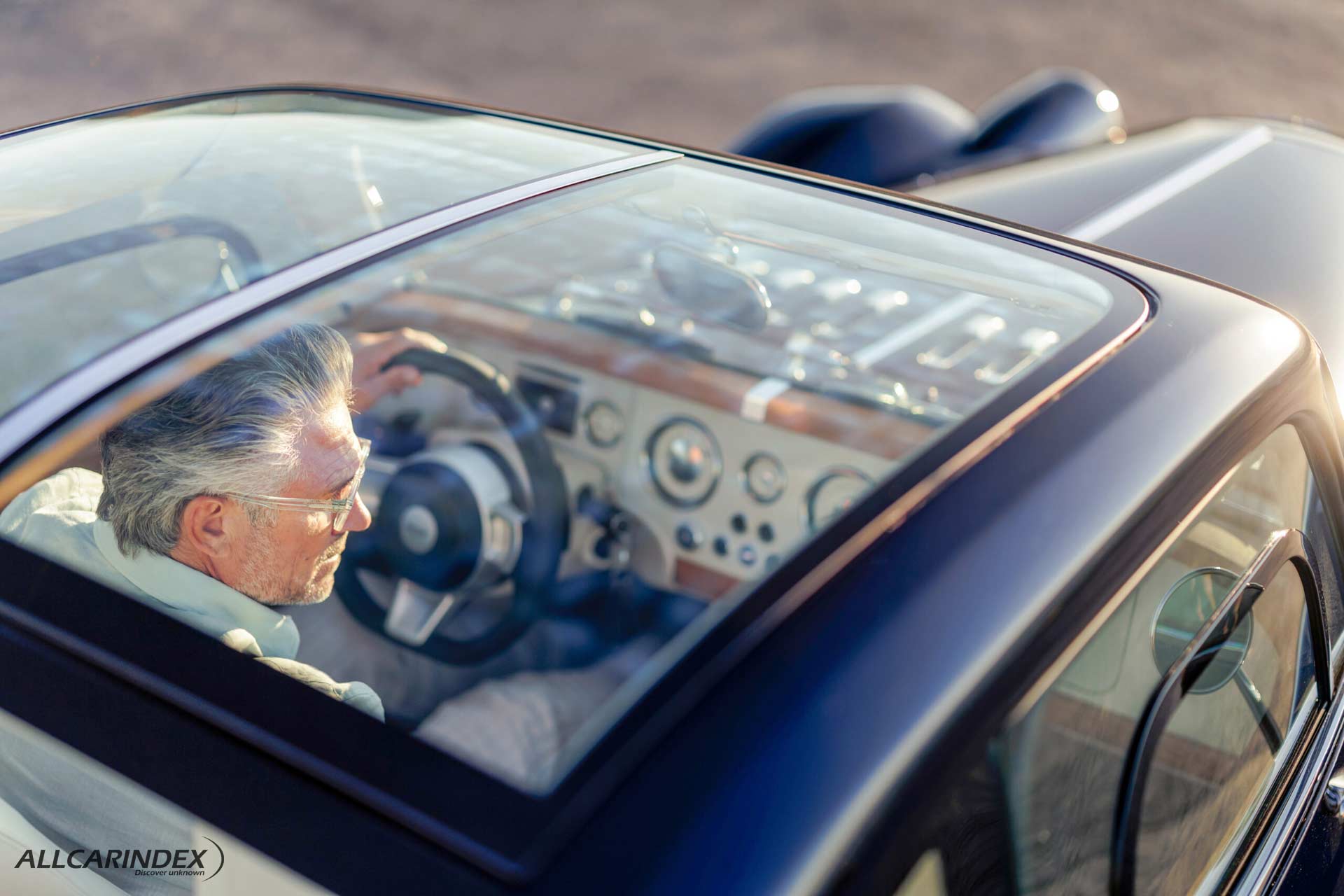
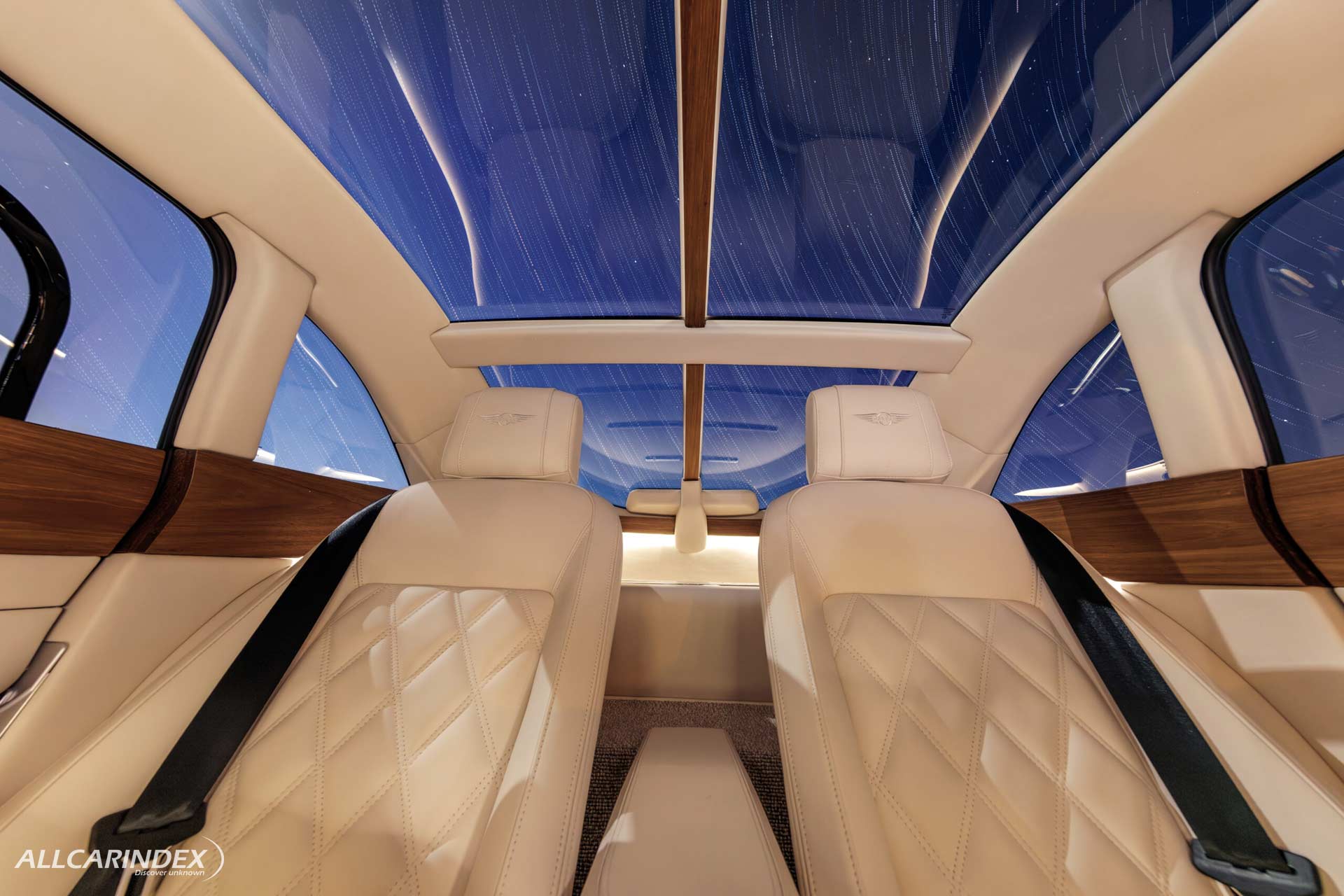
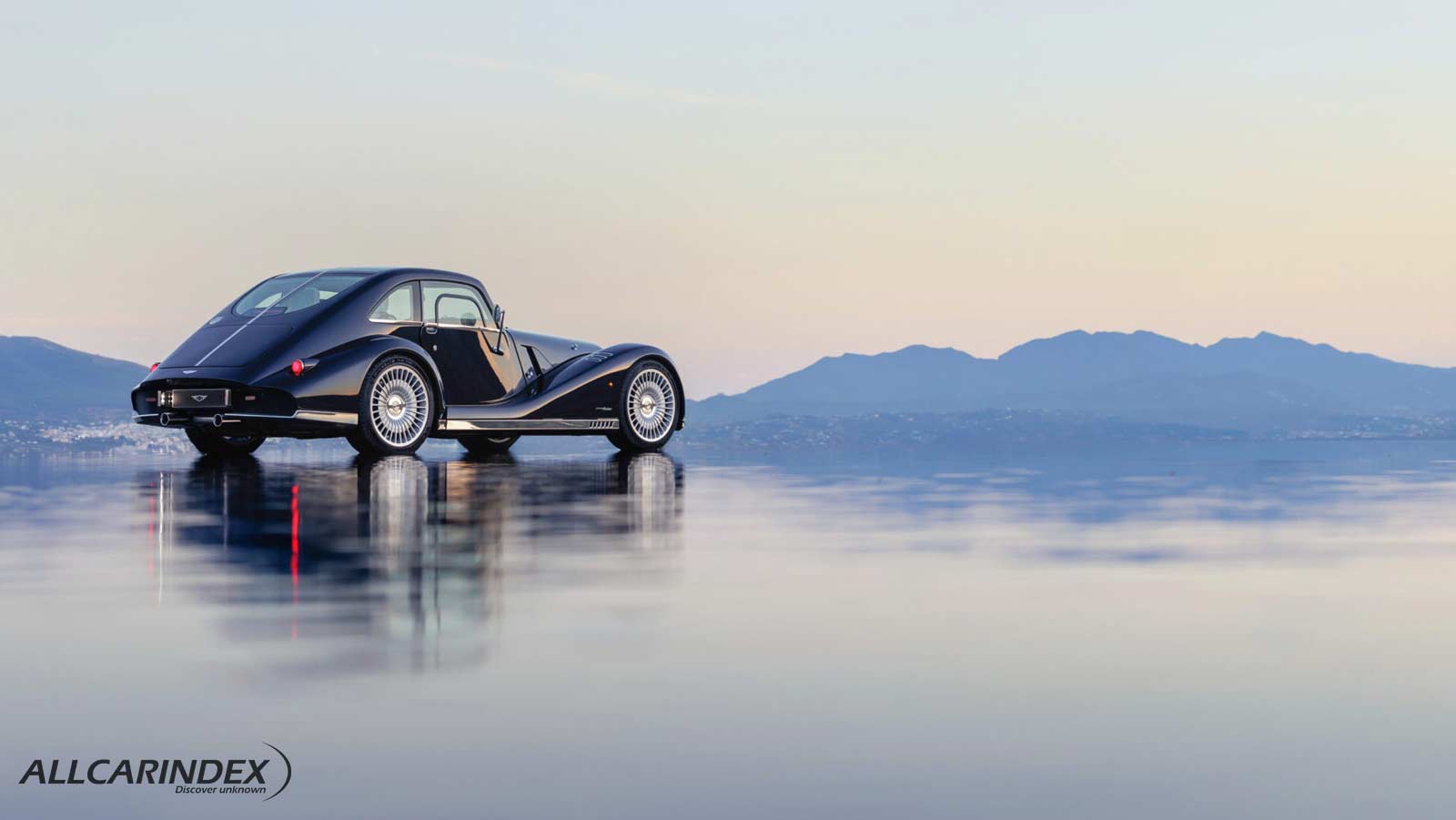
A large glazed canopy defines the new profile. Its line continues into the rear bodywork, connecting the windscreen area with the tail in a single uninterrupted shape. The enclosed cabin also brings full weather sealing, climate control and greater protection from outside conditions, extending the car’s suitability for touring.
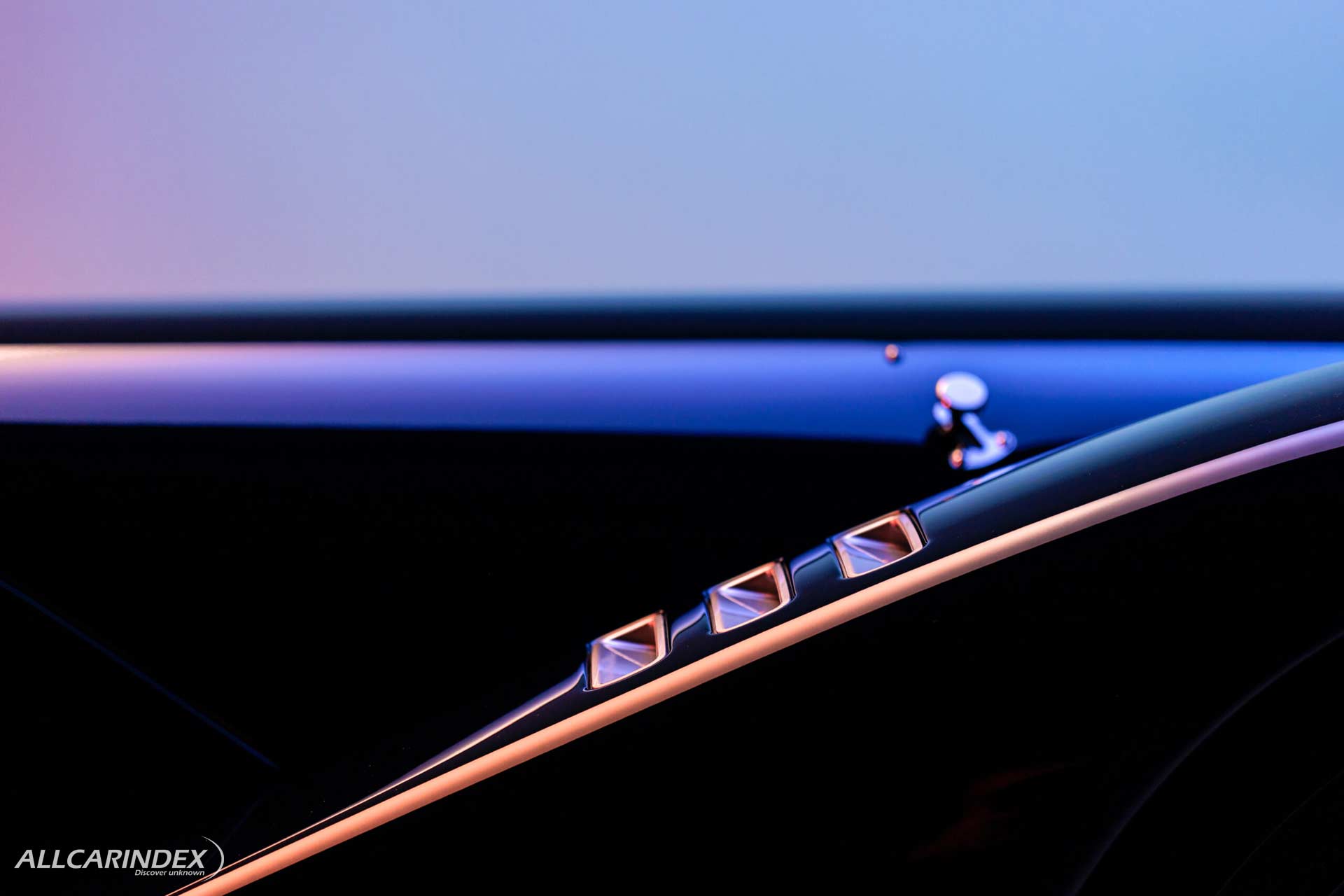
Higher doors form a prominent aluminium beltline, with the handles incorporated into the surrounding structure. Polished stainless-steel panels along the lower body refer to those used on the barchetta. A stainless-steel detail runs through the centre of the car and provides a recurring element between the exterior and cabin.
Morgan has also produced a new forged aluminium wheel for the project. Measuring 19 inches in diameter, it is the most complex wheel design the company has manufactured.
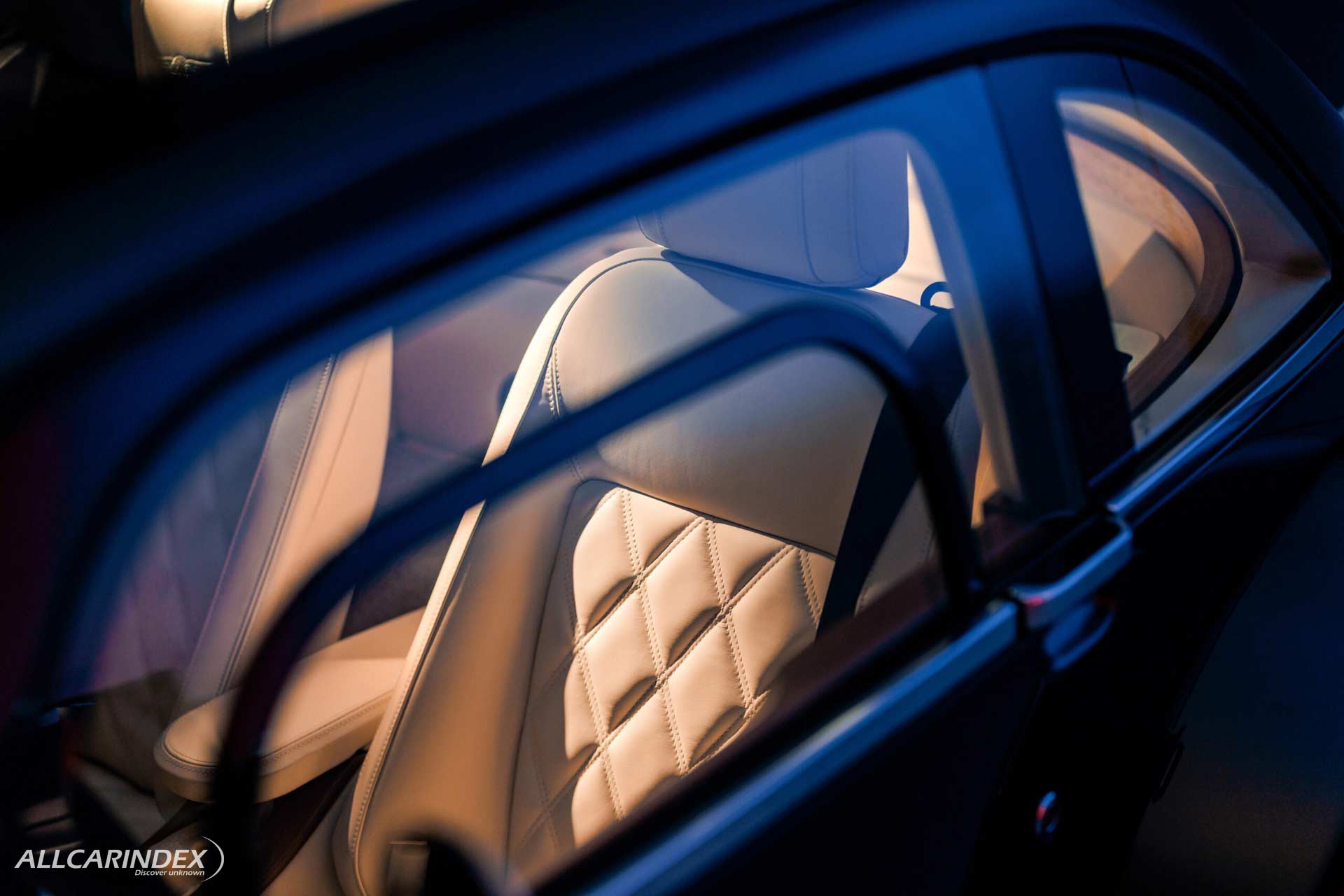
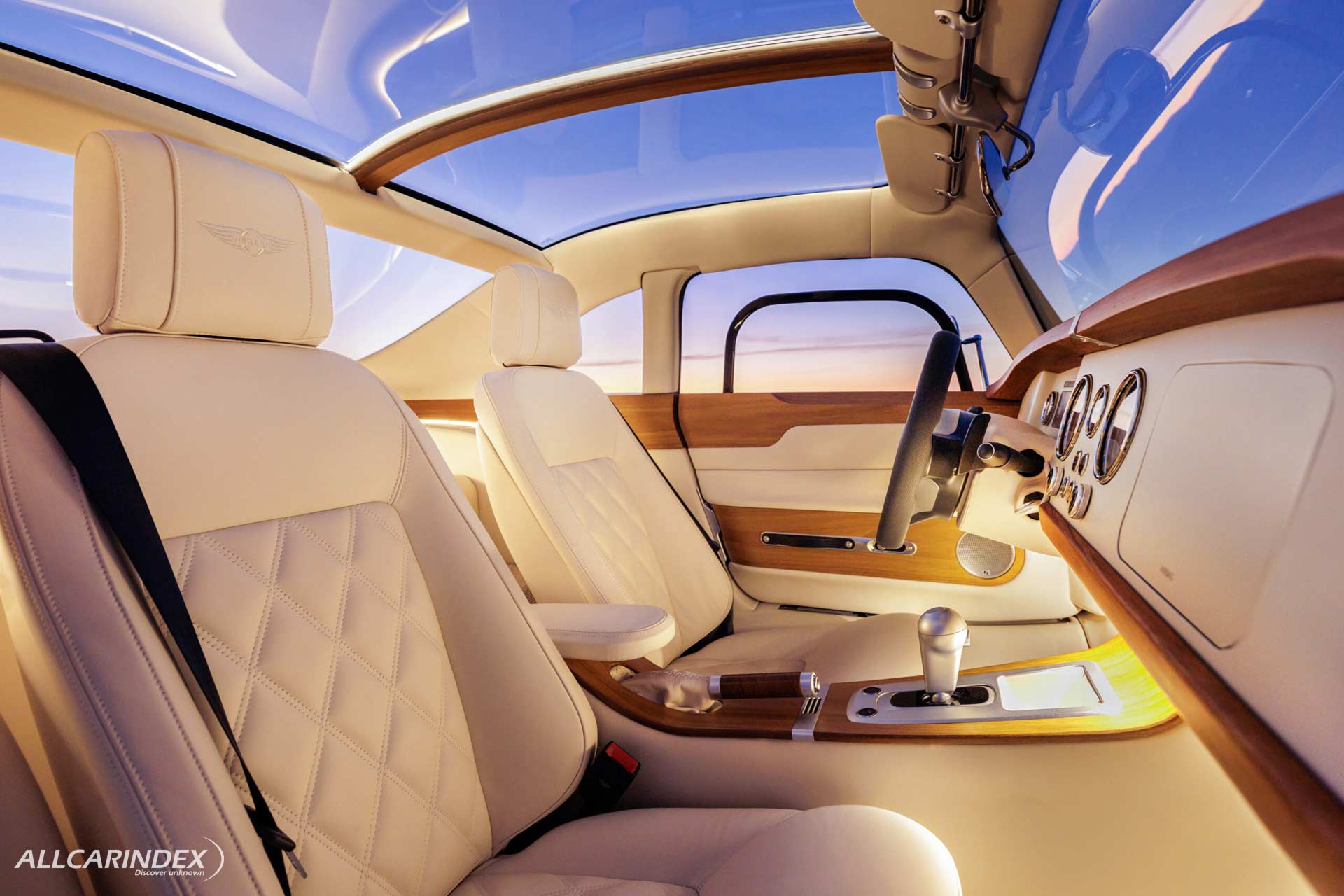
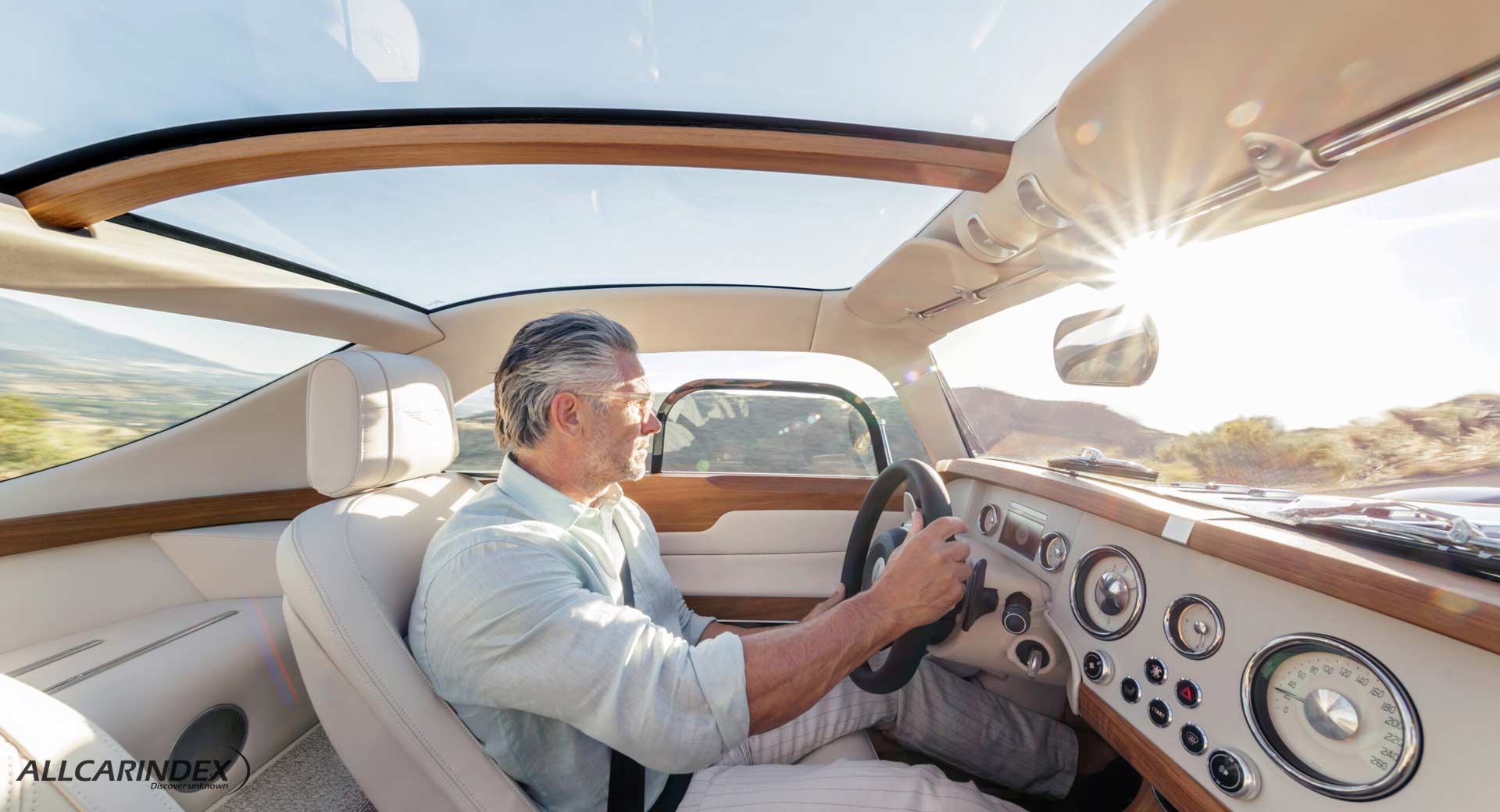
The glazed roof admits natural light across much of the interior. Teak appears throughout the prototype, alongside aluminium and leather, maintaining a material connection with the open Midsummer. Customers commissioning the remaining cars will be able to select different timbers and combinations of interior finishes.
Several controls and fittings were developed specifically for the coupé. The aluminium gear selector contains a teak insert, while the window switches are positioned overhead. An aluminium rail extends across the cabin and supports the rear-view mirror and sun visors, which also feature teak inlays.
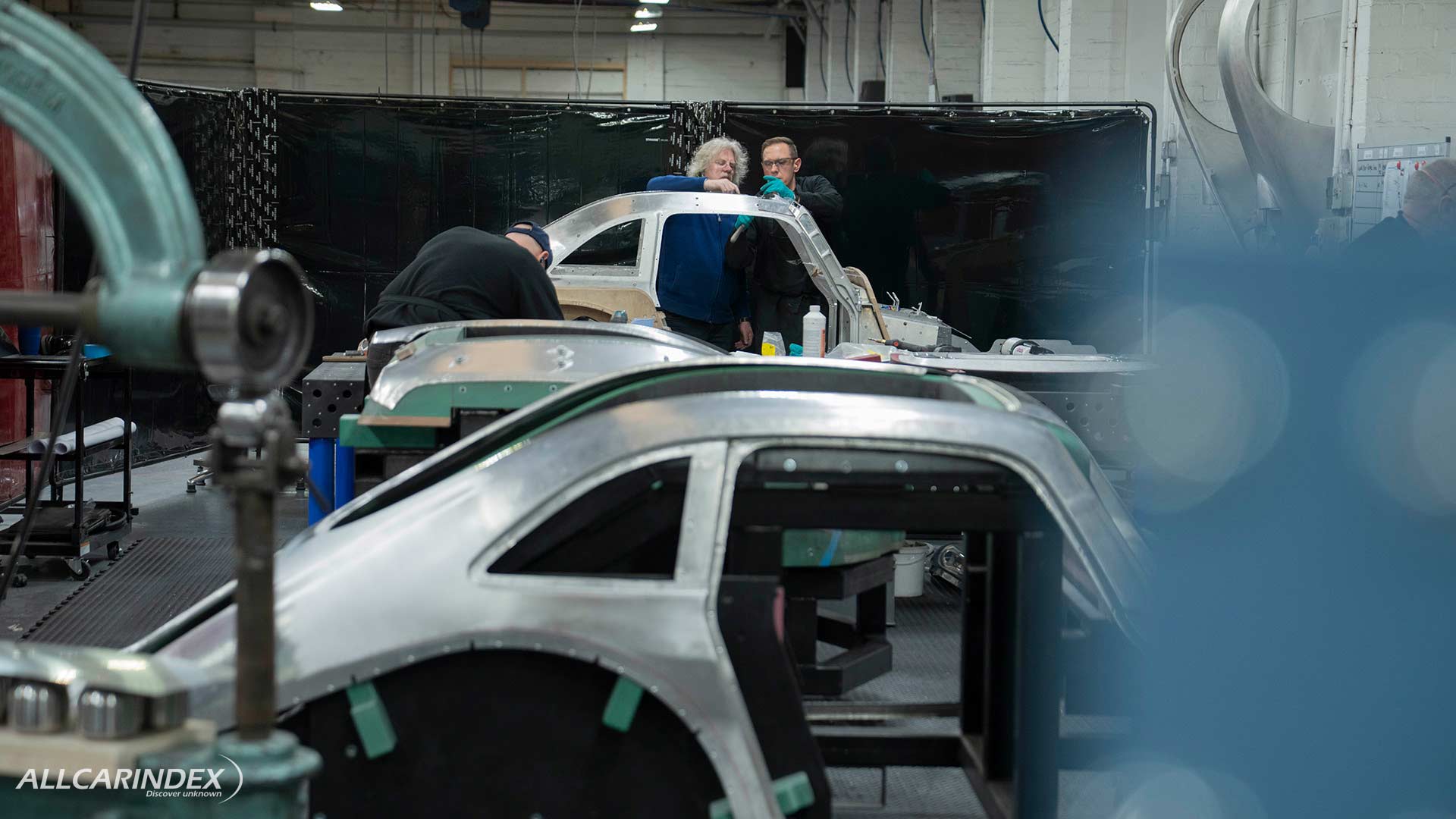
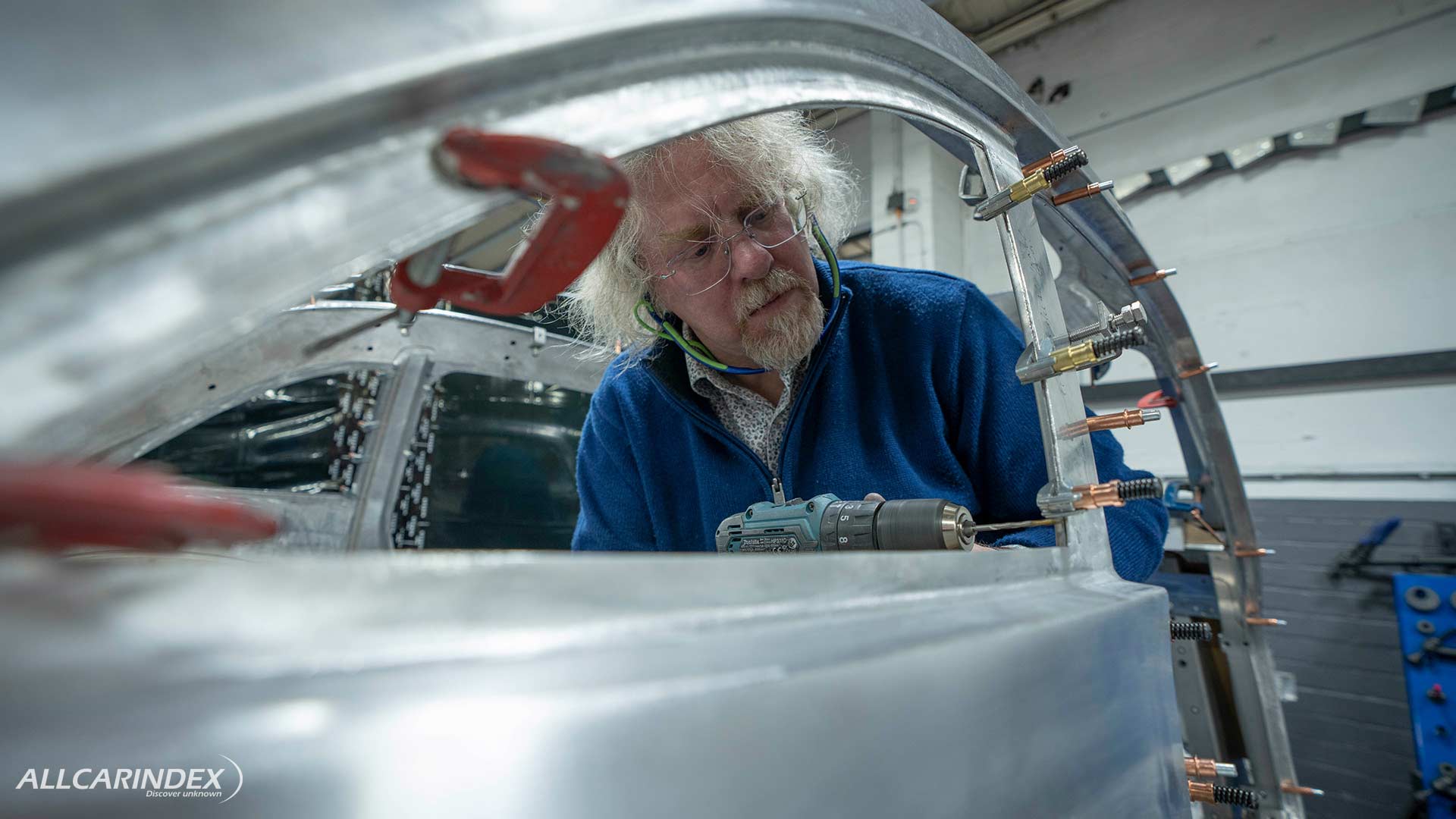
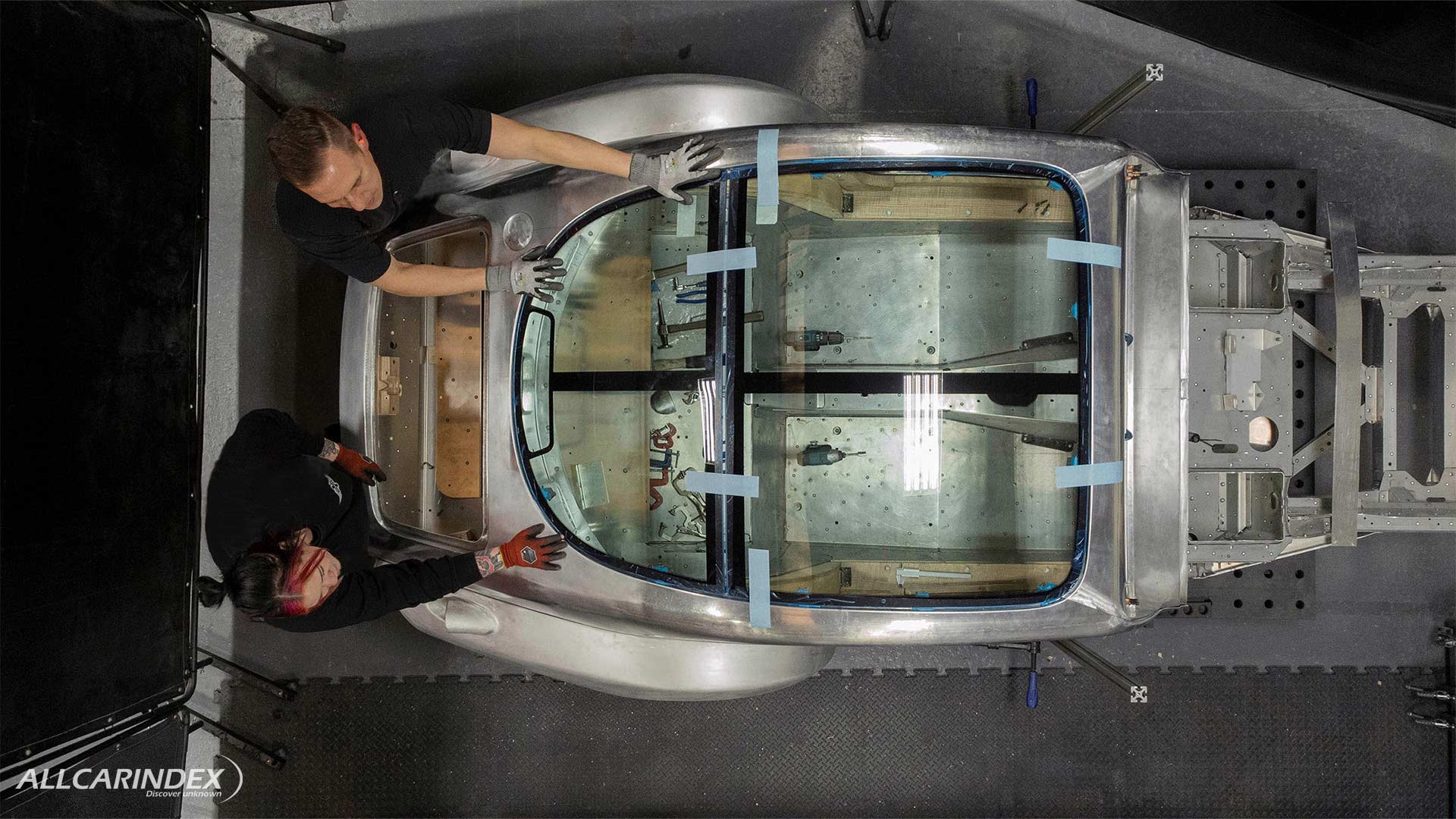
The fixed-roof body required a new approach to structural engineering. Machined aluminium A-pillars, bonded glass and countersunk rivets form part of an integrated system in which the windscreen and roof glazing contribute to body stiffness. Bonding the glass directly to the aluminium structure distributes loads through multiple components rather than treating the canopy solely as an enclosure.
According to Morgan, the resulting car weighs 2.5 per cent more than a Supersport equipped with a hardtop. This figure includes the additional roof structure, glazing, weather sealing and associated cabin equipment.
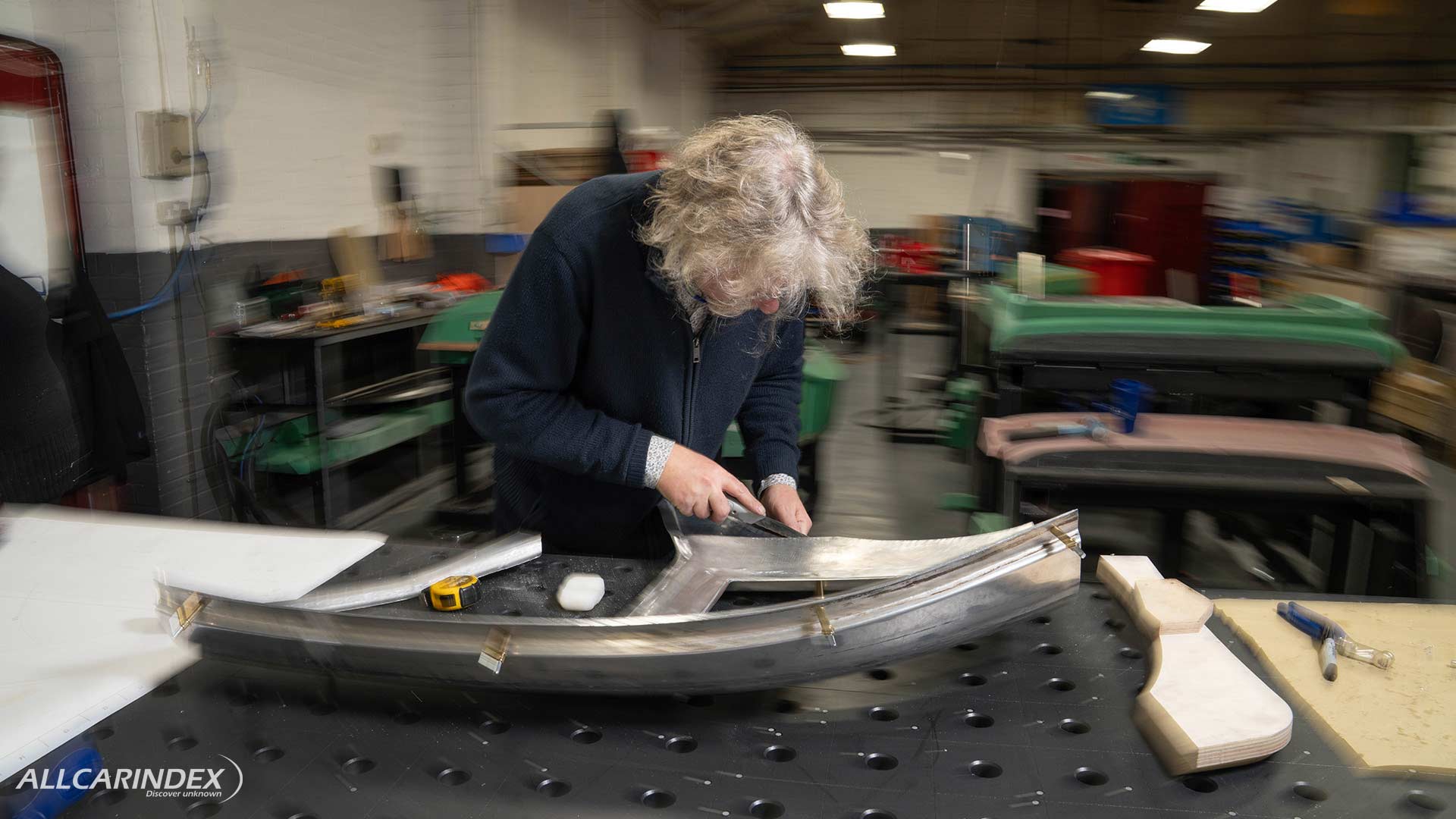
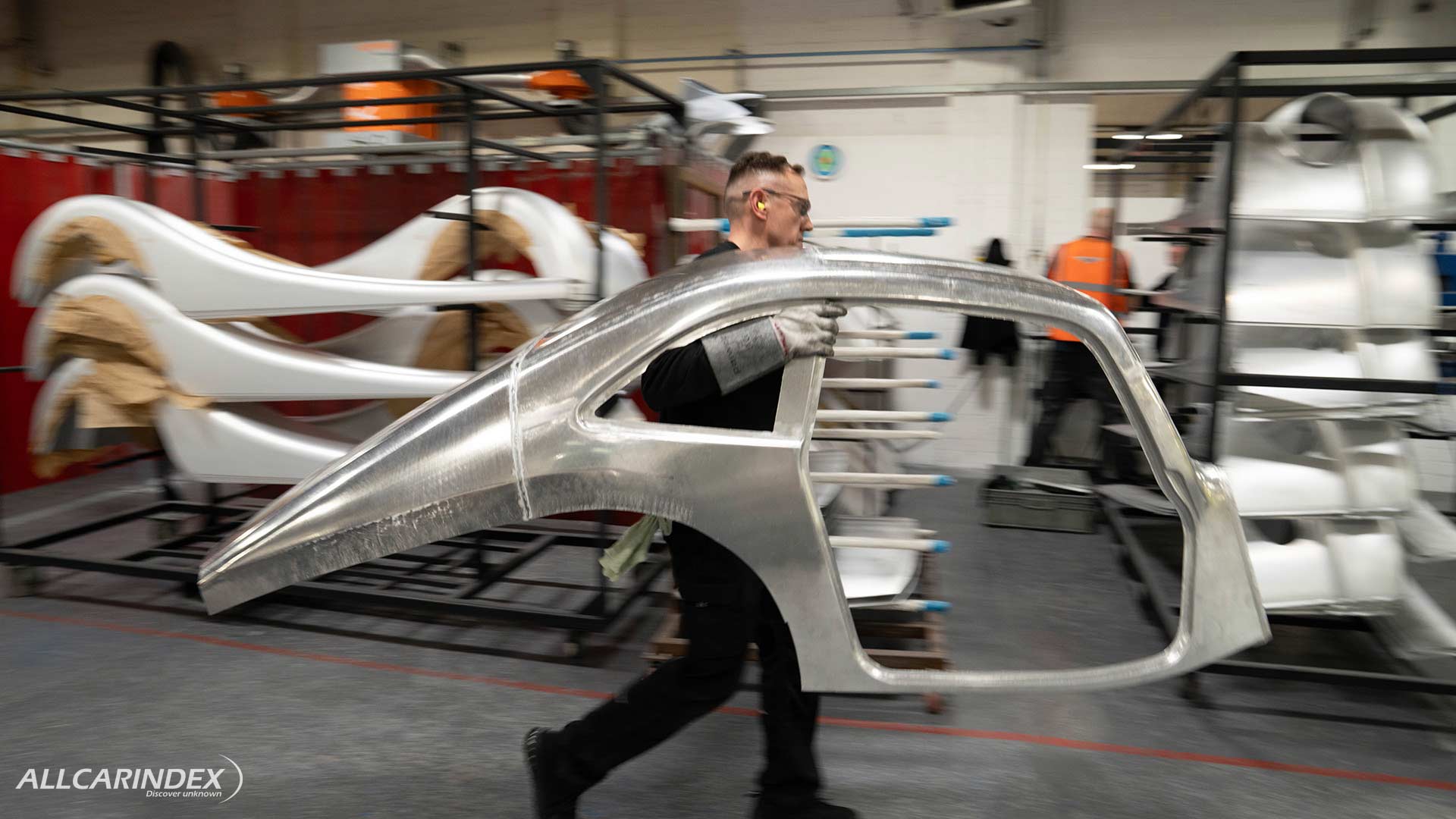
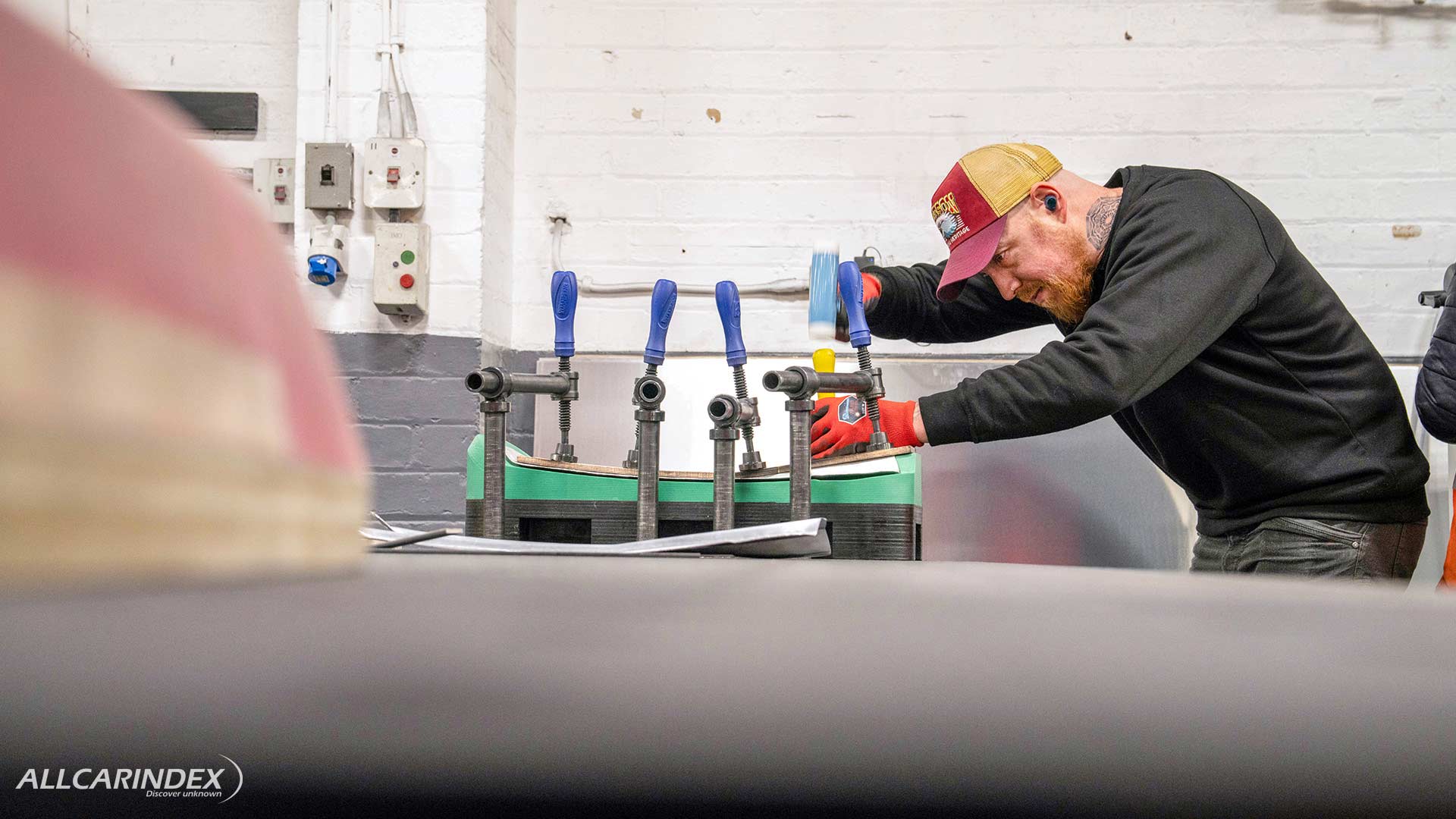
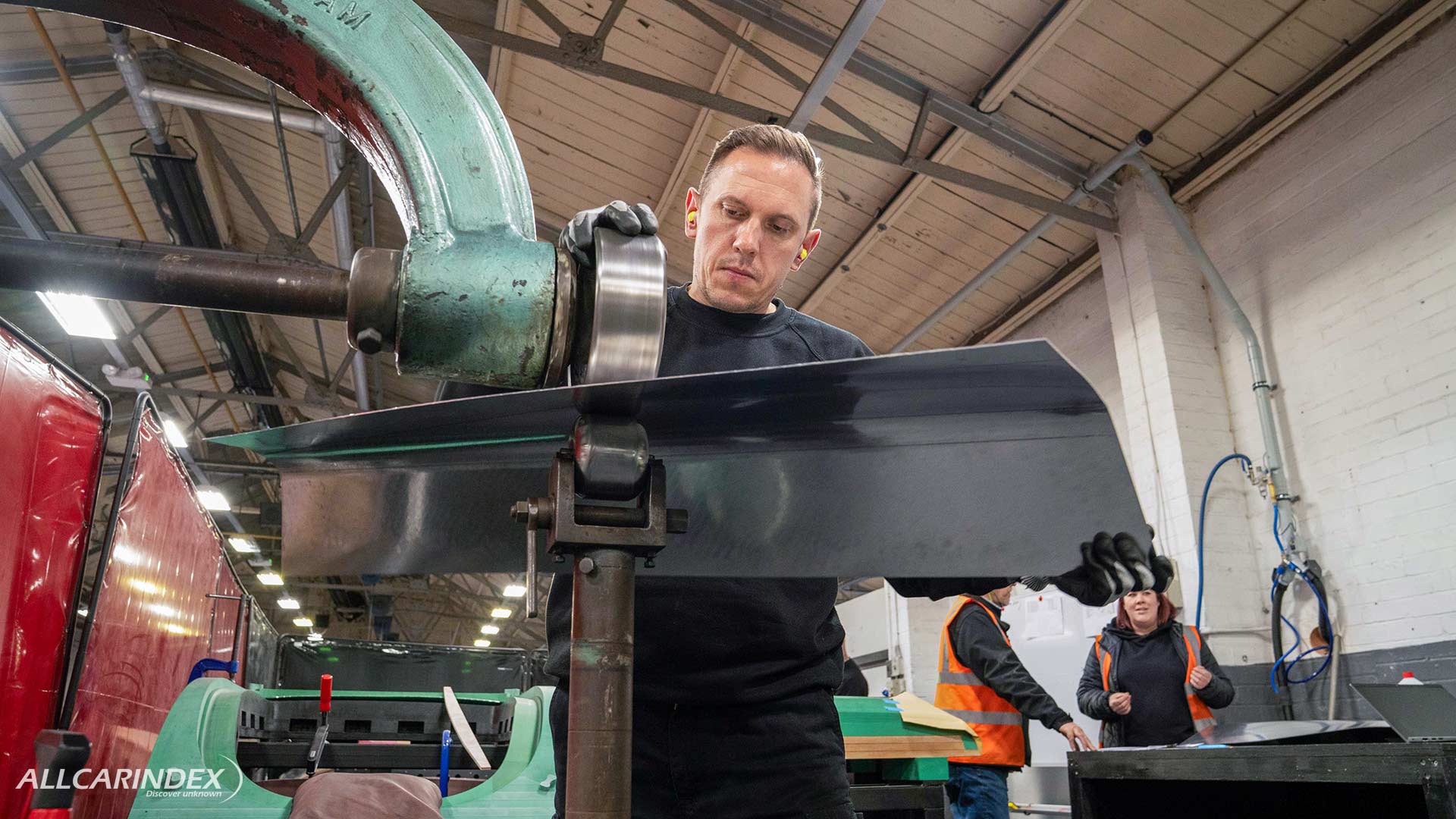
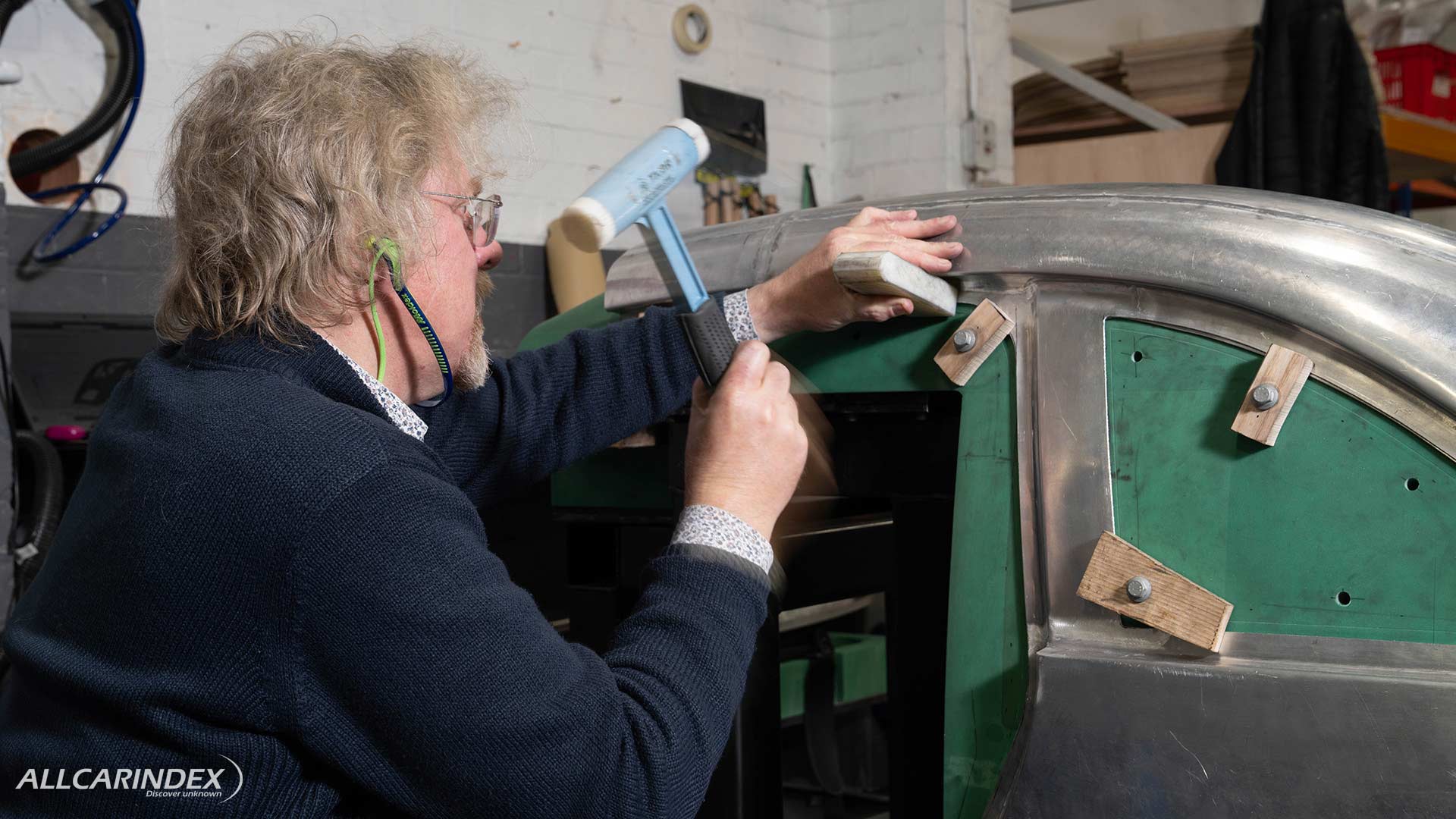
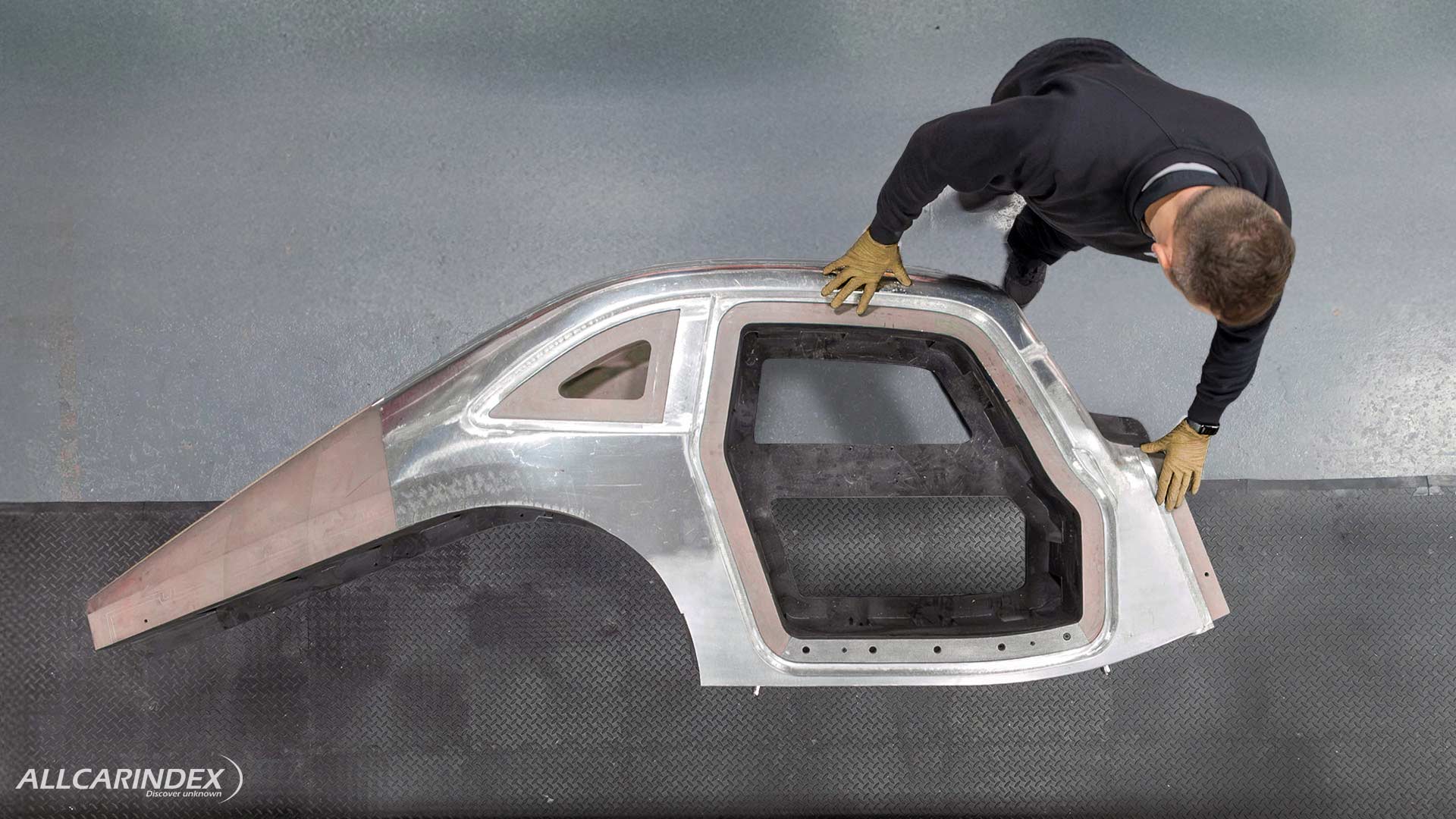
Construction combines hand-forming methods with digital inspection. The central body sections begin as flat aluminium sheets and are shaped using English wheels. During assembly, scanning and laser measurement systems provide dimensional references. Final assessment of the finished surfaces remains a manual process undertaken by Morgan’s body specialists.
Ash is retained as part of the load-bearing body frame. It helps transmit structural loads and also affects the cabin’s acoustic properties. The completed architecture therefore uses aluminium, bonded glass and timber as functional structural materials.
The Midsummer Coupé sits within Morgan’s special projects operation rather than its regular production range. This programme allows the company to develop individual vehicles with customers and to apply materials or production methods outside the requirements of higher-volume manufacturing.
Although all nine commissioned cars will use the same body architecture, their colours, upholstery, timber finishes and bespoke details will be selected separately. Morgan’s designers will work directly with each owner during that process.
The car shown at the unveiling is the development prototype, referred to internally as the “artists’ proof.” It defines the construction and finish standards for the customer vehicles that follow. After its public presentation, the prototype is scheduled to enter the Louwman Collection in The Hague, where it will be displayed before work on the individual commissions progresses at Morgan’s Pickersleigh Road workshops.