

In 1897 Georges Vuitton was already making trunks for the motor car, cases that strapped to the tail or sat on the roof, shut with patented locks and built flat so that several of them would stack without wasting an inch. The canvas was called Vuittonite, waterproof and supple, and it could take a dye to match the bodywork it travelled on. From 1905 the range grew wider, with kits for a lunch stop at the roadside and the waterproof Sacs Chauffeurs, which used the void between the spare tyres to carry hats and small belongings. More than a century of that habit sits behind the two cars presented now, and this time the House has not stopped at the luggage. We are talking about a pair of Porsche 911s reimagined by Singer, a coupé and a cabriolet, both built to a specification written by Louis Vuitton.
The House has been attached to travel since 1854, and the motor car handed it a workshop problem worth solving almost as soon as the motor car existed. In 1909 the twins Pierre and Jean Vuitton, grandsons of Louis Vuitton, built a car of their own on a sports chassis from Stabilia, put together to show what the firm then run by their brother Gaston-Louis Vuitton could do. The teams that ran Paris–Beijing and New York–Paris by way of Moscow were equipped by the same hands, and ambulances followed during the First World War. Between the wars it worked alongside the leading coachbuilders and manufacturers, fitting luggage to their best-known models. At that time a car body was still made to order, and so was the trunk that went on it; standardisation from the 1940s closed the era of the coachbuilt body and took the coachbuilt trunk with it, though special orders kept arriving for cases cut to the exact shape of a boot. Through the 1980s and 1990s the connection took another form, with bespoke trunks made for concept cars, a Design Award for the concept cars judged most innovative, the Classic Run rallies, and the Concours d'Élégance the House organised at Bagatelle and later Saint-Cloud, in London and at the Rockefeller Center in New York.
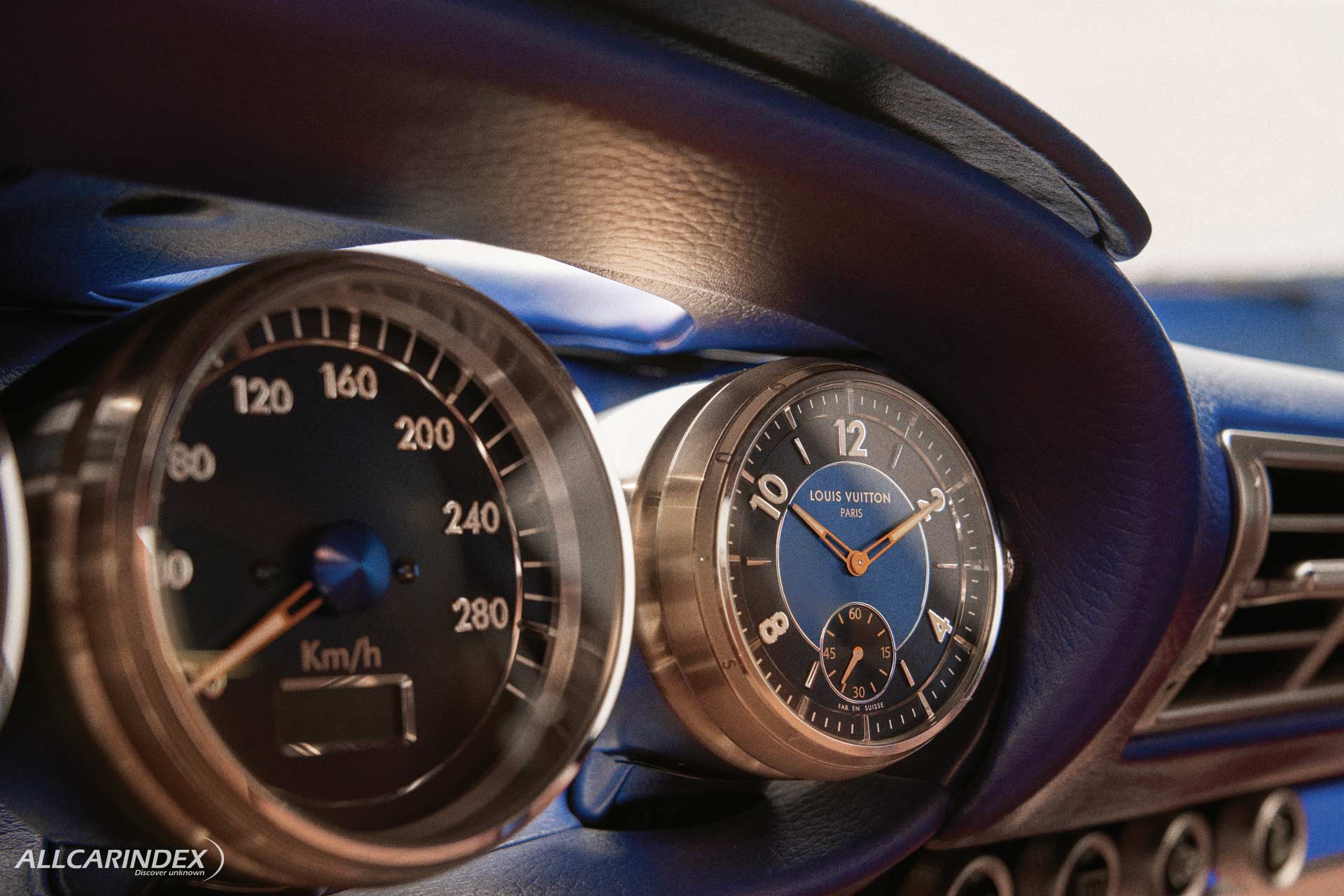
None of that explains how a French house came to specify a 911, and the answer is a good deal smaller than the result. "This unique and remarkable adventure began with a request for a dashboard clock for a car reimagined by Singer," says Mr Jean Arnault, Louis Vuitton Watch Director, and once that clock had been designed and made by the workshops of La Fabrique du Temps Louis Vuitton in Switzerland, it became clear to the House that the same treatment could reach every functional element in the cabin, through leather craft and through watchmaking. That was the beginning. Mr Rob Dickinson, Founder and Executive Chairman at Singer, describes what arrived from the other direction: "The specifications chosen by Louis Vuitton exposed us to techniques and methods developed over decades of experience."
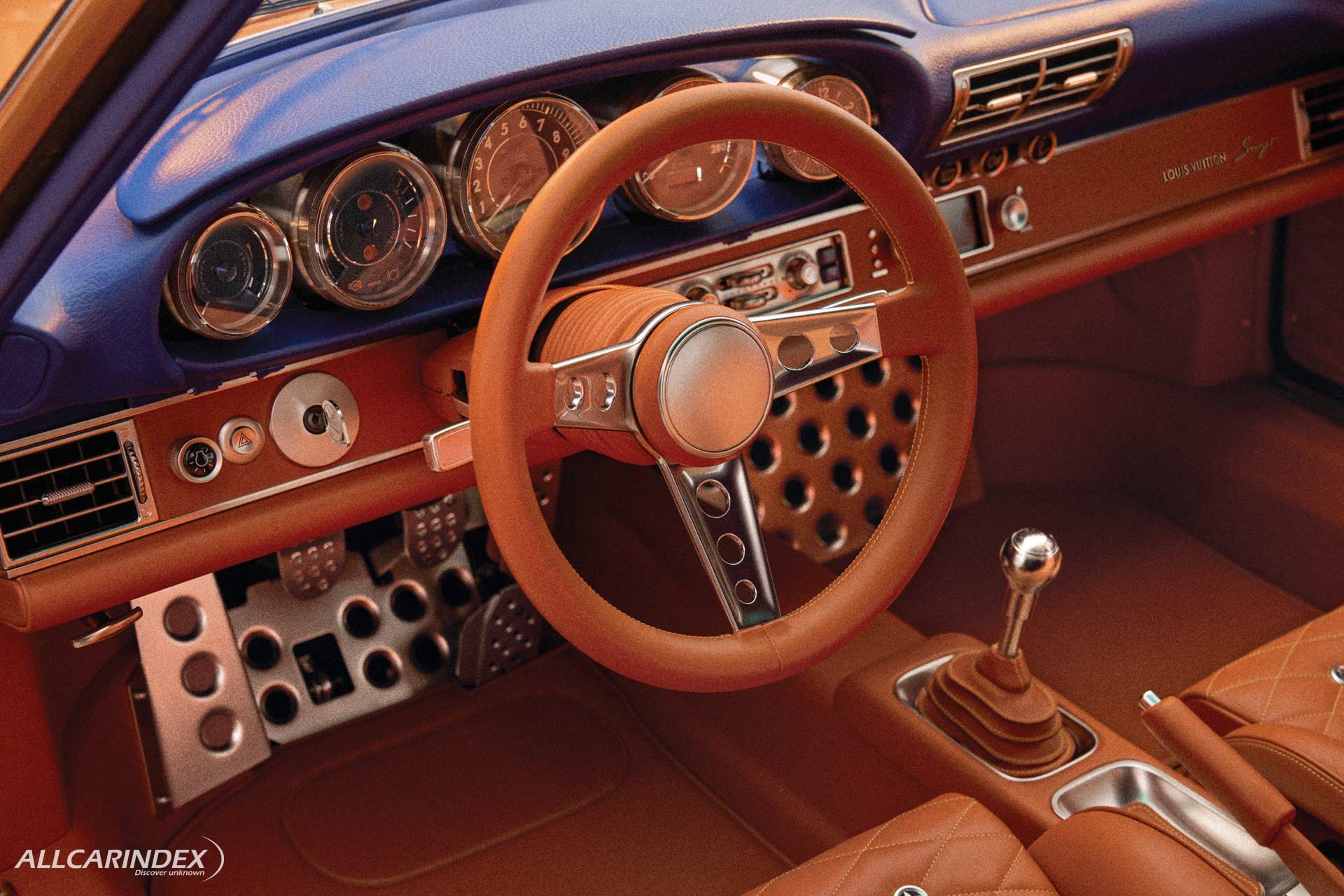
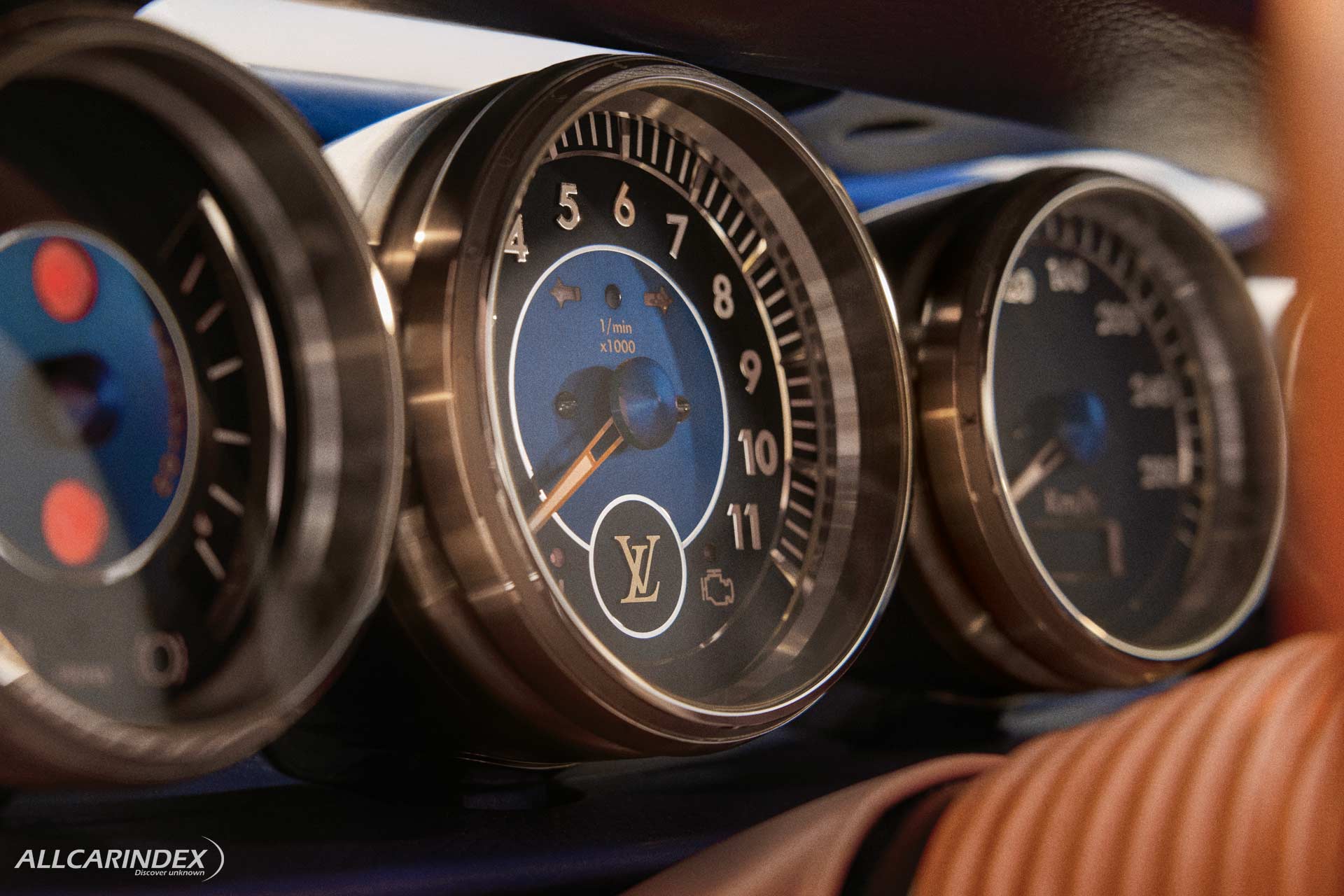
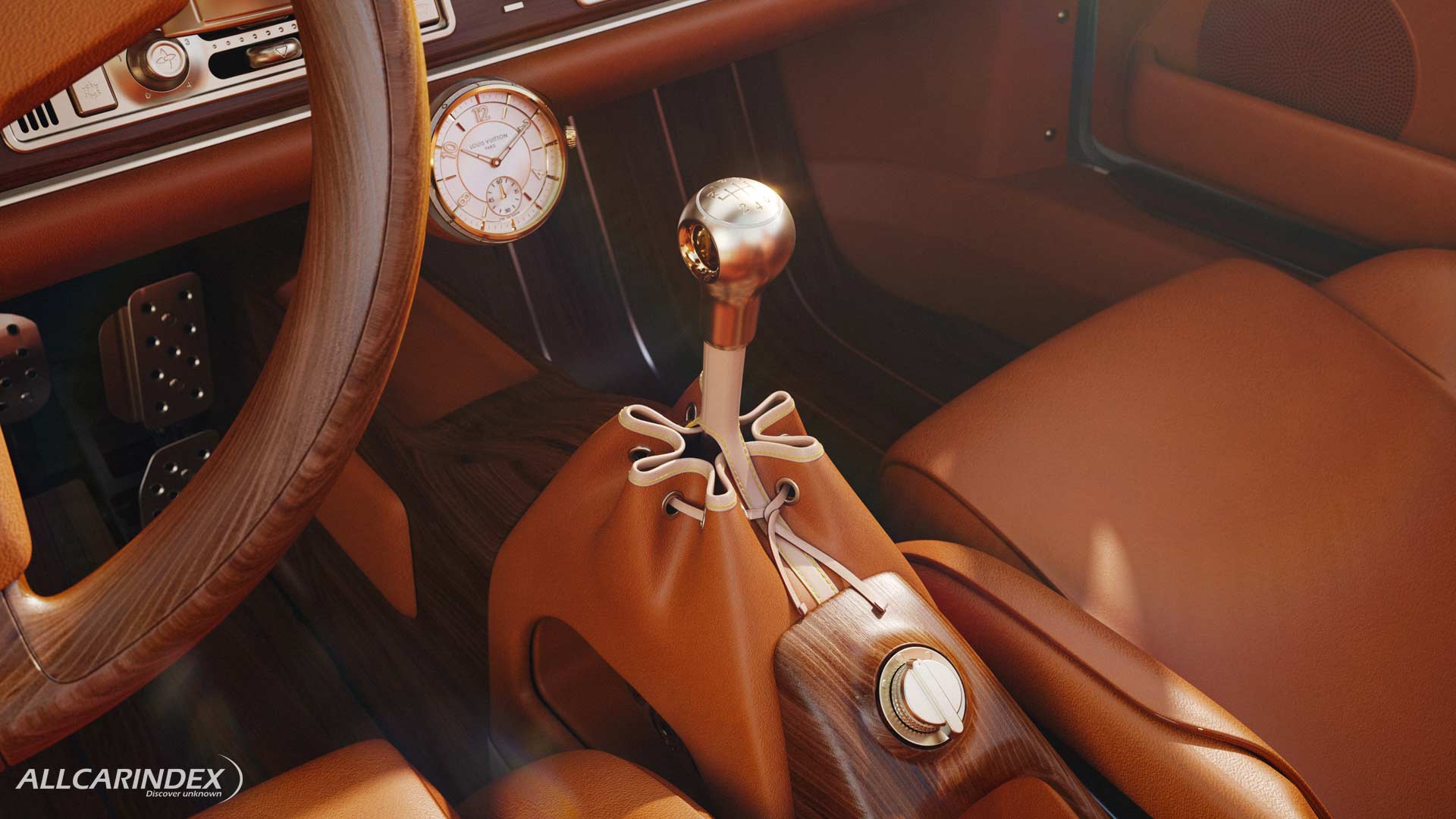
The clock itself is mechanical and detachable, and it converts into a desk clock once it comes out of the car. Its design follows the Tambour watch, with the shape that goes with that name and no less than twelve letters set around the bezel, each one polished and engraved, spelling out the name of the House. Once it was sitting in the cockpit, the instruments around it could not be left alone, and their redesign became the technical and aesthetic problem of the whole project: an entire year of work went into the dials alone! The rev counter, the speedometer and every gauge were redrawn to the graphic codes of the Tambour line, in the hands, in the way the dials terminate, in the index systems. The palette chosen for them is cobalt blue with the lettering picked out in bright orange.
It is the first co-branded item Louis Vuitton has put its name to, and a first for Singer as well. Every métier of the House was pulled in, from the trunk makers and the leather goods artisans to the fashion and footwear teams and the watchmakers of La Fabrique du Temps, which Mr Arnault calls an unprecedented cross-disciplinary endeavour. Singer, for its part, was set up in California in 2009 and works with the owners of classic Porsche 911s on reimagining their cars, under a philosophy the company states as a relentless pursuit of excellence. It runs two workshops, and the Classic was restored at the Californian one while the Turbo cabriolet was built in England. This year the company was the Central Feature Marque at the Goodwood Festival of Speed.
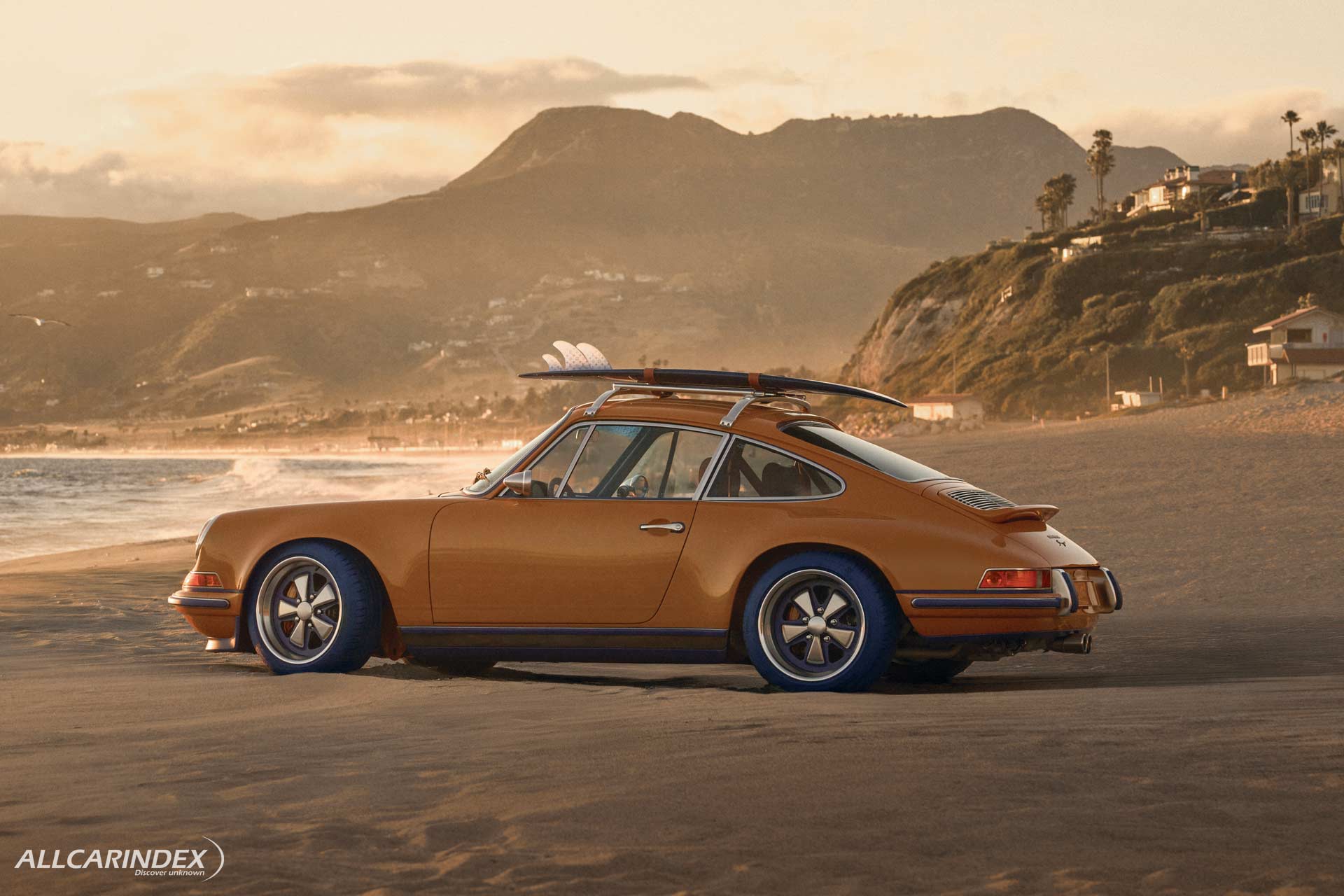
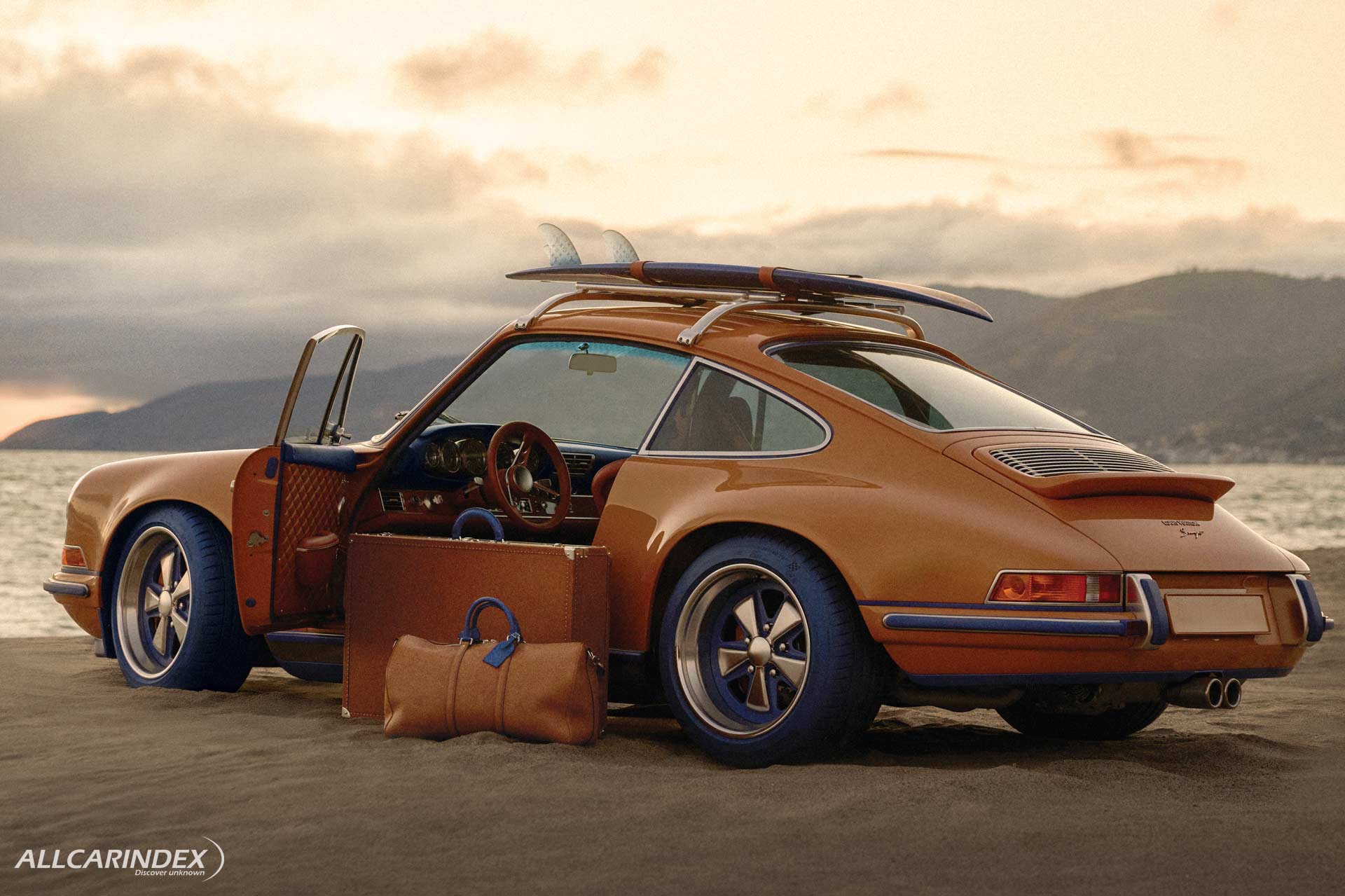
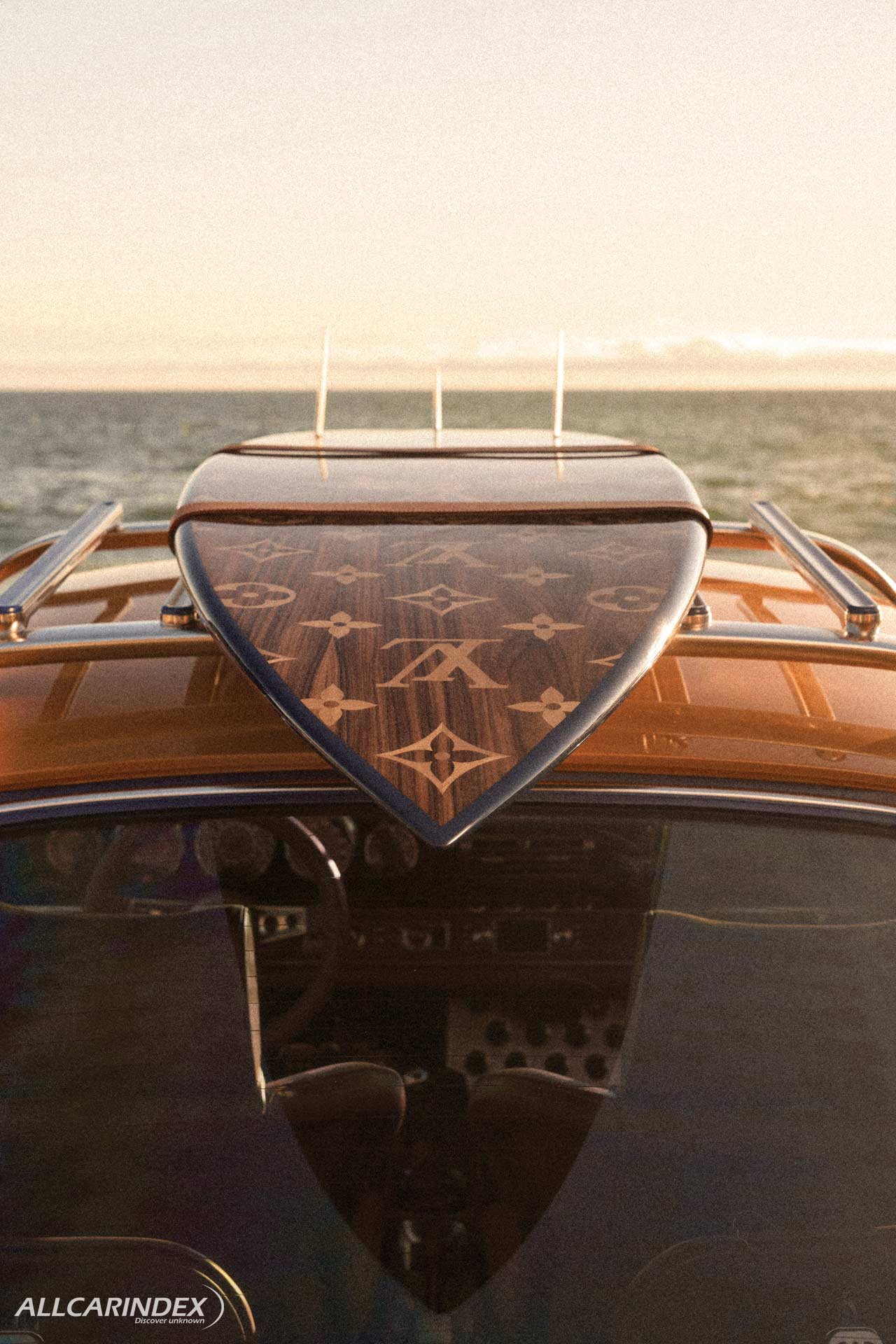
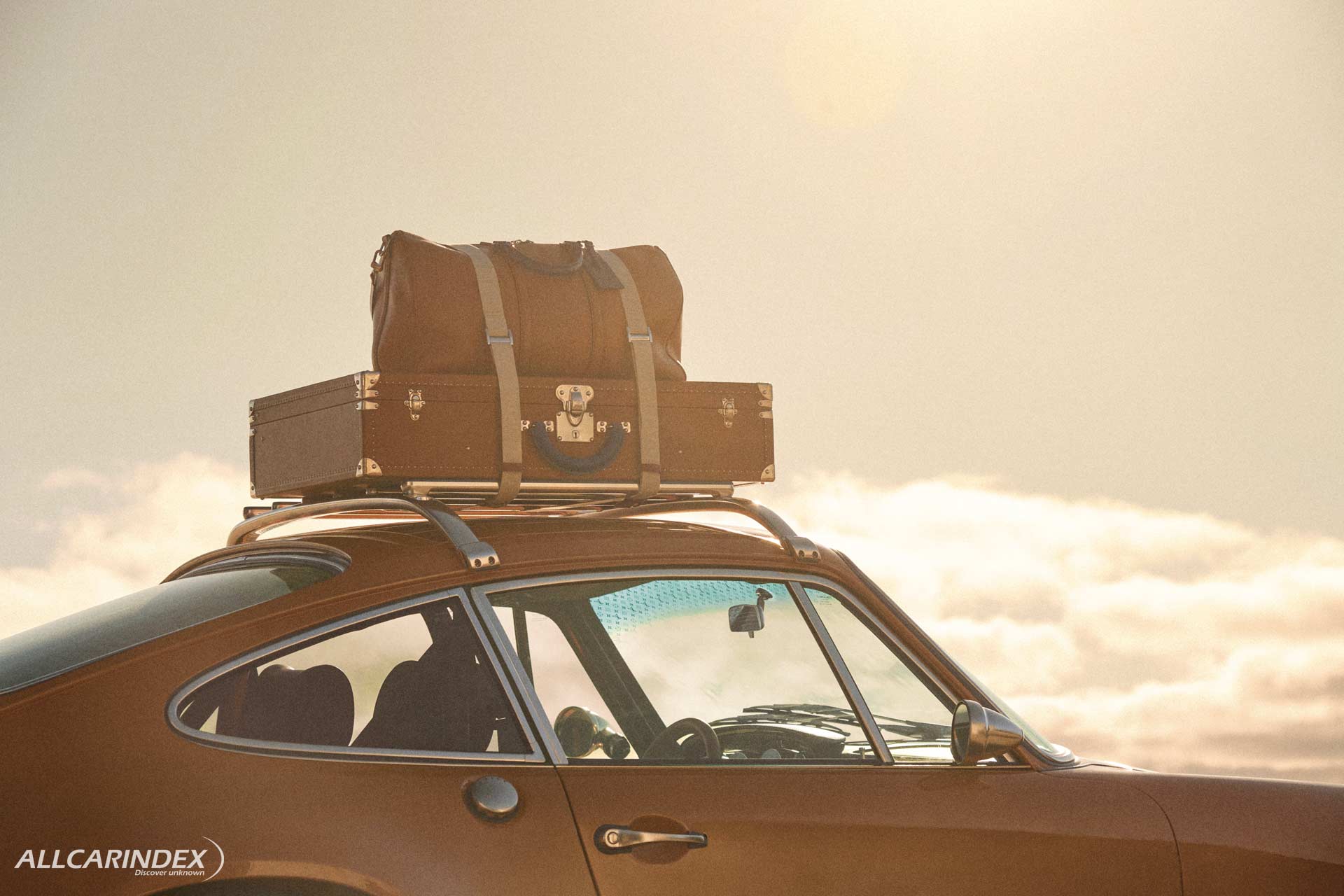
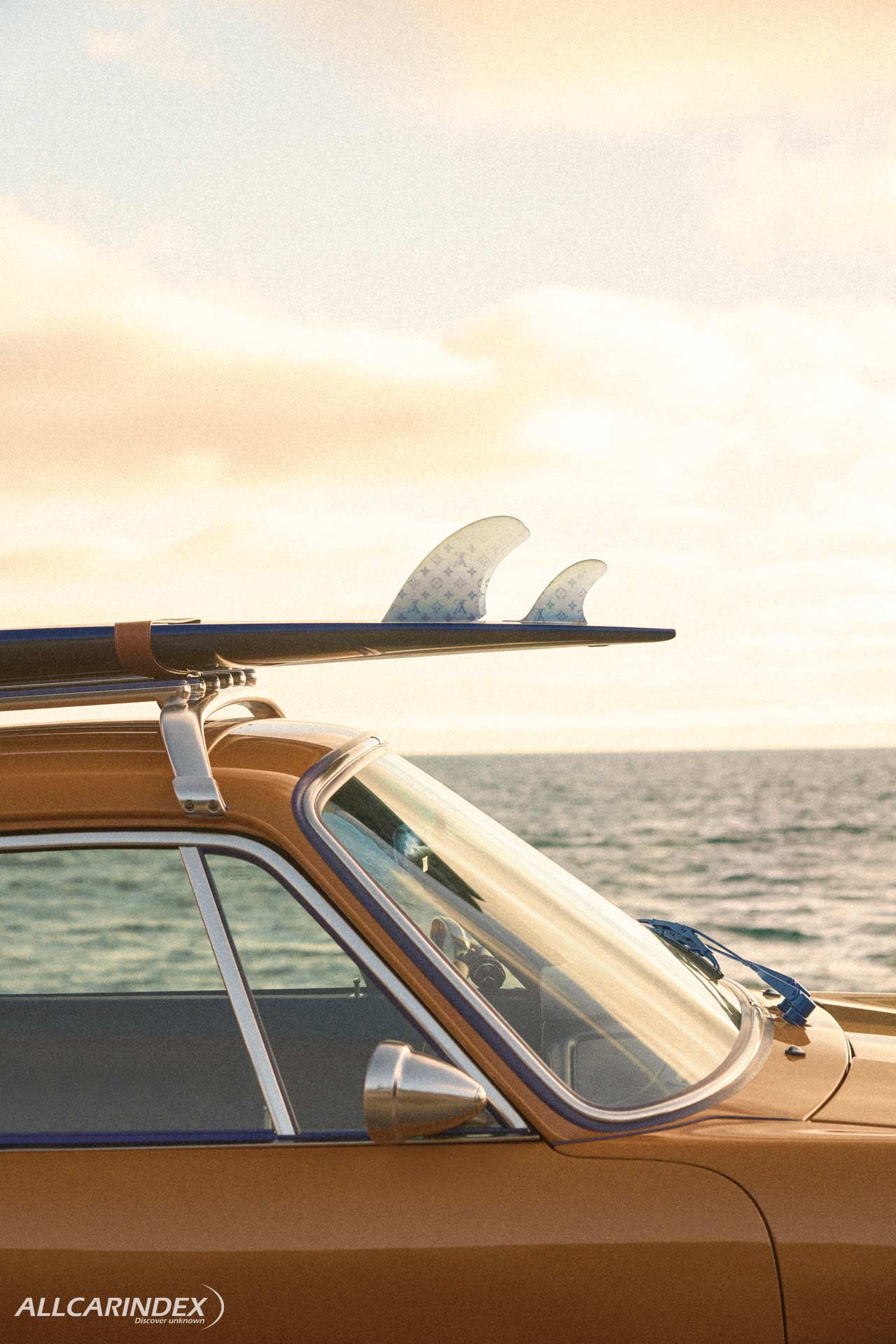
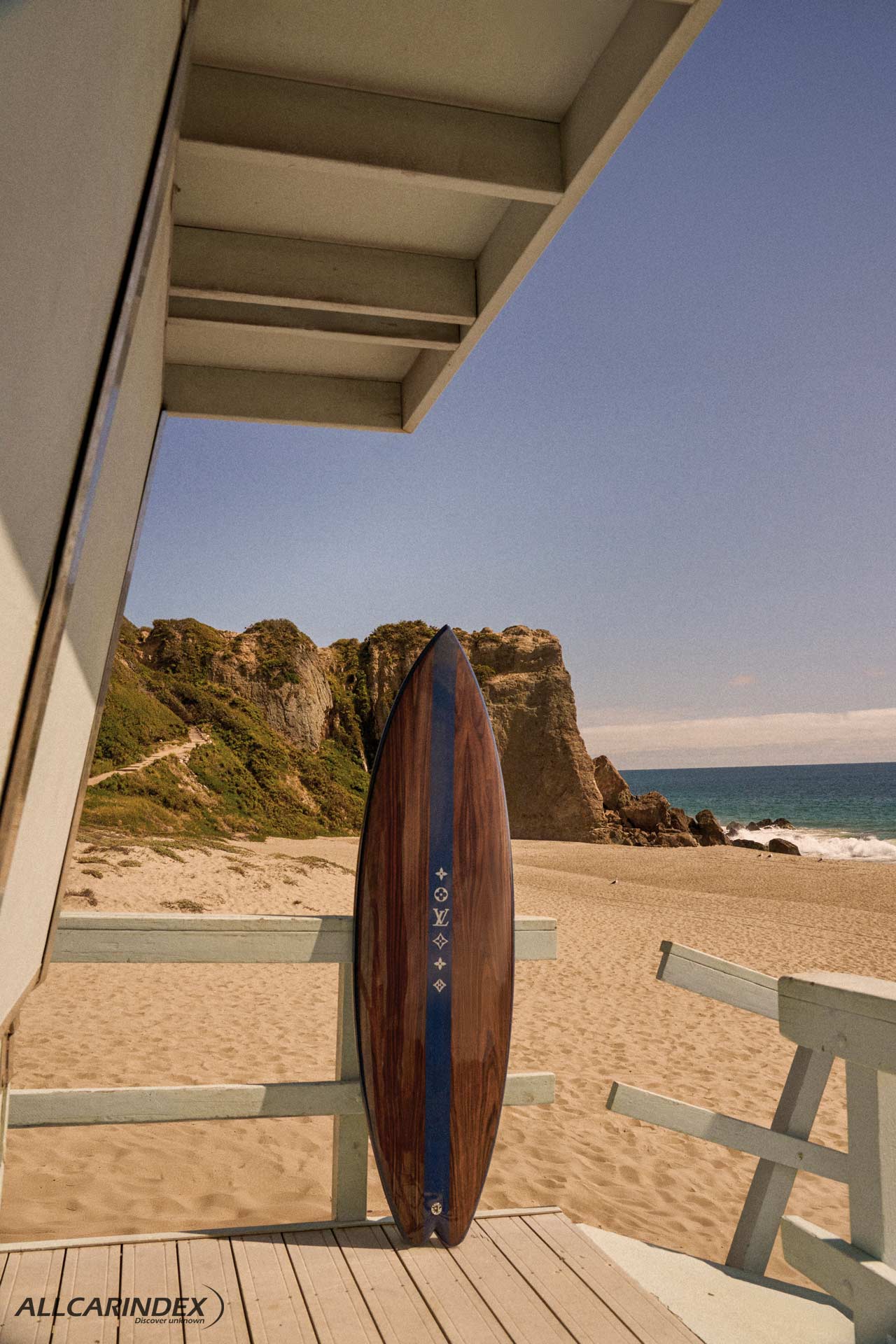
The coupé sits on a Type 964 chassis under lightweight carbon fibre bodywork painted Saffron, with a rear wing that raises itself once the car is moving quickly enough. The power aggregate is a 4.0-litre flat six, air-cooled and naturally aspirated, sending its output to the rear wheels through a six-speed manual gearbox, with carbon-ceramic brakes to stop it all. On the roof there is a rack designed for this car and nothing else, sized to take a trunk, a surfboard or a pair of skis, which says plainly enough what sort of journey the specification was written for.
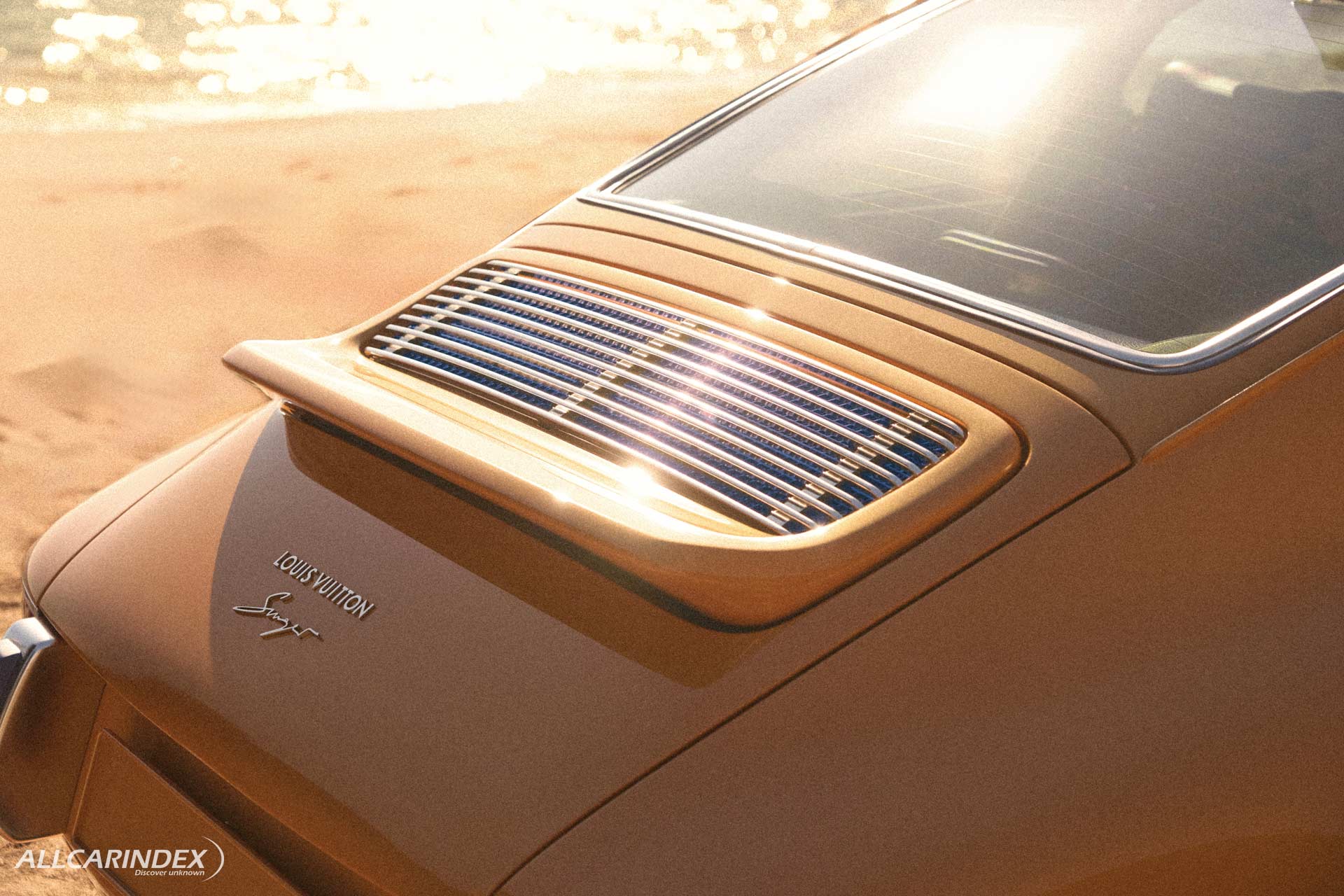
Saffron has been in the archives of the House for more than a hundred and fifty years and on its packaging for over twenty, and it lands close to Bahama Yellow, the shade tied to the earliest commissions Singer took on. It carries a second reference, to the trunks the House built for Citroën in 1924, cases that already had cobalt blue reinforcement inside them, which is where the two tones on this car come from. The yellow appears once more as the thread of the saddle-stitching used on the leather goods. Racing has identified its entrants by colour since 1900, when the Gordon Bennett Cup handed the competing nations their own, and this car answers that with cobalt blue demonstration tyres, taken from the handles and ribbons of the House packaging. The grille over the rear engine intake hides a geometric motif built out of the two initials.
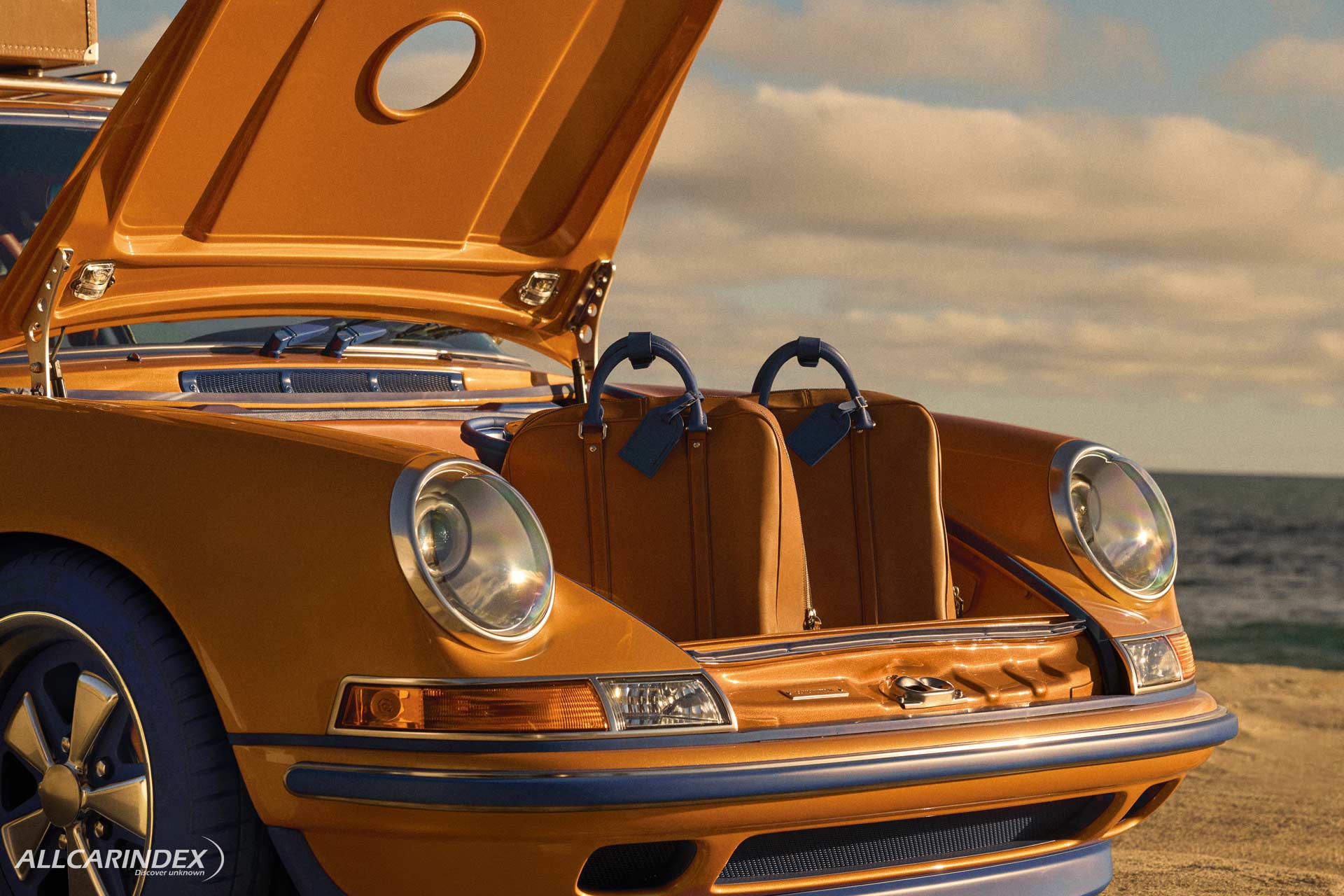
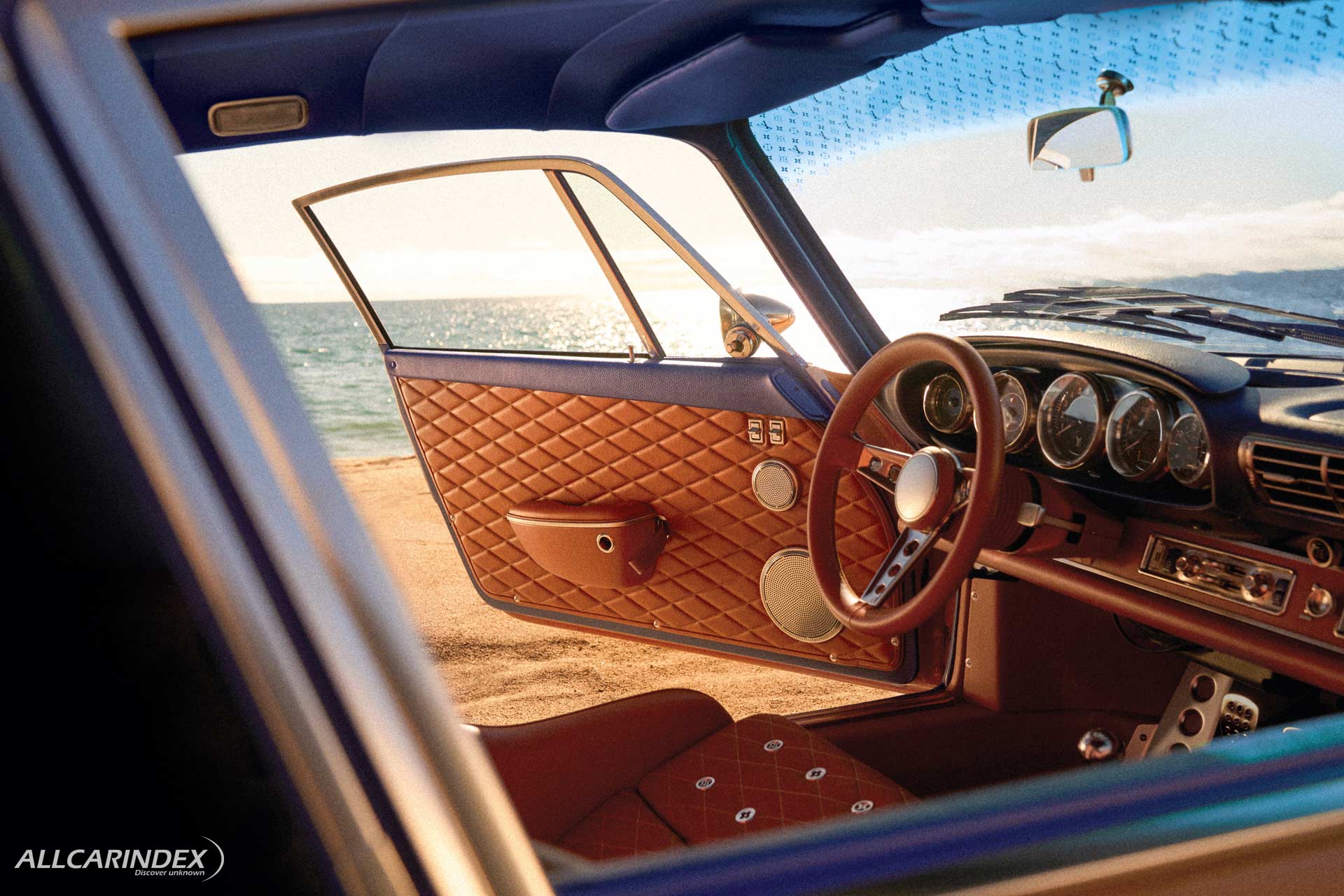
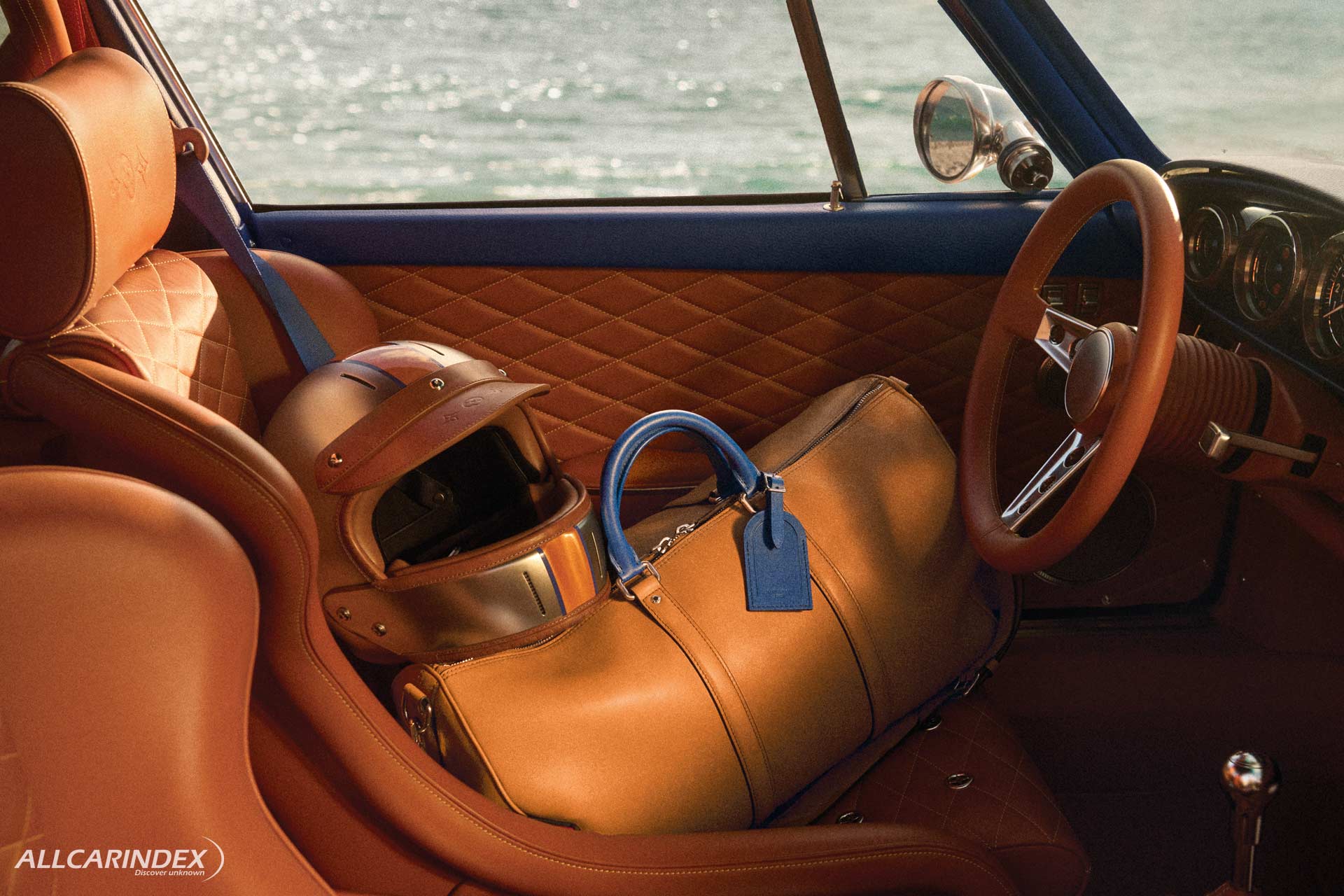
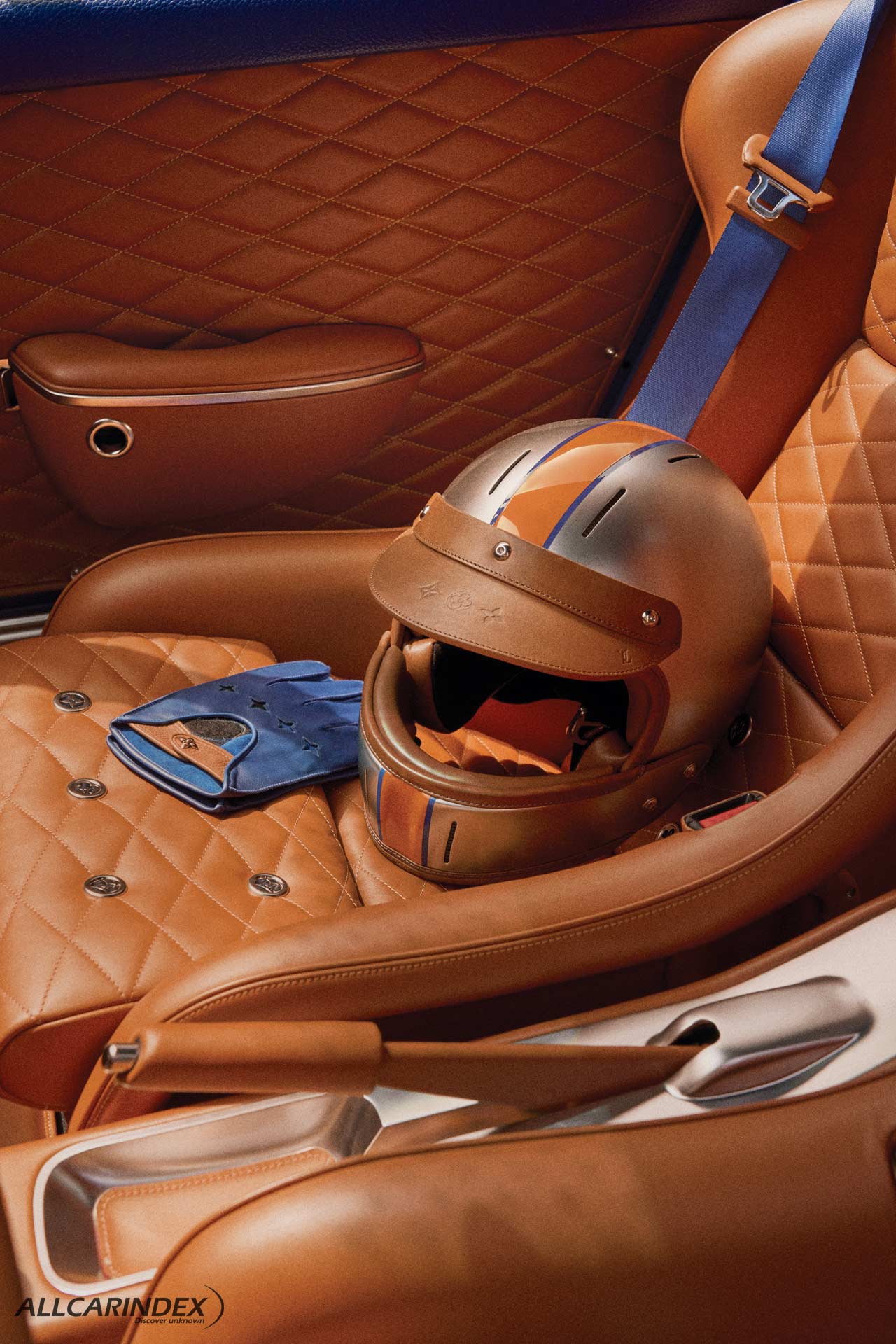
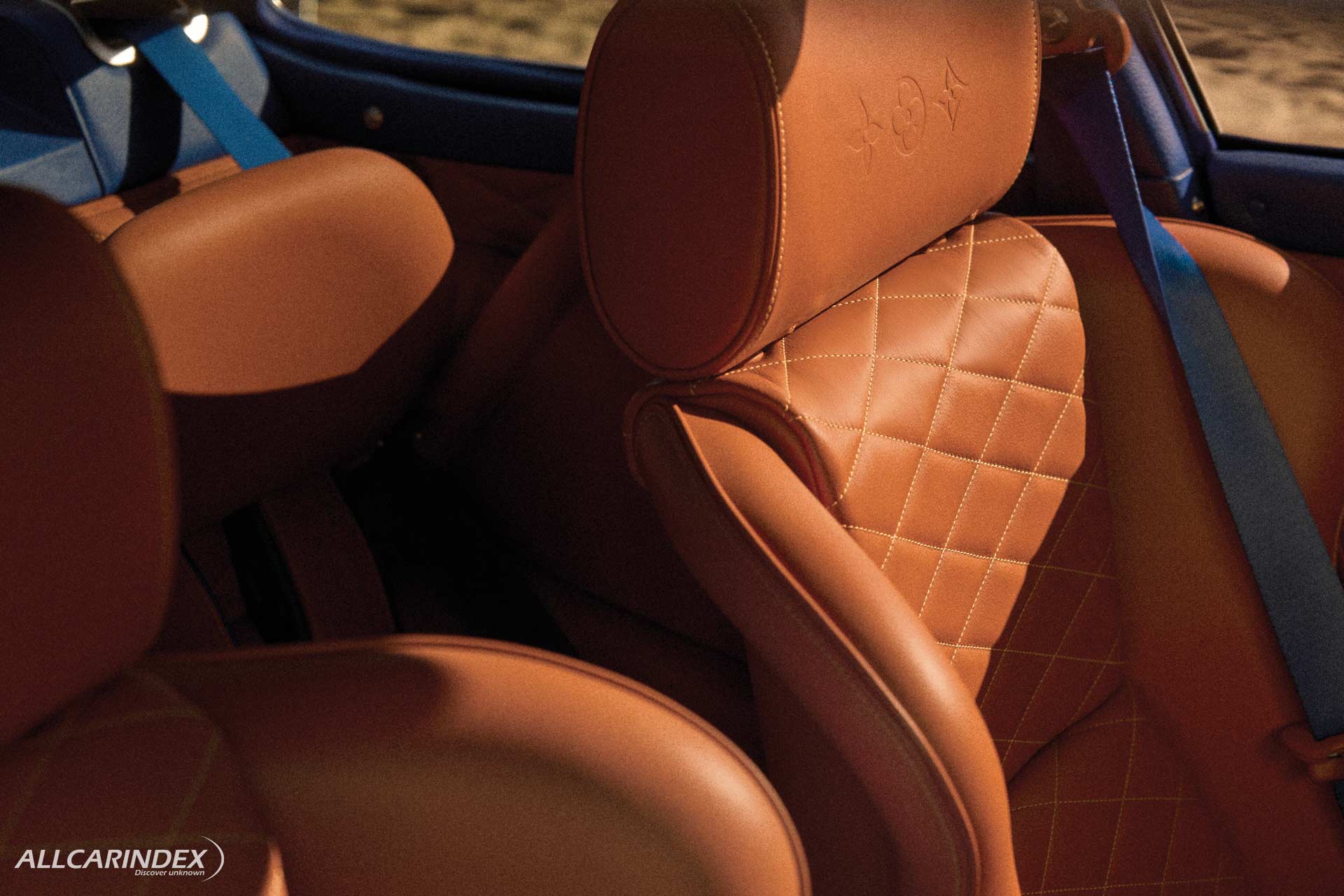
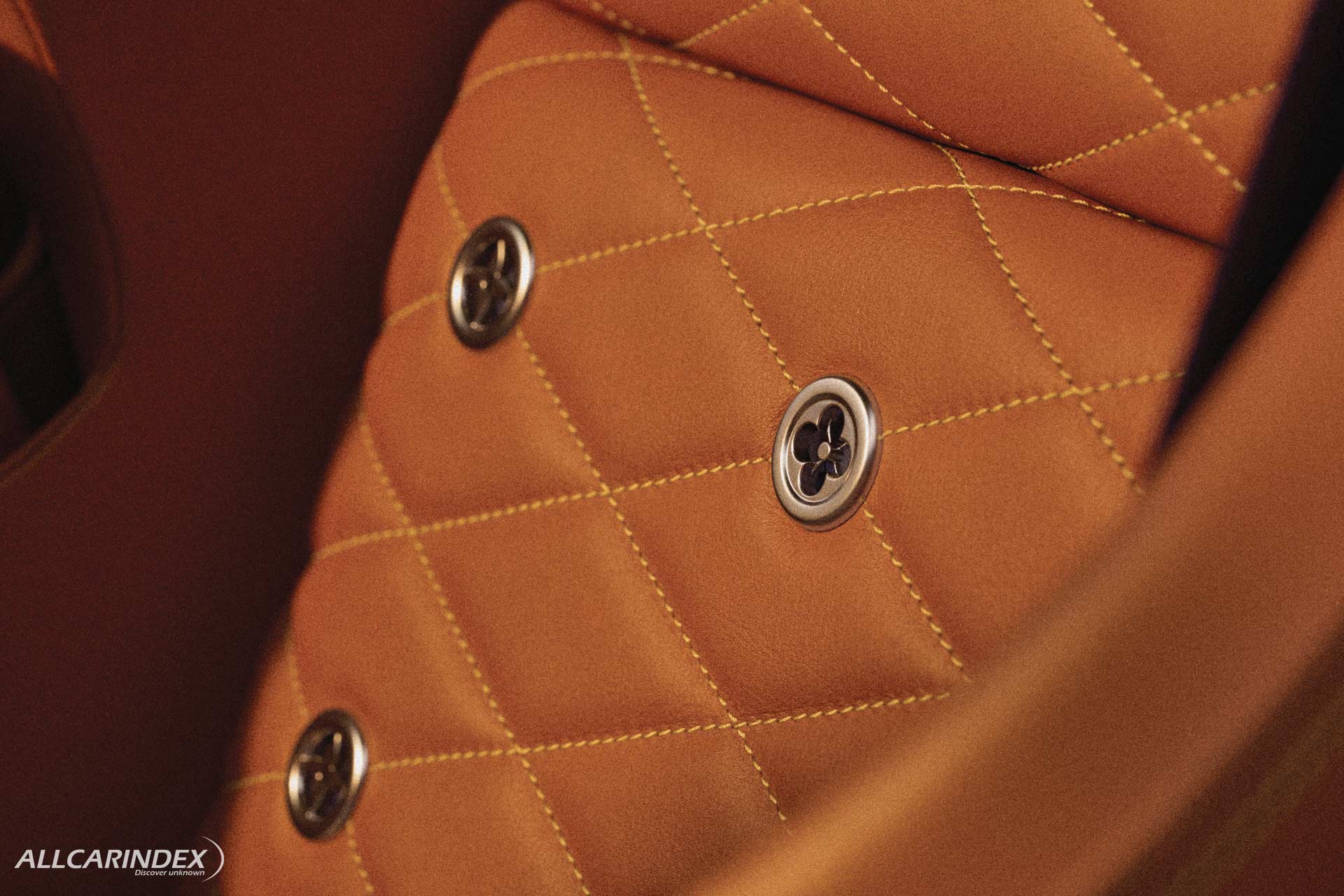
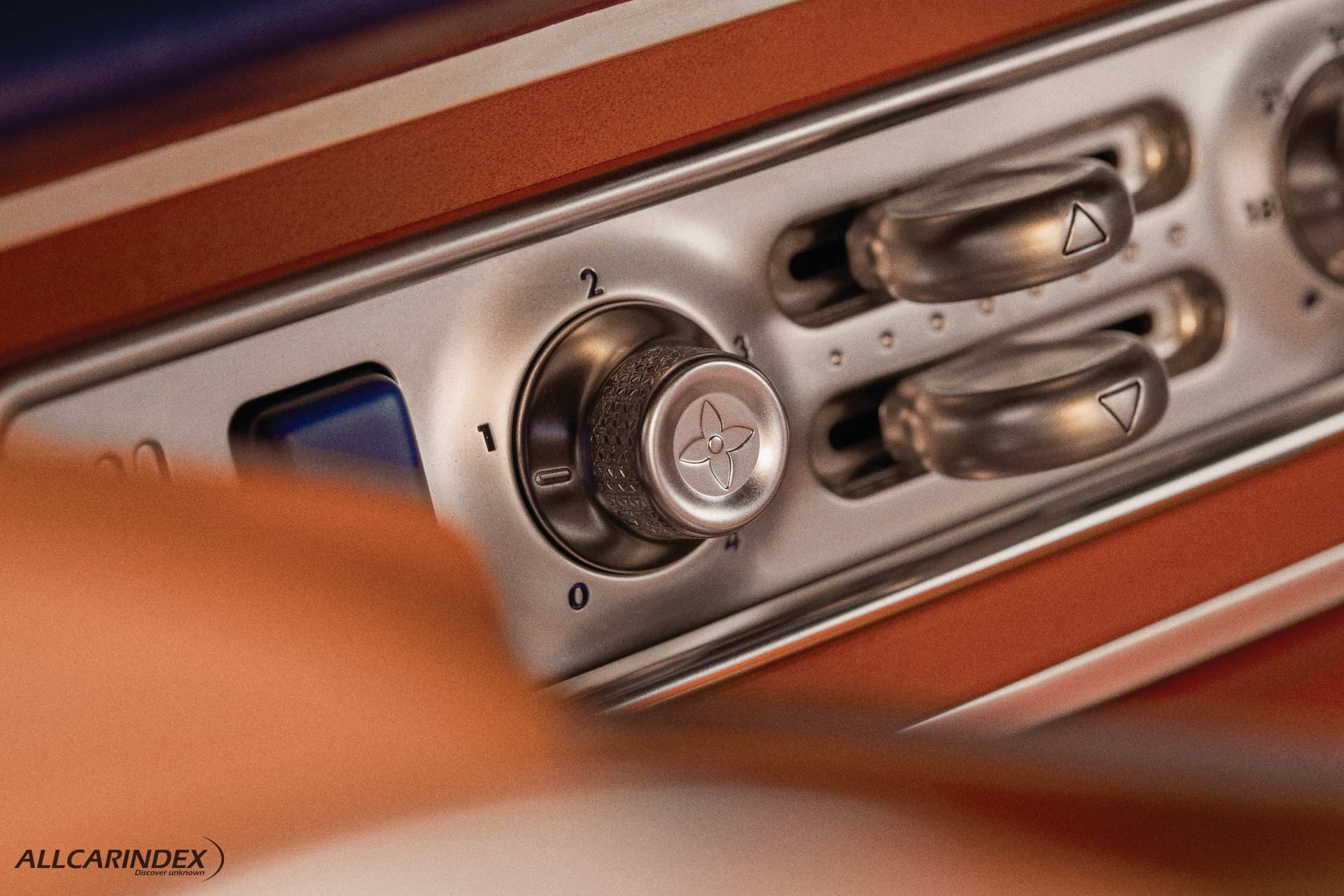
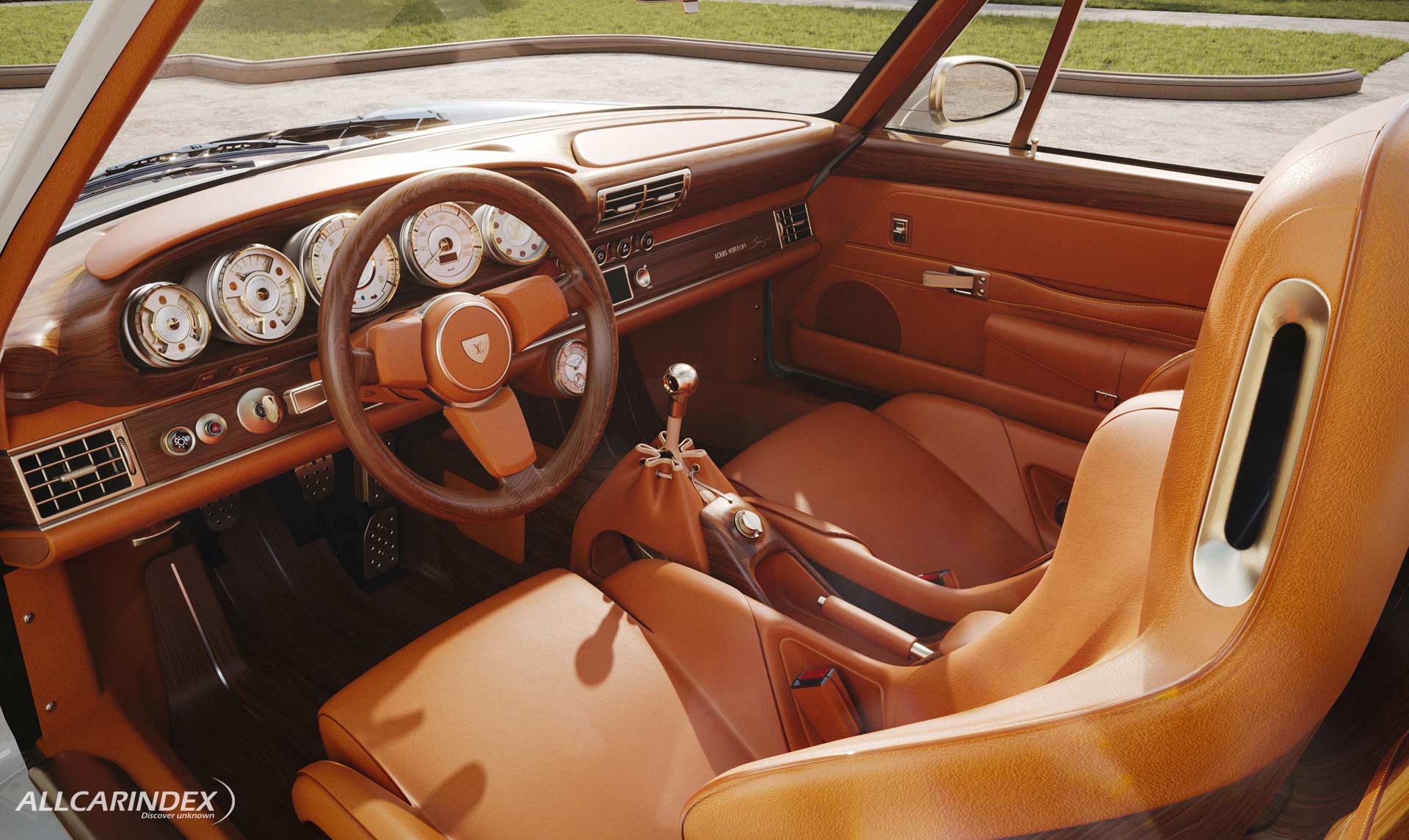
Inside, the cabin is trimmed in leather of a natural shade drawn from VVT, the leather used for handles, shoulder straps, edging and labels on the luggage and on the coated canvas bags. The artisans of the House chose the hide for the seats themselves and matched its appearance and colour to that trim, and the leatherwork was then executed by the Singer team. Next to this come the details that take the time. Door handle edges are finished with the same edge-dyeing the House uses on its bags, the stitching is yellow, and a diamond embossing runs across the seats, the front boot trim and the engine compartment at the back, which is the malletage pattern from the inside of a Louis Vuitton trunk. The ventilation eyelets in the seats are made and finished one by one by hand and each carries the Monogram flower, a motif that reappears on the sun visor and on the headrests.
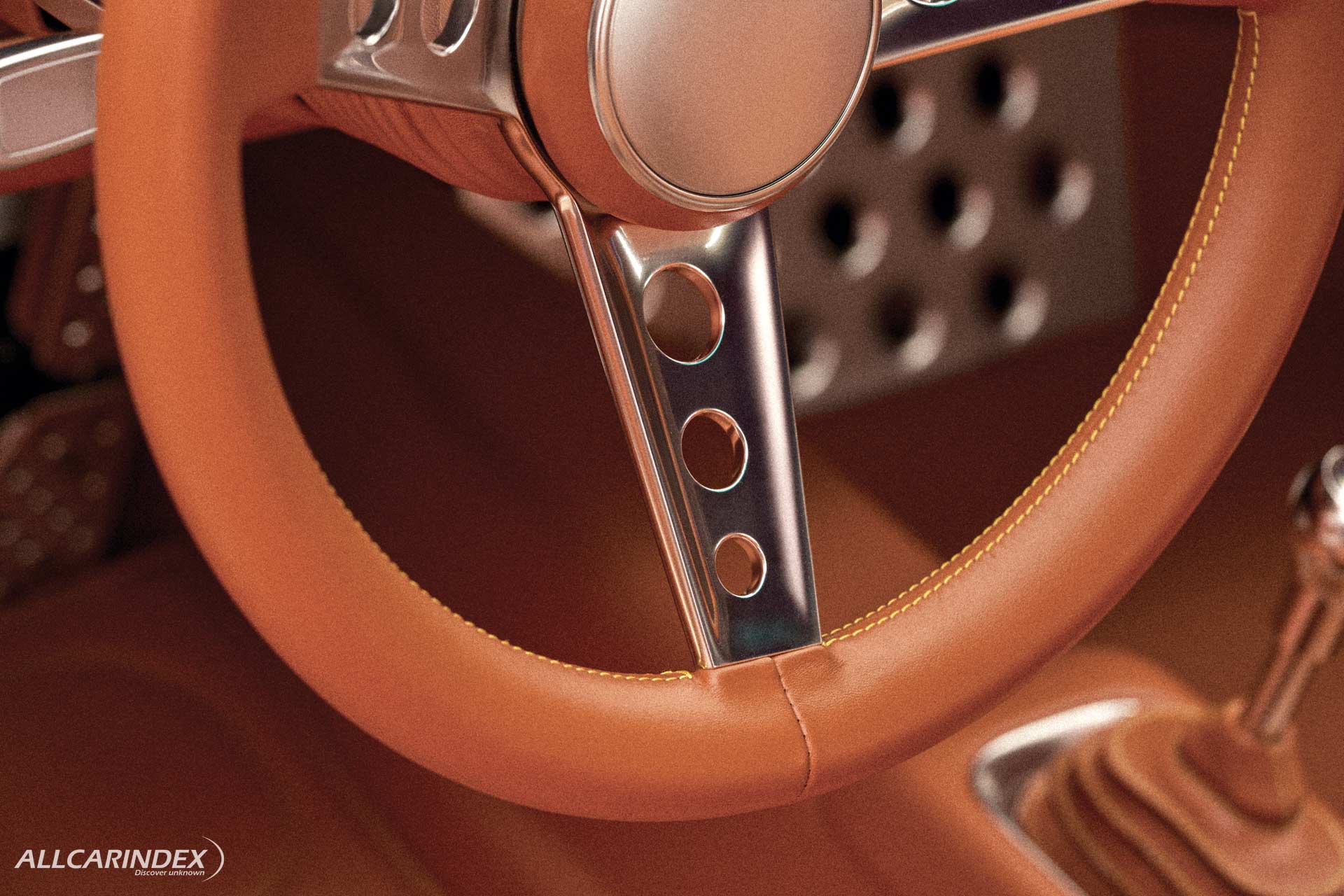
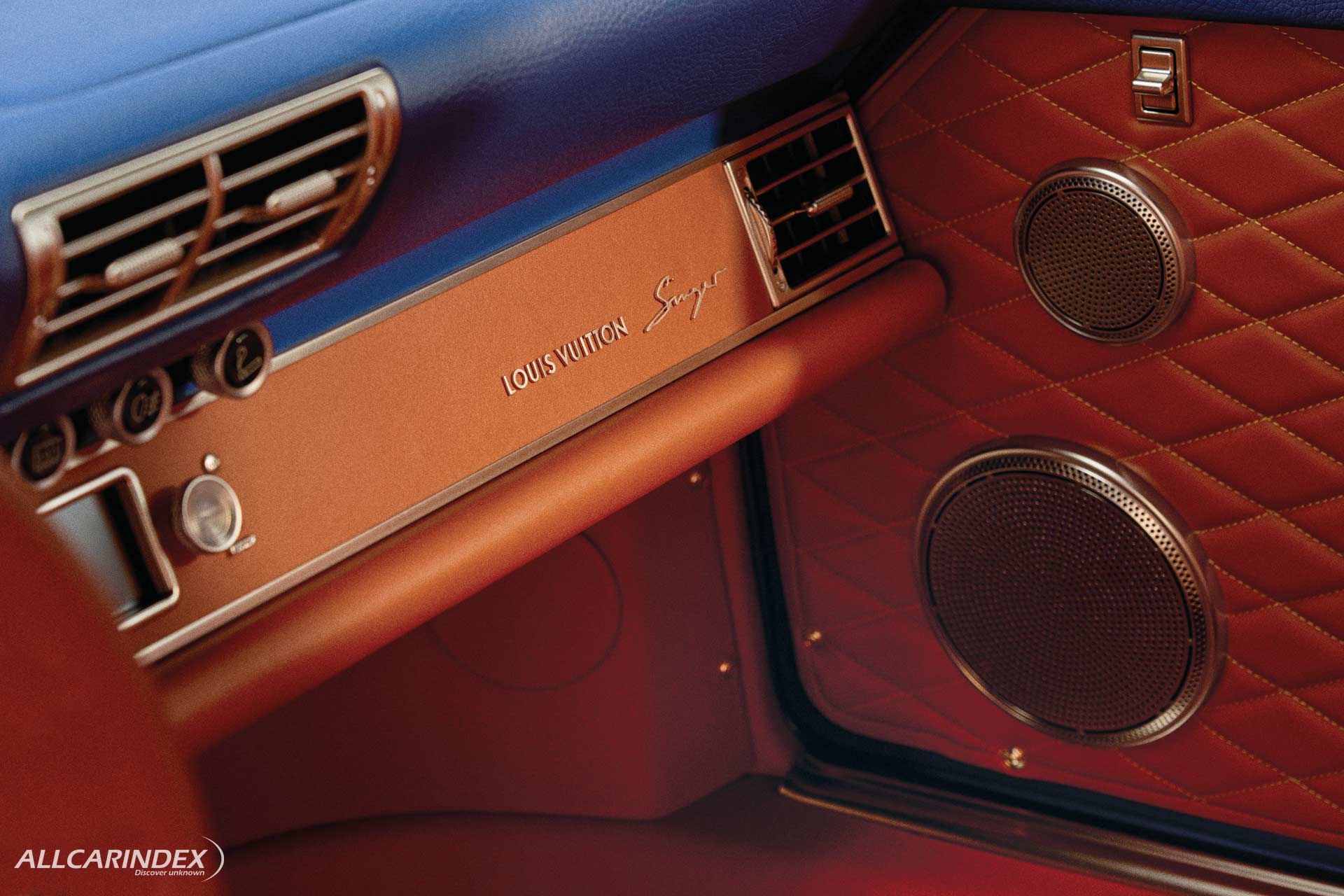
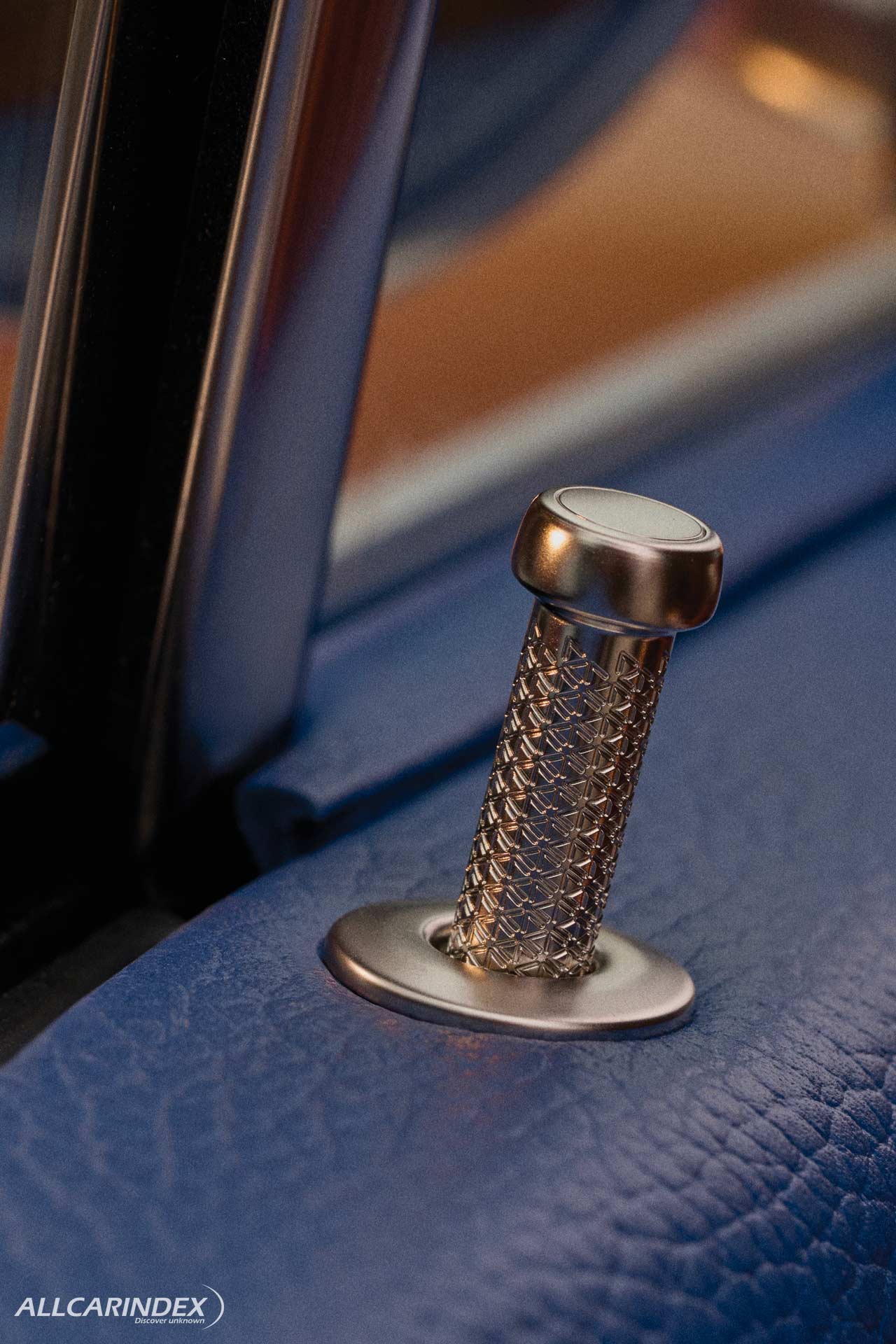
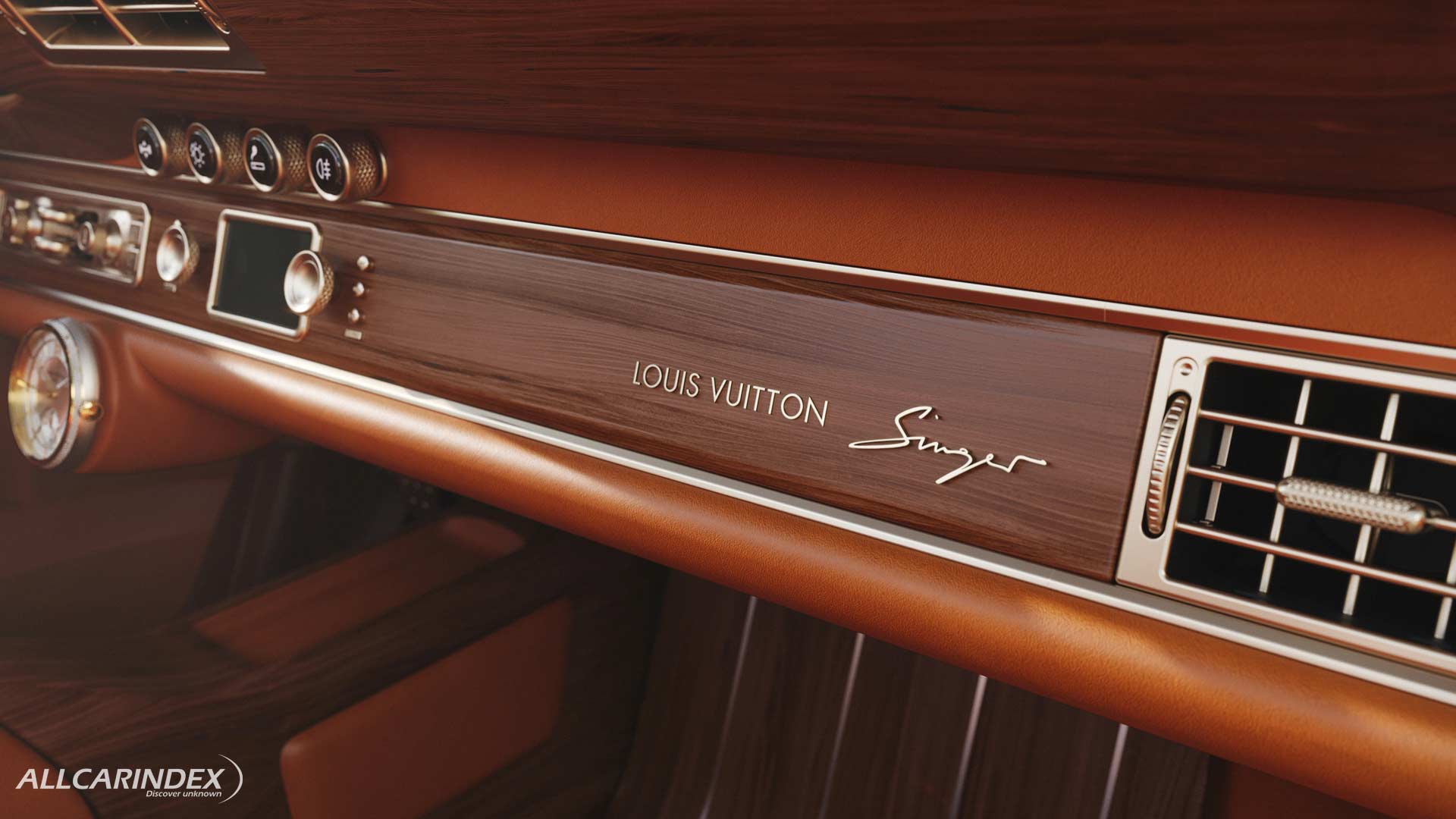
The plastic fittings that a normal car interior is full of have been thrown out and replaced by hand-made parts in premium natural materials. No plastic at all. Knobs, switches, locks, pull-tabs and air vents are metal, most of them rhodium-plated and worked by traditional artisanal methods, each piece hand-finished the way a component of a fine watch is finished, with the polishing and satin-finishing chosen for how the light would sit on it and how it would feel under the fingers, and with the colours brought up by anodising or by electroplating. Mr Octave Chany, Project Lead Designer at Singer, puts the scale of it plainly: "Every transition between materials, every metallic reflection, every knurled surface, every mechanical interaction and every graphic element has been meticulously considered, often at an almost microscopic level." The same discipline reached the mechanical parts of the engine, and the fuel and oil caps carry the typography that appears on the watch components of the House.
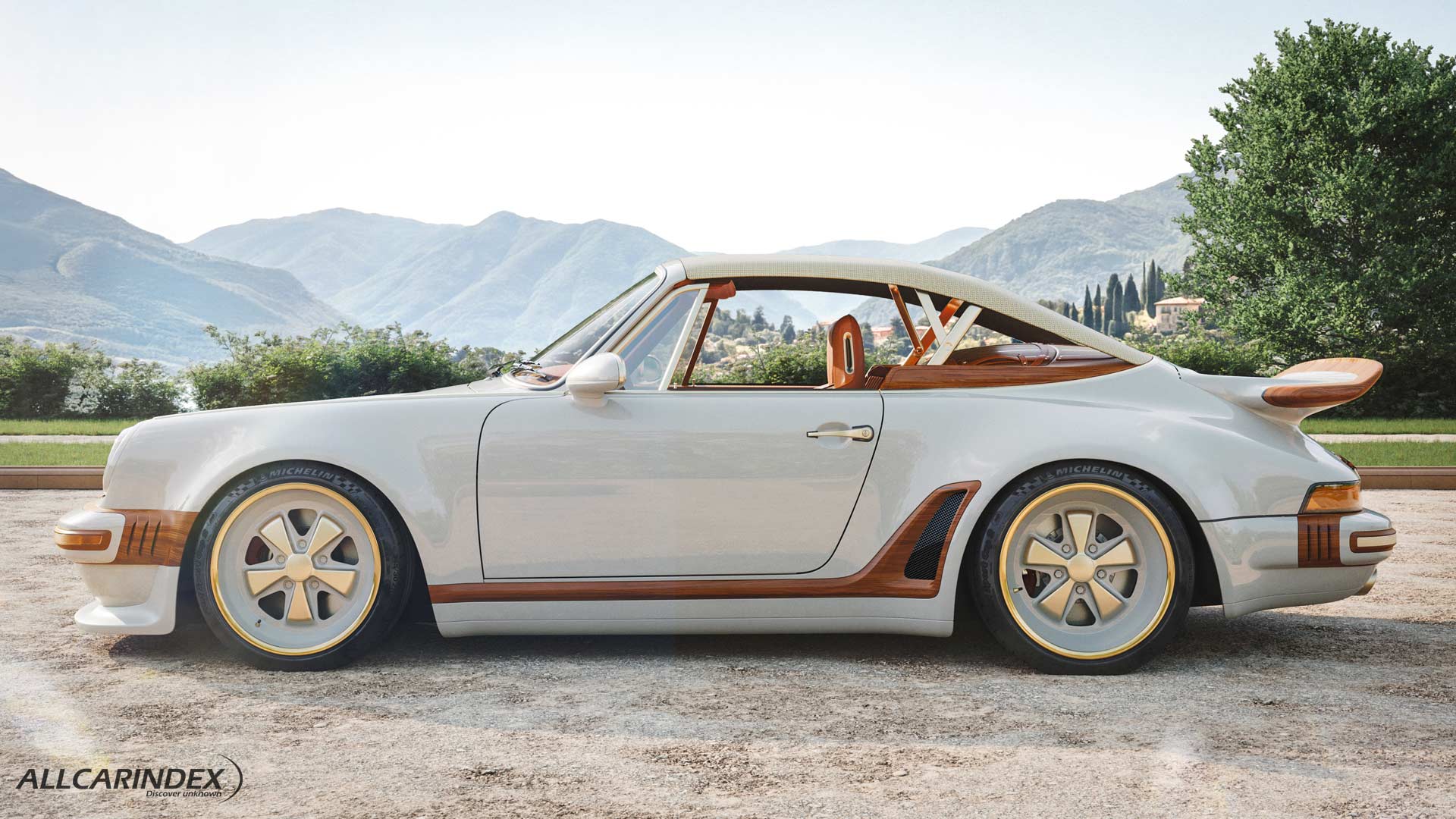
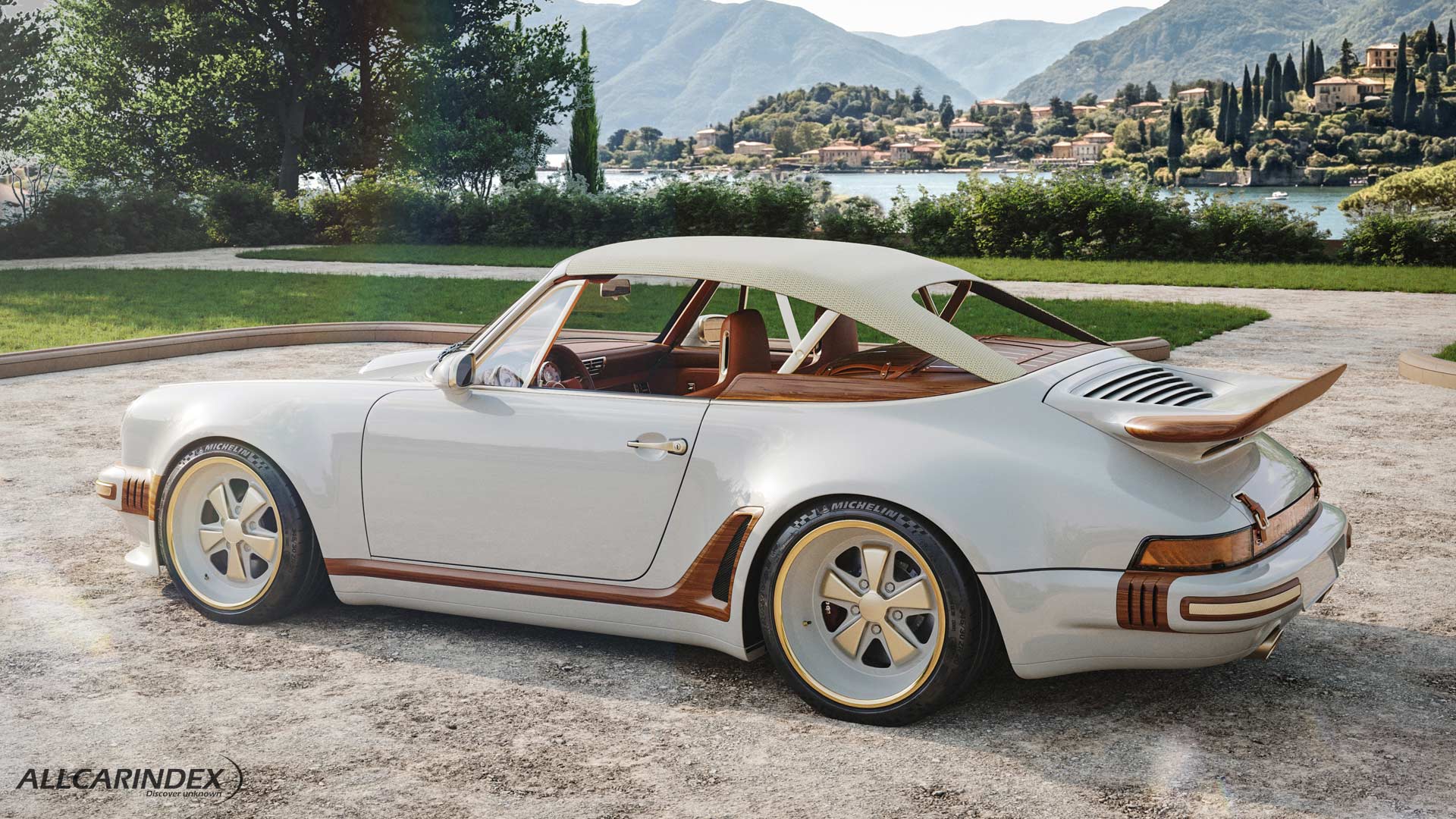
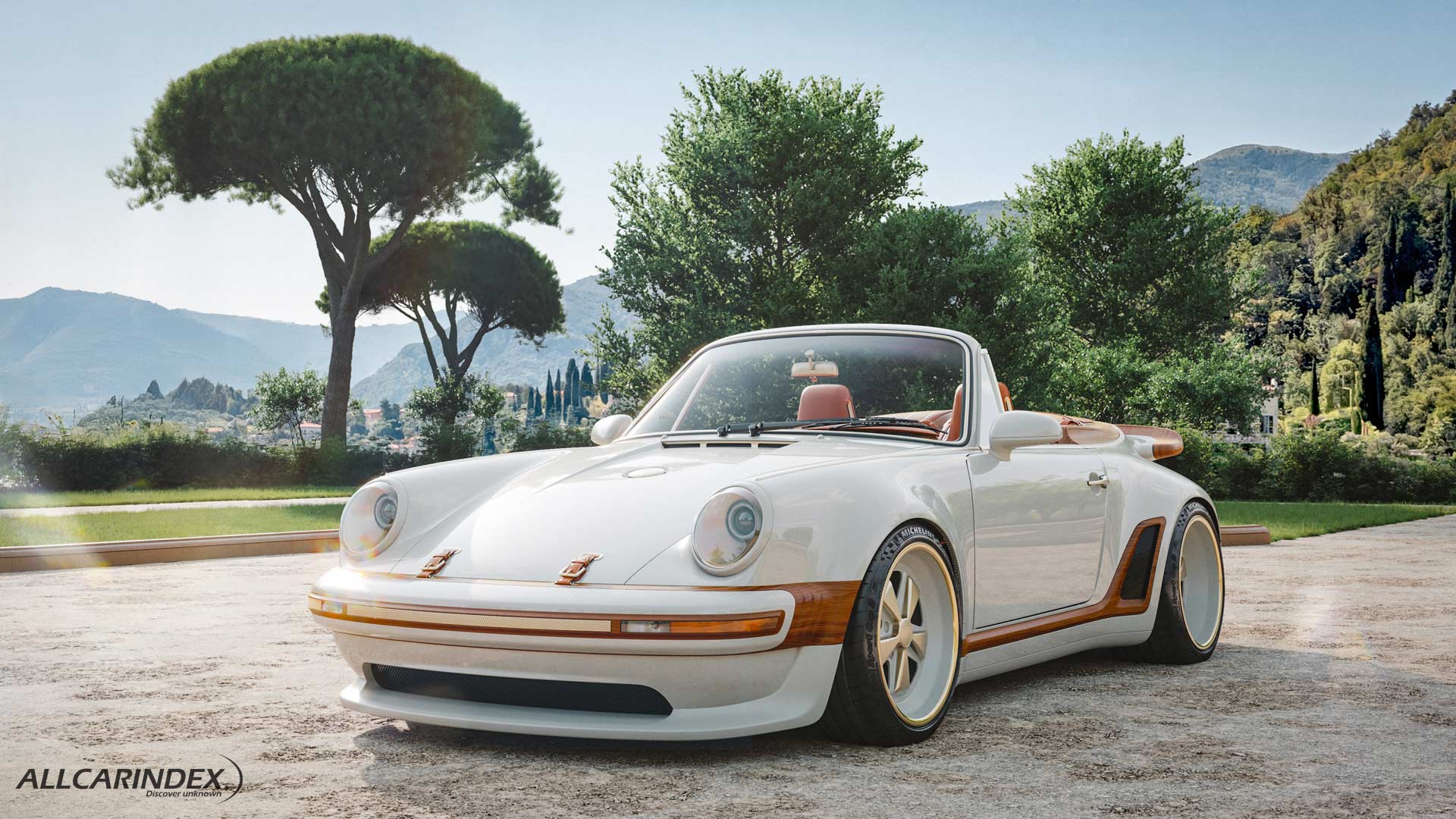
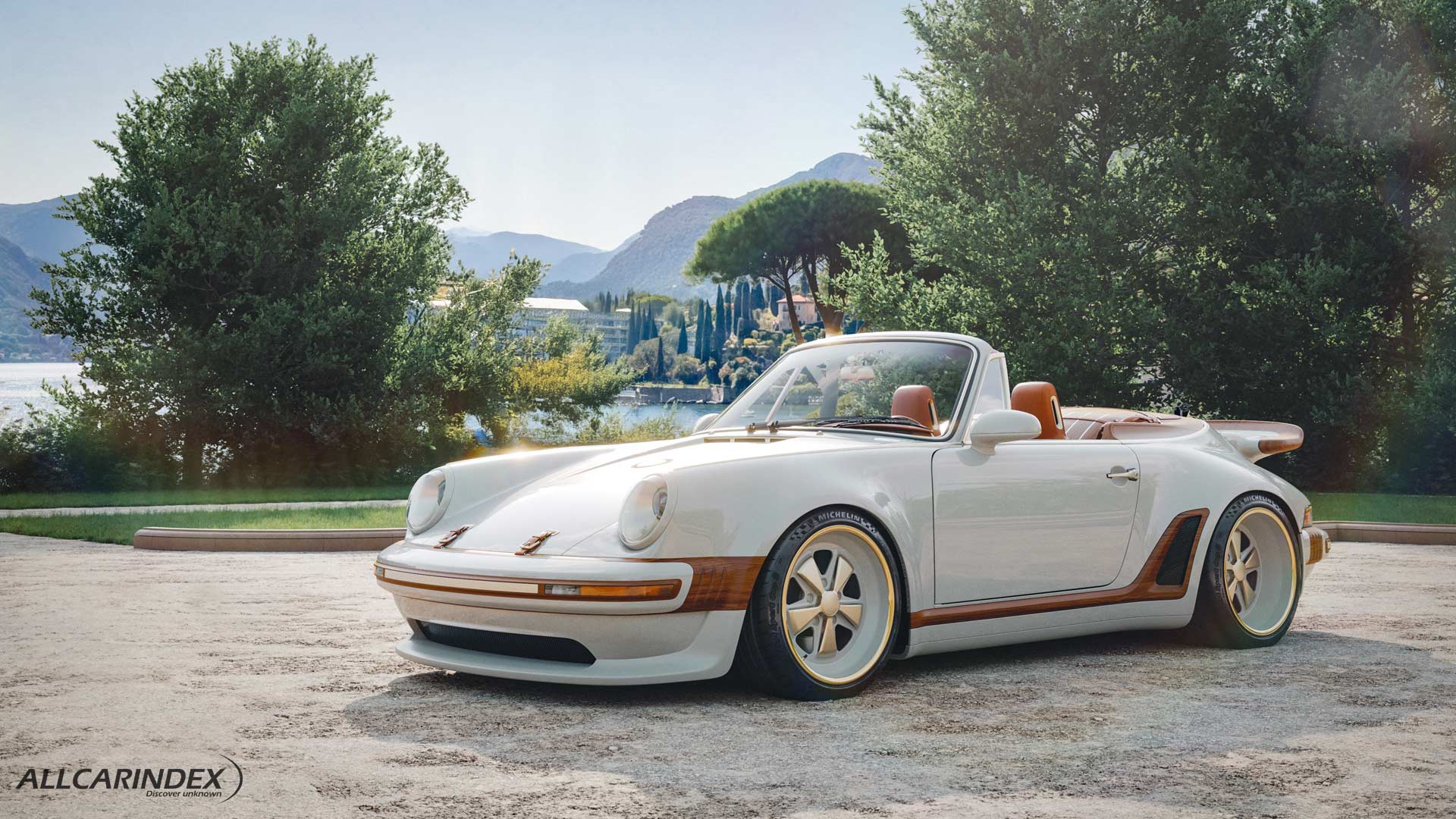
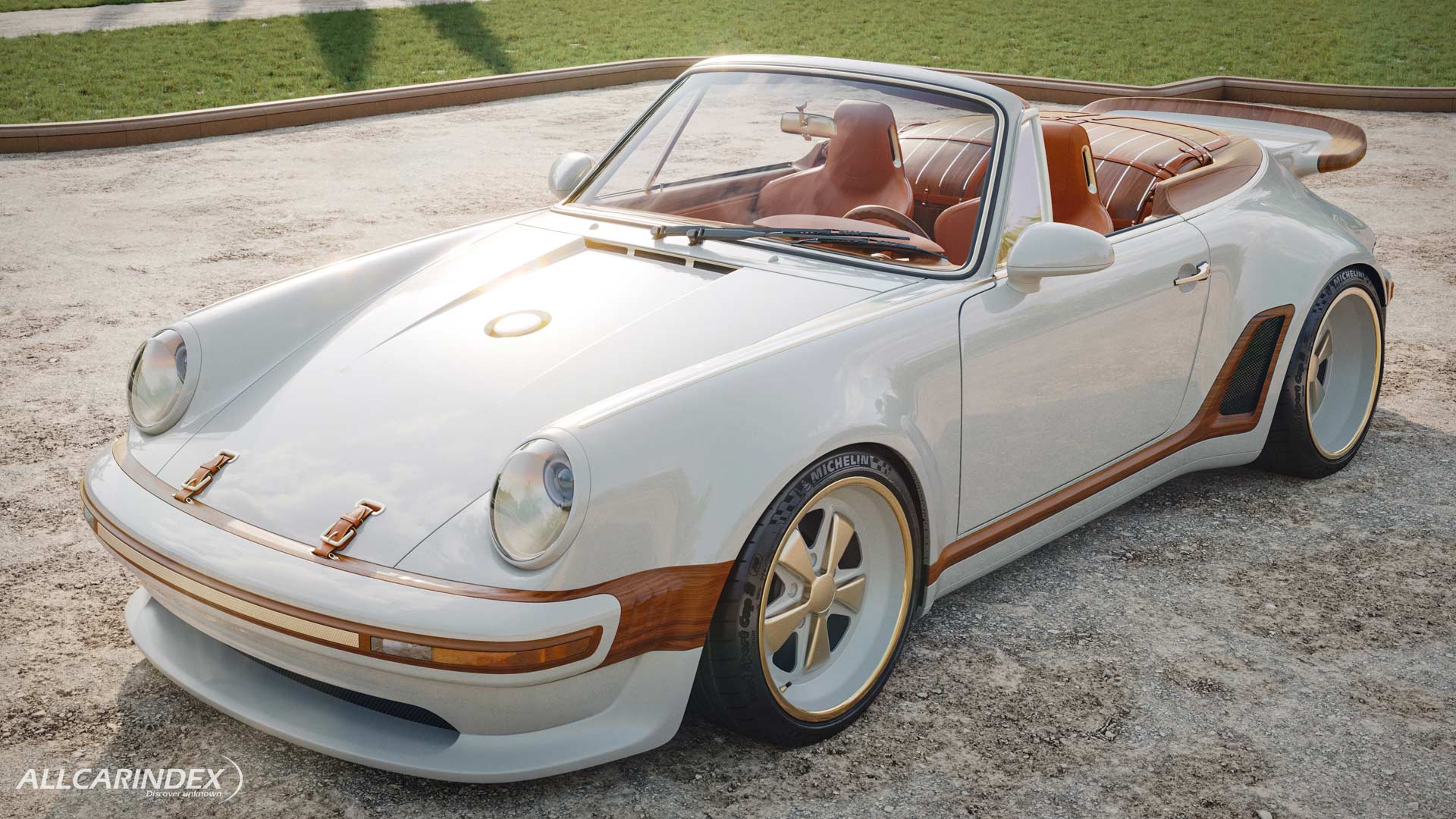
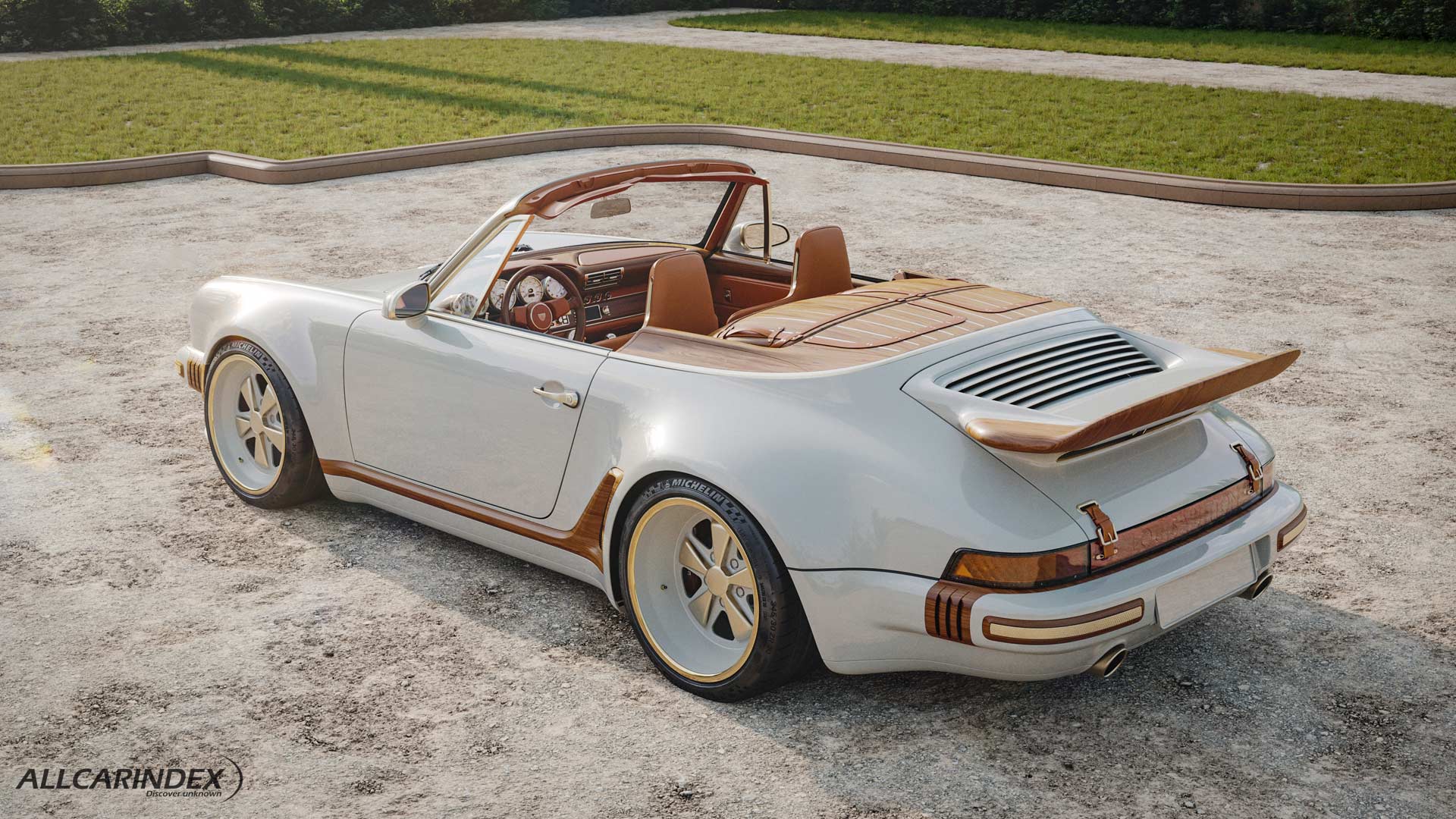
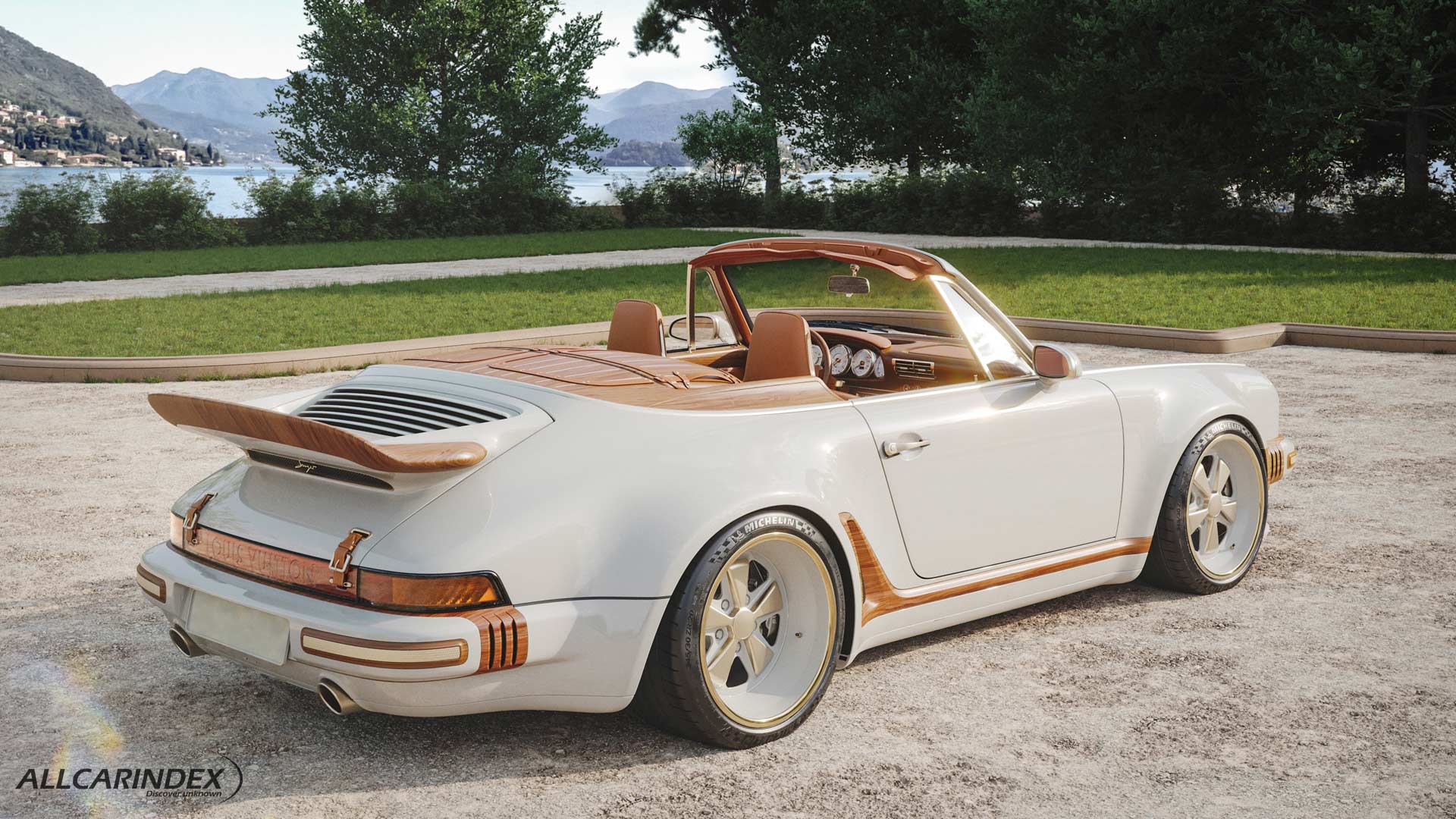
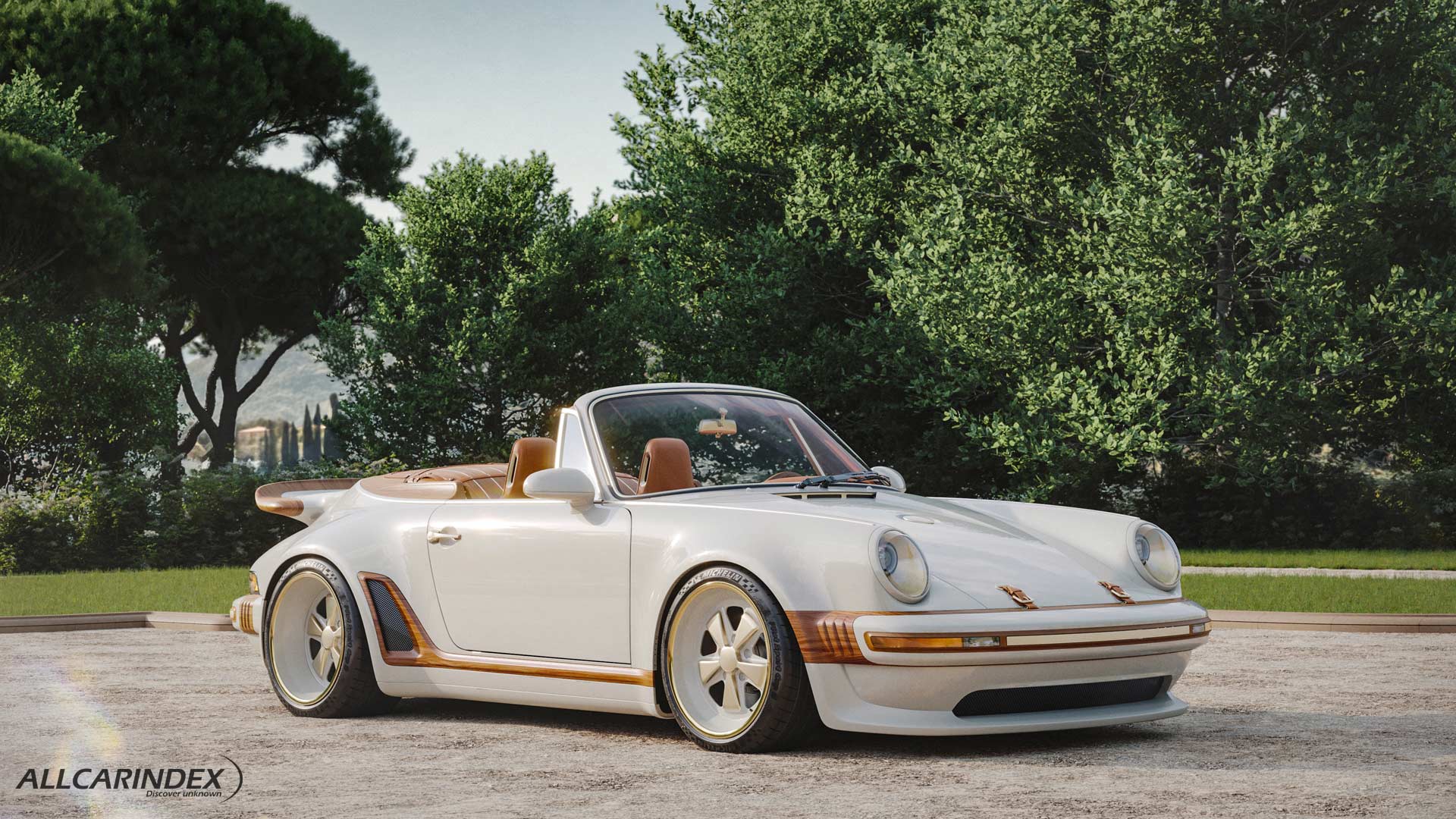
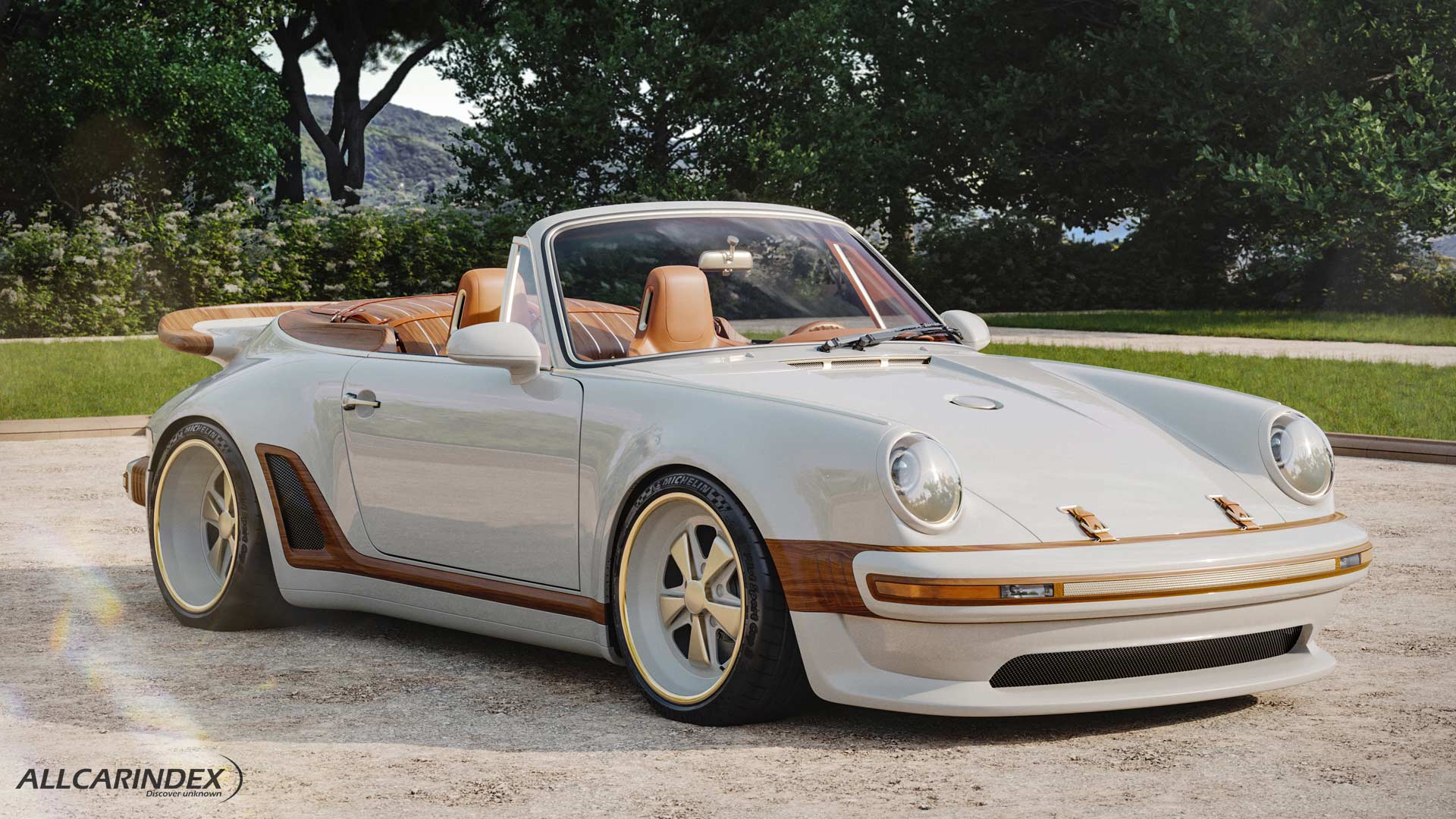
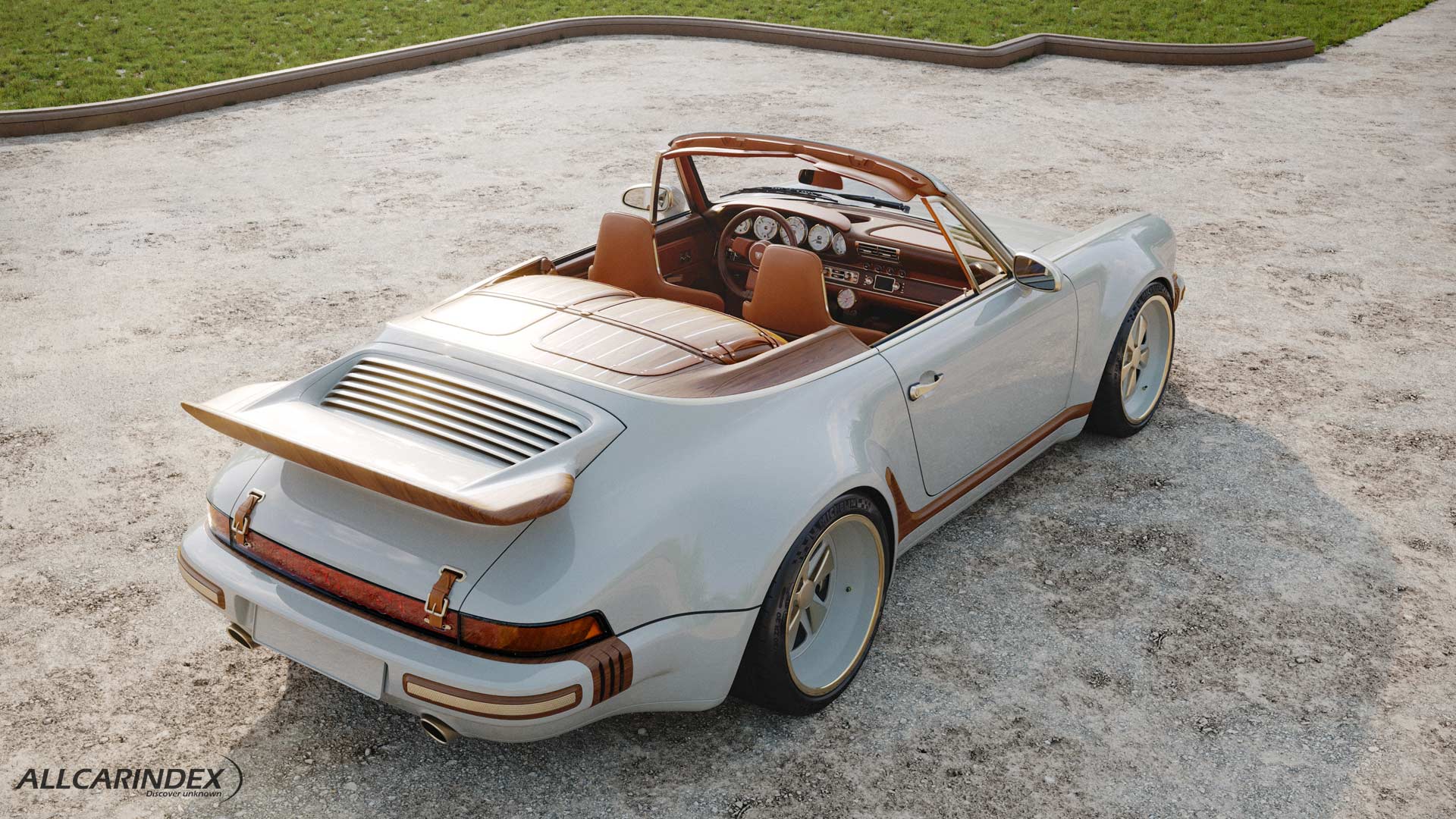
With the coupé finished, the work carried on into a second car, a turbocharged cabriolet led by Mr Nicolas Ghesquière, Artistic Director of Women's Collections at Louis Vuitton. "Automotive design is a passion that has always lived within me," he says of it, and the car he wanted was an open one, in contact with the sun and with the world outside. The choice made itself. Underneath, it is a Type 964 cabriolet chassis with lightweight carbon fibre bodywork in Calcaire Lutétien white and a whale tail at the back, the engine a twin-turbocharged 3.8-litre flat six, intercooled air-to-water, again a six-speed manual and again rear drive, with carbon-ceramic brakes and selectable drive modes added.
Calcaire Lutétien is the white limestone that Paris is built from, the historic headquarters of the House at Pont Neuf above the Seine among the buildings made of it, and the white is broken by touches of brown, by the natural tones of leather and wood, and by gold applied in small quantities like jewellery. Wood is the theme of this one, worked into components all over the car and even into the bumpers, which was a much complicated exercise for the designers and engineers involved. At the back, a luggage compartment opens from the rear onto a wooden deck finished in the manner of teak, carrying on the conversation with the classic motorboat. Behind the seats there is a second compartment, developed for the shape of this car, in varnished wood laid the way a runabout deck is laid, with room for the luggage cut to fit and for the light soft top. Wood panelling lines the rear engine compartment and the front boot, and in the front boot sits a trunk of three cases that slot together.
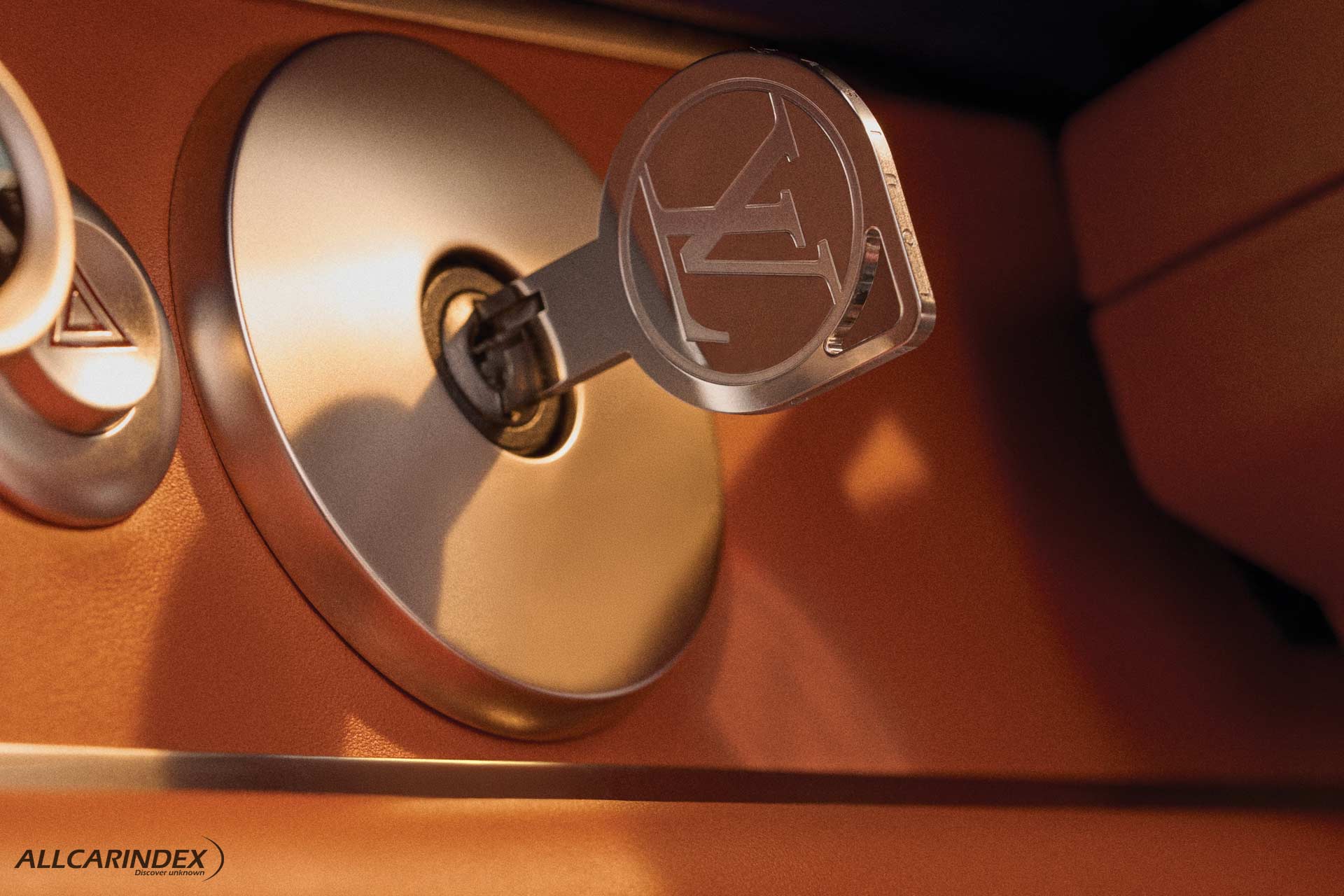
The clock does not sit behind the steering wheel in this car. It has the middle of the console instead, on natural leather, surrounded by gauges in warm gold, its dial mixed to the exact shade of the paint outside and the ignition key finished in gold to match. The signature of the House is written across the dashboard and repeated after dark in the tail lamps, while a leather patch on the steering wheel, one of Mr Ghesquière's own habits, says the same thing more quietly. Every functional element here is metal too, finished to the standard set on the coupé. Under the clock, the trim around the gearshift takes the silhouette of the Noé through a drawstring in natural leather, and leather straps with pin buckles hold down the front and rear lids, a detail borrowed at once from motorsport, from trunk making and from watch straps.
Through all of it the brief stayed the same, and Mr Chany states it without decoration: "It was important to remain faithful to the idea of a functional and useful vehicle." What had to survive was the handling and the technical integrity that define the Californian company's work, and what had to be expressed was the notion of travel the House has been selling since 1854. So the roof rack still takes a trunk, the front boot still swallows a case cut to its shape, and the leather straps still buckle down over the lid, in the same manner as a Vuittonite trunk once strapped to the tail of a car and dyed to suit its body. Only this time the colour travelled the other way.