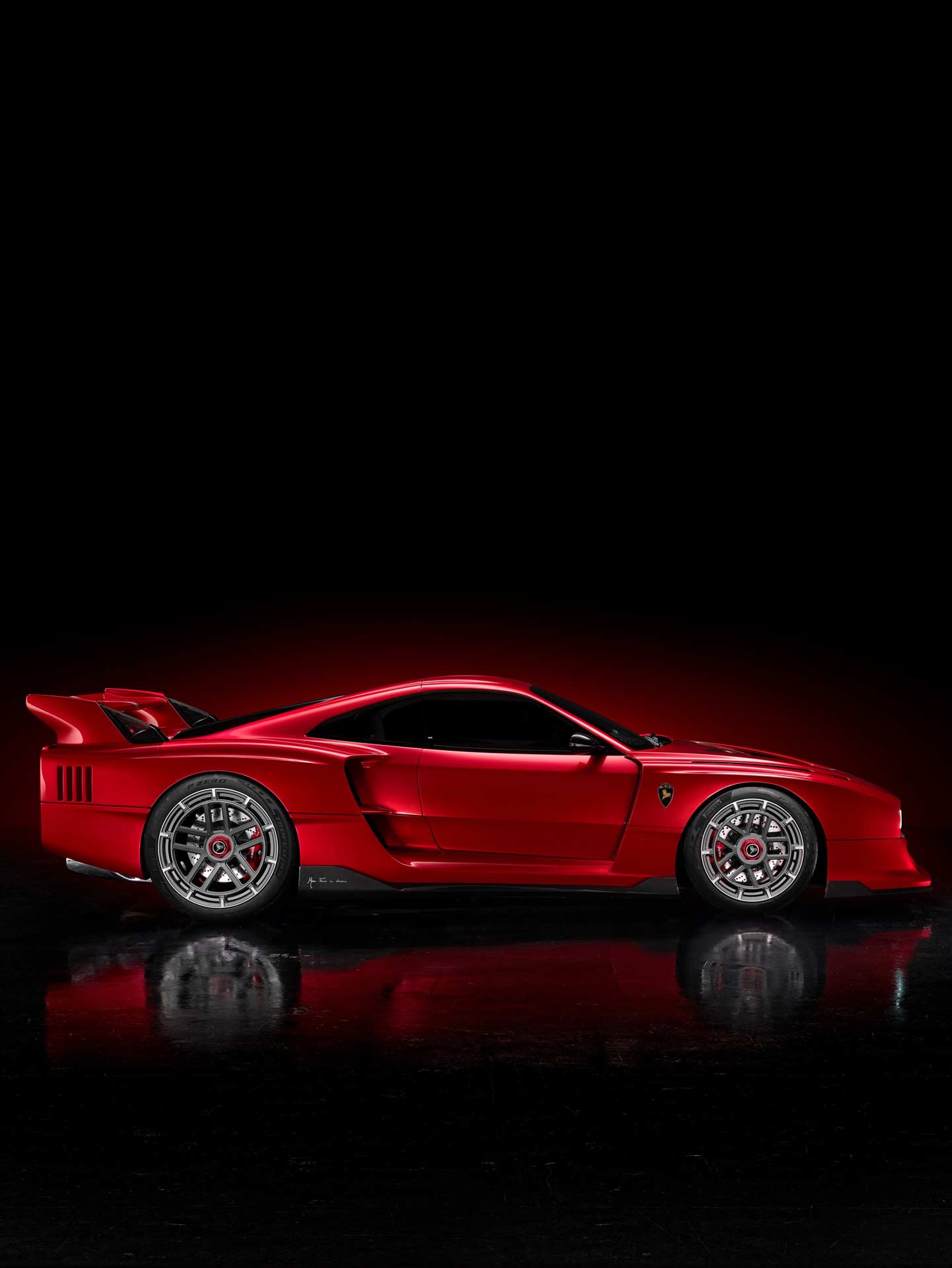
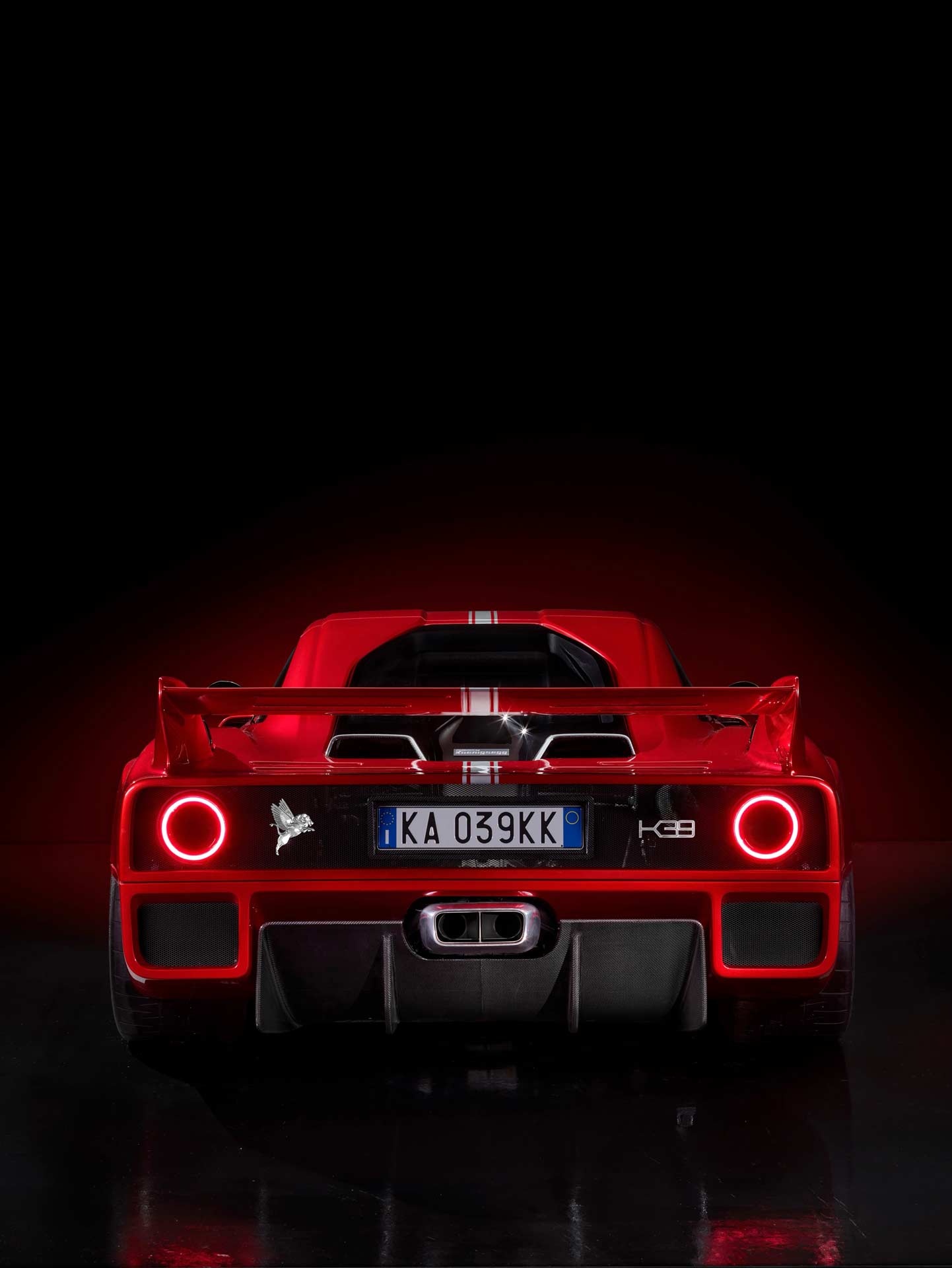
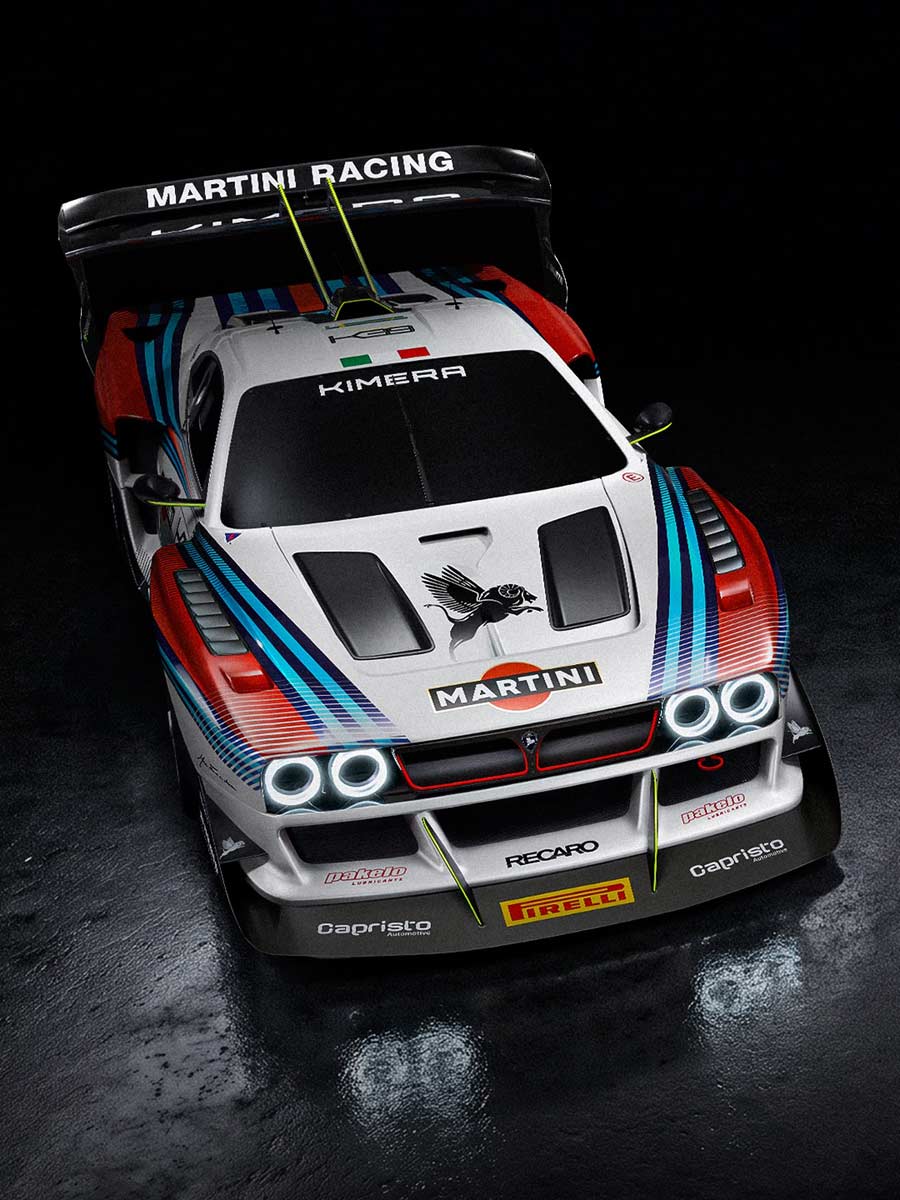
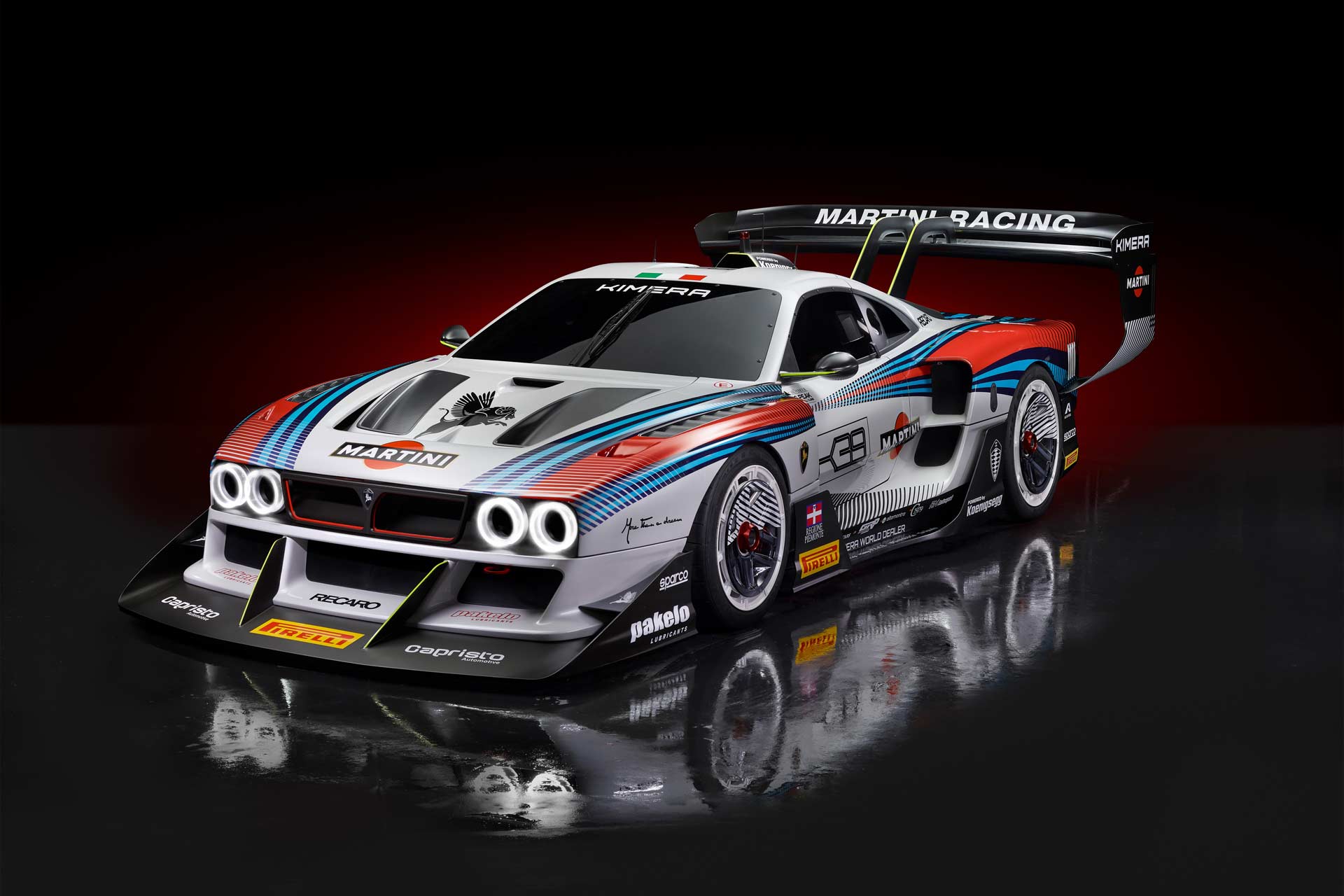
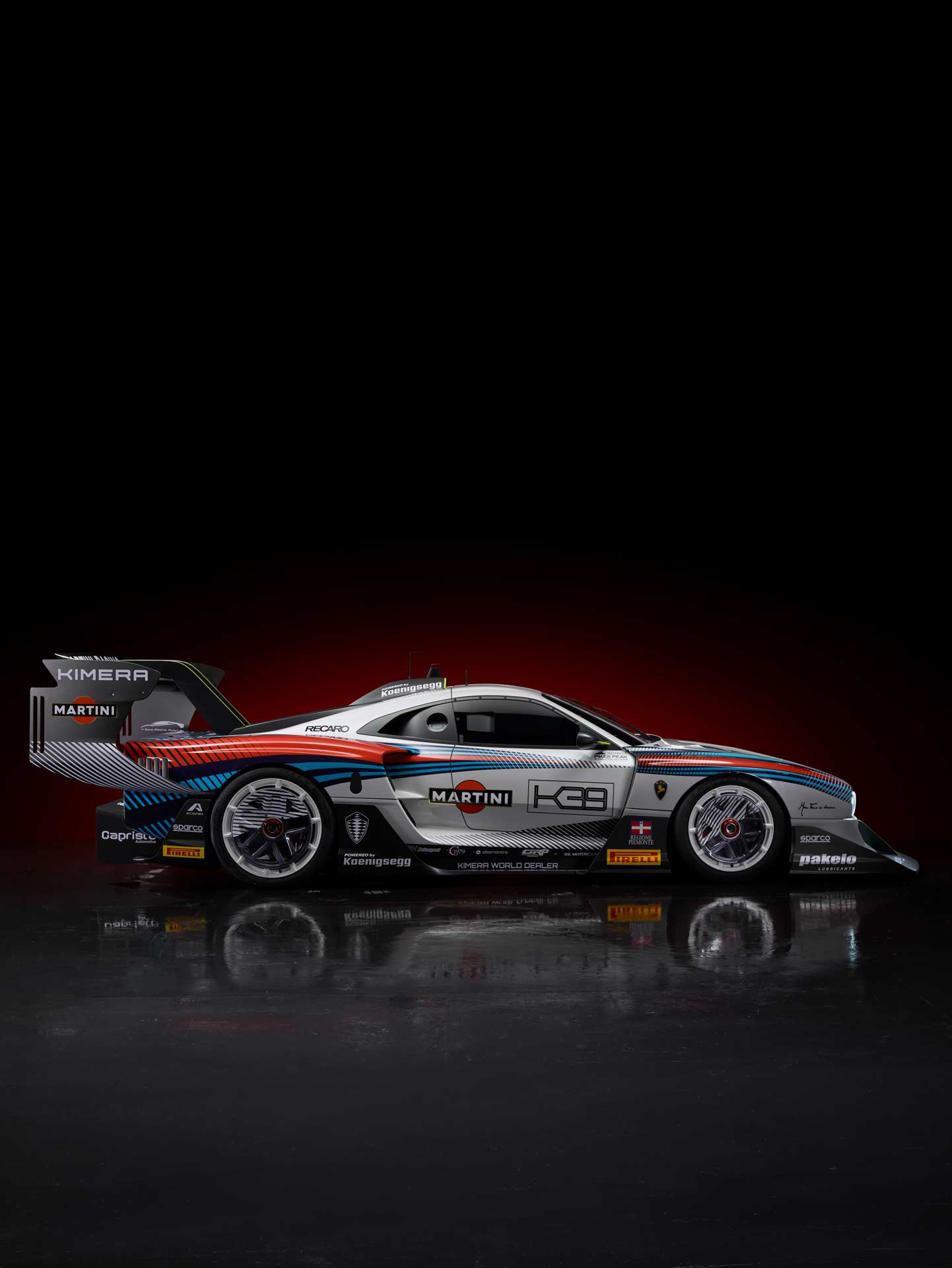
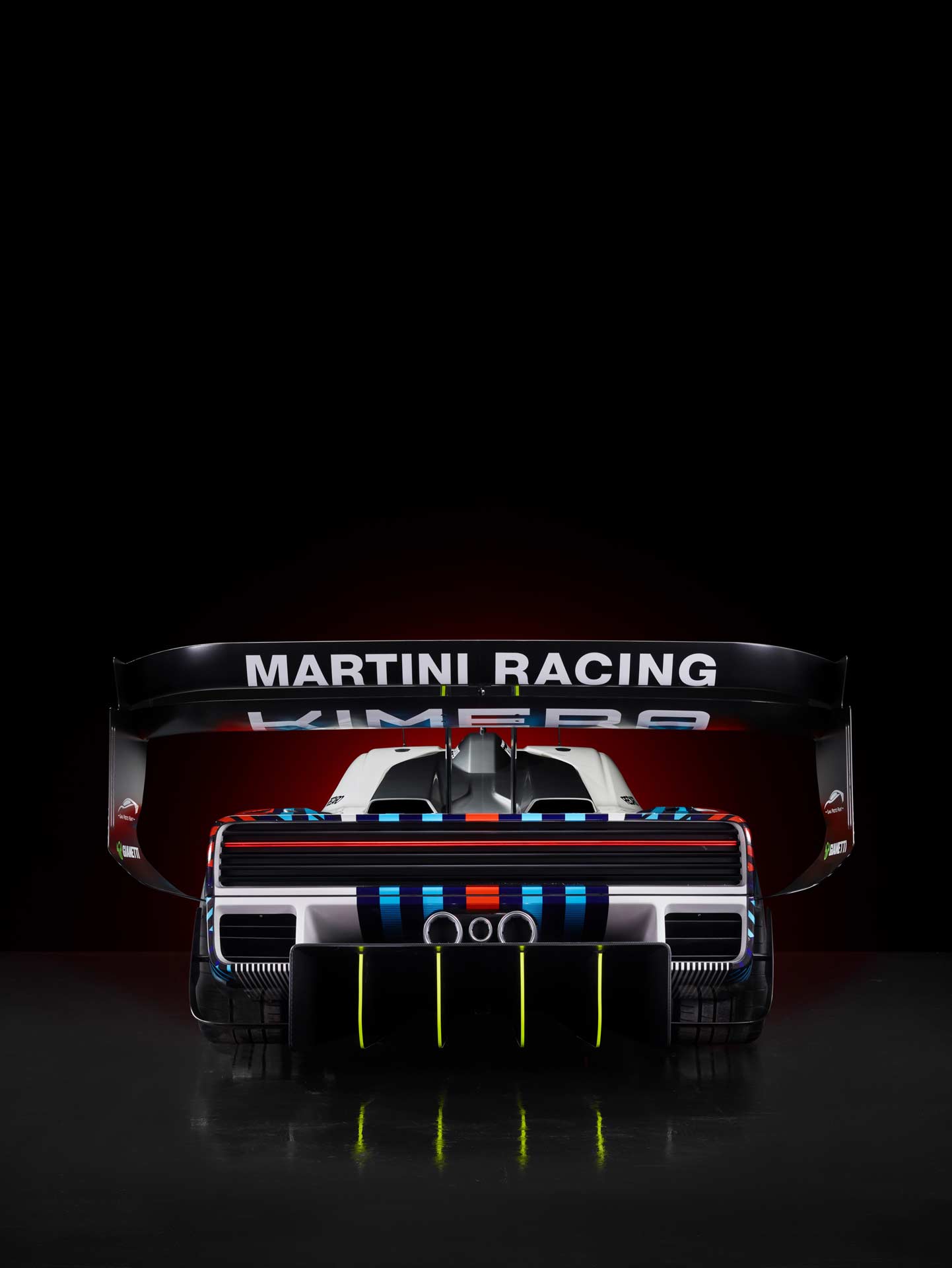
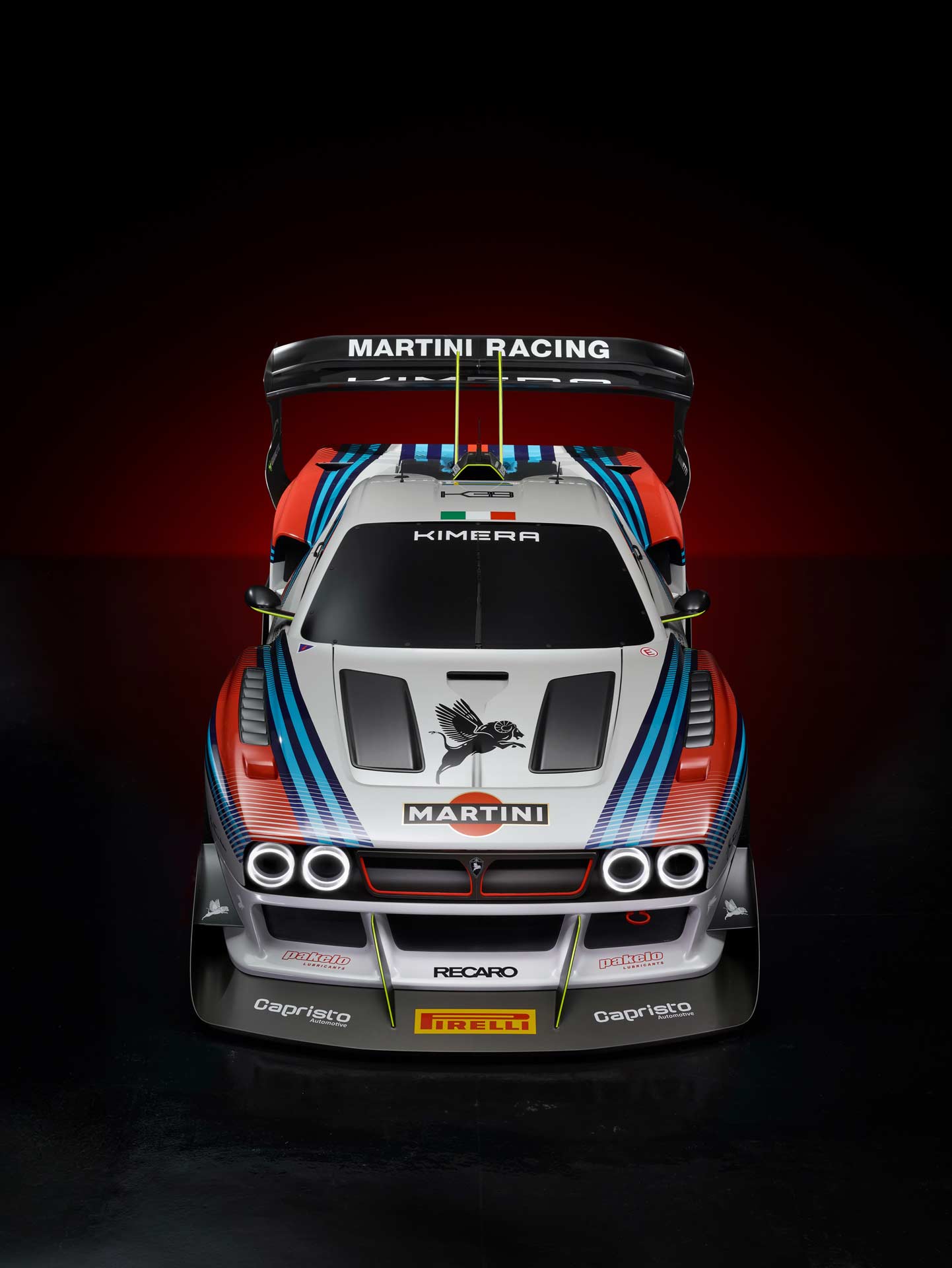
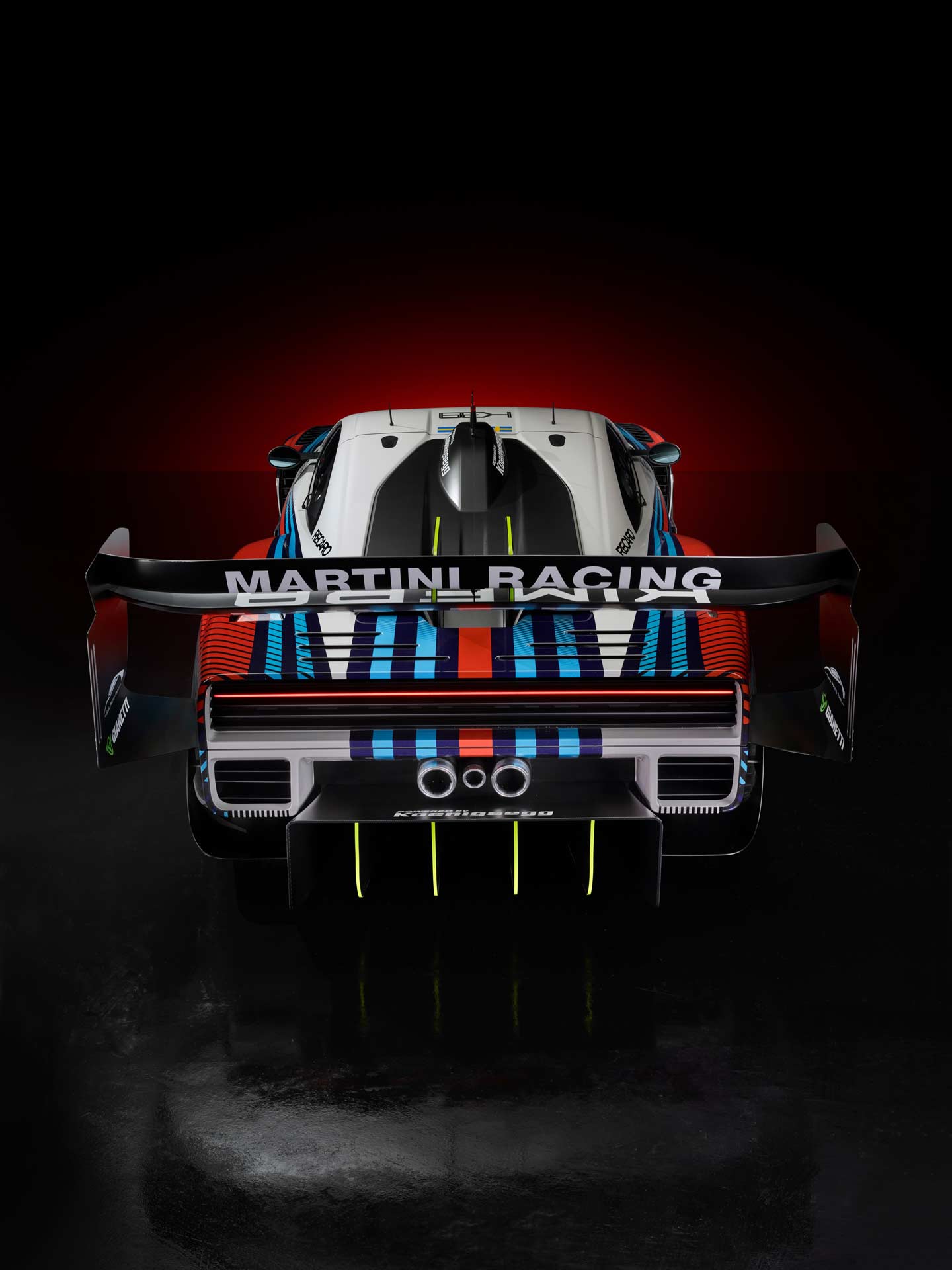

Kimera Automobili has presented the K39 as a new project shaped around three main ideas: a carbon-fibre body developed with aerodynamic efficiency in mind, a bespoke twin-turbo V8 from Koenigsegg, and a motorsport programme that includes a dedicated Pikes Peak configuration. The car sits within Kimera’s wider K39 story, which the company presents through road-legal identity, aerodynamic development, powertrain partnership and competition intent.
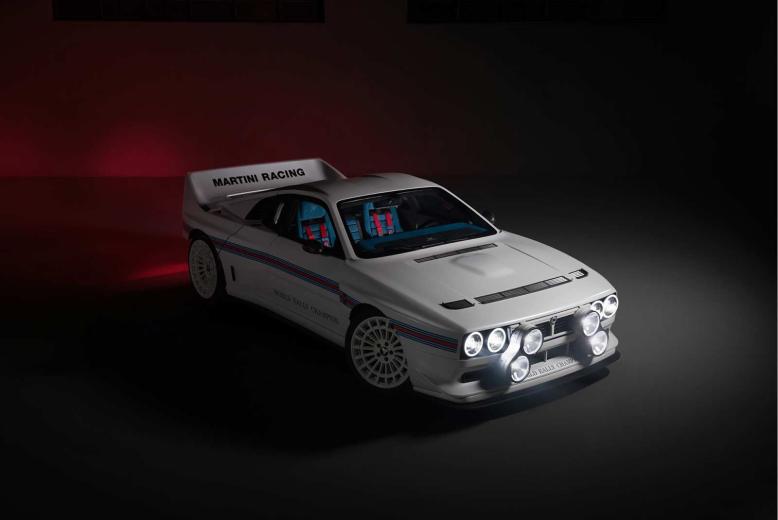
The K39 is introduced by Kimera as a car created to move beyond nostalgia and imitation. That matters in the context of the company’s earlier work, because Kimera has built its identity around modern reinterpretations with a strong connection to Italian rally and endurance culture. With the K39, the emphasis is placed less on direct historic recall and more on turning that background into a new machine where engineering, proportion and emotional character are developed together.
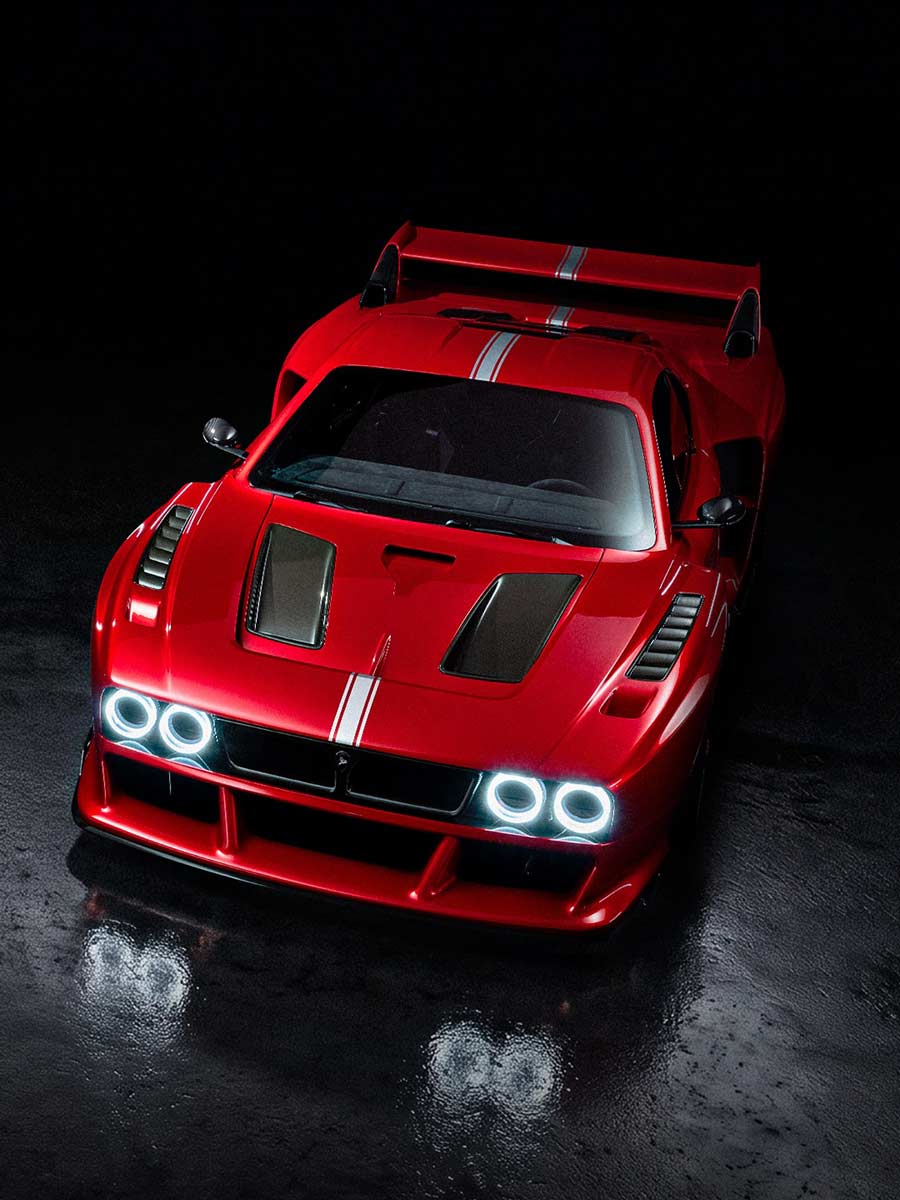
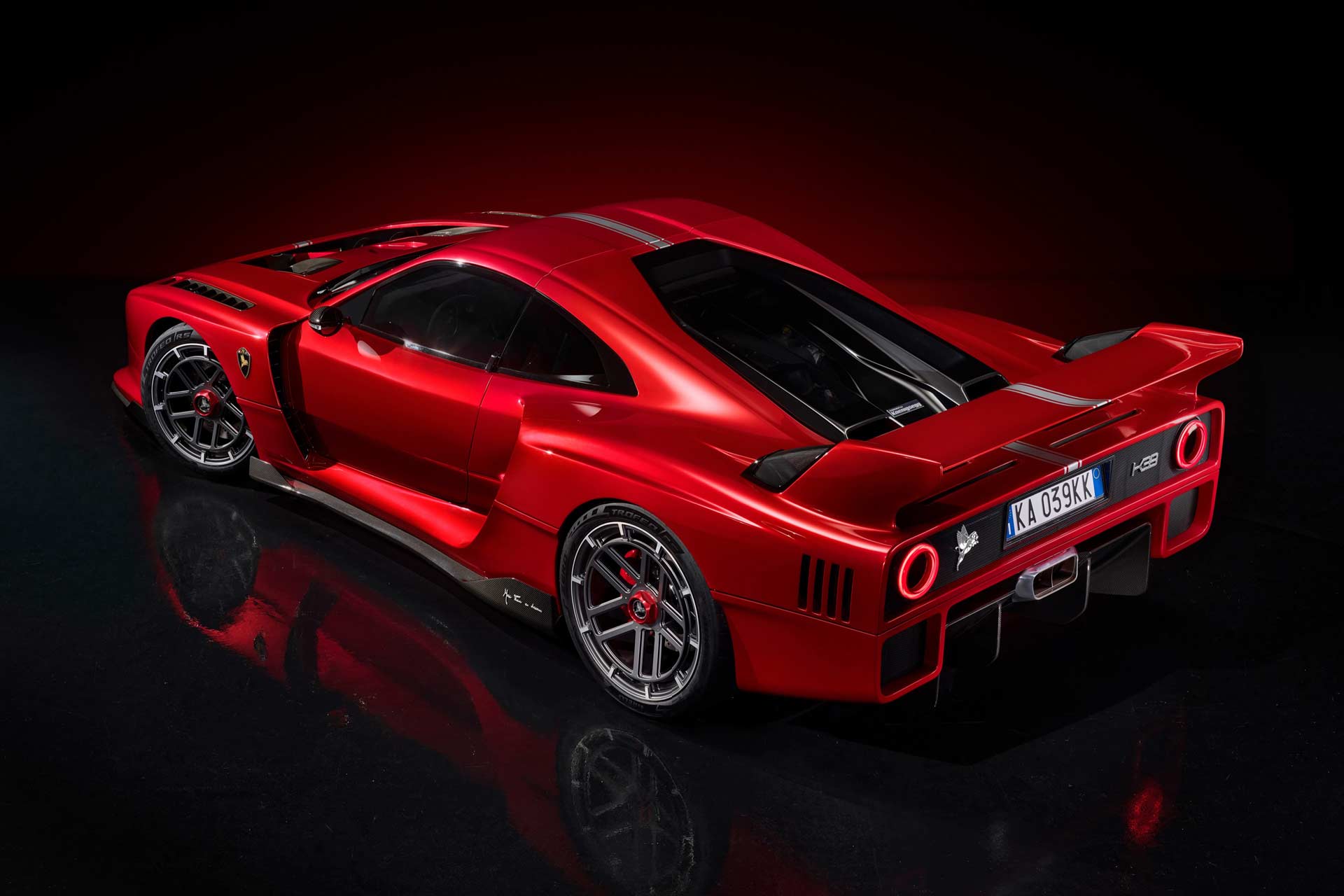
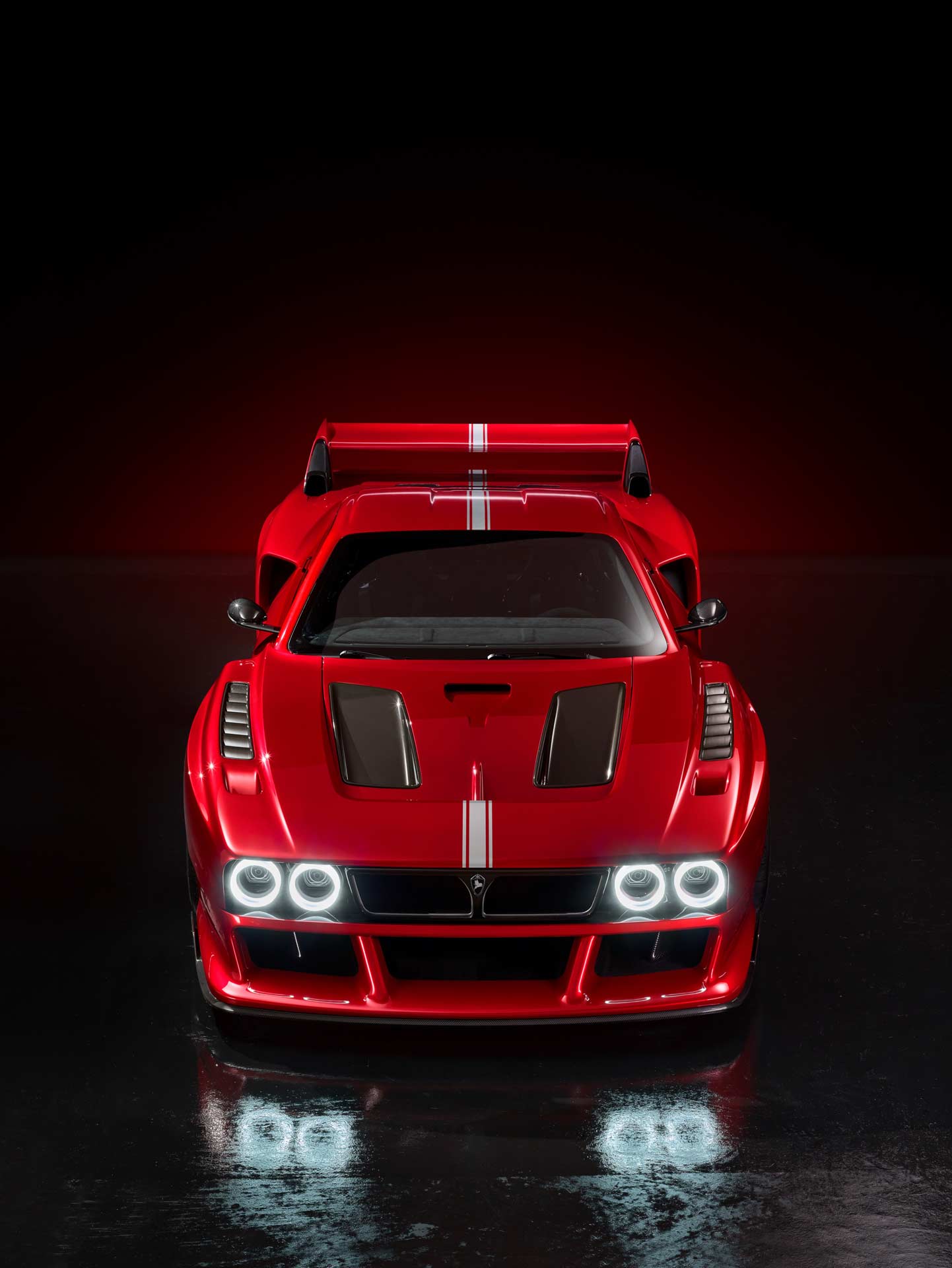
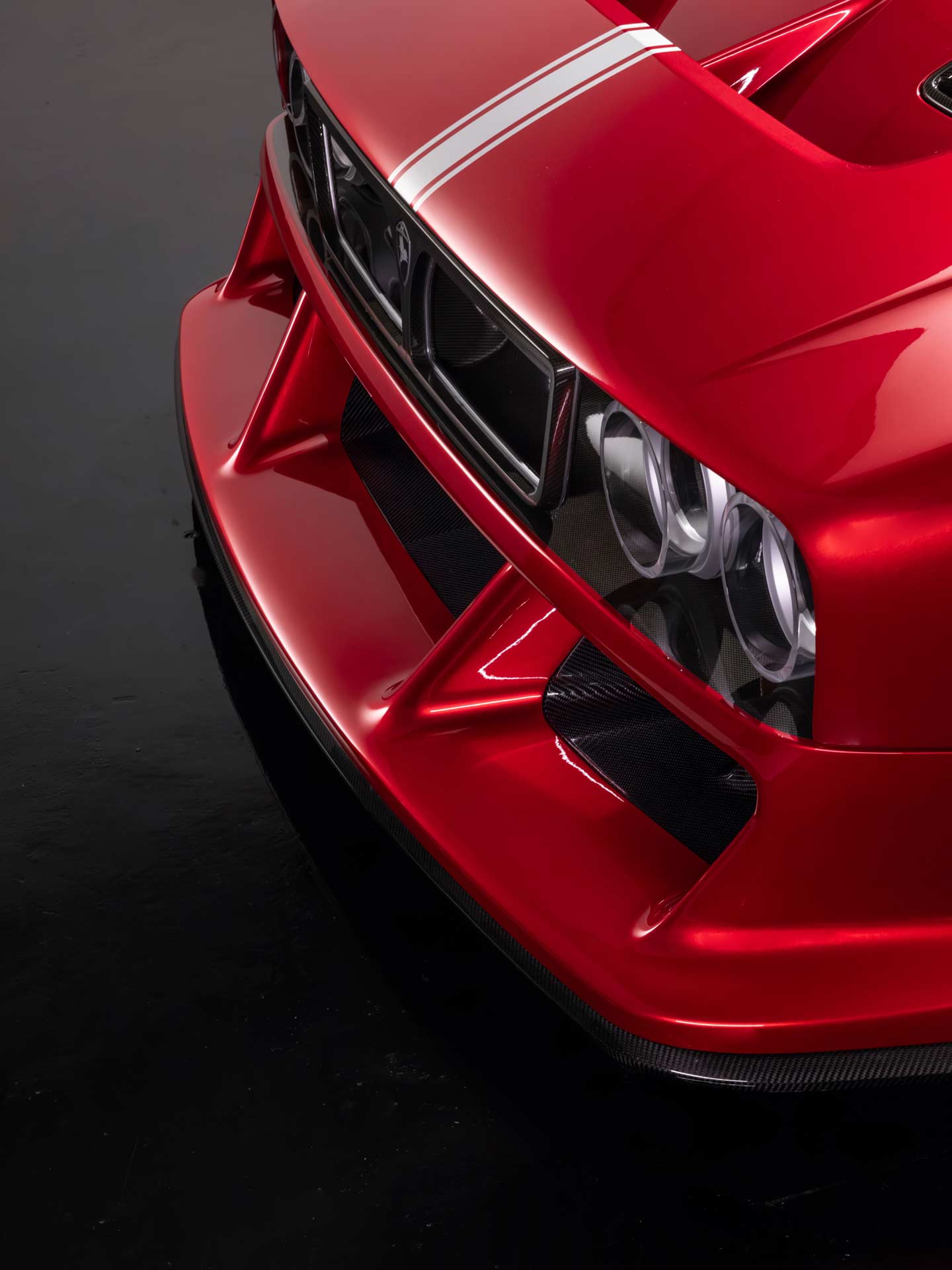
Aerodynamics are central to the K39’s design. Kimera states that the car’s surfaces were developed in relation to airflow from the beginning, rather than being styled first and then aerodynamically corrected afterward. The front section uses motorsport-inspired airflow management, while the rear combines extraction surfaces, shaped volumes and a large wing into one functional and visual structure. From the side, the K39 is described through long, tense proportions influenced by endurance racing cars.
The body is constructed in carbon fibre and shaped around aerodynamic efficiency. Kimera presents this not as a separate technical layer but as part of the car’s identity, with the intention that the K39 remains recognisable as a Kimera both at rest and at speed. The company’s own description places design and aerodynamics together, making the car’s form dependent on the way it manages air.
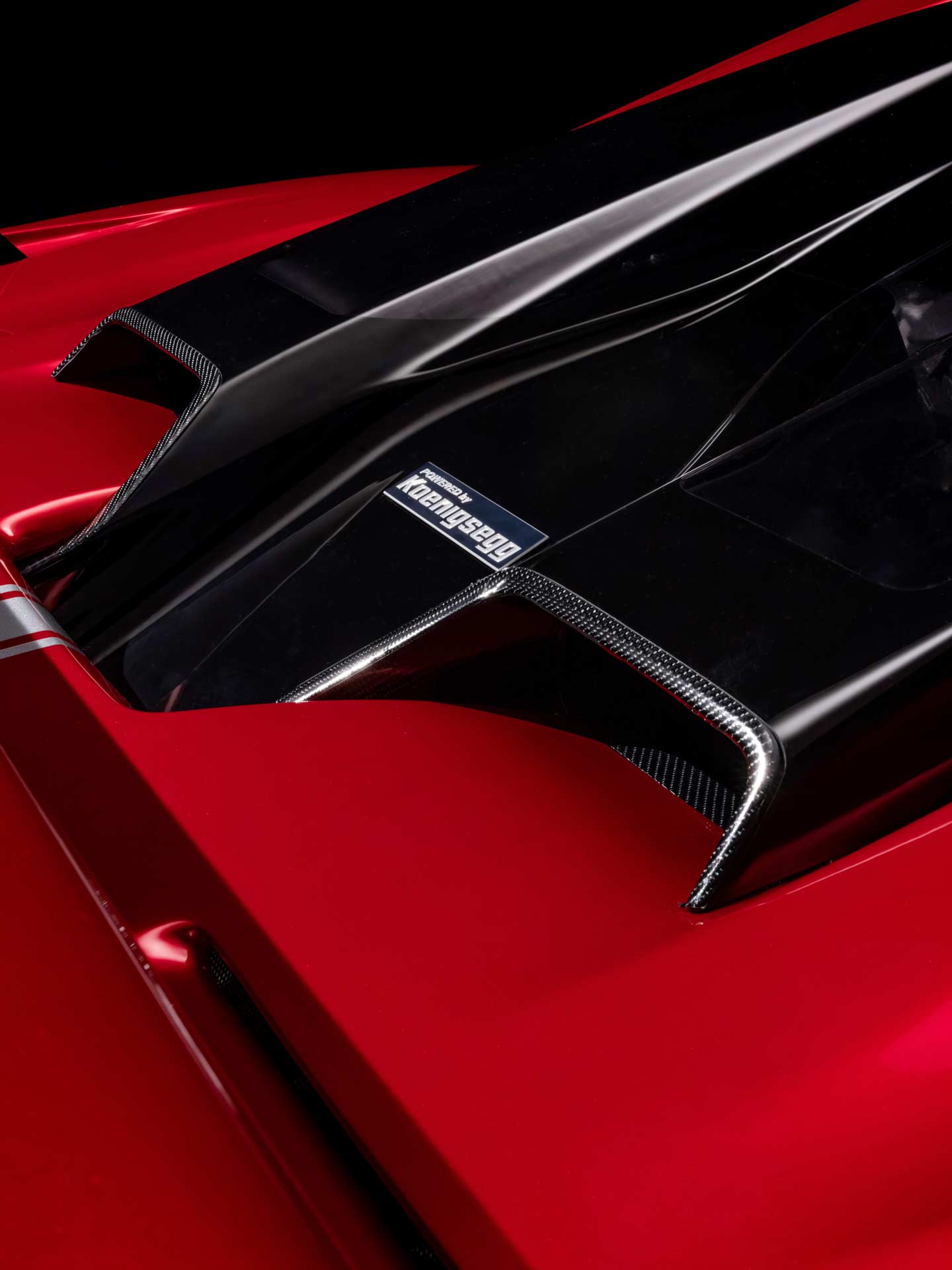
At the centre of the K39 is a bespoke twin-turbo V8 developed by Koenigsegg for Kimera. The engine produces 1,000 hp and 1,200 Nm of torque, and Kimera describes the unit as being created specifically around its own performance philosophy. The collaboration is presented as more than a supply arrangement, bringing together Koenigsegg’s engineering background with Kimera’s mechanical and design approach.
The Koenigsegg connection gives the K39 a clear technical marker. Kimera’s earlier projects were closely associated with the character of Lancia-inspired four-cylinder turbo and supercharged configurations, while the K39 is built around a twin-turbo V8 with four-figure output. The source material does not provide further mechanical specifications, but it does define the engine as a dedicated Koenigsegg-developed unit rather than an off-the-shelf powertrain.
Motorsport is also part of the K39 programme from the outset. Kimera states that the car has been conceived not only as a road-legal model but also for extreme racing environments, with a dedicated Pikes Peak configuration included in the project. This gives the K39 a dual character in the official material: one side aimed at road use, the other developed for circuit and mountain competition.
The Pikes Peak version is described as being built in extremely limited numbers. These versions receive dedicated aerodynamic packages, quick-swap components and track-focused solutions intended to let the car move between road, circuit and mountain use. Kimera also frames the Pikes Peak programme through the specific demands of the climb, including altitude change, speed, exposure and the need for precision over a long mountain course.
For supercar enthusiasts, the K39 is notable because the available information focuses on fundamental areas rather than decorative detail. The source material gives weight to structure, airflow, engine development and motorsport application. It presents the car as a carbon-fibre machine shaped around aerodynamic work, powered by a 1,000 hp Koenigsegg-developed twin-turbo V8, and connected to a competition programme that includes Pikes Peak.
The K39 therefore stands as Kimera’s next step beyond its previous reinterpretation-based projects. Based on the information released by Kimera, it brings together carbon-fibre construction, an aerodynamically driven design process, a Koenigsegg-developed V8 and a motorsport version prepared for some of the most demanding driving environments the company has named for the car.