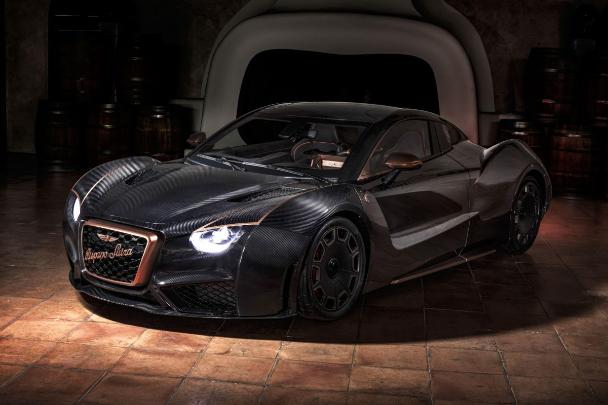
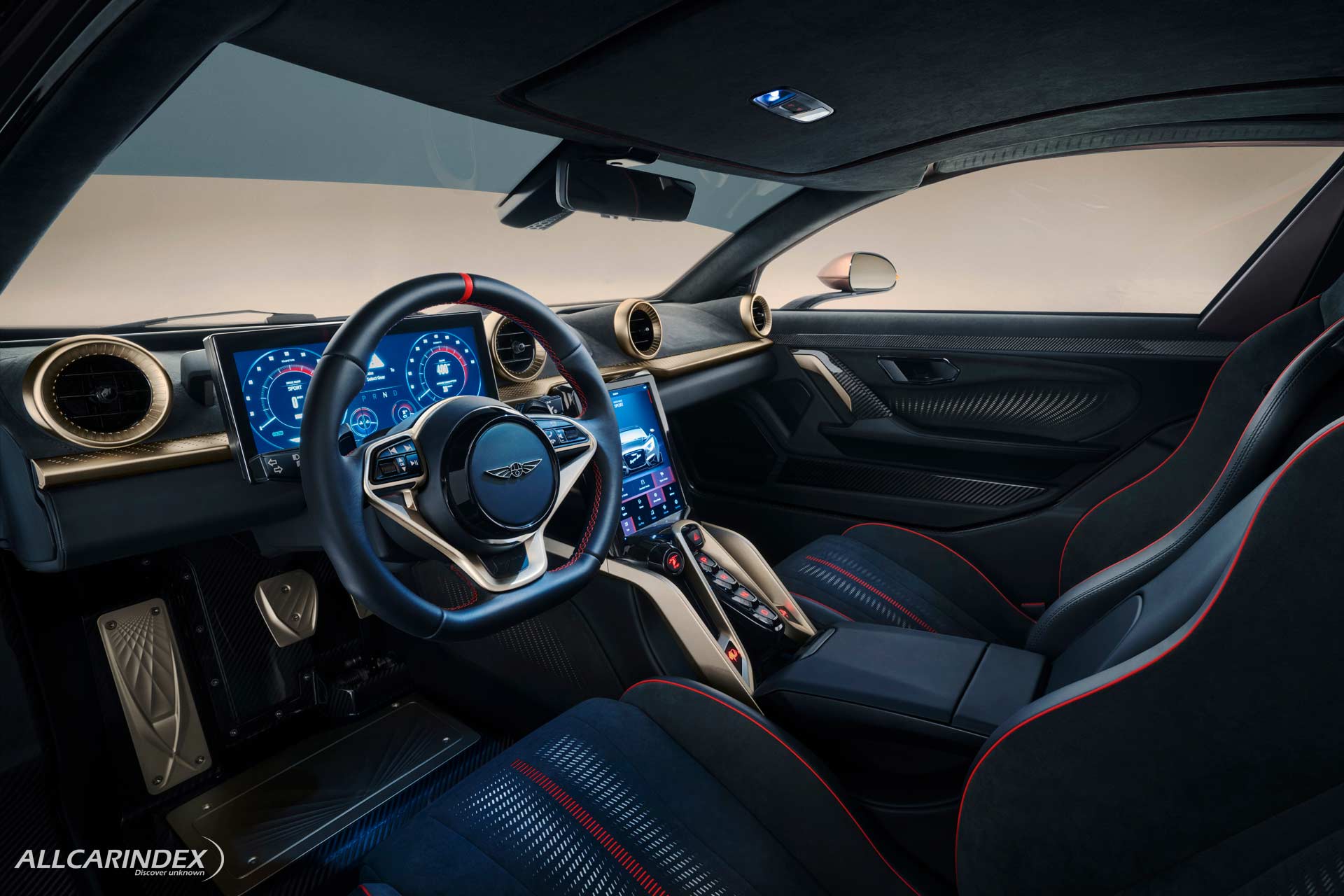
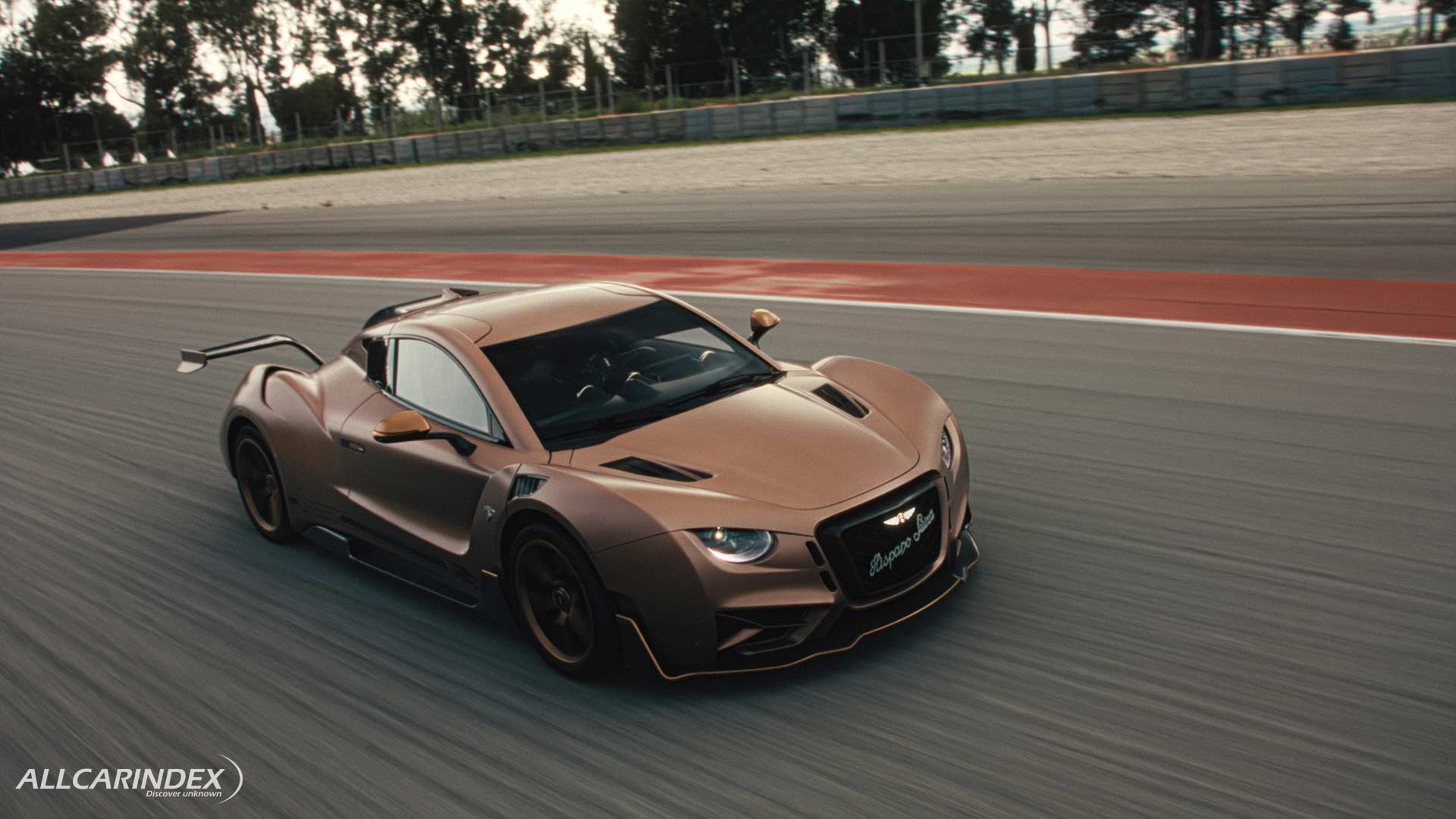
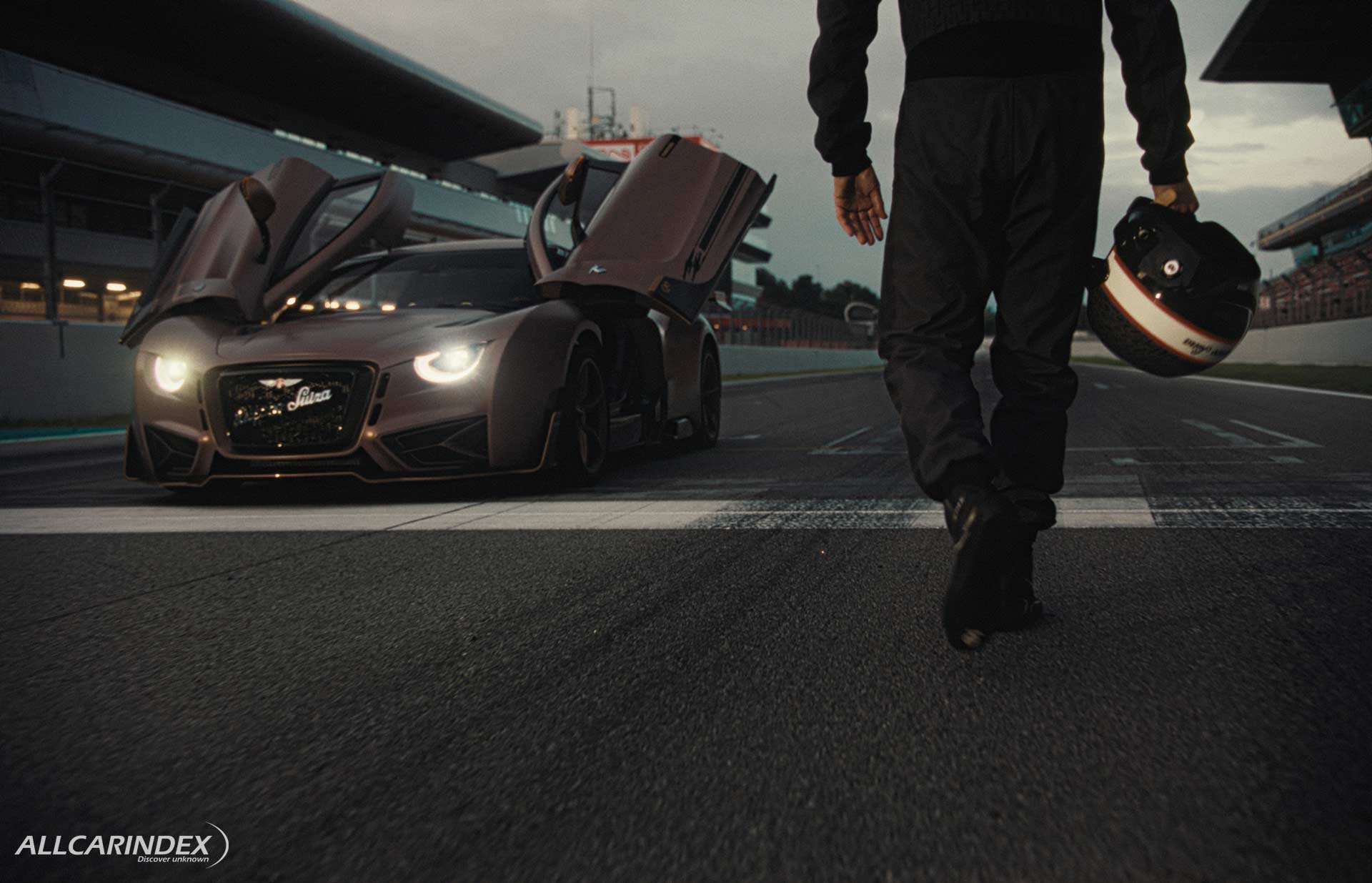
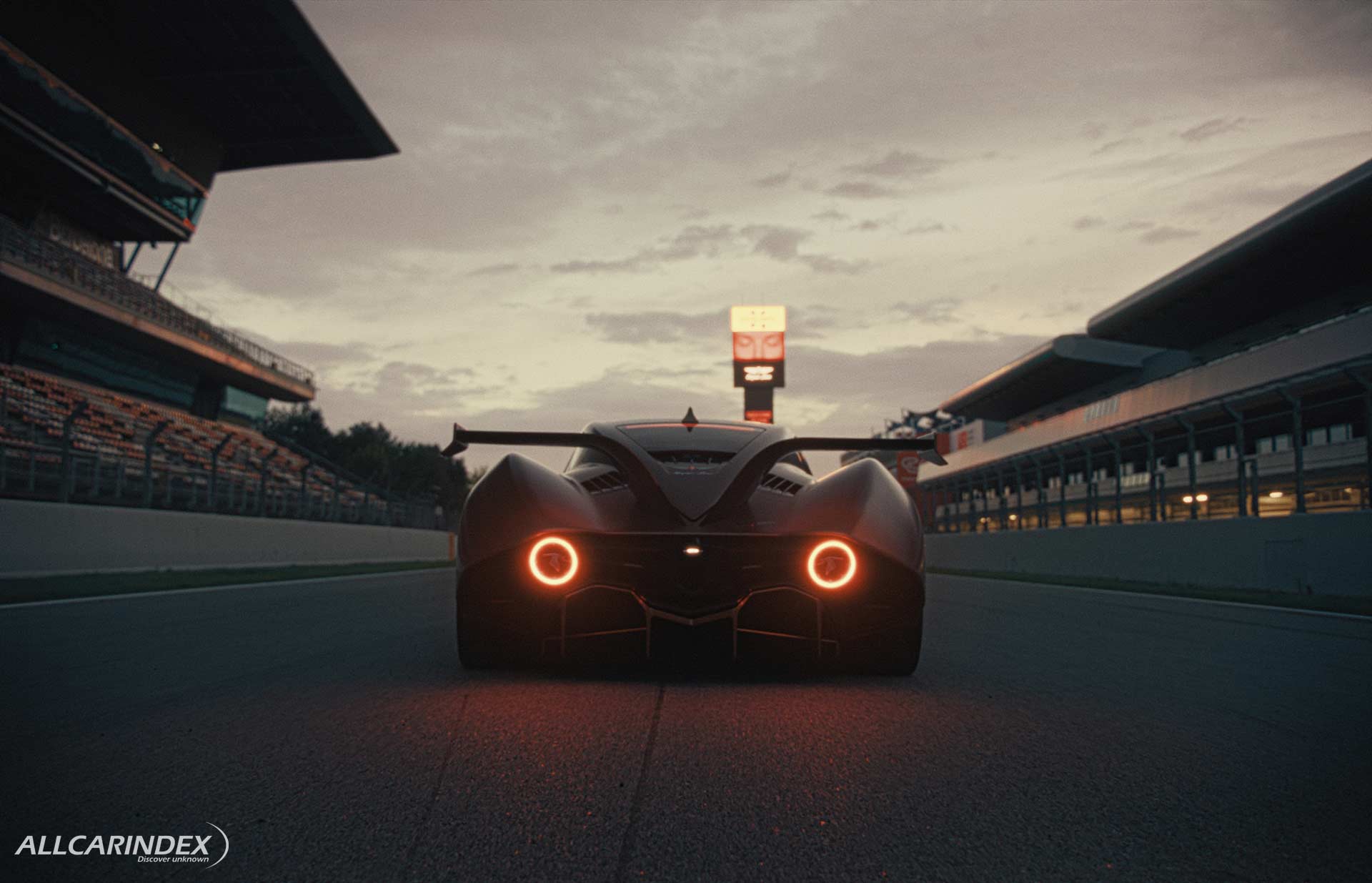
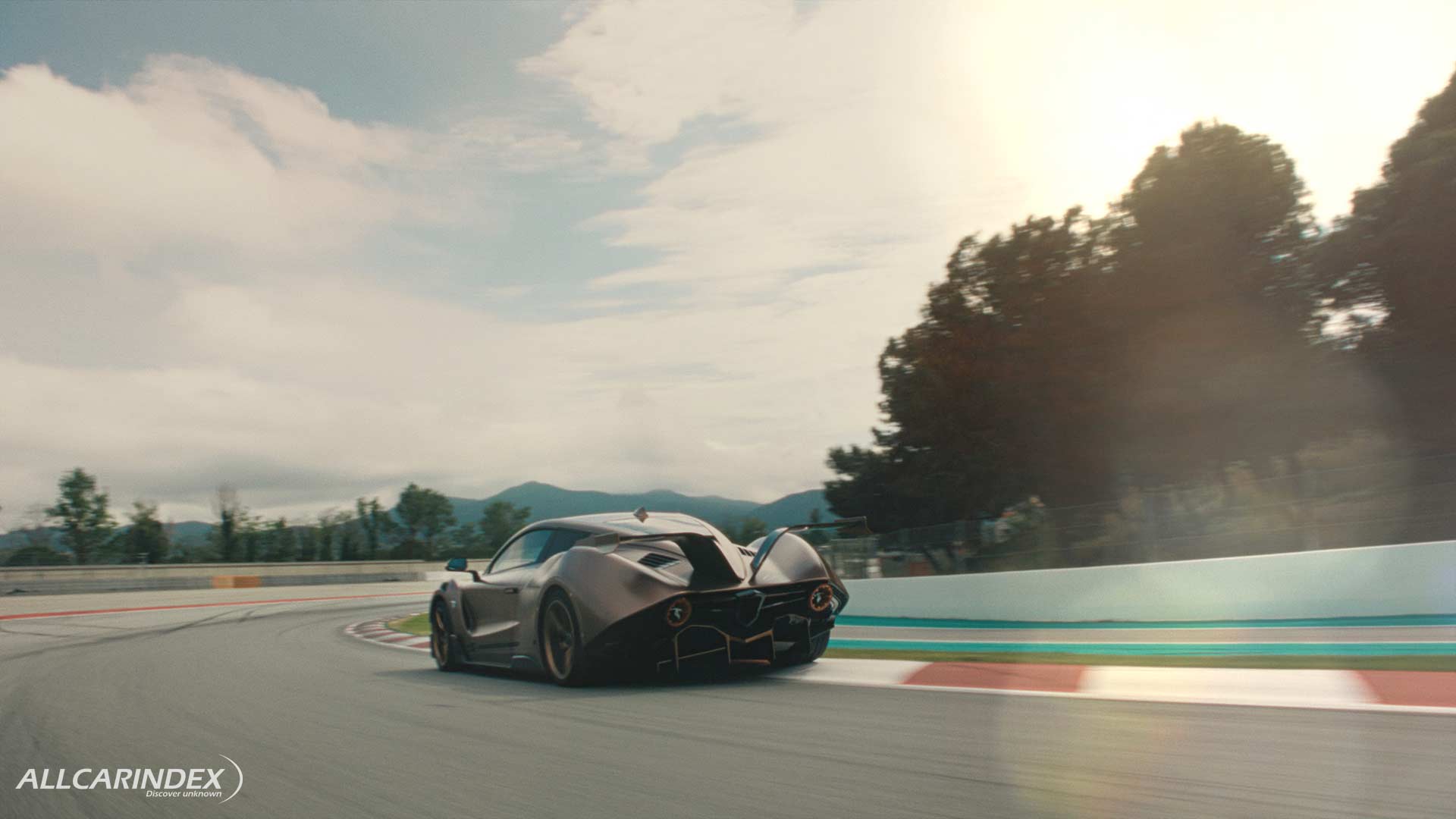
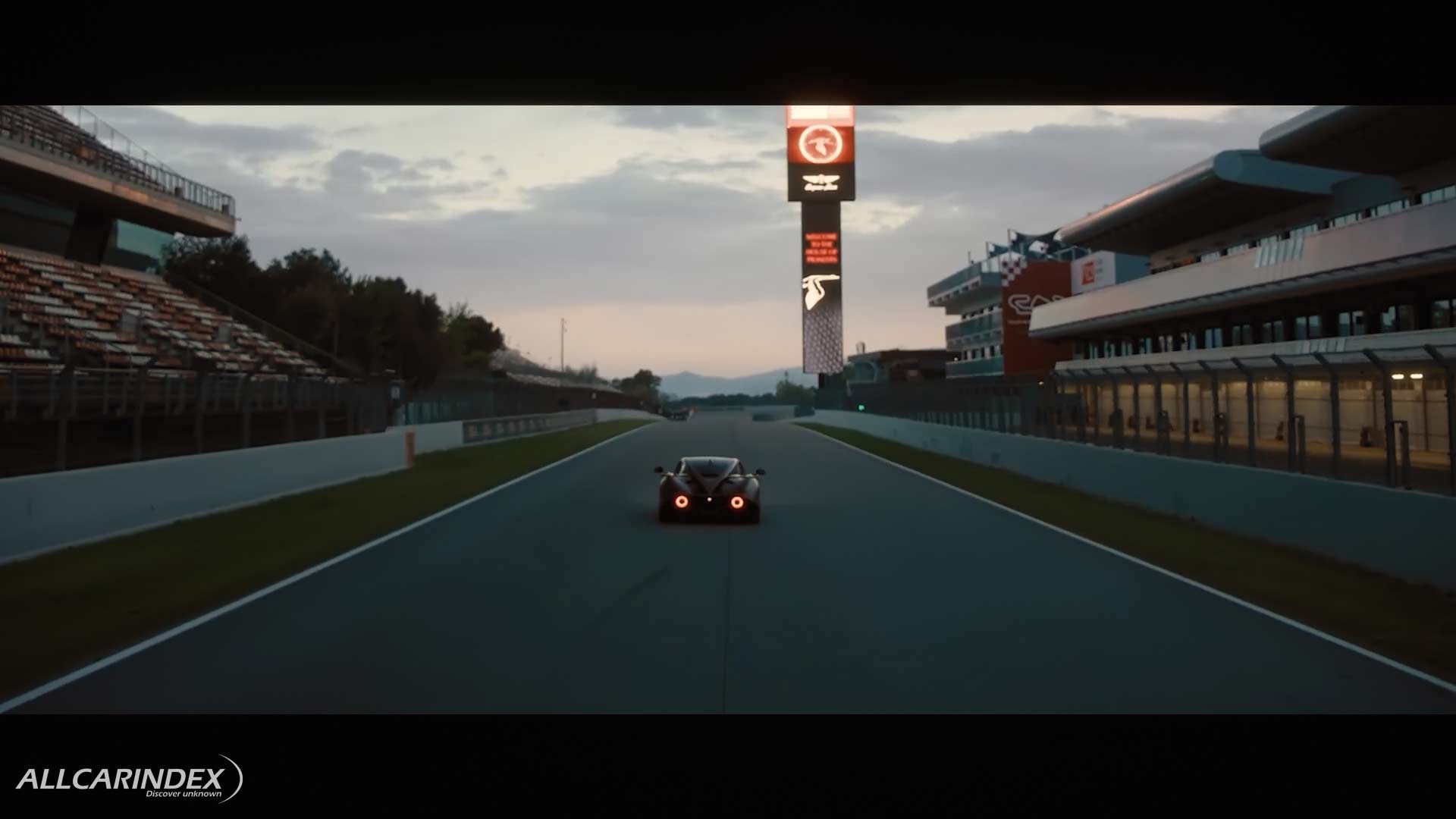
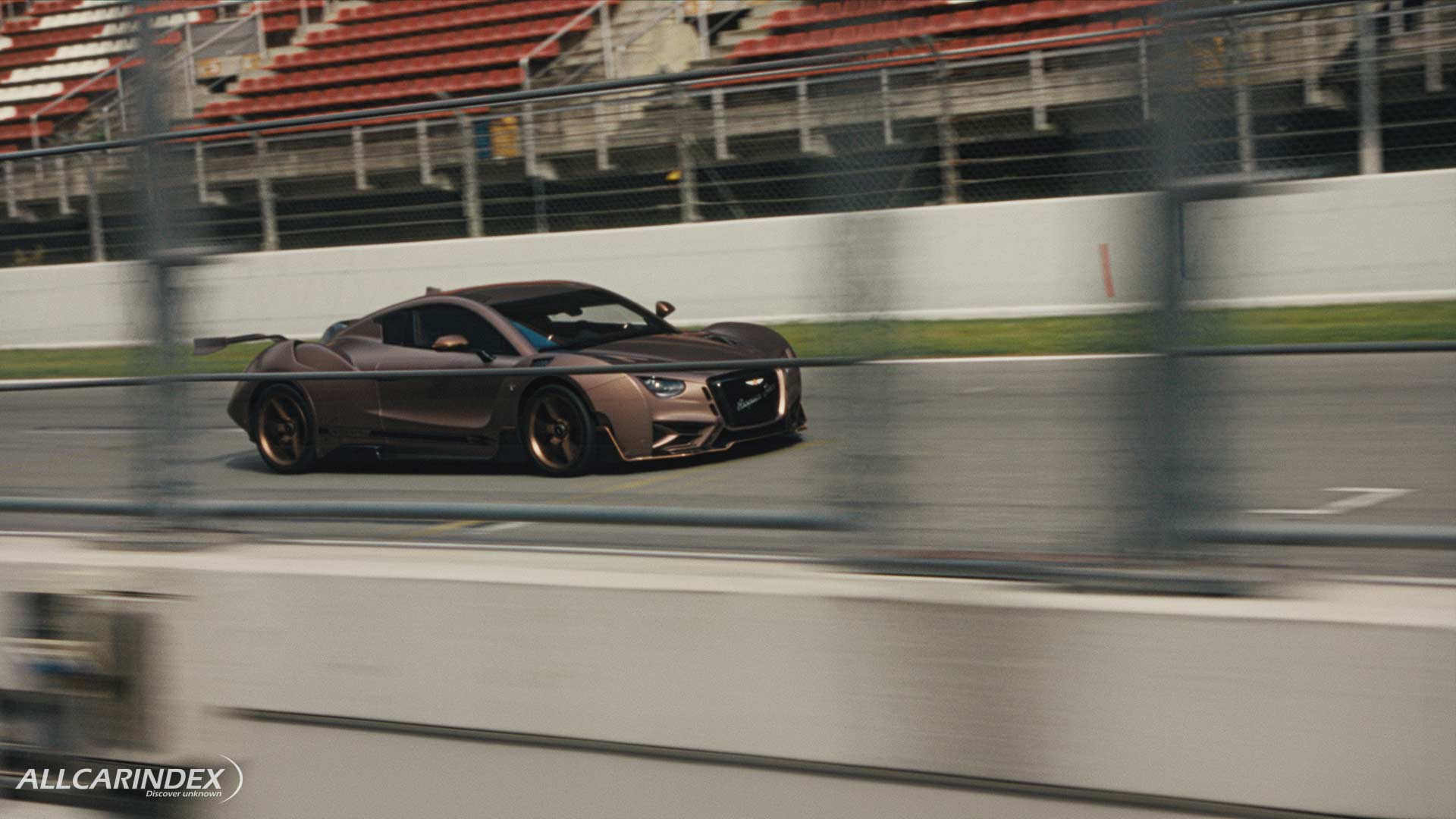
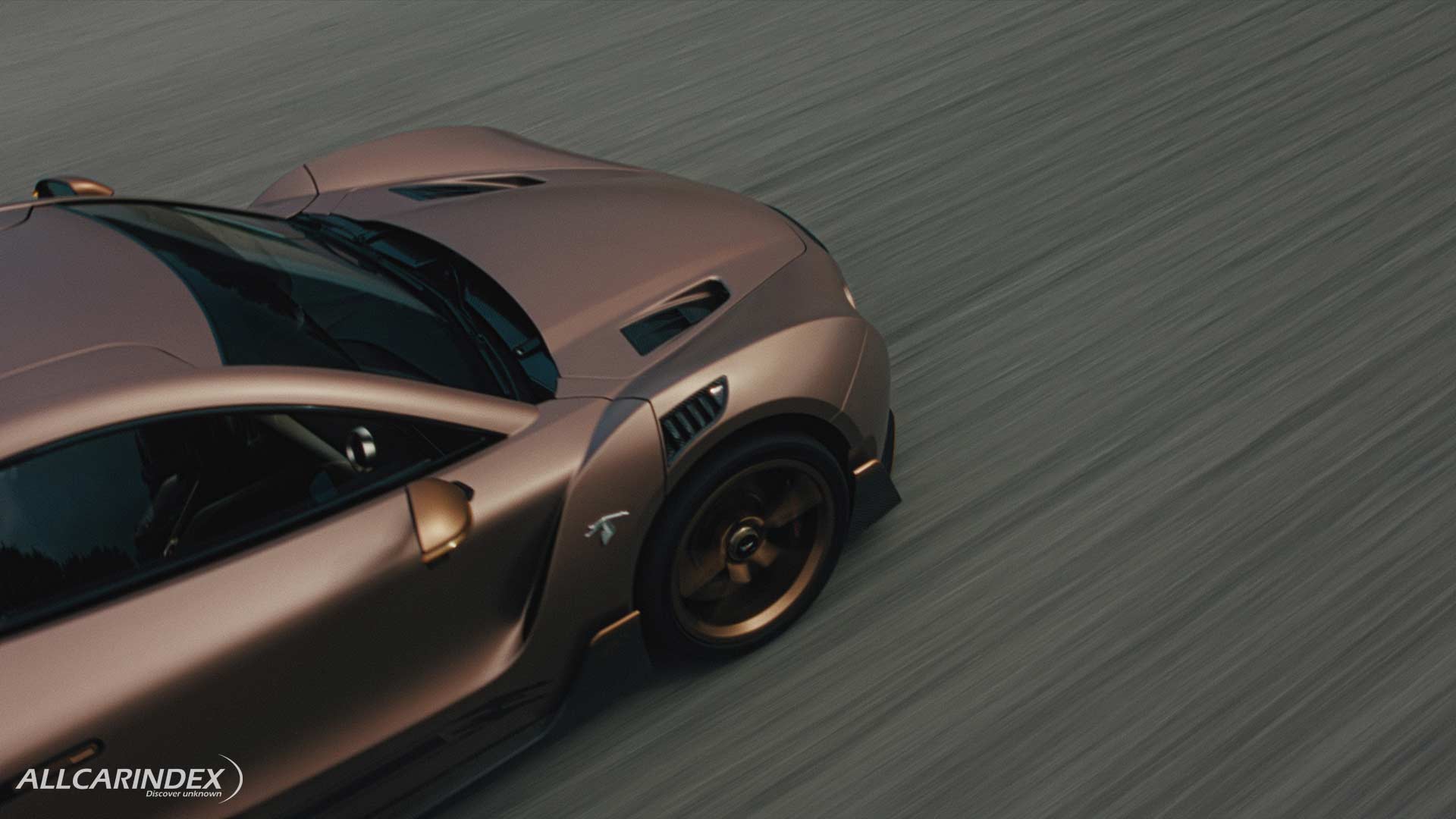
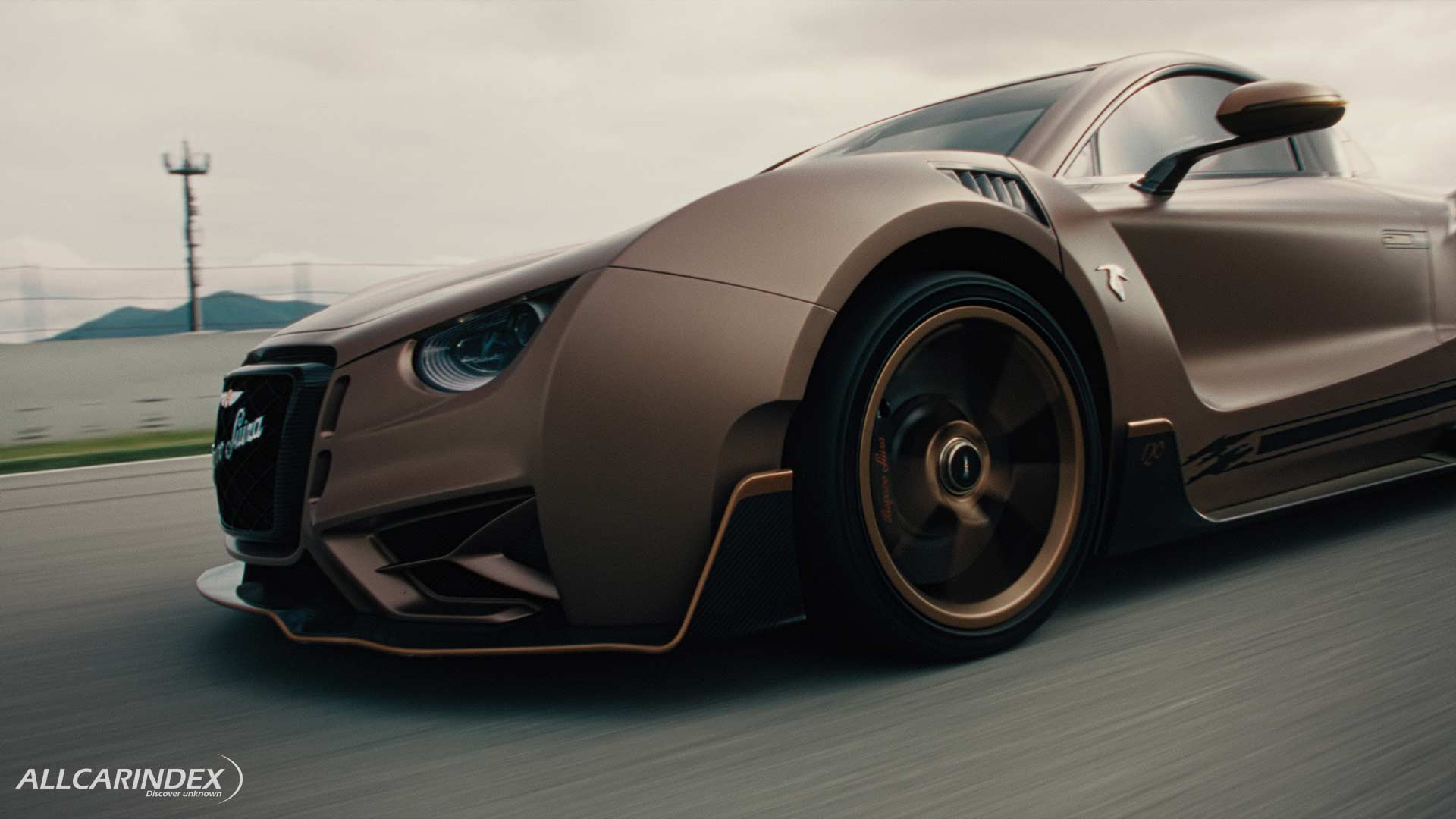
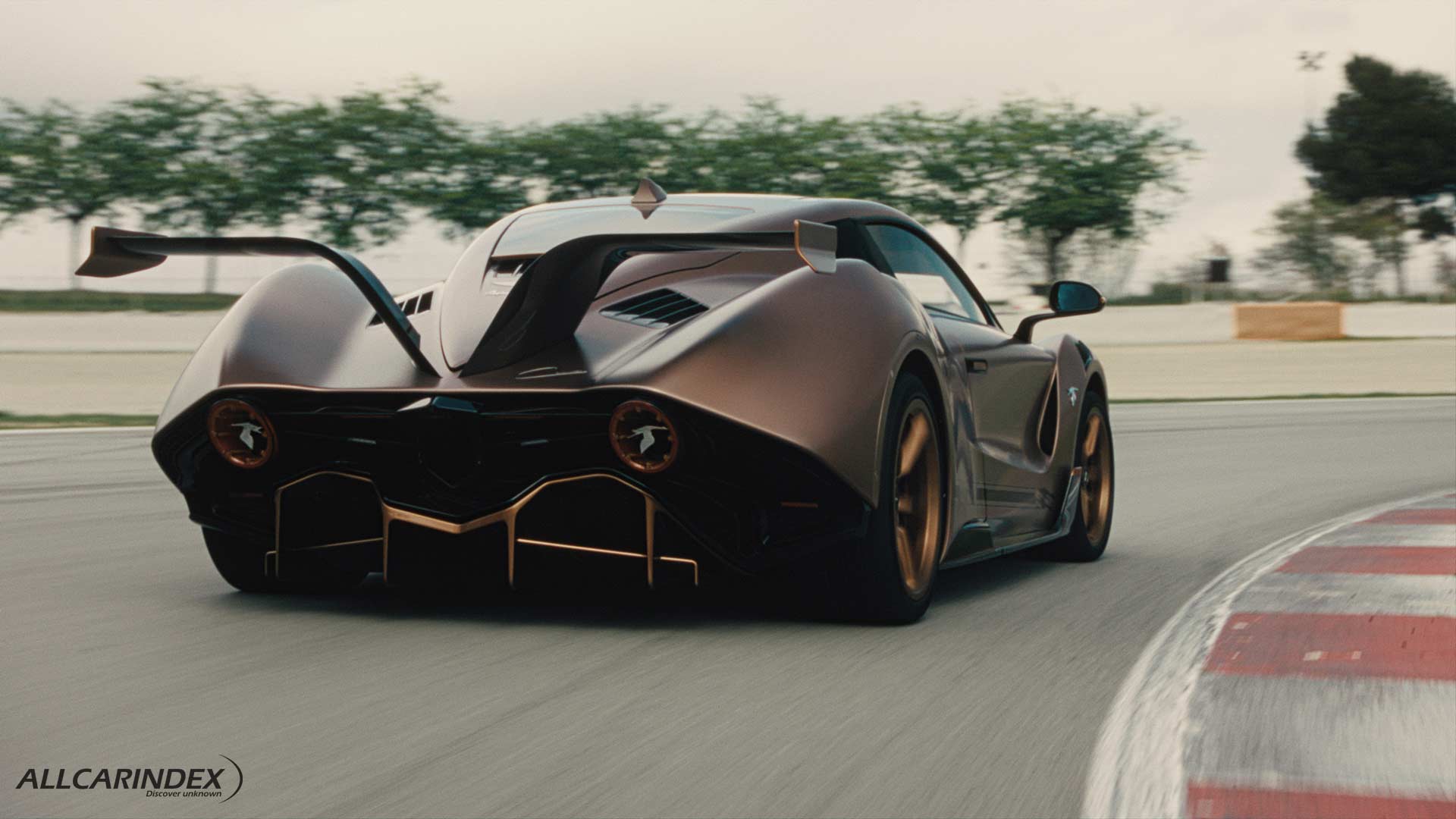
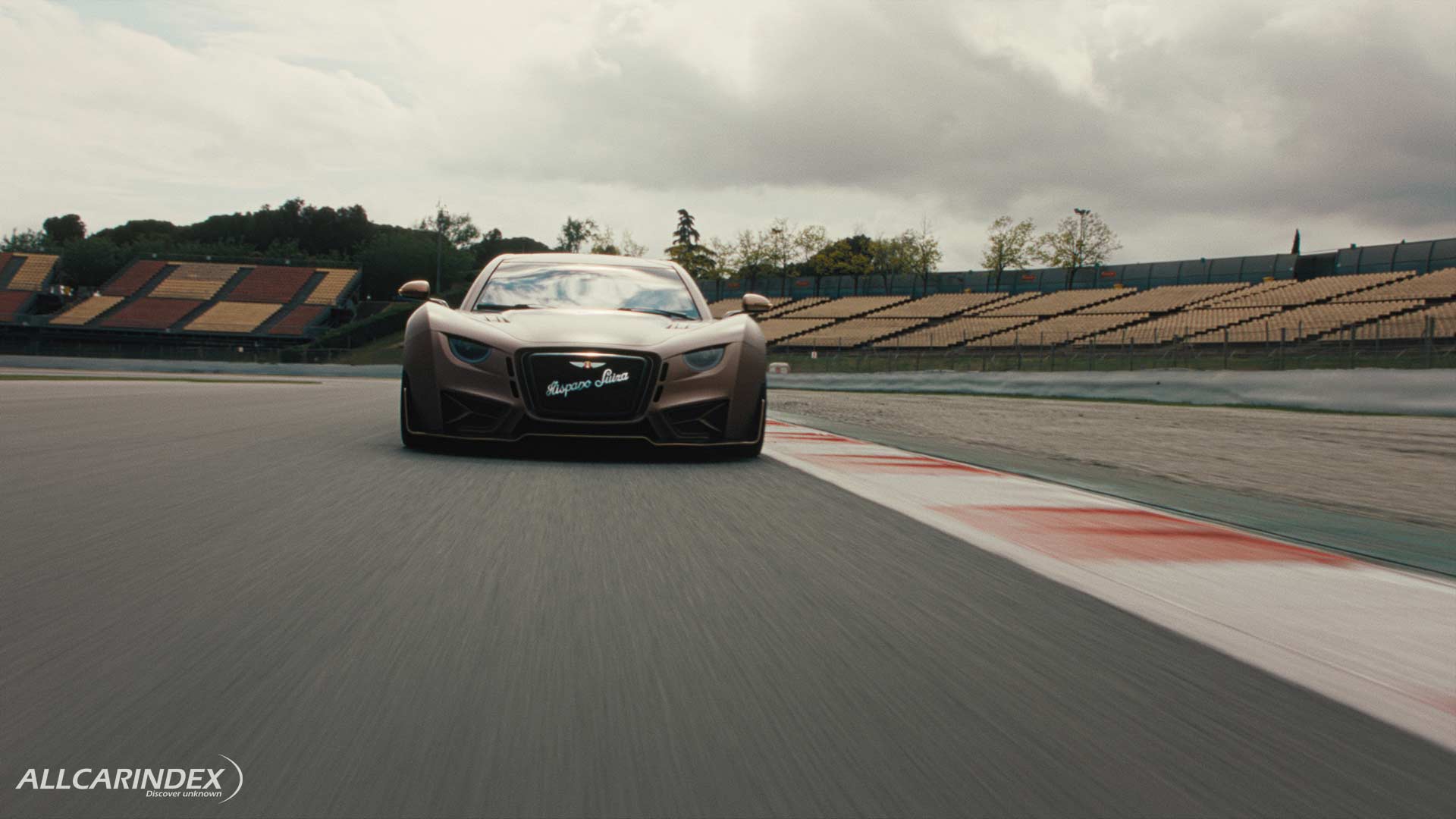
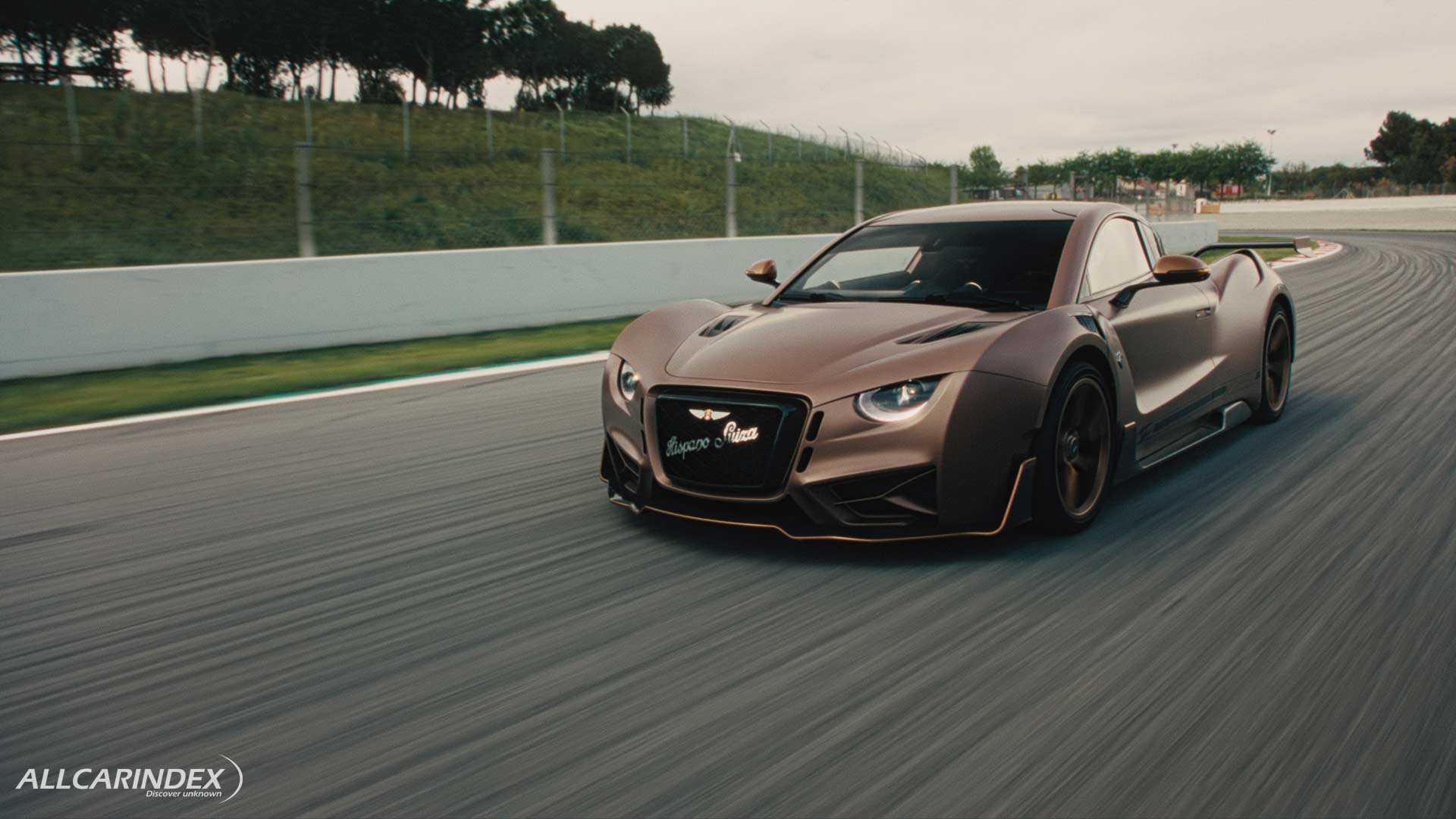
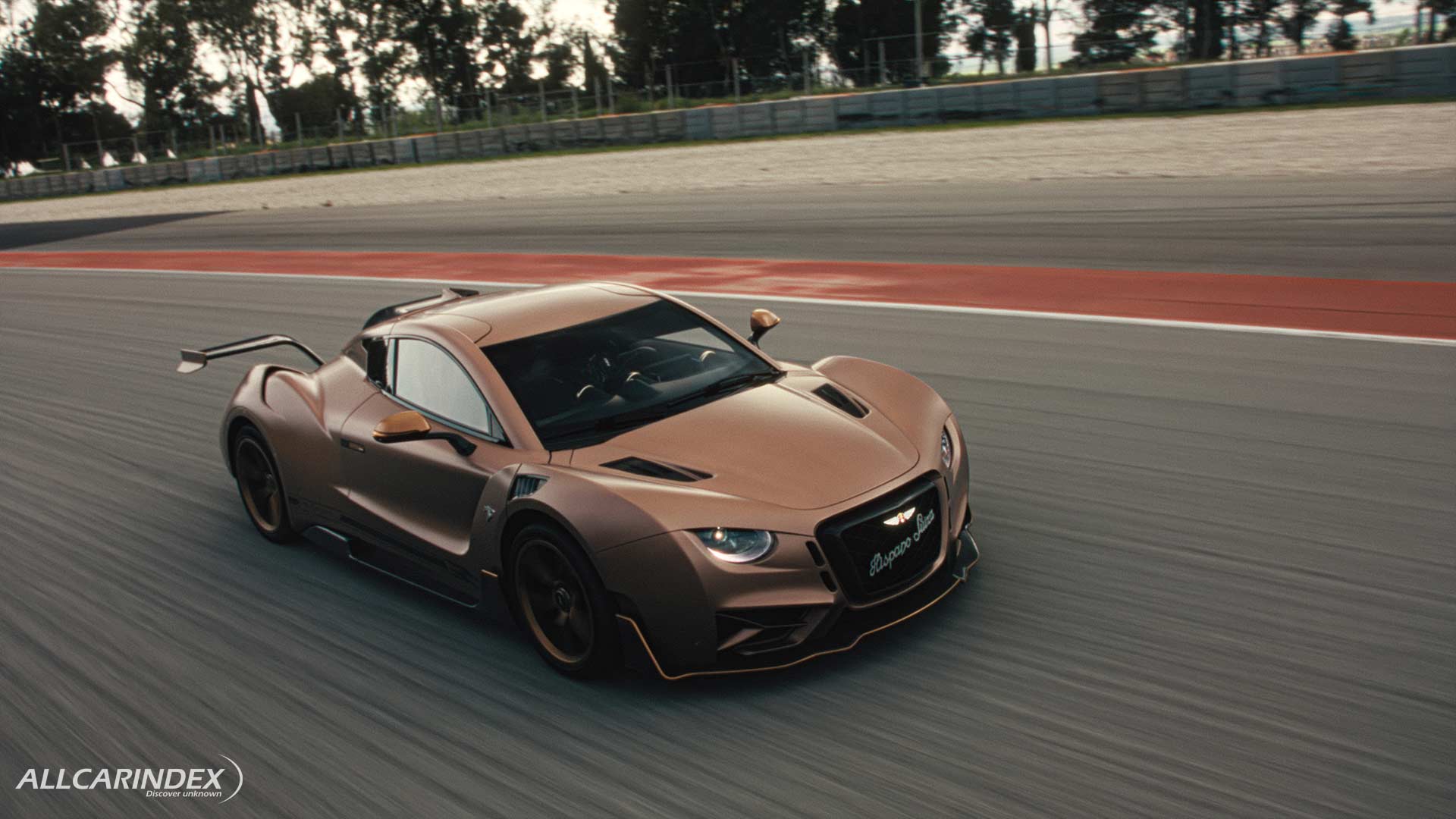
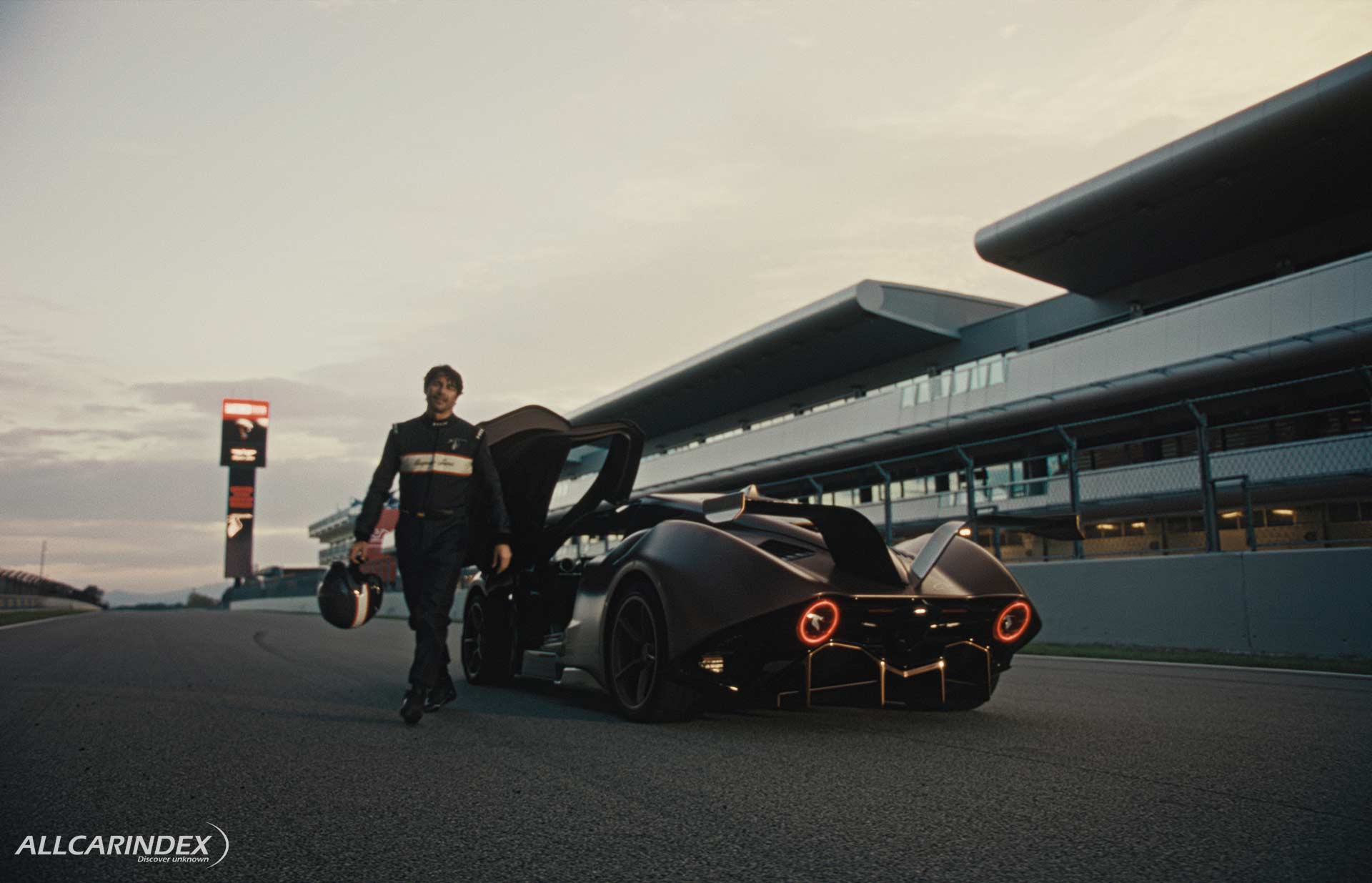
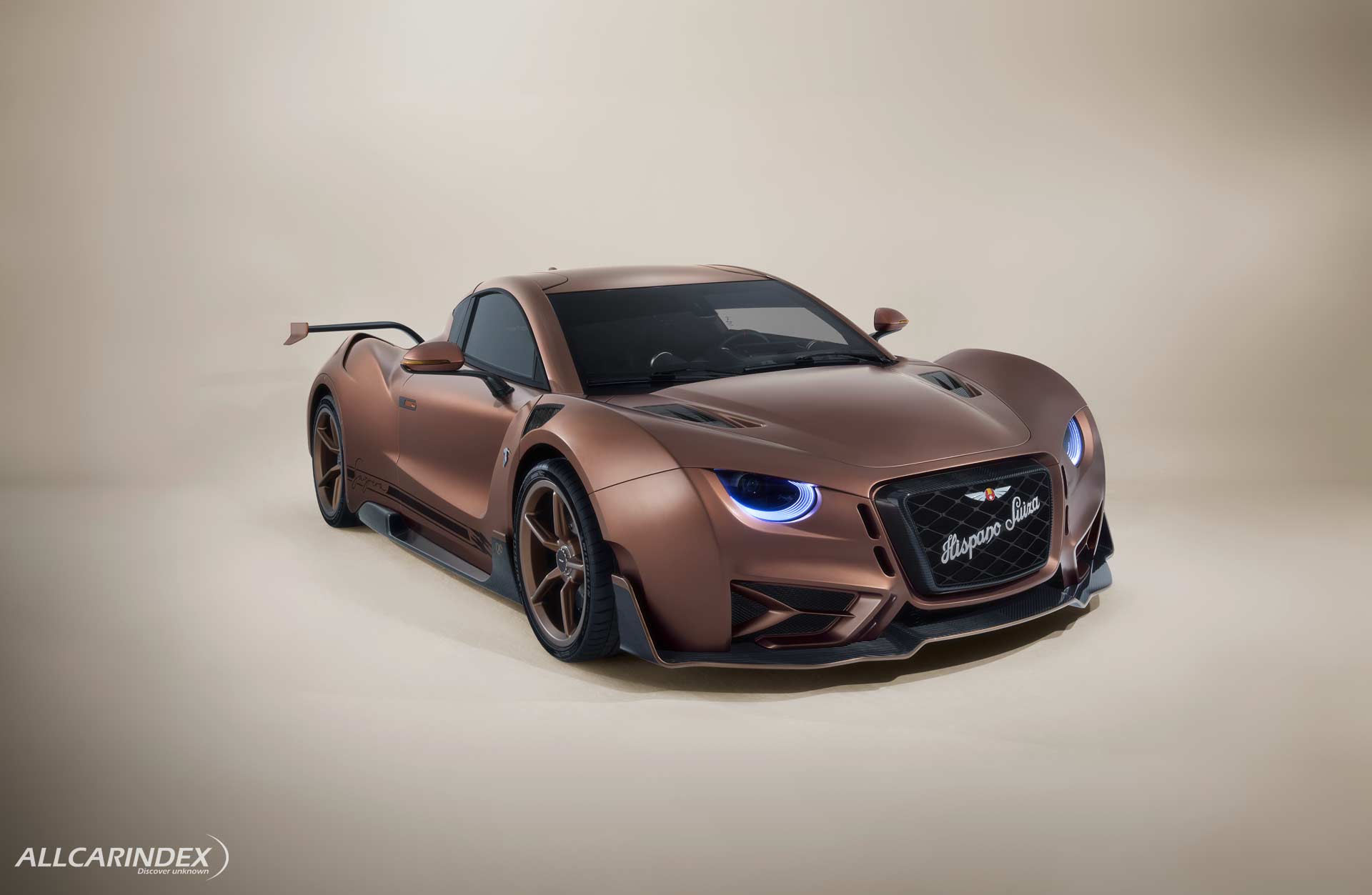
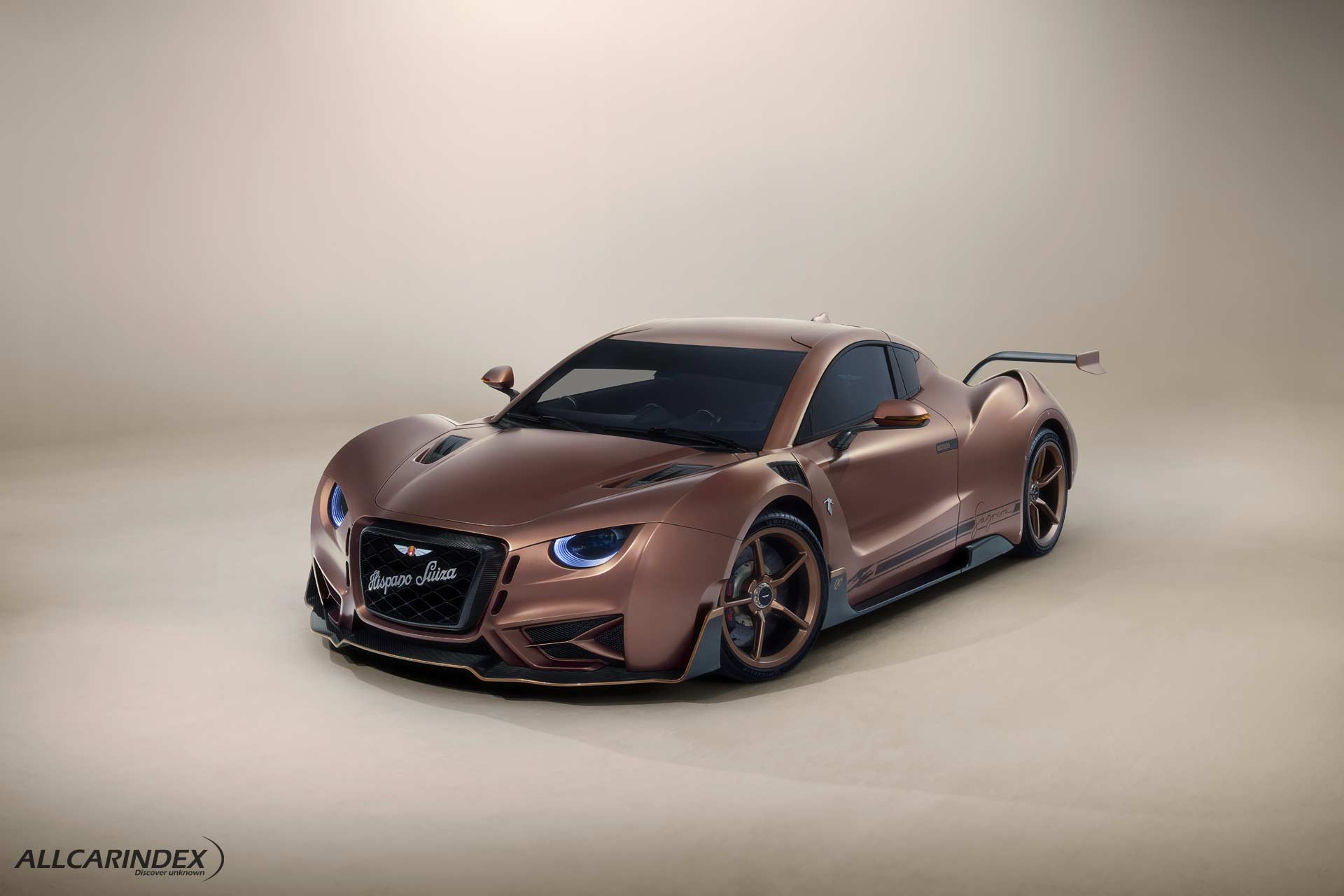
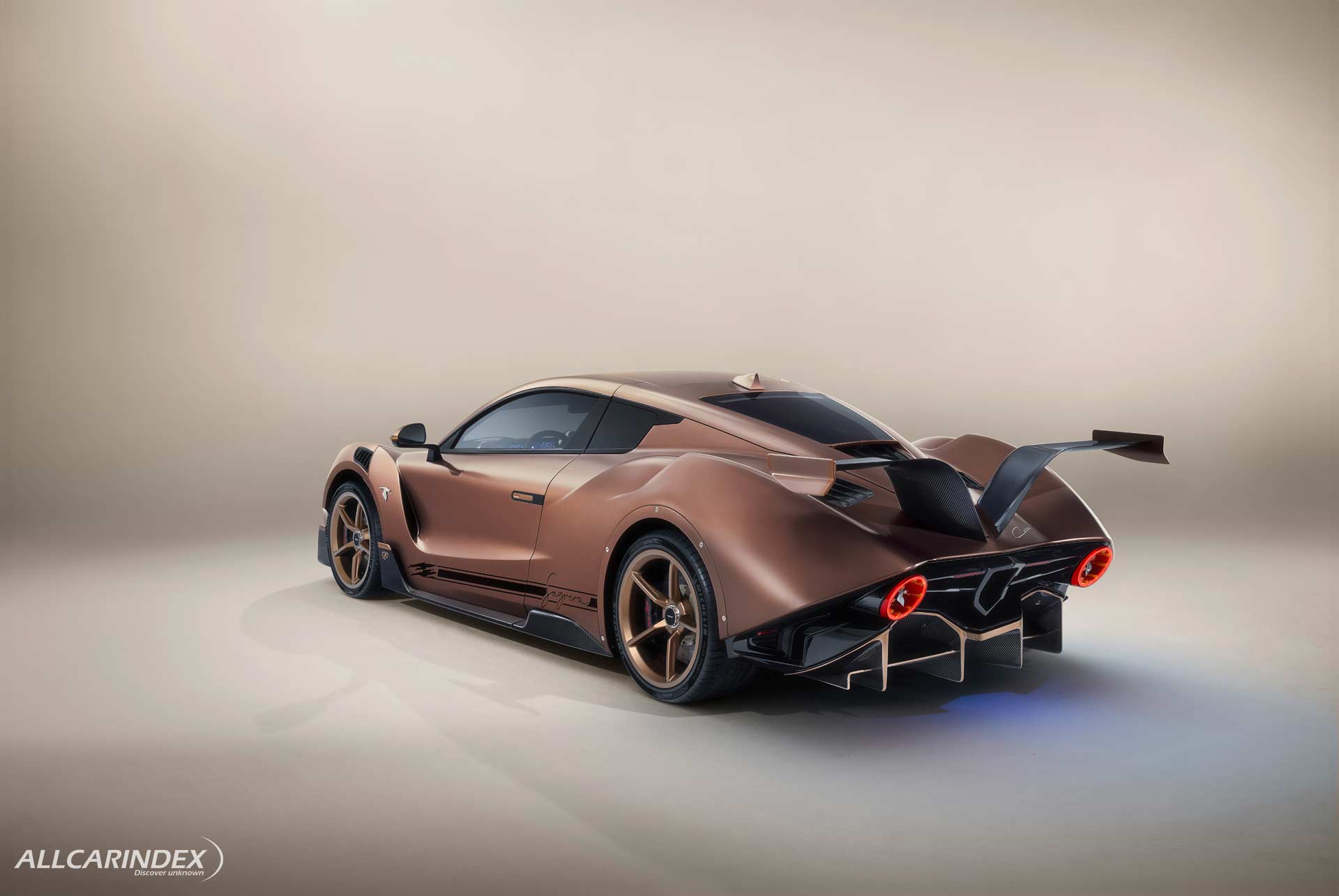
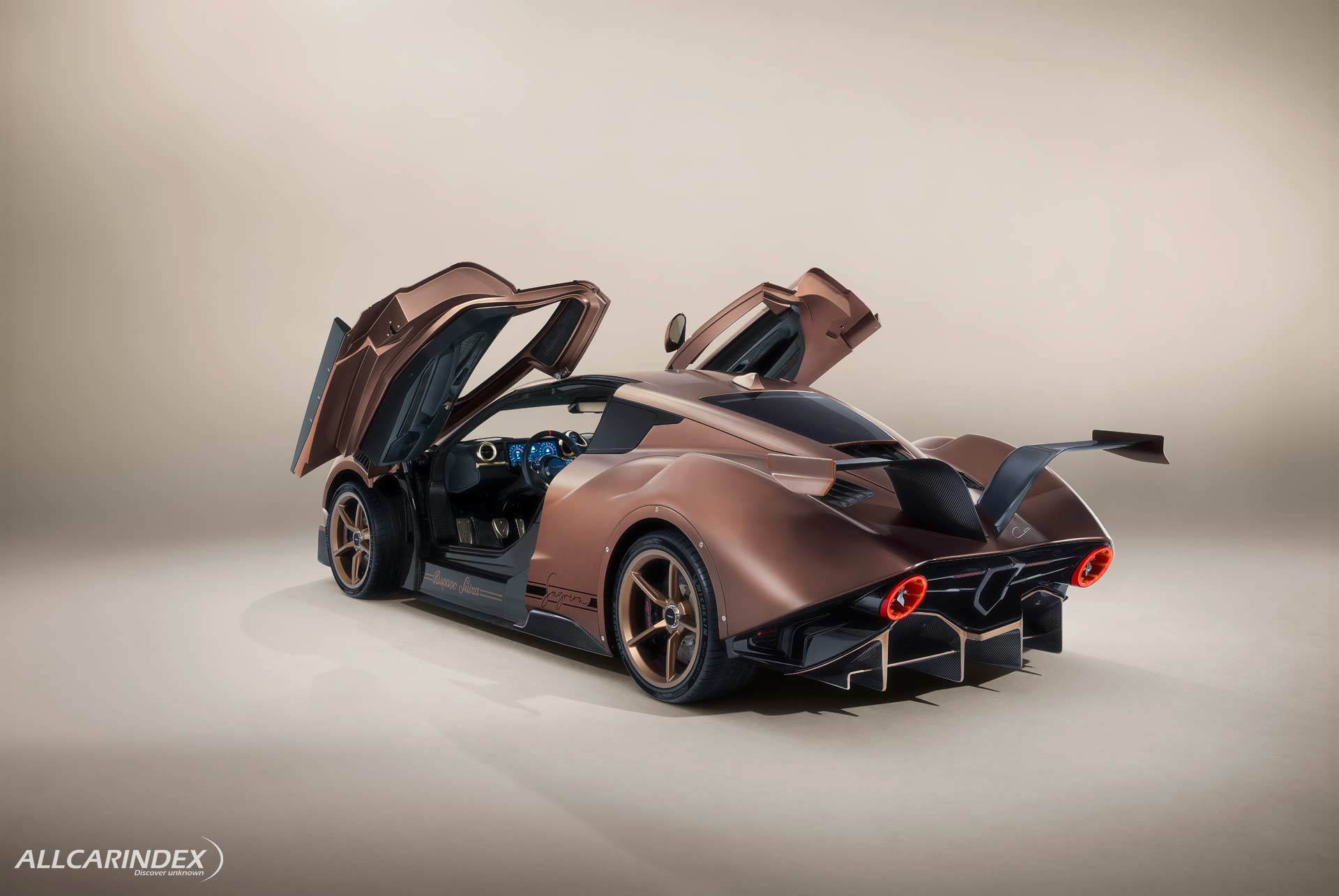
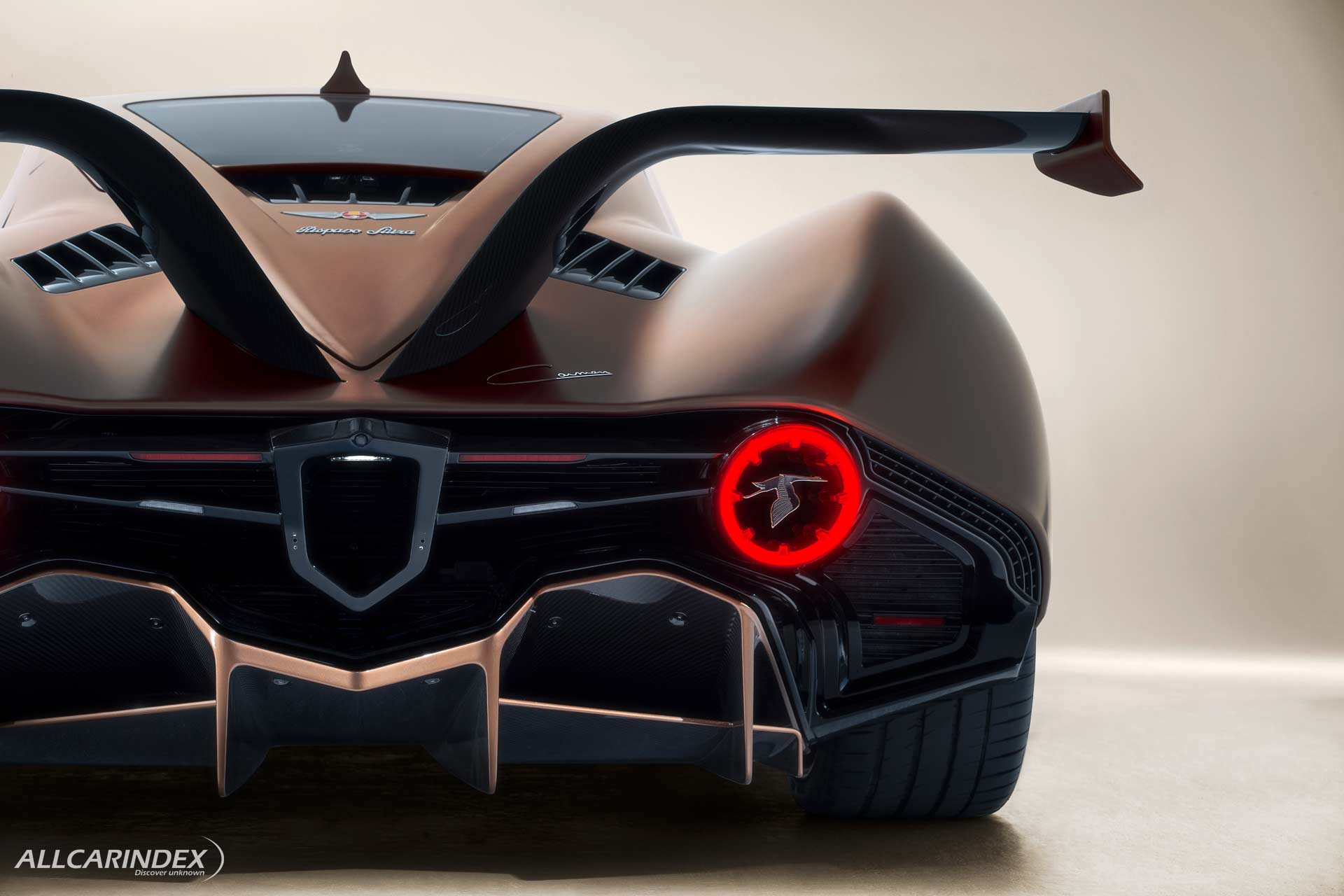
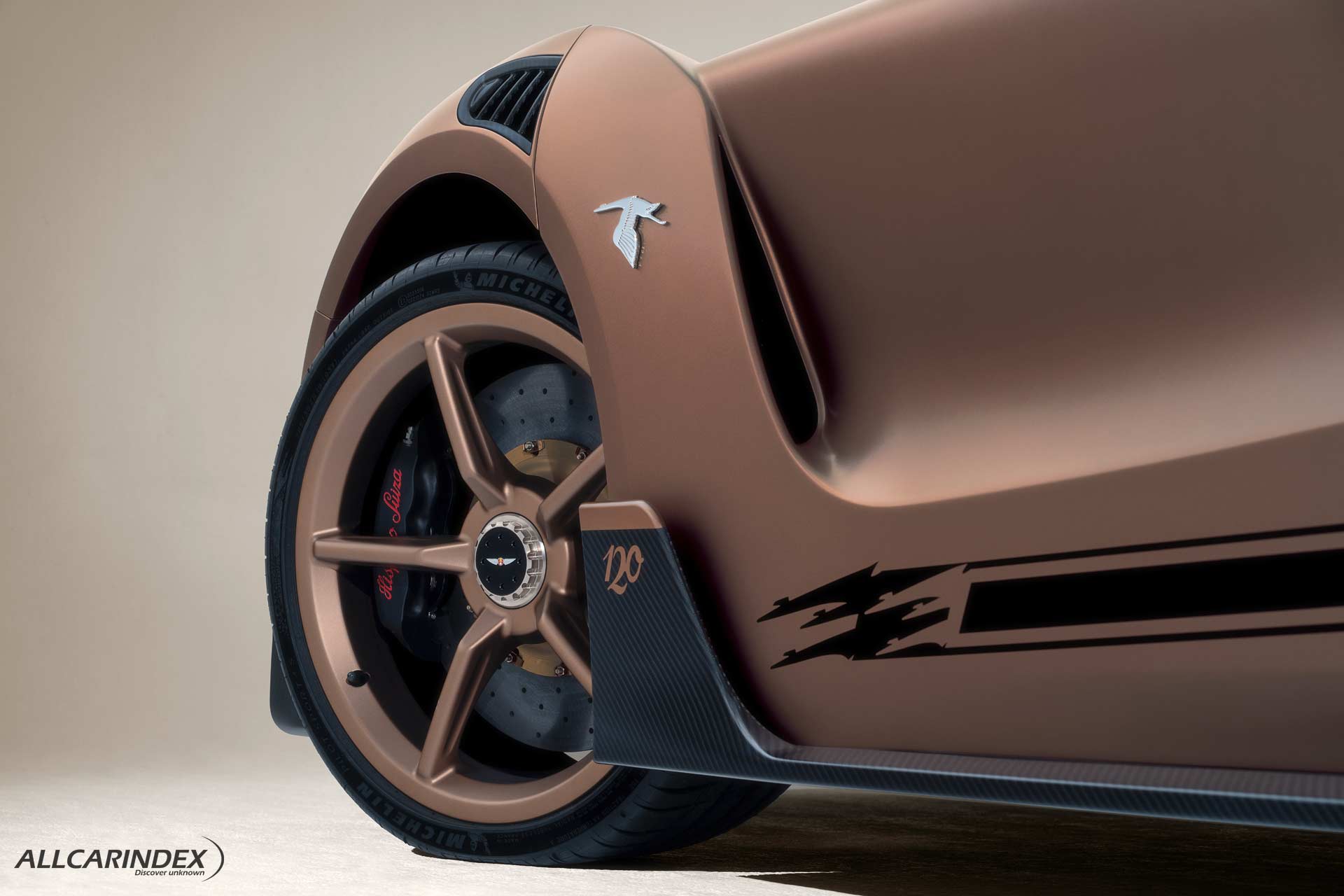
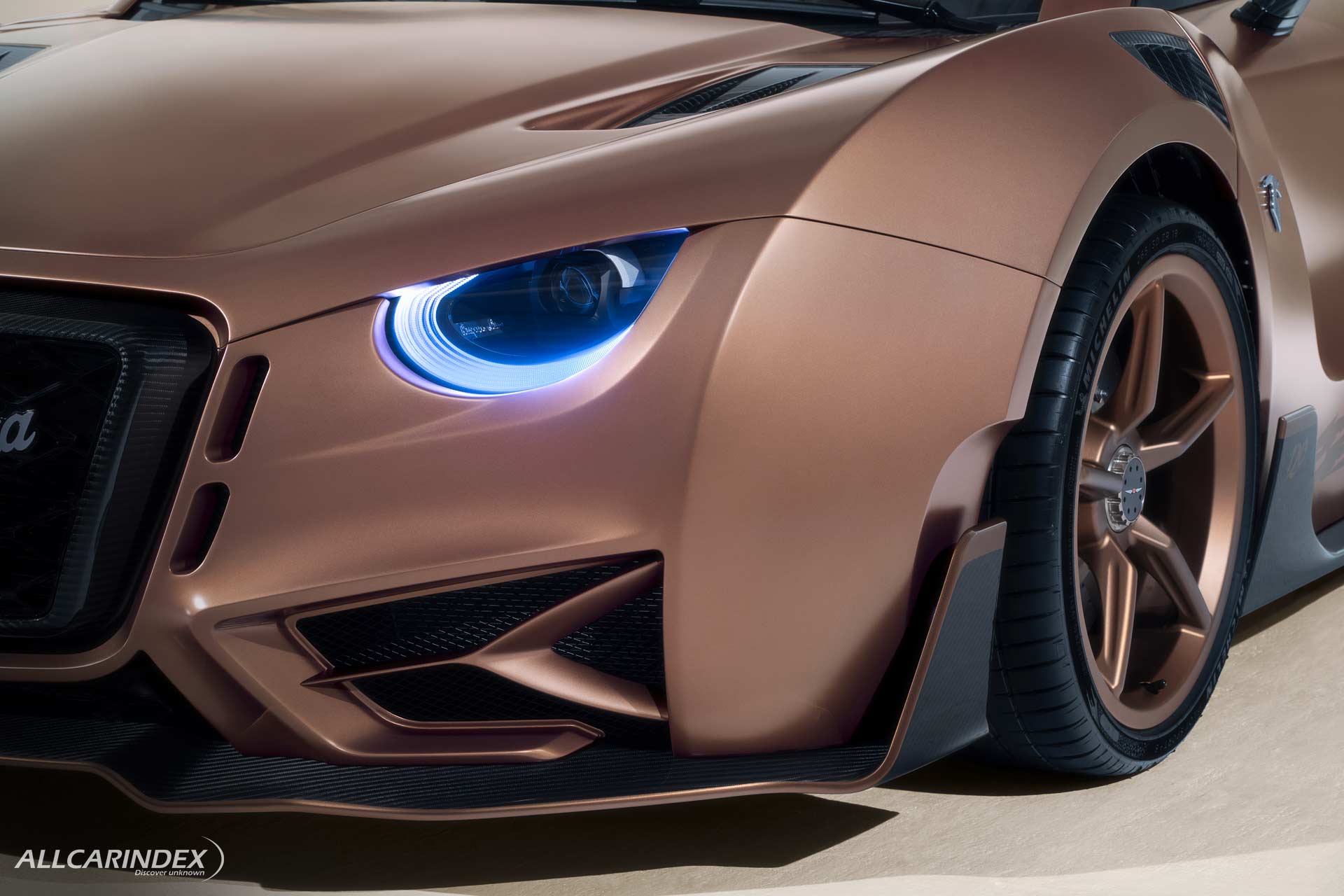
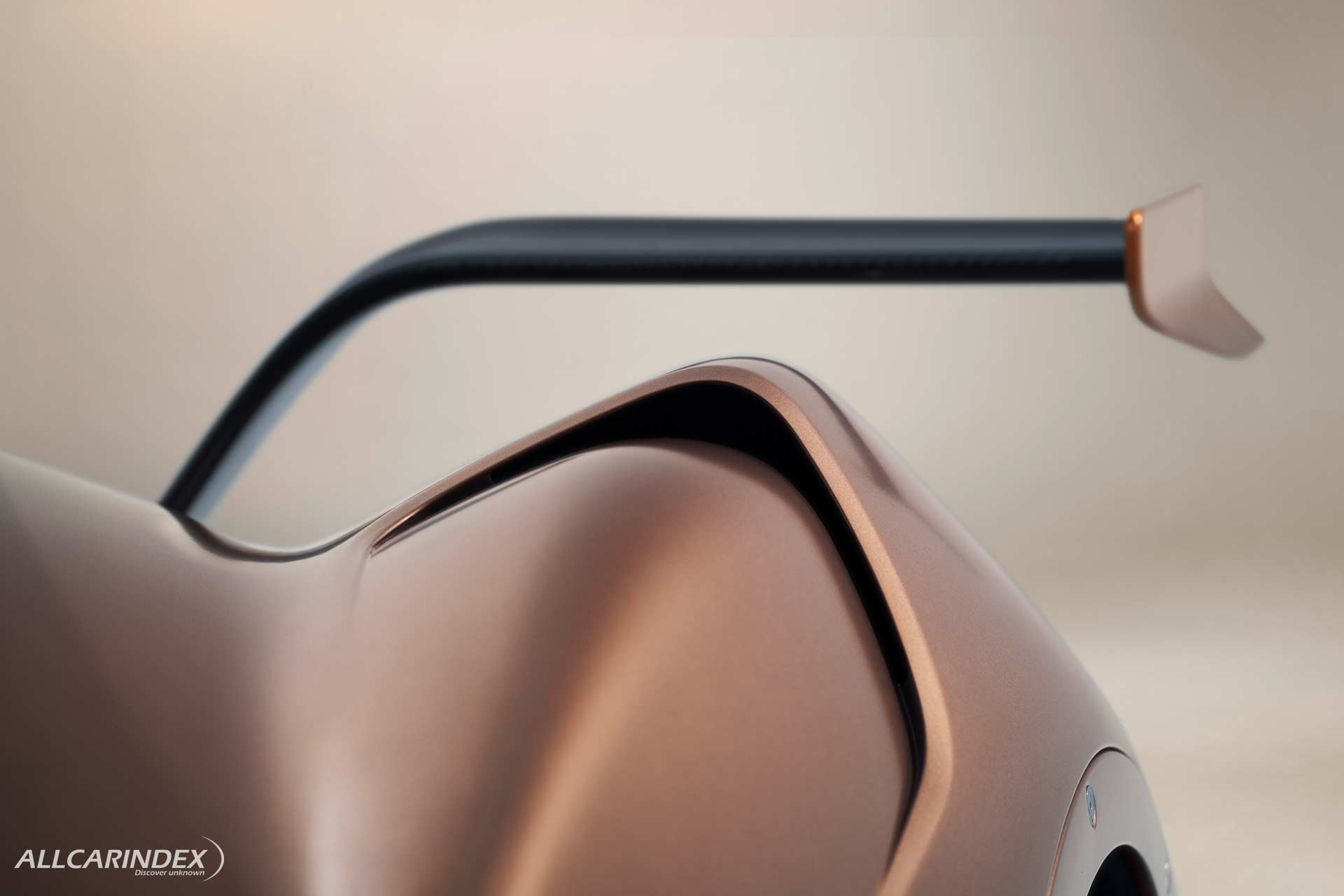
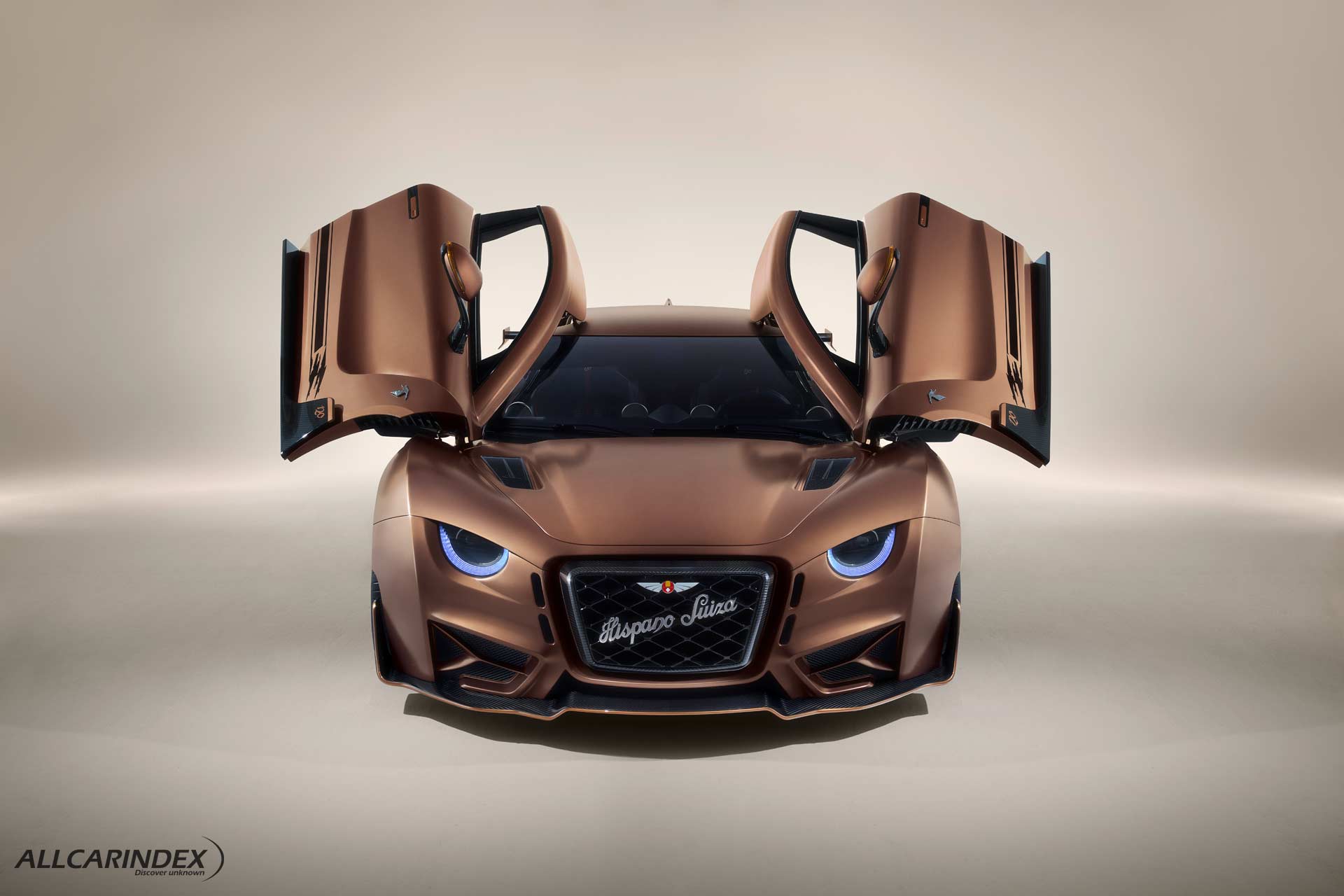
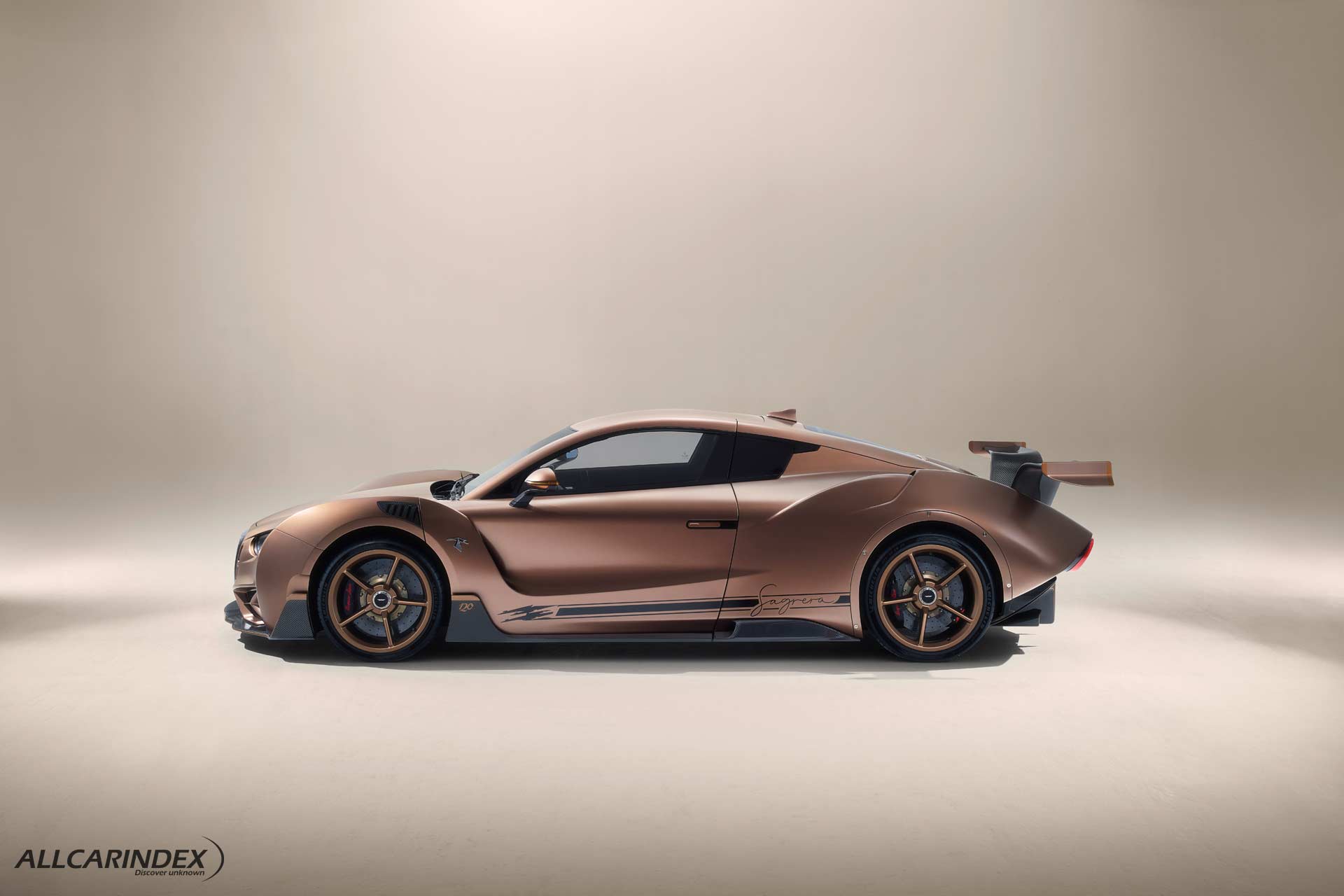
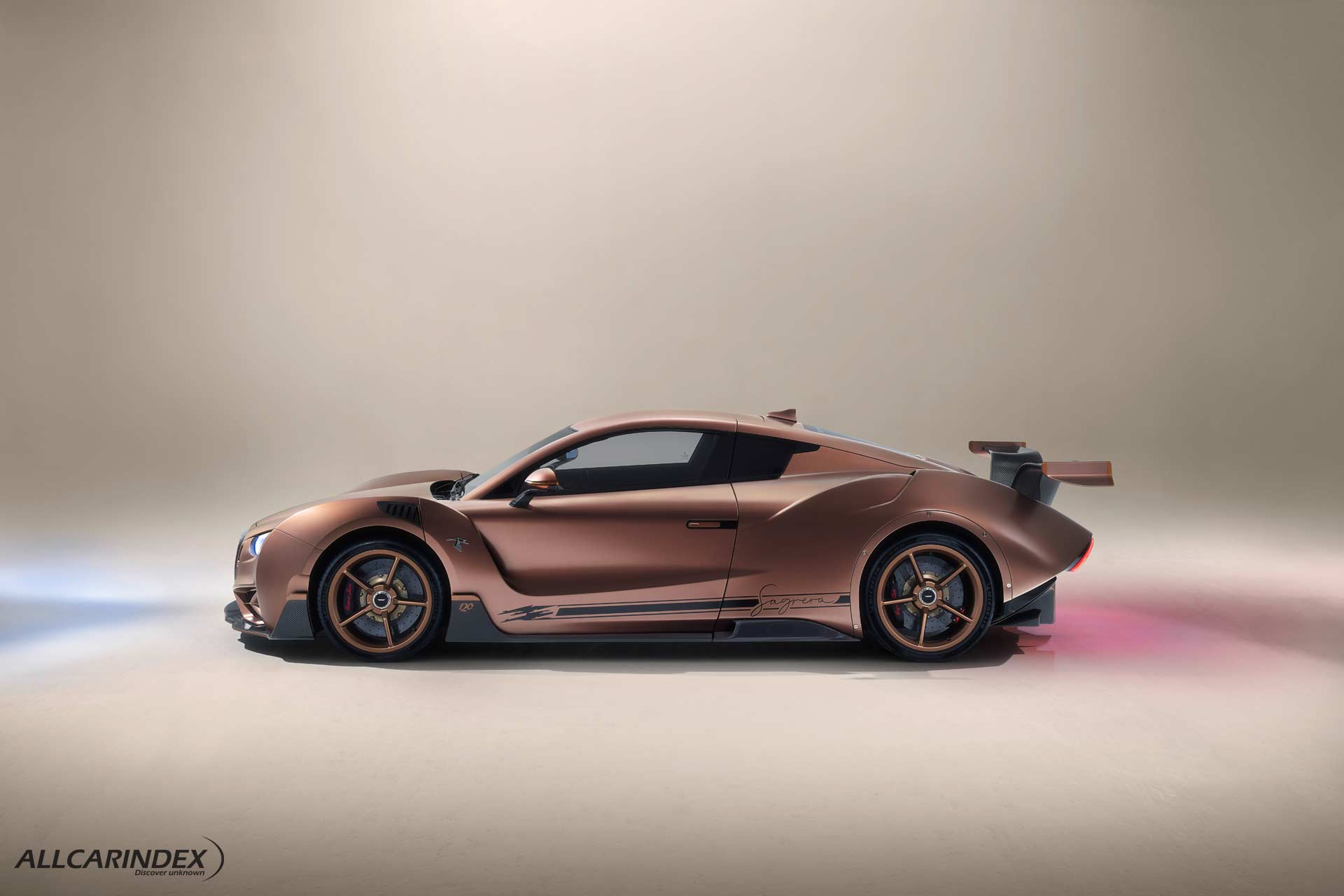
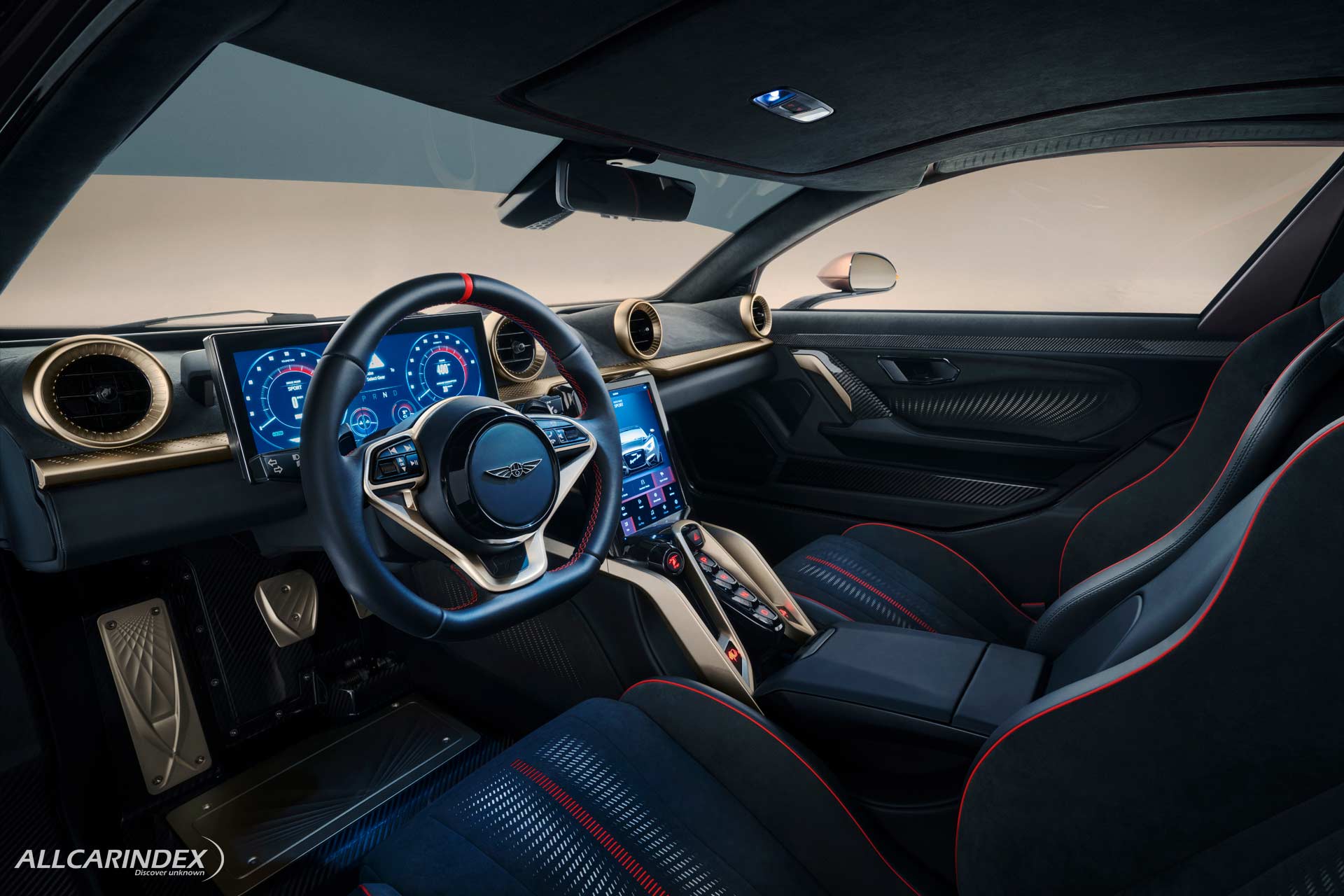
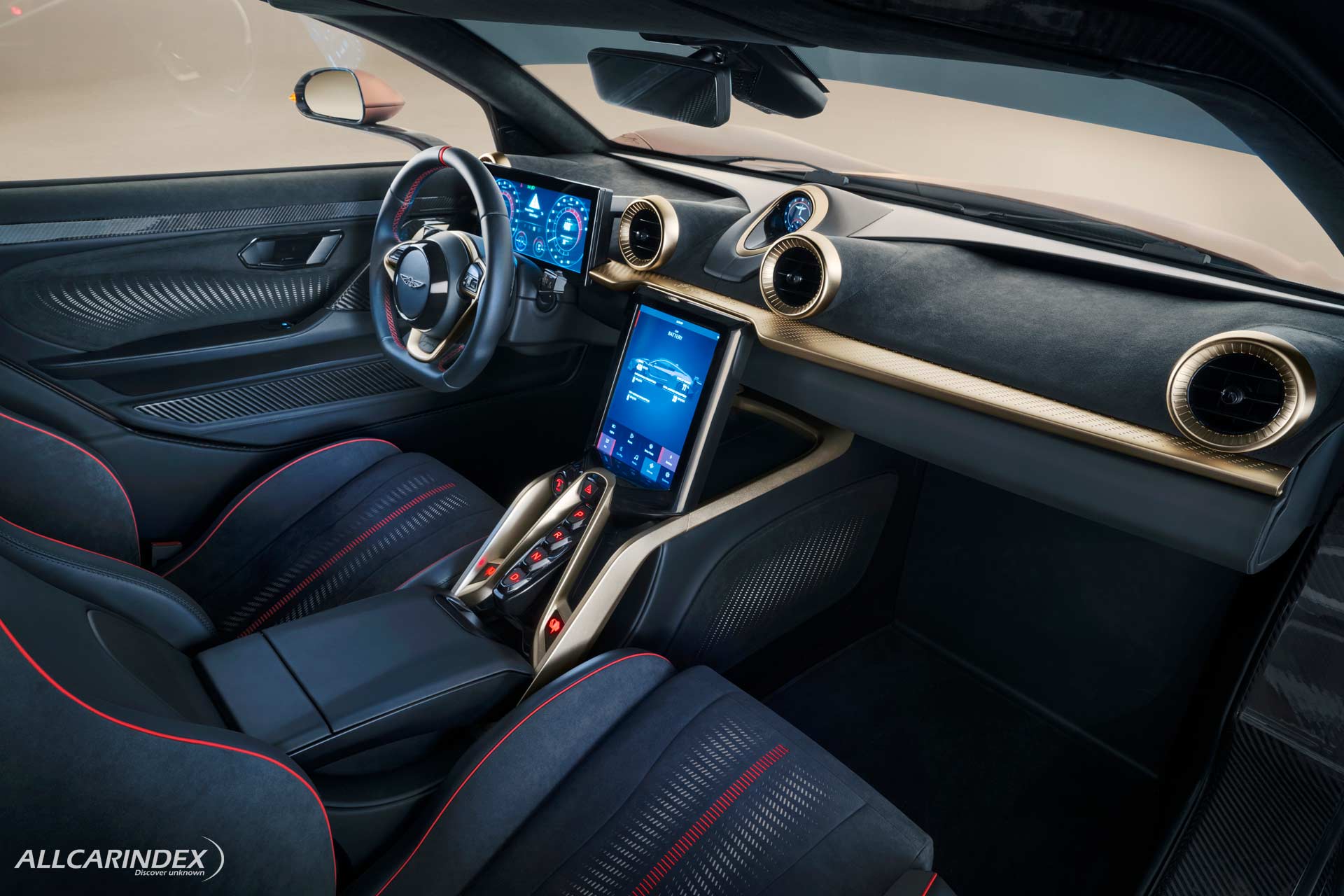
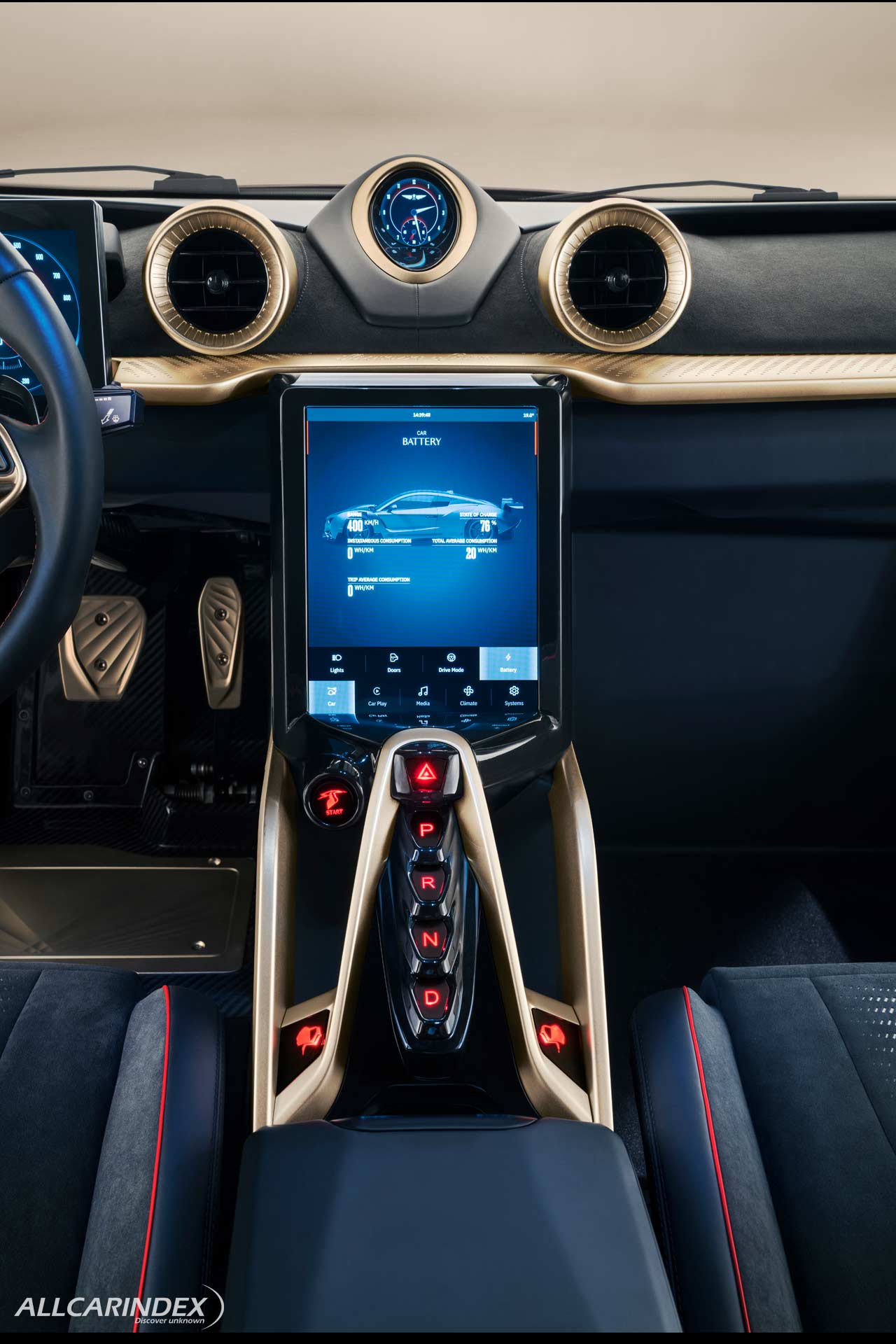
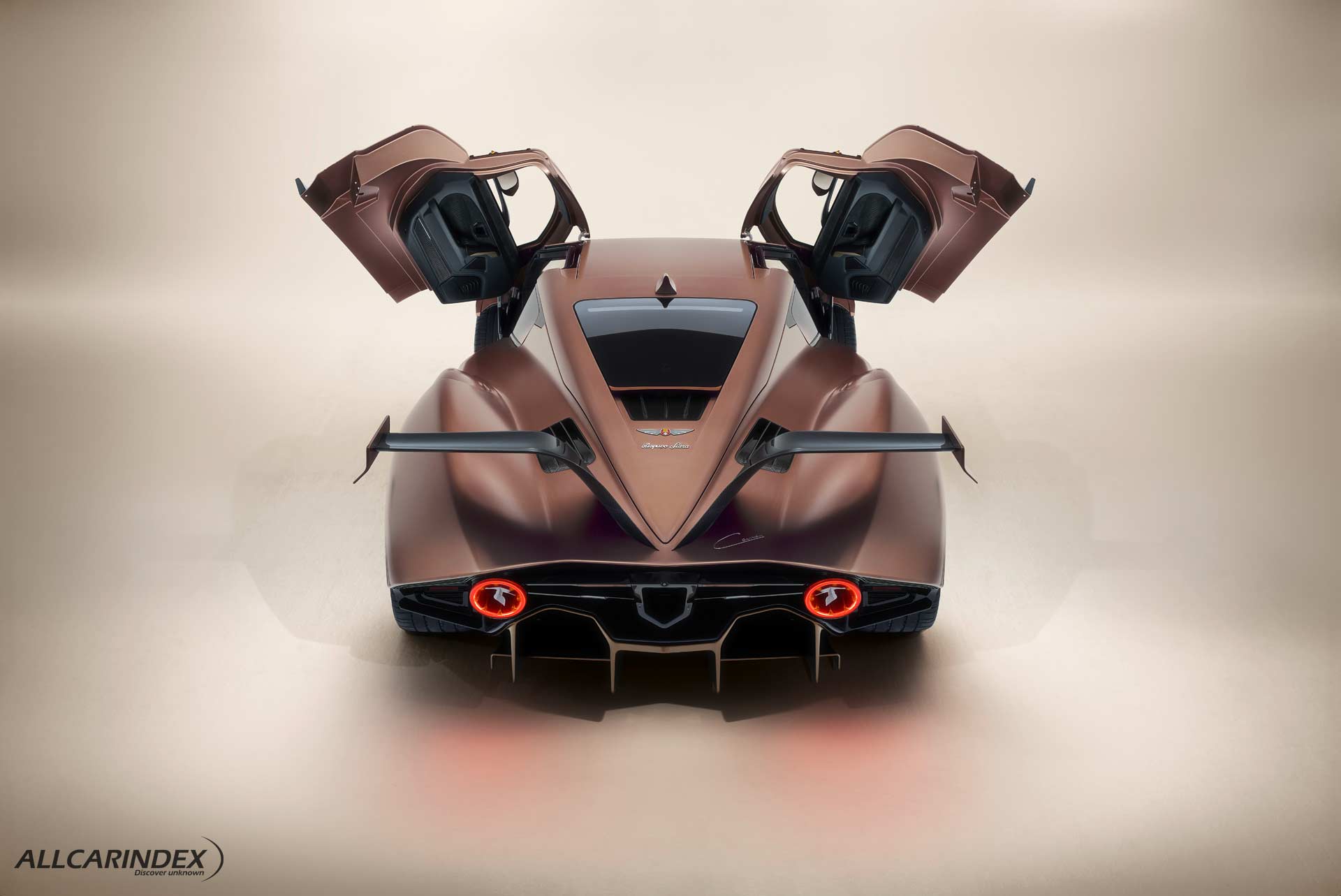
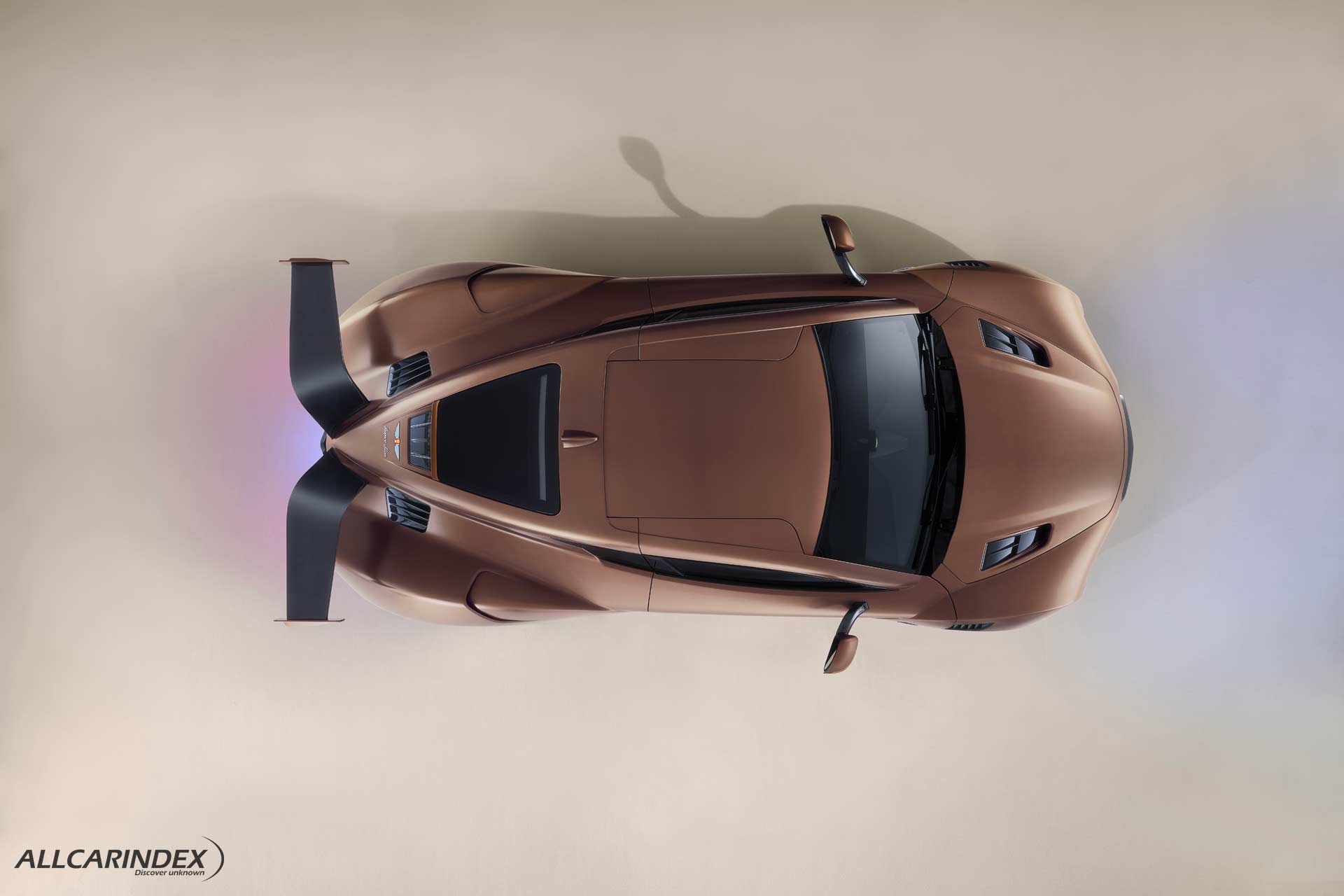
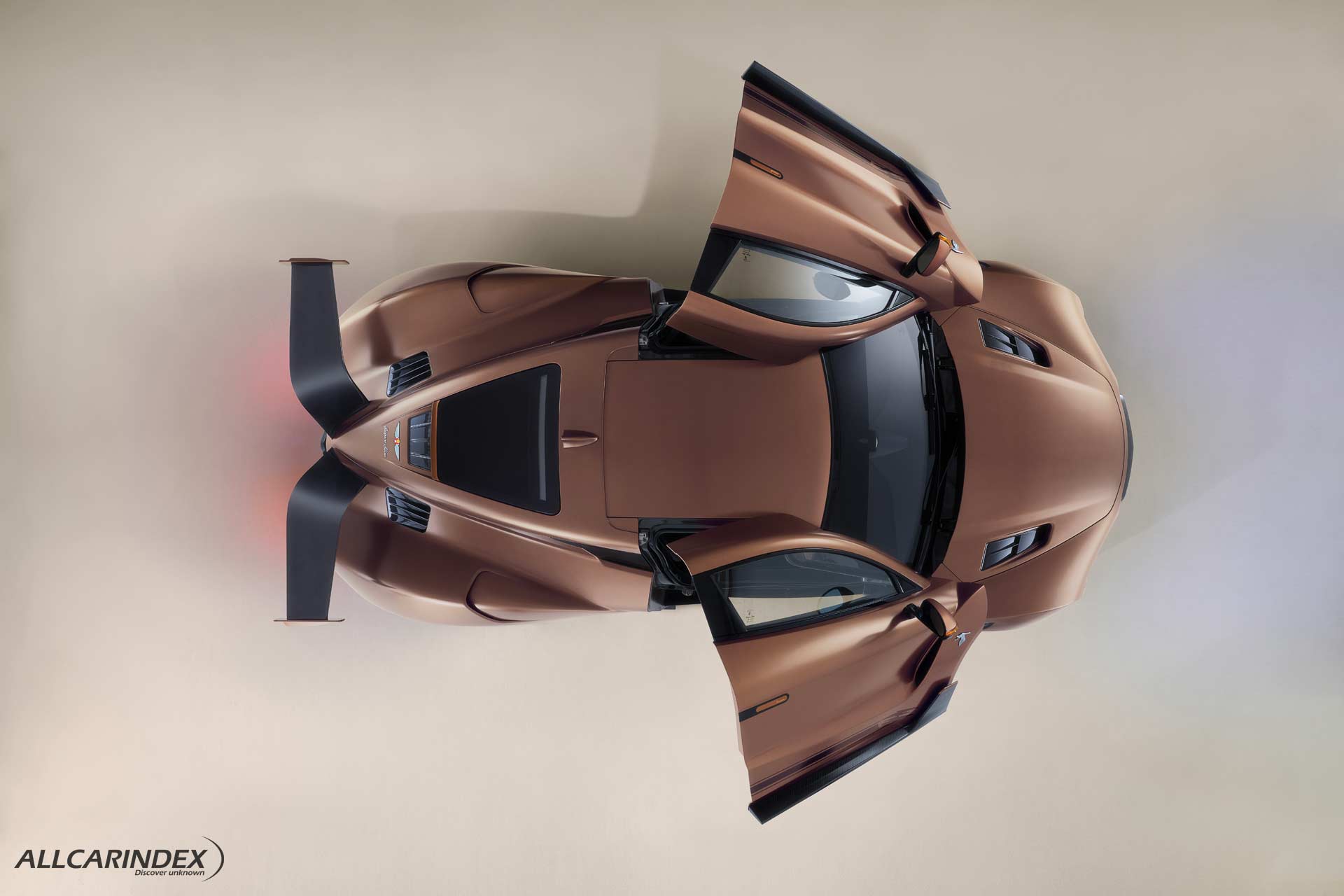

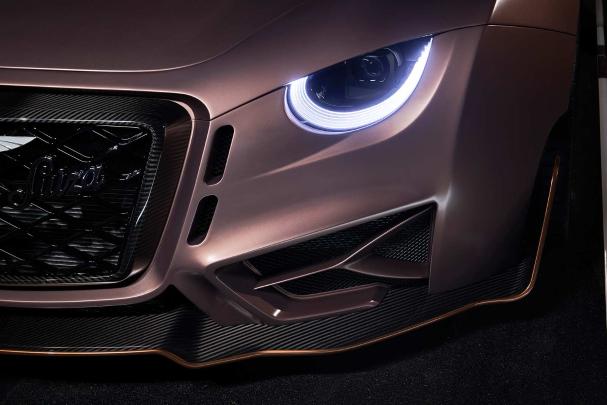
Every carmaker with a screen to sell will tell a buyer that more technology means more capability, and in a class of car where the driver has always been the whole point, that trade can feel backwards. Hispano Suiza makes its case the other way round: technology that stays out of view and does its work without asking for credit, so that whatever passes between the wheel and the road stays between the wheel and the road. The clearest statement of that idea right now is the Hispano Suiza Carmen Sagrera.
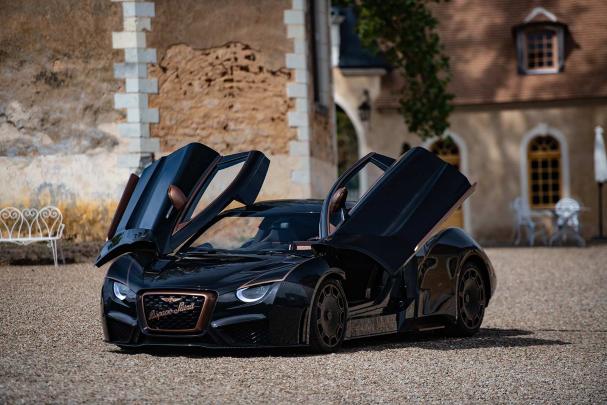
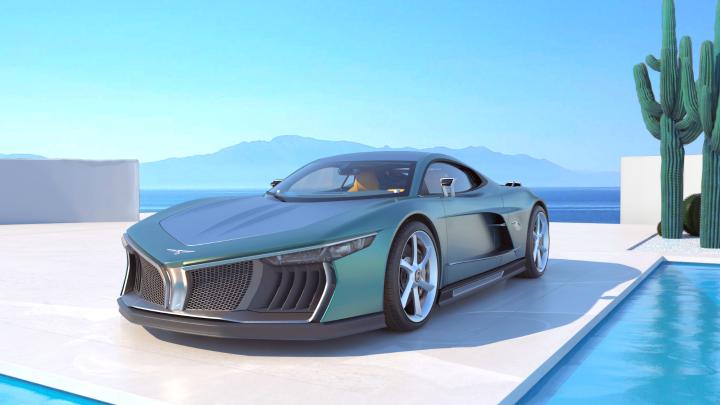
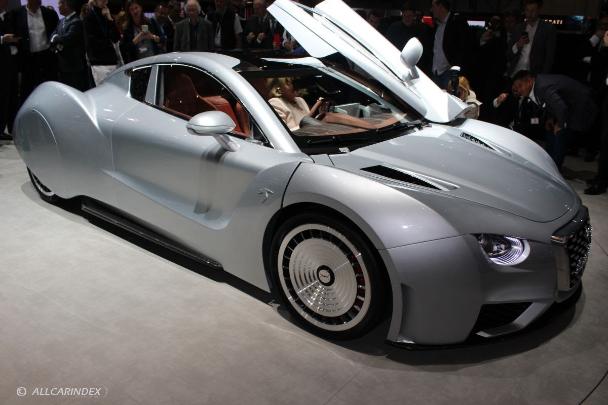
The Carmen Sagrera is the third hypercar in the Carmen range and, in Hispano Suiza's own account, the clearest expression yet of the marque's new era. It is fully electric, producing 820 kW, or 1,115 hp, and 1,160 Nm of torque, numbers that carry it from 0 to 100 km/h in 2.6 s! Behind that powertrain sits a company with rather more history than the specification sheet lets on.
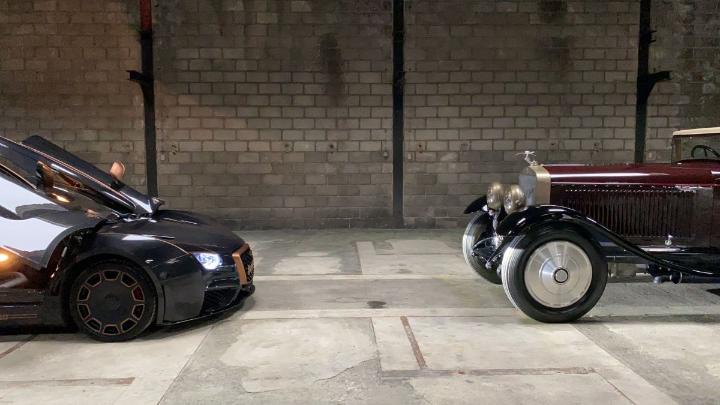
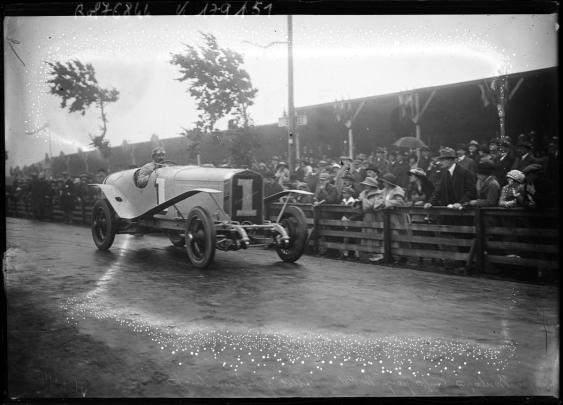
Damián Mateu founded Hispano Suiza Fábrica de Automóviles S.A. in Barcelona in 1904, with Marc Birkigt on board as technical director and engineer, and also as a partner in the firm. Between 1904 and 1946 the company turned out upward of 12,000 luxury vehicles built to a high performance standard, plus 50,000 aircraft engines. It returned in 2019, revived by Damián Mateu's great-grandson, Miguel Suqué Mateu, and the brand remains in the hands of five generations of the Suqué Mateu family, with Sergio Martínez Campos serving as CEO alongside the management team steering its legacy and evolution forward. The Carmen Sagrera arrived in 2024, unveiled to mark the brand's 120-year history and completing an electric hypercar range that already held the Carmen of 2019 and the Carmen Boulogne of 2020.
At the centre of the Sagrera's case for itself sits Hispano Suiza Driver Dynamics, known inside the company as HSDD, the in-house system tasked with coordinating stability, managing torque, distributing power and switching between the car's various driving modes. HSDD covers the software that manages the car's dynamic behaviour, along with power delivery, traction, braking and active safety, reading numerous signals from the car and its surroundings as they happen, to sharpen its response to whatever situation arises. Among the functions folded into it are the Grip Enhancement System for traction control, Active Yaw Modulation for stability, torque management, power distribution, and a shift in the car's response depending on which driving mode is selected. The Electronic Torque Stabiliser handles energy regeneration and, when needed, sends negative torque to each rear wheel on its own to keep the car settled, a process that also stretches range as well. Next to this sits a thermal management layer for the motors and the battery, there to keep performance balanced and at its peak throughout use.
The calibration behind all of it came out of simulation work and heavy testing, on circuit and on the open road alike, a process led by Luis Pérez-Sala, a test driver and former Formula 1 driver, working to leave the driver a wide margin of freedom and to keep the car's response gradual and natural. What that leaves, in Hispano Suiza's telling, is a driving experience where the car's character and ability still come through, without the driver ever feeling the electronics have taken the wheel.
"At Hispano Suiza, we understand technology as a tool to intensify driving pleasure, not to replace it. The Hispano Suiza Driver Dynamics system coordinates every intervention so that it acts only when necessary, in a precise, natural way that is entirely consistent with the character of the vehicle," says Juan Fernández, Chief Technical Officer at Hispano Suiza.
The Carmen Sagrera's software runs at more than 200 million instructions per second, working through a long list of parameters in real time so that HSDD can keep on top of traction, stability and power delivery. Among the signals it reads are steering-wheel position and how fast it turns, accelerator input, wheel speed, brake pressure, chassis yaw angle, damper travel, acceleration on all three axes, battery charge, current and voltage, the driving mode selected, ambient temperature and pressure, and altitude above sea level. From that stream of data, HSDD adjusts power delivery, dials traction control in or out, manages regeneration and shapes the car's dynamic behaviour, all in the name of driving that stays precise and safe. Within the Carmen Sagrera, HSDD steps in gradually and with careful calibration, there to protect, optimise and support rather than to override, and the driver is left with a steady sense of control, confidence and connection to the car. Hispano Suiza calls this its Invisible Technology.
An electronic architecture running through the Carmen Sagrera gathers and processes information from no less than 100 sensors placed across the car. Analogue and digital signals, plus data carried over the CAN protocol from sensors spread through the chassis and power units, get turned into readings for pressure, temperature, position, flow, speed, acceleration, power and torque, and that flow of information feeds continuously into Hispano Suiza's own software, which carries out the driver's commands with precision and without compromising safety. Because the car's condition is watched without a break, the systems can anticipate what's coming and adjust before any intervention is even felt, reacting with real precision while still following the intentions of whoever is behind the wheel.
Hispano Suiza places the Carmen Sagrera as a contemporary take on the Gentleman Driver idea, a car whose technology is meant to strengthen the connection between driver and vehicle rather than filter it. Doing that in an electric hypercar putting out more than 1,100 hp asks for an unusually fine balance between power, control and sensitivity, and every HSDD calibration answers to that balance; further to that, the immediate delivery of electric torque and the car's acceleration are matched with a calibration meant to build confidence without draining the emotion out of the drive.
Hispano Suiza's own summary of the idea is blunt. The tech isn't there to substitute for the enjoyment of driving. It's there to turn it up.