![Hennessey Blackbird — Manual Hypercar Limited to 71 Examples [w/Video] photo 1](/img/blog/2026/2026-08-03-hennessey-blackbird_01.jpg?t=9Kl-1SRnZKSONdGZnDtWGufxPvIznY3WZYwfwCystfk)
![Hennessey Blackbird — Manual Hypercar Limited to 71 Examples [w/Video] photo 2](/img/blog/2026/2026-08-03-hennessey-blackbird_02.jpg?t=KZ9m_sx965UMILqmHi_sCvH4w1Lzemg6uA6sMK_CNOY)
![Hennessey Blackbird — Manual Hypercar Limited to 71 Examples [w/Video] photo 3](/img/blog/2026/2026-08-03-hennessey-blackbird_03.jpg?t=CABr3yYr3y2Z3Px7N4OAQIKwFQYBwVb94lLvWyuk7GI)
![Hennessey Blackbird — Manual Hypercar Limited to 71 Examples [w/Video] photo 4](/img/blog/2026/2026-08-03-hennessey-blackbird_04.jpg?t=r2XyXIFw109_HP5lpj04_oVKAZKeY8N_bsRKgkwrDwo)
![Hennessey Blackbird — Manual Hypercar Limited to 71 Examples [w/Video] photo 5](/img/blog/2026/2026-08-03-hennessey-blackbird_05.jpg?t=lS-g4ZlobU7axBAfvYm2H-29JPm_nioc3T7VGfF9It8)
![Hennessey Blackbird — Manual Hypercar Limited to 71 Examples [w/Video] photo 6](/img/blog/2026/2026-08-03-hennessey-blackbird_06.jpg?t=8B80918jr_NG32tE--diOrb4idOMKPEhSzDN-OtlByY)
![Hennessey Blackbird — Manual Hypercar Limited to 71 Examples [w/Video] photo 7](/img/blog/2026/2026-08-03-hennessey-blackbird_07.jpg?t=iC6hK2EmdDX5c03pTvTOhOmYHwH4PwLTwidESZ80_0A)
![Hennessey Blackbird — Manual Hypercar Limited to 71 Examples [w/Video] photo 8](/img/blog/2026/2026-08-03-hennessey-blackbird_08.jpg?t=whnoTqSMsK0fVenK9q2YFzd2LgZg8NQ63gk0-Sm1NzM)
![Hennessey Blackbird — Manual Hypercar Limited to 71 Examples [w/Video] photo 9](/img/blog/2026/2026-08-03-hennessey-blackbird_09.jpg?t=VLmTW41eAtBeQKwrb4hyNWJpKWhxMGQ2YyZAVNyRW9U)
![Hennessey Blackbird — Manual Hypercar Limited to 71 Examples [w/Video] photo 10](/img/blog/2026/2026-08-03-hennessey-blackbird_10.jpg?t=xmUkgPghf-kecdrfaMUASFC_cFud1KH24PlwHNzonyo)
![Hennessey Blackbird — Manual Hypercar Limited to 71 Examples [w/Video] photo 11](/img/blog/2026/2026-08-03-hennessey-blackbird_11.jpg?t=lGAxB0AGm0YubUzEbclqPYRTOvGScRb8dWLydGh52fk)
![Hennessey Blackbird — Manual Hypercar Limited to 71 Examples [w/Video] photo 12](/img/blog/2026/2026-08-03-hennessey-blackbird_12.jpg?t=BgFJox8IHf_b4_tz8OPY1BtjIYyijDfIZv7jKGyToRg)
![Hennessey Blackbird — Manual Hypercar Limited to 71 Examples [w/Video] photo 13](/img/blog/2026/2026-08-03-hennessey-blackbird_13.jpg?t=tLKeczcTTEpHhboNs3xZN3aPVIs-x-Ea_qcKfIxwGKo)
![Hennessey Blackbird — Manual Hypercar Limited to 71 Examples [w/Video] photo 14](/img/blog/2026/2026-08-03-hennessey-blackbird_14.jpg?t=vWgVxPIVGifw2XW_DUlV0irNTZoHJ5qvFLxG-yGLZoE)
![Hennessey Blackbird — Manual Hypercar Limited to 71 Examples [w/Video] photo 15](/img/blog/2026/2026-08-03-hennessey-blackbird_15.jpg?t=TtAob94xNimHQy8-cb23kj5jlGjGuhRG7A5y9PKvip4)
![Hennessey Blackbird — Manual Hypercar Limited to 71 Examples [w/Video] photo 16](/img/blog/2026/2026-08-03-hennessey-blackbird_16.jpg?t=DcOcl8IWKtJfIoYmSn-KzfuAlkJ8UfqaoKBmWA2KXxI)
![Hennessey Blackbird — Manual Hypercar Limited to 71 Examples [w/Video] photo 17](/img/blog/2026/2026-08-03-hennessey-blackbird_17.jpg?t=nFlIV9nDiTYzQKlA7bDLk9vA_NO0KI0TsDxwAYlu6OQ)
![Hennessey Blackbird — Manual Hypercar Limited to 71 Examples [w/Video] photo 18](/img/blog/2026/2026-08-03-hennessey-blackbird_18.jpg?t=pZNjdc2h5KGZubTeKGLMUTDVdCFpSo4kt3qZ8eb2rYc)
![Hennessey Blackbird — Manual Hypercar Limited to 71 Examples [w/Video] photo 19](/img/blog/2026/2026-08-03-hennessey-blackbird_19.jpg?t=sxBjhTwT3EvdNzEeKrAnP1FMkGg2H_WjapJj-vj7a4A)
![Hennessey Blackbird — Manual Hypercar Limited to 71 Examples [w/Video] photo 20](/img/blog/2026/2026-08-03-hennessey-blackbird_20.jpg?t=jyfzrlf9652kWjJKuXjeAj3-4-xU3llGxClcLm4eUZQ)
![Hennessey Blackbird — Manual Hypercar Limited to 71 Examples [w/Video] photo 21](/img/blog/2026/2026-08-03-hennessey-blackbird_21.jpg?t=kLQ7XkLVcJ0jOfl0mQKBimjx2NaEihfovNm66el2BbE)
![Hennessey Blackbird — Manual Hypercar Limited to 71 Examples [w/Video] photo 22](/img/blog/2026/2026-08-03-hennessey-blackbird_22.jpg?t=o0xc7NnvGMM4c5HE2hDyqIJvMAiWeW-xhgIIozBFsGg)
![Hennessey Blackbird — Manual Hypercar Limited to 71 Examples [w/Video] photo 23](/img/blog/2026/2026-08-03-hennessey-blackbird_23.jpg?t=YHnUERFhGj9tBZUye5B1YmGVJ5kCt4w0grvy6K9TnD4)
![Hennessey Blackbird — Manual Hypercar Limited to 71 Examples [w/Video] photo 24](/img/blog/2026/2026-08-03-hennessey-blackbird_24.jpg?t=EmsxKy6rXsBU-UTzdpoApYiyGE0Pm85Abb2VAosYVRA)
![Hennessey Blackbird — Manual Hypercar Limited to 71 Examples [w/Video] photo 25](/img/blog/2026/2026-08-03-hennessey-blackbird_25.jpg?t=sXQjzEgC95vbsz_bggpl3RH7c4s5wbg1CwipYfJ0LRU)
![Hennessey Blackbird — Manual Hypercar Limited to 71 Examples [w/Video] photo 26](/img/blog/2026/2026-08-03-hennessey-blackbird_26.jpg?t=L6rR3icOiC5boG_JremU3j6mHjv-GwzDCWbsxUDHYTc)
![Hennessey Blackbird — Manual Hypercar Limited to 71 Examples [w/Video] photo 27](/img/blog/2026/2026-08-03-hennessey-blackbird_27.jpg?t=P37rYfb-xpqUbGxH4ssPcAoTeDVFDNQR9_des1zTocE)
![Hennessey Blackbird — Manual Hypercar Limited to 71 Examples [w/Video] photo 28](/img/blog/2026/2026-08-03-hennessey-blackbird_28.jpg?t=lLS3yNQysE_dKdCjHl_ieJeOK4oVXWFDNUPeDxLdyTg)
![Hennessey Blackbird — Manual Hypercar Limited to 71 Examples [w/Video] photo 29](/img/blog/2026/2026-08-03-hennessey-blackbird_29.jpg?t=AD2YO5GZ6dpwAjPX9wn6QBCJ5V8R10GFHKnD6XONUR4)
![Hennessey Blackbird — Manual Hypercar Limited to 71 Examples [w/Video] photo 30](/img/blog/2026/2026-08-03-hennessey-blackbird_30.jpg?t=T0yjZihQT7Y7ghN0TjbAoLmjlJVEu9pt0VEeZ26cTfY)
![Hennessey Blackbird — Manual Hypercar Limited to 71 Examples [w/Video] photo 31](/img/blog/2026/2026-08-03-hennessey-blackbird_31.jpg?t=pX3y4JBOTG-qntsajfsk59fWzqlTxKPyp9ijGnbDsRs)
![Hennessey Blackbird — Manual Hypercar Limited to 71 Examples [w/Video] photo 32](/img/blog/2026/2026-08-03-hennessey-blackbird_32.jpg?t=wuqtoX23lHN1UGXjr9CJciKuCy6ynYSCHrZN3HlbULI)
![Hennessey Blackbird — Manual Hypercar Limited to 71 Examples [w/Video] photo 33](/img/blog/2026/2026-08-03-hennessey-blackbird_33.jpg?t=-hUc5r5Bz4DeMb1LZtgiGhlgzmOYQm-De-dBxuO8t_Q)
![Hennessey Blackbird — Manual Hypercar Limited to 71 Examples [w/Video] photo 34](/img/blog/2026/2026-08-03-hennessey-blackbird_34.jpg?t=JeDWVYpJ0Up3eGxPJNTozxXQPmAdgc1tsH0Pz8uBqqg)
![Hennessey Blackbird — Manual Hypercar Limited to 71 Examples [w/Video] photo 35](/img/blog/2026/2026-08-03-hennessey-blackbird_35.jpg?t=JI4liw3X7bTCZ4-1zE1zZIkiaQp5x_JlQuY85CYu4JU)
![Hennessey Blackbird — Manual Hypercar Limited to 71 Examples [w/Video] photo 36](/img/blog/2026/2026-08-03-hennessey-blackbird_36.jpg?t=eYQFFWyhVflZUX7oTAirY0wCZrSqCpfxG0YIxePkstU)
![Hennessey Blackbird — Manual Hypercar Limited to 71 Examples [w/Video] photo 37](/img/blog/2026/2026-08-03-hennessey-blackbird_37.jpg?t=p590WjFtHxrpqBVqhszCxd65nMsEndnFq_cYjebE2LI)
![Hennessey Blackbird — Manual Hypercar Limited to 71 Examples [w/Video] photo 38](/img/blog/2026/2026-08-03-hennessey-blackbird_38.jpg?t=ahwY16aJ2eJOsCHJZ2IX9eK2S-rqnZy06p7S8RZP8B8)
![Hennessey Blackbird — Manual Hypercar Limited to 71 Examples [w/Video] photo 39](/img/blog/2026/2026-08-03-hennessey-blackbird_39.jpg?t=jeIBHaz6Ek0Dc7AYujw2sgoo2zHxjCRC50iGhKA_Cik)
![Hennessey Blackbird — Manual Hypercar Limited to 71 Examples [w/Video] photo 40](/img/blog/2026/2026-08-03-hennessey-blackbird_40.jpg?t=YZsM6nXYYSgE5CWo1clcv1_Hq0ssWmZkPOVmsKEnBkA)
![Hennessey Blackbird — Manual Hypercar Limited to 71 Examples [w/Video] photo 41](/img/blog/2026/2026-08-03-hennessey-blackbird_41.jpg?t=befqM2VNrQNkynBZgR9DqTFAx1i__WQYr6SclDpAHkU)
![Hennessey Blackbird — Manual Hypercar Limited to 71 Examples [w/Video] photo 42](/img/blog/2026/2026-08-03-hennessey-blackbird_42.jpg?t=Nn0UYBV9Roi0eUG_EbKzt3PiGMhHc1tawaaoVUBghO8)
![Hennessey Blackbird — Manual Hypercar Limited to 71 Examples [w/Video] photo 43](/img/blog/2026/2026-08-03-hennessey-blackbird_43.jpg?t=EaKNFsVT8qM8iMswF6YBOqbqDdJ4S38ypXTpstkcbs4)
![Hennessey Blackbird — Manual Hypercar Limited to 71 Examples [w/Video] video 1](https://img.youtube.com/vi/NKET5qJ6xBY/mqdefault.jpg)

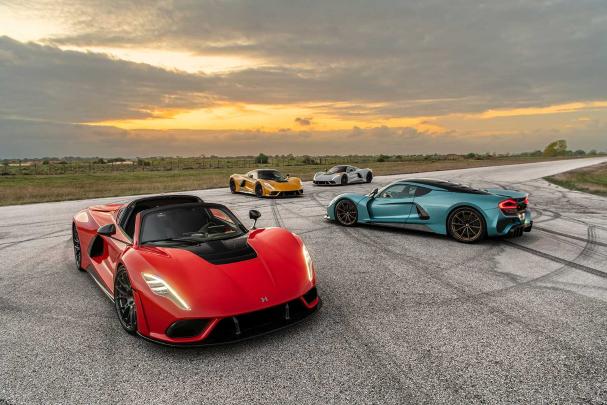
Hennessey Special Vehicles has put two hypercars on the road before now, and each arrived with a different argument. The Venom GT came first and made its name through acceleration and top-speed records, with a manual gearbox in the specification, which was enough to place a Texas workshop in the same conversation as the most ambitious performance car manufacturers anywhere. The Venom F5 followed as a fully bespoke machine drawn, developed and assembled in Texas, and it established the engineering, design, manufacturing and customer-delivery capability the company would need for anything that came after it. A manual derivative, the Venom F5-M, then demonstrated that a six-speed gated transmission could sit at the center of an extreme modern Hennessey rather than at its margins. With F5 production expected to wind up around 2028, a third hypercar has now been shown, and it is only the second clean-sheet car the company has drawn from nothing at all. We are talking about the Hennessey Blackbird.
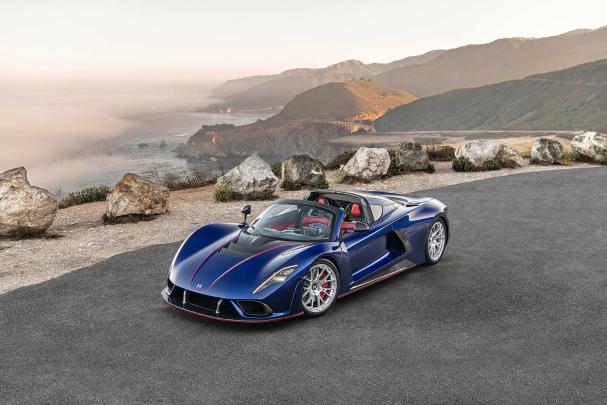
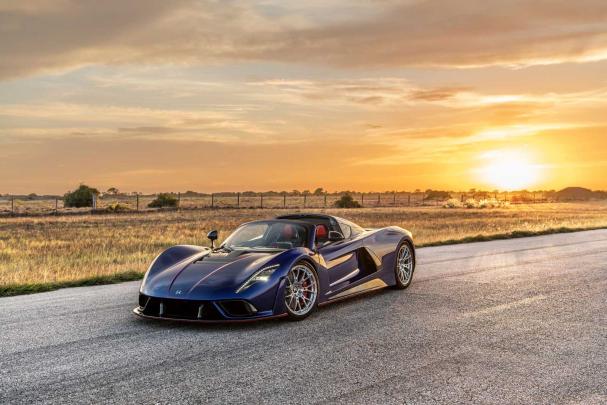
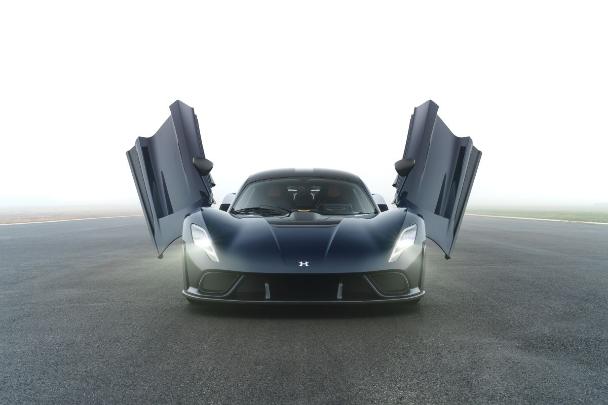
The car was conceived, engineered and will be built in Sealy, Texas, by the company founded and still run by Mr John Hennessey, with the design led by Mr Nathan Malinick, Director of Design, working alongside Mr Brycen Hicklin, Senior Designer. Where the Venom F5 was positioned as the fastest, most powerful and most extreme thing the company had ever produced, the Blackbird was briefed differently from the outset. It was to be a touring hypercar, naturally aspirated, manual, rear-driven, and built around the quality of the connection between driver, machine and road rather than around a headline figure. Hennessey has positioned it deliberately against the direction hypercars have taken toward greater weight, greater complexity, electrification and digital mediation, and has been open that this was the point of the exercise. The car is homologated for key global markets and makes its public debut on 14 August at The Quail, in California.
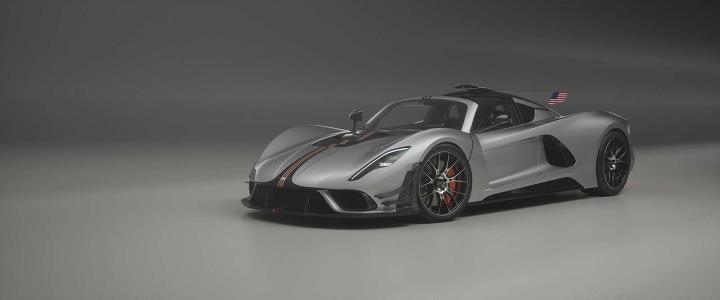
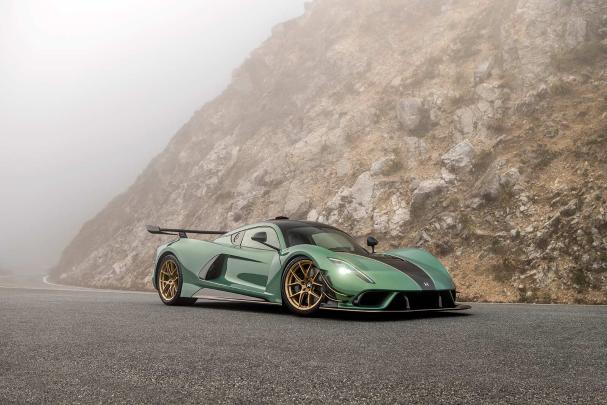
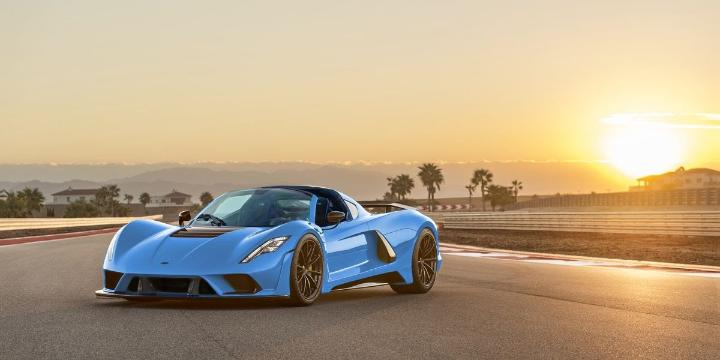
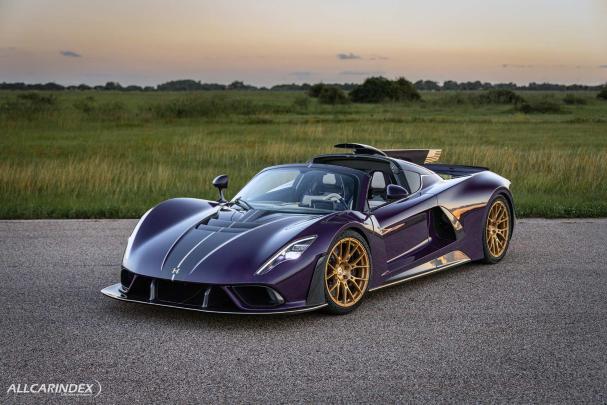
The name did not arrive by accident, and Hennessey holds the registered Blackbird trademark for high-performance vehicles and automotive applications. The Lockheed SR-71 Blackbird provided the defining reference, and its influence runs through the long stance, the directional confidence of the proportions and the disciplined surfacing of the body. The clearest single detail is the crisp chine line running along the body sides, which echoes the tightly pinched meeting of upper and lower surfaces on the aircraft and becomes the primary hard line of the car, giving tension to everything flowing around it. The aircraft also shaped the sense of long-distance purpose the whole car is built toward, while the execution remains a modern expression of a distinctively Hennessey hypercar rather than a scale reproduction of anything that ever flew.
At the rear sit active vertical stabilizers, and they carry the aircraft reference furthest of all. They deploy automatically at 71 mph and stand at plus and minus 71 degrees in recognition of the aircraft designation, though the driver may raise them manually at any speed at all. The same number governs the production run. No less than 71 examples will be built worldwide, and no more.
Other references come from motorsport and from aviation both. The quad-exhaust arrangement takes its diamond shape directly from the exhaust of the Bell X-1, the aircraft which on 14 October 1947 became the first to fly faster than the speed of sound, piloted at that time by U.S. Air Force Capt. Charles E. Chuck Yeager, who took it to Mach 1.06, or 700 mph, at an altitude of 43000 feet, which is 13000 meters. The diamond motif reappears in the headlights and again inside the cabin. Formula One practice informs the side pods, while the winglets are drawn from LMP1 racing, and the whole design was guided by an intention to avoid short-term trends in favor of proportion, surfacing and mechanical authenticity that will still hold up in fifty years.
Glass does a great deal of work here. An optional Sky Glass roof, asymmetrical and tapering in a shape taken from the canopy of the SR-71, opens the cabin to light. Further to that, a glass aperture is set into the rear bulkhead and the engine bay is covered in glass as well, which brightens the interior again and leaves the engine on permanent display. The doors open gullwing fashion, and the glasshouse is larger than the one on the Venom F5.
Under that rear glass is an all-new power aggregate developed with Ilmor Engineering, a naturally aspirated 6.2-liter V8 which Hennessey is targeting at 800 to 850 hp and more than 9000rpm. The company expects it to be both the most powerful naturally aspirated V8 ever fitted to a road car and the highest-revving as well. No turbochargers. No hybrid assistance, no artificial layers of response, nothing standing between the throttle pedal and the rear wheels, which is precisely the reason the engine was specified this way rather than the easier way. The attention paid to how the engine looks through the rear cover was treated as seriously as the attention paid to how it sounds.
The transmission follows the same reasoning without deviation. A six-speed gated manual with exposed linkage and a physical gate is the only transmission offered, rear-wheel drive is the only drivetrain offered, and there is no second configuration of any kind for a customer to choose. Every car built will share the same mechanical character. Traction control and anti-lock brakes are fitted, tuned with the intention of supporting the driver without diluting what the analog architecture was meant to deliver.
Underneath sits an all-new bespoke Hennessey full-carbon tub with carbon-fiber bodywork over it and an inboard suspension architecture, with adaptive damping to cover both long cruising and harder driving. Michelin Pilot Sport Cup 2 tires are standard and two unique Hennessey wheel designs are available. The target dry weight is under 3000 lbs, or below 1360 kg, and against 800 to 850 hp that gives the expected 2.5 seconds from rest to 60 mph and a top speed of 220 mph. Hennessey has been careful to present these as targets rather than as measured results, and has been equally careful to say the car was not built in pursuit of them.
The cabin is where the brief becomes most visible. A large analog tachometer sits centrally as the focal point of the dashboard, the car is started with a physical key, and there is no infotainment screen, no digital display and not one button on the steering wheel. That is the entire interface. Connectivity has not been removed but hidden, with navigation, Apple CarPlay and Android Auto running from the driver's own device held in a bespoke Hennessey holster, feeding premium speakers. In addition to that, aviation carries on inside through a dash-mounted whiskey compass fitted as standard, with a timepiece available as an option. At the center of the dash, shrouded in leather, is a subtle representation of the SR-71 itself, with a pair of feature rails running back into the cabin in the manner of the plume an afterburner leaves behind on take-off.
Practicality was treated as part of the specification rather than as an afterthought. The car is engineered to cover more than 800 miles in a single day, and the front trunk takes two full-size carry-on bags, with rear-quarter pods and further storage inside the cabin taking whatever else is needed as well. There are four cup holders and a valet tray built into the dash. Cabin space exceeds that of the Venom F5, visibility has been improved, and low noise and vibration targets were set to make the distances bearable without softening the character the rest of the car was built around.
Prices start at 2.500.000 USD before taxes, and more than two thirds of the 71 cars had already been allocated ahead of the public launch. Customer production is targeted for 2029 and 2030 with deliveries to follow, every car designed, engineered and built in Texas. Pennzoil continues a longstanding relationship with the company as lubricants partner for the program, and Hennessey describes the Blackbird as the most significant engineering and development commitment it has made to date.
The aircraft that gave the car its name was retired long ago, and its silhouette has been borrowed by road cars often enough since then. Few of those borrowings have gone as far as a stabilizer that stands at 71 degrees, a compass fixed to the dashboard and a gated lever that is the only way to select a gear. The Blackbird meets its audience on 14 August in California, and meets its first owners toward the end of the decade, out of the same Texas workshop that built the Venom GT.