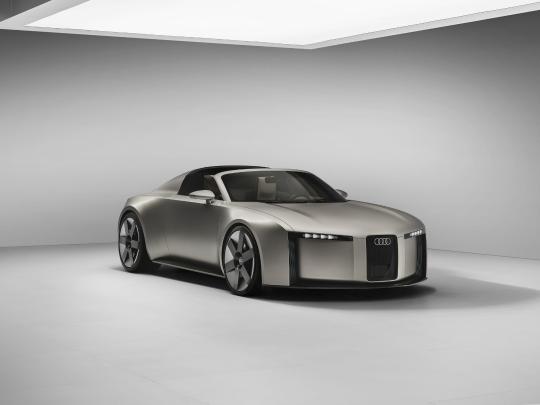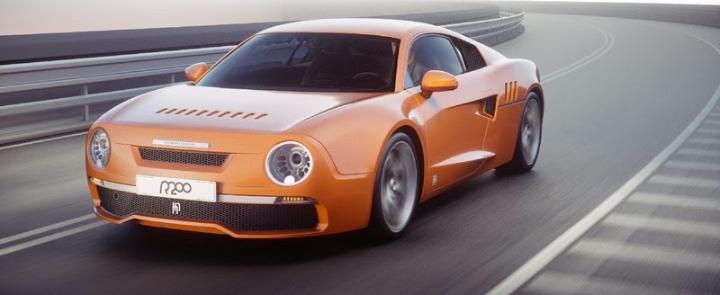
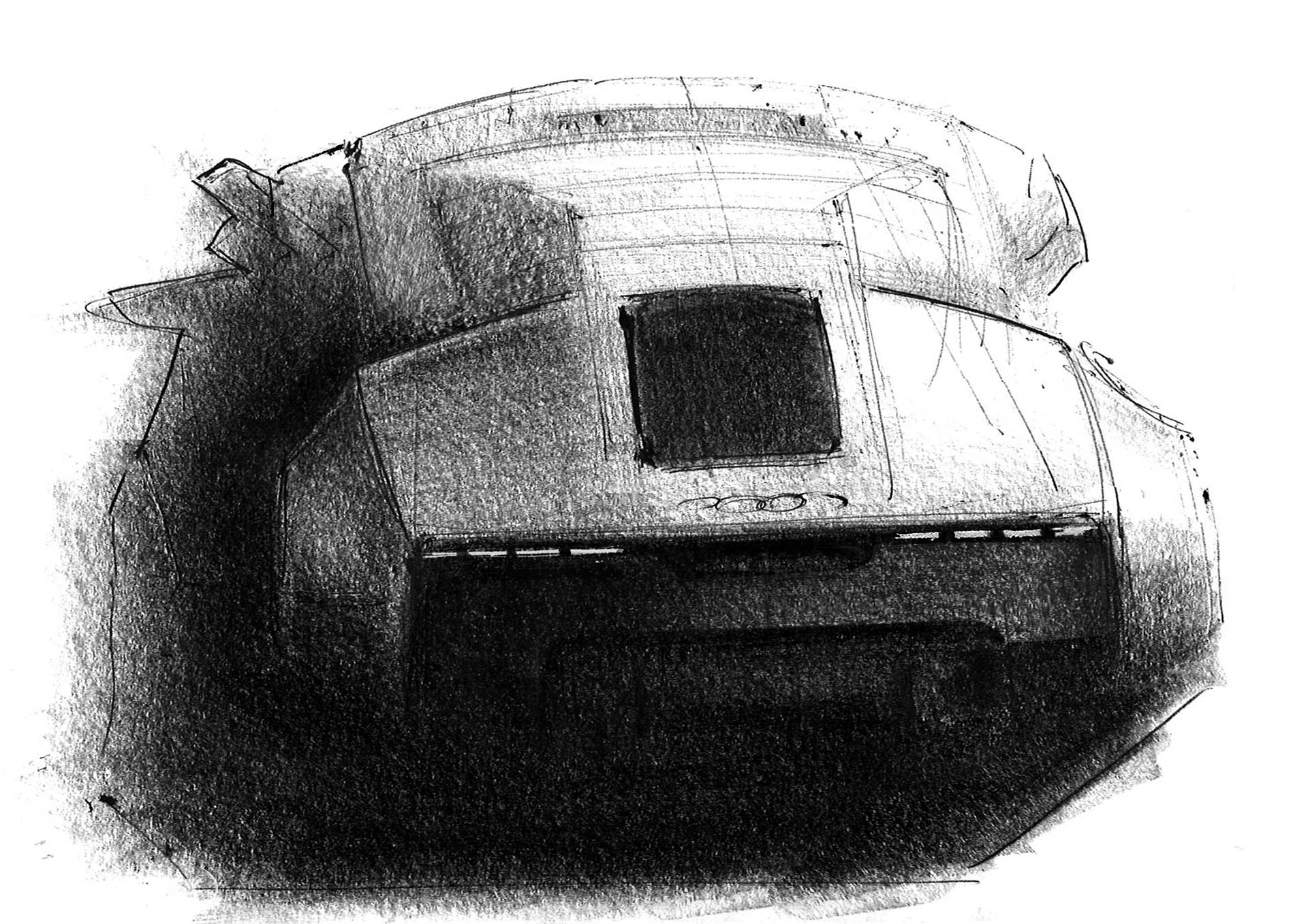
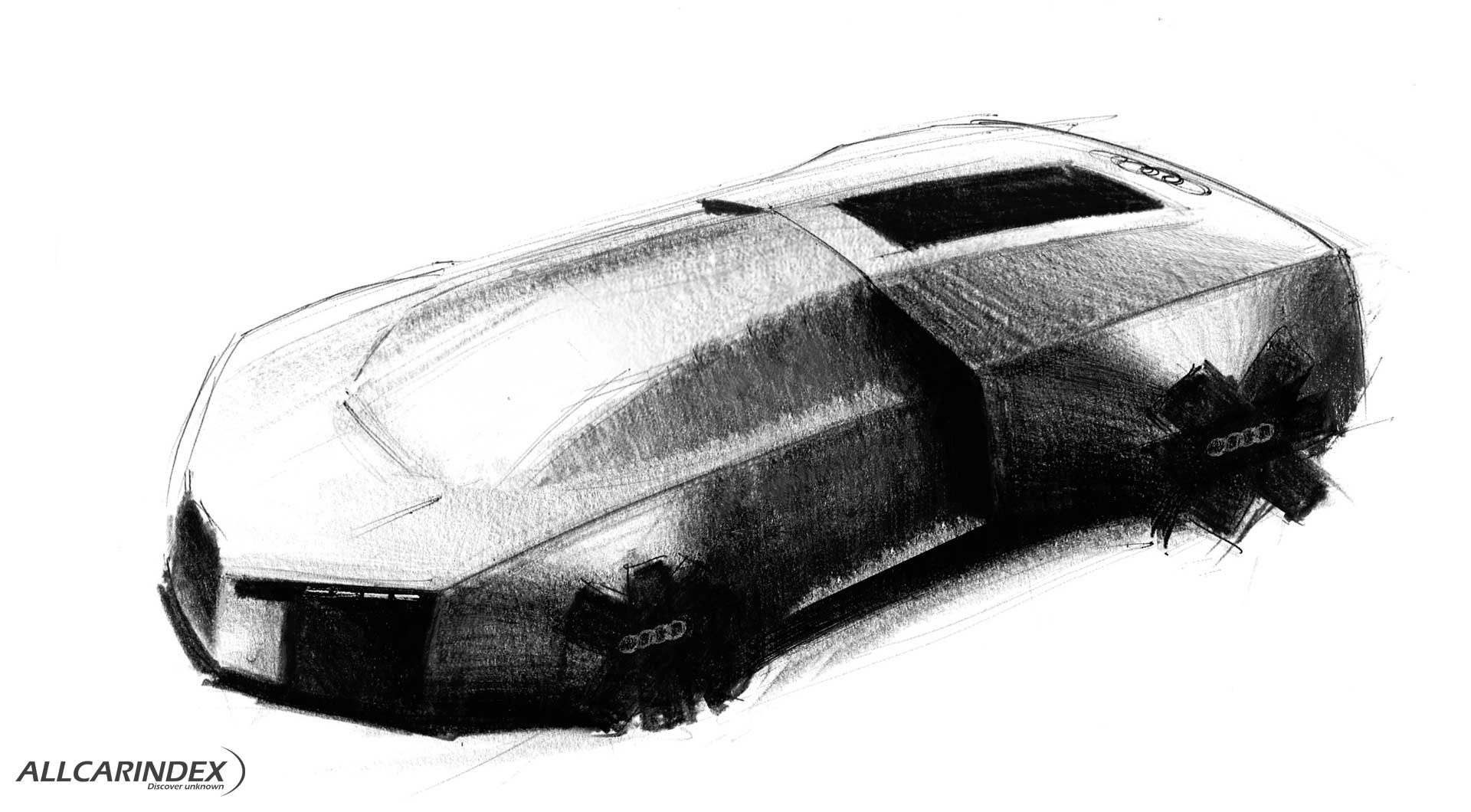
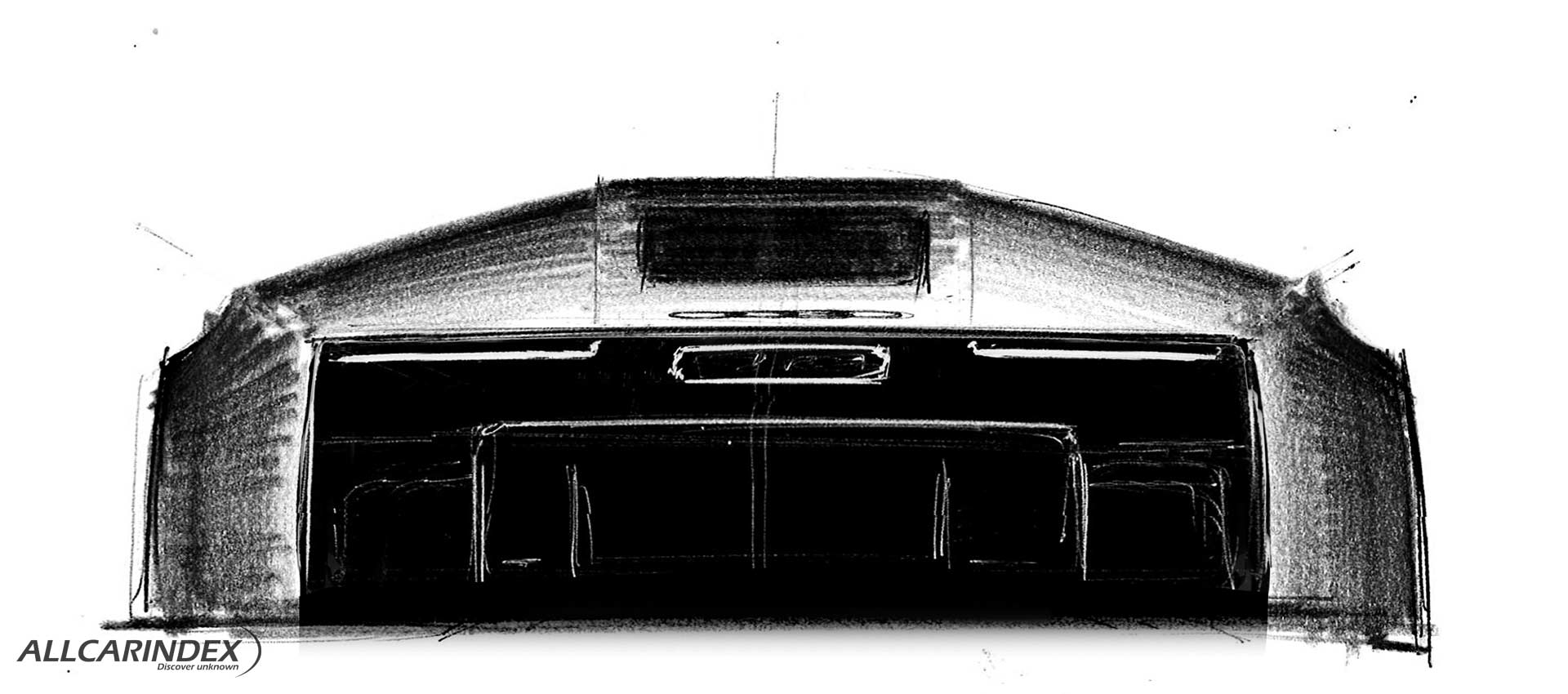
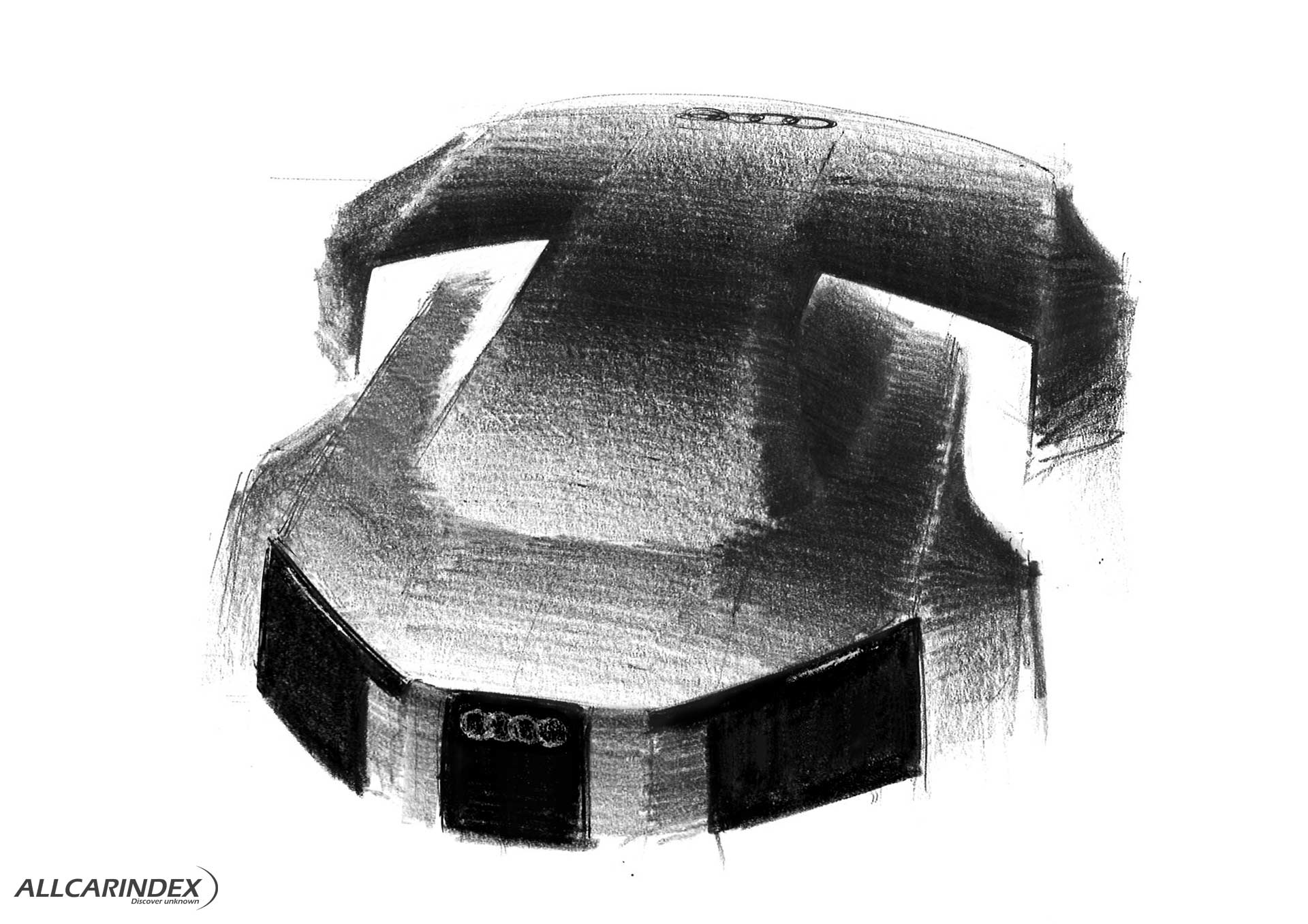
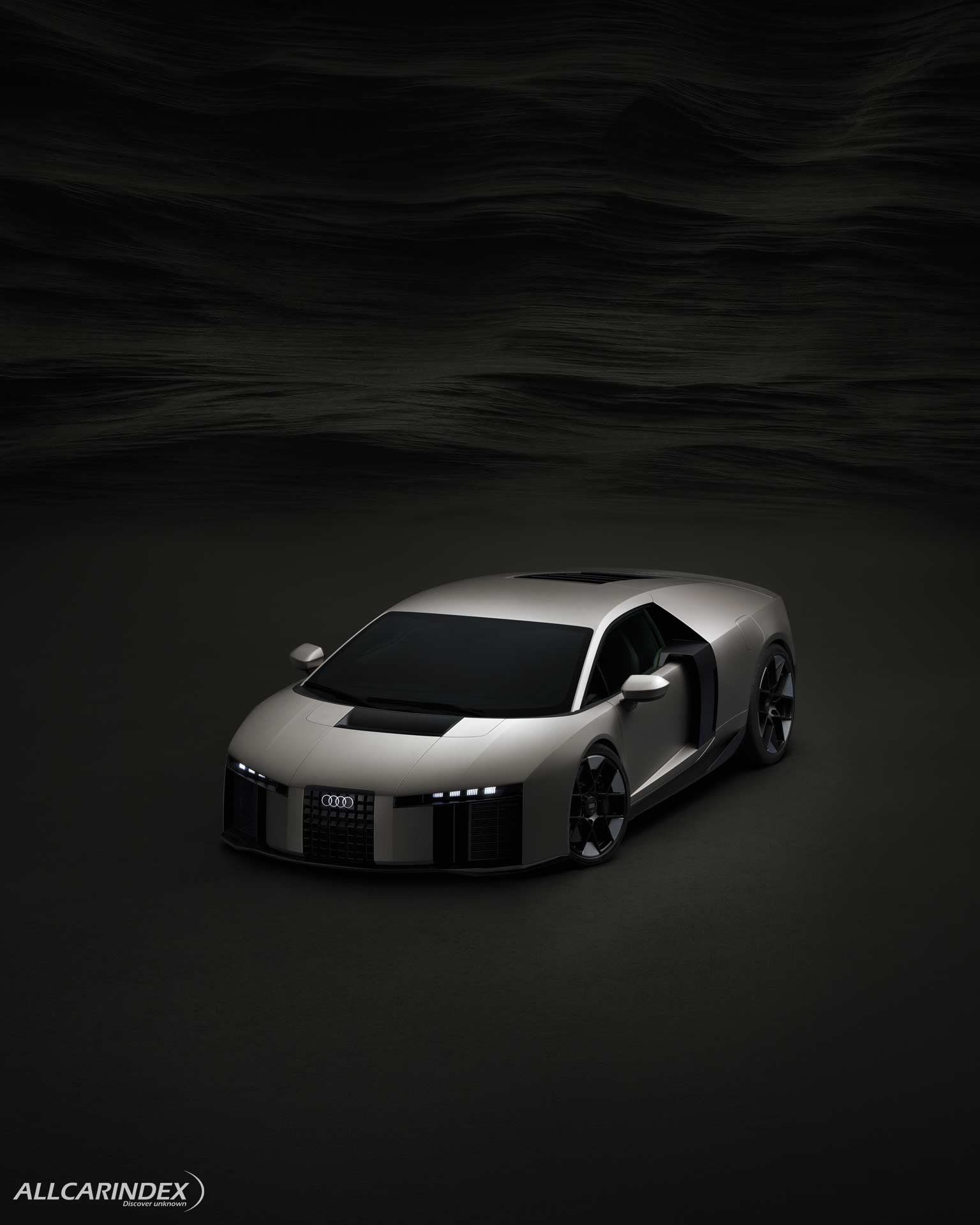
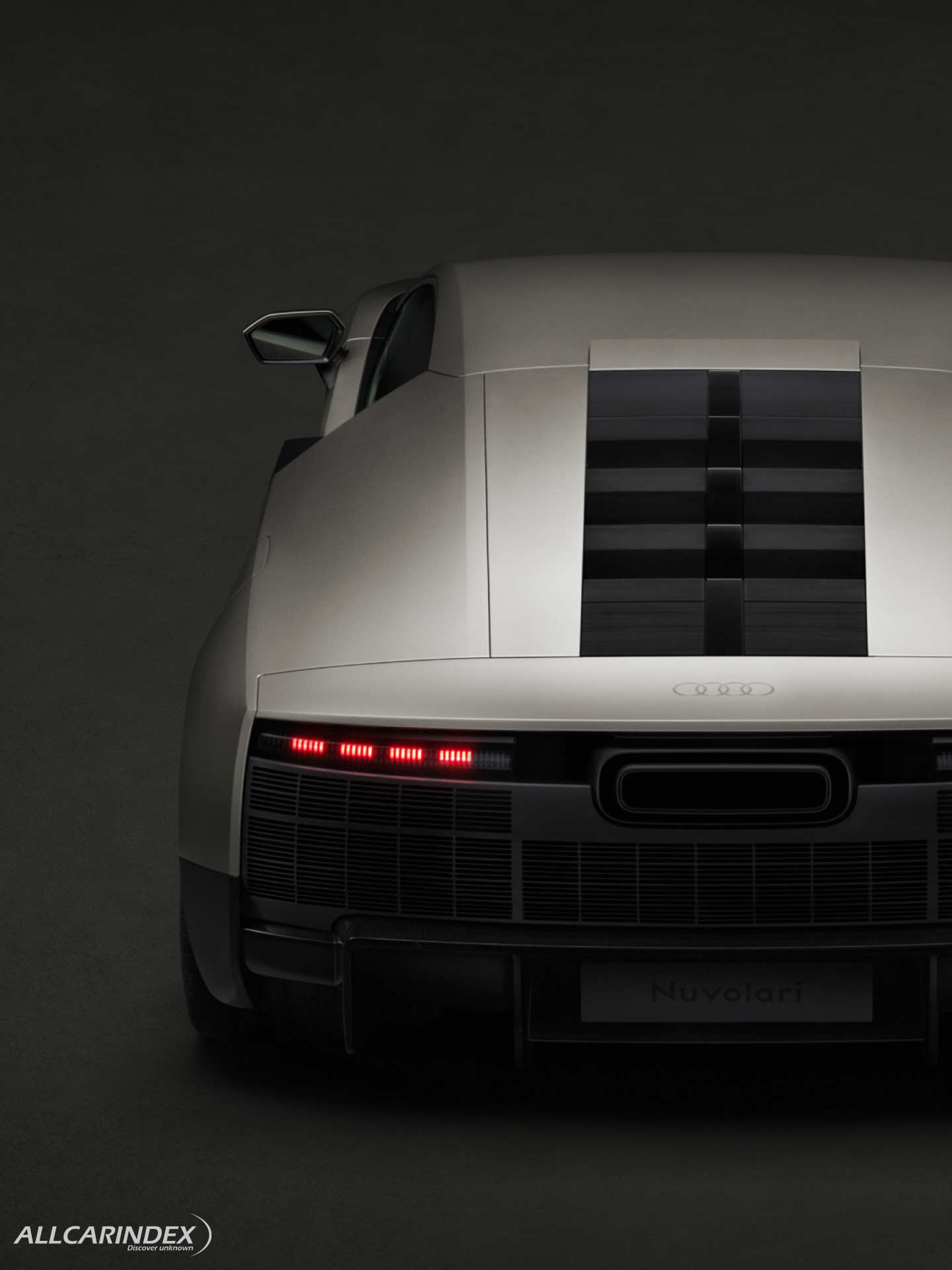
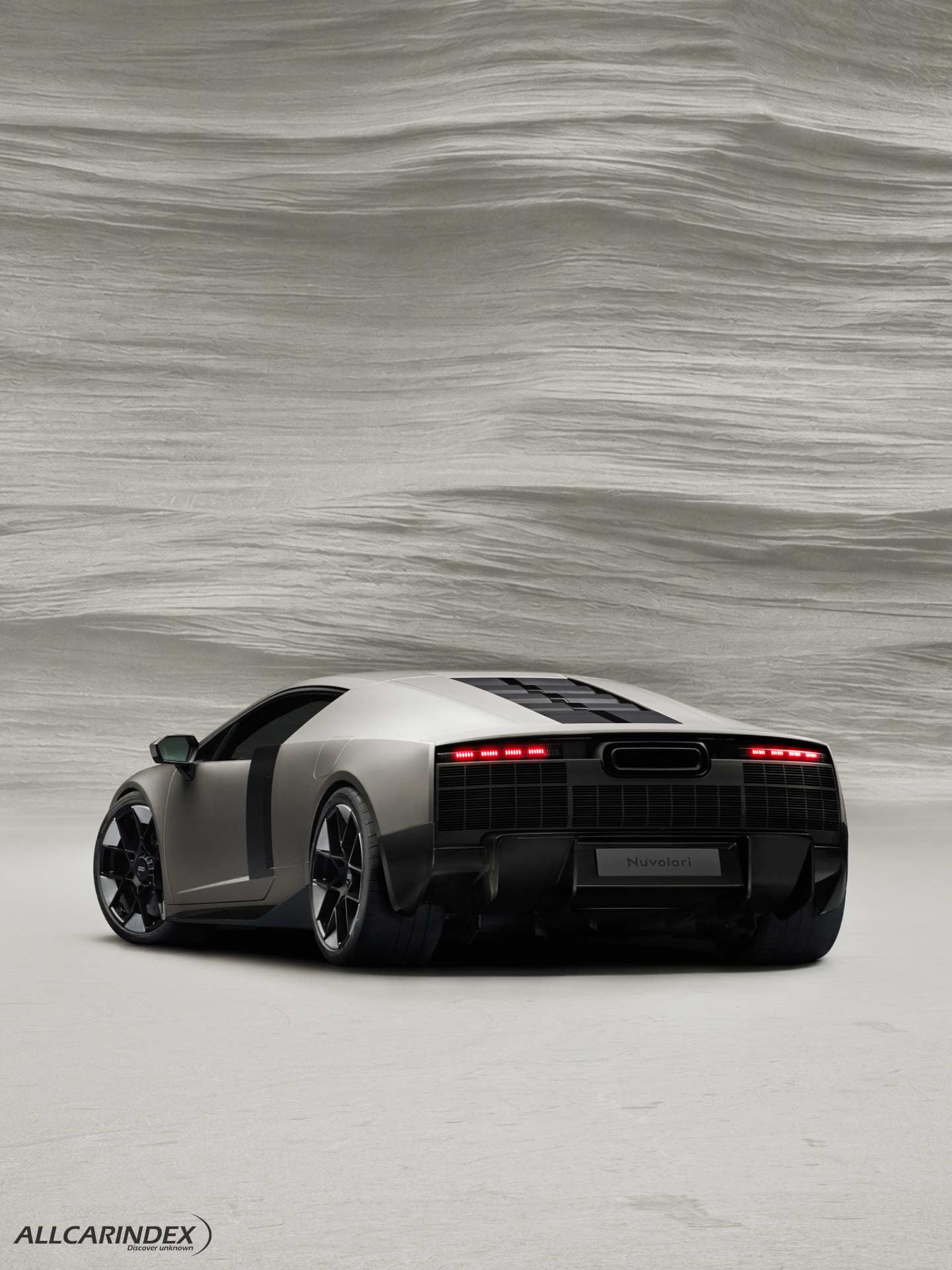
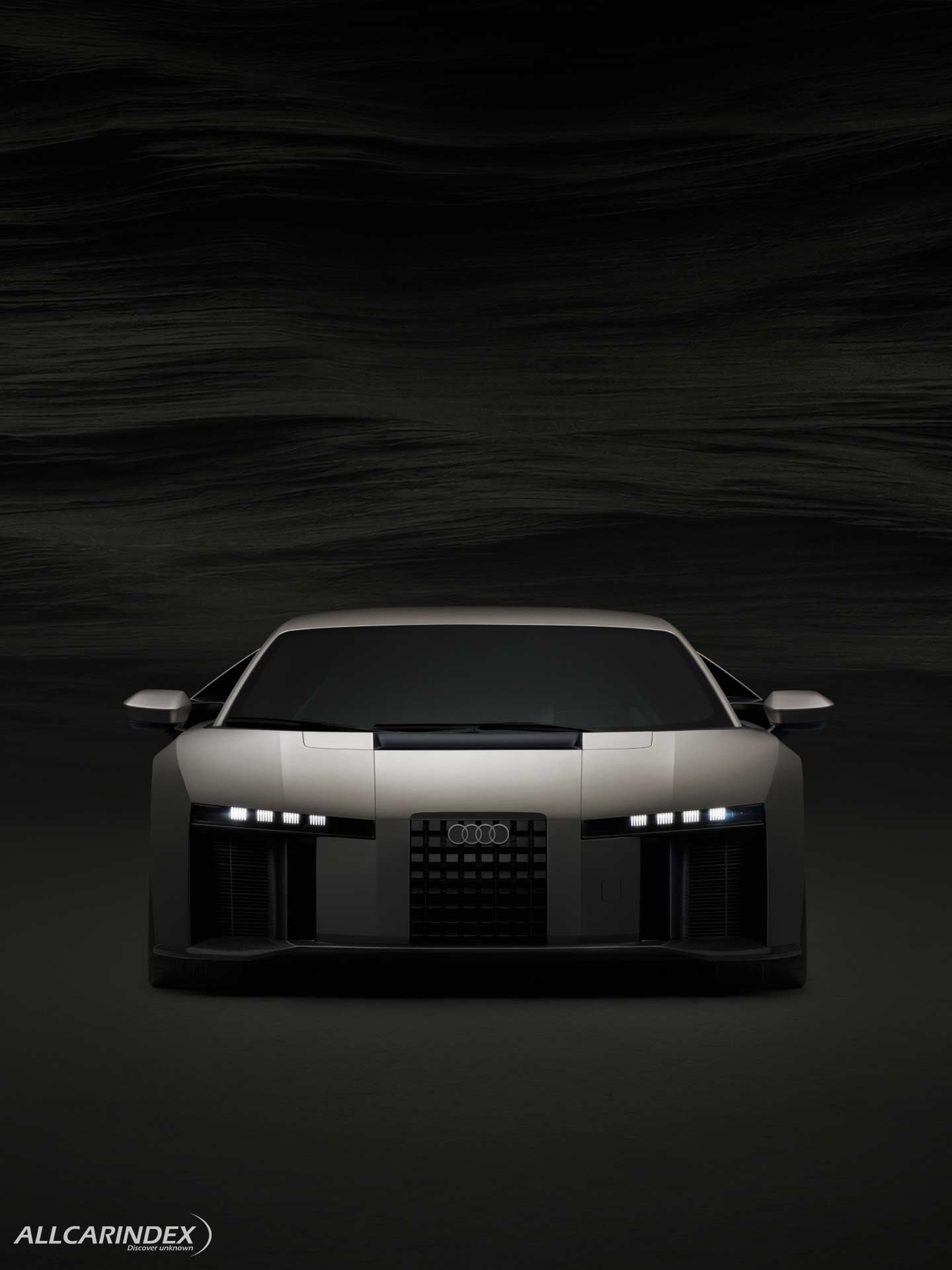
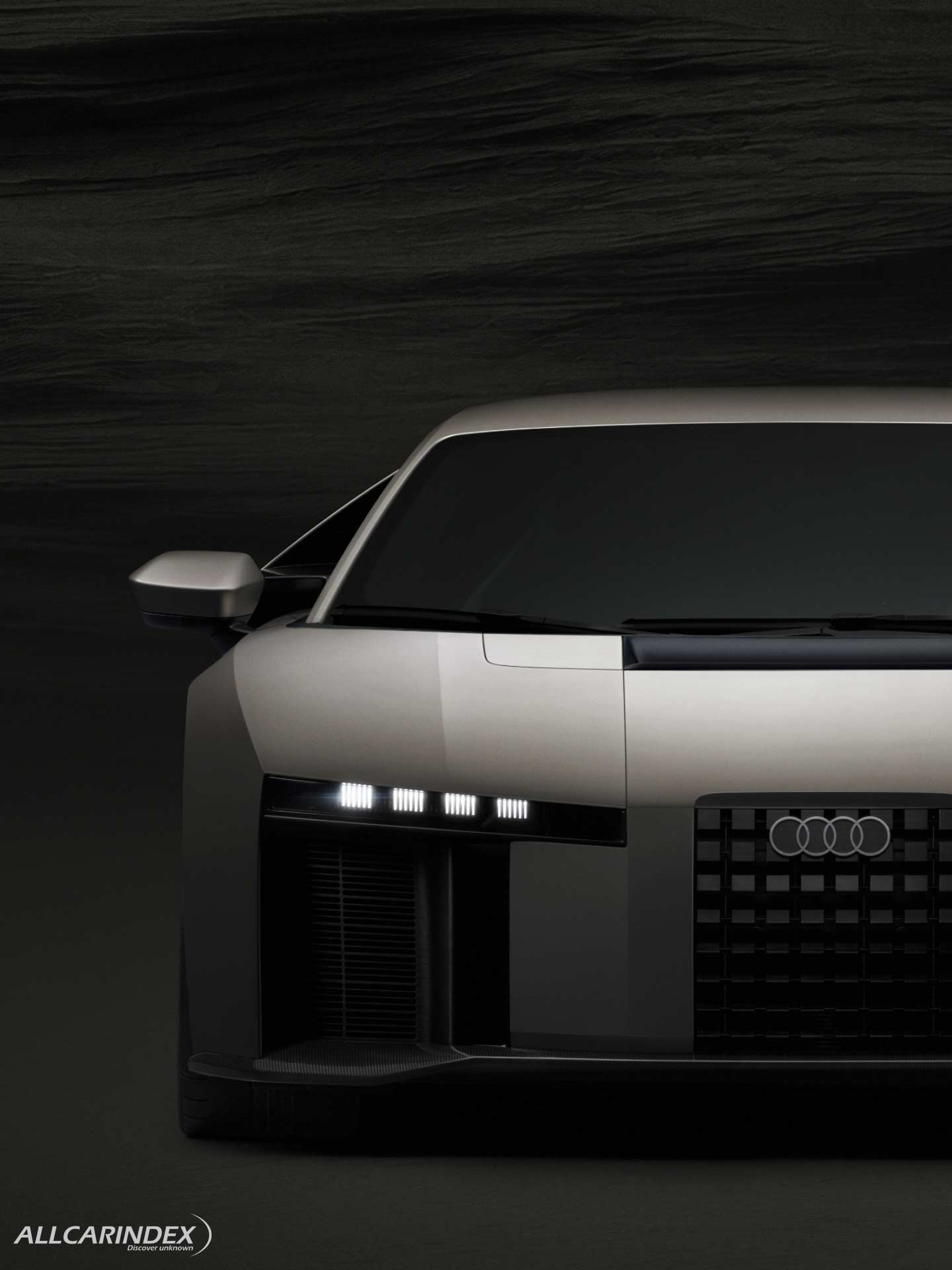
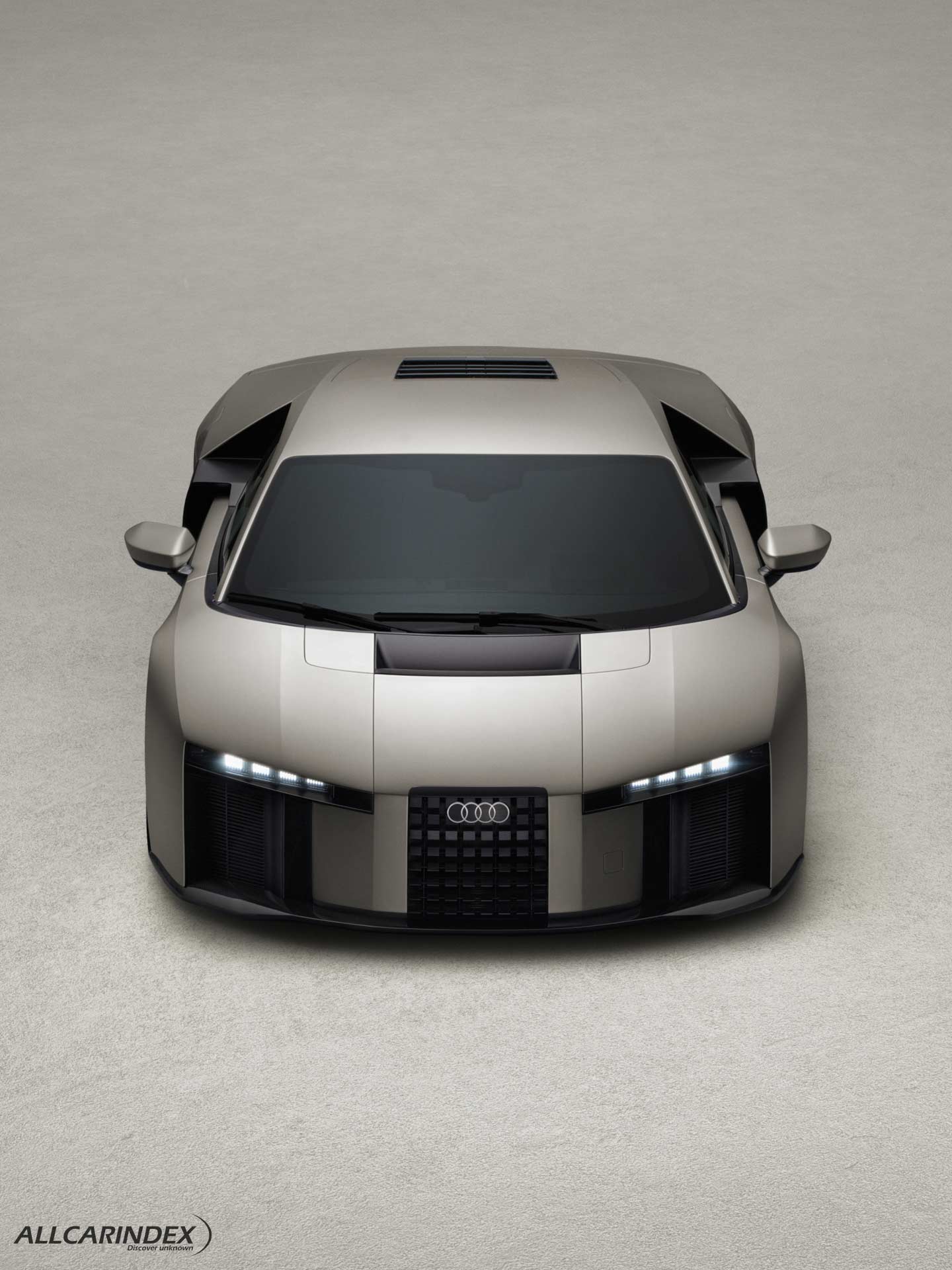
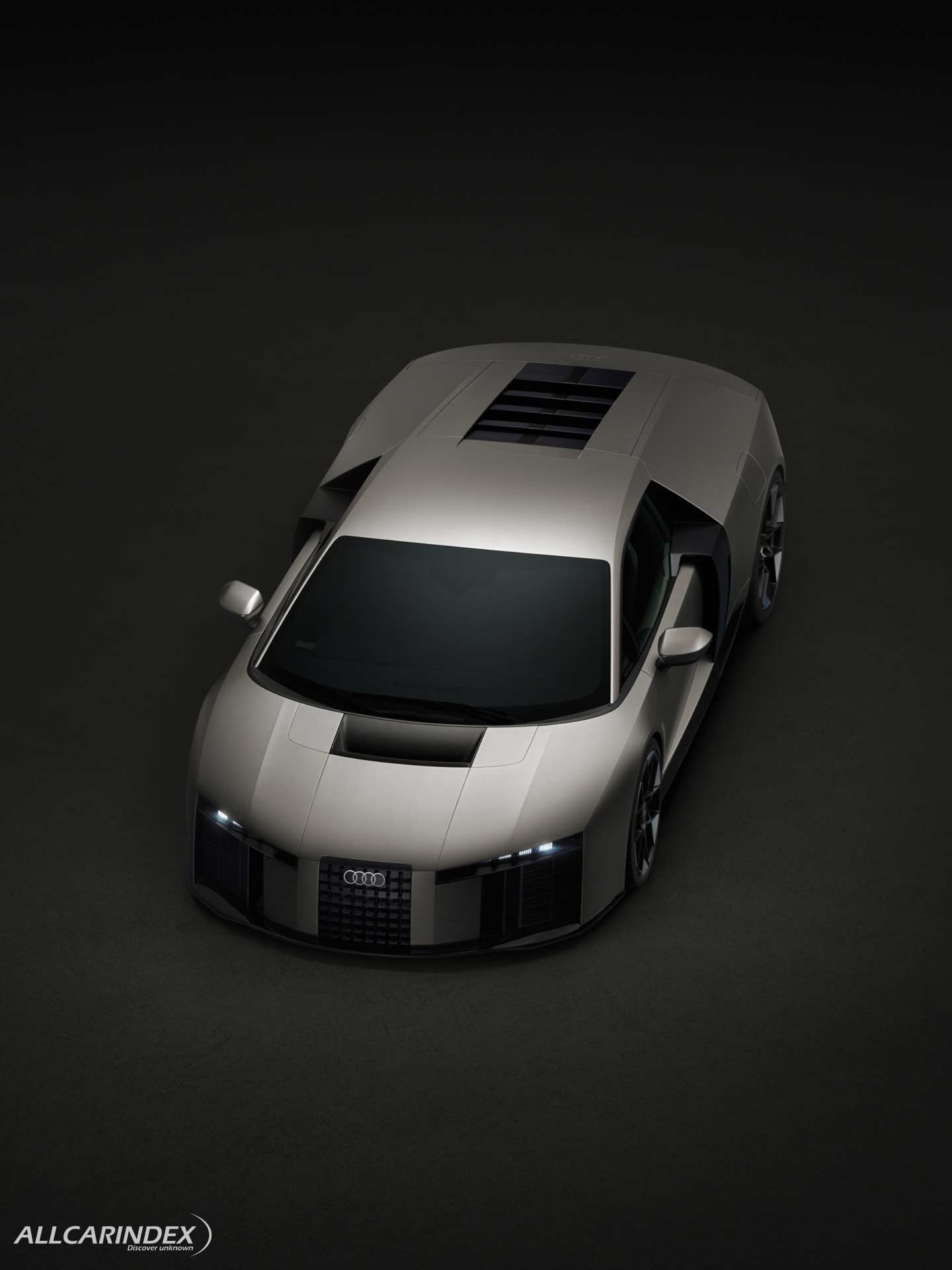
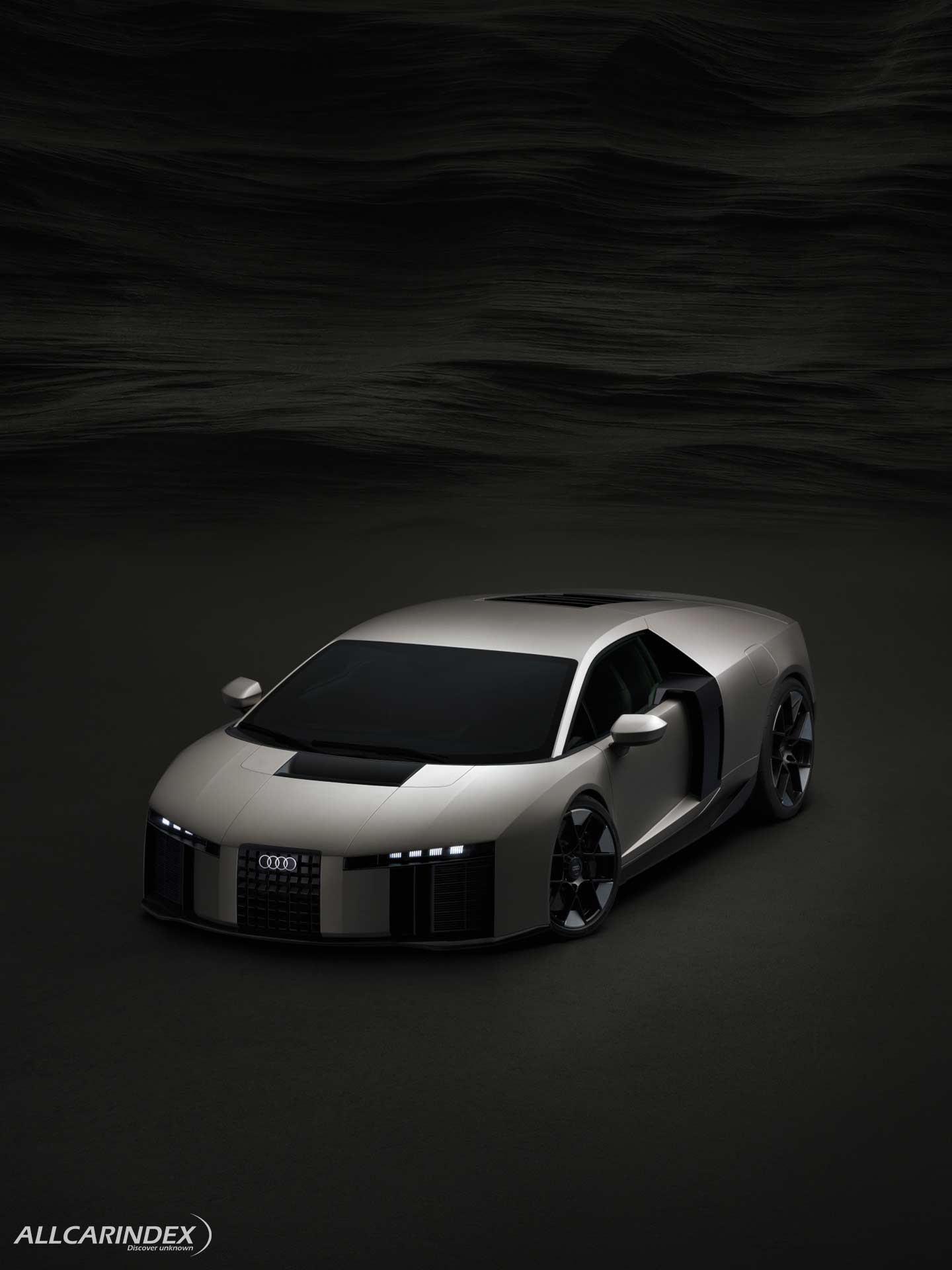
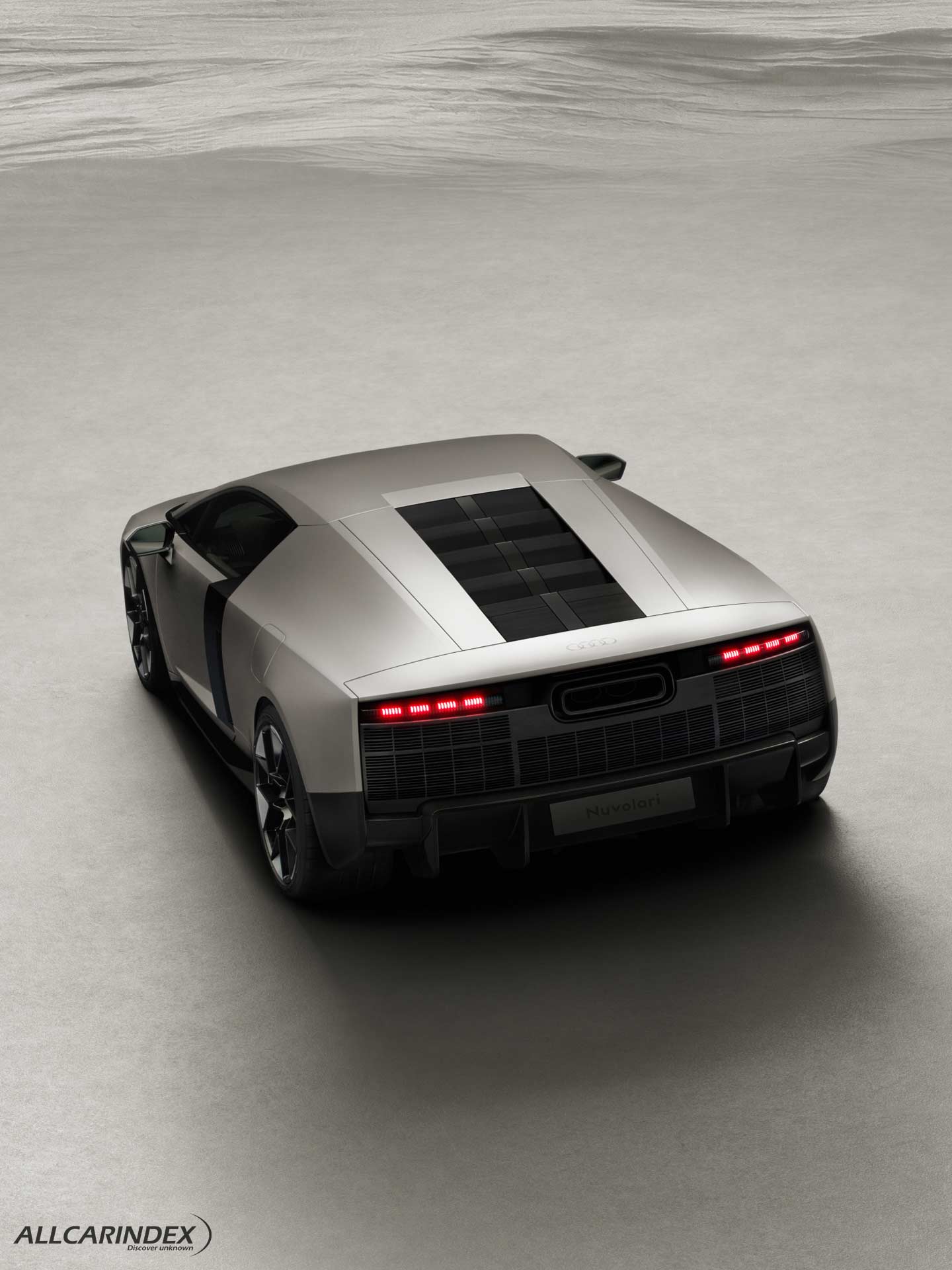
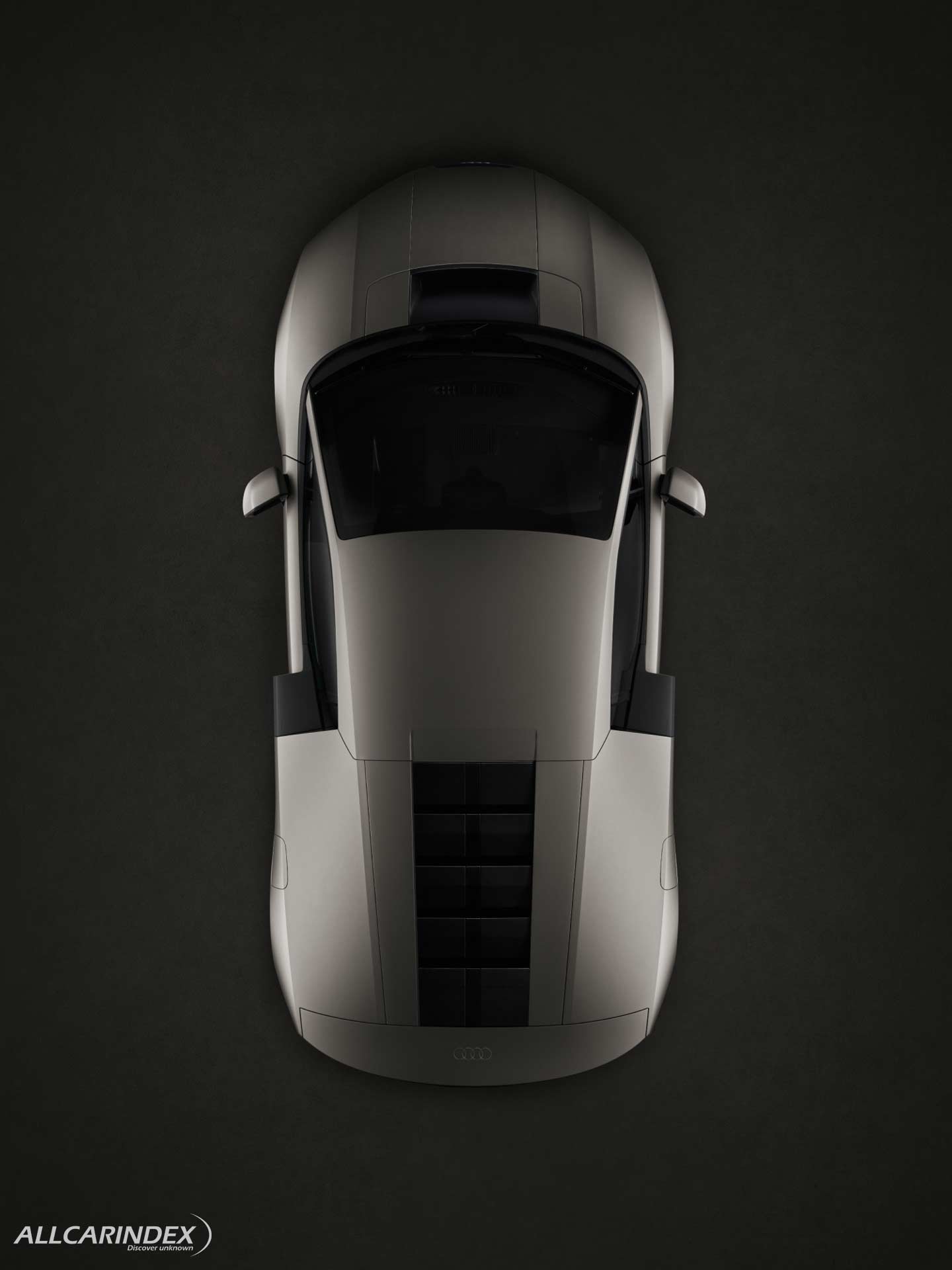
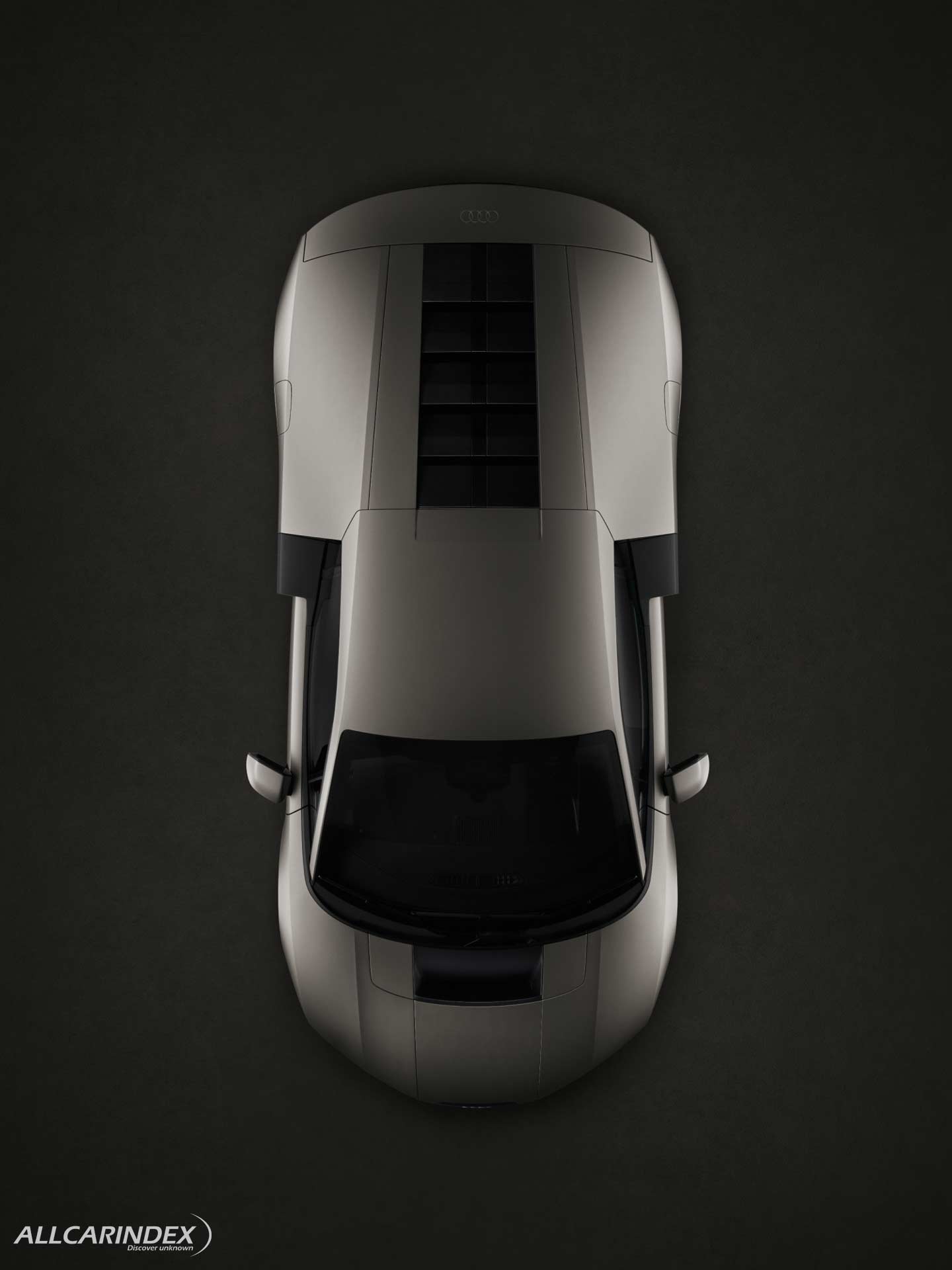
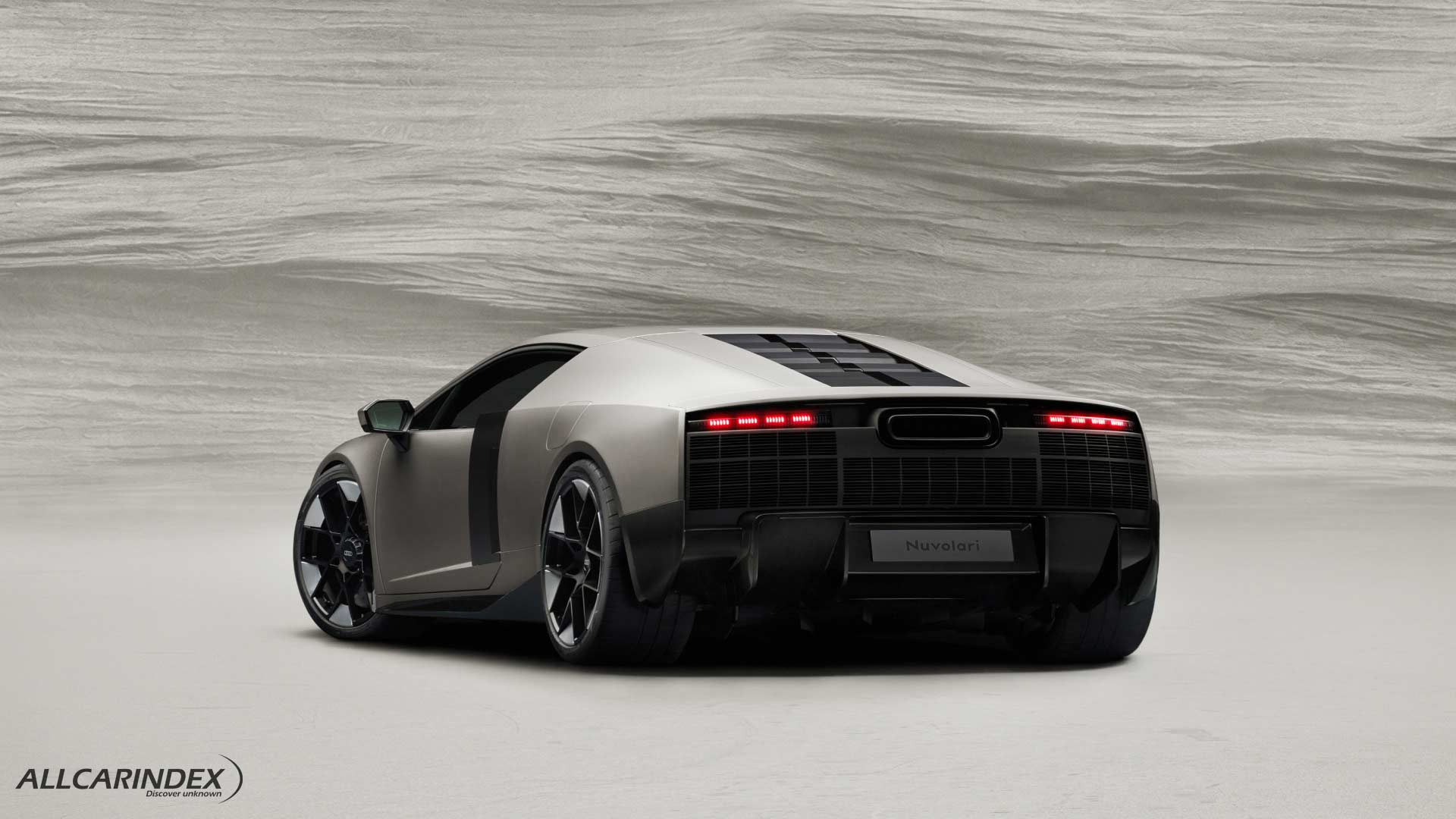
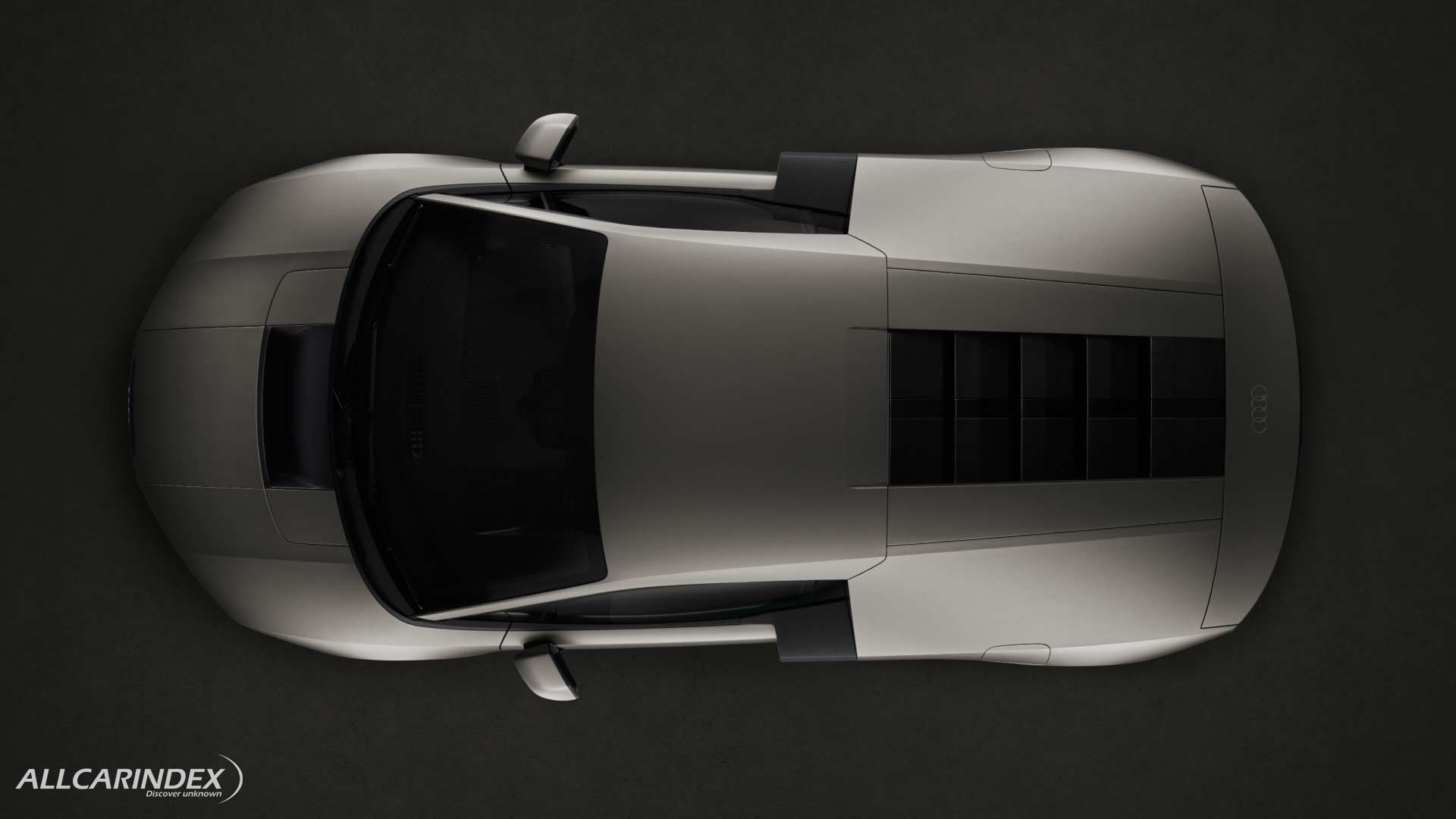
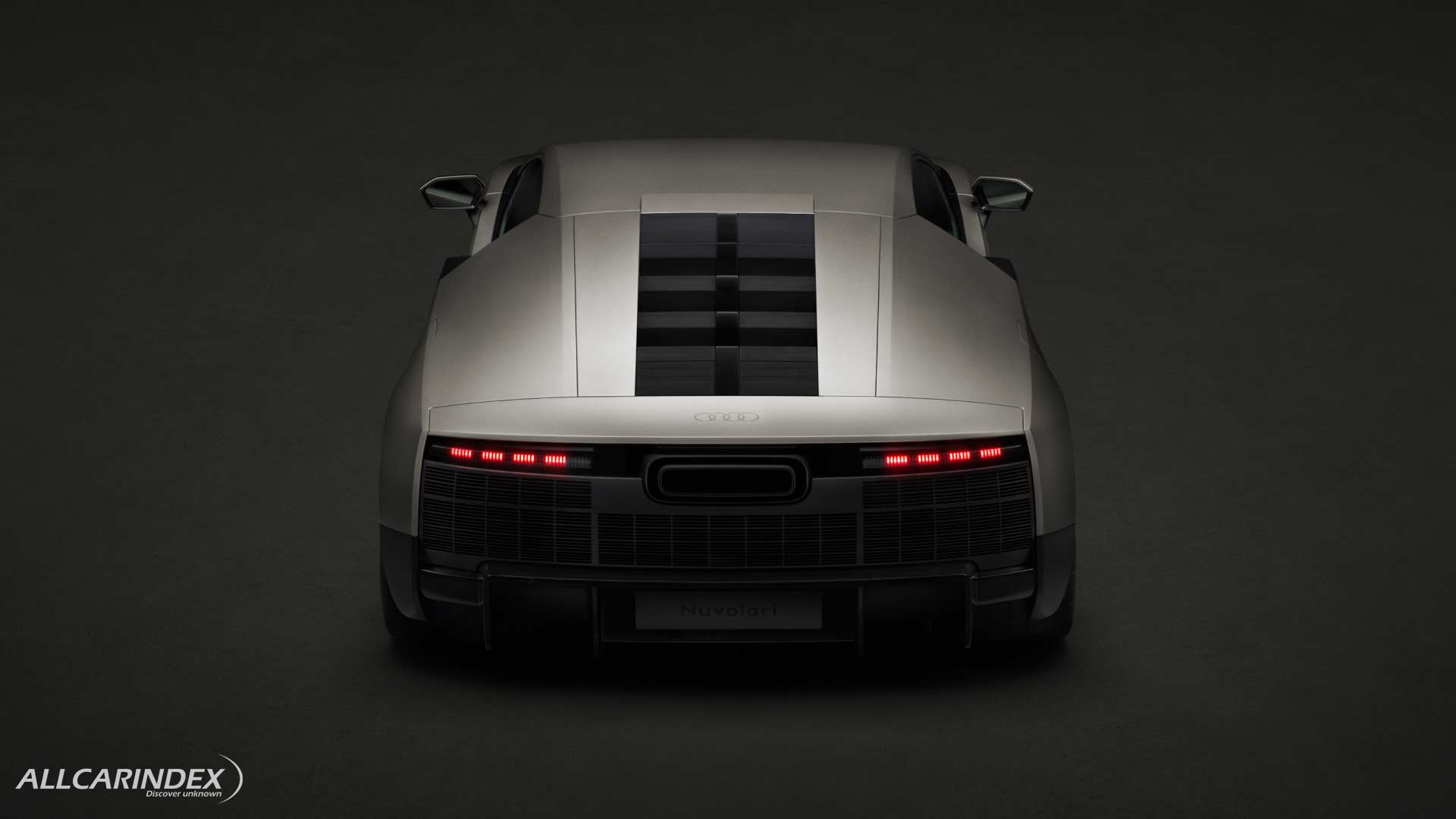
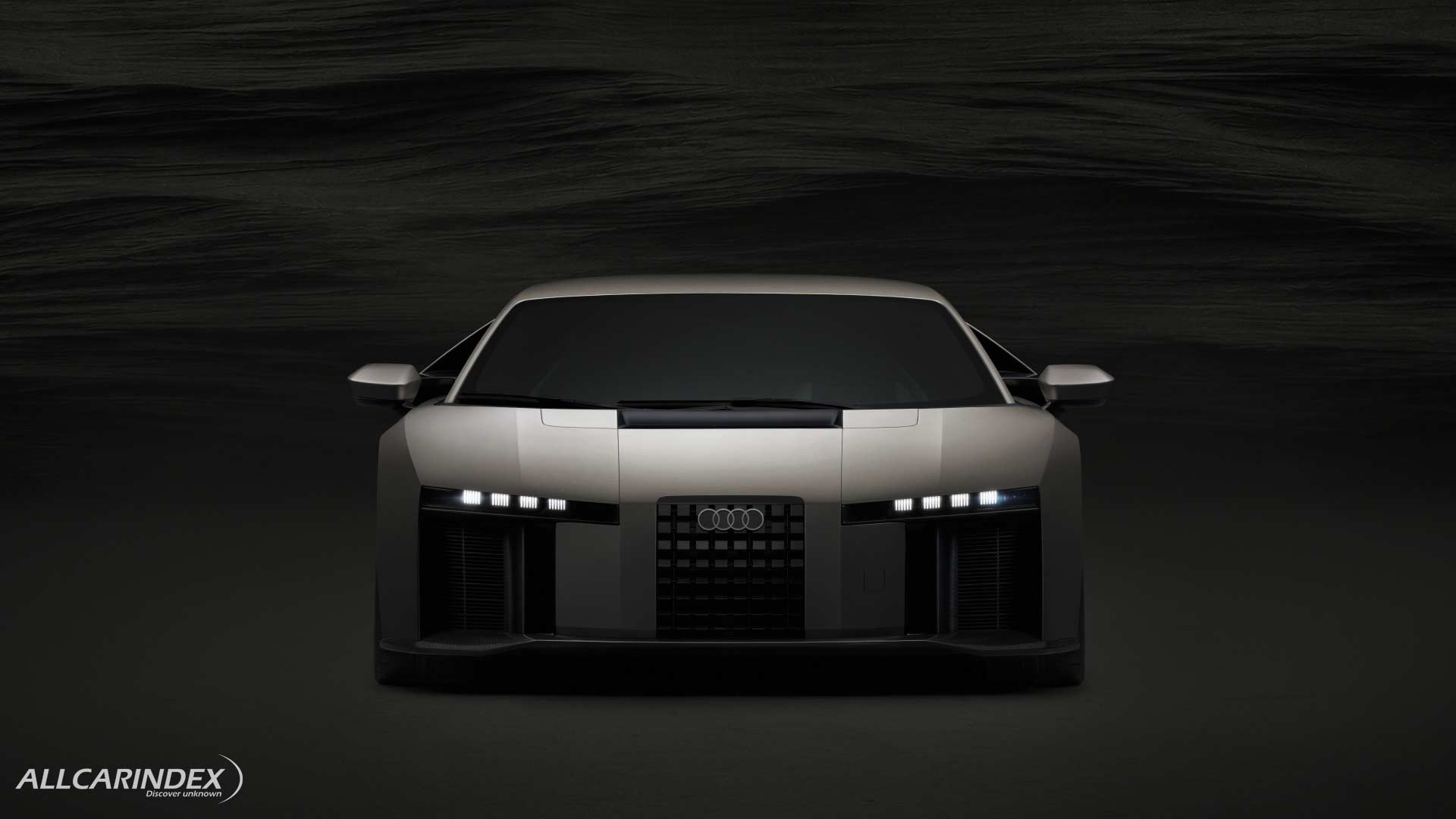
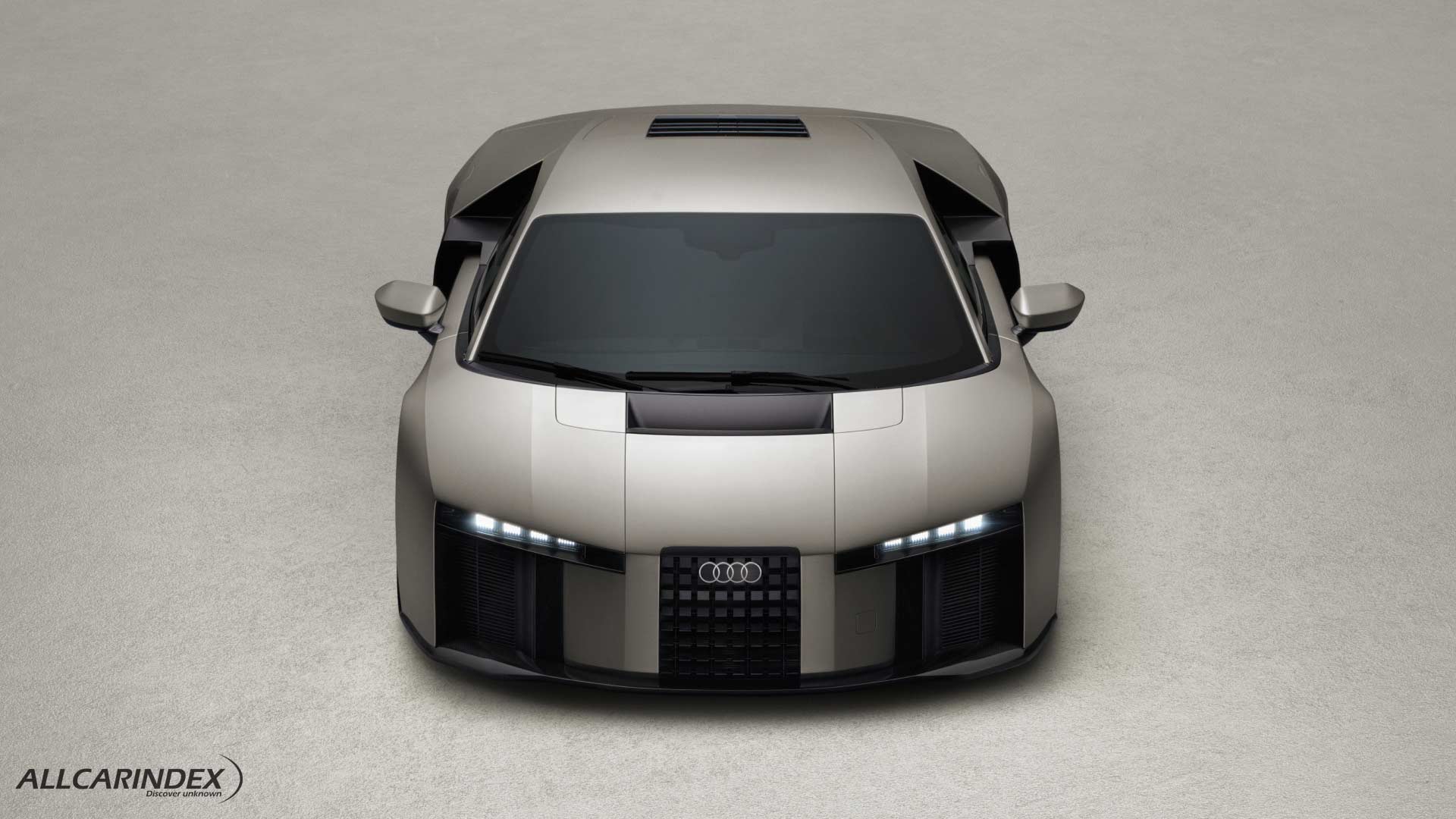
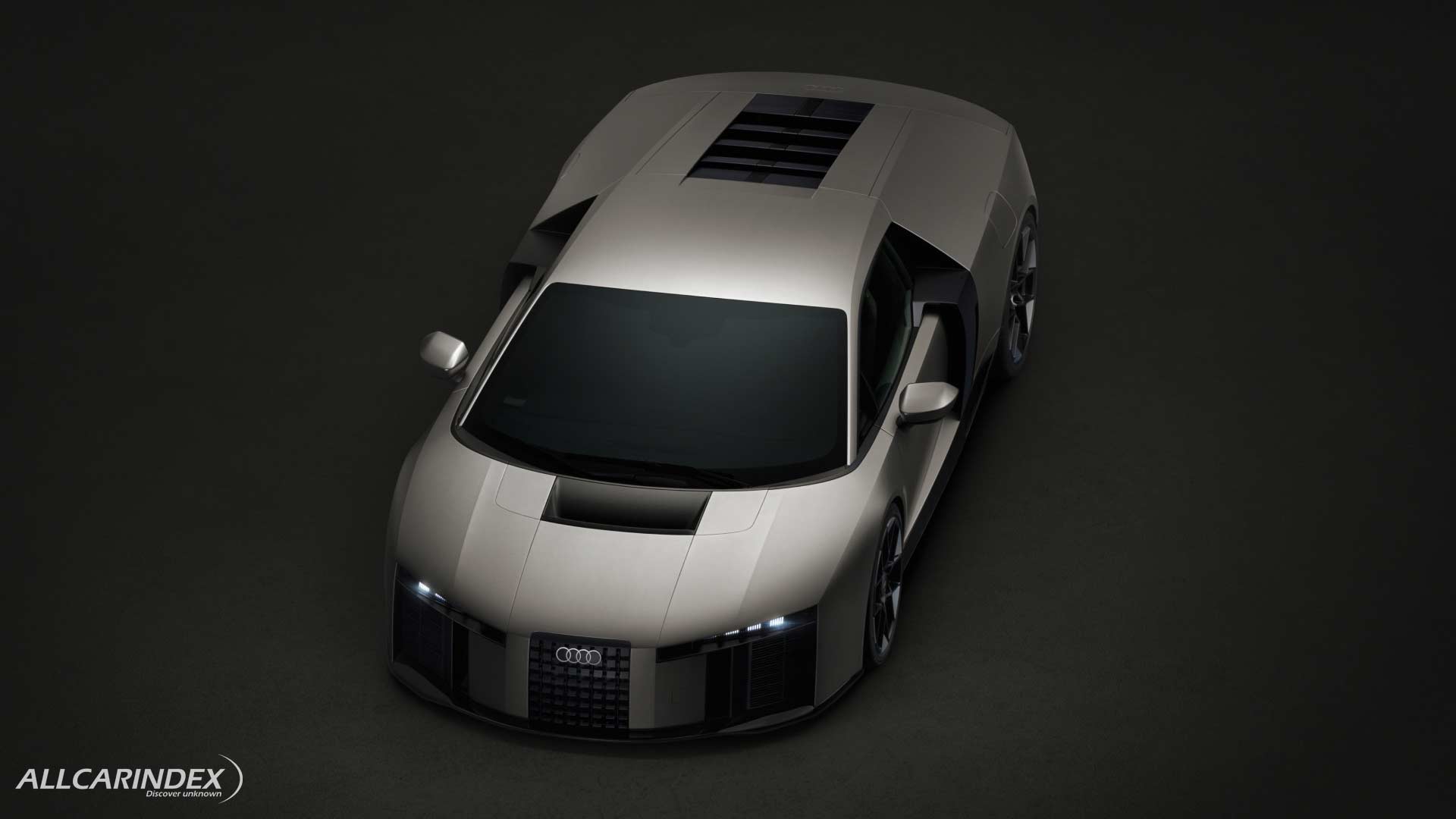
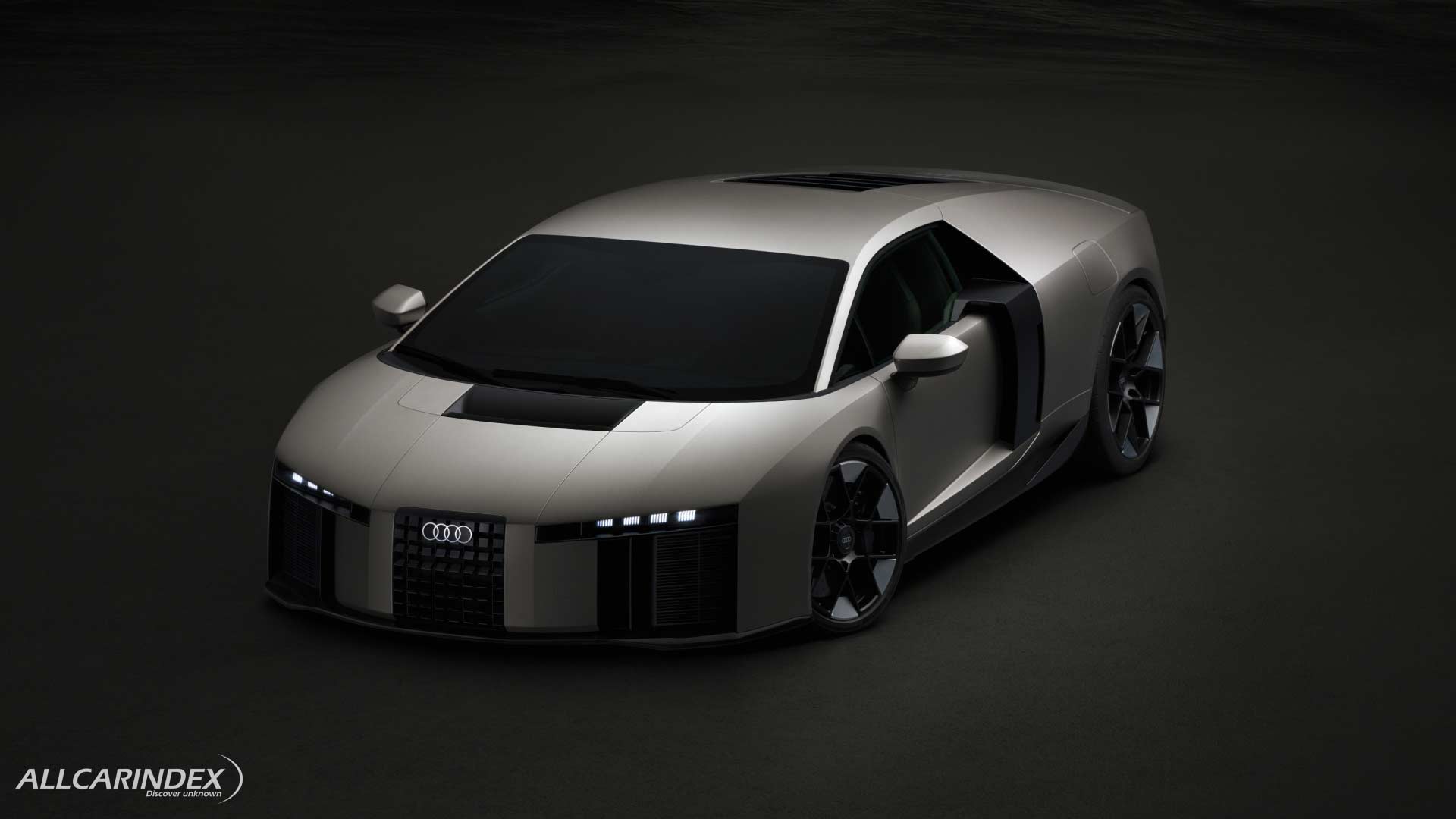

Audi has presented the Nuvolari, a near-production supercar that introduces a high-performance hybrid powertrain to the brand’s production-car line. Limited to 499 units, the model is scheduled for customer deliveries from the first half of 2027. It is also positioned as the most powerful and fastest production vehicle Audi has announced to date, with a stated system output of 736 kW, or 1,001 PS, and a top speed exceeding 350 km/h.
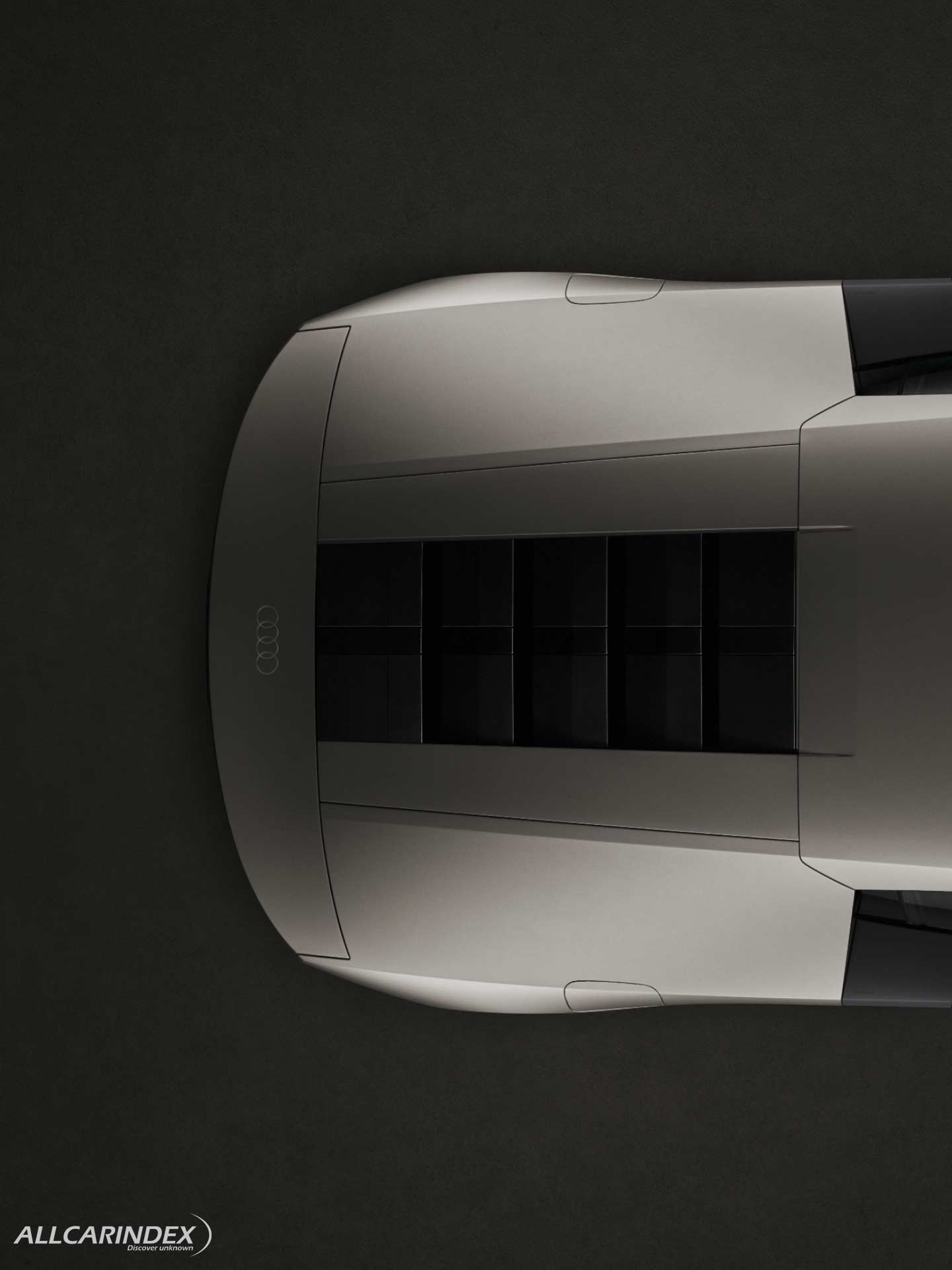
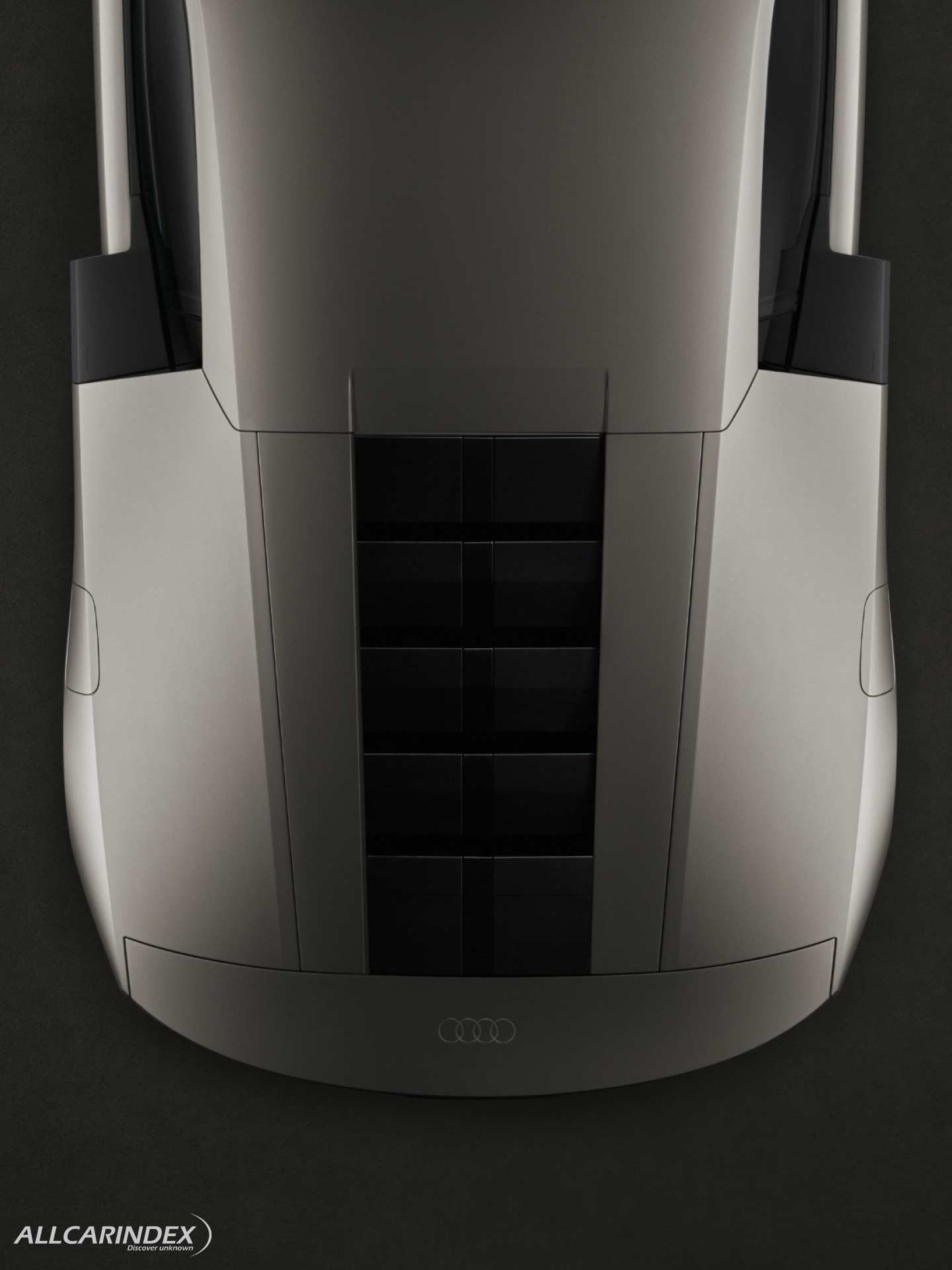
The technical layout follows a mid-engine format. At its center is a 4.0-liter V8 biturbo engine producing 588 kW, supported by three axial-flux electric motors. Two of these motors are placed at the front axle and form part of the quattro system, while the third sits between the combustion engine and the transmission. Audi states that the combustion engine reaches up to 10,000 rpm, while the lithium-ion battery has a gross capacity of 7.3 kWh.
Performance figures place the Nuvolari firmly in contemporary hypercar territory. Under specified battery conditions, Audi quotes 0–100 km/h in 2.6 seconds and 0–200 km/h in 6.8 seconds. The qualifying note matters: those acceleration numbers depend on a battery temperature above 28 °C and a state of charge above 80 percent.
A major part of the car’s engineering story is the development of quattro predictive ride. Rather than describing all-wheel drive only as a mechanical traction system, Audi presents it here as a coordinated control strategy involving torque distribution, braking, aerodynamics, and real-time sensor data. The system uses information such as steering angle, acceleration, yaw rate, and grip level to respond before loss of traction becomes critical.
The driver can alter the car’s behavior through selectable modes. E-Hybrid is intended for electric driving in urban and short-distance situations. Balanced, Dynamic, and Dynamic+ progressively change the relationship between efficiency, response, and driving character. Track Mode adds further control over traction settings, with calibration options ranging from wet conditions through to traction control off.
The structure combines Audi Space Frame technology with a carbon exterior, described by Audi as a first for the brand. Nearly all exterior panels are made from carbon fiber reinforced polymer. Audi also refers to Formula 1-derived expertise in the development of these carbon components, including prepreg autoclave production and manual layup processes.
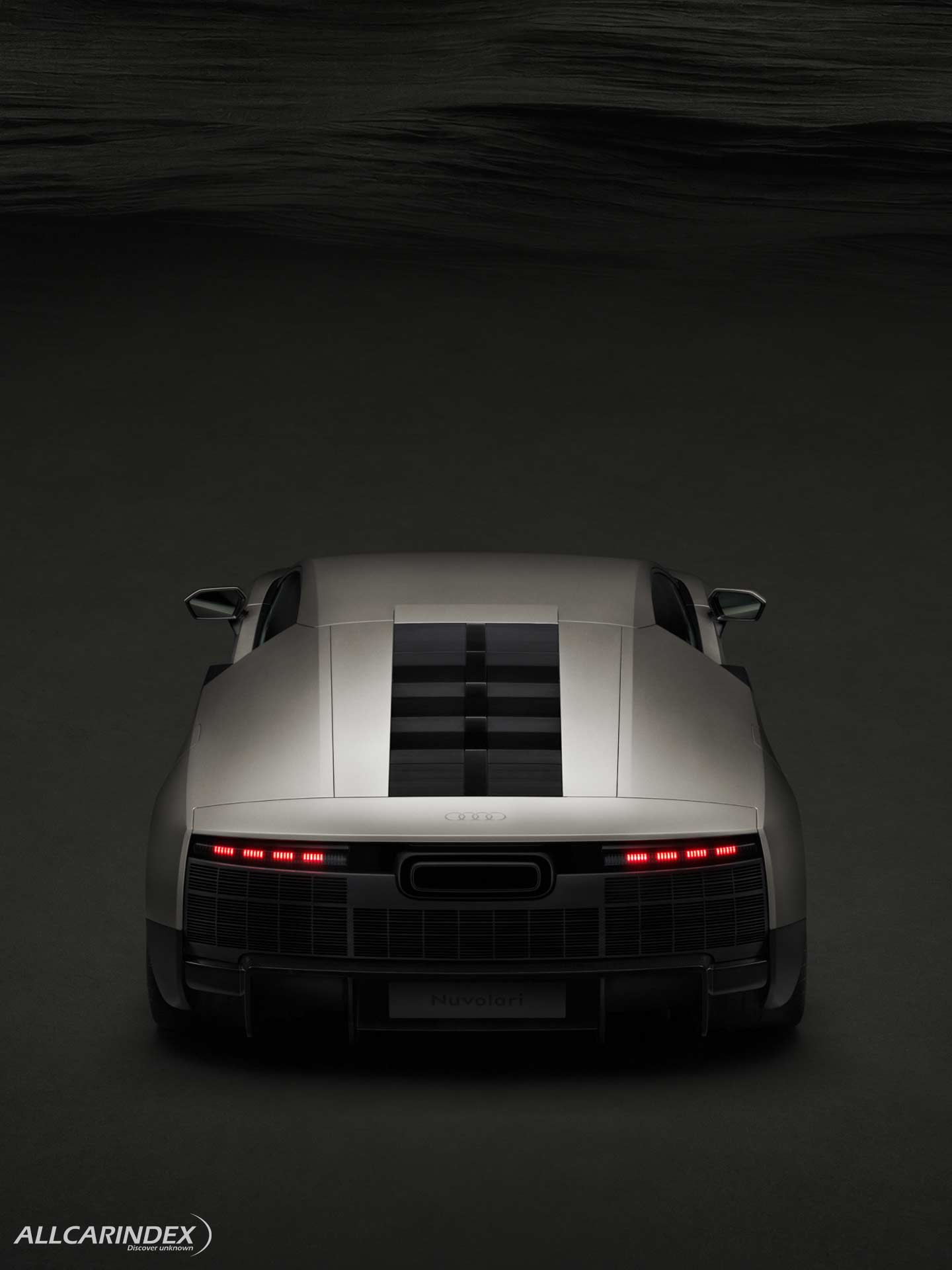
Aerodynamics are active and central to the vehicle concept. The rear wing operates in three positions: closed, low downforce, and high downforce. In performance modes, the wing adjusts automatically, while a manual drag reduction function can be activated from the steering wheel. Depending on the driving situation, Audi states that the aerodynamic package can generate more than 400 kg of downforce.
The Nuvolari’s energy management system links boost, recuperation, and torque distribution. Electric deceleration of up to 0.3 g is possible, and Audi says this allows a large proportion of braking events to be handled electrically. Launch Control also uses stored electrical energy as part of the acceleration strategy.
The braking system uses brake-by-wire technology, blending hydraulic braking with recuperation. The Audi Ceramic Pro system uses ten-piston fixed calipers and 420 × 40 mm discs at the front, with four-piston calipers and 410 × 32 mm discs at the rear. Audi states that the brake discs use a long-fiber carbon structure and that the system can absorb up to 2.8 megawatts of energy.
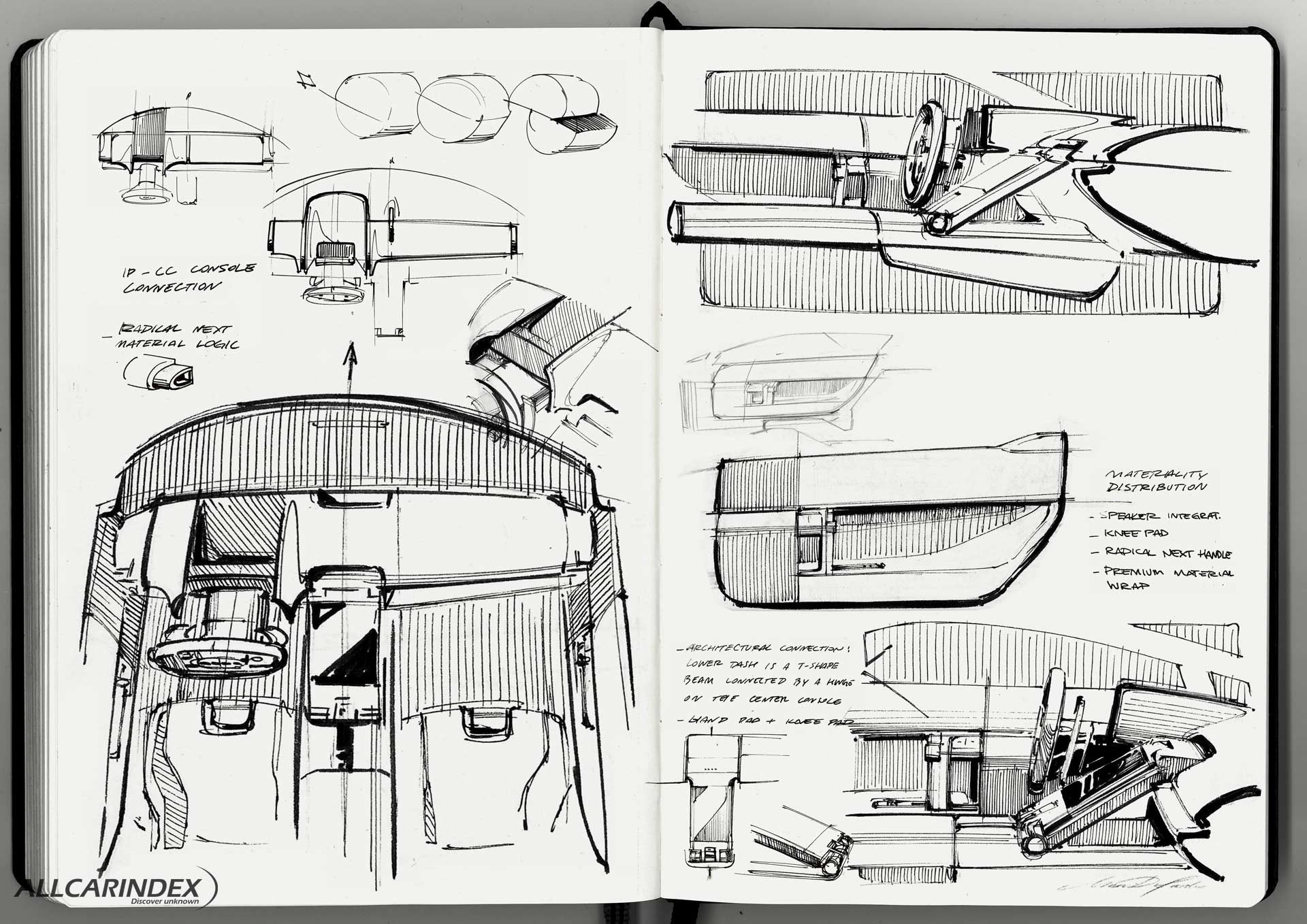
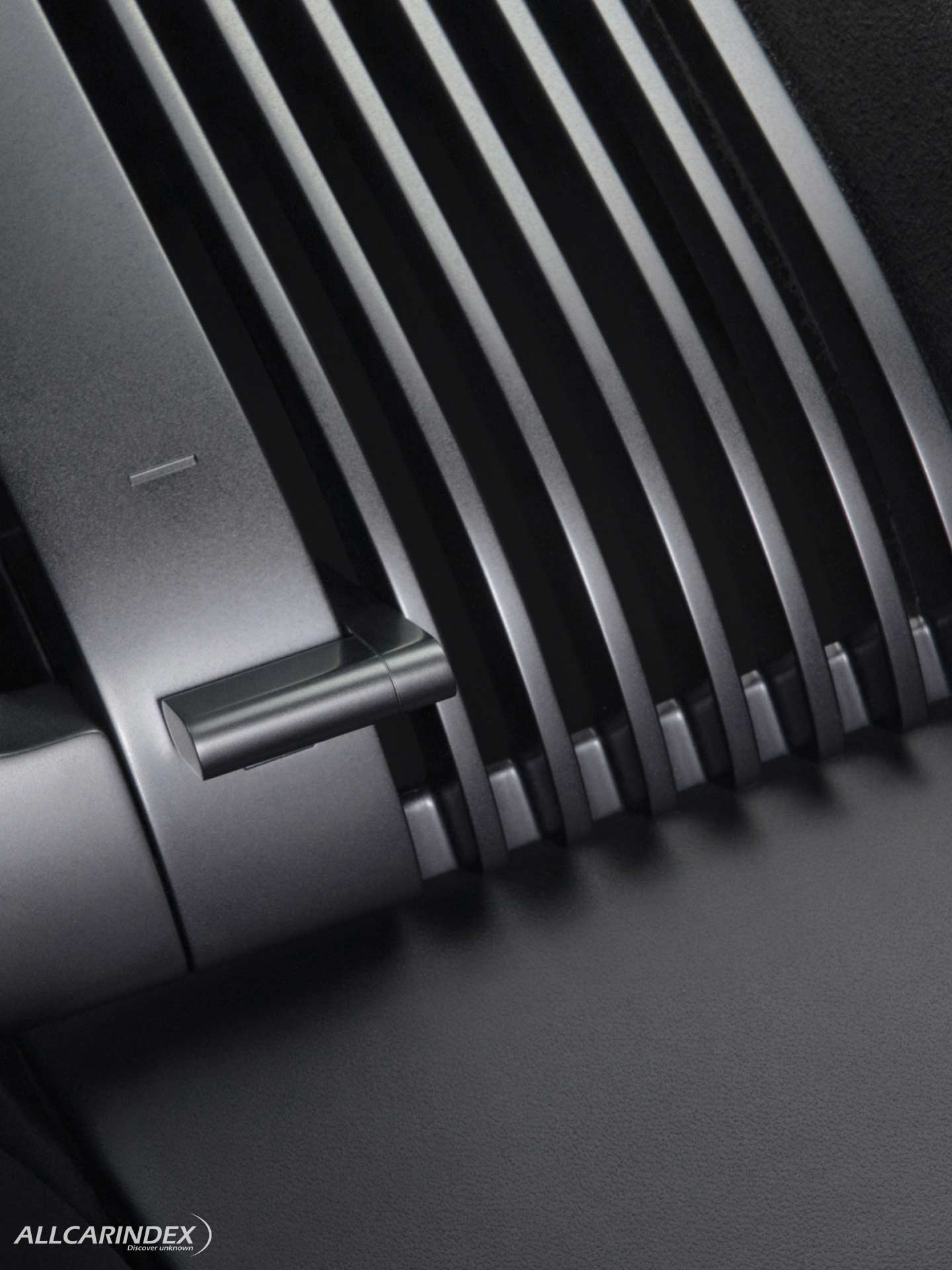
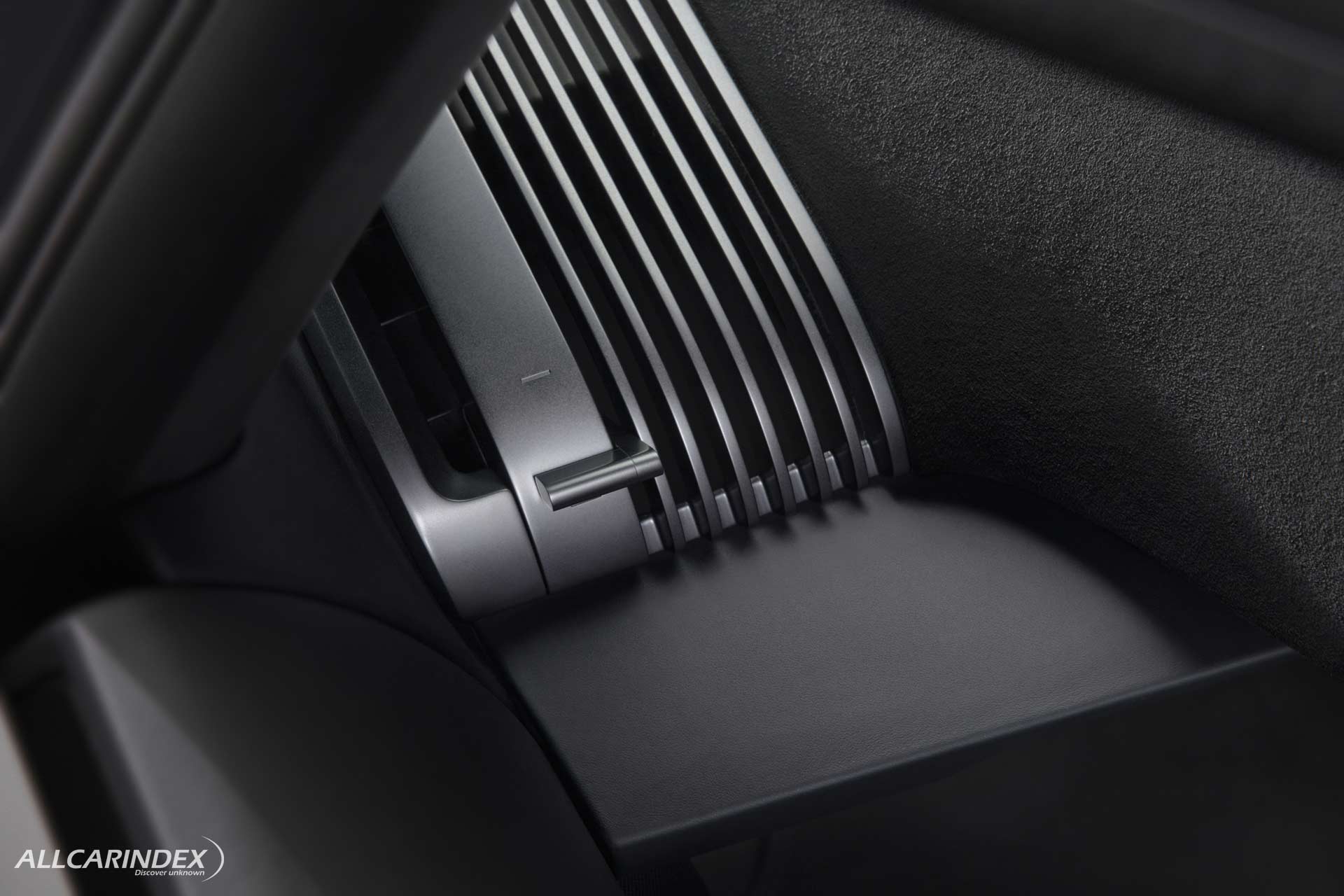
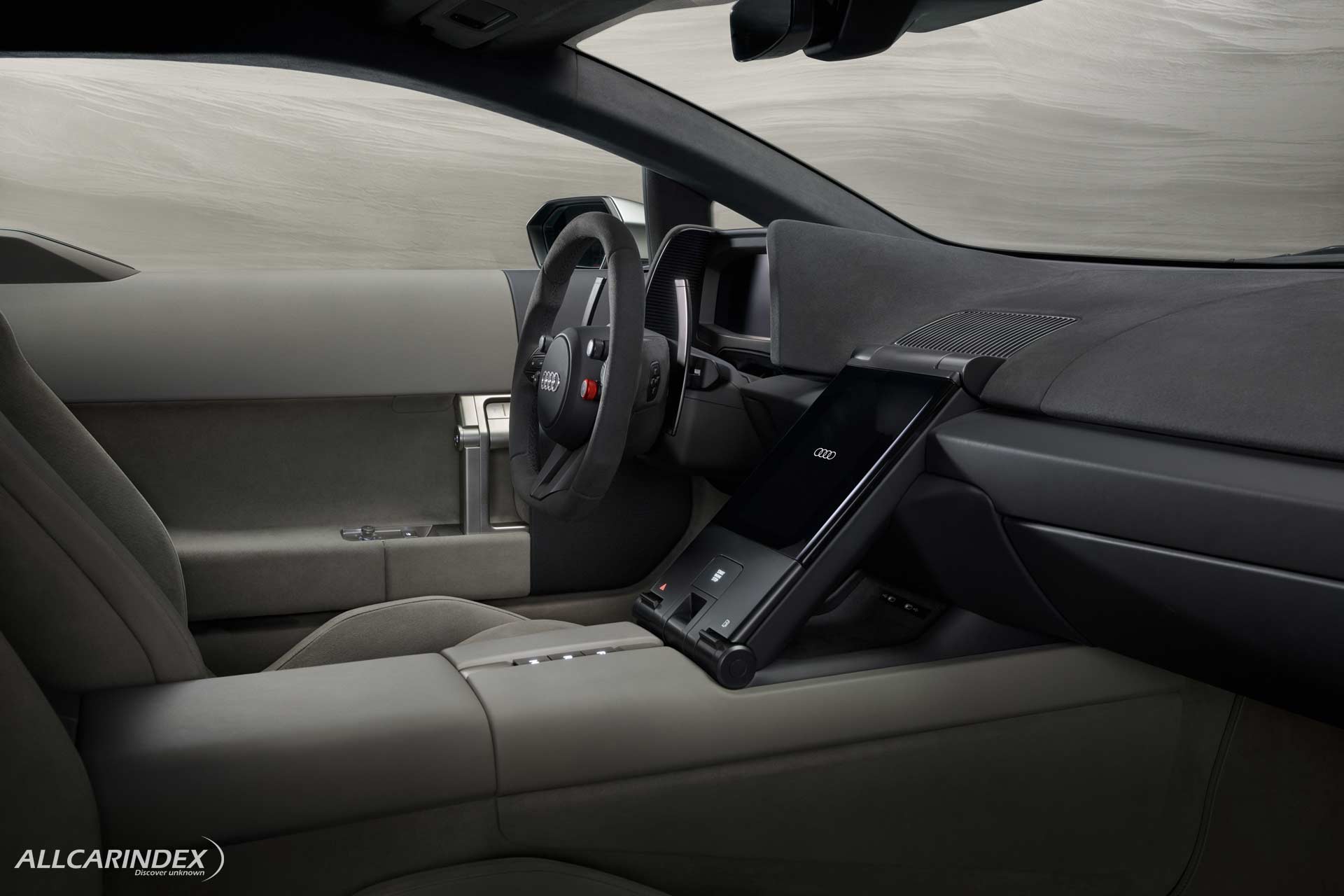
Inside, the Nuvolari follows a focused cockpit layout. Audi describes the controls and displays as being arranged around the driver, with key information kept within the driver’s field of view. Physical controls and digital interfaces are presented as part of one operating logic, while the cabin uses dark tones at the front and a lighter Shadow Dune section behind.
The name refers to Tazio Nuvolari, the Italian racing driver associated with pre-war motorsport and Auto Union history. Audi links the car’s identity to that motorsport background, while also referencing the Auto Union Type C through details in the human-machine interface.
For a knowledgeable supercar audience, the Nuvolari is notable less as a single headline figure and more as a complete systems project. Its hybrid powertrain, active aerodynamics, predictive all-wheel-drive control, carbon-intensive structure, brake-by-wire system, and energy recovery strategy are presented by Audi as integrated parts of one vehicle architecture. The result is a near-production Audi supercar built around a high-output combustion engine, three electric motors, and extensive Formula 1-influenced development work.