aci-logo

Metz

1909-1921

Brand Data

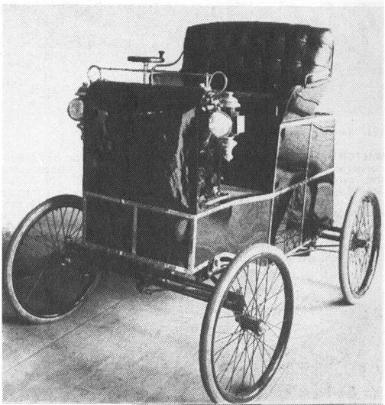
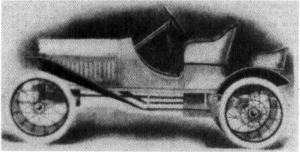
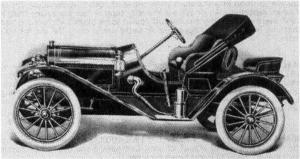
This American automobile marque was produced by the Waltham Manufacturing Company of Waltham, Massachusetts, beginning in 1909, and later by the Metz Company, which operated under that name from 1909 to 1921. It was the third make of car built by Charles Herman Metz, who had previously produced the Orient Buckboard and Waltham Orient.

The car was notable for its unusual sales method, known as the Metz Plan. Rather than being sold as a complete vehicle, it was offered in kit form divided into fourteen parts groups, each costing 25 dollars. Buyers completed one stage before receiving the next, spreading the cost of purchase over several months. This approach allowed the company to sell off a large stock of leftover parts from the former Waltham Manufacturing Co. without the expense of maintaining an assembly workforce. Once sufficient revenue had been generated through parts sales, fully assembled cars were also offered.

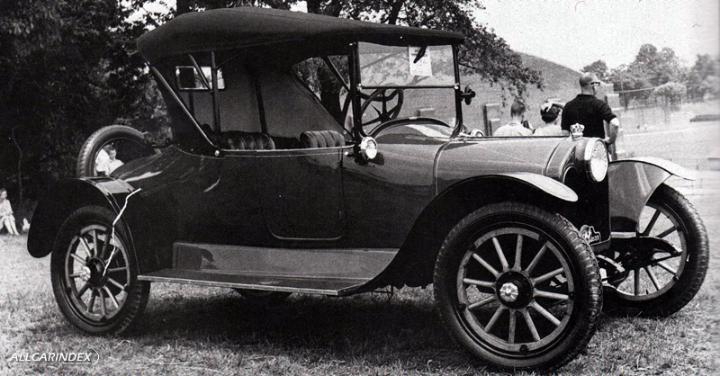
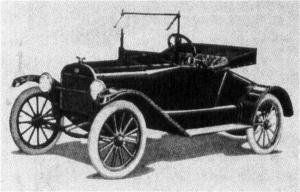
Early models were fitted with a 12 horsepower two-cylinder engine, along with friction transmission and chain drive, and were available only as two-seaters. The friction transmission was marketed under the slogan "a speed for every need," although similar systems were used by other manufacturers of the era. The two-seater roadster remained the sole body style until 1915, when a touring car was introduced. By that time, the original two-cylinder engine had been replaced by a four-cylinder unit producing 22 or 25 horsepower.

The kit-sale scheme continued until 1912, when a four-cylinder Plan Roadster was priced at 495 dollars and a fully assembled Roadster at 600 dollars. Sales peaked in the mid-1910s, reaching 7,163 units in 1915 and 6,130 in 1916. The company also developed a significant export trade, with cars sold in Europe, Australia, and Thailand.

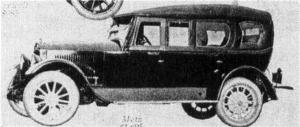
In 1919, the company introduced an entirely new model, the Master Six, a conventional touring car powered by a 45 brake horsepower Lycoming or Rutenber engine, fitted with a three-speed gearbox and shaft drive. For 1920, sedan, tourer, and roadster body styles were added to the lineup, but only 851 cars were sold that year, including 100 coupés and a single sedan. Facing stiff competition from larger manufacturers such as Buick, the marque struggled to maintain its position in the market. In 1922, the name was changed to Waltham Six, but only six cars were sold under that name before production ceased.

Subscribe for Full Access

  • Brands and models — Full galleries and interactive map
  • Exotic car catalog — Full brand details and model specs
  • Documentation archive — Full scans, plus PDF and ZIP downloads
  • Ad-free browsing

From €9.90/month — or €50/year (save 58%)

Subscribe Now
Test your car knowledge

Take a quick quiz or try the Mystery Car of the Week — can you name the car?